


I was standing in my living room and almost tripped over Lego blocks. I have been doing this all day long, and I need my days by the beach back.
This was my story a few years back, and I was wondering if I would see a white sand beach ever again. Then, Boracay happened to me.
Initially, my friends were like, “There are fire dancers everywhere, and the nightlife is lit. What are you going to do with these guys?”
My daughter was 5 then, and my sonwas all of 2 years. I was more worried about toilets, cleaning stations, and a clean place for meals.
Boracay impressed me. It is a fusion of high-energy vacation and a laid-back vibe. Yes, it was a bit expensive by the standards of the Philippines, which is one of the cheapest places to travel in the world.
However, it was okay considering the ease I enjoyed while traveling with two kids.
Hi, in today’s blog, I will talk about the unique things to do in Boracay with kids. If you want to explore more of the Philippines, you can check out my guide on things to do in Siquijor.
How To Reach Boracay?
Yes, this part was a little tricky for me. The travel involved flights, boats, and buses. It was nothing short of a military operation.
However, all the fatigue goes away when the boat hits the jetty, and the turquoise water appears before the eyes.
Also, Boracay is a good mix of modern structures and traditional island life. You will find air-conditioned malls and fancy malls along with the quintessence of the tropics.
What Are The Best Things To Do In Boracay With Kids?
The calm and shallow waters and car-free zones make Boracay a stress-free destination for parents like me.
Also, the Giant Sand Box or the White Beach offers a natural playground for kids. Here is more about the unique things to do in Boracay with kids.
1. The Ultimate Sand Experience At White Beach
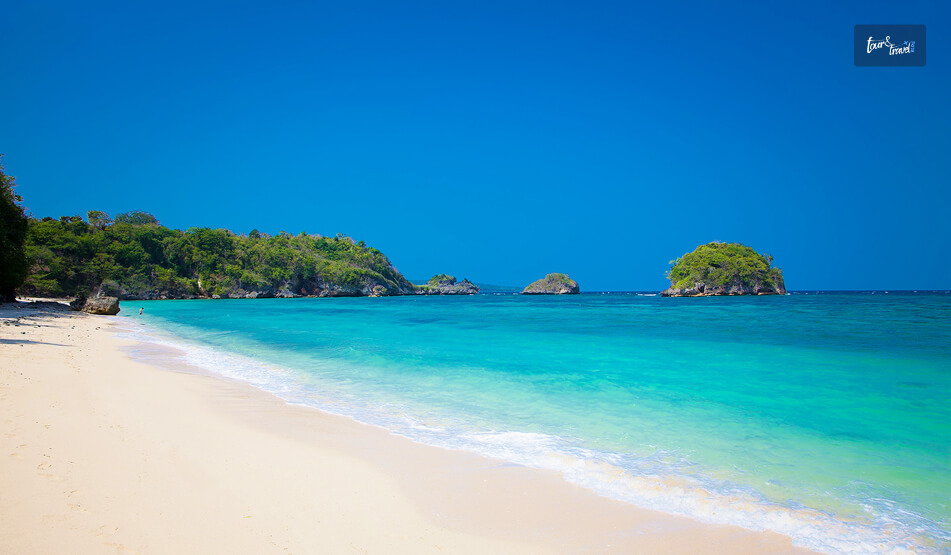
The most beautiful beach in Boracay, White Beach, is enchanting, and where we dedicated most of our time.
White beach stretches for 4 kilometers, featuring stunning white sand, and is the island’s most bustling area. It has three stations (creatively named Station 1, 2, and 3).
The second location is the primary one where we stayed and relaxed.
I anticipated it would be overcrowded, excessively noisy, and not particularly suitable for families. However, that wasn’t true at all.
It was hectic, but not excessively so, and never noisy in my experience. Our children enjoyed it.
If you’re searching for activities in Boracay Station 2, you won’t need to search for too long. Shops, bars, restaurants, tour desks, and massage parlours are found everywhere.
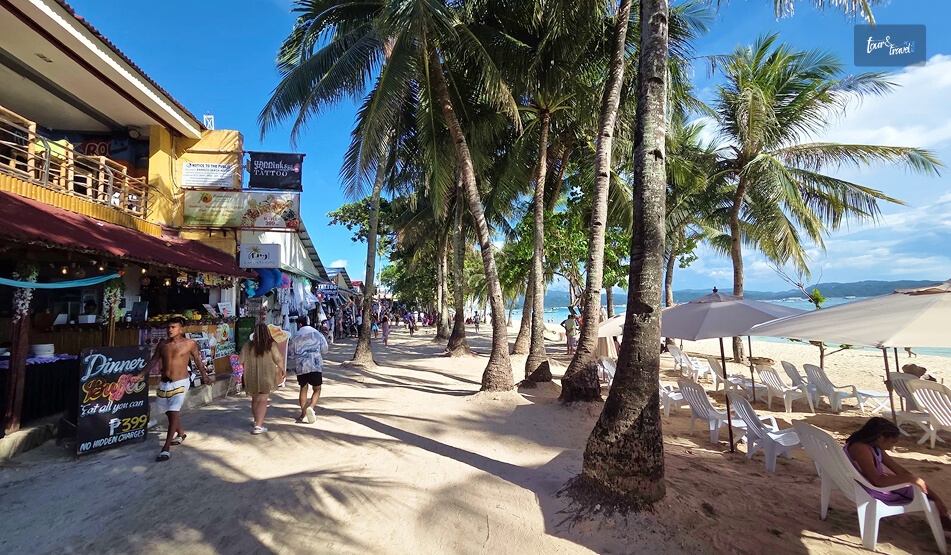
My favorite section was the “beach path,” a wide, sandy walkway that follows the beach and is filled with all the essentials you desire.
I haven’t encountered anything similar anywhere else. It was pleasant to enjoy the main strip free of cars and directly on the beach, instead of having the beach obstructed by hotels or filled with vehicle fumes as seen on numerous other popular beaches.
One of my favorite activities on Boracay Island was simply strolling along this pathway.
There wasn’t a lot of trouble either. While strolling slowly with the kids, we frequently received inquiries about boat tours and purchasing hats, but when I was out alone, very few questions were directed at me, and it was not significant.
Unlike some of the major beach destinations in Asia, such as Bali.
Boracay maintains a laid-back island atmosphere, yet offers plenty of activities to partake in.
2. Enjoying The Relaxed Vibe At Bulabog Beach
This beach is just a kilometre away from White Beach on the island, yet it seems totally different!
Once I departed from the main road, all was still except for the crowing of roosters and the laughter of children.
Rather than resorts and buildings, I observed homes constructed from whatever materials were at hand and meandering paths.
It is said to be the least appealing beach to stay at in Boracay (unless you are a kite boarder), and I was amazed to discover how incredibly fantastic I thought it was.
It is stunning, and in any other place, it would be greatly appreciated. Moreover, it was slightly breezy, yet extremely calm, with almost no one present and no traffic sounds.
I was infatuated! Had it not been too late to cancel our lodging at the next place, I would have stayed here for two nights instead.
White Beach is more beautiful and may have been better for us, as its central location to everything is crucial with young children.
If I returned, I would remain here. I’d simply ensure I was at the end of the beach facing D’Mall, where there are several restaurants, making it easier to stroll the 500m to D’Mall and return to the main area for activities to enjoy in Boracay with family.
3. Water Activities In Boracay
Of course, the primary draws in Boracay relate to the beach and the ocean.
Numerous water activities exist.
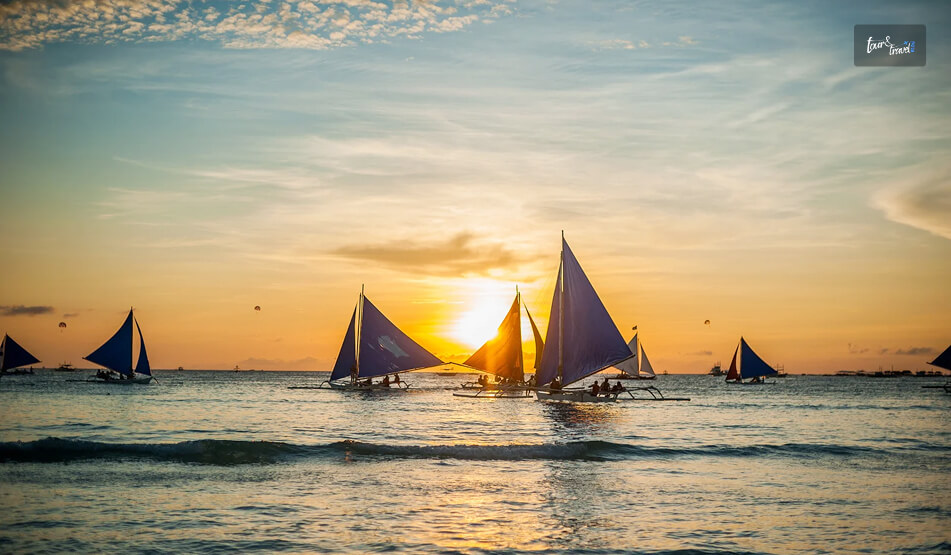
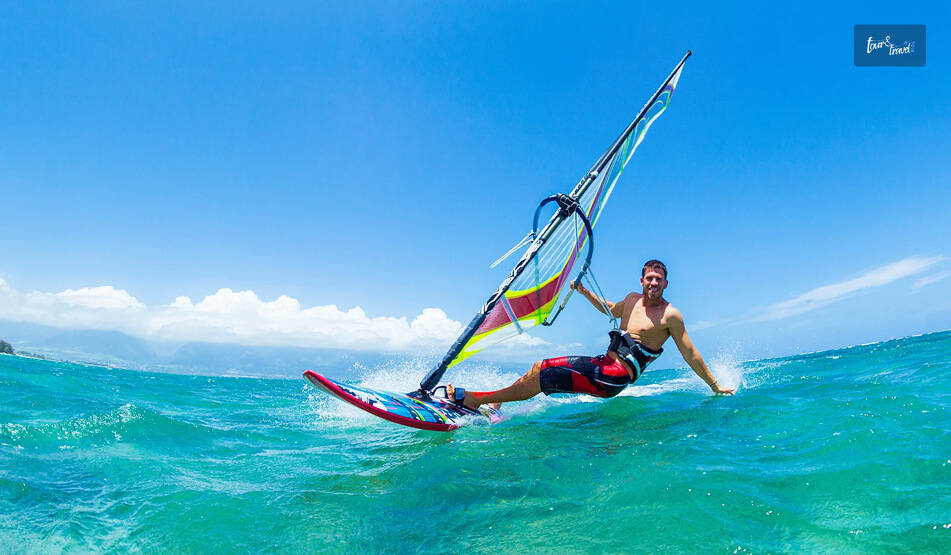
The primary activities appear to include island hopping excursions, sunset boat trips, glass-bottomed boat experiences, snorkeling, diving, windsurfing, and kiteboarding, essentially anything related to water! Naturally, there is spending time at the beach.
You can rent a boat for a very low price. We completed this task in one day for 1000 pesos in an hour.
It was just a bit more than purchasing a tour and allowed us to choose the timing. S didn’t find this very impressive, likely because she had to sit on netting that was somewhat rough.
They also don’t approach the shore directly, so you have to wade into the water. You can clearly employ them to transport you to any place you prefer. Anyone want a private beach?
Here, you can reserve numerous activities in Boracay in advance.
4. Shopping At D’Mall
D’Mall is the main shopping district of the island and is truly impressive.
When I learned about it, I pictured many small market stall-like spots, but it’s more similar to a large outdoor shopping center featuring small boutiques, trendy eateries, and bars.
In the center, there is a small ferris wheel that is an ideal activity for kids in Boracay.
Numerous massage establishments exist (typically 350 pesos for an hour, comparable prices for manicures and pedicures), excellent restaurants offering various cuisines, trendy bars, and everything required for a pleasant and relaxing experience.
We dedicated the majority of our time to eating, swimming in the pool, or playing on the beach. Our primary aim was to unwind and commemorate a significant milestone.
Get Your Nails Done Or Have A Massage
Doing the nails might not be the initial idea that comes to mind when considering the activities in Boracay, but it certainly was a success for us!
My daughter and I were very pleased to have her nails done. This is another affordable activity in Boracay – it’s a fantastic deal.
Best Family Resort In Boracay
We suggest utilizing HotelsCombined to discover the top lodging options in Boracay. It displays hotel prices from various booking platforms, allowing you to discover the best offer.
Here are some excellent family accommodations in Boracay.
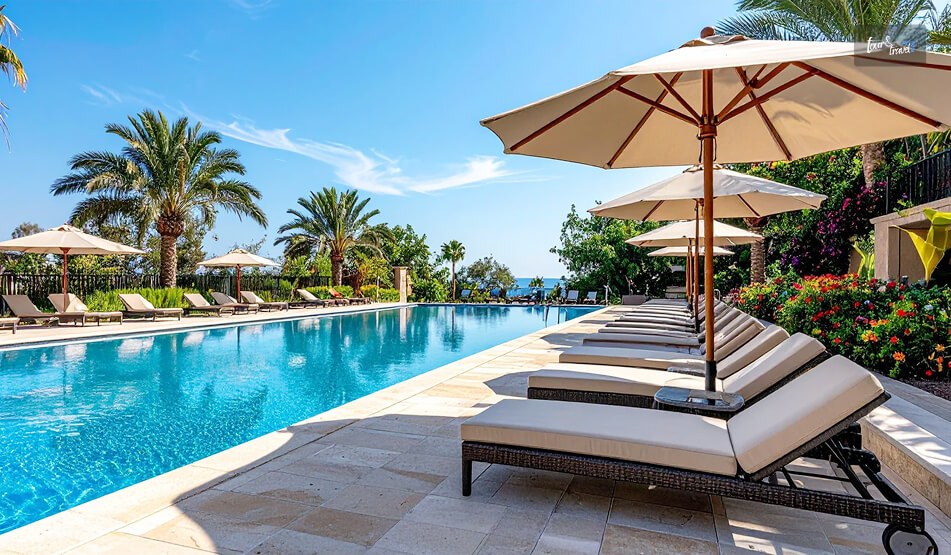
1. Boracay Vacation Resort
We stayed here. We spent roughly $140 per night for a “bachelor pad,” resembling a spacious studio apartment.
The space included a compact kitchen and dining sections, two queen beds, and ample room.
However, they only clean the rooms upon request. So, it can schedule housekeeping at your convenience.
Typically, the cleaners tend to come when the children are asleep. There’s an additional charge for wifi in your room and for gym access.
The hotel features a pool and a children’s pool that we enjoyed greatly! We also liked the bar by the pool. We ordered room service a few times.
It was enjoyable and quite affordable. The disadvantage was that this hotel is on the main road, a block away from the beach at Station.
It only took a few minutes to reach the beach (Boracay is small). So, we are close to amenities like the supermarket.
2. Beachcomber Resort Boracay
For those seeking a top-notch resort in Boracay, Philippines that offers value, beachfront access, and is ideal for families, this is an excellent option.
There is a fantastic pool, and it’s an excellent family resort in Boracay. Click here for the most recent prices.
3. Shangri-La’s Boracay Resort And Spa
This is a fantastic choice if you desire a beautiful resort located by the shoreline, away from the noise and chaos!
This upscale resort provides outstanding facilities and is probably the top lodging choice on Boracay Island.
Last time we checked, two children under 12 can stay for free as well. Follow this link to see the latest prices.
4. Monaco Suites De Boracay
This resort offers breathtaking views and delightful lodgings, featuring one-bedroom suites that deliver plenty of room for families. Click here to see the latest prices.
Food In Boracay
Eating was one of my favorite activities in Boracay! There are countless excellent food options – you won’t struggle to find something you enjoy.
A variety of distinct cuisines exists. Buffets are great during the evening, and the coastline offers a lot of options.
This was excellent for us since it wasn’t significantly pricier than ordering à la carte, as the kids ate free with the buffets.
Interestingly, we both enjoyed our greatest steak ever at what appears to be the finest buffet in Boracay.
It was definitely the most expensive one we encountered, but at under $20 and with free admission for our kids, it was absolutely worth it, and we returned again.
We ordered room service and had a picnic by the beach. Everyone was pleased with the meal.
Getting Around In Boracay
We seldom did anything apart from walking. All we might require is nearby, as we are at Station 2. You can flag down tricycles on the main road for 10 pesos, which we did from time to time. Our stroller was not an issue.
You can find information on how to reach Boracay here. We journeyed from Kalibo to Boracay and then from Boracay to Roxas City, continuing on to Iloilo.
You can arrange your airport transfers to Boracay in advance here.
Keep These Things In Mind Before Your Visit
Everything appears quite inexpensive to us, but we haven’t spent a lot of time in other parts of the Philippines so far.
I believe this is likely the best approach, as we might now discover much cheaper options elsewhere, rather than arriving here last and encountering very high prices.
I am aware that we purchased beverages and snacks at the airport for less than at the grocery store here.
1. Accommodation Is Expensive In Boracay
Accommodation is undoubtedly costly.
I searched for the ideal accommodation in Boracay for us. I even cancelled two locations before finally securing the place we chose.
We are investing more in lodging in Boracay than anywhere else, and it is far from being our top hotel. There are definitely less expensive options, but with our children so young, we are quite particular.
Anticipate higher costs here compared to other locations (even though we are currently in peak season, which lasts more than half the year, and the off-season is not ideal for weather).
2. The Supermarkets Have Everything
The supermarkets appear to carry nearly everything, including some global items like Weetbix. Regrettably, they lack soy milk.
My son cannot handle dairy, so it’s fortunate that we packed plenty of formula for this exact scenario. Thankfully, there is significantly more formula present here than in Thailand.
The laundry was inexpensive and easy to locate. Our nearest one cleans, dries, and folds for under a dollar per kilo.
3. ATMs Can Be A Problem
My main complaint would be the ATMs. As we discovered at the airport, they don’t always function properly.
Following online research, it’s common that the maximum withdrawal is 10,000 pesos (almost $250), and standard fees are 200 pesos (around $5). This is lame! Thus, we are utilizing our credit card whenever feasible.
All in all, Boracay is amazing!! And receives our collective approval. We feel unhappy about departing. Boracay is an excellent destination for families, offering numerous attractions to explore.
You can also learn about traveling to Boracay and explore our other experiences in the Philippines. Also, one of our favorite spots in the Philippines is Bohol.
What activities do you enjoy most in Boracay with children?
Sibashree is a travel, culture, and leisure writer who has been writing since the age of 12 and professionally since 2014. With more than a decade of travel writing experience and journeys across India and several parts of the world, she brings a deeply personal and thoughtful perspective to her work. A student of English Literature and Mass Communication, Sibashree has always viewed travel as more than movement — for her, it has been a way of understanding people, cultures, and herself. Her passion for spiritual exploration has also led her to many unusual and meaningful destinations over the years. Outside of writing, Sibashree enjoys watching European cinema, reading about global politics, and reflecting on the stories hidden within everyday places.
Imagine waking up to the serene sound of waves on the Amalfi Coast or savoring a cup of freshly brewed espresso on a sunlit terrace overlooking the rolling Tuscan hills. This is the enchanting promise of a villa rental in Italy—a unique blend of luxury, comfort, and cultural immersion that transforms an ordinary vacation into an extraordinary adventure.
In this guide, we'll explore the intricacies of planning the perfect Italian rental villa getaway, from selecting the ideal location to making the most of your stay.
Why Choose a Rental Villa in Italy
Italy, with its rich history, stunning landscapes, and vibrant culture, offers a diverse array of rental villa options. These properties range from rustic farmhouses in the heart of vineyard country to opulent mansions on the shores of the Mediterranean.
Unlike typical hotel accommodations, villas offer a heightened level of privacy and space, allowing you to unwind in a setting that feels genuinely your own. Moreover, a luxury villa rental in Italy is not just about luxurious lodging; it's about immersing yourself in Italian life, experiencing the local customs, and enjoying the freedom to explore at your own pace.
Finding the Right Villa
Selecting the perfect villa is a journey in itself. Start by considering the location—each region of Italy offers something unique. A villa in Tuscany might provide rustic charm and proximity to historic cities, while a Sicilian beachfront property offers stunning seascapes and a laid-back vibe.
Consider the size and layout of the villa, ensuring it accommodates your party comfortably. Amenities are crucial too—do you need a fully-equipped kitchen, Wi-Fi, or a private pool? When it comes to amenities, think about your dream vacation and choose a villa that turns that dream into reality.
Timing and Booking
The best time to book a villa in Italy largely depends on your vacation preferences. The summer months are bustling with energy and warm weather, ideal for beachside villas or enjoying the lively Italian summer culture.
However, the shoulder seasons—spring and autumn—offer milder weather, fewer tourists, and often more attractive rates. Regardless of the season, booking in advance is crucial, especially for popular destinations or unique properties. Early booking not only secures your preferred dates but often provides more competitive prices.
Planning Your Stay
Tailoring your stay is what sets a villa vacation apart. Beyond just a place to sleep, villas can be the centerpiece of your Italian adventure. Many offer unique experiences—imagine participating in a cooking class in your own kitchen, guided by a local chef, or enjoying a private wine tasting in the villa’s cellar.
Plan these activities ahead of your stay to ensure availability and to fully immerse yourself in Italian culture. Also, consider any special requests or needs you might have—some villas offer services like childcare, personal trainers, or event planning.
Making the Most of Villa Amenities
The amenities offered by Italian villas are often what make your stay truly memorable. Many villas boast private pools, stunning gardens, and outdoor dining areas—perfect for enjoying the Italian sun. Inside, you might find fully equipped kitchens, state-of-the-art entertainment systems, and luxurious bedrooms. Some villas even come with staff—housekeepers, cooks, and concierges—who can enhance your stay by taking care of daily chores, preparing meals, or helping you navigate the local area.
Exploring the Local Area
Your villa rental is a gateway to exploring Italy's rich tapestry of culture and history. Venture out to local markets to sample fresh produce and regional specialties. Visit nearby historical sites and immerse yourself in Italy's deep history. Or simply stroll through local villages, enjoying the architecture and friendly faces. Remember, part of the joy of a villa rental is the freedom to explore at your own pace, discovering hidden gems and creating unique memories.
Practical Considerations
When planning your villa vacation, there are several practical considerations to keep in mind. Transportation is one—while some villas are easily accessible by public transport, others might require a car rental, especially in more remote locations.
Familiarize yourself with the local language and customs to enhance your interaction with locals and enrich your experience. Safety is another consideration—ensure you are aware of any local guidelines or regulations, particularly if you're traveling with children.
Conclusion
Choosing a villa rental in Italy offers an exceptional opportunity to experience one of the world's most beloved destinations in a unique and intimate way. It's a chance to create a vacation that is not just a break from everyday life, but a rich, immersive journey into the heart of Italian culture and luxury. With careful planning and a spirit of adventure, your Italian villa getaway can be a dream come true, filled with memories that will last a lifetime.
Read Also:
Which Is The Largest Freshwater Lake In India?
12 Best Things To Do In Sanibel Island – Tour And Travel Guide
Exploring The Unexplored: Which Is The Best Time To Visit Darjeeling?
Have you ever been to a place where the clarity of the water feels like liquid air? Yes, you have heard it right. I am talking about the waters of Raja Ampat in Indonesia. Also, the dense coral reefs here look like a kaleidoscope in motion.
Its strategic location in the Coral Triangle in West Papua has also blessed it with a diverse marine life. Did you know that Raja Ampat has “75% of the known coral species” and more than 1,320 species of reef fish (Source: UNESCO)?
No wonder it is called the Amazon of the Seas. Also, with UNESCO designating it as a Biosphere Reserve on 27th September, 2025, it is now one of the just two places on the earth to have the distinction of being a UNESCO Global Geopark and Biosphere Reserve at the same time.
So, consisting of four islands (Raja Ampat means Four Islands), Waigeo, Salawati, Batanta, and Misool, Raja Ampat is like the biological "bullseye” as the most diverse marine habitat on the planet.
Hi, in this Raja Ampat marine life guide, I will be talking about what marine species to see in Raja Ampat Indonesia.
Also, if you want to make the most of the underwater wonderland of Raja Ampat, check out our Raja Ampat diving trips.
With an unbelievable marine life and rock formations that go back to 400 million years, Raja Ampat is the “living laboratory” of marine conservation according to UNESCO.
So, when the water here has more than a thousand species to spot, let’s find out the Big 5 of the water here. These creatures are unique, and they are majestic. They also represent the mystery of water.
1. Manta Rays (Oceanic Manta And Reef Manta)
Raja Ampat is one of the rarest places in the world to have oceanic and reef Manta Rays. You can even spot them at the same time at the same cleaning station.
Oceanic Manta Vs Reef Manta
Reef Mantas, with even a massive 5-meter wingspan, are smaller than the Ocean Mantas. The wingspan of the Ocean Mantas is close to 7 meters.
Furthermore, Reef Mantas stay in large, social groups, while the Oceanic Mantas are pelagic wanderers.
Also, Oceanic Mantas feature a “T” shape on their shoulders. On the other hand, you can identify Reef Mantas from the “Y” or “V” shapes on their back.
What Are The Best Sites For Spotting Manta Rays In Raja Ampat?
Manta Sandy in the Dampier Strait and Magic Mountain in Misool are the best places for spotting Manta Rays.
In the Dampier Strait is a quintessential cleaning station for Reef Mantas. The site is shallow, and you will find the Reef Mantas moving over the "bommes" with cleaner wrasse doing their work.
Furthermore, Magic Mountain is the place where you will find both species. So, it looks like a Manta Ballet against the backdrop of the dark blue water.
2. Walking Shark Raja Ampat (Epaulette Shark) And Where To Find Them
The Walking Shark, or the Epaulette Shark, is the mascot of Raja Ampat. These are called walking sharks because they can use their pectoral and pelvic fins like legs. So, they do not swim and “walk” across the sea floor.
These are nocturnal hunters, strictly. If you are going night snorkeling at Sawinggrai or Arborek, you will spot them walking past your mask. It’s a surreal experience, I must say!
3. Wobbegong Sharks
The Wobbegong Sharks usually rest on the seabed. They also remain tucked under a coral ledge.
Wobbegong Shark Sightings: Spotting The Masters Of Camouflage
These sharks are also known as “Carpet Sharks.” They have mottled and ornate patterns. So, they can disguise themselves well. You will also spot a beard of fleshy tassels around their mouths.
You will often mistake these predators for a piece of weed-covered reef. Sardine Reef in the Dampier Strait and various areas around Misool to find the Wobbegong Sharks.
4. Pygmy Seahorses
Pygmy Seahorses in Raja Ampat come in various species, such as Bargibant’s, Denise’s, and Pontoh.
Bargibant’s is the most popular, and they have pinkish nodules, which match the color of their host coral. Bargibant also hides in the Gorgonian fans. They never leave their specific host fan, spending their entire lives blending into its polyps.
Denise’s pygmies are slender, and the whitish Pontoh pygmies are found on hydroids and algae.
Pygmy Seahorse Habitats In Raja Ampat
You will love exploring the top Raja Ampat dive sites in search of the Pygmy Seahorses. Dampier Strait, especially sites such as Cape Kri, Blue Magic, and Misool, are the best sites to spot these adorable marine creatures.
5. Cetaceans (Whales And Dolphins)
The archipelago has deep-water trenches and powerful currents. So, the water is an important highway for marine animals.
Spotting The Whales And Dolphins
The Dampier Strait is a primary migration corridor. So, you will frequently spot Spinner and Bottlenose Dolphins near your diveaboards in Raja Ampat.
Furthermore, you will find Pilot Whales, Sperm Whales, or Orcas in the deep channels between the islands.
Rare & Macro Critters: A Photographer’s Dream
Raja Ampat coral diversity and the macro critters make it a favorite of photographers. You will come across diverse, bizarre animals in the reef.
1. Nudibranchs And Flatworms: The Living Jewels Underwater
Nudibranchs or sea slugs are vibrant, and they shine like jewels in the deep blue water of Raja Ampat, thanks to their neon shades.
You will find various species of nudibranchs and flatworms in the waters of Raja Ampat. Chromodoris is the most common species, and they look unreal. They feel like they're straight from the pages of sci-fi movies.
You will find them in Misool areas such as Nudi Rock and Lalosi in the Dampier Strait.
2. Blue Ringed Octopus And Cuttlefish
The tiny and lethal marine wonders, blue-ringed octopuses, come with a brown body. They pulse with glowing blue rings when they feel threatened.
Another marine wonder is the Broadclub Cuttlefish. They use their skin as a television screen. So, you will notice changing colors and patterns in seconds.
Misool, Dampier Strait, and water near Mioskon Island are the best places to find these macro marine creatures.
3. Wonderpus And Mimic Octopus
You will find Mimic Octopus mainly in sandy areas. As the name suggests, they can impersonate other sea animals such as lionfish and sea snakes.
Wonderplus has long and slender arms. Also, Wonderplus has intricate white patterns on its rusty brown body.
Spot these stunning marine animals in the water of Misool, Waigeo, and Batanta.
Marine Life By Habitat: Where To Look
The best diving and snorkeling site for you in Raja Ampat will depend on the marine experience/animals you want to encounter.
So, you have to understand the habitat.
1. The Blue Water Mangroves
The Blue Water Mangroves are in the Passage or near Gam Island. These are not usual muddy mangroves.
The water here is crystal clear, and it functions as a juvenile fish nursery where you can see soft corals growing on tree roots. It is a rare phenomenon.
2. The Seamouts
Magic Mountain or Sardine Reef are the seamouts, and they are the main action spots because of their position in the path of strong currents.
The strong current here attracts many pelagic species. So, you will find "walls" of Bigeye Trevally, schools of Grey Reef Sharks, and thousands of Barracuda.
3. The Muck
Muck diving is a technical term, and it means exploring the sandy bottoms of the water. It is wrong to consider this place as empty, as you will find the rarest critters, such as Bobtail Squid, Seahorses, and Frogfish, here.
These critters usually remain hidden in plain sight.
Raja Ampat Marine Life Calendar
Do you have some must-see species in mind when exploring the Raja Ampat marine life? You have to know the ideal season for spotting them, as the marine life of Raja Ampat changes with each season.
MonthWater ConditionsManta SightingsHighlightsOctober - NovemberCalm seasModerateWhale shark season (Cendrawasih)December - FebruaryPeak calmVery HighPeak Manta season; large schoolsMarch - MayGlassy waterModerateGreat for Cetaceans (Whales/Dolphins)June - SeptemberWindy/ChoppyLowBest for Macro and Nudibranchs
Snorkeling Vs. Diving In Raja Ampat: What Can You See?
The reefs of Raja Ampat are healthy, and the water is crystal clear. So, even if you are not a professional diver, you can see most of the marine life in the top 5-10 meters of water. In other words, the marine life of Raja Ampat is equally accessible to a snorkeler and a diver.
Still, here is a quick breakdown of the experience you can expect during snorkeling and diving.
1. What You Can See In Snorkeling
See blacktip reef shark pups, green turtles, and massive giant clams, just a few meters from the beach. Furthermore, you will spot Manta Rays at Manta Sandy from the surface.
Other icons to spot for snorkelers are the Wobbegong Shark and the endemic Papuan Walking Shark under the jetties or in the shallow reef flats.
The Blue Water Mangroves are the ideal spots for snorkeling if you are looking for unique habitats. Here, you will find vibrant corals growing on mangrove roots.
However, if you are looking for an aquarium effect, you have to snorkel near village jetties such as Arborek or Sauwandarek. These jetties function as artificial reefs. So, you have to just look down from the pier to find massive schools of batfish, fusiliers, and giant clams.
2. What You Can See During Diving
Pygmy Seahorses or Wobbegong Sharks typically hide at depths of 15–30 meters. So, divers can easily access them, and a snorkeler may not find them easily.
While snorkelers see the "greatest hits," divers get access to the sheer scale and the "hidden" details of the Coral Triangle.
Also, as a diver, you can sit at the corner of a reef, such as Cape Kri, with strong currents, to find the Grey Reef Sharks, Giant Trevally, and Barracuda hunting in the deep blue.
Furthermore, sites such as Friwen Wall or Melissa’s Garden offer dramatic drop-offs where you can see the transition from sun-drenched hard corals to deep-water Gorgonian sea fans.
Moreover, divers can enjoy the underwater mystery at night to the fullest. Spot panish Dancers, Eels, and Crustaceans that hide in the deep crevices of the reef.
"The Nocturnal Shift": Why Night Diving Is Mandatory
After sundown, the waters of Raja Ampat transform into a completely different landscape. The reef looks surreal.
Night is the only time to spot the Walking Sharks hunting.
Furthermore, once the Sun sets, marble shrimps, slipper lobsters, and sponge crabs come out from the cracks in the coral. So, it is like a crustacean explosion.
Want to see the bioluminescence? Just turn your dive light off and wave your hands. You will find the bioluminescent plankton sparkling in the water.
Quick Comparison: Snorkeling Vs. Diving
FeatureSnorkelingScuba DivingEffortLow Effort: Jump in from the beach or boat.High Effort: Gear setup and boat transit.VisibilityBest in the top 5m (sunlight).Great at all depths (up to 30m+).Best ForCoral gardens, Turtles, and reef sharks.Pygmy seahorses, Drift dives, Walls.Main AdvantageUnlimited time; "unplugged" feel.Observing behavior; seeing tiny life.ConstraintLimited by surface weather/choppiness.Limited by "no-decompression" time.
Conservation And Responsible Interaction
A collective conservation effort between the visitors and local communities helps to maintain the fragile beauty of Raja Ampat.
The Raja Ampat Marine Park Entry Tag (PIN): All visitors must pay an entry fee. This "PIN" supports the patrol boats that prevent illegal fishing and funds community health and education programs.
Rules for Manta interaction: To keep the Mantas coming back, there are strict rules. No touching, no chasing, and no flash photography at cleaning stations. Always stay lower than the Mantas and give them plenty of space to fly.
Lens Guide For Photographers: Capturing The Marine Life Of Raja Ampat
Raja Ampat is a real test for photographers as the marine life is happening and unpredictable.
If you want to capture the Mantas, schools of fish, and the stunning reefs, you can use the Wide Angle (10mm - 24mm).
On the other hand, if you want to shoot the Pygmy seahorses, shrimps, and Nudibranchs, you must use the 60mm/100mm macro lenses.
Raja Ampat Marine Life Guide: Expert Tips
Check the Current: The "split current" at Cape Kri brings the most action. You have to dive with the current.
Look for Gorgonians: Stop swimming and stare at a Gorgonian fan to find the pygmy seahorses. The bumps, looking out of place, indicate their presence.
Don't Ignore the Jetty: The pillars under Arborek Jetty are world-class. They are covered in soft corals and schools of Batfish.
Night Snorkeling is Safe: Don't be afraid! Shallow night snorkeling or night diving is the best way to see the Walking Shark.
Manta Hygiene: At cleaning stations (like Manta Sandy), stay low and don't exhale bubbles directly under a Manta; it can startle them.
Mangrove Magic: Visit the "Blue Water Mangroves" near Gam. The water is crystal clear, showing soft coral growing on tree roots.
Reef Hook Etiquette: Only hook onto dead rock. Never hook onto live coral or sponges.
The "60-Minute" Rule: Keep your camera battery 100% charged, as many sites are shallow and dives can last over an hour.
Watch the Triggerfish: Titan Triggerfish are aggressive when nesting. If they raise their dorsal fin, you must swim away horizontally.
Listen Underwater: In the Dampier Strait, you can often hear the clicks of dolphins before you see them.
Listen To The Authority Voices: A Raja Ampat Marine Life Guide
Want to know what the authorities are saying about the Raja Ampat Marine Life? I have curated their take on the Raja Ampat waters and marine life from their various interviews and insights.
1. Mark Erdmann, The VP Of Marine Asia-Pacific, Conservation International
Overtourism remains a concern for the conservation of the Raja Ampat marine life. In a Raja Ampat Research & Conservation Centre Report, Mark Erdmann mentioned,
“If there is nothing else done to further control and limit the growth of tourism in Raja Ampat, there is no doubt that within five years we are going to see major problems in places like the Dampier Strait, where it is already reaching the carrying capacity.”
He also said,
“Misool represents one of the most pristine reef systems left on earth — one of only a handful of places in the universe where biodiversity is improving rather than declining.”
2. Sylvia Earle (Oceanographer & Explorer)
She has designated the Coral Triangle (specifically the Birds Head Seascape) as a "Hope Spot," calling it one of the most important places for marine biodiversity on Earth.
Dr. Sylvia Earle designated the Misool Marine Reserve in South Raja Ampat as a “Mission Blue Hope Spot” in 2017.
Max Ammer (Pioneer Of Diving In Raja Ampat)
Max Ammer has veen always vocal about the resilience of Raja Ampat’s reefs against coral bleaching. That is why it is stronger than the Great Barrier Reef.
Raja Ampat Shows How Vibrant And Resilient The Ocean Can Be
You can be a first-time snorkeler or a seasoned diver. You will feel a rare and strong connection to the marine world in Raja Ampat. The “Amazon of the Seas” continues to thrive, and with the conservation guidelines and respect intact, it balances the presence of macro and micro marine life.
Plan at least a diving expedition for 7 days, especially in the Dampier Strait region in central Raja Ampat, to meet the Big Five and more.
Raja Ampat Marine Life Guide: Frequently Asked Questions (FAQs)
Here are the frequently asked questions and answers about the Raja Ampat marine life guide.
1. What Is The Most Famous Marine Animal In Raja Ampat? The Raja Ampat Walking Shark, the Carpet Sharks, Pygmy Seahorses, and Manta Rays are some of the most famous and big marine animals in Raja Ampat.However, the colorful corals and endless schools of fish here, along with the macro critters, create an unforgettable marine experience. Raja Ampat became a Shark Sanctuary in 2013. So, you will see different species of sharks here, including: • Wobbegong (Carpet) Sharks• Whale Sharks:• Blacktip & Whitetip Reef Sharks:• Walking Sharks• Grey Reef SharksAlso, barring some minor threats from the Wobbegong sharks (because of their hiding nature), no major threat is observed or reported from the sharks in Raja Ampat. 2. Are There Sharks In Raja Ampat? Are They Dangerous? December to March is the best time to see Manta Rays in Raja Ampat. The plankton blooms are highest in these months, and you will find Manta Rays following each other, creating a train. The northwest monsoon winds create deep-water upwellings, leading to the higher visibility of Manta Rays. 3. Can I See Marine Life If I Only Snorkel? Yes, you can see marine life in Raja Ampat if you snorkel in areas such as Blue Water Mangroves, Friwen Wall, and Arborek Jetty. Within 5 to 10 meters of water, you will find marine life such as Giant Clams, Sea Turtles, Manta Rays, and diverse schools of fish. 4. Is Raja Ampat Safe For Beginner Divers? Yes, Raja Ampat has sites such as Arborek or Sawardarek, which are ideal for beginners. Also, many dives are simple drift dives where the current carries you once you jump into the water. However, you must not overlook the down-welling nature, strength, and unpredictability of the Raja Ampat waters. So, you will need expert guides. 5. What Are Walking Sharks? The Epaulette Sharks or Walking Sharks are harmless carpet snacks. Their movement looks like a walk thanks to their pectoral and pelvic fins, like legs. These endemic species are spotted best at night when they are out hunting. 6. Do I Need A Wetsuit For Raja Ampat? Wearing a wetsuit is not mandatory if you are a snorkeler in Raja Ampat. However, you can wear a 1mm to 2mm thick wetsuit to float effortlessly and provide sun protection. If you are a scuba diver, you will need a 3mm wetsuit even when swimming in the Raja Ampat waters, with an average temperature of 28 to 30 degrees Celsius. The wetsuit ensures that your body remains warm in the water. Also, it protects your body from tiny stinging planktons and hydroids. 7. Are There Whales In Raja Ampat? Yes, there are various species of whales in Raja Ampat. You can spot varieties such as Bryde’s Whales, Pilot Whales, Sperm Whales, Omura’s Whales, and Killer Whales. The Dampier Strait and the Sagawin Strait, to the south of Batanta Island, are the best places to spot these whales. 8. What Is The Visibility Like In Raja Ampat Water? The average visibility in the water of Raja Ampat is around 15 to 25 meters. However, the visibility of the water depends on multiple factors, such as the presence of plankton and nutrients, and the season. In the peak or dry season, between October and April, the visibility is around 15 to 30 meters. On the other hand, in the windy season, from June to September, the visibility is around 10 to 20 meters. 9. Are There Saltwater Crocodiles In Raja Ampat? Yes, there are saltwater crocodiles in Raja Ampat. However, the sightings are rare, and you will find them in areas such as Blue Water Mangroves, The Passage, and remote islands such as Batanta.
Few experiences compare to traveling or living abroad. The thrill of immersing yourself in a vibrant new culture or experiencing the lifestyle of a different country is unrivaled.
But despite the sheer joy of these adventures, many travelers and ex-pats will miss certain home comforts from time to time. Whether it’s your favorite snack or a specific brand of skincare you’ve always used, there are always things we miss when we’re abroad.
But getting your hands on your favorite products when you’re abroad can be a challenge. Local international shops have limited options, and international fees can quickly get expensive. The good news is there’s a simple solution — parcel forwarding services.
If you’re an ex-pat or a globetrotter looking to buy products from home, you’re in the right place. We’ve put together everything you need to know about parcel forwarding in one place.
Understanding Parcel Forwarding
At its core, parcel forwarding is a pretty straightforward concept- pretty much like what Canada shipping companies do. It’s a service designed to make international shopping easier and give access to a wider range of products.
We’ll dig into the specific steps of how it works later, but here’s roughly how it works:
Go to your favorite eCommerce store and shop as you usually would
When it comes to ordering the products, you use a local delivery address that your parcel forwarding service has provided.
The parcel forwarding service receives your order, usually at a warehouse where it will be processed.
The company will ship your parcel to you wherever you are in the world.
Essentially, the parcel forwarding service gives you a local address and then takes care of getting your parcel to you. Plus, they often offer parcel consolidation, so you can order from multiple places and just pay one shipping fee.
The Benefits Of Parcel Forwarding
Obviously, the biggest benefit of parcel forwarding is you can order from anywhere in the world without having to worry about shipping restrictions. But the benefits go well beyond that:
Consolidation Of Multiple Purchases
One of the significant benefits of parcel forwarding services is the ability to consolidate multiple purchases into a single shipment. This not only simplifies the tracking process but can also save substantially on international shipping costs.
Reduced Shipping Rates
Parcel forwarding companies have contracts with leading courier companies, which allow them to negotiate lower shipping rates. These reduced rates are passed on to customers, making international shipping more affordable.
Reliable And Secure
Parcel forwarding services are known for their reliability and security. They ensure your packages are safely stored and securely shipped to your destination. In many cases, insurance is also available for added protection.
Flexible Delivery Options
Whether you need express delivery, standard shipping, or other specialized shipping methods, you can select the best option for your situation.
Efficient And Time-Saving
Parcel forwarding takes the hassle out of international shipping. They manage all aspects, including customs documentation, which can save customers a significant amount of time.
Your Step-By-Step Guide To Parcel Forwarding
Now you understand what parcel forwarding is and why it's a fantastic tool for international shoppers, let's dive into how to make the most of it:
Step 1: Choose Your Parcel Forwarding Service
Start by selecting a parcel forwarding service provider aligned with your needs. Look for a company with a good reputation, transparent pricing, excellent customer service, and flexible shipping options.
Step 2: Setting Up Your Account
Once you've selected a service, the next step is to set up an account. During this process, you'll provide essential details such as your contact information, shipping address, and payment details.
Step 3: Time To Shop!
Now comes the fun part — shopping! When you're ready to checkout, simply use the address provided by your parcel forwarding service.
Step 4: Handling Your Parcels
Once your items arrive at the forwarding service's warehouse, they'll notify you. At this stage, you can choose to consolidate multiple packages or select your preferred shipping method.
Step 5: Forwarding Your Parcels
Finally, your items are forwarded to your current location. Choose your preferred shipping method, pay the associated costs, and wait for your package to arrive!
Tips And Tricks For Parcel Forwarding
Just like any process, there are a few tips and tricks to make parcel forwarding a breeze:
Merge your packages — If you're shopping from multiple stores, take advantage of your service's package consolidation feature. This can significantly reduce your overall shipping costs.
Check prohibited items — Always check the shipping restrictions of your current country before making a purchase. A good parcel forwarding service should have a comprehensive list of prohibited items for reference.
Repackaging options — Look for parcel forwarding services offering repackaging to reduce shipping weight and subsequent costs.
As a traveler or ex-pat, parcel forwarding is a fantastic tool for maintaining access to your favorite products without the hassle and high costs of international shipping. So the next time you crave a taste of home or spot a must-have item, don't let shipping restrictions hold you back.
Read Also:
Why Myrtle Beach Is The Ideal Summer Destination
6 Best Family Holiday Destinations In India
A Traveler’s Guide To Lutsen