Everything great is happening in Valletta’s tourism industry these days. 2025 has been a year of growth and recognition for Valletta, the small capital city of Malta, and a UNESCO World Heritage Site.
In the forest quarter of 2025 itself, Malta received more than 693,000 visitors according to the Tour and Travel World. It was an 18.9% rise from the same period in 2024. Furthermore, in the same period, the tourist spending reached €508.5 million.
In addition, the World Travel $ Tourism Council has chosen Malta as the venue for the WTTC Global Summit, 2026. The 26th edition of the summit will take place in collaboration with the Ministry for Foreign Affairs & Tourism and the Government of Malta.
The prominent landmarks of Valletta, such as the Grand Harbour and St. John’s Co-Cathedral, and activities such as exploring Victoria’s Gate and trying some brilliant craft beer, and cultural richness, have helped Valletta enjoy such growth in numbers and global recognition.
I have been to Malta, and starting from exploring the fortified walls of Valletta to enjoying the serene charm of Valletta Grand Harbour Waterfront, the free things to do in Valletta were the highlights for me. On such a shoestring budget, I was able to enjoy the essence of a city, which even enjoyed the status of the European Capital of Culture 2018.
In this Tour and Travel Blog, I will, of course, talk about the free activities and other fun and interesting things to do in Valletta.
What Are The Things To Do In Valletta?
As I started exploring the city of Valletta, I noticed the signature “Pointed Cross” of the Knights protecting this ancient city from everything evil.
If this is something really spiritual, on the other hand, you will see history becoming alive with the post boxes, telephone booths, and British colonial architecture.
Nevertheless, these are the things to do in Valletta.
1. Visiting The St. John’s Co-Cathedral
Address: Triq San Gwann, Il-Belt Valletta, Malta
Hours Open: 9 AM to 4:15 PM (Monday to Saturday)
Entry Fee: Adults: €15, Seniors: €12, Students: €12, Children (Under 12): Free when accompanied by an adult, €5 Extra for a Belfray Tour, Audio Tour Included
The St. John’s Co-Cathedral is the most prominent example of the Baroque-style architecture of Valletta. The Knights of the St. John built this conventional church for the order in the late 16th century.
You will know about the life of St. John the Baptist from the paintings by Mattia Preti on the ceiling of this cathedral.
Furthermore, there are eight chapels, dedicated to various languages, tapestries, marble floors, and gilded carvings. However, the main focus for me was the painting called “The Beheading of Saint John the Baptist.”
This dramatic work, one of the few artworks signed by Caravaggio, is in the Oratory.
2. Exploring Fort St. Elmo And The National War Museum
Address: Mediterranean Street, Valletta, Malta
Hours Open: 9 AM to 5 PM
Entry Fee: Adults – €10.00, Senior Citizens (60+) and Youths (12-17 Years) – €7.50, Students – €7.50, Children (5-11 Years) – €5.00, Below 5 Years – Free
Fort St. Elmo stands as a witness to the Great Siege of Malta in 1565. It has military paraphernalia and many artefacts.
However, the major appeal of the fort is intangible, and it lies in the fact of how it became a refuge for the people of Malta during the attack of the Ottoman Empire under the leadership of Suleiman the Magnificent.
The Knights, only around 500 in numbers, defeated the 6000 strong army of the Ottoman Emperor.
Furthermore, the National War Museum inside the fort, spanning over seven sections, celebrates the 7000-year-old history of Malta. Some of the exhibits here date back to the Bronze Age (2,500 BC).
You can even request a guided tour of the museum.
Insider Tip:
2025 marked the 900th year of the Great Siege of Malta. A docu-drama called The Great Siege of Malta 1565 was released in 2025. This 45-minute docu-drama celebrates the bravery of the “Hospitalier Order of the Knights of St. John of Jerusalem.”
3. Visiting The Grand Master’s Palace
Address: St George’s Square, Valletta
Hours: 9 AM to 5 PM
Entry Fee: €12 for Adults, €10 for Children Aged 12 to 17 Years and Seniors, Children (6-11): €8, Infants (1-5): Free
The Grand Master of the Order of St. John used to rule Valletta from the Grand Master’s Palace. The armory here is the main attraction, and it has the accessories and outfits of the Knights.
Furthermore, the symbol of power, with its history of 450 years, is once again in the news with its recent renovation work.
It was also the “seat of the first constitutional parliament of Malta in 1921,” and now it is the “Seat of the Office of the President of Malta.”
4. A Guided Tour Of Casa Rocca Piccola
Address: 74 Republic Street, Valletta, Malta
Hours: Monday – Saturday: 10 AM to 5 PM
Audio Tours: From 10 AM
Guided Tours: From 10 AM to 4 PM (On An Hourly Basis)
Do you know that the 9th Marquis de Piro still lives in this 16th-century palace? Join the audio tours or the guided tours to see the swanky furniture and unique staircases.
However, for me, the Bomb Shelters were the main attraction. These are not dark tourism spots. These are the living history of World War II.
When 15 air raids took place in 1942, the people of Valletta saved their lives by hiding in these chambers. These shelters were part of the quarry of the 400-year-old house, and they were made from a solid rock foundation.
5. Know The WWII Stories Of Malta At Lascaris War Rooms
Address: Lascaris Ditch, Valletta VLT 2000, Malta
Hours: 10 AM to 4:30 PM
Entry Fee – Adults: €20, Seniors: €19, 5-15 Years Old: €7, Family: €35, Children below 5 Years: Free
I love history, and even if you don’t, you cannot avoid knowing about WW1 and WW2. These two wars changed the course of human civilization.
At Lascaris War Rooms, you don’t just see the exhibits. You live through the moments of war as you explore the tunnels and labyrinths used as protection from the Italian and German attacks during World War 2.
It’s like getting transported to the 1940s within a minute.
Insider Tip:
I found the War Rooms more fascinating than the National War Museum at Fort St Elmo. Did you know that these War Rooms were used as the headquarters for the Invasion of Sicily or Operation Husky?
6. Visiting The National Museum Of Archaeology
Address: Auberge de Provençe, Republic Street, Valletta, Malta
I was at a loss for words at the National Museum of Archaeology, Valletta. It has everything you need to know about the prehistoric days of Malta.
Once I entered, the first room had exhibits showing how the earliest people settled here, even before the temple establishment period. It had “Red Skorba ornaments” and some “tools” they used in their everyday lives.
I also got to see exhibits from the Ghar Dalam phase (5200 BC), Tarxien phase (2500 BC), and Bronze Age.
Then, I reached the main hall of the museum. It had the Sleeping Lady and other astonishing sculptures and temple carvings.
Among the collectibles from the Temple Period, the Obsidian Core was the most impressive. It was a headless sculpture, in a seated posture.
Housed inside a Baroque building, this museum is now the main attraction of Auberge de Provençe, which was earlier the home of the Knights of the St. John.
Insider Tip:
If you are traveling from any other town in Malta, take a bus to the Valetta Bus Terminal. From there, it is a short distance on foot.
7. Visiting The Upper Barrakka Gardens
Address: 292 Triq Sant’Orsla, Il-Belt Valletta, Malta
Hours: 7 AM to 10 PM
Entry Fee: Free
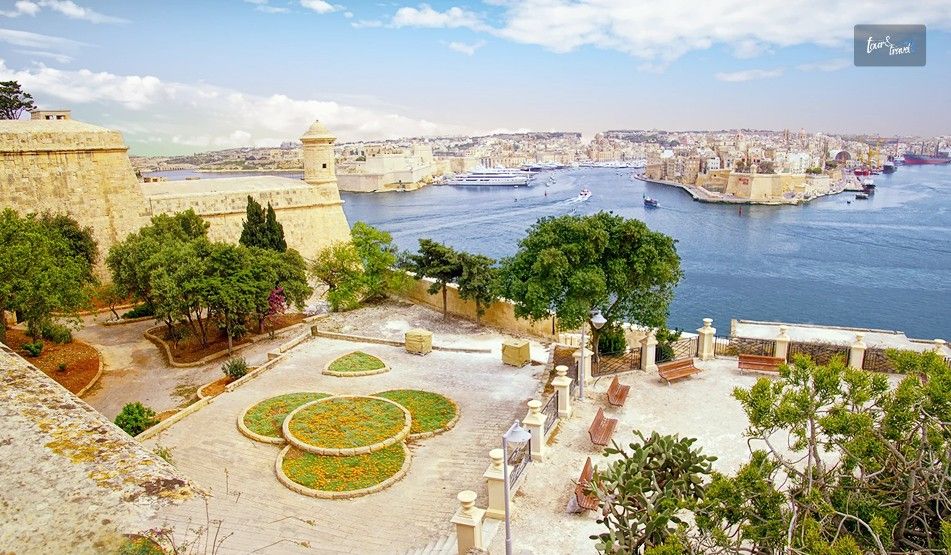
Home to the Siege Bell War Memorial, the Upper Barrakka Gardens offer amazing views of the harbor and the three neighboring cities.
This 16th-century garden was built in the 16th century, and the Knights of the Saint John once used it as a private garden.
Once you are done strolling the Castille Square, you will find the Upper Barrakka Gardens nearby.
Insider Tip:
It’s great to relax at the Upper and Lower Barrakka Gardens and have a sip of your favorite drink. However, at 12 PM and 4 PM, the officials of the Malta Heritage Society get dressed in military uniforms and fire the cannons at the Upper Barakka Gardens.
Now, I had a cup of hot coffee in my hand, and I was not ready for it. So, it fell out of my hand, and it was a mess.
Nevertheless, this tradition has been continued for more than 100 years, and once you attend it, you will know why it is worth it.
Also, you must use the Barakka Lift to travel between the upper and lower Barakka Gardens quickly.
8. Plan A Visit To The Lower Barrakka Gardens
Address: Lvant, Il-Belt Valletta, Malta
Hours: 7 AM to 10 PM
Entry Fee: Free
I know people do not talk much about the Lower Barrakka Gardens. However, that’s a blessing in disguise. It is way less crowded than the Upper Barrakka Garden.
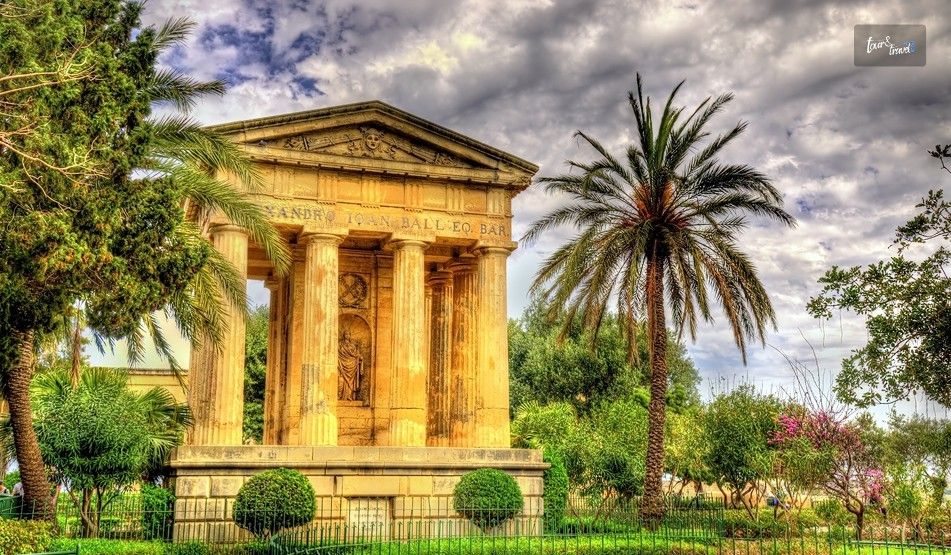
Now, despite having the name as “Gardens,” it is actually a small-scale garden with a few minutes taken to complete the stroll.
However, there is a fort and a waterfront with Greek-style arches overlooking them. You can relax here, have your moments, and make the most of the photo ops.
9. Enjoying The Waterfront
The Baroque houses, surrounding the waterfront of Valletta, were earlier used for storing the essentials of the Grand Master. Now, they are bars and restaurants.
I found the promenade the perfect place to relax and cherish a drink with my eyes set on the ships cruising. The place is more magical after sundown, but there is a trick!
You have to find a cafe or restaurant that is not crowded by tourists. Find yourself a quiet corner.
10. Watching A Performance At The Manoel Theatre
Address: Old Theatre Street, Il-Belt Valletta, Malta
At Manoel Theatre, as a performer of elocution and audio theater for the longest time, I had goosebumps. I was standing at the oldest working theater in Europe.
The wrap-around gallery was the highlight of the building, and I attended an opera performance by none other than Joseph Calleja.
Also, if you want to explore the grand architecture of Manoel Theatre, you can do so every Tuesday. During the summer months, the tours are conducted between 10:30 AM and 12 PM, and during the winter months, these tours continue from 11 AM to 3 PM. Tickets are available at 20.00 €.
11. Trying Local Food
Many people call Maltese ftira a “type of pizza.” However, very few people know that it is a UNESCO intangible cultural heritage, with a history dating back to the 16th century, when it was first prepared in the ovens of the Knights of St. John.
Furthermore, it is a chosen food because of its versatile fillings and its role as an identity of Valletta and, by extension, of Malta. I also loved the coffee here. It was my best companion while taking a stroll across the roads.
Furthermore, if you are in Valletta, don’t miss the Lampuki Pie or the signature fish pie.
How To Reach And Move Around Valletta?
Valletta is well-connected to the world through the Malta International Airport. It is around 9 km away from Valletta, and the short drive took me close to 20 minutes. I took the bus to the City Centre.
You can also book a shuttle in advance or take a taxi.
The city has a well-connected bus route, and it is a small city that you can cover on foot. However, the transport options are island-specific. You can take a Talinja Card or Flex Card for exploring Valletta and Malta.
Also, you can take a ferry service to the Grand Harbour of Valletta to and from Gozo and the Three Cities. You will even get a ferry service from Sliema to St. Paul’s in Valletta.
Insider Tip:
I picked the “Gozo Standard Add-On” card for my day trip. I didn’t have the time for so many trips. But you can use this add-on to enjoy unlimited tours to Gozo Island.
What Is The Best Time To Visit Valletta?
March to May and September to early November are the best seasons to visit Valletta. Valletta has so many historic landmarks and outdoor spaces. The temperature in the early 20s in these months offers you the ideal chance to explore Valletta.
Also, the crowd is quite manageable in these months.
Valletta, At A Glance: Why Does Valletta Offer Such A Rich Experience?
The best thing about Valletta is how compact it is! By compact, I mean it has a big heart, accommodating the best museums, well-preserved Baroque architecture, the Grand Harbour, stone walls, and stories.
From the stories of a 16th-century ghost to being the backdrop of many spy thrillers, such as “The Secrets of Malta” by Cecily Blench, and historical novels such as “The Hidden Palace” by Dinah Jefferies, have added stories to each key attraction of the city.
Also, the stories of the city’s sustenance during World War II and the Great Siege by the Ottoman Turks in 1565 tell us about human resilience.
Location-wise, this Fortress City, with a soft honey hue, stands on the ocean. It is also the dream of a photographer with the Baroque architecture reaching the sky.
Despite being only 1 kilometer long and 600 meters wide, the city of Valletta is very compact, housing many museums, cobblestones, and architecture, and it became the “European Cultural Capital in 2018.
Valletta is very close to the famous Three Cities. These cities are Cospicua, Senglea, and Vittoriosa. The Grand Harbour separates these cities from Valletta.
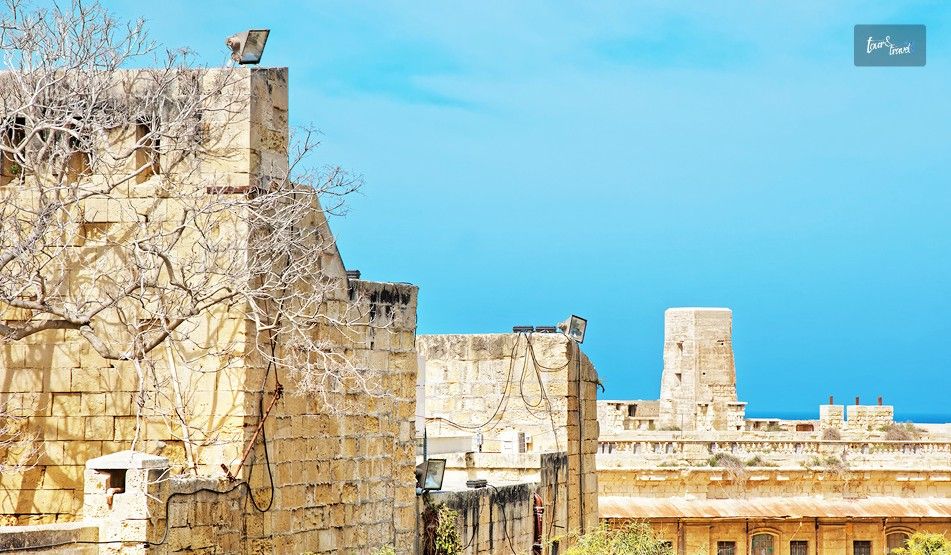
Valletta was built by the Knights of St. John in 1565 after the Great Siege of Malta. It was one of the best fortified cities in Europe and was built in a very short span.
The city got its name from Jean Parisot de La Valette, who was the Grand Master of the Knights of St. John.
Where To Stay In Valletta?
When in Valletta, you must choose a hotel with an amazing rooftop view. The Embassy Valletta Hotel and Palazzo Ignazio are some of the best options to stay in.
The best areas for finding a hotel are the Valletta City Centre, Floriana, The Three Cities, etc.
The hotel charges will be around 300-500 Euros.
Is Valletta Really Worth It? An Honest Confession About The City
Yes, Valletta is a European Capital City with so many historic, religious, and cultural elements. This UNESCO World Heritage Site also has many stories, like the Great Siege of Malta or the attacks of World WW2.
However, the remnants of the British Colonial Rule, like the telephone booths and post boxes, were sore to my eyes and they are a mismatch with the beautiful Baroque architecture and century-old buildings.
Also, it is hard to find a quiet place in Valletta. So, that can be a problem for a solo traveler. Still, the great food and historic thrill of the city make it really worth it!
Even if you are in the city for one day, you can enjoy a stroll around the City Square and at least explore the St. John’s Co-Cathedral to enjoy a slice of Maltese life.
Sibashree is a travel, culture, and leisure writer who has been writing since the age of 12 and professionally since 2014. With more than a decade of travel writing experience and journeys across India and several parts of the world, she brings a deeply personal and thoughtful perspective to her work. A student of English Literature and Mass Communication, Sibashree has always viewed travel as more than movement — for her, it has been a way of understanding people, cultures, and herself. Her passion for spiritual exploration has also led her to many unusual and meaningful destinations over the years. Outside of writing, Sibashree enjoys watching European cinema, reading about global politics, and reflecting on the stories hidden within everyday places.
Canada, with its vast and diverse landscapes, offers some of the most stunning and unique boating experiences in the world.
From the enchanting archipelago of the Thousand Islands in Ontario to the remote and majestic Great Slave Lake in the Northwest Territories!
There is a boating adventure waiting for every kind of traveler. Let’s embark on a journey through Canada’s most picturesque waterways.
Sailing Through The Thousand Islands, Ontario
The Thousand Islands region, set on the Saint Lawrence River, is a boater's dream.
This region is a mosaic of over a thousand islands, each with its own character.
Boaters can navigate around these islands, discovering hidden coves and quaint island communities.
The Thousand Islands Marina is the ideal starting point for this exploration.
Here is an interesting tidbit.
The region is home to the famous Boldt Castle, a symbol of the area’s rich history.
Great Slave Lake, Northwest Territories: A Northern Adventure
Heading north, Great Slave Lake beckons with its deep, clear waters and stunning scenery.
Known for its tranquility and vastness, it’s a perfect spot for those seeking a more solitary boating experience.
The Hay River Marina is your gateway to this northern paradise.
As you sail, remember you’re on North America’s deepest lake, with depths reaching over 2,000 feet.
Tranquil Waters Of Lake Louise, Alberta
In the heart of the Canadian Rockies lies Lake Louise, a gem known for its turquoise waters set against a backdrop of majestic mountains.
The serene environment here is ideal for a peaceful day of boating.
The Fairmont Chateau Lake Louise Boathouse provides access to these pristine waters.
Fun fact: the lake was named after Princess Louise Caroline Alberta, the fourth daughter of Queen Victoria.
Navigating The Gulf Islands, British Columbia
Off the coast of British Columbia, the Gulf Islands offer a temperate climate, vibrant wildlife, and a strong artisan community.
Cruising through these islands, you might spot orcas, seals, and bald eagles.
Straddling the border of Ontario and Manitoba, Lake of the Woods is a captivating destination with its waterways, islands, and diverse wildlife.
With over 14,500 islands, it offers endless exploration possibilities.
Northern Harbour in Kenora is the perfect launch point for your journey across this vast lake.
Our journey starts at Montague Harbour Marine Provincial Park on Galiano Island, a popular launch spot for many explorers.
The Majestic Bras d'Or Lake, Nova Scotia
On the east coast, the large saltwater Bras d'Or Lake in Nova Scotia is a haven for boaters.
Known for its beautiful landscapes and excellent sailing conditions, Bras d'Or Lake has inspired many.
The famous inventor Alexander Graham Bell had a summer home here.
For easy lake access, head to the Baddeck Marine.
Georgian Bay, Ontario: A Freshwater Wonderland
Part of Lake Huron, Georgian Bay is celebrated for its rugged coastline and crystal-clear waters.
Boaters here can explore thousands of islands along the bay.
Beacon Bay Marina is a popular choice for starting this adventure.
A remarkable feature of Georgian Bay is that it contains the world’s largest freshwater archipelago, the Thirty Thousand Islands.
Lake Of The Woods, Ontario/Manitoba: A Boater’s Labyrinth
Straddling the border of Ontario and Manitoba, Lake of the Woods is a captivating destination with its waterways, islands, and diverse wildlife.
With over 14,500 islands, it offers endless exploration possibilities.
Northern Harbour in Kenora is the perfect launch point for your journey across this vast lake.
Canada’s diverse waterways offer an unparalleled experience.
These destinations not only provide stunning natural beauty but also a chance to connect with Canada’s rich maritime heritage.
Remember, when exploring these beautiful waters, it's important to prioritize safety and respect the local environment.
This ensures that these magnificent destinations continue to be enjoyed for generations to come.
So, grab your license and life jacket and set sail on an unforgettable journey through Canada's most picturesque waterways!
Read Also:
10 Best Things To Do In San Diego (USA)
10 Useful Tips For Planning A Trip That You Will Love
Almost a year ago, on 26th March 2025, Xinhua shared a photo of the fishing trawlers in Negombo. Those further gave us an idea about the lives of the fishermen in Negombo.
On a personal level, that photo took me back to my days in Negombo.
Now, many often miss the cultural insights Negombo offers. I mean, if you consider the Tamil culture in Jaffna, or the cultural things to do in Kandy, you also need to experience what Negombo has to offer.
Otherwise, you will not understand how it has kept the soul of a fishermen’s port city alive beyond the glitz and glamor of the prominent international hotels and shops.
Also, Negombo is very close to the Colombo Bandaranaike International Airport. The distance is less than 9 km, and the travel time is around 20 minutes.
So, as expected, it has all the amenities for tourists. However, as always, luxurious facilities have never been the draw for me while visiting a place.
I am the happiest exploring the Ritigala Forest Monastery or climbing the Sigiriya Rock and finding the history at every corner.
So, my reason for a visit to Negombo was not what people usually think of. And in today’s blog, I will introduce Negombo to you through my lens.
How Did I Reach Negombo From Colombo?
I took a tuk-tuk to reach the Colombo Fort railway station from my hostel. Then, I got a train ticket for 80 LKR.
The train was not overly crowded, and traveling solo, and as a believer in the LowDownUnder travel philosophy, I quite enjoyed the train ride.
However, if you want to avoid the hassle, you can also take a bus from Colombo to Negombo.
Where Are The Things To Do In Negombo?
First, I want to highlight that traveling to Negombo has now become easier if you are traveling from India.
The Indian Railway Catering and Tourism Corporation (IRCTC) has started a package called “SHRI RAMAYANA YATRA EX MUMBAI.”
From 21st March 2026 to 27th March 2026, it will be a 6-Night and 7-day package.
The package tour conducted in association with the Sri Lankan Airlines will cover destinations such as Colombo, Dambulla, Trincomalee, Kandy, and Nuwara Eliya.
This tourism package starts from Rs. 71,800/ for adults and Rs. 30,100/ for children.
Now, with traveling becoming easier, you can plan the things to do in Negombo better.
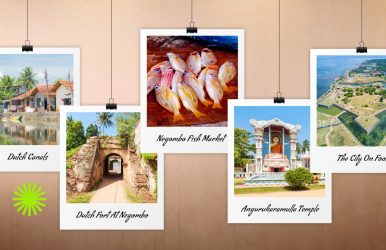
1. Exploring The Negombo Fish Market
I was up at 5 AM as I had to visit the local fish market.
I got into a minivan with my guide, and as we entered the market, the sight of bright silver fish and their smell occupied my senses.
My guide took me through the stalls of tuna, machete, and shark. Then, he drew my attention to the ships filled with fish reaching the market and the heavy bargaining game.
A fish market may not be the most attractive place to visit when you are in Negombo.
However, if you want a true cultural experience and understand the livelihood of the local people, it is the go-to place.
From the fish market, my guide took me to a beach used primarily for drying fish. The intense smell is not for everyone, but many times, I had a similar experience back home.
2. Visiting The Dutch Fort At Negombo
The Dutch Fort was close to the “fish drying beach.” Now, the Dutch Fort is used as a prison.
The fort is constructed with coral stone and granite.
And around the fort, I found many wildflowers blooming.
This simple scene was a moment of learning for me. I once again understood how the universe functions.
It does not matter whether it’s a prison or a temple. A flower can bloom anywhere, and it will always be beautiful.
However, I wanted to have a better view of the Dutch Fort. I climbed up the old clock tower and got a better perspective and better shots of the fort.
3. Visiting The Angurukaramulla Temple
After a trek to the Sigiriya Rock and the Pidurangala Rock, I visited the Angurukaramulla Temple. Like the Sigiriya Rock, for this Buddhist Temple, you also need to make an entry through the mouth of a lion.
The lion rests below the 6-meter-tall Buddha statue.
The temple has magnificent statues and beautiful murals. Also, it has a rich library with scriptures and murals.
So, it is a great place to visit in Negombo if someone is studying the Buddhist religion and literature.
However, walk carefully as you may come across snakes (rat snakes).
4. Birdwatching On The Dutch Canals
I ended my morning at the Dutch Canal. It was relaxing and enriching at the same time to look over the lagoons.
I decided to make more of the moment and got into a boat.
It was surprising to say the least. Also, I did not expect to meet so much wildlife immediately after leaving the dry land.
I saw a huge monitor lizard resting on the shoreline, and then kingfishers, cormorants, and herons in flocks kept accompanying me throughout the journey.
However, it was not just the wildlife. I saw a reflection of my home and country during the boat ride.
People were attending to livestock, children were bicycling, and some were even playing cricket.
Again, there were some abandoned hotels and buildings, standing as a witness to the civil unrest and the stories of human resilience in Sri Lanka.
5. Exploring The City On Foot
Negombo is very walkable, and it reminded me of my days in Jaffna. I used to randomly pick a direction along the main coastal road and just walk.
You may call wandering aimlessly in a lesser-known place unsafe. However, I think that you have not seen a city until you have walked through it.
Also, after visiting Jaffna and other places of historical and cultural significance, Sri Lanka felt like home to me.
They spoke a different language. However, they were warm and welcoming, just like anyone I would randomly come across in India.
Also, after years of experience, I can say that walking is the only way to find those hidden gems, the best bakery around the corner, or the eatery that has been around for around 100 years.
This was more evident during my Jaffna food tour.
Moreover, while walking across the streets of Negombo, I got to interact with the local fish sellers and food vendors. In addition, I found a big mosque near the backstreet.
Saudi Arabia is known for its diversity. When it comes to amusing visitors with unusual natural beauty, historical facts, and cultural traditions, Saudi Arabia attracts a large number of tourists. However, do you know what attracts visitors the most about Saudi Arabia?
Well, it's historical landmarks that make people feel curious about the kingdom. In this regard, Madain Saleh or Hegra and Al Ula Valley come first. These places make up a significant part of the Arabian history.
What's interesting is that these places also seem peaceful and quiet for pilgrims. That's why many Cheap Umrah packages allow pilgrims to visit Al Ula Valley and Hegra during their pilgrimage.
However, how do you prepare for the journey? And if you are a traveler, how can you get there on your own? Well, you need a complete guide about each step on the way. Therefore, we come up with this visiting guide for visitors and pilgrims. So, it becomes easier to get in the past following the guide below.
Visiting Guide to Hegra and Al Ula Valley
History attracts everyone. The way how our ancestors lived and survived sparks our suspense. So, it's not necessary why you are going to visit Saudi Arabia. Visiting historical landmarks is permanent anyway. The same goes with pilgrims, visitors, and curious ones.
For pilgrims, umrah packages in the USA make it easier to explore Saudi Arabia with ease. These packages facilitate the transfer of pilgrims and ensure their comfort on the way. The same goes with the 10 Nights 4 star Umrah package that helps pilgrims manage time and budget in one place. However, travelers or history lovers should plan their journey on their own.
It includes transportation, accommodations, and meals on the way. So, how will you manage to make the most of your trip? Similarly, if you are with family, it becomes essential to plan the right. And that's why you need to read ahead to start planning now.
Planning Your Trip to Saudi Arabia
Saudi Arabia hosts historical sites that capture the interest of visitors worldwide. The most famous ones refer to Madain Saleh and Al Ula. These tourist destinations have a great contribution to promoting tourism in Saudi Arabia and it has also a good reason.
Both these landmarks are unique for their geographic distribution, historical significance, and role in the development of the kingdom. That's what makes visitors curious about the land.
So, plan a trip to Saudi Arabia to explore history. The right time to visit Saudi Arabia is from October to April. As we all know, weather makes or breaks our adventure. So, avoid planning a visit to Saudi Arabia during the summer season to experience a pleasant trip. The next step is to perform legal formalities like obtaining a visa document to enter the kingdom. As a visitor, you'll apply for a tourist visa with multiple entries to Saudi Arabia until it's valid.
However, if you are planning to explore history during the pilgrimage, get an Umrah visa through Umrah packages. Budget-friendly options are also available out there like the 10 Nights 4 star Umrah package.
Apply online on the eVisa portal to get a Saudi visa document. Fill out the application form carefully and attach the required documents to ensure visa approval. In addition, it's better to have travel insurance for first-time travelers. It's because travel insurance saves visitors during emergency situations and helps them under unforeseen circumstances.
Transportation and Accommodation
Since Saudi Arabia promotes tourism, it makes it easier for visitors to travel along the way. Therefore, you have a couple of travel options when it comes to visiting Madain Saleh and Al Ula.
The first one is ground transportation, which covers public transport and private cars while the second one is air travel from airports of Riyadh or Jeddah. So, what to choose to get there? It really depends on the availability of time and planning.
For example, pilgrims are short on time and require time management. So, it's better to opt for air travel through direct flight. Similarly, if you are a tourist and want to explore Saudi Arabia while traveling by bus, choose ground transportation.
Once you are in the target place, it's time to look for accommodations. As pilgrims often plan a short trip to Al Ula and Madain Saleh, Umrah packages do not provide accommodations. However, tourists need to book comfortable hotels for living as per their scheduled trips.
The popular options are Shaden Resort and Habitas Al Ula which provide luxury experiences to visitors. However, there are also guest houses and budget hotels that serve visitors at low cost.
Those who want to have fun with family or friends can try camping near their target destination, which will add an adventurous touch to your stay.
Exploring Madain Saleh
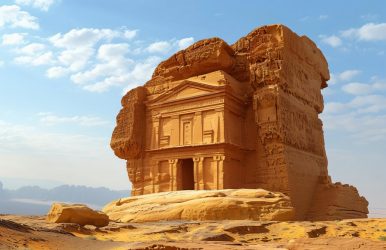
Nabataean civilizations were significant in the past for their traditional ways of living and survival. The present landmarks that represent this civilization refer to Madain Saleh or Hegra and Petra in Jordan. These sites present the remains of ancient people and their art views on the rocks that make everyone curious about their lives.
UNESCO World Heritage recognizes Madain Saleh for its unique beauty and preservation. It's like an open-air museum with a mystery of living secrets. Visitors capture the arts on rocks and try to get back into their lives.
However, are you going to visit the whole landmark? Obviously, you want to visit the famous places to make the most of your time. For that reason, include Qasr Al Farid, Jabal Ithlib, and Diwan, which attract visitors for their natural beauty and peaceful surroundings. Under the clear sky and during the sunset, these landmarks turn into magical elements everyone wants to remember forever.
Now, what do you think about how you will visit the Madain Saleh? Through a guided tour or a self-adventure? Well, it's pretty easy to decide that first-time travelers should go for guided tours. Professional guides let you know the things you will never learn yourself. However, if you have visited Hegra before, you can visit it yourself and have an adventure anyway.
Exploring Al Ula
Similar to Madain Saleh, Al Ula is also home to ancient civilizations. The place represents the living and trading skills of earlier Arabs that ultimately contributed to the development of the kingdom.
During the history of hundreds of years, Al Ula preserves the beauty of ancient people and keeps their traditions alive. In short, Al Ula offers a mix of nature and history in one place. This is a reason visitors include Al Ula in their target list to visit.
Pilgrims also plan group tours to Al Ula to experience once-in-a-lifetime beauty. And the best thing is that Umrah packages also facilitate such tours so that pilgrims can have a good time.
Al Ula is famous for the places like Al Ula's old town, Al Khuraiba, and ancient rocks. The giant tombs and their traditional building take visitors back in the past. Another must-see view in Al Ula is an elephant rock that looks huge. The rock undergoes natural rock formation processes that add to its beauty uniquely.
What else you can do there? Well, Al Ula Valley allows you to try activities like hiking, climbing, and stargazing. Families can camp under the sky and experience stargazing together.
Tips for Pilgrims
Since pilgrims are short on time, they want to make the most of their time. They also look for places that have a religious background or at least offer serenity to their visit. This is because the main purpose of their visit is to perform a pilgrimage. All they want to experience is something unique and relaxing while connecting with their spirituality as well. So, should they visit historical landmarks?
Is visiting Madain Saleh and Al Ula worth their time? First things first, historical places offer a lot more to learn in a short time. They present the history of people and their ways of living and faith that help pilgrims relate with them. Similarly, Madain Saleh and Al Ula represent the history of people before Islam came to Saudi Arabia. Therefore, pilgrims learn more about how people used to live before the onset of Islam.
Not only this, the Saudi government also takes care of the pilgrim experience in every aspect. Therefore, it also maintains spiritual places at such a historical place that serve pilgrims even during their trip. For instance, Madain Saleh and Al Ula are home to traditional mosques that give a unique experience of offering prayers there. So, don't worry about your daily prayers or a Friday prayer, as you can offer them while visiting the history of Arabs.
Final Words
In conclusion, visiting Madain Saleh and Al Ula is easier than you think. All you have to do is take a start from planning your journey, like booking accommodations and transportation. After arriving at your target locations, ensure experience guided tours to explore hidden aspects of Hegra and Al Ula and that's it.
Read Also:
Future Of Travel, Skift Global Forum East 2023, Takes Off In Dubai!
From Beaches To Mountains: Ideal Routes For Car Travel In Dubai
Best Time To Experience Dubai: The City Of Gold






 Related