
What Are The Best Things To Do In Split Croatia In 2026? (Know 10+ Options)

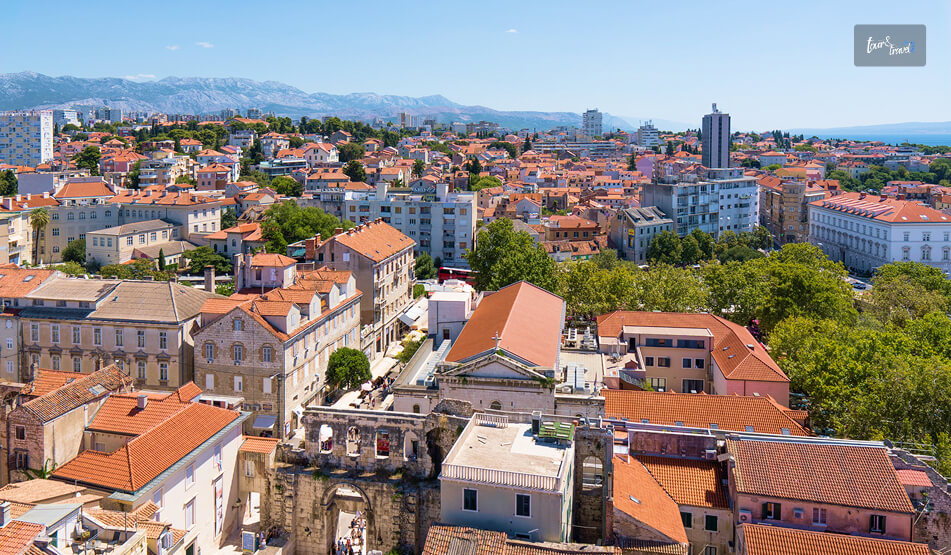
Split is a port city on the beautiful Adriatic Sea. It has delightful beaches in Croatia and a vibrant nightlife. However, it is the ancient heart of the city that attracts me the most. 

It’s great that I reached Split in November and spent weeks getting to know the Dalmatian region and the city’s history. 

The Mediterranean climate of Split is blissful, and that’s what makes it a year-round attraction. However, it is one of the best family vacation spots if you are planning something for the summer. 

Also, if you are a history buff like me, you can plan an off-season trip and avoid the crowd. 

As I chose November for my Split Croatia trip, I got the chance to soak up the never-ending stories. 

  • Did you know that Split was the place where Emperor Diocletian retired from his throne? He was the only Roman emperor who voluntarily retired from his throne.
  • Also, Split was the place where Julius Nepos, another Roman Emperor, was killed by his soldiers in 480 AD. Thus, Split saw the final nail in the coffin of the Western Roman Empire. 
  • Nikola Tesla, the legendary inventor, studied in Split. 
  • Split has been used as the backdrop of many Hollywood movies and TV series, including the magnanimous Game of Thrones. Split is the actual place where Daenerys kept her three dragons. 

So, overall, Split has history, intrigue, natural abundance, and a happening nightlife. Here is more about the best things to do in Split Croatia, in 2026, and exploring the old and new Dalmatian regions. 

How Many Days Are Enough To Explore Split? 

How Many Days Are Enough To Explore Split

If you only want to explore the city of Split, a budget of 2-4 days will be enough for you. However, Split opens your path to the vast Dalmatian coast area. 

So, if you are planning to also explore the Dalmatian area, it will take at least 3-4 days more. 

Then, spend a day or two getting to know about the local culture, food, and history. Overall, 6-7 days is a reasonable duration to spend in Split, Croatia. 

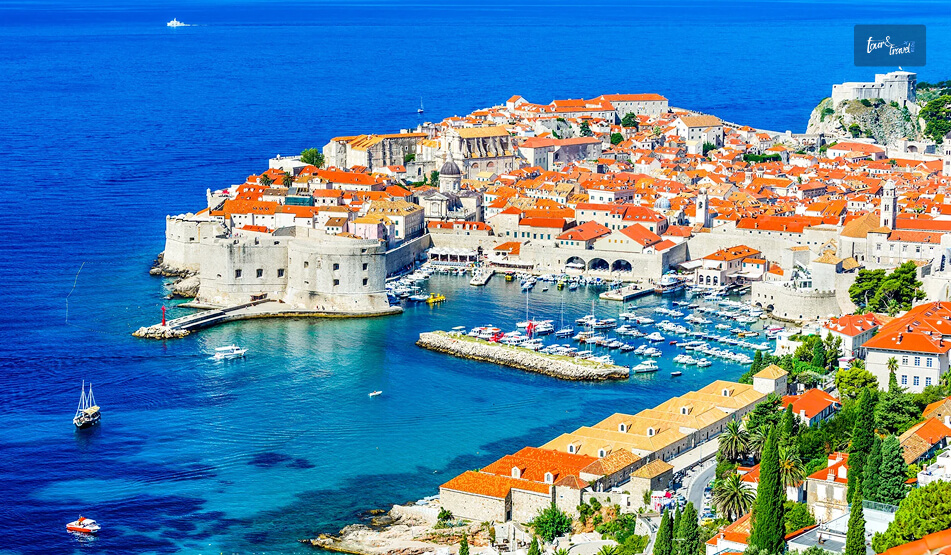
Also, Split Croatia is just a ferry ride away from Dubrovnik. There are many exciting things to do in Dubrovnik

Also, Dubrovnik is the Croatian gateway to the beautiful Kotor, Montenegro.

If you want to explore all of it together, you will need at least 10-15 days. Having said that, let’s get into the discussion on the things to do in Split Croatia. 

What Are The Best Things To Do In Split Croatia? 

Do you want to get lost in the Old Town, or do you want to just eat, drink, and party? Split is the place that caters to all types of travelers. 

However, if you want to try the best things do in Split Croatia as the locals do, here is your ultimate checklist. 

1. Exploring The Dalmatian Coast And Even Beyond 

Exploring The Dalmatian Coast And Even Beyond

Dubrovnik, Split, Sibenik, and Zadar. These are the four major cities that make the Dalmatian Coast what it is. 

There are many smaller towns in between. However, these are the most populous and accessible. Split, again, has the highest population among them.

Also, I used Split as the base for my journey on the Dalmatian Coast. The city airport has modern amenities, and it gets many connecting flights to other Dalmatian cities. So, this is the best way to enjoy a day, cherishing the Adriatic region.

However, you can also choose Zagreb, the inland capital of Croatia, as your base, and then take a bus to Split and the Dalmatian coast. 

2. Visiting Diocletian’s Palace 

Diocletian, an enlightened Roman emperor, ruled from 284 to 305 AD. The seat of his voluntary retirement or abdication was his palace in Split. 

Diocletian’s Palace is an intriguing combination of a military fortress, an imperial accommodation, a fortified town, and gardens. 

You can still listen to the cry of the while marble palace for the retired emperor. 

A DIY tour of the palace is free. However, you can also be a part of a small group tour and have an in-depth idea about the past of the palace and Split. 

Also, if you want, you can plan a stay at the Diocletian’s Palace. However, there is always a large queue of tourists who want to stay here. So, book in advance. 

Moreover, here are the most noteworthy spots I visited in the Diocletian’s Palace Complex. 

• The Cybele Temple Or The Cathedral Treasury Split

I came across the Cybele Temple or the Cathedral Treasury as I just entered the complex. This complex also functions as a museum. 

Inside the museum, I saw some really intriguing Catholic relics and artifacts from the Roman era. So, the museum at the entrance sets the perfect mood for the things you can expect throughout the tour of the palace. 

It is also the time when you will choose the tours you want to take. The amount you pay will depend on the number of tours you take. 

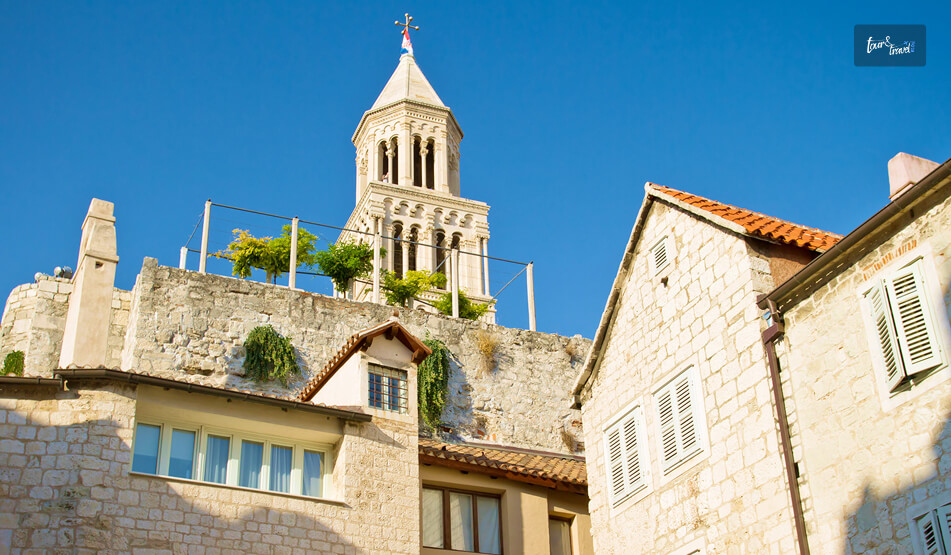
• Saint Dominus Bell Tower

Saint Dominus Bell Tower

Now, this part is a little difficult as I had to climb almost 200 steep steps to reach the top of the bell tower. The narrow passageways once again reminded me why I needed to take my fitness sessions more seriously. 

Finally, after climbing upward through a tight space, the tower culminates in an “open-air metal staircase.” 

The view from here is amazing. 

• Saint Dominus Cathedral

The Saint Dominus Cathedral is just below the cathedral. It is the second-oldest among the Catholic cathedrals that are still being used. 

Furthermore, the Catholic iconography and the soaring dome inside really humbled me. The building may not be massive, but it has an impressive architecture. 

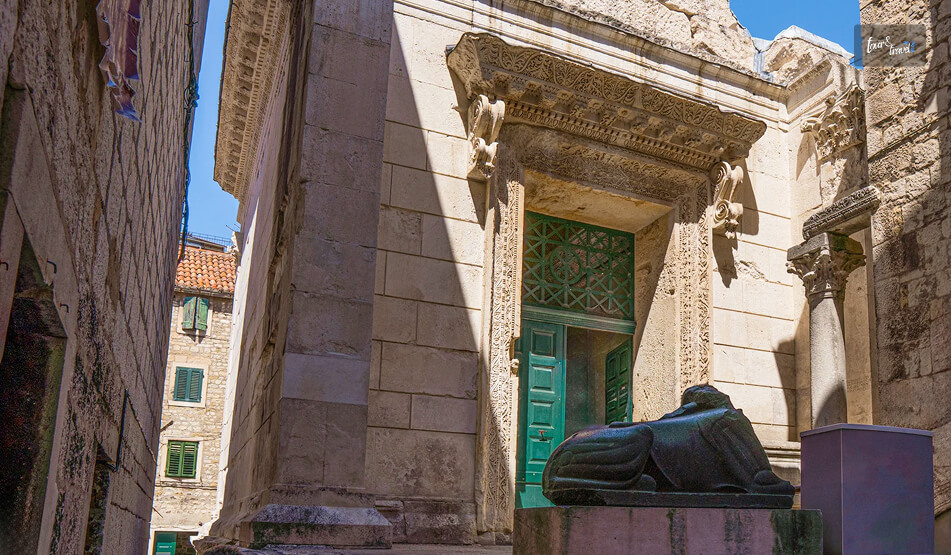
• The Temple Of Jupiter

The Temple Of Jupiter

I love Greco-Roman architecture and always look for historical things to do whenever I visit a new destination. So, I had to stop by the Temple of Jupiter. 

Dedicated to the Greek God, Jupiter, the temple also tells the tales of human resilience. It was destroyed three times and then reconstructed. 

The final version was built during 81-96, in the time of Emperor Domitian. 

Furthermore, the granite sphinx outside the temple is headless and this is a 3000-year-old statue, which was beheaded in the 4th century by the enraged local Christians.

After the temple visit, I took the Pusti Me Da Prodjem or the Let Me Pass alley.

3. Exploring The Old Town 

Exploring The Old Town

The Diocletian’s Palace is in a fortified town. The alleys here still exude the old-world charm. 

The only modern elements are the internet cafes, stray cats, and ice cream shops here. I especially loved walking the alleyways at night with the moonlight bathing the streets. 

The activity was simple, but the sense of adventure and romance I had was matchless. It was the perfect TheLowDownUnder Travel vibe. 

4. Walking The Riva

The harbor and the Riva are just outside the Old Town and temple walls. This section is very wakable, and it is the place to explore the shops, local restaurants, and cafes. 

You can call it the living room of the city, and it is the most prominent place in Split. Moreover, you can have all types of seafood and cuisine at the restaurants here. 

I loved the English-only menus and authentic Croatian cuisine here. You can also try the seafood, fresh burgers, and pizzas. 

Moreover, I loved watching people here and how they got involved in animated conversations after a dose of cigarettes, booze, or just good food. 

Overall, with music playing in the background, Riva is all about camaraderie, great energy, and sharing vibes. 

5. Eating, Drinking, And Partying In Split 

Do you love authentic Croatian food? Try the top-rated restaurants in Split, such as Duje, DeListes or Konoba Matejusta. 

Furthermore, I loved the cuttlefish risotto at DeListes and black truffle carbonara. The best thing about these restaurants is that the menus change regularly because the dishes are made using fresh and locally-sourced ingredients only. 

Also, they always do not accept reservations, and you may have to pay only in cash. 

Moreover, I came across many excellent bars in the Old Town. O’Hara’s Irish Pub was a discovery there, and a local lady advised me to pay a visit to Trogir. 

Also, Marvlvs Libray Jazz Bar, Charlie’s Bar, and Crew Bar are some of the places to enjoy the party vibe of Croatia. 

6. Visiting A Museum

With such a rich culture, Split has no dearth of options when it comes to museums. I visited the following museums here. 

This museum celebrates Mestrovic, the famous Croatian artist and sculptor. It is a place to learn about his life and work. 

Split Ethnographic Museum

It is a wonderful display of the Croatian home objects and clothing. 

Game Of Thrones Museum 

This museum has the most authentic costumes and props used in the iconic TV series. Also, some parts of the TV series were shot here.

7. Getting Aerobic At Marjan Park

Getting Aerobic At Marjan Park

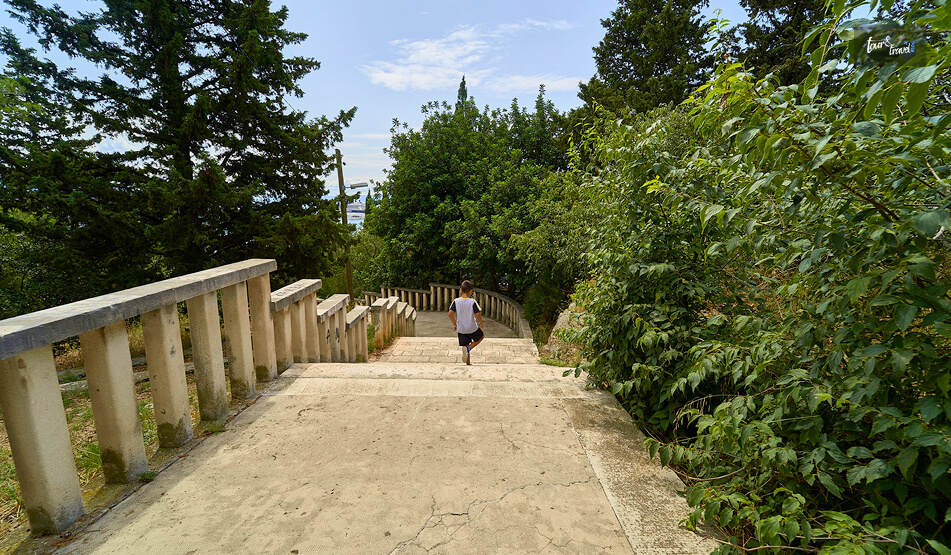
The Marjan Park, with its network of forested trails, extends into the ocean. It was an experience to climb the Telegrin Peak, the highest point of the park. 

From the peak, I loved the views in the surroundings. If you don’t want to walk, you can also take a bike to reach the peak. 

In fact, you walk for four hours and still do not see every corner of the park. So, getting the rental immediately after reaching the park is the best thing you can do. 

Moreover, I don’t want you to repeat the mistake I made. So, you must bring your swimsuit here as you will find the Kasjuni Beach, Plaza Jezinak, and Kupaliste Bene here.

8. A Day Trip In The Dalmatia Historic Region

Split is more alluring for the quintessential Croatian experience because of its accessibility and central location. 

Furthermore, you can start exploring the historic region of Dalmatia from Split. So, take a short bus ride and explore the following regions. 

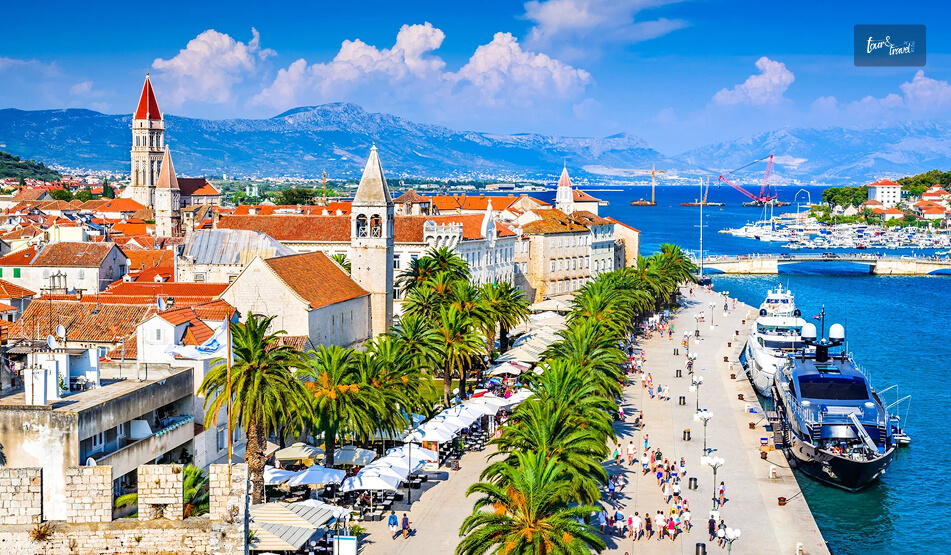
Trogir

Trogir

I took the Flix bus and reached Trogir to soak in its medieval vibe. Time stands still here, and it feels like a journey to the fairyland. 

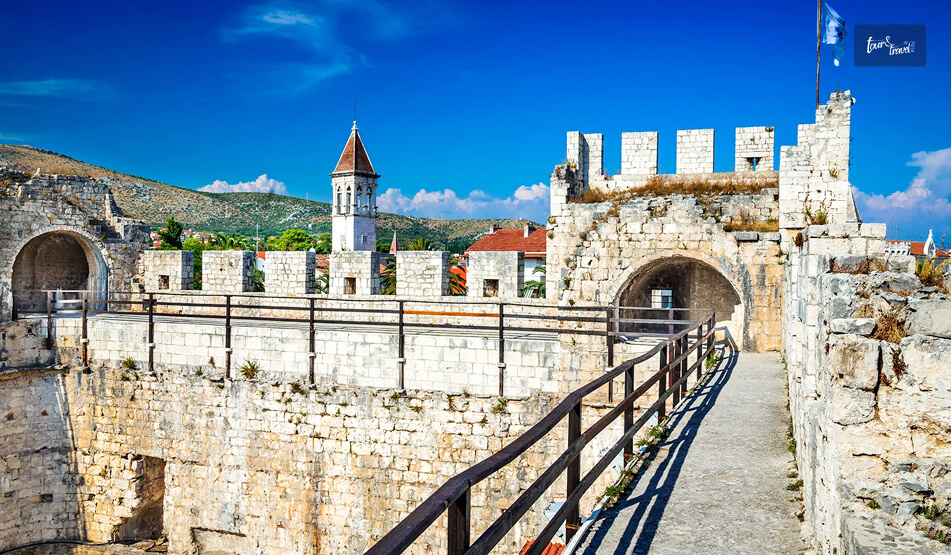
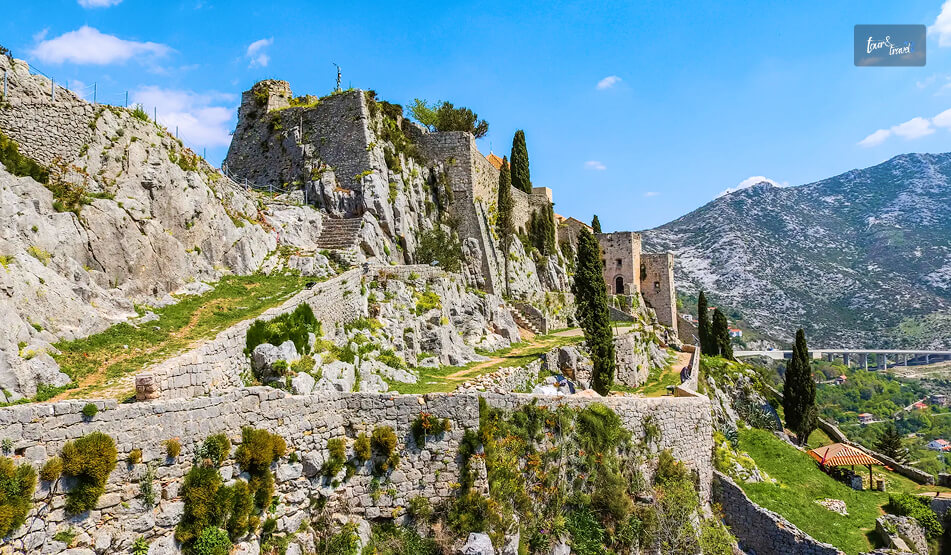
Kills Fortress

Kills Fortress

Visiting the Kills Fortress feels nothing short of an investigation project. In Game of Thrones, it was the Meeren. 

The views from the fortress are breathtaking. 

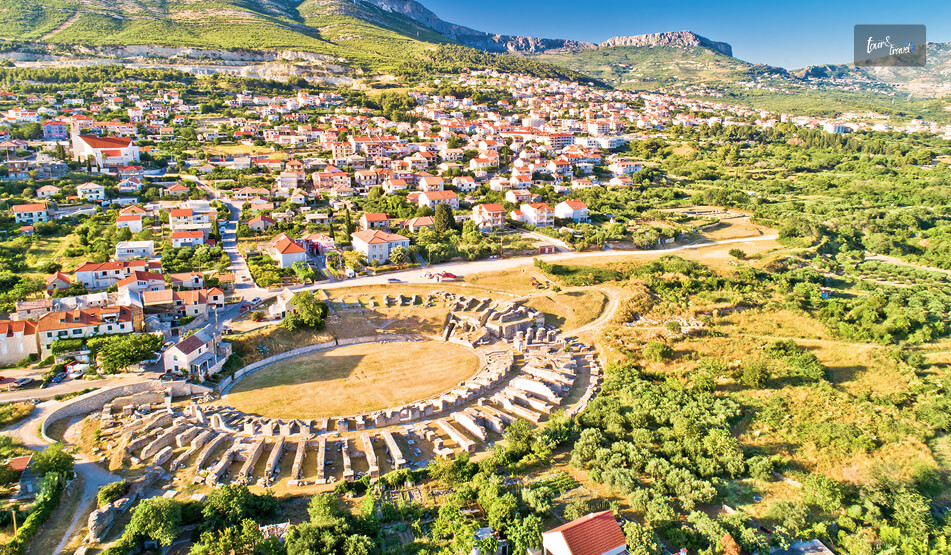
Solin And Salona 

Solin And Salona

You can experience Solin, which is a modern city, and it surrounds Salona. Salona is the place where Emperor Diocletian was born. 

Furthermore, it is an ancient Roman City, probably even older than Pompeii. It has a large cemetery, a large bathhouse, and a massive amphitheater. 

Other places you can visit during the day trip are the Plitvice Lakes National Park, Krka National Park, or the Blue Cave. Even Mostar in Bosnia and Herzegovina can be a part of your Split Croatia itinerary. 

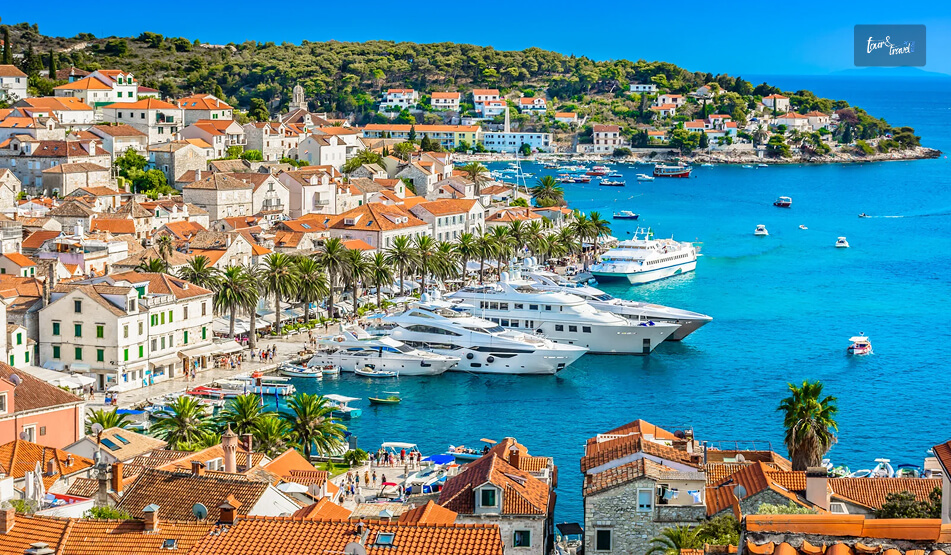
9. Hopping A Ferry

Hopping A Ferry

Croatia has more than a thousand islands. Some of them are unpopulated. However, you can explore the other islands by ferry. 

I used the ferryhopper.com app to plan my ferry route and schedule the ride. I took a ticket for a visit to Hvar. 

You can even take a ferry ride to Mediterranean islands such as Korkula and Vis. 

However, when planning a ferry ride, you have to check the weather conditions first. Adriatic is unpredictable. 

10. Making Good Memories In Split Croatia

Split Croatia harbors most of the historical wonders and flows here. So, I listened to endless stories and learned many lessons here. 

Furthermore, the Mediterranean climate here is very seductive, and in every nook of Split, there is a sense of discovery. 

People are warm, the beaches are gorgeous, and the food is great. 

So, plan a visit to this city of Roman history and culture soon! 

Share on Social Media

Meet Sibashree Bhattacharya, a travel enthusiast who has a decade-long experience in transcending virtual barriers with her words! Her deep love for travel is apparent from her travel escapades to the mountain, often taking her readers on a journey, her words acting as Portkey! Fun fact: Sibashree loves to dive deep into the history of the places she is about to visit, making her travels even more wholesome. If you were wondering how her articles are not short of time travel, this answers it!

Leave a Reply

Your email address will not be published. Required fields are marked *

title-img Related

READ MORE what to do in dubrovnik

What To Do In Dubrovnik? Enjoy The Best Mediterranean Holiday This Season

BY  Sibashree May 31, 2025

People are calling Dubrovnik a travel secret, a hidden gem in the Mediterranean region, and whatnot! I don’t agree with these, as for the longest time, Dubrovnik has been famous as the “Pearl of the Adriatic.” Also, the Old Town of Dubrovnik was designated as a UNESCO World Heritage Site in 1979. Moreover, this city in Croatia has been facing overtourism since the HBO series Game of Thrones became so huge.  It is the filming location of the series.  Even if you are not a Game of Thrones fan, you will love the blue water of the Adriatic Sea, the walls around the Old City, the cobblestone streets, and, overall, the quaint charm.  While it takes almost a week to explore the best of Dubrovnik and indulge in its happening culinary scene, here I have curated a quick itinerary of what to do in Dubrovnik.  This time, the best activities in Dubrovnik span over 3 days, and here you go! However, before that, I want to share how I fell in love with this Mediterranean gem and what the best time to visit this beautiful city is. What Is The Best Time To Visit Dubrovnik? May to September is the best time to visit Dubrovnik.  Pleasant weather conditions Affordable hotel rates Less crowd An ideal situation for exploring beaches and water activities These are the benefits of scheduling your trip to Dubrovnik during these months.  Further, have a look at the table below to understand the weather conditions of Dubrovnik by month.  MonthsHighest Temperature (°C)Lowest Temperature (°C)Days of RainfallJanuary13710February1499March15109April17128May22156June27205July30223August31233September27204October23177November191110December 15810 Moreover, if you want to explore the festive scenario of Dubrovnik, you can plan your visit during the following months. Festivals in DubrovnikTimeSignificance of the FestivalFestival of St. Blaise3rd FebruaryThe two-day festivities include a grand procession, and the city celebrates St. Blaise, its patron saint, on this day. It is also an intangible cultural heritage identified by UNESCO. Dubrovnik Summer FestivalJuly-AugustUnique cultural programs and artistic performances are the festival's highlights. Festivities take place across various areas of Dubrovnik. Dubrovnik Winter FestivalNovember to JanuaryThe historic Old Town comes to life with music, lights, family fun, and more. Dubrovnik Good Food FestivalOctoberIt is a two-week-long food festival, including vibrant events. Stradun ClassicSeptember to OctoberMusicians around the globe perform at Stradun Classic. Midsummer SceneJune-JulyThis festival takes place at the Lovrjenac Fortress.Croatian and British theatre artists collaborate to perform the celebrated Shakespearean plays.  How I Fell In Love With Dubrovnik? Being the biggest fan of Game of Thrones, I, of course, got to know about this beautiful Croatian City.  Dubrovnik was the King’s Landing or the capital of Westeros in the series. The Red Keep and the unforgettable scene of Cersei’s “Walk of Shame.”  Then, I researched Dubrovnik and its magnificent walls surrounding the Old Town, and the seafood delicacies here made me fall in love with the city.  So, if you thought that Dubrovnik was all about pasta and pizza and exploring the Old Town on the hottest days, it’s time to guide you on how to do it right.  What To Do In Dubrovnik: A Complete 3-Day Itinerary For You Here is what to do in Dubrovnik during a 3-day trip.  Day 1: What To Do In Dubrovnik Your day 1 in Dubrovnik will be focused on exploring the walled Old City. You can also take your time to relax by the pool or the sea, visit the local restaurants, enjoy a cable car ride, indulge in fine dining and the best wines, and end your day with a night stroll.  1. Exploring The Walled Old City Of Dubrovnik The Dubrovnik Old City celebrates Croatia's rich medieval history. It is a UNESCO World Heritage Site, and taking a stroll across the cobblestone street and visiting places like the Cultural History Museum are the ultimate experiences here.  “The 'Pearl of the Adriatic', situated on the Dalmatian coast, became an important Mediterranean sea power from the 13th century onwards. Although severely damaged by an earthquake in 1667, Dubrovnik managed to preserve its beautiful Gothic, Renaissance and Baroque churches, monasteries, palaces and fountains. Damaged again in the 1990s by armed conflict, it is now the focus of a major restoration programme co-ordinated by UNESCO.” - UNESCO World Heritage Convention 2. Relaxing By The Pool Or The Sea If you want a delightful beach experience, you can visit Mlini Bay or Lapad Peninsula in Dubrovnik.  However, if you are feeling too lazy to explore the beach, you can explore hotels with pools for the perfect lounging time.  3. Visiting Local Restaurants Dubrovnik has places such as Proto, where you can have the best shrimp, scallops, and octopus delicacies.  Further, fish cooked in sea salt is something you cannot miss in Dubrovnik.  4. Enjoying A Cable Car Ride A ride on the Dubrovnik Cable Car before Sunset is truly magical. During this ride, you can enjoy the changing colors of the Sun in the sky.  Further, as you approach the top of Mount Srd, you will see wonderful views of the Elafiti Islands to the north.  5. Fine Dining And Wine Tasting Local restaurants, such as Panorama Restaurant in Dubrovnik, offer wonderful views alongside the best local cuisine.  They serve amazing steak sandwiches and Chicken “Rustico.”  Furthermore, you can taste red, white, rosé, and sparkling wines here. D’Vino Wine Bar is another hotspot in Dubrovnik to relish the best of Croatian wines.  6. Taking A Walk In The City At Night Are you a Dark Academia fan? Do you want to enjoy your “Everything is Grey” moment in the city?  Take a walk around the city at night when there are no cruise passengers, and the lights and darkness create a mysterious ambiance. Day 2: What To Do In Dubrovnik Kayaking, chilling by the beach, and exploring the City Walls are some of the best activities you can do on day 2.  1. Adventurous Kayaking In Dubrovnik Kayaking at the City Beach will be the best way to start your second day. Kayaking tours start here at $43.  2. Relaxing At The Beach If kayaking is not your forte, you can plan a visit to the City Beach and enjoy the crystal clear water and Sunshine while exploring the views of the Old City.  3. Exploring The Walls of Dubrovnik During The Sunset You can take a 2-hour walk along the city walls to relish the beauty of the Sunset. Once you reach the top, you can also grab some local snacks and the best coffee at the cafes.  You need to buy tickets to explore the City Walls, and the ticket prices are: During the high season, tickets for adults to explore the City Walls cost 40 EUR, while children's tickets are 15 EUR.  However, in the low season, ticket prices are 15 EUR for adults and 5 EUR for children. 4. Relishing Croatian Peka Meal If you're looking for a fun-filled community-building experience, consider the Peka Meal in the signature Dubrovnik style. Here, you will have the option of lamb, veal, or octopus in a communal pot. Further, potatoes will be cooked over the coal and served to everyone. Day 3: What To Do In Dubrovnik Your day three will begin a journey to Lokrum Island. This Island houses the Benedictine Monastery and the Dubrovnik Visitor Center.  The Visitor Center has the Iron Throne, where you can sit and live your Game of Thrones moments.  Furthemore, the Dalmatian Coast has rock slab beaches. You can jump into the water there and enjoy the most unique views of the Old City. Additionally, you can visit Mljet Island, home to the Mljet National Park and stunning saltwater lakes.  Then, the Red History Museum, located across from the Gruž Ferry Port, will be your next destination. The ticket to the museum is 9 EUR for adults, 7.20 EUR for seniors and university students, and 3.60 EUR for primary and secondary students.  Furthermore, for students under the age of 10, admission to the museum is free. Where To Stay In Dubrovnik?  Hotel Dubrovnik Palace and Hotel Excelsior are two of the best places to stay in Dubrovnik. Hotel Excelsior is located close to the walls of the Old Town and the City Beach.  On the other hand, Hotel Dubrovnik Palace offers a luxury resort experience, and it offers the best views of the Adriatic Coast.

READ MORE Acropolis of Athens

Acropolis Of Athens Tickets

BY  Arnab May 12, 2023

The Acropolis of Athens is an iconic monument and a UNESCO World Heritage Site that attracts millions of visitors every year. It is a symbol of ancient Greek civilization and a testament to human achievement in architecture, engineering, and art. What’s even better? You get Acropolis Of Athen Tickets at quite affordable prices! The Acropolis of Athens is located on a rocky hill overlooking the city of Athens. It consists of several ancient buildings, including the Parthenon, the Erechtheion, as well as the Propylaea. These buildings were constructed in the 5th century BC and are considered some of the most impressive examples of classical Greek architecture. If the Acropolis of Athens is the place that you want to visit, you will need to purchase Acropolis of Athens Tickets. These tickets can be purchased online or even at the entrance of the site. The ticket includes access to the Acropolis as well as several other archaeological sites in Athens, including the Ancient Agora and the Roman Agora. Visitors to the Acropolis of Athens should be prepared for a steep climb to reach the top of the hill. However, the effort is worth it for the stunning views and the opportunity to see one of the most important historical sites in the world. The site is open year-round. But it can get crowded during peak tourist season, so it's best to arrive early in the day to avoid long lines. Site Monuments at the Acropolis of Athens Here are some of the site monuments you cannot miss while you are in Athens: The Parthenon The Parthenon is the most famous of the Acropolis site monuments as well as one of the most iconic landmarks in the world. It originates from the 5th century BC as a temple in dedication to the goddess Athena, the patron goddess of Athens. The temple features a massive colonnade, a pediment with sculptures depicting scenes from Greek mythology, and a frieze that tells the story of a religious procession. The Parthenon remains an outstanding example of classical Greek architecture. Despite earthquakes damaging it and other natural disasters over the centuries, it is a testament to the skills of the ancient builders who created it. The Propylaea The Propylaea is the monumental gateway to the Acropolis and originates from the 5th century BC. It features impressive columns and a grand staircase. Its design is a fitting entrance to the sacred site of the Acropolis. The Propylaea is an excellent example of classical Greek architecture. Its imposing presence still impresses visitors to the site today. The Erechtheion The Erechtheion is a temple in dedication to both Athena and Poseidon and it originates from the 5th century BC. The temple features several distinctive elements, including the famous Caryatids, columns shaped like female figures. The Erechtheion is famous for its intricate design. It includes a variety of different levels and sections, as well as stunning decorative elements such as sculptural friezes and ornate moldings. The Temple of Athena Nike The Temple of Athena Nike stands in honor of the goddess Athena. This was a symbol of victory and reached completion in the fifth century BC. The temple is a small but elegant structure featuring beautiful friezes and commanding views over the city of Athens. Despite its relatively small size, the Temple of Athena Nike is a significant example of classical Greek architecture and an important part of the Acropolis site monuments. The Odeon of Herodes Atticus The Odeon of Herodes Atticus is a semi-circular theater that was built in the 2nd century AD. It was constructed in honor of Herodes Atticus. He was a wealthy Roman citizen who sponsored many public works projects in Athens. The Odeon was used for concerts and other performances and is still used for cultural events today. It is a testament to the enduring legacy of the Acropolis site monuments. The architecture is an important reminder of the cultural significance of the ancient city of Athens. The Theatre of Dionysus The Theatre of Dionysus is an ancient Greek theater originating from the 5th century BC. It was the site of the first performances of many famous Greek plays. It includes the works of Aeschylus, Sophocles, and Euripides. The theater was in dedication to the god Dionysus. He is the patron of theater as well as wine and became the birthplace of theater. The Theatre of Dionysus is an important part of the Acropolis site monuments. It is a must-see destination for anyone who likes the history of theater. The Stoa of Eumenes The Stoa of Eumenes is a long-covered walkway that originates from the 2nd century BC. It held public gatherings and as a marketplace as well as is an excellent example of ancient Greek architecture. The Stoa features a colonnade with beautiful columns. Its location on the Acropolis offers stunning views of the surrounding area. The Temple of Olympian Zeus The Temple of Olympian Zeus is one of the largest temples in Greece. It has been standing tall since the 6th century BC. The temple is in dedication to the god Zeus and features a massive colonnade with 104 columns. Only 15 remain standing today. The Temple of Olympian Zeus is an impressive example of ancient Greek architecture. It is a reminder of the importance of religion in ancient Greek society. The Sanctuary of Asclepius The Sanctuary of Asclepius, a small temple, is a dedication to the god of healing as well as medicine. Its making date is in the 4th century BC. The temple features beautiful columns and a small altar and was a popular destination for pilgrims seeking healing as well as wellness. The Sanctuary of Asclepius is a reminder of the importance of health and wellness in ancient Greek society. It is an interesting addition to the other more well-known site monuments on the Acropolis. Read Also: The Best 5 Places To Visit In Sicily This Year 10 Best Places To Travel In April – Travel Guide 2022 10 Best Places To Travel In November – Travel Guide 2022

READ MORE how far is savannah from atlanta

Atlanta to Savannah: A Scenic Road Trip Adventure That You Can’t Miss!

BY  Ankita Mar 21, 2024

Atlanta and Savannah are two of the most popular and exciting cities in Georgia. They are both rich in history, culture, and entertainment. But they are also very different in many ways. Atlanta is a modern and bustling metropolis, while Savannah is a charming and historic coastal town. How can you experience the best of both worlds? By taking a road trip from Atlanta to Savannah! But how far is Savannah from Atlanta? How long does it take to drive from Atlanta to Savannah? What are the best routes to take from Atlanta to Savannah? What are the best places to visit along the way from Atlanta to Savannah? In this article, I will answer these questions and more. I will show you the best tips and tricks to plan and enjoy your road trip from Atlanta to Savannah. I will also show you the top 10 sights that you simply can't miss on your road trip from Atlanta to Savannah. Let's get started! How Far is Savannah from Atlanta? The first question that you might have is: how far is Savannah from Atlanta? The answer is: it depends on the route that you take. There are several routes that you can take from Atlanta to Savannah, each with its own advantages and disadvantages. Of course, these are not the only routes that you can take from Atlanta to Savannah. Also, you can customize your own route, depending on your preferences, your budget, and your time. You can use online tools, such as Google Maps, Roadtrippers, or Furkot, to plan and optimize your route. You can also check the traffic, the weather, and the road conditions before you start your trip, and adjust your route accordingly. Also, you can be flexible and spontaneous and take detours or shortcuts as you go along. The important thing is to have fun and enjoy the journey! Having said that, here are some of the most common routes that you can choose from: The Fastest Route This route takes you from Atlanta to Savannah via I-75 S, I-16 E, and I-516 E. This route is the shortest and the quickest, as it covers about 248 miles and takes about 3 hours and 45 minutes to drive. However, this route is also the most boring and the most crowded, as it does not offer much scenery or attractions along the way. You will mostly see highways, traffic, and billboards. This route is best for those who are in a hurry and want to get to Savannah as soon as possible. The Scenic Route This route takes you from Atlanta to Savannah via US-441 S, US-129 S, US-341 S, GA-57 S, and US-80 E. This route is the longest and the slowest, as it covers about 310 miles and takes about 5 hours and 30 minutes to drive. However, this route is also the most scenic and the most interesting, as it offers a lot of scenery and attractions along the way. You will see mountains, lakes, rivers, forests, farms, and small towns. You will also pass by some of the historic and cultural sites of Georgia, such as the Ocmulgee National Monument, the Jarrell Plantation, the Georgia Sports Hall of Fame, and the Georgia Music Hall of Fame.  This route is best for those who are not in a hurry and want to enjoy the beauty and the diversity of Georgia. The Alternative Route This route takes you from Atlanta to Savannah via I-20 E, US-25 S, and US-17 S. It is a good compromise between the fast and the scenic routes, as it covers about 270 miles and takes about 4 hours and 15 minutes to drive. This route is not as boring as the fast route, but not as scenic as the scenic route. You will see some scenery and attractions along the way, but not as much as the scenic route. You will also pass by some of the major cities and towns of Georgia, such as Augusta, Waynesboro, and Statesboro. This route is best for those who want a balance between speed and scenery, and who want to see some of the urban and rural aspects of Georgia. The Top 10 Sights to See on Your Road Trip from Atlanta to Savannah Now that you have chosen your route and planned your trip, you might wonder: what are the best sights to see on your road trip from Atlanta to Savannah? There are so many places to visit and things to do along the way that it can be hard to decide. To help you out, I have selected the top sights that you simply can't miss on your road trip from Atlanta to Savannah. These are the sights that will make your road trip memorable and enjoyable. Here they are: 1. Stone Mountain Park Stone Mountain Park is a 3,200-acre park that is located 15 miles east of Atlanta. It is home to the largest bas-relief sculpture in the world, which depicts three Confederate leaders: Jefferson Davis, Robert E. Lee, and Stonewall Jackson. The park also offers various attractions and activities, such as a cable car, a train, a museum, a golf course, a lake, and a campground. You can also enjoy hiking, biking, fishing, and picnicking in the park. Stone Mountain Park is a great place to start your road trip, as it gives you a glimpse of the history and the nature of Georgia. 2. Madison Madison is a small town 60 miles east of Atlanta. It is one of the most charming and historic towns in Georgia, as it has over 100 antebellum homes and buildings that are listed on the National Register of Historic Places. You can take a walking tour, a driving tour, or a carriage tour of the town, and admire the architecture and the atmosphere. You can also visit some of the museums, shops, and restaurants in the town. Madison is a perfect place to stop for a break, as it offers a relaxing and romantic experience. 3. Milledgeville Milledgeville is a city that is located 90 miles southeast of Atlanta. It is the former capital of Georgia, and the birthplace of the famous writer Flannery O'Connor. You can visit some of the historic and cultural sites of the city, such as the Old Governor's Mansion, the Georgia's Old Capital Museum, the Andalusia Farm, and the Lockerly Arboretum. You can also enjoy some of the outdoor activities, such as kayaking, fishing, and biking, that are available in the city. Milledgeville is a fascinating place to visit, as it shows you the heritage and the creativity of Georgia. 4. Macon Macon is a city that is located 85 miles south of Atlanta. It is known as the "Heart of Georgia", as it is located in the geographic center of the state. It is also known as the "Song and Soul of the South", as it has a rich musical history and culture. You can visit some of the musical landmarks of the city, such as the Otis Redding Museum, the Allman Brothers Band Museum, and the Georgia Music Hall of Fame. You can also visit some of the other attractions of the city, such as the Ocmulgee National Monument, the Hay House, and the Cherry Blossom Festival. Macon is a fun place to visit, as it offers a lot of entertainment and excitement. 5. Dublin Dublin is a city that is located 120 miles southeast of Atlanta. It is a friendly and festive city, that celebrates its Irish heritage and culture. You can visit some of the Irish-themed attractions of the city, such as the Dublin-Laurens Museum, the Shamrock Bowl, and the St. Patrick's Day Parade. You can also visit some of the other attractions of the city, such as the Market on Madison, the Theatre Dublin, and the River Bend Wildlife Management Area. Dublin is a delightful place to visit, as it offers a lot of charm and cheer. 6. Statesboro Statesboro is a city that is located 55 miles northwest of Savannah. It is a college town, as it is the home of the Georgia Southern University, the largest public university in Georgia. You can visit some of the campus attractions, such as the Georgia Southern Museum, the Center for Wildlife Education, and the Botanic Garden. You can also visit some of the other attractions of the city, such as the Averitt Center for the Arts, the Statesboro Farmers Market, and the Splash in the Boro Water Park. Statesboro is a lively place to visit, as it offers a lot of culture and fun. 7. Savannah National Wildlife Refuge Savannah National Wildlife Refuge is a wildlife refuge that is located on the border of Georgia and South Carolina, along the Savannah River. It is a 31,551-acre refuge that protects and preserves various habitats and species, such as marshes, forests, wetlands, and islands. You can see animals such as alligators, deer, otters, bobcats, and over 300 species of birds. You can also enjoy hiking, biking, fishing, hunting, and photography in the refuge. Savannah National Wildlife Refuge is a great place to visit, as it offers a chance to experience the wildlife and the nature of Georgia. 8. Tybee Island Tybee Island is a barrier island that is located 18 miles east of Savannah. It is a popular destination for beach lovers, who can enjoy swimming, surfing, kayaking, fishing, and boating. The island also has a pier, a pavilion, a lighthouse, a museum, and a marine science center. Tybee Island is a wonderful place to visit, as it offers a relaxing and enjoyable experience. 9. Historic District The historic district is the heart and soul of Savannah. It is the largest National Historic Landmark District in the US, and it features over 20 squares that are filled with monuments, fountains, gardens, and statues. You can also see some of the most beautiful and historic buildings in the city, such as the Cathedral of St. John the Baptist, the Mercer Williams House, and the Davenport House. You can take a guided tour, hop on a trolley, or simply walk around and admire the architecture and the atmosphere of the historic district. 10. River Street River Street is a lively waterfront area that offers a variety of shops, restaurants, bars, and entertainment. You can browse the boutiques, sample the local cuisine, listen to live music, or watch the ships go by. You can also take a riverboat cruise, a ferry ride, or a water taxi to see the city from a different perspective. River Street is especially festive during the holidays and the events, such as the St. Patrick's Day Parade, the Fourth of July Fireworks, and the Oktoberfest. Wrapping It Up! A road trip from Atlanta to Savannah is a scenic and adventurous way to explore the diverse and beautiful attractions of Georgia. You can see the stunning scenery, the historic landmarks, the quaint towns, and the fun activities that lie between the two cities. Also, you can enjoy the flexibility, the convenience, and the adventure of driving your own car. You can stop whenever and wherever you want, and discover the hidden gems that you might otherwise miss. By following the tips and tricks that I have provided in this article, you can plan and enjoy your road trip from Atlanta to Savannah. I hope that this article has given you some ideas and inspiration for your road trip itinerary. Have a great time on your road trip from Atlanta to Savannah!. Read Also: From Hiking To Stargazing: The Top 10 National Parks In Utah! The Best Mountain Getaways In Washington: Where To Stay, What To Do, And How To Relax A Guide To Adventure And Nature: The Best Things To Do In Moab Utah For Outdoor Enthusiasts