

7 Outdoor Activities And Sports You Must Try

Feb 23, 2024

Last Updated on: Aug 29, 2025

Travel Guides

With all limitations in life, we seek adventure. No matter how hard it is for us to deal with our daily lives, we always try to go out for outdoor activities. 

Is it?

Well, not all are the same. These days, people are mostly more into indoor activities than outdoors. With the emergence of the digital world, things are getting easier for people to communicate with. 

Nowadays, we do not need to go out to meet people, but we can do that from any corner of our homes through calls or video conferences. When it comes to sports, people prefer to involve themselves in video games. 

The craze of AI is making VR better than ever, allowing people to play video games more. This craze is the biggest enemy of outdoor sports activities.

Nevertheless, there will always be a group of people who know how to deal with their life, and some people will realize the importance of outdoor activities after a certain point of time. The prominence of outdoor activities and sports helps people stay motivated and on track and engages them in something positive.

If you do not go out, you will not be able to stay close to nature. This is a huge concern for modern people.

However, considering the particular activity is also a growing dilemma among modern people. 

Well, don’t worry! We have got you covered this time. 

Outdoor Activities To Take Adventure To The Next Level

Whether you want to go for an adventurous trip or are willing to cherish your bungee jumping dream, our outdoor activity tips will help you follow your dream. There is nothing wrong with taking risks. But it needs to be calculated.

However, we have mostly seen people getting confused about what to consider and whatnot about their outdoor activities.

Well, finding your preferred outdoor activity is not rocket science. All you need to do is to determine your conditions. If you are not confident about making it happen it will not happen. Making decisions on a particular activity is not the main concern. If you keep reading, you will get ideas, and that will also help you stay focused on cherishing the activity.

But before that, you need to understand the importance of outdoor activities and why you need them. Well, with everyday workouts, the body and mind get exhausted. This is where you need a proper strategy to refresh your mind and work with an active body.

We all think of a vacation. Well, a vacation is fine, but that will not work on your body. In fact, most vacations end up with overnight parties and luxuries.

Rather, it’s better to select an outdoor activity from below and consider one this year. Before stepping forward, try to keep in mind that outdoor activities take bodily fitness, and if you are not fit, try to join a gym or work hard at home while focusing on fitness.

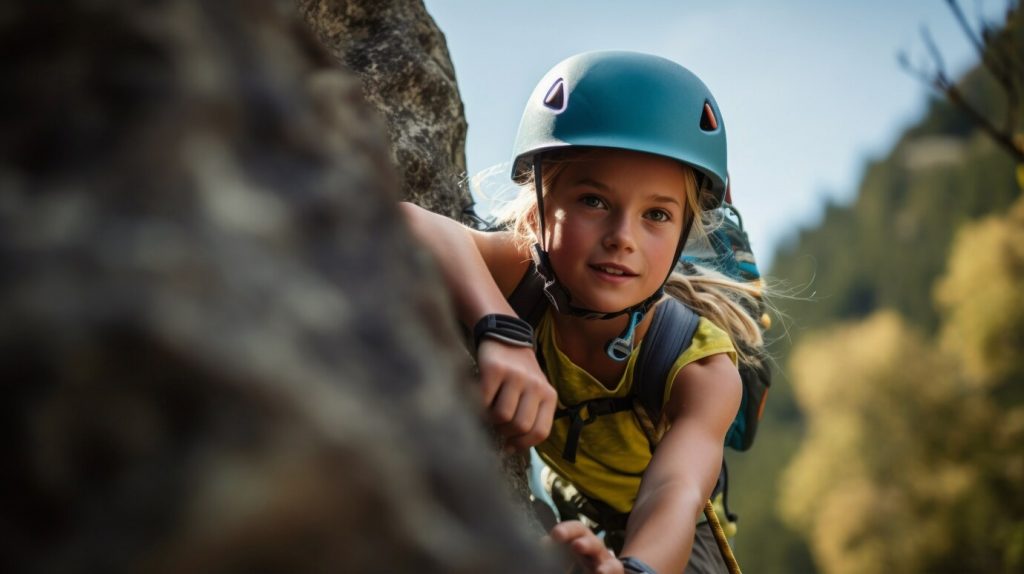
1. Climbing

Climbing

However, you do not need a perfectly fit body right at this moment. Fitness comes with practice and continuity. Don’t expect to be fit overnight. Instead, try to become prominent with problem-solving skills and ensure that you are headstrong.

Climbing is a particular sport that allows your body to do great all-over work. It does not require the strength of your body but your determination to complete the climbing. However, proper planning and better preparation will help you stay on track throughout. For instance, if you take care of your safety gear, like quality ropes, from a reputable rope manufacturer, there will be no fear of injury.

Are you up for that?

Well, you need some essential mountaineering skills to have. Initially, focus on your stamina, endurance, flexibility, and muscle strength training.

2. Horse Riding

The beauty of riding is unexplainable with a horse. If you know, you know how relaxing it is to interact with such a big animal and also work together. 

However, horse riding can be challenging if you do not focus on your weight-bearing exercise from now on. Horse riding is a perfect outdoor activity as it will always help you to improve your confidence to deal with tough situations and maintain harmony. 

This is something that you need to try at least once in your lifetime. Find a local horse riding area and try your training starting tomorrow.

3. Bungee Jumping

This is a particular sport that involves falling from a height. It will also consider bunging up and down. With this activity, you will be able to experience the ultimate feeling of freedom. 

If you are traveling to the mountains, never forget to try bungee jumping, as it is now available everywhere. This is the best activity to reduce your fear inside. If you do not experience the ultimate threat, you will not be able to overcome the fear inside you. However, take care of your safety concerns and go with a proper operator.

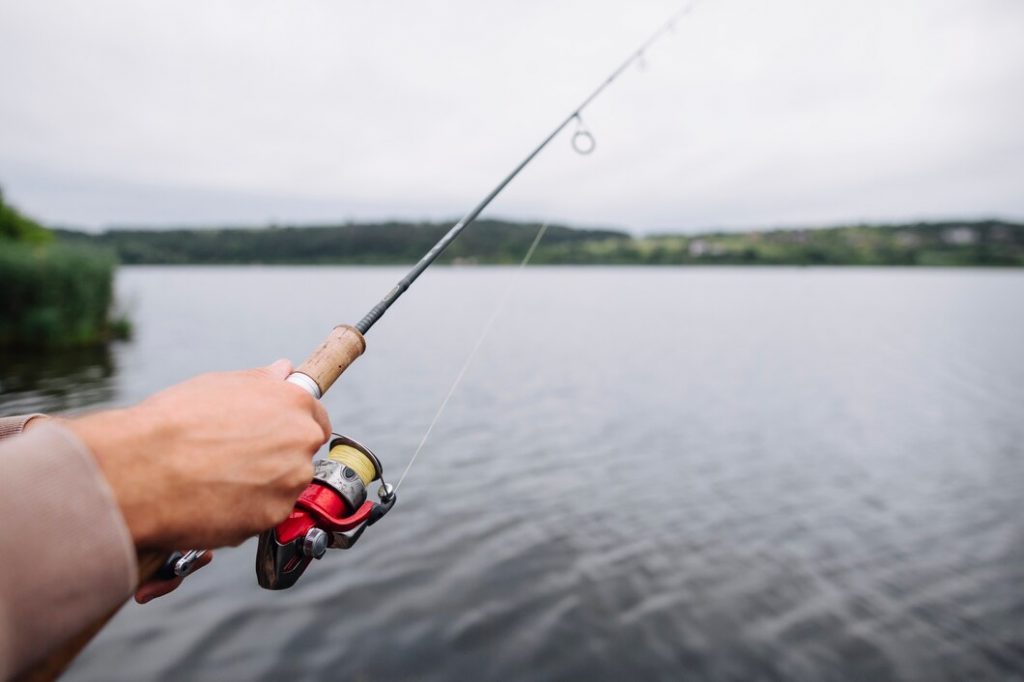
4. Fishing

Fishing

It is more like a therapeutic sport for middle-aged people. Not everyone will be comfortable with bungee jumping, horse riding, or climbing. After a certain age, we need to fill our void in different ways. 

However, fishing can be an outdoor shooting activity that will help you work with your mind and stay refreshed.

5. Skiing

Balance, coordination, and a proper stance are what you need to become a prominent skier. 

Have you ever dreamed of cutting the snow off and heading past it?

Well, who would ignore snowy mountains and the beauty it possesses? 

However, to cherish the beauty to the fullest, you can try skiing once. It is a perfect outdoor activity that comes with a real view of the place and a better activity to cherish with confidence. 

6. River Rafting

River rafting is a tough outdoor activity with loads of fun to give. Combining water and nature, you will feel the fullest adrenaline rush!

No doubt you have to stay on track with full attention, and body fitness is a must. It’s a dangerous sport, but with proper skills and love for the sport, you can deal with it all.

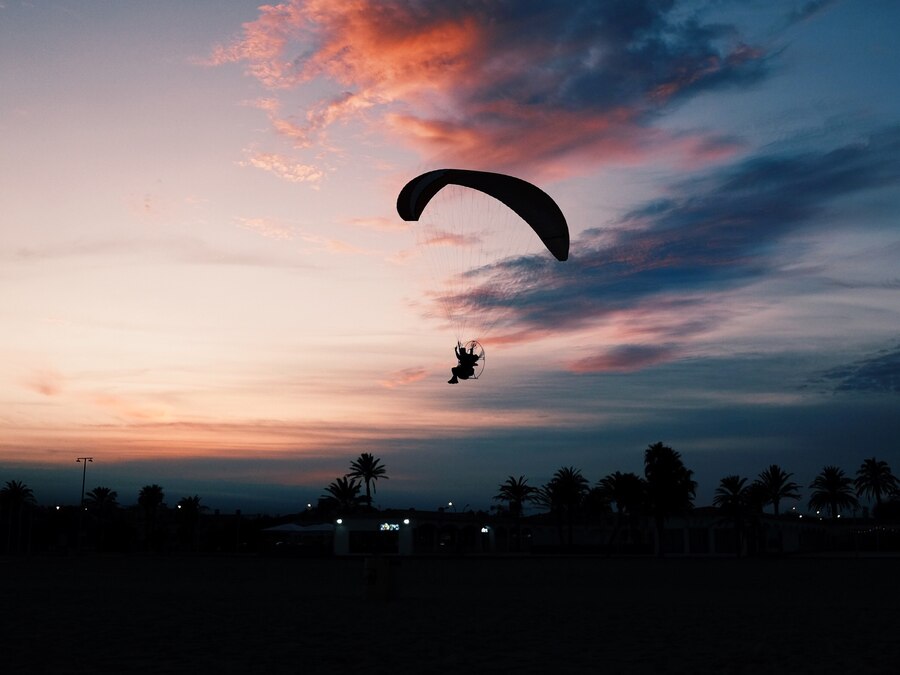
7. Paragliding

Paragliding

It is the cheapest way to fly! 

Now it’s time for you to cherish the freedom with beautiful bird-eye views over your favorite place. It’s a confident way to get close to nature.

Are you considering it?

Well, whatever you choose, ensure that you are prepared for it! We insist you try at least one from the list, as all are going to give you the feeling of living your life to the fullest.

Read Also:

Share on Social Media

Nabamita Sinha loves to write about lifestyle and pop-culture. In her free time she loves to watch movies and TV series and experiment with food. Her favourite niche topics are fashion, lifestyle, travel and gossip content. Her style of writing is creative and quirky.

Leave a Reply

Your email address will not be published. Required fields are marked *

title-img Related

READ MORE best time to visit australia

Do You Know The Best Time To Visit Australia? Read All About It! 

BY  sagnika Apr 27, 2024

Are you planning to visit Australia recently? Do you wonder about the right time to visit? If you ask me, you can visit anytime between September and November. Another time to visit is between March, April, and May. Let me share important details about visiting Australia. I will share important places in the different regions, accordingly, deciding on the right weather to visit. Some of the best times you can see these places are the ones I will discuss in the article.  Want to know about things to do in Australia? Keep reading! You will also learn that sometimes it is not right for you to visit; hence, plan your trip accordingly. However, if you are willing to establish a holding company, Australia can be a great place to visit and explore first. The market is exciting, and companies in that place are eager to explore. Do You Know The Best Time To Visit Australia? Read All About It! An Amazing country, Australia is a perfect place for travelers. I am sharing how you can create an itinerary to visit Australia. Traveling to Australia makes you feel like you have reached a new world. Read more about this different world and how to make the best of it. Let me also share with you the climate of Australia based on its geography. As a traveller, you can decide which places to visit when there are different regions. The segregated areas are the perfect places to plan your itinerary! Regions and Their Best Time Let me break down Australia into different regions, and you can read about the climate in these regions. Furthermore, I will also share the climates of these regions with you so you can plan your visits accordingly. There are many climate maps available online. However, I am sharing with you this map, which was constructed using the data available from the Bureau of Meteorology's website. What I will share with you differs from the map I provide, but you get an idea. Check the map to learn about the general idea of climate and how it influences how you plan your itinerary when visiting Australia. Best Time to Visit Tropical North! If you plan to go to the northern section of Australia, be prepared for the tropical climate. This region consists of northern territory, Western Australia, and Queensland. This is a location that is mostly humid for most of the year. This region's natural landscapes are unique, with many rainforests and wildlife. Most of the plants and animals are interesting, massive, and colourful! I personally feel that waterfalls are lush, as the wilderness is completely wild, along with thriving coral reefs. You will experience flavorful and exotic fruits and vegetables. If you can brave the tremendous heat, there are some beautiful places you must visit, such as the Daintree Rainforest, Airlie Beach, the Great Barrier Reef, Darwin, Cape Range National Park, and Kakadu National Park. The best time to visit the north of Australia is between May and October. The region has both wet and dry seasons! The wet season persists from November to April. If you visit this region during this time, you will face extreme heat and humidity. Constant rain, tropical storms, and floods also occur during this time. Hence, it would be best to prepare for road closures due to floods. You might get stuck in these closures, leading to travel delays! During the wet season, many national parks are closed. In the dry season, which continues from May to October, you can visit to enjoy sunny beach days. Best Time to Visit Outback or Desert! In this region, I have sectioned northern territory, western Australia, South Australia, and rural NSW or QLD, mostly the remote regions of Australia. The country's middle can be highlighted as the outback, especially because it is away from the coast. The Aussies call it the Red Center, which refers to the southern part of the Northern Territory. You can check out these beautiful places in the country's center, such as Uluru Kata Tjuta National Park, Kings Canyon, Alice Springs, Lake Eyre, Broken Hill, Watarrka National Park, and Coober Pedy. If you plan to visit this region of Australia, winter is the best time. The summers are dry and hot, while the winters are cool and mild. You should see it from June to August, especially because there is almost no rain. If you are camping in this region, you can pack a warm sleeping bag and clothes. Carry water when you visit the desert, considering you need to be hydrated. If you are planning tours during the daytime, please carry caps, sunglasses, and towels, as the heat is intense. Please don’t visit the outback region between November and March! Travelling is not fun when you are disturbed completely as the heat in the desert is extreme. Best Time to Visit Temperate South! The regions of coastal NSW, south Australia, south of Western Australia, and southern QLD all constitute the Temperate South. This region is considerable temperate with its hot summers and cold winters. However, several coastal places exist, such as the Gold Coast, the Sunshine Coast, Brisbane, and Noosa. People mostly visit two specific regions in this section: New South Wales and Sydney. There are both summer and winter seasons. What's more, you can visit the Blue Mountains, where you can catch some snow during winter. The western region of Australia has a very similar climate to New South Wales! The beaches in Sydney are one of its kind which you must visit when you go!  The locations are beautiful, even though it can be chilly at times. You can check out places such as the Gold Coast, Kangaroo Island, Margaret River, Perth, Canberra, Brisbane, Blue Mountains, Noosa, Bondi Beach, and Byron Bay. You should consider what type of trip you are planning. During the summer, the place is quite crowded. Even when booking flight tickets, you will see they are very expensive. And yet, this is when all the beach parties are going on, even with the sunny and hot weather. The daylight stays long so you can participate in outdoor BBQs and parties! The weather is dreamy, and you can go hiking, sightseeing, surfing, and swimming! There are a lot of activities, along with positive vibes and beach parties. However, if you want to avoid the crowds, go during Spring or Autumn, as the weather is lovely. Even the flights are cheaper! Best Time to Visit Far South! When I talk about the far south, I mean locations such as Tasmania, Victoria, and Southwest NSW. Thus, the summers of these regions are quite warm while the winters are cold. You can visit during autumn and spring, as you can perform almost all outdoor activities. You can do everything from hiking and camping between December and February. Even the flight prices are quite low during this time, along with a chance to avoid the crowd! In Adelaide and Melbourne, the weather has cool temperatures or, at times, rain. We cannot forget the beaches in Melbourne and their beauty! You can plan to visit Mount Kosciuszko or snowy mountains for snowboarding or skiing. Of course, if you want consistent snow, you must go from June to September. If you travel to this region of Australia, you can visit Philip Island, Hobart, Melbourne, Great Ocean Road, Cradle Mountain, and Bruny Island. Places like the Murray River Region offer all-season enjoyment! During winter, the flights are quite cheap, so you can visit during this time. Try to avoid the summer season, as it is one of the worst seasons to visit these regions. Finishing Off... To sum up, I suggest that the best time to visit depends on the regions you are visiting and the type of trip you are planning. After you have read the comprehensive list and guide that I have prepared for you, you will know how to plan your trip.  Australia is a huge country, so it is better to plan your trip than plan it all at once. It is massive, so it will be difficult for you to enjoy it effectively when you visit. Comment on which area you are planning to visit and why! Learn More About: How To Enjoy Your Night In Sydney? 6 Tips For A Luxurious Trip To Australia What Are The Restaurants In Australia Worthy To Have An Experience?

READ MORE

Do The Sand Dunes Come Alive At Kobuk Valley National Park?

BY  Sibashree Sep 11, 2024

Kobuk Valley National Park is surreal! Have you ever thought to meet sand dunes in the Arctic Circle? The unique geology of the park makes it possible. That’s not all! The Great Kobuk sand dunes stand here, along with the remains of the North American continental glaciers.  Three of the sand dunes in this national park are active or alive. The Great Kobuk Sand Dunes, Hunt River Dunes, and Little Kobuk Sand Dunes here cover a mesmerizing 20,000 acres of area in the park.   Today, hiking through these dunes is one of the most popular activities in the Kobuk Valley National Park.   While it is visually unusual or unexpected to see sand dunes in an Arctic National Park, you also need to understand that the Arctic region gets very little rainfall every year. So, this is also a desert region.   “Sand dunes in the Arctic landscape are not what you would expect. Since most people associate sand dunes with a hot desert environment, it is a visually unusual thing to see. In fact, what most people don't realize is that the Arctic is also a desert with very low levels of rainfall.”   - Christian, a Kobuk Valley National Park Worker  Having said that, how the sand dunes came to be here, and the experience of exploring them will be a great thing to discuss in this article.   This Is How The Kobuk Valley National Park Became The Land Of Sand Dunes   https://www.instagram.com/p/BWatGdVFuis/ Much of Alaska, including the Kobuk Valley National Park, falls in the Tundra region. Tundra, the coldest of the biomes, gets only around 150 to 250 mm of rainfall and snowfall yearly1. So, the national park has less rainfall than some of the most well-known deserts in the world.   Further, the sand dunes in the Kobuk Valley are as old as the Ice Age. Now, as the mighty glaciers moved forward and made a retreat, the rocks beneath got ground. Now, the blowing wind transported the sand into the empty and ice-free Kobuk Valley. The sand dunes in the park are up to 150 feet high, and they are the biggest, high-altitude, and most importantly, “active sand fields”  in the earth.   In The Land Of The Great Kobuk Sand Dunes  https://www.instagram.com/p/BgmZYDdAA_r/ Are you in the Sahara? No, you are around 35 miles above the Arctic Circle and still find the largest active sand dune field in the world. Today, it is a popular backpacking, hiking, and camping destination in the National Park. You must attend the Northwest Arctic Heritage Center to learn more about the outdoor pursuits in the land of sand dunes.  Let’s quickly look at why the Great Kobuk Sand Dunes is a preferred destination for camping, hiking, and backpacking.  The sand is steady enough for the landing of an aircraft with wheels.  You can put up your tent on any level surface.  Also, you can hike in any direction.  Further, you can board a float plane and reach the Kobuk River. From there, you can take a backpacking tour for around two miles and reach the dunes.  You must visit the Kotzebue Visitor Center if you have plans to take this backpacking journey to and from the Kobuk River.   There is no marked route for hiking.  In summer, the temperature in the sand dunes can reach up to 100 degrees Fahrenheit. Also, fall is the season to see caribou migration here.   However, there’s more to it! Let’s learn about the Great Kobuk Sand Dunes as relics of the Ice Age and how life thrived here.   Great Kobuk Sand Dunes: The Relics Of The Ice Age   https://www.instagram.com/p/BYwfdMYlr-0/ To know about the formation of the Great Kobuk Sand Dunes, we must go back to the Ice Age. Around 28000 years ago, glaciers in the mountains formed. I have already discussed how the glaciers ground the rocks and wind deposited them in the Kobuk Valley.   Further, approximately 14000 years ago, the glaciers made a massive retreat. As a result, there were 200,000 acres of sandy land formation on the river banks. Complex holocene activities and geomorphic preservations keep the sand dune field at the Kobuk Valley National Park active or alive. Along with the Kobuk Valley, small lakes in the park have also accumulated sand over thousands of years.   However, most of the landscape today is occupied by the vegetation of the national park, and the sand dune area consists of only 20,000 acres. The vegetation found here consists of the following varieties.  Wild rye  Grasses  Sedges  Kobuk locoweed  Wildflowers blooming occasionally  These species grow on the shifting sand, and they function as stabilizing agents. You can see shrubs, lichens, mosses, and algae following this vegetation. Finally, there are spruce, birch, and aspen trees covering the landscape.    The slopes of the Kobuk Valley sand dunes are the only place where Kobuk locoweeds grow. These plants belong to the pea family, and they are known for their purple flowers. If you want to see these flowers, you must visit the park in late June and July.   The inland dune field of Kobuk Valley National Park is surrounded by boreal forest.   Humans And Wildlife In The Great Kobuk Sand Dunes  https://www.instagram.com/p/Cv0EhpdLsJ5/ It’s amazing to see the Western Arctic Caribou walking through the Great Kobuk Sand Dunes. Fall and spring are the migration seasons for these animals. The north of Brook Range is the caribou herd’s calving ground, and they migrate to and from this place.   As the caribou herds pass through the sand dunes, their footprints remain in the ground for the longest time. According to National Park Service data, around 250,000 caribou pass through this national park annually.   No wonder that the Kobuk Valley National Park is one of the “last great migrations” remaining in the world. The table below gives you a brief idea about the animals and birds in the sand dunes.  Birds Sharp-shinned Hawk Golden Eagle Bald Eagle American Wigeon Northern Pintail Rough-legged Hawk Marsh Hawk Mammals Caribou Wolverine Muskox Snowshoe Hare Moose Gray Wolf Grizzly Bear Beaver Arctic Fox American Pine Marten Amphibians Wood Frog Fish Longnose Sucker Salmon* Northern Pike Alaska Blackfish Alaska Whitefish Humpback Whitefish Alaskan Stickleback Ninespine Stickleback  Human history in the Great Kobuk Sand Dunes is at least 8000 years old. They lived by the Kobuk River and were mainly focused on fishing, hunting, and trapping for survival. It is fascinating to visit the thousand-year-old hunting camps on the edges of the sand dunes.  The golden and shifting Great Kobuk Sand Dunes are located a few miles away from the Kobuk River. Further, the sand dunes soar up to 100 miles in the air.   Kobuk Valley National Park Is Also The Land Of Iñupiaq Subsistence  https://www.instagram.com/p/BWdjyOBl_Lw/ Human life, which started in the Great Kobuk Sand Dunes 8000 years ago, is still thriving with the mantra of subsistence. The Iñupiaq people here use the available natural resources to fulfil their physical needs and safeguard their spiritual and cultural requirements.   For example, they depend on caribou and salmon to feed themselves and their dogs. At the same time, caribou skin hide is extensively used to make parka jackets to combat Arctic winter. They also make mukluks or boots using reindeer skin to walk through the snow.   Further, the local people made baskets using birch and willow. Moreover, in darkness, caribou tallow or seal oil were the only ingredients to light up their stone lamps.   Irrespective of the trade with the coastal communities, the “customary, traditional and non-commercial” use of natural resources is still important in the park.   Iñupiat Ilitqusiat And Respecting The Ecosystem   https://www.instagram.com/p/CzjboNfsc4Y/ Aboriginal people in the Kobuk Valley National Park are committed to passing on their values from generation to generation. The Iñupiat Ilitqusiat value asks them to transfer the knowledge and skill of hunting and everything about life.  In addition, this transfer of knowledge helps to make the most of various seasons and subsistence opportunities. For example, the caribou season comes to this park after the salmon season.   Earlier, Noatak Valley was the destination for these people during the caribou season, and even today, some families move to Noatak Valley. Again, summer camping around the Kobuk River is common for fishing, especially catching salmon and whitefish.   Summer is also the season for harvesting berries and wild greens for the local people.  If you want to learn about the local people and their values, you must be respectful and understand their seasonal activities as a part of their subsistence practices.   Overall, the Kobuk Valley National Park is not just a place to see sand dunes and wildlife. It is a tapestry of human lives depending on nature.   Things To Know Before You Visit The Kobuk Valley National Park   For me, the sand dunes and Iñupiaq subsistence practices are the most fascinating things in the Kobuk Valley National Park. However, keep the following information handy if you are to pay a visit anytime soon.   Mode of Transport: Authorized air taxis from Kotzebue or Bettles  Visitor Center: Northwest Arctic Heritage Center  Entrance Fee: Free  Permits Required:  Commercial Use Authorization or CUA for commercial activities, Research Permits, Filming and Photography Permits  Activities to Do: Boating, fishing, camping and backpacking, hiking, flight-seeing and exploring nearby attractions  Best Time to Visit: June to July   Area: 1,750,000 Acres  Established: 2nd December, 1980  Number of Visitors: 17,616 (2023) (National Park Service Data)  Snowfall, downpours, and extreme weather conditions can occur in any season of the year. So, follow the instructions shared at the visitor center and keep your gear ready for survival!  

READ MORE best time to visit Spiti Valley

Which Is The Best Time To Visit Spiti Valley? – Travel Guide

BY  Nabamita Sep 5, 2022

If you are in love with the rough terrains of the mountain road and Leh Ladakh is already checked off your bucket list. Then you need to visit this beautiful hidden gem of Himachal Pradesh, Spiti Valley. From trekking to camping, nothing is impossible here in Spiti Valley, but you might as me what is the best time to visit Spiti valley; well, keep scrolling to find out. Spiti Valley: The Middle Land The cold mountain desert of Himachal Pradesh is a paradise for mountaineers and campers. But don’t get me wrong, Spiti Valley is much more than rough mountain terrain; it is full of cultural and natural beauty. It is known for the heavy influence of Buddhist Culture; it is a place for tranquillity. Being situated at great heights, it has drastic weather changes, which makes it difficult to visit at a random time of the year. It is important that you know what is the best time to visit Spiti valley. Best Time To Visit Spiti Valley Whether you are solo backpacking through the terrains of Spiti valley or out with your whole family, it is important to know the weather changes. March to JuneJuly to SeptemberOctober to February14c to 20c13c to 27c-4c to 20c March - June If you are planning Spiti valley tours, then this is the ideal time for you to visit there. From March till June, the temperature is comfortable and quite pleasant for all your outdoor activities. If you are someone who can’t handle too much cold, then Spiti valley best time to visit is now. During this, there are a lot of fun outdoor activities you can enjoy and appreciate, like camping, trekking, sightseeing, and also biking. These outside activities are a few of the best tourist attractions here in Spiti valley. So to enjoy these, visit during these months. July - September From the months of July till September is definitely not the best time to visit Spiti valley. These are the monsoon months in Spiti Valley, which is at high risk for landslides and other dangers. No tourist should visit during the monsoon months here in Spiti valley. October - February For thrill-seekers and adventurers, if you are great with the cold and snow, visit Spiti valley during these months. You will witness the real heaven on earth. Spiti valley during the winter months is, in a word, “Magnificent.”  Everything is covered in snow and would feel like a white winter wonderland. But it is also important to note that even though it’s beautiful during the winter, the climate can be very harsh. During the night, the temperature can fall to even -40c; it is especially during the harsh winter of December. Different Climates In Spiti Valley Like any other place, Spiti valley typically has three distinct climates and that is summer, monsoon and winter. ☀️Summer In Spiti Valley The month of April usually marks the onset of summer in the Spiti valley, and it lasts till the end of June. And this is the peak time for tourists to visit Spiti valley, as, during this time, the Manali road going towards Spiti valley opens. From late May till mid-June is the best time to visit Spiti valley. During this time, the temperature rises above 0c. You should also visit Spiti valley during summer as during these months you can experience a lot of outdoor activities. These are why this is the best time to visit Spiti valley. ☔Monsoon In Spiti Valley The rain comes pouring down in Spiti valley during the months of July till September. Not only is traveling difficult during this time, but it is also rather dangerous and highly risky. The roads are full of mud and waterfalls, and the risk of landslides is relatively high. Tourists and travelers often get stuck on the road during the monsoon season in Spiti valley. And it is also kind off impractical to visit Spiti valley during the monsoon season as the heavy rainclouds block the beautiful scenic view of the Spiti valley. ❄️Winter In Spiti Valley Winter months normally sets in the Spiti valley during the months of October and continues till March. The temperature drops to minus degrees steadily that turning the valley into a cold, snowy desert. The main route, which is the Manali route til Spiti, is closed during winter, so you have to take the Kargil and Srinagar routes during the winter. Though the winter months in Spiti valley are heavenly, it is not always recommended due to dangerous roads and extreme temperatures. Places To Visit In Spiti Valley Spiti valley is an abode to countless beautiful destinations for you to experience, like waterfalls, mountain rivers, glaciers, treks, and monasteries. Here are a few of the places in Spiti valley you should definitely visit. 🏞️Chandratal Lake The Chandratal lake is situated in the Samudra Tapu Plateau and is located 4300 m high in the lap of the Himalayas. Covered by mountains on one side and beautiful cirques on the other side, it creates beautiful scenery.  🌄Kaza Kaza is one of the most well-known places in Spiti valley. It is a sub-divisional headquarters of Spiti valley. It is also divided into two parts, namely, Kaza Khas and Kaza Soma.  🏔️Kinnaur Kinnaur is a very beautiful and popular district of Himachal Pradesh that has a captivating view of snow covered mountain ranges. The mountain range is from the Zaskar range and the Himalayas.  🏞️Nako Nako is a beautiful village that has the most wonderful view and surroundings. It is known as the most beautiful village in Spiti valley.  🏯Key Monastery The Key Monastery is considered to be one of the most popular Buddhist monasteries in the Spiti and Lahaul District in India that has Tibetan roots.  ⛩️Kunzum Pass Kunzum Pass is one of India’s highest mountain passes that is motorable. It stands like a gateway from Kullu and Lahaul valley to Spiti valley. 🌅Tabo Tabo is a small Tibetan town in Spiti Valley, lying on the border of the Indo-Tibetan border, on the banks of the Spiti River.  Frequently Asked Questions (FAQs): If you have any more queries regarding Spiti valley, then here are some of the questions asked by others. 1. How Many Days Should I Spend In Spiti Valley? Ans: To explore Spiti valley in totality, you should at least spend 8-10 days. It takes about 5 to reach Spiti valley if you are taking the Kinnaur route. So it is better to have a few days in hand to explore the place. 2. Can I See Snow In Spiti Valley? Ans: If you are planning to see snow here in Spiti valley, then the best time for you to visit is during the winter months. It is from January to March. 3. Is Spiti Valley Worth Visiting? Ans: Absolutely Yes, if you are someone who loves the mountains and is in love with adventures, then it is a must-visit Spiti valley. It is a piece of heaven on earth. Visit Now! Spiti valley is one of those places you need to visit once to experience what it means to have an adventure. Now that you know the best time to visit Spiti valley, why not book your tickets here for your next holiday? Read Also: What Are The Places To Visit In Meghalaya? – Travel Guide Top 7 Best Places To Visit In Darjeeling – Travel Guide Which Is The Largest Freshwater Lake In India?