What Are The Best Kotor Montenegro Cheap Eats? Where Do Locals Eat In Kotor?
BY
Sibashree
Dec 6, 2025
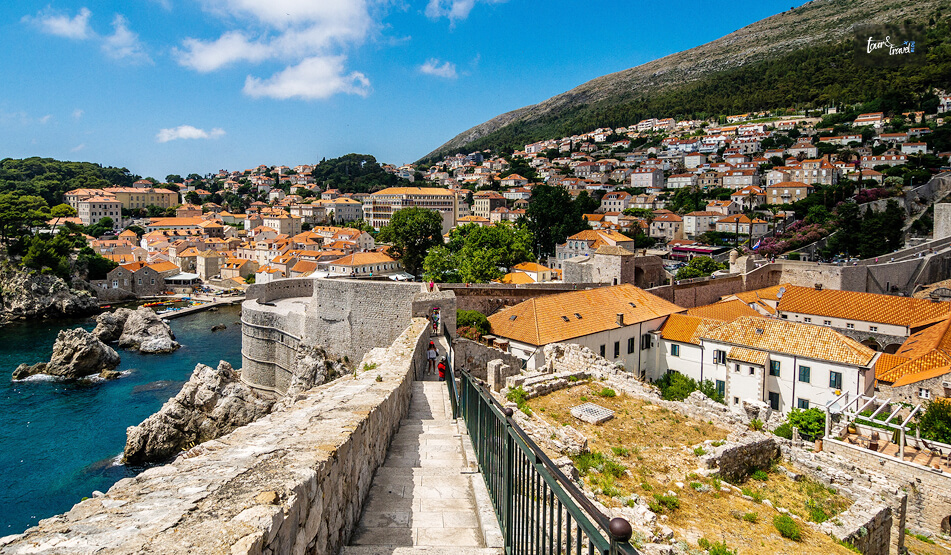
Kotor, Montenegro, is more than a UNESCO World Heritage Site.
We know it for the stunning views of the Kotor Bay and its unique medieval charm.
However, the food story of Kotor is not as fascinating as its Old Town Square, City Wall, and century-old stone houses.
And the best thing is that the local flavors are delightful yet ideal for backpackers and budget travelers through the Balkans.
My days in Kotor, Montenegro, were about savoring hot pastries and local seafood delicacies.
I was traveling on a shoestring budget, and in this travel guide, I will talk about the Kotor Montenegro cheap eats and where the locals eat.
Kotor Montenegro Cheap Eats: Why Is Kotor A Paradise For Foodies On A Budget?
Before I visited Kotor, Montenegro, I read an article named “Keeping Montenegro’s flavours alive” by the Food and Agriculture Organization of the United Nations.
It showed how the European Bank for Reconstruction and Development (EBRD) has helped around 100 smallholder farmers to keep the century-old culinary traditions and flavors alive.
The fresh produce, such as mushrooms and blueberries, offers tourists the most organic and authentic food experience.
Also, they are hosting tourists, and hospitality has become a source of income for them.
Danka Sekularac, while talking to EBRD, said,
“We have organic food, always organic. We have blueberries, mushrooms, actually everything. We do not buy anything at the market. That’s the best because we make the food with our hands and we know how it’s made. And it’s very delicious for tourists.”
The story came to mind more so because, recently, Montenegro's food imports exceeded exports by 25%, according to a FreshPlaza report.
Still, Kotor, Montenegro, remains a food paradise for budget travelers, with opportunities such as farm stays, rural exploration, wine tasting, and oyster farming.
Furthermore, traditional Montenegrin dishes such as Njeguški pršut, kacamak, and burek are hearty and affordable.
In addition, a meal at the street food stalls or the family-run taverns costs around $10.
Moreover, the fresh seafood and seasonal produce here make dining affordable and more delicious.
1. Farm Stays And Farm-To-Table Experience
You can include staying in a Katun or a traditional farm hut and having the best locally grown meals in your Kotor, Montenegro, travel itinerary.
However, this is not just about having farm-fresh food.
You can also be a part of the harvesting and cooking process for a wholesome experience.
2. The Art Of Slow Travel
Slow travel has brought the ultimate paradigm shift in tourism these days.
Kotor, Montenegro, offers you ample chances for slow tourism.
You can plan a stay in the rural areas.
Moreover, you can experience their local life and hospitality.
This way of traveling is also beneficial for the local economy and community development.
3. A Tour Of Oyster And Mussel Farms
You can drive to Ljuta and find farms that use sustainable aquaculture practices.
There, you can also have the best and freshest oysters and delicacies made with mussels here.
4. Olive Oil Tasting
Luštica is a drive of less than 30 minutes from Kotor.
Here, you will find ancient olive trees that are 1000 years old.
You will also find facilities where olive oil is produced using ancient methods.
5. Affordable Traditional Cuisine
Try the authentic and hearty cuisines of Montenegro.
These are Njeguški pršut (smoked ham), kacamak (cornmeal with cheese), and burek (savory pastry), costing just around $2-$5 per portion.
6. Street Food And Bakeries
I had the best savory pastries at Montenegro.
The local bakeries used to sell them at $1-$2.
Furthermore, sandwiches and grilled meats cost $5.
7. Family-Run Konobas
The family-run taverns in Kotor, Montenegro, are not just eating places.
These are the places where you make bonds and experience how food can bring people from different cultures and countries together.
Also, the owner of the Konoba offered me Kanija, or the local brandy, for free, and then I ordered a seafood platter.
It cost me $10.
8. Seasonal Freshness
Kotor is rich in seafood.
So, if you are especially in Kotor in the off-season, you will get fresh seafood at a minimum discount of 40%.
9. Market Culture
As you head for a picnic by the Kotor Bay, visit the market beforehand.
You will get fresh fish, seafood, cheese, fruits, and also cured meat for less than $10.
Where To Eat Cheap In Kotor Montenegro? Know The Best Restaurants, Cafes, And Bars In Kotor Old Town?
The Old Town is the best place for budget-friendly eating in Kotor.
It has a historic charm.
Dobrota, with its waterfront cafes and affordable seafood, and Muo, with family-run konobas, are the best neighborhoods in Kotor for budget-friendly eating.
Along with the traditional konobas, the restaurants and wine bars of Kotor, Montenegro, also serve authentic Montenegrin cuisine.
So, explore any of the following restaurants, cafes, and bars.
1. Restobar Taraca
Google Rating: 4.5
Pocket Pinch: €10 - €15 (Per Person)
Want to have the most magical food experience in Kotor?
Then, grab a table on the terrace at Restobar Taraca and watch the Sun spread its brightest red as you savor seafood delicacies with a Mediterranean twist.
Furthermore, if you are at Restobar Taraca, you must try grilled octopus with olive oil and herbs.
2. Konoba Scala Santa
Google Rating: 4.5
Pocket Pinch: €15-€30 (Per Person)
Konoba Scala Santa is one of the oldest taverns in Kotor.
It offers a true Balkan experience as you sip the local Vranac wine with the signature smoked ham (Njeguški pršut) and cheese platter.
Moreover, you have to be a little particular about your dress code if you are visiting Konoba Scala Santa.
So, choose smart casuals as your outfit.
3. Restoran Cesarica
Google Rating: 4.4
Pocket Pinch: €20-€25 (Per Person)
Cesarica is a seafood lover’s dream in the Kotor Old Town.
Also, Cesarica is a favorite among seafood lovers as it always serves the “catch of the day.”
Moreover, a fresh catch from the Adriatic and a freshly prepared dish from it make the day for visitors.
You must try the cuttlefish ink black risotto at Cesarica.
4. Hoste
Google Rating: Not Available
Pocket Pinch: €10 - €15 (Per Person)
Hoste is a trendy café-bar perfect for brunch or evening cocktails.
So, if you truly want to experience “eating like a local” at Hoste, you must try avocado toast with poached eggs.
Also, the espresso martini here is a local favorite.
5. Galion
Google Rating: 4.2
Pocket Pinch: Around €50 (Per Person)
To be honest, Galion is not ideal for budget travelers.
It offers an upscale dining experience with panoramic views of the Bay of Kotor.
However, if you are planning a romantic dinner here, you can reserve a waterfront table in advance.
Also, it is famous for its lobster pasta with creamy sauce.
6. Astoria Restaurant
Google Rating: 4.4
Pocket Pinch: Around €25-65 (Per Person)
How about trying the authentic cuisine of Kotor with some local flavors?
Then, Astoria Restaurant is the place you need to be.
The setup inside a historic hotel is elegant, and their tasting menu offers a complete culinary journey.
Moreover, Beef medallions with truffle sauce are the star of their menu.
7. Bastion
Google Rating: 3.9
Pocket Pinch: Around €15-30 (Per Person)
Bastion offers hearty Montenegrin meals in a rustic ambiance.
It is also famous for its slow-cooked lamb.
Moreover, the portions in Bastion are generous.
So, you can share the delicacy with others.
8. Pizzeria Pronto
Google Rating: 4.4
Pocket Pinch: Around €5-€12 (Per Person)
If you are in Kotor Old Town, Pizzeria Pronto is the best place to try authentic wood-fired Italian pizza.
I loved the spicy Diavola the most.
You can also try variations such as Capricciosa and Margherita.
Moreover, it is very close to the Main Square of Kotor, and the joint is a great conversation starter with fellow travelers and locals.
9. BBQ Tanjga
Google Rating: 4.7
Pocket Pinch: Around €30-€40 (Per Person)
The day I visited BBQ Tanja, I was running a little late for the day.
Fortunately, I found this place serving authentic Montenegrin food just outside the Kotor Old Town.
I could see meat getting grilled through the glass cover as I entered the space.
The interior has a unique setup, with the walls covered in images of a compass and scribbles.
However, I preferred to sit in the backyard area, which was quiet and more aesthetic.
I was in a hurry.
So, I tried some chicken and pork.
You can even opt for the family platters with different sauces, pickled onions, cabbage, French fries, and bread.
I also loved the bottle of Cedevita in lime flavor.
It was a much-needed dose to start the day.
What Are The Hidden Gems in Dobrota?
Dobrota, home to the Clock Tower and Maritime Museum, is also famous for its food scene.
Moreover, it has some hidden gems offering the ultimate Montenegro food experience.
10. Dobrotski Dvori
Google Rating: 4.5
Pocket Pinch: Around €15-€20 (Per Person)
Dobrotski Dvori is a family-run konoba by the water.
Also, it serves grilled calamari with garlic and parsley.
However, you must visit the tavern early and book a table for an amazing view of the Bay of Kotor.
11. Konoba Portun
Google Rating: 4.7
Pocket Pinch: Around €20 (Per Person)
Konoba Portun serves homemade rakija with their seafood delicacies and grilled specialties.
So, enjoy the local vibe here and don’t miss the Seafood Salad.
It costs 17.5€. You can even try the Cold fish platter for two.
Moreover, you will get an amazing view of the Boka Bay from Konoba Portun.
12. Mudra Art Cuisine
Google Rating: 3.9
Pocket Pinch: Around €35 (Per Person)
Mudra Art Cuisine is not a cheap eating place, let me be honest!
However, you cannot miss the mention of this place when discussing authentic Montenegrin food.
Chef Iskander spills magic in every dish he makes with locally sourced and organic ingredients.
Also, the Tuna Crudo & Burrata, with a raspberry-and-tomato cold soup infused with herbs, is a specialty here.
It costs around 32 Euros.
You can even try grilled seafood, lobsters, and octopus dishes here.
Moreover, there is a special kid-friendly menu at Mudra Art Cuisine, making it ideal for a family dining experience.
13. Hotel Forza Mare
Google Rating: 4.4
Pocket Pinch: Around €35-40 (Per Person)
Hotel Forza Mare is located inside a boutique hotel.
It is famous for sunset dinners and a stunning view of the Kotor Bay.
Moreover, sea bass fillet with roasted garlic ragout and scallops with potato cream are some of the specialties of Hotel Forza Mare.
Again, this is not ideally a place for Kotor Montenegro's cheap eats.
What Are The Hidden Gems In Muo?
Black risotto made with squid ink, grilled calamari, cheese, and local meat dishes are the delicacies you must try at the restaurants in Muo.
However, the family-run taverns or Konobas are the best place to try the traditional Montenegrin cuisine.
So, try any of the following places.
14. Konoba Akustik
Google Rating: 4.6
Pocket Pinch: Around €10-20 (Per Person)
I had the best Niksicko beer, brewed in Montenegro, along with grilled lamb chops.
The sun was setting, spreading its brightest red over the Kotor Bay.
Also, the silence of the sunset was broken as the entire setup started preparing for the acoustic night.
Moreover, mixed prawns and mussels and Shopska Salad, a Balkan specialty with cheese, tomatoes, and cucumber, are other must-try dishes.
Comparing The Best Kotor Montenegro Cheap Eats: A Summary Table
RestaurantsCuisineLocationPrice Range (€)Must-Try DishRestobar TaracaMediterranean / SeafoodKotor Old Town10-15Grilled octopus with olive oil & herbsKonoba Scala SantaBalkan / MontenegrinKotor Old Town15-30Njeguški pršut & cheese platterRestoran CesaricaSeafoodKotor Old Town20-25Cuttlefish ink black risottoHosteSnacks and CoffeeKotor Old Town10-15Avocado toast with poached eggs, espresso martiniGalionSeafoodKotor Old Town50Lobster pasta with creamy sauceAstoria RestaurantMontenegrinKotor Old Town25-65Beef medallions with truffle sauceBastionMontenegrinKotor Old Town15-30Slow-cooked lambPizzeria Pronto ItalianKotor Old Town5-12Wood-fired pizza (Diavola, Capricciosa, Margherita)BBQ TanjgaMontenegrinKotor Old Town30-40Grilled chicken & pork, family plattersDobrotski DvoriMontenegrin / SeafoodDobrota15-20Grilled calamari with garlic & parsleyKonoba PortunMontenegrin / SeafoodDobrota20Seafood salad, cold fish platterMudra Art CuisineMontenegrin Fine DiningDobrota35Tuna Crudo & Burrata, grilled seafoodHotel Forza MareMontenegrin / SeafoodDobrota35-40Sea bass filet with roasted garlic ragout, scallops with potato creamKonoba AkustikMontenegrin / BalkanMuo10-20Grilled lamb chops, mixed prawns & mussels, Shopska salad
Traditional Montenegrin Dishes You Must Try
Traditional Montenegrin dishes are a wonderful fusion of Balkan and Mediterranean influences.
Along with fresh seafood delicacies, you can also try hearty and slow-cooked meat dishes here.
1. Njeguški Pršut
It is a smoked ham delicacy and a specialty of the Njeguši village.
Also, it is served uncooked, and the flavors in this cured meat come from the burnt beech wood.
Traditional producers also believe that the distinct sea and mountain air of Montenegro make Njeguški Pršut so special.
BBQ Tanjga is one of the best family-run joints to try Njeguški Pršut. You can also have this delicacy at any traditional tavern.
2. Kacamak
Kacamak is a Balkan delicacy, and this cornmeal porridge is a rich mix of butter, potatoes, and salty cheese.
However, Kacamak is more than a hearty meal.
It is the national dish of Montenegro and has long been a staple among mountain dwellers.
Also, it is usually served with toppings of sour cream, kajmak, or fried bacon.
Moreover, it celebrates the country's agrarian roots.
3. Burek
These flaky pastries are also a Balkan specialty, with the savory ingredients varying from one family to another.
This delicacy originated in Central Asia, and the Ottoman Turks made it popular across countries such as Serbia, Croatia, Turkey, etc.
Furthermore, Burek pastries vary in shape, from pie-like structures to snail shapes.
Also, common fillings include cheese, ground meat, potatoes, spinach, and mushrooms.
Moreover, I have seen many bakers using eggplant filling for these pastries.
4. Fresh Seafood
Due to its location in the Adriatic Sea, Montenegro is rich in seafood.
Moreover, the nutrient-rich waters of the Adriatic Sea are home to diverse marine creatures, including fish, octopus, lobsters, and scallops.
Also, the geomorphological conditions of Boka Kotorska Bay and the traditional fishing culture are other major factors behind the ingrained seafood heritage of Kotor, Montenegro.
Moreover, try delicacies such as octopus salad, Riblja Čorba, or a traditional fish soup, and Buzara, a shrimp or mussels delicacy cooked in white wine.
What Are The Best Neighborhoods For Budget Dining In Montenegro?
The neighborhoods of Kotor, the Old Town, Muo, and Dobrota are a paradise for a budget eater.
However, each neighborhood has a distinct charm.
Also, the Old Town is the busiest, and Muo offers a quiet dining experience.
1. Kotor Old Town
It is great fun exploring the maze-like streets and the food stalls in Kotor Old Town.
Also, when you wander away from the main squares, you get stalls selling local delicacies at a lower price.
Moreover, the bakeries here are great for breakfast and snacks.
Also, you will get big portions of food for around 1 to 3 Euros in these bakeries.
So, Kotor Old Town is a great locality to eat cheaply in the city.
2. Dobrota
Dobrota is a favorite cheap eating place in Montenegro because of the variety of places it has.
So, you can find a mini piazza or local stalls, family-run taverns, and restaurants.
Furthermore, Dobrota especially has the best grilled meat delicacies of the other two neighborhoods.
Moreover, this is something only locals know.
3. Muo
Muo, or the Muo Village of Kotor, Montenegro, is replete with family-run taverns or konobas.
Also, these eating places are more affordable than the ones in Kotor Old Town or Dobrota.
Moreover, being family-run, the taverns offer authentic Montenegrin food.
Seasonal Pricing And Dining Tips For Kotor, Montenegro: Cheap Eats
For the transportation tips and cheap eats, you have to rely on locals or a local guide who will help you navigate Kotor.
Furthermore, it is always a smart option to visit eateries that have “menu of the day” deals.
Also, keep in mind how food prices here differ every season.
Tourist SeasonsMonthsExpected Change In Food Price High SeasonJune to AugustA price hike of 20–30%Off SeasonOctober to AprilExpect a 30-40% discount on the food items
Drinking water in Kotor is safe.
So, you can carry refillable water bottles instead of buying sealed bottles.
Also, try the local wines and beers, such as Nikšićko, to save money.
Moreover, you must avoid restaurants that offer “special tourist menus.”
These are marketing tricks and traps for charging a higher price for the same food.
What Are The Vegetarian And Vegan-Friendly Spots In Kotor, Montenegro?
Many local taverns and eateries serve vegetarian and vegan-friendly options in Kotor.
1. Vegan Options
•Restobar Taraca is the most trusted vegan-friendly eating option in Kotor.
Also, its Buddha bowl, Vietnamese rolls, sandwiches, and teriyaki are some of the extensive vegan options available.
•Java Coffee in Tivat is another vegan-friendly eating option in Kotor, Montenegro.
It is especially famous for its vegan breakfast items and drinks.
Moreover, you can have overnight oats, chia pudding, raw cakes, wraps, and plant-based milk here.
Also, Hamsa Hummus & Happiness and Nama Sushi are two other popular vegan-friendly options in Kotor, Montenegro.
2. Vegetarian Options
Pizzeria Pronto, with its varied options in veg pizzas, is a popular vegetarian eating joint.
Here, you will get the most popular veg options, such as Garden Fresh pizzas with fresh veggies, and simple Margherita pizzas with basil, fresh mozzarella, and tomato sauce.
You can even eat Spinach & Feta pizzas or the classic veggie one with bell peppers, mushrooms, tomatoes, etc.
Map Of Cheap Eats In Kotor
Popular AreasSpots to EatOld Town cluster (walkable in 10 minutes)•Pizzeria Pronto•Gyros King•Konoba Scala Santa•Cesarica•Fortuna•Delicious Burger•Moritz Eis•Marshall Gelato•Street Food AthosWaterfront Area•Pier65 Gastrobar•Little Bay RestaurantNear Center/Outside The Walls•BBQ Tanjga•Grill Pizzeria BuckoDobrota•Dobrotski Dvori•Konoba PortunMuo•Konoba Akustik•Taverna Muo•Muo Wine BarKamelija Mall•Soleil
Remember that Old Town spots are close enough to hit several in one walk.
Moreover, Dobrota and Muo are better as a separate afternoon.
What Are The Insider Tips For Eating Cheap In Kotor?
The tips for eating cheaply in Kotor start with choosing the right accommodation.
So, find a hostel or a budget-friendly accommodation with provisions for cooking.
Now, look for discounts and deals at local supermarkets.
Then, stock up on meats, prosciutto, crackers, nuts, cheese, and wine.
Furthermore, if you are eating out, find out places that sell pizza by slices and shareable meat platters.
Also, have Burek for breakfast and as snacks.
These flaky pastries are very filling, and most local bakeries sell them at 1 to 3 Euros.
Street Food, Markets, And Farm-To-Table Spots
Beyond restaurants and konobas, some of the cheapest and most authentic bites in Kotor come from stalls and stands rather than sit-down menus.
1. Kotor Market (Pijaca)
Just outside the Old Town walls, this open-air market is where locals shop daily.
Here, you can stock up on cured meats, local cheese, fresh figs, and cherries for a bay-side picnic.
Moreover, when you shop for food items and fresh produce from the Kotor Market, you will usually spend under €10 for two people.
2. Bakery Counters (Pekare)
You must look for burek and pastries sold straight from the window.
Also, as you bypass the sit-down section, you will have to pay just €1–€2 instead of €3–€4.
3. Don’t Miss The Grilled Meat Stands Near The Bus Station
The no-frills grill stalls near the bus station may look unimpressive.
However, these stalls serve ćevapi and sausage in bread for just €3–€5.
So, if you want to truly eat like local commuters, you must eat at these stands.
4. Farm Stands On The Dobrota Road
It is a small honesty-box stalls sell local honey, olive oil, and seasonal fruit.
Also, it is a usual stop for locals walking or cycling toward Dobrota.
The Ultimate Budget Food Planner For Kotor, Montenegro
Planning a few days of budget eating in Kotor?
Then, use this simple daily framework to keep costs down without repeating the same meals.
MealBudget OptionEstimated CostBreakfastBakery Pastry, and Coffee€2–€4LunchPizza Slice or Gyros Wrap€4–€6SnackGelato or Market Fruit€2–€4DinnerKonoba Meal with Local Wine€10–€15Daily Total -€18–€29
If you are still confused about how to budget for cheap eats or the entire Kotor trip? Then, you can use our travel budget calculator.
Moreover, budget for one "splurge" dinner like Cesarica or Galion mid-trip, and keep the rest of your meals to bakery and market spots.
Thus, you will still eat well for well under €30/day.
Kotor Montenegro Cheap Eats: Frequently Asked Questions (FAQs)
Here are the frequently asked questions and answers about Kotor, Montenegro, cheap eats.
1. What’s The Average Cost Of A Meal In Kotor? The average cost of a meal in Kotor, Montenegro, is around 10 to 20 Euros. However, this amount is for lunch and dinner. For breakfast and evening snacking, you can have pastries from local bakeries, and the cost will be 1 to 3 Euros. 2. Is Tipping Expected In Kotor? Yes, tipping is customary in Kotor. Paying 10% of your bill amount is the standard practice. However, if your restaurant bill already includes a service charge, it is up to you who can decide whether to pay a tip.Furthermore, when staying in a hostel or hotel, you will have to pay a tip of €2-€3 to the maids and €1 per piece of luggage to the porters.In addition, a standard tip for a tour operator is €5-€10 per person. 3. Are There Late-night Food Options? Yes, Kotor has late-night food options. However, you will mainly find the pizzerias and eateries selling food late at night near the Kotor Old Town. Also, the Nitrox Pub & Eatery is a popular eating and hanging out zone in Kotor. However, if you don’t want to visit a pub or bar, you can try local cuisine at traditional taverns or konobas. 4. Can I Find Vegetarian Food Easily? Yes, many eating places or traditional taverns in Kotor serve vegetarian food. Pizzeria Pronto is a popular joint for vegetarian pizzas. Some other vegetarian-friendly food joints here are Restobar Taraca and La Catedral Pasta Bar. 5. Where Can I Buy Cheap Snacks? The local bakeries and Kotor Market are the best places to buy cheap snacks in Kotor, Montenegro. You can always negotiate with the local vendors, and the local market is the best place for buying vegetables and fruits at a low price. However, supermarkets are better options if you are stocking up in bulk. There you will find the family packs, the best discount deals, and offers.





 Related