

Paradise Islands: Discovering Italy’s Hidden Gems

Feb 6, 2024

Last Updated on: Nov 18, 2024

Travel Guides

When you picture a perfect Mediterranean getaway, what comes to mind?

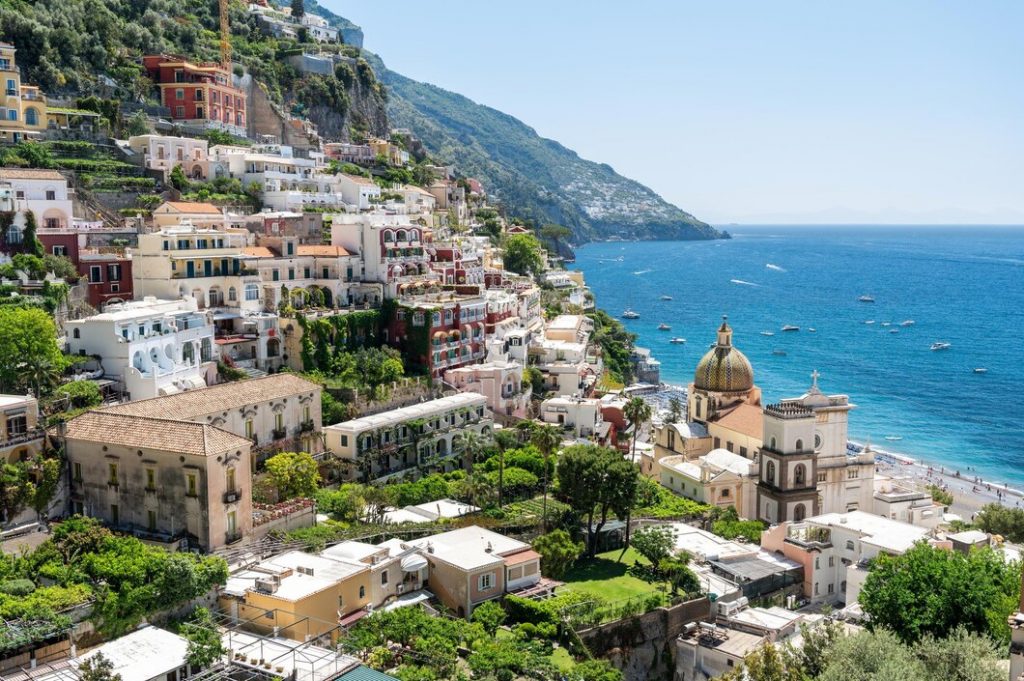
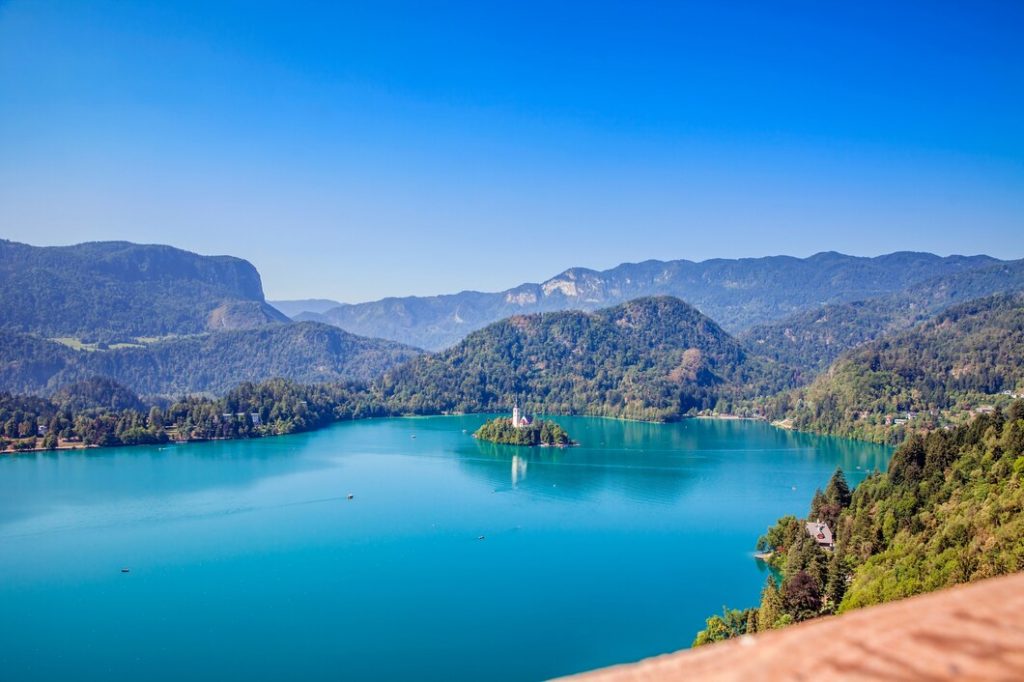
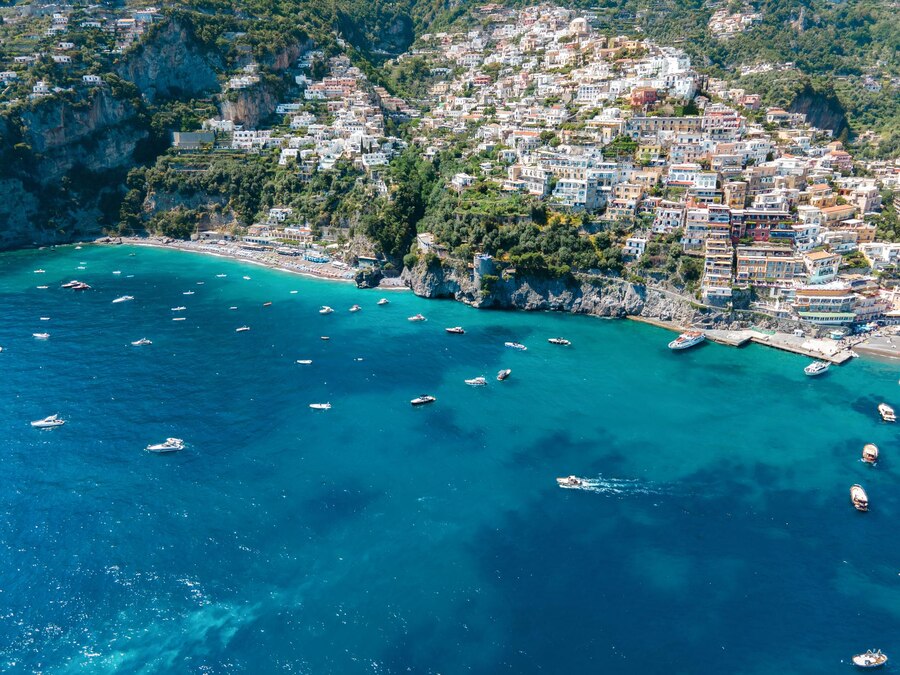
Lush vineyards, rugged seaside cliffs, and hillsides dotted with pretty churches and gelato by the coast – these are staples of Italy’s unique natural and cultural landscape. While the major cities attract millions each year, some of the country’s most incredible treasures lie just offshore – its islands. 

This article has some of the most amazing islands’ list you will find around Italy. So, if you are a travel enthusiast, here are a few of Italy’s most stunning islands.

Sicily 

Sicily 

As Italy’s largest island, Sicily’s charm is endlessly diverse, from coastal towns like Cefalù and Taormina to the volcanic slopes of Mount Etna. Cycle along rural routes through almond and olive groves or simply relax on the beaches along the Ionian coastline.

The island’s strategic location means every era of history has left an indelible mark, which is on display in everything from architectural gems to UNESCO World Heritage Sites. With its year-round warm climate and superb hospitality, Sicily promises an authentic Italian island paradise.

Taking a holiday in Sicily means stepping into a whole new world. Start your journey in Palermo’s Arab-influenced street life. Then, drive along the north coast, stopping at Cefalù, before continuing down the east coast to Taormina for more incredible panoramas. After exploring art-filled towns like Catania, head inland to appreciate mountaintop vistas from Etna. 

When it comes to accommodation, private villas are the ideal choice for a stay on the island. There’s a good selection of holiday accommodation in Sicily to choose from. Villas, apartments, and agriturismi often boast private pools, outdoor spaces and fully equipped kitchens, as well as catering services. Opting for a villa rental allows you to enjoy comfort, independence and the flexibility to come and go as you please, all essential ingredients for an idyllic island getaway.

Sardinia 

Sardinia, located west of the Italian peninsula and Italy’s second-largest island, boasts over 1,800 kilometers of stunning coastline and crystalline waters. Discover beaches of fine white sand set against a backdrop of jagged granite cliffs that tumble dramatically down to the sea, or venture inland, where rugged mountains and ancient stone villages contribute to the island’s its unspoiled appeal.

Nature lovers will want to spend time amidst plains of wildflowers and forests that are home to rare birds and mammals. Sardinia’s unique culture is evident in its gastronomy, which features cheeses like pecorino and ricotta, and in its traditions, for example, sheep-herding festivals. Coastal hubs like Cagliari, with its medieval landmarks, and Spanish-influenced Alghero, welcome travelers. Away from these areas, authentic farm stays provide a glimpse into local pastoral life. 

Diverse natural beauty and amazing landscapes all contribute to the thrill of exploring Sardinia. Along the coast, hidden bays and lighthouses dot limestone cliffs that plummet down to azure waters, and inland, craggy peaks rise green from dense cork oak forests. Packed with archaeological riches and fringed by remote beaches, Sardinia’s natural beauty and slow pace of life are simply mesmerizing.

Elba

Elba

Elba Island is a stunning destination, famous for its varied landscapes and history, located off the Tuscan coast. Also known as the island of Napoleon due to the French emperor’s brief exile here, Elba boasts beautiful beaches, mountains, and varied rural scenery.

Swim in crystal-clear turquoise waters that fringe sandy shores and pocket-sized coves. Or set off on one of the hiking trails that lead up into Elba’s mountainous interior, where slopes are dotted with picturesque medieval villages. 

Foodies will delight in local specialties that showcase the bounty from surrounding waters and hills, from lobster to tender beef. The island’s geological heritage is also interesting, thanks to a long history of iron mining.

Offering a heady combination of exploring Portuguese fortresses, mineral-rich hot springs, superb beaches, and picture-postcard town centers, Elba is a superb holiday destination for those looking for beauty, history, and relaxation on an unspoiled Italian island

Capri 

Catch a glimpse of the hideaway cove, or of pathways that wind through Bougainville and oleander-filled fragrant gardens. Above the sapphire-shaded Mediterranean, limestone rocks soar into dazzling blue skies. Capri is endlessly seducting, attracting visitors with its charm and mild climate and the promise of exploring lush hillsides before relaxing in seaside restaurants and strolling through tiny villages.

Immerse yourself in the relaxed pace of life in the Mediterranean amidst stunning natural scenery and in the open-hearted culture of Italy’s islands for a truly unforgettable experience. With careful planning and a natural desire to explore, a visit to any of Italy’s paradise islands – Sicily, Sardinia, Elba,, and dazzling Capri – will provide long-lasting visual memories of natural beauty and a wonderful cultural journey.

Ischia

Ischia

If you want to take your eyes off Capri a bit, simply hop on a ferry and travel across the Gulf of Naples. Here, lies the neigh neighboring of Ischia which boasts about its topical springs. Moreover, they invite glorious soaks, mesmerizing beaches and Neapolitans basking in the sun and holidaying. In these busy town centers, you might also find some great restaurants, gelato stalls, and other tourist attractions. 

Ischia first got fame in Neapolitan Navels and their subsequent TV remakes by Elena Ferrante. Although it is bustling you will not find it too busy, so visit it anytime you want. Dive into the astounding beach of Giardini la Mortella, soak in the dramatic view of the Aragonese Castle, and don’t forget to visit the upmarket villages near Sant’Angelo. 

Concluding Words

Italy is a place full of wonders. From bustling lanes to deserted islands, you never know what will surprise you. So, if these islands are not on your bucket list already, ensure to add them soon. There are other tourist destinations too which are located in these islands. Discover them while you travel here. 

Make sure to have a safe trip, and do not forget to live in the moment. So, that’s all about the mesmerizing islands of Italy.

I hope you liked this comprehensive guide. If it helped you gain necessary insights, do comment below. Thank you for reading. 

Read Also:

Share on Social Media

Arnab is a professional blogger, having an enormous interest in writing blogs and other jones of calligraphies. In terms of his professional commitments, He carries out sharing sentient blogs.

Leave a Reply

Your email address will not be published. Required fields are marked *

title-img Related

READ MORE Chios Greece travel guide

Chios Greece Travel Guide: How To Explore Chios Beyond Santorini? 

BY  Sibashree Oct 29, 2025

Afternoon siesta is a cherished luxury where I come from. Thousand miles away, I did not expect to experience something similar in Chios, Greece. I was driving through Mesta, and the faint, sweet-spicy scent of mastic trees overtook me.  I noticed one strange thing! Not a single shop was open, and even the ATMs were closed, despite it being a weekday. Curious, I asked my guide, and he said,  “We loved our naptime in the afternoon. The shops are closed from 2 to 5 PM. We value our food and rest! There is nothing to rush!” This is the moment I felt at home in Chios.  Chios in the eastern Aegean was hit by one of the largest wildfires of recent times in June and August 2025. These incidents were a major blow to the mastic trees and the entire region, with many trees destroyed by the wildfire.  However, a few months down the line, Chios, Greece, is experiencing a positive rebound in its tourism landscape. Despite being a relatively new name compared to Santorini or the Amalfi Coast, it is gaining attention for its genuine charm.  Despite an increase in interest, the tourism model here is focusing more on sustainability. Also, it is avoiding mass tourism to preserve its cultural heritage.  In terms of accessibility, Chios is going to get a new airport very soon. Also, for hospitality, this eastern Aegean island depends heavily on family-run lodges. Moreover, the island is capitalizing on its natural beauty and medieval villages to stay true to the official theme of “Experience Chios.”  Hi, in today’s blog, I will talk about the Chios, Greece travel guide that takes you to local artisan workshops, cooking classes, adventurous places, and more. Exploring The Local Artisan Workshops And Experiences  The mastic resin is the signature product of the region. The Pistacia lentiscus var. chia trees produce this resin. These are called the “tears” of Chios. The aroma is faint, but it lingers just like the most beautiful melody of a flute. My mastic harvesting tour was already set, and the experience I had will stay with me forever. We talk about environmental protection and sustainability. The people of Chios practice it in their lives.  Nevertheless, along with the mastic harvesting tours, attending the weaving workshops, pottery classes, and distillation plants were the best local experiences in Chios. I also enjoyed my time at the local tavernas.  1. Mastic Harvesting Tours In Mastichochoria Pyrgi, Mesta, or other villages in the south are ideal for farm tours. These have cooperatives and farms, where harvesting takes place during August and September. I was lucky to be in Chios in August.  The farmers here “wound” the trees so that they weep, and the tears are collected. Then, the tears are cleaned using a process called “Kefalari,” and watching the entire process is an immersive slow travel experience.  I talked to an old man in Mesta who was collecting the resin by hand. As I approached him, he said, “We treat the trees like family. If one dies, we plant another. We also pass on these trees to our future generations.”  Standing there, I could almost hear my grandfather, who used to say the same things about the trees he planted.  In Mesta and Pyrgi, I saw the soil getting hardened wherever the resin had fallen. Children love collecting those.  If you want to learn more about mastic harvesting in Chios, you can visit the Chios Mastiha Growers Association (CMGA). It now has around 4500 members from the 20 primary cooperatives spread across 24 villages.  2. Weaving Workshops In Pyrgi The houses in Pyrgi look wonderful, with distinct black geometric decorations. On some walls, I saw diamond shapes; others had stripes, and some even featured crisscross patterns. There is also a personalized touch in these geometrical shapes. I was standing near a house appreciating the diamond-shaped designs on the walls. An old lady peeped, and I asked her whether she had done the design or not! She started giggling like a little girl and said, “I have hidden the name of my husband in these diamond designs. It was a lot of fun when I asked him to spot his name for the first time.”  Once again, I felt that emotions are universal and the art of finding joy in little things.  The village also has a tradition of weaving. Explore the traditional looms and try your hand at the craft.  3. Pottery Classes In Armolia Armolia is the epicenter of pottery traditions in Chios, Greece. It is like a kingdom of brightly colored ceramics. Kefalakia, a one-necked Chian ceramic jug, is a must-buy.  I tried my skills at a hands-on pottery class, and I must say that I was not so proud of what I made!  4. Soap-Making And Herbal Distillation Chios has the best flowers and herbs. So, you will find many small family-run businesses here, including soap-making and herbal distillation. They also make local olive oil, mastic oil, and distilled water.  These small businesses have kept alive the heritage of natural wellness in Chios.  5. Getting Lost In The Alleys Of Mesta At Night View this post on Instagram A post shared by ᴍᴇꜱᴛᴀ ᴄʜɪᴏꜱ (@mesta.chios) It may sound a little scary, but it was fun for me. Mesta is like a labyrinth, and exploring this fortified village was like a treasure hunt. Indeed, it was planned this way to confuse the pirates who wanted to rob the town.  After my dinner at the guesthouse, I wanted to take a quick stroll around, and after half an hour, I was clueless about the road to take.  The alleys twisted and turned until I stood before a stone archway and a dead-end courtyard filled with vines. I could listen to my footsteps on the cobblestone road, and after a few minutes, I sat on a rock.  Suddenly, something magical appeared before the eyes. The stars over the Aegean were unreal, and the absence of light pollution made it look like I could reach them by stretching my arm.  I cannot tell you how long I waited there, and suddenly a call from my guesthouse broke my trance. The receptionist asked me to wait for a while and sent a guide from the guesthouse to guide me back.  6. Eating And Drinking At A Local Taverna Most tavernas I visited during my stay on Chios did not have a printed menu. That’s actually good, considering the menu is decided based on the fresh produce available on that day.  My guide used to ask “Ti echete simera?” or “What do you have today?” The waiter used to read from the list of items that were offered for the day.  Wellness And Retreat Travel In Chios, Greece  View this post on Instagram A post shared by Royal Pearl Island Chios Hotel & Spa (@royalpearlisland) Chios opened its first luxury wellness retreat, Pearl Island Chios Hotel & Spa, last year. Nevertheless, Chios has been celebrating its unique wellness tradition for years now.  1. Mastiha And The Herbs Of Chios Furthermore, Chios has been harvesting mastiha for more than 2500 years, and this natural product has medicinal properties. In fact, this knowledge of cultivating mastiha has been identified as an Intangible Cultural Heritage of Humanity by UNESCO.  Mastiha gum has anti-inflammatory properties, it helps heal wounds, and it improves oral health and the digestive system.  However, mastiha is not the only herbal ingredient grown here. The region also has chamomile, sage, thyme, and oregano. Furthermore, Souma, a traditional fig-based spirit is a crucial element in the wellness tradition of mastic oil and mastiha, the signature of Chios.  2. Holistic Healing In Chios  The holistic healing facilities in Chios include meditation sessions near Mavra Volia beach. Furthermore, you can look for yoga retreats in secluded coastal villas and thermal spa visits in nearby Volissos.  Away from the crowd, the thermal spa visit near Amani was the ultimate rejuvenation for me after a busy day.  Cooking Classes And Culinary Tour In Chios, Greece I visited a cafe called Citrus Memories inside an old estate near Chios town. They served a citrus drink made with local fruits grown in Kampos.  The juice was not very sweet. In fact, the hint of bitterness in the drink was the kick. The garden of the old estate had orange trees and stone walls around. So, it was like being in a different era.  The citrus smell of the oranges offered the most refreshing olfactory experience, while the sound of cicadas was somehow felt healing. This was one of the best experiences of food and beverage in Chios, Greece.  1. Mastic Liqueur Tastings I tasted mastic liquor at a local taverna in Mesta. My guide told me that having the mastic liquor after food helps with faster digestion.  The one I tasted had just the right hint of anise. However, it did not overpower the drink's citrusy finish. The texture of the drink was clean, and it cleansed my palate.  2. Cheese-Making Workshops I took a guided tour of the Sinanis' family's traditional cheese workshop. You will notice a wonderful fusion of modern and traditional techniques in cheese-making. Furthermore, you will get to taste their cheese along with other local produce.  3. Traditional Bread Baking In Wood-Fired Ovens Making bread in wood-fired ovens is one of the most cherished culinary traditions of Chios. I was fortunate enough to visit the Klossas bakery in the village of Volissos.  Started in 1955, it is still run by the same family. The setup still has a traditional setup without windows, and they bake a limited variety of bread.  4. Farm-To-Table Cooking Classes With Local Chefs Many local chefs organize a farm-to-table cooking class using locally produced olive oil, citrus fruits, and seafood. I learned to make ipovrihio, a special sweet made using mastic. It is a flavored sugary paste served in cold water.  5. Festivals Celebrating The Food Of Chios  I was lucky enough to be in Chios in the month of August. I could attend many festivals celebrating the local food.  FestivalsSignificanceTimingSouma Festival• Celebrates the Souma spirit made from figs• Celebrated with local delicacies and traditional dance • First two weeks of AugustMountain and Livestock Festival• A three-day festival in Pityos• Vendors selling local produce directly to the public• July or early AugustAmateur Fishermen's Festival• Celebrated in Mesta• Kakavia, or fish soup, is served as part of the marine tradition• AugustPanagia Festival and Saint Markella Festival• Food and drink are shared at the village square • August and July, respectively Moreover, festivals celebrating local saints, such as the Feast of Agios Ioannis the Theologian, are ideal for enjoying local food and beverages. Goat or hake delicacies are served at the end of the religious ceremonies.  Adventure Activities Beyond Hiking The diverse geography of Chios makes it an ideal place for nature walks and hiking. However, it offers many unique adventures. For example, swimming in the tiny coves near Vroulidia and Agia Dynami was the best experience for me.  I started swimming at Agia Dynami early in the morning. The water was so clear that it felt like glass. I could see schools of tiny fish flickering like silver confetti.  Also, after the swim, I went to the taverna up the hill. The owner there served grilled fresh sardines. The dog under the table, taking a nap, made the picture perfect.  Nevertheless, sea kayaking, rock climbing, cave exploration, and mountain biking are some adventure activities in Chios, Greece. 1. Sea Kayaking Along Volcanic Beaches The southern coast around Emporios and Mavra Volia of the Black Pebble Beach is dramatic. The clear water here creates the perfect contrast with the dramatic volcanic beach.  I loved kayaking here and explored the surreal geological formations that we cannot reach on foot.  2. Rock Climbing In Kambia Climbing the limestone cliffs in Kambia offers serious adventure. The crowd here is smaller. Also, you will enjoy the most amazing views of the Aegean from the cliff top.  3. Cave Exploration In Olympoi Olympoi Cave is an active sinkhole. It has a unique geological formation surrounded by stalagmites and stalactites. It is a cooler retreat from the summer Sun, and every formation here tells the stories of the rich geological past of Chios, Greece.  4. Mountain Biking In The North The Amani Forest and the northern mountain ranges have many trails challenging the skills of a mountain biker. As the biker winds through the pine forests, they get to see the panoramic views of the surroundings.  Hidden Historical Sites In Chios, Greece If you are a history buff, you can explore the following locations in Chios, Greece.  • Daskalopetra (Homer’s Stone)  View this post on Instagram A post shared by Hidden Chios (@hiddenchios) Daskalopetra, or the stone formation at the center of this archaeological site near Vrontados, is said to be the birthplace of Homer. The ancient poet of the Iliad and the Odyssey.  Steeped in mythology, the place looks over the sea. It offers moments of quietude and looks the most beautiful during the sunrise hours.  • Anavatos Ghost Village  The location of the Anavatos Ghost Village on a sheer granite cliff itself looks surreal. Also known as the “Mistress of the Wind,: Anavatos has been lying vacant since the 1822 Chios Massacre.  I was walking through its alleys just before the sunset hours, and I felt history coming alive and the island celebrating its resilience at the same time.  • Phanai Archaeological Site  The Phanai Archaeological Site is at the southern tip of the island. It has the ruins of an ancient temple dedicated to the God Apollo.  This site does not receive many visitors. So, exploring the remnants of the Hellenic civilization was quite thrilling. The beautiful coastal views add to its appeal.  • Byzantine Churches  Everyone talks about the UNESCO-listed Nea Moni Monastery. However, in search of something lesser known but equally meaningful, I reached Byzantine churches in the mountain villages of the north. These offer stunning iconography and architectural details, often overseen by a single, welcoming caretaker ready to share local lore. Interactive Cultural Places In Chios, Greece If you are traveling with your family, you can explore the following interactive cultural places. These are ideal for multigenerational tourists.  1. Chios Mastic Museum Hours Open: 1st March to 15th October (10 AM to 6 PM) and 16th October to 28th February (10 AM to 5 PM) Entry Fee: Standard Ticket - €3, Concession Ticket: €1.5, Free on Specific Days Such as 18th May, 5th June, and the Last Weekend of September View this post on Instagram A post shared by Çeşme - Chios Ferry Tickets (@sunrise_lines) The Chios Mastic Museum celebrates the tradition of mastic production, an intangible UNESCO heritage. Located in the Pyrgi Village, the museum is inside an eco-friendly building.  This museum focuses on the uniqueness of mastic as a versatile product. Further, it shows how cooperatives have played an important role in the production of mastic products in the recent past.  2. Chios Castle Hours Open: 8 AM to 3:30 PM (Tuesday Closed) Entry: Free View this post on Instagram A post shared by Nazli Usta Lazaris (@yunanistandannotlar) Located in the north of the town center, Chios Castle used to be the fortified core of the town, starting from the Genoese period. Spanning over an area of 180,000 m2, the castle is still inhabited.  3. Giustiniani Palace Inside the Chios Castle, the Giustiniani Palace was the headquarters of the Genoese administration. As a museum, it holds archaeological and art exhibitions.  4. Chios Archaeological Museum Hours Open: 8 AM to 7 PM (Closed on Mondays in Winter) (Temporarily Under Renovation) Entry Fee: 10€ The Archaeological Museum of Chios has art exhibits from the Neolithic period to the Roman era. Furthermore, sculptures from the Prehistoric settlements, coins, inscriptions, mosaics, and more are exhibited in the museum.  5. Chios Maritime Museum Hours Open: 9 AM to 2 PM (Tuesday, Wednesday, and Thursday) Standard Fee: €3.00 Concession Fee: €2.00 Nestled in a neoclassical building, Chios Maritime Museum celebrates the rich maritime history of the island. It has nautical artifacts and ship models.  Beaches In Chios, Greece  Agia Dynami will always be my favorite with its calmness and the absence of any loud beach amenities.  However, Mavra Volia is a more touristy one, with its dramatic black pebbles and sapphire water.  Elinda Beach is another beach on the west of the island. It has a hidden cover, and it is famous for amazing sunset views of the Aegean.  A 5-Day Itinerary In Chios, Greece They say that 3-4 days are enough in Chios. However, for me, even the five days I spent here were not enough.  This is how I spent the days. DaysActivitiesDay 1• Mastic Harvesting Tour• Pottery Class in Armolia• Sea Kayaking near Mavra Volia• Attending the Souma Festival• Dinner at a TavernaDay 2• Early Morning Swim in Agia Dynami• Exploring Pyrgi and its Weaving Scene• Visiting the Mastic Museum• Visiting the Phanai Archaeological Site• Attending a Bread Baking ClassDay 3• A Trip to Daskalopetra and the Byzantine Churches• Visiting the Chios Castle• Exploring the Anavatos Ghost Village before Sunset Hours• Feasting at the Amateur Fishermen's Festival • An After-Dinner Stroll and Getting Lost in the Alleys of ChiosDay 4• Visiting the Chios Archaeological Museum• Mountain Biking near Kambia• Attending a Soap Making ClassTaking a tour of the Sinanis' Family's Traditional Cheese Workshop• Back to Chios in the Evening• Thermal Spa Visit near AmaniDay 5• Attending A Farm-to-Table Cooking Class• Collecting Olive Oil and Mastic Products• Off to the Airport Things To Remember For A Trip To Chios, Greece Here are some essential things you need to keep in mind for a trip to Chios, Greece.  Family Travel Tips• Visit shallow beaches like Agia Fotini• Choose kid-friendly tavernas with playgrounds.• Visit interactive museums and farms Eco-Tourism & Sustainability Tips• Stay in an eco-lodge• Visiting the Amani Forest and its protected eco trailsEco-Lodges and Sustainable Travel• Mastic Eco Retreat• Volissos Earth Homes• Amani Forest CabinsPhotography Spots & Sunrise/Sunset Locations• Sunrise at Daskalopetra• Sunset over Volissos Castle• Colorful alleys of Pyrgi• Black pebble beach of Mavra Volia• Panoramic views from Anavatos How To Reach Chios, Greece?  You have to reach Chios by air or sea. Here are the details. Also, many people include Chios as an extension of the coastal tour of Turkey, which is just a 30-45 minute ferry ride away.  Nevertheless, here are the details. By Air• Route: Direct flights from Athens International Airport (ATH).• Airlines: Aegean Airlines/Olympic Air and SKY Express.• Duration: The flight takes only 50 minutes.By Ferry• Route: Piraeus Port (Athens) to Chios Town Port (or sometimes Mesta Port)• Operator: Primarily Blue Star Ferries.• Duration: 7.5 - 10.5 Hours.From Turkey• Route: Çeşme, Turkey to Chios Town Port.• Duration: An incredibly short 30–45 minutes by high-speed ferry. Taking a car rental is the only way to explore Chios. However, if you drive, make sure that you can manage driving on the cobblestone streets.  What Is The Best Time To Visit Chios, Greece? April to October is the best time to visit Chios, Greece. Furthermore, April to June is the ideal time for adventures, and July and August are the ideal time for mastic harvesting tours, hitting the beaches, and taking part in the festivals.  September onward, the crowd becomes less, and you can enjoy the beauty of the quiet autumn here till October. November onward, the island does not have many tourists, and many facilities also shut down during these months.  Budget For The Chios Trip My trip to Chios cost me around $2000. However, that does not mean that Chios is a very expensive place. Here is a quick breakdown of the expenses.  ExpensesCostFlights$1200Accommodation for 4 Nights$180Food and Drink$150Local Transport$75Activities$150Total $1755 So, get ready to experience offbeat Greece and the most authentic Chios. Kaló taksídi! Chios Greece Travel Guide: Frequently Asked Questions (FAQs) Here are the frequently asked questions and answers about Chios, Greece. 1. Is Chios A Nice Island? Less than an hour away from Turkey’s coast, Chios is the fifth-largest island of Greece. It is a nice island with a pristine vibe and a rich heritage around mastic production, natural healing, pottery, and weaving. Furthermore, its historical ruins have many stories to share about the vivid past of the island.  2. Does It Snow In Chios? No, it does not snow in Chios because the air is typically around 62% humid. However, temperatures drop significantly in the months of January and February, and the temperature is around 6 to 12 degrees Celsius.  3. What Is Chios Food? Chios food is an extension of what is available as local produce. So, you will find the use of citrus fruits such as mandarin, local cheese such as mastelo, fish, and mastic resin. Furthermore, despite its distinct culinary heritage, food here shows an influence of the nearby Asia Minor. 

READ MORE Aeolian Village Beach Resort

Aeolian Village Beach Resort: The Ultimate Destination For Relaxing Holidays

BY  Arnab Jun 20, 2023

The Aeolian Village Beach resort, located on the western coast of Lesvos, in the village of Skala Eressos, is the go-to destination for holidaymakers worldwide, offering them a carefree, relaxing, dreamy vacation. Among the people who choose the Aeolian Beach Resort for their holidays are families with children, couples, and groups of friends who wish to enjoy an adventure tailored to their needs and preferences. The resort offers an amicable blend of luxury, serenity, and solitude, making their stay there one to remember. Things to do during your stay. A variety of Water and Ground Activities are available for those who seek fun and adventure even when on holiday. For holidaymakers who wish to enjoy amazing water activities - sailing, kayaking, windsurfing, and SUP are available, and for those who prefer to explore the island on two wheels, road cycling, and mountain biking are ideal. Moreover, the Aeolian Village has included tennis lovers on their list of considerations when planning their activities, as not one but three floodlit tennis courts are available, as well as tennis equipment, and a tennis instructor, for those wishing to improve their skills and technique. On the other hand, for those with a more laid-back lifestyle, swimming and sunbathing are the perfect option, as the pool and the private beach are there to offer them relaxing times. There is also an exquisite spa, offering the ones to visit it personal consultations and treatments designed to suit their needs and preferences. What also shouldn't be missed, every September, women from all over the world come together in Skala Eressos for a week-long celebration of music, art, and culture. The International Women's Festival in Skala Eressos features performances by world-renowned musicians and artists, as well as workshops, seminars, and other events focused on promoting women's empowerment and creativity. Located just a short distance from the festival grounds, the Aeolian Village Beach Resort provides the perfect home base for festival-goers looking for comfortable and convenient accommodations. With spacious rooms, beautiful ocean views, and a range of amenities, including multiple swimming pools, tennis courts, and restaurants, the resort has everything you need to relax and recharge between festival events. Additionally, those visiting the hotel with their kids could not be an exception, as having fun is a priority for them. Therefore, plenty of activities are available for them, too, with a kids’ club, swimming pools, and restaurants featuring specially designed kids’ menus that all kids love. During the day, children can spend hours at the kids’ club, where there are games and toys, and do some arts and crafts under the supervision of educated and experienced nannies. If, however, they prefer the outdoors, they can choose from a variety of sports and games at the resort’s premises, or at the beachfront, under the beautiful Greek sun. Different types of accommodation The hotel offers guests different room options to suit their style. Twin-room bedrooms with modern designs are ideal for couples and friends, whereas Studio Suite Bedrooms are suitable for those seeking something a bit more extra and luxurious. The Superior Suites can accommodate up to four persons and are truly elegant and spacious. Moreover, there is also the option of the bungalow Suites, which have a green space outside, which families, in particular, might prefer, as the kids will have some space outside to play before leaving the room. The island of Lesvos Lesvos is the most popular northern Aegean island with amazing sandy beaches, a unique destination for travelers who wish to combine fun and quiet time with their holidays. There are different ways by which you can reach Lesvos island, either by plane or by ferry. The easiest way to reach the island is from Athens. Travelers can choose to fly from Eleftherios Venizelou Airport and arrive at the island one hour later or get a ferry from Piraeus port which departs around 4-5 times a week. During the summer months, the airport gets busy as it receives flights from Heraklion, Rhodes, Samos, Chios, and some European countries like the Netherlands, Belgium, and the UK. There are, of course, also ferries that connect the island, and in this case, the traveling is significantly more inexpensive than a Lesbos flight.  Upon your arrival, you can reach your destination either by taxi or using public transportation on the island. Places to visit in Lesvos Not everyone wishes to lay on a beach and enjoy the sun on their holiday. There are people who wish to explore the area they are visiting and get to know more about the culture, civilization, and history of the place. Lesvos has many delightful places tourists can choose to visit. Among the most popular is the ‘Caste of Molyvos,’ the ‘Petrified Forest of Lesvos,’ the ‘Natural History Museum,’ and ‘Panagia Glykofilousa.’ The most visited beaches are ‘Skala Eressos Beach’ and ‘Agios Isidoros Beach.’ Read Also: Top 12 Montana National Parks You Must Visit In 2023! Best Beaches In Costa Rica For Family Vacation Where To Stay In Key West? – Travel Guide

READ MORE Raja Ampat diving trips

What Are The Best Raja Ampat Diving Trips? Know The Sites And Practical Tips 

BY  Sibashree Oct 31, 2025

27th September 2025! Raja Ampat gets the designation as a UNESCO Biosphere Reserve. It was already recognized as a UNESCO Global Geopark. So, now it becomes one of the few places in the world to earn these two designations. Furthermore, UNESCO calls Raja Ampat a “living library” because of the rock formations, which are 400 million years old, and the extraordinary marine life. It also has the nickname of “Amazon of the Seas” because of its presence in the “Heart of the Coral Triangle.” Moreover, according to UNESCO, Raja Ampat has 75% of the known coral species in the reefs  Over 1300 reef fish species  Hawksbill turtle and other endangered and rare turtle species. So, no wonder that Raja Ampat is a favorite destination for divers. In this blog, I will share the Raja Ampat diving tips, cultural etiquette, sustainable diving, and seasonal diving guidance. Raja Ampat: Geographical Location, Climate, And Natural Features Raja Ampat, meaning “Four Kings,” is an archipelago off the northwest tip of Bird's Head Peninsula in Southwest Papua, Indonesia. Its four main islands are: Misool Salawati Batanta Waigeo It has 1500 small islands, shoals, and cays surrounding these four main islands. Raja Ampat has a tropical climate. So, it enjoys consistent weather conditions throughout the year. The day temperature here is around 31 degrees Celsius, and the nighttime temperature is around 25 degrees Celsius.  Along with the marine diversity and its location within the Coral Triangle, Raja Ampat also stands out because of its pristine beaches and karst limestone cliffs. Moreover, it has a lush tropical vegetation. However, for me, the most fascinating part was the people of the sea here. The indigenous Papuan Community here worships the sea as their living ancestor. The elders here even pray to the sea and some cliffs or rocks in the sea before fishing or any form of community gathering.  How To Reach Raja Ampat From Major Countries?  Jakarta, Bali, or Makassar is the gateway to Raja Ampat for international travelers. From any of these airports, you will have to take a flight to Sorong (SOQ). Again, from Sorong, you will take a short flight or ferry ride to Waisai. Waisai is the capital of Raja Ampat.  I traveled by the ferry. However, you can even take a short flight. The ferry ride was 2 hours long, and these services are available twice daily.  Seasonal Diving Conditions In Raja Ampat Raja Ampat is a year-round diving destination. However, the conditions of the sea and marine diversity will differ from one month to another.  October to April is usually considered to be the best time to visit Raja Ampat Indonesia, for scuba diving, thanks to an average temperature of 27°C to 30°C and visibility up to 30 meters. In addition, in these months, the plankton blooms attract whale sharks, manta rays, and other pelagic species.  Here is a detailed breakdown of seasonal diving conditions in Raja Ampat.  1. Monthly Biodiversity Calendar The table below has the monthly biodiversity conditions and notes for divers.  MonthsKey Marine EncountersWeather ConditionsNotes for DiversJanuary• Abundant Macro Life• Whale Shark Sightings• Peak Manta Ray Activity• Temperature 25-30 • Degrees Celsius• Moderate Plankton Bloom• Mild Current • Excellent manta cleaning-station actionFebruary• Vibrant Coral Reefs• Strong Manta Ray • Sightings• Whale Shark Spotting• Consistent Visibility• Temperature 25-30 Degrees• Calm Sea• Ideal for Reef Observation and Wide-Angle PhotographyMarch• Active Whale Sharks• Turtke Mating Season • Stable CurrentTemperature 25-30 Degrees• Balanced Pelagic and Reef Encounters• High Marine BiodiversityApril• Coral Spawning Events• Manta Rays• Schools of Fish• Clear Visibility• Warmest Sea• Temperature 25-30 Degrees• Ideal for Observing Reproductive Coral behaviorMay • Juvenile Fish Recruitment• Manta Rays Become Less• Abundant Macro Species• Roughter Sea• Reduction in Plankton Density• Temperature: 24-32 °Celsius• Great for Photographers for clicking Small ObjectsJune• Intensified Sea Turtle Mating• Dispersing Manta Rays• Variable Visibility• Increased Wind• Temperature: 24-29 °Celsius• Strong Macro Season• Ideal for Diving in Sheltered BaysJuly• Juvenile Reef Lives Thrive• Turtle Nesting • Possible Surface Chop• Cooler Winds• Temperature: 23-28 °Celsius• Ideal for Night Dives to see Predators and • Nesting Turtles August• Macro-Rich Reefs• Turtle Hatchlings• Fewer Mantas• Intermittent Rain• Rough Sea• Temperature: 24-29 °Celsius• Ideal for Spotting and Photographing Turtle Life CyclesSeptember• Plankton Blooms Return• Mantas Start Appearing• Transition to Dry Season Begins• Temperature: 28-29 °Celsius• Increasing pelagic activity at channels and reef edgesOctober• Start of Peak Manta Season• Improved Visibility• Potential Coral Spawning • Calm Sea• Temperature: 25-30 °Celsius• Great for Seeing and Feeding Manta Rays• Ideal for Reef RejuvenationNovember• High Manta Density• Active Whale Sharks• Strong Coral Growth• Calm Sea• Clear Visibility• Temperature: 25-31 °Celsius• Suitable for Liveaboard Itineraries December• Mantas FrequentCleaning Stations• Whale SharksCommon• Pristine Reef• Calm Sea• Excellent Visibility • Temperature: 25-31 °Celsius• Outstanding Photographic Light• Excellent Diving Conditions 2. Key Species And Seasonal Patterns Manta rays, whale sharks and sea turtles are the key marine species in Raja Ampat. Furthermore, the waters here have the most amazing macro life and watching coral spawning here is an experience.  Species and Seasonal ActivitiesPeak SeasonNotes Reef and Oceanic Manta Rays• October to April • Manta rays congregate at cleaning stations (Manta Sandy, Manta Ridge, Blue Magic).• You have to maintain neutral buoyancy near the cleaning stations. • Avoid flash photography. Whale Sharks• October to March• Spot the whale sharks near the fish-aggregating devices.• You will also find them near Cenderawasih Bay and Triton Bay as they are rich in planktons. • Maintain a distance of at least 3-4 meters. Sea Turtles (Green, Hawksbill, Leatherback)• Mating: June–September• Nesting: July–October• Hatching: July–August• Observe at night under red light. • Don’t touch or obstruct the nesting sites. Coral Spawning• April and October to November• Coral spawning happens 3–6 nights after the full moon, when the temperature rises. Macro Life• May to SeptemberSpot• Pygmy seahorses• Nudibranchs• Blue-ringed octopus• Ornate ghost pipefish 3. Environmental Summary  Here is a summary of sea and weather conditions in Raja Ampat.  Sea Temperature• 25-30°CVisibility• 20-40 Meters, (Best from October to April)Currents• Moderate to strong at reef passes• Ideal for nutrient collectionRainfall• June–SeptemberBest Diving Conditions• October to April 4. Ecological Insights  Despite seasonal differences, Raja Ampat enjoys matchless biodiversity. Once you take a dive, you will get to see at least 300 species of fish.  Due to the northwestern monsoon influence, the October to April period is warm in Raja Ampat. Phytoplankton blooms in this season, making the water nutrient-rich and ideal for manta rays and whale sharks.  The dry season from May to September is ideal for coral growth and turtle reproduction.  Use apps like Windy and MagicSeaweed for current forecasts. Check tide charts and moon phases to plan dives around slack tides for safety and visibility. Diver Planning Notes: Summarizing The Seasonal Activities  Know the best time to plan a diving trip in Raja Ampat.  ActivitiesThe Best SeasonFor Pelagic Encounters and Clear Visibility (Whale sharks, manta rays)October to AprilTurtle NestingJuly to SeptemberCoral SpawningApril or OctoberMacro PhotographyJune to September (Mild current, abundant critters)LiveabroadsOctober to April The Best Raja Ampat Dive Sites And Breakdown By Season The best dive sites in Raja Ampat are ideal to visit in different seasons.  1. Cape Kri Cape Kri is the most diverse diving site if you want to spot various marine animals. November to March is the best time to visit Cape Kri for large pegalics.  2. Blue Magic Blue Magic is ideal for a dive in the dry season for manta ray sightings. You will also spot big fish and small critters here. This is the best diving site for macro photography.  3. Melissa’s Garden Melissa’s Garden is a year-round diving spot and known for its vibrant coral scene. It is also a site to spot the Wobbegong.  Here corals and soft sponges cover the seabed. Also, due to no to very mild current here, it is a beginner-friendly diving site.  4. Mioskon View this post on Instagram A post shared by Gritimook Wisettanakorn (@drgrit_freshcode) Mioskon is another favorite diving spot for beginners. It has calm conditions during April and June. This island in the Dampier Strait stands out with its V-shaped coral reef.  Spot Napoleon Wrasse fish, pygmy seahorses and Wobbegong sharks. Furthermore, the jungle surrounding the island is home to birds of various species.  An 8 Days / 7 Nights Itinerary In Raja Ampat For Divers Here is an itinerary suitable for divers in Raja Ampat. The route of this 8 days and 7 nights diving tour is Sorong → Misool → Dampier Strait → Wayag → Sorong.  DaysActivitiesDay 1• Arrival in Sorong• Transfer to liveaboard• Equipment check and dive briefing• 2 Easy reef dives in southern Missool• Night dive: pygmy seahorses, crustaceans, and reef crittersDay 2 - Exploring Misool• Dive highlights: Boo Windows, Fiabacet, and Magic Mountain• Encounters: soft corals, reef sharks, barracuda schools, and cleaning mantas.• Lagoon excursionDay 3 - Transit to Central Raja Ampat• Pinnacle dive in the early morning.• Long transit north toward the Dampier Strait.• Afternoon dive at sheltered reef or muck site.Day 4 - Dampier Strait• Diving Sites: Cape Kri, Chicken Reef, Sardine Reef, Mioskon• Spotting schools of snapper, jacks, trevallies, and wobbegongs• Night dive under Arborek Jetty for macro lifeDay 5 - Manta Encounters• Exploring Manta Sandy and Manta Ridge cleaning stations• Late dive at Melissa’s Garden for coral gardens and reef fish• Sunset snorkel and village visits Day 6 - Northern Transit (Wayag)• Diving and spotting reef pinnacles with oceanic mantas.• Island exploration and sunset viewsDay 7 - Wayag• Diving and spotting Expect big pelagics, turtles, and pristine coral walls• Afternoon hike• Gear rinse and dinner on boardDay 8• Return to Sorong• Off to Airport Essential Dive Gear Checklist For Raja Ampat 3mm wetsuit Reef-safe sunscreen Surface marker buoy Dive computer Underwater camera Spare mask and fins Waterproof bag Travel insurance with dive coverage Diving Tips For Beginners And Advanced Divers Many diving sites in Raja Ampat is not suitable for beginners for strong currents. If you are a beginner, you must stick to sites such as Mioskon and Melissa’s Garden and choose guided divers.  Underwater Photography Tips In Raja Ampat Dry season is the best time for underwater photography in Raja Ampat because of clear visibility and the best lighting. This season is ideal for wide-angle shots.  You can use strobes and a red filter to enhance the contrast and color of the photos.  Budget Vs. Luxury Options For Raja Ampat Diving Trips If you are a budget traveler, homestay dive safaris like Scuba Republic offer affordable packages. Furthermore, if you are a luxury diver, liveaboards such as Dewi Nusantara provide premium experiences with onboard amenities. Furthermore, if you are a mid-range traveler, you can choose Papua Explorers Dive Resort for cost-efficiency and comfort.  Also, here are budget estimates (excluding international flights) for different types of travelers to Raja Ampat.  Days of TravelEstimated Cost5-6 Days• Solo Traveler: $1,200• Couple: $2,200• Family of 4: $4,0007-8 Days• Solo Traveler: $1,600• Couple: $2,900• Family of 4: $5,50010 Days• Solo Traveler: $2,200• Couple: $4,000• Family of 4: $7,500 Cultural Insights And Sustainable Diving Practices Sustainability here isn’t an abstract ideal. It’s an extension of Papuan culture, which teaches harmony between people and nature. So, to understand the spirit of sustainability here, you will have to understand the local culture.  Raja Ampat has many local stories of conservation and pride to share.  1. Arborek Village: The Women Of The Reef View this post on Instagram A post shared by Un autre pays / Paysages & Voyages (@unautrepays) Women in Arborek lead manta ray monitoring and coral gardening. They have traditional fishing knowledge and they plant coral fragments. They also keep a record of data for researchers.  Thus, they blend ancient intuition with modern conservation.  2. Misool: From Hunting To Healing The elders of Misool were once shark catchers. Today, they work as rangers of one of the largest no-take zones in the world.  So, from the culture and heritage of fishing, they have now evolved to be ecological guardians.  3. Yenbuba: The Youth Of The Tides View this post on Instagram A post shared by INDONESIA UNDERWATER (@indounderwater.id) Young divers from Yenbuba learn English and reef biology and they work as eco-guides. They share the local culture with global visitors. Thus, they keep the heritage alive and act as a bridge to new opportunities that will help preserve the environment and local culture.  So, each story of local pride and conservation effort shows how the Papuan people here are not just witnesses to the conservation process. They are the architects.  Moreover, with ancestral knowledge, the local Papuan guides will be your best assistance during diving expeditions. They are better than GPS and charts.  Food In Raja Ampat: 10 Must-Try Dishes The local food here is an extension of who the people are and their way of living. Flat noodles with eggs and a lot of spices are the comfort food here. Another favorite is skewered grilled chicken or fish with peanut sauce or satay.  Furthermore, Calamari or crispy battered squid, Baha-Baha or a sweet sago snack, served with tea are the most popular delicacies here.  Raja Ampat Vs. Other Indonesian Dive Destinations Here are some other popular diving destinations in Indonesia. Let’s find out why Raja Ampat is a better choice.  Diving SpotsComparison with Raja AmpatKomodo• Komodo has strong currents. However, it is not as rich in biodiversity as Raja Ampat is. Bali• Bali is more suitable for beginners, while barring a few spots, Raja Ampat is more suitable for advanced divers. • Also, Bali is overcrowded. Lembeh• Lembeh is the capital of macro diving. Raja Ampat, on the other hand, is more suitable for wide-angle diving.  Overall, Raja Ampat is the best for diving because of its matchless biodiversity, remote adventure and coral health.  Things To Do And Avoid In Raja Ampat  Keep these Raja Ampat diving tips in mind and be a responsible traveler. Things to DoThings to Avoid• Carry valid passport with at least 6 months validity.• Buy travel insurance with dive coverage.• Carry the dive certification and logbook.• Have confirmation for dive gear and rental.• Carry cash in Indonesian Rupiah for local purchases.• Use reef-safe sunscreen and eco-friendly toiletries• Underestimating travel time and logistics• Ignoring dive experience requirements• Touching or damaging coral reefs• Not budgeting for inter-island transport. Where To Stay In Raja Ampat?  Find the details and the expenses of staying at these top accommodations in Raja Ampat.  Name of the AccommodationExpensesAmenitiesMap/LocationMeridian Adventure Marina Club & ResortStarts from $200 per Night• Close to the port• Modern amenities,• Excellent dive servicesClick HereAgusta Eco ResortAround $250/night• Beachfront Bungalows• Diving Packages• Swimming PoolClick HereKayafyof HomestayStarts from $100/Night• Amazing Snorkeling SpotsClick Here Is Visiting Raja Ampat, Indonesia Worth It? Yes, Raja Ampat is a rare diving paradise with dual recognition as a UNESCO Biosphere Reserve and Global Geopark. From shark whales to manta rays and sea turtles, it has the most diverse marine life.  Furthermore, it has a vibrant coral ecosystem. Also, it is suitable for underwater wide-angle photography and snorkeling. So, Raja Ampat is a must-see destination for underwater enthusiasts and divers.  Raja Ampat Diving Tips: Frequently Asked Questions (FAQs) Here are the frequently asked questions and answers about Raja Ampat diving tips.  1. Are There Tiger Sharks In Raja Ampat? Raja Ampat is a UNESCO Biosphere Reserve and a Global Geopark for its marine diversity. Also, carpet whales and whale sharks are common here. However, tiger sharks and bull sharks are absent here.  2. Is Raja Ampat Ok For Beginners? Yes, Raja Ampat has spots such as Melissa’s Garden and Mioskon, which have no to mild current. These places are suitable for beginners.  3. Is There Alcohol In Raja Ampat?  You will mostly find beer in Raja Ampat. However, the homestays here do not have the license to sell beer. So, find an authorized place if you want to have a drink. Arborek has one shop selling beer.  Read Also: Where Is Nusa Penida Island? (With Location, Direction, Why Is Nusa Penida Famous, And What’s Going On) Is Munduk Bali Worth Visiting? (Direction, Things To Do, Unique Attractions, And More) Bali vs Thailand: Which Place is Better?