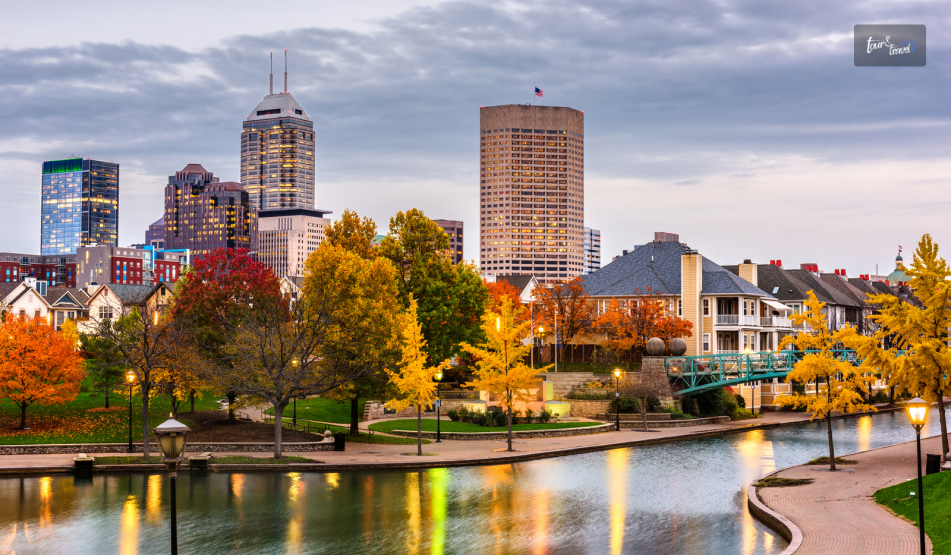


Is Indianapolis Safe? Things You Must Know Before Planning An Indiana Tour

Jan 30, 2025

Last Updated on: Jul 3, 2025

Travel Guides

Despite having famous cultural trails and many important museums in the USA, Indianapolis tourism has always been affected by safety concerns. Is Indianapolis safe? This is the question that people keep asking, considering the high crime rate. 

2024 was a relatively good year for Indianapolis as the crime rates decreased from 2023.  So, Indiana’s public safety leaders are planning to keep the momentum with public safety plans. 

Further, there are endeavors to bring positive changes in the community. So, despite having a 43.82 crime rate and 100 homicides taking place in Indianapolis in 2024, it is making every effort to change for the better.  

Moreover, the homicide rate in the state has gone down consistently every year since 2021. So, is Indianapolis safe to travel to? You can travel to some parts of the state as they are safer. 

Do you want to know about these safer areas in Indianapolis? Here is the list with brief details about the places to visit.

Is Indianapolis Safe? Yes, You Can Visit The Following Places 

Is Indianapolis Safe Yes, You Can Visit The Following Places

Indianapolis has a crime rate way higher than the national average. However, that does not indicate that all parts of Indianapolis are crime-infested. 

For example, the downtown area and the neighborhoods in the northeast have higher crime rates. On the other hand, Greenwood, Carmel, and Zionsville have lower crime rates. So, learn where you will stay in Indianapolis during your next trip.

1. Zionsville

In Boone County, Zionsville has remarkably maintained a low crime rate (1 in 1000). The first place of attraction in Zionsville is Traders Point Creamery. It is a 19th-century dairy barn promoting a farm-to-table culture in Zionsville. 

You can even visit the Fanimation Antique Fan Museum, Zionsville Nature Center, and the Starkey Nature Park in Zionsville. 

2. West Lafayette

If you want to live in a place filled with a youthful vibe, West Lafayette in Tippecanoe County will be your instant favorite. Here, the crime rate is low (1 in 1000). 

West Lafayette has many places of tourist attractions, and Purdue University is the best among them. The Ross-ade Stadium, Mackey Arena, Fort Ouiatenon, and Lily Nature Center are some favorites of locals and tourists in West Lafayette. 

3. Fishers

Fishers, a growing suburb bordering Carmel, is one of the safest places to visit in Indianapolis. Ritchey Woods Nature Preserve is one of the most prominent tourist attractions in Fishers. 

Further, you can visit the Conner Prairie Museum, Flat Fork Creek Park, Cheeny Creek National Park, etc., to spend some time in nature at Fishers. 

4. Highland

Along the southern tip of Lake Michigan, Highland in Indianapolis is one of the safest places in Indianapolis. Highland is a great place to visit in Indianapolis, also its proximity to Chicago makes it accessible.  

5. Brownsburg

Brownsburg has been growing in the last few decades, and when asked is Indianapolis safe or not, Brownsburg is the place you need to visit. 

Furthermore, Brownsburg has visitor attractions like Williams Park and Natural Valley Ranch.

6. Crown Point

Lake County, in northwest Indiana, has Crown Point, one of the most peaceful places in Indianapolis. So, if you want to know is Indianapolis safe, Crown Point can be your go-to destination. 

Crown Point is also close to Chicago, and you will love the quintessential small-town vibe here. Moreover, the places to visit here are Lemon Lake County Park and Lake County Historical Museum. 

7. Avon

Avon in Hendricks County has the best amenities and is known for its public parks. Further, just 20 minutes away from Indianapolis, Avon, the newest community here, is also growing at the fastest pace. 

The places to visit are Washington Township Park, Avon Town Hall Park, and the most beautiful Avon Gardens. 

Moreover, don’t miss a bite of the pork tenderloin sandwich when you are in Avon. The Coachman Restaurant & Lounge is one such place for indulging in gastronomic delight. 

8. Dyer

Dyer, a safer place in Indianapolis, has many public parks. When in Dyer, you will get to drive along the Ideal Stretch. It was a manifestation of the vision of having a coast-to-coast rock highway by Carl G. Fisher. 

It was the first paved road in Indianapolis. Further, Meyer’s Castle is an important historic landmark in the city. 

Moreover, don’t miss a gastronomic delight at DOC’s Smokehouse & Craft Bar. Here, everything you get is made using fresh and local ingredients. 

9. Carmel

Carmel, nestled in Hamilton County, has the second-lowest crime rate in Indianapolis. You will find the Monon Trail here, where you can hike, bike, and explore the city hotspots.

Further, Carmel will never disappoint you with its copious dining and entertainment options. You can visit the Clay Terrace, a community lifestyle center. 

Moreover, you can explore dining options here are Juniper on Main at 110 E Main Street, Carmel. It serves amazing crabs and deviled eggs; you can reach them at (317) 591-9254. 

10. Greenwood

Located in the Johnson County of Indianapolis, Greenwood has a Farmer’s Market and a distinct vibe that distinguishes it from the hustle and bustle of Indianapolis. 

The places to visit are the Greenwood Park Mall, Old City Park, shopping malls, etc. 

Is Indianapolis Safe? A Tour And Travel Note On Safety Tips 

The Indianapolis Metropolitan Police Department (IMPD) works closely with the local community to maintain law and order in Indianapolis. Furthermore, the local people here are very welcoming. 

Still, you need to follow some safety tips if you are planning a trip to Indiana, and here they are!

Do A Little Research About The Place You Want To Visit

As I have already shared a list of safer areas in Indianapolis, you can choose your place to stay or vacation. 

Avoid Walking Alone At Night

This is like a thumb rule when you are new to a city. So, even if you are staying in Zionsville or some of the safer places in Indianapolis, you must wander around the city alone.

And you must especially avoid areas like the Canal Walk or Downtown at night. 

Seek Assistance From A Local Guide

If you want to explore the nearby neighborhood or want to learn about Indianapolis culture, you can seek assistance from a local guide. 

Further, you can join a community tour conducted by a local tour operator if you are new to the city and want to explore new places. 

Also read

Share on Social Media

Meet Sibashree Bhattacharya, a travel enthusiast who has a decade-long experience in transcending virtual barriers with her words! Her deep love for travel is apparent from her travel escapades to the mountain, often taking her readers on a journey, her words acting as Portkey! Fun fact: Sibashree loves to dive deep into the history of the places she is about to visit, making her travels even more wholesome. If you were wondering how her articles are not short of time travel, this answers it!

Leave a Reply

Your email address will not be published. Required fields are marked *

title-img Related

READ MORE hottest country in the world

Heatwaves and Adventure: Traveling to The World’s Hottest Destination

BY  Abdul Aziz Dec 23, 2023

If you imagine yourself traveling to a warm, sunny place, you probably envision yourself at a beach. The ideal temperatures would be in the 80s or even 90s. But you definitely don’t imagine it to be a not in a desert that is notoriously hot. The hottest places on Earth range from crowded cities to breathtaking desert landscapes. Its temperatures routinely rise above 100 degrees Fahrenheit. Thanks to its record-breaking temperatures, Death Valley in California is widely regarded as the hottest place on Earth. But you might be surprised by some of the other places on this list. Some of these locations are notorious for their year-round intense heat. Others have mild winter temperatures that rise to extremes as the weather warms. Here are the top hottest locations on the planet, the “hottest country in the world,” if you will. Hottest Country In The World: A Round-Up If you are looking to travel to these countries or just want to stay in the know, the heat will be real. Here are some of the hottest places in the world. El Azizia, Libya Average daytime temperature 26.1C In 1913, Death Valley experienced the highest temperature ever recorded worldwide, reaching 134 degrees Fahrenheit (56.7 degrees Celsius). The World Meteorological Organization's Global Weather & Climate Extremes Archive had announced the rise.  While some scientists question the accuracy of historical temperature records, it is widely accepted that Death Valley is among the hottest places on Earth, given reports of temperatures reaching 130 degrees Fahrenheit (54.5 degrees Celsius) in the summer of 2020. Kebili, Tunisia Average daytime temperature 26.6C Due to El Azizia's disqualification, the town in central Tunisia remains the site of Africa's highest temperature ever recorded—55 degrees Celsius—in 1931. Kebili, one of the oldest cities on the continent, was a major slave hub and briefly came under Roman rule. Its southerly palm-tree oasis is accessible via an appealing mud-brick arch. Beyond that opens up the enormous Chott el Djerid, the largest salt pan in the Sahara. Summers are still scorching, with many days reaching 40C. Lut Desert, Iran Average daytime temperature 24C NASA satellites measure land surface (also known as land skin) temperatures  in hard-to-reach, remote locations. It provided an additional metric for actual hotspots. Dasht-e Lut, or the "Plain of Emptiness," an inhospitable desert plateau in Iran recorded 70.7C in 2005. As a result, even bacteria cannot withstand that. Three types of habitats coexist in the desert- sand dunes, wind-sculpted ridges, ravines, as well as broad salt-flat plateaus. Ouargla, Algeria Average daytime temperature 29.1C Some meteorological historians are disputed over Kebili's record as well. This affluent university city is emerging as the winner with 2018's unquestionable 51.3C record. However, strangely, days can drop below freezing here during the winter. It is located adjacent to an oasis in the Saharan region of southern Algeria. Ouargla once enticed travelers in search of sand roses, or clusters of gypsum crystals, at its traditional souk. Before the Algerian War, it even served as the inspiration for a boogie-woogie song by Memphis Slim. Production of gasoline is currently its primary industry. Dallol, Ethiopia Average daytime temperature 25.6C The isolated Danakil Depression in northern Ethiopia is famous for two reasons. Firstly, it is thought to be the place where humans first evolved (many hominin fossils have been found there). Secondly, it is the hottest place on Earth  with an average annual temperature of 34.4C between 1960 and 1966. It was cut down at its remote village of Dallol, which was mainly abandoned after salt miners first settled there. White salt lakes, sulfurous hot springs, and erupting gas-belching geysers can be found in the surrounding volcanic depression. Khartoum, Sudan Average daytime temperature 36.6C Sudan's large, ostentatious capital is located near the sultriest city on Earth, Ahvaz, Iran, with an average temperature of 32.8C. The capital is photogenically located at the confluence of the Blue and White Niles. Thermometer readings consistently register 40C or higher from April to June; January, the coolest month, is still the hottest in the UK. Tourists can visit camel markets, see whirling dervishes at Hamed el-Nil Tomb, explore the enormous Souq al-Arabi, and view 3,500-year-old artifacts at the National Museum beneath gleaming glass skyscrapers. Assab, Eritrea Average annual high 34.7C When you add together the average yearly temperature of Assab during the day and at night, it becomes the hottest city on Earth. Even at 3 a.m. in July and August, you will be sleeping in 30-degree heat. Since Assab normally receives just three rainy days annually, sweat is probably going to be the only precipitation on display as well. Although Ethiopia and Eritrea are frequently at odds along their borders, you would be far better off exploring other parts of the Red Sea. The coast is the region's primary tourist attraction. Kuwait City, Kuwait Average daytime temperature 32.1C In the massive Kuwaiti capital, cars melt in the oven-like five-month summers, sandstorms swirl in, and the streets go eerily empty. Most people wisely only venture outside their houses to visit blissfully cool shopping centers. Every month from May to September, it relentlessly rises above 46C. In 2021 it rose to 50C. Similar problems are reported in other Gulf locations, probably because of the exact angle at which the sun shines. Winter days can, however, only be one-seventh as warm. Qurayyat, Oman Average daytime temperature 33.1C The world's highest daily temperature is in Qurayyat. On June 26, 2018, for instance, the temperature in this location never fell below 42.6C in a 24-hour period. Qurayyat, also known as Quriyat, is a small fishing town on the Gulf of Oman, southeast of Muscat. It has lovely beaches, a mangrove swamp, a picturesque dam that provides much-needed water, and, most remarkably, a 200-year-old crenulated fort with large wooden doors. Does anyone remember Indiana Jones and the Nights of Calefaction? Comodoro Rivadavia, Argentina Average daytime temperature 49°C This is probably the hottest country in the world, being home to Comodoro Rivadavia. During the 1905 heatwave, this port city in Patagonia recorded the highest temperature ever recorded in South America, 49°C. 2022 was scorching once more, despite the fact that that was distinctly out of the ordinary for a place prone to cold winters; even Argentina's capital, Buenos Aires, which is located 900 miles north, could withstand a 41.6C day in January. Comodoro, a center for crude oil also has a National Museum of Petroleum and is surrounded by beach resorts. Wrapping Up Traveling requires a leap of faith from everyone. The tourist spends a sizable sum of money to travel to an unknown location in the hopes of pleasant weather, harmonious relations, and happy memories of exceptional encounters. Therefore, it is obvious visitors will be cautious of the environmental conditions. However, if you travel to experience life from different perspectives, these hot locations are a great place to start. All things considered, the hot temperatures are not entirely uninhabitable, if you start from the bottom up. We hope this list helped regardless of whether you plan to visit or not. If you have thoughts to share or questions to ask about the hottest country in the world, please leave a comment below. We would love to hear from you! Read Also: From Sunrise To Sunset: A Day’s Itinerary For Exploring Benidorm Things To Do In Leeds: Dive Into The Dynamic Heart Of Yorkshire Hidden Gems: Unearthing The Best Things To Do In Nottingham

READ MORE Traveling With Children Essential Vaccinations For Young Adventurers

Traveling With Children: Essential Vaccinations For Young Adventurers

BY  Ankita Feb 13, 2024

Traveling opens up a world of adventure, especially for younger explorers. But before you book your tickets and board the plane, it’s important to know that proper immunization is critical to ensure your child's health and safety abroad. Are you equipped with the essential vaccinations for your young adventurer? Key Takeaways Vaccinations are critical for safe travel. A tailored immunization schedule is necessary. Proper administration and aftercare of vaccines protect young adventurers. Fundamental Concepts Of Vaccination When planning trips for young adventurers, it is crucial to understand how vaccines protect against diseases by boosting immunity, and the processes that ensure their safety and efficacy. Understanding Immunity And Vaccines Your immune system is your body's defense against infections. When exposed to disease-causing organisms, your body produces antibodies to fight the invaders. Vaccines are biological preparations that provide this immunity without causing the disease itself. They contain weakened or killed forms of the microbes or their parts, stimulating your immune system to recognize and combat the actual disease if you're exposed in the future. Types of Vaccines: Live, attenuated vaccines Inactivated vaccines Subunit, recombinant, polysaccharide, and conjugate vaccines Toxoid vaccines Common Vaccines for Kids: Measles, Mumps, and Rubella (MMR) Diphtheria, Tetanus, and Pertussis (DTaP) Polio (IPV) Hepatitis B Vaccine Development And Safety The development of vaccines is a rigorous process. It involves several stages of testing for effectiveness and safety before they can be approved by regulatory bodies such as the CDC and the American Academy of Pediatrics. After a vaccine is released, it continues to be monitored for adverse side effects. Vaccine safety is a priority, and side effects, when they occur, are mostly mild, such as a sore arm or low-grade fever. More serious side effects are very rare. You need to be aware of the recommended vaccine schedule for kids to ensure they are protected against preventable diseases during their travels and beyond. Vaccination Schedule And Recommendations It's crucial to adhere to recommended vaccination schedules for different stages of life to ensure protection against various diseases. Childhood Vaccination Guidelines Your childhood immunization schedule starts from infancy. The CDC and American Academy of Pediatrics (AAP) outline that infants should receive multiple doses of vaccines such as DTaP, which protects against diphtheria, tetanus, and pertussis. It's important to keep a record and follow up with your pediatrician to stay on track. Birth to 6 years Vaccine Schedule Summary: AgeKey ShotsBirthHepatitis B1-2 MonthsHepatitis B, DTaP, Rotavirus, Hib, PCV, Polio4 monthsDTaP, Rotavirus, Hib, PCV, Polio6 monthsHepatitis B, DTaP, Rotavirus, Hib, PCV, Polio12-15 monthsHib, PCV, MMR, Varicella4-6 yearsDTaP, Polio, MMR, Varicella Adolescent Immunization Needs As you transition into your teen years, additional vaccinations are necessary to maintain immunity. Adolescents should receive the Tdap vaccine, a booster for tetanus, diphtheria, and pertussis, typically around 11-12 years old. The HPV vaccine series should also begin at this age to protect against human papillomavirus-related diseases. 7-18 years Vaccine Schedule Summary: AgeKey Shots11-12 yearsTdap, HPV series start, Meningococcal16 yearsMeningococcal booster Vaccines For Specific Age Groups Young adults should ensure they are up to date with vaccinations, especially if they haven't completed the HPV vaccine series or haven't received a Tdap booster in their adolescence. As you age, vaccines like the annual influenza shot and potential travel-related vaccines become pertinent based on your lifestyle and destinations. Always consult with a healthcare professional to tailor your immunization plan to your specific needs and to assess whether you need any catch-up vaccines. 19-26 years Vaccine Checkpoints: Annual: Influenza As needed: HPV series completion, Tdap, Travel-specific vaccines (Hepatitis A, Hepatitis B, Typhoid, etc.) Protection Against Specific Diseases As you prepare for your adventures, ensuring you are vaccinated is a key step in protecting your health. This section covers essential routine and travel-related vaccines and guidance for disease outbreaks and seasonal vaccinations that are critical for young adventurers. Routine And Travel-Related Vaccines Your vaccination schedule should begin with routine vaccines that protect against common diseases. These include: Measles, Mumps, Rubella (MMR): A combined vaccine providing immunity to these three diseases. Diphtheria, Tetanus, Pertussis (DTaP): Protects against these bacterial infections; a booster is needed every 10 years. Polio: Typically given in childhood but check your status as it's vital for travel to certain regions. Varicella (Chickenpox): Important if you haven't had the disease in childhood. For hepatitis A and hepatitis B, vaccines offer long-term protection, particularly important in regions with higher incidence rates. As for travel-specific vaccinations, they depend on your destination: Yellow Fever: Required for entry into certain countries; check if it's necessary for your itinerary. Typhoid and Hepatitis A: Recommended for travelers to most parts of the world, including Southeast Asia. Vaccine Shots for Southeast Asia: shots for Japanese encephalitis and typhoid are needed, along with malaria pills for protection against the mosquito-borne disease. Rabies and cholera shots should be considered as well. Disease Outbreaks And Seasonal Vaccinations Be aware of disease outbreaks in your travel destinations. This requires staying informed about current health threats which may necessitate additional vaccinations or precautions. For seasonal vaccinations, the yearly flu shot is recommended for all travelers to maintain health and minimize disruptions to their plans. Additionally, consider vaccines for: Meningococcal disease: Especially if you're visiting areas where outbreaks are common or live in close quarters with others (e.g., hostels). Human papillomavirus (HPV): Recommended to protect against various cancers and diseases caused by HPV. Rotavirus: Particularly for young children, as this vaccine is part of the routine immunization schedule. Always consult with a healthcare provider or a travel medicine clinic well in advance of your trip to ensure you receive all necessary vaccinations for safe travels. Vaccine Administration And Aftercare Ensuring proper vaccine administration and managing aftercare can significantly enhance the benefits of immunization, such as reducing the risk of hospitalization due to vaccine-preventable diseases. Read Also: Bali Beyond The Beaches: Exploring The Hidden Gems Of The Island Preparing For Vaccination When preparing for vaccination, it is crucial to consult with your pediatrician to understand which vaccines are appropriate for your kid. Your healthcare provider will recommend the necessary doses, including if a booster shot is needed. For example, the COVID-19 vaccine regimen may consist of more than one dose. Make sure you are aware of: The vaccination schedule, including the timing between doses. Possible pre-vaccination requirements: such as an allergy test for severe allergic reactions. Managing Possible Side Effects Post-vaccination, it's common to experience minor side effects such as redness, pain, swelling, and soreness at the injection site. To manage these: Apply a clean, cool, wet washcloth over the area to alleviate discomfort. Use your arm regularly to improve blood flow and reduce pain. For side effects that persist or if you experience symptoms of a severe allergic reaction (e.g., difficulty breathing, hives, swelling of the face and throat), seek medical attention immediately. Keep in mind that the benefits of vaccines, like the prevention of serious illness, often outweigh these temporary discomforts. Conclusion Your children’s health is paramount. Adhering to recommended vaccinations significantly reduces your risk of contracting travel-associated illnesses. Stay informed, be proactive with their health, and consult healthcare professionals for appropriate vaccines before embarking on your travels. Read Also: Yachting In Dubai – A Memorable Experience 5 Reasons Why People Love Morning Desert Safari In Dubai? Unforgettable Moments In The Desert: Exploring Dubai’s Safari Trip

READ MORE best time to visit Sikkim

Which Is The Best Time To Visit Sikkim? – Travel Guide

BY  Nabamita Sep 16, 2022

Sikkim is a small kingdom state tucked wavy into the lap of the Himalayas. It is known for its culture, heritage, and, of course, beautiful scenic beauty. Here in this beautiful city, you can experience a peaceful atmosphere among the mountains and the greenery. But do you know when the best time to visit Sikkim is? If not, then continue to scroll down this article. Welcome To Sikkim! Sikkim is among those places in India that you need to visit once to gaze upon the beautiful Kangchenjunga, the highest mountain peak in India and the third highest in the World. Here you will see the beautiful harmony between modern and traditional cultures and heritage. Tourists visit this beautiful state in India practically all year round. But like any other tourist destination, there is the best time to visit Sikkim as well. You can visit Sikkim with both your friends and always with your family. There is a lot to do for everyone here in Sikkim. Best Time To Visit Sikkim Whether you are visiting Sikkim for a solo or a big fat family vacation, or a getaway with your friends, these are the months you look for to travel. March - June ☀️July - October ☔November - February ❄️ 5c - 25c4c - 17c-5c - 7c Sikkim has a lot of beautiful places to visit with different scenic beauties. So the terrains and beauty you will witness in the North of Sikkim will be very different in South Sikkim. March - June March to June is considered the best time to visit Sikkim. The weather is pleasant, and you won’t have any problem traveling to different places. There won’t be any roadblocks like during winter or monsoon.  During this time, you can easily enjoy the beautiful flowers that will fully bloom during these months. And as for gazing upon the beautiful mountain peaks, you can easily see the Kanchenjunga due to the lack of rain or snow clouds. However, due to pleasant weather, the mountain peaks are visible. July - October From July to October, it is considered the monsoon season. The first few showers of rain nourish the mountains and the hills. It rejuvenates the beautiful green landscape. But it is advised that you not visit any hilly region during the monsoon months, as the danger of roadblocks and even landslides are dangerous for tourists. However, you can plan to stay here but try to avoid Northern Sikkim. November - February November to February are the winter months and the best time to visit Sikkim to see snow. The whole landscape is covered in a thick layer of beautiful fluffy snow, which looks like something out of a painting. If you are capable of handling the snow, then surely you should visit Sikkim during these months to experience it fully. If you are lucky enough, you can even witness snowfall here. So for Christmas, have a white winter wonderland here in Sikkim. Different Climates In Sikkim Like any other tourist destination, you can divide each season into months, and on the basis of that, you can plan your trip.  ☀️Summer In Sikkim The summertime in Sikkim is an enjoyable time for tourists to visit the hill station. Therefore, if you are looking for Sikkim best time to visit, then I will advise you during the summertime. But even though it is the summertime, don’t forget to bring woolen clothes, as the temperature might drop at any time. It is easier for sightseeing in such pleasant and clear weather. So it is the best time to visit Gangtok Sikkim, the Yumthang valley, and Rumtek Monastery. ☔Monsoon In Sikkim During the monsoon months, Sikkim usually gets heavy showers each year, and this causes roadblocks and landslides each year. Although the weather during these months is chilly, you can enjoy it a lot.  One of the best advantages of the months is that you can get many discounts on travel and hotels since it is off-season. So you can take advantage of that. ❄️Winter In Sikkim The snowy months are the best time to visit Sikkim Gangtok. The valley and the mountains are covered in beautiful layers of white snow; it is just like heaven. The temperature falls to -5 degree celsius, so don’t forget to bring enough warm clothes and gear along with you. Even though the weather is quite chilly, it is bearable, and you won’t feel any discomfort due to the cold. There are a lot of snow sports you can enjoy at this time, like snowboarding and skiing. So I would recommend to you the best time to visit Sikkim is during the winter months. Frequently Asked Questions (FAQs): Now that you know which is the best time to visit Sikkim, if you have any more questions, then here are some of the questions asked by others. 1. How Many Days Are Sufficient For Sikkim Trip? Ans: Sikkim is considered to be one of the most beautiful and heavenly places in India. So as to explore the place in its entirety, then you would require about 12-15 days to the max. But if you want to skip a few places, then you can say there for about 8 to 10 days as well. 2. Where Is Snowfall In Sikkim? Ans: To experience snowfall and snow, you have to travel towards Northern Sikkim. Places such as Yumthang Valley, Zero Point, and Gurudongmar Lake are a few of the areas in Northern Sikkim that experience snow and snowfall during the winter months. 3. Which Is The Coldest Place In Sikkim? Ans: The coldest place in the whole of Sikkim is a part of the Northern Sikkim called Zero Point. It is best for its snow-covered valleys and landscape. If you want to enjoy beautiful snow, then this is the place for you. Visit Now! Now that you know what the best time to visit Sikkim is, you can easily plan your next trip to Sikkim. Don’t forget to pack enough warm clothes and necessary gear to beat the chilly weather.  If you find this article helpful, then write down in the comment section which is your favorite hill station in India or in the World. Read Also: Best Time To Visit Himachal Pradesh – Himachal Pradesh Guide Which Is The Best Time To Visit Spiti Valley? – Travel Guide Top 7 Best Places To Visit In Darjeeling – Travel Guide