


Why Chiang Mai Is The Biggest Hub For Digital Nomads?

Mar 20, 2024

Last Updated on: Nov 16, 2024

Travel Guides

Nomad living is never easy- without a stable place to live, one has to face a lot of difficulties. But it’s all worthwhile when one gets acquainted with different cultures and traditions.

However, an important consideration for simplifying the nomad life is to find a perfect escape. One such destination is Chiang Mai, which has helped various digital nomads escape reality. 

Located in the heart of northern Thailand’s mountains, Chiang Mai is where digital nomads from around the world can find refuge.

With its charm emanating from its wonderful scenery and culture, as well as cutting-edge amenities, a digital worker can break away from the constraints of office premises.

Here are the top reasons Chiang Mai is the perfect place for digital nomads.

Introduction To Chiang Mai

In Thailand, Chiang Mai is the true epitome of a global tourist hub. What makes this destination so unique is its cost-efficient living, multiple co-working spaces, and, of course, the lightning-fast Internet. Yes, you can access high-quality Internet even while relaxing in nature’s lap. Other than that, one finds solace in various cultural attractions and traditionally rich restaurants. 

You can literally visit the place anytime as it is just one drive away from Wat Phra That Doi Suthep, a major city. Chiang Mai is perched on snow-capped mountains where a mesmerizing temple lies. One can easily access it through the popular Red Songthaew or Rod Daeng. 

In fact, most people visit Chiang Mai as their weekend escape, which brims with cultural charm. Let’s check out why this place is the biggest hub for nomads and why people prefer it over other options.  

Reasons To Visit Chiang Mai: The Biggest Hub for Digital Nomads

 Visit Chiang Mai

Now that you know the cultural glory of the place, let’s talk about how it benefits the digital nomads. People who work remotely want an escape from their mundane life. However, remote work calls for some crucial necessities like good connectivity or a soothing atmosphere. Guess what? Chiang Mai does offer them and much more: 

1. Fast and Reliable Internet

These days, good internet access is like a remote job life support system. In Chiang Mai, you can have an Internet connection speed of up to 29 Mbps, which can help you with your file uploading and also in virtual meetings. Also, it can help you with your favorite shows watching. A local SIM card is also available with unlimited data for a few dollars a month.

2. Large and Diverse Nomad Community

In Chiang Mai, you will interact with digital nomads coming from every part of the world who are the masters of SEO tricks. Hence, you can hire an SEO agency in Chiang Mai for your online business to help grow your online presence as you immerse yourself in ancient temples or hike to the hidden waterfalls.

3. Low Cost of Living

Transportation, residence, food, and healthcare costs are significantly lower in Chiang Mai. For $500 worth of monthly rental, you can have a unique and trendy apartment with a pool.

What is more, street food vendors offer a great assortment of drool-worthy foods starting just from a couple of coins. Therefore, irrespective of your circumstances, as a low-budget freelancer or startup founder, you can have a good living in Chiang Mai without overstraining your budget.

4. Rich Culture and Nature

The city of Chiang Mai gives you the chance to embrace the wonderful lifestyle. Investigate temples as old as centuries, such as Wat Phra Singh, or enroll in a traditional Thai cooking class.

When a peaceful break from work is all you need, take a hike in the nearby mountains. You can also visit hill tribes and admire the waterfalls. Life here is bliss, being a unique combination of the buzz of the city and the restorative force of nature.

5. Availability of Cafes and Coworking Spaces

Whether you’re a fan of hipster joints or peaceful gardens, you’ll find the ideal place to work in Chiang Mai. It is easy to find yourself in a co-working space with good office chairs, unlimited coffee, and a community of other digital nomads.

And honestly, who doesn’t like to work in a co-working space surrounded by alluring mountains and scenic beauty? Chiang Mau is a perfect destination for digital nomads who want a peaceful working area. 

The Nomadic Escape: Land Of Mesmerizing Beauty

 Chiang Mai is a perfect destination for digital nomads

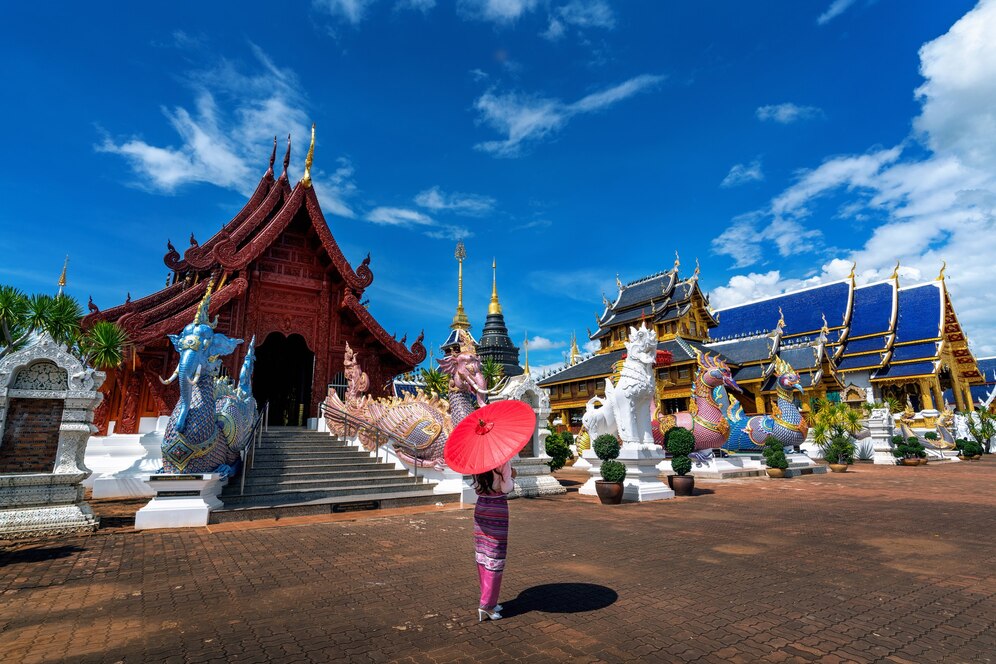
We have talked a lot about how Chiang Mai is a perfect destination for digital nomads. But this is where we are talking about how beautiful this place is geographically. Visitors coming here can immerse themselves in the Lanna architecture and experience the breathtaking views of the mountains. 

If a digital nomad wants to gear up for their very first tour, they should definitely visit Phra That Doi Suthep. Visit the mountaintop and catch the day’s first light. One might also take a pause to meditate and breathe some fresh air. Switch things up by moving a down-to-earth life at Mae Kampong Village. 

If you are in Lamphun, do not miss going to the ancient Hariphunchai temple. It carries a rich history of 900 years and is a spiritual hub for the Lamphun people. There are annual festivals held every year from October to November. These vibrant months make the temple look lively and full of colors. 

Conclusion

Chiang Mai is a star among digital nomad hotspots due to its broad spectrum of luxurious, up-to-date facilities, low cost of living, high comfort level, beautiful nature, and fascinating culture. It is an environment where job and relaxation are combined in an unconventional way, which may only be found in this metropolis. 

Regardless of whether you are an experienced digital nomad or just a beginner, Chiang Mai welcomes you warmly, assuring you that your journey will be as productive as it is mystic. So, are you excited to visit this picture-perfect nomad escape? If yes, comment below and share your thoughts on this. Thank you for reading till the end. 

Read Also:

Share on Social Media

Ankita Tripathy loves to write about food and the Hallyu Wave in particular. During her free time, she enjoys looking at the sky or reading books while sipping a cup of hot coffee. Her favourite niches are food, music, lifestyle, travel, and Korean Pop music and drama.

Leave a Reply

Your email address will not be published. Required fields are marked *

title-img Related

READ MORE

Joy Cho Death At Grand Teton National Park: How To Remain Safe While Hiking In This Beautiful Yet Dangerous Land

BY  Sibashree Sep 5, 2024

August 12, 2023, and the news of Joy Cho death at Grand Teton National Park was the most shocking thing one could hear. It was hard to believe how the most pristine national park with scenic vistas and rich wildlife could be the last resting ground for a woman. Nevertheless, on 12th August, the mountains, which stand for human connections, saw the fall of human life.   The death of Joy Cho at the Grand Teton National Park has once again proved why hiking in this national park needs to be a careful outdoor pursuit. It is “dangerous” to go for a solo hike in this national park. However, finding a hiking buddy is not always easy.   So, here, I will discuss the safety concerns at Grand Teton National Park and how you can overcome those. However, before that, let’s discuss a little more about Joy Cho Death at Grand Teton National Park.  Joy Cho Death At Grand Teton National Park: What Happened To The California Hiker?    Joy Cho, 47, lost her life at the Grand Teton National Park in the Death Grand Teton National Park where she was hiking with seven other group members. A deeply spiritual soul, she was also very much drawn to nature.   According to reports, the rangers found that she “had succumbed to significant injuries during the fall and was pronounced dead at the scene,” and her body was turned over to the coroner’s office, according to the release.” Tim Hopkins, one of Cho’s friends, further mentioned that the malfunctioning of her ledger caused the fall of Joy Cho.   Joy Cho was on her attempt to climb Teewinot, a part of the Teton Range, and the elevation reached here was around 12,325 feet above sea level. After her death, many people have started talking about the steep and exposed sections while hiking to Teewinot.   So, are there really some serious safety concerns while hiking in Grand Teton National Park? It’s time to know the concerns and safety measures to avoid accidents and unfortunate incidents.   What Are The Safety Concerns At Grand Teton National Park?   Joy Cho death at Grand Teton National Park has made us examine safety concerns. From altitude sickness to unpredictable wildlife, many elements in the park need your attention. You  must be respectful, and your gear, shoes, and clothes should be on point. Even if you cross a stream with ankle-deep water, you must not be complacent or careless about protection.   Having said that, here are the major safety concerns at Teton National Park.  Altitude Sickness  With the highest altitude reaching 4199 m, you can experience altitude sickness in Grand Teton National Park. Muscle pain, lack of appetite, fatigue, and headaches are common symptoms of altitude sickness.   Weather Conditions  Teton National Park is home to Mount Moran, Buck Mountain, Grand Teton, Middle Teton, South Teton, and many other mountains that reach a height of more than 3000 m. Rainfall and snowfall are common at such high altitudes, causing the blockage of the hiking trails and hypothermia.   However, the Grand Teton also receives moderate rainfall and snowfall every year. Hiking there can also be a challenge. Further, Lightning and mid-afternoon storms in summer are other weather challenges in this park.   So, if you are hiking in the park in the summer, try hitting the high Alpine terrains. Thus, by the late afternoon, you are already back into lower altitudes.   April to June have moderate days and cold nights filled with snowfall and rain. Snowfalls and rain are also frequent at night from September to November. In addition, you will encounter the coolest nights between December to April.   Moreover, July and August are the most tumultuous in the national park due to thunderstorms in the afternoon. Have a clear idea about the weather conditions if you do not want something like Joy Cho death at Grand Teton National Park to happen.   Wildlife   Wildlife at Grand Teton National Park is extensive. However, grizzly bears and mountain lions (not always seen) are the biggest challenges for hikers and trekkers. Moose and elk are other animals that you will find in this national park. The park also has wolves, and they are not the friendliest of animals you will come across.   Looking for fresh feces, signs, and fresh tracks is the only way to know if an animal is around.   Moreover, you can occasionally find rattlesnakes in the Grand Teton National Park, especially near Montana and Gardiner. Ticks, spiders, and mosquitoes are the insects you will encounter the most here. So, don’t forget to carry repellent creams and other measures as instructed by your trekking guide.   Terrain   The habitats of Teton National Park are the most versatile. However, for a hiker, the change of habitats every 4-5 miles is a major problem. Suppose you just passed a rock wall going up vertically, and the next moment, you are at a cliff that drops dramatically.   Even the woods in the park are quite tricky to walk through. The trails are filled with small and gigantic trees. You can easily cross the smaller trees. However, a hiker can easily get hurt when they have to jump over a huge trunk or climb a tree.  Further, boulder fields in the park do not look like a threat usually. However, accidents and injuries can happen at the most unexpected times. The boulders can roll down, block tracks, and cause casualties. So, always be aware of your ability and skill before you attempt hiking the 250 miles of trails the park has to offer.   Moreover, the talus slopes and the snow-clad mountains are perilous if you are not prepared with your gear. These areas have high sliding risks and the chances of false stepping. The smartest way here is to look for a level ground trail that takes you to the accessible parts of the park.  How To Remain Safe At Grand Teton National Park?  The National Park Service has detailed guidelines to ensure safety in the Grand Teton National Park. Before you start exploring this park, you must get all the instructions right at a visitor center. In addition, you can ask questions to get clarification from the rangers before you access various parts of the park.  The table below shows how you need to maintain safety during various outdoor activities or just while exploring the national park.  Concerns How To Remain Safe Climbing Mountains and Hiking Solo hiking is risky in Grand Teton National Park.  Further, you must hike on the established trails. Otherwise, you may have to face soil erosion.  Be particular about your hiking boots, axes, crampons, and other accessories.   Learn about route conditions and weather from a climbing ranger at the Jenny Lake Ranger Station.  Backcountry Safety Maintain good physical endurance. Be sure to use proper equipment and gear.  Prevention Of Human-Caused Fire  Fireworks and pyrotechnic devices are not allowed in the park.  You must be responsible for properly extinguishing and disposing of your cigarettes or pipes.  In addition, you are only allowed to light a campfire at a designated site. You must tend to the fire and make sure that it is extinguished as you leave.  Bacteria And Other Microorganism Transmission You must boil water collected from a stream or lake for at least 3-5 minutes, or you can use treatment tablets to avoid transmission of microorganisms.   Campylobacter and Giardia are common bacteria found in untreated water in the park.  Hantavirus Pulmonary Syndrome (Lesser Risks) Stay away from deer mice and their feces.  Driving Wear seatbelt.  Understand road conditions.  Be watchful of animals.   Maintain the speed limit of 45 mph on the highway at night and other speed limits throughout the day.  Exploring Wildlife Maintain a minimum of 300 feet distance from wolves and bears.   Further, the distance between you and any wild animal should be at least 75 feet.  Also, you must not try to feed any wild animal.  Moreover, make sure that you are not in between the mother and her cubs.  Boating You must wear a life jacket all the time.  Further, check out the bulletin boards before you start boating for the day.  You must carry a patch kit, air pump, and bucket for bailing if you are riding in an inflatable boat.   Moreover, boaters in the Snake River must be extra careful.  Biking You must not bike on trails. Roadways and pathways are suitable for biking.  In a single file, stick to the right side of the road.  Further, wear helmets and communicate with other drivers through hand gestures.  Lightning  Avoid exploring the park during afternoon storms in the summer.  Further, try to reach the shore quickly when it starts raining, or the wind is rough.  Also, know the basics of the National Oceanic and Atmospheric Administration (NOAA) guidelines.   In addition, the National Park Service has a separate guideline regarding bear safety. The first step begins with the identification of the beer. Also, if you notice a beer at any site in the national park, you must immediately inform the ranger station or the visitor center.   Final Words   We surely don’t want something similar to the Joy Cho death at Grand Teton National Park to repeat. Along with being respectful to your wildlife and following the safety guidelines, you will also have to be smart enough to know your boundaries. The tempting landscape of the park and the magnificent Grand Teton Mountain will inspire you. However, you must check your experience and expertise first.  Climbing high and steep terrains needs skills such as route-finding and rock climbing, along with excellent physical and mental endurance. Again, acclimatization and finding a knowledgeable trekking partner (for beginners) are crucial.  So, follow the safety guidelines and enjoy a delightful tour of the national park. Don’t forget to carry the trekking poles or walking sticks, by the way!   Also read Top 10 Most Popular Paraguay Food That You Must Try. Where To Stay Near Lassen Volcanic National Park? – Explore The Best Options.

READ MORE Dubai's Safari Trip

Unforgettable Moments In The Desert: Exploring Dubai’s Safari Trip

BY  Arnab Jun 3, 2023

In this blog post we will take you on an extraordinary journey through the mesmerizing desert of Dubai. Join us as we unravel the unforgettable moments that await you on an exhilarating safari trip in this captivating city. Dubai, known for its extravagant skyscrapers and modern marvels, offers a unique experience amidst the vast expanse of golden sand dunes. Whether it's the adrenaline rush of dune bashing, the serenity of a camel ride, or the enchantment of a traditional Bedouin camp, Dubai's safari trip promises to leave an indelible mark on your memory. Excitement of Sand Dashing: A Heart-Racing Expedition Dune bashing is a heart-pounding activity where skilled drivers maneuver powerful 4x4 vehicles across the undulating landscape. Feel the rush as you slide and bounce over the sandy slopes, experiencing the thrill of each twist and turn. This off-road adventure is a must-do for adrenaline junkies and offers a unique perspective of the desert's raw beauty. With expert guides at the helm, you can rest assured that safety is paramount as you navigate the sandy rollercoaster. Enchanting Camel Excursions: A Peaceful Ride across the Sands Travel back in history and experience the calmness of the desert while enjoying a grand camel journey. These kind animals have played a vital role in Arabian traditions for many generations. Climb aboard your trusty camel and sway gently as it gracefully carries you across the golden sands. This slow-paced journey allows you to connect with nature, savoring every moment of the peaceful ride. Under the guidance of skilled caretakers, you can unwind and fully embrace the breathtaking scenery of the desert as you ride the camels. Sunset Splendor: Witness the Magical Colors of the Desert Sky Prepare to be awestruck as the desert landscape transforms during the enchanting moments of sunset. As the sun begins its descent, the sky sets ablaze with a myriad of colors - from fiery oranges to soft hues of pink and purple. The shifting sands cast captivating shadows, adding to the surreal beauty of the scene. Discover an ideal spot and marvel at the mesmerizing sight of the sun descending beneath the skyline, casting a spellbinding radiance over the desert. Capture this unforgettable moment in your heart and on your camera, as the desert reveals its true splendor during the twilight hours. Arabian Nights: Experiencing the Bedouin Culture at a Traditional Camp The Bedouin people, known for their hospitality, offer a glimpse into their way of life in this desert oasis. Step into a world of traditional music, captivating dance performances, and aromatic flavors as you enjoy an authentic Arabian feast. Try your hand at traditional activities like falconry or get a henna tattoo, embracing the customs of this fascinating culture. It's an evening of Arabian enchantment that will leave a lasting impression. Exploring Desert Nature: Uncover the Intriguing Plants and Animals Contrary to popular belief, the desert is teeming with life, each adaptation perfectly suited to survive in this arid environment. Discover the captivating plants and animals of the desert while exploring further into its expansive terrain. Discover resilient plants like the Arabian cotton bush and the desert hyacinth, which bloom in the most unlikely of conditions. Keep your eyes peeled for glimpses of Arabian oryx, gazelles, and even the elusive sand fox. This encounter with desert wildlife provides a unique opportunity to appreciate the tenacity and beauty of nature in an unforgiving landscape. Sandboarding: Glide Down the Dunes for an Exciting Desert Experience Sandboarding is the sport for you if you're looking for an adventurous journey on the slopes of the desert. Similar to the popular sport snowboarding, this activity lets you cut through the sand while feeling the wind's surge against your face. With the right technique and a sense of balance, you can conquer the dunes and experience an adrenaline-fueled thrill. Whether you're a seasoned boarder or a first-timer, sandboarding promises excitement and a unique perspective of the desert landscape. Arabian Cuisine: Indulge in Delicious Delicacies amidst the Desert Landscape Set off on a food journey and indulge in the delicious tastes of Arabian dishes amidst the breathtaking desert scenery. Traditional Bedouin-style meals are a feast for the senses, showcasing a fusion of aromatic spices, tender meats, and flavorful rice dishes. Delight your taste buds with succulent grilled meats, fragrant kebabs, and savory falafel. Sample traditional desserts like baklava and indulge in freshly brewed Arabian coffee. As you dine under the starry sky or in the cozy ambience of a Bedouin tent, you'll experience the true essence of Arabian hospitality and culinary excellence. Book Desert safari Dubai: desertsafaris-uae Henna Art and Traditional Dress: Immerse Yourself in the Arabian Culture Discover the beauty of Arabian traditions through intricate henna art and traditional dress. Adorn your hands with stunning henna designs, created using natural dye extracted from the henna plant. Immerse yourself in the cultural experience by trying on traditional Arabian attire. You can feel the elegance and grace of these garments as you capture stunning photographs that capture the essence of Arabian culture and create lasting memories of your desert adventure. Read Also: Yachting In Dubai – A Memorable Experience 5 Reasons Why People Love Morning Desert Safari In Dubai? “Sands Of Splendor: Luxurious Desert Safari Experiences In Dubai”

READ MORE best time to visit Himachal Pradesh

Best Time To Visit Himachal Pradesh – Himachal Pradesh Guide

BY  Barsha Aug 17, 2022

Weather Conditions In Himachal PradeshMAR-JUNEOCT-FEBJUL-SEP22 - 37 degree Celcius0 - 15 degree Celcius15 - 25 degree Celcius The best time to visit Himachal Pradesh varies according to your preference. The best part about going to this beautiful state is that it looks different in different seasons - so whichever season you choose, you are kinda choosing the right destination! Scroll down and find out when you can visit Himachal Pradesh and what to expect from each season! Journey To The Dev Bhoomi: Best Time To Visit Himachal Pradesh! The land of Dev Bhoomi is best known for its picturesque landscapes, godly mountains, lots of comfort food, and every other ingredient that you need for some much-needed peace! Dotted with beautiful hill stations, tourists from all around the world visit Himachal every year, and there’s no reason why you should not! The best time to visit Himachal Pradesh would be between February to June, during Summer and Spring. You could also consider visiting this beautiful state during winter between October and February to experience snowfall. As every season unfolds, Himachal Pradesh changes colors, be it spring or winter, or even Summer. It honestly depends upon how you want to see this colorful land - are you looking for the best time to visit Himachal Pradesh for honeymoon, or are you looking for the perfect time you can travel to Himachal solo? Check out the tables below for a more comprehensive understanding of the Himachali seasons. Travel SeasonsMin/Max TemperatureWeather ConditionsMarch - June22-37 °CSunny days, pleasant nightsJuly - September15-25°COccasional thunderstormsDecember - February0-15°CCold, dry The best time to visit Himachal Pradesh also depends on when you want to go - do you want to hit the Dev Bhoomi during the peak season time? Or do you want to travel when it’s off-season in Himachal?  Peak Season: March - June Shoulder Season: November - February Low Season: July - September Exploring Himachal In Summer (March To June): Temperature: 22 - 37 °C Weather: Neither too cold nor too hot Months: March - June Summer in Himachal Pradesh is a soothing affair - the cold won’t bother you by sending shivers across your spine. Instead, it’s one of those times of the year when you can enjoy the cold while sipping on a hot cup of traditional Himachali tea by the hills. You know that feeling when the air conditioner is running, and you snuggle under the blanket? That is exactly how summer nights at Himachal feel! Are you looking for answers to questions such as ‘Himachal Pradesh best time to visit?’ - you can always opt for Summer considering you hate the excessive cold and want to spend a comfy time while traveling! The weather is great, but you know this season is also known for its own share of celebrations and festivities. Locals celebrate the Doongri Fair, also known as the Hadimba Devi Fair - the purpose? To celebrate the beginning of Summer! These local festivities are characterized by vibrant colors, blooming flowers, and lots of entertainment. Another great event that celebrates Summer in Himachal is the Summer Festival, which is held at The Ridge in Shimla every year. A 10-day event, the Summer Festival is known for handicraft exhibitions, fun sports activities, and folk dance performances - pet lovers, can even enjoy a dog show! Exploring Himachal In Monsoon (July To September): Temperature: 15 - 25 °C Weather: Monsoon with incessant rain Months: July - September Monsoon in Himachal Pradesh is all about petrichor with this rain-clad hamlet looking like a ‘breath of fresh air.’  The ‘freshly bathed streets’ and the smell of rain will greet you - think about the misty hills and quaint cafés, all patiently waiting for your arrival. Enjoy the magic of monsoon at Himachal and get lost in the beauty of the hamlet. While the earthy scent and lush landscapes will be enough to stunt your senses, a series of events will prevent the dampening of your spirits. The town of Chamba, for instance, celebrates the Minjar Festival in the months of July and August - the festivities are held for seven days and are mostly marked by grand processions. Locals visit the Laxmi Narayan Temple to offer both money and sweets as a prayer for a good harvest. The rains are beautiful, and they end up breathing life into the lush greenery that Himachal has to offer. If your best time to visit Himachal Pradesh is monsoon, then you must check out Kasol - spend hours by the side of the massive Parvati river, as the rain keeps creating a rippling effect on the water surface. Exploring Himachal In Winter (December To February): Temperature: 0 - 15 °C Weather: Snowy heaven Months: December - February Himachal Pradesh is a snow-lovers paradise in winter. If you want to experience the magical aura of snowfall in Himachal, then the best time to visit in Himachal Pradesh is this time! From indulgent snowball fights with your friends or family to walk through white streets while playing fun winter sports, winter in Himachal is a gift to all travelers out there - snowclad mountains, frozen lakes, crystalline ponds, and the landscape you will remember forever. The breathtaking beauty of Khajjar Lake is something you can’t miss out on during this time. Moreover, places like Manali and Shimla celebrate the onset of winter with the Winter Carnival - the ski slopes of Solang Valley and the winter sports activities of Rohtang Range are popular tourist attractions during this season. If you want to travel to Himachal during the winter, it’s a crazy decision considering the beauty during this time. You can also pay a visit to the Winter Queen contest a sort of beauty contest held in Manali. Frequently Asked Questions (FAQs): Check out the most frequently asked questions related to the best time to visit Himachal Pradesh mentioned below. 1. What Are The Top Places To Go To In Himachal Pradesh? Ans: The top places to go to in Himachal Pradesh are as follows,➼ Kinnaur,➼ Kasol,➼ Malana,➼ Dharamshala,➼ Solang Valley, and➼ Kufri. 2. What Is The Best Way To Plan A Himachal Trip? The best way to plan a Himachal trip is by following the itinerary mentioned below,➼ Day 1: Delhi to Shimla.➼ Day 2: Shimla to Kufri.➼ Day 3: Shimla to Manali.➼ Day 4: Manali to Rohtang Pass.➼ Day 5: Manali to Dharamshala. 3. Which Season Is Going To Himachal Pradesh? In Himachal Pradesh, winter begins sometime in October and lasts throughout February. Since December happens to be the coldest month of the year, there are several places in Himachal Pradesh during that time experiencing snowfall. If you want to enjoy the snowfall, then you must plan a trip in winter - places such as Shimla, Narkanda, Manali, and Kufri enjoy snowfall. 4. Which Is The Most Visited Place In Himachal? The most visited places in Himachal Pradesh are as follows,➼ Shimla,➼ Manali, and➼ Dharamshala. The Mountains Are Calling…And Himachal Is Waiting! The best time to visit Himachal Pradesh can vary depending on which season you prefer. Another factor that can influence your decision is whether you want to visit Himachal when everyone else is visiting or you prefer a smaller crowd. Himachal Pradesh is a huge state in terms of tourism because there’s so much to see, explore, and enjoy!  The best time to visit Dalhousie Himachal Pradesh will vary from the best time to visit another hill station in the same state. All you need to do is pick a time when you can see more, explore more, and naturally enjoy more. In the meantime, don’t forget to let us know your thoughts on the same in the comments below. Read Also: Exploring The Unexplored: Which Is The Best Time To Visit Darjeeling? What Are The Places To Visit In Meghalaya? – Travel Guide Top 5 Best Tourist Places In Coimbatore – Travel Guide