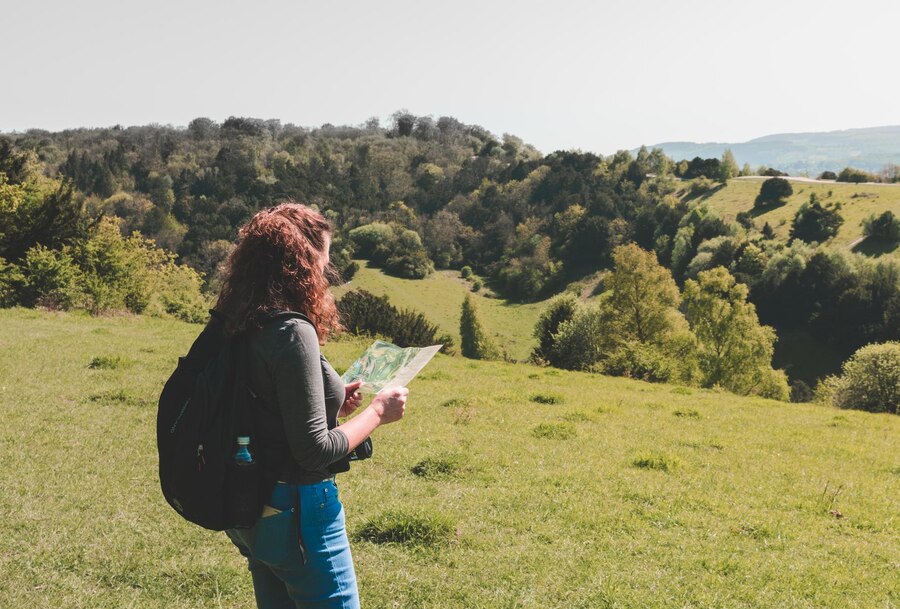


View of the Mountains and Green Fields During the Kerry Way.

May 18, 2024

Last Updated on: Sep 17, 2024

Destinations

There’s a magical charm in circular hiking trails that arrests the attention of tourists and seasonal hikers alike. One of the most popular is Hiking the Kerry Way in Ireland. It provides waves of adventure that guide you through some of the most breathtaking landscapes Ialand has to offer you.

Whether you’re a seasoned hiker or just a beginner in this adventure sport, this guide will provide you with all the information you need to make the most of your journey.

The Kerry Way is an 11-day hike providing an experience you can not forget. , Right from mist-covered mountains to the simplest charm of villages, get ready to soak in the rugged beauty. Be an adorer of the magic of Ireland’s southwest coast.

What Is The Kerry Way?

The Kerry Way is a hiking trail that circulates the Iveragh Peninsula in County Kerry, Ireland. 

The trail is approximately 215 kilometers long and takes 11 days to complete. Moreover, along the way, you can spot some of the most breathtaking views of the coastline, along with gigantic mountains and blue lakes.

The Kerry Way offers a unique admixture of rich history, friendly local culture,, and nature’s bounty. It’s a chance to dip yourself in Ireland’s rugged charm.

Trail Length And Difficulty Level

Like most of the long-distance trails, for example, West Highland Way in Scotland, or Camino de Santiago in Spain,  this one is disintegrated into several stages.

Moreover, there are around nine stages in total, and all of them last  15 to 30 kilometers.

While some sections are a bit difficult, the overall difficulty level is moderate. This is why the trails become accessible to hikers of diverse capabilities.

Planning Your Trip

Mountains and Green Fields During the Kerry Way

Like with most walking holidays that cover long-distance trails, planning is indeed one of the major factors. You need to ensure that everything is okay before you start your journey.

Remember that it’s a physical challenge. You will find yourself walking for several hours a day, and soon, it turns out to steal the heart of the traveler as one accustomed to its stiffness.

However, here are some key factors to keep in mind:

Best Time To Hike The Kerry Way

You must opt for the  Kerry Way during the spring and summer months(April to September). This is the best time to tackle the difficulty.

However, the weather is friendlier for the trackers during this time of the year. But as you get closer to summer, the entire and crowded places since it’s also the peak season.

Accommodation Options Along The Trail

There’s no dearth of places to stay while hiking this trail. You can choose from the several towns along the trail based on your priorities, budget, and other requirements.  Besides, you’ll find small hostels on the roads.

You’ll find a mix of guesthouses and hostels in abundance. Keep in mind, you must look to book in advance. It is highly recommended, especially when the season is at its peak.

Packing Essentials

Packing light is key, but you need to make sure to dress in layers and pack a raincoat even if it’s summer and the weather is mild rain can happen from time to time.

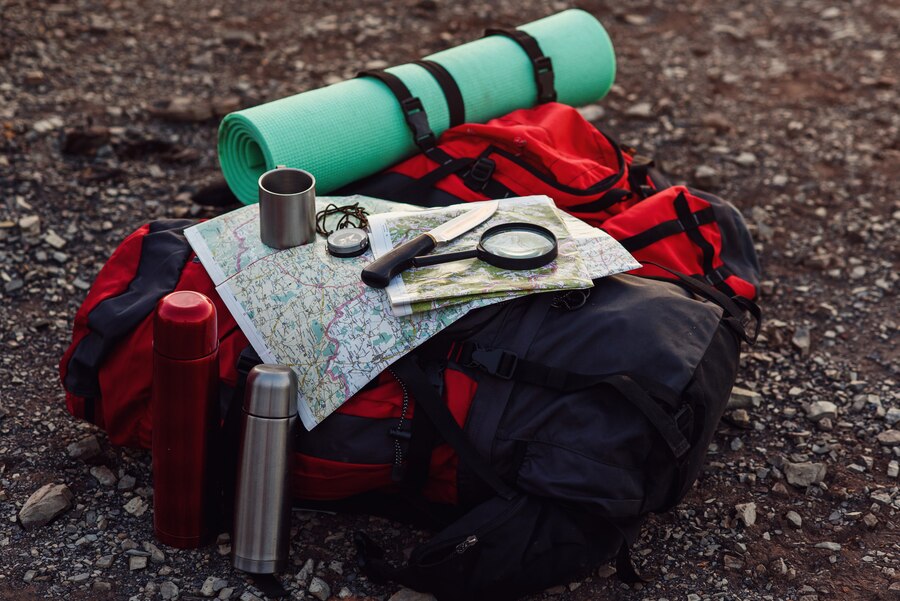
Make sure you don’t forget your sturdy hiking boots, rain gear, water bottle, and a good map if you are old school. I recommend a hiking app that lets you use its features offline.

Also, a first aid kit is a must!

Scenic Highlights

There are many highlights along the way; you’ll be able to experience the stunning Killarney National Park and explore the Gap of Dunloe, Torc Waterfall, and the Lakes of Killarney within this magical park.

Not only that but also the coastal cliffs and dramatic seascapes of the Dingle Peninsula section offer breathtaking views of the Atlantic Ocean.

History is present on these iconic trails, and you can spot several ancient ruins and historical sites and discover stone circles, ring forts, and medieval castles along the way.

What Safety Measures You Should Take While You Go Out For Hiking

Safety Measures You Should Take While You Go Out For Hiking

Hiking a trail lets an individual be immersed in the sea of enthusiasm and joy.  It is one way to set free from the bondage of daily duties and surrender entirely to nature.  

Hiking the Kerry Way in Ireland instills visitors with a dosage of love for nature, which remains in the soul forever.

So, if you like to give it a try…cut the handcuff of 9 to 5… this is the time to listen to the call of nature.  Let your heart respond to her call with openness. 

However, in this section, we discuss some of the safety measures that you must take when you set out for your adventurous journey. So, let’s get started without wasting any more time.

1. Bring At Least one Friend 

One of the safety measures that you ought to take is making a group while you attempt such travel. Solo trips are not good, at least when you are traveling or hiking.  

According to the opinion of the National Outdoor Leadership School, there must be at least one companion who must be there in these adventurous journeys.  

This can help the traveler recover from any issue that erupts during the hiking. Hence, you must have an individual who can help you out in the hour of need. 

2. Agree On A Emergency Plan

While you plan your hiking, you must have a clear idea of devising an emergency plan. Moreover, there is a key question that you need to answer. 

Will there be a reliable call service at the place? Then, in such a case, a personal locator beacon or a satellite messaging device can help the individual. 

3. Prepare For The Weather 

You must have adequate preparedness when you set out for hiking. Moreover, you must talk to the ranger or thereafter consult with them on the inclement weather events at this time of the year. 

Even with the best weather forecast, inclement weather conditions like thunder and lightning take over quickly and most unexpectedly.  

However, in these situations, you must use the NPS counseling in a shelter while stuck amidst the wild areas. But as a basic refrain from the high and open areas. They are prone to risk and uncertainties. 

Pack The Ten Essentials 

The 10 Essentials is a list of emergency provisions created organically by the mountaineers. 

As per their opinion, when you are looking for mountaineering, trekking, or even hiking, you must ensure that you respond to the emergency and thereafter spend at least one night outdoors. 

However, here we mention the list of essential objects that you must carry with you on your journey.  

They include sun protection, a first aid kit, an insulation jacket, fire starters, a lighter, repair kits, nutrition (that is an extra day’s supply of nutritious food), Hydration, and the emergency shelter, that is, tents, blankets, bivy, tarp or sleeping bag.  

These are the essentials that you must keep with you when you trek or hike. 

Conclusion

Hiking the Kerry Way has its own set of thrills, adventure,  and love. It is one of the most fascinating places for hiking in Ireland. 

Have your entire planning in place and at the same time ensure that you consider the points discussed on safety. Have a great hike and hike safely.

Read Also:

Share on Social Media

Ankita Tripathy loves to write about food and the Hallyu Wave in particular. During her free time, she enjoys looking at the sky or reading books while sipping a cup of hot coffee. Her favourite niches are food, music, lifestyle, travel, and Korean Pop music and drama.

Leave a Reply

Your email address will not be published. Required fields are marked *

title-img Related

READ MORE Holiday In Cumbria, UK

Here’s Why You Should Holiday In Cumbria, UK!

BY  Barsha Aug 18, 2023

Cumbria is a stunning region in the northwest of England, renowned for its unspoiled wilderness and picturesque Lake District. With wild moorlands, immense mountain ranges and beautiful lakes, Cumbria provides a wealth of experiences that make it one of the most desirable places to visit in the UK. Whether you are looking for an action-packed holiday or just want to relax in some stunning countryside scenery, Cumbria has something for everyone. From ancient villages steeped in history to modern cities brimming with culture, there's plenty to explore here. There are numerous activities available such as hiking and biking through breathtaking landscapes or taking part in water sports at Lake Windermere. History Of Cumbria The Lake District National Park, covering most of Cumbria, offers visitors some truly breathtaking views due to its mountainous terrain interspersed with picturesque lakes – making it one of England's most popular tourist destinations since Victorian times! Originally a rural area largely untouched by industry or modernisation, it has evolved significantly over time yet managed to retain much of its original charm thanks to efforts made by conservationists and locals alike – meaning that those looking for peaceful walks through stunning landscapes will not be disappointed when visiting this unique corner of Northern England! Places To Visit Cumbria is home to many stunning and historic villages that are well worth visiting. The village of Windemere, which was first established in the 12th century, is one such example; here you can stroll through its cobbled streets while admiring the quaint cottages and Georgian buildings or take a boat ride across the lake for some stunning views. Other popular places include Grasmere with its picture-perfect waterfalls and Keswick with its wonderful mountain scenery – both excellent spots for outdoor activities such as hiking or cycling. Last but not least Cumbria offers visitors sites that showcase incredible natural beauty too! From tranquil lakeside scenes in Ullswater or Coniston Water to towering peaks at Scafell Pike (England’s highest peak) – there’s no shortage of awe-inspiring sights waiting around every corner here! For those wanting a more relaxed experience then why not try one of Cumbria's many nature reserves? These special areas contain some rare species including red squirrels, otters, and ospreys – perfect if you want to get close up with wildlife without disturbing it too much! Things To Do Hiking and adventuring in the Lake District is an activity that can be enjoyed by all ages. With its rolling hills, tranquil lakes, and rugged mountain ranges, Cumbria is home to some of the most spectacular scenery in Britain. The region offers a wide range of trails for both experienced hikers and those looking for a stroll around the landscape. There are scenic routes through forests and riverside paths leading up to breathtaking summits – perfect for taking in panoramic views over the National Park! For those looking for something more challenging, there are also plenty of difficult climbs available which require technical skills such as scrambling or rock climbing. Exploring local markets and cultural centers is another great way to immerse yourself in Cumbrian life during your stay here. From vibrant street markets like Keswick's Saturday Market where you can pick up unique souvenirs or try delicious local dishes made with fresh produce from nearby farms; to historic towns like Ambleside with their abundance of indie shops selling locally crafted goods - these places offer visitors an insight into everyday life in this beautiful corner of England that cannot be found anywhere else! Finally, no visit to Cumbria would be complete without taking time out just to relax and enjoy the stunning scenery on offer here! Whether it’s spending time peacefully fishing on one of its many lakes or simply sitting back admiring views from one of its many viewpoints – there’s something incredibly calming about being surrounded by natural beauty while breathing clean air far away from any hustle & bustle. So make sure you take some time out during your trip here so you can truly appreciate what makes this part of England so special! Accommodation Accommodation in Cumbria is as varied as the landscape itself, and there are plenty of options to choose from depending on what type of experience you’re looking for. Campsites and caravan parks in Cumbria offer a great way to immerse yourself in nature while still having access to modern amenities such as showers, toilets, and laundry facilities. Cumbria also offers other accommodations, including a wide range of hotels to suit your budget, holiday cottages to let, and traditional camping sites for tents and touring caravans. If you do choose to camp, take note of our camping tips. Conclusion In conclusion, Cumbria is a wonderful location to visit for a truly enjoyable vacation. With its stunning views and abundance of outdoor activities, it's perfect for individuals, couples, or families looking to experience the beauty of nature firsthand. The region also has an incredibly rich culture and history that can be explored through its folk songs, quaint villages, and historic sites. Whether you're after adventure or relaxation this part of England really does have something for everyone – so don't miss out on the chance to explore all that Cumbria has to offer! Planning a journey overseas? Take a look at more of the best places to travel in August. Read Also: Top 4 Ways Of Preparing An Enjoyable Retreat Celebrate Your Happiness With Family Friendly Gites South Of France Looking For Your Next Fun-Filled Family Vacation: Head To Aquaventuras Park

READ MORE Luxurious Trip To Australia 

6 Tips For A Luxurious Trip To Australia 

BY  Ankita Nov 18, 2023

Australia is a sought-after destination with its natural beauty as well as adventurous spirit. Its vast landscapes, as well as vibrant cities, offer a diverse tapestry of experiences. Yet, within this allure, discerning travelers must navigate their unique obstacles. In pursuing opulence, travelers may face a dilemma - how to curate a trip that seamlessly melds extravagance with authenticity? How to navigate the extensive array of choices, from awe-inspiring destinations to sumptuous accommodations? How to ensure that every experience epitomizes sophistication without becoming cliché? To help you out, here are some tips for your next luxurious trip to the land down under: Choose Your Destinations Wisely  Selecting suitable destinations is the initial cornerstone of a luxurious trip to Australia. The country boasts a plethora of stunning locales, each with its unique charm. Focusing on locations catering to refined tastes is essential for those pursuing grandeur. Consider starting your journey in cosmopolitan hubs like Sydney and Melbourne, where high-end experiences blend with urban sophistication. These cities offer world-class dining, upscale shopping, as well as luxury arrangements, ensuring a lavish stay. If you seek nature's serenity, then explore the Whitsunday Islands, where pristine beaches, crystal-clear waters, and secluded resorts await. It has a taste of the Outback's rugged elegance as well as ventures into the heart of the Northern Territory, where luxury lodges provide an oasis amidst the wilderness. For a convenient exploration, consider a luxury car hire in Brisbane or another city, allowing you to discover the surrounding areas at your own pace. Choosing your destinations wisely enables you to savor the finest Australia offers, ensuring a journey that resonates with splendor as well as authenticity. Book Luxury Accommodations  Selecting your accommodations is a pivotal aspect of crafting a luxurious Australian journey. The great southern land offers a range of magnificent lodging options to cater to sophisticated travelers. You'll discover upscale hotels in major urban centers that offer spacious suites, world-class amenities, and impeccable service. Boutique hotels in charming neighborhoods provide an intimate yet equally luxurious experience. For those seeking a connection with nature, Australia's wilderness lodges blend luxury with rugged beauty. These lodges, set against breathtaking landscapes, offer spa treatments, gourmet dining, as well as guided adventures. Enhance your journey by customizing your stay with experiences such as private wildlife encounters as well as guided tours. These tailored packages elevate your trip, offering moments of opulent luxury and unforgettable memories. Indulge In Fine Dining On Your Luxurious Trip To Australia Exploring Australia's culinary delights is a quintessential part of any luxurious journey. The country's gastronomy scene promises a sensory journey like no other. From world-renowned restaurants in major cities to hidden gems in picturesque locales, the options vary as much as the landscapes. In cities like Sydney as well as Melbourne, prepare your taste buds for a symphony of flavors as you dine in Michelin-starred restaurants and waterfront eateries. Savor exquisite dishes prepared by award-winning chefs focusing on fresh, local ingredients.  Beyond the urban sprawl, venture into culinary adventures in the wine regions of Margaret River and Barossa Valley, where vineyard restaurants offer the perfect pairing of fine wines and gourmet cuisine. Indulging in fine dining is not merely a meal; it's an exploration of a rich culinary world. Experience Luxury Adventures  Elevating your Australian journey to its peak involves more than indulging in lavish accommodations as well as fine dining. The country's landscapes offer a playground for luxury adventurers seeking thrill and refinement in equal measure. Whether you're yearning for serene escapades or heart-pounding excitement, there's an adventure that caters to your discerning tastes. Set sail on luxury cruises along the Great Barrier Reef, where you can explore the world’s most extensive coral reef system in style with expert guides as well as exclusive amenities. If you’re seeking awe-inspiring views from the skies, then embark on a hot air balloon ride over the picturesque Yarra Valley or the stunning Red Centre. On your luxurious trip to Australia, get up close and personal with Australia’s unique wildlife. Book private safaris in lush national parks. These luxury adventures expertly blend excitement with comfort, ensuring an unforgettable journey that resonates with the spirit of exploration. Discover Spa And Wellness Retreats  Australia offers a collection of spa and wellness retreats for those searching for moments of peace and rejuvenation amidst the adventure of luxury travel. These sanctuaries allow travelers to relax and invigorate their spirits in tranquil natural settings. Whether you yearn for holistic treatments, yoga sessions, or a peaceful escape, Australia's spa destinations address your wellness needs. Explore the lush rainforests of Queensland's Daintree or the scenic settings of the Blue Mountains, where secluded wellness oases offer customized spa experiences. Let skilled therapists pamper you with massages and therapies designed to renew your balance as well as well-being. Enjoy the refreshing powers of mineral-rich hot springs in Victoria or Tasmania. These spa and wellness refuges provide a comprehensive approach to relaxation, ensuring that your luxurious journey through Australia includes profound calm as well as self-care moments. Explore Cultural And Arts Offerings  Australia's cultural scene mirrors the vibrancy of its landscapes, offering a range of enriching encounters for the discerning traveler. Immerse yourself in the dynamic art scene of the country's major cities, where world-class museums, galleries, and theaters await. Explore the Aboriginal heritage of the land through indigenous art exhibitions and cultural performances that forge a deep connection to Australia's ancient history. To savor Australia's multicultural essence, venture into the diverse neighborhoods of cities, where you can delight in international cuisines, explore ethnic markets, and engage with local artisans. Beyond the urban centers, delve into the nation's rich history through heritage sites, such as Port Arthur in Tasmania or the historic structures in Sydney. Whether you have a passion for art, an interest in history, or simply a curiosity about the world's oldest living culture, Australia's cultural and arts experiences weave a captivating narrative of the nation's past and present. Final Thoughts In the heart of Australia’s splendid offerings, your journey unfolds as a symphony of opulence and unique encounters. This amazing country invites you to craft your narrative of unforgettable moments. Whether you crave thrilling adventures, serene wellness escapes, or cultural exploration, the land down under offers a rich canvas for your travel desires. As you bid farewell to a luxurious trip to Australia, you’ll carry memories of the wonderful experiences defining this extraordinary destination. Read Also: Budget-Friendly Travel Ideas In Australia Top 5 Used Japanese Vehicles In Australia Top Ten Southern Africa Off-The-Beaten-Path Adventures A Beginner’s Guide To Island-Hopping In Greece

READ MORE things to do in Valletta

What Are The Things To Do In Valletta? Spending An Action-Packed Vacation In The Capital City Of Malta 

BY  Sibashree Dec 1, 2025

Everything great is happening in Valletta's tourism industry these days. 2025 has been a year of growth and recognition for Valletta, the small capital city of Malta, and a UNESCO World Heritage Site.  In the forest quarter of 2025 itself, Malta received more than 693,000 visitors according to the Tour and Travel World. It was an 18.9% rise from the same period in 2024. Furthermore, in the same period, the tourist spending reached €508.5 million.  In addition, the World Travel $ Tourism Council has chosen Malta as the venue for the WTTC Global Summit, 2026. The 26th edition of the summit will take place in collaboration with the Ministry for Foreign Affairs & Tourism and the Government of Malta.  The prominent landmarks of Valletta, such as the Grand Harbour and St. John's Co-Cathedral, and activities such as exploring Victoria's Gate and trying some brilliant craft beer, and cultural richness, have helped Valletta enjoy such growth in numbers and global recognition.  I have been to Malta, and starting from exploring the fortified walls of Valletta to enjoying the serene charm of Valletta Grand Harbour Waterfront, the free things to do in Valletta were the highlights for me. On such a shoestring budget, I was able to enjoy the essence of a city, which even enjoyed the status of the European Capital of Culture 2018.  In this Tour and Travel Blog, I will, of course, talk about the free activities and other fun and interesting things to do in Valletta.  What Are The Things To Do In Valletta? As I started exploring the city of Valletta, I noticed the signature "Pointed Cross" of the Knights protecting this ancient city from everything evil.  If this is something really spiritual, on the other hand, you will see history becoming alive with the post boxes, telephone booths, and British colonial architecture.  Nevertheless, these are the things to do in Valletta. 1. Visiting The St. John's Co-Cathedral Address: Triq San Gwann, Il-Belt Valletta, Malta Hours Open: 9 AM to 4:15 PM (Monday to Saturday) Entry Fee: Adults: €15, Seniors: €12, Students: €12, Children (Under 12): Free when accompanied by an adult, €5 Extra for a Belfray Tour, Audio Tour Included View this post on Instagram A post shared by St John's Co-Cathedral (@stjohnscocathedral) The St. John's Co-Cathedral is the most prominent example of the Baroque-style architecture of Valletta. The Knights of the St. John built this conventional church for the order in the late 16th century.  You will know about the life of St. John the Baptist from the paintings by Mattia Preti on the ceiling of this cathedral.  Furthermore, there are eight chapels, dedicated to various languages, tapestries, marble floors, and gilded carvings. However, the main focus for me was the painting called "The Beheading of Saint John the Baptist." This dramatic work, one of the few artworks signed by Caravaggio, is in the Oratory. 2. Exploring Fort St. Elmo And The National War Museum Address: Mediterranean Street, Valletta, Malta Hours Open: 9 AM to 5 PM Entry Fee: Adults - €10.00, Senior Citizens (60+) and Youths (12-17 Years) - €7.50, Students - €7.50, Children (5-11 Years) - €5.00, Below 5 Years - Free Fort St. Elmo stands as a witness to the Great Siege of Malta in 1565. It has military paraphernalia and many artefacts.  However, the major appeal of the fort is intangible, and it lies in the fact of how it became a refuge for the people of Malta during the attack of the Ottoman Empire under the leadership of Suleiman the Magnificent.  The Knights, only around 500 in numbers, defeated the 6000 strong army of the Ottoman Emperor. Furthermore, the National War Museum inside the fort, spanning over seven sections, celebrates the 7000-year-old history of Malta. Some of the exhibits here date back to the Bronze Age (2,500 BC).  You can even request a guided tour of the museum.  Insider Tip: 2025 marked the 900th year of the Great Siege of Malta. A docu-drama called The Great Siege of Malta 1565 was released in 2025. This 45-minute docu-drama celebrates the bravery of the "Hospitalier Order of the Knights of St. John of Jerusalem."  3. Visiting The Grand Master's Palace Address: St George's Square, Valletta Hours: 9 AM to 5 PM Entry Fee: €12 for Adults, €10 for Children Aged 12 to 17 Years and Seniors, Children (6-11): €8, Infants (1-5): Free The Grand Master of the Order of St. John used to rule Valletta from the Grand Master's Palace. The armory here is the main attraction, and it has the accessories and outfits of the Knights.  Furthermore, the symbol of power, with its history of 450 years, is once again in the news with its recent renovation work.  It was also the "seat of the first constitutional parliament of Malta in 1921," and now it is the "Seat of the Office of the President of Malta." 4. A Guided Tour Of Casa Rocca Piccola Address: 74 Republic Street, Valletta, Malta Hours: Monday - Saturday: 10 AM to 5 PM Audio Tours: From 10 AM Guided Tours: From 10 AM to 4 PM (On An Hourly Basis) View this post on Instagram A post shared by Casa Rocca Piccola (@casaroccapiccola) Do you know that the 9th Marquis de Piro still lives in this 16th-century palace? Join the audio tours or the guided tours to see the swanky furniture and unique staircases.  However, for me, the Bomb Shelters were the main attraction. These are not dark tourism spots. These are the living history of World War II.  When 15 air raids took place in 1942, the people of Valletta saved their lives by hiding in these chambers. These shelters were part of the quarry of the 400-year-old house, and they were made from a solid rock foundation.  5. Know The WWII Stories Of Malta At Lascaris War Rooms Address: Lascaris Ditch, Valletta VLT 2000, Malta Hours: 10 AM to 4:30 PM Entry Fee - Adults: €20, Seniors: €19, 5-15 Years Old: €7, Family: €35, Children below 5 Years: Free I love history, and even if you don't, you cannot avoid knowing about WW1 and WW2. These two wars changed the course of human civilization.  At Lascaris War Rooms, you don't just see the exhibits. You live through the moments of war as you explore the tunnels and labyrinths used as protection from the Italian and German attacks during World War 2.  It's like getting transported to the 1940s within a minute.  Insider Tip: I found the War Rooms more fascinating than the National War Museum at Fort St Elmo. Did you know that these War Rooms were used as the headquarters for the Invasion of Sicily or Operation Husky? 6. Visiting The National Museum Of Archaeology Address: Auberge de Provençe, Republic Street, Valletta, Malta Hours: 8 AM to 7 PM (Admission Closes at 6:30 PM) Entry Fee: €5 View this post on Instagram A post shared by Heritage Malta (@heritagemalta) I was at a loss for words at the National Museum of Archaeology, Valletta. It has everything you need to know about the prehistoric days of Malta.  Once I entered, the first room had exhibits showing how the earliest people settled here, even before the temple establishment period. It had "Red Skorba ornaments" and some "tools" they used in their everyday lives.  I also got to see exhibits from the Ghar Dalam phase (5200 BC), Tarxien phase (2500 BC), and Bronze Age.  Then, I reached the main hall of the museum. It had the Sleeping Lady and other astonishing sculptures and temple carvings.  Among the collectibles from the Temple Period, the Obsidian Core was the most impressive. It was a headless sculpture, in a seated posture.  Housed inside a Baroque building, this museum is now the main attraction of Auberge de Provençe, which was earlier the home of the Knights of the St. John. Insider Tip: If you are traveling from any other town in Malta, take a bus to the Valetta Bus Terminal. From there, it is a short distance on foot.  7. Visiting The Upper Barrakka Gardens Address: 292 Triq Sant'Orsla, Il-Belt Valletta, Malta Hours: 7 AM to 10 PM Entry Fee: Free Home to the Siege Bell War Memorial, the Upper Barrakka Gardens offer amazing views of the harbor and the three neighboring cities.  This 16th-century garden was built in the 16th century, and the Knights of the Saint John once used it as a private garden.  Once you are done strolling the Castille Square, you will find the Upper Barrakka Gardens nearby.  Insider Tip: It's great to relax at the Upper and Lower Barrakka Gardens and have a sip of your favorite drink. However, at 12 PM and 4 PM, the officials of the Malta Heritage Society get dressed in military uniforms and fire the cannons at the Upper Barakka Gardens.  Now, I had a cup of hot coffee in my hand, and I was not ready for it. So, it fell out of my hand, and it was a mess.  Nevertheless, this tradition has been continued for more than 100 years, and once you attend it, you will know why it is worth it.  Also, you must use the Barakka Lift to travel between the upper and lower Barakka Gardens quickly.  8. Plan A Visit To The Lower Barrakka Gardens Address: Lvant, Il-Belt Valletta, Malta Hours: 7 AM to 10 PM Entry Fee: Free I know people do not talk much about the Lower Barrakka Gardens. However, that's a blessing in disguise. It is way less crowded than the Upper Barrakka Garden.  Now, despite having the name as "Gardens," it is actually a small-scale garden with a few minutes taken to complete the stroll.  However, there is a fort and a waterfront with Greek-style arches overlooking them. You can relax here, have your moments, and make the most of the photo ops. 9. Enjoying The Waterfront The Baroque houses, surrounding the waterfront of Valletta, were earlier used for storing the essentials of the Grand Master. Now, they are bars and restaurants.  I found the promenade the perfect place to relax and cherish a drink with my eyes set on the ships cruising. The place is more magical after sundown, but there is a trick! You have to find a cafe or restaurant that is not crowded by tourists. Find yourself a quiet corner. 10. Watching A Performance At The Manoel Theatre Address: Old Theatre Street, Il-Belt Valletta, Malta Capacity: 623 Opened In: 1732 View this post on Instagram A post shared by Teatru Manoel (@teatru.manoel) At Manoel Theatre, as a performer of elocution and audio theater for the longest time, I had goosebumps. I was standing at the oldest working theater in Europe.  The wrap-around gallery was the highlight of the building, and I attended an opera performance by none other than Joseph Calleja.  Also, if you want to explore the grand architecture of Manoel Theatre, you can do so every Tuesday. During the summer months, the tours are conducted between 10:30 AM and 12 PM, and during the winter months, these tours continue from 11 AM to 3 PM. Tickets are available at 20.00 €.  11. Trying Local Food  Many people call Maltese ftira a "type of pizza." However, very few people know that it is a UNESCO intangible cultural heritage, with a history dating back to the 16th century, when it was first prepared in the ovens of the Knights of St. John.  Furthermore, it is a chosen food because of its versatile fillings and its role as an identity of Valletta and, by extension, of Malta. I also loved the coffee here. It was my best companion while taking a stroll across the roads. Furthermore, if you are in Valletta, don't miss the Lampuki Pie or the signature fish pie.  How To Reach And Move Around Valletta? Valletta is well-connected to the world through the Malta International Airport. It is around 9 km away from Valletta, and the short drive took me close to 20 minutes. I took the bus to the City Centre.  You can also book a shuttle in advance or take a taxi.  The city has a well-connected bus route, and it is a small city that you can cover on foot. However, the transport options are island-specific. You can take a Talinja Card or Flex Card for exploring Valletta and Malta.  Also, you can take a ferry service to the Grand Harbour of Valletta to and from Gozo and the Three Cities. You will even get a ferry service from Sliema to St. Paul's in Valletta. Insider Tip:  I picked the "Gozo Standard Add-On" card for my day trip. I didn't have the time for so many trips. But you can use this add-on to enjoy unlimited tours to Gozo Island.  What Is The Best Time To Visit Valletta? March to May and September to early November are the best seasons to visit Valletta. Valletta has so many historic landmarks and outdoor spaces. The temperature in the early 20s in these months offers you the ideal chance to explore Valletta.  Also, the crowd is quite manageable in these months.  Valletta, At A Glance: Why Does Valletta Offer Such A Rich Experience? The best thing about Valletta is how compact it is! By compact, I mean it has a big heart, accommodating the best museums, well-preserved Baroque architecture, the Grand Harbour, stone walls, and stories.  From the stories of a 16th-century ghost to being the backdrop of many spy thrillers, such as "The Secrets of Malta" by Cecily Blench, and historical novels such as "The Hidden Palace" by Dinah Jefferies, have added stories to each key attraction of the city.  Also, the stories of the city's sustenance during World War II and the Great Siege by the Ottoman Turks in 1565 tell us about human resilience.  Location-wise, this Fortress City, with a soft honey hue, stands on the ocean. It is also the dream of a photographer with the Baroque architecture reaching the sky.  Despite being only 1 kilometer long and 600 meters wide, the city of Valletta is very compact, housing many museums, cobblestones, and architecture, and it became the "European Cultural Capital in 2018.  Valletta is very close to the famous Three Cities. These cities are Cospicua, Senglea, and Vittoriosa. The Grand Harbour separates these cities from Valletta.  Valletta was built by the Knights of St. John in 1565 after the Great Siege of Malta. It was one of the best fortified cities in Europe and was built in a very short span. The city got its name from Jean Parisot de La Valette, who was the Grand Master of the Knights of St. John. Where To Stay In Valletta? When in Valletta, you must choose a hotel with an amazing rooftop view. The Embassy Valletta Hotel and Palazzo Ignazio are some of the best options to stay in.  The best areas for finding a hotel are the Valletta City Centre, Floriana, The Three Cities, etc.  The hotel charges will be around 300-500 Euros.  Is Valletta Really Worth It? An Honest Confession About The City  Yes, Valletta is a European Capital City with so many historic, religious, and cultural elements. This UNESCO World Heritage Site also has many stories, like the Great Siege of Malta or the attacks of World WW2.  However, the remnants of the British Colonial Rule, like the telephone booths and post boxes, were sore to my eyes and they are a mismatch with the beautiful Baroque architecture and century-old buildings.  Also, it is hard to find a quiet place in Valletta. So, that can be a problem for a solo traveler. Still, the great food and historic thrill of the city make it really worth it! Even if you are in the city for one day, you can enjoy a stroll around the City Square and at least explore the St. John's Co-Cathedral to enjoy a slice of Maltese life. Read Also: A Kotor Montenegro Travel Itinerary For 3 Days: How To Travel Kotor Montenegro On A Budget? “Winter Is Coming!” Where Is Hot In October? Explore Places To Visit In Europe Best Summer Destinations In Europe Beach: Couples Get Ready!