

6 Things Boutique Hotels Do that Makes Them Unique

May 4, 2022

Last Updated on: Aug 27, 2025

Destinations

People have different ideas about what makes a boutique hotel unique.

Some people might say that it’s the attention to detail, others might say it’s the personal service, and then of course there are guests that say it’s a unique atmosphere.

But whatever it is that makes them special, boutique hotels have a certain something that sets them apart from other hotels.

In this article, we’ll take a look at 6 things that boutique hotels do that makes them truly one of a kind.

6 Unique Things Boutique Hotels Do that Makes Them Unique

1. They Have a Strong Sense of Style

They Have a Strong Sense of Style

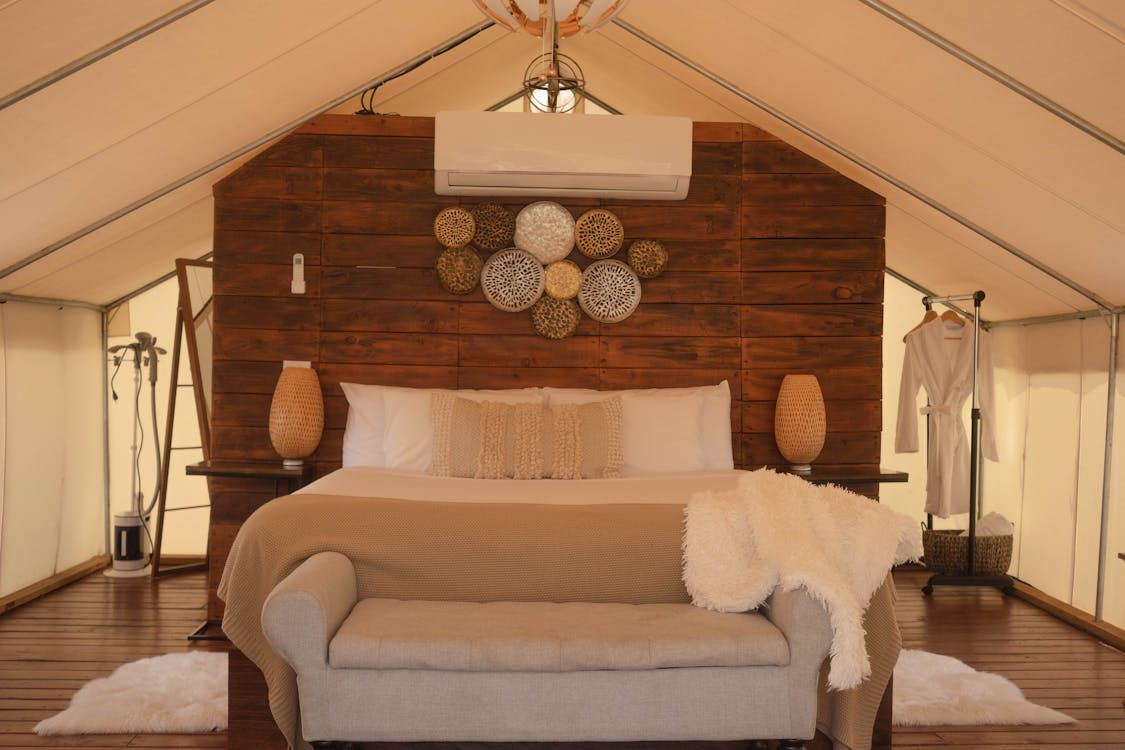
One of the most immediately apparent things about boutique hotels is that they have a strong sense of style.

They’re often trendsetters in the design world, and they’re not afraid to experiment with different looks. For example, why not take a look at some of the Best Boutique Hotels in Charleston, SC.

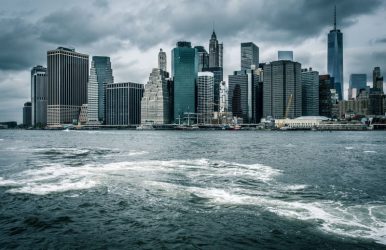
For boutique hotels such as The Pinch, their style is usually a reflection of the location where they’re situated.

You’ll find that many boutique hotels in big cities have a chic, cosmopolitan look, while those in more rural areas often have a more rustic vibe. But no matter what their atmosphere is like, you can be sure that it will be stylish and unique.

2. They’re Usually Smaller in Size

They're Usually Smaller in Size

Another defining characteristic of boutique hotels is that they’re usually smaller in size than traditional hotels. This allows them to be more creative with their design, without having to worry about conforming to traditional hotel layouts.

Smaller hotels tend to have a more unique feel to them, thanks to their compact nature. This can be a great option for travelers who are looking for something different from the traditional hotel experience or for people who get lost easily. So, do your research and explore the Internet to find the most charming and intimate lodgings available for an amazing getaway

       Related Resource: Top 10 Hotels In India

3. They Have an Unforgettable Atmosphere

They Have an Unforgettable Atmosphere

Part of what makes boutique hotels so special is their unforgettable atmosphere. They’re often located in historic buildings that have been renovated to perfection, and they’re filled with interesting art and unique furnishings.

Even the smallest details are carefully chosen to create a one-of-a-kind experience. This is because each boutique hotel has its unique style and personality. You’ll find that no two are exactly alike, which makes for a one-of-a-kind travel experience.

From the decor to the amenities, you’ll be surrounded by things that you won’t find anywhere else in the world. All of this combined guarantees that you’ll never forget your stay at a boutique hotel.

4. They’re Intimate and Personalized

They're Intimate and Personalized

Boutique hotels are usually not as intimidating as traditional hotels, which gives them a more intimate and personalized feel.

The staff gets to know their guests and are always available to offer recommendations or help with anything you need. Whether you stay for a night or a week, you’ll feel like a VIP during your stay.

Listed below are some of the most popular ways boutique hotels provide exemplary customer service:

  • Freebies: toiletries, welcome drinks, candy, and hotel merchandise are all fantastic ways to show guests that they are appreciated.
  • All-day breakfasts: for guests that prefer to sleep in, offering breakfast all day can be a deal-breaker.
  • Complimentary or discounted passes for excursions: providing free or reduced rate tickets to a show or other popular attraction supports local businesses and will not go unnoticed by guests.

5. They Celebrate the Local Culture

They Celebrate the Local Culture

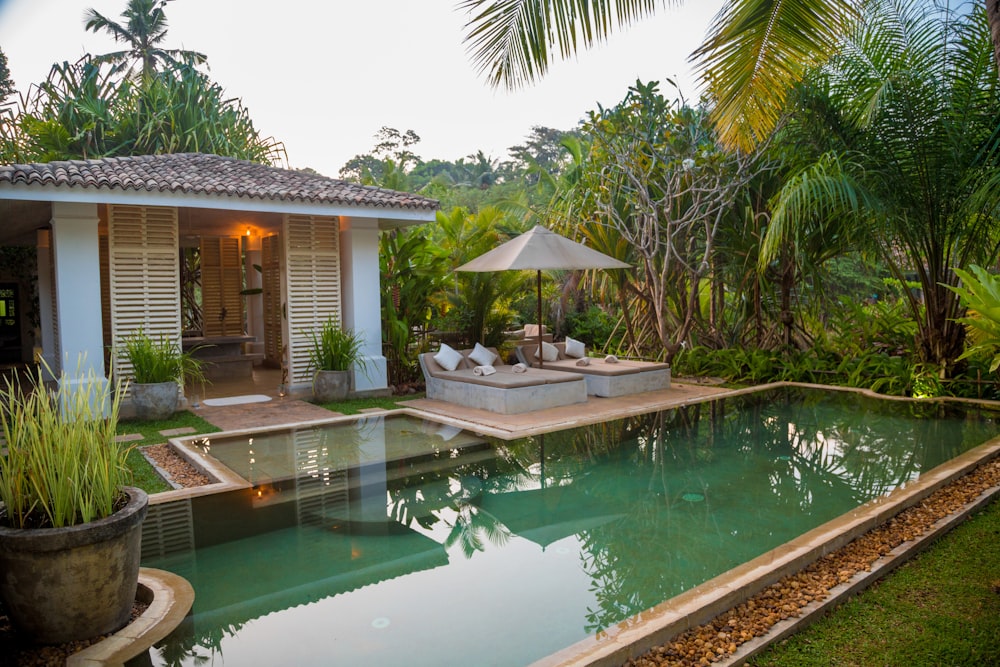
Boutique hotels often incorporate locally sourced materials to reflect the heritage of their location. This might include using traditional building materials, displaying local art, or hiring local chefs and staff to cook authentic cuisine.

In addition to highlighting the local culture, boutique hotels often strive to evoke a sense of community among their guests.

Many offer special events that bring locals and tourists together, such as wine tastings, live music performances, or guided cultural tours.

6. They Attract a Variety of Guests

They Attract a Variety of Guests

Boutique hotels often offer a unique experience that larger, more generic hotels cannot provide. This, in turn, attracts a variety of guests, including those who are looking for something special and different.

Moreover, boutique hotels draw in guests that are just as unique as the buildings in which they are based.

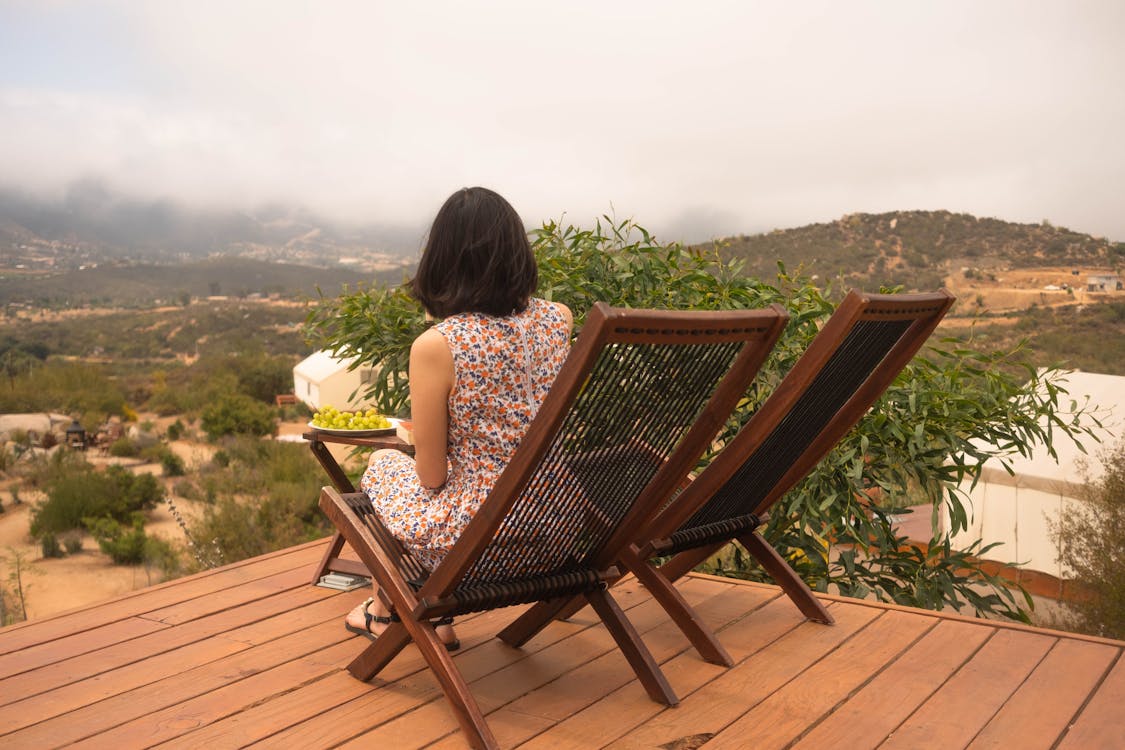
Whether you are happy to make friends on vacation or prefer solo retreats, a stay in a boutique hotel can be tailored to your needs and preferences.

You can find plenty of hotels that focus on providing an intimate and secluded experience, as well as those based in bustling areas with plenty of nightlife and socializing opportunities.

Related ResourceTop 6 Most Popular Wendover Hotels In West Wendover In 2022

Boutique hotels have something for everyone

Ultimately, boutique hotels offer a unique and memorable experience for guests. They often have interesting designs, focus on customer service, and provide personalized experiences that larger chains cannot replicate.

If you’re looking for an unforgettable hotel stay, consider booking at a boutique property. Have you ever stayed in a boutique hotel? What was your favorite part? Let us know in the comments.

 Read Also:

Share on Social Media

Abdul Aziz Mondol is a professional blogger who is having a colossal interest in writing blogs and other jones of calligraphies. In terms of his professional commitments, he loves to share content related to business, finance, technology, and the gaming niche.

13 responses to “6 Things Boutique Hotels Do that Makes Them Unique”

  1. I just couldn’t go away your website prior to suggesting that I really enjoyed the standard information an individual provide on your visitors? Is gonna be again incessantly to investigate cross-check new posts

  2. I truly wanted to make a brief word so as to say thanks to you for those superb guides you are showing on this site. My prolonged internet search has at the end of the day been rewarded with awesome details to talk about with my friends. I would say that many of us visitors actually are very much endowed to be in a great community with many special professionals with great things. I feel somewhat grateful to have encountered the web pages and look forward to plenty of more fabulous moments reading here. Thanks again for everything.

    • Thank you very much for your appreciation. Till then, stay tuned for upcoming posts…

  3. Hi my friend! I want to say that this article is amazing, nice written and include almost all significant infos. I’d like to see more posts like this.

  4. Hey this is kinda of off topic but I was wondering if blogs use WYSIWYG editors or if you have to manually code with HTML. I’m starting a blog soon but have no coding knowledge so I wanted to get guidance from someone with experience. Any help would be enormously appreciated!

    • Thanks for your valuable comment. I got the theme designed from Viacon.in. You can contact them if you need it. They will help and guide you in this regard. Till then stay tuned for upcoming posts…

Leave a Reply

Your email address will not be published. Required fields are marked *

title-img Related

READ MORE Suva cultural guide

Suva Cultural Guide: Discover The Hidden Gems And Cultural Heart Of Fiji 

BY  Sibashree Jan 15, 2026

The common visuals about Fiji have sun-soaked resorts in Nadi and Denarau. Manicured lawns! The warm “Bula greetings!” And the polished facilities! However, if you want to experience the authentic Fijian life or feel the pulsating soul of the nation, you will have to travel east. It is the cultural heartbeat of the South Pacific. It is a sharp contrast if we compare the tourist polish of the West. You will feel that raw energy and colonial grandeur here. Also, it has a truly inclusive scenario with the Indo-Fijians and the indigenous Fijians constituting the majority of the population. Also, you will find part-Europeans, Chinese, and Caucasians. In this Suva cultural guide, I will talk about the raw energy of the city, its ancient seafaring legacy, vibrant markets, and living traditions. These are far from the poolside cocktails.  For more practical tips for a trip to Suva, you can read my Suva travel itinerary. Why Does Suva Claim The Cultural Capital Status?  Suva, despite being one of the most happening urban centers, has preserved its colonial history. Multiculturalism is another major factor in the cultural capital. Here is a deep dive into its history and transformation. Historical Shift To Powerhouse  Suva has not always been the seat of power. In 1882, the colonial leaders chose Suva as the capital over Levuka. The constraints for Levuka were the sea and the steep mountains. It was the beginning of the rise of a small and modest village as a power hub. However, the city, beginning its journey as an administrative epicenter, has now become a land with a multicultural tapestry. It has the headquarters of many regional organizations. It also has the University of the South Pacific, and a site where indigenous iTaukei traditions, Indo-Fijian commerce, and Chinese and European influences coexist. This diversity has solidified its status as the intellectual and artistic heart of the Pacific.  What Are The Top Cultural Attractions In Suva, Fiji? With the Suva Municipal Market, allowing everyone to have a slice of the Fijian life, the city also has many prominent cultural attractions. Also, the city is so particular about preserving its culture that there have been multiple acts and regulations surrounding it. 1. Fiji Museum And Thurston Gardens  View this post on Instagram A post shared by FIJI MUSEUM (@fijimuseum) The lush Thurston Gardens has the Fiji Museum, which preserves the 3700 years of Pacific history. The Fiji Museum Act (Cap 263) governs the operations and administrations of the museum for the curation and preservation of these artefacts. It also complements the Preservation of Objects of Archaeological and Palaeontological Interest Act (Cap 264), covering over 10,000 national heirlooms like traditional items central to Fiji's identity. Nevertheless, Ratu Finau, a massive 13-meter double-hulled canoe (drua), is the main attraction of the museum. It is a telltale of the rich maritime history of the nation. You will even find the Lapita pottery, the distinctive, stamped earthenware that allows archaeologists to trace the migration of the first Pacific Islanders.  Furthermore, the garden was built in the 1880s, and it has over 100 species of lilies and palm trees. 2. Suva Municipal Market  With the right Suva market guide, you will see how Suva comes to life from Thursday to Saturday. The Yaqona or Kava section on the second floor is the place where the city gets Kava roots and powders. Now, Kava is not just a drink. It is a social glue. When buying Kava (Yaqona) as a gift, ask for "Waka" (roots) rather than "Lewena" (stem) for higher respect/potency. On the other hand, the ground floor offers a kaleidoscope of taro (dalo), cassava, and jackfruit. These celebrate the city's Indo-Fijian roots. Furthermore, the air here smells of cumin and turmeric. Arrive from 6 AM to 10 AM on a Saturday to immerse yourself in a beautiful story of Fiji’s daily sustenance. 3. Government Buildings And Parliament Complex  The government buildings and parliament complex, showing the quintessential Art Deco style of the 1930s, face Albert Park. Albert Park is the place where Charles Kingsford Smith landed his Southern Cross in 1928. Here, you will also find the statue of Ratu Sir Lala Sukuna, the founding father of modern Fiji, whose legacy of land reform and indigenous rights still shapes the nation today.  Furthermore, the striking design of the parliament (after 1987) symbolizes unity. The National Trust of Fiji plays an important role in preserving these government buildings and the parliament complex. Suva Cultural Guide Of The Hidden Gems Off The Path  The Suva Fiji hidden gems are the telltale of the rich cultural and artistic legacy of the South Pacific. These are the places you need to explore. 1. USP Oceania Centre For The Arts  At USP, Epeli Hau'ofa's legacy lives. Catch Oceania Dance Theatre rehearsals, mesmerizing meke dances with stomping feet and ulu chants, or Red Wave Collective's bold canvases challenging colonial narratives. Live music, theatre, and talks pulse here, bridging ancient oral lore with contemporary fire. Free events draw locals and visitors alike. The Department of Heritage and Arts in Fiji plays a key role in safeguarding the nation's intangible cultural heritage, including traditional dances and music.  2. Draiba Cemetery And Sacred Heart Cathedral  Suva's Old Cemetery on Queen's Road whispers of pioneers and chiefs, graves oriented east for resurrection. It is a syncretic blend of Christianity and custom. Nearby, Sacred Heart Cathedral's French-imported sandstone vaults and stained glass offer humid respite. Dress modestly (shoulders and knees covered), remove hats, and absorb the choral echoes that define Fijian worship. 3. Fiji Arts Council Handicraft Centre  View this post on Instagram A post shared by Asia Pacific Region Crafts (@worldcraftscouncil_asiapacific) You will find certified "Fijian Made" masi barkcloth, kava bowls, and war clubs here. The Fiji Arts Council ensures authenticity, bolstering local artisans against imports. Perfect for ethical souvenirs tying into Heritage Department efforts. Cultural Etiquette: Honoring The Vanua  The Vanua, meaning the land and the kin, is sacred. In villages, offer sevusevu kava to the Turaga ni Koro for entry blessing. Wrap a sulu sarong modestly, men and women alike. Taboos: No head-touching (sacred seat of spirit), no hats indoors, ask before taking photos. The Department of Heritage and Arts safeguards these intangibles, such as dances, music, and pageantry, via UNESCO-aligned inventories, policies, and community revivals despite funding hurdles. A Flavorful Day: 1-Day Itinerary  Morning: Dawn at Municipal Market for produce frenzy, then Fiji Museum for historical grounding (allow 2 hours).  Lunch: Savor lovo, an earth-oven feast of taro, chicken, and palusami or fiery Indo curry at a hole-in-the-wall.  Afternoon: Oceania Centre for Art Pulse, then Colonial Walk: Government Buildings, Albert Park, Grand Pacific Hotel.  Evening: Kava bowl with locals, reflecting on Suva's layers. Total cost: Under $20 FJD sans taxis.  The Taste Of Suva  A Suva food tour will help you know how history flavors every plate of Suva. Fijian lovo buries sustenance in earth ovens; Indo-Fijian curries fuse cumin-heat with dalo; Chinese woks stir-fry cassava. Try kokoda (citrus-marinated fish) or fresh market seafood. Each bite traces the Girmitiya laborers, chiefly feasts, and fusion resilience.  Language Basics: A Suva Cultural Guide Bula! Hello/welcome.  Vinaka. Thank you.  Moce. Goodbye.  Tulou. Excuse me.  Ia bula vinaka? All good? (Ice-bo-la vi-nacka)  Sustainable Travel Tips  Fiji battles plastics  Bring reusables to markets  Support Heritage Department goals by choosing artisan crafts, minimizing footprint in rain-lashed paradise.  Expert Tips For Suva Cultural Travelers  Buy Authentic: Check the "Fijian Made" stamp at the Handicraft Centre.  Taxi Meter: Always ask the driver to turn on the meter. A ride within the city should rarely cost more than $5-$7 FJD.  Umbrella is Essential: Suva is the "rain capital." So, you will need an umbrella.  Respect Sundays: Sunday is a strict church/family time. Most shops are closed. So, you can plan a Suva Nature tour on Sundays.  Ask Before Clicking: Always ask permission before photographing locals, especially vendors in the market.  Suva Cultural Guide: Frequently Asked Questions (FAQs)  Here are the frequently asked questions and answers about the Suva cultural guide. 1. What Is The Best Way To Get Around Suva For Cultural Sites? Suva is very walkable. So, take a walk and explore the downtown heritage buildings. However, if you don’t want to walk and have a more relaxing experience, you can take a taxi, which is easily available and is cheap. 2. Is Suva Safe For Tourists? Yes, Suva is safe for tourists. According to Numbeo, it has a crime rate of 58.60. However, like any capital city or tourist place, it has its own share of challenges. You have to keep your valuables safe. Also, do not walk alone at night. 3. Do I Need Guide For The Fiji Museum? You can go for a self-guided tour of the Fiji Museum. It will take around 1-2 hours. However, if you want to know about human history and behind the scenes here, you will of course need a guide.For an overseas visitor, an entry to the museum costs around $20, and with an added guided tour, it will be $30. 4. What Should I Wear To The Sacred Heart Cathedral? You have to remove your hat while entering the cathedral, and your knees and shoulders must be covered.You can wear the traditional sarong or a maxi dress. Overall, your dress must be modest. 5. Can I Drink The Kava Offered To me? Yes, it is polite to accept. Clap once, say "Bula," drink in one go, and clap three times after. If you are trying the Kava for the first time, you must choose a low-tide of half a cup instead of a high-tide or a full cup.At first, you may feel like having peppery muddy water. However, the taste grows on you, and it has a mild sedative effect. 6. Where Can I See Traditional Fijian Dancing (Meke)? The Oceania Centre at USP often has rehearsals, or major hotels host distinct cultural nights. Furthermore, the Fiji Museum, being the cultural preservation hub, often hosts Meke. 7. What Currency Is Used At The Markets? Fijian Dollars (FJD) are used at the markets. Cash is king as local vendors do not take cards. However, you can shop with cards at TappooCity, and other large supermarkets accept cards. Also, many locals use an app called M-PAiSA for digital payments. 8. Is The Government House Open To The Public? No, the government house is not open to the public as it is the President's residence, but you can view the changing of the guard from the gate. The changing of the guard ceremony takes place in the first week of every month. 9. How Far Is Colo-I-Suva Forest Park From The City? Colo-I-Suva Forest is about a 15-20 minute taxi ride from the CBD. The journey through the Princes Road covers a distance of around 12 kilometers.You can also take a bus. However, it will take longer because of the multiple stops. 10. What Is The Significance Of The Tabua (Whale's Tooth)? It is the highest cultural token of respect in Fiji, often seen in museum displays but rarely handled by tourists. It is the polished tooth of the sperm whale, and in weddings, it is often the price offered to the family of the bride for asking her hand in marriage. Read Also: A Tucumán Historical Sites Guide: Independence, Incas & Jesuits In Northern Argentina Tucumán Nature Guide: Exploring The Yungas Rainforest And High Andes Tucumán Food Guide: The Capital Of The Empanada And Milanesa

READ MORE things to do in baltimore

Here Are The 10 Best Things To Do In Baltimore!

BY  Abdul Aziz Jan 18, 2024

Pack comfortable walking shoes for a stroll along the Inner Harbor and a visit to the Baltimore Museum of Art, which houses impressionist paintings by Matisse, Picasso, and Cézanne. If you are not that into art visit Federal Hill Park or watch a baseball game at Oriole Park at Camden Yards right before you indulge your taste buds with the city's favorite blue crabs. Off the beaten path, visit Druid Hill Park to see the Maryland Zoo and Mount Vernon to see Baltimore's Washington Monument. History buffs, art lovers, and foodies will all enjoy this city's vibrant neighborhoods. These are home to everything from modern museums to historical monuments to a thriving dining scene. Things To Do In Baltimore If you are visiting Baltimore and want to know what to do once you reach, here are a few top options you cannot miss out on. Take a peek at all the things to do in Baltimore. The Avenue The eccentric neighborhood that appeared in John Waters' films remains a popular hangout, particularly along The Avenue. It's also known for its annual festivals, including Honfest. It honors women with beehive hairstyles and The Miracle of Lights on 34th St. It is an extravagant, kitschy holiday light display held on one city block every December. Some of the city's best restaurants and bars can be found on this street. It includes Dylan's Oyster Cellar, The Food Market, Avenue Kitchen & Bar, and The Bluebird. After that, go to the Charmery for some Old Bay caramel ice cream. Baltimore Museum of Art Surprisingly, the world's largest Matisse collection is not in Paris or Nice. (Can you see where this is going?) Yes, it is on display at the Baltimore Museum of Art. More than 1,000 works by the French Fauvist painter and sculptor are on display at the museum. The elegant building designed by John Russell Pope is also a work of art, with six Doric columns adorning the front. After brunch at the museum restaurant, visit the sculpture garden, which occasionally hosts jazz concerts. Fort McHenry Fort McHenry, designed in the shape of a five-pointed star, defended the city during the Battle of Baltimore in 1814. This inspired Francis Scott Key to write The Star-Spangled Banner. The exhibits and ranger programs are informative and entertaining. The 42-acre park, which edges into the harbor, provides excellent opportunities to have fun outdoors. Take a walk on the sea wall trail or relax on a picnic bench near the water. Read More: Things To Do In Maryland – Free Places To Visit In Maryland Frederick Douglass-Isaac Myers Maritime Park and Museum The Frederick Douglass-Isaac Myers Maritime Park and Museum honors Frederick Douglass and other African Americans who contributed to Baltimore's shipbuilding industry. The interactive exhibits tell the story of Douglass and Myers, who established America's first African-American shipyard. The beautiful waterfront setting is a great place to start exploring the historic Fells Point neighborhood. Sandlot Sandlot is a great place to hang out on the beach with friends (just don't get in the water). Grab a boozy slushie, a local beer or cocktail, or some locally sourced munchies from James Beard Award-winning Spike Gjerde's restaurant group from the airstream trailer. Sandlot is also an excellent location for photographing Baltimore's iconic neon Domino Sugar sign. Sandlot is only available during the summer. Mount Vernon Place Mount Vernon Place, Baltimore's cultural center, is home to the Washington Monument. Climb the 227 marble steps for a breathtaking view of the neighborhood's elegant 19th and 20th-century rowhomes. They are designed in Beaux Arts, Greek Revival, and Italianate styles. The square is also a good starting point for exploring the Mount Vernon neighborhood. It is home to many architectural wonders, such as a Norman-Gothic church, the Palazzo-style Walters Art Museum, and the George Peabody Library. During the summer, the surrounding parks host outdoor events for the entire family. Inner Harbor The Inner Harbor is home to many of Baltimore's attractions. It includes the National Aquarium, the Maryland Science Center, the USS Constellation, and the major sports stadiums. With a prime location alongside the Chesapeake Bay, the Harbor has been one of the most important seaports in the country since the 18th century. Aside from the nearby attractions, you can spend the day walking around the area. You can also watch a street performance or explore the shops and restaurants. While some travelers describe the area as a tourist trap, the scenic walks and convenient location make it a must-see for any first-time visitor. The neighborhood is a great place to take a water taxi, eat a meal, and shop. In addition, there are numerous summer concerts and events in the area. Federal Hill We know that for many Baltimore visitors, the Inner Harbor is their first stop. But, before you visit the National Aquarium, Maryland Science Center, Power Plant, and Historic Ships, get a bird's-eye view of the attractions all around the waterfront at Federal Hill Park. It offers a 10-acre elevated park that was defended by the city when the War of 1812 was waged. To climb the 99 steps to the top, wear comfortable shoes. Head to Federal Hill, just south of downtown, for some of the best views of the Inner Harbor and the Baltimore skyline. During the Civil War and the War of 1812, the massive hill served as a major lookout point. Until recently, it was also known as Signal Hill, where local companies' flags were raised as their ships approached the harbor. According to previous visitors, Federal Hill has the best view in the city. You can reach the summit of Federal Hill via stairs or a rolling hill. Head up the 100 stairs on the Battery Avenue side if you prefer the stairs. Warren Avenue, on the other hand, lacks stairs but offers scenic hillside views. If you're in town for the Fourth of July, this is a great place to watch the fireworks. Artscape Artscape, an annual outdoor summer arts extravaganza, features three stages of dance, theater, and concerts. It is held on the third weekend of July. The jam-packed weekend has featured well-known musical headliners such as Wyclef Jean, Sheila E, and Common. It is billed as the largest free arts festival in the United States. More than 150 artists sell jewelry, crafts, and one-of-a-kind objets d'art for your home, as well as food and drink from local vendors. It draws more than 350,000 people. Vaccaro With a long history of treating the nation, you can be sure to find a dessert that will satisfy your sweet tooth at Vaccaro's. Yes, we're talking Snickers volcanos, chocolate death, cannoli cake slices, and cheesecake topped with gelato, hot fudge, and whipped topping. Do you require a signature? If you only try one thing, wear your roomiest pants and head straight for the pastry shells filled with sweetened ricotta and chocolate chips. Wrapping Up There's more to Baltimore than The Wire, widely regarded as the greatest television show in the history of television shows (opinions differ). When you think of Charm City, your thoughts may immediately turn to the picturesque Inner Harbor or delicious steamed crabs dusted with Old Bay spice. Everyone has a different perception of Baltimore. With a fantastic restaurant scene nestled next to brilliant bars, street markets, quirky festivals, and more, the best things to do in Baltimore bridge the gap between fascinating American history and modern boutique shopping. It can take years to truly understand Baltimore, but these incredible experiences should serve as a good starting point. Read Also: Best 9 Things To Do In El Paso! Hidden Gems: Unearthing The Best Things To Do In Nottingham 7 Fun Things To Do In The Great Smoky Mountains National Park

READ MORE Festivals Of Light And Color Experiencing Japan's Vibrant Matsuri

Festivals Of Light And Color: Experiencing Japan’s Vibrant Matsuri

BY  Ankita Mar 26, 2024

Japan, a country steeped in tradition and culture, offers an array of sensory experiences that attract travelers from around the globe. Among these, the Japanese matsuri (festivals) stand out as a testament to the country's rich heritage, embodying the spirit of joy, community, and the spectacular interplay of light and color. For those embarking on Japan tours, the opportunity to participate in these festivals is not just a travel highlight; it's a deep dive into the heart of Japanese culture. The Essence Of Vibrant Matsuri Matsuri are integral to Japanese culture, with each festival having its unique significance, rooted in history, religion, and local lore. These events range from solemn traditional ceremonies to explosive celebrations of life, each painted with vibrant colors and illuminated by dazzling lights. The experience is a feast for the senses, offering insight into the communal spirit and the enduring traditions that define the Japanese way of life. A Kaleidoscope Of Festivals No Japan tour is complete without witnessing the spectacle of at least one matsuri. The Gion Matsuri in Kyoto, renowned for its grand procession of floats, is a spectacle of craftsmanship and community spirit that dates back over a thousand years. The Sapporo Snow Festival transforms the city into a winter wonderland of intricate ice sculptures, blending artistry with the beauty of nature. Meanwhile, the Aomori Nebuta Festival captivates with its parade of enormous lantern floats, creating a mesmerizing dance of light and shadow. Illuminating Experiences What sets these festivals apart is not just their visual appeal but the immersive experiences they offer. Participating in vibrant matsuri is to step into a living tapestry of history and tradition. Visitors can don traditional attire, partake in ancient rituals, and indulge in local delicacies. The warm welcome extended by the local communities adds to the charm, making every visitor feel part of the celebration. Seasonal Spectacles The beauty of Japan's festivals is their diversity throughout the year. Spring welcomes the cherry blossoms with hanami (flower viewing) parties, where the fleeting beauty of sakura serves as a backdrop for gatherings filled with food, drink, and song. Summer brings the explosive energy of fireworks and bon dances, while autumn and winter festivals, such as the Chichibu Night Festival, showcase breathtaking displays of light against the seasonal landscapes. Planning Your Japan Tour For travelers eager to immerse themselves in the magic of Japanese matsuri, planning is key. Many festivals occur on specific dates or seasons, and some of the most popular can draw large crowds. Engaging with a specialized Japan tours operator can provide invaluable insight, ensuring you not only witness these incredible events but also understand their cultural significance. Accommodations and logistics are also taken care of, allowing you to fully immerse in the experience without the hassle. A Journey Through Light and Color Japan's festivals are more than just events; they are a vibrant expression of life itself. They offer a unique window into the soul of Japan, where tradition and modernity dance hand in hand. For those seeking a deeper understanding of Japanese culture or simply looking to experience the extraordinary, the vibrant matsuri are a highlight of any Japan tour. As you navigate through the festivals of light and color, you're not just a spectator but a participant in a centuries-old tradition that continues to dazzle and inspire. How To Take Part In Matsuri  To take part in Matruri, a grand Japanese festival, you have to learn about Japanese culture. Many Matruri welcome tourists and visitors from around the world. Indeed, it's a great way to learn about Japanese festivities and share the most important inputs on the celebrations. Here, we discuss how you can take part in Matrusir and experience the festivities. It is usually opined that there are many, hundreds, and thousands of Matsur taking place in Japan. The is no requirement to wear traditional clothes. Watching the people in procession and parades in huge numbers is a great approach to feeling the festivity from within. Renting Traditional Japanese Costumes If you join the matsuri celebration in general clothes, there is no issue, but you may be detached from the crowd. Why not make the gathering special? No, you do not need to buy traditional wear. But you can rent it. It's a simplistic wear, yet echoes the Japanese spirit…yes we mean a Kimono called the Yukata. There are Yulta rentals. Moreover, ther are some specific costumes meant for different festivals. You can try it out and have fun. Chanting Together  Another part of the festivities and soaking in the fun is chanting together. It is one of the easiest ways to be one with the people. Chants like Washoi or Oisa, or say Rassera Rassera Rassera (in the Nebuta Festival), can help you get yourself close to the Japanese culture and the sense of unity. It is indeed a great way to join the locals and be one with the Japanese culture. Dance Together  One of the great ways to express fun, merriment, and lightness of mood is by dancing together. Dance has been an integral part of the culture of various civilizations. It is a great way to participate with the people and learn about the intricacies of the culture. The same goes in for Japan. It is a great way to embrace the warmth of the festivities and soak the cultural elements. In Japan, during the vibrantMatrusi, you can take part in a traditional Japanese folk dance called Odori. Repeat the same movements with everyone, and you will be a master of it in no time. If you find it shaky initially, then you could use YouTube videos to familiarize yourself with the steps. Don’t worry, you are new and you need some time. But there is no doubt that you will have great fun. Conclusion In conclusion, Japanese tours that include the vibrant matsuri offer an unparalleled experience of the heart of Japanese culture. Each festival, with its unique blend of history, tradition, and community, presents an unforgettable spectacle of light and color. Whether you're drawn by the history, the beauty, or the sheer joy of these celebrations, participating in a matsuri is an experience that resonates long after the lights have dimmed.