Tour And Travel Blog is a leading source of reliable news and trending topics on Asia. Get hard-to-find insights and advice on Asia from specific leaders

title-img Latest

READ MORE Oshino Hakkai

What Is Oshino Hakkai Famous For? How To Visit It And More 

BY  Sibashree Mar 31, 2026

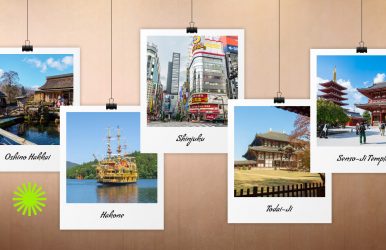
Everyone knows that you cannot complete exploring Japan in a day. And I had no choice but to miss Oshino Hakkai on the first trip.  However, on the next trip, I made sure to plan a visit.  Of course, an image on Instagram was my major drive behind being so passionate about a trip to Oshino Hakkai.  I saw a series of houses with thatched roofs along the shore of a pond. The magnificent and snow-covered Mount Fuji stood behind, strong and unshakable, as the eternal truth.  Born and raised in the land of spirituality and the Himalayas, I had to visit Oshino Hakkai.  However, as I have explained in my narrative from Tokyo to Mount Fuji day trip, you have to time your trip really well and have to be extremely lucky to see the snow-capped Mount Fuji.  Also, if you are planning a trip in summer, you will only get to see Mount Fuji partially or fully covered by clouds.  Nevertheless, as Mount Fuji continues to act elusive, here is why Oshino Hakkai will win your heart.  Oshino Hakkai: Why Is Visiting The Eight Springs Of Oshino So Special?  As I stood at the center of where both Lake Kawaguchiko and Lake Yamanakako meet in the small village of Oshino, I was able to look at the eight sacred ponds of Oshino Hakkai.  These sparkling, clear water springs are all that is left from a long-lost sixth lake that existed hundreds of years ago. It's as if time stood still when you visit these sacred areas. When I looked into the water, I didn't see just water, and I saw history. The springs were used by pilgrims (Fuji-ko) during Japan's Edo period to cleanse their bodies and souls before climbing Mt. Fuji. What a magical process the water goes through!  From snow accumulation on the summit of Mt. Rainier, through melting and filtration through approximately 80 years' worth of porous lava before it actually emerges at this location, its absolute perfection.  Moreover, it was crystal clear and pure.  Also, as I walked through the "Natural Monuments," I had an intense feeling of appreciation for the many years of waiting, so that each would have such serenity. How To Reach Oshino Hakkai? The journey to the stunning waters of Oshino Hakkai is as much a part of the experience as the location itself.  Here’s my recommendation for how to get to Oshino Hakkai, depending on whether you want a more convenient (train) or an adventurous (rental car) way of doing so. 1. Reaching Oshino Hakkai From Tokyo When travelling from Tokyo, you have several options available.  Highway bus lines go to Oshino Hakkai directly.  If you plan to take the train, either Fujisan Station (the nearest station) or Kawaguchiko on the Fuji Kyuko Line is your best option.  Once at Fujisan or Kawaguchiko, catch a local bus to get to the village. You may take the Fujikko-go (tourist buses), Mt. Fuji World Heritage Loop, or Uchino or Hirano routes via local bus from Fujisan Station.  Generally, there are 1-2 buses/hour on these routes. At Kawaguchiko Station, there are 11 Fuji-Q buses each day that leave for Lake Yamanaka Oriental side, and the 11 Fuji-Q buses that leave for Gotemba and also the Oshino springs. Just watch out for the Oshino Hakkai or Oshino Hakkai-Iriguchi as their stops. 2. Driving And Village Logistics I rented a car, and it is the most convenient way to visit the nearby Five Lakes region.  Parking here is convenient, and there are many public and private parking spaces.  After parking the car, you can explore the nearby villages.  However, you will need 300 JPY to enter the Hannoki Bayashi Shiryokan Museum.  You can visit the museum from 9 AM to 5 PM every day for a deep understanding of the local history.  Moreover, you will find signage in Japanese and English for every pond. My Trip To Oshino Hakkai I felt a bit out of place when I got to Oshino Hakkai.  I thought it would be a nice, quiet area for reflection and meditation, free of other people.  However, I found a busy and fully built-out village of people, shops selling food, and many shoppers and visitors to the area, as well as people engaging with local merchants about the items that were being sold.  There were also a lot of people around Wakuike Pond, and they were excited to see how clear the water of the pond was and the fish that were swimming in the pond. 1. Finding Solitude And Peace Within The City Although I typically search for the peace of solitude, I did not mind being in a populated environment.  I became curious after wandering among the crowds to find out where my curiosity would take me.  I found a quiet, undeveloped area just minutes from the main road, where I could hear the water from the pond, see ducks on the water, and watch an old man with two little boys quietly fishing right next to me. 2. Folklore And Galactic History The folklore & Galactic history of the 8 springs were fascinating to explore. Especially, that water from Wakuike Pond traveled on the Space Shuttle Challenger in 1983 for a snow-making experiment in space! 3. My Personal Highlight  The highlight for me was the open-air museum at the Hanoki Bayashi Shiryokan. It was a true escape from contemporary living, immersing yourself in the cultural heritage of the area. 4. Hannoki Bayashi Shiryokan: The Main Attraction Of The Trip  To tell the truth, I went to Oshino Hakkai because of Hannoki Bayashi Shiryokan.  One of the most amazing sights I've seen in the Five Lakes region was the thatched-roof farmhouses against a colorful garden and the imposing backdrop of Mount Fuji. I became engrossed in the displays of antique household items and rustic farming implements inside the traditional farmhouse.  The tour was brief, but I stayed by the big pond long after I was done because of the subtle beauty of the architecture.  I couldn't resist making another lap because the landscaping was so welcoming. Read Also: What Are The Things To Do In Jimbocho Book Town? Visit The Best Book Stores And Cafes Cherry Blossom Kyoto Japan: 2026 Season And The Top Viewing Spots Osaka Food: Know What To Eat In The Streets Of Osaka

READ MORE Jimbocho Book Town

What Are The Things To Do In Jimbocho Book Town? Visit The Best Book Stores And Cafes 

BY  Sibashree Mar 30, 2026

Jimbocho Book Town is a massive book district or book town with more than 400 book stores.  It is one of the oldest and biggest in the world and is often uttered with respect equal to the Kaifeng and China book towns.  Also, it is a great place for dark academia fans, students, and readers, as they will find most of the second-hand books in Japan here.  Furthermore, it’s not just about the love for the book and the “intellectual” aspect of it.  Time Out has named it the best neighborhood in the world in 2025.  But do you know about the best book stores and cafes in the Jimbocho Book Town? Here is a detailed list.  However, let’s talk about the history, accessibility, and the best things to do in this book town.  Jimbocho Book Town: A Neighborhood That Survived World War II The Kanda-Jinbōchō area started getting many law schools in the late 19th century and early 20th century, and this is how the book town came.  Many bookshops opened then, and students of the law schools often sold their old books to these shops at a cheaper rate. Thus, this concept of second-hand books came.  New students used to buy these books because they were cheaper.  Furthermore, it is nothing short of a miracle that this book town survived the bombing and destruction during World War II.  Jimbocho started flourishing as a book town once World War II was over, and today, it is the most fascinating place for bibliophiles.  Furthermore, Shūeisha (Jump Manga Magazines), Iwanami, and many other leading publication houses have their headquarters in the Jimbocho Book Town.  Moreover, the curry restaurants and cafes here have been hosting the most famous authors for the longest time.  I must mention Ladrio in this context. It was built in 1949 as the reading room of a bookstop. It was also the first place that brought Viennese coffee to Japan.  Now, it was more than an elevation in the texture and flavor. The whipped cream helped to keep the coffee warm for longer as the intellectuals here took part in debates and hot discussions.  How To Reach The Jimbocho Book Town?  The central location of Jimbocho in Tokyo makes it easy to visit. You can take a ride on the Subway network to make this commute.  Reach Jimbocho Book Town By Subway  The nearest subway station is the Jimbocho Station. You will take the subway to the station on the following lines.  Toei Mita Line Tokyo Metro Hanzomon Line And, Toei Shinjuku Line Moreover, once you reach the subway station and exit from A5 or A6, you can find the book stores along Yasukuni-dori.  Reach Jimbocho Book Town From Shinjuku And Shibuya The journey through the Toei Shinjuku Line from Shinjuku Station is the easiest way to reach the Jimbocho Book Town. It does not need any transfer.  Furthermore, the travel time is about 15 minutes.  On the other hand, from Shibuya Station, you can take a ride through the Tokyo Metro Hanzomon Line to reach Jimbocho Station within 20 minutes. Reach Jimbocho Book Town From Tokyo Station From Tokyo Station, you have to take a Rapid ride on the R Chuo Line and reach Kanda Station.  Then, you have to reach the Toei Mita Line or the Toei Shinjuku Line to complete the journey in 5 minutes. Shopping For Old And Rare Books And Magazines: The Best Thing To Do In Jimbocho Book Town  From antiquarian books and documents to specialized books and first editions, you will find all the books in the Hakusan-dori and Yasukuni-dori intersections of the Jimbocho Book Town.  Starting from the Meiji Era(1868-1912) to today, it has been a book town par excellence.  Furthermore, the Aozora Kohon Ichiba, or the annual Kanda Used Book Festival, draws book lovers across the globe to the Jimbocho Book Town.   This festival is held in late October or early November, and it was celebrated from October 24th to November 3rd in 2025.   What Are The Book Stores You Must Visit In The Jimbocho Book Town?  Do you think that the Jimbocho Book Town only has Japanese books? You will get books in various languages in the book stores here.  Here are the book stores you must visit.  1. Kitazawa Book Store  The Kitazawa Book Store is the best book store to find English books and classics in the Jimbocho Book Town.  It started in 1902 and has thus completed more than 125 years in serving as a beacon of Western literature connoisseurs in Jimbocho Book Town.  You will mostly find foreign and humanities-related books here.  2. Magnif Zinebocho Magnif Zinebocho is a paradise for readers and lovers of retro magazines. You will mostly find lifestyle and fashion magazines from the last few decades here.  Though it mostly sells Japanese retro magazines, you will also find magazines that overcome language barriers.  Furthermore, the Mondrian artwork on the bookstore’s facade is really impressive, and you will find retro magazines such as Olive and Relax. 3. Books Tokyodo Built in 1890, Books Tokyodo is one of the oldest book stores in the Jimbocho Book Town. Here, you will find books of different genres from the bygone eras and modern times.  Furthermore, it is one of the book stores that has helped to create a community of book lovers, and that is the most cherished thing about it.  4. Komiyana Tokyo The history of Komiyana Tokyo goes back to 1939. It is a dedicated 4-story building with each floor offering distinct attractions to book and art lovers.  You will find here books on history, Japanese art, Western art, and fashion.  Furthermore, it has the widest collection of photo books, and most of them are by the original photographers or painters.  Also, watch out for the weekend “Garage Sale” behind the shop.  You never know when you can find a diamond.  5. Bohemian’s Guild  The Bohemian’s Guild is a great place to find vintage books on visual art and design.  Furthermore, the bookstore has been there since the Taisho era (1912-1926). The first floor of the store has all the books and a warm lighting that, along with the brown wooden floor, creates an inviting atmosphere.  Furthermore, on the second floor, the book gallery allows you to explore the lithographs, paints and prints.   What Are The Best Cafes To Visit In The Jimbocho Book Town?  Kissaten, or the coffee house culture of Japan, is unique. The best cafes in the Jimbocho Book Town allow you to get familiar with that.  Furthermore, the cafes here celebrate the history and origin of the book town. So, here are my favorites. 1. Sabouru With an origin in 1955,  Sabouru stands out with its unique Showa-era charm and nostalgic vibe.  You must try the cream soda here, and it is available in seven colors. They also make an excellent strawberry juice smoothie.  Moreover, the adjacent Sabouru 2 is a popular place here to have classic “Japanese Napolitan Spaghetti.”  2. Milonga Nuova Built in 1953, Milonga Nuova is a paradise for Tango lovers.  Furthermore, the charcoal-roasted coffee here hits different, and that is often accompanied by the signature desserts.  Moreover, you will find more than 30 varieties of imported beers here.  Along with these cafes, Jimbocho Book Town also has various curry restaurants. From Mandala to Bondy, these restaurants celebrate the tradition started in the Meiji era.  The book lovers found it very convenient to eat curry with one hand while the other hand was busy holding the book or flipping the pages.  Read Also: Is The Japan Rail Pass Worth It In 2026? Should I Buy Or Avoid It As A Conscious Tourist? Cherry Blossom Kyoto Japan: 2026 Season And The Top Viewing Spots Osaka Food: Know What To Eat In The Streets Of Osaka

READ MORE Osaka food

Osaka Food: Know What To Eat In The Streets Of Osaka 

BY  Sibashree Mar 27, 2026

Osaka food is slowly and steadily surpassing Tokyo as the poster for Japanese cuisine.  Furthermore, it has been just a few days since La Cime in Osaka became the best restaurant in Japan in the Asia's 50 Best Restaurants list in 2026.   However, the soul of the Osaka food lies in the streets. The Dotonbori neighborhood was especially the best when I visited.  In fact, I was so much in love with the street food here that I chose to cancel the previous booking and chose a hotel in Dotonbori instead.  Also, the Dotonbori Market was the epicenter of my food exploration in Osaka.  Moreover, how can you ever forget what Anthony Bourdain had to say about food in Osaka? He said,  “I’m a big believer in winging it. I’m a big believer that you’re never going to find the perfect city travel experience or the perfect meal without a constant willingness to experience a bad one.  Letting the happy accident happen is what a lot of vacation itineraries miss, I think, and I’m always trying to push people to allow those things to happen rather than stick to some rigid itinerary.” So, let’s explore Osaka food at its best in Dotonbori. What Are The Best Osaka Food You Can Try On The Streets?  Osaka, despite its funky and vibrant appearance, has a history that goes back to the Edo Period in the 17th century.  Furthermore, it was a major trading hub during that period. Also, it was the same time when Osaka earned the nickname “Japan’s Kitchen.”  Moreover, Dotonbori extends across a canal that reaches out to the sea. So, you will always find fresh seafood in the local delicacies.  Ramen Udon Torikara Takoyaki These are some of the delicacies served by the local vendors in Osaka.  However, just mentioning these names does not justify the tangible experience of Osaka food.  I saw a big red octopus getting dressed and served, and the lobsters were irresistible.  Nonetheless, these are the best street foods you can try in Osaka.  1. Mitarashi-Dango Pocket-Pinch: 150 JPY  Mitarashi-Dango is the most comforting street food you will try in Osaka. Furthermore, these are great for budget-friendly travelers and backpackers like me.  These rice balls are sweet and chewy, and have a hint of burnt taste due to the unique browning process that takes place once the rice balls are boiled and cooled.  Furthermore, the glaze of the sweet soy sauce makes it perfect!  2. Okonomiyaki Pocket-Pinch: 400-450 JPY  Do you like frittata? Then, you will love these Japanese savory pancakes even more.  Okonomiyaki has all the flavors. However, you never feel heavy after having them. Furthermore, these pancakes are simple, as cabbage, flour, and eggs are the main ingredients.  However, the local street vendors add seafood and scallions to the dish for more flavor and color.  Also, they serve it with barbecue sauce.  3. Daifuku Mochi Pocket Pinch: 350-400 JPY Mochi, the round rice cake, is a staple Japanese delicacy.  It has the chewiness of Mitarashi-Dango. However, it has filling as the daifuku part of the name suggests.  I loved the ones with strawberry filling, and you can also try them with other fruits.  4. Torikara Pocket-Pinch: 300-400 JPY If the USA has its deep-fried chicken, Japan also has Torikara.  I loved them, and the fried potatoes and the variety of sauces will be the most amazing additions.  5. Takoyaki Pocket Pinch: 700-800 JPY  Takoyaki is probably the most famous street food of Osaka and Japan.  Japanese people love these octopus balls, and that’s why the Takoyaki stalls in Dotonbori are countless.  Furthermore, the scallions and flakes of dried fish sprinkled on top make the dish really amazing.  Moreover, the batter is gooey, and it will melt in your mouth.  6. Taiyaki Pocket Pinch: 300 JPY This is a fish-shaped pastry and my silent favorite among everything I tried in Osaka.  The smell is irresistible, and the main attraction is to see it getting ready in front of your eyes.  You can have this vanilla-flavored pastry with cheese, custard, and hamburger meat. However, the red bean paste is the ideal choice if you want to follow the grammar of East Asian cuisine. 7. Udon Pocket Pinch: 650 JPY The hot broth and noodles! I know that I have kept you waiting for the longest time to find this lethal combination on my list.  The noodles in Udon are thick, and with the right seasoning, their taste grows on you. That’s why you can eat udon every day and not get bored.  Furthermore, there are many variations of udon, such as the curry udon, yaki-udon, nabeyaki udon, and tempura udon.  8. Soba Pocket Pinch: 400 JPY Soba has buckwheat noodles in hot broth. Furthermore, these noodles are darker and thinner.  Furthermore, the simplicity of the dish and flavors make it a perfect palate cleanser.  I loved a bowl of soba with scallions.  9. Ramen Pocket Pinch: 700-800 JPY Ramen, of course, is the quintessential wheat noodles the whole world has been eating for quite some time now.  I tried different variations of ramen in Osaka. However, I loved the one with pork the best.  10. Yakitori Pocket Pinch: 1000-1100 JPY Yakitori is the Japanese take on grilled meat.  Furthermore, you will get many variations in the meat used here. You will get bone meat, chicken skin, seafood, and many other varieties here.  11. Sushi  Pocket Pinch: 1200 JPY If Sushi is an emotion, then it runs in the veins of Osaka.  From sea urchin to tuna, eel, and salmon, Osaka spoils you with choices in sushi.  Furthermore, the art of eating sushi is something that you need to understand. It is just not about gulping down some food.  It’s also about being a part of the Japanese culture.  12. Taiko Manju Pocket Pinch: 100-150 JPY You may think that Taiko Manju and Taiyaki are the same, but the origin and texture are very different.  Despite the use of the same ingredients, Taiko Manju is fluffier. Furthermore, their drum shape is inspired by the taiko drums, which are integral parts of Japanese festivals.  Read Also: What Are The Best Day Trips From Tokyo? Most Popular Ones You Will Love Cherry Blossom Kyoto Japan: 2026 Season And The Top Viewing Spots Is an Mt Fuji Day Trip From Tokyo Worth It? How To Plan It?

READ MORE cherry blossom kyoto japan

Cherry Blossom Kyoto Japan: 2026 Season And The Top Viewing Spots 

BY  Sibashree Mar 27, 2026

The cherry blossom season has arrived in Japan. The Japan Meteorological Agency has announced the arrival of the most coveted season in the country on 19th March, 2026.  The somei-yoshino tree of the Yasukuni Shrine had more than 60 blossoms open then, and that prompted the announcement.  So, the recent warm weather has caused the arrival of the cherry blossom season earlier than last year.  However, the season of cherry blossom in Kyoto arrived a few days later on 23rd March, 2026. So, currently, the fervor around the cherry blossom Kyoto Japan is at its peak.  With the country now becoming irresistible with the blooms taking over the parks and roads, here is more about the cherry blossom season in Kyoto and the best viewing points.  When Is The Cherry Blossom Kyoto Season? Timing a trip to the cherry blossom Kyoto season or to see Sakura is a crucial exercise. The beauty and charm of these flowers are fleeting.  So, the when part of it is equally important as the where part.  Check out the table below for an idea about when the cherry blossom season arrives in Kyoto and how it progresses.  Cherry Blossom Season Months Budding and Blooming of Cherry Blossoms Kaika or the First Blossoms Late March Early April Mankai or Full Blooms by 7th AprilMid-AprilPetals Start to Fall and Create Petal Carpets Everywhere However, like 2026, the season can arrive early or even a little late.  The variation happens because the present temperature impacts the budding and blossoming of flowers.  If the weather is warmer, the flowers will blossom earlier than the average season. On the other hand, if there is a cold snap, the flowers will arrive late.  However, Kyoto has an advantage in this regard thanks to its diverse microclimates. Also, it boasts different cherry blossom tree varieties spread across different elevations.  So, even if you miss the cherry blossom scene at any of the shrines in Kyoto, you may find the flowers at any other place.  What Are The Places To See Cherry Blossom In Kyoto? Kyoto and all of Japan celebrate the cherry blossom season. It is enriching to witness such a deep bond between the people there and nature.  They love clicking pictures of flowers, picnicking under the trees, and just soaking in the happiness and beauty the flowers bring.  However, if you want to experience the best of the cherry blossom scene, you need to know about the places with the best views.  1. The Philosopher’s Walk (Tetsugaku-No-Michi) The Philosopher’s Walk is a canal-side stone walkway winding its way along the base of Hikoshiyama (Eastern Mountain Range). I began my day here.  The name has significance, and legend has it that Professor Kitaro Nishida of Kyoto University (an early 20th-century philosopher) walked this route daily for meditative purposes. Thus, it’s now known as the “Philosopher’s Walk.”  When I first set foot on the Philosopher’s Walk, I could see why he was always walking there each day.  The entire length of the pathway is lined with hundreds of cherry trees leaning above the water, creating a ceiling of pale pink blooms.  I found myself continually distracted while walking to the shop, eat, or visit the small shrines draped throughout the landscape.  Even with hundreds of people visiting this site daily, I felt as if I were walking alone, contemplating life.  There is nothing that compares to the silence created by having cherry blossoms fall off branches and drift gently down into the slow-moving canal below.  I felt as if I had achieved a moment of peace, not as a tourist but rather as an individual taking time out of their busy lives to think quietly, like all the others on the path. 2. Maruyama Park (Maruyama-Kōen) The Philosopher's Walk is for reflection, and Maruyama Park is the place to be to party!  The number of people in the park and how electric the atmosphere felt, I have to believe it is the most popular place to view blossoms in all of Kyoto.  It serves as a hub of hanami (flower-viewing) culture within the city. A huge, famous weeping cherry tree serves as the main attraction of the park.  Seeing the tree in person was an overwhelming experience for me because its branches seemed to flow downwards like water from a fountain.  The portion of the park that surrounded the tree became a festival site.  I saw blue tarps lying all over the park, and the universal sign of hanami gatherings with friends and family, eating, drinking, and just being together under the flowers.  The edge of the park had many food stalls offering various foods like yakitori and sweet dango. 3. Shimbashi Street (Shirakawa-Dori) Later, as I headed to find Shimbashi Street in the Gion neighborhood, my guidebook boldly said that Shimbashi was the “most beautiful street in Asia.” When you first step into Shimbashi, you feel the essence of Kyoto’s refined beauty throughout the street.  Cherry trees line the street and form a thick canopy above the walkways, and beside the traditional wooden buildings, streams flow gently through the area.  Many of the wooden buildings along the way hold exclusive ryotei (expensive) restaurants, and the whole atmosphere feels as if it were pulled from a time before us.  The most exciting thing for me was the ‘parade’ of kimonos that I observed as I strolled.  Locals and couples routinely have their picture taken in a kimono (professional photo), and the vibrant colours of the silk kimono against the soft pastel cherry blossom trees made a beautiful visual transition from the past to the present.  I ended up discovering a small bistro at the end of Shimbashi Street that had cherry blossoms providing a tunnel effect above.  Eating lunch (al fresco) under the blooming tunnel while watching the many young couples walk past in traditional clothing was certainly the highlight of my time in the city.  It was both romantic and timeless and contained an ideal balance between the two. 4. To-ji Temple With the sunlight fading, I headed to the To-ji Temple.  The To-ji Temple is known for its five-story pagoda, which has the tallest wooden tower in Japan. However, what I was more excited to see was the massive, beautiful, weeping cherry tree. A trip to To-ji Temple in the evening is highly recommended.  They flood the entire grounds with bright white flood lights when it gets dark outside.  The weeping cherry tree illuminated with pink lighting is stunning against the night sky and the outline of the ancient pagoda.  Also, the weeping cherry took up most of the memory on my camera.  I spent a fair amount of time walking around the grounds. There are many other cherry blossom trees around the grounds that also have the same beautiful effect from the lights at night as well. They take on an almost ghostly, pearl-like quality that you can only get from external lighting at night. 5. Kiyomizu-Dera Temple No visit to Kyoto would be complete without going to see the Roji temple, aka the "Pure Water Temple."  However, viewing it in cherry blossom season looks like such a different experience from what I saw.  The main hall has a huge terrace about 97 feet long, which is one of the best places I found to view it. As I looked down from this height, I could see all across the surface of the mountain, where there were many different types of cherry trees blooming or not blooming along the slopes.  The pink blossoms (the cherry trees' flowers) create a nice light-coloured contrast with the dark, weathered wood of the temple architecture.  When I walked down the ramp toward the exit, I noticed there were more clusters of trees planted near the pond at the end of the flower field.  I saw the reflection of trees on the surface of the pond.  The temple complex is enormous, and the scale of the cherry tree blossoms in this area is impressive.  6. Arashiyama Last, I traveled to the far west side of the city to Arashiyama. It is about 8 km from downtown and is a really refreshing and beautiful area filled with nature. While standing just north of the Togetsu and looking up at the mountain beside me, I could see a dense tapestry of hundreds of cherry trees interlaced with evergreen trees. They made a perfect background for the Hozu River below me, with its many small boats full of people renting out their time to experience the beauty of the flowers from the water's side.  I was envious that I had not scheduled more time to experience this part of Japan.  I also thought that this (the hills full of flowers) was very similar to the Yoshino slopes.  On my way out of the area, I stopped at the Tenryū- ji Temple. I saw some incredibly large, mature cherry trees. These, along with the well-kept Zen gardens, appeared to be glowing against each other. Walking through Kyoto in the spring taught me that the cherry blossom isn't just a flower. It’s a vibe that settles over the entire city.  Is Osaka Or Kyoto Better For Seeing Cherry Blossom?  It’s difficult to pick a favorite between Osaka and Kyoto for the cherry blossom season. The vibes are very different.  While Kyoto has these iconic spots for seeing cherry blossoms, Osaka also has the Osaka Castle Park.  Furthermore, the scene in Kyoto is more traditional with temples, historical atmosphere, and the weeping cherry trees.  On the other hand, Osaka is more about picnics and exploring amazing food stalls.  However, Osaka is less crowded than Kyoto in the cherry blossom season. That is one advantage.  Also, Osaka is less expensive than Kyoto.  So, if you want less crowd and you are on a budget travel, Osaka will be your go-to place. Read Also: Is The Japan Rail Pass Worth It In 2026? Should I Buy Or Avoid It As A Conscious Tourist? What Are The Best Day Trips From Tokyo? Most Popular Ones You Will Love Is an Mt Fuji Day Trip From Tokyo Worth It? How To Plan It?

READ MORE Mt Fuji day trip from Tokyo

Is an Mt Fuji Day Trip From Tokyo Worth It? How To Plan It? 

BY  Sibashree Mar 26, 2026

Planning a day trip from Tokyo? Mount Fuji is the most obvious destination for such a trip.  But do you know how to travel for a Mt Fuji day trip from Tokyo and why it is so special?  Let’s find all the details in this blog.  Why Is A Mt Fuji Day Trip From Tokyo Special? Is It Overhyped? The volcanic mountain, Mount Fuji, is a UNESCO World Heritage Site. Furthermore, the Fuji Five Lakes area in Kawaguchiko offers amazing scenic views.  Though a rewarding day trip, these days it is often overhyped by Instagram and other social media platforms.  In most of the pictures, you will find a half-snowy Mount Fuji with its stunning landscape.  However, you have to remember that Mount Fuji is also called the “Shy Mountain.” True to its name, it is only visible around 70-80 days in a year.  That is why it is very important to plan the Mt Fuji day trip from Tokyo at the right time.  Do you think the summer months are the best for visiting Mount Fuji? You are making a mistake.  In fact, the summer months are the most humid and the rainiest in Japan.  So, clouds and mist make Mount Fuji rarely visible. Thus, winter months, which are also drier, are the best for a Mt Fuji day trip from Tokyo.  Climbing And Touring Mt Fuji: Which One Is Better?  If you are planning to climb Mount Fuji, you will need at least 2 days for the trip from Tokyo.  However, if you want to take a tour of the mountain from the surroundings, it can be completed comfortably in a day.  So, here is a comparison of climbing Mt Fuji vs. taking a tour of Mount Fuji.  1. Climbing Up Mount Fuji  A sunrise trek to Mount Fuji is very popular, and you will find multiple stations on the trek route.  Furthermore, climbing up the mountain is no easy task, and it takes 5 to 10 hours to complete this high-altitude trek.  Though the Yoshida Trail, among the four trails leading to the summit, is beginner-friendly, you still need training, proper gear, and preparation to complete the trek.  2. Taking A Tour Of Mount Fuji  This is the usual option for regular tourists. You will visit the Fuji Five Lakes and beautiful villages on the way.  Also, if the weather conditions are good, you will get a good view of Mount Fuji.  How To Travel For A Mt Fuji Day Trip From Tokyo?  Yes, you can take a car on rent for a Mt Fuji day trip from Tokyo. However, Japan is famous for its trains.  It also has a well-managed bus network.  So, for a local experience and budget-friendly travel, these are the best options you can opt for.  1. Mt Fuji Day Trip From Tokyo By Train Japan Railway (JR) has a limited express train service called the Fuji Excursion Train. The train runs between the Shinjuku Station and the Kawaguchiko stations and the Mount Fuji Station is between them. The Shinjuku Station is at a distance of about 5 km from Tokyo City.  The train ride takes about 1 hour and 54 minutes, and the ticket price is ¥600 for adults and 400 for children.  Check out the timings of trains from Shinjuku Station and Kawaguchiko, and when they reach the Mount Fuji Station.  I have enlisted the timings for the weekdays. Train timings differ on weekends and holidays (Source: Fujikyu Railway).  Table 1: Train From Shinjuku Railway Station To Mt Fuji  DepartureArrival 7:30 AM9:23 AM8:30 AM10:21 AM9:30 AM11:23 AM10:30 AM12:19 PM11:34 AM1:25 PM Table 2: Train From Kawaguchiko Railway Station To Mt Fuji DepartureArrival 2:08 PM2:16 PM2:58 PM3:06 PM3:39 PM3:47 PM4:48 PM4:56 PM5:41 PM5:49 PM You can directly book the train ticket from the online reservation service of the Japan East Railway. You can also buy a Japan Railway Pass for similar excursions.  Mt Fuji Day Trip From Tokyo By Bus You can also plan a Mt Fuji day trip from Tokyo by bus. Take the Mt. Fuji Highway Bus from the Shinjuku bus stop and get off at the Mount Fuji 5th Station.  Also, the travel time is about 2 hours and 25 minutes.  Furthermore, the ticket price is 3800 JPY for adults and 1900 JPY.  Moreover, you can book the ticket online from Highway-buses.jp.  How To Explore Mount Fuji? You can explore Mount Fuji in a car. However, it is super expensive and costs up to JPY 15000-20000 JPY a day.  Furthermore, if you are planning to drive in Japan, you will need a 1949 International Driving Permit (IDP) as an international tourist.  Overall, it is a lot of hassle.  So, you can choose the bus services available in Mount Fuji to travel in and around the area.  1. Fujikyu Or Omnibuses You can book the Fujikyu Omnibus sightseeing pass for 1 day or 2 days. The pass for 1 day costs 1500 JPY, and for two days, it costs 2000 JPY.  Moreover, these bus services operate in three lines: the Red Line, Blue Line, and Green Line.  So, check your itinerary first and the places you want to explore before boarding a bus.  2. Climbers Bus Are you planning to climb up Mount Fuji? Then, you can plan to take this bus service. However, many of these services are seasonal, and here are the details.  Moreover, these buses depart from the 5th Station and circle the mountain.  Climber Bus RouteLineSeasonal Availability Fuji Subaru Line 5th StationM-LineEverydaySubhasiri 5th Station Q-LineSummer SeasonGotemba New 5th StationZ-LineSummer SeasonFujinomiya 5th StationL-LineSummer Season 3. Bus-Boat Kaba This is a special bus service on water. You can board the bus-boat Kaba and cruise through Lake Yamanaka.  Furthermore, in usual seasons, the ticket price is 3800 JPY for adults, 1900 JPY for children, and 500 JPY for infants. Prices can further go up in the peak tourist season.  Moreover, on weekdays, the bus boat services will run from 11:30 AM, 1:10 PM, 14:00 PM, and 15:40 PM from 1st April, 2026.  On weekends, there are additional services (along with the usual times) at 9:50 AM, 12:20 PM, 2:50 PM, and 4:30 PM.  Moreover, from April to September, there is a bus service at 5:20 PM on weekends.  5. Local Route Bus  You will get buses departing from Mt Fuji and Kawaguchiko Stations to Fujinomiya, Shin-Fuji Station, Kofu, Isawa Onsen, Mishima, and Gotemba.  What Is The Best Time To Plan A Mt Fuji Day Trip From Tokyo? The winter months are ideal for visiting Mount Fuji. Dry weather conditions and a lack of humidity in the air make it ideal for visiting Mount Fuji. Furthermore, spring and autumn months are ideal for a Mt Fuji day trip from Tokyo. These months coincide with the cherry blossom season in Japan and the autumn foliage. Read Also: Tokyo To Hokkaido Distance: Know About Various Modes Of Transportation Are You Planning A Trip To Osaka? This Is Your Quintessential Guide Best Places To Travel Around The World And To See Flowers

READ MORE day trips from Tokyo

What Are The Best Day Trips From Tokyo? Most Popular Ones You Will Love 

BY  Sibashree Mar 26, 2026

If you are like me, your first trip to Japan probably started off in Tokyo, surrounded by bright neon lights and an astounding number of people moving around to get from place to place. Tokyo is a logical starting point because of the many inexpensive daily flights that arrive, as well as its efficient public transportation, making it very easy to get around and communicate with those whom you meet there, because they speak some English. But let me tell you a little secret I learned from spending two different trips to Japan over the course of three weeks. Although I had fun in Tokyo, I’m definitely not a big progressive city person. The real beauty and the heart of Japan are found away from the chaos of Tokyo. The true essence of Japan can be experienced at its best in either the peaceful mountains high above the sea or in the salty air along the coast of Japan. So if you are planning on staying in Tokyo for more than three days, do yourself a favor and venture outside of the city limits.  These are my favorite day trips from Tokyo. You can travel to each of these destinations within 1 to 2 hours. What Are The Best Day Trips From Tokyo?  Tokyo is an incredible gateway. However, Japan’s true magic is often found in the places where the skyscrapers disappear.  Whether you want the spray of the ocean in Kamakura or the mountain air of Hakone, I promise that leaving the city for just a day will change how you see the country. From Mount Fuji to Kyoto, the Soul of Japan, the day trips from Tokyo are as diverse as they can be.  Here is a detailed account of my experience in those places.  1. Mount Fuji And Kawaguchiko: The Icon Travel Time: 2 Hours  How to Reach There: Highway buses from Shinjuku or Shibuya (~¥1,250–¥2,000 one way). If I can only recommend one escape, it will be Kawaguchiko, a town located right at the foot of Mt. Fuji.  "Shy" Fuji hides behind a curtain of clouds and can be quite elusive. While I visited, Fuji showed off for me on several occasions. I spent an entire day in this beautiful town, but would recommend an overnight stay at one of the many traditional ryokans situated on the lake if possible. There, you will notice the the juxtaposition of Fuji's reflection on Lake Kawaguchi at sunrise will be a once-in-a-lifetime experience. Highlights From My Visit Climbing the 398 steps of Chureito Pagoda was strenuous. However, the meditation-like calm through the forest made it worthwhile. I was fortunate enough to see the iconic site of the Red Pagoda with Mt. Fuji as a backdrop, as the clouds rolled in and covered the summit of Fuji. Hōtō noodles are a local specialty and are made up of thick, flat noodles cooked in a Japanese miso broth. Eating them will feel like a warm hug! So, don’t forget to try it.  2. Nikko: A Place Of Mist And Masterpieces Travel Time: 2 Hours How to Get There: Tobu Railway from Asakusa to Tobu-Nikko Station. When you visit Nikko, you will see all that it has to offer in the stunning, misty forests and cedar trees. Moreover, the detailed and ornate shrines seem to be jewelry boxes.    Insider Tip:  Arrive before 9 am at Lake Chuzenji to witness how the morning light creates an incredibly peaceful scene on the water.  If you arrive later than 9 am, visit the Toshogu Shrine first, which is where Shogun Tokugawa Ieyasu is buried and features the famous three monkeys, "See no evil, hear no evil, speak no evil". Many people come to see Kegon Falls, but it can be crowded due to the high tourist volume.  Unless you arrive at dawn, I would recommend skipping Kegon Falls and enjoying the calm waters of the lake instead. 3. The Coastal Soul Of Japan: Kamakura Travel Time: 1 hour How to Get There: JR Yokosuka Line from Tokyo Station (¥940 one way). Kamakura is also popular as the "Kyoto of the East," and I can see why.  Although it is an hour from Tokyo, when you are there, you will be surrounded by the smell of salt and incense from the temples instead of exhaust from busy streets. Be sure to see the Great Buddha (Daibutsu) at Kotoku-in.  This is a large bronze hollow statue located outside.  Standing there, surrounded by trees and soft sea light, I felt a sense of peace and tranquility.  After visiting the Great Buddha, I walked to Yuigahama Beach to watch the surfers and the sunset before enjoying a meal of sukiyaki or shabu-shabu. 4. Hakone: A Breath of Mountain Air Travel Time: 2 Hours How to Get There: Odakyu “Romancecar” from Shinjuku. I recommend the Hakone Free Pass. Tokyo is the pulse of Japanese culture, and it is in Hakone where you'll find peace after the city's frenzied pace. Hakone is a beautiful blend of modern and ancient.  The first stop for my visit was at the Hakone Open-Air Museum, where I walked among sculptures created by some of the most famous artists in the world, surrounded by natural beauty all around me.  Then, I took the Hakone Ropeway across the Owakudani Valley.  It is an active volcanic area where steam rises out of the ground, creating a picture of a living canvas.  On clear days, you may see Mt. Fuji as well.  The day was capped off with a boat ride on Lake Ashi aboard a vessel that resembled a "pirate ship."  I was hesitant about it being cheesy, but the sights were gorgeous. 5. The Easy Escape To Yokohama  Travel Time: 30 Minutes How to get there: JR Tokaido or Keihin-Tohoku Line from Tokyo Station (¥480). When I need to relax from the chaos of Tokyo, I tend to go to Yokohama.  Yokohama is the 2nd largest city in Japan. However, it has a much more relaxing atmosphere due to the harbor.  I enjoy taking a stroll along Minato Mirai, which is another word for "harbor view," while enjoying the ocean breeze.  For something "quirky", I went to the Cup Noodles Museum to create my own cup of noodles and to learn about the history of Nissin Food Products.  However, the highlight was visiting China Town, which is the largest in Japan.  My recommendation is to arrive at China Town around 4:00 or 5:00 PM.  It will be early enough to beat the dinner rush and late enough to see the entrance of all the glow from the lanterns.  Take a bag of roasted chestnuts and enjoy the view of the skyline from the water while riding on the Cosmo Clock 21 Ferris Wheel. 6. A Trip Back In Time To Kawagoe Travel Time: 1 Hour How to get there: Tobu Tojo Line from Ikebukuro or JR from Shinjuku. If you want a taste of the Edo period without trekking all the way to Kyoto, go to Kawagoe.  It’s a walkable town full of clay-walled warehouses and wooden merchant houses. When I arrived at 8 AM, I heard the Toki no Kane (Bell of Time) tolling in the stillness of the morning.  I went back 200 years in time.  If you have time to go to Candy Alley, everything is made from sweet potatoes, cakes, chips, and even ice cream!  I know it sounds strange, but I assure you that it is really good! 7. Kyoto: The Soul Of Japan Travel Time: 2 Hours (by Shinkansen) How to get there: Tokaido Shinkansen from Tokyo Station (¥13,320 one way). I usually tell people to stay at least two days in Kyoto, but if a day trip is all you can manage, do it. It is expensive, but it is worth every yen. To appreciate Kyoto fully, you should focus on finding peace and serenity rather than simply marking off temples from a to-do list.  Instead of fighting the crowds at the bamboo groves, I found my peace by sitting in the wonderful gardens of Kennin-Ji Temple and breathing the incense they burned there. 8. Enoshima: Islands And Icons  Travel Time: 2 Hours How to get there: Odakyu Line from Shinjuku to Katase-Enoshima Station. Enoshima is where Japan’s coastal charm meets its spiritual side.  It’s a small island with a bridge and shrines dedicated to the goddess of the sea. Prepare to take many steps as you make your way to Iwaya Caves on the opposite end of the island.  The sound of waves'll surround you as you leave the noise of the city behind.  Furthermore, inside the caves, it’s a different world! After you leave the caves and head back, stop at a vendor and buy some grilled fish or seafood so you can enjoy the smoky aroma of the grilled fish while walking through Enoshima Island. 9. Chichibu: Mountains And Moss Travel Time: 2 Hours How to Get There: Seibu Line from Ikebukuro to Seibu-Chichibu Station. Chichibu is an outdoorsy place if you love the outdoors!  It's got mountains and has a strong cultural heritage.  If your timing is right in the spring, Hitsujiyama Park gets huge patches of pink and white moss phlox in bloom. This area has deliciously filling meals, including miso potatoes and waraji katsu (a pork cutlet that’s named after a straw sandal because of how large it is). 10. Karuizawa: The Alpine Retreat Travel Time: 1 Hour How to get there: Hokuriku Shinkansen from Tokyo Station. Finally, there is Karuizawa. This is where Tokyo’s elite found an escape from the summer heat, and it still feels incredibly sophisticated. Renting a bicycle is one of the best ways to experience this area.  I spent my first morning biking through beautiful pine tree forests until I arrived at Kumoba Pond. The pond has such calm water that it feels like looking into a huge mirror!  In the winter, it turns into a beautiful, snowy retreat perfect for relaxing after spending several days in the city.  Read Also: Is The Japan Rail Pass Worth It In 2026? Should I Buy Or Avoid It As A Conscious Tourist? What Are The Things To Do In Oahu For Free? A Guide For Budget Travelers Festivals Of Light And Color: Experiencing Japan’s Vibrant Matsuri

READ MORE Is Japan Rail Pass worth it

Is The Japan Rail Pass Worth It In 2026? Should I Buy Or Avoid It As A Conscious Tourist? 

BY  Sibashree Mar 25, 2026

The Shinkansen, or the Japanese Bullet Train, brought a revolution in the transportation system in the 1960s.  It was the need of the hour, considering the rapid growth in the economy. Also, it is an icon of the technological prowess and wealth of Japan.  These days, we have Vande Bharat in India, and no doubt the services and punctuality of these trains are spotless.  However, contrary to popular beliefs, they are never the same.  Why so?  To understand this, you need to take a ride in the Japanese Bullet Train.  However, is Japan Rail Pass worth it for the short and long rides in the Japanese Bullet Train?  In today’s blog, I will discuss its benefits and disadvantages in detail.  Is Japan Rail Pass Worth It?  Japan Rail Pass is a physical pass for train rides. It is only for tourists.  With this pass, you can enjoy unlimited train rides across Japan. Also, these passes include bullet train rides for a specific time span.  Japan Rail Pass Cost Check out the table below to understand the validity period and prices of the Japan Rail Pass.  Japan Rail Pass ValidityOrdinary Japan Rail Pass Cost Green Japan Rail Pass Cost7 Days PassAdult: 70,000 YENChildren: 35,000 YENAdult: 50,000 YENChildren: 25,000 YEN14 Days PassAdult: 110000 YENChildren: 55000 YENAdult: 80000 YENChildren: 40000 YEN21 Days PassAdult: 140000 YENChildren: 70000 YENAdult: 100000 YENChildren: 50000 YEN All ticket prices are sourced from the Japanrailpass.net. Also, remember that children mean kids below 12 years old.  From 12 years onward, they are considered adults.  Is The Japan Rail Pass Worth It? (Considering The Cost)  If you think that buying a Japan Rail Pass would hurt your wallet, you are making a mistake.  Yes, the Japan Rail Pass is expensive, especially if you are buying a Green Japan Rail Pass.  Still, if you want to try individual rides, the cost will be even higher. For example, a single trip to Nara from Tokyo costs 14500 YEN.  A really smart way to decide whether the Japan Rail Pass is worth it or not is to use a Japan Rail Pass Calculator.  Enter the departure and arrival points, check the ticket price for individual rides, and add them. Then, compare the total Japan Rail Pass cost to decide whether you need to buy it or not.  Also, consider the flexibility the Japan Rail Pass offers.  With a Rail Pass, you can complete as many rides as you want within the validity period. Also, there is no rush to buy a ticket every time you board a train.  Is Japan Rail Pass Worth It For Every Train?  The Japan Rail Pass does not cover every train service in Japan. However, it covers most train services.  Check out the details in the box.  Services Covered by Japan Rail PassServices That Japan Rail Pass Does Not Cover - Most Bullet Trains- Express Trains- Local Trains- The Narita Express, Running to Tokyo City from Narita Airport- Tokyo Monorail to and From the Haneda Airport - Joyful Trains in Japan- Bullet Trains Except Mizuho and Nozomi- The Metro Service in Tokyo and Other Cities- The Ferry Service Of Yakushima Where To Buy A Japan Rail Pass From?  You can buy the Japan Rail Pass from an authorized agent based in your country. Sometimes, these passes are available at the Osaka or Tokyo Railway stations or Haneda and Narita airports.  However, these passes are available for a limited time, and they charge around 10-20% extra charges.  Furthermore, upon reaching Japan, you can even buy the pass online at JRailPass.com. You can expect a delivery of the physical pass within 3-5 business days based on your location.  How To Take The First Ride With The Japan Rail Pass?  You have to get your Japan Rail Pass stamped before using it. You have to choose the JR Counter entry at any local and bullet railway station to pass through and board the train.  The JR Officer will check your passport and the JR Pass before stamping it.  From the next ride onward, you just need to show your JR Pass.  Activating your JR Pass at the railway station is always a better idea, as you can activate it only when you need it.  Usually, when you activate the pass at the airport, a day or two is wasted from the validity period, as the city metro services do not accept those passes.  Is Japan Rail Pass Worth It? Frequently Asked Questions (FAQs)  Here are the frequently asked questions and answers about whether the Japan Railway Pass is worth it or not.  1. Which Rail Pass Is The Best For Japan? The best Rail Pass for Japan will depend on your itinerary in Japan. For example, if you need to travel nationwide, you can choose a National Rail Pass for 7 to 21 days.On the other hand, Regional JR Passes are the best if you are focusing on specific regions such as Hokkaido or Kansai. 2. Can I Buy Japan Rail Pass From India? Yes, you can buy a Japan Rail Pass from India. In fact, it is a smart move to buy your Japan Rail Pass from an authorized agent in your country before starting the trip. At the Japanese Airports, buying the JR Pass can cost you 20-30% more. TBi Travels and Klook are some of the authorized services from which you can purchase the JR Pass online. When you buy the pass online from an authorized agent, you will receive an exchange order or a voucher via courier. You have to exchange that at the airport to collect the physical pass.  3. Can I Get Bento Boxes On The Trains In Japan? You can get Bento boxes at any railway station in Japan before boarding the train. You will also find vegan-friendly options for the bento boxes. However, you have to be very mindful about how you dispose of those bento boxes. You can throw them in the trash bins in the train, or after alighting from the train, you can dispose of them in the waste box at the station. You will not find trash cans frequently in Japan. So, you may have to carry them home if you do not dispose of them in time.  Read Also: Are You Planning A Trip To Osaka? This Is Your Quintessential Guide Festivals Of Light And Color: Experiencing Japan’s Vibrant Matsuri Is Japan Really An Expensive Place? Have A look

READ MORE things to do in srilanka

What Are The Things To Do In Sri Lanka? Beaches, Cities, Rocks, Wildlife And Colonial Architecture 

BY  Sibashree Mar 25, 2026

“Love Sri Lanka, Always.” This has been the new campaign of Sri Lanka. Also, this campaign, coming at the time of the ongoing Gulf War, looks quite bold.  It projects the island country as a place that needs constant discovery.  And Sri Lanka has reaped the benefits of launching a bold campaign. It has crossed the mark of 100,000 tourists within the “first 18 days of the March in 2026.” Furthermore, while the marketing campaign has brought Sri Lankan tourism global visibility, the diversity of attractions makes it a powerhouse.  For example, I have been so much in love with Sri Lanka that I have made multiple visits and sometimes to the same place, years apart.  With the changes and developments, the country has still maintained its warmth, lush greenery, and human resilience. The sheer grit of the country has helped it win over the natural disasters such as the Tsunami, Cyclone Ditwah, and endless civil wars.  However, with diverse offerings, it may be difficult to choose the things to do in Sri Lanka. So, here are the places I loved the most.  What Are The Things To Do In Sri Lanka?  Keeping the spirit of the Indian Subcontinent alive, Sri Lanka beautifully portrays an inclusive picture.  For example, its southern and northern zones show a difference in language and culture. However, both are connected through the way of life, sunshine, and more.  Also, Sri Lanka has places such as the Ambuluwawa Tower, which is within a multireligious complex, showing how respectful the country is toward every religion.  1. Exploring The Tamil Culture And Temples In Jaffna Jaffna was the first place I visited in Sri Lanka as a backpacker. It is a hub of strong Tamil culture in Sri Lanka.  Furthermore, Jaffna has beautiful Hindu temples such as the Nallur Kandaswamy Kovil, the Naguleswaram Temple, the Nainativu Nagapooshani Amman Temple, etc.  Also, the beaches in Jaffna showcase the beauty of Northern Sri Lanka.  Moreover, the food in Jaffna is spicier than in any other part of Sri Lanka.  Overall, Jaffna is a world in itself where slow living and staying true to the roots are the best ways.  2. Hiking The Ritigala Forest Monastery Out of all my experiences in Sri Lanka, hiking the Ritigala Forest Monastery has been my silent favorite.  The history of the Ritigala Forest Monastery takes us to the 1st century BC. It has more than 70 caves and was once the abode of the monks of the “Pansukulika” sect.  Furthermore, located inside the Ritigala Forest Reserve, the remains of the ancient monastery are now surrounded by around 96 species of medicinal plants.  The presence of the medicinal plants further makes its association with the Ramayana stronger. 3. Visiting Uppuveli Beach, And Other Attractions In Trincomalee Trincomalee has the famous Uppuveli Beach. However, it would be wrong to assume that the things to do in Trincomalee are limited to beach activities.   You can visit the Thirukoneswaram Kovil Temple, Fort Frederick, Trincomalee Maritime and Naval History Museum, and the Trincomalee Market. 4. Visiting Mount Lavinia Beach The Mount Lavinia Beach is very close to Colombo, the capital of Sri Lanka. This beach has a leisurely vibe with the local folks playing cricket and people taking a sun bath.  However, the main attraction here was the Sea Turtle Conservation Centre. It is located by the beach, and it buys eggs from the locals to hatch them.  5. Climbing Up The Ambuluwawa Tower At the top of the Ambuluwawa Mountain, the Ambuluwawa Tower is an important cultural landmark in Sri Lanka.  Its location is in the Ambuluwawa Biodiversity Complex, in Gampola. Also, it is just 20 km away from Kandy.  You can climb up its spiral stairs to reach the top of the tower and enjoy a panoramic view of the surroundings.  6. Exploring The Cultural Capital, Kandy Kandy, the cultural capital of Sri Lanka, has the beautiful Kandy Lake at the epicenter.  Furthermore, it is fighting with the aftermath of the Cyclone and Ditwah and remains crucial in the political and economic landscape of the country.  The most fascinating things to do in Kandy are visiting the Udawattakele Forest Reserve, bowing before the Bahirawakanda Vihara Buddha Statue, and visiting the Temple Of The Tooth.  7. Climbing Up The Sigiriya Rock The Sigiriya Rock is famous for its mythological significance and history, and its association with Buddhism.  King Kashyapa made the Sigiriya Rock his seat of power in 477-499 AD.  However, before that, it was a Buddhist monastery which later shifted to the Pidurangala Rock.  Also, it has a long history of archaeological discovery, and in 1982, it was designated as a UNESCO World Heritage Site.  8. Climbing Up The Pidurangala Rock The Pidurangala Rock has a history that goes back two millennia. After King King Kashyapa made the Sigiriya Rock his seat of power, the Pidurangala Rock became their refuge on the king’s order.  Furthermore, it has a 1500-year-old Buddha Statue, and it is a protected ancient cave.  Moreover, from the Pidurangala Rock, you will get the best views of the Sigiriya Rock.  9. A Train Ride On The Nine Arch Bridge A train ride on the Nine Arch Bridge is the most iconic experience you can have in Sri Lanka. Also known as the Ella Odyssey, it has been praised by the BBC and Lonely Planet.  Built in 1921, this bridge is a prominent example of the Colonia-era architecture, and it does not have any metal in its construction.  10. Hiking To The Diyaluma Waterfall Hiking to the Diyaluma Waterfall from Poongala is one of the most popular hiking expeditions in Sri Lanka.  Once you reach the Upper Diyaluma Waterfall, you can relax and enjoy a swim in the infinity pools.  From the upper fall, you have to take a further trek of 30 minutes down to reach the Lower Diyaluma Waterfall.  Furthermore, the Diyaluma Waterfall is associated with the tragic love story of a King who fell in love with a lady from a lower caste.  Knowing about their love, the villagers chased them, and the lady fell into the waterfall and died.  11. Visiting The Dehiwala Zoo Since 1936, the Dehiwala Zoo in Sri Lanka has been a favorite spot for a thrilling wildlife experience.  Along with housing monkeys, elephants, fish, and birds, the zoo also has a dedicated section for reptiles.  Moreover, it has always been famous for the animal shows, and it has a Leopard Trail for guided night safari.  12. Spending A Day In Hurulu Eco Park The Hurulu Eco Park near Habarana is one of the best places in Sri Lanka to learn the art of slow traveling.  In the North Central Province of Sri Lanka, it is a great place for spotting elephants.  This dry evergreen is ideal for seeing elephants because it is the corridor between the Kaudulla National Park and the Minneriya National Park.  Take an afternoon safari to enjoy wildlife spotting and your time in nature.  13. Visiting Nuwara Eliya, The Coldest Place In Sri Lanka  Nuwara Eliya, the coldest place in Sri Lanka, is located at an altitude of 1,889 meters. Furthermore, it carries a nickname, “New England,” from the British Era.  Nuwara Eliya is a place of juxtapositions. There are Tudor-style homes, Victorian-style post offices, waterfalls, and jungles, showing the contrast in the landscape and cityscape.  Furthermore, it has natural attractions such as Gregory Lake, Victoria Park, and the Lovers Leap Waterfall.  Also, don’t forget to spend a day in Horton Plains National Park, a UNESCO World Heritage Site.  14. Experiencing A Scenic Train Ride And More In Ella Though Ella has changed in the last 10 years due to rapid development, it has maintained the serene charm with its mountains, rail line, and lush greenery.  Furthermore, it is the place to share a seat with Sir Thomas Lipton and understand how tea runs as the lifeline of the nation.  Also, the Ravana Falls is the place where Ravana hid Sita after abducting her.  Other iconic things to do in Ella are visiting the Nine-Arch Bridge, enjoying a Kandy to Ella train ride, climbing the Ella Rock, watching sunset from the top of the Little Adam’s Peak, etc.  15. Exploring The Galle Fort  Galle is dreamy, and it looks like a movie frame in sepia tone.  However, the Galle Fort, a UNESCO World Heritage Site, is at the epicenter of this once impenetrable trading post.  Walk to the Galle Fort and explore this living museum of art, architecture, and history.  Also, watching the sunset from the Galle Fort is a magical experience.  More things to do in Galle include exploring the beaches beyond the fortress wall.  Also, don’t forget to enjoy a drink in a bar in the cobblestone streets of Galle.  Overall, Galle is a place that unfolds with time. The fortress, the streets, and the colonial buildings make history palpable in every nook of Galle.  In a way, it summarizes the true spirit of Sri Lanka. Visiting the country is not about ticking the bucket-list destinations.  It’s about understanding the culture and soaking in the local vibe.  16. Visiting The Hiriketiya Beach  Hiriketiya Beach is the latest addition to the tourism attractions in Sri Lanka. It is a favorite destination for backpackers and digital nomads.  Furthermore, it is a popular surfing beach with zones dedicated to surfers of different expertise levels.  Here, you can walk to the Blue Island, enjoy great food and beer at Smoke and Bitters, and learn how to cook with Rosie.   How To Group These Attractions By Region For An Easier Trip  With 16 different experiences spread across the island, plotting an actual route through Sri Lanka can be more overwhelming than picking which attractions to visit.   Here is how I would group them if I were sequencing a first-time trip.  Northern And Eastern Sri Lanka: Jaffna And Trincomalee  Jaffna and Trincomalee sit on opposite coasts of the north.  Pairing them makes sense only if you have at least five or six days set aside, since the drive between them runs several hours along the A9 and A6.   If your trip is shorter, pick one.  Jaffna is for the Tamil temples, beaches, and spicier food, or Trincomalee for Uppuveli Beach and the naval history sites.   Both are a considerable detour from the rest of this list. So, I would treat this leg as a separate mini-trip rather than trying to loop it into a Kandy-to-Ella itinerary in the same week.  The Cultural Triangle And Central Highlands  This is where most of the list actually clusters.  Sigiriya Rock, Pidurangala Rock, and the Ambuluwawa Tower sit within a couple of hours of each other, and Kandy makes a natural hub between them and Nuwara Eliya.   From Kandy, the train to Nuwara Eliya (getting off at Nanu Oya) or onward to Ella is one of the most scenic rides in the country.  It conveniently strings together the Ambuluwawa Tower, Kandy's Temple of the Tooth, Nuwara Eliya's tea country, and the Nine Arch Bridge and Diyaluma Waterfall near Ella into a single, mostly rail-connected week.   The Ritigala Forest Monastery and Hurulu Eco Park sit slightly further north, closer to Habarana and Anuradhapura.  So, they fit best as a stop on the way into or out of this loop rather than a separate detour.  The South Coast: Galle And Hiriketiya  Galle Fort, Hiriketiya Beach, Mount Lavinia, and the Dehiwala Zoo all sit along or near the southwestern coastal belt.  The coastal belt is a couple of hours from Colombo by car or the coastal train line.   This makes the south coast the easiest leg to slot in at either end of a Sri Lanka trip.  Mount Lavinia and the zoo as a half-day near the airport, then Galle and Hiriketiya as a longer coastal finish before flying out.   Because this stretch runs along a single road and rail line, it's also the most forgiving section to travel without a fixed itinerary, since onward transport is frequent and buses and trains run late into the evening.  Falling In Love With Sri Lanka, One Region At A Time  Visiting Sri Lanka is not about ticking bucket-list destinations.  It is about understanding the culture and soaking in the local vibe, whether that's the Tamil hospitality of Jaffna, the misty highlands of Nuwara Eliya, or the sepia-toned streets of Galle Fort.

READ MORE things to do in galle

What Are The Things To Do In Galle Fort, Sri Lanka? Exploring A UNESCO Heritage Site

BY  Sibashree Mar 24, 2026

Galle has been my ideal dreamy, sepia-toned travel destination located on the southwestern coast of Sri Lanka.  Moreover, the city’s stunningly beautiful old fortified peninsula reaches defiantly out into the Indian Ocean and boasts many crumbling colonial-style buildings, narrow cobblestone streets, and swaying palm trees.  However, the true magic of Galle comes from taking it slowly.  Hi, in today’s blog, I will talk about the things to do in Galle Fort. However, I will begin with why a visit to the Galle Fort is worth it and how to get there.  Why Visit Galle Fort? A UNESCO World Heritage Site And The Fortress That Defied Time “Founded in the 16th century by the Portuguese, Galle reached the height of its development in the 18th century, before the arrival of the British.  It is the best example of a fortified city built by Europeans in South and South-East Asia, showing the interaction between European architectural styles and South Asian traditions.” • UNESCO World Heritage Convention.  The trading post was once impenetrable, and the rampart walls kept the invaders at bay.  However, centuries later, during the 2004 Tsunami, the same stone walls that stood against cannons also protected the people from the ocean.  Thus, the Galle Fort remained intact even though the surrounding coastline was devastated. Today, it stands as a UNESCO World Heritage Site for being a unique example of a fortified city.  How To Reach The Galle Fort? You can easily reach the Galle Fort from Colombo or down the coast.  From Colombo  You can take a train from Colombo Fort, and after a three-hour journey and amazing ocean views, you will reach Galle.  However, currently, this route is being reconstructed. So, you can take a Highway AC bus from the Makumbura Station.  Furthermore, it is a 2-hour journey through the Expressway.  From Mirissa Or Weligama If you’re already beach-hopping the south coast, you can just hop on any local bus headed toward Matara or Galle.  It’s cheap, frequent, and gives you a real taste of local life, and that’s amazing as a follower of TheLowDownUnder Travel philosophy.  Also, from my days in Jaffna to the things to do in Kandy, I have always ditched comfort and the obvious for a more authentic experience.  What Are The Things To Do In Galle Fort, Sri Lanka?  When talking about the things to do in Galle Fort, you have to think beyond the tourist checklist.  Furthermore, Galle is a place of contrasts! You have the rugged, salt-sprayed stone of the ramparts on one hand, and on the other hand, you have the most polished boutique shops.  So, Galle is beyond your usual Instagram photo op.  And one of the best things to do in Galle is to understand how the fortress and the neighborhood have survived empires and natural disasters.  Moreover, in Galle, you become a part of the history as you watch the sunset from an ancient bastion or sip cold beer at a wine bar on a cobblestone street.  Also, you will see an extension of all these in my detailed account of two days in Galle Fort.  Day 1: Getting Lost In The Living Museum Walks, exploring the architecture, culture, and the much hyped sunset experience! These were the things to do in Galle Fort on day one.  Morning: The Rampart Walk Walking is the best way to begin your exploration of Galle Fort. It is small and, therefore, a great destination for pedestrians.  In the morning, I climbed to the top of the stone ramparts and walked the entire way around the edge of the Fort, obtaining a 360-degree view of Galle. I saw the sparkling, turquoise ocean to one side and the red tiled roofs of the original buildings of the town on the other. On your walking tour, look for the famous Galle Clock Tower and the historic Galle Lighthouse, which is probably the most photographed place in all of Sri Lanka.  The whitewashed lighthouse is stunning against the clear blue sky, but I found that the late afternoon light gives it that soft, golden color that makes the palm tree shadows cast perfectly across the grass. Afternoon: Culture And Architecture After you’ve finished exploring the upper level of the walls, it’s time to explore the narrow alleyways of the city.  Throughout the streets, you are going to notice something extremely wonderful. You will see the cultural and ethnic diversity and the same inclusive culture of Sri Lanka, prominent through the iconic Ambuluwawa Tower in Colombo.   In just a matter of blocks, I was able to visit the Dutch Reform Church, All Saints Anglican Church, Meeran Mosque, and Sri Sudharmalaya Buddhist Temple.  All these places serve as a testament to the many different people who have influenced the development of Sri Lanka over many hundreds of years. If the heat of the sun becomes unbearable, I recommend that you check out either the Historical Mansion Museum or the Maritime Museum.  Both of these museums are in beautifully restored colonial structures and provide visitors with great artifacts dating back to Sri Lanka’s colonial period. Evening: The Sunset Ritual When the sun is going down, I suggest that you make your way to the western walls of the fort.  At Flag Rock Bastion, you will find the locals performing their “cliff jumping” tourism attraction.  You will have the opportunity to see how far they will go into the crashing waves.  If you would rather have a quieter spot to watch the sunset, I would recommend that you go to Triton Bastion.  I spent an hour there on the grassy ramparts watching as the sky slowly burned with bright oranges. What a way to see Mother Nature's fireworks show. Day 2: Boutiques, Buffets, And Beaches Day 2 was more relaxed as I shopped, gorged on grand feasts, and explored the beaches.  Morning: The Shopping Mecca Galle is now Sri Lanka's shopping capital. Pedlar Street is the epicenter of the boutique shops, from where you can collect elegant souvenirs.  A few of my personal favorites are in the table below.  Places to Visit for ShoppingThings to BuyStick No BillsVintage-Style PostersThe Tea Room by Evergreen GroupBuy Tea in BulkOld Dutch HospitalThis former colonial hospital is now a chic shopping and dining precinct. It’s the perfect place to grab a coffee and browse. Lunch: A Local Feast After the spicy food in Jaffna, the food in Gelle was comforting. So, trying the Coconut Sambal is one of the best things to do in Galle.  You will get the curries with chicken and vegan-friendly options here. Also, to beat the midday Sun, have some homemade ginger beer or treat yourself to a scoop at Isle of Gelato.  Moreover, don’t forget to try the cashew caramel at Isle of Gelato.  Afternoon: Beyond The Walls As the Sun starts getting softer, you can explore the surrounding coast. Also, if you want to extend your coastal hunt, head to Dewata Beach.  Here, you will find many beginners and professionals surfing the waves.  Furthermore, if you want to just relax, take a tuk-tuk ride to the Jungle Beach in Unawatuna. It is a small sandy cove with lush greenery. 

READ MORE Ella, Sri Lanka

What Are The Things To Do In Ella, Sri Lanka? A Narrative Of My Days In Ella

BY  Sibashree Mar 24, 2026

Ella is one of Sri Lanka's most beautiful towns.  Also, Ella is a place where many of my favorite Sri Lankan adventures are.  My first sighting of the famous Nine Arch Bridge, one of my first hikes at Ella Rock, standing at the edge of the roaring Diyaluma Falls, and many more.  Perhaps the most famous train ride in the world, from Kandy, passes through Ella as well. Ella is a quaint and beautiful town and is a great place to escape the heat of the southern coasts. However, over the last decade, this quaint little hamlet has become a large tourist destination.  Unfortunately, the growth has also brought some concrete eyesores to the village.  There is still plenty of magic to be discovered here, if you are willing to move beyond the Instagram hotspots. Having undertaken two comprehensive visits to this beautiful hill-country retreat, I have compiled the ultimate portfolio of things to do in Ella, Sri Lanka. What Are The Things To Do In Ella, Sri Lanka?  Despite the changes in Ella, Sri Lanka, the mountain ranges are just as majestic as they were years ago. Furthermore, the tea served is still some of the finest in the world. Moreover, people here are still warm.  And the most fascinating part?  Ella always brings out the explorer in you. How can you avoid the lure of riding in an open-air train or leaning over the edge of a waterfall?  Here is more about the exciting things to do in Ella, Sri Lanka.  1. Riding The Iconic Kandy To Ella Train The Kandy to Ella train ride is the best thing you will do in Sri Lanka.  The train passes through tea plantations and crosses gushing streams.  And you cannot expect less from a route that has been labelled by many as the most picturesque train ride in the world.  However, the train ride also allows you to indulge in the local vibe with local vendors hawking through the rush and the local boys singing and playing drums during the journey.  Also, the Nanu Oya to Ella scratch is the most beautiful in the entire route. Also, don’t go for a 1st class ticket and reserve a 3rd class class to enjoy the views through open windows.  2. Admiring  The Famous Nine Arch Bridge It’s astonishing to think that a single bridge could drive tourists in droves to a small town, but the Nine Arch Bridge is an engineering marvel that demands to be seen.  Standing 24 meters high and spanning 91 meters, it was completed in 1921 using only brick, rock, and cement, and there is no metal at all. When the mist hangs low in the valley, the bridge takes on a moody, mystical feel.  You can walk along the tracks or look down from the tea plantations below, but my favorite view is from the cafe platforms in the surrounding hills.  Watching the blue train slowly crawl across the arches is a sight I’ll never forget. 3. Hiking The Mighty Ella Rock  The hike to the mighty Ella Rock starts from the Ella railway station. It was a walk with waterfalls and small homes on the way.  Then, the steep ascent began.  After reaching the top, you will get a beautiful view of Adam’s Peak and Ella Gap. 4. Watching Sunset At Little Adam’s Peak The hike to Little Adam’s Peak is a gentler alternative to the hike to Ella Rock.  I walked through the lush tree plantations, and once I reached the top, the panoramic view before my eyes was nothing short of a movie frame.  Plan your hike in the late afternoon to enjoy the most amazing sunset views from Little Adam’s Peak. 5. Chasing The Diyaluma Falls I started from Ella to Poonagala, the starting point for the Diyaluma Falls hike, by taking a tuk-tuk.  The tuk-tuk took 1.5 hours.  Furthermore, from Poonagala, it was a downhill hike to the Upper Diyaluma Falls, which had a 220-meter drop.  There are natural infinity pools right at the edge where you can swim during the dry season.  From the upper Diyaluma Falls, it is another 30-minute hike to the Lower Diyaluma Falls.  6. Feeling The Mythological Connection At Ravana Falls  Ravana Falls is right by the road south of Ella.  Locals say that King Ravana took Princess Sita and hid her in the caves behind Ravana Falls.  Furthermore, you can see the Ravana Falls from the road. However, it is best if you hike to the second and third tiers.  7. Taking A Seat With Sir Thomas Lipton Tea is the lifeblood of this region, and a visit to Lipton’s Seat is a journey to the source.  This is the exact spot where tea mogul Sir Thomas Lipton used to sit and survey his empire.  On a clear day, you can see all the way to the south coast. Even on the foggy day I visited, sipping a fresh cup of Ceylon tea (the best I’ve ever had) while the clouds swirled around the summit was incredibly atmospheric. 8. Taking A Tour Of The Dambethenne Tea Factory When you go to the high country, you must learn the actual science of the making of your brew. I visited the tea company founded by Lipton himself in 1890 and saw how it was picked, wilted, fermented, and graded. All of these were new to me as an individual who drinks a lot of tea.  About 80% of this tea is sold in Colombo and then exported around the world. I especially found the fermenting room to be extremely interesting. 9. Feel The Adrenaline Rush At Flying Ravana If you need a break from the hiking, Ella recently opened Sri Lanka’s first-ever zip-line.  It stretches half a kilometer across the hills and hits speeds of 80kmph.  For around $20 USD, it’s one of the best value adrenaline fixes I’ve ever found. It’s located near the 98 Acres resort, making it a perfect way to end a trip to Little Adam’s Peak. 10. Mastering The Art Of The Curry At Ella, Sri Lanka  In my opinion, Sri Lanka has the best food (after my country, of course)! If you want to bring back a little bit of Sri Lanka to your home country, then you should try taking a cooking class.  Also, if you don’t have enough time, just try the food streets.  For me, it was a brilliant consolidation of my food tour in Jaffna. Though the food in Ella is creamier and less spicy than in Jaffna.  11. Witnessing The Grandeur Of Bambarakanda Falls The Bambarakanda Falls is the tallest waterfall in the country, and it falls from a height of 241 meters.  You can take a short hike or a tuk-tuk to reach the Bambarakanda Falls from Ella.  Then, stand at the base and feel the sheer power of that vertical drop.  Moreover, to enjoy the best flow of this waterfall, plan a visit between April and September.  12. Spotting The Elephants At Udawalawe Like the Kaudulla National Park, the Udawalawe National Park is also a great place for spotting elephants in the wild.  Ella is the base for a safari in the Udawalawe National Park.  I opted for an early morning safari, and I spotted adorable baby elephants with their mothers.  Don’t Forget To Party And Chill In Ella, Sri Lanka  Like Jaffna, a backpacker’s dream, Ella has also emerged as a hub for backpackers and budget travelers.  Ella Town is still a great place to unwind, and places such as Cafe Chill are at the epicenter of these scenes.  You can have some really good burgers and Lion Beer at some of these recognized cafes.  Moreover, when you spend time at these cafes, you don’t rush from one place to another, but study the local culture and understand how a country, ridden by cyclones, endless civil wars, and financial crisis, can still be the land of sunshine. 

title-img Popular

READ MORE best songs for instagram travel reels

You Can’t MISS These Best Songs for Instagram Travel Reels (Real People, Real Choice) 

BY  Sibashree Sep 9, 2024

Every time I come home from a trip, I go through the same ritual.  I sit down with a folder of shaky, gorgeous, half-blurry clips and try to turn them into something worth watching.   And every single time, the song is what decides whether the reel works.  A reel without the right track is like a postcard with no message on the back.  You can admire it for a second, but you won't remember it.  I am not going to hand you a generic "trending sounds this week" list, because those go stale in about 72 hours.   Instead, this is the mix I actually reach for: road-trip anthems, slow-burn ballads, and a couple of unexpected picks.  Also, the parts nobody tells you about: which of these songs your business account can't legally touch, and what is actually driving the Reels algorithm in 2026!  So, your music choice does more than just sound nice.  The Songs I Keep Coming Back To  Here's the shortlist, organized by the kind of footage each one saves.  # Song Artist Mood Best For 1 "Wave" Lyxe Bright, driving, sun-through-the-windshield Road trip montages 2 "On My Way" Carswell & Hope Warm, folky, a little wistful Couple travel videos 3 "Unto Myself" Serene Fiend Edgy, heavier guitar Adventure sports reels 4 "Here I Go Again" Whitesnake Classic rock, anthemic Solo travel, big open-road shots 5 "Leaving on a Jet Plane" John Denver Bittersweet, tender Long-haul or international trips 6 "Galway Girl" Ed Sheeran Playful, folk-pop Romantic city reels, Ireland/Europe 7 "Enjoy the Show" The Sluts High-energy, psychedelic edge City nightlife reels 8 "About Damn Time" Lizzo Confident, funky Solo girls' trip reels 9 "Watermelon Sugar" Harry Styles Sunny, youthful Beach holidays, couple videos 10 "Saturday Sun" Vance Joy Light, upbeat Weekend getaways, coastal trips 11 "Perfect" Ed Sheeran Soft, romantic Couple holiday reels  A quick note before I go through these one by one.  I am describing the feel of each track rather than quoting any lines from them.   Song lyrics are copyrighted works, and reproducing even a few lines, mine or anyone else's, isn't something I can do here.  No matter how well they fit the vibe.   If a lyric is doing the emotional heavy lifting for you, that's actually a decent sign the song deserves its own dedicated audio-sync edit rather than a paraphrase. When we travel, the gust of the wind, the murmuring of the leaves, or the chirping of the birds are probably the best music you can listen to. However, as you return, those moments become memories and the photographs and videos we click turn into stories we want to tell the world.  What’s better than a piece of music to enhance these stories? It can be Whitesnake’s rock anthem, “Here I Go Again,” Denver’s “Leaving on a Jet Plane,” or the feel-good “On My Way” by Carswell & Hope. 1. "Wave" by Lyxe https://www.youtube.com/watch?v=5DfTWt8_Ec0 Perfect For: Roadtrip reels Perfect for: road trip reels  This one had a real moment when Lyxe reworked it in 2023.   It's got that upbeat, "everything's about to happen" tempo that makes tree-lined highways and sunlight-through-branches shots feel cinematic instead of just pretty.   If your footage has any kind of forward motion- car, bike, train- this is my first pick.  2. “On My Way" by Carswell & Hope https://www.youtube.com/watch?v=N0qkhXoiGCQ Perfect for: couple travel videos  I think of this as sitting somewhere between a country ballad and something more urban.  The guitar work does a lot of the emotional lifting.   Thematically, it is about someone finally listening to the pull of home, and that "coming back to what matters" feeling makes it a strong match for footage of two people traveling together.  It is especially for the quieter in-between moments rather than the highlight-reel ones.  3. “Unto Myself” by Serene Fiend https://www.youtube.com/watch?v=kogF2cchLCk Perfect for: adventure sports reels  This is the one for the metalheads in the group.   If you are basing jumps, climbing, or anything with real physical risk, the edgier instrumentation gives the footage a harder edge than the usual pop-song backing track. 4. Whitesnake’s “Here I Go Again” https://www.youtube.com/watch?v=WyF8RHM1OCg Perfect for: road trips, solo adventure, solo travel  Classic rock, full-throated, and honestly a little bit of a pep talk disguised as a song.  It is built around finding the courage to keep moving.   It works especially well for solo travelers walking city streets alone, where the music needs to carry some of the emotional weight the footage alone can't.  5. Denver’s “Leaving on a Jet Plane” https://www.youtube.com/watch?v=SneCkM0bJq0 Perfect for: long-haul or international trips  For me, this is the most quietly romantic track on the list.  It is structured as a conversation between two people.  One of them is leaving, both of them uncertain about the return but hoping anyway.   That signature Denver melancholy makes it timeless, and it fits any reel about leaving people behind to go somewhere far.   6. “Galway Girl” By Ed Sheeran https://www.youtube.com/watch?v=87gWaABqGYs Perfect for: romantic travel reels, especially Ireland or Europe  If you are anywhere in Ireland or the wider European city circuit, this is the obvious romantic pick.  It is playful, a little cheeky, built for footage of wandering cobblestone streets with someone you like.  7. "Enjoy The Show" by The Sluts https://www.youtube.com/watch?v=RnurG4O5og4 Perfect for: city nightlife reels  Vegas, Barcelona, wherever your nightlife footage is from,  this track has a laid-back, slightly psychedelic undercurrent beneath a high-energy surface.  Also, the vocals carry enough power to hold up against loud, chaotic clips 8. "About Damn Time" by Lizzo https://www.youtube.com/watch?v=IXXxciRUMzE Perfect for: solo girls' trip reels  This is the reset-button song.  It is confident, funky, built around the idea that everything's about to click into place. It is good for trip footage that doubles as a "getting my life back together" narrative.  9. "Watermelon Sugar" by Harry Styles https://www.youtube.com/watch?v=E07s5ZYygMg Perfect for: beach holidays, couple travel videos  Nothing beats this for coastal summer footage.  It has got a youthful, slightly flirtatious energy that fits golden-hour beach clips almost too perfectly.  10. “Saturday Sun" by Vance Joy https://www.youtube.com/watch?v=uKqMNQkjHmI Perfect for: weekend trips, coastal getaways  It is an instantly likeable number.  It has an upbeat tempo built around the excitement of meeting someone new.   Also, it is a strong fit for short weekend-escape edits where you want energy without heaviness.  11. “Perfect" by Ed Sheeran https://www.youtube.com/watch?v=2Vv-BfVoq4g Perfect for: couple holiday reels  Still one of the most recognizable romantic tracks around, this soft melody makes slow-motion, hand-in-hand walking shots hit harder than they would in silence.  Which of These Can You Actually Post? (2026 Instagram Music Rules) Here's the part most "best songs for reels" lists skip entirely, and it matters more than the song choice itself.  What your account is allowed to post is not the same as what shows up in Instagram's music picker.  Instagram's licensing deals with labels and publishers cover personal and creator, non-commercial use.  They don't extend to business accounts, and they don't extend to commercial promotion, even from a personal account, once the content is promoting a product or service.  Account Type What You Can Legally Use What Happens if You Don't Personal / Creator Full licensed music library, including most of the songs above Generally safe for non-commercial posts Business Meta Sound Collection (royalty-free) only Audio muted, content removed, or repeat-violation account restrictions Any account posting sponsored or commercial content Requires a proper sync/commercial license regardless of account type Copyright law looks at how the content is used, not which account posted it  A Few Things Worth Knowing Before You Pick A Track For A Client Or A Brand Page  There is no length-based safe harbor. A "just 10 seconds" or "just a short clip" of a copyrighted song does not exempt you from licensing requirements.  Access inside Instagram's library is not the same as clearance for commercial use.   For example, a well-known case involved a European football club that posted celebration footage using a track from Instagram's own library on its business account.  The post hit seven million views before music publishers argued the club still needed separate synchronization rights for commercial use.  Instagram's audio detection has gotten more aggressive.  Reels are getting muted or pulled for using copyrighted tracks on business accounts.   They reused audio carried over from other platforms, and even background music picked up at low volume.  Royalty-free tracks, original audio, or music you have licensed directly are the only genuinely safe options for brand or business accounts.  If you are a personal creator posting the songs on my list for fun.  You are almost certainly fine.   If you are managing a destination's, hotel's, or tour operator's Instagram, none of them are safe to use as-is.  You would need the Meta Sound Collection or a properly licensed alternative.  How Much Does Music Actually Affect Reach? (2026 Algorithm, Explained Properly)  This is the other thing the "trending audio" advice usually gets backwards.   Instagram head Adam Mosseri has been unusually public about what actually moves a reel through the algorithm, and it isn't just "use a popular song."  Instagram runs separate ranking systems for Feed, Reels, Stories, and Explore.  It is a strategy that works for one doesn't automatically work for another. For Reels specifically, the confirmed priority order looks like this:  Rank Signal Why it matters for your reel 1 Sends per reach (DM shares) Mosseri has said this carries roughly 3–5x more ranking weight than likes.  It is the strongest signal for reaching people who don't already follow you. 2 Watch-time-to-length ratio It is not raw seconds watched, but what percentage of your reel people finish.  A short reel with high completion beats a long one people scroll past. 3 Replay rate Rewatches signal strong interest and reward loopable edits 4 Likes/comments Still counted, but weighted less than they were a couple of years ago  What that means practically for song choice: the track is not a decoration.  It is doing ranking work.   A song with a strong emotional hook that makes someone stop and send it to a friend will outperform a "trending" track that doesn't fit your footage.  Instagram is optimizing for genuine engagement signals over raw popularity.  Mistakes I See Constantly (and Have Made Myself)  Mistake Why It Happens The Fix Picking a song for its trend score, not its fit A track blowing up on the Reels tab doesn't mean it matches your footage's pace or mood Choose based on how the song feels against your clips first, popularity second. Mismatching energy Calm drone footage paired with a high-BPM drop just feels off Match the tempo of the track to the motion in your shot. Cutting randomly instead of cutting to the beat Edits feel thrown together instead of professional.  This is the single biggest tell. Line your hard cuts up with the beat, even roughly. Letting the drop overpower the visuals The loudest musical moment lands on your least interesting shot. Re-order your clips so your strongest visual hits the drop. Reusing the same viral sound indefinitely Trend-riding works short-term, but reused audio, especially audio carried over from other platforms,  gets flagged. Rotate sounds regularly and treat trending audio as short-lived.  What My Friends Actually Play on Their Trips  I asked around instead of just going with my own taste, since music is such a personal call. Paraphrasing what they told me (again, no lyric quoting here):  Harsha reaches for Coldplay's "Paradise.” She says its opening seconds work for almost anything, from a mountain reveal to a sunset-chasing montage.  Saswati picks Denver's "Country Roads," because for her it captures the idea that travel is really about finding a version of home.  Nikita goes with The Chainsmokers' "Paris," which she says pulls up the exact emotional memory of a specific trip with people she loves.  Deepanwita is a Taylor Swift loyalist, "22" specifically, for the classic girls'-road-trip, feeling-young-again energy, even though, as she puts it, none of them are 22 anymore.  Piyasa swears by Alphaville's "Forever Young" for its message about wanting to keep exploring rather than settle down.  Pijus picks Avicii's "The Nights" for its upbeat tempo and nostalgic undertone. It is his go-to for anything adventure-themed.  The Real Takeaway  The best travel reels in 2026 aren't the most polished ones. They are the ones that feel real enough that someone stops scrolling and sends it to a friend.   The right song does three things at once.  It sets the pace of your edit, and it carries the emotional beat your footage can't carry alone.  Also, if you get the licensing side right, it actually keeps the reel up and eligible for real distribution instead of getting muted a week later.  Pick the song that fits your footage first. Check whether your account type can legally use it second. Cut to the beat third. In that order, not reversed. Also Read: Did You Know You can Hear Banshee’s Wail at the Killarney National Park! OMG! THIS Is The FintechZoom Best Travel Credit Card 2024| Travel Finance Guide. Joy Cho Death At Grand Teton National Park: How To Remain Safe While Hiking In This Beautiful Yet Dangerous Land.

READ MORE Coody 17.2

Coody 17.2 – All-Season Inflatable Tent For Camping

BY  Sibashree Jul 31, 2025

I rarely go camping. But when I do, I make sure I have a memorable time. To ensure this, I prioritize comfort and efficiency in every aspect of my travel, especially my camping essentials.  In today’s fast-paced world, more campers are turning to air tents as a reliable solution for stress-free outdoor experiences. But I? I don’t go for anything else but the Coody 17.2 tent for camping. They have changed my camping experience. They have a modern inflatable tent structure. So, these shelters eliminate the struggle of traditional poles and instead offer quick, intuitive assembly. Are you planning a weekend camping trip or a longer outdoor adventure? Well, Coody 17.2 is here for you. These inflatable models have revolutionized the way people approach the camping experience. Their rising popularity stems from simplicity and functionality. With no rigid frame to manage, users enjoy faster setup, reduced weight, and improved mobility—ideal for families, explorers, and those who simply want to spend more time relaxing and less time assembling. As the demand for comfort and convenience in the outdoors grows, air tents have proven to be a game-changer in modern shelter design. Meet Coody: A Tent For Camping Where Innovation Meets Comfort With over 12 years of experience and more than 40 models launched, Coody has become a trusted name in the world of modern shelters.  The brand specializes in inflatable structures designed for both casual weekend trips and rugged expeditions.  Their flagship Coody 17.2 model highlights the brand’s commitment to combining smart design with all-season performance. Also, what makes Coody tents stand out is their balance of premium materials and smart modular construction.  Additionally, every Coody inflatable tent is engineered for rapid deployment and exceptional livability, no matter the terrain or season.  The proprietary Coody air system ensures fast inflation. Additionally, they have strong structural support. So the tent holds its shape even in rough weather. Whether you're new to camping or a seasoned explorer, Coody’s approach ensures a higher level of comfort, safety, and convenience—without compromising durability. What Are The Key Features Of The Coody 17.2 Air Tent For Camping? The Coody 17.2 is built to handle real conditions. Also, it has no gimmicks, just smart design and proven materials. Here’s what makes it stand out: 1. Fast Setup With The Included Hand Pump The tent inflates in minutes using the built-in air pump. A rugged hand pump comes standard for easy setup and quick deflation without the pump when it’s time to move. 2. Weatherproof Build Durable Oxford fabric and clear TPU windows keep you dry and comfortable. Also, with a 3000mm hydrostatic rating, it handles heavy rain without flinching. 3. Ventilation That Works Multiple mesh windows and vents provide constant airflow. So, whether you’re in summer heat or winter cold, this tent stays breathable. 4. Modular Design For Flexibility A smart tent footprint gives you room where it matters. So, you can add or remove components with its modular, detachable layout depending on your setup.  5. Built To Stand Firm The structure is solid. Also, reinforced seams and tough materials mean the tent holds up in bad weather—giving you peace of mind in the wild. 6. Modular Design: Connect Multiple Tents One of the standout features of the Coody 17.2 is its modular capability. So, you can easily link multiple tents together using the:  Integrated zippers Docking sleeves Whether you're expanding for a growing group or creating separate zones for sleeping and storage, this flexibility turns your campsite into a customized basecamp. A Tent For Camping That Is Built For Year-Round Use The Coody 17.2 isn’t just for fair weather. This tent is built to perform in all four seasons—whether it’s  Freezing Raining Snowing Blazing hot This is the weather resistance overview of this tent for camping:  ConditionProtection featuresRain3000mm hydrostatic coating, full rainfly coverageWindThe reinforced air frame keeps the tent held tightColdSupports a wood stove with a stove jack built inHeatGreat ventilation, breathable mesh windows Why It’s Truly All-Season: Four-season rated: Handles snow, wind, and summer sun equally well Fully weatherproof materials keep you dry Works for winter camping or warm camping alike Rainfly can extend over doors and windows for added protection Designed for year-round use, not just a single season Built to withstand various weather conditions without leaking or sagging Keeps you comfortable—and most importantly, keeps you dry Inside The Tent: Space And Comfort Step inside the Coody 17.2, and it immediately feels like more than just a tent—it’s your home from home in the wild. Spacious interior comfortably fits multiple sleepers and gear Cozy atmosphere makes it ideal for extended stays and glamping setups Large layout gives you real peace of mind during harsh nights The installed stove jack lets you install a wood stove safely Works perfectly as an inflatable tent with a stove for cold-weather trips Mesh windows provide privacy and airflow without losing warmth Comes with an included hand pump—no extra gear required Thoughtful layout gives you room to live, not just to sleep inside the tent Whether you're solo or with a group, this tent is more than shelter—it's comfort in any weather conditions. Coody Tents In Action As The Ultimate Tent For Camping Whether it’s national parks or backcountry trails, Coody tents are built for the great outdoors. If you're on a rugged solo trip or a relaxed family camping weekend, the 17.2 adapts to your style. Campers report smooth setup at every campsite, even in remote areas. Additionally, the frame handles rough terrain and heavy weather like a pro. No poles to snap, no wasted time—just inflate and go. Additionally, when things get tough, the tent can withstand wind, rain, and snow with confidence. That’s the kind of reliability outdoor gear should have. Why Choose Coody? Coody tents are built for serious use. Also, the materials, layout, and features are all chosen to make your time outside easier, safer, and more comfortable. FeatureDescriptionOxford fabricStrong, tear-resistant base layerTPU windowsClear, flexible, and durable3000mm coatingHigh-level waterproofing under pressureCorrosion-resistant partsWithstand moisture, mud, and use What Sets Coody Apart: These are the points that set this tent for camping apart from all the other available options:  These tents are designed for real use—not just looks They adapt to any terrain or season Also, they offer quick setup, solid performance, and easy packing Tents are held secure in strong wind and bad weather Works with the included tent tarp for extra coverage Fully waterproof and water-resistant—not just marketing claims Just let it dry out, and it’s ready for the next trip Built by people who camp. Trusted by those who do it often. Get Premium Comfort With Coody Tent For Camping The Coody 17.2 isn’t just another tent. It’s a fully engineered tent that can be used as a glamping tent that works in any season, any weather, and any environment. So, whether you’re setting up for a weekend hike or long-term camping, this model delivers.  Like all Coody products, it reflects years of testing, real-world use, and a commitment to quality that’s hard to match.

READ MORE Wonders of India

What Are The Famous Wonders Of India With Names? Know The Places To Visit In India In 2027

BY  Ankita May 1, 2024

India has some historical monuments that are not only wonders of India but also wonders of the world. Further, from Rishikesh in the north to Pondicherry in the south, India has many spiritual hubs scattered across the country.  In addition, due to the diverse landscape, it has Himalayan peaks, lush jungles, and the coastal life of the Arabian Sea, Indian Ocean, and the Bay of Bengal.  So, as a first-time tourist or even the most seasoned traveler, finding the wonders of India can be overwhelming for you. Here is an attempt to curate eclectic destinations that cover the preferences of all tourists.  Top 13 Famous Wonders Of India: India has cultural and historic heritages, monuments, and national parks. Here is the list of the top 10 wonders of India that you must visit. Some of them are also UNESCO World Heritage Sites. Further, thanks to numerous government schemes and a development in the infrastructure, India has shown significant progress in the worldwide tourism scenario. The Travel and Tourism Development Index (TTDI) 2024 shows India's 39th position among the 119 countries. It is a proud moment, considering how it has advanced by 15 positions in respect to the 54th rank in 2021.  1. Taj Mahal Taj Mahal is one of the Seven Wonders of the World. Visiting India and failing to visit the Taj Mahal means missing great opportunities to explore India. Mughal Emperor Shah Jahan built it in memory of his consort Mumtaz Mahal.  The architectural styles and the marble work of the Taj Mahal attract tourists from all over the world.  Talk to your tour guard about the slot for the best time touring the Taj Mahal. You will have an excellent opportunity to experience one of the world's great wonders. Direction: The nearest airport to Agra is Indira Gandhi International (IGI) airport. Agra is only 200 km away from the IGI airport. You can get a cab from the airport or rent a car. 2. Red Fort Red Fort is a great edifice by the Mughal emperor Shah Jahan.  It is one of the best architectural wonders in India. When visiting India, you should not allow the Ref Fort to be out of your list of the top places to visit in India. This architectural marvel was constructed with red andstone which makes it look like a red aura that is nice to see. Most people who visit India don’t want to miss out on this excellent opportunity of visiting Red Fort. It will be more beautiful during Independence Day that is full of decorations and has a royal appearance. There is a Sound & Light show at Red Fort that is held every evening. It describes the history, tradition, and culture of the Mughal Emperor. Who will not want to make a feel of this when visiting India? No wonder it falls among the top 10 famous wonders of India. Direction: The nearest metro station is Chandni Chowk, and the nearest railway station is old Delhi. However, the nearest bus stand is Kashmiri Gate Bus Stand. 3. Sanchi Stupa Sanchi Stupa is a famous Buddhist architectural and cultural monument in Madhya Pradesh. It is one of the most popular tourist attraction sites that should not miss out on your list when touring India. It is a beautiful wonder in India with decorative images, designs, etc. Under the rule of Shunga, this monument was added with some more modifications like a beautiful harmonica on the top and stairways. It is excellent scenery for anyone who is visiting Australia. Direction: The nearest airport is Raja Bhoj in Gandhi Nagar. Sachi stupa is only 55 k.m away from the airport. 4. Gateway of India This famous Indo-Saracen-style monument was built by British architect George Wittet in 1911. Gateway of India was made entirely of concrete and yellow-colored basalt rock, attracting many people. This glorious architectural marvel adds glory to Mumbai city with its massive structure. You can be sure of having a good time when touring the Gateway of India. Most people who have stepped on this ground will tell you it’s a fantastic experience. Directions: The Central Secretariat metro station is the nearest to the Gateway of India. From the metro station is the only 3k.m.   5. Khajuraho Temples Khajuraho’s group of temples is very famous for its architectural style and exotic sculptures. These temples from the Rajput Chandela Dynasty are holy sites in Jain and Hindu religions. By visiting this wonderful monument, you can experience the skills of architects of the 10th century. It will give you an exclusive opportunity to learn about the great wonders of India. Direction: Lucknow is the nearest airport to Khajuraho Temple. In Khajuraho, a single terminal airport connects to Lucknow airport. Flights to Khajuraho are available from Lucknow, Delhi, and Varanasi. 6. Qutub Minar Qutub Minar is a five-storied famous monument in Delhi by Qutub-Ud-Din Aibak that shows his victory over Hindu rulers. This beautiful wonder was designed in complete Afghan style, and it will be very interesting to experience this place. It has several destroyed monuments and tombs that are a must-watch for the visitors. It is an excellent opportunity for anyone who would like to experience the top 10 famous wonders of India. Along with the Qutub Minar, you can see the non rusted iron pillar of Delhi within the same campus. Direction: The nearest metro station is the Qutub Minar metro station. And Mehrauli Bus stand is the nearest Bus stand of the Qutub Minar. 7. Ajanta And Ellora Caves Ajanta and Ellora caves are the best examples of beautiful paintings, sculptures, and murals in the 2nd century BC and 6th century AD.  This destination also has so much to talk about the history of India. The art effects date from 600 to 1000 CE. Every cave has significant art effects, and all the periods are different. These magnificent caves are significant in Jainism, Buddhism, and Hinduism. However, these monuments are the best places to experience the arts of the bygone era. Most people get the opportunity to visit Ajanta and Ellora Caves. Direction: Aurangabad is the nearest city to the Ajanta Ellora Cave. You can get the train, bus, and flight facility from Mumbai to Aurangabad. 8. Amer Fort Amer Fort is a famous majestic monument. Maan Singh built it in Jaipur. It is a marvelous architectural wonder with Hindu and Muslim architectural styles.  Amer Fort gives those visiting this place an excellent opportunity to enjoy the land's beauty. It is a unique monument with attractions such as Diwan-e-Aam, Sheesh Mahal, and Sukh Mandir and a light show in the evening. Ensure you request the tour guard include this site on the list of places you will be visiting while in India. Direction: Jaipur is the nearest airport. Pick a cab from the Jaipur airport or railway station if you want to reach the Amer fort.  From New Delhi station, you get many options to reach Jaipur, and from New Delhi, you will get the Jaipur connecting flights. 9. Charminar Charminar is the pride of Hyderabad. In a real sense, the monument is a sacred mosque built by Mohammad Quli Qutub Shah in 1591. Some of the historical sites still define the wonders of India. Due to the rapid growth of the population, it has remained in the center of traffic. The Charminar's four minarets symbolize the Islam religion's first four caliphs. Get an opportunity to experience this beauty by slotting Charminar on your Indian trip. Direction: Charminar metro station is the nearest metro. Mahatma Gandhi Bus Station is the nearest bus station to Charminar. And Charminar is just 2.6 km from the Mahatma Gandhi Hyderabad Bus stand. 10. Konark Sun Temple Sun Temple in Konark is a famous temple in India.  The temple exists in the form of a huge chariot that is dedicated to Lord Surya Deva in the 13th century. A major attraction of this temple was depicting the mythological figures and images of animals when the first sun rays touch. It is an excellent place for anyone who wants to enjoy the beauty of India.  Direction: From Puri, only 32 km away from the Konark Sun Temple. You can simply book a cab from Puri and reach the Sun Temple within one hour. 11. Gomateshwara Gomateshwara, located in Karnataka, is a monolithic statue dedicated to the Jain god Baahubali. Voters chose the massive work of art in Karnataka’s Shravanabelagola as one of India’s seven wonders.  The magnificent structure, one of the world’s largest freestanding statues, appears extremely tranquil and peaceful. To keep the rock’s luster and shimmer, the figurine is polished and washed with milk, saffron, and ghee during this celebration. The Mahamastakabhisheka festival takes place here once every 12 years at the temple. And THIS is a sight that you cannot miss! It took place in February 2024. So, it is going to be held again in 2036.  Direction: You can drive from Bangalore for a distance of 144 km through the National Highway 75. This place is also located nearly 95 km from the Mysore airport. 12. Golden Temple The most important Sikhism shrine is Harmandir Sahib, also known as Durbar Sahib and the Golden Temple. It is one of India's most visited religious sites, decorated both inside and out with portions of the Holy Granth Sahib.  The gold-plated structure has copper domes and walls made of sparkling white marble that look like floral patterns from the Islamic style. It is one of India's most well-known wonders due to its tranquility, charm, clean and sanitary environment, and spiritual solace. Direction: The Sri Guru Ram Dass Jee International Airport (ATQ) is 11 kilometers from the center of the city. There are daily flights from several international and Indian cities. You can also take a cab from Amritsar Railway Station to reach the temple. 13. Hampi One of India's most well-known historical sites is Hampi, which is in Karnataka and is on the banks of the Tungabhadra River. One of India's Seven Wonders, Hampi is renowned for its historical ruins and relics of the grand Vijaynagar Kingdom. Its magnificent art display has also made it one of India's Seven Wonders. The stunning architectural ruins of temples and monuments make up the charming location, which is a UNESCO World Heritage Site. Direction: Through NH 48 and NH 50, the driving distance from Bangalore is 343 kilometers. The Hospet railway station is 13 kilometers away. 14. India Gate Pardon me for mentioning the India Gate so late in the list. However, India Gate is the monument you must visit first in the country. Sir Edwin Lutyens designed this famous landmark in India, and the construction was open to the public in 1931.  Earlier, this monument was called the All India War Memorial, and it commemorates the Indian soldiers who fought in World War I as part of the British Army and lost their lives. It also pays respect to the soldiers of the Third Anglo-Afghan War. You can also see the Amar Jawan Jyoti at the India Gate. Conceptualized after the Indo-Pakistan War of 1971, this forever-burning torch is a tribute to the country's armed forces.  India Gate is open to visitors throughout the day. However, you can visit the India Gate between 7-9 pm as it looks radiant in the floodlight.  Direction: The Central Secretariat Metro Station is the closest to the India Gate. Further, you can take a metro to Udyog Bhawan and take an auto to the India Gate. Planning A Multi-Wonder Itinerary: Timing And Logistics Tips  India's wonders are spread across the length and breadth of the country. So, grouping them by region makes any trip far more manageable.   The Northern Circuit   The northern circuit links Delhi, Agra, and Jaipur.  It is home to India Gate, Red Fort, the Taj Mahal, Qutub Minar, and Amer Fort.  You can comfortably cover all five in a single week using the well-connected Delhi-Agra-Jaipur train and expressway network.   Also, Amritsar's Golden Temple sits slightly further north but pairs well with a short flight or overnight train from Delhi.  Central and Western India  Central and western India group Sanchi Stupa, Khajuraho, and Ajanta-Ellora, though the distances between them are longer.   Flying into Indore or Bhopal for Sanchi and Khajuraho, then continuing to Aurangabad for the caves, saves a significant amount of road time compared to driving the entire stretch.  Southern And Eastern India  The southern and eastern wonders, Charminar, Konark Sun Temple, Gomateshwara, and Hampi, are best for separate short trips.  Also, you cannot squeeze them into the same itinerary as the northern sites due to the distance.  Things To Keep In Mind For Exploring The Famous Wonders Of India  Weather also shapes the best time to visit.   October through March offers the most comfortable temperatures across most of these locations, particularly Rajasthan and Madhya Pradesh, where summer heat can make sightseeing uncomfortable by mid-morning.   Coastal Konark benefits from the cooler months too, since humidity climbs sharply after March.  Budget travelers should note that most of these sites charge separate entry fees for domestic and foreign visitors.  Also, camera fees are separate from the entry ticket at places like Khajuraho and Ajanta-Ellora.   Booking the Taj Mahal's sunrise slot online in advance is worth doing, since it sells out during the October-to-February peak season, and standing in the walk-up line can eat an hour or more of your morning.  Finally, hiring a local guide at Ajanta-Ellora and Hampi is particularly worthwhile, since the mythological and historical context behind the carvings is not always evident from signage alone. Read Also: Top 10 Most Popular Paraguay Food That You Must Try 10 Things To Do In Bogota – You Must Know Before Going