
Which Is The Best Tropical Beach In The World? Top 10 Best Tropical Beaches

Feb 25, 2026

Last Updated on: Feb 26, 2026

Travel Guides

The beauty of a tropical beach is truly unmatched – the beautiful sky stretching endlessly, the glistening white sand everywhere, coconut trees creating a perfect backdrop against the sky, and the sea. 

Oh, the beautiful sea! The blue waters and the rhythmic soft crash of waves on the beach always end up transporting me to a land far away.

In this land, I am a lone wolf, much like Robinson Crusoe on an adventure – and no, before you ask, I don’t need my man Friday here. 

All the beauty around is the perfect companion – you don’t really need anything, especially if you have been seeking an escape from your daily, mundane corporate life. 

I am not here to convince you about taking a much-needed vacation – because I’m sure you are already planning one. But I am here to share my favorite tropical beaches from around the world. 

For context, my mother is a national-level professional diver – and it is only normal that I spent my teenage years and most of my 20s visiting beaches around the world – nothing makes me calmer than spending a few days by a beautiful beach. 

So here I am with a singular purpose – to share my list of the best tropical beaches around the globe. 

I’ve also attached a complete itinerary for each beach to help you out, in case you want to plan a visit to any of these beaches. 

Stay tuned. 

The 10 BEST Tropical Beaches In The World:

So, without wasting time talking about boring beaches, let’s check out some of the most beautiful tropical beaches across the globe. 

10. Makena Beach (Maui, Hawaii):

Makena Beach (Maui, Hawaii)

I have a soft corner for Hawaii in my heart for years now – nearly a decade to be precise. I was only 19 when I first visited Hawaii on a family vacation. 

Since then, I’ve returned a few times – because I just can’t get enough of this beautiful island. 

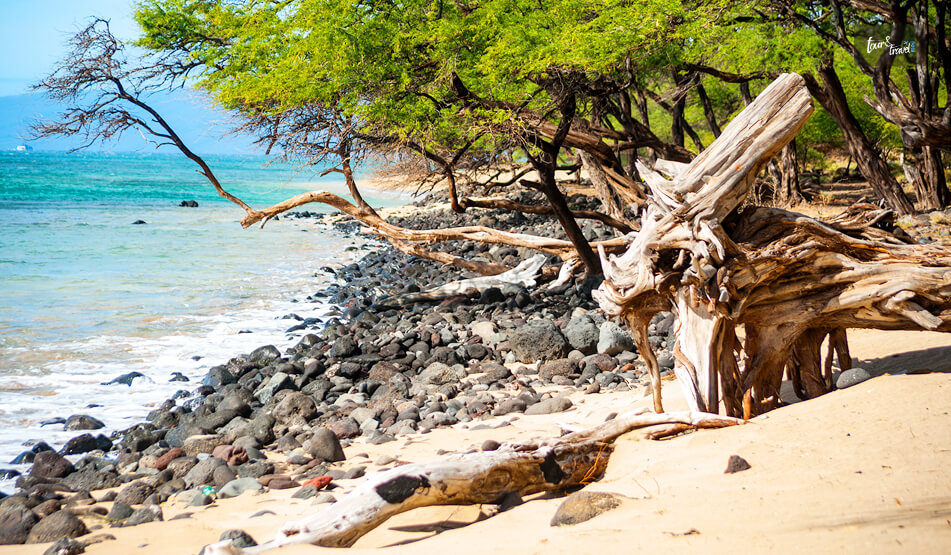
Also known as the Big Beach, Makena Beach is located in Makena State Park on the island of Maui. 

With white sand stretching for 3000 feet or more, Makena Beach is perhaps one of the longest beaches in Maui. 

Moreover, it is a very popular tropical beach in Hawaii – and rightfully so! Also, I love how there is a rocky formation on the northern part of the beach.

Additionally, if you want to climb this volcanic formation, a small (but beautiful) surprise awaits – welcome to the Little Beach, a popular nudist beach. 

FYI, it is illegal to indulge in nude sunbathing when you are in Hawaii – but, on Little Beach, nobody really cares! 

9. Nusa Lembongan (Bali, Indonesia):

Nusa Lembongan (Bali, Indonesia)

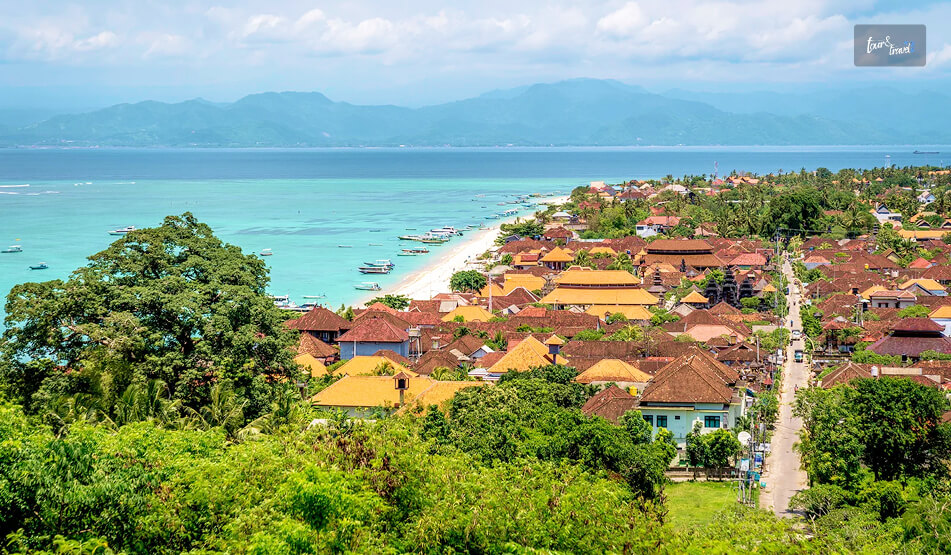
Of course, Nusa Lembongan is not the best tropical beach in Bali – the place has so much to offer when it comes to beautiful beaches. 

But for me, Nusa Lembongan is special – and I recommend it heartily to everyone. 

So what is it about Nusa Lembongan that appeals to me so much? It’s about the vibe for me, really – I love the low-key, chill vibes here. 

It was a relaxing weekend. Also, I stayed with my partner at this stunning beachfront property with a pool overlooking the beach. 

Additionally, during low tide, the beach exposed a seaweed farm – it was so cool. This was an epic experience, especially the sunset – it was so serene, reflective, and deeply romantic. 

8. Yasawa Island (Fiji):

Yasawa Island (Fiji)

Fiji is a spectacular country with its string of stunning islands. 

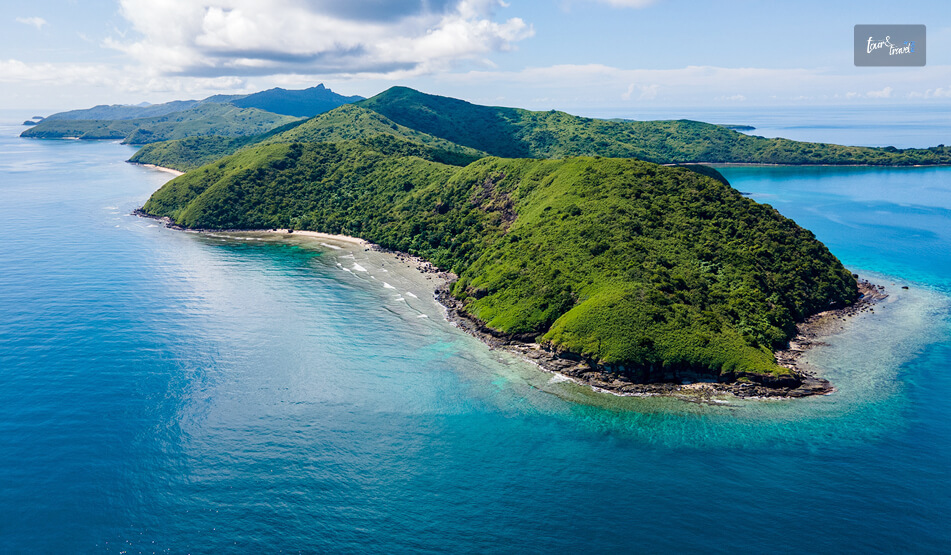
I was only 17 when I traveled to Fiji for the first time, and I’m so thankful that I was able to visit one of Fiji’s most remote islands, the Yasawa Island. 

While I haven’t been back to Fiji in the past 12 years, I can say Yasawa continues to be one of my favorite tranquil escapes. 

Interestingly, the only way to reach Yasawa Island is fly on a puddle-hopper plane or take a boat. Since there is no runway on the island, the eight-seater aircraft uses a grass strip. Moreover, the island is home to only one resort – the Yasawa Island Resort and Spa. 

Because the place is so remote, nature feels untouched here – the ocean and the beach are absolutely clean, tranquil, and mesmerizing! 

So, if you have been looking for a secluded tropical beach, this is your answer. It’s practically the middle of nowhere – somewhere in the middle of the vast South Pacific Ocean, on a small island. 

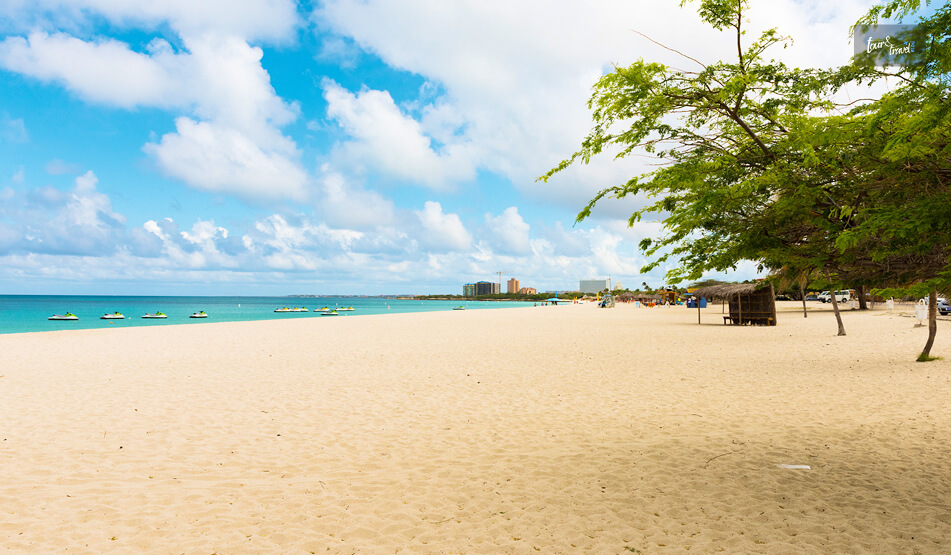
7. Eagle Beach (Aruba):

Eagle Beach (Aruba)

While the beautiful waters of Aruba are famous, I suggest visiting just for the fun island charm you will find here. 

Interestingly, the most popular beach in Aruba is Palm Beach. But it is also the most crowded spot in Aruba, thanks to the high-rise hotels and famous tour operators.

However, it wasn’t really my thing. For starters, I hate very crowded places, and everything seemed too commercial. I am more of an organic person. As a result, Eagle Beach had a different kind of appeal. 

The water at Eagle Beach is calm and beautiful. Moreover, it is not crowded, which makes the entire vibe of the place very low-key and peaceful (just what I like)

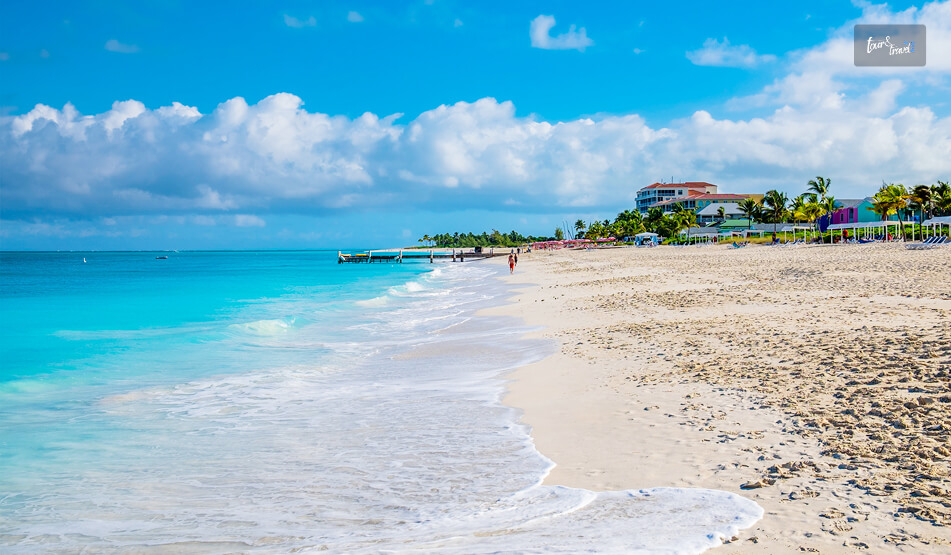
6. Grace Bay Beach (Turks & Caicos):

Grace Bay Beach (Turks & Caicos)

The Turks & Caicos are famous for their tranquil, turquoise waters and beaches with white sand. 

But if I had to pick my favorite beach here, it would always be Grace Bay Beach. Why? Because you can walk for miles on uninterrupted stretches of sand with plenty of quiet, serene corners. 

Moreover, small markets and small restaurants are scattered along the beach, without making the experience too commercial for tourists. 

Also, this is the most popular beach located in Providenciales with fancy hotels and too many tourists. 

But don’t let that discourage you – the beach is long enough for you to find your peace, much like I did. 

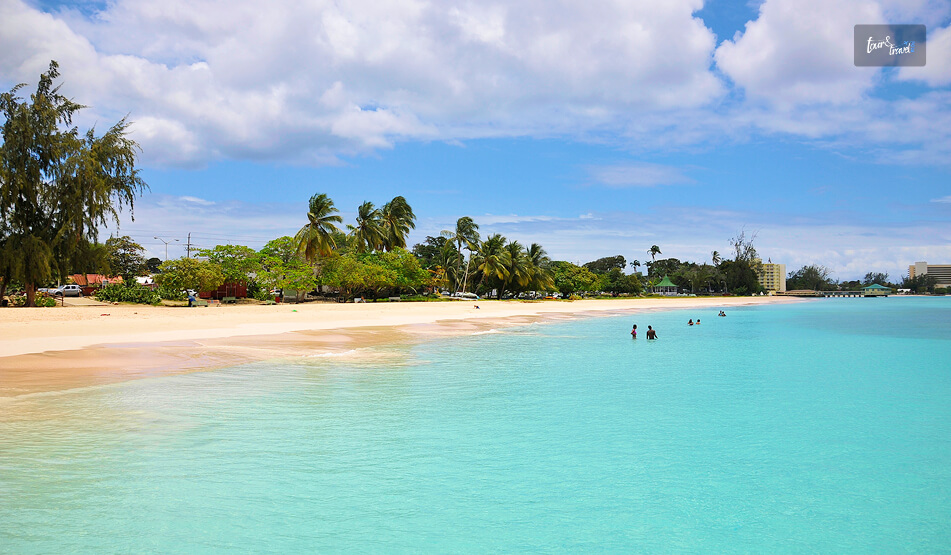
5. Carlisle Bay (Barbados):

Carlisle Bay (Barbados)

Without a doubt, Barbados is home to some of the Caribbean’s best tropical beaches. And while I’ve been here a number of times, Carlisle Bay is my absolute favorite. 

Located just outside Bridgetown, Carlisle Bay has a ton of activities on offer. From sunbathing and snorkelling to paddleboarding, there’s so much to try out.

Moreover, there are several nice hotels here, and in spite of all the accommodations on the bay, the place is relatively quiet. Also, I fell in love with the crystal-clear water here. 

And the best part? You might just end up spotting a turtle if you are out snorkeling.

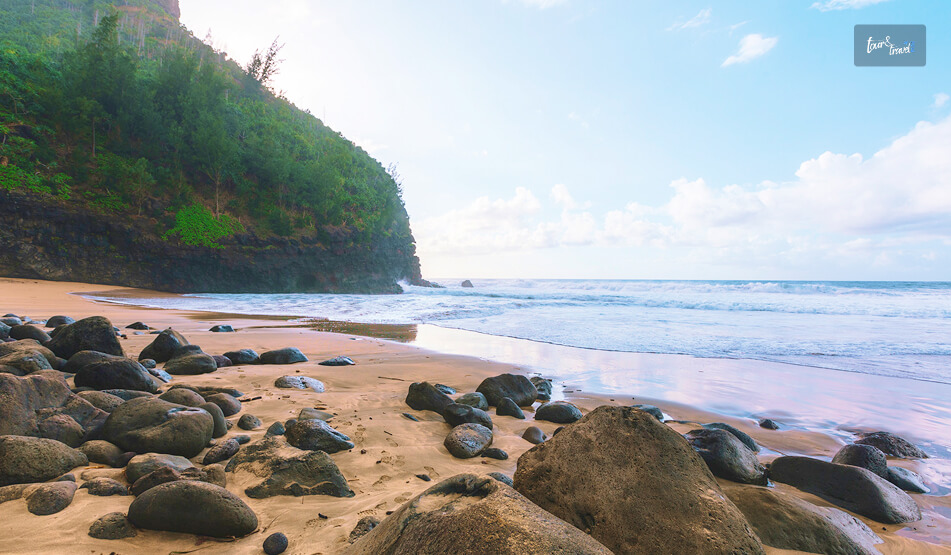
4. Kalalau Beach (Kauai, Hawaii): 

Kalalau Beach (Kauai, Hawaii)

If you have been planning a trip to Kauai Island in Hawaii, chances are you have definitely come across the NaPali Coast, and more importantly, the famous Kalalau Trail. 

So, I’ve been to Kauai Island thrice, and it is the jaw-dropping landscape that appeals to me so much – it is unlike anything I have ever seen. 

FYI, the NaPali Coast is a rugged, mountainous region – there are no roads, and accessibility is zero. The only way to commute here is either by taking a boat or hiking for 11 miles (17 kms). 

In case you choose to hike, note that the trail is right beside cliffs that are over 2000 feet high. 

While this is definitely not for anyone faint-hearted, once you hike to the destination, you will be mesmerized – Kalalau Beach awaits you!

Located in the gorgeous Kalalau Valley, the beach has a stunning backdrop. What makes Kalalau Beach so special is how difficult it is to reach this place. 

But be careful – this place is not meant for swimming. The currents and rip-tide are no joke. Plus, people have actually died or gotten injured in this area.

Also, if you are hiking, you will need a permit beforehand. 

Additionally, you can also hike specific parts of the valley via another park – this park offers a different perspective of the valley and the beach. 

You can also go for a helicopter ride in this region – the views are absolutely stunning! 

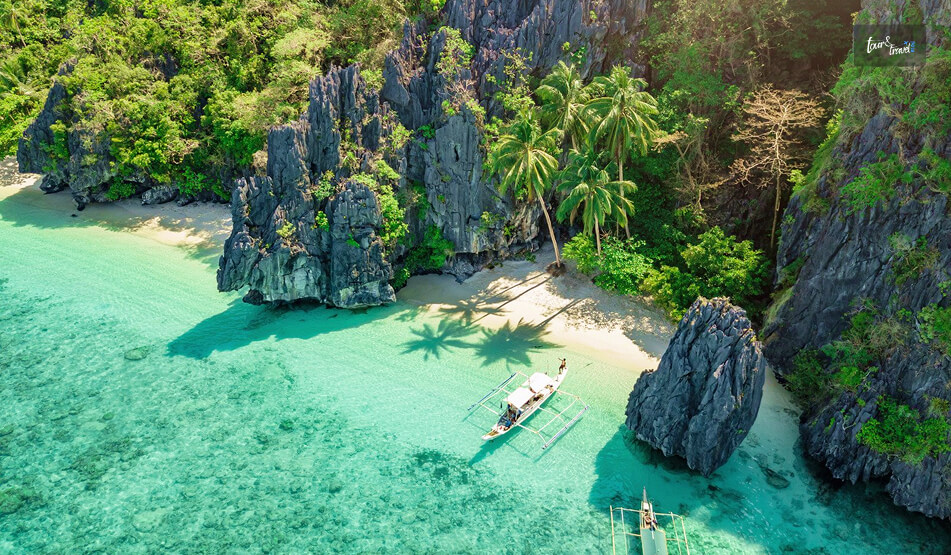
3. El Nido (Palawan, The Philippines):

El Nido (Palawan, The Philippines)

I visited the Philippines in 2021, and on my first visit itself, El Nido had my heart. 

Located in Palawan, the beautiful El Nido is famous for its gorgeous limestone cliffs, diverse marine life, and its islands. 

Moreover, the beach is home to beautiful reefs. As a result, diving here was an exceptional experience. Plus, the landscape was spectacular. I just hope that the marine life in this region continues to be untouched. 

Also, I loved how you need a boat to visit most islands in this region – it makes everything remote, unique, and memorable. 

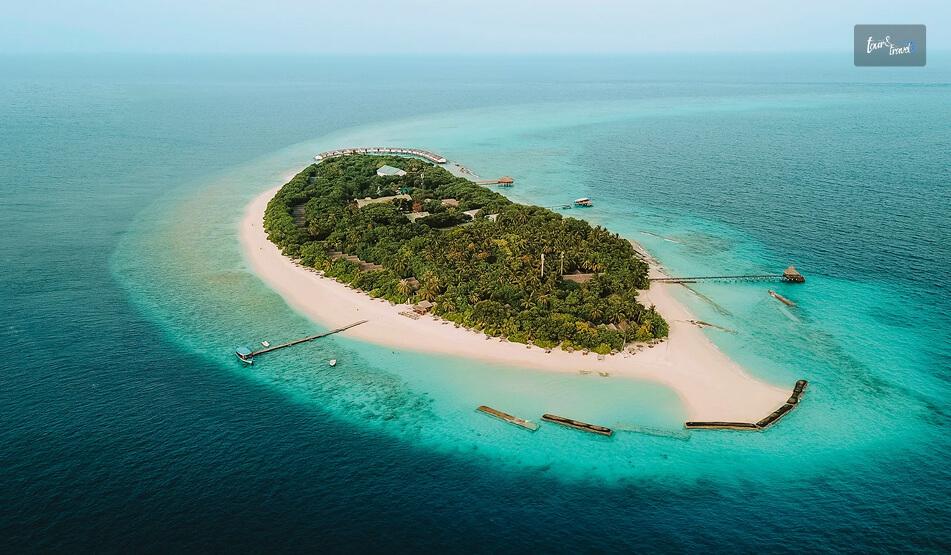
2. Baa Atoll (The Maldives):

Baa Atoll (The Maldives)

Located in the beautiful (and very popular) Maldives, Baa Atoll is a UNESCO biosphere reserve – and that too since 2011. 

FYI, the Maldives has only one such biosphere reserve – and this is precisely why you must consider planning a trip to Baa Atoll. 

Due to the vast ecological diversity in Baa Atoll, including one of the biggest groups of coral reefs located in the Indian Ocean, the beach received UNESCO’s official designation. 

Moreover, the area is protected and has several beautiful beaches. Also, most of the resorts here have private beaches with crystal-clear water. 

In addition, I found a very cool house reef near the beach – you can explore and check it out. 

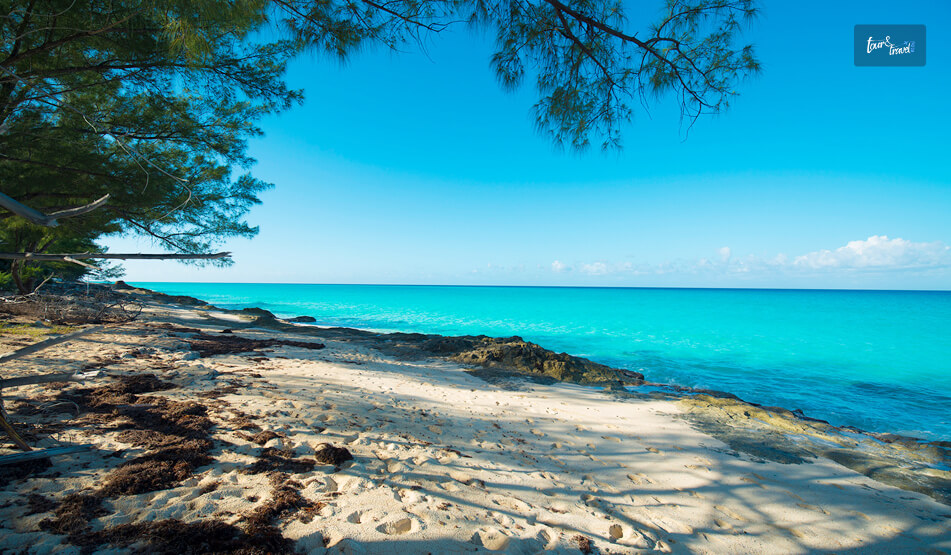
1. Bimini (The Bahamas):

Bimini (The Bahamas)

Located in the Bahamas, Bimini is my favorite tropical beach in the whole world. Of course, you can disagree with me and claim there are better beaches. 

TBH, it is possible, but for me, Bimini is home! I’ve visited this island more than five times, and I am definitely going back soon. 

If you dream about swimming at a stunning, tropical beach with dolphins on your side, then you should definitely consider visiting Bimini at least once.

Share on Social Media

Meet Sibashree Bhattacharya, a travel enthusiast who has a decade-long experience in transcending virtual barriers with her words! Her deep love for travel is apparent from her travel escapades to the mountain, often taking her readers on a journey, her words acting as Portkey! Fun fact: Sibashree loves to dive deep into the history of the places she is about to visit, making her travels even more wholesome. If you were wondering how her articles are not short of time travel, this answers it!

Leave a Reply

Your email address will not be published. Required fields are marked *

title-img Related

READ MORE things to do in el paso

Best 9 Things To Do In El Paso!

BY  Abdul Aziz Jan 17, 2024

Visiting El Paso? Curious about the things to do in El Paso? El Paso, located in the foothills of the stunning Franklin Mountains, is a vibrant and diverse community with a wide range of attractions and year-round fun. El Paso's attractions include a historic theater, concert venues, Spanish Colonial missions, museums, and beautiful state parks. Things To Do In El Paso If you enjoy being outside and want to visit one of Texas' most interesting cities, you should visit El Paso. Continue reading to get a sense of what Sun City has to offer. Also, click here to order a free travel guide to help you plan your next vacation. Here are some of the best things to do in El Paso: El Paso Mission Trail Explore El Paso’s early history by visiting the El Paso Mission Trail, which includes two 17th-century missions and a chapel built in the late 1800s. The oldest, which is the Ysleta Mission, was built in 1682. It is Texas’ oldest functioning parish. El Paso’s magic charm will sway you into the blue sky of romanticism and inspire you to move to Texas. Admire the white adobe-walled structures along the trail, then visit museums such as the Tigua Indian Cultural Center and the Los Portales Museum and Information Center. The El Paso Mission Trail, in addition to its attractions, hosts cultural festivals throughout the year. Ascarate Park Escape to nature at the 400-acre Ascarate Park, El Paso County's largest recreational area. Play a round of golf on the 18-hole, par-71 Ascarate Golf Course, explore the 48-acre lake by canoe or pedal boat, or enjoy some of the best fishing in the Southwest. In addition to baseball and soccer fields, the park has basketball, handball, sand volleyball, and tennis courts. Franklin Mountains Are you looking for adventurous things to do in El Paso? Here is one exciting option. The stunning Franklin Mountains frame El Paso, and the state park that encompasses the range is a breathtaking outdoor playground for adventure seekers. Hike and bike more than 100 miles of trails that wind through 27,000 acres of scenic desert terrain. Or you can go rock climbing at McKelligon Canyon's designated area. If you want to stay overnight, tent and RV campsites can be reserved. There are plenty of outdoor activities for people of all ages at the nation's largest urban state park. Hueco Tanks State Park and Historic Site Admire the ancient rock paintings left by Native Americans who traversed the West Texas desert in search of rainwater collected in natural rock basins. Hike rugged trails while keeping an eye out for any of the 200 bird species that call the area home. Explore world-class rock climbing and search for more than 1,000-year-old pictographs. Hueco Tanks State Park and Historic Site is open all year, with extended hours on weekends during the summer. This is one of the best things to do in El Paso for history buffs. Hueco Tanks is a collection of thousands of year-old rock outcrops. Previous residents had access to food, shelter, and farmland in the area. Today, visitors come to see the images left by previous inhabitants on the rock faces. Among the drawings are animals, masks, handprints, horses, as well as humans. Aside from viewing the pictographs and petroglyphs, visitors can go hiking, camping, bird watching, as well as rock climbing. However, certain areas of the park are only accessible via guided tour, and self-guided activities (such as hiking) may require reservations. Also, only 70 people can enter the self-guided portion of the park at one time. To make the most of your time at the site, make your reservations well in advance. Ysleta del Sur Pueblo Cultural Center When you visit this museum, you will learn about more than 14,000 years of regional prehistory. The museum's permanent collection includes ancient and modern artifacts as well as art from Native American cultures in the Southwest and Mexico, such as wood carvings, textiles, as well as pottery. After touring the museum, hike the nature trails that wind through 15 acres of gardens with 250 different types of native plants, all while enjoying breathtaking views of the Franklin Mountains. El Paso Zoo Explore the world's wildlife at the El Paso Zoo, a sprawling 35-acre green space near Downtown El Paso. The zoo is home to tigers, leopards, lions, giraffes, and other exotic animals from Africa, Asia, as well as the Americas. See these incredible animals, then visit family-friendly attractions like the African Star Train and the Hunt Family Desert Spring water feature before enjoying a delicious burger at one of the onsite eateries. Plaza Theatre At the historic Plaza Theatre, you can see famous musicians, classic films, magic shows, Broadway musicals, and much more. The theatre has been a hub of entertainment in El Paso since it first opened its doors in 1930. This is probably one of the best things to do in El Paso. It is now one of the city's top venues as well as the home of the Plaza Classic Film Festival, the world's largest classic film festival. More information about upcoming shows can be found on the theatre's website. United States Border Patrol This one-of-a-kind museum traces the history of the United States Border Patrol from the Old West to the present. The National Border Patrol Museum displays weapons, paintings, equipment, artifacts, photos, and even vehicles. Admission is free, and guided tours can be scheduled ahead of time. El Paso Desert Botanical Gardens The El Paso Desert Botanical Gardens are part of Keystone Heritage Park, which includes an archaeological site with a 4,500-year-old village, one of the oldest in the United States. The park includes wetlands that provide habitat for up to 200 different bird species, as well as a botanical garden that showcases the fauna of the Chihuahuan Desert. Stop by the El Paso Municipal Rose Garden, an All-American Rose Selection-certified garden, and smell over 1,900 rosebushes. Stroll along the wide, wheelchair-accessible walkways to see more than 500 varieties of roses waterfalls, as well as a plaza area with a Koi pond. This is one of the best things to do in El Paso for people with a deep love of nature. Wrapping Up El Paso offers something for everyone, whether your preference is to explore the trails or immerse yourself in history. The El Paso Mission Trail as well as Hueco Tanks State Park & Historic Site, are two locations where you can learn more about the region's 5,000-year history. Visit the Centennial Museum or the Magoffin Home State Historic Site to gain a deeper understanding of the area's past. Franklin Mountains State Park has some of the best trails for when the weather is right for outdoor activities. Enjoy the local arts scene at the Plaza Theatre or the El Paso Museum of Art to cap off your trip. If you want to know all the cool things to do in El Paso, we hope this article helps. If you have thoughts to share or questions to ask, please leave a comment below. We would love to hear from you! Read Also: Don’t Believe Them!! This Is Actually The Best Time To Visit Barbados! Things To Do In Maryland – Free Places To Visit In Maryland Planning A Vacation To Bali? Read This Blog!

READ MORE

Kootenay National Park Or The Land Of Ice And Fire (Experiencing Nature’s Game Of Contrasts)

BY  Sibashree Sep 12, 2024

No, it’s not the battle of the Starks, Lannisters, and other houses of Westeros. In Canada lies Kootenay National Park, the actual land of ice and fire. The glacier-made canyons and valleys sing the song of the ice, while the hot springs and grasslands keep the “fire” element alive here.  Also, the national park is a hub of ancient fossils, encouraging walks through the fossil trails. Moreover, you can take a scenic drive through the park, rich in Indigenous culture, history, architecture, and cultural landscape.   So, do you want a virtual tour of this Canadian national park? THIS is where your journey begins! THESE Are The Things You Will Do At Kootenay National Park With no cell service available in Kootenay National Park, you can get lost in the wilderness and explore the most fascinating landscape. However, being respectful to the wildlife is a must for this national park. This August, I came across disturbing news while doing my research on Kootenay National Park.  I have been in touch with a local from Radium Hot Springs for quite some time now. He told me that a grizzly bear coming out of Kootenay National Park was almost struck by an SUV on 19th August 2024.  This incident occurred on a busy highway in southeastern British Columbia, and fortunately, the Kia Sportage SUV made its way to the other side safely. Further, it was a lesson on why following the safety guidelines is crucial while driving in and around the Kootenay National Park. On the major routes of Kootenay National Park, you will have to maintain a maximum speed of 56 mph.However, on the minor routes, the highest driving speed limit will be 37 mph.  Also, around one month before the incident, on 24th July 2024, there was a minor fire in the  Sinclair Canyon slopes (near Radium Hot Springs) of the national park. It was called the Berland Ridge wildfire. This fire was under control thanks to a helicopter bucketing water on it. However, outside the park’s southern boundary, there was a blazing fire that was brought under control after pain-stricken efforts.  So, these incidents show how mindful and cautious you need to be while taking part in the following activities.  Hiking In Kootenay National Park (Hikers’ Favorite Trails) The hiking trails in Kootenay National Park are full of elevation gains and losses. Also, today, the national park has more than 70 hiking trails at easy, moderate, and difficult levels.  However, I have curated a few hiking trails in the table below. After interacting with a couple of hikers, I found out that these are the ones most preferred. Name of the Trail Difficulty LevelDistanceLocationHighlightsMarble CanyonEasy1.4 Km with 42 M Elevation Gain Located near Lake Louise, AlbertaHiking, snowshoeing, and running are the favorite activities here.It is a pet-friendly and kid-friendly trail. It is a year-long hiking trail. Stanley Glacier Trail Difficult 10.9 Km with 607 M Elevation Gain Located near Lake Louise, AlbertaSnowshoeing, camping, and hiking are popular activities on this trail.You can take your dog as a company.June to September is the best time to hike this trail. Sinclair Canyon via Juniper Trail Moderate5.8 Km with 291 M Elevation GainIt is close to Radium Hot Springs in British Columbia.You will have to hike through a beautiful cedar fir forest on this trail.The view of verdant Sinclair Canyon Falls and the Columbia Valley from this trail is breathtaking.Marble Canyon to Paint PotsModerate2.9 Km with 110 M Elevation GainRadium Hot Springs (Marble Canyon Parking Lot  - 89 km east of Radium Hot Springs, Paint Pots - 86 Km east of Radium Hot Springs).Explore a good mix of mature and burnt forest throughout the trail.Behold the Vermillion River running parallel to the trail. Floe LakeDifficult10.5 Km with 1,110 M Elevation Gain Near Radium Hot Springs (72 Km East)Backpacking and camping are popular activities on this trail. The trail leads to the Floe Lake Backcountry campground. This popular meadowy trail is known for its views of peaks, glaciers, and the beautiful Floe Lake. Numa CreeksModerate 6.3 Km with 385 M Elevation GainThe trailhead is near the Numa Falls, which is 80 Km east of the Radium Hot Springs. It is a forested trail.The trail leads to heavy avalanche paths in the park.  The hikers’ words about the trails in this national park are quite encouraging. Let’s find out what they are saying about the mesmerizing hiking trails.  “This is a beautiful, deep canyon hike. The trail crosses the canyon multiple times to view the ferocious Kootenay river below. Hiking boots aren't necessary since it is a well-traveled trail.” - Deborah Turcotte on the Marble Canyon Trail  “The trail was mostly dry and in very good condition. No snow on the trail, just a few short wet spots. Trek up is mostly sheltered but a bit chilly and windy in the bowl so bring layers as the temp changes quickly when the sun is behind clouds. Still lots of snow in the bowl. Found one rock with fossils. There are a few small waterfalls on Stanley Peak. Lots of boulders at the base of the bowl to sit and enjoy a lunch and 360 views. An easy to moderate 3-4 hour hike with nice views of Stanley Peak, Storm Mtn, and the Kootenay Valley.” - Sue W on the Stanley Glacier Trail  Kootenay National Park Camping  Kootenay National Park is a wonderful place for frontcountry and backcountry camping. You can even live in oTENTiks and spend some unforgettable days in the park under the sky.  Frontcountry Camping You can camp near the Vermillion, Kootenay, and Simpson rivers. Also, you can find some quiet spots near Radium Hot Springs village.  Summer is the best season for front-country camping in the national park. However, the sites remain crowded. So, you must go for a prior booking.  Further, the daytime temperature in the national park remains between 16-23 degrees centigrade. Still, the temperature at night can drop below 0 degrees centigrade. So, abiding by the camping rules is crucial, and especially, be particular about the things you will have to carry. Moreover, like camping in any national park, here also you have to ensure that you don’t leave any trace behind as you leave the site.  Backcountry Camping Backcountry camping and backpacking are the best ways to explore the wilderness of this Canadian national park. However, you must make a prior booking and carry a backcountry permit if you want to spend some days and nights amidst grizzly bears, black bears, wolves, elks, and cougars.  Further, there are six backcountry camping grounds in the park, five of which are located along the  Rockwall Trail. The  Verdant Creek Trail has the sixth camping ground.  Random camping is not allowed during summer, as protecting the landscape and vegetation is crucial. This restriction applies from May to October.  However, in the winter months, you can do random camping in the designated areas. You will still need a permit for this. As I have mentioned, the Rockwall trail is the most prominent place for backcountry camping in the park. This site is also popular for the presence of various multi-day hiking trails. These trails are: Honeymoon Pass and Verdant Creek Tumbling - Floe The Rockwall  Tumbling - Helmet - Ochre Loop Numa Creek Helmet Creek and Falls Tumbling Creek Helmet - Ochre Junction In the popular backcountry camping areas, the trails are maintained quite well. Further, there will be amenities like food storage cables, food lockers, picnic tables, and tent pads.  Living in oTENTik An oTENTik is a modern fusion of a cabin and a tent. In the park, you will find the oTENTik site on the Redstreak campground’s A loop.  If you stay in an oTENTik, you will wake up amidst nature, and taking a bath at the hot springs will be the most rejuvenating experience. Then, you can explore the nearby hiking trails and gorge on traditional meals cooked in the campfire.  Relaxing At Radium Hot Springs  Beneath the colorful Sinclair Canyon mountains lie the most refreshing hot springs. Further, the mineral-rich water of the hot springs does not have any odor, and you can take a bath with your entire family.  To reach the Radium Hot Springs, you must drive from Banff and Lake Louise for around 1.5 hours. Further, the journey is as interesting as the destination, as you will get to small turquoise lakes, falls, canyons, and bridges over rivers as you drive through the Kootenay National Park. Also, don’t forget to stop at the following locations to make the most of your journey. Continental Divide (The line diving the Pacific and Atlantic watersheds) Marble Canyon Hike Paint Pots Trail Numa Falls Kootenay Valley Viewpoint (It is the place to get the most beautiful view of Vermilion and Mitchell Ranges.)  Olive Lake Trail and Day-Use Area However, the highlight of the journey, of course, is the Sinclair Canyon, where you will also find big horn sheep roaming. As you hike through the Juniper / Sinclair trail, you will get a “bird’s eye view” of Sinclair Canyon.  Further, as you enter the Radium Hot Springs village, you will see an iconic steel horn sculpture. The “Bighorns Public Art Sculpture” was officially unveiled on 7th April 2021. Moreover, Clara Reinhardt, the mayor of Radium in 2021, said,  “We chose something that implies a sense of arrival to Radium, the Columbia Valley, and beyond. We captured the undeniable natural beauty of the curved horns through a Fibonacci spiral—the golden ratio in nature and art.” “We wanted to create a piece of art that speaks to both the history and the future of bighorn sheep in Radium. We captured the undeniable natural beauty of the curved horns through a Fibonacci spiral—the golden ratio in nature and art.” - Adam Meikle (Artist of the Bighorns Public Art Sculpture) Burgess Shale Fossil Hike  The Burgess Shale Fossil Hike in the national park will give you access to Mount Stephen and Walcott Quarry. These are UNESCO Restricted Sites. Further, you will get to see some of the oldest fossils in the world here.  However, in total, you have three routes to explore in the Burgess Shale Fossil Hike. Let’s discuss them in detail.  Walcott Quarry Starting Point: Takakkaw Falls Difficulty Level: Difficult  Elevation Gain: 825 Meters Duration: 11 Hours Return Distance: 22 Kms Walcott Quarry is a classic example of a fossil hike. Also, the top view of the Emerald Lake from here is amazing. Further, you will find Burgess Shale creatures here, which were found in fossilized conditions at the mountaintop in the Yoho National Park.  “The Burgess Shale organisms lived 508 million years ago in a time period that Geologists call the Cambrian, which began at 541 Ma (million years ago) and ended by 485.4 Ma. The first fossil occurence of most animal lineages (at the phylum and class levels) occur in the Cambrian. As a result of this fact, and because the fossils are well preserved, Paleontologists studying the Burgess Shale fossils can deduce a great deal about the ancestory of animal lineages.” The Burgess Shale fossils were discovered at the Walcott Quarry site in 1909 by Charles Doolittle Walcott. 1 Mount Stephen Difficulty Level: Difficult  Elevation Gain: 795 Meters Duration: 7.5 Hours Return Distance: 9 Kms As you hike through the Mount Stephen trilobite beds, you will get to overlook the “town of Field” in British Columbia. Railway workers in the 1880s used to call the town of Field the space of “stone bugs.”  Further, during this trek, you will see trilobite fossils (now extinct and one of the earliest marine arthropods), and the view of the Kicking Horse River from the trail is amazing.  Stanley Glacier Difficulty: Moderate Return Distance: 10 km Elevation Gain: 385 m Duration: 7.5 hours You will start hiking the Stanley Glacier in a fire-swept forest. The forest has lodgepole pine and wildflowers. Further, along your route, you will get to see a turquoise river, waterfalls, and the best view of the Stanley Glacier. Moreover, you will get to see the fossils of hyolithids, sponges, trilobites, and sponges here, and they are from the Eldon Formation.  Cambroraster, an ancient arthropod, and many other species are found in the quarry near the Stanley Glacier. Further, the shell of a Cambroraster looks like the Millennium Falcon spaceship in its shape. Important Kootenay National Park Data At A Glance  Before you start for the Kootenay National Park, don’t forget to have a look at the stats. Location: British Columbia, Canada Established: 21st April, 1920 Area: 1,406 km² Highest Landscape: Deltaform Mountain (3,102 m) Designation: UNESCO World Heritage Site in 1984 (As Part of the “Canadian Rocky Mountain Parks ) Visitor Center: Kootenay National Park Visitor Centre (7556 Main Street East; Radium Hot Springs, B.C.) How to Reach: Via Highway 1 from Banff, AB or Calgary, AB/Via Highway 95 at Radium Hot Springs, BC Also Read Why Include Whale Watching In Your LA Itinerary. Traveling On A Budget: Tips For Affordable Adventures. From Cocktails To Kickflips: Must-Try Activities In San Diego.

READ MORE How To Prepare For Etias

How To Prepare For Etias?: A Guideline For Business Travellers

BY  Sibashree Jan 15, 2025

Staying ahead of new travel requirements is essential for business travelers to ensure seamless international mobility. Let's find outHow To Prepare For Etias? With the introduction of ETIAS travel authorization on Etiaseu, preparing for your trips to Europe has never been more important. This digital system strengthens border security and streamlines the process for legitimate travelers. Understanding how ETIAS and corporate mobility intersect is key to avoiding disruptions and maintaining efficiency in your business operations.  It's understanding application requirements or planning for multiple trips; this guideline provides the essential steps you need to take to navigate the new landscape confidently. Understanding ETIAS and corporate mobility: a new era of business travel In today's interconnected global economy, efficient cross-border movement has become a cornerstone of successful business operations. The relationship between ETIAS and corporate mobility is reshaping how companies approach international travel.  The introduction of the European Travel Information and Authorization System (ETIAS) marks a significant milestone in corporate travel management, thanks to Etiaseu. As businesses expand their international footprint, the need for streamlined travel authorization processes has never been more critical.  This new system represents a fundamental shift in how corporations manage employee mobility, offering a balance between enhanced security measures and operational efficiency. For multinational companies, implementing ETIAS signals not just a regulatory change but an opportunity to modernize their approach to international business travel.  The system's digital-first approach aligns perfectly with the current trajectory of corporate digitalization, providing organizations with tools to manage employee movement across borders more effectively than before. What is ETIAS and How It Impacts Business Operations? The corporate world is witnessing a fundamental shift in international travel protocols with the implementation of ETIAS. This sophisticated pre-screening system introduces a new layer of security while streamlining business travel to the Schengen Area.  For multinational corporations, this means adapting their mobility strategies to incorporate automated authorization processes that facilitate seamless employee movement. Key operational impacts include: ●  Reformed travel planning timelines ●  Digital integration requirements ●  Enhanced compliance tracking ●  Automated authorization management ●  Streamlined documentation processes Key ETIAS Requirements for Corporate Travelers The intersection of ETIAS and corporate mobility creates new requirements for business travelers entering the Schengen Area.  According to recent corporate mobility trends, the system introduces standardized protocols requiring precise documentation and careful planning. Understanding these requirements is crucial for maintaining efficient business operations across borders. Essential requirements include: ●  Valid business passport with minimum six-month validity; ●  Corporate travel documentation; ●  Proof of business purpose; ●  Company authorization letters; ●  Financial guarantee documentation; ●  Return travel confirmations. ETIAS application process: a step-by-step corporate guide Modern corporations must develop a systematic ETIAS and corporate mobility management approach, ensuring consistent compliance across all business units.  Successful implementation depends on creating standardized procedures that can be replicated in different departments and regions, maintaining operational efficiency. The process encompasses: Step 1: Confirm Your Eligibility Step 2: Gather Required Documents  Step 3: Access the Official ETIAS Portal Step 4: Fill in Your Personal Information Step 5: Add Travel and Health Information CategoryPossible QuestionsHealthHave you been diagnosed with any serious infectious diseases in the past 5 years?Are you currently receiving treatment for any condition that may pose a public health risk?Have you been hospitalized for a contagious disease in the last 12 months?Do you have a medical condition that requires special attention during your stay in the Schengen Area?TravelHave you visited any conflict zones or countries affected by war in the last 10 years? Have you been deported or refused entry from any country within the past 5 years?Have you overstayed a visa in any country in the past 5 years? Have you previously been denied a visa to any Schengen Area country?Criminal RecordHave you ever been convicted of a serious crime, including terrorism, human trafficking, or drug smuggling?Are you currently under investigation for any criminal offense in your home country or terrorism?Have you ever been involved in any activities related to organized crime or terrorism? Have you been convicted of a crime involving violence or sexual misconduct in the past 10 years?   Step 6: Review and Submit Your Application Step 7: Pay the ETIAS Fees Step 8: Track Your Application Status Training and preparation for corporate travel teams The evolution of ETIAS and corporate mobility demands comprehensive training programs for corporate travel managers and support staff.  Organizations develop robust systems that ensure consistent compliance while maintaining operational efficiency in this new era of business travel. Implementation strategies should focus on: ●  Digital literacy enhancement; ●  Compliance protocol training; ●  Documentation management systems; ●  Emergency response procedures; ●  Regular policy updates; ●  Performance monitoring metrics. What To Do After ETIAS Approval? Once your approval of ETIAS comes through, the validity stays on for three years until your passport expires, or whichever happens before. With each ETIAS, you can use it for multiple trips, as long as the trips don’t exceed over 90 days and also within a 180 day period. Steps After ETIAS ApprovalActionCheck ETIAS validity ETIAS is valid for 3 years, or until your passport expires, whichever comes first. Ensure passport is linked to ETIAS Verify that your ETIAS is linked to the passport used during the application. Update ETIAS if personal information changesInform authorities of name changes or passport renewals to update ETIAS. Carry the correct passport during travelAlways travel with the same passport you used to apply for ETIAS. Be aware of the 90/180-day rule during staysEnsure you don’t exceed 90 days in a 180-day period during your visits. Renew ETIAS when necessaryApply for a new ETIAS when the current one expires, or your passport is renewed.  Wrapping Up! This new era of corporate mobility requires a balanced approach between regulatory compliance and operational efficiency. Embracing ETIAS as an opportunity for modernization, businesses can transform their travel management systems while ensuring seamless international operations. Read More: Why Include Whale Watching In Your LA Itinerary Ultimate Guide to Your Next Family Vacation in Israel Traveling On A Budget: Tips For Affordable Adventures