





THIS Is When You Should Visit Maldives!

Oct 27, 2023

Last Updated on: Nov 12, 2025

Travel Guides

The best time to visit the Maldives is between December and March. This small group of islands in the Arabian Sea is probably one of the most beautiful holiday destinations for both honeymooners as well as families. These tropical islands are hot and full of sunny weather. The heat stays between 23 degrees to 31 degrees, however, given the year-round sunny weather and the absence of winters in the Maldives, the best time to visit Maldives is anytime.

Maldives In Dry Season

Maldives In Dry Season

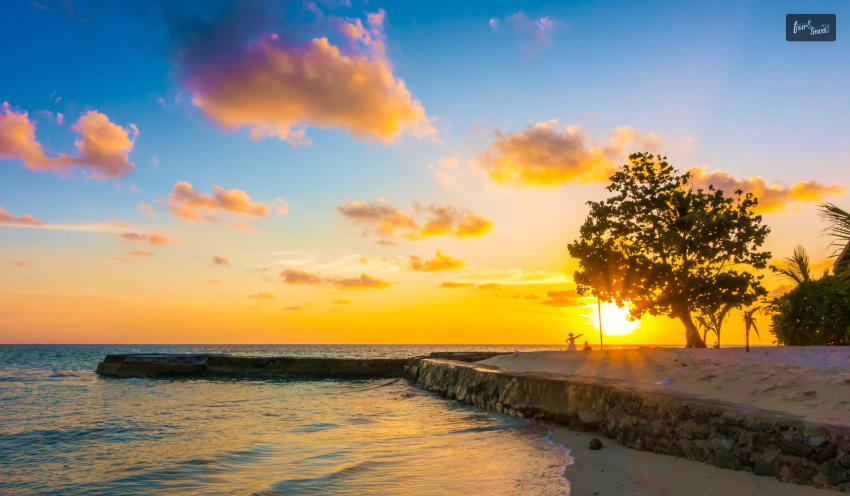
The dry seasons in Maldives have a temperature of 31 degrees Celsius in the day and 24 degrees Celsius in the night. It is probably the best time suited to visit the islands of Maldives. You can enjoy cultural activities, sightseeing, try the local cuisine, and water sports. You can swim in the blue expanse where the average temperature of the water is 30 degrees.

During these months, you can witness the Maldives at its best. The overall vibe of the islands is festive, and the crowd is thicker than usual. The weather and the beauty all around make the dry seasons ideal for visiting. Little to no rain and warm temperatures allow the seaside experience to become even more top-notch.

With no precipitation, the visibility is crystal clear, making the picturesque island become even more vibrant. There are beautiful beaches, gorgeous lagoons, and colorful coral reefs to enjoy while you are here, which you won’t get bored of.

The country does get crowded during the peak season, but an individual resort inhabits each island, so it does not get too crowded. It will be reasonable for you to check before you plan a trip about the crowd and availability of a more personal experience.

Some of the most popular locations in the Maldives are Nalaguraidhoo Island, Banana Reef, South Ari Atoll, and North Mal-Atoll. Another well-rated tourist spot is the HP Reef. This is a protected marine ecosystem that harbors rich marine life.

Maldives: A Cultural Hub

The major festival celebrated in November is the birth of Prophet Muhammad or Mawlid. It is the most well-known festival celebrated in a grand carnival style for two days. Street processions and elaborate mosque decorations dot the island.

During peak season, the cost of staying at a hotel rises manifold, so if you are looking for more budget-friendly options, you can choose to visit in April. This marks the end of the peak times, and the tourism industry here enters the lean months.

Maldives has become one of the top hotspots for Indian tourists not only because of its beauty but also its food options all around the world. The traditional cuisine of the Maldives is a plethora of fish, coconuts, and starches. Some of the common foods that come under seafood are local cuisine which includes yellowfin tuna, wahoo, skipjack tuna, and frigate tuna.

With its geographical proximity to India, there is a lot of culinary influence that is evident in its spices, flavors, and curries.

The laws here are very strict, so you must beware of carrying alcohol, pork, religious books, and tobacco products. And don’t forget to check the seasonal price hikes when booking water activities.

Why Visit The Maldives?

Why Visit The Maldives

Now that you know when is the best time to visit the Maldives and you are still not sure what you could do there, we have all the answers for you. Keep reading to know what you can expect from a visit to the Maldives.

Bioluminescent Water Under The Stars

Bioluminescent Water Under The Stars

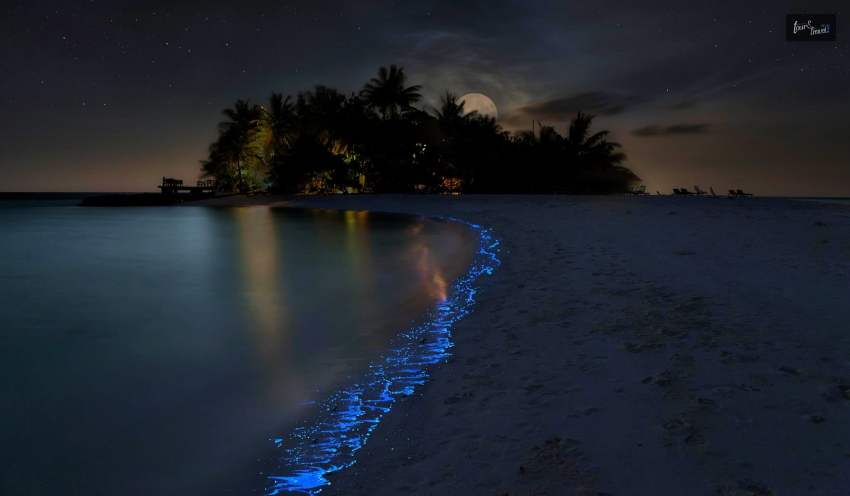
Visit the Vaadhoo Island in Raa Atoll, where the stars float in the water– the phytoplankton dinoflagellates that emit luminescent toxins. The small starry lights are emitted as a defense mechanism to keep other predatory fish and creatures away. You can walk through the planktons and create more stars that will be etched in your memory for the rest of your life.

Maldivian Culture

Maldivian Culture

Along with all the natural beauty, Maldives also boasts a vibrant culture. If you want to become more aware of the culture, you must witness the Bodu Beru dance that takes place on the beach in the evenings. You can tape the moments on your camera or try dancing to the tune along with the dancers. The Maldivian boat Dhoni can also be another way you can get to know the local people and their stories.

Swim With The Sharks

Swim With The Sharks

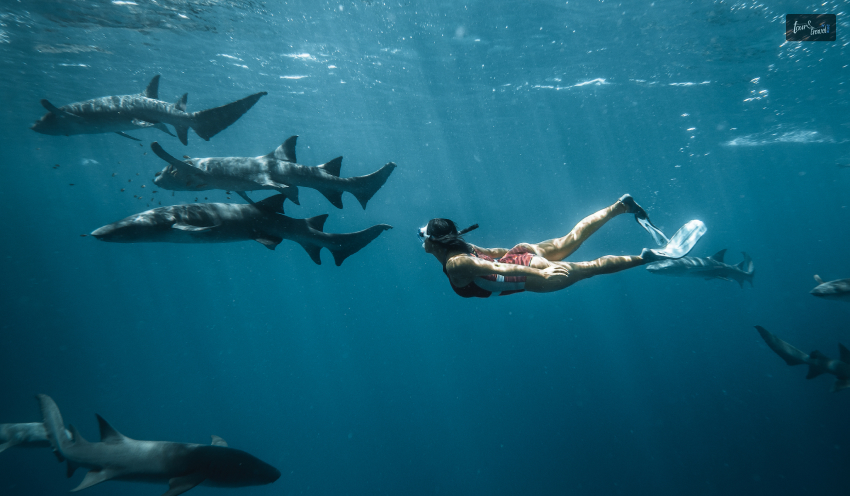
The enormous whale sharks glide along the coral atolls, followed by smaller-sized reef sharks. They also swim around in the nearby lagoons around the resorts. This is not a matter of high alarm, as people can easily swim with these sharks, albeit with supervision. Maaya Thila, Baa, and Ari Tolls are known for shark spotting. You can encounter them at an up-close level or enjoy watching them come by daily at their feeding time near some resorts where they are given food.

Best Places To Visit

Best Places To Visit

Here are a couple of the best places you can consider when planning to visit the Maldives. There are too many to enlist, we have brought two of the best you cannot remove from your to-do list.

Alimatha Island

Alimatha Island

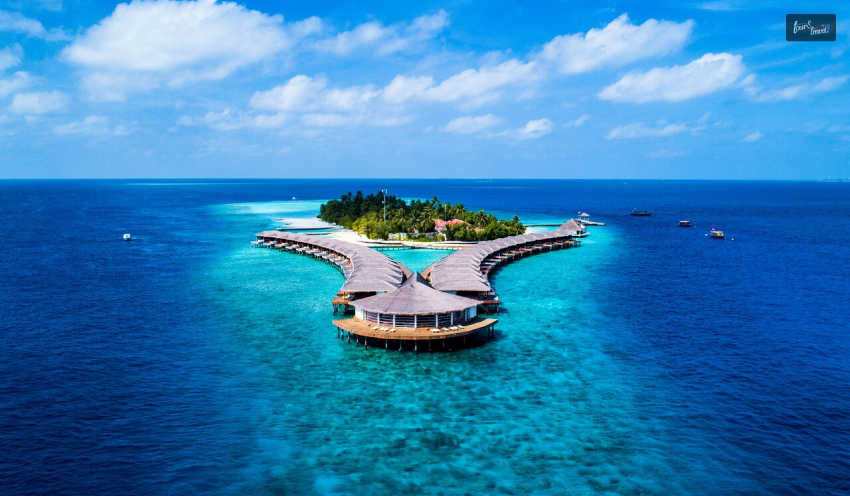
If you are attracted by those pictures, you saw of small, single-residence villas standing in the sea and want to visit the Maldives, this is the name of the place. Instagram-worthy and absolutely breathtaking, this island is a must-visit.

Tripadvisor Review

“The island is wonderful. If you love peace, beauty, nature, snorkeling, diving, fishing, it’s simply the place to go. Villaggio Bravo is perfect for families with kids, the miniclub organizes plenty of activities for them. The food is delicious: the buffet ha many choices. I was surprised to find mainly italians (it’s an italian village) and so few foreigners. Maybe it should be better advertised abroad.”

– Lushangyin

Banana Reef

Banana Reef

Considered to be the home of the best reef in the Maldives, this beach makes your sunny dreams come alive.

Tripadvisor Review

“This is by far the best snorkeling I have ever experienced. The amount of marine life, the colors, the coral, the temperature of the water was amazing. I saw Moray Eels, Blowfish, Giant Clams and so much more. On the way out I dozens of dolphins escorted us and jumped out of the water…amazing. There is a very strong current and it is in the middles of the ocean. An absolute must tough if you can get there.”

– Avery D

Wrapping Up

Are you planning a trip to the Maldives and want to know when is the best time to visit Maldives we hope you now know that it really is always a good idea to visit this heaven on earth. The peak season, though, is the dry months.

If you have thoughts to share or questions to ask, please leave a comment below. We would love to hear from you!

Read Also:

Share on Social Media

Abdul Aziz Mondol is a professional blogger who is having a colossal interest in writing blogs and other jones of calligraphies. In terms of his professional commitments, he loves to share content related to business, finance, technology, and the gaming niche.

Leave a Reply

Your email address will not be published. Required fields are marked *

title-img Related

READ MORE Raja Ampat diving trips

What Are The Best Raja Ampat Diving Trips? Know The Sites And Practical Tips 

BY  Sibashree Oct 31, 2025

27th September 2025! Raja Ampat gets the designation as a UNESCO Biosphere Reserve. It was already recognized as a UNESCO Global Geopark. So, now it becomes one of the few places in the world to earn these two designations. Furthermore, UNESCO calls Raja Ampat a “living library” because of the rock formations, which are 400 million years old, and the extraordinary marine life. It also has the nickname of “Amazon of the Seas” because of its presence in the “Heart of the Coral Triangle.” Moreover, according to UNESCO, Raja Ampat has 75% of the known coral species in the reefs  Over 1300 reef fish species  Hawksbill turtle and other endangered and rare turtle species. So, no wonder that Raja Ampat is a favorite destination for divers. In this blog, I will share the Raja Ampat diving tips, cultural etiquette, sustainable diving, and seasonal diving guidance. Raja Ampat: Geographical Location, Climate, And Natural Features Raja Ampat, meaning “Four Kings,” is an archipelago off the northwest tip of Bird's Head Peninsula in Southwest Papua, Indonesia. Its four main islands are: Misool Salawati Batanta Waigeo It has 1500 small islands, shoals, and cays surrounding these four main islands. Raja Ampat has a tropical climate. So, it enjoys consistent weather conditions throughout the year. The day temperature here is around 31 degrees Celsius, and the nighttime temperature is around 25 degrees Celsius.  Along with the marine diversity and its location within the Coral Triangle, Raja Ampat also stands out because of its pristine beaches and karst limestone cliffs. Moreover, it has a lush tropical vegetation. However, for me, the most fascinating part was the people of the sea here. The indigenous Papuan Community here worships the sea as their living ancestor. The elders here even pray to the sea and some cliffs or rocks in the sea before fishing or any form of community gathering.  How To Reach Raja Ampat From Major Countries?  Jakarta, Bali, or Makassar is the gateway to Raja Ampat for international travelers. From any of these airports, you will have to take a flight to Sorong (SOQ). Again, from Sorong, you will take a short flight or ferry ride to Waisai. Waisai is the capital of Raja Ampat.  I traveled by the ferry. However, you can even take a short flight. The ferry ride was 2 hours long, and these services are available twice daily.  Seasonal Diving Conditions In Raja Ampat Raja Ampat is a year-round diving destination. However, the conditions of the sea and marine diversity will differ from one month to another.  October to April is usually considered to be the best time to visit Raja Ampat Indonesia, for scuba diving, thanks to an average temperature of 27°C to 30°C and visibility up to 30 meters. In addition, in these months, the plankton blooms attract whale sharks, manta rays, and other pelagic species.  Here is a detailed breakdown of seasonal diving conditions in Raja Ampat.  1. Monthly Biodiversity Calendar The table below has the monthly biodiversity conditions and notes for divers.  MonthsKey Marine EncountersWeather ConditionsNotes for DiversJanuary• Abundant Macro Life• Whale Shark Sightings• Peak Manta Ray Activity• Temperature 25-30 • Degrees Celsius• Moderate Plankton Bloom• Mild Current • Excellent manta cleaning-station actionFebruary• Vibrant Coral Reefs• Strong Manta Ray • Sightings• Whale Shark Spotting• Consistent Visibility• Temperature 25-30 Degrees• Calm Sea• Ideal for Reef Observation and Wide-Angle PhotographyMarch• Active Whale Sharks• Turtke Mating Season • Stable CurrentTemperature 25-30 Degrees• Balanced Pelagic and Reef Encounters• High Marine BiodiversityApril• Coral Spawning Events• Manta Rays• Schools of Fish• Clear Visibility• Warmest Sea• Temperature 25-30 Degrees• Ideal for Observing Reproductive Coral behaviorMay • Juvenile Fish Recruitment• Manta Rays Become Less• Abundant Macro Species• Roughter Sea• Reduction in Plankton Density• Temperature: 24-32 °Celsius• Great for Photographers for clicking Small ObjectsJune• Intensified Sea Turtle Mating• Dispersing Manta Rays• Variable Visibility• Increased Wind• Temperature: 24-29 °Celsius• Strong Macro Season• Ideal for Diving in Sheltered BaysJuly• Juvenile Reef Lives Thrive• Turtle Nesting • Possible Surface Chop• Cooler Winds• Temperature: 23-28 °Celsius• Ideal for Night Dives to see Predators and • Nesting Turtles August• Macro-Rich Reefs• Turtle Hatchlings• Fewer Mantas• Intermittent Rain• Rough Sea• Temperature: 24-29 °Celsius• Ideal for Spotting and Photographing Turtle Life CyclesSeptember• Plankton Blooms Return• Mantas Start Appearing• Transition to Dry Season Begins• Temperature: 28-29 °Celsius• Increasing pelagic activity at channels and reef edgesOctober• Start of Peak Manta Season• Improved Visibility• Potential Coral Spawning • Calm Sea• Temperature: 25-30 °Celsius• Great for Seeing and Feeding Manta Rays• Ideal for Reef RejuvenationNovember• High Manta Density• Active Whale Sharks• Strong Coral Growth• Calm Sea• Clear Visibility• Temperature: 25-31 °Celsius• Suitable for Liveaboard Itineraries December• Mantas FrequentCleaning Stations• Whale SharksCommon• Pristine Reef• Calm Sea• Excellent Visibility • Temperature: 25-31 °Celsius• Outstanding Photographic Light• Excellent Diving Conditions 2. Key Species And Seasonal Patterns Manta rays, whale sharks and sea turtles are the key marine species in Raja Ampat. Furthermore, the waters here have the most amazing macro life and watching coral spawning here is an experience.  Species and Seasonal ActivitiesPeak SeasonNotes Reef and Oceanic Manta Rays• October to April • Manta rays congregate at cleaning stations (Manta Sandy, Manta Ridge, Blue Magic).• You have to maintain neutral buoyancy near the cleaning stations. • Avoid flash photography. Whale Sharks• October to March• Spot the whale sharks near the fish-aggregating devices.• You will also find them near Cenderawasih Bay and Triton Bay as they are rich in planktons. • Maintain a distance of at least 3-4 meters. Sea Turtles (Green, Hawksbill, Leatherback)• Mating: June–September• Nesting: July–October• Hatching: July–August• Observe at night under red light. • Don’t touch or obstruct the nesting sites. Coral Spawning• April and October to November• Coral spawning happens 3–6 nights after the full moon, when the temperature rises. Macro Life• May to SeptemberSpot• Pygmy seahorses• Nudibranchs• Blue-ringed octopus• Ornate ghost pipefish 3. Environmental Summary  Here is a summary of sea and weather conditions in Raja Ampat.  Sea Temperature• 25-30°CVisibility• 20-40 Meters, (Best from October to April)Currents• Moderate to strong at reef passes• Ideal for nutrient collectionRainfall• June–SeptemberBest Diving Conditions• October to April 4. Ecological Insights  Despite seasonal differences, Raja Ampat enjoys matchless biodiversity. Once you take a dive, you will get to see at least 300 species of fish.  Due to the northwestern monsoon influence, the October to April period is warm in Raja Ampat. Phytoplankton blooms in this season, making the water nutrient-rich and ideal for manta rays and whale sharks.  The dry season from May to September is ideal for coral growth and turtle reproduction.  Use apps like Windy and MagicSeaweed for current forecasts. Check tide charts and moon phases to plan dives around slack tides for safety and visibility. Diver Planning Notes: Summarizing The Seasonal Activities  Know the best time to plan a diving trip in Raja Ampat.  ActivitiesThe Best SeasonFor Pelagic Encounters and Clear Visibility (Whale sharks, manta rays)October to AprilTurtle NestingJuly to SeptemberCoral SpawningApril or OctoberMacro PhotographyJune to September (Mild current, abundant critters)LiveabroadsOctober to April The Best Raja Ampat Dive Sites And Breakdown By Season The best dive sites in Raja Ampat are ideal to visit in different seasons.  1. Cape Kri Cape Kri is the most diverse diving site if you want to spot various marine animals. November to March is the best time to visit Cape Kri for large pegalics.  2. Blue Magic Blue Magic is ideal for a dive in the dry season for manta ray sightings. You will also spot big fish and small critters here. This is the best diving site for macro photography.  3. Melissa’s Garden Melissa’s Garden is a year-round diving spot and known for its vibrant coral scene. It is also a site to spot the Wobbegong.  Here corals and soft sponges cover the seabed. Also, due to no to very mild current here, it is a beginner-friendly diving site.  4. Mioskon View this post on Instagram A post shared by Gritimook Wisettanakorn (@drgrit_freshcode) Mioskon is another favorite diving spot for beginners. It has calm conditions during April and June. This island in the Dampier Strait stands out with its V-shaped coral reef.  Spot Napoleon Wrasse fish, pygmy seahorses and Wobbegong sharks. Furthermore, the jungle surrounding the island is home to birds of various species.  An 8 Days / 7 Nights Itinerary In Raja Ampat For Divers Here is an itinerary suitable for divers in Raja Ampat. The route of this 8 days and 7 nights diving tour is Sorong → Misool → Dampier Strait → Wayag → Sorong.  DaysActivitiesDay 1• Arrival in Sorong• Transfer to liveaboard• Equipment check and dive briefing• 2 Easy reef dives in southern Missool• Night dive: pygmy seahorses, crustaceans, and reef crittersDay 2 - Exploring Misool• Dive highlights: Boo Windows, Fiabacet, and Magic Mountain• Encounters: soft corals, reef sharks, barracuda schools, and cleaning mantas.• Lagoon excursionDay 3 - Transit to Central Raja Ampat• Pinnacle dive in the early morning.• Long transit north toward the Dampier Strait.• Afternoon dive at sheltered reef or muck site.Day 4 - Dampier Strait• Diving Sites: Cape Kri, Chicken Reef, Sardine Reef, Mioskon• Spotting schools of snapper, jacks, trevallies, and wobbegongs• Night dive under Arborek Jetty for macro lifeDay 5 - Manta Encounters• Exploring Manta Sandy and Manta Ridge cleaning stations• Late dive at Melissa’s Garden for coral gardens and reef fish• Sunset snorkel and village visits Day 6 - Northern Transit (Wayag)• Diving and spotting reef pinnacles with oceanic mantas.• Island exploration and sunset viewsDay 7 - Wayag• Diving and spotting Expect big pelagics, turtles, and pristine coral walls• Afternoon hike• Gear rinse and dinner on boardDay 8• Return to Sorong• Off to Airport Essential Dive Gear Checklist For Raja Ampat 3mm wetsuit Reef-safe sunscreen Surface marker buoy Dive computer Underwater camera Spare mask and fins Waterproof bag Travel insurance with dive coverage Diving Tips For Beginners And Advanced Divers Many diving sites in Raja Ampat is not suitable for beginners for strong currents. If you are a beginner, you must stick to sites such as Mioskon and Melissa’s Garden and choose guided divers.  Underwater Photography Tips In Raja Ampat Dry season is the best time for underwater photography in Raja Ampat because of clear visibility and the best lighting. This season is ideal for wide-angle shots.  You can use strobes and a red filter to enhance the contrast and color of the photos.  Budget Vs. Luxury Options For Raja Ampat Diving Trips If you are a budget traveler, homestay dive safaris like Scuba Republic offer affordable packages. Furthermore, if you are a luxury diver, liveaboards such as Dewi Nusantara provide premium experiences with onboard amenities. Furthermore, if you are a mid-range traveler, you can choose Papua Explorers Dive Resort for cost-efficiency and comfort.  Also, here are budget estimates (excluding international flights) for different types of travelers to Raja Ampat.  Days of TravelEstimated Cost5-6 Days• Solo Traveler: $1,200• Couple: $2,200• Family of 4: $4,0007-8 Days• Solo Traveler: $1,600• Couple: $2,900• Family of 4: $5,50010 Days• Solo Traveler: $2,200• Couple: $4,000• Family of 4: $7,500 Cultural Insights And Sustainable Diving Practices Sustainability here isn’t an abstract ideal. It’s an extension of Papuan culture, which teaches harmony between people and nature. So, to understand the spirit of sustainability here, you will have to understand the local culture.  Raja Ampat has many local stories of conservation and pride to share.  1. Arborek Village: The Women Of The Reef View this post on Instagram A post shared by Un autre pays / Paysages & Voyages (@unautrepays) Women in Arborek lead manta ray monitoring and coral gardening. They have traditional fishing knowledge and they plant coral fragments. They also keep a record of data for researchers.  Thus, they blend ancient intuition with modern conservation.  2. Misool: From Hunting To Healing The elders of Misool were once shark catchers. Today, they work as rangers of one of the largest no-take zones in the world.  So, from the culture and heritage of fishing, they have now evolved to be ecological guardians.  3. Yenbuba: The Youth Of The Tides View this post on Instagram A post shared by INDONESIA UNDERWATER (@indounderwater.id) Young divers from Yenbuba learn English and reef biology and they work as eco-guides. They share the local culture with global visitors. Thus, they keep the heritage alive and act as a bridge to new opportunities that will help preserve the environment and local culture.  So, each story of local pride and conservation effort shows how the Papuan people here are not just witnesses to the conservation process. They are the architects.  Moreover, with ancestral knowledge, the local Papuan guides will be your best assistance during diving expeditions. They are better than GPS and charts.  Food In Raja Ampat: 10 Must-Try Dishes The local food here is an extension of who the people are and their way of living. Flat noodles with eggs and a lot of spices are the comfort food here. Another favorite is skewered grilled chicken or fish with peanut sauce or satay.  Furthermore, Calamari or crispy battered squid, Baha-Baha or a sweet sago snack, served with tea are the most popular delicacies here.  Raja Ampat Vs. Other Indonesian Dive Destinations Here are some other popular diving destinations in Indonesia. Let’s find out why Raja Ampat is a better choice.  Diving SpotsComparison with Raja AmpatKomodo• Komodo has strong currents. However, it is not as rich in biodiversity as Raja Ampat is. Bali• Bali is more suitable for beginners, while barring a few spots, Raja Ampat is more suitable for advanced divers. • Also, Bali is overcrowded. Lembeh• Lembeh is the capital of macro diving. Raja Ampat, on the other hand, is more suitable for wide-angle diving.  Overall, Raja Ampat is the best for diving because of its matchless biodiversity, remote adventure and coral health.  Things To Do And Avoid In Raja Ampat  Keep these Raja Ampat diving tips in mind and be a responsible traveler. Things to DoThings to Avoid• Carry valid passport with at least 6 months validity.• Buy travel insurance with dive coverage.• Carry the dive certification and logbook.• Have confirmation for dive gear and rental.• Carry cash in Indonesian Rupiah for local purchases.• Use reef-safe sunscreen and eco-friendly toiletries• Underestimating travel time and logistics• Ignoring dive experience requirements• Touching or damaging coral reefs• Not budgeting for inter-island transport. Where To Stay In Raja Ampat?  Find the details and the expenses of staying at these top accommodations in Raja Ampat.  Name of the AccommodationExpensesAmenitiesMap/LocationMeridian Adventure Marina Club & ResortStarts from $200 per Night• Close to the port• Modern amenities,• Excellent dive servicesClick HereAgusta Eco ResortAround $250/night• Beachfront Bungalows• Diving Packages• Swimming PoolClick HereKayafyof HomestayStarts from $100/Night• Amazing Snorkeling SpotsClick Here Is Visiting Raja Ampat, Indonesia Worth It? Yes, Raja Ampat is a rare diving paradise with dual recognition as a UNESCO Biosphere Reserve and Global Geopark. From shark whales to manta rays and sea turtles, it has the most diverse marine life.  Furthermore, it has a vibrant coral ecosystem. Also, it is suitable for underwater wide-angle photography and snorkeling. So, Raja Ampat is a must-see destination for underwater enthusiasts and divers.  Raja Ampat Diving Tips: Frequently Asked Questions (FAQs) Here are the frequently asked questions and answers about Raja Ampat diving tips.  1. Are There Tiger Sharks In Raja Ampat? Raja Ampat is a UNESCO Biosphere Reserve and a Global Geopark for its marine diversity. Also, carpet whales and whale sharks are common here. However, tiger sharks and bull sharks are absent here.  2. Is Raja Ampat Ok For Beginners? Yes, Raja Ampat has spots such as Melissa’s Garden and Mioskon, which have no to mild current. These places are suitable for beginners.  3. Is There Alcohol In Raja Ampat?  You will mostly find beer in Raja Ampat. However, the homestays here do not have the license to sell beer. So, find an authorized place if you want to have a drink. Arborek has one shop selling beer.  Read Also: Where Is Nusa Penida Island? (With Location, Direction, Why Is Nusa Penida Famous, And What’s Going On) Is Munduk Bali Worth Visiting? (Direction, Things To Do, Unique Attractions, And More) Bali vs Thailand: Which Place is Better?

READ MORE Charter Yacht

Spa Relaxation On A Charter Yacht In Dubai

BY  Arnab Oct 20, 2023

Are you craving an unforgettable and luxurious getaway? Look no further than chartering a yacht in Dubai with Gold’s Yacht. On the other hand, you have the opportunity to sail on the serene waters of the Arabian Gulf. However, you can also indulge in a spa experience like no other. For instance, step aboard a luxury yacht and immerse yourself in ultimate relaxation and rejuvenation. Above all, we will explore the exquisite spa facilities available on charter lux yachts in Dubai. Subsequently, it allows you to unwind and pamper yourself in style. Experience Luxury Yachts in Dubai Dubai is renowned for its opulence and extravagance, and the luxury yacht industry is no exception. In addition, from sleek and modern designs to lavish interiors, charter yachts in Dubai offer an unparalleled experience of luxury and comfort. Meanwhile, step aboard and be greeted by a professional crew dedicated to catering to your every need. Whether you are planning a romantic getaway or a memorable celebration, chartering a yacht in Dubai guarantees an unforgettable experience. Discover the Ultimate Spa Experience When it comes to relaxation, charter yachts in Dubai go above and beyond to provide an array of luxurious spa treatments. Likewise, imagine being surrounded by panoramic ocean views, feeling the gentle sway of the yacht, and being pampered from head to toe. Indulge in a range of treatments designed to rejuvenate your mind, body, and soul. Rejuvenate Your Mind Escape the hustle and bustle of daily life and find solace in the tranquil surroundings of a charter yacht spa. Similarly, unwind with a calming massage that melts away tension and stress. Further, let the soothing sounds of the ocean waves lull you into a state of deep relaxation. Allow yourself to disconnect from the world and truly immerse yourself in the present moment. Related: How Much Does Yacht Crew Make Revitalize Your Body Treat your body to a truly revitalizing experience with the variety of spa treatments available on charter luxury yachts in Dubai. From invigorating facials to body scrubs infused with exotic ingredients, every treatment is tailored to enhance your well-being. Embrace the healing powers of these indulgent rituals and leave feeling refreshed, rejuvenated, and ready to take on the world. Soothe Your Soul Embark on a journey of self-discovery and inner peace as you immerse yourself in the spa facilities of a charter yacht. Experience the healing properties of hydrotherapy, where warm water and soothing jets of water work together to relax and rejuvenate your body. Escape to a world of tranquility as you soak in a luxurious jacuzzi, taking in breathtaking views of the Dubai skyline. Trust in Professional Expertise When indulging in a spa experience on a charter yacht in Dubai, you can trust in the expertise of highly trained professionals. Gold’s Yacht crew on board are experienced in providing exceptional service and ensuring the utmost comfort and satisfaction of their guests. From knowledgeable spa therapists to attentive staff, you can relax knowing that you are in capable hands. Why Choose Spa Relaxation on a Charter Yacht in Dubai? Dubai is a city that exudes luxury and sophistication, and there is no better way to experience this than on a charter yacht. Not only will you have access to world-class spa facilities, but you will also enjoy the privacy and exclusivity that comes with chartering your own yacht. Leave the world behind as you sail through crystal-clear waters, soaking in the sun and indulging in spa treatments that will leave you feeling rejuvenated and renewed. Embark on a journey of relaxation and indulgence on a charter yacht in Dubai. Immerse yourself in the epitome of luxury as you sail on the stunning waters of the Arabian Gulf. Indulge in spa treatments designed to rejuvenate your mind, revitalize your body, and soothe your soul. Trust in the expertise and professionalism of the yacht's crew to provide an unforgettable spa experience. Escape the ordinary and embrace the extraordinary with spa relaxation on Gold’s yacht in Dubai. Read Also: Yachting In Dubai – A Memorable Experience 10 Reasons Why You Should Get A Yacht In 2022 Explore These 5 Excellent Yacht Charter Destinations!

READ MORE influence of heat and humidity on traveler

How Heat And Humidity Affect Travelers More Than They Realize

BY  Sibashree Oct 3, 2025

Summer trips always look amazing online! The sunshine, beaches, and iced lattes in some cute café. But the part people don’t talk about? Heat and humidity hit way harder than most of us expect.  They drain energy, shift moods, and sometimes completely disrupt plans. I’ve had days where I thought, “oh, it’s just jet lag,” but nope… it was the sticky weather knocking me down.  With a little prep, though, what feels like a nightmare can be manageable, even fun. In this article, we will take a look at the influence of heat and humidity on traveler, which might help you to combat heat on your next trip!  The Hidden Strain: Influence Of Heat And Humidity On Traveler When the temperature rises, your body essentially goes into overdrive. Sweat is meant to cool us down, but in humid air, it just clings to our skin. Gross, right?  So instead of cooling off, you’re trapped in your own little sauna. I’ve felt exhausted just dragging a carry-on across a station. Why it matters when traveling: Energy tanks way quicker than usual. That “ugh, I can’t keep my eyes open” feeling might be an early sign of heat stress. Risk of heat exhaustion creeps up faster than you’d think. Planning ahead honestly makes or breaks a trip. Humidity: The Unseen Travel Companion Humidity isn’t just annoying—it feels like the air’s sitting on your chest. Breathing gets heavier, and if you’ve got asthma or any heart issues, it’s even worse. Here’s what I’ve noticed in sticky climates: Walking tours feel like a marathon. Clothes stay damp and clingy, which is just irritating. People (me included) get cranky way quicker. Best trick? Save the big stuff for morning or later in the evening. Midday sightseeing in humid spots is just asking for misery. Dehydration: The Traveler’s Silent Enemy This one sneaks up on everyone. We usually think, “I’ll drink when I’m thirsty.” Nope—that’s already too late in hot, humid weather. Watch out for: Headaches or dizzy spells Random fatigue or snapping at people Dark pee (it’s a massive clue) Weird muscle cramps What’s helped me: Chug more water before flying out. Load up on hydrating foods, such as melons, cucumbers, and even peppers. Toss electrolyte packets in your bag. Keep salty snacks on hand for balance—nuts, crackers, etc. How Heat And Humidity Disrupt Travel Plans The influence of heat and humidity on traveler can be massive. Extreme heat and high humidity majorly disrupt travel plans by causing delays, cancellations, and affecting health risks across air, road, and rail transportation.  The combination of both heat and humidity can create a dangerous condition for both infrastructure and human health.  Even a perfect itinerary gets scrambled when it’s too hot or sticky. Travel FactorWhat HappensSafety HackFlightsPlane air dehydrates you + hot landings zap energyDrink more before/after flightsSightseeingWalking tours drain twice as fastTake shade breaks every hourHealth IssuesStuff like asthma or high BP can flareKeep meds handy + stay coolSafety RisksHeat exhaustion sneaks in suddenlyLearn the early warning signs Skipping crowded spots at noon isn’t “being lazy.” Honestly, it’s just being safe. So, How Can You Prepare For Travel In Hot And Humid Weather? First things first, you have to check and monitor the conditions. Always try to check the weather forecasts for your destinations. As for the other routes, consider adjusting your itineraries to avoid the peak heat.  Secondly, you have to stay hydrated. Drink water as much as possible. On the other hand, you have to avoid excessive alcohol and caffeine. These two can often lead to major dehydration issues.  Thirdly, you have to dress properly. Always try to wear lightweight, loose-fitted, and breathable clothing. Wear sunscreen and a hat.  After that, you have to be heat-conscious. If you are traveling to a significantly hotter climate, acclimate yourself by limiting strenuous activity during the hottest parts of the day. Lastly, you must check your vehicle. This is not tough. You just have to perform preventative maintenance on your car's cooling system, tires, and AC to prevent breakdowns. Hyperhidrosis And Travel Discomfort Here’s something that doesn’t get talked about much—hyperhidrosis. Essentially, it means your body sweats excessively. In humid places? Brutal. A museum tour or even standing in line feels like torture. I came across the Center for Hyperhidrosis, and they’ve got solid tips. Simple stuff like packing breathable fabrics, always having water on hand, or even knowing where to duck into AC can totally change the game. Packing Smart For Hot And Humid Destinations Your suitcase can save you or make things worse. I’ve learned (the sweaty way) to pack light and practically. Loose, light-colored clothes A wide hat + UV-blocking sunglasses Cooling towel (seriously, it helps) Reusable water bottle Electrolyte tabs or coconut water Lightweight long sleeves for the sun without roasting Spending five minutes thinking about this before you fly saves you days of “ugh why didn’t I bring that?” later. Practical Strategies For Staying Safe To avoid the influence of heat and humidity on traveler, a little tweak in the planning would do the job. Traveling in the heat doesn’t mean canceling fun! Here’s what you can do!  Get used to the heat a bit before the trip. Don’t cram every minute—build in shady pauses. Sunscreen, always (sunburn makes cooling harder). Listen to your body—dizzy? Nauseous? Stop. Avoid peak crowds; they trap heat like ovens. Recognizing Emergencies Before They Escalate Heatstroke isn’t just being “too hot.” It’s serious and can get dangerous fast. Here are the signs that you must watch out for!  Red flagsIf it happensConfusion or faintingFast heartbeat out of nowhereHigh temp but no sweatJust feeling your body shut offGet shade immediatelyUse water, cold cloths, whatever’s handyCall for medical help—don’t wait it out Traveling Smart Despite The Heat Heat and humidity are part of summer travel; no escaping them. But they don’t have to wreck the trip. The influence of heat and humidity on traveler can be devastating.  So, hydrate, pace yourself, dodge the worst midday sun, and you can still love every moment—whether that’s hiking, exploring ruins, or wandering city streets. At the end of the day, it’s not just where you go—it’s how well you prep to actually enjoy it without the heat knocking you flat.