
New Orleans With Kids Vacation | Know The Fun Things To Do With Kids In New Orleans

Jan 17, 2025

Last Updated on: Jul 2, 2025

Travel Guides

The next location we planned to cover during a USA tour was New Orleans. This time, we discovered how a city with a rich culture cares so much about children. 

Along with its heritage, architecture, and a culture that feels like a warm embrace, the kid-friendly activities also make this Louisiana city a popular tourist destination. 

However, this time as I pen the things to do in New Orleans with kids, my heart feels heavy. A deadly terror attack on Bourbon Street and the police shoot-out following that have taken the lives of at least 14 people on 2nd January 2025. 

Still, the city is on the mend, and everyone is hoping high for the stability of the tourism economy of the city. It’s difficult, considering the city has yet to recover in tourism and finances since the COVID-19 days fully. 

Apologies for the grim start! However, as travelers, you cannot disassociate so easily, especially when you have just visited a place.

Nevertheless, it’s time for some cheer, and shifting focus to the best things to do in New Orleans with kids can greatly help. So, let’s discuss it. 

Fun Things To Do With Kids In New Orleans | Enjoying The Graceful Embrace

December to January and February to May are the best times to try fun things to do with kids in New Orleans. And guess what! There are a lot of free activities awaiting your little ones here. I have discussed them in a different Tour and Travel guide. 

Nevertheless, here, let’s focus on the unique things to do with kids in New Orleans

1. Audubon Zoo Visit

Location: 6500 Magazine Street, New Orleans

Contact Number: (504) 861-2537

Hours Open: 10 AM to 5 PM (Tuesday and Wednesday Closed)

Audubon Zoo Admission: $35 for Adults and $25 for Children

Audubon Zoo is one of the topmost family attractions in New Orleans. It is a wonderland of Audubon animals and birds. The place is filled with mammals, reptiles, and birds. From the majestic African Lions and Asians Elephants to the Aldabra Tortoise, you will find everything here. 

However, for me, the most delightful creatures in the zoo are the Caribbean Flamingos. They are as colorful as their country of origin. 

I also loved the Malayan Sun Bears. They are adorable with the cutest expressions. You will even find Malayan tigers here. 

Furthermore, we thoroughly enjoyed The Dinosaurs at the Audubon Zoo section. I was not willing to visit the section at first. Yes, I know! I am in my thirties, and I still have my phobia! 

Nonetheless, my kids insisted, and I had to take them to the section with 50 life-like dinosaurs growling and making moves. However, this special exhibit program has now ended. 

Moreover, if you are in New Orleans for a long span or have plans of staying here, you can allow your kid to be a camper at the Audubon. They can become young experts in animals and they will love to spend some time with their favorite creatures.

2. A Day at Jackson Square | Best Things To Do In New Orleans With Kids

A Day at Jackson Square

Jackson Square gets its name from Andrew Jackson, the seventh president of the USA and a New Orleans battle hero. So, a visit to Jackson Square at the heart of the French Quarter is like taking a walk down memory lane. 

Here, you will also find Pontalba Apartments and many other oldest buildings in the city. Rented places are easily available in these buildings. 

As you appreciate the old-yet-young vibe of the space or recall the history of New Orleans, let your little one enjoy the jazz music, live performances, and entertainment events here. 

Moreover, if you are lucky enough, you can be a part of the art festivals here. 

A stone’s throw away from Jackson Square is the St. Louis Cathedral. It is the oldest cathedral church in North America, and its steeples watch over the French Quarter. 

3. A Ghost Tour | Exciting Things To Do In New Orleans With Kids

A Ghost Tour  Exciting Things To Do In New Orleans With Kids

Well, if your little one loves Halloween and everything spooky, you can definitely take them on a family-friendly ghost tour. These tours are especially popular among adventurous children in their pre-teens. 

Tour Organizers like Viator, offer Spooky Family-Friendly Ghost Tour in New Orleans in the French Quarters. 

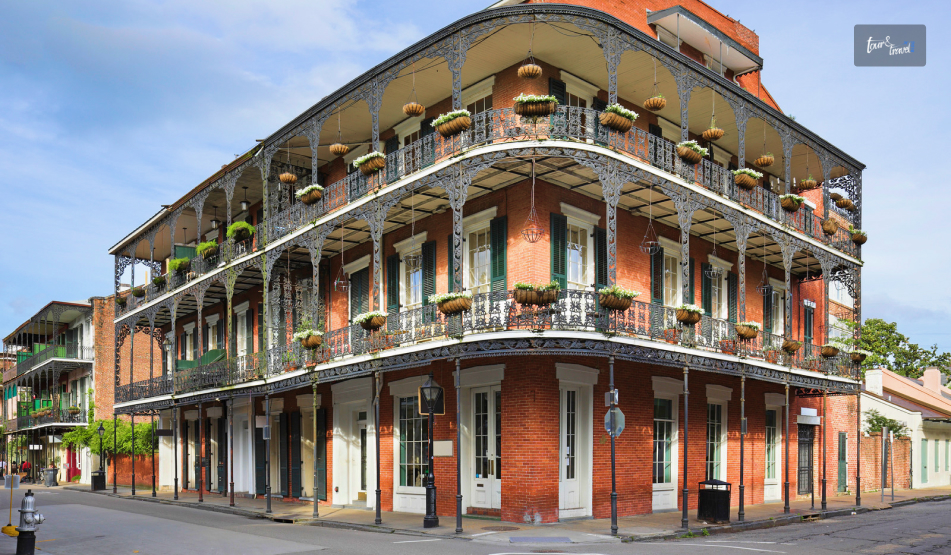
Now, these ghost tours are very much ingrained in the spirit of New Orleans. The LaLaurie Mansion or the New Orleans French Quarter was infamous for the mistreatment of slaves.

Supernatural activities and the stories around them started flowing after a neighbor saw a troubling incident. The neighbor saw a lady chasing a slave girl, who jumped from the roof of the mansion as an escape. 

Despite the presence of modern boutiques, quaint restaurants and a reimagined and bustling French Market, the spooky vibe simply refuses to go away! 

4. Spending Time By The Mississippi River

Spending Time By The Mississippi River

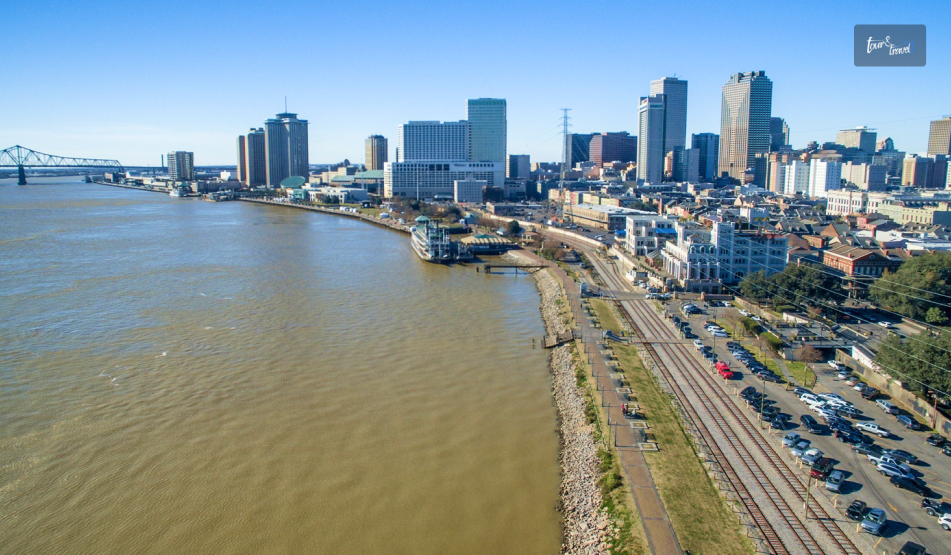
There is something special about New Orleans. And as they say, the Mississippi River is the manifestation of the heart of New Orleans. It’s welcoming and embracing, and its culture and heritage surpass the geographical boundaries. 

Further, like the Mississippi River which destroys, restores and builds the banks, New Orleans believes in making a forward move even in the toughest conditions. The recent terror attacks and the means of recuperation are burning examples. 

So, if you want your little one to know about the true spirit of New Orleans, allow them to sit and relax by the Mississippi River for a while. 

They will love sitting on the steps and watching the boats passing in the water. It is very close to the French Quarter, but a complete contrast in its spirit. 

Moreover, your little ones will be elated to have beignets here. You will find the best beignets at Café Du Monde Riverwalk (Contact Number: +1 504-218-7993) here. The coffee there was good and just the way I like it. 

5. A Visit To The Louis Armstrong Park 

A Visit To The Louis Armstrong Park

Location: 835 N. Rampart St, New Orleans

Hours Open: 8 AM to 6 PM

Entry Fee: Entry is Free for a Walk in the Park

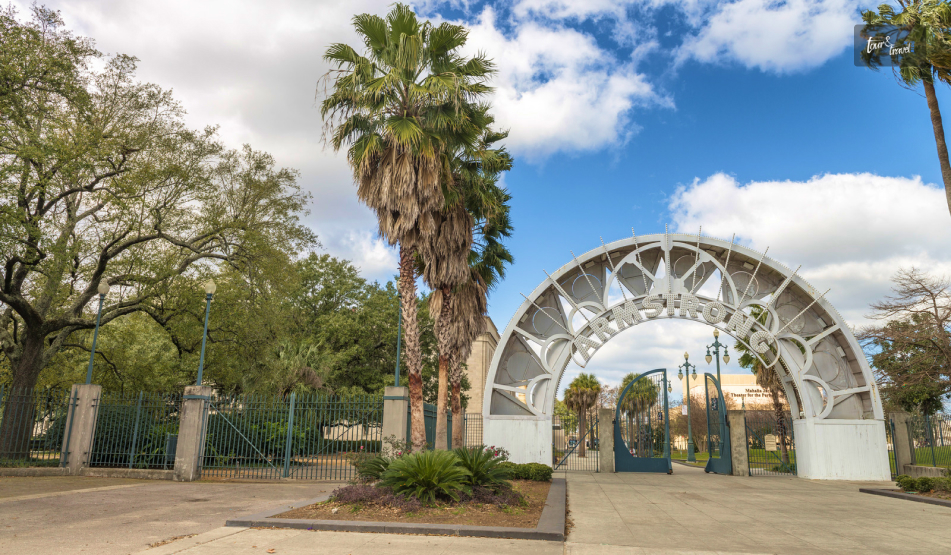
A visit to Louis Armstrong Park is not ideal for very young children. However, kids in their teens or growing up years with an interest in Jazz music will love this place. It is very close to the French Quarter, and inside the park, you will find Congo Square. 

Congo Square is the place where slaves used to unite during the 1800s. Furthermore, your kids will love looking at the ducks in the pond of Louis Armstrong Park. 

Moreover, the Mahalia Jackson Theater inside Louis Armstrong Park is a popular place to visit for artists and music lovers. It gets its name from Mahalia Jackson, a gospel singer of New Orleans. 

Also read

Share on Social Media

Meet Sibashree Bhattacharya, a travel enthusiast who has a decade-long experience in transcending virtual barriers with her words! Her deep love for travel is apparent from her travel escapades to the mountain, often taking her readers on a journey, her words acting as Portkey! Fun fact: Sibashree loves to dive deep into the history of the places she is about to visit, making her travels even more wholesome. If you were wondering how her articles are not short of time travel, this answers it!

Leave a Reply

Your email address will not be published. Required fields are marked *

title-img Related

READ MORE

Grand Teton National Park Animals: Into The Wilderness

BY  Sibashree Sep 30, 2024

High in the mountains, Grand Teton National Park in Wyoming harbors a great ecosystem for wildlife viewing. It is just south of Yellowstone, another great destination for exploring diverse wildlife.  Further, as you indulge in the exotic beauty of the Teton Mountain Range and the Snake River, you will meet bison, bears, mountain lions, red squirrels, and even wolves. It is also home to the most colorful western tanager, bald eagles, and many other adorable birds. Are you charmed by the stealthy nature of reptiles and vipers? You can find garter snakes and rubber boa snakes here.  Fascinating! Isn’t it? Let me share a complete overview of wildlife at Grand Teton National Park. Don’t Miss Your “Spot” To Watch The Grand Teton National Park Animals You may not be a fan of Sheldon Cooper (from Big Bang Theory) and his obsession with his favorite spot. At Grand Teton National Park, you must know about the right spots for wildlife viewing.  Here, I have curated the best spots within the park where you can meet wildlife without causing any disturbance in the space wild creatures demand.  Oxbow Bend Oxbow Bend is one of the most beautiful vistas of the Grand Teton National Park. You often see a grizzly mother bear (grizzly No. 399) taking a stroll with her cubs. Further, the wetlands are mooses.  Oxbow Bend also attracts thousands of colorful birds and reptiles who graze around or visit to drink water here.  Moose Wilson Road The Moose Wilson Road stretches between the Craig Thomas Discovery & Visitor Center and the entrance of Granite Canyon Park.  It is hard to resist taking adorable snaps of bears indulging in berries here. You will also find moose in the wetlands.  National Elk Refuge Spanning 25,000 acres, the National Elk Refuge has 7,000 elk. The best time to visit the National Elk Refuge is between mid-December and early April. Take a horse-driven sleigh ride to meet Elks from a close distance.  The National Elk Refuge also has bison, mountain lions, bald eagles, and bears. Moreover, if you are lucky enough, you can meet wolves here.  Kelly Loop and Antelope Flats Kelly Loop and Antelope Flats are like a hidden gem in Grand Teton National Park. Look at the sagebrush to find a pronghorn or bison passing by.  Grand Teton National Park Animals (Mammals, Birds, Reptiles, Unusual Ones And More) Grand Teton National Park is a perfect coexistence of various species and a wonderful depiction of dependence in the food chain. Let’s find out who has made a home in this beautiful wilderness. Mammals At Grand Teton National Park As you explore the Grand Teton National Park, a small or big mammal will always be around you. Grizzly and black bears are the most prominent animals in the park, and you will also meet bison, moose, bighorn sheep, or elks.  Also, this park has wolves, wolverines, and mountain lions.  Small mammals in the park include red squirrels, chipmunks, Uinta ground squirrels, and long-tailed weasels.  Further, yellow-bellied marmots and squirrels will be your companion as you hike through the trails in the park.  Are you looking for mammals in the water? You will find the adorable muskrats, river otters, and beavers swimming around.  Do you know that moose is the largest antlered animal in the world? A moose can store 100 pounds of food in their stomach.A male moose can weigh as much as 1400 pounds.  Birds At Grand Teton National Park https://www.instagram.com/p/CgNiUMRMfpW/ The vibrant feathers of the western tanagers here are a treat to the eyes. Further, you will meet the calliope hummingbird, trumpeter swans, bald eagles, ospreys, and sage grouse in the park.  Do you know that Grand Teton National Park is the home to The calliope hummingbird? It is the smallest bird in North America and weighs even less than 1/10th ounce. Also, the largest waterfowl in North America, The trumpeter swan, lives here near spots like Swan Lake, Oxbow Bend, National Elk Refuge, and Flat Creek.  Do you want to watch birds romancing with their mates? Find out trumpeter swans moving in pair with their mate for life and sage grouses displaying their courtship in the sagebrush.  Reptiles At Grand Teton National Park https://www.instagram.com/p/CDlzaa-oYU5/ This nation is home to snakes such as rubber boa, valley garter snake, and wandering garter snake. These reptiles are found near the waterbodies in the park. You will also find the northern sagebrush lizard here. It is the only lizard species living in the park.  Amphibians At Grand Teton National Park  Despite a high elevation, cold temperature, and a dry climate, this national park has five species of amphibians. These are: Columbia spotted frogs Western tiger salamanders Western toads Bullfrogs Boreal chorus frogs Northern leopard frogs were found earlier in this area but have become extinct. If you want to spot these amphibians, you must visit Taggart Lake or String Lake.  Native Fish At Grand Teton National Park https://www.instagram.com/p/CgnT_ImrdGZ/?img_index=1 The native and non-native fish at Grand Teton National Park are vivid. Some (for example, mountain suckers) survive on mountain algae, while others (for example, cutthroat trouts) eat small fish and insects. For many animals and birds, like bald eagles, fish is the primary food source in the park. Further, fish is a secondary food source for the local inhabitants. In addition, by eating insects and algae, a fish keeps the spread of these elements in check.  Native Fish At Grand Teton National ParkUtah suckerFine spotted cutthroat trout of Snake RiverMountain suckerSpeckled daceUtah chubBluehead suckerNon-Native Fish At Grand Teton National ParkRainbow troutBrown troutLake troutGuppiesGoldfishGreen swordtail You will also find many aquarium species at Grand Teton National Park.  Species At Risk At Grand Teton National Park Grand Teton National Park is home to many species at risk and species of concern. Further, it has whitebark pine trees, which are up for listing.  Whitebark Pine Trees: Up For Listing  The invasive disease of blister rust and mountain pine beetles greatly harms these trees.  Alarmingly, an NPS Survey (2018) says that 57% of the trees were affected by blister rust, while the beetles harmed 30%. In addition, 40% of the total vegetation died.  Only 15% of the trees were able to produce cones. The pine nuts and seeds are an important food source for grizzly bears, squirrels, nutcrackers, black bears, and other animals in the area. Further, these trees play a crucial role in trapping and retaining snow, as well as in preventing the melting of snow. Thus, they prevent the erosion of steep slopes in the park. Do you know that grizzly bears eat whitebark pine nuts during hyperphagia? Hyperphagia refers to overeating before going into hibernation. These nuts are rich in protein and fat.  Species Of Concern After a magical recovery, Grand Teton National Park’s bald eagles are no longer endangered. However, these birds still fall into the category of the species of concern. Other species of concern in the national park are greater sage grouse and grey wolves. You will find the bald eagles near the Gros Ventre and Snake Rivers. They love eating fish and sometimes prey on carrion, waterfowl, and other small mammals. Greater sage grouse here are known for the most poetic display of their mating in the spring season every year. You will find them in spaces in the sagebrush.  Species At Risk  As a part of the Greater Yellow Ecosystem, Grand Teton National Park is home to around 800 grizzly bears. It has made a recovery from the list of endangered species after a long conservation endeavor and is now a species at threat or risk. Other species at risk at this national park are: Canada lynx Yellow-billed Cuckoo Western glacier stonefly The park gets filled with the knocking call of the yellow-billed cuckoo in the spring.  Small Creatures At Grand Teton National Park Insects play a very crucial role in the food chain system. They help pollinate flowers, function as nutrient recyclers, and feed many animals. So, when you see a violet lupine in Grand Teton National Park, you must know bees are around.  Along with bees,  Grand Teton National Park also has small and mighty ones, such as the Army Cutworm Moth (the food of grizzly bears during the fall season), Bark Beetles, carrion beetles, etc. Beetles are very important for the ecosystem of Grand Teton National Park. They break down woody plants and help return the nutrients to the soil. Further, carrion beetles recycle the minerals found in the corpse of an animal. Thus, these insects help with the decomposition and recycling of essential nutrients.  Over three million people visit Grand Teton National Park every year. Along with wildlife viewing, you can enjoy hiking, biking, fishing, climbing and mountaineering, and backcountry camping here. So, gear up for the best experience in the wilderness.  Also read Top 10 Most Popular Paraguay Food That You Must Try. Top 13 Famous Wonders Of India That You Must Visit! [Updated 2024] Top Tips For Motorbike Rental In Phuket – A Guide To Exploring The Island On Two Wheels.

READ MORE Best time to visit Saudi Arabia

What Is The Best Time To Visit Saudi Arabia?

BY  Sibashree Jan 11, 2025

Thinking about what's the best Time To Visit Saudi Arabia? The colder months are always the best time to visit Saudi Arabia. Most tourists come here for the purpose of their Hajj. But, Saudi is also a place for exploration apart from it being a pilgrimage for the Muslims.  It’s a big country that tends to have different climes. This region has desert, mountain, and coastal regions. While some places have reasonably pleasant winters, others are better suited for visits during the colder months.  As for the history of the kingdom and its culture, it will also be interesting to mention. Tourists come to see historical and archaeological sites, as well as modern structures and places of worship. Travel agencies providing Islamic Travel Agency, including flights,  frequently offer additional services during the visit. So, what’s the best time to visit Saudi Arabia? Read on to find out the right answer.  How to Choose the Best Time to Visit Saudi Arabia?  The time to go also differs. It may rely on customs, events, occupations, and the current climate.  For instance, the days in the summer are extremely hot in some regions. However, it is completely different during winter since the climate is comparatively much better.  Depending on your interests, the post will highlight the right time to visit the KSA. This means that scheduling to visit a certain destination based on activities that interest you is important. The Weather in the Kingdom The kingdom has a largely desert-like or arid climate. Besides, the temperature is high and can, on some occasions, rise up to 40 C 104 F in the desert region.  On the coastline, relative humidity can amplify the heat, making it even hotter than it literally is. As for winter, it will be mild. This makes it a perfect time to go out and complete outdoor activities. It also depends on the region in the kingdom but in general, the best time to visit is during winter. Summer heat can be intense in the central and the Northern areas of this country. However, temperatures remain tolerable, especially in the Western and southern parts of the country.  Basically, the southern and central kingdom’s best temperatures for traveling are from October to April. Choose Umrah packages including flights in winter during your pilgrimage. Cultural Events invite There are several cultural holidays observed in the KSA. It is critical to eat local cuisine and enjoy the atmosphere of festivals and other religious events.  The most specific rite is Hajj, which is performed once per year and involves a pilgrimage to the city of Mecca. This convenience occurs in the Islamic lunar calendar month of Dhu al-Hijjah. It can occur in summer or early in the next autumn.  Regarding the various events of Hajj. However, the spiritual pilgrimage is limited to Muhammad's followers, many other parts are open to tourism. The Janadriyah Festival is probably one of the most famous festivals in the KSA.  It takes place in Riyadh annually in February or March. The celebration pays homage to Saudi traditions and customs. There are traditional dances, songs, cuisine, etc. If you're interested in the country's culture, now is a great moment to visit the kingdom.  The other event is Saudi National Day which takes place on September 23. It is commemorated by a decorated parade and a fireworks display. Best Time to Visit Saudi Arabia for Outdoor Activities There is no better time to visit the KSA for outdoor activities than before the summer. From October to April, the weather is fairly good for surviving and enjoying outdoor activities. The best seasons for trekking, hiking, and other forms of natural exploitation are spring and fall.  There are lower odds of encountering a desert. If you are planning for a Hajj package, this is an ideal time. The Asir region in the southwest has cooler climatic conditions, and it formed terrains endowed with natural beauty. The majority of the region is mountainous, providing excellent opportunities for outdoor sports; the climate is temperate all year. The summer resort area is located in the 'Asir region, which is also home to the city of Abha. On the other hand, the climate of different cities in the desert is very hot in summer. Exploring the desert dunes is best done in the winter because the heat is too harsh for travelers.  Ideal Time for Visiting Coastal Regions The country has a good length of shoreline along the Red Sea and Arabian Gulf. There are some stunning sandy beaches and fauna in the coastal areas.  This is because October through April, the dry season, is the best time of year to explore these places. It can be smelly during the summer, and the beaches are not all that comfortable. Jeddah, the biggest city on the Red Sea coast has beautiful beaches for sun tanning and beautiful resorts. A lot of tourists choose Hajj packages, including those coming in search of snow during the winter season.  The breeze is ideal for sunbathing and swimming in the tempting, clean waters of the sea. These events create a frenzy of festivals, and different celebrations happen throughout the city during this time. In contrast to the Red Sea coast, the Arabian Gulf coast, which includes Dammam and Al Khobar, experiences scorching summers. Consider Ramadan when Planning Your Visit When arranging your trip to the Kingdom, you should also consider the Ramadan time. This is the Islamic month of fasting. Ramadan is an Islamic lunar month. The dates for observing it vary from one year to another. It is a special time when even the daily rhythm in the KSA is quite different. During Ramadan, many establishments and tourist destinations have shortened hours. While some travelers avoid visiting during Ramadan, others eagerly await the opportunity to tour the kingdom.  Avoid eating or drinking in public during Ramadan. For example, one is not permitted to eat, drink, or smoke in public throughout the day. It may still be hot during Ramadan but observing the month in the Islamic world makes for interesting cultural discovery. Summary The duration of a trip to the kingdom depends entirely on the traveler's goals and desired destination. The dry season, which lasts from October to April, is the best time of year for outdoor enthusiasts. In terms of cultural events and festivals, it is best to visit during the winter or spring. The greatest time to travel inland or visit the beaches is between November and March. Remember that traveling during Ramadan and the Hajj trip will be very different. Read Also: Do I Need a VISA to Visit Saudi Arabia? Yachting In Dubai – A Memorable Experience Best Time To Experience Dubai: The City Of Gold

READ MORE Luang Prabang travel guide

Luang Prabang Travel Guide: Why I Loved It? (Activities, Attractions, History, Itinerary, And More)

BY  Sibashree Oct 21, 2025

2022 had taken me to the less frequented Luang Prabang in Northern Laos. Now, thanks to the place I call home, I have heard many stories about the Mekong River, and it has always been on my bucket list.  So, a trip to Luang Prabang was a dream-come-true moment for me.  Three years passed by, and today, before writing this Luang Prabang travel guide, I was researching updates about this UNESCO World Heritage Site. I found out that in the Smart Travel Asia Best in Travel Poll 2025, it has been voted as one of the best vacation destinations in Asia.  Furthermore, it has won third place in the Destination Management category of the 2025 Green Destinations Top 100 Story Awards at ITB Berlin. It is a recognition of how Luang Prabang follows a sustainable tourism practice.  So, the Tour and Travel World data looks very convincing about the arrival of 3,061,928 international tourists to Luang Prabang in the first eight months of 2025, recording a 15 percent clear growth YoY.  Nevertheless, beyond the numbers and accolades, Luang Prabang remains in my heart as a beautiful story that I will share in this Tour and Travel Blog.  Luang Prabang Location And Geography: An Overview  Luang Prabang is on a peninsula at the confluence of the Mekong and Nam Khan rivers. It is designated as a UNESCO World Heritage Site for being an “outstanding example of the fusion of traditional architecture and Lao urban structures with those built by the European colonial authorities in the 19th and 20th centuries.” Here are the important geographical data and statistics about Luang Prabang.  Rivers• Nam Khan and MekongPopulation• 47378 (Source: World Population Review)Primary Ethnic Group• The Kmhmu or KhmuMountains• Phou Nang, Phou ThaoForests• Luang Prabang Montane Rain Forests EcoregionDry Season• November to AprilWet Season • May to OctoberAverage Annual Rainfall • 1,600 MM (Source: North-Vietnam.com)Average Humidity• 70% (Source: North-Vietnam.com)Waterfalls• Kuang Si, Phu Fa WaterfallNatural Vulnerabilities• Landslides• Floods• DraughtsSpecial Geographical Feature• Mount Phousi, a Central High Hill with an Altitude of 150 MetersArea• 16,875 Square KilometersNatural Vegetation• Oak• Beech• Dipterocarpus• Bamboo• Laurel How To Reach Luang Prabang? I took a flight to the Luang Prabang International Airport (LPQ) via Bangkok. You can also take a connecting flight from Singapore. As the main gateway to the town, LPQ gets flights from the Suvarnabhumi and Don Mueang airports in Bangkok, Siem Reap, Hanoi, and Chiang Mai. After reaching the airport, I took a tuk-tuk to reach the town center. It cost me around $5 per person.  What Is The History Of Luang Prabang?  The legends and stories about Luang Prabang never end, and I can attest to that. Every time I visited a Vietnamese coffee shop or talked to my homestay owner, a new story came up.  Here are the key facts about the history of Luang Prabang.  The archaeological evidences suggest that the history of inhabitation in Luang Prabang goes back to 8000 B.C.  The city was initially known as Muang Sua, and by 1357, it was renamed as Maung Xieng.  Further, in the 14th century, Luang Prabang was home to the first Lao Kingdom, Lane Xang, built by King Fa Ngum.  After the city got a new name, it received a Phra Bang, or a golden image of Lord Buddha, from the Khmer monarchy. Thus, it got its current name, Luang Prabang.  Luang Prabang served as the ancient capital of Lane Xang till 1560. After that, King Setthathirath shifted the capital to Vientiane. During the rule of King Surigna Vongsa (late 17th century), Luang Prabang had its first interactions with the Western emissaries.  In 1694, after the demise of King Surigna Vongsa, Lane Xang was divided into three parts: Luang Prabang, Champasak, and Vientiane.  In the 19th century, the city witnessed much destruction by the black flag pundits.  Major restoration work by King Sisavang Vong took place during the span of 1904 and 1959.  It is said that Lord Buddha used to rest here on his pilgrimage route, smiling to indicate the future prosperity of the city.  Major Attractions in Luang Prabang, Laos In the recent annual Lighted Boat Festival, Luang Prabang grabbed all the limelight with its beautifully crafted boat and lighting, celebrating the 30th anniversary of its designation as a UNESCO World Heritage Site.  Along with the Old Town, these are other major attractions in Luang Prabang.  1. Kuang Si Falls I reached the Kuang Si Falls after visiting the Tat Kuang Si Bear Rescue Centre. The layered pools are the most amazing features of Kuang Si Falls.  After swimming in the pools, I took a walk along the bridge for stunning photos. The entry fee to Kuang Si Falls is around 60,000 KIP.  2. Mount Phousi Trekking to Mount Phousi was not as difficult as I thought. I wanted to take it a little slow and reach the top of Mount Phousi in less than an hour. The steps were not that steep.  The entry fee was 20,000 KIP, and it was almost sunset when I reached the Golden Stupa at the top of Mount Phousi. The red lights falling on the Golden Stupa looked magical, and the panoramic view was beautiful.  3. Royal Palace Museum Timing: 8 AM -11:30 AM and 1:30 PM to 4 PM The Royal Palace Museum stands as a testament to the opulence and royal grandeur of Laos in the pre-Communist era. Among the artefacts, the Phra Bang Buddha statue is the main attraction.  The former royal residence also stands out because of its fusion of Laotian and French architecture.  4. Wat Xieng Thong Hours Open: 8 AM to 5 PM Entry Fee: 30.000 Kip/Person Built in 1560, Wat Xieng Thong is one of the most revered temples in Laos. Setthatirath built this temple, and I loved the glass murals here.  5. Pak Ou Caves To explore more Luang Prabang temples, I reached Pak Ou Village. The tuk-tuk ride to the caves costs around 400000 KIP, and I reached the caves after a long boat ride. The journey was beautiful. The temples and Pak Ou caves with statues of Lord Buddha are the highlights of my Luang Prabang trip. The entry fee was 20000 KIP.  6. Luang Prabang Night Market Hours: 5 PM to 10 PM The Luang Prabang Night Market was a real surprise. Honestly, I did not expect this much fun. Hundreds of vendors were selling clothes, handicrafts, ornaments, ceramics, tea, and coffee.  I bought some textiles, bags, and ceramics. One thing - you have to be at the A game of your negotiation. Some vendors are really pushy.  7. Tad Sae Waterfall Hours: 8 AM to 7 PM Tickets: 15000 Kip for Locals and 30000 KIP for Foreigners (Free for Children below 8 Years) While Kuang Si is a more popular choice, it is bigger. However, I loved the Tad Sae Waterfall more. It is more relaxing, and for me, the nearby elephant park was an added attraction.  One of the best Luang Prabang waterfalls, Tad Sae Waterfall, is layered with crisscrossing decks. 8. Traditional Arts and Ethnology Centre Hours: 8 AM to 5 PM (Monday Closed) Entry Fee: Fee for Locals, 25000 KIP for Foreigners  View this post on Instagram A post shared by TAEC Museum | Shop | Cafe (@taeclaos) The board on the wall of the Traditional Arts and Ethnology Center sums up what experience you can expect here. You can combine your Mount Phousi trek with this Ethnology Centre visit.  It was a brilliant curation of more than 600 artefacts from over 20 ethnic groups in Laos.  9. Wat Mai Suwannaphumaham Hours Open: 8 AM to 5 PM Tickets: 10.000 Kip/Person Wat Mai Suwannaphumaham is one of the closest temples to the city center. It was built in 1796, and a major restoration work took place in 1821 under the leadership of King Manthathourath.  The temple has beautiful murals and sculptures on the wall, along with the golden statue of Lord Buddha.  10. Alms Giving Ceremony Some activities in Luang Prabang are free but priceless in terms of experience and learning. Giving alms to monks is a part of the social and religious practice of the place I belong to. Furthermore, giving alms to monks is like sharing your resources with the community.  I reached near the Joma Bakery Cafe on the Sakkalaine Road to take part in this ceremony.  The monks were happy with whatever they received. However, due to cultural differences, many tourists do not understand the significance or the courtesy of giving alms. 11. Ock Pop Tok Living Crafts Centre View this post on Instagram A post shared by Ock Pop Tok (@ockpoptok) Just around 2 km from the Night Market, Ock Pop Tok Living Crafts Centre is a place to learn about traditional Laoian textiles and craftsmanship. I took the free tuk-tuk ride from the Night Market to this crafts center.  Tuk-tuk services are available from 8 AM to 8 PM. 12. Phosi Market Hours: 7 AM to 5 PM View this post on Instagram A post shared by Mas El Mundo (@the_slowtraveller) Phosi Market is the biggest market in Luang Prabang, and the air here is heavy with the whiff of fresh produce and spices.  I talked to the local vegetable gardeners here and bought some local spices. Honestly, exploring the local markets is one of the best things to do in Luang Prabang Laos for solo travelers.  13. UXO Lao Visitor Center Hours Open: Monday to Friday - 8 AM to 11:30 PM and 1 PM to 7 PM Entry: Free View this post on Instagram A post shared by Raja Ray (@raja.ray) I took a 15-minute walk from the City Center to reach the UXO Lao Visitor Center. The center tells you that Laos has been the most heavily bombed nation, according to a per capita calculation.  Some of the bombs have not exploded, and they remain on the earth. They continue to create human casualties.  The documentary I saw here was heart-wrenching, and the survivor stories gave me goosebumps.  14. Whisky Village View this post on Instagram A post shared by LUCA CURTI GIALDINO (@lukectfd) I reached Whisky village in search of the authentic Lao rice whisky. The settlement of Whisky Village or Ban Xang Hai is quaint. Almost every bottle has an encapsulated reptile.  I finally could not muster the courage to buy a bottle. Instead, I collected some silk textiles with intricate weavework.  Is Luang Prabang For Every Traveler? Who Will Love It The Most? Luang Prabang is more suitable for solo travelers and couples.  Having immersive cultural and spiritual experiences with museum and temple visits is one of the best things to do in Luang Prabang Laos for solo travelers. I thoroughly enjoyed it as a solo traveler, be it a visit to Wat Xieng Thong or exploring the markets.  Furthermore, Luang Prabang celebrates romance like quiet luxury. A sunset cruise on the mighty Mekong River or a bath in the turquoise pools of Kuang Si Falls are some of the most romantic things to do in Luang Prabang, Laos.  However, Luang Prabang is versatile in terms of the types of travelers it caters to. Most importantly, it teaches the art of slow and meaningful tourism in which you build connections and garner experiences that last a lifetime.  Here is a quick breakdown of different places in Luang Prabang catering to different types of travelers.  Types of TravelersPlaces to Visit in Luang PrabangHistory Buffs• Wat Xieng Thong• Old Quarter• Wat Mai Suwannaphumaham• Wat Visounnarath• Pak Ou CavesNature Lover• Mount Phousi• The Mekong River• The Forest AreaWildlife Enthusiast• Luang Prabang Wildlife Sanctuary• Elephant Village Sanctuary• MandaLao Elephant Conservation:• Manifa Elephant CampBackpackers and Budget Travelers• Tad Sae Waterfalls• Kuang Si FallsCulture and Local Life Experience• Luang Prabang Old Quarter• Luang Prabang Night Market However, beyond everything, Luang Prabang continues to be the spiritual heart of Laos.  Luang Prabang And A Unique Spiritual Experience  A BBC report suggests that Luang Prabang has the highest per capita monk population of anywhere else in the world. However, the Buddhist heritage of the city is impacted by the rapid surge of tourists after the opening of the Laos-China Railway in 2021.  The significant customs, such as alms giving, have now become more commercialized, losing their community and spiritual experience.  To combat this commercialization, Anat Khamphew and many other former monks are setting up tour guiding companies such as Spirit of Laos and Orange Robe Tours.  These companies will help establish an authentic experience where significant spots and devotional symbols are not turned into backdrops for selfies and Instagram photos, and where monks do not receive leftovers and junk food as alms. It’s all about traveling the monk’s way. Budget And Expenses For The Luang Prabang Trip I was traveling solo, and the expense was around $30–$50 or 6,52,832.40 to 10,88,054.00 Laotian Kip per day. The entry fees are a little higher, considering the local currency.  My daily expenses included: Hostel Charge: $20 Per Night (Mid-range hotels available at around $50-80 per day) Food: $5-10 Travel: $5 Entry Fee: $5 What Is The Best Time To Visit Luang Prabang?  November to February is the best season to visit Luang Prabang. Just after the October rainfall ends, the city enjoys clear weather conditions with mild temperatures. So, it is the ideal time to explore the outdoor things to do in Luang Prabang, Laos.  Luang Prabang experiences heavy rainfall from June to October, and March to June is stuffy and hot.  Here is a breakdown of temperatures in Luang Prabang by month. (Source: National Oceanic and Atmospheric Administration, NOAA).  MonthsHighest Temperature (Degree Celsius)Lowest Temperature(Degree Celsius)January2814February3216March3419April3522May3524June3424July3324August3224September3323October3221November3018Decemeber2815 Luang Prabang Food And Customs I Loved Furthermore, food in Luang Prabang is fresh and wholesome, just as the city is. I fell in love with \(Mok\) \(Pa\), which is fish steamed and cooked in banana leaves. I also tried \(Laap\), a national Laotian dish, and I chose the version with minced meat.  Furthermore, I lost count of the coconut cakes I had in Luang Prabang. It was subtle, sweet, and hearty.  The markets are the best place to explore the local specialties of Luang Prabang. However, the food scene of the city came alive after sunset.  Also, I was quite happy with the experience of the places I ate, such as the Tamarind Restaurant and Bouang Asian Eatery.  Luang Prabang’s culture is deeply rooted in Theravada Buddhism. The daily alms-giving ceremony at dawn is a sacred tradition.  Locals wear traditional Lao sinh and celebrate festivals like Pi Mai (Lao New Year) and the Festival of Lights. You have to dress modestly, remove shoes before entering temples, and respect local customs. Luang Prabang Travel Guide: The Dos And Don’ts Here is a detailed checklist of the things to do and things to avoid in Luang Prabang. Have a look at the table below.  Checklist for Traveling to Luang Prabang, LaosMistakes to Avoid When Traveling to Luang Prabang, Laos• You will need a valid passport and a Laos visa (eVisa or visa on arrival).• Get your money converted to local currency (Lao Kip) or USD.• Have travel insurance and keep the documents handy.• Dress modestly for temple visits. Use a reusable water bottle. • Wear sunscreen and insect repellent.• Choose comfortable walking shoes.• Carry a rain poncho or umbrella (especially in the wet season).• Buy a local SIM card and have an offline map when exploring the city and beyond. • Be respectful toward local customs such as alms giving. • Check the license of the driver for scooter rentals, as incidents of scooter accidents are common. • Negotiate and agree upon the fare before the tuk-tuk ride starts. • Visiting during the burning season (March–April) due to poor air quality• Arriving without USD for visa fees• Overestimating travel time between attractions• Not booking transport in advance during holidays.• Visiting over-crowded areas, petty thefts are common.  My 5-Day Travel Itinerary In Luang Prabang I stayed in Luang Prabang for 5 days. The best thing about Luang Prabang is that it will not push you to rush. So, my five-day stay here was one of the most relaxed experiences I had. Here is what I did on those five days.  DaysItineraryDay 1: Arrival and Cultural Experience• Reaching the Luang Prabang International Airport• Checking into my hostel• Evening walk in the city center• Having authentic Laotian food at Tamarind Restaurant• Exploring the Night Market Day 2: Temple Visits and Spiritual Immersion• Alms Giving ceremony at sunrise• Breakfast Saffron Coffee• Visiting Wat Xieng Thong, Wat Mai Suwannaphumaham, and the Royal Palace Museum• Lunch at Bouang Asian Eatery• Climbing Mount Phousi for sunset viewsDay 3: Nature and Adventure• Day trip to Kuang Si Falls, visiting the Bear Rescue Center, and swimming in the turquoise pools. • Lunch at Kuang Si Butterfly Park Café• Back to the town and enjoying a sunset cruise on the Mekong River. • Dinner at Utopia BarI chose Utopia Bar as it is great for solo travelers. The live music and yoga sessions were the highlight. Day 4: Exploring Culture and Craft• Visiting the Traditional Arts and Ethnology Centre• Visiting the Ock Pop Tok Living Crafts Centre and taking a weaving class• Lunch at Coconut Garden• Afternoon visit to Phosi Market• Cooking class at Tamarind Cooking School in the eveningDay 5: Offbeat Exploration and Departure• Half-day boat trip to Pak Ou Caves• Whisky Village en route• Lunch on the boat• Last-minute shopping at Night Market• Departure from Luang Prabang International Airport Tips For A Seamless Travel Experience In Luang Prabang  Stay near the night market for easy access to food and shopping. Join a walking tour to meet fellow travelers and learn local history. Rent a scooter or join a shared tuk-tuk to Kuang Si Falls. Cultural workshops are great for solo bonding and learning. Book an airport transfer in advance to avoid last-minute stress. Is Luang Prabang Worth A Visit?  Luang Prabang is definitely worth a visit, and its charm as a spiritual hub is matchless. It’s like that quiet afternoon of an autumn when you see the golden light of the Sun caressing your windows and floors.  Furthemore, it is a blend of natural attractions, wildlife, religious centers, cultural heritage, markets, and a vibrant food scene. The UNESCO World Heritage site is also a friendly and affordable place to be for solo travelers.  There is a reason why National Geographic praises its spiritual ambiance and well-preserved heritage, or Discovery Travel emphasizes its cultural richness, eco-tours, and artisan tours.  Moreover, it epitomizes the tourism slogan of Laos, “Simply Beautiful!” It is the place where you have to experience and not just travel.  Luang Prabang Travel Guide: Frequently Asked Questions (FAQs)  Here are the frequently asked questions and answers about the Luang Prabang travel guide.  1. What Cultural Events Or Festivals Happen In Luang Prabang? Boun Pi Mai Lao, or the Lao New Year, is the biggest festival in Luang Prabang. It takes place around mid-April. Boun Suang Huea, or the Boat Racing Festival, in September, and Boun Lai Heua Fai, or the Festival of Lights in October, are also celebrated with great pomp. Furthermore, November is the month of the That Luang Festival at the That Luang Stupa. It is celebrated with a trade fair and religious ceremonies.  2. Is 2 Days Enough In Luang Prabang? While you can cover some important landmarks of Luang Prabang in two days, I think that you will need at least 2-3 days more to immerse yourself in the local cultural and spiritual experience.However, if you are in Luang Prabang for two days, you can explore the City Center, the National Museum, the Royal Palace, and the temples near the City Center on day 1. On day 2, you can plan a trip to the Pak Ou Caves and Kuang Si Falls.  3. When To Avoid Luang Prabang? Late February to April is the time to avoid visiting Luang Prabang. Extreme heat and stuffy weather make the days uncomfortable for outdoor exploration. June to October is another season to avoid due to heavy rainfalls and calamities such as landslides. Read Also: A Comprehensive Guide To The Main Types Of Asian Food That You Can Find In Singapore Sunrise Spots in Vietnam: Top Places to Catch the Best Morning Views 5 Must-Visit Places In Thailand: Should I Go To Phuket Or Krabi?