When it comes to American Airlines, the company provides its services to more than 50 different countries, and there are more than 350 destinations.
Most of its flights are non-stop.
The airline is mainly based in North America, South America, the Caribbean, Asia, and Europe.
But this is not it.
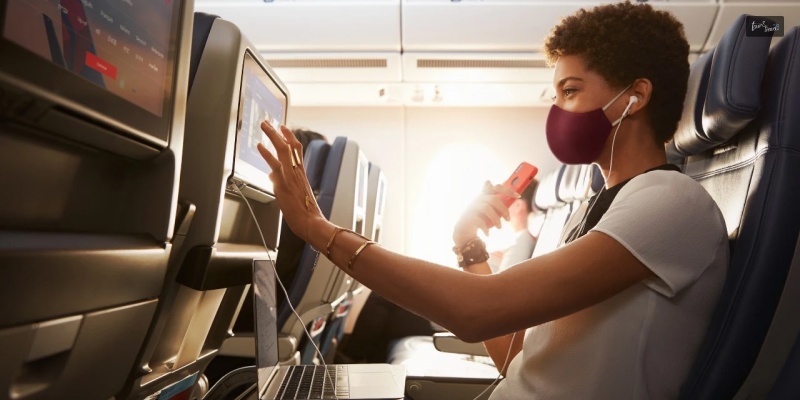
There is great entertainment while you travel with this airline.
In this article, we are going to discuss different entertainment options and your experience with AA Inflight.
Let’s start with the services that AA Inflight provides to customers, where passengers who travel with this airline receive entertainment and services.
You will get discounted rates when booking the flights!
Through these services, the flights provide their travelers with some of the best experiences!
Read the article to learn more about the services and, accordingly to book the tickets.
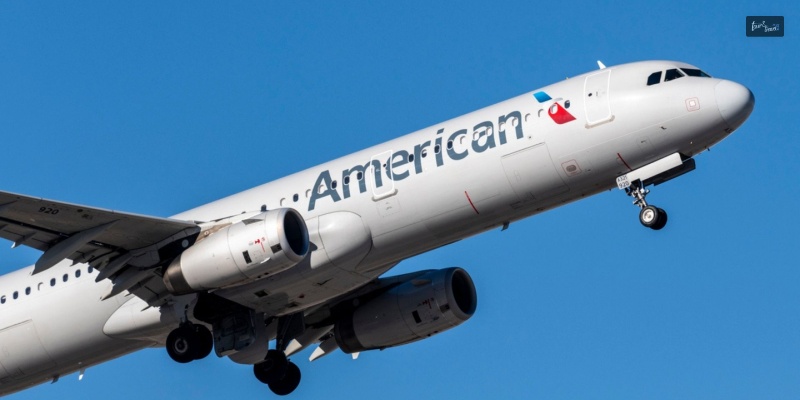
American Airlines
Image Source: dnd2oi6izkvoi.cloudfront.net
Before going further into this topic, let’s learn about the airline.
American Airlines is a United States-based airline, and its headquarters is in Fort Worth, Texas, within the Dallas metroplex.
If we talk about fleet size, revenue passenger miles, and scheduled passenger carries, then it is the largest airline in the world.
The airline provides its services to more than 50 countries, and there are more than 350 destinations.
Every day, the company runs more than 6,800 flights. Here is the list of the company’s details.
Founded
15 April 1926
Commenced Operations
25 June 1936
Alliance
Oneworld Alliance
Destinations
350
Fleet Size
935
Headquarters
Fort Worth, Texas, United States
Parent Company
American Airlines Group
Key People
CEO- Robert Isom CFO- Devon May; Chairman- Doug Parker
Employees
123,400 (2021)
Website
aa.com
AA InFlight WiFi
Image Source: static.flight-report.com
Whether you are traveling on a domestic flight or an international flight, you can get high-speed and upgraded wifi in American Airlines.
You can browse the internet, stream any video, watch a movie on HBO, Hulu, or Netflix, and even check our emails for your work.
But how do you check your boarding pass and what is on your flight?
WiFI Connect
Image Source: image.cnbcfm.com
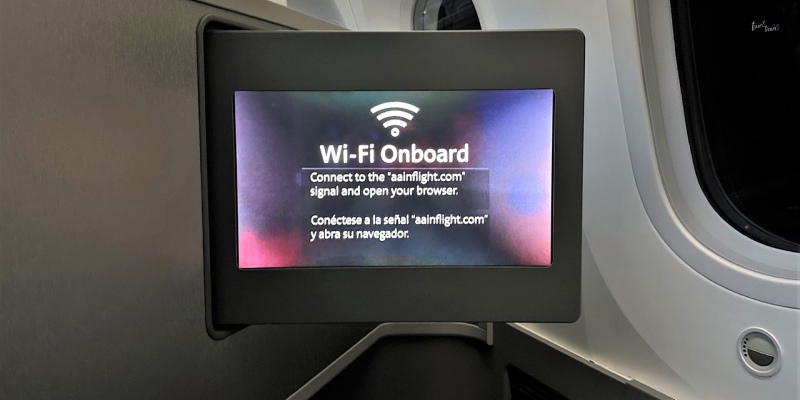
You have to put your phone on airplane mode, but that doesn’t mean you can’t connect to a wifi network.
There is wifi signal you can connect to; you just need to search for aainflight.com.
Sometimes, there can be an issue with being redirected; in that case, you can open your browser and then connect to the wifi.
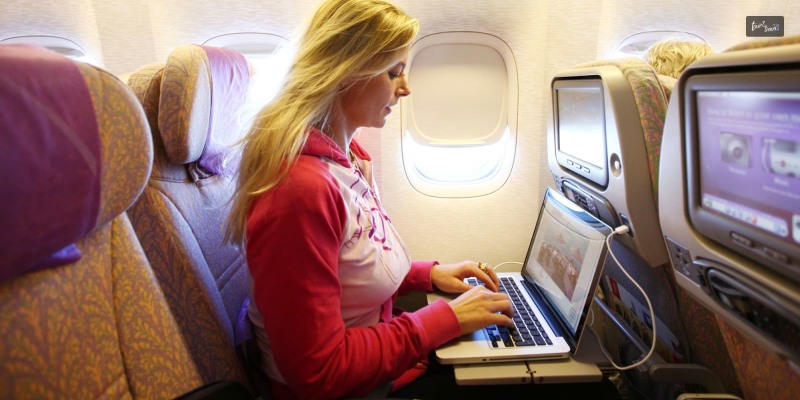
If you are using your laptop, don’t worry; you can connect to the wifi signal with that as well.
You just need to search for the aainflight.com wifi signal.
The same issue can happen to your mobile phone; in that case, you need to do the same.
Pricing
Image Source: thepointsguy.com
If you want to access aa.com during your flight, you can do that at any time you want.
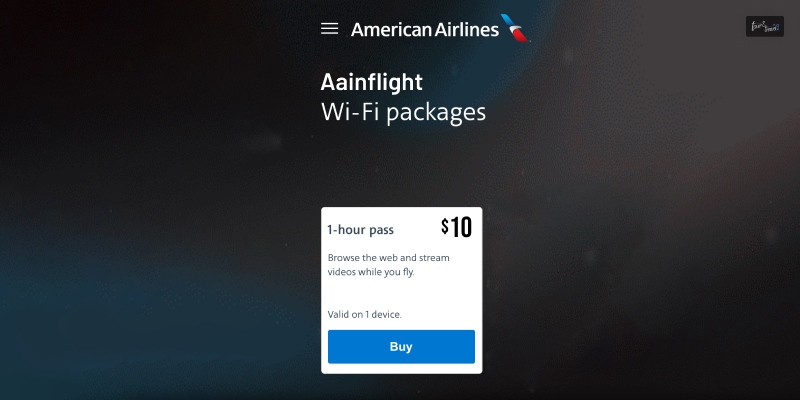
There are flights where you need to pay $10 for wifi connection.
You can pay this amount while you are flying, and this is a one-time pay-and-use service.
If you want to know more about this information and accordingly book the tickets, you can visit aainflight com login!
The services from American Airlines provide you with a better flying experience!
There is also an option where you can pay monthly for wifi.
But this feature is for those people who fly often.
There are subscription plans where you can use wifi on one device or on two devices.
If you want to use it on one device, then you need to pay $49.95, and for two devices you need to pay $59.95.
But for this, you must,
Have to be a member of AAdvantage member.
Have a saved email address in your AA account.
Have a credit card that is associated with a United States billing address.
How To Access American Airlines Inflight Entertainment
Image Source: deadline.com
How do I access inflight entertainment on American Airlines?
There are a couple of ways that you can try on American Airlines to get entertained. If you have a tablet or phone, then you can try this.
First, you need to download the application of American Airlines, but you need to do that before takeoff.
Now, after enabling airplane mode, you need to connect to the AA in-flight Wi-Fi signal.
If you don’t find that, then you can go to the browser and search for aainflight.com.
You can select any TV show or movie by visiting View free entertainment, or you can click on the entertainment icon or button.
You can do the same through your laptop as well.
First, connect to the Wifi signal named AA-Inflight.
If you are not able to find it, then you can open your browser and type aainflight.com.
Now, you need to click on the entertainment icon or button, and you can watch any TV show or movie.
Pros And Cons Of AAInFlight
The airlines provide several services that make it popular with customers.
The features of the flights, such as inflight Wi-Fi, pay-as-you-go packages, and others, will confirm that there are advantages of using AAInFlight!
However, there are also some disadvantages of the airlines hence, you need to consider both the pros and cons before you book tickets on American Airlines.
So, accordingly, make bookings on the AA Inflight app!
Pros
The AA Inflight provides you a wi-fi connection on flight which helps you with entertainment purposes and business requirements where you could send and receive emails.
The connection also helps you stay connected with your loved ones with the Wi-Fi, along with sending messages if, God forbid, there is a crisis.
The staff of airlines are quite involved and give some of the best services to the clients.
Food is also available on the flight, which you can order based on your convenience.
Cons
With Wi-Fi available, there is a high chance that AAInFlight might face issues due to weather problems and switching satellite regions.
It is also against government regulations, so there have been issues with slow connection and an insecure payment gateway.
With the ATG receivers of certain aircraft, the connection becomes duplexed.
Frequently Asked Questions (FAQs):
Here are some interesting questions and answers that most people are curious to know about AA inflight.
1. Does American Airlines Have Entertainment Screens?
Ans: Yes, there are entertainment screens on American Airlines, but not every flight has them.
It depends on the aircraft. When it comes to American Airlines passengers, they can be entertained by watching movies, live TV, and different TV shows.
There are mainly two options to get entertained.
First of all, passengers can watch on their own devices, or they can view in the seatback.
2. How Do I Use Free Entertainment On American Airlines?
Ans: Watching TV shows or the latest movies is at your fingertips if you are traveling on American Airlines.
You can download the Gogo Entertainment App on your own device; this is it. Just connect to the airline’s Wi-Fi and enjoy the video player.
You can delete the player when you are finished.
3. Does American Airlines Have Wi-Fi International?
Ans: If the aircraft doesn’t provide you with free wifi, then you can buy wifi by visiting the wifi or aa.com.
If your aircraft is a Boeing 777-300ER, then you will get free wifi. There are also pre-purchase options for international wifi. Also, the airline provides wifi once you are on board.
Final Words
If you want to use your own laptop, cell phone, or any electronic devices onboard, you need to have clearance from the flight crew for that.
Because there are people who try to use their cell phones without putting them on flight mode.
But you need to accept that AAInFlight services and entertainment are way better than any other airline in the world.
Abdul Aziz Mondol is a professional blogger who is having a colossal interest in writing blogs and other jones of calligraphies. In terms of his professional commitments, he loves to share content related to business, finance, technology, and the gaming niche.
People often pass by five-star establishments on vacation and never think, "This could be the right kind of accommodation for me."
They wrongly assume it is outside their budget.
So they end up with a less enjoyable holiday experience because of where they stay.
What many people don’t realize is that when you stay in five-star accommodation, you get to experience something you have never tried before.
In many cases, you end up saving money because of the amenities offered.
There are a number of luxury 5-star resorts in the Maldives you really need to check out this year.
Maybe it’s time to take your holiday experience to the next level and enjoy the benefits of staying in this kind of accommodation.
You may also need to consider that you haven’t traveled in some time because of the pandemic.
So there is a lot of money burning a hole in your pocket that needs to be spent.
What To Expect From A Luxury Resort: The Ultimate Five-Star Experience
Planning your yearly vacation is all about escaping the daily grind and treating yourself to the finest things in life.
For an unforgettable getaway, booking a luxury stay can change everything. High-end destinations go above and beyond standard accommodations, anticipating your every need.
From stunning visual design to unmatched personal care, a top-quality resort offers much more than a typical holiday.
Appearance is everything -
We all know that providing the best first impression every single time is incredibly important in business and in our day-to-day social lives.
This is why these resorts take first impressions very seriously, and you will notice beautiful design from the reception area, where you are greeted with a cocktail, to the many areas around the resort.
Exceptional service is provided -
The service that you receive at a luxury resort is something that you have never experienced before.
The staff is highly qualified to provide you with personal care.
You'll likely receive a welcome drink on arrival and maybe even a complimentary bottle of wine in your room.
Someone will always be nearby to provide any food and beverages you and your family might want.
They provide amazing beds -
Part of going on your yearly vacation away from your job is relaxing and getting the best night’s sleep you’ve ever had.
These resorts invest heavily in their beds, and many guests have said they feel like they're sleeping on a cloud.
You may find it difficult to pull yourself out of bed the following morning.
This is because it is so comfortable, and when you do, you get to enjoy a delicious coconut drink.
Every item you could possibly need will be there for you, and all resorts come with free Wi-Fi throughout the grounds and big-screen TVs in the rooms to keep the kids happy.
All the toiletries you need in the bathroom will already be there, and you'll have plenty of restaurants and bars to enjoy.
A top-quality resort offers much more than a five-star experience.Read Also:Why A Hotel Is The Right Choice For Your AccommodationFind Your Dream Membership With A Cost-Saving DVC ResaleThis Is The Best Time To Visit Iceland & These Are The Things You Should Do!
A blend of natural beauty, a rich history, and a dynamic culture make Vietnam in southeast Asia perhaps one of the most attractive nations on the continent. It has become a popular travel destination. Vietnam offers a really unique experience with its broad range of scenery. You will find breathtaking coasts, towering mountains, lush deltas, and dynamic towns in Vietnam.
Vietnam is a land of contrasts. It is the site of some of the world's most stunning beach locations, including Da Nang, Nha Trang, and Phu Quoc Island. Crystal-clear waters and white sands form a tropical paradise abound on these beaches.
On the other hand, energetic hubs with bustling marketplaces, active street life, and a vibrant food scene, Vietnam's cities like Ho Chi Minh City and Hanoi provide a vivid fusion of modernity and tradition. If you want to know the best time to visit Vietnam, we are spilling all the details here.
Best Time To Visit Vietnam
Image Source: onewanderatatime.com
Your best bet to visit this beautiful country is between November and April.
From Sapa's verdant rice terraces to Ha Long Bay's spectacular limestone karsts, Vietnam is home to some breathtaking vistas. For those who enjoy being outside, it offers plenty of chances. Adventure seekers have a variety of activities. It includes trekking in the northern mountains, visiting caverns in Phong Nha-Ke Bang National Park, or sailing the Mekong Delta. In coastal regions, water sports like kayaking, diving, and snorkeling are also very popular.
Vietnam has a rich past that is evident in its many historical sites and is firmly anchored in ancient traditions. The Complex of Hue Monuments, Hoi An Ancient Town, My Son Sanctuary, and the Citadel of the Ho Dynasty. These are some of the UNESCO World Heritage Sites. Hue, an imperial city that has a Citadel and other royal tombs, also preserves the splendor of earlier Vietnamese eras.
Vietnam now is a far cry from its turbulent and war-torn past. Its cities and towns are bursting with tall and imposing skyscrapers. It also has charming floating markets and mopeds zipping through the streets.
You may complete the experience with the consistently delicious traditional Vietnamese cuisine. Vietnam is becoming more and more well-known on a global scale. Try well-known meals such as pho (noodle soup), banh mi (baguette sandwich), fresh spring rolls, and mouthwatering seafood.
Vietnam is unique in that it offers a wide range of experiences. It offers a range from the craggy peaks of Ha Giang to the Mekong Delta's backwaters. Chase dragons in Hue join the crowd inside the canary-yellow walls of Hoi An's UNESCO Ancient Town. Finally, find space to breathe in a remote northern Vietnamese village.
There are sand dunes in Mui Ne, tea fields in Thai Nguyen, waterwheels in Pu Luong, and hundreds of charming hamlets and intriguing little cities. The small villages dot the velvety rice terraces of Sapa and Mu Cang Chai. They also abound in the spiky limestone karsts of Halong Bay and Ninh Binh.
Things To Do In Vietnam
Image Source: www.travelinsurancedirect.com.au
Now that you know when is the best time to visit Vietnam, here are some things you can try out when you visit:
Learn To Prepare Vietnamese Cuisine- It's one thing to enjoy great Vietnamese cuisine. Consuming it after learning how to prepare it is another!
Dive Underwater At Nha Trang- Although Nha Trang offers some fantastic diving, you would not think of Vietnam as a major dive destination.
Visit The Canyons In Dalat- Climb, slide, leap, and rappel your way across canyons in this breathtaking location!
Visit Da Nang's Marble Mountains- These stunning mountains have amazing vistas and temples to stop at along the trip. They have been quarried for marble for years.
Sandboard Along Mui Ne's Sand Dunes- Similar to snowboarding, but you will go down enormous sand dunes! Embrace the rush!
Go To Ghan Da Dia's Giants Causeway- Located in Northern Ireland, half a world from the Giant's Causeway, be awed by this extraordinary geological formation.
Outside Of Ho Chi Minh City, See The Cu Chi Tunnels- Without visiting these famous tunnels that were utilized during the war, no vacation to HCMC is complete.
Ride A Bike Over The Hoi An Pass- This is regarded as one of the most stunning stretches of road in the entire globe. Enjoy!
Read More: Walking On Sunshine: Exploring The Magic Of Vietnam’s Golden Hand Bridge!
Where To Stay
Image Source: images.squarespace-cdn.com
Vietnam is currently home to a wide variety of lodgings thanks to the country's construction boom. It includes glitzy sky pads in Ho Chi Minh City and rustic mountain retreats with nearby hill tribes. For the extravagant, there are opulent beach resorts with world-class spas.
Whether you're on a tight budget or can afford to splurge, Vietnam excels in providing quality lodging at affordable prices. You can discover family guesthouses, flashpacker hostels, and fantastic local businesses. Wink Hotels, which recently launched in Ho Chi Minh City's hip District 3 with fusion cuisine and artsy rooms, starts at £30 per night. The most expensive option is to book a night at a landmark hotel like the Park Hyatt Saigon or Sofitel Legend Metropole Hanoi.
Boutique hotels abound in this region of Southeast Asia, so you won't have to travel far when looking for something more design-focused. The InterContinental Sun Peninsula Resort Danang, Hotel de la Coupole Mgallery Sapa, JW Marriott Phu Quoc Bay, and Capella Hanoi are some of the hotels. They were created by hotel designer Bill Bensley. Labels like An Lam, Fusion, Azerai, and Zannier promote a more eco-chic look.
Wrapping Up
Despite having one of the longest wars of any country, a third of Vietnam's 97 million residents are under 30. This vibrant fusion of the ancient and new is what has propelled the nation from post-war destitution. It has become one of Asia's fastest-growing economies and one of the most popular tourist destinations.
Vietnam has over 2,000 miles of majestic coastline, a profusion of golden beaches, fishing villages, and idyllic tropical islands. It has national parks and mind-boggling biodiversity. Its spectacular inland waterways stretch from its northern border with China to the Gulf of Thailand in the southwest. Halong Bay is one of Vietnam's most famous spectacular inland waterways.
Vietnam has a patchwork of undulating mountains, dizzying rice terraces, and 1,000-year-old temples. Its vibrant cities, and life-giving rivers, most notably the Mekong, help dazzle its interiors.
Along the way, you can munch your way through the trip. You can choose between mountains of zingy fresh food. There are meaty banh mi sandwiches, prawn-filled spring rolls, and sizzling banh xeo pancakes. You can pick up a whole new wardrobe from cheap-as-chips tailors. Or you could immerse yourself in a variety of historical treasures.
If you have thoughts to share or questions to ask on when is the best time to visit Vietnam, please leave a comment. We would love to hear from you!
Read Also:
THIS Is When You Should Visit Maldives!
Island Paradise Unveiled: Best Time To Visit The Philippines
This Is The Best Time To Visit The Seven Magic Mountains In Vegas!
Singaporean Expert Says Vietnam Tourism Needs Better Destination Management: Report
Lincoln offers a unique blend of the past and the future.
Visitors can find high-rise buildings as well as sophisticated old architecture. The city offers everything, including the magnificent cathedral, to the cobbled streets of the historic Bailgate. The city also offers some of the most mesmerizing collections at the Museum of Collections.
Moreover, tourists of all kinds equally enjoy visiting the place. Families and solo travellers equally enjoy visiting the place.
In addition, the city offers the best parking facilities, the best transportation options, and several other amenities. So, up for a group travel in Lincoln?
Understanding Your Group Transport Options
Group Travel in Lincoln involves selecting the ideal type of transportation. Moreover, the travel arrangements depend on the number of people traveling with you.
Travellers should choose the ideal vehicle for their trip based on their group size and destination. Smaller groups like 8-16 people should go for mini buses. The minibusses navigate well through the narrow streets of the city.
The mini buses provide ideal luggage housing while travelling overnight. However, mid-sized groups with 17 to 35 passengers require midi-coach solutions. The large-sized groups, on the other hand, need atleast full-sized coaches. Moreover, the full-sized incorporate amenities and facilities like automatic recliners and others.
The midi-sized and the full-sized coaches are ideal for travelling long distances.
Professional Driver Benefits
The value of professional drivers extends far beyond simply operating the vehicle.
Moreover, experienced drivers familiar with Lincoln are aware of which routes avoid congestion.
The drivers thoroughly understand which approaches to attractions offer the easiest access.
Moreover, the drivers exactly understand where drop-offs cause the least disruption to schedules.
This local knowledge proves invaluable when navigating a historic city. Moreover, satellite navigation systems often overlook details.
Satellite navigation systems often suggest inappropriate routes through pedestrianized zones or streets that are too narrow for larger vehicles.
Popular Lincoln Destinations Perfect For Group Visits
Here are some of the places that travellers should consider visiting during their Group Travel in Lincoln.
1. Lincoln Cathedral And Castle
The twin jewels of Lincoln's Uphill area, the Cathedral and Castle, welcome thousands of group visitors annually.
Thousands of group visitors annually visit the twin jewels of the Lincoln Uphill area. Moreover, the cathedral provides people with a 900-year history. Tourists also visit the adjacent Lincoln Castle, which houses an original Magna Carta. Furthermore, tourists experience walking the medieval walls for panoramic city views
Group visits here benefit enormously from coordinated arrival. Moreover, Cathedral and Castle tours operate on a timed-entry system.
Thus, having everyone arrive together ensures that no one misses the scheduled start.
The Uphill location's limited parking makes minibus hire Lincoln particularly advantageous, as drivers can drop groups directly at entrances before parking in designated coach bays.
2. The Bailgate Quarter
This charming historic district immediately surrounding the Cathedral offers independent shops, cafes, and restaurants.
Moreover, beautifully preserved medieval and Georgian buildings preserve all the amenities.
Hence, Groups often enjoy browsing together here after cathedral visits. Moreover, tourists enjoy walking on the traffic-free streets around the cathedral.
3. Brayford Waterside
Lincoln's regenerated waterfront district combines the historic Brayford Pool. The place incorporates Britain's oldest inland harbor, which remains in use to date.
Moreover, the area provides contemporary bars, restaurants, and the University of Lincoln's striking modern campus.
Hence, this area provides excellent options for group dining and entertainment, particularly for corporate events or celebrations.
4. Beyond Lincoln: Regional Day Trips
Lincoln's central location in Lincolnshire makes it an excellent base for exploring regional attractions.
Moreover, the beautiful Lincolnshire Wolds, designated an Area of Outstanding Natural Beauty, lie just thirty minutes away, offering scenic villages, walking trails, and traditional country pubs.
Hence, the seaside resorts of Skegness and Mablethorpe provide classic British coastal experiences within an hour's drive.
Things To Keep In Mind About Group Travel In Lincoln
Tourists should designate someone to count heads at each stop, particularly with larger groups.
Moreover, a quick headcount before departing ensures no one gets left behind—surprisingly easy when groups split to use facilities or browse shops.
Keep valuables with you rather than leaving them in vehicles during stops. While drivers secure vehicles, personal responsibility for belongings prevents unfortunate losses.
People should consider shuttle services between the ceremony and reception venues if they're separated.
Moreover, Continuous loops ensure all guests make the transition efficiently.
Therefore, having transport available throughout the evening allows guests to depart at their preferred times.
For wedding parties themselves, quality transport becomes part of the celebration.
Hence, modern vehicles provide comfortable, stylish travel between locations, and some couples use journey time for photographs at scenic Lincoln viewpoints.
Moreover, group visits allow people to get the best experience with proper convenience. Organized traveling allows people to achieve the best results without leaving anyone behind.
Hence, Group Travel in Lincoln allows people to explore more without the hassle of keeping a plethora of things in mind.
Events like weddings often create demands for group travel. Hence, several travel agents provide the ideal transportation to the iconic venues like cathedrals and others.
Frequently Asked Questions:
Here are the answers to some of the most commonly asked questions about
1. How Far In Advance Should I Book Group Transport In Lincoln? People should book things early. Moreover, tourists should book atleast two to three weeks in advance. However, people should book early during peak tourist seasons, such as Christmas and others. 2. What Happens If Our Group Size Changes After Booking? The tourists should inform the travel agent immediately after the group size changes. Moreover, small increases can be incorporated depending on the available space in the vehicle. However, it can not be guaranteed. 3. Can We Make Multiple Stops During Our Journey? Most travel agents offer the option for multiple stops. However, this often influences the overall pricing. 4. Are Group Transport Vehicles Accessible For Passengers With Mobility Issues? Some vehicles provide travellers with options like wheelchairs and other assistance. However, people should book them in advance. Moreover, the travel agents provide such vehicles based on availability. 5. What's Included In The Rental Price And What Costs Extra? The travel organization often charges extra for traveling off the planned route. Moreover, people do not have to pay for everyday expenses like driver, fuel, insurance, and basic route mileage.
Read Also:
How Weather Impacts Your Car Service from Attleboro to Logan Airport
Essential Car Checks Before a Long Journey: Road Trip Ready
Car Safety Tips for Traveling with Puppies and Small Dogs





 Related