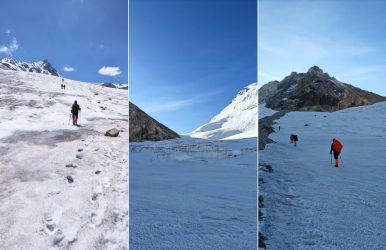
Minus 40°C Or Minus 40°F: What To Know Before Planning Your Next Mountain Escapade?
BY
Barsha
Feb 3, 2026
Which is colder: Minus 40°C or Minus 40°F?
The question appears simple, at least at a glance. But if you think about it, it does open an interesting window into the dynamic world of temperature, rather, how we tend to measure temperature.
Moreover, it also gives insight into why different people use different measurement systems across the globe.
The most fascinating part? How do these systems even relate to extreme temperatures?
The answer might actually surprise you. -40°C and -40°F are exactly equal. Yep! That’s right - it is the point of meeting for the two temperature scales.
On that note, let’s dissect and unpack why this even happens.
More importantly, what else do you need to know about the two temperature scales before you can plan your next mountain escapade.
Celsius Vs Fahrenheit: What’s The Difference?
To make things super easy for you to understand, I have laid out the difference between Celsius and Fahrenheit in simple terms below:
AspectsCelsiusFahrenheitOriginAnders Celsius, a Swedish astronomer, developed the Celsius scale in 1742. Daniel Gabriel Fahrenheit, a German physicist, developed the Fahrenheit scale in 1724.Definition“of or using a scale of temperature in which water freezes at 0° and boils at 100°.” (Oxford Dictionary)“of or using a scale of temperature in which water freezes at 32° and boils at 212°.” (Oxford Dictionary)Used InMost places in the world, including Europe, Australia, Africa, Asia, and most scientific work. Primarily in the United States of America and some Caribbean countries.Conversion Formula°F = (°C × 9/5) + 32°C = (°F − 32) × 5/9
So, Which Is Colder: Minus 40°C or Minus 40°F?
I already answered this question in the very beginning - both are the same! It is the point at which the two scales meet.
So, if you use the conversation formula I have listed above, then:
-40°C × 9/5 + 32 = -40°F
Also, this is the only point where Fahrenheit and Celsius readings match.
Then, why does it confuse all of us? It is mainly because of three primary reasons, as per my understanding:
Most individuals don’t really encounter extreme weather conditions. So, they do not really come across this overlap point.
Secondly, in most countries, the education system teaches only one scale. As a result, there is little or no intuitive comparison.
Finally, Fahrenheit readings are usually larger for both outdoor and room temperatures. For example, 50°F is equivalent to 10°C. This automatically makes most individuals assume that the two scales don’t match.
Where Does It Hit -40 On Earth?
Places like Greenland, Northern Canada, Siberia, and some regions of Scandinavia go down to -40 regularly during the winter months.
For example:
In February 2021, temperatures dipped to -43°C in Sweden.
Siberia, Canada, and Yukon also experience these levels regularly.
In these regions, both Fahrenheit and Celsius are the same - you will shiver equally.
In this context, I have a fun fact about the coldest temperatures recorded on Earth: In 1983, Vostok Station, located in Antarctica, recorded −128.6°F (-89.2°C) (Source: Britannica)
That is literally double what you will feel at -40°. More importantly, it is a real-world reminder that extreme weather conditions and environments exist on Earth.
How Cold Does It Feel At -40°?
The truth is that whether it is -40°F or -40°C, you will feel the same. And trust me, I’m not kidding - you will literally shiver!
In February 2021, I experienced -40°C in Yukon. My thermometer read -40°F, and I experienced frostbite risk within minutes.
Whether it’s -40°C or -40°F, the result is the same:
Your skin will freeze within minutes without the right protection.
Vehicles might not even start.
Metal will stick to the skin.
Your eyelashes might freeze.
At -40°, it is dangerously cold regardless of what scale you are using.
Also, the wind is so chilly that you will shiver and can fall sick or even die without the right gear and equipment.
How -40° Feels On The Human Body?
So, I can’t just keep telling you guys that it is going to be dangerously cold.
Instead, it is much better to give you all the real picture of how the human body is bound to react at sub-zero temperatures:
Temp (°F/°C)Impact On The Human Body-76°F/-60°CIt is painful to even breathe. Also, exposed body parts, including eyes, will freeze.-40°F/-40°CSkin will freeze in two minutes. Also, metal will stick to the skin. -22°F/-30°CExposed and unprotected skin, including eyelashes, will freeze in ten minutes. -4°F/-20°CNumbness begins to set in, with an increasing risk of frostbite. 14°F/-10°CThe skin begins to sting, with a risk of frostnip if exposed. 32°F/0°CBreathing becomes visibly tough. Also, fingers stiffen in a few minutes.
Even without any chilly winds, subzero temperatures are hazardous, especially if you are not prepared.
At -40°, both Fahrenheit and Celsius, there is only one brutal truth: without protection and preparation, it is dangerous and life-threatening.
Winter Hiking Hazards You Should Know About:
Winter can alter any landscape radically, striking a balance between mesmerizing beauty and quirky dangers.
And while it is impossible to talk about all hazards in detail, I’ve compiled all the possible winter hiking hazards and their mitigation strategies below:
Winter Hiking HazardMitigation StrategyFrostbite & HypothermiaCheck the weather, pack extra clothes, and layer well.Slip & FallUse microspikes or crampons and trekking poles.Getting LostUse a compass, maps, and a GPS. Also, try mapping your route.Fatigue & DehydrationEat frequently, stay hydrated, and pack extra food (and water).Falling Into Ice or WaterAlways test the ice and be careful while crossing icy terrains. CornicesAvoid walking under or on the edges of ridges. Equipment FailureKeep electronics warm. Also, carry gear repairs and physical maps. Tree WellsIn deep snow, avoid the base of trees. AvalanchesCheck forecasts for avalanches. Also, avoid steep terrains. Short Daylight HoursStart early, carry spare batteries, and definitely wear a headlamp.
In addition, I’ve touched upon the common (but very dangerous) hiking hazards that you can come across at sub-zero temperatures in the mountains in detail:
1. Ice:
Of course, you need to worry about ice! In the winter months, melt-freeze cycles turn hiking trails into slippery ice. Similarly, this can also happen on popular tourist routes where snow is compressed over a long period of time.
If you slip on these icy trails, it will lead to bruises and bumps. Moreover, a bad slip and fall can lead to serious wrist, ankle, or back injuries.
As a result, it is best to carry metal-tipped trekking poles and traction for additional stability in such conditions.
2. Avalanches:
In the United States, avalanches (as per avalanche.org) kill between 25 and 30 people every winter. Moreover, the injury rates are much higher.
Most victims are ice climbers, snowmobilers, snowboarders, and backcountry skiers. However, oblivious hikers do get caught in avalanches occasionally.
The worst part? Nearly 95% of avalanches begin on slopes that are between 30 and 45 degrees in steepness.
However, the snow ends up traveling down to the flat terrain - and it even appears to be safe to an untrained eye.
As a result, it is vital to consult topo maps, check trip reports, and talk with local experts before you set out. That is your best shot at safety in the face of an avalanche.
3. Glaciers:
Many of the iconic summits in the United States are guarded by glaciers.
While there are several snowfields across the western part of the United States - mostly misnamed as glaciers - you will find true glaciers mostly in the Pacific Northwest and in the far north.
Moreover, these are active glaciers that moves around, forming cracks with time. As a result, these fissures, A.K.A crevasses, lie under the snow, hidden from the human eye. Naturally, fatal falls - and unexpected ones - become a major possibility.
So, it’s best not to step out on glaciated terrain unless you have some experience in both glacier navigation and snow travel. This also includes improving your fissure-rescue skills.
4. Steep Snow:
The challenge and adventure of climbing snow-covered, steep slopes is certainly thrilling.
Recently, I had the opportunity to try out snow climbing, and while it was thrilling, I can’t overstate the importance of safety and experience.
It’s so much more technical than it appears visually - if you slip even once, you can slide down the steep slope. Also, you have to know:
How can you assess the snow conditions around you?
Use crampons.
Take a fall with the help of an ice axe.
Additionally, it is best to be familiar with avalanches and safety first. Because a majority of snow climbs will require you to cross terrain prone to avalanches.
What To Know Before Planning Your Next Mountain Escapade? 9 Tips That Can Keep You Safe!
Safety in weather extremes, especially in the mountains, requires careful preparation, specialized equipment, and a constant awareness of your body’s condition.
Moreover, the combination of high winds, rapid changes in weather, and freezing temperatures leads to life-threatening conditions. And that too in minutes.
This includes the risk of both frostbite and hypothermia. Moreover, preparing for freezing temperatures is incomplete without strict layering, high-calorie nutrition, and waterproof gear.
And still it’s not enough - surprised? Well, don’t be! Instead, scroll down for the internet’s most comprehensive list to prepare for survival in freezing temperatures in the mountains.
1. Stay Hydrated:
Problem:
Dehydration is very common in freezing temperatures, much like hotter regions with arid weather conditions.
How? The cold weather conditions can easily suppress thirst. But the dry air in the mountains and high levels of physical activity will make your body dehydrated - and this will happen faster than you can possibly imagine.
Moreover, dehydration can lead to dizziness, fatigue, and headaches.
Solution:
As a result, you should try carrying a thermos with herbal teas (like chamomile, tulsi, or ginger) or just warm water with lemon and honey. These can hydrate you, keep you warm from the inside, and boost immunity.
Also, on this note, avoid caffeine or any caffeinated drinks since they will dehydrate you faster.
2. Nourish Yourself:
Problem:
Your body will burn a lot of calories to stay warm in freezing temperatures.
As a result, even if you think that a bowl of hot Maggi seems like an appealing meal for the mountains, it is crucial to balance comfort and nutrition.
Solution:
So, you should focus on energy-dense and high-calorie food items like seeds, whole grains, and roasted nuts to ensure high energy levels in the body.
Moreover, you can consider adding warming ingredients to your food. Ingredients like turmeric, garlic, and ginger can fight cold and improve digestion.
Also, if you do end up eating a steaming bowl, then add boiled eggs or vegetables for a healthy, protein-packed version.
On that note, here’s a list of things you can eat:
Beef jerky.
Trail mix.
Nuts.
Milk chocolate.
Pretzels or chips.
Cheese and deli meat.
Tortillas or crackers.
Pizza slices.
Pumpkin or banana bread.
Peanut butter sandwiches.
3. Protect Your Lips And Skin From Dryness:
Problem:
Cold and dry air is not good for the skin - it strips the skin of moisture. And this in turn leads to dry hands, irritated skin, and cracked lips.
This is highly uncomfortable and causes skin damage if you don’t address it within minutes.
Solution:
As a result, always use a moisturizer that is thick and nourishing before stepping out. Moreover, while doing so, focus on different areas like your face, neck, and hands, which are prone to getting exposed.
Also, do not forget to apply lip balm on your lips - and ensure the lip balm comes with SPF for protection against the UV rays of the sun and the cold, both of which are strong at high altitudes.
In addition, eat food items that have a high percentage of omega-3s. This includes flaxseeds and walnuts, both of which are perfect for hydrating your skin from within.
4. Stay Active For Proper Blood Circulation:
Problem:
When you are absolutely stationary in freezing temperatures, your blood circulation will slow down. This, in turn, makes you feel colder.
Solution:
The only solution here is not to sit in the same spot for too long.
So, try out light activities such as walking, stretching, or even a few squats to ensure proper blood circulation. Also, it feels good to do light physical activities after a long day of trekking.
5. Take Care Of Your Altitude Sickness:
Problem:
At high altitudes, you can expect oxygen levels to fluctuate and drop. This, in turn, can cause fatigue, nausea, or dizziness.
Solution:
You should give enough time to your body - that way, your body will be able to adjust. As a result, it is best to take it easy on day 1.
Moreover, drink lots of water and eat food items that are rich in antioxidants. This includes berries, nuts, and fresh fruits. That way, your body will be able to fight the stress and pressure of altitude.
If you are feeling unwell at any point, don’t push too hard. Rest is very important.
6. Support Your Body’s Immune System:
Problem:
The blend of altitude and cold weather can easily weaken your body’s immune system. This, in turn, will make you prone to illnesses.
Solution:
Incorporate food items that are rich in Vitamin C, like amla or oranges, in your daily diet in the mountains to boost your body’s immune system.
Moreover, warm soups are also great - but ensure these have vegetables, lentils, or even chicken stock. Why? Because it offers warmth, hydration, and nourishment together.
Also, ensure you can sleep well - a good sleep cycle will recharge your body.
7. Look After Your Feet:
Problem:
Remember that cold or wet can lead to chilblains, frostbite, and lots of discomfort.
Solution:
Invest in insulated and waterproof boots. Moreover, you can consider wearing thick woollen socks to ensure your feet are dry and warm.
Also, don’t forget to carry an additional pair of dry socks - that way you can change socks if your feet feel too damp.
In addition, you can try massaging your feet with a nice, warm balm. Why? It will prevent dryness and improve circulation.
8. Breathe Smartly For Avoiding Cold-Air Effects:
Problem:
If you directly breathe in icy, cold air, then it will irritate your lungs.
Trust me on this one! It has happened to me. And then you will start coughing. Some people also feel a tightness in their chests.
Solution:
When you start feeling chilly, try to breathe through your nose and avoid doing it through your mouth.
This will keep you warm, moisturizing the air even before it can reach your lungs. Also, this will help you to keep respiratory problems at bay.
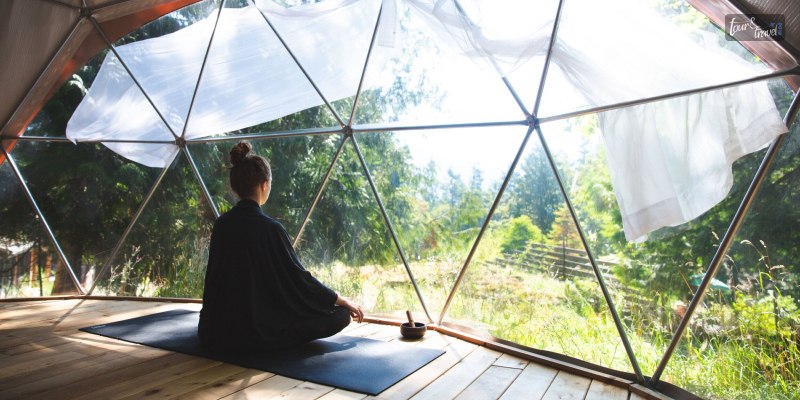
9. Prioritize Mental Wellness:
Problem:
The beautiful solitude of the mountains can be very peaceful. However, at times it can get very overwhelming. As a result, staying healthy mentally is just as crucial as looking after yourself physically.
Solution:
Take some time for yourself so that you can practice mindfulness - and while doing so, don’t forget to appreciate the beauty around you.
Moreover, you can consider carrying a journal for jotting down your reflections and thoughts.
Also, it is healthy to count on your group to stay connected. Why? Sharing experiences together can motivate everyone and lift spirits.






 Related