

Tucumán Nature Guide: Exploring The Yungas Rainforest And High Andes

You think of the nature resorts, the famous wine tours, hiking, and birdwatching when we talk about exploring Tucumán. However, Tucumán has recently also emerged as an astrotourism hotspot. 

The Ampimpa Astronomical Observatory in the Calchaquí Valleys of Tucumán is at the epicenter of this happening astrotourism scenario. 

Now, this is an added feather to the crown of Tucumán, the smallest province of Argentina. It offers a vertical journey from the jungle to the desert in 50 kms. 

Also, the nickname of Tucumán is not just a fancy phrase. It means a biological reality and refers to the historical event of Argentina’s independence from Spain in 1816. 

Furthermore, El Jardín de la República, or the Garden of the Republic moniker, goes well with its subtropical climate and the lush landscape.  

You guessed it right, as today, this Tucumán nature guide will take you to the Yungas Rainforest and the highlands of the Andes. Also, if you are planning a road trip, you must go through our Tucuman Argentina, itinerary.

The Yungas Rainforest (The Green Belt)

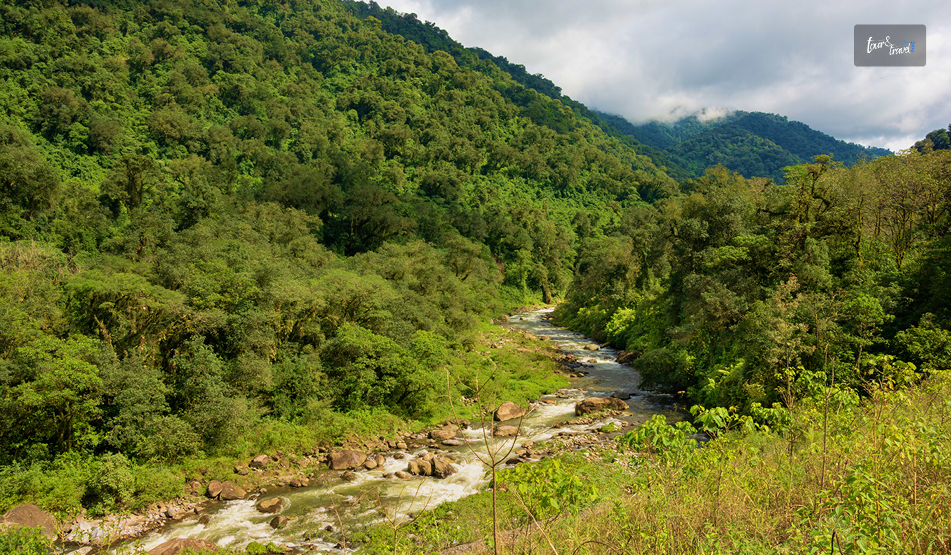
The Yungas Rainforest is known as the Green Belt, as it is an ecodiverse region. Home to a diverse flora and fauna, the Yungas Rainforest hosts a variety of bromeliads, orchids, and ferns. 

Furthermore, among the animals here, you will find tapirs, wild cats, and panthers. You will even spot species such as Yungas Guan while birdwatching in Yungas, Argentina. 

Also, it is home to the Campo Los Alisos in Tucumán, which helps to preserve the threatened ecosystem of the Yungas Rainforest region. 

Moreover, containing around 50% of the biodiversity of Argentina, parts of the Yungas Rainforest are also marked as UNESCO Biosphere Reserves. 

1. Parque Sierra De San Javier

Parque Sierra de San Javier, or the San Javier Mountain Range Park, was established in 1974, and now the National University of Tucumán (UNT) maintains it.  It is one of the top nature reserves in Tucumán, Argentina. 

The home to various flora and fauna of Argentina, this park also functions as the green lung by cleaning the air, protecting the watersheds for the city, and regulating the climate. 

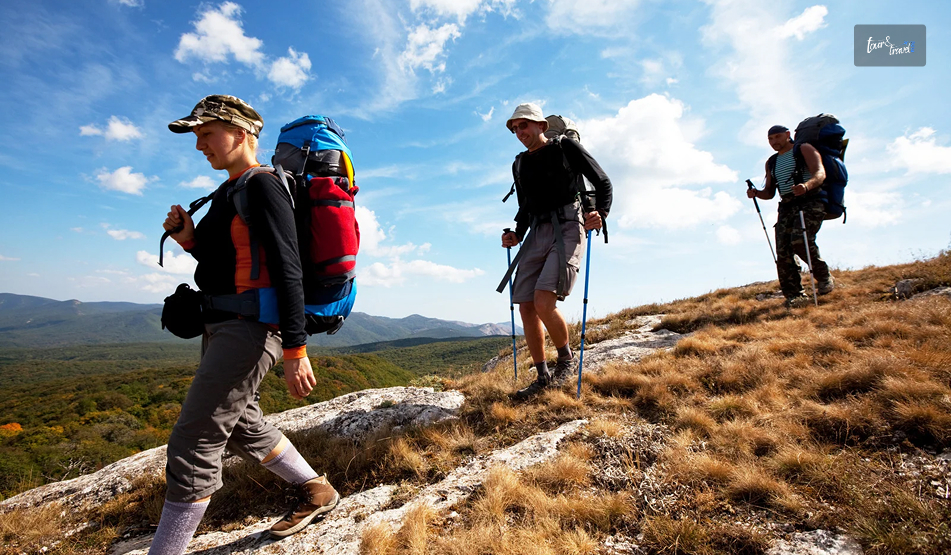
This park, furthermore, has many beautiful trails. You can enjoy an easy 30-minute jungle walk through the Cascada del Río Noque trail. If you are seeking silence while hiking in San Javier, Tucumán, you can opt for the Sendero Anta Yacu trek. 

It is around 25 km west of Tucumán. If you are a budget traveler like me, you can take the Bus No 340 to reach the park. 

2. Reserva Experimental Horco Molle

This small but compact nature park is ideal for families. It is home to the tapir and condor rescue projects. It covers 600 acres and is just 15 km from the capital. 

Also, it has picnic areas, barbecue areas, and play areas for children. 

3. Aconquija National Park: The Untouched Wilderness

Aconquija National Park, with over 600 species of endemic animals and birds, is the jewel of North America. 

Taruca deer, puma, and ocelot are some of the endemic animals living here. In addition, you will find several Incan ruins scattered through the park. The Incan Highway remains, and the “Ciudacita” ruins are part of the UNESCO World Sites. 

The Campo de los Aliso near Alpachiri is the main Aconquija National Park entrance. Furthermore, Cochuna is the wilder southern entrance of the Aconquija National Park. 

Furthermore, the Mythical Trek of La Ciudacita, the Inca Ruins at 4400 meters, is the main highlight of this national park.  

The High Andes & Puna (Tafí del Valle & Beyond)

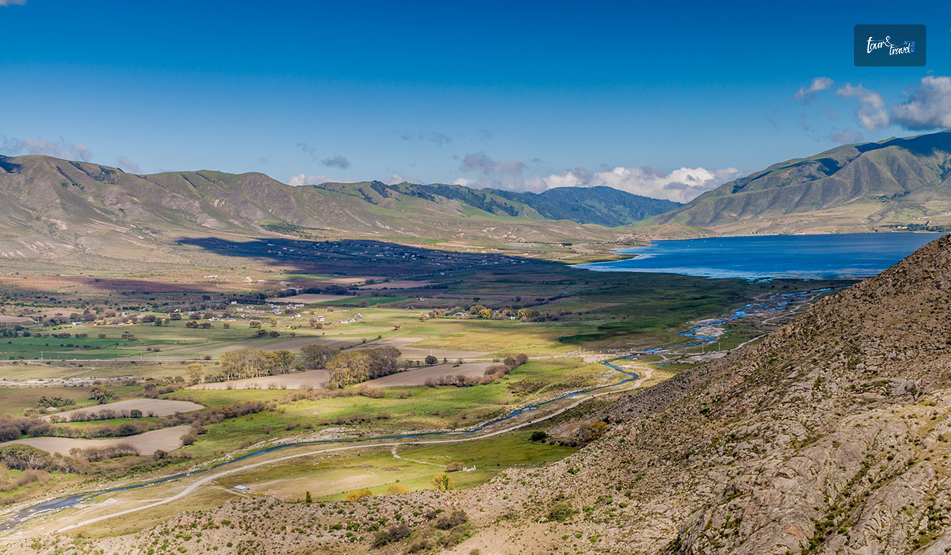
The harsh, cold conditions and a rich wildlife with the presence of vicuñas, flamingos are the highlighting features of the High Andes and Puna, at an altitude of 3000 meters. 

This region has critical water resources that support livelihoods such as alpaca and llama. Let’s find out about the major nature reserves of this region. 

1. Quebrada De Los Sosa Nature Reserve

Quebrada De Los Sosa Nature Reserve

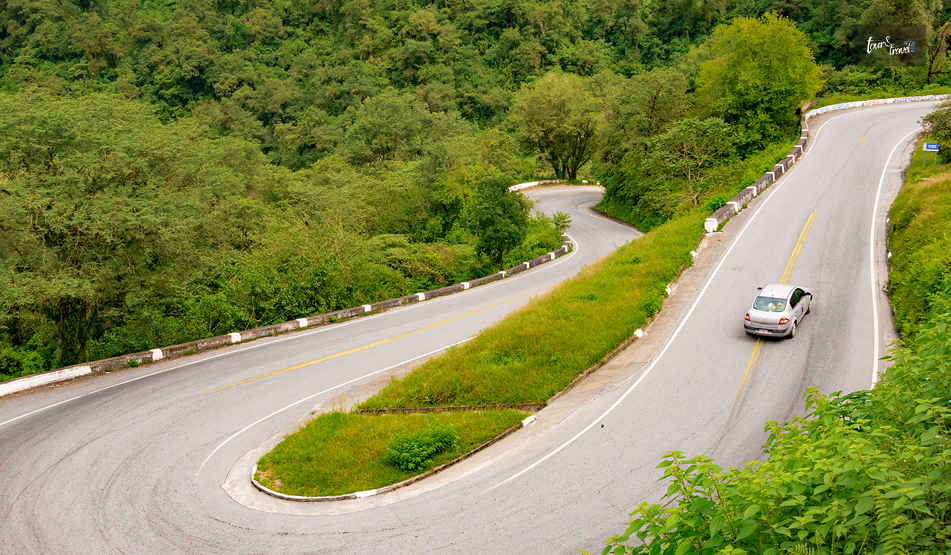
    Take a drive up through Route 307 to find the Quebrada De Los Sosa Nature Reserve, where the jungle meets the clouds. 

    It is a 30 km-long gorge carved by the Los Sosa River, and it is home to more than 100 bird species. 

    With a winding pathway, it is also home to the Tafí del Valle.

    2. Los Núñorcos & Reserva La Angostura

    Los Núñorcos & Reserva La Angostura

      Los Núñorcos, or the Cerro Núñorco mountain and Parque provincial Los Ñuñorcos are the prominent locations for hiking in Tucuman, Argentina. 

      As you explore the challenging trails here, you will enjoy a beautiful view of the Dique la Angostura lake and the Tafí del Valle.

      Tafí del Valle also has the Bald Mountain, or the Cerro El Pelao. You can start the trek near the Tafí del Valle center. It is a 1.5-hour-long trek.   

      Wildlife Watching Calendar In Tucuman, Argentina 

      Wildlife Watching Calendar In Tucuman, Argentina

      Tucuman in Argentina is ideal for wildlife sightings throughout the year. Tafí del Valle and areas around Route 307, especially the best areas for wildlife spotting in Tucumán. 

      Check out the wildlife watching calendar in Tucuman below.

      Year-Round Sightings Mammals: Capybaras, Some Foxes, and South American Sea Lions
      Birds: Doves, Hummingbirds, and Toucans 
      Spring (September to November)  Birds: Doves and Hummingbirds 
      Flowers: Pink Trumpets and Jacaranda trees
      Summer (December to February)  Mammals: Elephant Seals and Sea Lions
      Birds: Penguins in Patagonia and Burrowing Parrots
      Autumn (March to May) Mammals: The Red Deer Rut
      Birds: Pigeons
      Winter (June to August)  Reptiles: Yellow Anacondas
      Birds: Waterfowl 

      What Are The Expert Tips For Hiking In Tucumán? 

      What Are The Expert Tips For Hiking In Tucumán

      An entry to the Aconquija National Park is free. However, do you know that you have to register at the ranger station at least 48 hours in advance?

      It is crucial for the safety of the hikers. For more such insider knowledge, these expert tips will be very handy.

      1. Bus #118 Is Your Friend 

        You don’t have to hire a car to see the jungle and the nature reserves. You can take the 118 bus from San Miguel de Tucumán directly to the foot of the San Javier trails. 

        The ticket price is even less than $1. 

        2. Watch The Fog (Neblina)

          The Fin del Mundo” statue area on route 307 is often the zero-visibility zone. There is dense fog in this area even at around 4 PM.

          You have to drive the car carefully, and there must be low beams to defeat the fog. 

          3. Ticks Exist In The Yungas 

            The lush greenery of the Yungas is ideal for picnics and nature exploration. However, there are ticks. So, you must check your ankles after a hike or use a blanket. 

            4. Hire A Guide For “La Ciudadacita”

              Are you planning a 4-day trek to La Ciudacita or the Inca Ruins? You must have a guide because the high altitude path, at an elevation of over 4000 meters, is unmarked.

              You need technical assistance for the navigation. Moreover, you must contact the Asociación Argentina de Guías de Montaña to hire a guide. 

              5. The “El Indio” Stop

                You will find the best dried meat or Charqui at the vendor stalls at the El Indio monument on Route 307. These stalls also have the best local honey. 

                Stop by these stalls and have the dried meat and honey for a great start to your hike. 

                6. The Waterfalls In Tucuman Are Seasonal 

                  No Instagram reel will tell you that the waterfalls in Tucuman are seasonal. March to May, or the end of the rainy season, is ideal for visiting these waterfalls. 

                  7. Beware Of The “Mala Mala”

                    Local folklore speaks of the “Mala Mala” spirit in the mountains. Whether you believe it or not, respecting silence in nature is a huge part of the local culture.

                    8. No Cell Signal

                      Once you pass the “El Indio” monument or enter Aconquija Park, your cell signal dies. Download offline maps (Maps.me or Google Maps) before leaving the city.

                      9. Condors Fly At Noon

                        If you want to spot Andean Condors, look up between 11 AM and 1 PM when the thermal currents are strongest. They rarely fly early in the morning.

                        Tucumán Nature Guide: Listen To The Authority Voices 

                        • Asociación Argentina de Guías de Montaña (AAGM):

                        The Aconquija range is “one of the most undervalued trekking destinations in Argentina,” offering Himalayas-like isolation without the crowds.

                        • Birding Ecotours (Global Operator)

                        Rio Los Sosa is a prime spot for seeing the “Torrent Duck” (Pato de Torrente), a bird that can swim upstream in raging rapids.

                        • La Ruta Natural (Argentine Tourism Ministry)

                        “Ruta de las Yungas” is a key scenic drive, highlighting the importance of driving slowly to spot the crossing fauna like the Corzuela (small deer).

                        Tucumán Nature Guide: Frequently Asked Questions (FAQs)

                        Here are the frequently asked questions and answers about the Tucumán Nature Guide. 

                        1. What Is The Best Time Of Year For Hiking In Tucumán?

                        April to September, or the dry season, is ideal for hiking in Tucuman. The cool temperature is ideal for outdoor exploration. 
                        On the other hand, heavy summer rains make the trekking trails here dangerous and muddy. 

                        2. Do I Need To Pay To Enter The Nature Reserves?

                        The entry fee to the national parks depends on the specific administrative and management authority. 
                        For example, you don’t need to pay any entry fee for the Aconquija National Park. However, prior registration is crucial. 
                        Further, for Reserva Horco Molle, you will have to pay an entry fee of $2. 

                        3. Is It Safe To Hike Alone?

                        Yes, it is safe to hike alone on the well-marked trails of Tucuman, such as the Rio Noque or Funicular. 
                        However, if you are going to high-altitude summits or jungle treks, you will need a guide. It is more crucial because of the presence of the fog and the absence of signage. 

                        4. Are There Snakes In The Yungas?

                        Yes, the Yungas have pit vipers or Yarará. So, you wear long trousers and watch your steps. 
                        Furthermore, you must follow the trail marks properly to not disturb the habitats of the snakes or other wildlife. 

                        5. How Do I Get To Aconquija National Park Without A car?

                        It is difficult to reach the Aconquija National Park without a car. You have to first take a bus to Concepción and then a local bus to Alpachiri. 
                        From Alpachiri, it is another 10 km taxi ride to the park entrance. 

                        6. Can I Camp In The Reserves Of Tucuman?

                        Yes, Aconquija National Park has designated wild camping zones (like Puesto La Mesada). However, Sierra de San Javier does not allow camping. So, it is for day use only.

                        7. What Is The “Yungas”?

                        The Yungas, or a cloud forest in Tucuman, Argentina, is a mountain rainforest. It functions as a connector between the Andes and the Amazon.
                        It has ferns, moss, and high humidity. 

                        8. Can I See Toucans In Tucuman?

                        Yes, you can see toucans in Tucumán. In recent years, toucans have made a comeback in this region.
                        You can spot them in the trees around San Javier and Horco Molle.

                        9. What Is Hiking Altitude In Tucuman? 

                        Hiking in Tucumán covers a wide altitude range, from the lows of San Javier (around 600 to 1200 meters) to the moderate Tafí del Valle (2000m). 
                        Furthermore, the Aconquija high summits reach more than 5000 meters.

                        10. Is The Water In The Streams Safe To Drink In Tucuman?

                        No, the water in the Tucuman streams is not drinkable even with a clear view. Cattle graze in the higher areas and thus make the water unsuitable for drinking. 
                        So, you have to use purification tablets or a filter for purified drinking water. 

                        Share on Social Media

                        Meet Sibashree Bhattacharya, a travel enthusiast who has a decade-long experience in transcending virtual barriers with her words! Her deep love for travel is apparent from her travel escapades to the mountain, often taking her readers on a journey, her words acting as Portkey! Fun fact: Sibashree loves to dive deep into the history of the places she is about to visit, making her travels even more wholesome. If you were wondering how her articles are not short of time travel, this answers it!

                        Leave a Reply

                        Your email address will not be published. Required fields are marked *

                        title-img Related

                        READ MORE Banff

                        The Top Lakes To Visit In Banff

                        BY  Arnab Jul 12, 2023

                        Banff National Park is a world-class location famous for its mountain ranges, wildlife, and glacially-fed lakes. It’s so remarkable it became a United Nations Educational, Scientific, and Cultural Organization World Heritage Site. It acquired the honor in the early 80s for its exceptionality. Today, Banff is the ultimate destination for holidaygoers who want to explore, relax, or both! If you’re planning a trip to Banff this summer or early fall, or you’re planning for a future vacation, then we encourage you to consider visiting several lakes during your travels. You won’t regret it! 1. Lake Louise We’re starting with the most well-known lake, Lake Louise. Located 45 minutes northwest of Banff, Lake Louise gets its name from the fourth daughter of Queen Victoria, Princess Louise. This bright blue, tree-lined lake (and its famous Chateau) has jutting mountain peaks surrounding it. It also features the snow-capped Victoria Glacier in the background. During late spring, summer, and early fall, various hiking and mountain biking trails are available for exploration around Lake Louise. And if you have time, a hike to the Lake Agnes Tea House is a must. Horseback riding is also an option here. At Chateau, visitors can spend a half day or a whole day in the saddle discovering the Timberline Trails that wrap around the lake. There is also Paradise Valley and other scenic routes where you can rent canoes at the Chateau, too. 2. Moraine Lake For many, Moraine Lake is the top contender for the most beautiful lake in Banff. Here, you can hike several trails — there are options at Moraine Lake for all hiking abilities. The most popular short hike is the Rockpile trail — which is phenomenal at sunrise. If you're an early riser, we encourage you to add this to your holiday 'to-do' list. Visitors to Moraine Lake can also rock climb, rent canoes, and bring their inflatable SUPs to paddle across the water. The road to Moraine Lake was closed to private vehicles at the end of 2022. Fortunately, shuttle services as offered by Morainelakebus now commute visitors to and from the lake, with buses starting as early as 4 a.m. for those eager to catch sight of the famous sunrise! An extra bonus for this provider is that some of their services also stop at number one on our list, Lake Louise. 3. Lake Minnewanka Located within the Montane Eco Region, Lake Minnewanka —also known as the ‘Lake of the Spirits’ — is the largest lake in Banff; it’s 18 kilometers long and approximately 100 meters deep. At Lake Minnewanka, you can explore footpaths and trails or sit back on a guided boat cruise to learn all about the lake’s rich history. Minnewanka is considered an area of cultural and historical significance; artifacts dating back over 14,000 years have been found here. For scuba enthusiasts, Lake Minnewanka is one of two that you can explore in Banff National Park (the second being Two Jack Lake). 4. Bow Lake If you’re driving along the Icefields Parkway, then a stop at Bow Lake is a must. It's a great spot to stretch your legs, as well as take phenomenal photos of the lake with Crowfoot Mountain and the Wapta Icefield in the background. If you have the time, this area is fantastic for hiking, mountaineering, as well as scrambling — with tons of wildflowers filling the trails in the summer months. The Top Lakes to Visit When you’re in the Banff area, it's possible to visit multiple lakes throughout your stay — there are many more in addition to the four mentioned here. Each offers something unique from the other, and you're sure to have an unbelievable time — whether you visit for adventure or bring a picnic, sit back, and take in the beautiful scenery. Read Also: Best 10 National Parks In New Mexico To Visit In 2023! 7 Best National Parks In Ohio You Should Know Before Going From Tokyo To Kyoto: An Epic Journey Through Japanese Culture And History

                        READ MORE Flight Tickets

                        How To Enjoy Your Journey After You Book Flight Tickets From Canada To India?

                        BY  Arnab Apr 27, 2023

                        If you're planning to take a long-haul flight, you may be wondering how to keep yourself entertained during the journey. Whether you're traveling solo or with companions, it can be tough to pass the time, especially if you struggle to sleep while in transit. But nothing to be worried about we've got you covered! We've compiled a list of 15 fun and engaging activities that can make your long-haul flight seem like a breeze. From downloading movies in advance to bringing along cool products, these ideas are sure to keep you entertained and engaged throughout the journey. So, read on to discover our top picks for things to do on a long-haul flight, regardless of your age or interests. Plan About Your Upcoming Trip If you've had a busy schedule leading up to your flight, or if you've booked a last-minute trip without much research on the destination, don't worry! Your flight can be the perfect opportunity to plan out your ideal holiday. We suggest doing some online research a few days before you Book Flight Tickets from Canada to India and making a list of all the places you want to visit, as well as saving them on Google Maps for easy access. You can create a detailed itinerary by deciding about the days on which you can visit certain attractions and grouping together places that are nearby while you are on the flight.  In some cases, long-haul flights may offer Wi-Fi, which means you can browse the internet for inspiration and ideas. We highly recommend checking out Flyopedia for recommendations and reviews. Once you have a general plan in mind, make sure to jot everything down in a journal or on your electronic device, so you won't forget anything important. Binge on In-Flight Entertainment One of the most obvious yet enjoyable activities to do on a long-haul flight is to indulge in in-flight entertainment. Regardless of the airline, long-haul flights usually offer a great selection of movies, including some that haven't been released for home entertainment yet. So, sit back, relax, and catch up on the latest and greatest movies! Be sure to check the website of your airline when you Book Cheap Flight Tickets from Canada to India to see what dates are available during your travel. In case your flight does not have features like screens for personal entertainment, or if you're unsure, you can always bring along your phone, laptop, or tablet and download your favorite TV shows and movies before the flight. Each movie can easily take up a couple of hours of your flight time, giving you plenty to watch throughout the journey. Clean Up Space in your Phone One of the best ways to utilize your time on a long-haul flight is to get your cell phone organized and free up some space while you're at it. Here are a few tips to help you do just that: Create folders or categories for your apps, such as camera, travel, health, and so on, and move all similar apps into their respective folders. Delete any apps that you no longer use or need. Go through your contact list and remove any unnecessary entries or people that you can't remember. Sort through your photos, deleting any embarrassing selfies or duplicates of photos that look practically identical. Remove and clean your phone case, if you have one. By taking these steps, you'll not only free up valuable memory on your phone, but you'll also make it easier to navigate and find what you need when you're on the go. Play Games If the inflight entertainment system on your flight has a games section that you should check while looking out for Cheap flights to India from Canada, you may be able to connect and play games with other passengers. However, if that's not an option, don't worry! You can always enjoy classic games like Solitaire and Sudoku. For those who are more organized, you could even bring along games such as adult coloring books, word searches, and crossword puzzles in paper form or downloaded on your phone or tablet. These activities are not only enjoyable, but they can also help pass the time and keep your mind engaged during the flight. Tune in to Audio Books Listening to audiobooks is a wonderful way to pass the time during long flights, and it's a hobby that's becoming more and more popular with each passing day. In fact, some people even use audiobooks to learn a new language! With a wide range of genres available, you're sure to find a book that suits your interests, from fantasy novels to autobiographies to historical fiction. Plus, audiobooks can help make the time fly by, as they can average around 11 hours in length. Write Down A Journal Keeping a journal can be an incredibly versatile and valuable tool for personal expression. Whether you aim to document your emotions in the present moment or engage in creative writing exercises, the possibilities of journaling are endless. The act of journaling empowers you to explore your thoughts and feelings in unique ways, from outlining your aspirations and ambitions to mapping out your itinerary for an upcoming journey. You may even choose to create a personalized ranking system or simply sketch out some random ideas and images. Ultimately, the beauty of journaling is that it's a flexible and adaptable practice that can help you unleash your creativity, clarify your goals, and cultivate a deeper sense of self-awareness. So why don’t you give it a try and see where this journey takes you? Learn A New Language When traveling to a foreign country where the language is unfamiliar, having a basic understanding of key phrases can prove invaluable. Simple expressions like asking for directions, inquiring about prices, and politely asking if someone speaks English can make a big difference in your travel experience. To make the most out of your trip, it's a great idea to invest time in learning essential travel vocabulary and phrases. You can easily access language-learning resources online or download language apps before you depart. These resources can provide you with a wealth of useful expressions and dialogues that you can study while on your flight. Not only is this a productive way to pass the time, but it also allows you to deepen your understanding of the language and culture you are exploring. Read Also: Making The Most Out Of Your Next Flight Aainflight Review- Login, Services And Travel Experiences The Ultimate Guide To Finding Cheap Flights To Chicago Using Google Flights

                        READ MORE best time to visit Sikkim

                        Which Is The Best Time To Visit Sikkim? – Travel Guide

                        BY  Nabamita Sep 16, 2022

                        Sikkim is a small kingdom state tucked wavy into the lap of the Himalayas. It is known for its culture, heritage, and, of course, beautiful scenic beauty. Here in this beautiful city, you can experience a peaceful atmosphere among the mountains and the greenery. But do you know when the best time to visit Sikkim is? If not, then continue to scroll down this article. Welcome To Sikkim! Sikkim is among those places in India that you need to visit once to gaze upon the beautiful Kangchenjunga, the highest mountain peak in India and the third highest in the World. Here you will see the beautiful harmony between modern and traditional cultures and heritage. Tourists visit this beautiful state in India practically all year round. But like any other tourist destination, there is the best time to visit Sikkim as well. You can visit Sikkim with both your friends and always with your family. There is a lot to do for everyone here in Sikkim. Best Time To Visit Sikkim Whether you are visiting Sikkim for a solo or a big fat family vacation, or a getaway with your friends, these are the months you look for to travel. March - June ☀️July - October ☔November - February ❄️ 5c - 25c4c - 17c-5c - 7c Sikkim has a lot of beautiful places to visit with different scenic beauties. So the terrains and beauty you will witness in the North of Sikkim will be very different in South Sikkim. March - June March to June is considered the best time to visit Sikkim. The weather is pleasant, and you won’t have any problem traveling to different places. There won’t be any roadblocks like during winter or monsoon.  During this time, you can easily enjoy the beautiful flowers that will fully bloom during these months. And as for gazing upon the beautiful mountain peaks, you can easily see the Kanchenjunga due to the lack of rain or snow clouds. However, due to pleasant weather, the mountain peaks are visible. July - October From July to October, it is considered the monsoon season. The first few showers of rain nourish the mountains and the hills. It rejuvenates the beautiful green landscape. But it is advised that you not visit any hilly region during the monsoon months, as the danger of roadblocks and even landslides are dangerous for tourists. However, you can plan to stay here but try to avoid Northern Sikkim. November - February November to February are the winter months and the best time to visit Sikkim to see snow. The whole landscape is covered in a thick layer of beautiful fluffy snow, which looks like something out of a painting. If you are capable of handling the snow, then surely you should visit Sikkim during these months to experience it fully. If you are lucky enough, you can even witness snowfall here. So for Christmas, have a white winter wonderland here in Sikkim. Different Climates In Sikkim Like any other tourist destination, you can divide each season into months, and on the basis of that, you can plan your trip.  ☀️Summer In Sikkim The summertime in Sikkim is an enjoyable time for tourists to visit the hill station. Therefore, if you are looking for Sikkim best time to visit, then I will advise you during the summertime. But even though it is the summertime, don’t forget to bring woolen clothes, as the temperature might drop at any time. It is easier for sightseeing in such pleasant and clear weather. So it is the best time to visit Gangtok Sikkim, the Yumthang valley, and Rumtek Monastery. ☔Monsoon In Sikkim During the monsoon months, Sikkim usually gets heavy showers each year, and this causes roadblocks and landslides each year. Although the weather during these months is chilly, you can enjoy it a lot.  One of the best advantages of the months is that you can get many discounts on travel and hotels since it is off-season. So you can take advantage of that. ❄️Winter In Sikkim The snowy months are the best time to visit Sikkim Gangtok. The valley and the mountains are covered in beautiful layers of white snow; it is just like heaven. The temperature falls to -5 degree celsius, so don’t forget to bring enough warm clothes and gear along with you. Even though the weather is quite chilly, it is bearable, and you won’t feel any discomfort due to the cold. There are a lot of snow sports you can enjoy at this time, like snowboarding and skiing. So I would recommend to you the best time to visit Sikkim is during the winter months. Frequently Asked Questions (FAQs): Now that you know which is the best time to visit Sikkim, if you have any more questions, then here are some of the questions asked by others. 1. How Many Days Are Sufficient For Sikkim Trip? Ans: Sikkim is considered to be one of the most beautiful and heavenly places in India. So as to explore the place in its entirety, then you would require about 12-15 days to the max. But if you want to skip a few places, then you can say there for about 8 to 10 days as well. 2. Where Is Snowfall In Sikkim? Ans: To experience snowfall and snow, you have to travel towards Northern Sikkim. Places such as Yumthang Valley, Zero Point, and Gurudongmar Lake are a few of the areas in Northern Sikkim that experience snow and snowfall during the winter months. 3. Which Is The Coldest Place In Sikkim? Ans: The coldest place in the whole of Sikkim is a part of the Northern Sikkim called Zero Point. It is best for its snow-covered valleys and landscape. If you want to enjoy beautiful snow, then this is the place for you. Visit Now! Now that you know what the best time to visit Sikkim is, you can easily plan your next trip to Sikkim. Don’t forget to pack enough warm clothes and necessary gear to beat the chilly weather.  If you find this article helpful, then write down in the comment section which is your favorite hill station in India or in the World. Read Also: Best Time To Visit Himachal Pradesh – Himachal Pradesh Guide Which Is The Best Time To Visit Spiti Valley? – Travel Guide Top 7 Best Places To Visit In Darjeeling – Travel Guide