
Witness The Beauty Of Chilko Lake In British Columbia – Travel Guide

Jan 11, 2023

Last Updated on: Sep 19, 2024

Travel Guides

If you are planning a vacation soon, then let me tell you about a wonderful destination for you to visit, which is British Columbia, Canada. This wonderful stretch of crystal clear blue, glacier-fed, water that is about fifty miles or 80 km long, is called Chilko Lake.

The meaning behind name Chilko is derived from an Indian term called Chilcotin, which means ochre river. The lake is situated in the Ts’yl-os Provincial Park, with a lot of natural diversity of both flora and fauna present around.

So now that you seem quite interested in Chilko Lake, then let’s know a bit more about it, and maybe then you can decide whether you are going or not.

Overview Of Chilko Lake

If you are dreaming of a peaceful getaway from the noise of the city, then that way you can take a tour along the 65km long Chilko Lake British Columbia. The peaceful and mesmerizing atmosphere is the reason why it is one of the most beautiful places in Canada, if not the World.

This stunning visually appealing stretch of water, located in the wilderness of British Columbia, is the best place for you to visit. The lake is surrounded by beautifully colored volcanic mountains, jagged peaks, vast ice fields, and wide alpine meadows.

The beautiful blue color of the crystal clear water of Chilko Lake and the stunning greenery that is surrounding the beautiful Chilko Lake.

Things To Do Here In Chilko Lake

You might think that there won’t be much to do in Chilko Lake, but that is where you are wrong, there is a lot to do here. So if you are planning to visit Chilko Lake then keep on scrolling down below.

Fishing

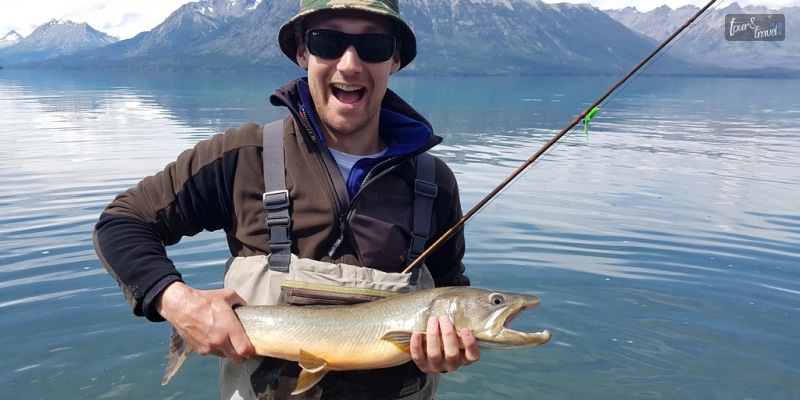
If you are an avid fisherman, then Chilko Lake is the best place for you to just sit down and go fishing for hours, who knows you might be able to catch 70cm of Bull Trout.

So if you are really excited about a day in the lake for fishing, then if you wanna test your hand at fishing then you are about to have a great time.

Paddle Sports

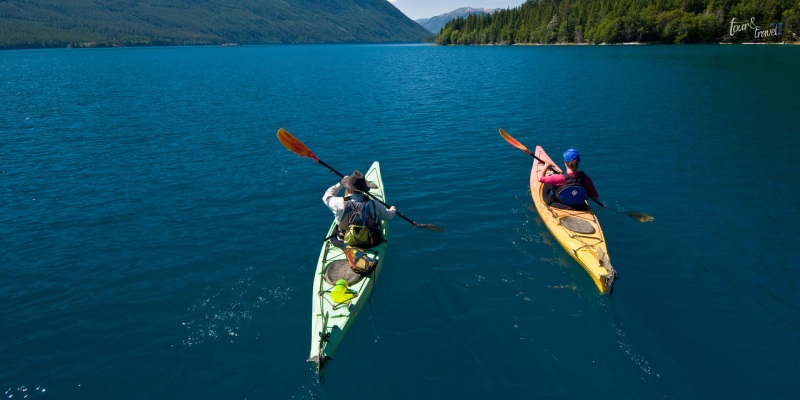
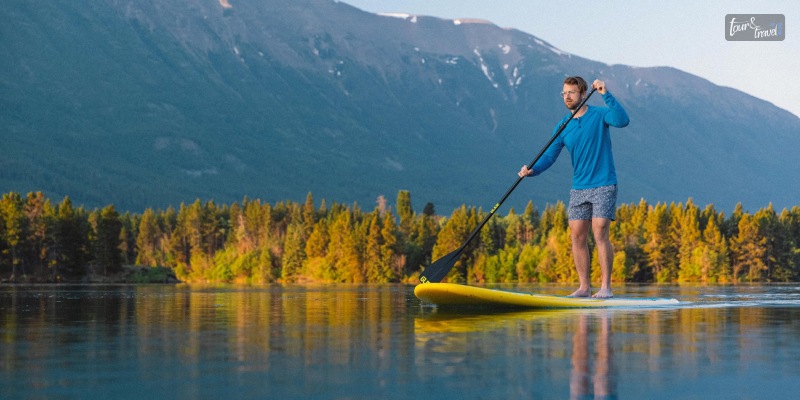
One of the best activity you can do here in Chilko Lake was different types of boating. On the clear blue crystal water, it is quite peaceful and tranquilizing to silently row around the Chilko Lake.

Boating, canoeing, and kayaking are one of the best ways you can row peacefully, this way you are going to have the perfect family outing.

Viewing Grizzly Bear Throwing

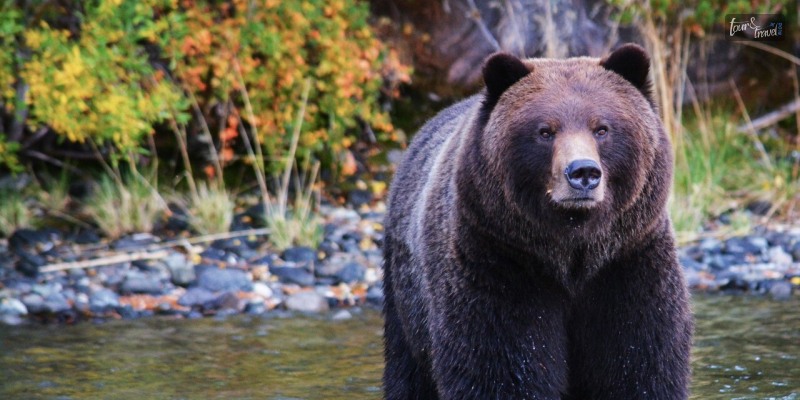
To gaze upon the true beauty of nature, the viewing of wildlife like grizzly bears in the wild. Here at Chilko Lake, you will be able to see these beautiful wild creatures, of course from a safe distance.

The Chilko River side estuary is a beautiful place where there is no barrier, platform, or viewpoint, but just nature and wildlife.

Hike

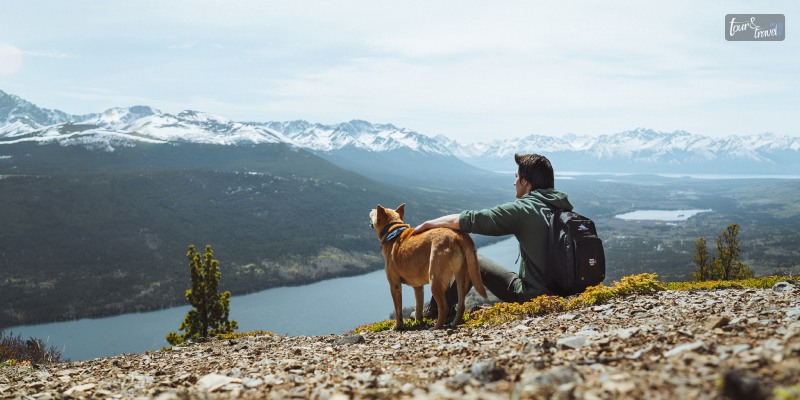
People who are very much into hiking, are going to love walking along the trails of Chilko Lake and walking around the pine forest, Chilko river, and beautiful mountain tops.

The walking trails are beautiful to just sit down and even have a beautiful picnic out in the open. There you can have a grand time just spending quality time with your partner.

ATV Riding

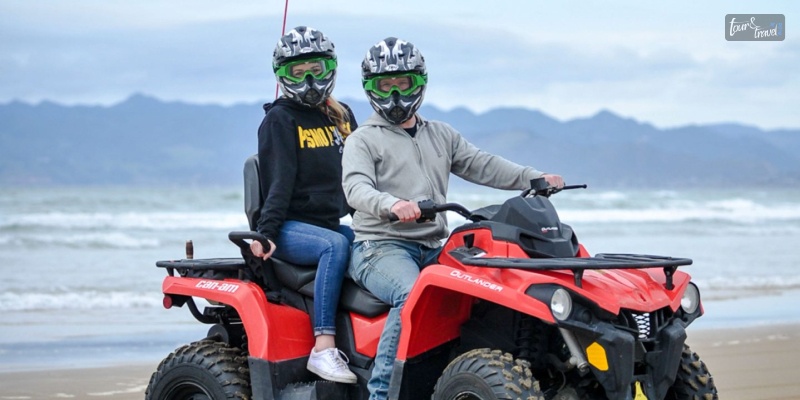
With just the extra power of 420CC ATVs, you can have all the thrill-seeking adventure days you want.

You can spend your whole day exploring the backwood trails of Chilko Lake and view some of the amazing viewpoints along the trails. But something you should be counting on is having dirty and muddy clothes and a high adrenal rush.

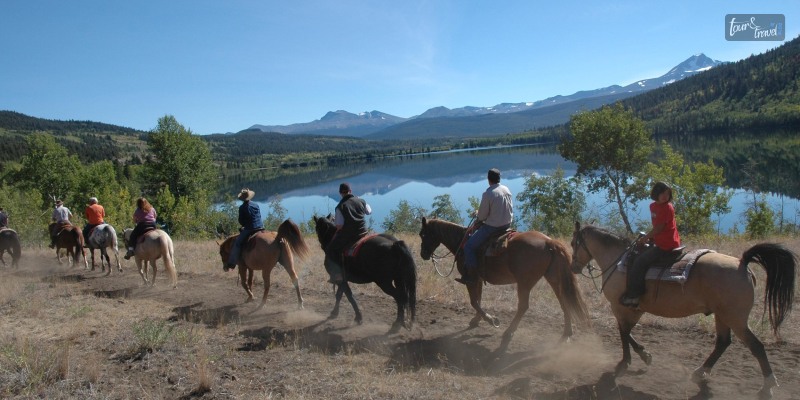
Horseback Riding

To get the full cowboy experience you just cannot miss out on Horseback riding. With the optimum climate, if you are lucky, you are going to have a great time horseback riding up the trails with a wonderful view of the beautiful Tatlayoko valley.

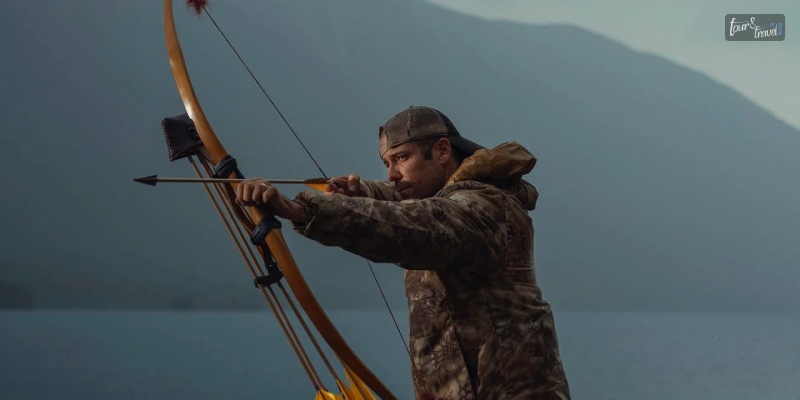
Archery

There is no way in the city where you can really learn archery and actually enjoy it. But here at Lake Chilko, you can easily learn and even brush up your skills in archery. There are full ranges, with instructors available here.

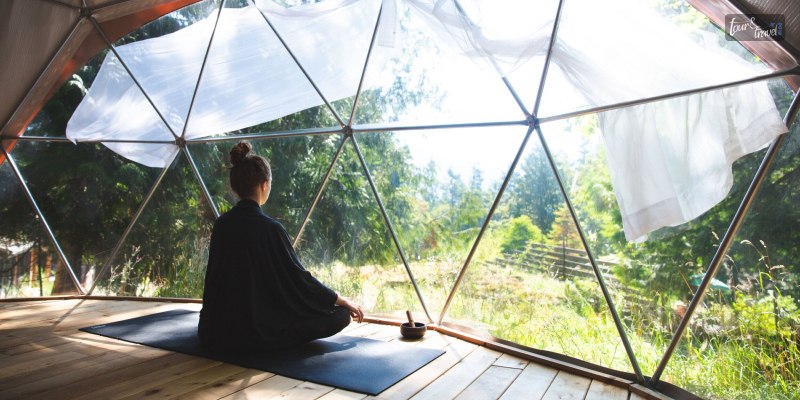
Mediation + Yoga

While there are a lot of options here for an adrenaline junky if you just wanna relax and calm yourself and your nerves down. Then the best activity for you will be to sit down and meditate and do a bit of yoga.

Wrapping Up!

So now that you are well aware of the beautiful surroundings of the Chilko Lake in British Columbia. The rigged wilderness, the lush greenery, and the sterling blue crystal blue water are just beautiful.

So if you wanna know more about the beautiful Chilko Lake, then give us a like and comment down below to know more about the lake.

Read Also:

Share on Social Media

Nabamita Sinha loves to write about lifestyle and pop-culture. In her free time she loves to watch movies and TV series and experiment with food. Her favourite niche topics are fashion, lifestyle, travel and gossip content. Her style of writing is creative and quirky.

Leave a Reply

Your email address will not be published. Required fields are marked *

title-img Related

READ MORE White Water Rafting

8 Tips For A Fun And Memorable White Water Rafting Experience

BY  Arnab Dec 27, 2023

White water rafting delivers a thrilling experience, balancing stunning natural vistas with adrenaline-fueled excitement. If you're new to this adventure, you likely have queries and considerations regarding what to expect and how to prepare for maximizing your thrill.It might surprise you, but white-water rafting can be equally thrilling for beginners and experienced adventurers, provided you choose the right location and know what to expect. Here Are Eight Prime Ideas For A Fun And Memorable White Water Rafting Experience In this blog post, we'll provide eight essential tips and insights to ensure your first expedition is both enjoyable and safe, leaving a memorable impact. 1. Choose the Right Attire Staying in your boat for the entire duration of the outdoor adventure won’t stop you from getting wet. Anticipate getting wet on your journey, and don waterproof and anti-chafing garments that can serve as a barrier between you and the raft. Fabrics such as cotton and wool take an extended period to dry and draw heat away from your body, potentially leaving you feeling cold. Ideally, you want to go for synthetic materials that dry quickly and don’t absorb a lot of water. When picking shoes, choose those that have laces. Flip flops and sandals can easily get lost if you happen to lose balance or fall into the water. Depending on the weather forecast and expected temperatures, you can wear a wetsuit. It will offer extra buoyancy and protect you from temperature drops that characterize the colder months. 2. Always Bring a Helmet Safety is of key concern whenever you go on an outdoor adventure and rafting is not an exception. Make sure you have all your safety equipment, including a helmet. White water rafting rivers often have rocks, branches, and logs lining the bottom and you may not notice them from your sitting position in the boat. If you happen to fall into the water, hitting your head against one of these could leave you with severe injuries that you want to avoid. Always keep your helmet on to stay on the safe side. 3. Know What to Do if You Fall Out of the Raft You may take every precautionary measure but even your guide may not stop you from falling into the water. In the eventuality of it occurring, your subsequent actions could carry significant weight. Upon entering the raft, ensure to don your life vest and maintain its presence until disembarking from the boat. If you fall into the water, stay calm swim towards the vessel, and grab the outside safety line. Call out to the guide or rafting mates and wait for someone to pull you back in. If you can’t swim towards the raft, call out to a rafting mate and they will toss you the throw bag and a paddle that you can hold onto. If neither of these is possible, lie in the whitewater swimming position and wait for a guide to reach you. 4. Listen to Your Guide White water rafting guides are experienced in handling the wilderness and river terrain. Whether you're a first-timer or an experienced rafter, it's crucial to heed instructions attentively when they are given. These directives will provide essential information for navigating challenging waters, including what to avoid, where to swim, and when to paddle. They may seem like simple instructions but they dictate the speed, direction, and weight balance of your vessel. 5. Master the T-Grip The T-grip is an important aspect of white water rafting as it is the only way to ensure that the paddle does not slip out of your hands. The T-grip is the end part of the paddle-shaped like a “T” and is made of hard plastic. Most white water rafting guides will always show you the T-grip before you set out. Essentially, you need to keep one hand at the base of the paddle on the shaft while the other holds firmly over the T-grip. This ensures that you have control of the paddle and cushion any blows to you or your rafting mates in case of anything. 6. Practice Your Swimming Like we said before, you cannot stop yourself from falling into the water when you go white water rafting. Understanding the different swimming techniques such as aggressive and defensive swimming can be a lifesaver if you find yourself in the water. Rivers meant for white water rafting have high currents so you need to be sure with what you are doing. If you choose to swim to the banks, make sure you only go for the banks and avoid standing still in the water even if you need time to think. Standing still or walking in the river could cause foot entrapment which could be dangerous. 7. Research Your Destination Different rafting sites offer different experiences. You could find a beautiful river headed up by a dam that allows for scheduled water releases like the Pigeon River. A Yellowstone whitewater rafting day trip, on the other hand, will bring with it the excitement of Class II and Class III white water rapids allowing you to relax and enjoy the pristine wilderness. Taking time to familiarize yourself with the destination allows you to prepare in terms of choosing attire and packing guides. You want to go with a guide who has sailed the same waters for a while. 8. Avoid Carrying Electronics White water rafting is nothing like riding in a fishing boat or a yacht. The waves will constantly toss you around in the raft and some water will definitely get in potentially damaging your electronics. At the very worst, your device could fall into the water and get lost in case of an accident. Even then, white water rafting is not one of those adventures where you can pull out your phone to snap a quick photo. It is an activity that requires you to stay fully engaged and attentive to the paddling patterns and commands from your guides. Some companies will provide you with photographers so they can capture every memorable moment. Endnote You will definitely have lots of fun when you go rafting so make sure you do it with a group of people you are close to. The adrenaline rush will be a source of new memories you will cherish. However, make sure you follow your guide’s instructions to stay safe especially if it is your first time. Read Also: 10 Best Things To Do In Prague Five Tips for First Time Traveler to India

READ MORE Tokyo to Hokkaido

Tokyo To Hokkaido Distance: Know About Various Modes Of Transportation

BY  Sibashree May 17, 2025

Japan will have already exceeded the 10 million visitor mark by April 2025. The number is 10.54 million, specifically, as the Japan National Tourism Organization (JNTO) data states.  JNTO had also stated earlier that 2024 was the year of the highest tourist footfall, with the number shooting up to 36.8 million.  Now, Tokyo, as the cultural, economic, and commercial epicentre of Japan, is, of course, experiencing the most tourism boom.  However, around 1300 km apart, Hokkaido also contributes to the country's tourism growth.  So, this time, we decided to make a Tokyo to Hokkaido journey, and our Tour and Travel blog has all the details as always! What Is The Tokyo To Hokkaido Distance? The distance between Tokyo and Hokkaido is 1,281.5 km. Traveling this distance by car takes around 20 hours.  However, taking a flight or a bullet train is the best option for traveling between these two destinations.  What Is A Good Month To Visit Hokkaido? Hokkaido is a year-round travel destination. However, the best times to visit are March to May (spring) and September to November (autumn). Mild weather conditions and moderate rainfall make these months ideal for enjoying outdoor activities and exploring the nearby attractions.  Further, Spring or Sakura is the cherry blossom season in Hokkaido and all parts of Japan. Similarly, Koyo, or the autumn foliage in yellow, orange, and red, makes Hokkaido look like a painting.  Again, the summer season in Hokkaido is pleasant and cooler than Japan's main island, and it is ideal for hiking and exploring the scenic flower fields. Also, in winter, Hokkaido has a lot of visitors for skiing and snowboarding.  Nevertheless, the table below provides a detailed idea of the weather conditions of Hokkaido by month.  MonthAverage Temperature (Degree Celsius)Rainfall (Inches)Hours of SunJanuary-958February-849March-3410April5212May121.915June181.715July20316August22514September165.812October94.811November34.610December-54.99 How Do I Go From Tokyo To Hokkaido? There are four ways to travel from Hokkaido to Tokyo. You can take a flight, Shinkansen bullet train, ferry or car.  Take A Tokyo To Hokkaido Flight Duration: 1.2-1.5 Hours Cost: 5500 Japanese Yen (One Way) Route: Narita or Haneda Airport in Tokyo to Sapporo Chitose Airport Best for: Quick Traveling If you want to reach Hokkaido from Tokyo in the blink of an eye, you can take a flight to Sapporo from Narita or Haneda Airport. These two airports are close to Tokyo Station.  Traveling In Tokyo To Hokkaido Bullet Train Duration: 7-7.5 Hours Cost: 26990 - 35860 Japanese Yen (for Adults) Route: Tokyo Station to Shin-Hakodate-Hokuto Station to Sapporo Station Best for: Exploring the Scenic View and Food Scene Taking the Tokyo to Hokkaido train is the way to cover the distance. The Shinkansen bullet train journey is long and expensive.  However, it is the best way to explore the attractions on the route.  Further, the train journey is divided into two stages.  Bullet train or Shinkansen from Tokyo to Shin-Hakodate-Hokuto Limited express train from Shin-Hakodate-Hokuto to Sapporo The first stage of the journey takes around 4-4.5 hours, and the second stage of the journey will take close to 3.5 hours.  Moreover, if you have plans to explore various parts of Japan by train, you can buy a JR or Japan Rail Pass for 50000 Japanese Yen. It remains valid for 7 days.  Ferry Ride From Tokyo To Hokkaido Duration: 20-22 Hours Cost: 26990 - 12000 Japanese Yen Route: Tokyo to Oarai Port to Tomakomai Port to Sapporo Best for: Patrons of Slow Traveling Evening Ferry Timing: Departure - 7:45 PM, Arrival - 1:45 PM Next Day Night Ferry Timing: Departure - 1:45 AM, Arrival: 7:35 PM Next Day The journey from Tokyo to Hokkaido is divided into three stages.  First, you have to travel to Oarai Port from Tokyo Station after a train journey of 1 hour and 45 minutes.  Then, you will have to take the Sunflower Ferry from Oarai Port to Tomakomai Port. Finally, you will need to take a train ride or ride a car to reach Sapporo from Tomakomai Port. Road Trip From Tokyo To Hokkaido Duration: 20-23 Hours Cost: 15000 Japanese Yen for Tolls, 15000-26000 Japanese Yen for Ferries, and Car Rental Route: Tokyo, Aomori City, Hakodate, Sapporo Best for: Travelers Willing to Explore the Tohoku Region and other Areas A car trip from Tokyo to Hokkaido is a lifetime experience. However, the journey also consists of various stages. Driving from Tokyo to Aomori City Ferry Ride from Aomori to Hakodate or Tomakomai Driving to Sapporo Tokyo To Hokkaido Journey: Places To Visit There are multiple places to visit during the Tokyo to Hokkaido journey. Let me briefly introduce these stopovers to you.  • Otaru Otaru basks in its unique charm as a port city. You will see historical canals and old warehouses here.  It also has many sushi bars if you want to try the best of Japanese flavors.  • Sapporo Sapporo has a palpable urban energy as the capital of the Hokkaido region. However, it is also the gateway to the Northeastern mountains.  • Hakodate It is a coastal city located at Hokkaido’s southwestern tip. It is often referred to as the gateway between Hokkaido and Honshu.  • Tohoku Region The Tohoku Region has historical attractions like Sendai. The Aomori prefecture is a cultural hub of the region.  However, for me, Kakunodate is the most fascinating place here. It is well-preserved, and this feudal town is home to Samurai residences.  • Shiretoko National Park Shiretoko National Park is a UNESCO World Heritage Site. It is known for its colorful wildlife and pristine ambiance.  • Daisetsuzan National Park It is the largest national park in Hokkaido. With its diverse landscape and trails, it is a favorite of hikers.  Lake Toya, Nikko, Furano and Biei, and Lake Akan are other popular places to visit on the Tokyo to Hokkaido journey. Tokyo To Hokkaido: Where To Eat?  If you love ramen and soup curries, the Tokyo to Hokkaido journey will be the ultimate gastronomic delight. You cannot miss the seafood, grilled lamb, or Jingisukan.  Further, Aomori and Sendai will be your stopovers on the route. These cities in the Tohoku region are known for their regional delicacies such as Kiritanpo Hot Pot, Hachinohe Senbei Soup, and Kitakata Ramen.  See why we all prefer bullet train rides over flights! 😋😋😋😋😋😋 Further, once you reach Sapporo in Hokkaido, your choices will be as vivid as they can get.  Sapporo DelicaciesWhy So Special?Sapporo RamenThick noodlesRich brothDiverse in toppingsJingisukanSignature-style grilled lambTastes amazing with beerSoup CurryA flavor bomb with a fusion of Indian and Japanese flavors. Fresh SeafoodSushiNemuro Hanamaru and other crab delicaciesSteak or YakinikuSignature Hokkaido-style grilled beefSweetsYogurts ParfaitMango Parfait Is Hokkaido Worth Visiting? Yes, Hokkaido is a place worth visiting. It is a melting pot of unique cultures, outdoor activities, and natural wonders. Also, Hokkaido has some real surprises for Murakami fans, and I will spill the beans if you are not already aware! First, have a look at the table below for a sneak peek into why Hokkaido is so popular among tourists. Reasons Why You Must Visit HokkaidoThe HighlightsCultural and Historical Experiences• Hakodate Historical Town• Onsen culture or hot spring experiences in Noboribetsu• Exploring the indigenous Ainu Culture at Lake AkanGastronomic delight• Fresh seafood at the Sapporo fish market• Trying Sapporo ramen, soup, and dairy products**• Exploring Ramen Alley or Ganso Ramen Yokocho in the Susukino nightlife area(It is the birthplace of miso ramen.)Exploring Wildlife• A visit to the Shiretoko National Park• Spotting bears, deer, and foxesDiverse Landscapes• Mountains such as Asahi-dake, Mount Rausu, etc. • Forest areas such as Mt. Daisetsu and the Hidaka Mountains• Hokkaido is home to 22% of the entire forest land in Japan. • Beaches in Hokkaido, such as Otsu Beach, Shimamui Beach and Aso Beach Ishikari• Volcanic areas such as the Akan Volcanic Complex, Shikotsu-Toya National Park, and Daisetsuzan Volcanic GroupWinter Sports• Skiing• SnowboardingSummer Outdoor Activities• Biking• Hiking• Cycling ** Hokkaido is world-famous for its milk and dairy products. Hokkaido milk is creamy, rich, and full-bodied. It has been a favorite among chefs and connoisseurs since the 19th century after the western farming technique became popular in Japan.** Why Is Hokkaido A Murakami Lover’s Dream Destination? Have you heard of the Matsuyama Farm, located in the remote north of Hokkaido? It is an annual meeting ground for Murakami lovers from all corners of the world.  Further, Hokkaido is THE LOCATION of the Oscar-winning film Drive My Car. It was based on Haruki Murakami's stories.  Also, be it the Men Without Women story collection or the surreal novel A Wild Sheep Chase, Hokkaido has been an important element in Murakami’s work.  Moreover, prominent places mentioned in Murakami’s work are: Keio Plaza Hotel in Sapporo (the inspiration behind the Dolphin Hotel in Dance Dance Dance) Nakatonbetsu (the hometown of the young chauffeur in Drive My Car) Bifuka (the inspiration behind the town of Junitaki in A Wild Sheep Chase.  Also, Lake Shikotsu, despite not being directly related to the work of Murakami, is a place you cannot miss in Hokkaido. Is 3 Days Enough In Hokkaido? The second-largest island in Japan, Hokkaido, cannot be explored in three days. However, here, we have tried making a compressed itinerary if you are staying here for three days.  On the first day, you can tour Sapporo and visit places such as the Sapporo TV Tower, Hokkaido Jingu Shrine, and Moerenuma Park.  Further, on day 2, you can explore the history of Hokkaido by visiting coastal cities such as Otaru (known for its historic canals) and Otoyama Sake Brewery Museum. Also, don’t forget to try the seafood here. On day 3, you can enjoy the best of Hokkaido’s natural wonders such as Nopporo Forest Park, Lake Shikotsu, and Mount Tarumae.  Mount Tarumae is an active volcano and a popular hiking spot. On the other hand, Lake Shikotsu is the second-deepest lake in Japan.  Are you tired of exploring all the outdoor attractions in Hokkaido? Relax at hot springs such as Jozankei, Noboritbetsu, and Asahidake and enjoy the ultimate Japanese experience.  Tokyo To Hokkaido Distance Frequently Asked Questions (FAQS)  Here are the frequently asked questions and answers about the Tokyo to Hokkaido distance. How Long Is The Bullet Train From Tokyo To Hokkaido? The Hayabusa Shinkansen is the fastest bullet train running from Tokyo to Hokkaido. This journey from Tokyo to Shin-Hakodate-Hokuto takes around 3 hours and 57 minutes. You can book a reserved seat at 26990 Japanese Yen or a Green Seat for 35860 Japanese Yen (for adults). Is It Better To Fly Or Train From Tokyo To Sapporo? If you want to travel quickly, you must take a Tokyo to Sapporo flight, which will take around 1 hour and 35 minutes. New Chitose Airport near Sapporo serves as the key entry point. On the other hand, if you want a more scenic experience, you can take a two-stage train journey.Bullet train or Shinkansen from Tokyo to Shin-Hakodate-HokutoLimited express train from Shin-Hakodate-Hokuto to SapporoThe total journey will take around 7.5 hours. How Long Is A Flight From Tokyo to Hokkaido? The flight from Tokyo to Sapporo in Hokkaido takes from 1 hour 20 minutes to 1 hour 40 minutes. It is one of the busiest air routes in the world, and hence, you will get many flight options. 

READ MORE how far is savannah from atlanta

Atlanta to Savannah: A Scenic Road Trip Adventure That You Can’t Miss!

BY  Ankita Mar 21, 2024

Atlanta and Savannah are two of the most popular and exciting cities in Georgia. They are both rich in history, culture, and entertainment. But they are also very different in many ways. Atlanta is a modern and bustling metropolis, while Savannah is a charming and historic coastal town. How can you experience the best of both worlds? By taking a road trip from Atlanta to Savannah! But how far is Savannah from Atlanta? How long does it take to drive from Atlanta to Savannah? What are the best routes to take from Atlanta to Savannah? What are the best places to visit along the way from Atlanta to Savannah? In this article, I will answer these questions and more. I will show you the best tips and tricks to plan and enjoy your road trip from Atlanta to Savannah. I will also show you the top 10 sights that you simply can't miss on your road trip from Atlanta to Savannah. Let's get started! How Far is Savannah from Atlanta? The first question that you might have is: how far is Savannah from Atlanta? The answer is: it depends on the route that you take. There are several routes that you can take from Atlanta to Savannah, each with its own advantages and disadvantages. Of course, these are not the only routes that you can take from Atlanta to Savannah. Also, you can customize your own route, depending on your preferences, your budget, and your time. You can use online tools, such as Google Maps, Roadtrippers, or Furkot, to plan and optimize your route. You can also check the traffic, the weather, and the road conditions before you start your trip, and adjust your route accordingly. Also, you can be flexible and spontaneous and take detours or shortcuts as you go along. The important thing is to have fun and enjoy the journey! Having said that, here are some of the most common routes that you can choose from: The Fastest Route This route takes you from Atlanta to Savannah via I-75 S, I-16 E, and I-516 E. This route is the shortest and the quickest, as it covers about 248 miles and takes about 3 hours and 45 minutes to drive. However, this route is also the most boring and the most crowded, as it does not offer much scenery or attractions along the way. You will mostly see highways, traffic, and billboards. This route is best for those who are in a hurry and want to get to Savannah as soon as possible. The Scenic Route This route takes you from Atlanta to Savannah via US-441 S, US-129 S, US-341 S, GA-57 S, and US-80 E. This route is the longest and the slowest, as it covers about 310 miles and takes about 5 hours and 30 minutes to drive. However, this route is also the most scenic and the most interesting, as it offers a lot of scenery and attractions along the way. You will see mountains, lakes, rivers, forests, farms, and small towns. You will also pass by some of the historic and cultural sites of Georgia, such as the Ocmulgee National Monument, the Jarrell Plantation, the Georgia Sports Hall of Fame, and the Georgia Music Hall of Fame.  This route is best for those who are not in a hurry and want to enjoy the beauty and the diversity of Georgia. The Alternative Route This route takes you from Atlanta to Savannah via I-20 E, US-25 S, and US-17 S. It is a good compromise between the fast and the scenic routes, as it covers about 270 miles and takes about 4 hours and 15 minutes to drive. This route is not as boring as the fast route, but not as scenic as the scenic route. You will see some scenery and attractions along the way, but not as much as the scenic route. You will also pass by some of the major cities and towns of Georgia, such as Augusta, Waynesboro, and Statesboro. This route is best for those who want a balance between speed and scenery, and who want to see some of the urban and rural aspects of Georgia. The Top 10 Sights to See on Your Road Trip from Atlanta to Savannah Now that you have chosen your route and planned your trip, you might wonder: what are the best sights to see on your road trip from Atlanta to Savannah? There are so many places to visit and things to do along the way that it can be hard to decide. To help you out, I have selected the top sights that you simply can't miss on your road trip from Atlanta to Savannah. These are the sights that will make your road trip memorable and enjoyable. Here they are: 1. Stone Mountain Park Stone Mountain Park is a 3,200-acre park that is located 15 miles east of Atlanta. It is home to the largest bas-relief sculpture in the world, which depicts three Confederate leaders: Jefferson Davis, Robert E. Lee, and Stonewall Jackson. The park also offers various attractions and activities, such as a cable car, a train, a museum, a golf course, a lake, and a campground. You can also enjoy hiking, biking, fishing, and picnicking in the park. Stone Mountain Park is a great place to start your road trip, as it gives you a glimpse of the history and the nature of Georgia. 2. Madison Madison is a small town 60 miles east of Atlanta. It is one of the most charming and historic towns in Georgia, as it has over 100 antebellum homes and buildings that are listed on the National Register of Historic Places. You can take a walking tour, a driving tour, or a carriage tour of the town, and admire the architecture and the atmosphere. You can also visit some of the museums, shops, and restaurants in the town. Madison is a perfect place to stop for a break, as it offers a relaxing and romantic experience. 3. Milledgeville Milledgeville is a city that is located 90 miles southeast of Atlanta. It is the former capital of Georgia, and the birthplace of the famous writer Flannery O'Connor. You can visit some of the historic and cultural sites of the city, such as the Old Governor's Mansion, the Georgia's Old Capital Museum, the Andalusia Farm, and the Lockerly Arboretum. You can also enjoy some of the outdoor activities, such as kayaking, fishing, and biking, that are available in the city. Milledgeville is a fascinating place to visit, as it shows you the heritage and the creativity of Georgia. 4. Macon Macon is a city that is located 85 miles south of Atlanta. It is known as the "Heart of Georgia", as it is located in the geographic center of the state. It is also known as the "Song and Soul of the South", as it has a rich musical history and culture. You can visit some of the musical landmarks of the city, such as the Otis Redding Museum, the Allman Brothers Band Museum, and the Georgia Music Hall of Fame. You can also visit some of the other attractions of the city, such as the Ocmulgee National Monument, the Hay House, and the Cherry Blossom Festival. Macon is a fun place to visit, as it offers a lot of entertainment and excitement. 5. Dublin Dublin is a city that is located 120 miles southeast of Atlanta. It is a friendly and festive city, that celebrates its Irish heritage and culture. You can visit some of the Irish-themed attractions of the city, such as the Dublin-Laurens Museum, the Shamrock Bowl, and the St. Patrick's Day Parade. You can also visit some of the other attractions of the city, such as the Market on Madison, the Theatre Dublin, and the River Bend Wildlife Management Area. Dublin is a delightful place to visit, as it offers a lot of charm and cheer. 6. Statesboro Statesboro is a city that is located 55 miles northwest of Savannah. It is a college town, as it is the home of the Georgia Southern University, the largest public university in Georgia. You can visit some of the campus attractions, such as the Georgia Southern Museum, the Center for Wildlife Education, and the Botanic Garden. You can also visit some of the other attractions of the city, such as the Averitt Center for the Arts, the Statesboro Farmers Market, and the Splash in the Boro Water Park. Statesboro is a lively place to visit, as it offers a lot of culture and fun. 7. Savannah National Wildlife Refuge Savannah National Wildlife Refuge is a wildlife refuge that is located on the border of Georgia and South Carolina, along the Savannah River. It is a 31,551-acre refuge that protects and preserves various habitats and species, such as marshes, forests, wetlands, and islands. You can see animals such as alligators, deer, otters, bobcats, and over 300 species of birds. You can also enjoy hiking, biking, fishing, hunting, and photography in the refuge. Savannah National Wildlife Refuge is a great place to visit, as it offers a chance to experience the wildlife and the nature of Georgia. 8. Tybee Island Tybee Island is a barrier island that is located 18 miles east of Savannah. It is a popular destination for beach lovers, who can enjoy swimming, surfing, kayaking, fishing, and boating. The island also has a pier, a pavilion, a lighthouse, a museum, and a marine science center. Tybee Island is a wonderful place to visit, as it offers a relaxing and enjoyable experience. 9. Historic District The historic district is the heart and soul of Savannah. It is the largest National Historic Landmark District in the US, and it features over 20 squares that are filled with monuments, fountains, gardens, and statues. You can also see some of the most beautiful and historic buildings in the city, such as the Cathedral of St. John the Baptist, the Mercer Williams House, and the Davenport House. You can take a guided tour, hop on a trolley, or simply walk around and admire the architecture and the atmosphere of the historic district. 10. River Street River Street is a lively waterfront area that offers a variety of shops, restaurants, bars, and entertainment. You can browse the boutiques, sample the local cuisine, listen to live music, or watch the ships go by. You can also take a riverboat cruise, a ferry ride, or a water taxi to see the city from a different perspective. River Street is especially festive during the holidays and the events, such as the St. Patrick's Day Parade, the Fourth of July Fireworks, and the Oktoberfest. Wrapping It Up! A road trip from Atlanta to Savannah is a scenic and adventurous way to explore the diverse and beautiful attractions of Georgia. You can see the stunning scenery, the historic landmarks, the quaint towns, and the fun activities that lie between the two cities. Also, you can enjoy the flexibility, the convenience, and the adventure of driving your own car. You can stop whenever and wherever you want, and discover the hidden gems that you might otherwise miss. By following the tips and tricks that I have provided in this article, you can plan and enjoy your road trip from Atlanta to Savannah. I hope that this article has given you some ideas and inspiration for your road trip itinerary. Have a great time on your road trip from Atlanta to Savannah!. Read Also: From Hiking To Stargazing: The Top 10 National Parks In Utah! The Best Mountain Getaways In Washington: Where To Stay, What To Do, And How To Relax A Guide To Adventure And Nature: The Best Things To Do In Moab Utah For Outdoor Enthusiasts