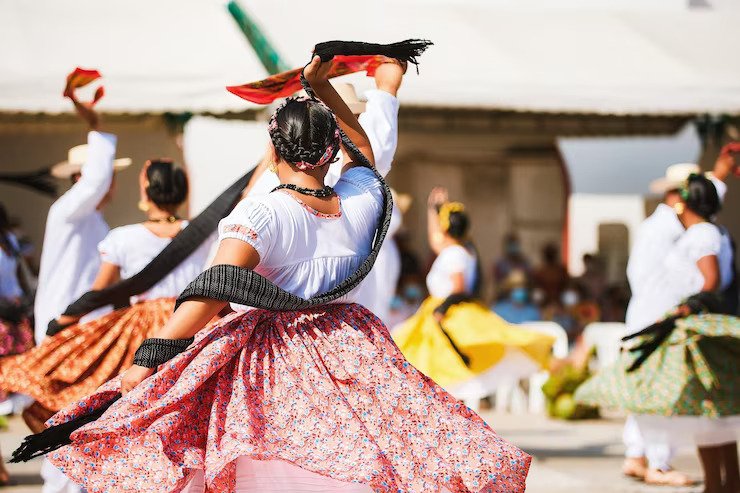
First-Time In Spain? Try These 5 Insider Tips To Enjoy The Experience

Jun 3, 2023

Last Updated on: Aug 22, 2025

Travel Guides

Spain, with its vibrant culture, historical landmarks, tantalizing food, and picturesque landscapes, is a country that captures the heart of every traveler. If it’s your first time visiting, the prospect can be both exciting and a little daunting. How do you navigate this unfamiliar yet enchanting territory?

Don’t worry. These five insider tips are just what you need to make the most of your trip and create unforgettable memories. Here’s what you should keep in mind.

1 – Understand Spanish Culture

Familiarize yourself with Spanish customs and norms before your trip. Spanish people are known for their laid-back lifestyle and love for socializing. In Spain, meal times are later than what you might be used to; lunch typically starts at 2 p.m., and dinner at 9 p.m. or later.

Siestas are a real thing, with many shops closing in the afternoon for a few hours. The nightlife is vibrant and starts late. And one more thing: remember the Spanish love for celebrations and festivals — you might just find one happening during your visit!

2 – Explore Iconic Landmarks

Spain is rich in history and boasts of numerous World Heritage sites. From the royal palaces in Madrid, the iconic Sagrada Familia in Barcelona, the Alhambra in Granada, to the historic old town of Toledo, there’s a lot to see. 

You should — of course — prioritize your itinerary according to your interests and time constraints, but don’t miss out on these marvels.

3 – Discover Hidden Gems

While tourist hotspots are great, the real charm of Spain lies in its hidden corners. Venture off the beaten path and explore local markets, try a cooking class, take a flamenco lesson, or visit a local vineyard. These unique experiences will give you a taste of authentic Spanish life.

If you’re documenting the trip, going off the beaten path also gives you a chance to capture moments and sights that most travelers never get to experience. There’s plenty of good public transportation in Spain, but if you’d like to explore, it can be smart to rent a car or charter a Yacht. The latter is easier than you might think, as the SeekSail website shows.

4 – Optimize Your Itinerary

Don’t make the mistake of cramming too much into your itinerary. Spain is a country to be savored. Traveling between cities can be time-consuming, so it’s better to explore a few places thoroughly rather than trying to see them all.

Remember to plan your day around the Spanish rhythm. You should take advantage of the late morning to explore, relax during the siesta hours, and soak in the nightlife.

5 – Pack Appropriately

Spanish weather can be quite variable. Summers can be scorching hot, while winters are cold, especially in the north. Pack light, breathable clothing for summer and layers for winter. Don’t forget comfortable shoes for all the walking you’ll be doing!

Remember, traveling is all about immersing yourself in the local culture and stepping out of your comfort zone. Use these tips to truly engage with Spain’s captivating charm. And who knows, you might even come back home with a touch of the Spanish zest for life!

Read Also:

Share on Social Media

Arnab is a professional blogger, having an enormous interest in writing blogs and other jones of calligraphies. In terms of his professional commitments, He carries out sharing sentient blogs.

Leave a Reply

Your email address will not be published. Required fields are marked *

title-img Related

READ MORE national parks in Idaho

National Parks in Idaho A Comprehensive Travel Guide 2025

BY  Barsha Sep 2, 2021

When you are searching for a place with natural beauty, and historical ambiances, these national parks in Idaho are the perfect combinations where you can spend your holidays and feel the place’s historical vibes. These parks are the historical landmarks of the US. Not only the beauty of the palace is making it an attractive place for adventure lovers and tourists. For organizing the educational tours, these national parks in Idaho are the best places. These national parks in Idaho are the perfect places for adventurer lover tourists. The natural, adventurous hiking trails and granite rock climbing cliffs make the national parks the favorite places for adventurer sports lovers. In the list of national parks, most of the national parks are the most popular and historical landmarks like the yellow stones. Let’s see the six top national parks in Idaho. 6 Top National Parks In Idaho: The national parks in Idaho are the best places where you can see the lush natural forest, natural rock climbing mountains, and rugged cliffs and peaks. These parks are the perfect place to explore and find genuine mental peace. In addition, these national parks are the ideal place which is the natural playground for adventure lovers. Check out the names of the six most famous national parks in Idaho. 1. City Of Rocks National Reserve The city of rocks national reserve is a spectacular place that has natural granite rock formations. This national park is just across the state line from Utah. The towering granite rock formations are the greatest attraction of the park. The climbing routes range from 30 feet to 600 feet. Among the all national parks in Idaho, you will get experienced guides to guide you for the travel. Almost 65 campsites are scattered here and there for the tourists. And you will get all the camping facilities and equipment on rent. 2. Nez Perce National Historical Park Among all the national parks in Idaho, this is one of the historical parks on the list. This park has natural beauty and natural hiking walking trails. But along with hiking, you can explore the historical places of the parks. This national park was originally the home of the native American tribe Nez Perce. In the national park, you are getting two options. One is you can hike the national park. Other than this you can explore the museum and the natural campaign facilities. The park has individual 38 locations. So along with the museum, you can see the distinctive natural ecosystems and the climates of the place, which are a little bit unique from the other places. 3. Yellowstone National Park This is one of the best national parks in Idaho. The geothermal landscapes are making this park and a trendy popular place for educational activities and scientific excursions. The park was first to open in 1872. The geothermal landscapes are responsible for the distinctive nature and the living beings. And still, now the eruptions are taking place here. Large underground systems are responsible for volcanic eruptions. And after each eruption, you can see the big splash on the waters. Certain places in the park have very high temperatures. And these parks have the largest bison populations in the whole country. The supine forest, geothermal atmospheres, and bison populations are enough to make this park a perfect educational place to study. 4. Craters Of The Moon National Preserve This park is located in the central national parks in Idaho. The park is covering around 410,000 acres along the Snake River plain. The natural bush and the natural habitats of the places make this national park unique areas to explore. The whole park is full of scattered natural walking trails and different types of plants and bushes. This park is covered by almost 1,117 square miles. This park was expanded in 2000 by president Bill Clinton. The operations of the parks are jointly managed by the National Park Service and the Bureau of Land Management. 5. Hagerman Fossil Beds National Monument Central national parks in Idaho are all the perfect places to explore for educational excursions. However, these Follicle beds parks are not also unexceptional. This place is full of the natural follicles the different archaeological art affects. The whole snake river bed is the follicle bed. From the Hagerman follicles bed, you will get plenty of horse follicles. These horses’ follicles are all from the Pilosaone era. The natural dry environments are working as the natural preserver of the Focciles. In 1975 this park was declared as a genuine natural fossil-preserving place by president General Ford. This park excursion trip is a great source to learn about the archaeological discovery of the park. 6. Minidoka National Historic Site The national parks in Idaho and Montana are all full of history. And this Minidoka National historic site holds much more history of World War 2. This park is also situated in the central part of Idaho. This park is naturally beautiful as the place is long and covered with rich stretching green lands. This total area has a historical background and the history of World War 2. During the world war, 2 9000 Japanese Americans were imprisoned.  And in 1979, this place was counted as a national historical site in the United States. The site measures approximately more than 210 acres. The Minidoka national historic site and the monuments are the best attraction of the place. So along with the excellent walking trails, you can explore the significant historical ground to feel the site’s history. Wrapping It Up: The national are excellent places for every tourist. But for the adventure lover, this place is like an adventure playground. The arts, history, and natural beauty when you search for the best places to explore these parks give you all types of options. From the archaeological displays to the geothermal landscapes, all make these parks a perfect place where you can do the tour planning with your friends and families. 

READ MORE Tucumán Argentina itinerary

Tucumán Argentina itinerary: What To See In The Smallest Province Of Argentina? 

BY  Sibashree Oct 23, 2025

It was my first day on the Tucumán wine route, and I saw a few local guys pouring a few drops of wine on the field before tasting it. I was amazed, as at my house I have seen my grandfather offering small portions of food to the gods before having it.  I did not expect to see a similar culture thousands of miles away. I walked to them and asked about the ritual. A guy said, “This is how we pay respect to Pachamama, the Mother Earth.”  Now, this is what traveling does! It creates a common ground when everyone feels the connection, even when exploring the new.  Tucumán, with its Afro-Argentine history and a rich indigenous Diaguita culture, is now expecting more tourists with improved connectivity. The flagship carrier of Panama, Copa Airlines, has now started a flight service to Tucumán from Panama City.  The cradle of Argentina’s independence, Tucumán is also known as the Garden of the Republic for its greenery and a rich agricultural scene. Furthermore, the nearby mountains make Tucumán a favorite of hikers and adventure lovers.  With so many things to see and history, culture, culinary richness, and adventure shaking hands, I had a tough time making the ideal Tucumán, Argentina itinerary.  The best approach is to make an itinerary based on your interests and the side of Tucumán you want to explore.  Knowing Tucumán, Argentina Located in the northwest of Argentina, Tucumán has Andean foothills, subtropical forests, and lush valleys. Thus, it gets the name El Jardín de la República or the Garden of the Republic.  Furthermore, San Miguel de Tucumán, the capital of the province, is historically significant as Argentina declared its independence here in 1816.  The province enjoys Spanish colonial influences along with the indigenous Diaguita-Calchaquí heritage. Furthermore, the province enjoys a strong Afro-Argentine and Catholic influence. Did You Know These Cultural Facts About Tucumán, Argentina?  The Diaguita people still practice traditional weaving and pottery. Afro-Argentine communities in Tucumán celebrate unique music and dance traditions. The Fiesta Nacional de la Empanada is held annually in Famaillá. The region has a strong tradition of folk music, including zamba and chacarera. The Jesuit legacy is visible in old missions and churches. Local artisans use natural dyes from native plants. The city of Tafí del Valle hosts indigenous spiritual ceremonies. Traditional medicine practices are still used in rural areas. The sugar industry shaped much of Tucumán’s modern history. Local legends and myths are passed down through oral storytelling. How To Reach Tucumán, Argentina?  Now, Tucumán has a direct flight from Panama City. However, the most common route is flying to the Ezeiza International Airport in Buenos Aires. From there, you will have to take a flight to the Teniente General Benjamín Matienzo International Airport in San Miguel de Tucumán.  If you are in Europe, you can connect via Madrid or Frankfurt. American tourists can fly through major hubs like Miami or Dallas. Long-distance buses and trains also connect Tucumán with other Argentine cities, offering scenic and budget-friendly options. A 7-day Travel Itinerary For Tucumán, Argentina Wine Region View this post on Instagram A post shared by Marisa Cecilia D Onofrio (@marisa_dot1) It was the second day of my Tucumán, Argentina wine tour. I was at Bodega Los Amaichas, and it happened to be early March, very much in the harvest season of Argentina. I saw a Quechua woman who was sorting the grapes.  I asked her, “Can I be of any help?” She smiled and gave me a basket full of grapes. I spent two hours crushing the grapes. Then, she handed me a glass of sweet Torrontés as the reward.  They say that you have not been on the wine route of Tucumán if your hands and feet are not purple at the end of the day. Here is what I did during my 7-day wine tour. 7-Day Tucumán Wine Region Itinerary DaysActivities Day 1• Arrival at San Miguel de Tucumán, the provincial capital• Visiting Casa Histórica de la Independencia and Plaza Independencia• Lunch and Torrontés session• Spending Night at San MiguelDay 2• Driving via Provincial Route 307 through the Yungas forest and into the Calchaquí Valleys.• Reaching Bodega Los Amaichas. Bodega Los Amaichas is the first Latin American winery run by a community. • Grape crushing session• Tasting the finest TorrontésDay 3• Stopping at Colalao del Valle on the Tucumán wine route• Exploring Bodega Las Arcas de Tolombón in search of high-altitude wines• Having humita and locro for lunch. • Exploring nearby wineries and vineyards, and staying overnight at Amaicha del Valle. Day 4• Visiting the Ciudad Sagrada de Quilmes, the largest pre-Columbian archaeological site in Argentina.• Driving the scenic Cuesta del Infiernillo mountain pass for panoramic valley views.• Wine tasting in the evening • Overnight stay in Amaicha or Colalao.Day 5• Visiting high-altitude wineries (1,750–3,000 m)• Learning about high-altitude viticulture and local grape varieties (Malbec, Torrontés, Cabernet Sauvignon)• Lunch at a local winery restaurant• Spending the evening in the valleyDay 6• Drive to San Miguel de Tucumán• Stopping by Tafí del Valle for a walk around the village• Reaching San Miguel de Tucumán in the evening• Having dinner and relaxing in San Miguel de TucumánDay 7• Shopping at San Miguel• A farewell lunch• Leaving for the airport  5- Day Cultural Itinerary For Tucumán, Argentina View this post on Instagram A post shared by Tucumán Turismo (@tucumanturismo) The rich heritage, history of Argentine independence, and traditions of Tucumán make it an ideal place for cultural exploration.  From colonial landmarks and indigenous heritage to vibrant festivals and museums, this multi-day plan offers a deep dive into the cultural fabric of the region. DaysActivitiesDay 1• Guided tour and watching the reenactments at Casa Histórica de la Independencia, the birthplace of Argentine Independence• Exploring the neoclassical Catedral de San Miguel de Tucumán• Walking through Plaza Independencia and cherishing the local cafes and colonial buildings in the surroundingsDay 2• Visiting Museo Miguel Lillo and seeing exhibits on botany, paleontology, and zoology• Getting familiar with the local art scene at Museo Provincial de Bellas Artes Timoteo Navarro• Watching cultural performance at Teatro San MartínDay 3• Visiting the Quilmes Ruins• Diaguita cultural experience in Amaicha del Valle• Visiting Museo PachamamaDay 4• Attending a folkloric performance• Exploring the local marketsDay 5• Visiting the urban park of Parque 9 de Julio• Having a meal and watching a folkloric performance at a peña folklórica• A stroll through the historic city center I was in Tucuman when the carnival had just ended. If you want to be a part of the carnival here, you must plan a trip around the end of February. Furthermore, the National Festival of the Pachamama, the biggest festival here, is held in Amaicha del Valle during the month of August.  6-Day Adventure Itinerary For Tucumán, Argentina View this post on Instagram A post shared by Tucumán Turismo (@tucumanturismo) Tucumán is a hub for trekking, paragliding, and kayaking activities across some of the region's most scenic and exciting destinations. Here is a 6-day itinerary for you.  DaysActivitiesDay 1• Reaching San Miguel de Tucumán and checking into the hotel. • Gathering information about local weather and transportation updates. Day 2Trekking in Parque Sierra de San Javier• Trekking on the Risto Bendicente trail and the trail to Villa Nougués• Exploring diverse wildlife• Enjoying panoramic viewpoints Day 3Paragliding at Loma Bola• Enjoying beautiful views of the Yungas forest during paraglidingDay 4• Kayaking at El Cadillal ReservoirDay 5• Exploring Casa Histórica de la Independencia and Parque 9 de Julio• Trying local cuisineDay 6• Morning stroll along the historic center• Departure for the airport You can even have an extra day for adventure tourism. Talk to your tour operator if you are interested in zipline, mountain biking, or horseback riding.  Tucumán Aventura, offering trekking and kayaking tours, Loma Bola Parapente, specializing in paragliding experiences, and EcoViajes Tucumán, providing eco-friendly adventure packages, are some of the best tour operators here.  Safety Tips For Adventure Trips In Tucumán Always follow the guidance of certified tour operators. Wear appropriate gear for each activity. Stay hydrated and protect yourself from the sun. Inform someone of your itinerary and expected return times. Carry a basic first aid kit. Gear Recommendations For Adventure Trips In Tucumán Trekking boots and breathable clothing Lightweight backpack Sunscreen and insect repellent Waterproof jacket Helmet and harness for paragliding Life jacket and dry bag for kayaking A 7-Day General Itinerary For Tucumán, Argentina View this post on Instagram A post shared by Tucumán Turismo (@tucumanturismo) A bit of history, culture, wine tasting, and food? Well, if you want an eclectic experience, you can try this 7-day itinerary.  DaysActivitiesDay 1• Arrival in San Miguel de Tucumán• Exploring Plaza Independencia and Casa HistóricaDay 2• Exploring the cafes, shopping, and nightlife at Yerba BuenaDay 3• A scenic drive to Tafí del Valle• Enjoying the lake views• Exploring the artisan marketsDay 4• Visiting the indigenous museum and Pachamama Museum at Amaicha del ValleDay 5• Exploring the ancient Diaguita fortressDay 6• Wine tasting in Colalao del ValleDay 7• Return to San Miguel• Enjoying local cuisine• Departure for the airport Top Hotels, Resorts, And Stays In Tucumán, Argentina The Name of HotelsWhy FamousSheraton Tucumán HotelLuxury stay with spa and poolGarden Park HotelCentrally located with modern amenitiesHotel BicentenarioGreat for families and business travelersEstancia Las CarrerasColonial-style lodge in Tafí del ValleHostería LunahuanaBoutique hotel with mountain views Must-Visit Destinations In Tucumán, Argentina Exploring Tucumán, Argentina, is a rich cultural experience. However, try to cover these places when you are in Tucumán.  1. Casa Histórica De La Independencia View this post on Instagram A post shared by Argentureros | Viajes | Destinos | Filmaker (@argentureros) This iconic building in San Miguel de Tucumán is where Argentina's Declaration of Independence was signed on July 9, 1816. It’s a key historical landmark. 2. Parque Sierra De San Javier View this post on Instagram A post shared by Luciana Lescano (@lucianaa.lescano) A natural park offering hiking trails, stunning panoramic views, and a peaceful escape into the lush greenery of the Sierra de San Javier mountains. 3. Tafí Del Valle Nestled in the Calchaquí Valleys, Tafí del Valle is famous for its cool climate, scenic landscapes, and traditional craft markets. A perfect spot for nature lovers. 4. Quilmes Ruins These ancient ruins are remnants of the Quilmes indigenous civilization, providing insight into their advanced society and their resistance to Spanish conquest. 5. Amaicha Del Valle Amaicha del Valle has the famous Pachamama Museum. Also, the charming town in the Calchaquí Valleys is ideal for learning about the indigenous people and their culture.  6. Museo Miguel Lillo View this post on Instagram A post shared by Marce Almaráz (@marce_almaraz23) Are you interested in the prehistoric fossils, local flora, and fauna? Visit the natural history museum of Museo Miguel Lillo.  7. San Pedro De Colalao View this post on Instagram A post shared by ꧁ 𝓢𝓪𝓷 𝓟𝓮𝓭𝓻𝓸 𝓭𝓮 𝓒𝓸𝓵𝓪𝓵𝓪𝓸꧂ (@sanpedrodecolalaoturismo) Home to Gruta de Lourdes, San Pedro de Colalao is a charming village and pilgrimage site. It has a serene ambiance.  8. Cristo Bendicente View this post on Instagram A post shared by Ⓛⓔⓣⓨ (@leticia_ysa) Cristo Bendicente is a giant statue of Jesus Christ on Cerro San Javier. From here, you can enjoy wonderful views of the surroundings.  9. Villa Nougués It is a quintessential European village located in the foothills. It has a lush green surrounding, and you will love the quaint streets and peaceful ambiance here.  Food Culture And Culinary Tours In Tucumán, Argentina Empanadas, tamales, humitas y locro! Tucumán is a place that takes the ancestral recipes to the international tourists. Furthermore, Tucumán is home to the annual National Empanada Festival in Famaillá.  Empanada in Tucuman is different from these delicacies in other parts of the country. The crust here is thicker and perfectly baked or fried. Furthermore, the chopped meat and the abundance of white onions make it special.  Traditional peñas are the best places to try the local dishes and enjoy the folk music. Furthermore, you can join cooking classes here.  Moreover, don’t miss the regional desserts like quesillo with honey and dulce de cayote. 10 Sustainable And Ethical Travel Tips For Tucumán, Argentina 1. Support local artisans and markets.2. Choose eco-lodges and green-certified hotels.3. Avoid single-use plastics.4. Respect indigenous customs and traditions.5. Use public transport or bike rentals.6. Participate in community-based tourism.7. Conserve water and electricity.8. Avoid disturbing wildlife.9. Volunteer with local NGOs.10. Leave no trace when hiking or camping. Accessibility And Travel For Seniors And People With Disabilities Many hotels in San Miguel de Tucumán, such as Hotel Carlos V and Garden Park Hotel, offer wheelchair-accessible rooms and elevators.  Public spaces like Plaza Independencia and major museums are accessible. However, rural areas may lack infrastructure, so it’s best to plan ahead and contact accommodations directly. Tucumán Nightlife And Evening Activities Tucumán’s nightlife is vibrant, especially in Yerba Buena. Enjoy live folk music at peñas, dance at local clubs, or relax at rooftop bars. Cultural centers often host evening performances and art exhibitions. Best Seasons To Visit Tucumán, Argentina April to October is the best time to visit Tucumán as the weather is dry and mild in these months. Furthermore, the summer season from December to February can be hot and humid.  Nevertheless, here is a monthly temperature breakdown of Tucumán. (Source: National Oceanic and Atmospheric Administration, NOAA). MonthsTemperature (Degree Celsius)January20-32February20-31March18-29April15-26May11-22June8-20July7-20August8-24September11-27October15-30November18-31December19-32 Cultural Etiquettes For Foreign Tourists Greet with a handshake or cheek kiss. Dress modestly when visiting churches.  Learn a few Spanish phrases.  Always ask permission before taking photos of people.  Tipping is customary in restaurants (10%). Budget And Affordability For A 7-Day Travel Vacation View this post on Instagram A post shared by Tucumán Turismo (@tucumanturismo) The expenses in Tucuman include accommodation, meals, transport, and activities. Budget options include hostels and public buses, while mid-range travelers can enjoy boutique hotels and guided tours. Types of TravelerExpensesSolo Traveler$500–$700 (Per Day)Couples$900–$1200 (Per Day)Family of 4:$1500–$2000 (Per Day) Crime Rates And Safety Tips In Tucumán, Argentina Authorities such as The Guardian have already highlighted how women’s rights are being violated in Argentina. In recent times, Argentina has been the only country to “vote against a UN general assembly resolution to prevent and eliminate violence against women and girls.” Furthermore, it is dangerous that the Javier Milei administration has plans to remove femicide from the Argentine Penal Code. So, this raises a question about women travelers to the country.  Also, the following numbers about the crime rate of Tucumán are very alarming. (Source: Numbeo). Crime Level84.22Crime Increased in the Last Five Years87.35Robbery and Mugging86.44Things from Car Stolen84.00 So, follow the recent travel advisory of your country before planning a trip. Is Visiting An Off-Beat Location Like Tucumán Worth It? Yes, visiting an off-beat destination such as Tucumán is absolutely worth it, as the less touristy the place is, the more meaningful the connection and experiences you will have.  Furthermore, Tucumán offers a unique blend of history, culture, nature, and gastronomy. Also, the adventure activities here are a favorite among the young-at-heart travelers.  Tucumán Argentina Itinerary: Frequently Asked Questions (FAQs) Here are the frequently asked questions and answers about Tucumán Argentina Itinerary.  1. What Language Do They Speak In Tucumán? Spanish is the language in Tucumán. However, the intonation of the Spanish language here is a little different. Thanks to the impact of Creole and Italian languages, the Spanish language here is similar to what is spoken in Buenos Aires. Southern Quechua is another popular dialect here.  2. Is Tucumán Expensive For Tourists? Argentina has been facing a high rate of inflation and monetary woes due to inconsistent policies and a parallel black market economy post the run on banks in 2001. So, today, visiting Argentina is way expensive than expected. However, Tucumán, located in the Northern region, is one of the most affordable areas of Argentina. Affordable street food and budget-friendly accommodations make the trip more affordable.Still, the imported adventure gear here is pretty expensive. So, if you are here on an adventure holiday, your budget will be higher than for wine tours and cultural exploration.  3. What Are Popular Foods In Tucumán? Empanadas are the best in Tucumán, and it is different from those in other parts of Argentina. The sandwiches or sánguche de milanesa here are also delicious. 

READ MORE card-img

What Are The Kotor Montenegro Free Activities For Budget Travelers? (Cheap And Free Are Not The Same) 

BY  Sibashree Dec 19, 2025

Do “Cheap” and “Free” ring similarly to you? Not to me, at least! I was researching free activities for my visit to Kotor, Montenegro. Every guide, trust me, every guide, was a random mix of cheap and free activities. And it’s almost 2026, the same problem lies with the so-called guides of Kotor Montenegro free activities. Everyone is actually discussing the cheap activities, or they are not giving the true picture and updates about free activities like the Kotor Fort through the Ladder of Kotor route. Did anyone tell you that the “Window” section for a free jump into the fort premises no longer exists? It has been blocked, and there is a turnstile at the entry point. You can still go for a free hike on that route, but it will no longer be a trek to the fort. So, if you are expecting a free sneak into the Kotor Fort, I would say, “Don't hike for 2 hours expecting to sneak in.” However, if you want to enjoy a free view of the Kotor Bay or the fort from outside the walls, I will say, “Go ahead!” Also, the bus rides in Kotor are never “Free!” They are cheap, yes, costing around 1 to 3 Euros for local transfers. However, one delightful thing that is absolutely free in Kotor is the cat therapy. I had the most adorable time with the cats of Kotor. These adorable animals are indeed the guardians of the city. In this Tour and Travel Blog, I will talk about the Kotor Montenegro free activities in detail. I will also touch upon the cheap activities to do in Kotor, Montenegro, and budget travel hacks. What Are The Kotor Montenegro Free Activities? Kotor is so walkable and welcoming that you can have fun outdoors and explore the historical and cultural landmarks of the city free of cost. 1. Hiking The Free And Big Walls Of The City  The history of Kotor speaks through the Kotor Fortress. Furthermore, the abandoned Austro-Hungarian Fort, built in the 19th century, stands out today with its mysterious monk paintings. You can include a hike to these big city walls as a free activity in your Kotor, Montenegro travel itinerary.  Hiking The Kotor Fort For Free  You can visit the Kotor Fort via the city entrance, which costs 15 Euros. However, you can avoid this cost by taking the alternative route, which begins behind the Old Town of Kotor. You can access this trekking route via Tabačina Street. This route, beginning near the River Gate exit, is popular among locals for a free hike to the Kotor Fortress or the San Giovanni Fortress. After walking for 20 to 30 minutes on the route with loose rocks and steepness, there is a place called “Window.” Earlier, locals and tourists used to get into the fortress through this window. However, the window is now blocked with strict vigilance from the fort authority. So, you cannot reach the fort through this hiking route anymore. But hiking through this route itself is an experience. Also, if you are looking for cheap eats in Kotor, Montenegro, that offer the most authentic experience, let me tell you that you will find the best cured ham here. The hiking route leads to Njegusi, and it has some amazing family-run taverns. Hiking The Fort Vrmac For Free  I did not know that so close to Kotor, Montenegro, I would find the ruins of an Austro-Hungarian Fort. The hiking route is easy, and it passes through a quiet forest, offering multiple vantage points and amazing views. The trailhead is just 15 minutes away from the Kotor Old Town and near the town of Muo. Also, the stone path of 6.5 kilometers can be completed within 3 to 4 hours. On my way, I came across pomegranate trees and spotted turtles with yellow and black spots. The only difficulty I faced on this route was the lack of any clear direction. The route was a bit random and can get confusing if you are hiking alone. After I reached the top, I found an abandoned military outpost. It was like a ghost town. The ghost town and the Vrmac Fort of 1894, which suddenly emerged before my eyes like something surreal, seemed eerie to me. I could hear the rifles firing. The fort played a vital role in the World Wars and was later used by the Yugoslav army.  Expanding The Free Hike To Fort Vrmac  Once you are done exploring the fort, you will find many trails leading to different destinations from the top of the hill. You can choose to continue your hike to Tivac or take an alternative and longer trek route to Kotor Town. Hiking The Fort Gorazda For Free  Fort Gorazda is another Austro-Hungarian Fort, and it is a popular free hiking destination near the Old Town of Kotor. This fort, built between 1884 and 1886, is located at an altitude of 452 meters. Once you reach the hilltop, you must climb up the metal dome. This armored metal dome was one of the main elements, offering a strategic advantage to the fort. From the top of this dome, you will get a 360-degree view of Herceg Novi, Lustica Peninsula, and Tivat. For a free hike, you must start at the Trg od Oruzja or the Main Square of Kotor. Then, walk to the Old Town and make an exit at the Vrata od Kampa or North Gate. Turn left and continue on the Jadranska magistrala or coastal road to find the signs for Skaljari. Chill at the cafes and shops along the way and have some refreshment. Then, walk for around 20 minutes to reach the Skaljari Village. Walk straight and on the right, you will find a steep path that takes you uphill. At the end of this road, you will find Fort Gorazda. The hike is moderately challenging, and a round trip will take around 5-7 hours. An Alternative Route To Fort Gorazda  If you are short on time and don’t want to walk so much, I want to share some Kotor transport tips to reach Skaljari.   The bus ride will take around 10 minutes, and once you reach Skaljari, you can walk for 15 to 20 minutes to the route leading to the fort atop a hill.   This combination of bus ride and hike is also a budget-friendly option, considering the bus tickets only cost around 1 to 2 Euros.   2. Free Historical And Cultural Exploration  When you have the alleys of a UNESCO World Heritage Site to be explored, you know that a rich cultural and historical experience awaits you.   It’s time to soak in the medieval atmosphere.   Walking The Old Town (Stari Grad): A Self-Guided Route  The Old Town or Stari Grad of Kotor allows you to get lost intentionally in the cobblestone mazes and alleys.   • Walk Starts At Gurdić Gate  Anyway, I started from the Gurdić Gate, or the southern entrance to Kotor. From there, my walk continued through Craftsmen Street.   I met and talked with the carpenters, goldsmiths, blacksmiths, and shoemakers there. I bought two model boats from a shop here as souvenirs.   • The Famous River Gate And Meeting The Cats Of The Town  Then, I reached the famous River Gate. I crossed the bridge there and got an amazing view of San Giovanni’s Fortress.   Then, I came back to the town, and near the Leafy Square, I found many cats, the guardians of the city. Also, St Mary’s Church, built in 1221, was one of the main attractions during my Strai Grad walk.   • St Lucas’ Square  My next stop was St Lucas’ Square, home to the Orthodox Church of St Nicholas. However, I found St Lucas’ Church here more interesting, with the history of this Byzantine church going back to 1195.   The St Lucas’ music school was opposite the church, and I could hear the sound of the piano and the full orchestra.   • Museum Square   I took the little lane to the Museum Square, and just before reaching the square, I found Karampana in a small courtyard on my right. It is the oldest public well in Kotor.   On the left, there is the Gregorina Palace, home to the famous Maritime Museum of Kotor. • St Tryphon’s Square   With beautiful mountain views and guarded by ramparts, St Tryphon’s Square is a place filled with many iconic landmarks of the Old Town. In a clockwise direction, you will find the following places at St Tryphon’s Square.   ⁍ The Old Town Hall  ⁍ Drago Palace  ⁍ Bishop’s Palace  ⁍ St Tryphon’s Cathedral  Venetian traders brought some of the relics inside St Tryphon’s Cathedral from Constantinople to Kotor in 809. There is also an altarpiece made by the goldsmiths of Kotor in the 15th century.   • Square Of Four   I took the road running between the Old Town Hall and the restaurant and reached the Square of Four.   Pima Palace and the Buča Palace are two important architectural and historical landmarks of the Square of Four.   • Square Of Arms   After I reached the Square of Arms, I visited Café Forza. I had an amazing Dobrotska Torta and coffee here, while cherishing the view of the Bizanti Palace, Venetian Arsenal, the Prince’s Palace, and more.   Finally, I bid goodbye to the Old City and made an exit through the Sea Gate. Which Churches Are Actually Free?  Kotor, Montenegro, has many churches, and they are often mentioned while discussing the Kotor Montenegro free activities.   However, not all the churches in Kotor offer a free entry. For example, you will need to pay 3 Euros for an entry to the St. Tryphon Cathedral Church.   • St. Nicholas Church   The St. Nicholas Church in Kotor is one of the free churches to visit in Montenegro. This orthodox church, built in 1909, has a lavish interior. You can buy candles from the small shops nearby for praying at the church.  • St. Tryphon Cathedral  St. Tryphon Cathedral, or Kotor Cathedral, built in 1166, does not offer free entry. You have to pay 3 Euros for the entry.   The church has the relics of St. Tryphon, the patron saint of the city, and a museum. Its architectural style shows eclectic influences, including the Baroque, Renaissance, Byzantine, and Roman styles.  • St. Luke Church, Kotor   The best thing about this 1195 church is that it does not have a clear Catholic or Orthodox identity. So, it was my favorite in Kotor. Anything that does not create differences for religion!  Furthermore, the church has one Catholic altar and an Orthodox altar. It remains open to all and offers a free entry during the summer season. However, it remains closed in the winter season.   • St. Claire’s Church, Kotor  Adjacent to the Franciscan Monastery, St. Claire Church, built in the 18th century, stands out with its grand altar and stunning interior.   Have a look at its wooden ceiling before leaving the church. It offers a free entry.   The Hidden Gem: St. Clare’s Franciscan Monastery, Church & Library  Once again, let’s talk about the St. Claire’s Church, Monastery, and Library, one of the few Catholic churches in Kotor, Montenegro, and a true hidden gem.   Made of brick and stone, the exterior of the church is humble. However, once you enter the church, the main altar, made of red and white marbles and exuding a Baroque style, will immediately steal your attention.   This altar was made by Francesco Cabianca in 1708. The side altars also have a Baroque style with paintings by Venetian artists. Later, Špiro Đuranović, a local painter, added a picture of St. Clare and four evangelists.   Among the many other collectibles, ancient books and manuscripts preserved by the church and its library, the Ecce Homo painting by the Spanish painter Morales, or El Divino, is the most famous.   Walking The Lower City Walls & Kampana Tower  You can start this walk of the Kampana Tower and the lower city walls from the Sea Gate.   Enter the Old Town.  Walk toward the northwest corner of the city walls to find the Kampana Tower.  Enjoy the views of the Scurda River and the harbor.  Walk toward the North Gate.  3. Free Swimming Spots In Kotor Bay  The rocky shores of the Kotor Bay offer many free swimming spots. Once you reach a beach, look for the public access areas for a free swim and directly into the water.   Free Swimming Spots Experiences  Dobrota Promenade • Find the hidden spots for swimming from the rocky shores directly Kotor Waterfront • Choose a public access spot with small pebbles Perast Waterfront • Expect charming town views Bajova Kula Beach • Beautiful pebble beach • Clear water  4. Free Events And Festivals In Kotor  Have a look at the table below to know about the free festivals and events of Kotor, their timing, and specialties.  Free Events and Festivals in Kotor Timing Free Elements The Tripundanski Days or the Days of St. Tryphon 3rd February Cultural exhibitions, parades, and concerts at Kotor Old Town Kotor Carnival February/March • Masks  • Parades  • Free Street Parties Boka Night Or Bokeljska Noć August  • Boat Parade  • Fireworks  • Concerts in Old Town Camellia Days March to May • Celebrating Camelia Flowers and Local Flavors  • Free Cultural Activities Kotor Festival of Theatre for Children 2nd to 10th July • Street Performances • Festive Decor in the Streets of Kotor Bay  5. Free Activities That No One Talks About   You can go through the best of lists about free activities in the “XYZ” place. However, you will never know where the real magic lies until you visit the place.   • Watching Sunset At Mount Vrmac  People still talk about a hike to Mount Vrmac and Fort Vrmac. However, only a local knows that the ideal time to start this hike is late in the afternoon.   Then, you will reach the Sveti Ilija Peak, the highest viewpoint, by sunset.   • The Gurdić Spring Or The Gurdić Bastion  This is a free attraction near the South Gate of the Old Town to learn about the resilient defense system of the city. Here, water bubbles from underground and flows into a moat system.   • The River Gate  Built in the 16th century, the River Gate or the North Gate is an entrance to the Kotor Old Town, a UNESCO World Heritage Site.   The bridge crosses the Škurda River. Thus, you can enjoy amazing views of the mountains, rivers, and the entire Kotor Bay from the bridge.   What Are The Cheap Activities To Do In Kotor, Montenegro?  Now comes the cheap activities in Kotor, and you can choose between short trips to nearby towns such as Perast and Budva, or exploring the former submarine tunnel entrance.  1. The Perast Bus Adventure  A Perast bus ride from Kotor will cost around 1.5 Euros. You will come across stunning Baroque architecture, such as the Zmajević and Bujović palaces.   It is a part of the UNESCO World Heritage Site, and as a historic seafaring town, it has a rich maritime history.   2. A Bus Trip To The Budva Old Town  One of the oldest urban centers in the Adriatic, the Budva Old Town has a history of more than 2500 years. It stands with its fortification and Venetian walls.   Furthermore, it has iconic landmarks such as the Church of St. John the Baptist and the Holy Trinity Church of the 19th century.   3. Visiting The Former Submarine Tunnel Entrance  The former submarine tunnel entrance near Kotor is an abandoned historical spot. It goes back to the Yugoslav era. The Yugoslav Navy used it as a secret military base for hiding submarines and boats.   From Kotor, you can take a bus to Kumbor and then follow the signs leading to the submarine tunnel entrance. The bus ticket price from Kotor to Kumbor will be around 1 to 3 Euros.   Also, if your budget permits, you can combine a visit to the former submarine tunnel entrance with a private speed boat tour to the Our Lady of the Rocks and the Blue Cave. The ticket price will be around 35 to 50 Euros.   4. Exploring The Kotor Farmer's Market  The open-air market just outside the Old Town walls of Kotor offers a delightful sensory experience. It is the place where you will experience authentic Montenegrin life and the best local flavors.   Buy cheese, honey, and local produce from this market and cook your meal at your hostel or homestay kitchen to budget your food expenses.   How Can A Student Explore Kotor On A Budget? The Ultimate Hack For Kotor On A Shoestring   I can give you a five-point solution to survive in Kotor and explore the city as a student on a shoestring budget.   1. The €1 Museum Hack  If you have the International Student Identity Card or a valid student identity card, you will have to pay just 1 Euro, instead of 5 Euros for an entry to the Maritime Museum of Kotor.   Also, an entry to the Kotor Cat Museum costs just 1 Euro for everyone.   2. Hostels With "Free" Social Lives  In my Kotor Montenegro hostel guide, I have mentioned how the cheap hostels in Kotor are more than accommodations. You don’t just get a bed, but become a part of the social calendar. The Old Town Hostel and Montenegro Hostel 4U are some of the most famous names, offering you free value additions.   Furthermore, you can be a part of the Sunset BBQs and get rakija shots and food there for a small fee.   3. The €2.50 Lunch Strategy  I know it’s tempting, but when you are a student or someone traveling on a budget, you will have to give the sit-down restaurants in the Old Town squares, including areas such as the Arms Square or the St. Tryphon Square, a miss.   Instead, you can visit the local bakeries, or Pekara. Order a Burek there with a hearty meat filling and have it with yogurt. This lunch combo under €2.50 will keep your tummy filled for hours.   4. Bus Discounts  When you are in Kotor, you can use your International Student Identity Card (ISIC) card or a valid card from any university to get 20–30% discounts on bus tickets.   Book tickets from platforms like BusTicket4.me to get the discounts.   5. Make The Most Of The Free WiFi Zones  The "Square of Arms" area and the area in Old Town just in front of the Sea Gate offer free public Wi-Fi facilities. These are local municipal connections.   Furthermore, use platforms such as Coworker.com to locate coworking places near Budva or Tivat. However, before you use any public Wi-Fi connection, you must have a VPN installed on your phone or computer.   What Are The Best Expert Tips For Free Things To Do In Kotor Montenegro?  Want to make the Montenegro free activities more fun? Give these expert and insider tips a good read.  1. Use The "Maps.me" App For Hiking  Though Kotor is a happening remote-working destination and internet connectivity is overall stable and consistent, you may face connectivity issues while exploring the hiking trails or the nearby villages.   Also, trail routes such as the Ladder of Kotor or the Fort Vrmac do not have clear markings. So, it is always a better option to download an offline map from Maps.me.   It is a more trustworthy option than Google Maps for local trails.   2. Choose Park Slobode For Swimming  Take left after the Port Authority building to find Park Slobode. It is not as crowded as the main beach.   You can get into the water from these concrete steps for a free swim. The water here is cleaner and suitable for swimming.   3. Visit The Markets Around The Closing Time  The Green Market outside the city walls is a wonderful free market to browse. Furthermore, the vendors usually pack up between 1 and 2 PM.   Many vendors give away free fruits during these hours.   4. The View From Kampana Tower Can Beat Any Mountain View  If you are too lazy to climb the mountains for a wonderful view of the Kotor Bay, you can walk to the Kampana Tower at the northwest corner of the wall.   You can climb up the stairs to reach the top of this bastion for free. From there, you will get wonderful photo opportunities.   5. Don’t Miss The Bokeljska Night  If you are visiting in late August, do not miss "Bokeljska Noć." It is a massive boat parade with fireworks. It is completely free to watch from the harbor wall.  6. Choose The "Mu" Walk  If you find the roads toward Dobrota very crowded, you can choose a quieter alternative, Muo. Here, you will have to walk along the waterway through a flat and scenic route.   You will love the reflection of the city walls in the water.   7. Don’t Miss The St. Nicholas Liturgy On Sundays  Visit the St. Nicholas Church on Sundays to attend the Liturgy. The most delightful element of this Liturgy is the Orthodox choral singing. You can listen to it completely free.   8. Avoid The Window Fines  Once again, you must not try to jump the turnstiles or force the blocked window at the fortress. If a park ranger catches you crossing the barrier, you will be charged a fine.   Kotor Montenegro Free Activities: Frequently Asked Questions (FAQs)  Here are the frequently asked questions and answers about Kotor Montenegro free activities.   1. Is The Kotor Fortress Free Before 8 AM?  No, there is no official rule for a free entry to the Kotor Fortress before 8 AM. The trick is that in the winter and spring seasons, from November to March, the guards do not reach the fort before 8 AM. So, you can try entering the fort for free.   However, guards reach earlier in the summer months. So, if you get caught, you may have to pay 15 Euros. So, this is more of a trick or gamble.   2. Which Churches In Kotor Are Free To Enter?  The free churches to visit in Kotor are the Church of St. Nicholas, an Orthodox Church, the Romanesque Church of St. Luke, the Church of St. Mary or Our Lady of the Rocks, and the Church of St. Anne.   Furthermore, as you explore the Old Town Squares, you will find many small chapels, which are free to enter.   3. Are There Free Sandy Beaches In Kotor?  Kotor does not have sandy beaches. The Kotor Beach in Dobrota, close to the Old Town, is filled with pebbles. Galebova's Rock, on the other hand, has a concrete beach.   However, if you want to visit a sandy beach, you will have to travel around 21 kms to reach Mogren Beach in Budva.   You can even visit the Island of Flowers or Ostrvo Cvijeca, around 11 kms away. It is in Tivat Bay.   4. Is The "Ladder Of Kotor" Hike Free?  Yes, the Ladder of Kotor hike, starting just behind the Old Town, is a free hike. It has been an alternative to entering the fort with a hiked fee.   After a walk for a few kilometers, there used to be a section or opening known as the Window. People used to get into the castle through this window.   However, the window is now blocked. Still, you can hike through this route for a view of the fort and amazing sunset scenes.   5. Is Water Free In Kotor?  Yes, water is free in Kotor. There is a historic well, Karampana Well and there are taps around the city where water comes from the mountains. This water is potable.   So, you must carry reusable bottles and fill them at the refill stations. Thus, you can save money and reduce plastic wastage.    6. Can I Walk The City Walls For Free?  You can walk around the lower perimeters of the city walls near the harbor and water for free. However, you cannot walk the higher perimeter of the city walls for free.  Early morning or late evenings are the best times for a free walk around the city walls.   7. Is The Hike To Fort Vrmac Free?  Yes, a hike to Fort Vrmac is free. However, this Austro-Hungarian fort is in a dilapidated condition. Also, I felt some eerie vibe there.   The hiking route to the fort ruins is easy and it is considered beginner-friendly. So, it is popular among locals and travelers on a budget as an alternative to the Kotor Fortress hike.   8. When Is The Kotor Carnival?  Kotor has two main carnivals. The International Summer Carnival takes place in July-August. Furthermore, the grand Winter Carnival takes place in February and March.   The Winter Carnival has Venetian mask dances, a grand parade with majorettes, grand feasts, the burning of an effigy symbolizing the troubles of the last year.   On the other hand, the Summer Carnival has colorful parades and street parties.  9. Is Parking Free In Kotor?  There are no designated free parking areas in Kotor, especially near the Old Town. However, Dobrota, Škaljari, or other residential areas allow free parking on the streets.  You will have to walk for at least 1.5 kilometers to find these parking places.  10. Are There Free Toilets In Kotor Old Town?  No, there are no free toilets inside the Kotor Old Town. You will have to pay around 0.6 to 1 Euro to use the public toilets.   However, you can use free facilities at the Shopping Center Kamelija near the North Gate or the restrooms at the Kotor Cable Car Station.