
How Chilaw, Sri Lanka, Turned A Quick Stop Into Two Extra Days: Know The Fishing Town

Chilaw drew my attention with the smell of drying fish at the harbor. As I reached the fishing town, I heard a low chant drifting out of a Shiva temple. 

Chilaw, which almost a year back had a Korea FAO Sustainable and Innovative Fisheries and Aquaculture Programme (KOFAF) to boost the shrimp aquaculture of Sri Lanka, is a fishing town first. 

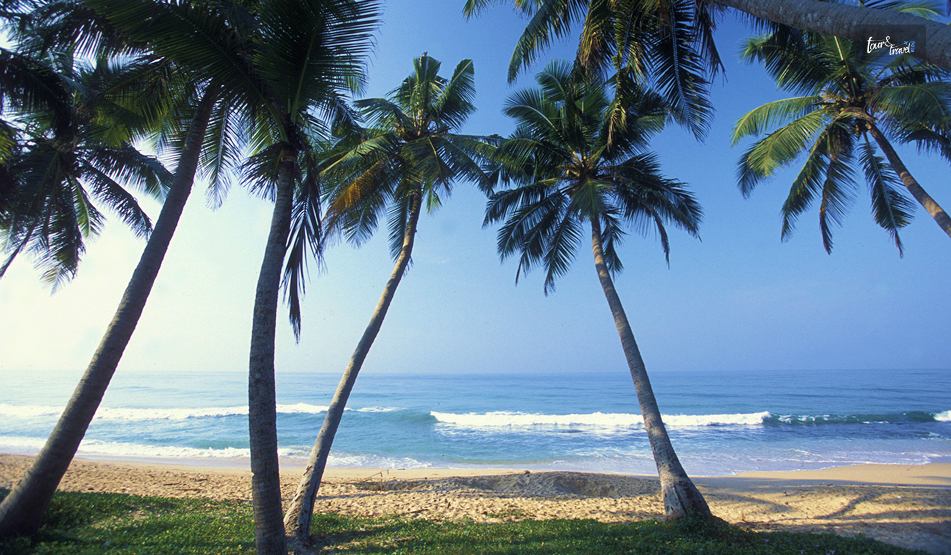
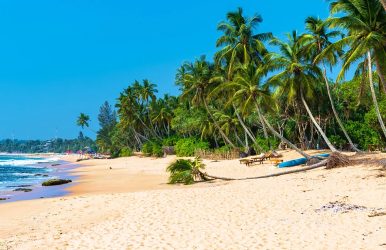
Then, it is a pilgrimage site and almost as an afterthought, a beach destination. 

Overall, it felt so unpolished and real in a way that many famous coastal stops in Sri Lanka have lost for a long time.

How To Reach Chilaw, Sri Lanka And Get Around? 

Chilaw is around 52.9 km away from the Bandaranaike International Airport. By road, the journey is around 1.5 hours to 2 hours. 

The town’s own railway station is about 3 kilometres from the centre, with regular services connecting to Colombo along the coastal line.

ModeEstimated Time From ColomboApproximate Cost (LKR)Notes
Car / Taxi2 Hours8000-15000(Based on Vehicle Type)Most Flexible
Easiest Way to Combine Chilaw with Anawilundawa and Marawila in One Loop
Uber2 HoursUber Go Intercity: 12016
Uber Sedan: Intercity: 12629
UberXL Intercity: ₹16062
(Source: Uber.com) 
Best for First-timers.
Safer for Solo, Women Travelers. 
Train (Colombo Fort–Puttalam line)Around 2.5 to 3 HoursThird Class Tickets: 180
Second Class Tickets: 400
First Class Tickets: 750
(Source: Sri Lankan Railways.)
The Station is roughly 3 km from the Town Centre
A Tuk-Tuk Covers the Last Stretch
Bus2–2.5 Hours150-300Regular Services along the Coastal Route
It is the Cheapest Option

Once you reach Chilaw, you can move around in tuk-tuks. From the town center, you can take a short ride to the fish market and near St. Mary’s Church.

You can even ferry to Anawilundawa and back after a half-day trip. 

However, here, I had to negotiate a lot with the drivers. You must also fix the price upfront so that they do not end up adding more to the price during the trip. 

What Are The Top Attractions In Chilaw? 

Chilaw does not offer a resort trip like Bentota or Hikkaduwa. It mostly has simple guesthouses as accommodations. 

Also, if you want to focus on the quieter beach experience, you can stay in the larger properties in Marawila. 

Still, Chilaw is not like a typical touristy or bucket-list destination, and here are the places I visited during my stay. 

1. Munneswaram Temple

How Chilaw, Sri Lanka, Turned A Quick Stop Into Two Extra Days: Know The Fishing Town

Like the Pancha Bhoota Sthals in India, Sri Lanka also has its five ancient Ishwarams dedicated to Lord Shiva. 

Munneswaram is one of them. 

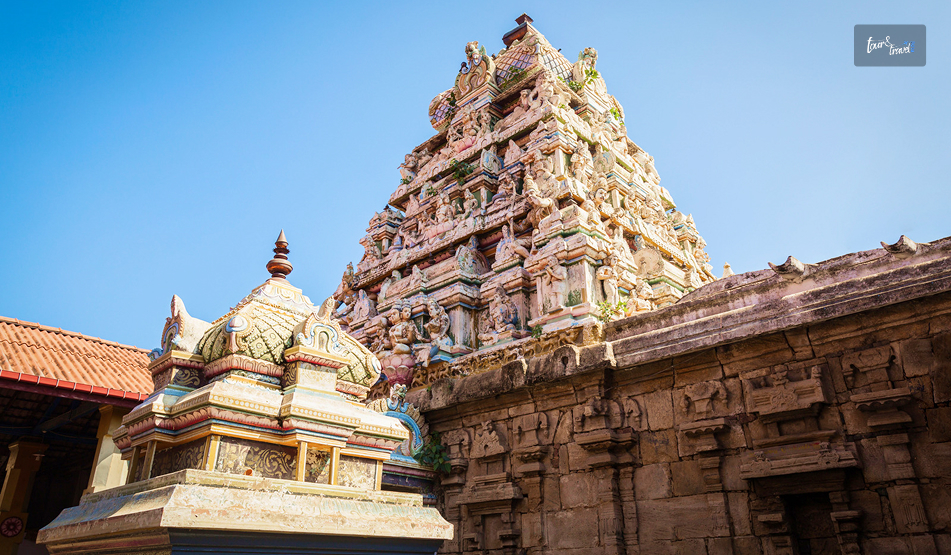
The temple is a complex of five temples, dedicated to Shiva, Ganesha, Ayyanayake, Kali, and, notably, a shrine to the Buddha as well. 

This temple once again reminded me that the religious traditions of Sri Lanka have always been inclusive. Also, they have often overlapped with each other, rather than staying separate. 

Why Is The Munneswaram Temple So Special? 

The temple has a mythological association with the Ramayana. It is said that Lord Ramachandra worshipped Lord Shiva here for penance after killing Ravana, who was an ardent Shiva devotee and a Brahman. 

Along with the mythological connection, the temple also stands out with its ambiance. As I entered the temple, the incense smoke rose over the Dravidian-style gopuram. 

Also, there was a practiced calm even if the priests and devotees moved between the shrines. 

However, the temple bustles with energy and human presence during the annual Munneswaram festival. 

It is usually held in August, and the entire town seems to reorganise itself around the procession.

2. Chilaw Lagoon And The Sand Spits

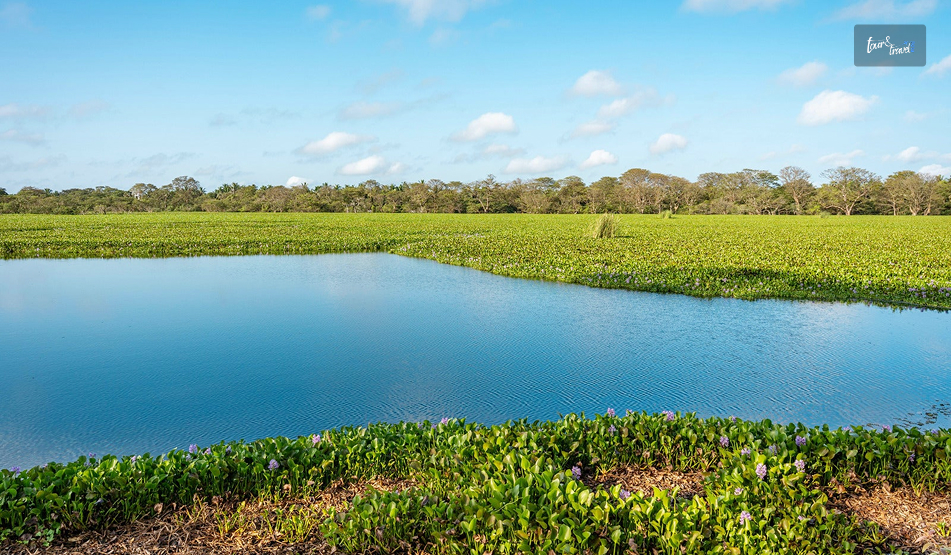
Chilaw picks its own rhythm from the lagoon. It is fringed by sixteen species of mangrove and reaches close to four metres at its deepest point before opening into the Indian Ocean.

I took a late-afternoon boat out with a local fisherman who moonlights as a guide. 

I spotted egrets lifting off the mangrove roots, and the occasional splash of a mullet. Also, with absolutely no other tourists in sight, it was the most peaceful 1 hour in Chilaw. 

The lagoon isn’t just scenic.

It is a working fishery that supports well over a thousand families in the area, and you feel that livelihood everywhere.

I saw the nets drying along the banks to the small jetties where boats are unloaded each morning. 

Nearby, the Chilaw sand spits offer a quieter, more unusual landscape for birdwatchers, with shifting sandbanks that host wading birds you won’t easily spot elsewhere on this coast.

Regarding the charges, you have to negotiate directly with a fisherman at the jetty rather than book through a formal operator. My boat ride cost me LKR 500.  

So, this is still very much an informal, word-of-mouth arrangement, and that is why there will be a lot of negotiations regarding the trip duration and the charges. 

3. Anawilundawa Wetland Sanctuary

How Chilaw, Sri Lanka, Turned A Quick Stop Into Two Extra Days: Know The Fishing Town

If you are staying in Chilaw, do not skip a half-day trip to Anawilundawa, located between Chilaw and Puttalam. 

This 1400 hectares area is a Ramsar Site, and it has three distinct ecosystems. You will find a 

mangrove swamp, coastal saltwater belt, and freshwater lakes.

Also, the biodiversity numbers are amazing.

  • 150 Bord Species
  • 20 Mammal Species
  • 70 Types of Butterflies

Moreover, half of the freshwater fish species in Sri Lanka call Anawilundawa Wetland Sanctuary their home. 

I made a mistake by not taking a guide with me for the wetland visit. 

A local birder pointed out species from the boat that I would have completely missed on my own, including a painted stork colony that was, frankly, worth the whole detour.

If birdwatching is even a mild interest, hire a guide at the entrance.  It is inexpensive and transforms the visit.

The entry is free, and the guide cost will be around LKR 1500 for two hours. Also, the sanctuary remains open from 6 AM to 6 PM. 

4. Faith Along The Coast: Churches And Kovils

Home to the Munneswaram Temple, Chilaw also harbors a Catholic heritage. 

The St. Mary’s Church in the town centre is a prominent example, and its architecture and quiet courtyard make it worth a stop even outside service hours. 

A short drive away in Thalawila, St. Anne’s Church draws thousands of pilgrims each July for its annual feast, one of the larger Catholic gatherings on this stretch of coast, complete with processions and all-night vigils.

What struck me most, wandering between kovils, churches, and small unnamed shrines tucked down side streets, was how unremarkable this coexistence felt to the people living it. Nobody made a point of it. 

It was simply how the town worked.

5. Beaches, Toddy Taverns, And The Fish Market

How Chilaw, Sri Lanka, Turned A Quick Stop Into Two Extra Days: Know The Fishing Town

Chilaw beaches are not the typical postcard frames you will find on the southern coast. 

Silver Beach, the most prominent among them, is right in town. I loved an early evening walk there. 

Also, nearby Marawila offers a longer, quieter stretch of sand if you are willing to drive twenty minutes north.

For a real sense of the town, though, skip the beach and get to the Chilaw fish market before 7 AM. 

It was loud, slippery underfoot, and completely unstaged. Furthermore, when the boats came in, auctioneers shouted prices, and vendors were already frying fresh catch on the spot. 

I ended up having a breakfast of string hoppers and coconut sambol from a stall two feet from the water, and it remains one of the best meals of the trip.

Later, I visited one small family-run toddy tavern. It served fresh fermented palm sap alongside coconut-based snacks. 

It was strong, and I just took a few sips. Though it is a slice of daily Chilaw life, it is not for someone who is not used to it. 

What Is The Best Time To Visit Chilaw? 

Being on the west coast, Chilaw follows a different rhythm than the south or east.

SeasonMonthsConditions
Dry SeasonDecember–MarchSunny and low-humidity weather conditions are the best for lagoon trips and wetland walks.
ShoulderApril, NovemberTransitional months offer fewer crowds, and the weather can be mixed.
Southwest MonsoonMay–OctoberHeavier rain makes birdwatching and boating harder to plan around.
Munneswaram FestivalUsually AugustThe town reorganises around the temple procession.
So, it is worth timing a visit around.

Combining Chilaw With Nearby Stops

Route SegmentApprox. Driving TimeBest Known For
Colombo to Chilaw2 hoursMunneswaram Temple, fish market
Chilaw to Anawilundawa30 minutesWetland sanctuary, birdwatching
Chilaw to Marawila20 minutesQuieter beach stretch
Chilaw to Puttalam45 minutesPuttalam Lagoon, salt pans
Puttalam to Wilpattu National Park30–45 minutesLeopard sightings, natural “villu” lakes

This makes Chilaw a natural half-day or overnight anchor for a longer west-coast loop rather than a single-purpose day trip.

Why Chilaw Is Worth It

Chilaw is not a destination that announces itself. 

There is no single landmark that makes it onto every Sri Lanka itinerary, no beach that dominates Instagram feeds. 

What it offers instead is texture. It has a working fish market, a thousand-year-old temple complex, mangrove lagoons, and a religious diversity that’s lived rather than performed. 

If you are the kind of traveller who would rather stumble into a real town than tick off a famous one, Chilaw is worth far more than the quick pass-through I originally planned.

Share on Social Media

Sibashree is a travel, culture, and leisure writer who has been writing since the age of 12 and professionally since 2014. With more than a decade of travel writing experience and journeys across India and several parts of the world, she brings a deeply personal and thoughtful perspective to her work. A student of English Literature and Mass Communication, Sibashree has always viewed travel as more than movement — for her, it has been a way of understanding people, cultures, and herself. Her passion for spiritual exploration has also led her to many unusual and meaningful destinations over the years. Outside of writing, Sibashree enjoys watching European cinema, reading about global politics, and reflecting on the stories hidden within everyday places.

Leave a Reply

Your email address will not be published. Required fields are marked *

title-img Related

READ MORE Dehiwala Zoo

Dehiwala Zoo In Sri Lanka: A Favorite Spot For Animal Lovers Since 1936 

BY  Sibashree Mar 16, 2026

The National Zoological Gardens of Sri Lanka, or Dehiwala Zoo, is one of the first zoos in Asia.  So, if you have enjoyed the Kaudulla National Park safari, you will also love a visit to the Dehiwala Zoo.  This zoo has an area of 26 acres, and it is home to more than 2000 animals. Furthermore, you will find fountains, orchids, and peaceful lakes here. Moreover, it offers a unique Night Safari experience. On this night safari, you can spot the mysterious nocturnal animals.  In addition, you can join the educational workshops here to learn about wildlife conservation.  So, come and have a thrilling wildlife experience at Dehiwala Zoo. However, before I talk about its location, how to travel, things to do, and the best time to travel, here is a quick look at the essential details.  Dehiwala Zoo In Colombo: Quick Info  Address120 Galvihara Road, Dehiwala-Mount Lavinia, Sri LankaTimings8:30 AM to 6 PMTicket- LKR 100 for Local Adults- LKR 2,500 for ForeignersFacilities- Souvenir Shops- Restaurants- Boat Rides- Icecream Stalls- Zoo Aquarium- Butterfly Garden Pony Rides- Elephant Rides- Flowers- Fountains How To Reach Dehiwala Zoo?  Dehiwala Zoo is well accessible by air, train, bus, taxi, and ride-hailing apps. While the easiest option is to take a taxi or private car, traveling by bus is the cheapest way.  1. By Air Dehiwala Zoo is just 40 km away from the Bandaranaike International Airport.  Furthermore, you will easily get a ride-hailing service or a taxi to reach the Dehiwala Zoo within 45 minutes.  2. By Train The Dehiwala Railway Station is the closest to the zoo. So, if you are traveling from the north, you have to take a train from Colombo Fort Station to Dehiwala Railway Station.  Also, if you are traveling from the south, you can stop at Mount Lavinia Railway Station. The beautiful Mount Lavinia Beach is just 1.4 km away from the railway station.  Tuk-tuks are available from both these railway stations, and the train ticket price will be between 40 and 100 LKR.  3. By Taxis Or Ride-Hailing Apps The easiest way to reach Dehiwala Zoo is to take a ride-hailing service or a taxi. Uber and PickMe are the main ride-hailing services here.  You can book vans, tuk-tuks, or cabs using these apps.  Furthermore, the travel cost in this way is between 1700 and 2400 LKR.  4. By Bus  You will get buses to Dehiwala Zoo throughout the day. You can take bus 176, 100, and 101.  Furthermore, the ticket prices are between 30 and 50 LKR.  What Are The Best Things To Do At Dehiwala Zoo?  From watching the elephant performance to taking a ride in the zoo train, the activities in the zoo are diverse and ideal for tourists of all age groups.  However, for me, the most delightful part was watching the elephants in action. Here is more about the things to do at Dehiwala Zoo.  1. Watching The Animal Shows  Located on the Anagarika Dharmapala Mawatha, Dehiwala Zoo has monkeys, animals, fish, birds, reptiles, and other animals.  The zoo further hosts animal shows.  So, you will love seeing an elephant dancing or a seal playing with a ball.  2. A Walk Through The Zoo The zoological garden has a reptile house, aviary, aquarium, and butterfly garden. So, you can take a walk through the garden.  The zoological garden area also has a dedicated botanical garden.  However, if you don’t want to walk much, you can take a ride on the zoo train.  3. Learn About The Flora And Fauna Present Here  If you want to know about the animals and plants here, you have to take a guided tour. Furthermore, you can learn about the flora and fauna and the rich history of the zoo from the Educational Center.  Moreover, the zoological garden has an animal hospital. You will find veterinary doctors and caregivers at work there.  4. Take A Part In The Night Safari  The zoo has a dedicated Leopard Trail for night safaris. You can watch the nocturnal animals in action during the safari.  Furthermore, you can arrange a picnic or explore the local Dehiwala Market. Furthermore, if you want a spiritual experience, visit the Bellanwila Rajamaha Viharaya.  If you want to explore more Buddhist places of importance in Sri Lanka, you can visit the Ritigala Forest Monastery and Sigiriya Rock.  What is the Best Time to Visit Dehiwala Zoo In Sri Lanka? December to April is the best time to visit Dehiwala Zoo. This is the dry season and hence is ideal for outdoor exploration and wildlife spotting.  However, it is also the peak season. So, plan a visit early in the day and avoid weekends.  Furthermore, May to November is the wet season in the garden, and the zoo looks lush and green. However, the animals can be less active in these months.  Things To Keep In Mind For Visiting The Dehiwala Zoo In Sri Lanka Irrespective of the season of your visit, you have to keep the following things in mind.  You have to wear comfortable footwear with a good grip as you have to walk a lot through the zoo.  Furthermore, you have to be respectful to the animals and follow the rules of the zoo. Is A Trip To Dehiwala Zoo Worth The Experience?  Yes, Dehiwala Zoo is a place worth visiting because you don’t just spot animals here, but learn about their livelihood and nature.  Furthermore, this is one of the oldest zoos in Asia and was built in 1936.  However, the zoo authority must be more focused on the preservation of the zoo, as the last time I visited, certain things drew my attention.  Seeing the animals here, the night safari, and the performances by animals have become more like a curriculum, and they show a lack of infrastructure.  So, you may feel sometimes disappointed if you are planning to visit the zoo to see a performance of the animals.  Still, many people visit this zoo because of its heritage. 

READ MORE Dalawella Beach

Want To Swim With Turtles And Surf At Dalawella Beach? Know The Timings, Entrance Fee, And More

BY  Sibashree Apr 27, 2026

Dalawella Beach is the best beach for families in Sri Lanka in 2026.  It’s not me, and Lonely Planet has conferred this title to Dalawella Beach, which is just south of the Unawatuna resort town.  Furthermore, it is just 20 km from Galle and less than 8 km from Galle Fort, a UNESCO World Heritage Site.  On the same list, the Hiriketiya Beach has become the best beach for amenities, the Mirissa Beach has been chosen as the best beach for whale watching, and Unawatuna Beach has been selected as the best beach overall.  You can take a tuk-tuk from Unawatuna and reach this beautiful beach within 10 minutes. Furthermore, it is a 2-hour journey by road.  Taxis to Dalawella Beach are also available from Galle.  While easy accessibility remains a plus for the beach on the southern coast of Sri Lanka, it stands out because of its rope swing attached to a leaning palm tree. This swing is also called the Dalawella Swing.  Moreover, Dalawella Beach or Wijaya Beach has a sheltered natural pool, formed by a reef and adorable turtles.  So, what are the things to do and the top attractions at this beach? Let’s discuss this in detail in this blog.  How To Reach Dalawella Beach?  As I have said already, you can easily take a tuk-tuk from Unawatuna and reach Dalawella Beach within 10 minutes.  I paid LKR 200 as the tuk-tuk price and got off at the Dream Cabana Hotel. Here, you will find the palm tree that has the famous Dalawella Swing.  You will also get buses from Unawatuna to Dalawella every 15-20 minutes, and the ticket price is LKR 50.  Why Is Dalawella Beach A Must-Visit? (Things To Do In Dalawella Beach) Sri Lanka has the best of many things. It has the famous Buddhist sites, such as the Dambulla Royal Cave Temple, or the Sacred City of Anuradhapura.  These are high-energy places and are soaked in spiritual fervor.  On the other hand, the coastal gateways such as the Uppuveli Beach in Trincomalee or Ahangama Beach Town, offer you the ideal places to relax and unwind.  The Dalawella Beach near Unawatuna is, of course, a nice addition to this list of beaches in Sri Lanka.  While relaxing and enjoying a laid-back vibe is the best thing to do when you are at Dalawella Beach, here are some other activities you must try.  1. Swing Over The Water  The palm tree swing is the top attraction at Dalawella Beach. This swing is attached to the leaning palm tree in front of the Dream Cabana hotel.  You can enjoy this swing ride over the water and have the most amazing experience. A hit on Instragram, this is the perfect spot for photography or making reels at Dalawella Beach.  The cost of taking this swing is LKR 500, which I have seen many travel guides mentioning as the entry fee.  However, entry to Dalawella Beach is free.  2. Watch The Sunset From The Wijaya Rock You will find the Wijaya Rock if you walk a few hundred meters from the Wijaya Rock. The standalone rock comes out of the sand and reaches out into the ocean.  There is a palm tree right beside the rock. So, the overall setup is very Insta-worthy, especially during the hours of sunrise and sunset.  3. Swim With Turtles  Turtles are a major attraction on the Sri Lankan beaches.  Be it the beaches in Jaffna or the Sea Turtles Conservation Centre near Mount Lavinia Beach, these adorable creatures add more delight to the beach experience.  At Dalawella Beach also, I spotted some turtles, and swimming by them in the lagoon was relaxing.  So, you don’t need to snorkel to meet them.  Furthermore, if you don’t want to swim in the water, you can watch them from the top of the Wijiya Rock or use a drone camera to capture their beauty.  4. Surfing Near The Frog Rock  Dalawella Beach is not the best option if you want to enjoy surfing in Sri Lanka. However, it is not the worst either.  You will find the iconic Frog Rock at the end of Dalawella Beach. The natural formation of this boulder makes it look like a frog.  However, the water here is quite shallow, and the reef is a major challenge. So, you will mostly find locals surfing in this area.  Moreover, Dalawella Beach has some delightful cafes and restaurants. You can enjoy seafood and chilled beer here and enjoy amazing sunset views.  What Are The Other Beaches To Visit Near The Dalawella Beach?  As I have mentioned, Dalawella Beach is not that great as a surfing destination, and it does not have a surfing break.  So, you can try nearby beach options such as Ahangama, Kabalana, or Koggala.  The best among them is, of course, Ahangama, and you can easily reach this beach town by a tuk-tuk, and it takes just 20 minutes.  Ahangama is the best because it has around fifteen surf breaks along a few kilometers of the coast.  The Kabalana Beach, around 15 km away from Dalawella Beach, is also a popular surfing destination and has the best A-frame in Sri Lanka.  However, if you want a more peaceful experience at a remote place, you can try Koggala. It is just 10 minutes away, but it can be a little dumpy.  Where To Stay If You Want To Surf At Dalawella Beach?  You will find many hotels to stay at Dalawella dotting the beach. However, it is always better to take a tuk-tuk ride or a short walk to find better options.  For example, the Rockside Cabanas Hotel is the most popular accommodation, and it is within walking distance of the beach. It is also very close to the turtle lagoon.  You can also plan a stay at the Horizon Hill Top Villa. Take a tuk-tuk to reach this hotel in two minutes from the beach.  It serves an amazing breakfast, and it has a lovely pool in the jungle.  What Is The Best Time To Visit Dalawella Beach?  Dalawella Beach remains open 24x7. However, 6 AM to 7 PM is the best time to visit the beach in a day.  Season-wise, December to March or the dry season, is the best time to visit Dalwella Beach.  Moderate temperature with an average of 31-32 degrees Celsius, long sunshine hours, and calm waves make this season ideal for regular tourists and surfers.  Moreover, these months are the best for spotting turtles here. 

READ MORE Mullaitivu

Mullaitivu Tourist Places And The Coastline That Taught Me How Silence Speaks

BY  Sibashree Jul 22, 2026

My trip to Sri Lanka crossed many dramatic turns, especially in the Northern part of the country.  With Vavuniya feeling like a crossroads rather than a stopover and Mannar being a high point where the wind never stops, the next stop was Mullaitivu.  Mullaitivu was a name that I had only read about in the news archives.  Mullaitivu is even in the news today as the people of Keppapilavu have been protesting for days now for the return of their ancestral lands.  Thurairasa Ravikaran and Sivagnanam Shritharan, two Tamil parliamentarians, have shown their support and solidarity to this protest.  Nevertheless, while Trincomalee beaches and the rich culture of Jaffna dominate the conversations about Northern Sri Lanka, Mullaitivu surfaced as a place talking about the past.  In this article, I will talk about my two days in Mullaitivu, from the drive in to the lagoon that ended a war, and why I think this coastline deserves more than a passing mention on a map. Why Mullaitivu Almost Stayed Off My List The day I spent at Vavuniya, the guesthouse caretaker there, a soft-spoken man named Selvam, was the one who first brought up Mullaitivu. About Mullaitivu, he mentioned,  “The beaches were empty, the lagoon was calm, and the town had not yet learned how to perform for tourists.” This stirred me, as most travel forums I had checked mentioned Mullaitivu as a former war zone with a nice coastline and not much infrastructure. While this is not false, this is only a fragmented picture of Mullaitivu. How I Reached Mullaitivu From Vavuniya, I took A34 to reach Mullaitivu. It was a distance of around 54 kilometers, and I reached within an hour and a half.  The road narrowed past Puthukkudiyiruppu, cutting through scrubland, paddy fields, and the occasional stretch of forest before the land flattens out toward the coast. How Mullaitivu Felt At First Sight?  Mullaitivu was once a small fishing harbor.  It was a small fishing harbor and a stop for sailing vessels moving goods between Colombo and Jaffna in the early twentieth century.  Today, it also remains a fishing town, unbothered and unhurried by outsiders.  As I entered the town, my driver, Ravi, pointed out the old lighthouse. It was built in 1896, and it has lost its original iron frame.  So, when you visit the lighthouse today, you can only find a faded signboard.  Nevertheless, I spent my first evening walking along Mullaitivu Beach.  Fishing boats had gathered there, forming neat rows, and the nets were drying on the sand.  Also, it was most delightful to find children playing cricket on the sand with a tennis ball.  Being from the country where cricket is a religion, I joined them. We bonded big time talking over big names such as Kumar Sangakkara and Kusal Mendis.  A few meters away from them, an elderly woman was mending a fishing net.  It felt like a scene from a Sanjeewa Pushpakumara movie. Like his films, Flying Fish and The Venishing, it was like a scene depicting the raw portrayal of survival.  What Are The Places To Visit In Mullaitivu?  I was not prepared for the amount of Civil War history Mullaitivu offered me.  Also, the birds and the sanctuary where the beach and lagoon meet allowed me to unwind with so many things going on in my head about life during and after the Civil War in Sri Lanka.  Nanthikadal Lagoon: Where The War Ended At a glance, the Nanthikadal Lagoon looks like a shallow, sand-fringed body of water. It is on the northeastern edge of the district. Small rivers feed it, and it finally opens into the Indian Ocean.  When I reached the lagoon, I found some egrets standing motionless in the shallows. Then, a kingfisher dropped into the water and came up empty. Ravi then took me to an old man, a local school teacher called Rajan. He narrated the entire story of the Nanthikadal Lagoon to me.  What Happened At Nanthikadal Lagoon  The 26-year Civil War of Sri Lanka ended at Nanthikadal Lagoon in May 2009.  Here, the government forces cornered the last LTTE fighters. The group's leader, Velupillai Prabhakaran, was also killed.  In the weeks before that, civilians had been pushed into a shrinking strip of land along this same lagoon. They were between the fighting lines. In a report published on 17th January 2009, The Guardian wrote,  “International concern is intensifying over the fate of around 350,000 civilians trapped in a rapidly shrinking rebel-controlled pocket of land in Sri Lanka's north east, as the military steps up its campaign to end the civil war by crushing the Tamil Tiger forces. There is no specific count of the number of human casualties in these final months. A 2011 UN Panel of Experts report stated that credible sources estimated as many as 40,000 civilian deaths. Another report, published by The Times (UK) on 29th May 2009 based on confidential UN documents the paper obtained, reported that civilian deaths in the no-fire zone rose sharply from late April. The deaths averaged around 1,000 killed per day until May 19, 2009. Thus, it had put the total civilian death toll at over 20,000. (Source: Al Jazeera).  The Sri Lankan Government has shown a much lower figure.   However, in the UN Rights Council: Act on Sri Lanka Report published on 13th September 2011, Brad Adams, the Asia director at Human Rights Watch, mentioned,  “When a UN Panel of Experts report concludes up to 40,000 civilians died amid war crimes, the Human Rights Council should feel compelled to act. The council should order a full international investigation – anything less would be a shameful abdication of responsibility.” How Nanthikadal Lagoon Looks Back At Those Days Every Year Tamil families gather at Mullivaikkal, close to the lagoon, on 19th May every year to remember relatives lost in the final days.  They light lamps and plant coconut saplings in their memory.  Standing at the water's edge, with fishermen casting nets a short distance away, I found it hard to reconcile the stillness in front of me with what this ground had witnessed. The Victory Monument, The Museum, And The Submarines The Puthukkudiyiruppu Victory Monument was on the Paranthan-Mullaitivu road, which was a short drive from the lagoon.  It was unveiled in 2019, and it depicts a soldier carrying the national flag.  Furthermore, the surrounding pond and lilies represent the ocean around the island and the nation itself.  An adjoining war museum displays weapons, vehicles, and vessels used during the conflict's final phase. Entry to the museum was free, and it remains open from 8 AM to 5 PM.  Also nearby, there were rusted hulls, and it was the site where the government troops discovered an abandoned Sea Tiger boatyard in 2009.  It is where the LTTE's naval wing used to build improvised submarines and semi-submersible craft.  I want to be honest about something here. This is a site that different communities in Sri Lanka read very differently, and I do not think a two-day visit qualifies anyone to settle that.  What I can say is that visiting both the lagoon and the monument on the same day gave me a fuller, more uncomfortable picture than either would have alone. The Kokkilai Lagoon:  Where The Coastline Turns Peaceful Again On the second afternoon, I drove out to Kokkilai Lagoon.  It was a wetland sanctuary around 25 kilometers southeast of town.  It has been a protected bird sanctuary since 1951, and I could spot pelicans, herons, and occasional flamingos moving along the shallows.  The crowd of birdwatchers was small, and the overall ambiance was quiet.  Chundikulam Further along the coast, Chundikulam allowed me to relax. It was a sanctuary with no visitors.  I quietly cherished the view of the beach and lagoon blurring into one uninterrupted stretch of sand and water. Coming back from Chundikulam, I had some spicy crab curry and rice at a roadside stall. It was similar to what I had in Jaffna, but it tasted even better.  Ravi said, “It was the only reason to end the day here.”  My Two Days In Mullaitivu: The Itinerary  Day TimeActivities/Places to VisitDay 1MorningDrive from Vavuniya via the A34MiddayCheck-in and Walk through Mullaitivu TownAfternoonNanthikadal Lagoon and the CausewayEveningMullaitivu Beach at SunsetDay 2MorningPuthukkudiyiruppu Victory Monument and War MuseumMiddaySea Tiger Submarine YardAfternoonKokkilai Lagoon BirdwatchingEveningChundikulam Coastline and Seafood Dinner Mullaitivu: A Quiet Place That Asks You To Listen  Away from the grandeur of Kandy and Colombo, Mullaitivu is a place that simply exists. It tells the stories of human survival, and it is still recovering and fishing despite the stains and the lives lost in the Civil War.  So, if you are already tracing the north of Sri Lanka through Vavuniya, Kilinochchi, or Mannar, I would not leave Mullaitivu off the route.  Just go with the understanding that this is not a beach add-on. It is a place that holds two very different stories at once, and it does not owe you a tidy conclusion to either.