


What Are The Things To Do In Arugam Bay? Know Why A Visit To Arugam Bay Is Worth It

Golden sands, world-class surf breaks, and a distinct bohemian charm! 

All these make Arugam Bay, another southeastern coastal gem of Sri Lanka, stand out. 

This sleepy fishing village wakes up with the swelling of the ocean. Also, the destination creates an expert balance between a high-energy aquatic sports culture and a deeply relaxing and off-the-beaten-path atmosphere. 

You can even be an experienced longboarder ready to ride an iconic right-hand point break. You are also an enthusiast of slow travel, looking to explore ancient temples in the jungle or pristine national parks. 

Arugam Bay offers an unforgettable tropical escape for all types of travelers. 

Moreover, since Arugam Bay is not as busy as the traditional central southwestern travel loop of Sri Lanka, it still has a raw and authentic identity. 

So, in this article, I will discuss the things to do in Arugam Bay and my experience there. 

What Are The Things To Do In Arugam Bay? 

What Are The Things To Do In Arugam Bay

Arugam Bay is not the usual idyllic coastal getaway you are looking for. 

From being an adventure hub for surfers across all expertise levels to climbing the Elephant Rock and hiking to the Ancient Kudumbigala Monastery, it is a versatile destination for backpackers, solo travelers, and families. 

1. Learn To Surf The Legendary East Coast Waves 

Learn To Surf The Legendary East Coast Waves 

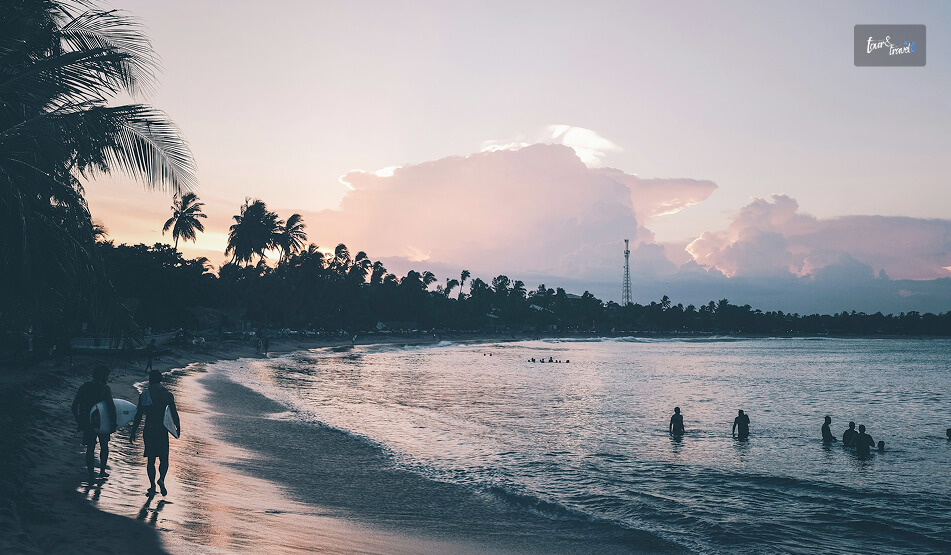
The local coastline is home to a happening surf community, and the dotting crescent bays offer optimal wave conditions for every tier of experience. 

Moreover, as I walked through the main street, I found an abundance of surf shops offering professional instruction and gear rental. 

Surfing For Beginners At Arugam Bay 

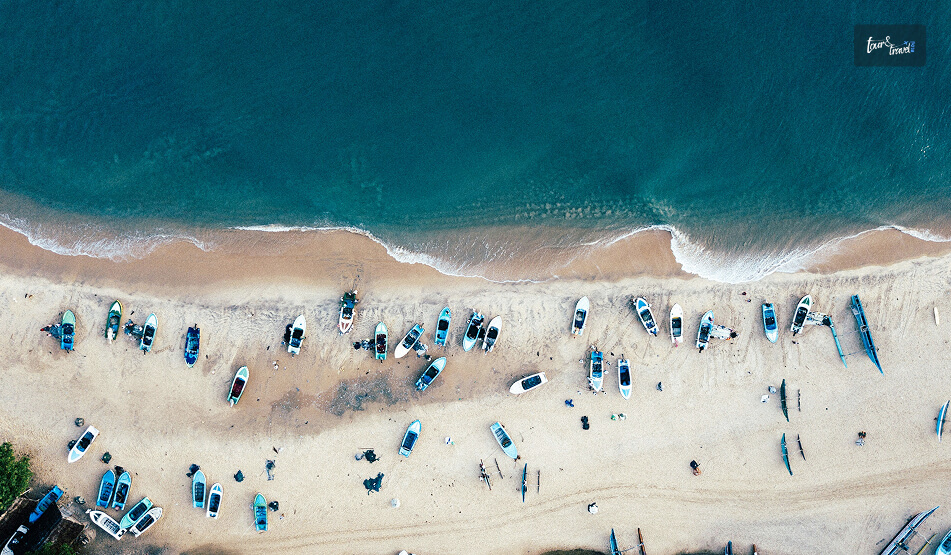
If you are a beginner, you have to stick to the main crescent of Arugam Bay Beach. 

Furthermore, the sandy bottom here is incredibly forgiving. So, if you are a beginner, you can pay 2,000 to 3,500 LKR to a local instructor for a 1.5-hour lesson.   

Moreover, the board rentals are highly economical, and you have to pay around 400 to 800 LKR for a board rental for a day. 

If You Are An Intermediate Or Advanced Surfer 

You can take a short tuk-tuk ride north to Pottuvil Point or Whiskey Point. 

Furthermore, if you are seeking maximum power, you must visit the Main Point or venture south to the secluded A-frame waves at Peanut Frame. 

2. Relaxing At Arugam Bay Beach

Relaxing At Arugam Bay Beach

The central beachfront of Arugam Bay is one of the most beautiful shorelines in Sri Lanka

The golden sand and leaning coconut palms welcome you to relax at the end of a multi-day itinerary. 

Enjoy a fresh king coconut, lay out a towel, or rent a dedicated sunbed from popular beachside establishments like Friends Indeed or the Upali Beach Resort.

Moreover, you can enjoy a refreshing swim, and if you don’t want to navigate around surfboard traffic, you can walk to the right-hand side of the bay.

3. Watching The Sunset From The Elephant Rock 

Elephant Rock is the best location to watch the sunset in Arugam Bay. I just took a short drive for 20 minutes from the town to reach this massive natural rock formation. 

This rock formation stands at the end of the unpaved track where the jungle meets the sea. 

The Climb 

After reaching the trail, I had to take a steep 10-minute walk to reach the top of the Elephant Rock. 

From the top of the rock, you will enjoy a 360-degree view of the wild coastline and watch surfers in action.

Wildlife Precautions 

At the base of the rock, there is a tidal lagoon, and it is a known habitat of wild crocodiles. 

So, you must not wade into this water. 

Moreover, elephants roam through this corridor during twilight frequently. So, you must come down from the rock and depart the place before darkness. 

Cost 

A tuk-tuk ride from Elephant Rock to Arugam Bay costs between LKR 800 and 1000.

4. Hiking To The Ancient Kudumbigala Monastery 

The Kudumbigala Monastery is located at a distance of around 30 kilometers from Arugam Bay.

This monastery was built in 246 BC during the reign of King Devanampiyatissa. This was a sweeping rock monastery, which was a sanctuary for the Buddhist monks who wanted to retreat from urban centers. 

The site is expansive, and here, you will see around 200 ancient caves beneath monolithic boulders. 

I trekked up a series of carved stone stairs through dense jungle canopy to reach the summit. 

There stands the Belumgala Stupa, the only surviving cylindrical stupa of Sri Lanka. Moreover, from here, you can enjoy an uninterrupted view of the Kumana National Park’s emerald forests extending all the way to the Indian Ocean.

However, this area is a wild animal migration path. So, you have to exercise caution or hire an experienced local driver while exploring the area. 

5. Wilderness Safari In Kumana National Park

Wilderness Safari In Kumana National Park

If you are done exploring the southwestern reserves, you can head to Yala East or the Kumana National Park. 

Very close to the south of Arugam Bay, it offers an intimate environment for a wilderness safari as it receives a low volume of tourist jeeps. 

Furthermore, this national park stands out as the sanctuary of many migratory birds, which mostly visit between April and July. 

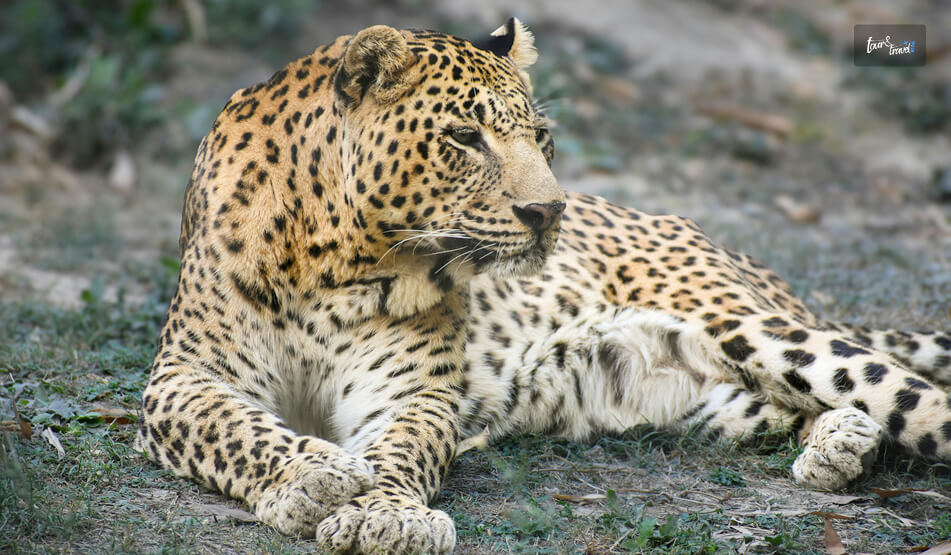
Also, on a usual 3-hour drive in the morning or afternoon, you will spot wild Sri Lankan elephants roaming the marshes, mugger crocodiles, wild boars, golden jackals, and, if fortune favors you, an elusive leopard. 

Moreover, the national park remains open from 6 AM to 6 PM, and you can easily arrange private 4×4 game drives through experienced local services like Arugambay Agenda or Budget Arugam Bay Tours & Safari on the main strip.

6. Marveling At The Seaside Muhudu Maha Viharaya Stupa

The Muhudu Maha Viharaya is amidst the sand dunes of Pottuvil Beach. It is a fascinating historic site, and it is known as the “Temple of the Ocean.” 

Moreover, the history of the stupa goes back 2000 years, and this peaceful white stupa has many statues.

7. A Peaceful Pottuvil Lagoon Safari 

If you want a non-motorized, tranquil experience, you must take a boat ride through the Pottuvil Lagoon’s mangroves, operated by local fishermen.

Moreover, this is an amazing activity to spot wildlife such as elephants, water buffalo, and monitor lizards up close. 

You must join a local community-based tour of 2 hours here. The tour will cost 2,000 LKR ($6 USD) per person.

Read Also:

Share on Social Media

Sibashree is a travel, culture, and leisure writer who has been writing since the age of 12 and professionally since 2014. With more than a decade of travel writing experience and journeys across India and several parts of the world, she brings a deeply personal and thoughtful perspective to her work. A student of English Literature and Mass Communication, Sibashree has always viewed travel as more than movement — for her, it has been a way of understanding people, cultures, and herself. Her passion for spiritual exploration has also led her to many unusual and meaningful destinations over the years. Outside of writing, Sibashree enjoys watching European cinema, reading about global politics, and reflecting on the stories hidden within everyday places.

Leave a Reply

Your email address will not be published. Required fields are marked *

title-img Related

READ MORE day trips from Tokyo

What Are The Best Day Trips From Tokyo? Most Popular Ones You Will Love 

BY  Sibashree Mar 26, 2026

If you are like me, your first trip to Japan probably started off in Tokyo, surrounded by bright neon lights and an astounding number of people moving around to get from place to place. Tokyo is a logical starting point because of the many inexpensive daily flights that arrive, as well as its efficient public transportation, making it very easy to get around and communicate with those whom you meet there, because they speak some English. But let me tell you a little secret I learned from spending two different trips to Japan over the course of three weeks. Although I had fun in Tokyo, I’m definitely not a big progressive city person. The real beauty and the heart of Japan are found away from the chaos of Tokyo. The true essence of Japan can be experienced at its best in either the peaceful mountains high above the sea or in the salty air along the coast of Japan. So if you are planning on staying in Tokyo for more than three days, do yourself a favor and venture outside of the city limits.  These are my favorite day trips from Tokyo. You can travel to each of these destinations within 1 to 2 hours. What Are The Best Day Trips From Tokyo?  Tokyo is an incredible gateway. However, Japan’s true magic is often found in the places where the skyscrapers disappear.  Whether you want the spray of the ocean in Kamakura or the mountain air of Hakone, I promise that leaving the city for just a day will change how you see the country. From Mount Fuji to Kyoto, the Soul of Japan, the day trips from Tokyo are as diverse as they can be.  Here is a detailed account of my experience in those places.  1. Mount Fuji And Kawaguchiko: The Icon Travel Time: 2 Hours  How to Reach There: Highway buses from Shinjuku or Shibuya (~¥1,250–¥2,000 one way). If I can only recommend one escape, it will be Kawaguchiko, a town located right at the foot of Mt. Fuji.  "Shy" Fuji hides behind a curtain of clouds and can be quite elusive. While I visited, Fuji showed off for me on several occasions. I spent an entire day in this beautiful town, but would recommend an overnight stay at one of the many traditional ryokans situated on the lake if possible. There, you will notice the the juxtaposition of Fuji's reflection on Lake Kawaguchi at sunrise will be a once-in-a-lifetime experience. Highlights From My Visit Climbing the 398 steps of Chureito Pagoda was strenuous. However, the meditation-like calm through the forest made it worthwhile. I was fortunate enough to see the iconic site of the Red Pagoda with Mt. Fuji as a backdrop, as the clouds rolled in and covered the summit of Fuji. Hōtō noodles are a local specialty and are made up of thick, flat noodles cooked in a Japanese miso broth. Eating them will feel like a warm hug! So, don’t forget to try it.  2. Nikko: A Place Of Mist And Masterpieces Travel Time: 2 Hours How to Get There: Tobu Railway from Asakusa to Tobu-Nikko Station. When you visit Nikko, you will see all that it has to offer in the stunning, misty forests and cedar trees. Moreover, the detailed and ornate shrines seem to be jewelry boxes.    Insider Tip:  Arrive before 9 am at Lake Chuzenji to witness how the morning light creates an incredibly peaceful scene on the water.  If you arrive later than 9 am, visit the Toshogu Shrine first, which is where Shogun Tokugawa Ieyasu is buried and features the famous three monkeys, "See no evil, hear no evil, speak no evil". Many people come to see Kegon Falls, but it can be crowded due to the high tourist volume.  Unless you arrive at dawn, I would recommend skipping Kegon Falls and enjoying the calm waters of the lake instead. 3. The Coastal Soul Of Japan: Kamakura Travel Time: 1 hour How to Get There: JR Yokosuka Line from Tokyo Station (¥940 one way). Kamakura is also popular as the "Kyoto of the East," and I can see why.  Although it is an hour from Tokyo, when you are there, you will be surrounded by the smell of salt and incense from the temples instead of exhaust from busy streets. Be sure to see the Great Buddha (Daibutsu) at Kotoku-in.  This is a large bronze hollow statue located outside.  Standing there, surrounded by trees and soft sea light, I felt a sense of peace and tranquility.  After visiting the Great Buddha, I walked to Yuigahama Beach to watch the surfers and the sunset before enjoying a meal of sukiyaki or shabu-shabu. 4. Hakone: A Breath of Mountain Air Travel Time: 2 Hours How to Get There: Odakyu “Romancecar” from Shinjuku. I recommend the Hakone Free Pass. Tokyo is the pulse of Japanese culture, and it is in Hakone where you'll find peace after the city's frenzied pace. Hakone is a beautiful blend of modern and ancient.  The first stop for my visit was at the Hakone Open-Air Museum, where I walked among sculptures created by some of the most famous artists in the world, surrounded by natural beauty all around me.  Then, I took the Hakone Ropeway across the Owakudani Valley.  It is an active volcanic area where steam rises out of the ground, creating a picture of a living canvas.  On clear days, you may see Mt. Fuji as well.  The day was capped off with a boat ride on Lake Ashi aboard a vessel that resembled a "pirate ship."  I was hesitant about it being cheesy, but the sights were gorgeous. 5. The Easy Escape To Yokohama  Travel Time: 30 Minutes How to get there: JR Tokaido or Keihin-Tohoku Line from Tokyo Station (¥480). When I need to relax from the chaos of Tokyo, I tend to go to Yokohama.  Yokohama is the 2nd largest city in Japan. However, it has a much more relaxing atmosphere due to the harbor.  I enjoy taking a stroll along Minato Mirai, which is another word for "harbor view," while enjoying the ocean breeze.  For something "quirky", I went to the Cup Noodles Museum to create my own cup of noodles and to learn about the history of Nissin Food Products.  However, the highlight was visiting China Town, which is the largest in Japan.  My recommendation is to arrive at China Town around 4:00 or 5:00 PM.  It will be early enough to beat the dinner rush and late enough to see the entrance of all the glow from the lanterns.  Take a bag of roasted chestnuts and enjoy the view of the skyline from the water while riding on the Cosmo Clock 21 Ferris Wheel. 6. A Trip Back In Time To Kawagoe Travel Time: 1 Hour How to get there: Tobu Tojo Line from Ikebukuro or JR from Shinjuku. If you want a taste of the Edo period without trekking all the way to Kyoto, go to Kawagoe.  It’s a walkable town full of clay-walled warehouses and wooden merchant houses. When I arrived at 8 AM, I heard the Toki no Kane (Bell of Time) tolling in the stillness of the morning.  I went back 200 years in time.  If you have time to go to Candy Alley, everything is made from sweet potatoes, cakes, chips, and even ice cream!  I know it sounds strange, but I assure you that it is really good! 7. Kyoto: The Soul Of Japan Travel Time: 2 Hours (by Shinkansen) How to get there: Tokaido Shinkansen from Tokyo Station (¥13,320 one way). I usually tell people to stay at least two days in Kyoto, but if a day trip is all you can manage, do it. It is expensive, but it is worth every yen. To appreciate Kyoto fully, you should focus on finding peace and serenity rather than simply marking off temples from a to-do list.  Instead of fighting the crowds at the bamboo groves, I found my peace by sitting in the wonderful gardens of Kennin-Ji Temple and breathing the incense they burned there. 8. Enoshima: Islands And Icons  Travel Time: 2 Hours How to get there: Odakyu Line from Shinjuku to Katase-Enoshima Station. Enoshima is where Japan’s coastal charm meets its spiritual side.  It’s a small island with a bridge and shrines dedicated to the goddess of the sea. Prepare to take many steps as you make your way to Iwaya Caves on the opposite end of the island.  The sound of waves'll surround you as you leave the noise of the city behind.  Furthermore, inside the caves, it’s a different world! After you leave the caves and head back, stop at a vendor and buy some grilled fish or seafood so you can enjoy the smoky aroma of the grilled fish while walking through Enoshima Island. 9. Chichibu: Mountains And Moss Travel Time: 2 Hours How to Get There: Seibu Line from Ikebukuro to Seibu-Chichibu Station. Chichibu is an outdoorsy place if you love the outdoors!  It's got mountains and has a strong cultural heritage.  If your timing is right in the spring, Hitsujiyama Park gets huge patches of pink and white moss phlox in bloom. This area has deliciously filling meals, including miso potatoes and waraji katsu (a pork cutlet that’s named after a straw sandal because of how large it is). 10. Karuizawa: The Alpine Retreat Travel Time: 1 Hour How to get there: Hokuriku Shinkansen from Tokyo Station. Finally, there is Karuizawa. This is where Tokyo’s elite found an escape from the summer heat, and it still feels incredibly sophisticated. Renting a bicycle is one of the best ways to experience this area.  I spent my first morning biking through beautiful pine tree forests until I arrived at Kumoba Pond. The pond has such calm water that it feels like looking into a huge mirror!  In the winter, it turns into a beautiful, snowy retreat perfect for relaxing after spending several days in the city.  Read Also: Is The Japan Rail Pass Worth It In 2026? Should I Buy Or Avoid It As A Conscious Tourist? What Are The Things To Do In Oahu For Free? A Guide For Budget Travelers Festivals Of Light And Color: Experiencing Japan’s Vibrant Matsuri

READ MORE Jaffna Sri Lanka travel guide

Jaffna Sri Lanka Travel Guide: Is Visiting Jaffna In Sri Lanka Worth It? 

BY  Sibashree Oct 24, 2025

You know what’s so special about visiting quaint and offbeat places? These are the places to make quirky and personal connections.  Jaffna has not been an exception. Let me share a story! It was exploring the Jaffna Public Market. An old lady jokingly refused to sell a tourist a kilo of dried fish. She said, “You don’t look like someone who appreciates the smell of sun-dried fish!” By the end, she laughed and gave him a small bundle for free. The whole thing was so warm. An old lady, who is probably talking to a person for the first time, is very cordial in her behavior. You will not get this shopping experience in any shopping mall or supermarket. Another highlight was when a priest offered me some sweets at the Nallur Kandaswamy Kovil. There were hundreds of visitors, and I don’t know why he came up to me and offered the sweets. He said, “For you, even if you are a stranger, my blessings are for you!” I had tears in my eyes. With moments like this, Jaffna will always remain one of the most beautiful places in the world. It’s not just about the scenic beauty, but the warmth and inclusivity.  In addition, the recent inauguration of the International Cricket Stadium at Mandaitivu Island will be a new landmark of the city. With a capacity of 40000 spectators, it will promote national integrity and more tourism through sports.  Here, I will talk about how to reach Jaffna, the places to visit, the safety quotient, cultural exploration, and more! Keep reading this Jaffna, Sri Lanka travel guide.  You can also follow our Jaffna travel itinerary to plan your trip better.  Cultural Exploration In Jaffna, Sri Lanka: Why Is It So Special? The origin of Jaffna’s name takes us back to its Tamilian roots. There was a blind musician called Yalpanan who used to play an instrument called Yal. Thus, the place got its name as Yalpanam or Yalpanapattinam, meaning the Port of the Iyre.  Furthermore, the historical evidence suggests that Tamil Presence here dates back to at least 300 B.C. Archaeological sites such as Pomparippu are a telltale of the Tamilian presence.  Jaffna was the capital of the Jaffna Kingdom in the medieval days before European colonization happened here.  Moreover, thanks to the Tamilian culture in Jaffna, in recent times, it has become a favorite destination of Indian travelers. A Tour and Travel World report suggests a 325% increase in the searches among Indian travelers.  Direct accessibility to Jaffna from various parts of South India via flights is another reason why Jaffna is so popular among Indian tourists.  You will get flights to Jaffna from cities such as Hyderabad, Thiruvananthapuram, Madurai, and Chennai.  Top 10 Unknown Cultural Things About Jaffna, Sri Lanka 1. Traditional Tamil musical performances during temple festivals.2. Unique Jaffna-style architecture in homes and temples.3. Palmyrah palm-based crafts and products.4. Indigenous Tamil martial arts demonstrations.5. Local storytelling traditions passed down orally.6. Community-led cultural tours and workshops.7. Traditional Tamil wedding customs.8. Seasonal harvest festivals like Thai Pongal.9. Local folklore and legends tied to historical sites.10. Ancient Tamil inscriptions found in temple ruins. Food Culture And Culinary Tours In Jaffna, Sri Lanka  View this post on Instagram A post shared by Kandy Bites by Chef Ceylon (@kandy_bites_) Jaffna cuisine is known for its spicy flavors and unique Tamil dishes. Popular items include Jaffna crab curry, Kool (seafood soup), Odiyal Kool, and Palmyrah jaggery sweets.  Food tours in Jaffna offer cooking classes, market visits, and traditional meal experiences with local families. However, the traditional delicacies of Jaffna tell the stories of the tradition, history, and resilience of Northern Sri Lanka. In addition, Jaffna City, in recent times, has played an important part in changing the food trends of the country and ensuring a lesser reliance on expensive imports.  The increased use of Palmyrah jaggery, palmyrah flour, or even palmyrah vinegar, typical Jaffna ingredients, in Colombian food is an example of how Jaffna is emerging as a crucial destination in the country's food landscape.  Colombo, in fact, now has a Kaachai Varai or Jaffna Market from where seafood, spices, and other ingredients are sourced. This endeavor supports the local fishermen, farmers, and producers.  Moreover, Jaffna is an important location for hands-on culinary tours in northeastern Sri Lanka. For example, celebrated Australian chef Peter Kuruvita conducts a culinary tour in the northeast part of Sri Lanka, and Jaffna is one of the destinations.  On this tour, you will get to know about the art of cooking in clay pots over an open fire. Overall, getting familiar with the local food is one of the top cultural things to do in Jaffna Sri Lanka.  A 3-Day Culinary Tourism Itinerary In Jaffna View this post on Instagram A post shared by ALIYAA (@aliyaa_kl) It’s time to experience the eclectic nature of Jaffna food, where Tamilian, Muslim, and European influences have merged. Here is a 3-day culinary tourism itinerary in Jaffna.  DaysActivitiesDay 1• Arrival in Jaffna and checking in• Having Jaffna-style idiyappam with coconut sambol and mutton gravy• Exploring the Jaffna Market, a gold mine of dried fish and palmyrah jaggery, tamarind, and spices unique to the region.• Trying palm treacle sweets, vadai, and murukkuDay 2• Having Jaffna crab curry or nandu kool (crab soup) with red rice• Pairing the food with poriyal and rasamDay 3• Visit Nallur Kandaswamy Kovil and try nelli juice or Indian gooseberry drink• Booking an Airbnb or a local guide experience and learning to cook pittu, prawn curry, and other local delicacies If you want to extend your culinary tour in Jaffna, you can plan a day trip to Delft Island, where you will find the best coconut toddy and island-style seafood delicacies. Also, you can attend a palmyrah tapping demonstration or explore the northernmost markets in Point Pedro.  A 5-Day History-Focused Itinerary In Jaffna View this post on Instagram A post shared by VIEW LANKA TOURS (@viewlankatour) Mentioned in the ancient Tamil scripture as Naga Nadu, or the land of the Nagas, Jaffna has been ruled by the Pandya, Chola, and Rajarata kingdoms. Later, it also became a colony of the Portuguese and British.  Here are the historical places in Jaffna to see within a 5-day travel itinerary.  DaysActivitiesDay 1• Arrive in Jaffna from Colombo by car or train• Checking into the hotel• Breakfast with traditional Tamil food• Visiting the Jaffna Fort (1618)• Lunch• Visiting the Jaffna Public Library• Walking along the Jaffna Lagoon waterfront near the Dutch Fort AreaDay 2• Breakfast and a visit to Nallur Kandaswamy Kovil• Visiting the Minister’s House or Manthiri Manai• Lunch• A drive to Keerimalai Springs and Naguleswaram Temple• Return to Jaffna TownDay 3• Travel north to Dambakolapatuna Temple, at a distance of 35 km• Lunch and exploring Kankesanthurai• Visiting the 2000-year-old site of Kandarodai (Kadurugoda) Buddhist Monastery• Visiting the St. Mary’s CathedralDay 4• Taking an early ferry to Delft Island (Neduntheevu) from Kurikadduwan Jetty.• Visiting the Delft Fort (Portuguese-Dutch) ruins, Queen’s Tower lighthouse, and Baobab Tree• Spotting the wild ponies• Having local seafood for lunch• A ferry ride to Nainativu Island and spotting places like the Nagapooshani Amman Kovil and Nagadeepa Viharaya• Return to JaffnaDay 5• Breakfast and visiting the Chunnakam Market• Visiting the Jaffna Archaeological Museum• Visiting Point Pedro and attractions such as the Old lighthouse• Farewell dinner A 5-Day Cultural Itinerary In Jaffna Attending the Palmyrah workshop was a memorable event in my Jaffna tour. Also, Point Pedro, the northernmost part, offered the most culturally vivid experience. DaysActivitiesDay 1• Arrival in Jaffna• Exploring the Jaffna Public Library after breakfast• Walking through the Old Park• Exploring Jaffna Fort• Visiting Nallur Kandaswamy Kovil in the eveningDay 2• Visiting Point Pedro Market• Driving to the Palmyrah Handicraft Centre• Having a home-style Tamil Meal• Visiting Manthiri Manai (Minister’s Palace) and Sangilean Thoppu, believed to be the remains of the ancient Jaffna Kingdom’s royal complex.• Attending a Bharatanatyam or Naddu Koothu performanceDay 3• A ferry ride from Kurikadduwan Jetty to Nainativu Island (Nagadeepa)• Visiting Nagapooshani Amman Kovil (Hindu temple) and Nagadeepa Viharaya (Buddhist temple)• Trip to Delft Island (Neduntheevu)• Exploring colonial ruins: the Delft Fort, Queen’s Tower, and Baobab Tree• Ferry ride to JaffnaDay 4• Having kothu roti and Sombol for breakfast• Visiting St. Mary’s Cathedral and Ariyalai Hindu Temple• A visit to the Jaffna Archaeological Museum• Exploring the Chavakachcheri Heritage Houses• Taking part in a home-cooking demonstration with a local familyDay 5• Attending a Palmyrah workshop• Visiting the Kandarodai (Kadurugoda) Buddhist Monastery• Exploring Keerimalai Springs and Naguleswaram Temple• Seafood meal• Shopping in the afternoon Cultural Etiquettes For Foreign Tourists Tourists should dress modestly, especially when visiting the temples in Jaffna.  Shoes must be removed before entering religious sites.  Photography should be respectful, and permission should be sought when capturing images of locals or ceremonies. Must Visit Destinations In Jaffna, Sri Lanka If you want the best cultural and historical experience in Jaffna, don’t miss a visit to the following places.  1. Nallur Kandaswamy Temple Nallur Kandaswamy Temple is the cultural and spiritual epicenter of Jaffna. Dedicated to Lord Murugan, it shows a unique Dravidian-style architecture. Also, the Nallur Kandaswamy Temple festival in July-August attracts a lot of visitors.  2. Jaffna Fort Built by the Portuguese in 1618, the fort is an example of quintessential European military architecture, and it was later occupied by the Dutch.  It overlooks the Jaffna Lagoon, and it is a favorite of photo enthusiasts.  3. Delft Island View this post on Instagram A post shared by Audrey Potvin (@audreypotvin) A popular day-trip destination, Delft Island in the Jaffna Peninsula is known for its Dutch remnants, and it is a great place for spotting ponies.  4. Casuarina Beach As the person in charge of our hostel said, I visited the Casuarina Beach after 5 PM. He said, “The quiet at the beach just before sunset is something unbelievable.” I experienced the magic.  The birds were coming home, and the soft white sand, like a blank canvas, was changing colors every second.  5. Keerimalai Springs Located by the sea, the Keerimalai Springs and Keerimalai Naguleswaram Temple are a unique combination of spirituality and scenic beauty.  The water of these springs has healing properties.  6. Point Pedro View this post on Instagram A post shared by Meerza Iqbal (@meerzaiqbal) Point Pedro has a historic lighthouse, and it is the northernmost tip of Sri Lanka. Furthermore, it has the most vibrant markets for buying fresh seafood produce.  Here, you can also meet the fishermen and have an understanding of their unique ways of living in Point Pedro, as it has the most beautiful beaches in Jaffna.  7. Jaffna Library Tragically destroyed in 1981, the newly built Jaffna Library stands as the symbol of resilience. It is one of the most revered libraries in Asia, and it was first built by the Jaffna Town Development Board on 1st January 1935.  It has a collection of 844 books, 30 magazines, and newspapers.  8. Nagadeepa Vihara View this post on Instagram A post shared by Thambu Illam~Hotel in Jaffna🌴 (@thambu_illam) Nagadeepa Vihara is the place where Lord Buddha visited for the second time. He also ended the dispute between two Naga Kings fighting over the ownership of an ornate throne.  Mahodara and Chulodara, these two Naga kings, became devoted followers of Lord Buddha.  9. Manthiri Manai View this post on Instagram A post shared by FOX Resorts (@foxresorts) Manthiri Manai, or the Minister’s Mansion, stands out thanks to its unique Indo-Islamic and European architecture. Located at a distance of just 1 km from Point Pedro, Manthiri Manai is an archaeologically protected site, and it is said to be the residence of the minister of the medieval Jaffna Kingdom.  How To Reach Jaffna, Sri Lanka? Bandaranaike International Airport in Colombo is the gateway for Jaffna to the rest of the world. From there, you can take a flight to the Jaffna International Airport. Buses and trains are also available from Colombo to Jaffna.  I took the Jaffna train from Colombo Fort. The journey is scenic. However, I remember the 7-8-hour journey for the social experience. People are talking about cricket, sharing coconuts, or humming local tunes.  However, buses departing every 3-4 hours from Colombo to Jaffna are the cheapest option. The ticket price starts at around 1,348.26 Sri Lankan Rupee.  Top Hotels, Resorts, And Stays In Jaffna, Sri Lanka  1. Jetwing Jaffna – Centrally located with modern amenities and rooftop dining.2. North Gate by Jetwing – Offers luxury accommodations near the railway station.3. Subhas Hotel – Historic hotel with spacious rooms and traditional cuisine.4. Thambu Illam – Boutique guesthouse with cultural ambiance.5. Green Grass Hotel & Restaurant – Budget-friendly with local food options. 10 Sustainable And Ethical Travel Tips For Jaffna Sri Lanka 1. Support local businesses and artisans.2. Use refillable water bottles.3. Avoid single-use plastics.4. Respect cultural norms and dress modestly.5. Participate in community-led tours.6. Stay in eco-friendly accommodations.7. Minimize energy and water usage.8. Avoid disturbing wildlife.9. Learn basic Tamil phrases.10. Share positive travel experiences to promote responsible tourism. Jaffna Nightlife And Evening Activities The nightlife in Jaffna is about rejuvenation and introspection. This is the best time of the day to attend temple rituals, enjoy local dining experiences, and attend cultural performances.  Furthermore, Evening walks along the beach and exploring the markets are some delightful experiences in the evening. Best Seasons To Visit Jaffna, Sri Lanka The best time to visit Jaffna is from December to March. You must avoid the monsoon season from October to November due to heavy rains.  Festivals like Thai Pongal in January offer cultural immersion opportunities. Also, July-August is the month of the Nallur Kandaswamy Temple festival.  Budget And Affordability For A 7 Day Travel Vacation in Jaffna, Sri Lanka Jaffna is a budget-friendly destination. You will get diverse food, transportation, and accommodation options. The entry fees to the museums and cultural places are also quite reasonable.  Furthermore, the travel expenses will depend on the type of traveler. Here is a quick breakdown. Types of TravelerExpenses (Approximately)Solo Traveler$300–$400Couple$600–$800Family of 4$1000–$1200 Crime Rates And Safety Tips For Tourists Jaffna is a safe place to travel. The crime rate in different aspects is low to moderate, and here are some essential data (Source: Numbeo) related to crime in Jaffna.  Crime Index46.64Safety Index53.36Level of Crime50:00Armed Robbery35.71Things from Car Stolen46.43 Is Visiting An Off-Beat Location Like Jaffna Worth It? Yes, Jaffna is a must-visit destination to experience the rawness and cultural richness of Northern Sri Lanka. It is a budget-friendly destination with a Tamil origin and a colonial past.  Furthermore, food here is an extension of who the people are. Simple and soulful! Also, the Jaffna tells the story of human resilience and how it has survived a war-torn past! Jaffna Travel Guide: Frequently Asked Questions (FAQs) Here are the frequently asked questions and answers about the Jaffna travel guide. 1. How Many Days Are Enough In Jaffna? Three to four days are enough if you want to explore the major cultural and historical sites. However, if you want to explore the local markets and have a deep cultural connection with the local people, you will need at least 5 to 7 days.  2. Which Part Of Sri Lanka Is Most Beautiful? I cannot pick any particular part of Sri Lanka as the most beautiful, as it has the ancient rock fortress of Sigiriya, a UNESCO World Heritage Site. On the other hand, Kandy, a significant religious hub, is a popular tourist destination.However, Jaffna in northern Sri Lanka stands out with its spiritual vibe, history, and cultural richness. It is a coastal destination with a diverse tourism profile. 3. What Language Is Spoken In Jaffna?  Tamil is spoken in Jaffna. However, it is a little different from the Tamil language spoken in India. The Tamil language here is heavily impacted by the Jaffna dialect.  Read Also: Luang Prabang Travel Guide: Why I Loved It? (Activities, Attractions, History, Itinerary, And More) Cheapest Places To Travel Around The World In 2025: Traveling On A Shoestring Learn All About the Best Solo Trip in India Right Here!

READ MORE hotels in Galle

What Are The Best Hotels In Galle? Know About The Places To Stay 

BY  Sibashree Apr 1, 2026

A wide array of geological diversity can be found throughout Sri Lanka,  Galle Fort is an example of one of these "anomalous" or "atmospheric" geographical locations. It's an ancient walled city "planted" in the humid tropical climate of these islands' eastern coastlines. Moreover, walking into the gates of the Fort feels like entering another era.  Also, it will engage your senses as your nostrils will pick up aromas such as wood burning to produce heat for cooking, Ceylon tea being created, and the salty smell of the Indian Ocean.  You'll see and feel the blending of multiple cultures and religions, all coming together to produce a brightly colored blend of coloniality.  The site was designated a UNESCO World Heritage site in 1988.  The fort is a living museum that started as a Portuguese fortification during the 16th Century. Further, it was heavily fortified and redesigned by the Dutch and English. Because of this layered history, Galle is blessed with the most unique accommodation landscape in Sri Lanka. So, here are the best hotels in Galle to stay. The Best Luxury Hotels In Galle: Celebrating The Heritage For those seeking a deep dive into the "Golden Age" of Galle, these properties offer more than just a bed.  They offer a sensory journey through time. 1. The Fort Bazaar If you would like to be a modern merchant, The Fort Bazaar is the place to go!  It is situated on Church Street in a renovated 17th-century building into a stylish boutique hotel.  Although it has all the style and elegance of a classic Dutch house on the outside, inside you will find a distinctly Middle Eastern feel with its patterned tiles, arched walkways, and large, airy courtyards.  This hotel is unique in that it combines high-end luxury and the feeling of “home away from home”. 2. Thambili House By Edwards Collection Thambili House holds supreme value for privacy.  The 300-year-old villa in which Thambili House is located was constructed by a spice merchant and has been lovingly restored.  What really makes this property unique is its location.  Moreover, you can sit at the outdoor pool on the West side of the property and watch the Sun set in the southern Indian Ocean. Also, the interiors are a treasure trove of 16th to 18th-century antiques, making it feel less like a hotel and more like a private estate. 3. The Fort Printers The Fort Printers is truly a designer's paradise.  Once an 18th-century mansion (and then a printing company), it has been transformed into an elegant boutique hotel with a minimalist design approach.  The color scheme is a relaxing combination of warm tones along with the use of customised timber features throughout. It's both subtle and low-key, and yet highly elegant. 4. The Charleston Hotel, Galle Fort The Charleston, a newcomer to 2023, is in a 15th-century building and is attracting a modern true culture.  It is geared towards the modern-traditionalist, who wants to know the gods of The Fort (Charleston), and to enjoy the sleekness of an international metropolitan destination. The Terrace Rooms have direct access to lush tropical gardens.  Moreover, the Courtyard Rooms have a larger area with a view of the historic ramparts around the Fort.  Also, the Rooftop Terrace is a great place to enjoy a sunset cocktail at the Fort with a view of the entire Fort (360 degrees). 5. Taru Villas Rampart Street This place is ideal if you want to be close to the fort's buzz but still enjoy quiet moments.  You can walk through the alleys and visit museums during the day, then return to your private pool and cozy lounge at night.  The architecture is bold and mixes old colonial styles with modern touches. 6. Le Grand Galle And Tamarind Hill (By Asia Leisure)  These two are different from most of my selections because they are outside the Fort walls.  Le Grand Galle sits just beyond the fort walls, right on the ocean.  It's a full five-star stay with a top-tier spa for relaxing after dining.  Tamarind Hill is quieter, tucked back from the noise. It looks like a historic manor with classic decor and traditional service. Plus, it seems hard to ignore how polished both feel. What Are The Best Mid-Range Hotels In Galle? Being a mid-range in Galle does not necessarily refer to "average.”  There, mid-range are already mansions that are historic, with prices to some extent more accessible.  1. Galle Fort Hotel Originally a residence of a gem merchant, the Galle Fort Hotel is an 11-suite boutique property that has won numerous awards for its sensitive restoration.  The highlight is a magnificent and magical pool, which acts as the main area of the mansion.  It is eccentric, varied, and closely associated with the artistic history of the town.  2. The Bartizan The Bartizan occupies a Dutch building from the early 17th century and, by the name alone, it focuses on its "fortress" aspect.  Even though the hotel has been brought up to date with several changes, thick stone walls and narrow windows still remind one of its given history as a defensive structure.  The courtyard faces the Fort's outline and the sea, giving you a view from the walls and the sea.  3. Yara Galle Fort Yara is a comfort-oriented "homey" type of place.  The Dutch colonial architecture is on point at Yara, yet the atmosphere is much friendlier and less formal than the top-end luxury ones.  The bathrooms are really something light, trendy, and pretty large, surprisingly for a heritage building. 4. Mango House  If you are looking for a place that boasts a "hip" vibe rather than merely being "historic, " Mango House is the one.  It is a mix of Dutch colonial style with European and Asian accents.  The secluded courtyard with its tropical greenery brings in the light and creates a youthful and fresh feeling that is hard to resist.  Authentic And Affordable: What Are The Best Budget Hotels In Galle? Just because you want to stay on a budget in Galle doesn't mean that you have to dwell in a concrete box outside the town. You can find several jewels within the Fort that, besides being charming, don't come with a heavy price.  1. Arches Fort You can enjoy staying in this villa as it has nine nicely decorated rooms.  Furthermore, it has all the features like wooden floors, large-sized beds, and bathrooms attached that make it your best "value for money" option in the area. 2. Shoba Traveller's Tree  It is not merely a roof over one's head. Instead, it is a cultural immersion.  Shoba, being a homestay, unveils the mythic Sri Lankan generosity of spirit.  It may not feature all the "luxury" amenities of a five-star hotel, but it certainly has a big heart.  Moreover, the community lounge is an amazing place where one can meet new people and exchange stories over a pot of tea. 3. Iffa House & Secret Garden Iffa House Iffa House is an inexpensive comfort that recognizes the significance of air conditioning in the muggy tropical climate. I Also, it's quite close to the Historical Mansion Museum, making it a superb jumping-off point for the adventurous. Secret Garden, on the other hand,  is a 3-star oasis right in the heart of the Fort.  Besides a buffet breakfast every day, it boasts a small lounge bar and a large outdoor terrace where one can enjoy the fresh air and the gorgeous view. 4. Southern Comforts Leaving the main tourist landmarks just minutes away, this guest house is a type of lodging that offers allergy-friendly accommodations and soundproof windows.  Moreover, it is a simple, dependable option for those who want to have a peaceful sleep in the middle of a lively historical town. Read Also: What Are The Things To Do In Sri Lanka? Beaches, Cities, Rocks, Wildlife And Colonial Architecture What Are The Things To Do In Ella, Sri Lanka? A Narrative Of My Days In Ella Hiriketiya Beach, Sri Lanka: Location, How To Reach, Things To Do And More