
Which Is The Best Tropical Beach In The World? Top 10 Best Tropical Beaches

Feb 25, 2026

Last Updated on: Feb 26, 2026

Travel Guides

The beauty of a tropical beach is truly unmatched – the beautiful sky stretching endlessly, the glistening white sand everywhere, coconut trees creating a perfect backdrop against the sky, and the sea. 

Oh, the beautiful sea! The blue waters and the rhythmic soft crash of waves on the beach always end up transporting me to a land far away.

In this land, I am a lone wolf, much like Robinson Crusoe on an adventure – and no, before you ask, I don’t need my man Friday here. 

All the beauty around is the perfect companion – you don’t really need anything, especially if you have been seeking an escape from your daily, mundane corporate life. 

I am not here to convince you about taking a much-needed vacation – because I’m sure you are already planning one. But I am here to share my favorite tropical beaches from around the world. 

For context, my mother is a national-level professional diver – and it is only normal that I spent my teenage years and most of my 20s visiting beaches around the world – nothing makes me calmer than spending a few days by a beautiful beach. 

So here I am with a singular purpose – to share my list of the best tropical beaches around the globe. 

I’ve also attached a complete itinerary for each beach to help you out, in case you want to plan a visit to any of these beaches. 

Stay tuned. 

The 10 BEST Tropical Beaches In The World:

So, without wasting time talking about boring beaches, let’s check out some of the most beautiful tropical beaches across the globe. 

10. Makena Beach (Maui, Hawaii):

Makena Beach (Maui, Hawaii)

I have a soft corner for Hawaii in my heart for years now – nearly a decade to be precise. I was only 19 when I first visited Hawaii on a family vacation. 

Since then, I’ve returned a few times – because I just can’t get enough of this beautiful island. 

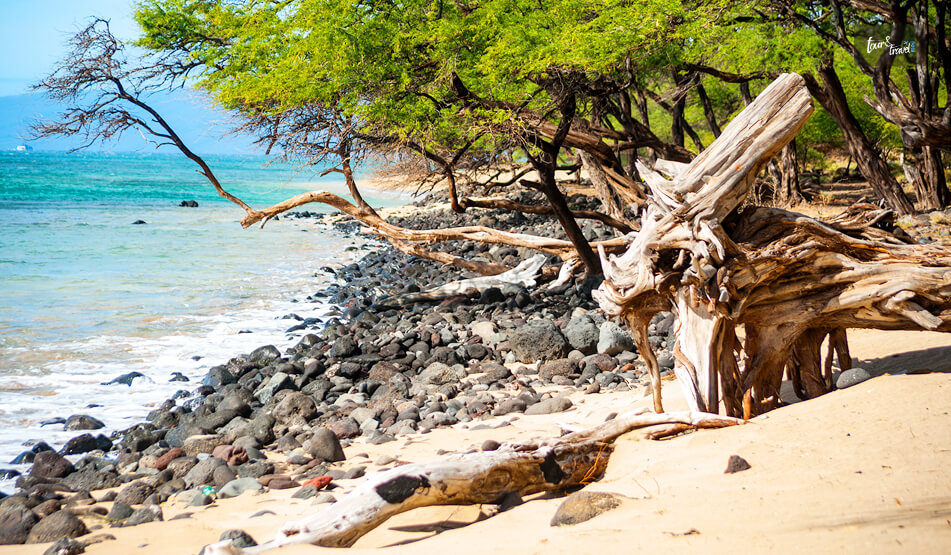
Also known as the Big Beach, Makena Beach is located in Makena State Park on the island of Maui. 

With white sand stretching for 3000 feet or more, Makena Beach is perhaps one of the longest beaches in Maui. 

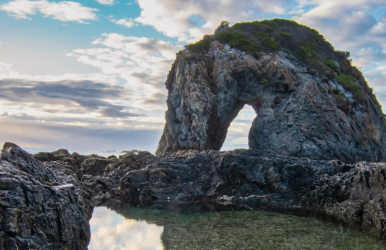
Moreover, it is a very popular tropical beach in Hawaii – and rightfully so! Also, I love how there is a rocky formation on the northern part of the beach.

Additionally, if you want to climb this volcanic formation, a small (but beautiful) surprise awaits – welcome to the Little Beach, a popular nudist beach. 

FYI, it is illegal to indulge in nude sunbathing when you are in Hawaii – but, on Little Beach, nobody really cares! 

9. Nusa Lembongan (Bali, Indonesia):

Nusa Lembongan (Bali, Indonesia)

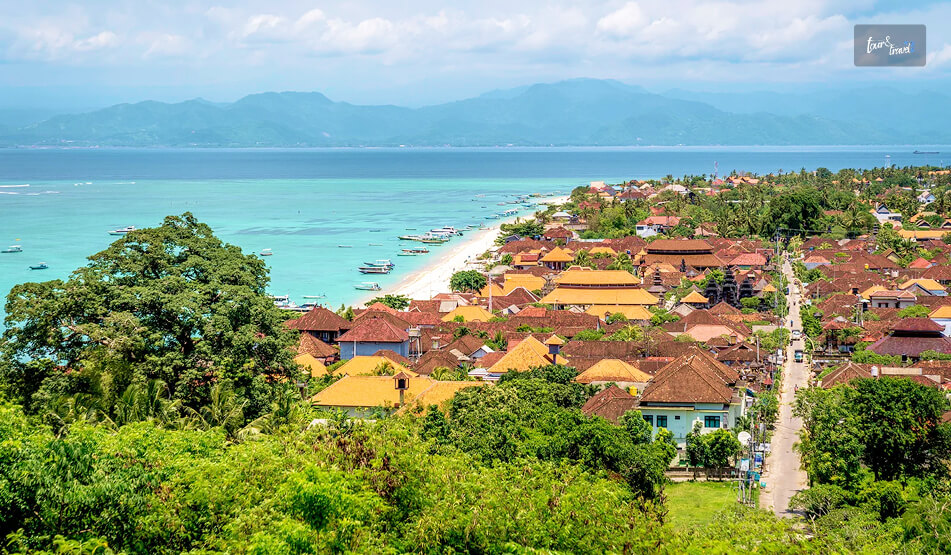
Of course, Nusa Lembongan is not the best tropical beach in Bali – the place has so much to offer when it comes to beautiful beaches. 

But for me, Nusa Lembongan is special – and I recommend it heartily to everyone. 

So what is it about Nusa Lembongan that appeals to me so much? It’s about the vibe for me, really – I love the low-key, chill vibes here. 

It was a relaxing weekend. Also, I stayed with my partner at this stunning beachfront property with a pool overlooking the beach. 

Additionally, during low tide, the beach exposed a seaweed farm – it was so cool. This was an epic experience, especially the sunset – it was so serene, reflective, and deeply romantic. 

8. Yasawa Island (Fiji):

Yasawa Island (Fiji)

Fiji is a spectacular country with its string of stunning islands. 

I was only 17 when I traveled to Fiji for the first time, and I’m so thankful that I was able to visit one of Fiji’s most remote islands, the Yasawa Island. 

While I haven’t been back to Fiji in the past 12 years, I can say Yasawa continues to be one of my favorite tranquil escapes. 

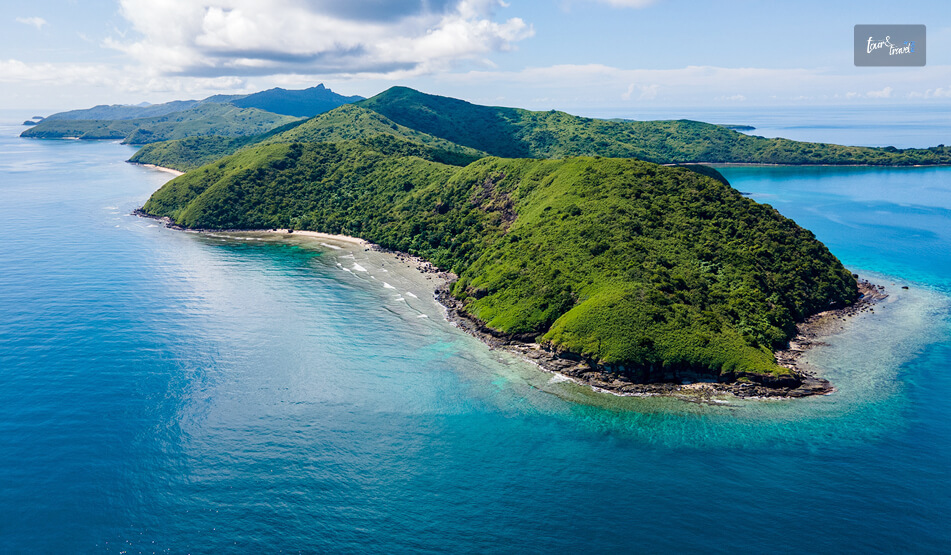
Interestingly, the only way to reach Yasawa Island is fly on a puddle-hopper plane or take a boat. Since there is no runway on the island, the eight-seater aircraft uses a grass strip. Moreover, the island is home to only one resort – the Yasawa Island Resort and Spa. 

Because the place is so remote, nature feels untouched here – the ocean and the beach are absolutely clean, tranquil, and mesmerizing! 

So, if you have been looking for a secluded tropical beach, this is your answer. It’s practically the middle of nowhere – somewhere in the middle of the vast South Pacific Ocean, on a small island. 

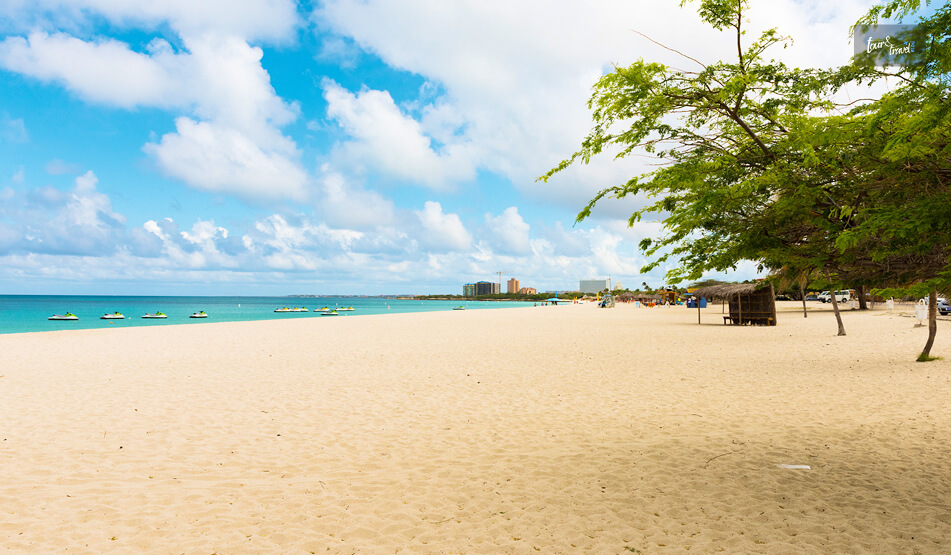
7. Eagle Beach (Aruba):

Eagle Beach (Aruba)

While the beautiful waters of Aruba are famous, I suggest visiting just for the fun island charm you will find here. 

Interestingly, the most popular beach in Aruba is Palm Beach. But it is also the most crowded spot in Aruba, thanks to the high-rise hotels and famous tour operators.

However, it wasn’t really my thing. For starters, I hate very crowded places, and everything seemed too commercial. I am more of an organic person. As a result, Eagle Beach had a different kind of appeal. 

The water at Eagle Beach is calm and beautiful. Moreover, it is not crowded, which makes the entire vibe of the place very low-key and peaceful (just what I like)

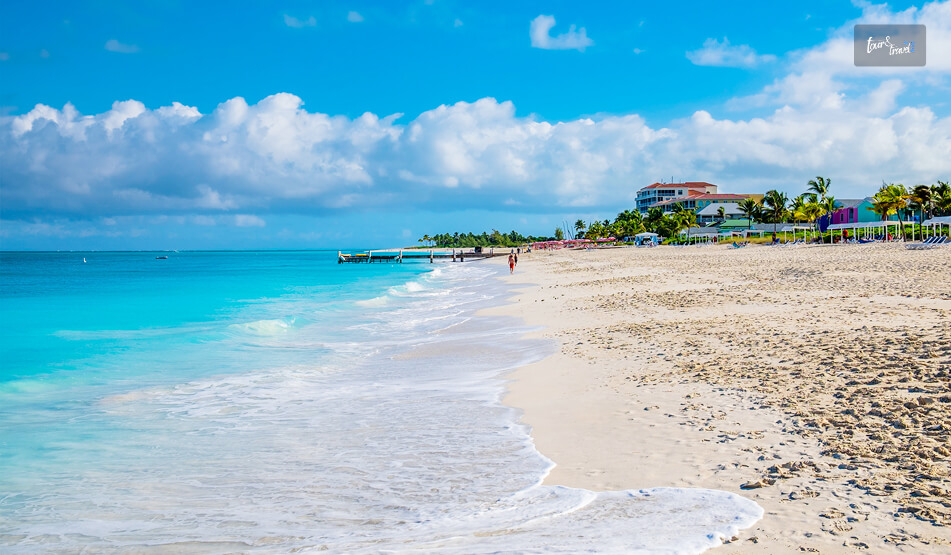
6. Grace Bay Beach (Turks & Caicos):

Grace Bay Beach (Turks & Caicos)

The Turks & Caicos are famous for their tranquil, turquoise waters and beaches with white sand. 

But if I had to pick my favorite beach here, it would always be Grace Bay Beach. Why? Because you can walk for miles on uninterrupted stretches of sand with plenty of quiet, serene corners. 

Moreover, small markets and small restaurants are scattered along the beach, without making the experience too commercial for tourists. 

Also, this is the most popular beach located in Providenciales with fancy hotels and too many tourists. 

But don’t let that discourage you – the beach is long enough for you to find your peace, much like I did. 

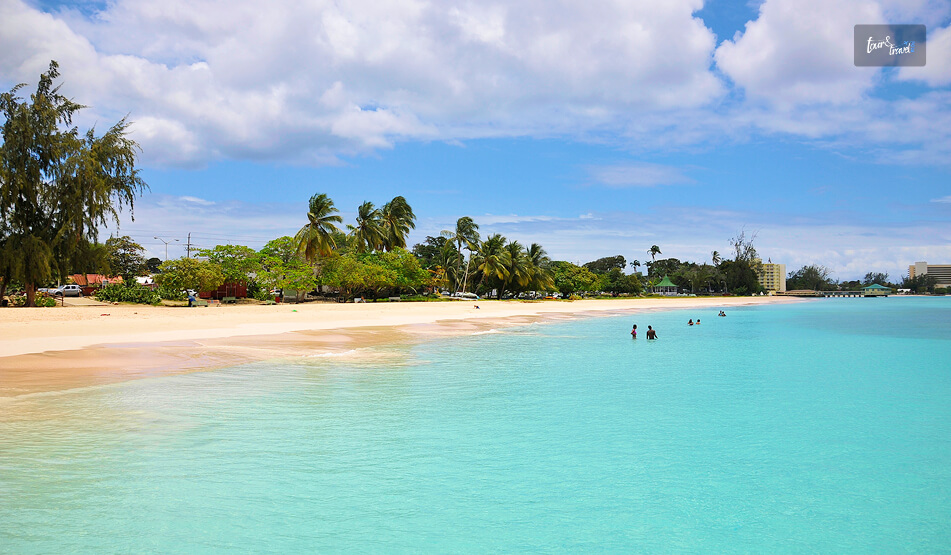
5. Carlisle Bay (Barbados):

Carlisle Bay (Barbados)

Without a doubt, Barbados is home to some of the Caribbean’s best tropical beaches. And while I’ve been here a number of times, Carlisle Bay is my absolute favorite. 

Located just outside Bridgetown, Carlisle Bay has a ton of activities on offer. From sunbathing and snorkelling to paddleboarding, there’s so much to try out.

Moreover, there are several nice hotels here, and in spite of all the accommodations on the bay, the place is relatively quiet. Also, I fell in love with the crystal-clear water here. 

And the best part? You might just end up spotting a turtle if you are out snorkeling.

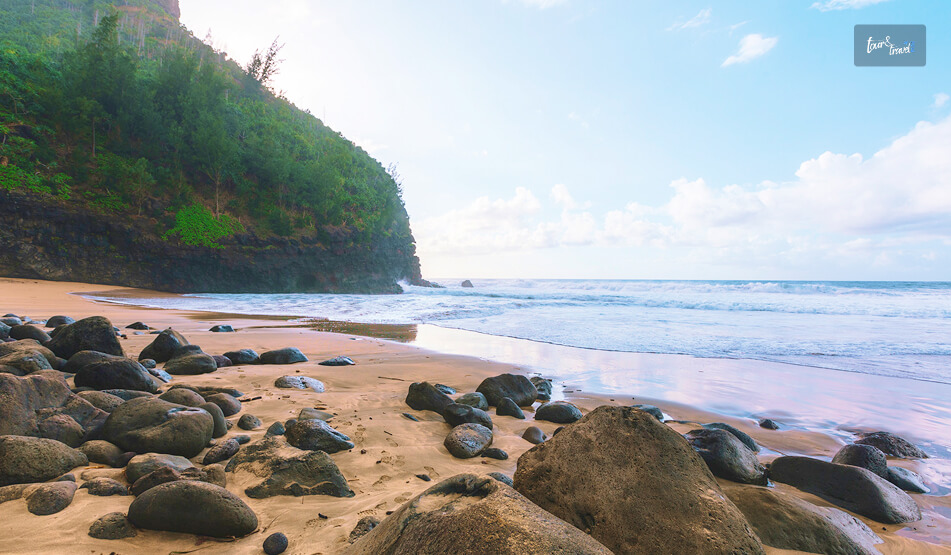
4. Kalalau Beach (Kauai, Hawaii): 

Kalalau Beach (Kauai, Hawaii)

If you have been planning a trip to Kauai Island in Hawaii, chances are you have definitely come across the NaPali Coast, and more importantly, the famous Kalalau Trail. 

So, I’ve been to Kauai Island thrice, and it is the jaw-dropping landscape that appeals to me so much – it is unlike anything I have ever seen. 

FYI, the NaPali Coast is a rugged, mountainous region – there are no roads, and accessibility is zero. The only way to commute here is either by taking a boat or hiking for 11 miles (17 kms). 

In case you choose to hike, note that the trail is right beside cliffs that are over 2000 feet high. 

While this is definitely not for anyone faint-hearted, once you hike to the destination, you will be mesmerized – Kalalau Beach awaits you!

Located in the gorgeous Kalalau Valley, the beach has a stunning backdrop. What makes Kalalau Beach so special is how difficult it is to reach this place. 

But be careful – this place is not meant for swimming. The currents and rip-tide are no joke. Plus, people have actually died or gotten injured in this area.

Also, if you are hiking, you will need a permit beforehand. 

Additionally, you can also hike specific parts of the valley via another park – this park offers a different perspective of the valley and the beach. 

You can also go for a helicopter ride in this region – the views are absolutely stunning! 

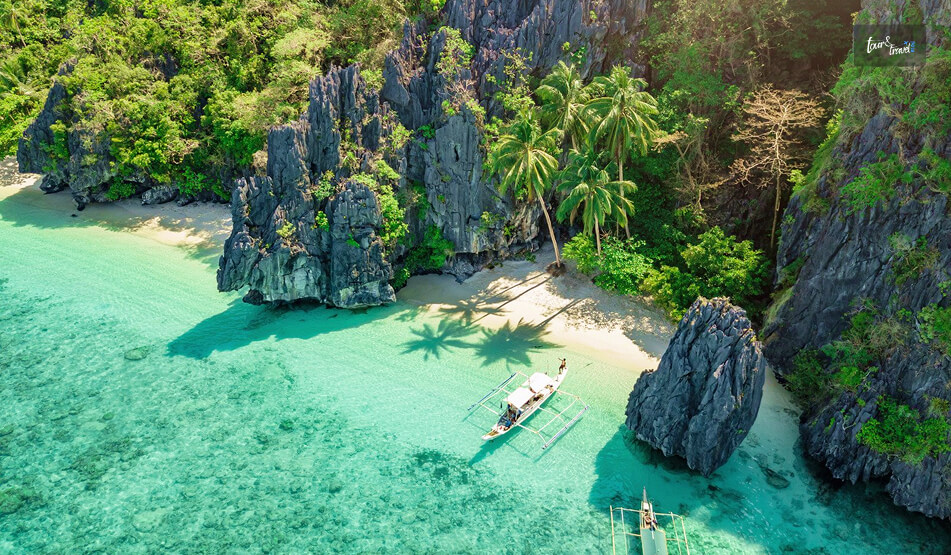
3. El Nido (Palawan, The Philippines):

El Nido (Palawan, The Philippines)

I visited the Philippines in 2021, and on my first visit itself, El Nido had my heart. 

Located in Palawan, the beautiful El Nido is famous for its gorgeous limestone cliffs, diverse marine life, and its islands. 

Moreover, the beach is home to beautiful reefs. As a result, diving here was an exceptional experience. Plus, the landscape was spectacular. I just hope that the marine life in this region continues to be untouched. 

Also, I loved how you need a boat to visit most islands in this region – it makes everything remote, unique, and memorable. 

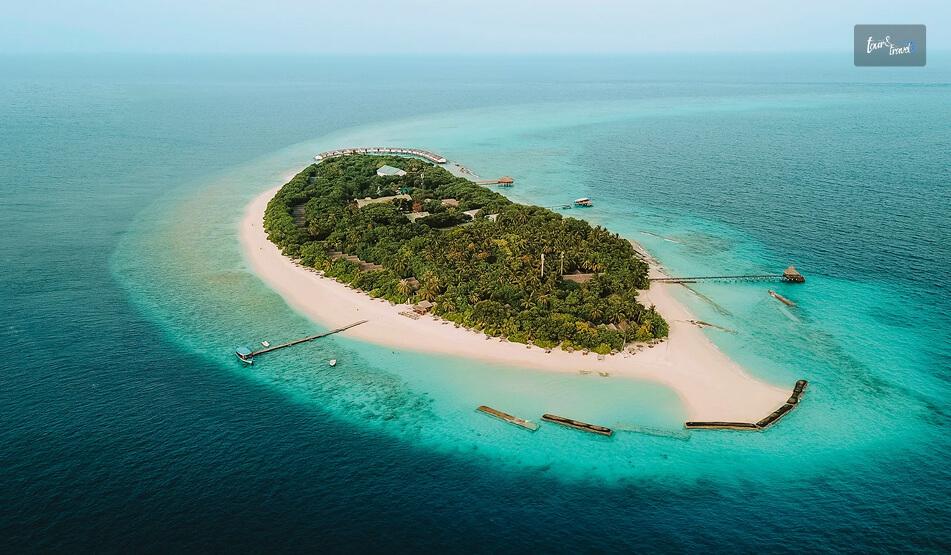
2. Baa Atoll (The Maldives):

Baa Atoll (The Maldives)

Located in the beautiful (and very popular) Maldives, Baa Atoll is a UNESCO biosphere reserve – and that too since 2011. 

FYI, the Maldives has only one such biosphere reserve – and this is precisely why you must consider planning a trip to Baa Atoll. 

Due to the vast ecological diversity in Baa Atoll, including one of the biggest groups of coral reefs located in the Indian Ocean, the beach received UNESCO’s official designation. 

Moreover, the area is protected and has several beautiful beaches. Also, most of the resorts here have private beaches with crystal-clear water. 

In addition, I found a very cool house reef near the beach – you can explore and check it out. 

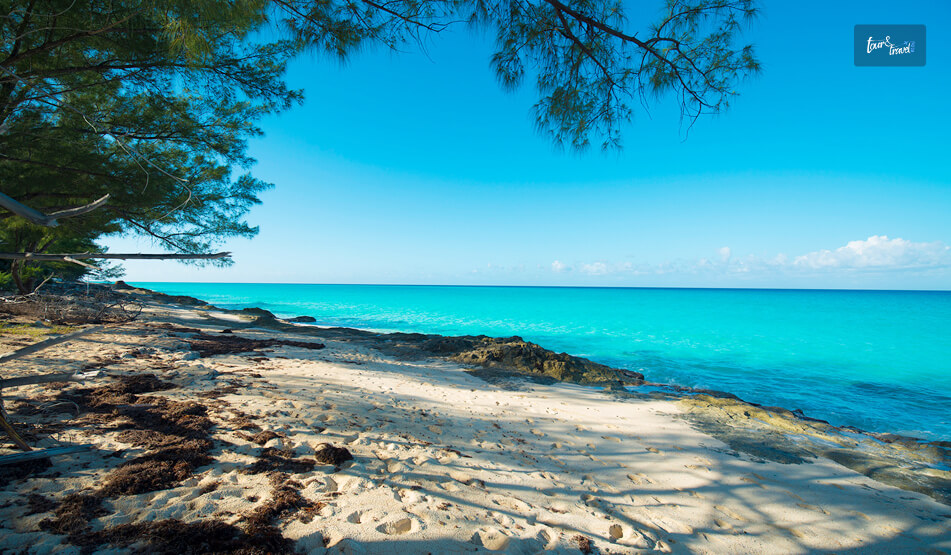
1. Bimini (The Bahamas):

Bimini (The Bahamas)

Located in the Bahamas, Bimini is my favorite tropical beach in the whole world. Of course, you can disagree with me and claim there are better beaches. 

TBH, it is possible, but for me, Bimini is home! I’ve visited this island more than five times, and I am definitely going back soon. 

If you dream about swimming at a stunning, tropical beach with dolphins on your side, then you should definitely consider visiting Bimini at least once.

Share on Social Media

Meet Sibashree Bhattacharya, a travel enthusiast who has a decade-long experience in transcending virtual barriers with her words! Her deep love for travel is apparent from her travel escapades to the mountain, often taking her readers on a journey, her words acting as Portkey! Fun fact: Sibashree loves to dive deep into the history of the places she is about to visit, making her travels even more wholesome. If you were wondering how her articles are not short of time travel, this answers it!

Leave a Reply

Your email address will not be published. Required fields are marked *

title-img Related

READ MORE best places to live in utah

A Step-by-Step Guide to Find the Best Places to Live in Utah for Every Lifestyle

BY  Abdul Aziz Feb 22, 2024

Utah abounds in natural wonders that will astound even the most seasoned traveler. Encompassing millions of acres of breathtaking views with sandstone arches, towering buttes, expansive canyons and valleys, surreal salt flats, and lush mountains, the state is home to five national parks: Bryce National Park, Arches National Park, Capitol Reef National Park, Canyonlands National Park, as well as Zion National Park. It might seem that Alaska should be your first choice when looking for a place to live if you enjoy being outside. If you are not fond of colder climates, Utah's adventurous offerings might be more to your liking. Let's just say that Utah has it all, with parks like Bryce Canyon, Arches National Park, and Zion National Park. Salt Lake City, one of the state's great natural wonders, even inspired the name of the state capital.  Furthermore, even though Utah recorded over 15 million visitors in 2022, the Beehive State is even more well-liked among recent arrivals. Utah grew at the fastest rate in the United States between 2010 and 2020, according to U.S. Census data, primarily because of out-of-state migration. The state's economy is another major lure. Utah's economy grew at the second fastest rate in the nation between 2017 and 2022, with the biggest industries being manufacturing, real estate, and scientific and technical services. But what are the best cities to live in Utah? Utah has many desirable neighborhoods, each with its own distinct personality and redeeming qualities. Here, we have compiled a list of some of the best places to live in Utah. Best Places to Live in Utah There are certain needs that go beyond demographics when looking for a new house. These include things like accessibility to commuter routes, crime rates, and access to healthcare facilities. These needs apply whether you're looking for a retirement community or a suburban area in which to raise a family. We have created a list of the best places to live in Utah based on all the factors important to you to make your life easier. Park City Our list of the best places to live in Utah starts with Park City. You'll have breathtaking views of the Wasatch mountains and the town's ski resort from your home in Park City. Park City residents can access a variety of outdoor pursuits, including hiking, snowboarding, mountain biking, and multiple shopping establishments. You will be enthralled by the town's magnificent museums and art galleries as you stroll around it. Park City has emerged as one of the best places for families to live thanks to its year-round perfect weather and low crime rate. You will create lifelong friendships when residing in Park City. Park City's unemployment rate is 2.8%, which is significantly lower than the national average. You can't beat Park City's views and safety, even though its cost of living is about 86% higher than the US average.  Fruit Heights One of the best places to live in Utah is the beautiful city of Fruit Heights. Located right outside of Salt Lake City, this property offers plenty of space for outdoor enjoyment, a tranquil neighborhood, and stunning views of the mountains. Living in Fruit Heights, you'll soon see how friendly the locals are to one another and how many eateries and coffee shops there are. Fruit Heights' great school system, pleasant weather, abundance of recreational options, and picturesque surroundings are all highly regarded by its residents. Fruit Heights' unemployment rate is 2.5% lower than the national average. You can overlook this city despite its 31% higher cost of living than the national average due to its wonderful community and top-notch schools. Greater Avenues One of the best places to live in Utah for families in is Greater Avenues, a charming neighborhood in Salt Lake City. With a population of about 17,000, this community enjoys the benefits of both a suburban atmosphere and many big city amenities, like restaurants and bars. Greater Avenues is a great place for families to relocate because of its top-notch school system, low crime rate, and favorable reviews. With an average value of at least six figures, families are well off in this area. If you enjoy living in the suburbs or downtown, you will adore The Greater Avenues! Summit Park Summit Park is among the prettiest cities in Utah. It is a stunning mountain town. Beautiful views of the surrounding mountains offer up from this serene, gorgeous town. Residents of the town take pleasure in outdoor pursuits, including biking, snowboarding, skiing, and hiking. You may expect to see moose, elk, and deer in and around the town. distinct from the large city. Families will also love Summit Park because of its many parks, open areas, and top-notch educational system. Summit Park has a 2.8% unemployment rate and a 58% higher cost of living than the national average. But Utah has so much to offer that the cost is well worth it! East Bench Next up is the homely Salt Lake City residential neighborhood known as East Bench. Nearly 7,000 people live in East Bench, which is at the foot of the Wasatch Range. The neighborhood includes the Salt Lake Country Club and the Bonneville Golf Course. Families will enjoy a day at the Hogle Zoo, which is home to tigers and giraffes. In East Bench, real estate prices do differ. This is advantageous because there are homes to fit every budget. Go to Ambassador Way, where a four-bedroom, four-bathroom grand family home with an estimated cost of over a million dollars, if you have seven figures to play with. A modest 2-bedroom family home with a sun-trapped garden might be a better fit for you if you have less money to invest. It costs just a little bit more than the average. Snyder Ville Located in the Wasatch Mountains of Utah, Snyder Ville is a rapidly expanding community. You can enjoy a variety of outdoor activities like hiking, biking, and skiing against the stunning backdrop of the area. For its size, this little town has a lot, like restaurants serving fresh food from nearby farms. It's connected to neighboring cities despite its small size, so you can always find what you need when you need it. Snyder Ville is an ideal place to live in peace and quiet without having to worry about crowds. Highland One of the greatest places to live in Utah is Highland, east of Provo. Highland is home to well-known locations like Timpanogos Cave National Monument. Highland is well-known for its picturesque surroundings, highly educated populace, and projected job expansion. With a 2.5% unemployment rate, it is significantly lower than the national average. It doesn't get much better than living in a picturesque state like Utah, even though the cost of living in the Highlands is also 57% more than the national average. Wasatch Hollow Wasatch Hollow is a neighborhood located just south of Yalecrest. In Salt Lake City, this little suburb is regarded as the greatest place to purchase real estate. As members of the millennial generation look to buy their first homes, it is growing in popularity. Thus, the value is increasing in addition to the high demand. Wasatch Hollow's properties are what make the neighborhood so coveted. It's the kind of place you picture classic American avenues lined with trees, detached homes painted white, and children selling lemonade on the sidewalk. Although the median home value is higher than the national average, more expensive homes appear to be listed for sale more frequently. North Logan North Logan, which has about 8,000 residents, is in Cache County. In addition to some of the greatest outdoor pursuits, like camping and fishing, North Logan provides its residents with stunning views of the mountains. North Logan is renowned for its varied economy, close-by recreational opportunities, and lovely surroundings. North Logan's unemployment rate is 2%, which is significantly lower than the national average. By contrast, the cost of living is approximately 7% greater than the average for the country. Considering the views of the mountains you'll get from home, this is still an amazing choice! North Logan is easily one of the best places to live in Utah. Farmington In Utah, Farmington is a small city home to about 18,000 people. You can engage in many outdoor activities, including hiking, mountain biking, camping, and fishing, while in Farmington. Moreover, Farmington is home to some of the top public and private schools in the state! One of the best places to live in Utah is Farmington, if you're looking to relocate there for leisure. Farmington is renowned for its lovely surroundings, close-by recreational opportunities, and wonderful climate. Farmington has a 2.5% unemployment rate and a cost of living that is roughly 26% higher than the national average. Cedar Hills Cedar Hills is a quaint and serene suburb located west of Highland. The neighborhood is home to ten thousand one hundred sixty-five people, who take great pride in maintaining the small-town atmosphere they have established. On paper, Cedar Hills is a suburb of Salt Lake City, but it's not. Utah's Cedar Hills is a very family-friendly place with lots of chances to spend quality time with your family. The community is centered around the church, and gatherings based on religious beliefs inspire community members to get together. There are a lot of public schools in Cedar Hills (78 to be exact) and this is one of the best places to live in Utah for young adults. Foothill It should come as no surprise that Foothill/Sunnyside, with a population of a little over a thousand, is Salt Lake City's safest neighborhood. If not by name, everyone recognizes each other by face. Starting a family in this area is becoming increasingly popular for couples. Since this is a Salt Lake City suburb, there are no sacrifices to be made. There are adequate public schools nearby, and there is convenient access to the city for employment from this base as well. Even though the average monthly rent is slightly less than $1,000, purchasing a home demands a more resolute investment because home values are higher than the national average. The selection of properties is superb, ranging from cozy three-bedroom condos to expansive five-bedroom family mansions. North Salt Lake City Given that Salt Lake City is the epicenter of the universe in Utah, it only makes sense to end our list of the best places to live in Utah with a suburb near the center of activity. North Salt Lake is every bit as charming as the other suburbs we've already shown you. This little town of its own has eighteen thousand residents. There are plenty of homes on the market at any given time with views of Rotary Park, and the median home value is reasonable. It appears that North Lake is the preferred location for millennials to purchase their first home, so be sure to return in a few years to see how North Salt Lake does on the list. Eagle Mountain Eagle Mountain, one of Utah's fastest-growing cities, draws young people and families looking for a superior public school system and a peaceful, safe atmosphere south of Salt Lake City. With 50 square miles, the city offers easy access to open spaces and outdoor recreation, as well as 30 miles of hiking and biking trails. Developers are also continuing to build new homes despite the low real estate inventory. Eagle Mountain's median sale price is $480,000. "You have everything from ranchette properties to mountainside homes with amazing views of Utah Lake, Cedar Valley, and the Wasatch Mountains, to carefree living in beautiful townhome and condominium communities," said Connie Elliott, a realtor. Draper The primary attraction of Draper is its thousands of acres of open spaces and protected land, which makes it a sanctuary for those who enjoy an active lifestyle. The city is renowned for its growing cultural scene and family-friendly amenities. The Point, a multi-billion-dollar mixed-use development with hotels, a retail promenade along the Jordan River, thousands of housing units, offices, and green spaces with hiking trails, one of the most significant real estate developments in Utah, was recently given the green light by Draper's government. Wrapping Up Utah provides a wide range of outdoor recreation opportunities throughout the year, with five national parks serving as highlights. Utah, which the U.S. Census Bureau listed as one of the states with the fastest growth, is a significant hub for government services, mining, information technology, and cattle ranching. Provo, West Jordan, Ogden, and Salt Lake City are among the best places to live in Utah. Utah's top universities include Utah State, Weber State, Utah and Brigham Young. If you have thoughts to share or questions to ask about the best places to live in Utah, please leave a comment below. We would love to hear from you! Read Also: A Guide To Adventure And Nature: The Best Things To Do In Moab Utah For Outdoor Enthusiasts Washington State Bucket List: 6 Amazing Attractions You Can’t Miss From Museums To Parks: The Top Attractions In St George Utah

READ MORE interesting facts about australia

Interesting Facts about Australia that will surprise you!

BY  sagnika May 15, 2024

Did you know that the world's first "selfie" was invented in Australia? Did you know thatthat Australia has the world's longest fence? There are so many interesting and surprising things about Australia that will shock and surprise you. In this blog, I will share some interesting facts about Australia. You will be inspired to visit the country, especially because you will create symbiotic relationships. You can perform several adventurous activities along with beautiful landscapes. Furthermore, these are interesting facts about several states in Australia! The blog will teach you a lot about planning your itinerary to visit these interesting places. I will share several things to do in Australia related to these facts! I am sure you will be inspired to visit these places and enjoy yourself. You will also learn about various unique places in Australia! Interesting Facts about Australia that will surprise you! If you have heard a lot about Australia, what will you do when you go there? This huge country has so much to offer, from beautiful views to unique animals. It is a secure place to travel, and the beautiful locales around it are a delight. It is an interesting place because it includes several aspects that combine to create a beautiful lifestyle. There are multicultural communities, and the natural environment adds a beautiful flavour to the country, along with the diverse people, excellent food, and delicious wine. Did you know that Australia has about 60 regions that produce wine? Imagine the diverse flavors and the production process. Therefore, you cannot miss the restaurants in Australia! Let me share with you some of the interesting facts about Australia that will bring together the place's beauty and vibrancy. World's Most Unique Wildlife What do I even say when it comes to the diverse wildlife in Australia? It has the most unique animals on the global scale, as 80% of the wildlife is endemic to Australia. Can you imagine the significance of these animals, as we need to protect them? A report claims that about 87% of mammals, 94% of frogs, 45% of birds, and 93% of reptiles in Australia only exist there. From Koalas to iconic Kangaroos, wombats, and elusive echidnas, you can see various wildlife. Echidnas and Platypus are the only mammals that lay eggs, but did you know they are only found in Australia? The place is so filled with wildlife that, apart from zoos and national parks, you might encounter them in the open. The country has one of the oldest Island cultures, Aboriginal and Torres Strait Islanders, who experienced oppression and displacement at the hands of European colonization! A Country and A Continent   Did you know that Australia is both a continent and a country? Australia is the 6th largest country on the global scale. Geographically, Australia is a part of Oceania, which is inclusive of Melanesia, Polynesia, Australasia, and Micronesia. Oceania's subregions include New Zealand, New Guinea, and Australia. It is one of the smallest continents in the world, lying between the Indian and Pacific Oceans in the Southern Hemisphere. Hemisphere. If you are traveling to Australia, you also need to check out the beaches in Australia! The Majority of Uluru is Underground Uluru in Australia is known for its beautiful sunset, which is framed by a huge rock! It is now a UNESCO World Heritage site, and it can be identified as a natural and cultural element of Australia. The place is quite sacred for the Aboriginal tribes as it is surrounded by scrubland! The rock is 2.5km underground and is believed to be related to Olgas. You will then see it emerge 16 miles away. You can also visit Uluru by railway between Adelaide and Darwin or by plane! The stark beauty of the rock against the beautiful sky with the best sunset offers an amazing view. You can also enjoy the pitch-black skies along with the several sparkling stars. If you are going from Alice Springs, you can enjoy it a lot, especially when you plan to visit Uluru. The Longest Straight Section of Train Track Did you know that Australia has the longest straight section of train tracks? Let me tell you, the rail journey between Perth and Sydney, known as the Indian Pacific, is the longest straight section! The tracks snake around the country, where you can check out the beautiful blue mountains! The train moves towards the mountainous Flinders Ranges, giving you some spectacular views! I would also suggest you stop in Adelaide. Of course, you cannot miss the gourmet food, the wide-open spaces of the city, and the art museums. Further, the train takes you across the fertile Avon Valley and into Sydney. You will receive luxury services on the train! The Largest Sand Island in the World Australia has the largest sand Island, which you can explore by hopping on a boat! Why don't you plan a trip to Queensland? The highlight of this trip will be the sandy shores of Fraser Island. There are some jumping-off points, and Hervey Bay is one of them. You must take a boat to discover this delightful place, an island paradise with white sands. Lake MacKenzie, surrounded by a white sand shore where you can swim, awaits you! You can also take a dip into the Champagne Pools, which have shallow water, and swim across the edge of the ocean. There are about 150 dingos on this island, so you can check out these wild dogs. However, keep your distance because they are wild and aggressive. Dingos, the wild dogs, are not like the local or domestic dogs and live in the national park of K'gari Island or Fraser Island! Dingos, the wild dogs, are not like the local or domestic dogs and live in the national park of K'gari Island or Fraser Island! If you love the beach, check out the beaches in Perth! No Active Volcano in Australia Can you imagine that with so many volcanoes worldwide, Australia is the only continent without any active volcanoes? If you are planning to travel to Australia, it is one of the safest countries in the world. With the wildlife which is quite notorious even though it is not deadly all the time! Of course, there is a location in Southeast Australia, also called Newer Volcanic Province, where there is a collection of about 400 volcanoes spread across 15000 square kilometers (about the area of Connecticut). The Largest Eco-System in the World Can you imagine that Australia has the largest ecosystem in the world? The Great Barrier Reef is the joy and pride of Australia, with about 2500 individual reefs. Did you know that these reefs are visible from space? Apparently, halfway down the eastern coast of the country, it is covered in it! There are several jumping-off points where you can go down into the water and check out the kaleidoscopic coral. The cities closer to these reefs are Cairns, Townsville, Airlie Beach, and Port Douglas. Several activities, namely deep-sea diving, snorkeling, swimming, and surfing can be attempted and done. Marines, like sea turtles and colorful fish, live in these reefs. The Australian Alps Receive More Snow Compared to Swiss Alps Did you know that the Australian Alps have heavy snowfall between June and September? It is shocking that it is heavier than the Swiss Alps. The Alps are across Victoria and New South Wales and are a perfect place for skiing! During the northern hemisphere summer, you can enjoy the environment, so you can go skiing. Apart from that, you can also enjoy the beautiful environment. There are two large resorts, namely Perisher and Thredbo, near Canberra. Finishing Off In short, the interesting facts about Australia will not only surprise you but also shock you! After reading the blog, you will learn how the continent has worked hard to create a sustainable and diverse ecosystem. There are many other interesting facts, but the ones mentioned are quite significant. The diverse aspects of Australia will not only interest you but also teach you a lot of things. Comment on which part of Australia you want to visit and why. Learn More About: How To Enjoy Your Night In Sydney? 6 Tips For A Luxurious Trip To Australia 8 Best Places To Live In Australia For You If You Have A Family Do You Know The Best Time To Visit Australia? Read All About It! 

READ MORE Raja Ampat marine life guide

Raja Ampat Marine Life Guide: What Marine Species To See In Raja Ampat, Indonesia?  

BY  Sibashree Dec 29, 2025

Have you ever been to a place where the clarity of the water feels like liquid air? Yes, you have heard it right. I am talking about the waters of Raja Ampat in Indonesia. Also, the dense coral reefs here look like a kaleidoscope in motion.   Its strategic location in the Coral Triangle in West Papua has also blessed it with a diverse marine life. Did you know that Raja Ampat has “75% of the known coral species” and more than 1,320 species of reef fish (Source: UNESCO)?   No wonder it is called the Amazon of the Seas. Also, with UNESCO designating it as a Biosphere Reserve on 27th September, 2025, it is now one of the just two places on the earth to have the distinction of being a UNESCO Global Geopark and Biosphere Reserve at the same time.   So, consisting of four islands (Raja Ampat means Four Islands), Waigeo, Salawati, Batanta, and Misool, Raja Ampat is like the biological "bullseye” as the most diverse marine habitat on the planet.   Hi, in this Raja Ampat marine life guide, I will be talking about what marine species to see in Raja Ampat Indonesia.   Also, if you want to make the most of the underwater wonderland of Raja Ampat, check out our Raja Ampat diving trips.   With an unbelievable marine life and rock formations that go back to 400 million years, Raja Ampat is the “living laboratory” of marine conservation according to UNESCO.   So, when the water here has more than a thousand species to spot, let’s find out the Big 5 of the water here. These creatures are unique, and they are majestic. They also represent the mystery of water.   1. Manta Rays (Oceanic Manta And Reef Manta)  Raja Ampat is one of the rarest places in the world to have oceanic and reef Manta Rays. You can even spot them at the same time at the same cleaning station.   Oceanic Manta Vs Reef Manta   Reef Mantas, with even a massive 5-meter wingspan, are smaller than the Ocean Mantas. The wingspan of the Ocean Mantas is close to 7 meters.   Furthermore, Reef Mantas stay in large, social groups, while the Oceanic Mantas are pelagic wanderers.   Also, Oceanic Mantas feature a “T” shape on their shoulders. On the other hand, you can identify Reef Mantas from the “Y” or “V” shapes on their back.  What Are The Best Sites For Spotting Manta Rays In Raja Ampat?  Manta Sandy in the Dampier Strait and Magic Mountain in Misool are the best places for spotting Manta Rays.  In the Dampier Strait is a quintessential cleaning station for Reef Mantas. The site is shallow, and you will find the Reef Mantas moving over the "bommes" with cleaner wrasse doing their work.  Furthermore, Magic Mountain is the place where you will find both species. So, it looks like a Manta Ballet against the backdrop of the dark blue water. 2. Walking Shark Raja Ampat (Epaulette Shark) And Where To Find Them The Walking Shark, or the Epaulette Shark, is the mascot of Raja Ampat. These are called walking sharks because they can use their pectoral and pelvic fins like legs. So, they do not swim and “walk” across the sea floor.  These are nocturnal hunters, strictly. If you are going night snorkeling at Sawinggrai or Arborek, you will spot them walking past your mask. It’s a surreal experience, I must say! 3. Wobbegong Sharks The Wobbegong Sharks usually rest on the seabed. They also remain tucked under a coral ledge.  Wobbegong Shark Sightings: Spotting The Masters Of Camouflage  These sharks are also known as “Carpet Sharks.” They have mottled and ornate patterns. So, they can disguise themselves well. You will also spot a beard of fleshy tassels around their mouths.  You will often mistake these predators for a piece of weed-covered reef. Sardine Reef in the Dampier Strait and various areas around Misool to find the Wobbegong Sharks.  4. Pygmy Seahorses Pygmy Seahorses in Raja Ampat come in various species, such as Bargibant’s, Denise’s, and Pontoh.  Bargibant’s is the most popular, and they have pinkish nodules, which match the color of their host coral. Bargibant also hides in the Gorgonian fans. They never leave their specific host fan, spending their entire lives blending into its polyps. Denise’s pygmies are slender, and the whitish Pontoh pygmies are found on hydroids and algae.  Pygmy Seahorse Habitats In Raja Ampat  You will love exploring the top Raja Ampat dive sites in search of the Pygmy Seahorses. Dampier Strait, especially sites such as Cape Kri, Blue Magic, and Misool, are the best sites to spot these adorable marine creatures.  5. Cetaceans (Whales And Dolphins) The archipelago has deep-water trenches and powerful currents. So, the water is an important highway for marine animals.  Spotting The Whales And Dolphins The Dampier Strait is a primary migration corridor. So, you will frequently spot Spinner and Bottlenose Dolphins near your diveaboards in Raja Ampat.  Furthermore, you will find Pilot Whales, Sperm Whales, or Orcas in the deep channels between the islands.  Rare & Macro Critters: A Photographer’s Dream Raja Ampat coral diversity and the macro critters make it a favorite of photographers. You will come across diverse, bizarre animals in the reef.  1. Nudibranchs And Flatworms: The Living Jewels Underwater Nudibranchs or sea slugs are vibrant, and they shine like jewels in the deep blue water of Raja Ampat, thanks to their neon shades.  You will find various species of nudibranchs and flatworms in the waters of Raja Ampat. Chromodoris is the most common species, and they look unreal. They feel like they're straight from the pages of sci-fi movies.  You will find them in Misool areas such as Nudi Rock and Lalosi in the Dampier Strait.  2. Blue Ringed Octopus And Cuttlefish The tiny and lethal marine wonders, blue-ringed octopuses, come with a brown body. They pulse with glowing blue rings when they feel threatened.  Another marine wonder is the Broadclub Cuttlefish. They use their skin as a television screen. So, you will notice changing colors and patterns in seconds.  Misool, Dampier Strait, and water near Mioskon Island are the best places to find these macro marine creatures.  3. Wonderpus And Mimic Octopus  You will find Mimic Octopus mainly in sandy areas. As the name suggests, they can impersonate other sea animals such as lionfish and sea snakes.  Wonderplus has long and slender arms. Also, Wonderplus has intricate white patterns on its rusty brown body.  Spot these stunning marine animals in the water of Misool, Waigeo, and Batanta.  Marine Life By Habitat: Where To Look The best diving and snorkeling site for you in Raja Ampat will depend on the marine experience/animals you want to encounter.  So, you have to understand the habitat.  1. The Blue Water Mangroves The Blue Water Mangroves are in the Passage or near Gam Island. These are not usual muddy mangroves.  The water here is crystal clear, and it functions as a juvenile fish nursery where you can see soft corals growing on tree roots. It is a rare phenomenon.  2. The Seamouts Magic Mountain or Sardine Reef are the seamouts, and they are the main action spots because of their position in the path of strong currents.  The strong current here attracts many pelagic species. So, you will find "walls" of Bigeye Trevally, schools of Grey Reef Sharks, and thousands of Barracuda.  3. The Muck  Muck diving is a technical term, and it means exploring the sandy bottoms of the water. It is wrong to consider this place as empty, as you will find the rarest critters, such as Bobtail Squid, Seahorses, and Frogfish, here.  These critters usually remain hidden in plain sight.  Raja Ampat Marine Life Calendar Do you have some must-see species in mind when exploring the Raja Ampat marine life? You have to know the ideal season for spotting them, as the marine life of Raja Ampat changes with each season. MonthWater ConditionsManta SightingsHighlightsOctober - NovemberCalm seasModerateWhale shark season (Cendrawasih)December - FebruaryPeak calmVery HighPeak Manta season; large schoolsMarch - MayGlassy waterModerateGreat for Cetaceans (Whales/Dolphins)June - SeptemberWindy/ChoppyLowBest for Macro and Nudibranchs Snorkeling Vs. Diving In Raja Ampat: What Can You See? The reefs of Raja Ampat are healthy, and the water is crystal clear. So, even if you are not a professional diver, you can see most of the marine life in the top 5-10 meters of water. In other words, the marine life of Raja Ampat is equally accessible to a snorkeler and a diver.  Still, here is a quick breakdown of the experience you can expect during snorkeling and diving.  1. What You Can See In Snorkeling See blacktip reef shark pups, green turtles, and massive giant clams, just a few meters from the beach. Furthermore, you will spot Manta Rays at Manta Sandy from the surface.  Other icons to spot for snorkelers are the Wobbegong Shark and the endemic Papuan Walking Shark under the jetties or in the shallow reef flats.  The Blue Water Mangroves are the ideal spots for snorkeling if you are looking for unique habitats. Here, you will find vibrant corals growing on mangrove roots.  However, if you are looking for an aquarium effect, you have to snorkel near village jetties such as Arborek or Sauwandarek. These jetties function as artificial reefs. So, you have to just look down from the pier to find massive schools of batfish, fusiliers, and giant clams. 2. What You Can See During Diving  Pygmy Seahorses or Wobbegong Sharks typically hide at depths of 15–30 meters. So, divers can easily access them, and a snorkeler may not find them easily.  While snorkelers see the "greatest hits," divers get access to the sheer scale and the "hidden" details of the Coral Triangle. Also, as a diver, you can sit at the corner of a reef, such as Cape Kri, with strong currents, to find the Grey Reef Sharks, Giant Trevally, and Barracuda hunting in the deep blue. Furthermore, sites such as Friwen Wall or Melissa’s Garden offer dramatic drop-offs where you can see the transition from sun-drenched hard corals to deep-water Gorgonian sea fans. Moreover, divers can enjoy the underwater mystery at night to the fullest. Spot panish Dancers, Eels, and Crustaceans that hide in the deep crevices of the reef.  "The Nocturnal Shift": Why Night Diving Is Mandatory After sundown, the waters of Raja Ampat transform into a completely different landscape. The reef looks surreal.  Night is the only time to spot the Walking Sharks hunting.  Furthermore, once the Sun sets, marble shrimps, slipper lobsters, and sponge crabs come out from the cracks in the coral. So, it is like a crustacean explosion.  Want to see the bioluminescence? Just turn your dive light off and wave your hands. You will find the bioluminescent plankton sparkling in the water.  Quick Comparison: Snorkeling Vs. Diving FeatureSnorkelingScuba DivingEffortLow Effort: Jump in from the beach or boat.High Effort: Gear setup and boat transit.VisibilityBest in the top 5m (sunlight).Great at all depths (up to 30m+).Best ForCoral gardens, Turtles, and reef sharks.Pygmy seahorses, Drift dives, Walls.Main AdvantageUnlimited time; "unplugged" feel.Observing behavior; seeing tiny life.ConstraintLimited by surface weather/choppiness.Limited by "no-decompression" time. Conservation And Responsible Interaction A collective conservation effort between the visitors and local communities helps to maintain the fragile beauty of Raja Ampat.  The Raja Ampat Marine Park Entry Tag (PIN): All visitors must pay an entry fee. This "PIN" supports the patrol boats that prevent illegal fishing and funds community health and education programs. Rules for Manta interaction: To keep the Mantas coming back, there are strict rules. No touching, no chasing, and no flash photography at cleaning stations. Always stay lower than the Mantas and give them plenty of space to fly. Lens Guide For Photographers: Capturing The Marine Life Of Raja Ampat  Raja Ampat is a real test for photographers as the marine life is happening and unpredictable.  If you want to capture the Mantas, schools of fish, and the stunning reefs, you can use the Wide Angle (10mm - 24mm).  On the other hand, if you want to shoot the Pygmy seahorses, shrimps, and Nudibranchs, you must use the 60mm/100mm macro lenses.  Raja Ampat Marine Life Guide: Expert Tips Check the Current: The "split current" at Cape Kri brings the most action. You have to dive with the current.  Look for Gorgonians: Stop swimming and stare at a Gorgonian fan to find the pygmy seahorses. The bumps, looking out of place, indicate their presence.  Don't Ignore the Jetty: The pillars under Arborek Jetty are world-class. They are covered in soft corals and schools of Batfish. Night Snorkeling is Safe: Don't be afraid! Shallow night snorkeling or night diving is the best way to see the Walking Shark. Manta Hygiene: At cleaning stations (like Manta Sandy), stay low and don't exhale bubbles directly under a Manta; it can startle them. Mangrove Magic: Visit the "Blue Water Mangroves" near Gam. The water is crystal clear, showing soft coral growing on tree roots. Reef Hook Etiquette: Only hook onto dead rock. Never hook onto live coral or sponges. The "60-Minute" Rule: Keep your camera battery 100% charged, as many sites are shallow and dives can last over an hour.  Watch the Triggerfish: Titan Triggerfish are aggressive when nesting. If they raise their dorsal fin, you must swim away horizontally. Listen Underwater: In the Dampier Strait, you can often hear the clicks of dolphins before you see them. Listen To The Authority Voices: A Raja Ampat Marine Life Guide  Want to know what the authorities are saying about the Raja Ampat Marine Life? I have curated their take on the Raja Ampat waters and marine life from their various interviews and insights.  1. Mark Erdmann, The VP Of Marine Asia-Pacific, Conservation International Overtourism remains a concern for the conservation of the Raja Ampat marine life. In a Raja Ampat Research & Conservation Centre Report, Mark Erdmann mentioned, “If there is nothing else done to further control and limit the growth of tourism in Raja Ampat, there is no doubt that within five years we are going to see major problems in places like the Dampier Strait, where it is already reaching the carrying capacity.” He also said,  “Misool represents one of the most pristine reef systems left on earth — one of only a handful of places in the universe where biodiversity is improving rather than declining.” 2. Sylvia Earle (Oceanographer & Explorer) She has designated the Coral Triangle (specifically the Birds Head Seascape) as a "Hope Spot," calling it one of the most important places for marine biodiversity on Earth. Dr. Sylvia Earle designated the Misool Marine Reserve in South Raja Ampat as a “Mission Blue Hope Spot” in 2017.  Max Ammer (Pioneer Of Diving In Raja Ampat) Max Ammer has veen always vocal about the resilience of Raja Ampat’s reefs against coral bleaching. That is why it is stronger than the Great Barrier Reef.  Raja Ampat Shows How Vibrant And Resilient The Ocean Can Be  You can be a first-time snorkeler or a seasoned diver. You will feel a rare and strong connection to the marine world in Raja Ampat. The “Amazon of the Seas” continues to thrive, and with the conservation guidelines and respect intact, it balances the presence of macro and micro marine life.  Plan at least a diving expedition for 7 days, especially in the Dampier Strait region in central Raja Ampat, to meet the Big Five and more. Raja Ampat Marine Life Guide: Frequently Asked Questions (FAQs) Here are the frequently asked questions and answers about the Raja Ampat marine life guide. 1. What Is The Most Famous Marine Animal In Raja Ampat? The Raja Ampat Walking Shark, the Carpet Sharks, Pygmy Seahorses, and Manta Rays are some of the most famous and big marine animals in Raja Ampat.However, the colorful corals and endless schools of fish here, along with the macro critters, create an unforgettable marine experience. Raja Ampat became a Shark Sanctuary in 2013. So, you will see different species of sharks here, including: • Wobbegong (Carpet) Sharks• Whale Sharks:• Blacktip & Whitetip Reef Sharks:• Walking Sharks• Grey Reef SharksAlso, barring some minor threats from the Wobbegong sharks (because of their hiding nature), no major threat is observed or reported from the sharks in Raja Ampat.  2. Are There Sharks In Raja Ampat? Are They Dangerous? December to March is the best time to see Manta Rays in Raja Ampat. The plankton blooms are highest in these months, and you will find Manta Rays following each other, creating a train. The northwest monsoon winds create deep-water upwellings, leading to the higher visibility of Manta Rays.  3. Can I See Marine Life If I Only Snorkel? Yes, you can see marine life in Raja Ampat if you snorkel in areas such as Blue Water Mangroves, Friwen Wall, and Arborek Jetty. Within 5 to 10 meters of water, you will find marine life such as Giant Clams, Sea Turtles, Manta Rays, and diverse schools of fish. 4. Is Raja Ampat Safe For Beginner Divers? Yes, Raja Ampat has sites such as Arborek or Sawardarek, which are ideal for beginners. Also, many dives are simple drift dives where the current carries you once you jump into the water. However, you must not overlook the down-welling nature, strength, and unpredictability of the Raja Ampat waters. So, you will need expert guides. 5. What Are Walking Sharks? The Epaulette Sharks or Walking Sharks are harmless carpet snacks. Their movement looks like a walk thanks to their pectoral and pelvic fins, like legs. These endemic species are spotted best at night when they are out hunting.  6. Do I Need A Wetsuit For Raja Ampat? Wearing a wetsuit is not mandatory if you are a snorkeler in Raja Ampat. However, you can wear a 1mm to 2mm thick wetsuit to float effortlessly and provide sun protection. If you are a scuba diver, you will need a 3mm wetsuit even when swimming in the Raja Ampat waters, with an average temperature of 28 to 30 degrees Celsius. The wetsuit ensures that your body remains warm in the water. Also, it protects your body from tiny stinging planktons and hydroids. 7. Are There Whales In Raja Ampat? Yes, there are various species of whales in Raja Ampat. You can spot varieties such as Bryde’s Whales, Pilot Whales, Sperm Whales, Omura’s Whales, and Killer Whales. The Dampier Strait and the Sagawin Strait, to the south of Batanta Island, are the best places to spot these whales. 8. What Is The Visibility Like In Raja Ampat Water? The average visibility in the water of Raja Ampat is around 15 to 25 meters. However, the visibility of the water depends on multiple factors, such as the presence of plankton and nutrients, and the season. In the peak or dry season, between October and April, the visibility is around 15 to 30 meters. On the other hand, in the windy season, from June to September, the visibility is around 10 to 20 meters.  9. Are There Saltwater Crocodiles In Raja Ampat? Yes, there are saltwater crocodiles in Raja Ampat. However, the sightings are rare, and you will find them in areas such as Blue Water Mangroves, The Passage, and remote islands such as Batanta.Â