



Must See Places In New York |  Can You Guess The Names | New York Makes A Comeback

Jan 30, 2020

Last Updated on: Jul 8, 2025

Travel Guides

With a change in tourist behaviors, New York is all set to exceed the tourism records of pre-pandemic days. This upward graph in tourism numbers has been visible since 2023. In the same year, footfalls in New York crossed the 62 million mark. 

Now, regarding the must see places in New York, the iconic ones like the Statue of Liberty, the Metropolitan Museum of Art, and the High Line continue to cast their charm. 

However, breaking the tourism lulls of the pandemic days, tourists are now eager to explore beyond Manhattan. Further, they want to experience the “Real New York City,” away from maddening crowds. 

So, in this Tour and Travel guide, I have highlighted the most popular destinations in New York, along with some unique hotspots. It’s like the Frank Sinatra song,

“I want to be a part of it, New York, New York

Your vagabond shoes, they are longing to stray

And step around the heart of it, New York, New York…”

Must See Places In New York | Iconic Landmarks In New York 

New York remains a dynamic hub for tourism, with a significant increase in visitors and visitor spending. In 2024, the number of tourists to New York City was close to 65 million, which was the second-highest number in the city’s history.

“With nearly 65 million visitors this year — the second highest figure in our city’s history — New York City has once again solidified its position as the premier destination in the nation and one of the top travel spots in the world.”

Eric Adams, Mayor, New York City

So, the city is ready to make a massive economic recovery, with the tourism sector making a strong and steady comeback. 

Further, the following must see places in New York remain the heartbeats of the city’s tourism. 

1. Central Park | A Quiet Retreat Amidst The Bustling New York City

Embed: https://www.instagram.com/p/C5WYDY2IRu0/

  • Entry: Free
  • Hours Open: 6 AM to 1 PM

Christo and Jeanne-Claude’s “The Gates” is making a comeback to Central Park. I was just checking out the Central Park Conservancy website and was elated to find that this transcendental art installation in saffron hue is once again ready to tell the tales of a park reborn.

The Shed, a non-profit cultural organization, will be hosting an exhibition called “Christo and Jeanne-Claude: The Gates and Unrealized Projects for New York City.”

This exhibition will open on 12th February 2025, marking the 20th anniversary of “The Gates.” 

Once home to the Indigenous Lenape people, Central Park became what it is today with the craftsmanship of Calvert Vaux and Frederick Law Olmsted. Walking, e-scooter tours or biking through the trails are the best ways to explore the manicured, yet natural-looking vistas of the park. 

Moreover, Central Park is full of attractions, including the Strawberry Fields, a tribute to John Lenon, the Conservancy Garden, Bow Bridge, Belvedere Castle, etc. 

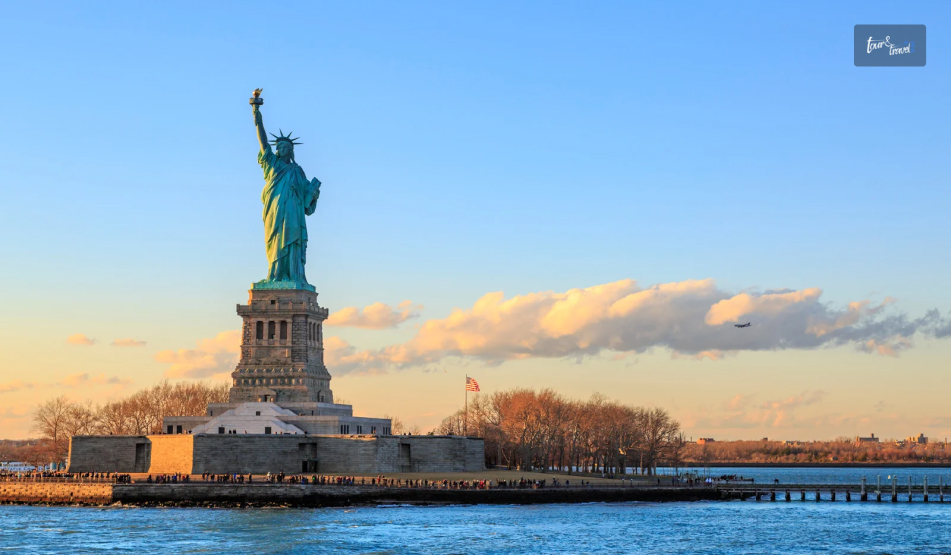
2. The Statue Of Liberty | The Symbol Of Freedom 

The Statue Of Liberty
  • Entry Fee: Free
  • Ferry Charges: Free for Children below 4 Years, $16.50 for Children Aged 4-12, $25.50 for the Age of 13+, $22.50 for Seniors (62+)
  • Hours Open: 9 AM to 5 PM

The Statue of Liberty was a gift by France, built-in 1886. It is among the most popular symbol of freedom and one of the greatest icons in America. Standing at 152 feet tall, it is one of the tallest statues in the world and weighs around 450,000 pounds.

Battery Park offers a great view of the statue from the land. However, the best way to see this statue is by taking a short ferry trip to Liberty Island. You can get up close, take a stroll around the ground and pedestal.

And, if you make advanced reservations, you can even go up to the crown. When you take the ferry, you will also stop at Ellis Island and can explore the Immigration Museum.

3. Metropolitan Museum Of Art | Housing 5000 Year Old Artwork

Metropolitan Museum Of Art Housing 5000 Year Old Artwork
  • Entry Fee: $30 for Adults, $22 for Seniors and Visitors with a Disability, $17 for Students, Free for Children below 12 Years

Hours Open: Monday, Tuesday, Thursday and Sunday – 10 AM to 5 PM, Saturday and Sunday – 10 AM to 9 PM, Wednesday – Closed

Metropolitan Museum of Art, also famously known as MET, was established in 1870. It is one of the most popular museums in the United States of America. The center has an extensive collection of over 2 million artworks, some of which date back to 5000 years.

It has three sites. However, Met Fifth Avenue is the centerpiece of the museum. If you are a fan of art and history, this is a place that you should not miss out on. American arms and armors, decorative arts, Egyptians arts, photographs, musical instruments, etc. are some of the many items that you get to explore here.

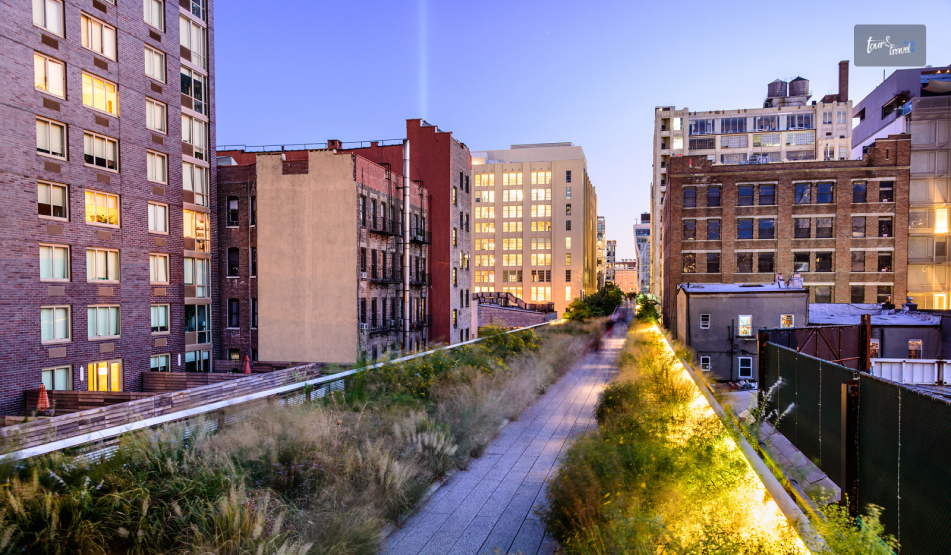
4. The High Line | The Changed West Side Elevated Line After An Ideas Competition

The High Line  The Changed West Side Elevated Line After An Ideas Competition

High Line was once a rail line, which has now become a popular tourist attraction of the city. The rail line has now been transformed into a walking trail over the city streets. The linear public park has a wide range of trees and plants.

Further, The High Line, or the linear public park, has a wide range of trees and plants.

The High Line you visit today survived a demolition order from Mayor Giuliani in 1999. 

However, four years later, the “ideas competition” hosted by Friends of the High Line highlighted the potential of this “ugly eyeshore” to get transformed into one of the must see places in New York. 

So, today, the 1.45-mile-long greenway with over 500 species of plants reminds me of the headline on the front page of the New York Times. It read, “Frog of a Railroad to Become Prince of a Park.”

Moreover, glass railings line the park, which gives it a more natural feel. From here, you get an amazing view of the bustling city of New York.

You can access the high Line on different points from Gansevoort to 34th Street. Some of the access points only provide stairs, whereas others have elevators as well.

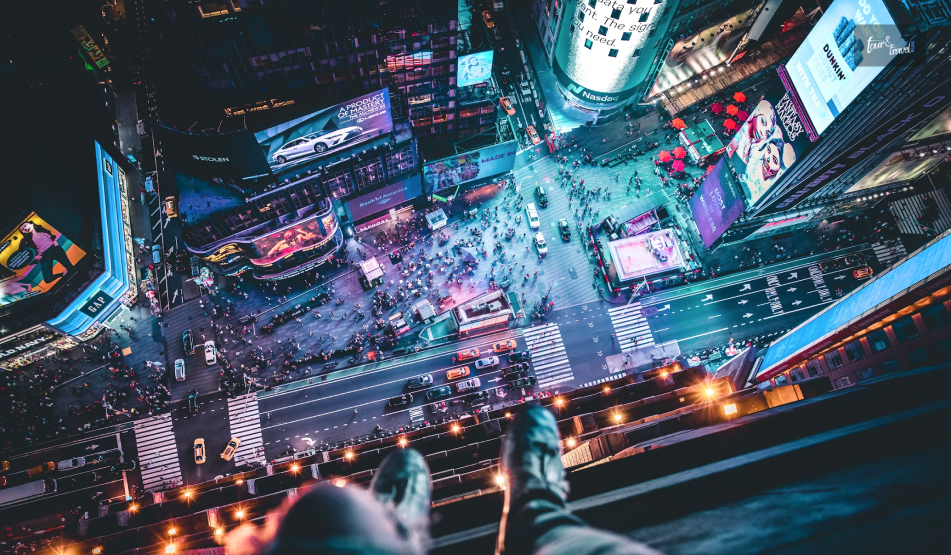
5. Times Square | At The Crossroads Of The World

Times Square At The Crossroads Of The World

Exhibiting tall, bright billboards and displays, Times Square is one of the must-visit places in New York. While it is exciting at any time of the day, it truly livens up in the evening.

This is the site where New York celebrates its New Year’s Eve and where the Ball Drop happens at midnight. It is a busy street, which is always crowded with people, but still has a unique character to it.

Bleachers are installed on the other end of where you can sit and admire the hustling scene. Time Square got its name in the year 1904, and before that, it was known as Longacre Square.

Also, if you are looking to find the best food trucks in NY, then I would recommend visiting vstreetfood.com/food-trucks/new-york/.

New York is considered the city that never sleeps, and it is true. No matter what time of the day it is, there is something you can do or explore here. Above are some of the places that you must visit in New York. And while you explore these destinations, you will come across a bunch of others on your way because they all are closely connected.

Also, when in Times Square, you must not forget to explore the best food trucks in NY, especially vstreetfood.com/food-trucks/new-york/.

The Must See Places In New York | Hidden Gems You Will Fall In Love With 

As promised, here, I will discuss some hidden gems in New York. These must see places in New York are eclectic and they represent the true spirit of the city beyond the glitz and glamor of Manhattan. 

Here we go!

Theodore Roosevelt Birthplace National Historic Site

  • Hours Open: Wednesday – Sunday:10:00 AM to 4:00 PM
  • Entry Fee: Free

Theodore Roosevelt Birthplace National Historic Site is the boyhood home of the first US president born in the USA. 

Today, this historic site offers a 45-minute tour guided by a ranger or volunteer.

Stone Street Historic District 

In the Financial District of Manhattan, Stone Street has created a world of its own. This cobblestone street or the Stone Street is one of the oldest in New York and a simple stroll through it is an experience for the dark academia fans. 

Further, Stone Street will take you back to 1658, when the residents of the area petitioned this street. 

Museum At Eldridge Street

  • Hours Open: Sunday – Friday: 10 AM – 5 PM, Saturday: Closed
  • Entry Fee: Adults: $15, Students & Seniors: $10, Children 5 – 17: $8, ‘Pay What You Wish’ (Mondays and Fridays)

Located in the historic Eldridge Street Synagogue, the Museum At Eldridge Street symbolizes the realization of immigrant dreams. The Eastern European Jewish immigrants built this synagogue in 1887, and it was the first grand synagogue (purpose-built) in the USA. 

Today, the museum stands out with its architectural excellence and unique exhibits. 

Morgan Library

  • Hours Open: Tuesday, Wednesday, Thursday, Saturday, and Sunday from 10:30 Am to 5 PM, and Friday from 10:30 AM to 8 PM
  • Entry Fee: Free for Children below 12, $13 for Students, $17 for Seniors, $25 for Adults

The Morgan Library and Museum is a treasure trove of rare books, prints, manuscripts, and prints. 

Located in Madison Avenue, the library and museum has an opulent setup with the collections of financier Pierpont Morgan.

Ground Zero Museum Workshop

  • Hours Open: Thursday, Friday, and Saturday: 12:30-2:30 PM, Sunday: 1-2:30 PM, Wednesday: 1:30-3:15 PM, Monday and Tuesday: Closed
  • Entry Fee: Children (Ages 4-12) – $25.00, Adults (Ages 12+) – $32.00, Seniors (Ages 65+) – $25.00

Ground Zero Museum Workshop is the best place to find the most realistic account of the Ground Zero “Recovery Period.” You will find images, artifacts, and 100s of exhibits to take you through what happened at Ground Zero and how everyone recovered from that. Further, today, the Ground Zero Museum Workshop is one of the best places for dark tourism in the USA.

Read Also:

Share on Social Media

Mashum Mollah is the feature writer of Search Engine Magazine and an SEO Analyst at Real Wealth Business. Over the last 3 years, He has successfully developed and implemented online marketing, SEO, and conversion campaigns for 50+ businesses of all sizes. He is the co-founder of Social Media Magazine.

Leave a Reply

Your email address will not be published. Required fields are marked *

title-img Related

READ MORE Holding Aircraft Makers Accountable For Aviation Accidents

Holding Aircraft Makers Accountable For Aviation Accidents

BY  Ankita Feb 1, 2024

Amidst the vast expanse of our skies, aviation accidents cast a chilling shadow. Thus, leaving a trail of human tragedy and societal impact. In the wake of these disasters, a crucial aspect comes to light – holding aircraft manufacturers accountable. This responsibility is paramount, not only for compensating victims but also for upholding safety standards and preventing future calamities. From flawed wing designs that compromise stability to faulty wiring sparking infernos. A manufacturer's misstep can trigger a domino effect of disaster. Weaving through meticulous investigations, forensic teams sift through the wreckage, scrutinizing maintenance records and dissecting blueprints with laser focus. Each bolt, each wire, each line of code becomes a potential clue in the hunt for the smoking gun. The evidence that definitively ties the accident to a manufacturer's error. Expert witnesses take the stand, demystifying technical jargon and translating the whispers of metal into a language. The jury can grasp, piecing together the tragic puzzle that led to the final, irreversible plunge. But the legal currents run deep and complex. Different jurisdictions, intricate treaties, and the shadow of the General Aviation Revitalization Act, shields manufacturers from certain responsibilities. It is more about for older aircraft, add layers of nuance to the pursuit of justice. It's a legal labyrinth where seasoned navigators, armed with meticulous evidence and unwavering resolve. This guide victims' families through the maze, seeking not just financial recompense. However, a deeper accountability that echoes beyond the courtroom walls. This is where the quest transcends mere compensation. Every life lost, every plane grounded, serves as a stark reminder of the responsibility aviation giants bear. Regulatory sanctions, mandatory design modifications, and the sting of public scrutiny push them to constantly innovate. They also prioritize safety, and strive for skies free from the specter of preventable tragedy. In holding them accountable, we send a resounding message! The safety of those who entrust their lives to these intricate machines cannot be compromised. Every flight, every passenger, every journey toward the boundless horizon deserves the unwavering commitment. The promise is to safety that only true accountability can foster. Building A Case For Accountability In the aftermath of an aviation disaster, grief hangs heavy, obscuring the path to justice. But beneath the shattered fuselage and the deafening silence, a meticulous dance begins. Forensic teams, like forensic archaeologists of the sky, descend upon the wreckage. Their mission etched in their gaze: to unearth the truth buried beneath the tangled steel and shattered dreams. Their tools are not trowels and brushes, but advanced scanners, meticulous record-keeping, and the keen eyes of trained investigators. Every scorched fragment, every twisted wire, every warped piece of metal becomes a cryptic message. Whispering clues about the final moments of the doomed flight. Maintenance records are devoured, and scrutinized for missed repairs or overlooked defects. Design blueprints are pored over, searching for potential flaws that may have escaped the initial scrutiny. But the truth rarely lies alone. Weather patterns, pilot actions, and unforeseen external factors can weave a tangled web of contributing factors. Expert witnesses, the alchemists of technical jargon, step into the fray. Through simulations and intricate analyses, they translate the whispers of engines. Additionally the groans of metal into a language the legal system can comprehend. It meticulously dissecting the symphony of events that led to the final, heartbreaking crescendo. Challenges Proving negligence, the legal cornerstone of manufacturer liability requires meticulous precision. According to the commercial airline accident lawyers at PSR, each piece of evidence. It must be a carefully placed tile in a mosaic of blame, demonstrating a direct link. It is between the manufacturer's misstep and the catastrophic outcome. Yet, the challenges loom large. Complex aircraft systems, the unpredictable nature of flight, and the potential for human error can cast long shadows of doubt, obscuring the manufacturer's role. In this intricate pursuit of accountability, no detail is insignificant. From a seemingly unremarkable bolt lodged in the wrong place to a misplaced decimal point in a software code, every anomaly holds the potential to be the missing piece, the key that unlocks the door to justice. It's a painstaking process, demanding tenacity, meticulous attention, and a relentless pursuit of the truth, no matter how obscured it may be by the fog of tragedy. Navigating The Legal Landscape The quest for manufacturer accountability in aviation accidents soars beyond the wreckage, traversing a complex legal landscape where international treaties, domestic statutes, and intricate regulatory frameworks intertwine. This labyrinthine domain is not for the faint of heart, demanding the skills of seasoned navigators equipped with unwavering resolve and a deep understanding of the legal currents that flow between airspaces. One cannot overstate the influence of international treaties, such asthe Montreal Convention, in shaping the legal terrain. These agreements establish the boundaries of manufacturer liability across borders, ensuring victims receive fair compensation regardless of where the tragedy unfolds. Yet, within these overarching frameworks lie domestic laws like the General Aviation Revitalization Act, which casts a protective shadow over older aircraft models, limiting the scope of potential liability. In the United States, navigating the intricacies of product liability law becomes paramount. Plaintiffs must meticulously weave a web of evidence demonstrating the manufacturer's negligence, proving that a design flaw, manufacturing defect, or inadequate warnings directly contributed to the accident. Expert testimony becomes the compass, guiding juries through the technical complexities and translating the whispers of engineering into a language they can comprehend. But the legal compass rarely spins unchallenged. Manufacturers, armed with teams of lawyers and technical experts, often invoke alternative explanations, casting blame on pilot error, unforeseen weather events, or even maintenance lapses. This legal tug-of-war demands meticulous attention to detail, a relentless pursuit of every shred of evidence, and the unwavering tenacity to stand firm against a formidable opponent. Read Also: The Promise Of Tomorrow As the echoes of accountability fade into the boundless expanse above, we stand at a crossroads. Behind us lies the wreckage of past tragedies, each a stark reminder of the responsibility we bear towards those who entrust their lives to the wings of aviation. But before us stretches a vast horizon, painted with the promise of a safer future, born from the tireless pursuit of justice and the unwavering commitment to prioritize humanity above all else. This journey wouldn't have been possible without the courage of victims' families who dared to stand against seemingly insurmountable odds, their voices rising above the din of grief to demand change. And lastly, it wouldn't have been possible without the unwavering resolve of the aviation industry itself, recognizing the transformative power of responsibility and embracing the need for continuous improvement. This collective effort, this symphony of change, serves as a powerful testament to the human spirit, its ability to rise from the ashes of tragedy and soar toward a brighter future. Read Also: 5 Reasons To Consider Solo Travel A Traveler’s Guide To Lutsen The Best Tips To Travel Around The World

READ MORE things to do in el salvador

Top 10 Things To Do When You Visit El Salvador

BY  sagnika Apr 8, 2024

Have you recently planned to go to El Salvador? It is such a beautiful place to visit, but you will need an itinerary to execute it successfully. I am sharing all the details with you to cover the top ten things to do in El Salvador and some of the best places to eat and stay. I am quite excited for you because you are going to El Salvador! If you have booked a trip to El Salvador, it means you love beaches, quaint little towns, and eateries, along with a lot of adventure, such as surfing, swimming, and others. The place is popular for its corn, cotton, sugarcane, and coffee, along with other agricultural products. Visitors also carry coffee back when they visit El Salvador. You can also eat watermelon, mango, coconut, melon, and tamarind, as these varieties of fruits are available in the coastal area! Top 10 Things To Do When You Visit El Salvador! The smallest country in Central America, El Salvador, is not much explored, mostly because of security reasons. You cannot forget that there are concerns about security, and even the government is struggling. However, what is important is to identify the beauty of this place. The aesthetics of the place are indescribable, as it includes huge volcanoes, beautiful colonial villages, glittering lakes, and exclusive El Salvador beaches. The waves on these beaches are the best, so I suggest going through this article to learn more about the places in El Salvador. I will be offering tips related to tours, hotels, culinary experiences, and transportation. Accordingly, you can plan your itinerary, thus creating lifetime memories. Do try Papusa, a notable dish in this place. It is a thick handmade tortilla made of rice flour flatbread or corn flour stuffed with cheese. Other stuffings include pork meat, refried beans, or loroco. You can try seafood used in the coastal places. You must try dishes in "shrimp cocktail," quesadilla, and cadejo! Exploring El Salvador Based on the following itinerary, you can spend the whole day exploring El Salvador. The locations are enigmatic, with mysterious smoky volcanoes, black sand beaches perfect for surfing, and misty forests. The place has a colourful cultural heritage you can experience when visiting. It is a slow-paced location that you can enjoy to the hilt, especially with various culinary experiences. Apart from the food, there is also Mayan culture, which inspires people. 1. Hike Santa Ana Volcano If you are visiting El Salvador, climbing the Santa Ana Volcano is a must, as it provides a panoramic view of the crater. When hiking, you can also check out the Lago de Coatepeque! You can take a shuttle bus or organize transportation from your hotel. The second largest city, Santa Ana, is quite close to this beauty; hence, do explore it. There is the huge Santa Ana Zoo, which you must visit if travelling across this region. Several science exhibits are a part of the children's museum. 2. History Calls At San Salvador Explore the historical places in San Salvador, the capital city of El Salvador, such as the Metropolitan Cathedral, National Theater, and the National Palace. Of course, you will enjoy it more if you take a half-day city tour but with a guide. An 1800s cathedral church of the Catholic Archdiocese, the Metropolitan Cathedral of the Holy Savior is a beautiful place to visit. Located in San Salvador, the National Palace of El Salvador was built in 1866-1870, and it is quite important. The National Theater, constructed in 1911 by the French architect Daniel Beylard, reflects modern touches and French Renaissance style. A giant city market is in the historic downtown area, where you can walk.  3. Beach Stay In La Libertad If you are visiting Libertad, you must book a hotel that offers a beachfront experience! Either book rooms with Los Farallones or Mandala Eco Villas, as you can access board rentals, repair shops, and surf shops at the beach. La Libertad is the country's surfing capital and an important fishing port. You can enjoy several activities, such as snorkeling, scuba diving, and kayaking. One of these hotels has an infinity pool overlooking the ocean. El Tunco, another beach, is popular for surfing because there are several stones. There is also a famous pig-shaped rock available at the seashore. Why don't you take your partner and watch the beautiful sunset at El Tunco Beach? Furthermore, if you want to explore more surfing sports, El Sunzal is the place to go. There are also several restaurants in El Sunzal where you can have your lunch! 4. Walk Through Suchitoto Suchitoto is a beautiful town in El Salvador, located beside the lake Suchitlan. Strolling around the town streets for hours offers stunning views. There are also flowers and colored houses, along with a lovely atmosphere. Beautiful handmade products and artifacts are sold in different workshops in the town. In the evening, the atmosphere becomes cool and gorgeous! 5. Wander Ruta de las Flores If you are naturally aesthetic, La Ruta de las Flores is for you as you travel! It would be best if you travelled along the path where you could stare at waterfalls and small villages filled with little shops, markets, murals, flowers, and coffee fields.     You can take the scenic route or travel the adventurous way, as there is a lot of experience! Waterfalls and lakes are on the way, adding to the experience.   6. Chairs Of Casa 1800 There are several beautiful spots and viewpoints that have been claimed by Casa 1800! A lovely restaurant and a boutique hotel have been constructed, thus creating the perfect place to take the most Instagrammable picture.    Sitting on a chair in this location, you can take beautiful shots of the Izalco volcano, Lake Suchitlan, and Santa Ana volcano. You do not need to book a room; you can visit the restaurant, order delicious food from Pupuseria El Salvador, and take pictures. 7. Check Out Bahia De Jiquilisco Bahia de Jiquilisco, which is spread across 100,000 hectares, is the largest mangrove forest in Central America. The region has sandy beaches, a freshwater lagoon, small islands, canals, forests, and bays. Visitors can see thousands of migratory birds, many of which belong to endangered species.   Simultaneously, you can also check out many turtles, including hawksbill turtles, as this mangrove forest is a breeding ground for them. You can visit the place from August to January as you can see the nest along the banks.   8. Visit The Village Of Apaneca If you love greenery, water, and mountains, you should definitely visit the village of Apaneca. This beauty has a lake surrounded by mountains, so it is perfect for a picnic or boat trip and spending the whole day there.   You can rent a buggy to ride across the village and coffee plantations. The lake is about 20 minutes away from the village, and you can reach it in a buggy, so your adventure spirit will be satisfied.   9. National Park El Imposible The tropical forest is quite large and has a huge density of fauna and flora! Gorges and idyllic rivers surround the beautiful forest. A canyon is also present within the National Park, and currently, it is the habitat of countless birds, cougars, wild bears, and butterflies. There are also many felines living near the canyon! Walk across the beautiful park and enjoy it to the best of your ability. Thus, you must receive a permit to enter the park! Please try to wear light and relaxing clothes, as it is quite warm inside the park. Also, please bring a lot of water. 10. Cultural Aspect Of San Salvador El Salvador has a celebration of the Holy Week, during which people go out on processions. People make flower petals, vegetables, fruits, sawdust, and other materials to create rugs on the street. There are also beautiful fireworks during the Christmas Eve celebration.   The families in El Salvador stay awake until midnight to celebrate Christmas and hug each other! Street food is available, which the neighbours share and enjoy together.    What Are The Things You Need To Consider? If you want transportation convenience, you must hire a driver! This is one of the best ways to plan your trip, especially because you will have mobility. When you are planning to visit, try to stay in groups at night and stay alert.   Make a hotel or stay-in lodge your home base and, accordingly, complete your daytime trips to coffee farms, villages, and volcanoes. When planning the trip, one thing that you must remember is that the best time to visit El Salvador is during November and February. The weather is ideal during these months!   Finishing Off... To sum up, these are the places that are perfect for you if you are planning to visit El Salvador. After you have read the article, I am sure you will learn what to do and what not to do. You will also learn a lot about the culture, so accordingly, plan your trip so that you can enjoy the local and native experiences.   You will also learn about and connect with the people's religious beliefs and practices. The different places will create beautiful memories, and you will experience adventure to the hilt!   Comment on your favourite place or the specific place you have decided to visit when in El Salvador and why!  Additional Reading: Best Group Friendly Restaurants In Las Vegas 7 Best Places For Free Camping Near Me In Las Vegas What Is The Latitude Of Las Vegas? – Geographical Coordinates

READ MORE Best Time to Visit Sydney

Seasonal Luxury: When’s The Best Time To Visit Sydney?

BY  Sibashree Oct 13, 2025

Honestly, it’s fun watching Sydney flip personalities through the year. The city doesn’t really do that dramatic hibernation thing. It’s almost always, well, pleasant? But the city’s mood still shifts. Beaches, bars, parks! They all swap energy depending on the season. If you’re plotting a Sydney escape, it’s worth thinking about what you want most: are you after sun, culture, quiet nights, or rowdy days? Here’s how things actually feel, season by season. What Is The Best Time To Visit Sydney?  Check out the ultimate seasonal fun in Sydney in all months. Choose the best season based on the experience you want.  1. Summer (December – February): The Ultimate Beachfront Escape Let’s be real. Sydney in summer is a bit of a show-off. Those endless evenings that don’t seem to end, warm days (but not sticky-hot like you’d find elsewhere), and, yeah, every cliché about Aussie beaches is true but still sort of magical.  Bondi turns into a spectacle. You’ll hear more accents than at the UN. It’s noisy, crowded, alive. Some days, the sand’s so busy you give up, laugh, and just sit on the steps with chips. Restaurants spill outside, tables fill hours before sunset. Harbour’s packed with yachts, and it looks expensive even if you’re just gawking from the ferry.  Quieter beaches are a fifteen-minute drive away, yet barely touched—Nielsen Park, Balmoral (babies paddling at your ankles), everyone grilling sausages and pretending to argue over who forgot the tomato sauce. Oh, and parties—don't even start. New Year’s Eve on the harbor? Fireworks everywhere, Opera House in the background, people cheering, hugging random strangers! January packs in music, theatre, and weird art pop-ups. There’s always a movie playing under the stars if that’s more your speed. Stay At Villa Mirage, Manly. It’s open, breezy, all huge windows, like the house wants you barefoot and salty. You’ll be constantly outside or sliding indoors to cool off. Kind of surprising how close you can get to the water. Top Experiences If you’re ever going to splurge, charter a boat. Nothing beats skyline views with nobody elbowing you for space. NYE from a private rooftop—wish lists get made for moments like that. And dinner at Icebergs isn’t fancy, it’s just what you do when seafood’s this fresh. Must-Visit Event: Sydney Festival. All month. Don’t need a plan—just walk into anything. Free gigs. Roving acts down hidden alleys. VIP bits if you really want the works. Insider Note: Don’t wait to book. Everyone and their dog comes here for New Year’s. Start looking half a year out if you’re fussy. 2. Autumn (March – May): Tranquility & Wine Country Retreats After summer’s chaos, autumn is sweet relief in Sydney. It slows, locals breathe out, kids go back to school, and you can finally grab a good table without begging.  Still warm enough for swimming most afternoons and some weeks trick you into thinking summer’s still here. Sun doesn’t burn; air feels soft, and honestly, you might forget there’s ever “bad” weather here. You'll see way more families picnicking, groups laughing a bit less loudly, maybe a dog asleep in the sand. Nights are for al fresco meals and walks where you lose track of time. And if you like a drink, the wine harvest in the Hunter Valley is peak chilled-out luxury. Tours are mellow, winemakers like to chat, and the lunch spreads go for days. Not as crowded as you’d expect. Stay At Villa Hunter. It’s one of those “don’t take photos, just look” places, especially at sunset. Cozy inside if it cools off, but the terraces are where you’ll end up. Promise. Top Experiences Harvest Season in Wine Country: A private tour is perfect, especially with a driver who knows where to sneak you backstage. Yachts at dusk (better colors than any summer sunset), art galleries popping up everywhere. Must-Visit Event: Racing Carnival. Doesn’t even matter if you care about horses. It’s glammed-up, playful, equal parts gossip and spectacle—go for the people-watching. 3. Winter (June – August): Cozy Luxury & Cultural Indulgence For a city known for beaches, winter’s surprisingly good. Not freezing (ever), usually sunny, and the city gets all grown-up on you—fireplaces, dark cozy corners, long dinners.  Sure, water’s cold, but if you’re nuts, those outdoor pools are open and there’s always a few swimmers bobbing around like penguins. Food just gets better, with the chefs dialing up the rich, warm flavors. Opera, live shows, quiet bars with crackling fires! It’s a different crowd, slower energy. Also, prices drop, and top hotels don’t hide it; they want you there. Book a suite just because you actually can. Stay At Mosman Waterfront home. Real luxury is coming in from a walk with wind-stung cheeks straight into a sauna or steam room. Watch storms over the harbor without moving from your sofa. Top Experiences Bring the chef to you: big, lazy dinners without hassle, just laughter and empty plates. Hit an opera—winter draws the serious productions. Spas are empty, treatments longer, nobody rushing. Must-Visit Event: Vivid. Whole city lit up with trippy lights, projections—impossible to explain if you’ve never seen it. Just go. Get a hot drink, wander until you can’t feel your toes, call it a night. 4. Spring (September – November): Rejuvenation & Exclusive Outdoor Adventures Spring's that sigh of relief as days grow longer, flowers everywhere, parks suddenly packed again. Jacaranda blooms drop purple confetti on the sidewalks.  Kids, dogs, runners, everyone’s out. You get those mornings where it’s just cool enough to want coffee outside, afternoons warm enough for t-shirts. Outdoorsy types love it as hikes don’t leave you sweaty, yet the ocean’s recovering warmth is ready for the brave. Wildflowers on the coastal walks, whales offshore sometimes, if you’re lucky. Quick Tip: Go inland for a day, the Blue Mountains are classic this time of year—flowers, trails, views for days. Stay At Villa Utopia. Completely open, full of light, you’ll forget what “indoors” means. Sort of house that hosts as many little gatherings as you want—no one stuck inside. Top Experiences Hot air balloon rides at dawn over the Hunter Valley. Pack a camera or just stand there and gawk. Create-your-own picnic after a hike, art shows cropping up with surprisingly friendly crowds. Must-Visit Event: Sculpture by the Sea. Bondi to Tamarama walk turns into a giant, outdoor art fair. Could get busy, but that’s half the fun. Stroll, stop, eat ice cream, repeat. Final Thoughts: When Should You Book Your Luxury Stay In Sydney Look, there’s no truly “wrong” season here. Want the full sun-blasted, classic travel-mag Sydney? Summer or spring.  Looking for something more laid-back (and lower-key on price)? Autumn and winter are criminally underrated. Honestly, it doesn’t hurt to overlap two seasons for a rollercoaster of city moods. Whatever time you settle on, the right stay, big, easy, friendly homes, will turn it luxe anyway. Sydney has a way of outdoing itself.