

With Popular Wineries, Learn the Things to Do in Mudgee! 

Mar 25, 2025

Last Updated on: Nov 24, 2025

Travel Blog

There are several places to see in Mudgee! If you are planning to visit the place, let me share with you things to do in Mudgee which will not just be exciting but safe. Be it vineyards & wineries, wildlife, and nature areas, you will get a lot of places to visit.  

In the following blog, I will be sharing with you some of the best activities in Mudgee. You will love your overall trip which will include both beautiful places, beautiful nature, and a lot of food and drinks. So, are you ready to pack your bags?  

You can take one of the best cruises for couples if you are planning to vacation in Mudgee. Furthermore, there are various things to check out on the farms where you can get fresh produce. Additionally, let me share with you why the place is perfect for your vacation plan to Mudgee!  

With Popular Wineries, Learn the Things to Do in Mudgee!

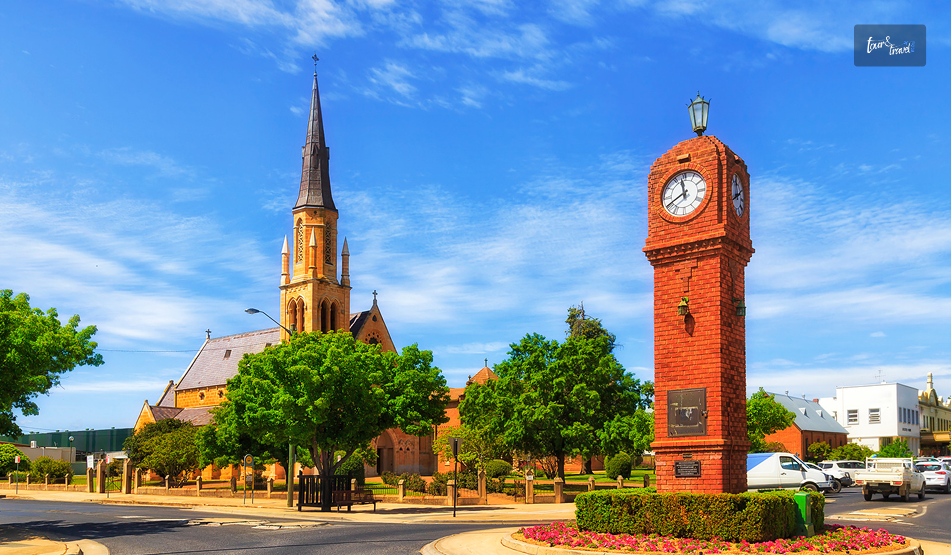
The region Mudgee is known for its wineries! The landscape is famous for its farmlands offering a variety of activities related to the same. Whether it is petting farm animals, feeding them, tasting wine, organizing picnics, or other activities, Mudgee is a perfect country destination for vacation.  

It is a perfect spot if you want to leave behind the hustle and bustle of the city for a few days. The food produced is flourishing thus offering tourists a variety of gourmet experiences and complimenting views and wine. Let’s explore the things to do so that you can effectively plan.  

It is one of the exotic places to travel. There are also trails around the Cudgegong River, one such that you can visit is known as Lawson Park Sculpture Trail. It is perfect for people who love taking a walk in the forests. Exploration is key here!  

1. Horse Riding  

The surrounding countryside has to offer a lot from its land. One of them is learning and enjoying the horse-riding sessions. You will feel like you are enjoying one of the greatest adventures of your life.   

Some of the places where you can learn to ride horses or get the experience are Hoofbeats Carriage Rides and Mudgee Horse Riding Centre. There are scenic trails that you can explore on horseback, however, the terrain can be a bit challenging hence the lessons are important.  

2. Wine Tasting  

If you are a lover of sunset, you must visit the popular wineries of Mudgee namely Lowes Wines, Short Sheep Micro-winery & Farm, Baker Williams Distillery, Pieter van Gent Winery & Vineyard, and others.   

Different flavors such as butterscotch and lemon myrtle are available in wine. Additionally, you will also get schnapps and a variety of gins. You will see the vibrant color of grapes, their taste, and the processes of sustainable farming.  

With a friendly and flexible guide, you can easily navigate the various wineries. There are also cheese shops adjacent to a lot of wine shops, thus offering you a perfect atmosphere at sunset followed by a different style of cuisine.  

3. Stargazing  

Stargazing

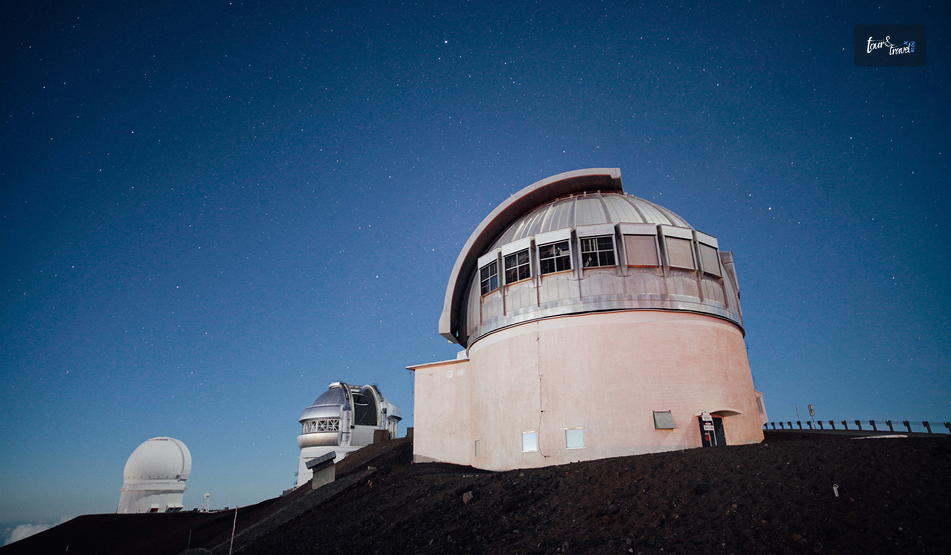
A lot of people visit the place and enjoy stargazing a lot! The night sky is beautiful in Mudgee, a lot of people love stargazing with the clear sky. You can visit Mudgee Observatory which is a perfect option for stargazing because you will get telescopes and dark skies.  

The place is just 15 minutes outside the town with a theater and a flat-screen planetarium. There are also conducted tours available! It is also one of the best places to travel with kids because of the beautiful nature they get to learn so much about.  

4. Visit Mugdee Water Park  

This is a perfect place to visit if you have kids accompanying you on this trip. Frolic across the water, making memories while taking in the beautiful scenic views surrounding it. The pool is open from 6 am to 10 am, however, it is also dependent on the requests of community members. 

Furthermore, apart from pools, there are various water activities and water slides. There are qualified staff posted in all the pools in the waterpark. So, even if you are not that comfortable in the water or there are kids with you, you do not have to worry a lot.  

5. Ride Miniature Trains  

Did you know there are miniature train services available in Mudgee? If you are a child at heart, you have to try this out when you visit the place. There are various models, starting from electric, petrol, and steam locomotives apart from miniature trains.  

You can get tickets to get on this three and a half, and five-inch gauge miniature train. They are also called the riding railroads and are often used as a pastime for passengers and constructors.  

6. Explore Parks & Picnic  

There are many parks in Mudgee so you can easily visit them and enjoy them. Let’s not forget to explore them for their variety of flora and fauna. Additionally, you can plan a picnic in the park whether you visit with your family or your friends.  

There are different parks in Mudgee that you can visit such as BIG4 Mudgee Holiday Park where you get a barbeque area for picnics, a playground for children, and a swimming pool. There is another significant park to visit Munghorn Gap Nature Reserve, where you can experience the Aboriginal heritage and the sandstone pagoda country!  

7. Visit Farms & Feed Animals  

Visit Farms & Feed Animals

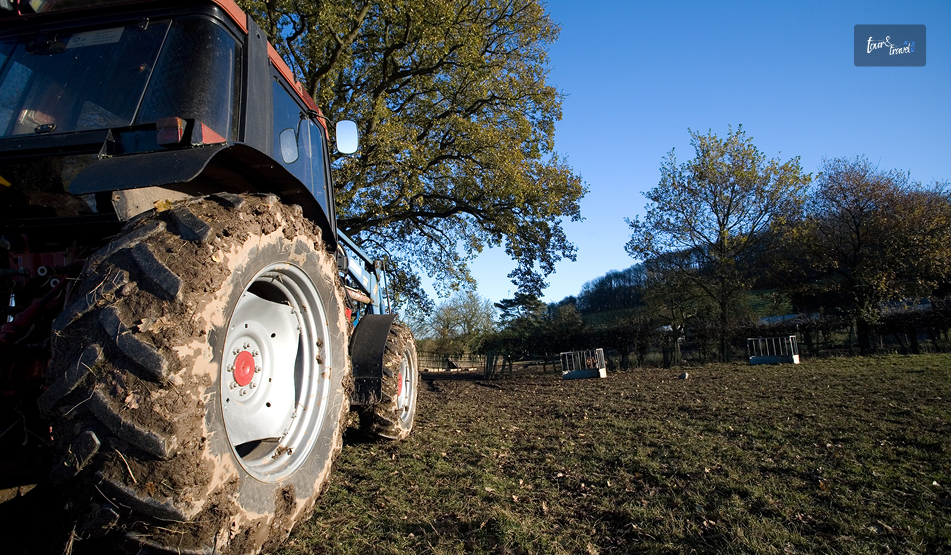
There are several farms in Mudgee as a lot of natives and locals have farms. They produce fresh farm produce, from vegetables to eggs and meat. A lot of the local farmers have opened their farms for tourists to visit, feed their animals, check the exhibits, and buy products.   

There are several farms, where you can meet the animals and feed them. One of the farms is Short Sheep Micro-Winery & Farm which is located just outside the country place where you can also check out the sustainable wine-making practices.  

There are orchards, vegetable gardens, cattle, and sheep on the farms. You can check them out. Simultaneously, you can also feed the Alpacas, guinea pigs, chickens, goats, and ducks when visiting these farms. If you visit the Saguaro National Park, you might find some varieties of animals too!  

Wrapping Up!  

In conclusion, when you talk about things to do in Mudgee, most of the activities include going outside. The outdoors is beautiful in this place especially when most of the land is filled with farms and vineyards. If you love the outdoors, it is your perfect spot to spend the vacation.  

Comment below on what you think of the place and how you are planning to visit. Furthermore, let us know what your favorite thing is to do out of the mentioned activities here. 

Also read

Share on Social Media

Sagnika Sinha is a content writer who is passionate about writing travel vlogs, entertainment and celebrity articles and literature-based pieces. With a 4 years experience in teaching, she loves reading books. A procrastinator by nature, she loves travelling, listening to music, planting and gardening.

Leave a Reply

Your email address will not be published. Required fields are marked *

title-img Related

READ MORE What is Luxembourg known for

What Is Luxembourg Known For? Why Is It A Popular Destination For Business Travel?

BY  Sibashree Sep 10, 2025

Luxembourg is known for being a powerhouse of private banking and investment management. It is one of the most significant players in the global economy.  Furthermore, Luxembourg is the De Facto capital of the Eurozone and home to the European Investment Bank and the European Court of Justice.  Luxembourg also offers tax optimization benefits and a high level of ownership rights protection. So, many global businesses look for a Luxembourg company formation or register their companies in Luxembourg. Naturally, with Luxembourg being a favorite global destination for business investors, it continues to be a global business tourism hotspot.  Local and foreign entrepreneurs benefit here from a wide range of professional services, such as accounting and business consulting.  However, there are more reasons behind Luxembourg having a booming business tourism sector. And in this Tour and Travel Blog, we will decode important factors.  What Is Luxembourg Known For? A Well-Defined Strategy That Caters To Leisure And Business Tourism The best thing is that Luxembourg operates with a clear tourism strategy, and it is not after mass tourism.  In a recent interview, Eric Thill, the Luxembourg Minister for Tourism and Culture, confirmed that the country wants to keep the tourism landscape selective and sustainable in business and leisure travel segments.  The International Congress and Convention Association (ICCA) is also playing a major role in boosting business tourism in Luxembourg with the launch of the ICCASkills CICE Course at the ICCASkills Luxembourg Hub.  This course, from 23rd to 25th September, will help participants understand the challenges in the global meetings and events industry and its impact on international tourism. They will also learn how to host high-profile business delegates to maintain Luxembourg’s reputation as a global event and business tourism destination.  Why Is Business Tourism Having A Steady Growth In Luxembourg?  You know why is Luxembourg known for in the business tourism sector? I find it only suitable to quote what the Luxembourg Convention Bureau has to say here.  “The Grand Duchy of Luxembourg is a one-of-a-kind place, with a buzzing economy and at the same time political stability, openness to the world, and an impressively high quality of life. Luxembourg is a place where cultures, languages, and business opportunities all come together.”  Moreover, Luxembourg is probably the country with the most “international” mindset in the entire European Union. People here are skilled in multiple disciplines and languages, hosting individuals from more than 180 nations worldwide.  However, we must also forget the basics when figuring out why Luxembourg is so famous in the business tourism sector. Here are the reasons.  1. Luxembourg Is A Thriving Capital Of The European Union  The Capital de Facto of the European Union, Luxembourg, is a growing hub of the following industries.  Finance and Investment Health Technology (Alkom Digital, B Medical Systems) Automotive Components (Volkswagen, BMW, and Mercedes-Benz) Cybersecurity (Fujitsu) Space Mining (Moonscape) Furthermore, this powerful financial hub hosts many businesses globally operating in manufacturing, maritime operations, agriculture, and clean technology.  So, with so many diverse businesses choosing Luxembourg as their base, business tourism in the country is bound to shoot up.  2. Luxembourg Is A Leader In Sustainable Finance  Now, this is big. Luxembourg has utilized its position and expertise as a global leader in banking, investment, insurance, and other financial sectors to promote sustainable finance.  As the second financial center in the European Union, Luxembourg started selling sustainability bonds in 2020. It helped the country to gather and mobilize funds for businesses and projects that will yield positive social and environmental outputs.  Moreover, Luxembourg is the country that completely adheres to the definition of sustainability as mentioned by the United Nations. In the 987 Brundtland Commission report, sustainability is: “meeting the needs of the present without compromising the ability of future generations to meet their own needs.” In other words, Luxembourg is a country that gives equal importance to the three main pillars of sustainability.  Economy Environment Society The increasing renewable energy capacity, the free public transportation, and the bicycle-sharing schemes are some of the most prominent examples of how Luxembourg has adopted sustainability in its every sector.  The Cleanest And Most Efficient Public Transport Free Of Cost You can take the buses, trams, or trains in Luxembourg for a faster commute to your business meetings. These services are efficient. So, you will not have to worry about the delays.  Furthermore, unless you are riding in a first-class compartment, you will not need to purchase a ticket. However, keep your ID handy as the conductors may ask for it sometimes.  Moreover, Luxembourg City, the capital of Luxembourg, is very walkable. In fact, the lack of parking spaces in the city makes it a better option to travel by public transport than by private car. 3. Luxembourg Helps Businesses To Organize And Attend Sustainable Events  Businesses that follow stringent sustainable policies also find Luxembourg to be the favorite destination for arranging and attending events.  The Luxembourg Convention Bureau officially represents the country in the sector of business events. Here, the event professionals will help you connect to the industry leaders, and they will assist you in organizing an eco event.  They will take care of the following areas related to the event.  Venue Accomodation Catering Entertainment Supplying and Managing Visitor Information Managing Marketing Materials  The Green Events, Green Logos, And Green Certifications: The Luxembourg Government Initiatives  The country’s Ministry of the Environment, Climate and Sustainable Development has started a scheme called “Green Events.” When an event organizer follows the set criteria of incorporating eco-responsible and sustainable practices, they can apply for a Green Logo.  Earlier, the Green Logo was only available for the organizers of public events. For quite some time now, it has also been available for business event organizers. However, the organizer will have to ensure that there has been: An Inclusive Event Zero Wastage Sustainable Catering Zero Net Carbon Moreover, depending on the industry you belong to, you can have green certifications, such as the Luxembourg sustainability certification (LENOZ), Leadership in Energy and Environmental Design (LEED), or a Green Key.  When a business has a Green Logo or a Green Certification, it gains recognition for its eco-responsibility.  This further results in boosting public image and customer satisfaction. Moreover, a recent Harvard Business Review has suggested that the demand for sustainability is rising.  So, in a nutshell, what is Luxembourg known for? It is known for its growing business tourism sector that focuses on a selective and sustainable approach. Read Also: Where Is Yokohama Bay? What Is It Known For? (Sunset, Snorkeling, Food, And More) Why Is Kawasan Falls Known For? (Description, Location, Activities, Timing, And More) What Is Arches National Park Known For? Exploring The Famous Arches In The Park

READ MORE Creating Travel Memory Collages

Creating Travel Memory Collages: How To Transform Your Adventures Into Lasting Visual Stories

BY  Sibashree Jul 17, 2025

Each visitor reviews their trip and returns home with dozens of pictures spread out over their phone, camera, and cloud storage.  Those single photos record moments, but typically don't convey the complete story of your trip.  Creating travel memory collages offers an excellent solution to bring together these fragments into engaging narrative visual representations that capture not only what you saw, but also how you felt during your trip. Why Is Creating Travel Memory Collages Preferable To Conventional Photo Albums?  Classic photo albums display photographs linearly, but travel experiences are rarely neat stories.  The most memorable moment of your journey may come on day three of a seven-day trip, and the best meal on the final night. Memory collages enable you to value emotional resonance over sequence, designing a composition that reflects the truth of your experience. Think about how one collage can integrate the sunrise view from your hotel room window, the scrawled note from a local café, museum entry stickers, and photos of travel companions.  That layered approach is how we actually recall trips – as a web of experiences, not discrete events. Creating Travel Memory Collages: Keep These Practical Tips In Mind Creating travel memory collages involves planning and the use of digital tools for the execution of your creative ideas.  Here are the tips I keep in mind while creating travel memory collages.  1. Planning Your Travel Documentation Strategy Successful travel collages start even before you unpack your suitcase. Seasoned travelers have organized ways of collecting collage items as they travel along.  Begin by deciding what types of memories you wish to document, other than regular tourist snapshots. Consider gathering ephemera such as restaurant menus, maps with your routes marked, boarding passes, and even flowers pressed from viewpoints.  These physical pieces add texture and authenticity to your end product. Most travelers bring a small envelope in their daypack to collect these memory triggers. Your photographic approach must also move beyond landmarks and selfies. Take note of details such as the texture of old stone walls, the palette of markets, street signs in a foreign language, and the hands of craftspeople at work.  These contextual photographs are useful as dense, dimensional collages' valuable building blocks. 2. Use Digital Tools That Transform Your Travel Memories New technology has transformed how we make and share travel collages. An effective collage maker online offers point-and-click functionality for merging photos, text, and design elements into professional-looking layouts without requiring design expertise. These programs also come with travel-oriented templates that are designed for the particular requirements of adventure documentation.  For such features as map incorporation, timeline layouts, and portrait and landscape picture orientations, interspersed seamlessly, look for the best programs.  Top programs enable you to play around with the layout until you arrive at settings that best capture the spirit of your adventure. Cloud-based collage makers also eliminate the solo traveler's quandary of editing photos spread across different devices.  You can initiate a collage on your phone while on layover, edit it on your laptop at the hotel, and finalize it on your tablet on the return trip. 3. It’s About Storytelling Through Visual Composition Effective travel collages narrate through considered composition and visual flow. Begin by establishing the overall theme or mood you wish to express.  Was this a self-discovery journey, a reunion with long-time friends, or an adventure of cultural immersion? Your theme will inform all of your compositional choices. A solo trip might have more personal, reflective moments written in an intimate, diary-like style.  A family vacation can emphasize shared moments with overlapping images and dynamic arrangements. Cultural discovery themes are served by juxtaposing elements contrasting the home and the destination. Consider where your eye moves through the composition. Successful travel collages create visual journeys that lead viewers through with you.  You could start with departure photos in the upper left, move through destination highlights, which are centered, and conclude with return trip photos in the lower right. The most effective travel collages don't just show what you looked at, but the cultural context of what you looked at that made those things meaningful. Intersperse some of the local customs, the seasonal festivals, or the historical importance you learned during your travels. Street art, architectural details, vernacular dress, and community celebrations are cultural touchstones for your own photographs.  A collage of your temple visit has greater resonance if contrasted with photos of community rituals, traditional offerings, or temple daily life that you witnessed. Language resources inject an additional dose of cultural realism. Incorporate photos of signage, menus, newspapers, or handwritten letters in the local languages.  Even if the audience is not able to read them, they give instant cultural context and plunge viewers into the distinctive atmosphere of your destination. 4. Try Balancing Personal Moments With Iconic Destinations There are tourist sites for a reason – they represent something fundamental about the history or nature of a place. But collages made up only of famous landmarks never feel very personal.  The trick is to achieve a balance between iconic shots and intimate, close discoveries. Put that iconic cathedral shot in a frame with your photo of that quaint café where you dodged a rainy afternoon.  Set the mandatory sunset beach picture beside photos of the fishermen who explained tides to you. These personal touches turn ordinary vacation photographs into real travel anecdotes. Your own vision is the selling point.  Thousands of individuals shoot the same landmarks, yet only you had that specific interaction with a street vendor, found that secret vantage point, or saw that unintentional moment of local life. 5. Focus On Seasonal And Weather Storytelling Weather and seasons play a tremendous role in shaping travel experiences, yet most collages miss these critical storytelling elements.  A drizzly Parisian afternoon creates very different memories from a sunny day, and your collage should convey these atmospheric conditions. Welcome, weather shots as storytelling devices instead of photographic disappointments. Rain on windows, snow on landmarks, or the theatrical light of cloud storms bring emotional resonance to photographs.  They also evoke more memories than ideal shots of the weather. Seasonal setting also informs the viewer of the time and atmosphere of your experience. Cherry blossoms immediately conjure spring in Japan, and autumn foliage perfectly encapsulates European city breaks.  Summer festival throngs and winter market scenes each tell particular seasonal tales. 6. Creating Cohesive Visual Narratives Strong travel collages are visually unified without sacrificing varied experiences. This harmony takes some careful consideration of color palettes, continuity of lighting, and compositional harmony.  You are not attempting to make each image look the same, but you are establishing a common visual vocabulary that ties your story together. Think about how various places in your trip could have similar color schemes or light. Mediterranean locales will frequently feature warm, golden tones that will generally work together.  Northern European cities may have cooler, more subdued color schemes with varying but similarly consistent moods. Repetition of visual motifs also unifies. If you photographed local architecture extensively, utilize such structural motifs as unifying threads in your collage. Food shots, transportation shots, or nature images can be utilized for such unifying purposes. Sharing and Preserving Your Travel Stories By Creating Travel Memory Collages When completed, your travel collages are valuable personal documents and good sharing tools. Consider creating different versions for different audiences and uses.  A longer collage might be perfect for your personal record, but a shorter version is preferable for posting on social media. Prints offer tangible ways of preserving and sharing your travel memories. Lovely prints transform digital collages into physical keepsakes that friends and family can appreciate without screens.  Most travelers create annual travel books that highlight their year's best collages. Sharing online provides the possibility of reaching other travelers and impacting their travel.  Travelers' communities value personal, firsthand information over glossy guidebooks. Your collages have the power to shape the next person's adventure or encourage them to explore places they would otherwise not have thought of. Making Every Journey Count By Creating Travel Memory Collages Travel collages redefine the way we understand and remember our travels. Instead of letting valuable memories lie dormant digitally, such visual stories celebrate the depth and nuance of travel.  They tell us that every trip, be it a foreign adventure or a fast weekend in town, has tales worth keeping and passing on. The act of making travel collages also encourages slower, more reflective travel. When you know that at some point you will be distilling these events into visual narratives, you pay closer attention as you travel.  You notice the things that otherwise would pass you by and seek out flesh-and-blood experiences that will add depth to your story. Begin your next journey with collage construction in mind. Load that little envelope for the gathering of ephemera, snap pictures beyond the self-evident tourist's shots, and leave yourself open to serendipitous moments that may become the core of your narrative.  Your future self will appreciate the rich, layered memories constructed from your deliberate method of travel documentation. Read Also: 11+ Great Places To Take Pictures In London: Photography Tourism In London

READ MORE Cold-Weather Camping

Military-Style Winter Tents With Wood Stove: Dependable Comfort For Cold-Weather Camping

BY  Sibashree Nov 18, 2025

When temperatures drop and the snow keeps falling, a military-style winter tent with a wood stove becomes more than shelter—it’s the difference between enduring the cold and enjoying it.  Built for stability and warmth, these tents combine rugged fabrics, reinforced frames, and heat-safe stove jacks for reliable protection in harsh conditions. Today’s designs take that proven military strength and merge it with modern engineering.  An inflatable camping tent sets up fast without heavy poles, keeping your camp efficient and warm.  For longer expeditions, choosing the right winter tent ensures a safe balance between insulation and ventilation.  Moreover,  when your trip turns into true winter tent camping, a well-built hot tent lets you rest, dry gear, and cook inside while snow piles outside. Proper harsh cold-weather camping requires adequate gear. Thus, it is important to ensure that people do not suffer from a shivering cold. What Defines A True Military-Grade Hot Tent & How Does It Help In Cold-Weather Camping A military-grade hot tent is built to perform where the cold is relentless and the wind never stops.  Its strength begins with the fabric—dense, tear-resistant, and coated to block moisture while allowing controlled airflow.  Seams are double-stitched and heat-sealed to prevent leaks, and tension points are reinforced to hold shape under snow load.  Inside, an integrated stove jack made of fire-resistant material allows safe operation of a wood stove without damaging the canopy. Beyond materials, structure matters. The frame or inflatable skeleton must handle repeated freezing cycles without cracking or warping. Moreover,  the doors and vents are positioned for cross-ventilation to minimize condensation while maintaining interior warmth.  Moreover, this balance of durability, insulation, and controlled ventilation distinguishes an ordinary camping shelter from a genuine army tent with stove capability. The army tent is designed to keep crews safe and operational through winter extremes. 1. Stove Jack And Safety In Extreme Cold Start with fit and materials. The stove jack must be fire-resistant and matched to the pipe’s outside diameter so the collar seals without crushing the flue.  Add a heat shield or jack boot and use a short double-wall section near the exit to tame radiant heat.  Keep the chimney as straight and tall as practical, cap it with a spark arrestor, and confirm a steady draft before loading the firebox. Manage heat at the source. Set the stove on a fireproof mat, maintain clearances from walls and gear, and route guy lines where no one can bump hot pipe. Burn seasoned wood. Thus, wet or resinous fuel increases the risk of smoke, creosote, and CO. Vent with intent. Crack a low intake and a high exhaust vent to create cross-flow that controls condensation and carbon monoxide. Run a compact CO alarm. Operate with discipline. Gloves for pipe handling, daily ash removal, regular creosote checks, and no unattended flame. If no fire watch is planned, extinguish before sleep. 2. Why Inflatable Tents Fit Military-Style Needs Today Inflatable architecture replaces rigid poles with airbeams that keep even tension across the canopy, improving wind stability and snow-load handling. Setup is predictable: connect the pump, inflate to spec, and fine-tune guy lines without wrestling frozen joints or seized fittings.  With fewer metal bridges from inside to outside, an inflatable hot tent loses less heat to conduction and stays quieter in gusts. Cold-weather reliability improves, too. Multi-chamber designs add redundancy, and small punctures are field-repairable with a basic kit.  Curved geometry reduces flapping, helps shed spindrift, and preserves a clean stove clearance zone.  Packability is strong for the floor area—rolled beams ride securely on a sled or ATV, and the weight distribution is easier on long approaches. For teams that work in real winter, an inflatable winter tent delivers military-style discipline—fast deployment, controlled ventilation, and stable heat—without excess bulk.  RBM Outdoors focuses on this balance of durability and comfort, giving crews a 4-season shelter that performs when temperatures plunge. Thus, this acts as the ideal gear for cold-weather camping 3. Layout And Capacity For Winter Teams: Cold-Weather Camping Plan the space around heat and traffic. Start with a clear stove zone—an open buffer for safe clearances and wood handling—then set sleeping areas along the walls, keeping a center aisle free for movement.  Near-vertical walls and tall doors make cots practical; leave a small gap behind each cot for airflow and to keep fabric off hot gear.  Use a vestibule or annex for firewood, wet boots, and sled bags so the living space stays dry. For four people, aim for one dedicated drying line and a compact table; for six to eight, add a second line and a gear rack to keep gloves and layers rotating.  Suppose the tent has a divider, split “quiet sleep” and “task” sides to control light and noise.  Place a low intake vent opposite a high vent near the stove to move moisture out without dumping heat. 4. Set Up And Field Maintenance  Of Gear And Tents For Cold-Weather Camping Prep the site first: stamp a flat pad, face the door leeward, and mark a safe stove zone. Lay the footprint, clip or zip the floor, then inflate to spec using a gauge; set primary guy lines before tensioning secondaries.  In sugar snow, bury deadman anchors or use long snow stakes. Dry-fit the chimney, keep it as vertical as possible, add a spark arrestor, and place a fireproof mat under the stove. During use, clear spindrift from ridgelines, crack low and high vents, and re-tension lines after temperature drops.  Empty ash cold, check for creosote, and inspect the jack for heat glaze. Top up the airbeam pressure in deep cold and patch small punctures immediately.  For packout, cool, dry, vent, then roll toward open valves and lash low for transport. 5. Care And Storage Tips After The Trip Dry first, store second. After shutdown, crack the low and high vents to purge steam; brush off frost so meltwater doesn’t soak into the seams.  Let the liner reach room-dry before rolling. Empty ash cold, wipe the firebox, and knock creosote from pipe sections; a clean flue protects the jack and restores draft next trip. Inspect the jack panel for glazing or scorching, and replace it if it is fatigued. Protect fabrics and hardware. Rinse grit from zippers, treat sliders lightly, and check guy lines, stake loops, and tie-outs for fray.  Reproof high-wear zones if water no longer beads. For inflatable beams, equalize pressure at room temp, clear valves of ice, and store loosely—avoid long-term compression. Stash the tent in a cool, dry place off concrete, with a small desiccant pouch in the bag. Things To Remember About Cold-Weather Camping Tents  A military-style winter tent with a wood stove should deliver three things every time: safety, steady heat, and fast deployment.  Prioritize a fire-resistant jack, disciplined ventilation, and a layout that protects people and gear.  Inflatable designs add speed and stability in deep cold, while RBM Outdoors’ focus on durable materials and practical details keeps the shelter reliable through long winters.