

Chartering a Yacht in Norway: Your Ultimate Guide to an Unforgettable Adventure

Jan 15, 2025

Last Updated on: Jul 2, 2025

Travel Blog

Looking to customize your sailing experience? Explore World Sea Explorers’ Custom Charters for tailored adventures.

Norway’s breathtaking fjords, rugged coastline, and enchanting islands make it a dream destination for yacht enthusiasts. 

Whether you’re a seasoned sailor or a first-time charterer, exploring Norway by yacht is an extraordinary experience that combines adventure, luxury, and a deep connection to nature. Here’s everything you need to know about chartering a yacht in Norway.

Why Choose Chartering A Yacht In Norway?

Yacht in Norway

Norway offers unparalleled opportunities for exploration. Its coastline stretches over 83,000 kilometers, dotted with picturesque villages, vibrant cities, and awe-inspiring natural wonders. 

Furthermore, the majestic fjords and the playful sunlight on the water look straight from a movie scene, and being in a charter Yacht sailing through the water feels like you are on a Viking journey of your own.

And Trollfjord is, of course, the crown jewel when it comes to a journey in a yacht in Norway. Despite the challenges (the fjord is narrow, and the navigation has to be very specific), it has become a popular go-to destination since the filming of Downsizing with Matt Damon. The rock formations along the fjord are dramatic, and they look almost gothic.

Further, the gurgling waterfalls will be music to your ears, and the mist covering the rocks will create a sense of intrigue. 

Here’s what makes Norway a top sailing destination:

1. The Majestic Fjords

Cruise through iconic fjords like Geirangerfjord and Nærøyfjord, both UNESCO World Heritage Sites. The sheer cliffs, cascading waterfalls, and serene waters create a scene from a fairytale.

2. The Midnight Sun And Northern Lights

Depending on the season, you can either sail under the midnight sun during summer or witness the magical northern lights in winter.

3. Rich Wildlife

Spot puffins, sea eagles, whales, and seals as you sail through Norway’s pristine waters.

4. Cultural Immersion

Stop at coastal towns like Bergen and Ålesund to experience Norway’s rich maritime history, sample local cuisine, and enjoy vibrant cultural festivals.

Types Of Yacht Charters Available In Norway

Types Of Yacht Charters Available In Norway

When chartering a yacht in Norway, you can choose between several options based on your preferences and skill level:

  1. Bareboat Charters: Ideal for experienced sailors, this option gives you complete control over your journey.
  2. Crewed Charters: Perfect for those who prefer a more relaxed experience. With a professional crew, you can enjoy gourmet meals, guided tours, and personalized service.
  3. Catamarans: Great for families and groups, catamarans offer spacious accommodations and stable sailing conditions.
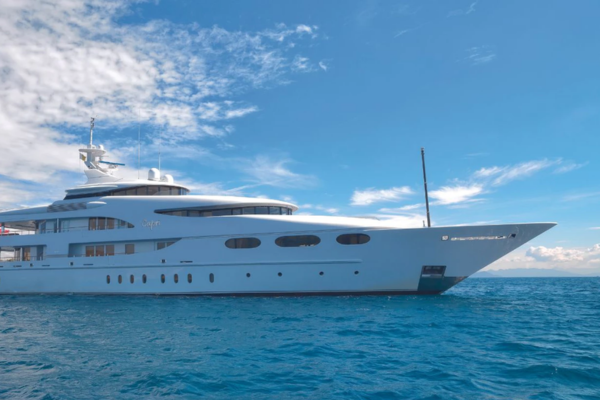
  4. Luxury Yachts: For a premium experience, luxury yachts provide opulent amenities, including hot tubs, gourmet kitchens, and private cabins.

Best Time To Charter A Yacht In Norway

  • Summer (June to August): The most popular season for yacht charters, with mild weather, calm seas, and 24-hour daylight thanks to the midnight sun.
  • Spring and Autumn (May and September): Quieter seasons with fewer crowds and stunning natural colors.
  • Winter (November to February): A unique opportunity to combine yachting with Arctic adventures like chasing the northern lights and exploring snow-covered landscapes.

Top Destinations to Explore | Chartering A Yacht In Norway

If you want the ultimate Scandinavian adventure, your journey must begin in Norway. In the land of the Vikings, these are the places you can explore while enjoying a ride on a Yacht in Norway. 

1. Lofoten Islands

Famous for their dramatic peaks, crystal-clear waters, and charming fishing villages. Further, this dramatic Archipelago in Norway has Henningsvær, a quaint village and a bustling hub of fishing activities. 

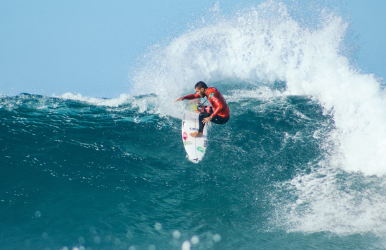
Surfing is a popular outdoor activity here and you will encounter whales and the mighty eagles in action. You can even join a wildlife safari here while playing along the waves. 

Moreover, for the most cinematic beach experience, you must Hestegård. Taking a horseback ride here is a lifetime experience. 

2. Bergen: 

Known as the gateway to the fjords, this vibrant city is a must-visit for its colorful waterfront and rich history.

It will take you to Sognefjord, the deepest and longest fjord in Norway. You can also visit Hardangerfjord, where Trolltunga, the most popular mountain plateau, is present.

Did you know that as many as seven mountains surround Bergen? So, hiking is a popular outdoor activity here, along with water pursuits and cultural exploration. 

3. Tromsø

Located above the Arctic Circle, Tromsø is a hub for winter activities and a great base for northern lights viewing.

One of the most populous municipalities of Norway, Tromsø always remains dark from the 21st of November to the 21st of January. There is no sunrise during this span. So, the twilight from 9 AM to 2 PM feels like magic. 

Moreover, Tromsø can be the gateway to your Arctic adventure. From here, you can plan a visit to the Lyngenfjord region. 

4. Svalbard

For the ultimate Arctic adventure, head to Svalbard, where you can sail among glaciers and spot polar bears in the wild.

 Tips For A Successful Charter Yacht In Norway

  1. Plan Ahead: Norway’s yacht charters are in high demand, especially during summer. Book your yacht well in advance.
  2. Pack Wisely: Bring layers, waterproof clothing, and sturdy footwear to stay comfortable in varying weather conditions.
  3. Know the Rules: Familiarize yourself with Norway’s maritime laws and environmental guidelines to ensure a safe and eco-friendly journey.
  4. Work with Local Experts: Collaborate with reputable yacht charter companies and guides to customize your itinerary and navigate Norway’s unique sailing routes.

Why Choose a Sustainable Charter?

Norway’s commitment to sustainability makes it an ideal destination for eco-conscious travelers. Many yacht charter companies offer green options, including hybrid yachts, eco-friendly practices, and partnerships with local conservation projects. 

By choosing a sustainable charter yacht in Norway, you’re helping to preserve the country’s pristine environment for future generations.

Ready To Charter A Yacht In Norway?

Chartering a yacht in Norway is more than just a vacation; it’s an opportunity to immerse yourself in one of the world’s most beautiful and unspoiled landscapes. 

Whether you’re seeking adventure, relaxation, or a mix of both, Norway promises an unforgettable experience you’ll cherish forever.

So, pack your bags, gather your crew, and get ready to explore the Land of the Midnight Sun from the deck of your private yacht. Adventure awaits!

Also read

Share on Social Media

Meet Sibashree Bhattacharya, a travel enthusiast who has a decade-long experience in transcending virtual barriers with her words! Her deep love for travel is apparent from her travel escapades to the mountain, often taking her readers on a journey, her words acting as Portkey! Fun fact: Sibashree loves to dive deep into the history of the places she is about to visit, making her travels even more wholesome. If you were wondering how her articles are not short of time travel, this answers it!

Leave a Reply

Your email address will not be published. Required fields are marked *

title-img Related

READ MORE things to do in Amsterdam

Why Amsterdam Deserves More Than A Weekend (And Where To Stay When You Go)

BY  Sibashree Mar 13, 2026

Amsterdam is one of the best family vacation spots in the world.  Well, the canals and bikes are legendary. However, you also get something that you probably did not expect.  Amsterdam teaches you the art of slow traveling and the thrill of “doing nothing” as a tourist looking for meaningful and authentic experiences.  So, as a believer of TheLowDownUnder Travel, the capital of the Netherlands became my instant favorite.  Furthermore, once you reach Amsterdam, you find out that nothing is superficial about it, and the layered history of the city keeps the intrigue alive.  Hence, you always want to come back to Amsterdam.  Hi, in today’s blog, I will talk about the things to do in Amsterdam. Also, if you are in the Dutch capital for the first time, read my guide on Amsterdam travel tips before booking your tickets.  What Are The Things To Do In Amsterdam? (Beyond Ticking The Bucket List) The Keukenhof Gardens in Amsterdam have all the credit for being one of the best places in the world to see flowers.  Furthermore, it is home to historical and cultural landmarks such as the Anne Frank House and the Van Gogh Museum.  However, the things to do in Amsterdam are not limited to exploring these places. The real thing to do here is to soak in the history, culture, and livelihood of the city.  So, this is how I experienced Amsterdam.  1. Know A City Built On Water And Ambition A UNESCO World Heritage Site, Amsterdam’s Canal Ring was engineered in the 17th century.  The 17th century was the Dutch Golden Age, and it is no wonder that Amsterdam was one of the most powerful trade hubs in the world then.  Till today, these waterways lined with tilting canal houses continue to be the backbone of daily life.  You can cycle along the banks like a local or enjoy your time in the houseboats, which bob quietly in the morning mist. These also connect the neighborhoods.  Moreover, the city is very walkable.  The city centre has a series of concentric canals radiating outward from Central Station. Also, most of the major attractions are within cycling or walking distance.  2. Explore Culture At Every Corner The Rijksmuseum is the crown jewel in the cultural landscape of the Dutch capital.  Here, you can see all the great work from the Dutch Golden Age of painting. Furthermore, it has works of Rembrandt and Vermeer.  A short walk away, the Van Gogh Museum draws visitors from across the globe, while the Stedelijk offers a strong programme of modern and contemporary art.  For something more intimate, the smaller canal house museums like Museum Van Loon or the Willet-Holthuysen give you a glimpse into how Amsterdam's merchant elite actually lived. Then there's the Anne Frank House on the Prinsengracht, a sobering and essential visit that tells one of history's most important stories within the very walls where it unfolded. Book tickets well in advance. Beyond the museums, Amsterdam rewards wandering.  The Nine Streets district is a tangle of independent boutiques, vintage shops, and coffee bars tucked between the Herengracht and the Prinsengracht.  The Jordaan neighbourhood, once a working-class area, is now one of the most charming parts of the city, full of small galleries, brown cafés, and local markets. 3. Enjoy The Food, Drink, And The Art Of Doing Nothing Dutch food has come a long way from its reputation for simplicity.  Amsterdam's restaurant scene now spans everything from Indonesian rijsttafel, a legacy of the country's colonial history, to outstanding French bistros, modern European tasting menus, and some of the best street-level snacking in Northern Europe.  Grab a fresh herring from a harbour stall, settle into a traditional brown café for a local beer, or book ahead at one of the city's many acclaimed restaurants. The café culture here is worth embracing fully.  Amsterdam's brown cafés, or bruine kroegen, are warm, unhurried spaces designed for long conversations and slow afternoons. They are as much a part of the city's identity as the canals. Where To Stay In Amsterdam? Choose Ambassade Hotel Are you looking for accommodation that feels like an extension of the city itself? Then, the Ambassade Hotel on the Herengracht is a natural choice.  1. Live The History And Enjoy The Art It is spread across 16 historic canal houses that date back to the 17th century. So, a stay here gives you the chance to be a part of the city’s history.  Also, most rooms here look over the Herengracht canal. So, you can enjoy the streetscape of the city.  Furthermore, this hotel has a rich legacy in the field of Dutch hospitality. It has been welcoming guests since 1953, and the moment you step into this hotel in Amsterdam, you get that whiff of history and feel the warmth.  Moreover, this hotel was an informal art gallery for me as it has decorations with works from the CoBrA art movement.  Artists from Copenhagen, Brussels, and Amsterdam founded this bold post-war avant-garde school. 2. Check Its Vast Collection Of Literature  This Amsterdam hotel is also famous for its connection to literature. So, it can be a favorite stay for the dark academia fans.  Furthermore, writers and intellectuals have loved gathering here since the 1980s, and it has a Library Bar housing more than 5000 books.  Moreover, each book is signed by an author who stayed here.  So, this Dutch hotel is not just a place to stay. It is a destination in itself.  3. Indulge In The Cuisine  The Brasserie Ambassade serves French-inspired cuisine seven days a week. Moreover, if you want to explore the city more deeply, you can also join the private tours offered.  These tours cover Amsterdam's art, architecture, and canal history. Choose A Stay That Gives You The Ease To Explore  Staying at The Ambassade Hotel gives you the freedom to explore the city at your own pace. It is located at Herengracht 341.  So, this hotel is located within walking distance of the major attractions in the city.  Moreover, booking directly via ambassade-hotel.nl gives you the best available rate, up to 15% lower than third-party platforms, along with seasonal offers and the possibility of a complimentary room upgrade. Overall, Amsterdam is a city that rewards travelers who take it slow and yearn for authentic experiences.  Hence, staying at a place that is imbued with the city’s character is very important for a perfect vacation.

READ MORE holiday caravan in Lincolnshire

Your Guide To Buying A Holiday Caravan In Lincolnshire

BY  Sibashree Nov 6, 2025

The idea of having a personal escape, somewhere you can just throw a bag in the car and go when life gets overwhelming, is something a lot of us quietly dream about.  But owning a second house? Yeah, that’s usually well beyond what most of us want to spend. A holiday caravan in Lincolnshire, though, offers that sweet middle ground.  You get your own comfortable retreat without the huge mortgage or upkeep that comes with a traditional property.  And honestly, Lincolnshire is one of those places that just fits the vibe. Calm coastal towns, a slower pace, and countryside that actually helps you breathe. Before jumping in, though, it’s important to know the practical details so your “dream getaway” doesn’t turn into a hassle. Why Choose Lincolnshire For Your Holiday Caravan? Lincolnshire just has a really nice mix of places to explore. If you’re after a classic seaside break, you’ve got Skegness, Mablethorpe, and Chapel St Leonards along the coast.  Prefer something quieter and scenic? The Lincolnshire Wolds has rolling countryside that’s perfect for long walks and bike rides. And if you want a bit of history or culture, Lincoln city is right there with its castle, cathedral, and pretty steep streets. Another perk is how easy it is to get to the county. Whether you’re coming from the Midlands, Yorkshire, or even East Anglia, it’s the sort of journey you can make without planning a whole military mission.  And that makes spontaneous “let’s just go” weekends actually doable, which is kind of the point of owning a holiday caravan in the first place. Understanding Holiday Caravan Ownership Let’s talk about the site fees, running costs, and licensing restrictions. These are crucial elements to check before you own a caravan. 1. Site Fees And Running Costs Owning a holiday caravan is a different setup from buying a standalone home. You own the caravan itself, but you’ll pay the holiday park where it’s located a yearly pitch fee. These can range anywhere from around £2,000 to £5,000, depending on how fancy the park is and where it’s located. Those fees usually include things like ground rent, drainage, water, and sometimes access to entertainment spaces or swimming pools.  Extras like gas, electricity, insurance, and normal upkeep will still be on you. The key is to think in terms of annual cost, not just the price tag on the caravan. 2. Licence Restrictions These caravans are meant for holiday use only and are not for full-time living. Most parks have seasonal open months, usually spring through late autumn. During the closed months, you can’t stay in the caravan, even if you want to. Some parks allow caravans to stay in place all year, while others require them to be moved or stored. Just make sure the park’s operating schedule fits how you actually plan to use it. If you’re after permanent accommodation, this won’t tick that box. Choosing The Best Holiday Caravan In Lincolnshire Consider the size and layout of the caravan, assess the modern amenities and features, and compare the pros and cons of the new vs. pre-owned caravans to choose the right one.  1. New Vs. Pre-Owned Brand new caravans look modern, come with warranties, and feel fresh, which is definitely appealing. But just like cars, they drop in value fast right after purchase.  However, when exploring caravans for sale in Lincolnshire, you will find that pre-owned caravans usually offer better value because that big chunk of depreciation has already happened.  You can get great layouts and features without paying “brand new” prices. The main thing is to check for damp, structural issues, and any repairs the previous owner may have skipped. 2. Size And Layout Considerations Think about who will be using the caravan. A couple might be perfectly happy in a one-bedroom layout, while families often need extra space so they’re not tripping over each other, especially on rainy days.  Layout makes a big difference as some caravans feel surprisingly roomy because of open-plan kitchens and living spaces, while others prioritise separate bedrooms for privacy.  Storage, kitchen practicality, and comfortable seating matter more than people expect. 3. Modern Features And Amenities Caravans these days can be surprisingly well equipped with central heating, proper double glazing, built-in appliances, and even decent entertainment setups.  If you're mostly using it in summer, you may not care too much about heating. If you love off-season breaks, insulation and heating will matter a lot. Outdoor decking can make a smaller interior feel much bigger, too. Selecting The Right Holiday Park For A Holiday Caravan In Lincolnshire The best caravan in the world means nothing if getting to it feels like a chore. Try to pick a park within a comfortable drive so you’ll actually use it regularly.  Also, think about the vibe you want. Parks geared toward families will have entertainment, play areas, the works. If you're after peace and quiet, look for smaller or more nature-focused sites. 1. Park Facilities And Atmosphere Visit in person if you can. Walk around. Sit for a bit. Notice the general upkeep and how the place feels. Some parks feel welcoming and well managed, others… not so much. Chatting with current owners can be surprisingly insightful — people will usually tell you the truth. 2. Management And Reputation A well-run park with stable ownership generally means fewer surprises later. Check whether future development plans could affect your pitch, privacy, or view.  You don’t want to wake up to construction noise or a new clubhouse blocking your sunset. Financing Your Purchase Of A Holiday Caravan In Lincolnshire Most parks and dealers offer finance options, though the interest varies. Sometimes specialist caravan finance providers give better terms, so it’s worth comparing.  Be realistic about monthly payments and remember to factor in running costs, not just the purchase loan. It’s much nicer to enjoy your caravan without feeling financially squeezed by it. Buying A Holiday Caravan In Lincolnshire: Frequently Asked Questions (FAQs) Here are the frequently asked questions and answers about buying a holiday caravan in Lincolnshire.  1. Can I Rent Out My Caravan?  Some parks allow subletting, some don’t. Some will even manage rentals for you (but take a cut). Make sure you understand the rules before you buy if rental income is part of your plan. 2. What About Selling Later? You can usually sell privately or through the park, though parks often take a commission. Some have rules about advertising or who can buy. Good to know upfront. 3. How Long Do Caravans Last? With care, 15–20 years is pretty normal. Damp is the biggest enemy — fix issues right away and keep up with basic maintenance, especially near the coast. 4. Are Caravans A Financial Investment?  Not really. They depreciate. Think of it more as an investment in lifestyle and memories rather than something that appreciates in value. 5. Do I Need Insurance? Yes. Full caravan insurance that covers theft, weather damage, and liability. Many parks require proof of coverage. Making Your Caravan Dream Reality Owning a holiday caravan in Lincolnshire can be a really rewarding escape option. It’s personal, flexible, and easier to use, often compared to faraway holiday homes.  As long as you understand the ongoing costs, choose a park and caravan that match how you’ll actually use it, and think long-term about maintenance, you’ll be set up for years of stress-free weekends away.  Focus on what suits your life rather than just the cheapest price, and your caravan will feel like a second home in no time.

READ MORE Olympic National Park

A Day At Olympic National Park: Making The Most Of The UNESCO World Heritage Site

BY  Sibashree Dec 18, 2024

Designated as a UNESCO World Heritage Site in 1981, the Olympic National Park covers an area of 922,650 acres. Also, 95 percent of this national park is designated wilderness.  Further, it is a rare coexistence of temperate rainforest and Alpine highlands. Also, you will find many lakeshores here. Moreover, when at the park, you can see the Pacific Coastline, which is pristine and wild. In addition, the National Park is home to snow-capped mountains like Mount Olympus, Mount Deception, and Mount Constance.  It will be an endless discussion if I talk about the attractions in the Olympic National Park. So, I decided to write an account of how I spent my day here. Entry Fee: $10 for Each PersonEntry Fee for Vehicles: $25Visitor Centers: Hoh Rain ForestHurricane RidgePort AngelesLake Quinault A Day At The Olympic National Park: Exploring The Best Views And Trails  The Olympic National Park, with its designated wilderness, has many amazing viewpoints. Of course, the Hurricane Ridge is the best sport to cherish a 360-degree view of the park.  Further, if you are here for some serious adventure, you can trek to Mount Storm King for a panoramic view of the park and its surroundings. Moreover, hiking through the steep trails and switchbacks is completely worth it. As you conquer the elevation of 609 meters, you will find the surreal Lake Crescent below. The water of the lake looks deep blue. Also, if you want to visit the shores along the Pacific Coast, you can visit Kalaloch and Ruby Beach. In addition, these are the places or hotspots in the Olympic National Park. 1. Hurricane Ridge Hurricane Ridge, a famous spot in the Olympic National Park for beautiful views, is also home to Olympic marmots. It comes with an elevation of 2064 meters, and it is at the epicenter of many adventurous activities in the park. Snowboarding and skiing are the most popular adventure activities here. Moreover, in the spring season, Hurricane Ridge gets filled with wildflowers.  2. Lake Crescent The thousand-year-old lake at the Olympic National Park will take you on a time travel. You can have the most immersive experience her,e looking at the icy blue water of the lake. Further, if you are looking for something adventurous, you can try camping, boating, and hiking here.  Moreover, Lake Crescent is home to the Crescenti Trout. You will hardly find this species of fish anywhere else in the world. Beardslee is another species of fish only found in Lake Crescent. You will find many hiking trails near Lake Crescent. I loved the walk to Marymere Falls.  3. Sol Duc Falls The Sol Duc Valley in the Olympic National Park comes with many hiking trails. Among them, the path leading to the Sol Duc Falls is the most beautiful. You have to walk for around a mile to reach the waterfall.  You can even hike to Mink Lake or the Lover’s Lane to see Sol Duc Falls. However, these are longer routes in comparison to the trail starting from the Sol Duc Valley.  Moreover, as you reach the Sol Duc River here, you will find coho salmon in abundance. If you visit the place from late October to late November, you will find salmon leaping over the waterfall to reach the river. The place is famous as Salmon Cascades Overlook.  4. Peabody Creek Trail The Peabody Creek Trail is a short nature trail near the Olympic National Park Visitor Center. The trail starts from the parking lot, and it is a path in the park that you can access year-round. As you walk through the trail, you will find many picnic benches. So, it is a great place to explore with your family.  The trail loop with a moderate difficulty level will take you to Peabody Creek. Once you reach the destination, you can stick to the North and start hiking on the adjacent Aldwell Nature Trail to return to the Visitor Center.  Overall, it is a 5.2-mile hike and back journey.  5. Mora and Rialto Beach When you are immersed in the beauty of Lake Crescent and make a further move, go to the southwest. At a distance of 40 miles, you will find Mora and Rialto Beach. Here, you will experience how powerful nature can be. Also, the experience I had here is “dramatic” or “intense.” Moreover, when you are at Mora and Rialto Beach, you will see the best marine animals, like whales, sea lions, otters, eagles, and different seabirds.  If you want to spend longer at this pristine place and soak in the energy here, you can plan camping. You can even hike through the James Pond Trail.  6. Staircase The Olympic National Park has this staircase on its southeastern corner. As I visited this place, it felt like entering a kingdom of douglas fir. Further, here, you will find the Skokomish River. Many hiking trails run along this river to the forests.  You must take a walk through the trail over the bridge leading to the North Fork Skokomish River. Hiking through the old forest is the most serene experience you can expect.  The Shady Lane Trail is another path, and at the end of this trail, you will find the most beautiful Lake Cushman. Moreover, if you are ready to walk those extra miles and take some serious challenges, you can plan a hike to Flapjack Lakes.  When you are tired of hiking or exploring the Staircase at Olympic National Park, you can enjoy a relaxing bath at the swimming spots.  7. Olympic National Park Main Visitor Center And Wilderness Information Center https://www.instagram.com/p/CvP2IpYLM8o/?img_index=1 The Olympic National Park Main Visitor Center And Wilderness Information Center will be your first stop as you start exploring the national park. Here, you will see the “Mosaic of Diversity.” It is an orientation film about the diversity and beauty of the park. Further, if you are traveling with kids, they will have the most amazing time at the Discovery Room. After knowing about the cultural and natural history of the park, you can make your move to visit the other attractions. The Visitor and Information Center remains open from 8 AM to 5 PM every day and the knowledgeable rangers and staff there will guide you in your journey to the park. As you step out of the visitor center, you will find two short nature trails leading to different parts of the park. Also read Why Include Whale Watching In Your LA Itinerary. Traveling On A Budget: Tips For Affordable Adventures. From Cocktails To Kickflips: Must-Try Activities In San Diego.