



Exploring Wildlife At Yellowstone National Park: Know The Mammals, Reptiles, Birds, Fish And More

Nov 11, 2024

Last Updated on: Sep 1, 2025

Travel Blog

The wildlife of Yellowstone National Park is as fascinating as its geology. So, along with the geysers, many tourists also visit this park to explore its wildlife. The grizzly bears, wolves, bison, and more make the park the biggest concentration of mammals in the lower 48 states.

However, the park is also a popular birder hub with ospreys, eagles, and falcons. You just need to know the spots well to encounter these wild creatures, with respect, of course. 

Here, I will give you a brief idea about the mammals, birds, reptiles, amphibians, and fish found in this park. I will also share where to spot them. 

Mammals You Will See At Yellowstone National Park

Mammals You Will See At Yellowstone National Park

May to June or spring is the ideal season for watching mammals at Yellowstone National Park. You will especially get to see many bears and wolves in this season.

Further, at the advent of the fall season, this park has elk bulls in great numbers. 

Moreover, mammals like elk, bulls, and bison are also visible in the park in winter. Winter is also a great time to glimpse the Lamar Valley wolves. So, watching wildlife at Yellowstone National Park is a year-round activity

Tour and Travel Tips For Wildlife Watching At Yellowstone National Park
Trek the park in the early morning or evening to have better visibility of the wildlife. The temperature remains moderate during these hours of the day.
Further, you will need spotting scopes or binoculars to see the wild animals.
Maintain at least 25 yards of distance from elk, bison, and other wild animals. However, for bears and wolves, you must maintain at least 100 yards of distance. 

Let’s learn about the most prominent mammals in the park in detail. 

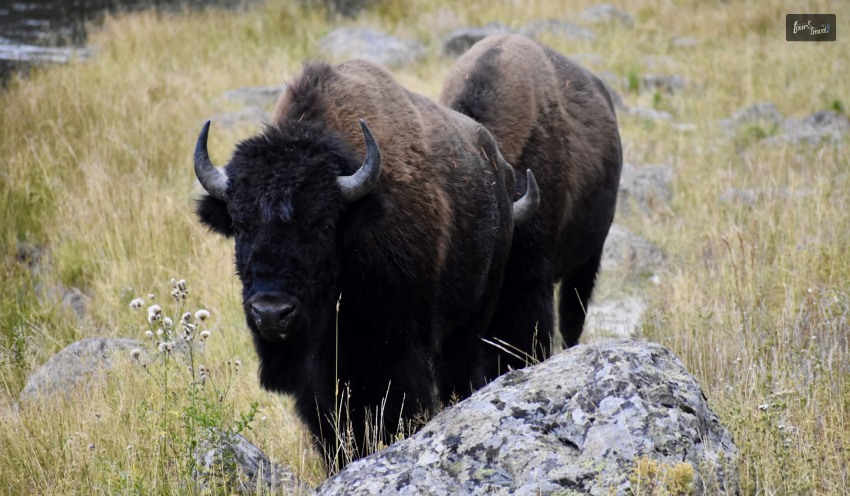
American Bison

American Bison

Where to Find: Lamar and Hayden Valleys and the Grasslands

Best Time to Find: July to August

Did you know that bison in Yellowstone make up the largest (remaining) bison population on American public land? 

The biggest mammals of the park, bison, have been there since pre-historic times. A male bison weighs 1,800 pounds on average, while the weight of a female bison is close to 1300 pounds. 

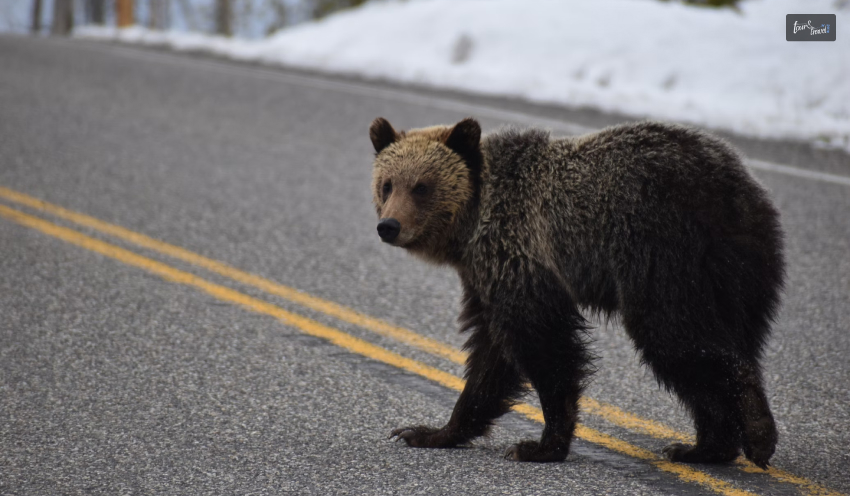
Black And Grizzly Bears

Black And Grizzly Bears

Where to Find: Mammoth and Tower Areas (Black Bear) and Lamar and Hayden Valleys (Grizzly Bears)

Best Time to Find: May to June

Black and grizzly bears co-exist in many parts of the national park. Grizzlies are bigger than black bears, with a hump on their shoulders and a rounder face.

Bear safari is a popular activity in the park. However, you need to maintain a distance of at least 100 yards and follow all safety regulations, as bears can get violent, especially when they are with their cubs. 

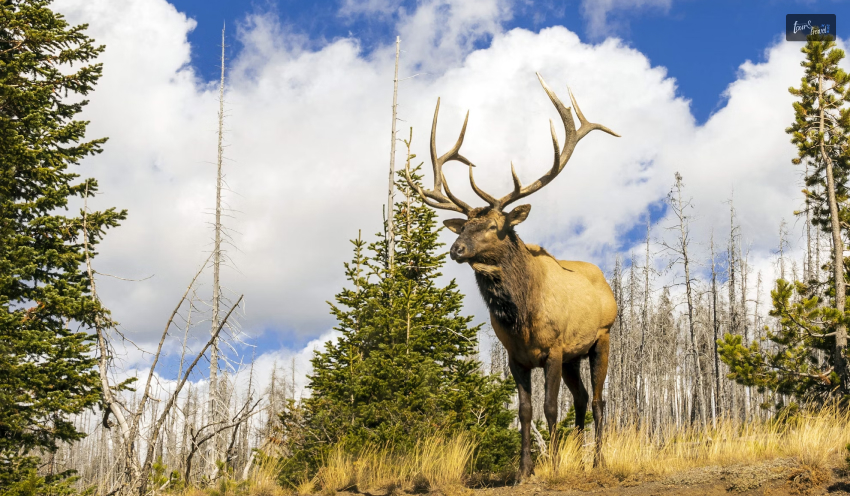
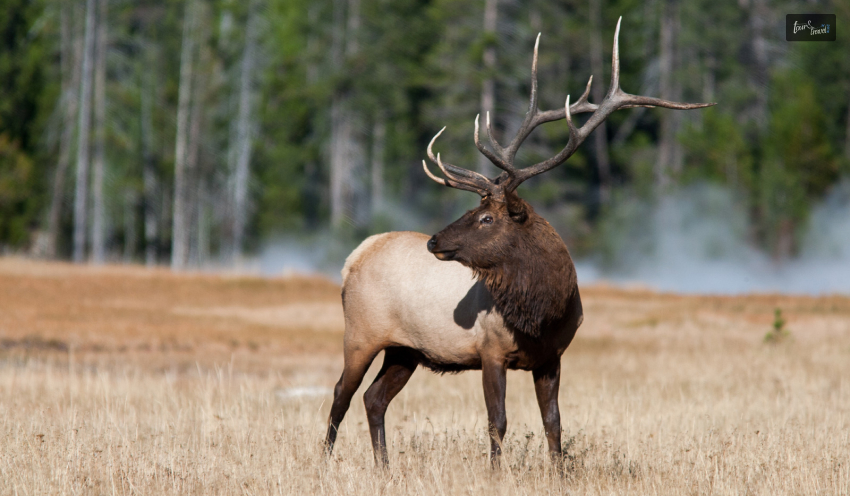
Elk

Elk

Where to Find: Lamar Valley, Madison Canyon, Mammoth Valley

Best Time to Find: September to November

Due to the impressive antlers, elks are probably the most photographed animals in this national park. Do you know that the antler of an elk can grow up to 6 feet?

Moose and deer, closely related to elks, are other prominent park mammals. Moose is the largest of the Cervidae family, and elks are the second largest. 

Further, moose are seen in the park’s marshy areas and near water bodies.

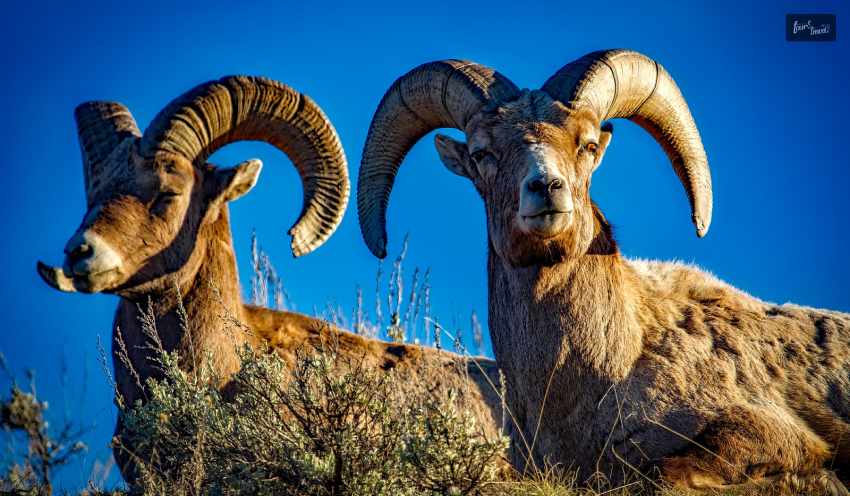
Bighorn Sheep

Bighorn Sheep

Where to Find: Gardner Canyon and Near the Yellowstone River

Best Time to Visit Bighorn Sheep in Yellowstone National Park – November and December

The large and curved horns of bighorn sheep make them stand out. You will find these horns on the males.

Bighorn sheep live in a herd, and in the fall season, the males get involved in loggerheads to win over their female companion. 

There is one fascinating fact about bighorn sheep. When a baby bighorn sheep (lamb) is born, it can climb and walk within one day.

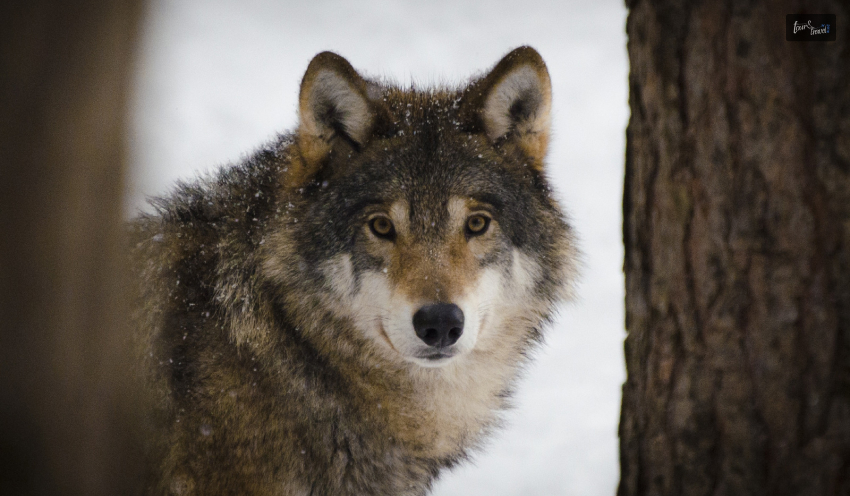
Wolves

Wolves

Where to Find: Throughout the Park

Best Time to See Wolves: May to June

Around 100 wolves live in the Yellowstone National Park. Leopold packs, Yellowstone Delta, and Slough Creek are the biggest wolf packs in the park. 

Wolves are native to the park. However, in 1995, they were re-introduced here

Along with the types discussed, you will also find mammals like coyotes, martens, red foxes, wolverines, mule deer, marmots, and more in the park. Overall, around 67 species of mammals live here. 

Amphibians In Yellowstone National Park

Amphibians In Yellowstone National Park

Thanks to a unique geology, there are various ponds and wetlands across the Yellowstone National Park. Here, you will find the following varieties.

  • Boreal Chorus Frog
  • Western Tiger Salamander
  • Western Toad
  • Columbia Spotted Frog
  • Plains Spadefoot Toad

Further, these amphibians play a crucial role in the maintenance of the terrestrial and aquatic ecosystems of the park. Many mammals, birds, reptiles, and even fish prey on them. Also, they eat many vertebrate and invertebrate creatures to balance the food chain.

Moreover, the amphibians in the park are indicators of high pollution rates or changes in the weather. They even indicate the advent of diseases and the arrival of any nonnative species. 

So, research on amphibian populations in the park is crucial to know about any impending danger that may affect the ecosystem. 

Reptiles At Yellowstone National Park

Reptiles At Yellowstone National Park

Yellowstone has six species of reptiles. However, there is a greater scope for studying and identifying these reptiles.

As of today, the reptile species found in the park are:

  • Terrestrial garter snake
  • Common garter snake
  • Rubber boa
  • Prairie rattlesnake
  • Bullsnake
  • Sagebrush lizard

Prairie rattlesnake is the only venomous snake in the park, while bullsnake is the largest variety found here.

Yellowstone National Park: A Birder’s Paradise

Yellowstone National Park: A Birder’s Paradise

A 2018 survey in Yellowstone National Park announced the presence of 82 species of birds in the park

Further, the species of birds here are varied, and the table below mentions the variety you will come across in the park.

OwlsNorthern saw-whet owl Northern pygmy-owlBoreal owl Great-horned owl 
EaglesBald eagleGolden eagle
Colony Nesting BirdsPelicanHeronsIbises
Song Birds Ruby-crowned kinglet American RobinDark-eyed junco

You will also find birds like woodpeckers, ducks, geese, swans, falcons, and ospreys in this national park. 

Fish In Yellowstone National Park

Yellowstone National Park is home to many native and non-native fish species. Eastern Brook Trout, brown trout, lake chub, rainbow trout, and lake trout are some non-native fish species in the park.

Further, this park has native fish species, such as mountain sucker, speckled dace, Utah chub, Redside Shiner, etc. 

Human Imprint On Yellowstone National Park 

The home to Native Americans, Yellowstone National Park displays a human tapestry of almost 11000 years. The natives of the place have survived on hunting and fishing. Further, they have known the medicinal properties of the herbs available in the park.

In addition, the healing properties and religious importance of the thermal water here had a major impact on the local human lives. 

Yellowstone National Park: At A Glance 

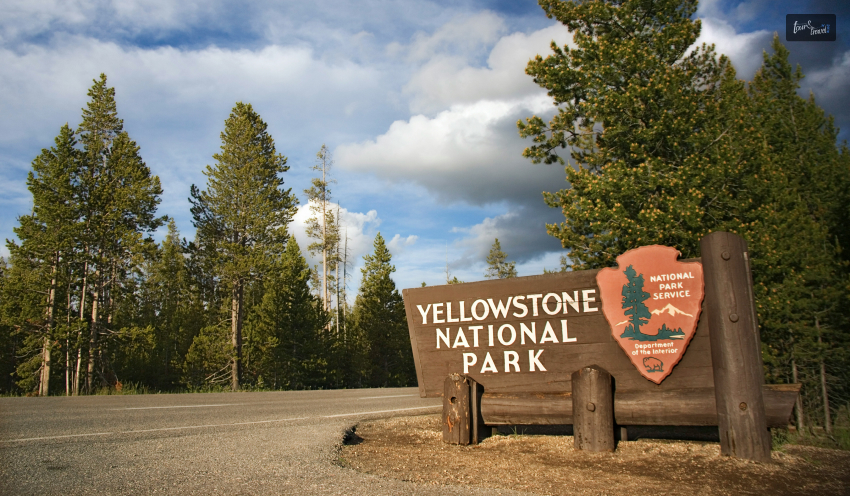
Yellowstone National Park

How to Reach Yellowstone National Park: Reach the Yellowstone Airport and take a cab or bus to Yellowstone National Park.

Highest Point: Eagle Peak

Established: 1st March 1872

Designation: UNESCO World Heritage Site for “globally unparalleled assemblage of surficial geothermal activity.”

Entry Fee: $25-80 based on the entrance pass 

Visitor Centers: Albright Visitor Center, West Yellowstone Visitor Information Center, Grant Visitor Center, etc. 

Also read

Share on Social Media

Meet Sibashree Bhattacharya, a travel enthusiast who has a decade-long experience in transcending virtual barriers with her words! Her deep love for travel is apparent from her travel escapades to the mountain, often taking her readers on a journey, her words acting as Portkey! Fun fact: Sibashree loves to dive deep into the history of the places she is about to visit, making her travels even more wholesome. If you were wondering how her articles are not short of time travel, this answers it!

Leave a Reply

Your email address will not be published. Required fields are marked *

title-img Related

READ MORE Creating Travel Memory Collages

Creating Travel Memory Collages: How To Transform Your Adventures Into Lasting Visual Stories

BY  Sibashree Jul 17, 2025

Each visitor reviews their trip and returns home with dozens of pictures spread out over their phone, camera, and cloud storage.  Those single photos record moments, but typically don't convey the complete story of your trip.  Creating travel memory collages offers an excellent solution to bring together these fragments into engaging narrative visual representations that capture not only what you saw, but also how you felt during your trip. Why Is Creating Travel Memory Collages Preferable To Conventional Photo Albums?  Classic photo albums display photographs linearly, but travel experiences are rarely neat stories.  The most memorable moment of your journey may come on day three of a seven-day trip, and the best meal on the final night. Memory collages enable you to value emotional resonance over sequence, designing a composition that reflects the truth of your experience. Think about how one collage can integrate the sunrise view from your hotel room window, the scrawled note from a local café, museum entry stickers, and photos of travel companions.  That layered approach is how we actually recall trips – as a web of experiences, not discrete events. Creating Travel Memory Collages: Keep These Practical Tips In Mind Creating travel memory collages involves planning and the use of digital tools for the execution of your creative ideas.  Here are the tips I keep in mind while creating travel memory collages.  1. Planning Your Travel Documentation Strategy Successful travel collages start even before you unpack your suitcase. Seasoned travelers have organized ways of collecting collage items as they travel along.  Begin by deciding what types of memories you wish to document, other than regular tourist snapshots. Consider gathering ephemera such as restaurant menus, maps with your routes marked, boarding passes, and even flowers pressed from viewpoints.  These physical pieces add texture and authenticity to your end product. Most travelers bring a small envelope in their daypack to collect these memory triggers. Your photographic approach must also move beyond landmarks and selfies. Take note of details such as the texture of old stone walls, the palette of markets, street signs in a foreign language, and the hands of craftspeople at work.  These contextual photographs are useful as dense, dimensional collages' valuable building blocks. 2. Use Digital Tools That Transform Your Travel Memories New technology has transformed how we make and share travel collages. An effective collage maker online offers point-and-click functionality for merging photos, text, and design elements into professional-looking layouts without requiring design expertise. These programs also come with travel-oriented templates that are designed for the particular requirements of adventure documentation.  For such features as map incorporation, timeline layouts, and portrait and landscape picture orientations, interspersed seamlessly, look for the best programs.  Top programs enable you to play around with the layout until you arrive at settings that best capture the spirit of your adventure. Cloud-based collage makers also eliminate the solo traveler's quandary of editing photos spread across different devices.  You can initiate a collage on your phone while on layover, edit it on your laptop at the hotel, and finalize it on your tablet on the return trip. 3. It’s About Storytelling Through Visual Composition Effective travel collages narrate through considered composition and visual flow. Begin by establishing the overall theme or mood you wish to express.  Was this a self-discovery journey, a reunion with long-time friends, or an adventure of cultural immersion? Your theme will inform all of your compositional choices. A solo trip might have more personal, reflective moments written in an intimate, diary-like style.  A family vacation can emphasize shared moments with overlapping images and dynamic arrangements. Cultural discovery themes are served by juxtaposing elements contrasting the home and the destination. Consider where your eye moves through the composition. Successful travel collages create visual journeys that lead viewers through with you.  You could start with departure photos in the upper left, move through destination highlights, which are centered, and conclude with return trip photos in the lower right. The most effective travel collages don't just show what you looked at, but the cultural context of what you looked at that made those things meaningful. Intersperse some of the local customs, the seasonal festivals, or the historical importance you learned during your travels. Street art, architectural details, vernacular dress, and community celebrations are cultural touchstones for your own photographs.  A collage of your temple visit has greater resonance if contrasted with photos of community rituals, traditional offerings, or temple daily life that you witnessed. Language resources inject an additional dose of cultural realism. Incorporate photos of signage, menus, newspapers, or handwritten letters in the local languages.  Even if the audience is not able to read them, they give instant cultural context and plunge viewers into the distinctive atmosphere of your destination. 4. Try Balancing Personal Moments With Iconic Destinations There are tourist sites for a reason – they represent something fundamental about the history or nature of a place. But collages made up only of famous landmarks never feel very personal.  The trick is to achieve a balance between iconic shots and intimate, close discoveries. Put that iconic cathedral shot in a frame with your photo of that quaint café where you dodged a rainy afternoon.  Set the mandatory sunset beach picture beside photos of the fishermen who explained tides to you. These personal touches turn ordinary vacation photographs into real travel anecdotes. Your own vision is the selling point.  Thousands of individuals shoot the same landmarks, yet only you had that specific interaction with a street vendor, found that secret vantage point, or saw that unintentional moment of local life. 5. Focus On Seasonal And Weather Storytelling Weather and seasons play a tremendous role in shaping travel experiences, yet most collages miss these critical storytelling elements.  A drizzly Parisian afternoon creates very different memories from a sunny day, and your collage should convey these atmospheric conditions. Welcome, weather shots as storytelling devices instead of photographic disappointments. Rain on windows, snow on landmarks, or the theatrical light of cloud storms bring emotional resonance to photographs.  They also evoke more memories than ideal shots of the weather. Seasonal setting also informs the viewer of the time and atmosphere of your experience. Cherry blossoms immediately conjure spring in Japan, and autumn foliage perfectly encapsulates European city breaks.  Summer festival throngs and winter market scenes each tell particular seasonal tales. 6. Creating Cohesive Visual Narratives Strong travel collages are visually unified without sacrificing varied experiences. This harmony takes some careful consideration of color palettes, continuity of lighting, and compositional harmony.  You are not attempting to make each image look the same, but you are establishing a common visual vocabulary that ties your story together. Think about how various places in your trip could have similar color schemes or light. Mediterranean locales will frequently feature warm, golden tones that will generally work together.  Northern European cities may have cooler, more subdued color schemes with varying but similarly consistent moods. Repetition of visual motifs also unifies. If you photographed local architecture extensively, utilize such structural motifs as unifying threads in your collage. Food shots, transportation shots, or nature images can be utilized for such unifying purposes. Sharing and Preserving Your Travel Stories By Creating Travel Memory Collages When completed, your travel collages are valuable personal documents and good sharing tools. Consider creating different versions for different audiences and uses.  A longer collage might be perfect for your personal record, but a shorter version is preferable for posting on social media. Prints offer tangible ways of preserving and sharing your travel memories. Lovely prints transform digital collages into physical keepsakes that friends and family can appreciate without screens.  Most travelers create annual travel books that highlight their year's best collages. Sharing online provides the possibility of reaching other travelers and impacting their travel.  Travelers' communities value personal, firsthand information over glossy guidebooks. Your collages have the power to shape the next person's adventure or encourage them to explore places they would otherwise not have thought of. Making Every Journey Count By Creating Travel Memory Collages Travel collages redefine the way we understand and remember our travels. Instead of letting valuable memories lie dormant digitally, such visual stories celebrate the depth and nuance of travel.  They tell us that every trip, be it a foreign adventure or a fast weekend in town, has tales worth keeping and passing on. The act of making travel collages also encourages slower, more reflective travel. When you know that at some point you will be distilling these events into visual narratives, you pay closer attention as you travel.  You notice the things that otherwise would pass you by and seek out flesh-and-blood experiences that will add depth to your story. Begin your next journey with collage construction in mind. Load that little envelope for the gathering of ephemera, snap pictures beyond the self-evident tourist's shots, and leave yourself open to serendipitous moments that may become the core of your narrative.  Your future self will appreciate the rich, layered memories constructed from your deliberate method of travel documentation. Read Also: 11+ Great Places To Take Pictures In London: Photography Tourism In London

READ MORE museums in new orleans

The Top 10 Museums in New Orleans You Can’t Miss!

BY  Ankita Mar 28, 2024

One of the things that most people who are into history and architecture ask me is: “Which place should I visit? Where will I get to see museums that will blow my mind?” And one of my staple answers is, “You know what? You must take a tour of the museums in New Orleans. They will blow your mind!” And yes, I mean it with my everything. You see, I am someone who is a sucker for great architecture. I love old buildings and the sheer magnificence and grandeur of them. Last year, when I visited New Orleans, one of the most important American cities, I had the opportunity to visit almost all the major museums in the city. Therefore, if you have been searching for the best museums in the city, I have you covered! Keep on reading this blog till the end to plan your travel bucket list… Best Museums in New Orleans That You MUST Visit! As I have already mentioned, New Orleans is a place that screams of old charms. The city houses some of the world-class museums. While you must have heard of some of them, like the World War II museum and the NOMA, these are not the only ones. But, if you like to have some quirky options, this place also has you covered. For instance, the Museum of Death and the Backstreet Cultural Museum are some of them. Wondering what they might be about?  Well, to know that, you need to take a look at the following list of the best museums in New Orleans. So, without further ado, let us get started! 1. National World War II Museum The National World Way II Museum in New Orleans is definitely one of the most popular ones in the city. And there are reasons for it to be popular. Located in the Central Business District, this one offers a deeper dive into the tasks and contributions made by the forces of the United States in emerging victorious in the Second World War. While it is true that this museum covers it all, one of the major focuses of the building is on Operation Overload or the Battle of Normandy. https://www.instagram.com/p/C2vFumkP6FI/?img_index=1 With its vast collection of several original and replicas of the materials used in the war, the display boards of the museum offer an in-depth look at the war. Through the help of these replicas, the visitors can get a tangible view of the past and the contributions of the US Army. 2. Museum of Death https://www.instagram.com/p/CrTsbEaOJH4/ While it is true that this museum in New Orleans is not for everyone, it will be a great one for people with a dark sense of humor. Yes, you heard that right! The Museum of Death will appeal to those with macabre fascinations. The visitors are often amused by the building, which looks rather vulgar. Or, as Conde Nast Traveler rightly points out, the building “almost looks like a set of a B-movie with it garish colors and cartoon-like imagery.” https://www.instagram.com/p/C25YVbsR1zB/ So, what do you get here? All things gory. Serial killers and macabre art are what this museum is popular for. If you are a true crime fan, this is the place that will blow your mind. Just remember, when you are here, you MUST get something from the gift shop (no compulsion, though). Get yourself some morbid souvenirs from the gift shop, and thank me later! 3. New Orleans Museum of Art (NOMA) Thirdly, and probably one of the most important on the list, is the New Orleans Museum of Art, also known as NOMA. This Museum, as the name suggests, boasts a massive collection of objects that offers a range of artistic styles. With nearly 50,000 artistic objects, the prime focus of NOMA is French and American art, glass, and photography. Apart from that, African and Japanese works that showcase the periods and artistic styles of the places are some of the things that the visitors can explore. https://www.instagram.com/p/C4niRvyu-og/?img_index=1 And hey, once you are done exploring the museum, you can probably spend time with your friends and family at the Sydney and Walda Besthoff Sculpture Garden. This is a huge, lush green park with several sculptures all over. If you are looking for some outdoor art experience, this is something that you should look forward to! 4. Mardi Gras World https://www.instagram.com/p/B8zTC_BHlnH/ Of course, this HAS to be on the list, right? The Blaine Kern's Mardi Gras World, or simply the Mardi Gras World, is one of the most popular tourist attractions in the world. If you have ever seen the iconic floats of the Mardi Gras parades online and wondered where they make these things, this is the place you need to visit! THIS is where they are created. https://www.instagram.com/p/CFfDB_Sn_3p/?img_index=1 As a visitor, you can look at the creation of the beautiful and vibrant floats and the behind-the-scenes at the warehouse. Additionally, it also serves as a great tourist attraction because of its location. Its location near the Mississippi River makes it easily accessible to tourists. And if you are in the mood to click pictures for the Gram, the backdrop is a great option! 5. New Orleans Jazz Museum https://www.instagram.com/p/C1Xupy0s6jS/ Next on this list of the best museums to visit when you are in the city is the New Orleans Jazz Museum. This museum houses one of the most important buildings in the city, the New Orleans Mint. However, that is not the only significance that the museum holds. The building was used as a nuclear shelter. Moreover, it also served as the Analysis Office, which was a warehouse for the US Coast Guard. Now, you might be wondering why it is known as the Jazz Museum, right? https://www.instagram.com/p/C4WXWqHxWDK/ Well, in 2015, the museum started expanding its exhibits. It now includes several instruments that were once the property of significant and influential jazz musicians. You can find posters and photographs of the same. 6. Ogden Museum of Southern Art https://www.instagram.com/p/C1PeOHHuX-e/ If you are looking for a Smithsonian-affiliated museum, the Odgen Museum is the one you should visit. This one is exactly what the name suggests: a museum that not only showcases but also celebrates the culture and works of Southern artists. With nearly 5,000 pieces of work from several southern states, the Odgen Museum offers the world a great collection of Southern art. Some of its popular exhibits include photography, handicrafts, paintings, and sculptures. https://www.instagram.com/p/C4rHmIcP9VK/?img_index=1 Additionally, it also showcases works of both historical as well as contemporary artists from the South. You can also shop for art books and other artistic handicrafts that are pretty affordable. So, if you are a sucker for classic times, this museum should definitely be on your bucket list! Read More: Romance In The Big Easy: 20 Things To Do In New Orleans For Couples 7. Audubon Aquarium of the Americas The next one on this list of the best museums in New Orleans is the Audubon Aquarium of the Americas. This place is the home to a vast range of marine life. Located right on the banks of the River Mississippi, there are more than five hundred species of animals in this museum. The visitors to the museum can not only explore the animals but also learn about them and the rich biodiversity of the marine world. https://www.instagram.com/p/B-aGpzUBIm2 One of the best exhibits of the museum is the Mississippi River Gallery. This consists of several marine animals like alligators, catfish, and spoonbills. Apart from that, the Caribbean Reef and the Gulf of Mexico exhibits allow the tourists to observe other animals. 8. Contemporary Arts Center of New Orleans (CAC) https://www.instagram.com/p/C1pN-_ZOhpl/?img_index=1 Ever since 1976, this building has been the focal point of the Warehouse Art District. With several experiments on performance art, painting, music, theatre, photography, and more forms of art, the CAC or the Contemporary Arts Center is something you must visit when you are in the city. This museum was renovated in 1990, and its foundation dates back to the early 1900s. With its sleek modern galleries, studios, and warehouse spaces, the center is near about 30,000 sq. ft in area. Massive, isn't it? https://www.instagram.com/p/Cqx4dqvu1Dm/ If I have to name a few things, let me just say that the rotating visual arts exhibitions held here are one of the most important things you simply cannot miss! 9. The Historic New Orleans Collection The next one on this list of the best museums in the city is the Historic New Orleans Collection. And Just like its name suggests, this one is here to showcase everything historic about the city. Founded in the year 1966, the Historic New Orleans Collection is a free museum, a publisher for the culture and history of the city, as well as a research center. Located in the French Quarter, this museum is in the middle of a magnificent campus with nearly ten buildings on the property. https://www.instagram.com/p/BpM2JRsFIMY/ One of the most popular buildings that you can visit here is the Seignouret-Brulatour Building. For most people, this building is nothing more than a gateway to the actual museum. However, I saw great architecture and the fusion of the same with modern technology. 10. The Cabildo Last on the list is The Cabildo. This museum was once an important seat of the Spanish Colonial city hall. But with the change of time, it has now evolved into the State Museum Cabildo of Louisiana. Currently, it is a building that showcases the rich culture of the city’s history. Located right next to the St. Louis Cathedral, The Cabildo has transitioned impressively from being a place of governance. And the location of the museum makes it even more accessible for tourists to explore the heart of the city. https://www.instagram.com/p/BnymoAuDHqD/ At present, the monument preserves the history and significance of being the site of the transfer ceremonies of Lousiana Purchase which took place in the early 1800s. The visitors can get insights of the numerous ethnic groups from the times of the early settlement to the Reconstruction era. Wrapping It Up! In case you wanted to know about the best museums that you can visit in New Orleans, I hope that this blog has been of help to you. If you have any further queries, please feel free to let me know. All that you need to do is scroll down till you reach the end of the page. Then leave your comments in the box. And I will be there to answer them all for you! Read Also: Time Travelers’ Haven: Savannah’s Top Museums And Your Itinerary From Museums To Parks: The Top Attractions In St George Utah Explore The Top 15 Free Museums In DC! Must Visit Museums Understand More About The Vatican’s Museums

READ MORE best places to visit in february

The Best Places to Visit in February in the USA in 2026! 

BY  Sibashree Feb 13, 2025

The month of February is definitely a magical time to explore the USA. As winter still holds the nation in its grasp.   This particular time of the year provides a fascinating combination of scenic winter landscapes, exciting culture events, travel deals in the off-season, and the first sprouts of spring.   Regardless of the preferences for sunshine and warm beaches, beautiful national parks, tranquil retreats, and exciting city breaks, February combines the perfect destinations for all kinds of travelers.  Following is a detailed, informative, and relevant guide to the best places to visit in the USA for February 2026, including what to expect, activities to plan, climatic conditions, highlights, and tips to keep in mind for your travel plans.  Why February is a Great Time to Travel Within the USA?  It is positioned in the middle of the winter holiday period and the spring break travel peak with the activities illustrated below:  Lower travel costs (airfare and accommodation prices often come down)  Fewer crowds in tourist spots  Seasonal events: Think Mardi Gras or the Chinese New Year  Winter sports in optimal conditions  Warm-weather vacations before the crowds build for spring break  Depending on whether you are interested in snowshoeing in Alaska, visiting cities in the mild temperature zones of the South, or simply soaking up the rays on a beach. 1. New Orleans, Louisiana – Mardi Gras & Beyond  It cannot go without mentioning Mardi Gras since New Orleans is practically a brand name for this festival. February is when it all comes together. Mardi Gras 2026 will take place on Tuesday, February 17.  What to Do  Parade Season (Krewe parades) – From Family-Friendly Routes to Grand Parades and Super  Celebrations in the French Quarter – Live Jazz & Outdoor Parties  Beignets and Coffee at Café du Monde  Steamboat Natchez Cruise on the Mississippi  Historic Garden District tours  Weather  Expect mild winter conditions:  Average daytime highs: 60-70°F  Chances of cooler nights  Travel Tips  Reserve a hotel stay well in advance (especially in the downtown/W  Wearing comfortable shoes for parade marching  Think about moving somewhere that is accessible by public transport links  2. Honolulu, Hawaii – Winter Sun & Island Culture  February happens to be one of the best months to indulge in the weather, whale watching, and a milder atmosphere compared to the peak season of summer, ideal for both relaxation or activity-packed travel. What to Do  Whale-watching tours in the Pacific  Explore Waikiki Beach  Hike Diamond Head Crater  Road to Hana (Maui) or Na Pali Coast (Kauai)  Luau experiences and snorkeling  Weather  Highest recorded temperatures: 78°-82  Warm sea temperatures  Travel Tips  Book a whale tour early; winter season offers the highest chances of spotting whales  Show respect to the efforts of the locals to  Try local plate lunches and shave ice  3. Park City, Utah – Ski Town at Its Finest  Park City may very well be among the finest ski resorts in the U.S. The snow conditions in February are always excellent with plenty of fresh powder.  What To Do  Skiing or snowboarding at the Park City Mountain Resort  Luxury Spas and After Ski Hot Tubs  Historic Main Street shopping  Snowmobile and snowshoeing tours  Hot Air Balloon Rides Over Snowy Valleys  Weather  Cold and snowy winters.  Highs: 30°F to 40°F (-1)  Travel Tips  Airport access from Salt Lake City (about 45 to 60 minutes)  Book your lift tickets and equipment rentals in advance  Sport or outdoor layered clothing  4. Savannah, Georgia - Southern Charm & Mild Climate  Savannah is a beautiful historic city with mild winters. So, if you live in a cold area, Savannah will be a great option.  What to Do  Walking tours of Historic Districts  River Street exploration  Forsyth Park, and its beautiful fountains  Haunted ghost tours  Food experience (Lowcountry cuisine)  Weather  Mild and agreeable  Highs: 60° to  Travel Tips  February may experience some rainfall; therefore, one needs to pack layers.  Take guided tours for history, photography, or food  5. Aspen, Colorado – Classic Rocky Mountain Winter  Aspen is famous for winter sports, luxury resorts, as well as alpine flair. Winter is marked by heavy snow with optimal conditions for all winter-related activities.  What to Do  Ski Aspen Mountain and Snowmass   Snowcat tours  Ice skating at Silver Circle  Fine Dining & Apres-Ski Lounges  Shopping in Aspen's fashionable downtown  Weather  Cold with lots of snow  Highs: 30-40ºF (-1)  Travel Tips  Arrange for ski schools and ski tours in advance  Think about lift tickets that encompass multiple mountains 6. Charleston, South Carolina – Historic Elegance  Charleston has historical charm, pleasant temp and rich cultural offerings minus the summertime horde.  What to Do  Carriage tours of the Historic District  Rainbow Row and waterfront park  Plantation tours  Culinary experiences (seafood and Southern cuisine)  Art galleries and live music  Weather  Mild with spring notes  Highs: 60–65ºF  Travel Tips  Early bookings for plantation visits  sample local dishes such as shrimp and grits 7. Sedona, Arizona - Red Rocks & Spiritual Vibe  Sedona’s red rock formations and clarity of the desert make for a warmer outdoor experience, which is ideal for both hiking and photography.  What to Do  Hiking at Cathedral Rock, Bell Rock, and Devil’s Bridge  Jeep tours  Stargazing  Art galleries and local boutiques  Wellness retreats  Weather  Cool and dry  Highs: 55 to 60ºF  Travel Tips  Hikes at sunset provide wonderful lighting  Expect temperature fluctuations  8. Key West, Florida - Tropical Escape  Key West's peak months of the year weather-wise are in February, when the climate is warm, sunny, and ideal for water sports, yet it's neither humid nor stormy like the summer months.  What to Do  Snorkeling and Scuba Diving  Sunset Sail on Mallory Square  Visit Hemingway House  Biking   Seafood restaurants and lively bars  Weather  Highs: 75-80  Travel Tips  Preliminary reservations for a boat ride  Pack reef-safe sunscreen  9. San Diego, California – Mild Weather & Outdoor Life  The warm climate, beaches, and attractions of San Diego make this one of the favorite off-season destinations in the southwest.  What to Do  Museums and gardens of Balboa Park  La Jolla Cove Kayaking  Nightlife in the Gaslamp Quarter  San Diego Zoo  Coronado Island  Weather  Daily high temperatures: 65°-70  Travel Tips  The beach water might be chilly. Wear a thin wetsuit.  Local breweries and food establishments  10. Anchorage, Alaska – Northern Lights & Winter Wilderness  February is among the best months in Alaska when one can spot aurora borealis, thanks to its prolonged nights and clear atmosphere.  What to Do  Northern Lights tours Dog Sledding  Snowmobiling on frozen lakes  Winter festivals  Wildlife tourism  Weather  Very cold, snowing  Highs: 10–25°F (-12)  Travel Tips   Dress in base layers and insulated outerwear  Arrange book aurora tours with expert guides  11. Lake Tahoe, California/Nevada – Snow Sports & Scenic Views  Winter sport terrain around Lake Tahoe is legendary for deep snow and a great combination of chill and epic skiing.  What to Do  Skiing & Snowboard  Snowshoeing and cross-country skiing  Ice Skating  Casino nightlife at the Nevada side  Lake trips in winter  Weather  Snowy and cold  Highs: 30-40°F (-1)  Travel tips  Check the weather to see if you can travel by road through the mountain passes  12. Miami, Florida – Warm Weather and City Life  Miami’s ideal winter climate and rich nighttime entertainment options make it one of the favorite destinations of tourists preferring sunny weather, culture, and beaches.  What to Do  South Beach  Art Deco Historic District  Little Havana  Everglades day trip  Ocean Drive dining  Weather  Days: 24-27°C  Travel Tips  If you are looking for a less crowded experience, you may consider going earlier in the day for the following:   Visiting the museums and  Rent a boat to visit Biscayne Bay  Visit Ernest Hem  13. Joshua Tree, California – Desert Adventure & Stargazing  Joshua Tree is just right for wintering in a desert environment - warm days and cool evenings.  What to Do  Hiking and Bouldering  Star Gazing  Photography at Hidden Valley  Local arts and music events  Discover unusual desert plants  Weather  Weather Highs: 60–65ºF  Nights: It could be cool  Travel Tips  Layers for temperature fluctuations  Booking of camping sites, if required  14. Tucson, Arizona - Outdoor Culture & Bloom Previews  Tucson has desert treks, rich culture, and early spring bloom activity – ideal for nature enthusiasts and food aficionados alike.  What to Do  Saguaro National Park hiking  Mission San Xavier del Bac  Arizona-Sonora Desert Museum  Food tours with local cuisine  Downtown arts district  Weather  Highs: 65-70ºF  Travel Tips  February is good weather before the heat of spring arrives  Discover early morning best times for wildlife observations  15. Austin, Texas – Festivals, Food & Live Music  Austin’s vibrant and musical culture comes alive during the month of February.  What to Do  Live music venues  Shopping South Congress  Experiences for BBQ & Tex-Mex food  Outdoor Spaces in Zilker Park  Museums and art galleries  Weather  Highs: 65-70ºF  Travel Tips  Check local event calendars for concerts, festivals, etc.  Go on a food truck crawl  16. Big Bend National Park, Texas - Desert Magnificence  For outdoor enthusiasts, the area presents exciting scenery for hiking and exploring the desert or river scenery, with temperatures in the mild winter months.  What to Do   Hiking Santa Elena Canyon   River rafting (subject to weather conditions)   Primitive camping under desert skies   Stargazing in Dark Sky land   Hot springs near the Rio Grande   Weather   Highs: 60-65ºF  Nights may be cool   Travel Tips   Plan for tough terrain journeying   Conditions before going to the backcountry Seasonal Events and Festivals in February 2026   Here are a few seasonal events and festivals in USA during February.   Mardi Gras – New Orleans, LA   Parades, floats, music, and cultural events for weeks on end.   Chinese New Year Festivities   Big festivals in cities such as:   San Francisco (largest Chinatown in Asia, outside of Asia anyways)   New York City   Los Angeles   Winter Carnival – St. Paul/Minneapolis  MN Outdoor snow sculptures, parades, and winter celebration events.   South Beach Wine & Food Festival, Miami, FL  One of the country’s leading culinary events.   Holiday Packages  Valentine’s Cities in the U.S. also feature special experiences.   Ranging from candlelit dinners in Savannah, GA, to beachside stays in Key West.   Winter Blues Arts Festivals   In smaller towns and artistic communities.   There are often winter-themed parties or gallery openings. February Travel Tips for 2026   Here are a few traveling tips if you wanna visit the USA in February of 2026;  Pack for Variable Weather   Warm Clothing for Cold Places   Sunscreen for warm climates   Waterproofing gear in case of traveling through a snow-filled region   Watch for Off-Season Deals   There are discounts from airlines and hotels available in February   Book as early as possible for peak events such as Mardi Gras   Consider Transportation Needs   Destinations in the mountains may need 4 days.   Even in warm environments, there could still be a need for renting cars in order to travel.  Balance Indoor & Outdoor Activities   Museums, art galleries, food tours is ideal during cooler times  Remain excellent in slight or sunny warm weather  Traveling In The USA  Picking Your Ideal February Vacation Spot February is a month of contrast when winter is at its peak in some parts of the world and warm breezes kiss the faces of others. It all depends on what kind of holiday you like:   All of the above destinations have something very unique to offer in the month of February. Whether you are looking for snow to ski on, a festive beat at a Mardi Gras celebration.  A warm sun on a beach, February is always a month to cherish when it comes to experiences to be had in the USA.