


Hiking And Camping In Zion National Park Utah| An Adventure Travel Guide

Oct 28, 2024

Last Updated on: Jul 3, 2025

Travel Blog

Do you know where the name of the Zion National Park came from? The name has come from the Bible, as the Old Testament calls the City of Jerusalem Zion. 

This national park has the most diverse landscape, with plateaus, forests, and deserts. Further, it is home to over 800 plant species and 290 bird varieties

A visit to a river, a canyon rim, and a pine forest will give you a chance to see plenty of different birds. Birds are very active at dawn and dusk. They sing more at these times, making them easier to locate than midday. Nocturnal birds like owls are also active at dawn and dusk, making them easier to locate than at night.” 
Ally O’Rullian, Ranger, Zion National Park.

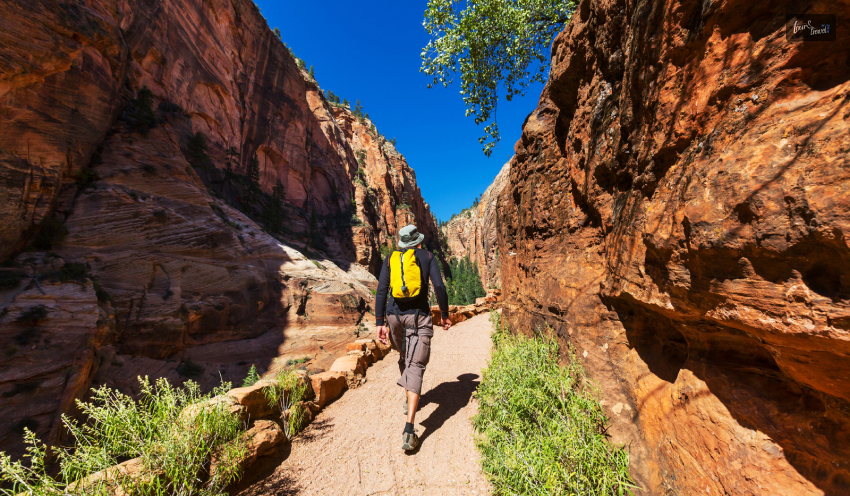
Hiking is the best activity in the park to enjoy a close encounter with the wildlife and geology of the park. Also, camping here and living under the stars will be an amazing experience. So, let’s be familiar with the hiking trails and campgrounds. 

Hiking In Zion National Park, Utah

Hiking is the most popular outdoor activity in Zion National Park, and kids also love the flat riverside walks. Moreover, trails like the one to the Emerald Pool are family-friendly. 

Further, the park has more than 90 miles of hiking trails, and the number of trails is more than 100., I have curated some popular day hiking and backpacking trails for you here. 

Day Hikes In Zion National Park

Day Hikes In Zion National Park

The short day hikes in Zion National Park will take you to the wonderful views southwest of the park. Some hiking trails can be completed within one hour, and some will take an entire day.

Further, these trails will take you through lush valleys and meadows and make you visit rugged mountains and deserts. 

So, let’s explore the trails.

1. Watchman Trail

Watchman Trail

Difficulty Level: Moderate

Distance: 2.7 Miles

Trekking Time: 2 Hours

Pet-Friendly: No

Trailhead: Zion Canyon Visitor Center

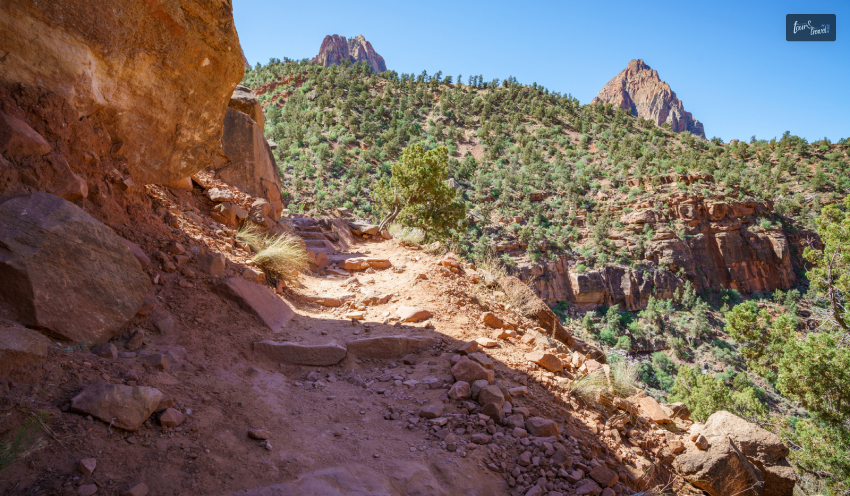
Watchman Trail is one of my favorites in Zion National Park because it is peaceful. Also, it is a kid and family-friendly hiking trail with a beautiful view of the lower Zion Canyon. 

You will further enjoy the view of the Towers of the Virgin and the town of Springdale from this trail. 

Moreover, this trail is a great path to learn about the desert plantation in the park. 

2. Lower Emerald Pool Trail 

Lower Emerald Pool Trail

Difficulty Level: Easy

Distance: 1.2 Miles

Trekking Time: 1 Hour

Pet-Friendly: No

Trailhead: Zion Lodge

The Lower Emerald Pool Trail is one of the easiest trails in the park, and you can explore the route with your family thanks to the gentle terrain. 

Further, walking through the woods of pinyon and juniper is comfortable for children. Moreover, the hike ends with a refreshing view of the Lower Emerald Pool and waterfalls. These waterfalls are ephemeral. 

However, if you want to explore more challenging trails, you can try the connecting Upper Emerald Pool and Kayenta trails. 

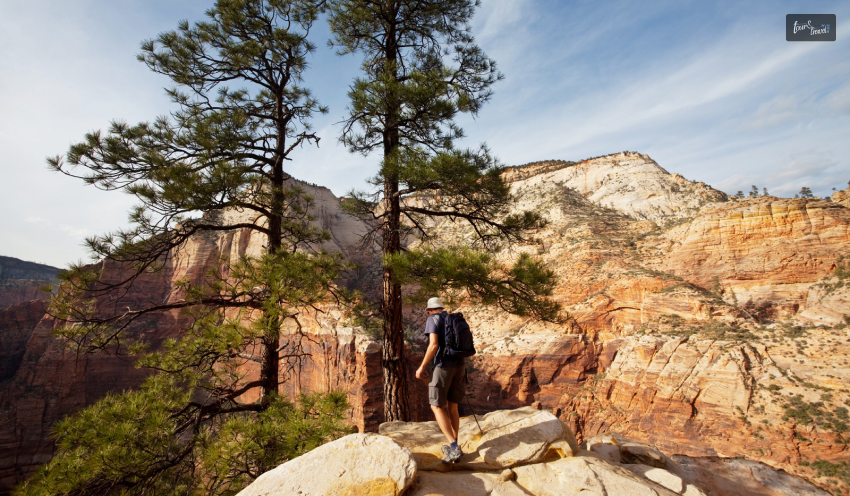
3. Observation Point

Observation Point

Difficulty Level: Difficult

Distance: 8 Mile

Trekking Time: 7 Hours

Pet-Friendly: No

Trailhead: Weeping Rock

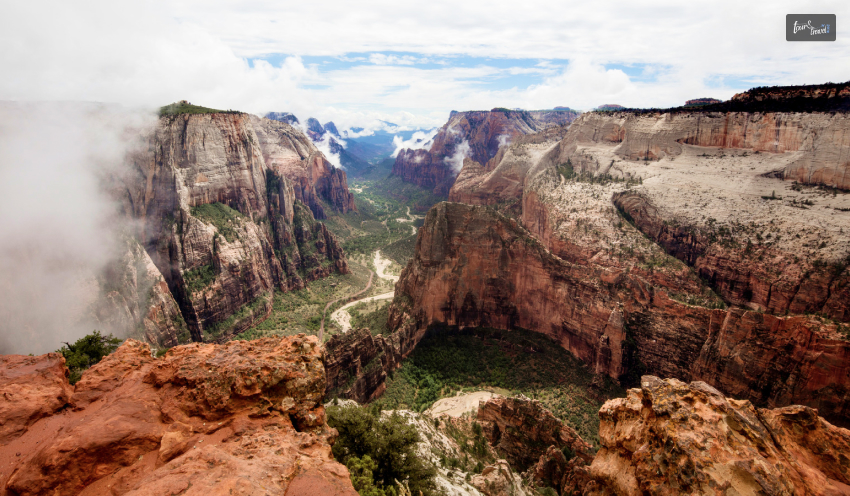
The Observation Point trek through the East Rim Trail stands out because it offers the best view of the nearby attractions. Further, you will especially love the view of Zion Canyon’s lower end. 

However, this trekking route comes with 2200 feet of steep elevation. So, ensure that you have the right physical endurance and proper hydration. 

4. Pa’Rus Trail

Difficulty Level: Easy

Distance: 3.5 Miles

Trekking Time: 1 Hour

Pet-Friendly: Yes

Trailhead: Visitor Center

If you want to watch the best sunset in Zion National Park and capture beautiful landscape views, Pa’Rus Trail is the best hiking route for you. Further, it is the only national park trail allowing dogs and pets. 

It is an easy trek. You can explore it with your kids and family. You will begin the trek listening to the serene sounds of the Virgin River. Then, as you advance, you will get the best view of the Watchman. 

Backpacking Hikes In Zion National Park

Backpacking Hikes In Zion National Park

Overnight hiking or backpacking trips are very popular in Zion National Park. Despite being strenuous hikes, these trails offer the most scenic views. 

If you are willing to explore any of the following backpacking trails, you must have proper food, water, and supplement arrangements. 

La Verkin Creek Trail

Trail Distance: 14.4 Miles

Trail Head: Lee Pass

Difficulty Level: Challenging

The La Verking Creek Trail takes you to the Kalob Arch. It is one of the biggest free-standing arches in the world

As you start the trek from Lee Pass, you will walk through open canyons, and the route along Timber Creek will offer you the best cliff views. 

If you want to extend your hiking trip further, you can continue your walk to the Bear Trap Canyon or the Willis Canyon. Summer and fall are the best seasons for backpacking trips to the La Verkin Creek Trail. 

The Narrows

Trail Distance: 16 Miles

Hike Start: The Temple of Sinawava

Difficulty Level: Easy to Moderate (Based on the River Volume)

Despite having an easy-to-moderate difficulty level, The Narrows is one of the most challenging hikes in this national park. 

The meandering trekking route will take you through various canyons. However, you must first walk through the Virgin River as there is no alternative loop. 

Here, you must note that the water level in the Virgin River keeps fluctuating. Based on the amount of rainfall and snowfall, the varying water levels of the Virgin River will pose challenges. The table below gives you a clear picture of the probable difficulties. 

Water Level of Virgin RiverChallenges/Consequences 
Below 70 cubic feet per second (CFS)Moderately difficult walkingKnee-deep waterSlippery terrain 
Above 70 CFSChallenging walkingMid-thigh deep waterWater in some pools can be chest-deep
Above 150 CFSThe Virgin River and The Narrows are close for hiking. 

The Narrows remain closed even when there is an announcement for Flash Floods. So, check with the park authority about the “present water current level” and announcements. 

West Rim Trail

West Rim Trail

Trail Distance: 14.2 Miles 

Trail Head: Lava Point 

Difficulty Level: Strenuous 

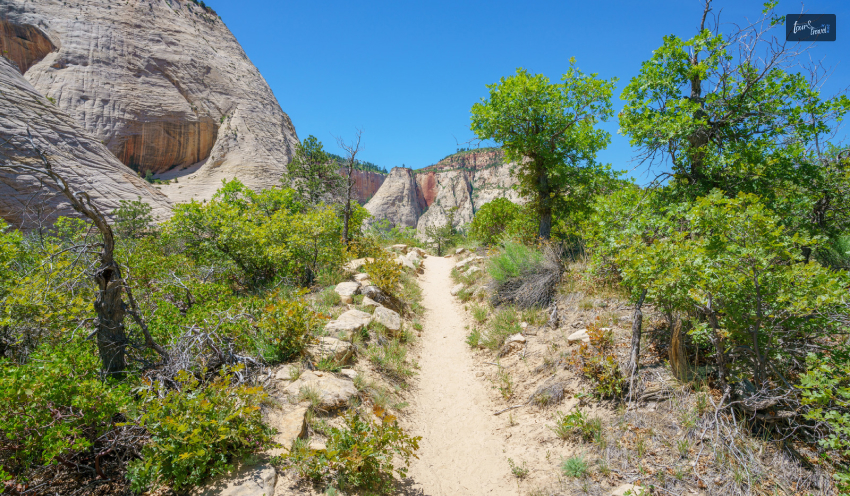
The West Rim Trail is one of the most challenging treks in Zion National Park. The elevation change here is close to 3500 feet, and you must make a steep ascent toward the Wildcat Canyon rims. Then, you will make a descent. 

In addition, the West Rim Trail offers the best views of the Phantom Valley. If you are in for a backpacking trip to the West Rim Trail, late spring, summer, and fall will be the best seasons. 

Camping In Zion National Park, Utah

Camping In Zion National Park, Utah

Though 2023 saw a dip in visitors to Zion National Park, it is still one of the most visited parks in the USA. In 2023, the park had less than 4.65 million visitors compared to 4.69 million visitors in 2022. 

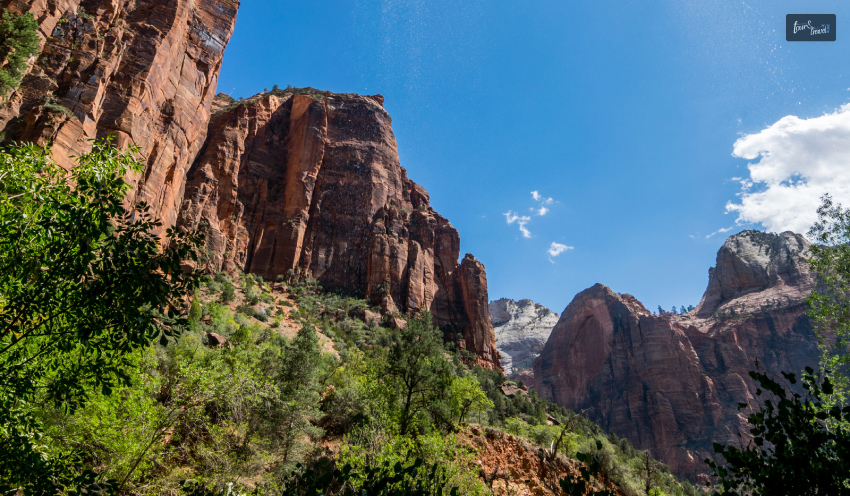
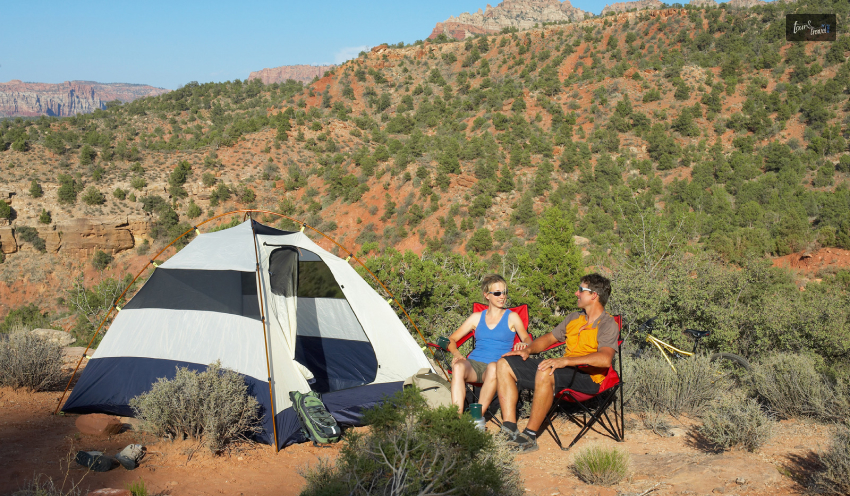
The red rock formations and canyons carved by water are some of the biggest attractions in this US national park, and camping is surely the best way to get to know the park better. 

Zion National Park has three campgrounds, but the South Campground is closed for a long-term rehabilitation project. So, here I will discuss the Watchman Campground and Lava Point Campground. 

Watchman Campground

This campground is very close to the Zion Canyon Visitor Center, and if you are entering the park from the  South Entrance in Springdale, you will have to go only ¼ miles to find this campground. 

Each campsite in the campground has a picnic table, a place for a tent or RV, and fire ring access. Further, here is a detailed picture of the amenities and fees at the camping ground. 

Amenities and FeesAvailable/Details 
Cell Phone NetworkYes
Internet ConnectivityNo
Camp StoreNo
Ice for SaleNo
LaundryNo
Amphitheater Seasonal
Firewood for Sale No
Trash CollectionYes
Dump StationYes
Potable WaterAvailable
Food Storage LockerYes
Staff on SiteYes
Shower TypeNot Available
Flush ToiletYes
FeesElectric Campsites: $45Non-Electric Tent Only Campsites: $35Group Campsites – $90-130 per personAccessible Sites: According to the Price of a Particular Site with Special Discounts for Access Pass Holders

Watchman Campground sites are available on a reservation basis. You can book six months before your trip to secure a preferred spot. 

Lava Point Campground

It is a seasonal campground, operating only from May to September. Further, located at a 7890-foot height, this campground is closest to Kolob Terrace Road. 

Also, if you enter the park from its southern entrance, you must drive for one hour and 20 minutes to reach this campground. 

However, with 6 primitive camping sites, Lava Point Campground does not have most of the amenities of the Watchman Campground. Therefore, you will only get the following facilities here.

  • Pit toilets
  • Trash cans
  • Seasonal trash collection
  • Staff on site on a seasonal basis

Moreover, you will have to pay a fee of $25 to reserve a spot in this campground. Further, it cannot accommodate vehicles longer than 19 feet. 

Zion National Park At A Glance 

Zion National Park At A Glance 

Zion National Park Location: Utah, The USA

Area: 232 Square Miles

Visitor Centers: Zion Canyon and Kolob Canyons

Entry Fee: Standard Entrance Passes

Highest Point: Horse Ranch Mountain

Established: 19th November 1919

So, it’s fall here, and Zion National Park is gearing up for winter. When are you planning a visit? 

Also read

Share on Social Media

Meet Sibashree Bhattacharya, a travel enthusiast who has a decade-long experience in transcending virtual barriers with her words! Her deep love for travel is apparent from her travel escapades to the mountain, often taking her readers on a journey, her words acting as Portkey! Fun fact: Sibashree loves to dive deep into the history of the places she is about to visit, making her travels even more wholesome. If you were wondering how her articles are not short of time travel, this answers it!

Leave a Reply

Your email address will not be published. Required fields are marked *

title-img Related

READ MORE Exploring The World

Essential Travel Tips for Foodies Exploring the World Through Taste

BY  Ankita Jan 10, 2024

Embarking on a food adventure while traveling is like opening a book full of exciting stories, each chapter flavored with unique tastes and culinary traditions. Imagine yourself walking the streets of different cities, each turn bringing you face-to-face with dishes that tell tales of history, culture, and the local community.  In Gatlinburg, for example, the experience might start with a visit to a local steakhouse, where the smoky aroma of grilled meats fills the air, offering a taste of the region's culinary heritage. Gatlinburg, nestled in the Smoky Mountains, is not just a scenic retreat but a haven for food lovers. Its blend of traditional Southern cuisine with unique local twists makes it a must-visit for any foodie traveler. This article will guide you through various ways to enhance your culinary journey, whether you're savoring a steak in Gatlinburg or exploring street food markets in far-flung corners of the world. It's about more than just eating; it's about experiencing the world through its flavors and connecting with places through their food.  So pack your bags and prepare your taste buds for an unforgettable journey into the delicious and diverse world of culinary travel. Savoring Local Flavors Gatlinburg, nestled in the heart of the Smoky Mountains, is a culinary treasure trove renowned for its diverse and delicious food offerings. When traveling, one of the best ways to immerse yourself in the local culture is by indulging in its culinary specialties. Take, for instance, if you want to visit the finest steakhouse Gatlinburg is the perfect destination, offering a range of options like Alamo Steakhouse, The Peddler Steakhouse, Bullfish Grill, Greenbrier Restaurant, and Cherokee Grill & Steakhouse, each offering their unique take on classic and innovative steak dishes. These establishments not only offer delicious cuts of meat but also provide a taste of the local flavors and cooking styles. To find the best steakhouses, look for places crowded with locals, as they often know the top spots for authentic and tasty food. Don't hesitate to ask for recommendations from local residents or your hotel staff. Remember, part of the adventure is discovering hidden gems that aren't always in the guidebooks. Street Food Adventures Street food is the heart and soul of many cuisines around the world. It's where you'll find the most authentic, traditional, and often innovative dishes. From the bustling markets in Asia to the colorful food trucks in the Americas, street food provides an unfiltered experience of a country's culinary essence. However, it's important to eat street food safely.  Always choose stalls where the food is prepared fresh in front of you, and the turnover of customers is high – it's a good sign of freshness and quality. Also, follow the locals — they know where the best and safest food can be found. Food Markets Food markets are vibrant hubs of activity and the epicenter of local cuisine. These markets offer a variety of fresh produce, meats, cheeses, and other artisanal goods. They are ideal places to sample a range of dishes and ingredients unique to the region. Engage with local vendors to learn more about the food you're buying — many will be happy to share recipes or cooking tips. Markets are not just about food; they're cultural experiences that engage all your senses. Food Tours and Cooking Classes Participating in organized food tours and cooking classes is a fantastic way to delve deeper into a region's culinary traditions. These tours, often led by local experts, take you off the beaten path to try the best food that you might not find on your own.  Cooking classes, on the other hand, offer a hands-on experience, teaching you how to prepare local dishes, which is a skill you can take home. These activities provide not only culinary delights but also insights into the local way of life. Dietary Restrictions and Allergies Traveling with dietary restrictions or food allergies can be challenging, but with a bit of planning, it's entirely manageable. Research the local cuisine beforehand to identify dishes that meet your dietary needs. Learning key phrases in the local language to communicate your dietary restrictions can be incredibly helpful.  Additionally, consider carrying allergy cards written in the local language to convey your dietary needs clearly. Many restaurants are now accustomed to handling special dietary requests, so don't hesitate to communicate your needs. Pairing Food with Local Beverages A great meal becomes exceptional when paired with the right beverage. When traveling, seize the opportunity to taste local drinks that complement the cuisine. In wine-producing regions, visiting a vineyard can offer insights into pairing local wines with regional dishes. In places known for their breweries, a craft beer might be the perfect match for a hearty meal.  Non-alcoholic options, such as traditional teas or coffees, also play a significant role in some cultures. The key is to ask locals or your server for recommendations, as they can guide you to pairings that elevate your dining experience. Documenting Your Culinary Journey Documenting your food adventures enriches the experience and lets you share it with others. Start a travel food blog or use social media to post your culinary discoveries. When photographing food, try to capture the essence of the dish and the atmosphere of the place. Sharing stories behind the dishes can make your content more engaging. This not only creates a personal memento of your journey but can also guide other food enthusiasts in their travels. Sustainable and Ethical Eating As a foodie traveler, it's important to consider the impact of your dining choices. Opt for restaurants that source ingredients locally and practice sustainable methods. This supports the local economy and reduces the environmental impact. Additionally, being mindful of food waste and respecting local customs and cuisines are crucial aspects of ethical eating. In some cultures, certain foods may be considered delicacies, and trying them can be a way of honoring local traditions while also being conscious of ethical considerations. Budget-Friendly Foodie Travel Enjoying a world of flavors doesn't have to break the bank. Look for local eateries off the beaten path, as they often offer delicious food at lower prices than tourist hotspots. Street food is another affordable option that provides authentic taste experiences. Planning your meals and setting a daily budget can also help manage expenses. Remember, some of the best food experiences come from simple, humble places. Conclusion Exploring the world through taste is not just about indulging in different cuisines; it's about connecting with diverse cultures and traditions. Each dish tells a story, and each flavor opens a new window to understanding a place and its people. As you embark on your culinary journeys, remember to embrace local traditions, respect sustainable practices, and cherish the memories you create. So, pack your appetite and let your taste buds lead the way to unforgettable experiences. Read Also: From Sunrise To Sunset: A Day’s Itinerary For Exploring Benidorm Things To Do In Leeds: Dive Into The Dynamic Heart Of Yorkshire Hidden Gems: Unearthing The Best Things To Do In Nottingham

READ MORE one day in tokyo

Read What is it Like to have One Day in Tokyo! 

BY  sagnika Mar 20, 2025

Tokyo is a beautiful place, and I feel everyone must visit the place once in their lifetime. With beautiful views of mountains, rivers, cherry blossoms, and more natural elements, you can enjoy the place to its hilt.   With me sharing some of the delicious food, the safest and nicest place to stay, and things to do, you can make your plan for one day in Tokyo. Furthermore, the itinerary for a day ensures that you will get a feeling for the place, especially if you have a limited budget.   If you are looking for February vacation ideas, this is it for you. Plan it accordingly to create an itinerary that will help you make memories.  Read What Is It Like to Have One Day in Tokyo!   If it is just for a day, you should choose a place which is at the central location of the city so that you do not waste much time while traveling. I would suggest any place that is on the Yamanote Loop line whether it be Tokyo station or Shinjuku.   It will also help you plan correctly whether it is the places, the food, or the location. Tokyo can easily become one of the best places to travel with kids. Let me share with you this information along with some tips that are perfect for your itinerary!   Where to Stay!   Are you a little worried about your stay, especially if you plan to stay one day in Tokyo? Let me share with you some of the places, you can rest assured it will be both fun and safe. Additionally, you also need to know where to stay if you are living for a longer period.   One of the most exotic places to travel, Tokyo is beautiful to visit. Some of the coolest, most interesting, and safest neighborhoods to stay when visiting Tokyo are as follows:   Shinjuku   In terms of preference, I would say Shinjuku ranks the highest as a location because you will find great transport connections, delicious dining opportunities, and an amazing shopping experience. This place is known for the young crowd hence, the place also caters to them.   Starting from foodies to shopaholics, the place can satisfy starting from sudden cravings to planned dinner parties. The most important Yamanote Line is available here hence, it is perfect for you if you have plans to travel regularly. Also, the best bookshop in Tokyo, Kinokuniya is in Shinjuku.   Let's not forget that the place can be a little overwhelming with crowds, several bars, and restaurants. So, if you are traveling with kids, it can be a little too much for children, hence, please be a little aware of it.    Marunouchi Area/ Tokyo Station   Another perfect place to stay if you are not a homebody! The main transport hub of Tokyo is surrounded by great hotels, shops, department stores, and restaurants. If you are someone who loves parks, this is the place for you. There are several adjoining parks, plus you can visit the Imperial Palace.   The place can feel a little dead in the evening especially when people are inside restaurants or taking a stroll. However, the more you explore, you will see it is one of the coolest places to be if you are looking for exploration.   Roppongi   Another place to stay, if you are an explorer. Not just tourists, even the locals prefer Roppongi over other places to stay. The place is sexy with its come-hither feel, Roppongi is known for its glamorous nightlife and delicious dining experience.   Be it clubbers or fine diners, Roppongi is rated as one of the most attractive places to be. A cosmopolitan reflection of big money, be it foreign or Japanese, Roppongi shines bright. However, one of the negative points of this place is it is not on the Yamanote Loop line which can be difficult for an explorer.   You will have to travel long routes, and you will have to spend more money especially when you cannot access the loop line while staying in Roppongi.   Where to Eat!   If you are wondering what to eat when visiting Tokyo, let me share with you some of the iconic dishes. You will develop an immersive culinary experience when trying these dishes along with enjoying the beautiful places in Tokyo.  Just to be on the safe side, you must have the best travel credit card! It will help you if you are in any crisis.  Ramen – There are various ramen dishes, starting from spicy miso to rich tonkatsu. A combination of juicy meat, nori sheets, perfectly cooked egg, and bamboo shoots presents this feel-good hearty broth.   Yakitori – This is one of my favorites, the dish is skewered chicken which is of course savored grilled. Mostly, it is seasoned with salt or tare sauce.   Tempura – Deep-fried vegetables or seafood, you will fall in love with this crispy dish.   Sushi – It is one of the most popular cuisines of Japan, you will get a variety starting from creative rolls to classic nigiri.   Okonomiyaki – A specialty of Hiroshima, this dish is a savory pancake with various mix-ins such as cabbage, pork belly, and shallots! It is a combination of an omelet and a pancake.   Must See Tokyo in One Day!   Go to Asakusa first thing in the morning! You can visit Senso-ji temple which is located near Asakusa-jinja shrine.   Then you can take the Ginza subway line which will take you straight to Shibuya, across town from Asakusa. You will have to make the ride for about 30 minutes, so it is better if you grab a seat and relax with a book.   You can then take the Hachiko exit after you arrive in Shibuya and walk to the Shibuya crossing. It is one of the coolest shopping districts, now you know where I am taking you? There are a lot of huge department stores offering beautiful products.   You can eat something, a snack like Yakitori, Onigiri or Taiyaki the streets so that you are not hungry till afternoon! Most department stores have huge restaurant floors so you can easily have your lunch in Shibuya. It will be a bit rushed in the afternoon; peak time is 1:00 p.m. so try to avoid that time.   You can then visit the beautiful Meiji-jingu Shrine which is located west of Harajuku. You have to take the Yamanote line to get there. Furthermore, you can have your coffee at Omotesando to recharge for the rest of the day.    Let’s not forget the amazing views you will get from the observation deck of the Mori Tower. You must go to the 52nd floor of the tower to enjoy the beautiful Tokyo city view as the evening falls. There are many bars in the Roppongi district, where you can end your day with delicious meals and drinks.   Things to Do in Tokyo!   If you have more time, these are the following things that you must do if you are visiting Tokyo. The first thing that I will suggest to you is to visit a few spots popular for their cherry blossoms, mind-bogglingly beautiful.  The places are perfect for some alone time especially if you are avoiding the blossom season. Another thing that I feel that you should not miss is the Samurai Restaurant Time show. It shows the cultural side of Tokyo especially with the fun and glitz that the cabaret show brings with it.  You can get yourself tickets online from Samurai Restaurant Time to enjoy the extravagant show, memorable for a lifetime.   Mount Fuji is another wonder you must not miss if you visit Tokyo! If you are planning to visit Mount Fuji, try to do so in the daytime! There are several places from where you can enjoy the beautiful views of Mt. Fuji.  You can also add visiting Lake Kawaguchiko because the view you see of Mt. Fuji from here will not be available anywhere. You can go fishing, hiking or cycling or read a book sitting under one of the trees enjoying the view. There are also several museums around the lake, you can go check them out.   Tips to Make Your Trip Memorable   Buy a Universal adapter because the plug sockets in Japan are different. Bring Charger and Charger cables because you need to charge your cell phone regularly. The same applies to your laptop and Kindle.   Try to carry your phone Bank especially if you have plans to take pictures on your phone. With our social media platforms becoming the journal of your life, posting pictures, videos, and reels is a must. Get a data-only Japanese SIM card because it is better than having the roaming services on the existing SIM.   Carry your medicines when visiting Japan but be a little careful when carrying them. Japan has some strict regulations on common drugs, psychotropics, opioids, and others. Having a travel first aid kit is a must when traveling to Japan.   Carry basic medications such as flu, cold, diarrhea, rashes, painkillers, and others, sanitary pads, tampons, gel and Razors. How can you forget deodorant or perfume when traveling? It is one of the most important toiletries apart from your moisturizer, sunscreen, shampoo, shower gel, toothpaste, and others!   You also cannot forget sunglasses, a warm jacket, scarves, and a hat! Carry cotton and linen clothing, athleisure, and sportswear. Try to avoid denim because it holds onto moisture! Carry lightweight, comfortable walking shoes. Drying towels are necessary, so carry them in packs!   Wrapping Up!   In conclusion, there are several places in Tokyo that you cannot miss when visiting! If you are visiting for one day in Tokyo, read the article to learn more about the places you can stay, the food you can eat and the things you can do.   Comment below to let us know which are the places you want to visit and why! Apart from deciding the places you want to go, what is more important is how you can enjoy your trip to Tokyo, be it for a day or a week.  Also read Top 10 Most Popular Paraguay Food That You Must Try. Top 13+ Famous Wonders Of India That You Must Visit.

READ MORE where to see African elephants in the wild

Where Are the Best Places to See African Elephants in The Wild?

BY  Sibashree Dec 10, 2025

Seeing elephants in the wild? Wow. Just wow. They’re huge, slow, and somehow look like they know everything. I mean, you watch them, and it’s like, “Yep, this is Africa walking by.” That is, these giant elephants literally showcase the continent’s untamed spirit. If you’re thinking about a safari, you’re probably asking, “Right, but where do I actually go?” There are loads of places.  Addo Elephant National Park in South Africa is one of them. Big herds, easy to spot, and honestly… it feels kind of magical. Watching a whole family cross a dusty plain, or spotting a tiny calf sticking close to its mom… that kind of thing stays with you.  But yeah, luck helps, and knowing a bit about when and where elephants move helps a lot. So, if you are also curious about where to see African elephants in the wild, I have got the perfect guide.  In this blog, I will be highlighting all the famous places where you can find them and experience a journey amidst the wildest nature. So, keep reading to know more! Where To See African Elephants In The Wild? Even though there are countless zoos and sanctuaries to explore, not everywhere can you find an African elephant. That’s why you need to visit the specific regions where these majestic tuskers truly show themselves. So, here’s where to see African elephants in the wild.  1. Botswana: The Mega-Herd Sanctuary If you want numbers that will make your jaw drop, Botswana’s got it. They have the biggest elephant population in the world, and it’s over 130,000. I know, crazy. So, no matter which sanctuary you visit, you will definitely find some friendly elephants walking by. 2. Chobe National Park Chobe is kind of legendary. Especially the riverfront. In the dry season from May to October, elephants just pile in by the thousands. They drink, splash, hang out, just being elephants. Take a boat, get close, watch them play. Honestly, your brain will keep going, “Wait! Is this even real?” Now, the best viewing time is during the summer months of April to October. That’s when you get to see them flooding the riverside in herds.  But during the rainy weather, they migrate and come back again during the dry season of winter.  3. Okavango Delta The Delta is different. Slower, more spread out. Elephants wander through reeds, walk in shallow water.  Sometimes they even swim across little channels. It’s so calm, almost hypnotic. You can just watch for hours, and yeah, it’s peaceful. Unlike the other places, this area is the transition route for the migratory elephants. That is, during the monsoons, they pass through this region for food and water. But the area often faces conflicts between the herds and the local communities. For instance, the herds at times raid the crop fields. Causing havoc and outrage among the local communities. 4. South Africa: Accessible And Diverse Viewing South Africa is great if you want elephants without trekking into the middle of nowhere. The parks are easy to get to, and you can usually spot them without much stress. 5. Addo Elephant National Park Addo, in the Eastern Cape, is perfect. Big herds chill around cars, and their darker color makes them stand out. Plus, you can mix safari with a beach day. It’s like, “Why not, right?” Two awesome things at once. Additionally, it features one of the densest populations of African elephants. So, when you visit the park, you can enjoy the unique elephant viewing along with the biodiversity of the area. But these elephants are characterized by shorter stature and thicker tusks. Making them stand on their hind legs to grab food from taller branches. Another interesting fact about this park is that the herds are led by a matriarch in the group. That is, the female members of the herd lead others to food and shelter. 6. Tanzania: An Elephant Hub Sure, everyone talks about the Great Migration, but Tanzania’s elephants are incredible too. Mainly after the massive poaching crisis, it is finally reviving its herds of elephants to balance the biodiversity. 7. Tarangire National Park Tarangire doesn’t get enough attention. In the dry season, elephants gather around the Tarangire River. And the baobab trees? Massive. Like, movie-set huge. Watching elephants wander under them… wow. Just wow. Moreover, the African elephants choose diverse locations for their habitats such as swamps, savannahs, baobab forests, and even the rocky hills. Since they play a massive role in shaping the park’s ecosystem, they are protected under strict poaching laws. So, the population of the elephants can recover from its below-average levels. 8. Zambia: Walking Among Giants If you want up-close-and-personal, emotional stuff, South Luangwa in Zambia is it. Walking safaris started here. They’re still amazing. Moreover, the concentration is finally starting to grow after the major poaching crisis. Also, the laws are aiming to curb poaching and restore the elephant population in the area. This way, they can maintain the natural connection of the local communities with the elephants. So, the initiatives have started to conserve the giant beings from being eliminated. 9. South Luangwa National Park Guides take you out on foot. Yeah, walking. You’re safe, don’t worry. But when an elephant passes nearby, you feel the ground move. It’s humbling. Slow, personal, and totally sticks with you. Moreover, nearly three-fourths of the entire population of elephants in Zambia resides in South Luangwa. So, when you visit this national park, you will get to see some of the most iconic and brilliant ones. Especially near the riverside, you can spot the elephants crossing in herds. So, this is the only time to view them so closely and vividly without needing your travel binoculars. Visiting African Elephants To Enjoy The Journey Botswana’s endless plains, Addo’s herds, Zambia’s walking safaris… it all matters. Visiting these places helps keep elephants safe.  But honestly, these are the places where you can see the African elephants in the wild. And that’s a memory you keep forever. Future generations deserve that too! Don’t you think?