

Lake Clark National Park And Preserve: Very Few Know How It Preserves The Alaskan Spirit And Culture

Sep 10, 2024

Last Updated on: Sep 1, 2025

Travel Blog

Lake Clark National Park is committed to subsistence. It’s a sincere effort not to impact the “physical and spiritual culture of Modern Alaska.” Further, the park authority wants to pass on the park’s history to the future generation and the public.

So, it was not surprising when the park sought public opinion on the exploration of its mineral tracts (Johnson Tract). 

Located in the Johnson River headwater, Johnson Tract is a polymetallic project, and mining of gold, silver, copper, zinc, and lead is possible here. Public comments on “transportation and port site easements” are invited so that there is better accessibility to Johnson Tract.

However, the more important aspect of it is analyzing the environmental impact of the project on the park. 

There will be the following activities, and the analysis report will likely be published in the fall of 2024. 

  • Hydrological assessment
  • Geotechnical assessment
  • Surveys of cultural and natural resources 

But that’s not all! There have been many published stories, such as “Dena’ina EĹ‚nena,” “Canneries, Cabins, Caches,” and more on this national park. Moreover, storytelling by the Native community or the tradition of oral storytelling is still alive here as a part of the “University of Alaska Fairbanks program.” 

The things I have discussed so far show how the park is focused on preserving its personal and shared identities. Now, I will delve into some related details and also talk about what makes Lake Clark National Park special in terms of places to visit and things to do. 

Preserving History And Culture At Lake Clark National Park 

Preserving History And Culture At Lake Clark National Park

Do you know the original name of Lake Clark? Dena’ina people call it “Qizhjeh Vena,” meaning “a place where people gathered lake.” 

Further, the people of Dena’ina, or Athabascan culture, have made this region their home for thousands of years now. How they see the lake and the surrounding land as the main resource of their lives will change the common perspectives about this national park. It is not just a preserved space with wilderness, interesting landscapes, and scenic beauty! It is an account of human history. 

Women were always taught to be independent in this culture. They knew how to set snares and ground squirrels. This was an important exercise so that they had to never be dependent on others for food. 

Athabascan people, originally from Alaska, started residing here. Further, with time, they encountered people from Russia, the USA, Canada, and Western Europe. Thus, their way of living evolved. However, they have made an effort to preserve their old way of living, and subsistence is still the key to their lives

I have already mentioned how the oral and written stories preserve the cultural spirit of the park for posterity. Further, the Natural and Cultural Museum of the park preserves many artifacts, geological samples, and ethnographic items so that you can learn about the physical, spiritual, and cultural transformations. 

Here is a breakdown of the total 248,402 items preserved at the museum.

Type of ItemNumbers 
Archeological Artifacts34,363
Park Archive Documents202,397
Historical Artifacts, Documents, And Photos4,663 
Biological Specimens6,838
Paleontological Specimens47
Ethnographic Items16
Geological Samples69
Objects of Art 9

The museum specialists take special conservation measures to make these objects available for posterity. 

These Are The Historically Significant Places In Lake Clark National Park And Preserve

Many areas of the park have names in English and Dena’ina. The names in Dena’ina are crucial if you want to understand their significance and the story behind them. Here’s a brief list of the historical places to visit in this park. 

  • Dena’ina Tinitun or Trails 
  • Ancestral Telaquana Trail
  • Tanalian Point
  • Hnitsanghi’iy ‘The Rock That Stands Alone’ (Priest Rock)
  • Qizhjeh Vena or Lake Clark
  • Kijik (Qizhjeh) National Historic Landmark and Archeological District

While the sites have historical significance, they also speak volumes about Dena’ina values and way of life. For example, the trails here show the importance of social, cultural, and ceremonial participation among Dena’ina people. Many also believe that these trails are like “geological and educational maps” for future generations. 

Subsistence Is The Key At Lake Clark National Park And Preserve

Subsistence Is The Key At Lake Clark National Park And Preserve

Dena’ina people believe that the wilderness and animals will be good. It is we, humans, who have to be respectful toward them. To adhere to this, people in Dena’ina culture develop a communal understanding, and learn how to make the most of the limited ecological resources available.

To maintain the art of subsistence, the people of Dena’ina culture focus on the following aspects. 

The Ethics of Taking

Hunters need to donate some part of the meat to the ill, old people, and families. This exercise shows how the tribe prioritizes communal bonding. Further, along with food distribution, the exchange of knowledge and resources is equally important in this culture. 

Hunting and Trapping

Hunting animals, especially caribou and moose, is important for survival. Further, the distribution of meat according to the “Ethics of Taking” also builds community cohesion. 

Trapping is a year-long activity here. Small animals such as mink, river otter, and Alaska hare are trapped to support living. However, Dena’ina people learn the skills of not hurting others or non-targets while trapping small animals. 

Plant Harvesting

Dena’ina families use various parts of the plants for different purposes. They collect food from the plants, and some of the plants also have medicinal properties. Further, trees and plants are often sources of tools, fuel, wearable accessories, and ceremonial essentials for them. 

Berries grow in abundance here. Northern black currant, crowberries, and blackberries are some common varieties. Crowberry and blackberry leaves are used to cure diarrhea. Further, the stems of crowberry have medicinal properties that cure kidney problems. 

Fishing and Fish Camps

Summer and fall are the seasons of salmon in the Lake Clark National Park and Reserve. During these seasons, this national park has the largest salmon migration in the world. Further, families reunite and celebrate, and tourists flock in great numbers to the park to see and catch salmon. 

Pike, trout, grayling, and whitefish are other varieties of fish found here. In addition, there are Nundaltin Q’estsiq’ and other fish camps where fish is processed and a temporary community is built. 

Ethnographic studies further support all these subsistence activities. These studies related to fishing and other outdoor activities and the art of Dena’ina people living around Lake Clark are crucial. These studies help the local people to respond better to the economic, environmental, and sociocultural changes

Things To Do At Lake Clark National Park And Preserve

The vast wilderness and unique geological features make Lake Clark National Park suitable for hiking, camping, boating, fishing, rafting, and many other outdoor pursuits. Make the most of your time at the park!

1. Rafting In The Wild River

Tlikakila, Mulchatna, and Chilikadrotna are three wild rivers in the park. All these rivers are great for rafting. However, you must adhere to the Alaska Office of Boating Safety guidelines to avoid mishaps. 

2. Fishing

May to October is the best season for fishing in the Lake Clark National Park. Lake Clark is the main fishing hub here, and you can also explore Crescent Lake and Silver Salmon Creek. 

3. Hiking 

Tanalian Trails are the most popular for your hiking expeditions in this park. You can walk to Tanalian Mountain, Kontrashibuna Lake, Beaver Pond, and Tanalian Falls. 

Many hikers also try hiking the Lake Clark and Upper Twin Lake trails. 

4. Bear Viewing 

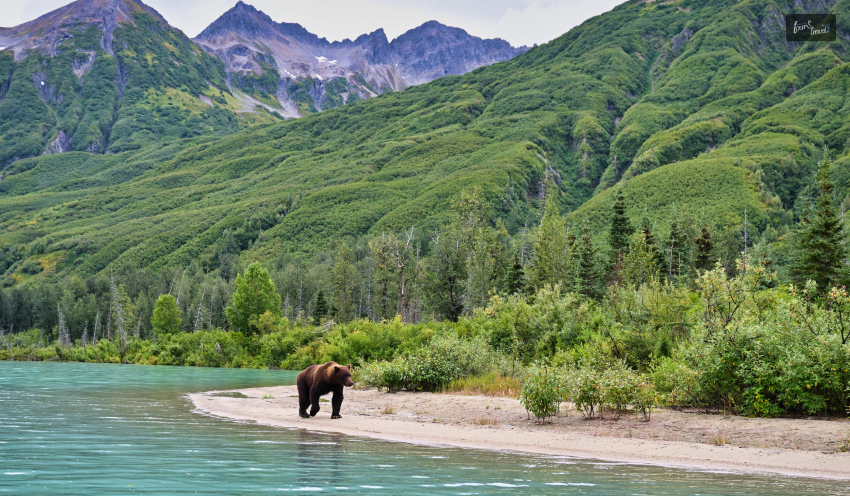
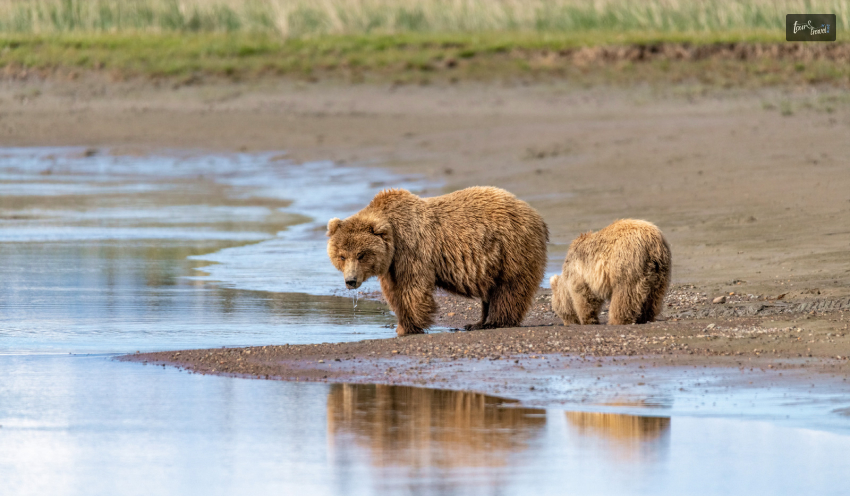
Silver Salmon Creek, Chinitna Bay, and Crescent Lake are the best sites for bear viewing in Lake Clark National Park. 

5. Camping 

The area near Hope Creek is suitable for camping. Cook Inlet Coast is another place where you can put up your camps. 

Knowing The Wildlife At Lake Clark National Park And Preserve

Knowing The Wildlife At Lake Clark National Park And Preserve

Lake Clark National Park And Preserve is the place where you will get to see a bear in the stream and coming out with a salmon between its teeth. Very few people know that this national park is home to as many as 37 terrestrial animals and 187 bird species. 

Nonetheless, have a look at the table below to learn about the animals you will meet at this national park. 

MammalsBrown bearsBlack bearsDall sheepCaribouWolvesMoose
BirdsGolden-crowned sparrowBald eaglesGolden eaglesTrumpeter swansSea ducksOlive-sided flycatcher
FishSockeye SalmonArctic GraylingRainbow troutPike

Did You Know?

  • People in the Lime Village believe that olive-sided flycatchers and golden-crowned sparrows announce the arrival of the salmon season (around 3.1 million every year)
  • Birds are seen around the inland lakes, mountains, and coastal areas. 

Before You Set In…

Lake Clark National Park is a place less trodden by. Here is a quick glance at the things you need to know. 

  • Established: 2nd December, 1980
  • Area: 4,030,006 Acres
  • Number of Visitors: 16,728 (2023)
  • Best Time to Visit: Late Spring to Early Fall
  • Highest Point: Redoubt Volcano (10,197ft)
  • Visitors Center:  Port Alsworth Visitor Center 
  • Entry Fee: Free
  • Best Mode of Transport: Small Planes Run by Authorized Air Taxi Companies
  • Yelp Rating: 4 Star

Also read

Share on Social Media

Meet Sibashree Bhattacharya, a travel enthusiast who has a decade-long experience in transcending virtual barriers with her words! Her deep love for travel is apparent from her travel escapades to the mountain, often taking her readers on a journey, her words acting as Portkey! Fun fact: Sibashree loves to dive deep into the history of the places she is about to visit, making her travels even more wholesome. If you were wondering how her articles are not short of time travel, this answers it!

Leave a Reply

Your email address will not be published. Required fields are marked *

title-img Related

READ MORE Travel Guide to Amalfi Coast

A Travel Guide To The Amalfi Coast Scenic Towns, Outdoor Walks & Coastal Adventures

BY  Sibashree Nov 27, 2025

Summer 2025 saw the Amalfi Coast become more accessible with Uber launching boat and helicopter services from 26th July to 24th August. However, the Amalfi Coast is not just a hot destination this summer. It has always been the “La Dolce Vita” destination for people planning a summer coastal trip. The Amalfi Coast in Italy is known for its cliffside villages, turquoise waters, and lively Mediterranean culture. Travelers exploring this region often start their day with coastal walks, sunrise views, and of course, their favorite travel mug filled with a warm drink while enjoying sea breezes. Whether you're hiking the famous Path of the Gods or exploring charming seaside towns, the Amalfi Coast blends adventure with relaxation. Getting To The Amalfi Coast: How To Reach The Amalfi Coast Naples International Airport is the biggest airport near the Amalfi Coast. The distance between the airport and the Amalfi Coast is around 64.8 km, and from Naples, there are multiple travel options. From Naples, Travel Options Include: Train to Sorrento + bus/ferry. Car Rental Private transfer You can take a car rental service. However, the path is winding. The journey can be a little tough. The train, bus, and ferry combination is the best for traveling from the Naples Airport to the Amalfi Coast.  Base yourself in towns like Positano, Sorrento, Amalfi, or Ravello. Amalfi Coast Is Going To Be More Accessible With A New Luxury Railway Service Here is some great news about the Amalfi Coast being more accessible for travelers looking for the ultimate Italian experience. From May 2026, Belmond is about to launch a new luxury train service from Paris to the famous coastline of Italy. The train called the “Venice Simplon-Orient-Express” will start its journey from Paris, and on its way to the Amalfi Coast, it will stop at Pompeii. At Pompeii, you can explore the famous historical ruins. It has the volcanic ash coming from the massive eruption of Mount Vesuvius in 79 AD. As an archaeological landmark and a UNESCO World Heritage Site, the ruins stand as the “Ghost of the Past.” In addition, the Art Deco style of the train, plush interior, and fine dining facilities ensure a regal travel experience. Outdoor Activities & Walking Trails Despite a strong start in 2025, the major tourism destinations in Italy, including the Amalfi Coast, have witnessed a decline in tourist numbers. However, 2026 looks promising with new tourist areas in Asia and Europe. Nevertheless, in the Amalfi Coast, you must not miss exploring the walking trails and taking part in these outdoor activities. 1. Sentiero Degli Dei (Path Of The Gods) This 5-mile ridge walk is ideal if you want to enjoy the best sunrise views. Once you reach the top, you will get a panoramic view of Positano. The difficulty level of this hike is moderately difficult. So, it demands basic fitness and some training. Furthermore, this trail has some stories of Greek deities associated with it. It is said that the Greek Gods took a walk on this route to protect Ulysses from the attack of the Li Galli islets’ sirens. The trekking route is picturesque, and you will pass through terraced vineyards and fragrant shrubs of the Mediterranean Region. 2. Valle Delle Ferriere Valle Delle Ferriere is the crown jewel of Scala. It is also one of the famous 41 biogenetic reserves of Italy. It has waterfalls, lush forests, and ancient paper mills. With trees providing shade, Valle Delle Ferriere is the ultimate Amalfi Coast destination on summer days. Still, because of its location, starting from the Scala mountains and ending in the Amalfi territory, it is a place less trodden by tourists. So, it remains less crowded even when the entire Amalfi Coast bustles with tourists during the summer holidays. Furthermore, the magnificent fossilized wall covered with moss, in the center of the valley, is the main attraction here. Time stands still once you look at it, and if you keep your ears open, you get to hear the stories from the past. The wall looks like a gigantic sponge, and as time absorbs everything, the hanging moss on the wall keeps absorbing the constantly dripping water. The living stalactite formations on the wall are sculpted by the accumulation of calcium bicarbonate. 3. Ravello Terrace Walk You can start from the Villa Rufolo Gardens and then walk toward the coast with the scent of lemons, and the whiff of sea pleasing your senses. The walk for 90 minutes starts just before the Villa Rufolo entrance. However, finding the right track here can be a little tricky. So, you need someone local as your guide if you are here for the first time. This Ravello Terrace Walk is filled with the chirping of the birds and butterflies. And also, I forgot to mention, the strong yet soothing fragrance of jasmine sometimes feels intoxicating. Overall, the scent of the sea, jasmine, lemons, and other flowers grown on the way creates a concoction that you will enjoy forever. 4. Coastal Walks The Marina Grande to Fornillo Beach (Positano) and Amalfi to Atrani seaside path are some of the most popular coastal walks in the Amalfi Coast. You can complete the Marina Grande to Fornillo Beach walk in just 10 minutes. The Amalfi to Atrani seaside walk is almost of around 10 minutes and you have to walk through the pedestrian tunnel. Other Sightseeing Highlights Don’t miss the following landmarks on the Amalfi Coast. Positano’s colorful vertical village Amalfi Cathedral Fiordo di Furore a dramatic fjord Boat rides to hidden coves. Lemon groves and local limoncello tastings Also, savor every bit of the Sunset moments in the Amalfi Coast. Sunsets along the coast are some of the most stunning in the world. What To Pack For Amalfi Adventures The Amalfi Coast is warm in the summer. However, with the wind blowing in its full strength, it feels a little chilly after sundown. So, choose layered clothing. Here are the essentials you must carry in your backpack for your trip to the Amalfi Coast. Breathable Clothing Comfortable Walking Shoes A Travel Mug for Early Hikes Sun Protection Light Backpack Swimsuit  A Quick-Dry Towel Food In The Amalfi Coast: Signature Dishes You Cannot Miss Amalfi dining revolves around fresh ingredients and seaside views. You must try the following signature dishes. Lemon pasta Fresh seafood dishes Gelato on the beach Espresso at cliffside cafĂ©s The outdoor restaurants are perfect for ending your adventure-filled days and gorging on the best local delicacies. Read Also: The Best Beaches in Puerto Rico Ranked! 9 Best Beaches In Greece That You Must Visit Once In Your Life Navigating Coastal Cuisine: A Traveler’s Guide To Safer Seafood Choices

READ MORE how far is russia from alaska

Bridging Continents: Unveiling The Mystique Of Russia And Alaska’s Proximity!

BY  sagnika Sep 20, 2023

Did you know that the United States took Alaska away from Russia? Do you know how far is Russia from Alaska? The two Diomedes Islands, belonging to the USA and Russia, have a mysterious relationship due to their standard time and geographical features. Read the article to uncover the truth behind the mysterious relationship! The two largest countries worldwide, the United States and Russia are 21 hours apart. Alaska is situated nearest to Russia, being a state of the U.S. The Bering Strait is the geographic point between the borders of Russia and the United States! Want to learn more about this point? Keep reading. Isn't it weird that Little Diomede residents depended on helicopters for food? Marine beings play an important role; hence, I will highlight the significance of aquatic animals in the mystery. Bridging Continents: Unveiling The Mystique Of Russia And Alaska's Proximity! How far is Alaska from Russia? You have to read the article to learn about how the two nations, the United States and Russia, are claiming their rights on the two Diomedes Islands. Guess the interesting aspects of the Island and why it is all mysterious. The time and the geographical differences between the two points of the Islands make you question the International Date Line and the American-Russian maritime border. Being a day ahead by a day of the Big Diomedes as compared to Little Diomedes makes you question the time zone concerns! It is quite curious to know how the islands have been named and their significance concerning the history of Alaska and Russia. There are Alaskan natives to be considered among all these political, geographical, and time zone aspects. Want to know the distance between Alaska and Russia? Separated By Geography And United By Mystery! Want to know how far is Russia from Alaska? The closest geographical connection between Russia and Alaska is the Diomede Islands, which are 2.4 miles apart. Water is separating the two Islands, in another way, separating the two countries. The two islands are the extremes of the two countries, thus claiming the big and the little Diomedes Islands as the symbolic sentinels. The two countries have a history of heroic explorers who have sledded, kayaked, and swum across the distance. A 2.4-mile distance between the two Islands is connected with the water body, the Pacific Ocean. With a very rocky history, the Islands share an indigenous group of people; however, it needs to be considered more important by the nations. The Bering Strait The narrowest point between the Seward Peninsula (U.S.) and the Kamchatka Peninsula (Russia) is 55 miles, separating Alaska from Russia. This waterway was discovered by a second European, a Danish explorer, Vitrus Bering, who inspired the Berling Strait. The first explorer of this frigid waterway was the Russian explorer Semyon Dezhnev! Vitrus Bering named the place Greek Christian Saint Diomede because he discovered the Islands on 16 August 1728. This day coincides with the feast day. Hence, the Island was named the Big Diomede Island and the Little Diomede Island. The Bering Strait is significant because it is the only marine gateway that allows mass migration of gray whales, bowhead, and beluga. It is known as an important ecological zone for marine animals. Seals, walruses, fish, and other marine animals can access nutrient-rich Arctic Ocean environments through this zone. The Big Diomede Island The Ratmonov island is towards Russia and is also claimed as Russian Island, which is the nation's easternmost point. It was in 1867 that the Alaskan Territory was sold on a $7 million sale. During the Cold War and World War II, the Island was a perfect location for the outposts of the Soviet military. The rocky Island is flat and houses up to 11 species of birds with rough weather with clouds and storms. The Little Diomede Island Little Diomede Island is the smallest of the two Islands, with a population of 80 to 100 citizens! You can only access the Island by waterways or through one heliport in town. They receive their supplies from mainland Alaska as these are the only two ways! During the harsh winters, the Island is covered with thick ice sheets, so the locals must carve the ice sheets to create landing zones. It is situated in the eastern area. The Time Difference Between The Two Islands! So, if you are wondering, how far away is Alaska from Russia? The International Date Line (IDL) separates the two Islands, Big Diomedes Island and Little Diomedes Island, which makes the time difference so apparent! The Big Diomedes Island is known as Tomorrow Isle as it is 21 hours ahead of time. So, wanna know how far from Russia to Alaska? The Little Diomedes Island is known as the Yesterday Isle because it was further back then. Overall, the two islands are separated by 23 hours. The 9 hours have been adjusted concerning daylight saving time! Apart from that, 12 hours have been established for managing the timezone of the Island along with the nations! So now you have got the answer to your question, how far is Russia from Alaska! Alaska Was Taken Away From Russia! It was in 1867 that Alaska was purchased from Russia by the United States, thus becoming a political separation. During this time, a new border was drawn across the two islands. During the Cold War, the section of the Bering Strait was nicknamed the "Ice Curtain" between the two Islands. The islands are situated south of the Arctic Circle, about 52 miles apart. Read More: Six Important Factors To Consider Before Planning Alaska Fishing Trip The Politics Of Diomede Islands! The Indigenous Inupiat people claim the two Diomedes Islands as theirs; however, both the nations, the USA and Russia, have disrespected these claims. The two countries have made national declarations regarding the Diomedes Islands as their extreme points. The Bering Strait can become a bottleneck for ship traffic that will pollute the ecosystem. The narrow area acts as a pathway with a fragile ecosystem with oil spills and engine noise. Finishing Off… So, to answer, how far is Russia from Alaska? For the answer, read the article! When learning about the political history of Alaska related to Russia and the USA, there is the question: How far is Russia from Alaska? It was important to understand how close the countries are, and yet there is a time gap between them. The interesting thing was naming the Islands and how it impacted people's perceptions. Apart from the mystery, the concern is how nobody is giving importance to the indigenous people of Alaska! The governments of both Russia and the United States are not concerned about the people. Comment to let us know your perspective on the time difference between the Big and Little Diomedes islands! Read Also: These Are The Closest Beaches To Ohio That You Need To Go For A Dreamy Vacation! Paradise Found: Exploring Manuel Antonio, Costa Rica’s Tropical Gem! Check Out These Beaches That Are Closest To Tennessee’s Knoxville!

READ MORE where to see African elephants in the wild

Where Are the Best Places to See African Elephants in The Wild?

BY  Sibashree Dec 10, 2025

Seeing elephants in the wild? Wow. Just wow. They’re huge, slow, and somehow look like they know everything. I mean, you watch them, and it’s like, “Yep, this is Africa walking by.” That is, these giant elephants literally showcase the continent’s untamed spirit. If you’re thinking about a safari, you’re probably asking, “Right, but where do I actually go?” There are loads of places.  Addo Elephant National Park in South Africa is one of them. Big herds, easy to spot, and honestly… it feels kind of magical. Watching a whole family cross a dusty plain, or spotting a tiny calf sticking close to its mom… that kind of thing stays with you.  But yeah, luck helps, and knowing a bit about when and where elephants move helps a lot. So, if you are also curious about where to see African elephants in the wild, I have got the perfect guide.  In this blog, I will be highlighting all the famous places where you can find them and experience a journey amidst the wildest nature. So, keep reading to know more! Where To See African Elephants In The Wild? Even though there are countless zoos and sanctuaries to explore, not everywhere can you find an African elephant. That’s why you need to visit the specific regions where these majestic tuskers truly show themselves. So, here’s where to see African elephants in the wild.  1. Botswana: The Mega-Herd Sanctuary If you want numbers that will make your jaw drop, Botswana’s got it. They have the biggest elephant population in the world, and it’s over 130,000. I know, crazy. So, no matter which sanctuary you visit, you will definitely find some friendly elephants walking by. 2. Chobe National Park Chobe is kind of legendary. Especially the riverfront. In the dry season from May to October, elephants just pile in by the thousands. They drink, splash, hang out, just being elephants. Take a boat, get close, watch them play. Honestly, your brain will keep going, “Wait! Is this even real?” Now, the best viewing time is during the summer months of April to October. That’s when you get to see them flooding the riverside in herds.  But during the rainy weather, they migrate and come back again during the dry season of winter.  3. Okavango Delta The Delta is different. Slower, more spread out. Elephants wander through reeds, walk in shallow water.  Sometimes they even swim across little channels. It’s so calm, almost hypnotic. You can just watch for hours, and yeah, it’s peaceful. Unlike the other places, this area is the transition route for the migratory elephants. That is, during the monsoons, they pass through this region for food and water. But the area often faces conflicts between the herds and the local communities. For instance, the herds at times raid the crop fields. Causing havoc and outrage among the local communities. 4. South Africa: Accessible And Diverse Viewing South Africa is great if you want elephants without trekking into the middle of nowhere. The parks are easy to get to, and you can usually spot them without much stress. 5. Addo Elephant National Park Addo, in the Eastern Cape, is perfect. Big herds chill around cars, and their darker color makes them stand out. Plus, you can mix safari with a beach day. It’s like, “Why not, right?” Two awesome things at once. Additionally, it features one of the densest populations of African elephants. So, when you visit the park, you can enjoy the unique elephant viewing along with the biodiversity of the area. But these elephants are characterized by shorter stature and thicker tusks. Making them stand on their hind legs to grab food from taller branches. Another interesting fact about this park is that the herds are led by a matriarch in the group. That is, the female members of the herd lead others to food and shelter. 6. Tanzania: An Elephant Hub Sure, everyone talks about the Great Migration, but Tanzania’s elephants are incredible too. Mainly after the massive poaching crisis, it is finally reviving its herds of elephants to balance the biodiversity. 7. Tarangire National Park Tarangire doesn’t get enough attention. In the dry season, elephants gather around the Tarangire River. And the baobab trees? Massive. Like, movie-set huge. Watching elephants wander under them… wow. Just wow. Moreover, the African elephants choose diverse locations for their habitats such as swamps, savannahs, baobab forests, and even the rocky hills. Since they play a massive role in shaping the park’s ecosystem, they are protected under strict poaching laws. So, the population of the elephants can recover from its below-average levels. 8. Zambia: Walking Among Giants If you want up-close-and-personal, emotional stuff, South Luangwa in Zambia is it. Walking safaris started here. They’re still amazing. Moreover, the concentration is finally starting to grow after the major poaching crisis. Also, the laws are aiming to curb poaching and restore the elephant population in the area. This way, they can maintain the natural connection of the local communities with the elephants. So, the initiatives have started to conserve the giant beings from being eliminated. 9. South Luangwa National Park Guides take you out on foot. Yeah, walking. You’re safe, don’t worry. But when an elephant passes nearby, you feel the ground move. It’s humbling. Slow, personal, and totally sticks with you. Moreover, nearly three-fourths of the entire population of elephants in Zambia resides in South Luangwa. So, when you visit this national park, you will get to see some of the most iconic and brilliant ones. Especially near the riverside, you can spot the elephants crossing in herds. So, this is the only time to view them so closely and vividly without needing your travel binoculars. Visiting African Elephants To Enjoy The Journey Botswana’s endless plains, Addo’s herds, Zambia’s walking safaris… it all matters. Visiting these places helps keep elephants safe.  But honestly, these are the places where you can see the African elephants in the wild. And that’s a memory you keep forever. Future generations deserve that too! Don’t you think?