


Visit Joshua Tree National Park To Hike And Explore The Best Trails

Aug 20, 2024

Last Updated on: Aug 29, 2025

Travel Blog

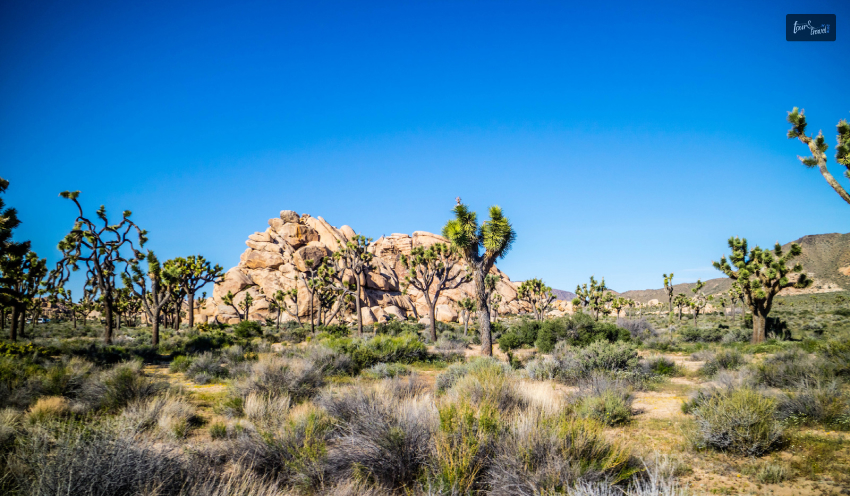
Joshua Tree National Park, named after the crooked Joshua trees, is known for its endless hiking trails and desert ecosystems of the lower Colorado Desert and the Mojave Desert

Further, the Joshua Tree is one of the few national parks in the USA to offer equally amazing daytime and nighttime experiences

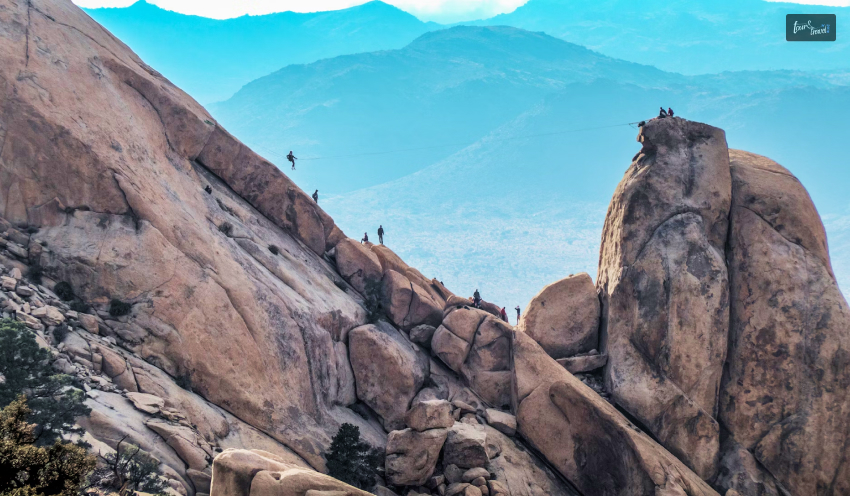
The geology of Joshua Tree is “interesting.” You will find Arch Rock and many other fascinating rock formations in the park. Wind power, erosion, and different weather forces have created many other spectacularly-formed rocks and other sculptures

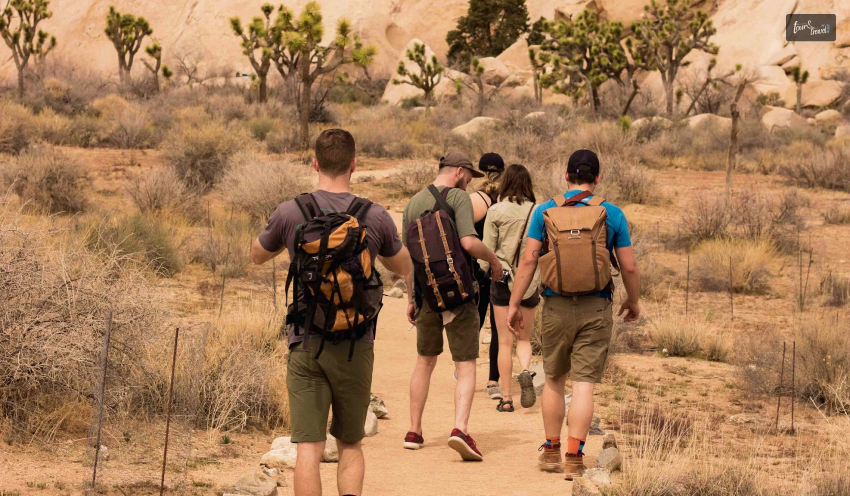
Hiking is the best way to cherish the beauty and splendor of this national park to the fullest. So, let’s know the tales from the trails! 

Best Hiking Trails in Joshua Tree National Park

Best Hiking Trails in Joshua Tree National Park

Joshua Tree had an impressive 3,270,404 visitors in 2023, and hiking is one of the most popular activities in this park. Home to some of the best hikes in the USA, Joshua Tree also has many trails for kids and beginners

Further, you can explore various short walking routes and nature trails like Bajada, Oasis of Mara, and Barker Dam in this park. 

Here, I have curated some amazing hiking trails in the park across various difficulty levels. 

Joshua Tree Hikes (Easy)

The easy hiking trails in Joshua Tree are accessible in all seasons. To make the most of your hiking expeditions, you must start by 9 am in the morning. 

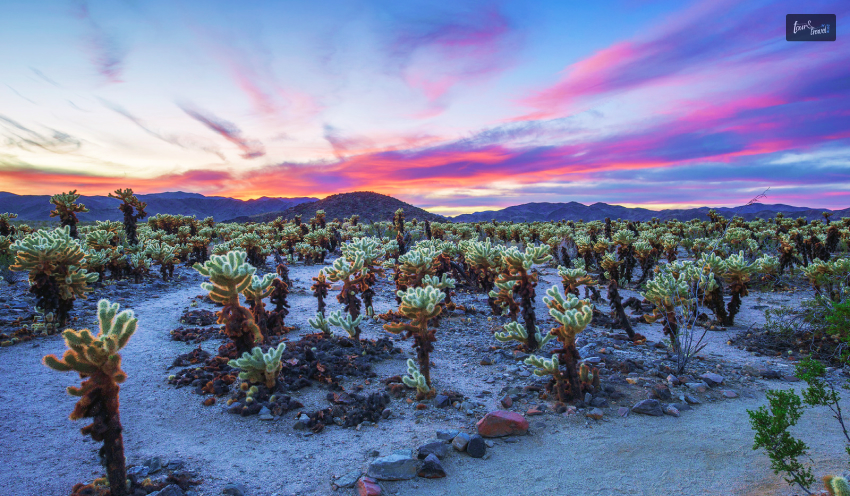
Cholla Cactus Garden

Cholla Cactus Garden

The Cholla Cactus Garden trek is easy, and even kids can explore it. It will take just 15 minutes to get completed. You will find the trailhead 20 miles north of Cottonwood Visitor Center.

As you can guess from its name, the trail is named after the growing cholla cacti found in abundance here. Wear full-length clothes and closed-toe shoes and follow the trail to avoid getting hurt by the cactus thorns. 

Discovery Trail

You can start hiking this trail from the Skull Rock parking area. This easy hike will take you around 30 to 40 minutes. Catch a glimpse of the desert washes and boulders throughout the route. 

Skull Rock 

Start hiking this trail early in the morning from the Jumbo Rocks Campground. You can even take the trailhead from the Skull Rock parking area, which is east of the Jumbo Rocks Campground. Skull Rock is one of the many unique rock formations you will see in the park, and it’s the highlight of this trekking route. 

You can cover the trekking route within just one or two hours. A night-time view of the Skull Rock can offer you the perfect Halloween experience! 

Moderate Hiking Trails

Like the Channel Islands National Park and the Death Valley National Park, the Joshua Tree also has many moderate hiking trails. Here is a brief overview of some of the most amazing moderate Joshua Tree hiking trails. 

Hi-View 

The Hi-View trail, starting from the Northwest of Black Rock Campground, will require you to hike for at least an hour. However, based on the weather conditions, you may also need to walk for more than 1 hour and 45 minutes. 

Once you reach the top of the steep ridges, you can enjoy a panoramic view of the entire park. Further, the iconic Joshua trees are found in the steeper sections of this trail. 

If you feel tired in the course of your trekking, you can catch some rest on the benches across the park. 

Mastodon Peak

Mastodon Peak

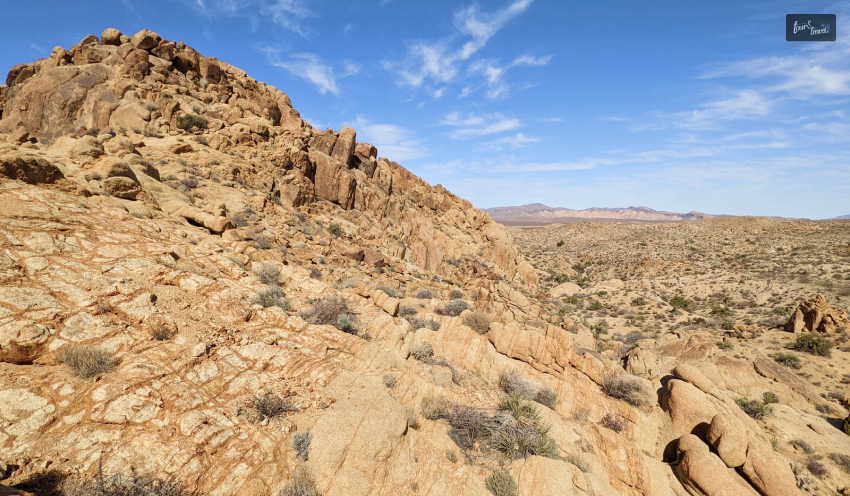
The Mastodon Peak trail starts from the Cottonwood Spring parking area, and here, you will experience an elevation change of 175 feet. To reach the granite mountain peak, you will have to pass through a rugged terrain. 

You can complete the entire trek within 1.5 to 3 hours

Split Rock Loop

The Split Rock picnic area is the starting point for hiking this trail of 2.5 miles. You can complete the trek within two and a half hours. However, if you are a seasoned hiker, you can complete the safe route within 1 and a half hours. 

On a spur trail of the Split Rock Loop, you will find a rock formation that looks like the profile of a human face. It is called the Face Rock

Pine City 

Go to the end of the Desert Queen Mine Road to find the trailhead of Pine City. The dense vegetation of junipers and pinyon makes this 4 miles long trail picturesque. It will take around 3 hours to complete the hike. 

Strenuous Hiking Trails 

These strenuous trails are not suitable for summer hiking. You can try conquering them in autumn and spring. 

California Riding and Hiking Trail

Stretching over 36.6 miles, the California Riding and Hiking Trail is a two-day long hike. If the weather conditions are unpleasant, the total duration of the hike can stretch up to three days. 

As you hike the route from Black Rock Canyon to the park’s North Entrance, the amazing landscape of the Mojave Desert will charm you. 

Ryan Mountain

Ryan Mountain

Hiking to the summit of Ryan Mountain is one of the most popular activities to do in Joshua Tree National Park. The trekking route has an elevation of 1,050 feet, and it stretches over 3 miles

Despite being strenuous, this trail can be hiked in 2.5 hours. So, it is one of the most popular hiking trails in the park. 

Willow Hole

Willow Hole

At the end of the Willow Hole trail, you will find the amazing willow trees. You can start hiking from the Boy Scout Trailhead located inside the park at the South end. 

The sandy washes, Joshua tree vegetation, and famous boulder landscape make the trail amazing. 

Short Walks And Nature Trails In Joshua Tree National Park

The short walks and nature trails of Joshua Tree are available for year-long hiking. These trails also have wheelchair facilities, offering the most inclusive experience to visitors. 

It’s time to be familiar with some of these amazing nature walk trails. 

  • Oasis of Mara (Oasis of Mara is the only trail in Joshua Tree that allows dogs. So, hiking this trail is surely one of the best things to do in Joshua Tree as a pet lover.) 
  • Arch Rock
  • Barker Dam
  • Ryan Ranch 
  • Bajada 

Among these short walks and nature hiking trails, Cottonwood Spring is the shortest. You can finish the trail within just 10 minutes. Enjoy the view of cottonwood trees as you take a walk to the fan palm oasis. 

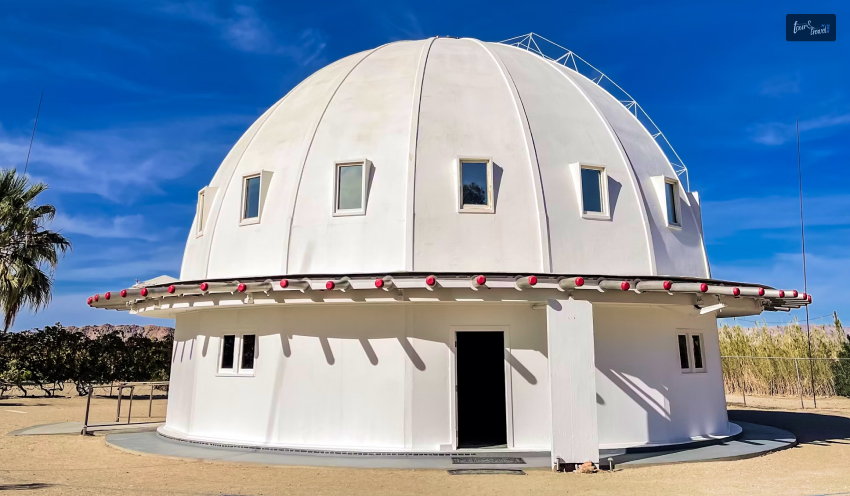
Integratron: The Wonder Of The Joshua Tree National Park 

Integratron The Wonder Of The Joshua Tree National Park

Facts to Know

Integratron is four stories high.Its diameter is 55 feet.It’s a 16-sided metal-free building.The construction technique used in it is called joinery.No nails or screws are used in the construction.It is made of non-ferromagnetic materials. George Van Tassel said that Nikola Tesla’s writings influenced the structure of Integratron. 

The western half of the Joshua Tree National Park is on the Mojave Desert’s southern tip. UFOlogist George Van Tassel built “a time machine for basic research on rejuvenation, anti-gravity, and time travel” in the Mojave Desert in the 1950s. 

This is a place where visitors are offered sound therapy that is believed to have the power to rejuvenate living tissues in human beings. 

From the time it was built, this place has attracted reporters, visitors, artists, and spiritual minds. 

George Van Tasse chose the Mojave Desert for building Integratron as, according to him, this place had a connection to the Great Pyramids in Giza. The proximity to magnetic vortices was another reason for choosing the site. 

Final Words: Schedule Your Hike Right  

March to May and October to November are the two best seasons for hiking in Joshua Tree. The park remains open throughout the year. However, the scorching and dry summer makes hiking impossible on many moderate and strenuous trails. 

During summer, the daytime temperature of the park reaches around 100 degrees F, and the temperature falls to 75 degrees F at night

Further, if you visit the park between March and May, you will see the wildflowers blooming. Also, in April, you can celebrate the National Park Week here. 

In October, there are important events in the park, such as the Joshua Tree Music Festival and Pioneer Days. The temperature is also pleasant in the fall season, recording an average temperature of 80 degrees F and 50 degrees F at day and night.

So, plan your visit to Joshua Tree right and share your travel stories with us as you return with the most amazing hiking experience. 

Joshua Tree National Park FAQs 

Is It Safe To Visit Joshua Tree At Night?

Yes, it is safe to visit Joshua Tree at night. In fact, stargazing is one of the most popular activities in this national park. The roads in the park are marked, and there is strict patrolling on all roads. 

However, this desert park is an important preservation hub for vulnerable ecosystems. Also, there are snakes and scorpions in the park. 

So, camp in the park or explore it at night as a responsible visitor. It is safer to restrict your movements near the campsites at night. 

Is Joshua Tree Worth Seeing?

Yes, Joshua Tree is worth seeing, as you can hike through the California Riding and Hiking Trail, Pine City, Bajada, and many other amazing trails. As you explore these routes, you will come across a wide variety of flora and fauna. 

Further, the Joshua Tree is an important preservation and conservation center for fragile ecosystems. In addition, this is a place where stargazing is an ultimate immersive experience.

Other highlights of your trip to this national park will be exploring the Penguin Rock, Arch Rock, and other iconic rock formations. Moreover, indulge in a sound bath at the Integratron. Built by UFOlogist George Van Tassel, this dome-shaped place offers sound therapy that promises to rejuvenate living human cell tissues. 

Can You Sleep Inside Joshua Tree? 

Yes, you can sleep inside Joshua Tree, as there are nine campgrounds inside the park. The Hidden Valley, Belle, and White Tank campsites are available on a first-come, first-serve basis. However, White Tank and Belle campsites can remain temporarily closed during summer. 

For the India Cove, Ryan, Cottonwood, Jumbo Rocks, and Black Rock campsites, you will need to make a prior booking. 

In addition, you can try backcountry camping and consider putting up a tent in the campsites outside the park. 

Remember, there are no restaurants and modern lodging facilities inside the park. 

Can You See Milky Way From Joshua Tree?

The International Dark-Sky Association, or IDA, has identified Joshua Tree as an International Dark Sky Park. You can get the best view of the Milky Way here. 

Joshua Tree also has the darkest nights in Southern California. So, you will get to see the passing meteors, stars, and planets from this national park. 

Stargazing from any part of the park is an amazing experience. However, there are also four designated stargazing spots in the park. These are:

  • Quail Springs parking lot
  • Hidden Valley parking lot
  • Cap Rock parking lot
  • Ryan Mountain parking lot

Further, you can put up tents at one of the nine camping grounds, and among them, the Cottonwood Campground demands a special mention.

Also read

Share on Social Media

Sibashree is a travel, culture, and leisure writer who has been writing since the age of 12 and professionally since 2014. With more than a decade of travel writing experience and journeys across India and several parts of the world, she brings a deeply personal and thoughtful perspective to her work. A student of English Literature and Mass Communication, Sibashree has always viewed travel as more than movement — for her, it has been a way of understanding people, cultures, and herself. Her passion for spiritual exploration has also led her to many unusual and meaningful destinations over the years. Outside of writing, Sibashree enjoys watching European cinema, reading about global politics, and reflecting on the stories hidden within everyday places.

Leave a Reply

Your email address will not be published. Required fields are marked *

title-img Related

READ MORE card-img

Exploring Wildlife At Yellowstone National Park: Know The Mammals, Reptiles, Birds, Fish And More

BY  Sibashree Nov 11, 2024

The wildlife of Yellowstone National Park is as fascinating as its geology. So, along with the geysers, many tourists also visit this park to explore its wildlife. The grizzly bears, wolves, bison, and more make the park the biggest concentration of mammals in the lower 48 states. However, the park is also a popular birder hub with ospreys, eagles, and falcons. You just need to know the spots well to encounter these wild creatures, with respect, of course.  Here, I will give you a brief idea about the mammals, birds, reptiles, amphibians, and fish found in this park. I will also share where to spot them.  Mammals You Will See At Yellowstone National Park May to June or spring is the ideal season for watching mammals at Yellowstone National Park. You will especially get to see many bears and wolves in this season. Further, at the advent of the fall season, this park has elk bulls in great numbers.  Moreover, mammals like elk, bulls, and bison are also visible in the park in winter. Winter is also a great time to glimpse the Lamar Valley wolves. So, watching wildlife at Yellowstone National Park is a year-round activity.  Tour and Travel Tips For Wildlife Watching At Yellowstone National ParkTrek the park in the early morning or evening to have better visibility of the wildlife. The temperature remains moderate during these hours of the day.Further, you will need spotting scopes or binoculars to see the wild animals.Maintain at least 25 yards of distance from elk, bison, and other wild animals. However, for bears and wolves, you must maintain at least 100 yards of distance.  Let’s learn about the most prominent mammals in the park in detail.  American Bison Where to Find: Lamar and Hayden Valleys and the Grasslands Best Time to Find: July to August Did you know that bison in Yellowstone make up the largest (remaining) bison population on American public land?  The biggest mammals of the park, bison, have been there since pre-historic times. A male bison weighs 1,800 pounds on average, while the weight of a female bison is close to 1300 pounds.  Black And Grizzly Bears Where to Find: Mammoth and Tower Areas (Black Bear) and Lamar and Hayden Valleys (Grizzly Bears) Best Time to Find: May to June Black and grizzly bears co-exist in many parts of the national park. Grizzlies are bigger than black bears, with a hump on their shoulders and a rounder face. Bear safari is a popular activity in the park. However, you need to maintain a distance of at least 100 yards and follow all safety regulations, as bears can get violent, especially when they are with their cubs.  Elk Where to Find: Lamar Valley, Madison Canyon, Mammoth Valley Best Time to Find: September to November Due to the impressive antlers, elks are probably the most photographed animals in this national park. Do you know that the antler of an elk can grow up to 6 feet? Moose and deer, closely related to elks, are other prominent park mammals. Moose is the largest of the Cervidae family, and elks are the second largest.  Further, moose are seen in the park’s marshy areas and near water bodies. Bighorn Sheep Where to Find: Gardner Canyon and Near the Yellowstone River Best Time to Visit Bighorn Sheep in Yellowstone National Park - November and December The large and curved horns of bighorn sheep make them stand out. You will find these horns on the males. Bighorn sheep live in a herd, and in the fall season, the males get involved in loggerheads to win over their female companion.  There is one fascinating fact about bighorn sheep. When a baby bighorn sheep (lamb) is born, it can climb and walk within one day. Wolves Where to Find: Throughout the Park Best Time to See Wolves: May to June Around 100 wolves live in the Yellowstone National Park. Leopold packs, Yellowstone Delta, and Slough Creek are the biggest wolf packs in the park.  Wolves are native to the park. However, in 1995, they were re-introduced here.  Along with the types discussed, you will also find mammals like coyotes, martens, red foxes, wolverines, mule deer, marmots, and more in the park. Overall, around 67 species of mammals live here.  Amphibians In Yellowstone National Park Thanks to a unique geology, there are various ponds and wetlands across the Yellowstone National Park. Here, you will find the following varieties. Boreal Chorus Frog Western Tiger Salamander Western Toad Columbia Spotted Frog Plains Spadefoot Toad Further, these amphibians play a crucial role in the maintenance of the terrestrial and aquatic ecosystems of the park. Many mammals, birds, reptiles, and even fish prey on them. Also, they eat many vertebrate and invertebrate creatures to balance the food chain. Moreover, the amphibians in the park are indicators of high pollution rates or changes in the weather. They even indicate the advent of diseases and the arrival of any nonnative species.  So, research on amphibian populations in the park is crucial to know about any impending danger that may affect the ecosystem.  Reptiles At Yellowstone National Park Yellowstone has six species of reptiles. However, there is a greater scope for studying and identifying these reptiles. As of today, the reptile species found in the park are: Terrestrial garter snake Common garter snake Rubber boa Prairie rattlesnake Bullsnake Sagebrush lizard Prairie rattlesnake is the only venomous snake in the park, while bullsnake is the largest variety found here. Yellowstone National Park: A Birder’s Paradise A 2018 survey in Yellowstone National Park announced the presence of 82 species of birds in the park.  Further, the species of birds here are varied, and the table below mentions the variety you will come across in the park. OwlsNorthern saw-whet owl Northern pygmy-owlBoreal owl Great-horned owl EaglesBald eagleGolden eagleColony Nesting BirdsPelicanHeronsIbisesSong Birds Ruby-crowned kinglet American RobinDark-eyed junco You will also find birds like woodpeckers, ducks, geese, swans, falcons, and ospreys in this national park.  Fish In Yellowstone National Park Yellowstone National Park is home to many native and non-native fish species. Eastern Brook Trout, brown trout, lake chub, rainbow trout, and lake trout are some non-native fish species in the park. Further, this park has native fish species, such as mountain sucker, speckled dace, Utah chub, Redside Shiner, etc.  Human Imprint On Yellowstone National Park  The home to Native Americans, Yellowstone National Park displays a human tapestry of almost 11000 years. The natives of the place have survived on hunting and fishing. Further, they have known the medicinal properties of the herbs available in the park. In addition, the healing properties and religious importance of the thermal water here had a major impact on the local human lives.  Yellowstone National Park: At A Glance  How to Reach Yellowstone National Park: Reach the Yellowstone Airport and take a cab or bus to Yellowstone National Park. Highest Point: Eagle Peak Established: 1st March 1872 Designation: UNESCO World Heritage Site for “globally unparalleled assemblage of surficial geothermal activity.” Entry Fee: $25-80 based on the entrance pass  Visitor Centers: Albright Visitor Center, West Yellowstone Visitor Information Center, Grant Visitor Center, etc.  Also read Why Include Whale Watching In Your LA Itinerary. Traveling On A Budget: Tips For Affordable Adventures. From Cocktails To Kickflips: Must-Try Activities In San Diego.

READ MORE mountains of kenya

The Major Mountains Of Kenya: Location, Altitude, & Why You Should Visit Them! 

BY  Sibashree Aug 11, 2023

Want to learn more about the mountains of Kenya? A geographically and topographically diverse country, the Republic of Kenya has beautiful mountains that are more than just a geographical feature! Please read this article to learn about the features of the mountains, their cultural significance, as well as their beauty. There are almost 3888 mountains, out of which 3856 are named mountains. Mount Kenya is the highest peak of all these mountains, with an elevation of 5199 meters. It is one of the second-highest mountains in Africa and is considered a UNESCO World Heritage Site. Kenya is located in the eastern part of Africa, more towards the southern horn of Africa, with diverse geographical features ranging from towering alpine peaks to mangrove swamps. The mountains' beauty adds to the country's natural features, making it a perfect place to visit! Explore The Beauty Of The Mountains Of Kenya! As a country with a topographical contrast, Kenya is located in the eastern section of Africa. The equator crosses the country across Nanyuki, Maseno, and Timboroa. These features highlight Kenya as a stunning destination that many wish to visit! Being a topographically diverse country where the forests offer diverse wildlife, it is perfect to visit if you love taking safaris. There are also coasts and grasslands, making the location more diverse. The nation is also highly agricultural, with diverse produce, including vegetables, fruits, and animals, even though the location is remote and can be difficult for regular travel. An African safari holiday is a dream for every hodophile, and Kenya offers the perfect backdrop. With spectacular wildlife, astounding landscapes, and a melting pot of culture, Kenya ranks at the top of the travel list of everyone! Moreover, the beautiful mountains play an important role in making Kenya a fascinating place! The country borders nations such as South Sudan, Ethiopia, Tanzania, Uganda, and Somalia. So want to know more about the up-warped giants of the earth? Read along! 1. What Makes Kenya’s Mountains Unique In Africa?  Kenya’s mountains are unique due to:  Equatorial location with alpine conditions  Rare plant species  Combination of glaciers and savannah landscapes  Strong cultural significance  Few places in the world offer such dramatic ecological contrasts.  2. Are Kenya’s Mountains Culturally Significant?  Absolutely. Many Kenyan communities consider mountains sacred:  Mount Kenya is sacred to the Kikuyu people, who believe it is the dwelling place of their god, Ngai.  Mountains often feature in local folklore, rituals, and traditions  This cultural importance adds depth beyond their physical beauty. Highest Mountains Of Kenya The total area of Kenya is 586,000 square kilometers, with high-rising regions such as high plateaus, mountains, arid deserts, and low-lying coastal areas, including islands and coral reefs. 7 freshwater and salt lakes are creating the Great Rift Valley cutting the country in half! Kenya has two of the tallest mountains on the continent. There are several other mountains, most inactive or extinct volcanoes. The landscape is diversified, yet the mountains are as beautiful as ever! Read more on some of the noteworthy mountains in Kenya. Mount Kenya The highest mountain in Kenya is Mount Kenya, located in the center of Kenya, approximately 100 miles northeast of the Capital, Nairobi. The mountain has several summits. Nelion, Lenana, and Batian are some. Bastian is the highest, with 17,058 feet, indicating the mountain's peak. The mountain formed about 3.5 million years ago. A well-known tourist destination, the Mount Kenya National Park surrounds Mount Kenya at the base. You can see elephants, buffalo, as well as colobus monkeys in the park. You can trek the mountain's peak of Lenana Summit as it is feasible without any mountaineering expertise. The rock kente is only available on Mount Kenya as well as the Antarctic, situated at the South Pole. The Spiritual Connection Of Mount Kenya Riuki is found on Mount Kenya, which in a spiritual context is considered the symbolization of the throne of God. Riuki is regarded as the pathfinder by the Gikuyu medicine men. They also believe it therapeutic as they put pebbles at risk as seers. The history of Mount Kenya is interconnected with the Egyptians, Jews, and Ethiopians. Mount Kenya is called Ta-Neteru by the Egyptians, which means the abode of the gods. The God Hapi or lotus, the gods of the Nile Floods, lived on the mountain. The farming communities that settled in Egypt in 7000 BC before the inundation of the Nile corresponded with "Isis," the heliacal rising of the star. It was after the water from the Nile flooding receded, leading to rich dark silt across the Central African countries and highlands. The land is called "Kemet," which is fertile land ready for planting. They consider the lands around Mount Kenya as one of the fertile lands. It also believed that the goddess Isis hid her son, her husband Horus, to raise him from the dead. They say the mountain has medical properties, and the locals consider it amazing. They pray to the mountains for protection and safety. Communities such as Maasai and Samburu are semi-nomadic people who use the northland of the mountain as a paying ground. Mount Elgon The second tallest peak in Kenya is Mount Elgon, located on the country's western side, closer to the Kenya-Uganda border. The mountain has distinguishing characteristics, such as having one of the largest volcanic craters. The top of the mountain is a flat-topped plateau made of basalt. The total height of the mountain is 13,852 feet, with lava tube tunnels across the mountain. Elephants and buffaloes often visit the lava tube tunnels. A national park surrounding Mount Elgon also has rhinos, eagles, leopards, and duikers. Mount Longonot Mount Longonot is an inactive volcano that last erupted in the 1860s but is not completely extinct. The height of the mountain is 9108 feet, and the mountain's slopes are filled with ridges. Mount Longonot is a mountain in Kenya. A park nearby has plenty of wildlife, such as zebras and giraffes. The mountain is situated approximately 60 kilometers northwest of Nairobi. Travelers can visit the park by car, and the base of Mount Longonot has a lot of forest, even around the top crater. Compared to many stony mountains, this one is thickly wooded across the slopes and the summits. Satima Mount Satima is also "Ol Donyo Satima," which roughly translates to "Mountain of the bull calf." It is one of the Kenya mountains! It is the highest mountain across the Aberdare range, with a height of 13,127 feet, and is located on the northern side of the mountain range. The mountain has tussock grass and rocks in some areas and rainforests. There are bamboo forests and Moorland across a section of the mountain. The mountain has a collection of 150 species of plants, such as Podo and Cedar. The mountain is part of the water catchment area for both the Sasumua and Ndakaini dams. The two dams for Nairobi City are the primary source of water. Kinangop Kinangop is a dormant volcano in the Great Rift Valley and the west of the Kinangop Plateau. It is also situated in the Aberdares, with extensive bamboo forests across the mountain in the lower portion. The height of the mountain is 12815 feet. Moreover, the higher sections of the mountain are covered with tussock grass. The top of the mountain is rocky with open moorlands. The top of the mountain is quite chilly and turns freezing at night. Ngiro Mount Ngiro is located in the northern region of Kenya, with a height of 9344 feet. The mountain is part of the Great Rift Valley to the west overlooking the Suguta Valley. The upper slopes have forests, while the mountains is popular for cultivating bees. The mountain falls under the territory of the Samburu people, while the Lmasula phratry performs bee cultivation. The clan claims exclusive rights to the water and the land. Several other mountains and hills are situated in the nation, creating an exciting place for vacationing. If you are a hiking person, Kenya is the perfect place to visit as there are several advantages. There are enough mountains in Kenya for you to go hiking, as well as trails. It is a perfect spot to share holidays as well as weekends with your hiking partners. Some of the tallest mountains are situated in East Kenya. Kulal The mountain Kulal is identified as a biosphere reserve with lava fields, and the origin of the mountain is a volcano. The moisture in the biosphere leads to rain as well as mist, providing hydrological services to the people in northern Kenya. The mountain is located in the middle of East Africa, with steep slopes while deep canyons go across the mountain. It is also one of the driest places in Africa. There are forests across the mountain, a habitat for black rhinoceroses and elephants. Marsabit Mount Marsabit is surrounded by Mt. Marsabit National Park and Reserve, with a height of 1703 meters above sea level. The mountain has many craters, while the hills around it highlight the mountain. Across the mountain are many low-lying arid plains with elliptical shapes 70 km long on the northeast-southwest as well as 45 km wide on the northeast-southwest. The mountain comprises weathered lava flow. Mogila Mogila is one of the mountains of Kenya with a height of 1698 meters. A local relief of 300 meters, steep slopes, and a small summit area characterize the mountain. Moreover, it is located in the Turkana, creating the Great Dividing Range. Namanga Hills The mountain is in the southern part of Kenya. It is located on the borders of Tanzania, with the highest point being 2548 meters. The Great Rift Valley has four peaks: Suswa, Paka, Namarunu, and Menengai. The hills have a collection of hyenas, zebras, ostriches, as well as Antelopes. Cultural Relations Of The Mountains Of Kenya According to the Kikuyu tribe, they say the local Kikuyu god, N'gai resides at the summit of Mount Kenya. Mount Kenya is one such place that the local cultures worship. They consider these mountains the home of spirits as well as gods. Mount Kenya is a spiritual mountain, as the local communities think of it as the residence of God. Ethiopians also consider it the home of God and revered in its presence. The belief gains further confirmation because of the snow at the top of the mountain. The mountain is very close to the equator. Hence, it is quite surprising that there is snowfall at the top. There are thick forests around the mountain, and initially, the military dug the woods to flush the Maumau freedom fighters. According to the traditional version of Mount Kenya in Kikuyu, a star fell on the ground with a bang and formed the mountain. The mountain has volcanic ashes and oozing magma which forms the Kenyte. Mount Longonot has its Masai name, "Oloonong'ot," meaning "mountain with many spurs." The mountains are important as well as are traditional sites for worship by the local populations. Some vow in the mountain's name, while some send prayers based on cultural traditions. Both visitors and the natives join in collaborative activities such as mountain climbing and hiking. What Are The Major Mountains In Kenya?  Kenya is home to several notable mountains, the most famous being Mount Kenya, Mount Elgon, and the Aberdare Range. Among these, Mount Kenya is the highest and most iconic mountain in the country.   Other important highland areas include the Mau Escarpment, Cherangani Hills, and Ngong Hills, which contribute significantly to Kenya’s geography, climate, and biodiversity.  What Is Mount Kenya And Why Is It Famous?  Mount Kenya is the highest mountain in Kenya and the second-highest peak in Africa, standing at approximately 5,199 meters (17,057 feet) above sea level.   It is famous for its dramatic peaks, permanent glaciers (though shrinking), alpine vegetation zones, and spiritual significance to local communities.  Mount Kenya is also a UNESCO World Heritage Site, recognized for its unique ecosystems, scenic beauty, and ecological importance.  Are Kenya’s Mountains Safe For Tourists?  Yes, Kenya’s mountain regions are generally safe for tourists, especially within national parks and guided groups. Safety improves with:  Proper planning  Licensed guides  Weather awareness  Altitude acclimatization  Like all outdoor adventures, caution and preparation are key.  What Are The Main Peaks Of Mount Kenya?  Mount Kenya has three primary peaks:  Batian (5,199 m) – The highest and technically most challenging peak  Nelion (5,188 m) – Slightly lower, also requiring technical climbing skills  Point Lenana (4,985 m) – The most accessible peak, popular with trekkers  Point Lenana is often climbed by hikers without technical mountaineering experience, making it the most visited summit.  What Is The Aberdare Range?  The Aberdare Range is a mountain range located in central Kenya, north of Nairobi. Unlike Mount Kenya and Mount Elgon, it is not volcanic but consists of folded mountains.  The Aberdares are known for:  Dense forests  Moorlands  Waterfalls  Wildlife, including elephants and leopards  The range forms part of the Aberdare National Park, a key conservation area. Are The Mountains Of Kenya A Cult? The high places in Kenya, especially mountains with snow caps, high mountain ranges, and island mountains, are cults. There are psychological roots of the communities who believe that mountains act as a heavenly ladder. Besides the spiritual connection for the community, mountains are also helpful natural elements for humans as they bring rain, while they also have volcanoes. Volcanoes have a fiery side to them, representing the element of earth. According to the myths based on the world's origin, mountains are the first natural element from ancient water. The indigenous people believe mountains are a great phenomenon of the earth, symbolizing cosmic connection. The local communities consider the mountains as shrines or altars for the Gods and worship them. For example, people in Africa often blame an earth deity when there is an earthquake. They also consider snakes to be culprits, a belief that their cult teaches in the cultural practices of Africa. FAQs   Here are some frequently asked questions and answers about the mountains of Kenya.  1. Is Mount Kenya A Volcano?  Yes, Mount Kenya is an extinct stratovolcano. It was formed millions of years ago through volcanic activity.  Over time, erosion removed much of the volcanic cone, leaving behind the rugged peaks seen today. Although extinct, the mountain still plays a critical role in water catchment and climate regulation in the region.  2. Are The Mountains Of Kenya Suitable For Hiking And Trekking?  Yes, Kenya’s mountains offer excellent opportunities for hiking, trekking, and mountaineering, catering to various skill levels: • Beginner to intermediate hikers: Point Lenana (Mount Kenya), Aberdare trails • Experienced climbers: Batian and Nelion peaks • Leisure trekkers: Mount Elgon’s gentle slopes Guides are recommended, especially for high-altitude or protected areas.  3. What Is The Best Time To Visit The Mountains Of Kenya?  The best time to visit Kenya’s mountains is during the dry seasons: • January to March • July to October These months offer clearer skies, better trail conditions, and safer climbing environments. The rainy seasons (April–June and November) can make trails slippery and challenging. 4. What Types Of Vegetation Are Found On Kenya’s Mountains?  Kenya’s mountains feature distinct vegetation zones based on altitude: • Lower slopes: Forests and farmland • Mid-altitude: Bamboo forests and montane forests • Higher zones: Moorlands, giant lobelias, and senecios • Upper alpine zone: Sparse vegetation, rock, and ice This vertical diversity makes Kenya’s mountains biologically rich. 5. Are Kenya’s Mountains Important For Wildlife?  Yes, the mountains of Kenya are vital wildlife habitats. Species commonly found include: • Elephants and buffaloes (lower slopes) • Leopards and hyenas • Rare bird species • Endemic plants and insects Protected areas like Mount Kenya National Park and Aberdare National Park help conserve this biodiversity.  6. How Difficult Is It To Climb Mount Kenya?  Climbing Mount Kenya varies in difficulty depending on the peak: • Point Lenana: Moderate difficulty; suitable for fit hikers • Batian and Nelion: Technical climbs requiring mountaineering skills, ropes, and guides Acclimatization is essential due to altitude. 7. Do I Need A Guide To Climb Kenya’s Mountains?  While not always legally required, hiring a licensed local guide is strongly recommended. Guides provide: • Navigation assistance • Safety support • Local knowledge • Emergency preparedness For technical climbs, guides are essential. 8. Can Beginners Hike In The Mountains Of Kenya?  Yes. Many routes are suitable for beginners, particularly: • Lower Mount Kenya trails • Aberdare forest hikes • Mount Elgon trekking paths Basic fitness and preparation are usually sufficient.  Conclusion Did you notice something unique about the mountains of Kenya? Most of these mountains have physical features giving an Alpine appearance. There are many ridges across the mountains, giving it a ragged nature. So now you know about the beauty of the mountains, especially when it comes to the cultural aspect of it. People worshiping mountains is one tradition that integrates respect and protection of the natural elements. People from different cultures in Kenya believe in spirituality and offer prayers to the mountains. Let us know in the comments below if you see any culture where people worship mountains too!

READ MORE Advice for Gatwick to Sunshine travel

From Gatwick To Sunshine: Straightforward Tricks For Cheaper Holidays

BY  Sibashree Aug 28, 2025

Flying out of Gatwick should feel exciting, not stressful. A bit of planning turns a pricey trip into a fair one.  The goal here is simple: spend less on the boring parts and more on the fun parts. These tips keep things calm, clear, and friendly to your wallet, whether the destination is Spain, Greece, or a city break in Europe. In this Tour and Travel blog, we will share the best advice for Gatwick to Sunshine travel and smart tips.  What Is The Best Advice For Gatewick To Sunshine Travel?  A cheaper holiday is not about luck. It is about small choices made early. Pick calm travel dates, set a firm budget, and search with a plan.  Pack light to dodge bag fees, carry snacks to stop impulse buys, and sort travel to the airport before booking. Keep documents in one place and arrive with time to spare.  At the destination, choose simple, local options and enjoy the free parts first. Do these steps and the flight from Gatwick leads straight to the good part: warm sun, clear days, and a trip that feels smart from start to finish. Here are more practical tips to follow.  1. Book At The Right Moment Without Overthinking It Prices move all the time. Looking too early can mean paying more, and leaving it too late can do the same. A steady plan works best.  Watch fares for a couple of weeks, set a clear budget, and move when the price fits the plan. Midweek flights often cost less than weekends because fewer people can travel then.  Early morning and late evening flights also tend to be cheaper, and they can help you fit more daylight into your first or last day away. School breaks push prices up around the UK, especially at Gatwick where many families fly.  If travel must fall in a busy week, focus on the first or last days of the break, when demand can dip. Flexibility by even one day can save a surprising amount. 2. Know Where To Hunt For Fair Prices Search tools help, but the trick is to use them with a plan. Compare a few dates at once rather than chasing a single day.  Check nearby airports too—Stansted, Luton, and even Birmingham or Bristol can be cheaper for the same destination.  If a package is easier than DIY, one handy thing to do is check out Cheap Holidays through reputable websites. This keeps options in one place so less time is spent opening dozens of tabs. Set clear rules before searching. Decide the top price that feels right, pick three date ranges, and choose a shortlist of destinations. This stops scrolling for hours and avoids the “maybe it will be cheaper tomorrow” trap. 3. Trim Bag Costs Before Pressing “Pay” Bags are where budgets go missing. Many low-cost fares include only a small personal item. Measure the bag at home.  If a wheeled carry-on is needed, add it during booking; buying it at the airport is usually the most expensive option.  Weigh the case after packing and leave a little space for souvenirs. Two people can share one checked bag instead of paying for two. Rolling clothes saves space, and packing cubes stop shirts from getting crumpled. Liquids go in small bottles under the limit, and solid versions of shampoo or soap can reduce hassle. A light rucksack keeps hands free, which helps when moving through busy train platforms on the way to Gatwick. 4. Be Smart With Seats, Extras, And Food Seat choice looks cheap at first, then adds up. If the plane is short-haul and the group can sit near each other without picking exact seats, skip the fee.  For families with young children, airlines often seat at least one adult next to a child. Extra-legroom seats are nice, but a short flight does not always need them.  Bring a small snack from home and refill a water bottle after security to avoid paying airport prices. A simple sandwich packed the night before costs less and saves time in queues. Travel insurance should not be an afterthought. Pick a basic policy that covers bags and delays. It costs far less than replacing a suitcase or missing a connection. Print or save the policy and booking codes to the phone wallet so everything is in one place. 5. Choose The Best Route To The Terminal Getting to Gatwick can be almost as costly as flying. Trains are usually faster and often cheaper than parking, especially if travelling alone or as a pair.  Off-peak tickets help, and railcards can cut a third off many fares. If a car is needed, book parking early. Official long-stay or trusted off-site car parks give better value than turning up on the day.  For a very early flight, a simple hotel near the airport can make sense. Sometimes a “park, sleep, fly” bundle beats buying those parts on their own. 6. Keep Documents Tidy And Move Through The Airport With Ease Put passports, boarding passes, insurance, and hotel details in one folder or a secure phone wallet.  Follow the signs, keep pockets empty at security, and place electronics in the tray as asked. Once airside, check the gate early but do not crowd it. Boarding happens in groups. 7. Stretch The Budget At The Destination Transfers from the airport are a classic money trap. Public buses and trains are cheaper than taxis in many places, and many cities sell simple day passes.  If a taxi is needed, use the official rank or a trusted app from the country. For hotels, paying for breakfast is not always the best value.  Local bakeries often cost less and taste better. Refill water where it is safe to do so. Museums, parks, and city walks are free or low-cost and fill a day nicely. The cheapest option is not always the one shouted by the person with the loudest voice.  Read a few recent reviews, check the time they pick up, and stick to plans that leave room for rest. 8. Make Family Travel Simple Small habits help families save. Pack one small entertainment pouch for each child: crayons, a short book, headphones, and a snack. For buggies, check the airline rules; many allow them to the gate, which saves renting one on arrival. If a child gets tired in queues, breathing games and counting steps keep minds busy and moods steady. 9. Stay Healthy And Safe Without Stress Sun trips need sunscreen, hats, and water. Buy travel-size sunscreen at a local shop if carry-on liquid rules make it tricky.  A tiny first-aid kit with plasters and pain relief avoids a hunt for a pharmacy.  Keep a backup of documents in cloud storage in case a phone is lost. Clear information saves  10. Skip common Traps That Raise The Bill Dynamic pricing can make the same flight cost more on a second look. Use a fresh browser window or a different device when ready to book.  Do not click every add-on in a hurry. Airport currency desks rarely give fair rates; a fee-free card or withdrawing a small amount from an ATM at the destination often works out better.  Roaming charges can be high, so check the network’s roaming bundles before leaving. Download maps for offline use to avoid data use on the move. Gatwick-Focused Tips That Make A Difference Know which terminal the flight uses and head there from the start. South Terminal and North Terminal have different security areas, shops, and lounges.  The shuttle between them is quick, but changing terminals at the last minute eats up time. If the flight leaves early, pick up breakfast after security to save money.  Many gates at Gatwick open closer to boarding time, so waiting near the screens keeps the group flexible. Keep chargers handy; seats near windows often have sockets that help top up a phone before the flight. If returning to Gatwick late at night, check train schedules in advance. Some services finish earlier, and replacement buses can be slower. A backup plan saves from being stuck on a platform in the cold. Read Also: Free And Cheap Things To Do In Phoenix, Arizona | Phoenix Travel Guide On A Shoestring Cheapest Places To Travel Around The World In 2025: Traveling On A Shoestring 9+ Cheapest Places To Travel Now In USA: USA Travel Guide On A Shoestring