

From Cocktails To Kickflips: Must-Try Activities In San Diego

Mar 29, 2024

Last Updated on: May 25, 2026

Adventure

San Diego, often known as the Finest City in America, is a spirited coastal metropolis.

It is quite popular for its year-round sunshine, stunning beaches, and diverse array of activities.

From sipping cocktails with ocean views to mastering kickflips at renowned skate parks, this city offers something for everyone. 

This article is all about enjoying San Diego to its fullest. Whether you’re a local looking to explore your backyard or a visitor seeking adventure, here are some must-try activities in this strategic destination.

Beach Hopping: 

Beach Hopping

Beach hopping is a must-do activity in San Diego, which has more than 70 miles of pristine coastline.

Each beach has its charm and activities, from the popular shoreline of La Jolla and Mission Beach to the hidden jewels of Windansea and Sunset Cliffs. 

There are other beaches, too, like Del Mar, Imperial Beach, and Mission Beach, which are worth visiting.

Whether you’re into sunbathing, surfing, or simply strolling along the shoreline, San Diego’s beaches have something for everyone. 

Mixology Classes: 

For those looking to up their cocktail game, San Diego mixology classes provide an excellent opportunity to learn the skill of creating a perfect drink while socializing with other lovers.

These classes allow participants to learn the art of mixology under the supervision of expert bartenders. 

From mastering traditional cocktails to making innovative creations, these programs offer a unique experience for cocktail enthusiasts of all skill levels.

Mixology is actually a better hobby to pursue because you can learn new skills along with enjoying your trip. 

Farmers’ Markets: 

Embrace San Diego’s farm-to-table culture by visiting one of its many farmers’ markets.

From the bustling Little Italy Mercato to the laid-back Ocean Beach Farmers Market, these markets offer a feast for the senses. 

Sample freshly harvested fruits, artisanal cheeses, and gourmet treats while soaking in the vibrant atmosphere and supporting local farmers and producers.

Farmer’s market is not too popular, but one can easily consider it a hidden gem owing to the magic it follows. 

Hiking Trails: 

San Diego Hiking Trails

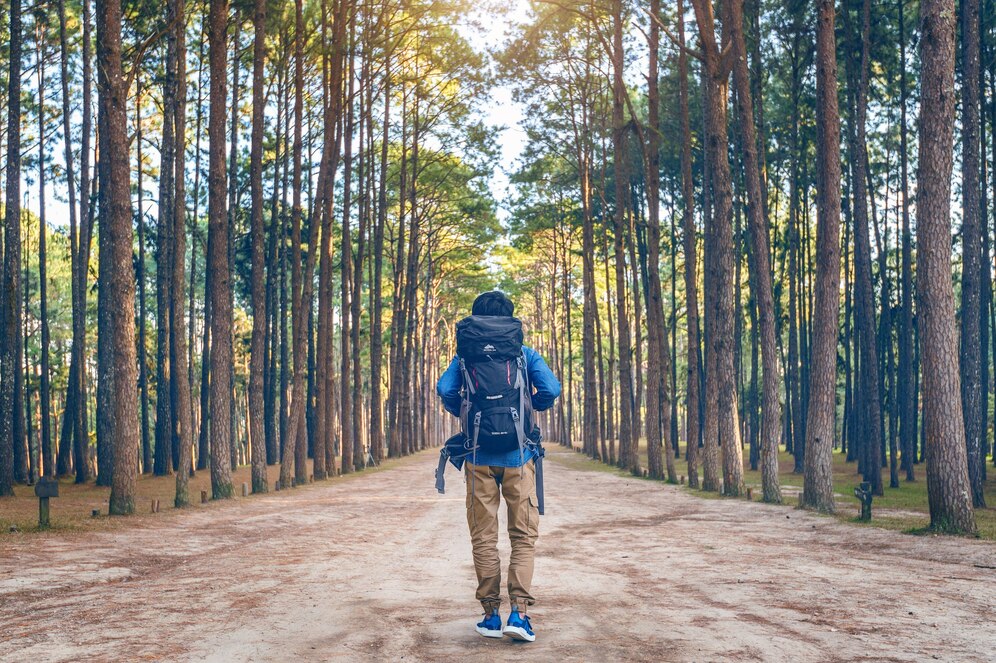
Hiking paths in San Diego County provide an opportunity to explore the county’s different landscapes.

From the steep terrain of Torrey Pines State Natural Reserve to the panoramic panoramas of Cowles Mountain, there are routes for all skill levels. 

The city has uneven terrains, rusty mountains, and chipped streets- all ideal for hiking. So, don’t let your trip go to waste.

Lace up your hiking boots, bring lots of water, and immerse yourself in the natural beauty that surrounds the city. 

Skateboarding: 

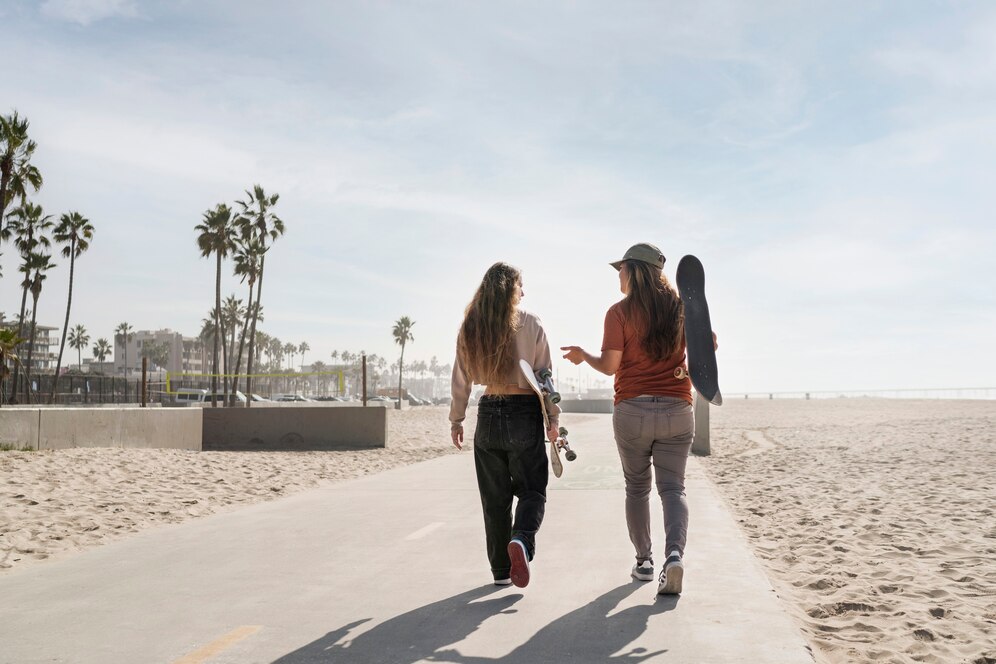
San Diego is considered the cradle of skateboarding culture, giving it a haven for skaters of all skill levels.

Test your abilities at world-class skate parks such as Ocean Beach Skatepark and the historic Chicano Park Skatepark. 

Whether you’re a beginner who is taking skateboarding lessons or a seasoned pro perfecting your tricks, the city’s skateboarding scene offers endless opportunities for adrenaline-fueled fun.

Water Sports: 

Take advantage of San Diego’s coastal location by trying your hand at various water sports.

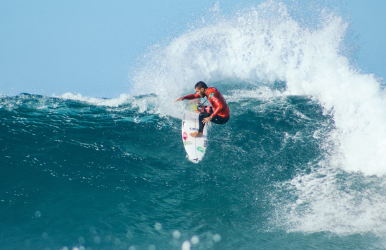
Whether you’re a beginner or an expert, there are numerous activities available, including surfing, paddleboarding, kayaking, and sailing.

Rent equipment from local outfitters or sign up for lessons to improve your skills while enjoying the cool waters of the Pacific Ocean.

Water sports in and around California are excellent adventures. And when it comes to an outstanding location like San Diego, there’s nothing you want to miss out on. 

Gastronomic Adventures: 

Indulge your taste buds in San Diego’s thriving culinary scene, which boasts everything from gourmet dining to casual street food.

Sample fresh seafood at waterfront eateries, feast on authentic Mexican cuisine in Barrio Logan, or embark on a culinary tour of the city’s diverse neighborhoods.

With its fusion of flavors and international influences, San Diego is a paradise for food lovers.

Sunset Cruises: 

Sunset Cruises

Finish your day on a high note by taking a sunset sail in San Diego Bay. Relax aboard a yacht or sailboat while admiring the stunning views of the city skyline, Coronado Bridge, and neighboring sites. 

Sip champagne, eat hors d’oeuvres, and soak up the golden hues of the setting sun for an amazing experience.

Take your spouse along with you as you embark on a beautiful journey filled with romantic experiences. 

Live Entertainment: 

Immerse yourself in San Diego’s vibrant nightlife by checking out its live entertainment venues.

From intimate jazz clubs and indie music venues to lively dance clubs and comedy clubs, there’s no shortage of options for evening entertainment.

Catch a live performance by local musicians, laugh out loud at a stand-up comedy show, or dance the night away to the beats of talented DJs.

Golf Course: Visiting Torrey Pines 

Last but not least, do not forget to visit the iconic Torrey Pines Golf Course.

This championship course is extended to large areas of land. If you are a sports enthusiast, visit this diverse terrain and take your friends and travel partners along with you. 

Visit Museums

San Diego Museums

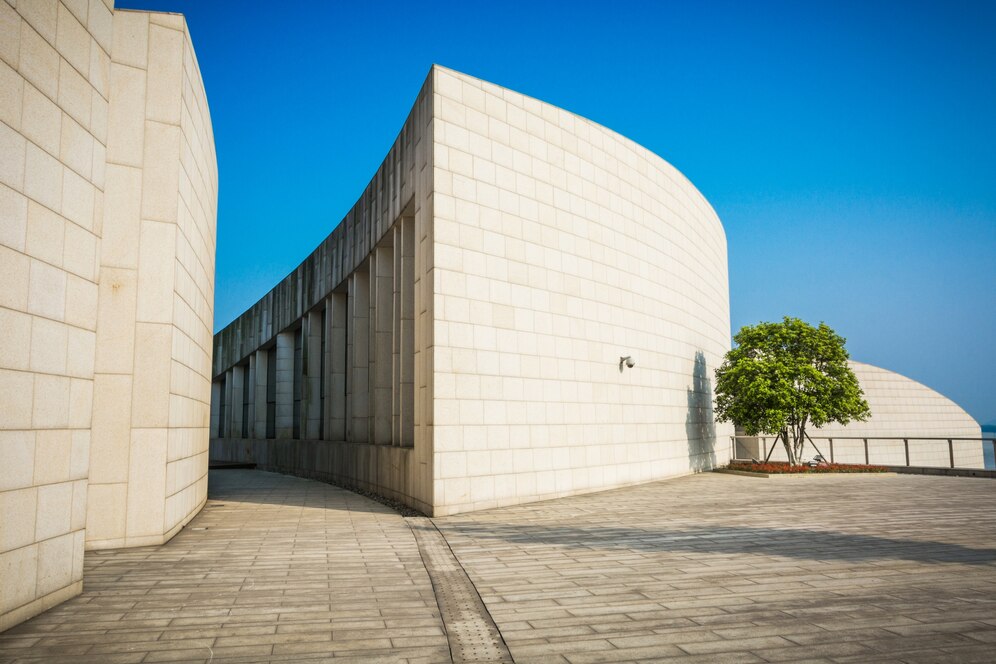
The Museum of Contemporary Art in San Diego is something you shouldn’t miss. Lying in a flagship location, this museum building was actually designed by Irving Gill, a renowned architect.

It was initially homemade for Ellen Browing Scripps, the famous philanthropist.

However, it was changed into a museum as soon as 1941 kicked in. At present, MCASD consists of several art collections that must be visited when someone is in San Diego. 

The Bottom Line

San Diego has a wide range of activities to suit everyone’s interests and preferences.

Whether you’re looking for outdoor activities, cultural experiences, or culinary delights, this coastal paradise has something for everyone. 

So, grab your sunscreen, sense of adventure, and appetite for exploration, and get ready to experience everything that San Diego has to offer—from cocktails to kickflips and everything in between.

With that, here’s an end to this comprehensive guide.

Make San Diego your next favorite destination, and trust us, you will not regret it. Thank you for reading till the end. I hope you like it. 

Read Also:

Share on Social Media

Ankita Tripathy loves to write about food and the Hallyu Wave in particular. During her free time, she enjoys looking at the sky or reading books while sipping a cup of hot coffee. Her favourite niches are food, music, lifestyle, travel, and Korean Pop music and drama.

Leave a Reply

Your email address will not be published. Required fields are marked *

title-img Related

READ MORE Florence in Tuscany

Visit Florence In Tuscany 

BY  Abdul Aziz Sep 8, 2022

When you tell somebody, you are planning a trip to Italy. They always answer, “You must visit Florence in Tuscany!”. Florence is a typical river city developed on the two banks of the Arno, a city rich in history and art. Founded and inhabited by Italic people, Florence extends into a green plain, which is surrounded by hills dotted with cypresses, and olive trees, and also crossed by the Arno river. But above all: a city breathing art and culture everywhere!  No wonder Ginori 1735, the iconic porcelain brand, partnered with St. Regis Hotels & Resorts to present CafĂ© Ginori.  CafĂ© Ginori will blend the elegance of Italian cuisine with Italian artistry to make the tourism experience in Florence more happening.  So, what are the special attractions or the best places to visit in Florence, Tuscany? This Tour and Travel blog has all the answers. Special Attractions Of Florence in Tuscany Many of the travelers are asking, is Tuscany in Florence? And what is there? In the past years, it has been awarded internationally as one of the most beautiful cities in the world. You are standing in the middle cradle of the Renaissance. The city is the hub of extraordinary literary, artistic, and scientific development that took place in the 14th-16th centuries. To visit Florence in Tuscany really means jumping back in time!  Note: Appreciated more than anything else is the urban architecture and the presence of traces of a glorious past on every street corner;  with the most iconic places such as the Duomo Cathedral, the Uffizi Gallery, Ponte Vecchio, Palazzo Pitti, etc. You Should Visit Florence For Its Art And Culture Known throughout the world for its artistic masterpieces, the colored marbles of the churches, and the high-sounding architecture, Florence is the city of the Medici, an ancient Tuscan family that became one of the most important dynasties in Italy and Europe. Nowadays, it is home to the most beautiful and important museums in the world; to name a few: the Uffizi Gallery, Palazzo Vecchio, the Accademia Gallery, the Pitti Palace, Florence Cathedral and the Opera del Duomo museum, etc. Best Places To Visit In Florence, Tuscany, To Celebrate Its Art And Culture  With seven UNESCO World Heritage sites, Florence sees tourism as a key resource. Further, its average annual tourism revenue is 300 million euros, establishing its position as a global travel destination.  Further, Florence has places like San Casciano dei Bagni within 200 km that are growing as tourism hubs individually.  San Casciano dei Bagni has won the laurel of “Best Tourism Village” from the United Nations World Tourism Organization (UNWTO). This village is growing for its rich biodiversity and culture.  “San Casciano dei Bagni receiving the ‘Best Tourism Village’ recognition is a testament to the charm and authenticity of Italy’s smaller gems. These villages showcase the excellence of our craftsmanship, gastronomy, traditions, and culture, representing the heart of our national heritage.”Daniela SantanchĂš, Italian Tourism Minister Nevertheless, these are the best places to visit in Florence, Tuscany.  1. Piazza del Duomo Piazza del Duomo, with its bell tower, Baptistery, and cathedral, is one of the best places to visit in Florence, Tuscany. Also, don’t forget to visit Ponte Vecchio.  2. Uffizi Gallery Location: Piazzale degli Uffizi, 6, 50122 Firenze FI, Italy Hours Open: Tuesday-Sunday (8:15 AM to 6:30 PM), Monday Closed Uffizi Gallery houses the best collection of paintings and artwork from the medieval era to the modern period.  It was built between 1560 and 1580. 3. Piazza della Signoria Piazza della Signoria is the central square of Florence. It always has a lively ambiance and is Florence's epicenter of history and art.  4. Palazzo Vecchio Location: P.za della Signoria, 50122 Firenze FI, Italy Hours Open: Friday-Wednesday (9 AM to 7 PM), Thursday (9 AM to 2 PM) Palazzo Vecchio was built between 1299 and 1314 and was once the home and workplace of the Signoria of Florence.  5. The Accademia Gallery Location: Via Ricasoli, 58/60, 50129 Firenze FI, Italy Hours Open: 8:15 AM to 6:20 PM, (Monday Closed) The Accademia Gallery is home to David by Michelangelo. It is the second-most visited museum in Florence after the Uffizi Gallery.  6. Pitti Palace Location: Piazza de' Pitti, 1, 50125 Firenze FI, Italy Hours Open: Tuesday-Sunday (8:15 AM to 6:30 PM), Monday Closed Once a symbol of the power of the Medicis in Tuscany, Pitti Palace, or Palazzo Pitti, was also the seat of the House of Habsburg-Lorraine and House of Savoy.  7. Florence Cathedral Location: Piazza del Duomo, 50122 Firenze FI, Italy Hours Open: 10:15 AM to 3:45 PM The Cathedral of Santa Maria del Fiore, or Florence Cathedral, is the Cathedral of the Catholic Archdiocese of Florence. The church, founded in 1296, was consecrated in 1436 by Pope Eugenio IV. It stands out with its huge dome structure.  8. Opera Del Duomo Museum Location: Piazza del Duomo, 9, 50122 Firenze FI, Italy Hours Open: 8:30 AM to 7 PM Built in 1891 and renovated in 2015, Opera Del Duomo Museum has the original artwork of the greatest artists and sculptors across seven centuries.  Here, you will find the work of Michelangelo, Brunelleschi, Ghiberti, and many others.  9. Florence City Center Covering an area of 505 ha, the Florence City Center still has the 14th-century boundary walls.  Also, it is a symbol of the Renaissance during the early Medici rule.  10. Siena City Center Siena City Center is a UNESCO World Heritage Site in the Tuscan Hills. It is famous for its food scene and medieval buildings.  11. Pienza The Historic Centre of the City of Pienza is a UNESCO World Heritage Site and it is one of the best places to visit in Florence, Tuscany. It is also famous for its town-planning concepts during the Renaissance period.  12. San Gimignano San Gimignano, or the Town of Five Towers, will transport you to the medieval era. A preserved hill town, it also has Civic Museums, Contemporary art, and holy art.  13. Piazza Dei Miracoli (Pisa) The Piazza Dei Miracoli, a UNESCO World Heritage Site, is home to the Leaning Tower of Pisa, an architectural wonder.  Further, located in a port city, the Piazza Dei Miracoli is an expression of human creativity.  14. Villas And Giardini Medicei  With 14 villas and gardens, Villas And Giardini Medicei is now a UNESCO World Heritage Site in Tuscany.  One of the best places to visit in Florence, Tuscany, Villas and Giardini Medicei, gives you an insight into the family that played prominent roles in the history of Italy and Europe during the 15th-18th century.  15. Val d’Orcia Val d’Orcia, a UNESCO World Heritage Site, shows the beauty of the countryside in Southern Tuscany. It is famous for its ecological uniqueness and stunning landscape. Culture Also Means Food And Wine But the only culture of Florence in Tuscany is not only art & history, and it means food and wine as well. Florence is a food city (delicious food), and you really can’t go there without trying out its local specials: that’s part of the experience!  Things you should try in Florence: 1. CHIANTI WINE  Chianti wine is a red blend of Tuscany that is made from Sangiovese grapes. These are common tasting notes which include different types of red fruits, smoke, dried herbs, balsamic vinegar, and game. Perfect for any kind of aperitivo admiring monuments or to accompany your dinners in Florence!  2. PICI Pici is a type of fresh pasta, similar to spaghetti, which is made with water, flour, and salt. A simple preparation, typical of the Tuscan culinary tradition: a "poor" dish linked to peasant cuisine. They can be combined with different condiments, thanks to their ability to adapt to various preparations: you can, in fact, make them with cheese and pepper, with crumbs, with garlic, with ragĂč, and in many other ways. Yummy!  3. FIORENTINA One of the most popular Italian steak dishes, Bistecca Alla Fiorentina, is made of young steer or heifer that, in combination with the specific preparations. What preparations are turning it into one of the famous dishes in Tuscan cuisine.  It is a high cut, including the bone, and also cooked on the embers or on the grill, with a degree of "blood" cooking. Try to accompany this Florence in Tuscany special dish with your Chianti wine; a perfect combo.  Visit Florence For Its Welcoming People  Florence's inhabitants are something on their own; the Fiorentini are really strong characters, very different from the typical Italians international people know. The character of the Florentines is judged in a contradictory way. They are considered polite and honest, but their thriftiness, praised for being able to make money well, is often criticized. In Florence, people tend to say things to your face, and often when they do so, they are not too pleasant things. Don’t take it personally, it’s part of the culture! Learn some useful words:  Topping | Gnocchi Ganzo | Cool Grullo | A silly person Boncitto | A good guy Chetarsi | To be silent So Why Visit Florence? For many, Florence is a city they have only heard about, and important events and things to do, such as those in Rome or Venice, are not attributed to it. Wrong! Florence Is Full Of Things To Do!  Those who know the history of the world will know that Florence, with much of Italy, was the central hub of the Renaissance, and many works of art of the period can be found in this city. One of the most iconic sites that many are likely to recognize is the Duomo, a cathedral with a dome at its top.  The Galleria dell’Accademia in Florence also exhibits Michelangelo's David, one of the most famous sculptures in the world. When it comes to art and history, no one beats Florence for masterpieces! But there are also many fun activities for those who are not very interested in art. Tourists can take a day trip out of town and explore the wonderfully varied landscape of Florence in Tuscany. You can also taste local food and wines.  And events are also an option if you want to dive into the local culture for real. Music festivals, historical reviews, sports events, and much more! To learn everything about Florence and the reasons why you should visit it, learn more at www.ciaoflorence.it Reasons To Visit Florence In Tuscany |Ciao Florence Why should you visit Florence in Tuscany? Art, culture, food, and events. All you need to know about the city of Renaissance! Visit Ciao Florence. So when are you planning to visit Tuscany? Share your opinion through the comment sections.

READ MORE Pigeon Forge

8 Reasons To Spend Your Spring Vacation In Pigeon Forge

BY  Subham Mar 9, 2023

Spring is an epic time to be in Pigeon Forge. From soaring above the Smoky Mountains on a zip line to admiring the stars from your cabin's patio, you can't beat the scenic beauty of this mountain town. And what if you bump into your favorite celebrity on the Parkway? Now that's dreamy. Moreover, Pigeon Forge is perfect for a spring getaway. It has everything you're looking for, from waterfalls cascading down riverbeds to inviting hiking trails and thrilling adventures. But if you're still inconclusive about whether you should visit Pigeon Forge this spring, here are some convincing reasons. Eight Prime Reasons To Spend Your Spring Vacation In Pigeon Forge 1. Perfect Weather for Outdoor Fun Spring vacations aren't complete without some outdoor fun. But you can easily get your daily dose of Vitamin D in Pigeon Forge. The temperature ranges between 70-80 degrees Fahrenheit, making it ideal for various activities. Whether you want to kayak down the river or stroll in a park on a lovely spring day, Pigeon Forge is the ultimate outdoor paradise. Hiking is especially popular in the spring and summer as flora and fauna come to life. There are plenty of trails that provide stunning views of the majestic Smoky Mountains, and you can also explore caves, go fishing, and ride a horse – perfect for the whole family. However, please note that spring and summer are Pigeon Forge's peak seasons. So, book your tickets and accommodation early. 2. Exciting Dinner Shows This town also hosts one of the best dinner shows in Pigeon Forge, Dolly Parton's Stampede. It is more than just a dinner show; it's a lively and interactive experience that immerses guests in the heart of friendly competition. As soon as you enter the arena, the atmosphere shifts, and you feel as though you've been transported back in time. The show is a dazzling spectacle of horsemanship, music, and dancing, with talented performers dressed in authentic costumes. Highlights of the evening are undoubtedly the thrilling horse riding stunts, live animals, musical productions, and celebration of American patriotism. As you watch, you can also enjoy a delicious feast of Southern-style cuisine. 3. The Thrill of Amusement Parks Dollywood - the star attraction of Pigeon Forge - needs no introduction. It is Tennessee's biggest-ticketed tourist spot that'll leave you humming Dolly Parton's tunes for days. The park has a charming mix of southern hospitality and thrill rides that'll get your heart racing faster than a rodeo bull. The Wild Eagle roller coaster is a must-ride, a steel beast that sends you soaring through the mountains at 61 mph. And so is the FireChaser Express, which takes you on a wild ride of twists and turns. If speed isn't your cup of sweet tea, you can ride on the Dollywood Express, a steam engine train that winds through the park's picturesque landscape. 4. Vibrant Festivals and Events Pigeon Forge is abuzz with excitement as its current events and festivals bring together locals and tourists alike. If you’re planning to explore Pigeon Forge’s blooming springtime, you can’t miss Dollywood Flower and Food Festival. Horticulturists display stunning large flower sculptures that will surely leave you in awe. Similarly, the Spring Rod Run showcases vintage cars and hot rods, revving up the engines of auto enthusiasts. It'll be car heaven in the city this season. Or, you could visit the Blooms and Tunes at Anakeesta, a spectacular live music event featuring local bands. 5. Breathtaking Views Everywhere You Look Soothe your eyesight with spectacular views in Pigeon Forge. From the majestic mountaintops to the panoramic overlooks of the Smoky Mountains, there's no shortage of natural beauty in town. You can also visit Clingmans Dome to get up close and personal with the region's stunning vistas. It's the highest mountain at an hour-long drive from Pigeon Forge. Whether you go up for a romantic sunrise or watch the fiery sunset, it's the perfect spot to take pictures and admire Mother Nature's beauty. The Great Smoky Mountain Wheel at The Island provides an amazing bird's eye view of the city. The 200-foot-tall Ferris wheel is illuminated with thousands of LED lights, creating a breathtaking spectacle in the night sky. 6. Family-Friendly Activities Brimming with family-friendly fun, Pigeon Forge is the ideal getaway for families with kids. You can walk the red carpet at the Hollywood Wax Museum or enjoy a meal with live animals in Big Top Arcade & Fun Park. The city also has some great waterparks and go-kart tracks. Downtown Flavortown is the perfect place to test your skills if you're into bowling. Ripley's Aquarium is another great option. Stroll through the Shark Lagoon, Turtle Bayou, and other fascinating exhibits as you learn about undersea life. This watery wonderland will keep your kids entertained for hours. 7. Food for Every Palate The selection of restaurants in Pigeon Forge is second to none. You will surely be well-fed, from traditional Southern specialties to gourmet pizza. Fried chicken and steaming BBQ are two of the best must-try dishes in town. But that's not all. Pigeon Forge restaurants offer mouth-watering steaks, filling burgers, and delicious seafood options. The city has plenty of international cuisines to savor if you want something more exotic. Some must-visit restaurants in Pigeon Forge include The Old Mill, Log Cabin Pancake House, and Big Daddy's Pizzeria. For a truly unique culinary experience, head to the Apple Barn & Country Store. Here you can try delicious apple fritters, pies, and ciders. Or how about a cup of their famous apple butter? 8. Pigeon Forge is Pet-Friendly Some of us have furry travel companions, and Pigeon Forge is a pet-friendly destination. That means your four-legged friends can join you on vacation – how cool is that? Be sure to check the pet policies of your accommodation before your visit. There are plenty of dog-friendly parks, restaurants, and attractions in town, so your furry pal can have a great time too. If you're looking for exciting places to take your pup, The Island in Pigeon Forge has several pet-friendly spaces. There are even special dog treats and snacks available at the shops. Wild Bear Tavern, Blue Moose Burgers & Wings, and Hard Rock Cafe are all great options for dining with your pet. You can also take them out shopping. The Big Dog Sportswear, for instance, is a pet-friendly store where you and your pup can pick up some cool gear. Conclusion It certainly looks like Pigeon Forge is a promising destination. Attractive and scenic, the city has something for everyone. From majestic mountains to incredible attractions and family-friendly activities, Pigeon Forge will surely make your spring vacation a blast. But before you load your car, pack all the essentials. You'll need layers, even during springtime. The mountains can get chilly, so be prepared.

READ MORE how is it possible for ski jumpers to stay in the air so long and how do they train for that

How Is It Possible For Ski Jumpers To Stay In The Air Long And How To They Train For That?

BY  Sibashree May 18, 2026

Suppose we jump high in the air. We can stay in the air for around half a second. Michael Jordan could even stay off the ground for only one second.  Now, at many events at the Winter Olympics, we see athletes showing strength and athleticism in the air.  However, ski jumping beats them all in terms of jumping high in the air and staying afloat for so long.  Here, you need to understand the physics of sports, and for many of us, the ski jump is a mesmerizing event in the Winter Games, showcasing sports physics in action.  The athlete who travels the farthest and shows the best style while flying and landing becomes the winner of the event.  Ski jumpers can fight gravity, and they can turn their bodies and skis into a wing to stay in the air for 5 to 7 seconds.  Within that span, they can travel almost the length of a football field while staying in the air.  But how is it possible for ski jumpers to stay in the air so long and how do they train for that?  Let’s delve into the details.  How To Fly?  The answer to how is it possible for ski jumpers to stay in the air so long and how do they train for that lies in three important concepts of sports physics.  These are drag, lift, and gravity.  Gravity is the power that pulls any object in flight down. Gravity is a force that works on everybody, and ski jumpers cannot avoid it.  However, ski jumpers, as they move, interact with the air. Now, this interaction further produces lift.  Lift refers to an upward force projected by the air for an upward movement of an object.  In this scenario, if the force of gravity and the force to lift balance each other, an object can fly or glide.  However, producing lift is only possible when the object is moving. Moving objects collide with air particles and push them aside.  Pushing air downward creates an equal, upward reaction known as lift. Here it follows Newton’s third law, “For every action, there is an equal and opposite reaction.” You can increase lift by boosting your speed, expanding your surface area, or optimizing your angle of attack (the object's tilt against the airflow).  If this angle is too flat, you generate no lift; if it is too steep, the object stalls.              The Car Window Example  If the concept feels complicated, you can experience the same by just sticking your hand out of a moving car window.  If you keep your hand perfectly flat, it will yield no movement.  However, if you tilt your palm slightly upward, it will force the incoming wind downward, and thus your hand will be pushed up immediately.  It is a clear example of lift.  The same particle collisions that generate lift also create drag. Drag is a resistive force that slows objects down.  As an object loses speed, its lift drops, cutting the flight short. Because of this, ski jumpers use highly precise body positions to maximize their lift while minimizing speed-killing drag. A Brief History Of The V-Style  The history of ski jumping goes back to the 1800s. Norwegian skiers first started competing for distance on snowy slopes. However, for most of the sport's history, jumpers kept their skis pressed tightly together, parallel to each other, all the way through the flight. The 1980s brought a major change to these practices.  A Swedish jumper named Jan Boklöv began spreading his skis apart mid-air, forming the V-shape you now see in every competition. He drew criticism from experts and judges who considered it a “bad style” because it looked unconventional.  However, Boklöv's V-style increased his jump distances by as much as 10%, simply by giving his body and skis more surface area to catch the air. Then, ignoring the style was impossible.  Within a few years, every serious competitor had switched to the V-style, and judges stopped penalizing it. Even today, it remains a standard technique, and it is the same aerodynamic principle that more surface area means more lift. How To Fly On Skis?  We need to observe the skiers to understand how is it possible for ski jumpers to stay in the air so long and how do they train for that. You will see a skier starting on a high slope, and then they move downhill. They generate speed by skiing in this way.  They also reduce drag by squatting and steer very carefully to minimize the friction between the ramp and skis.  So, when they reach the end, the speed will be close to 60 miles or 96 kms per hour.  Once airborne, ski jumpers use aerodynamics to fight gravity and extend their flight.  While they cannot generate enough lift to stay in the air indefinitely, maximizing this upward force slows their descent and carries them further down the hill. To achieve the longest flight possible, athletes lean forward until their bodies and skis are nearly parallel to the snow.  By spreading their skis into a V-shape just outside their body's silhouette, they gain two major aerodynamic advantages. The spread position creates a larger surface area to catch the wind and generate lift. So they get an expanded surface area.  They also get an optimal angle of attack. The forward tilt places them at the perfect angle relative to the airflow to maximize upward pressure. As the jumper glides forward, drag continuously pushes back against them, draining their forward momentum.  Because lift relies entirely on speed, this deceleration causes the upward force to fade away. As drag robs the athlete of their speed, gravity takes complete control, pulling them faster and faster toward the landing zone. The Takeoff: The Hardest Half-Second Out of everything a ski jumper does, takeoff is the most difficult skill to master. It happens in under half a second.  Furthermore, when the jumper reaches the end of the ramp, known as the "table," they must explosively extend their legs and spring forward and slightly upward. They will do it all while still moving at nearly 60 miles per hour. However, if they jump too early, they will lose speed and distance. Once again, jumping too late can cause losing control of their body position in the air, which can be dangerous. In addition, the takeoff also sets the jumper's angle of attack for the entire flight.  Because there's no way to make major corrections once airborne, a fraction-of-a-second error in the takeoff can throw off the aerodynamic position for the whole jump.  This is why ski jumpers spend years drilling this single movement until it becomes automatic. How Ski Jumpers Actually Train? Physics explains the reason why ski jumpers fly so far. However, the training behind it is equally crucial.  Training AreaWhat It InvolvesWhy It MattersStrength and Explosive PowerSquats, box jumps, and plyometric drillsBuilds the fast-twitch power needed for the powerful, split-second leg extension at takeoffSummer Training on Artificial TracksYear-round practice on in-run tracks covered with porcelain or plastic bristles instead of snowLet athletes drill their approach, takeoff, and body position even outside the winter monthsWind Tunnel SessionsFine-tuning arm position, back angle, and ski spread with coachesFlight position is highly sensitive to drag and lift, so small posture adjustments can shave off dragVideo and Biomechanical AnalysisFrame-by-frame review of the in-run, takeoff, flight, and landing from multiple camera anglesHelps compare an athlete's actual form against ideal aerodynamic positionsMental PreparationVisualization techniques and gradual exposure, starting on smaller hills and building up to normal and large hillsBuilds the psychological conditioning needed to launch off a mountainside ramp at speed How Do Judges Score A Jump? The judges will not just assess the ski jump based on the distance covered. So, the question of who becomes the winner depends on the distance and the style.  Scoring ComponentHow It WorksPurposeDistance Points- Measured against the K-point (a reference point on the hill). - Landing exactly on it earns a fixed score, with points added or subtracted for every meter beyond or short of it.Rewards how far the athlete actually travelsStyle PointsFive judges score the flight and landing, including body position in the air and control of the landing in the "telemark" position (one foot in front of the other, knees bent). Each judge scores up to 20 points; the highest and lowest scores are dropped, and the middle three are added to the distance score.Rewards technique and control, not just distance.Gate and Wind CompensationOfficials apply point adjustments in real time based on wind conditions, since headwinds increase lift and tailwinds reduce it.Prevents a gust of wind from unfairly helping or hurting a competitor's final score. Normal Hill Vs. Large Hill Vs. Ski Flying Not all ski jumps are the same size, and the hill itself determines how far a "long" jump actually is. Hill TypeK-Point (Target Landing Distance)NotesNormal HillUp to 109 metersSmaller competition hillLarge Hill110–184 metersUsed for most Olympic ski jumping eventsSki Flying Hill185 meters or moreIt is a separate discipline where athletes can stay airborne longer, sometimes covering well over 200 meters. The larger the hill, the faster the in-run speed and the longer the flight. That is why ski flying produces the most extreme examples of the physics described earlier: maximum lift, sustained over the longest possible time. Record-Breaking Flights The current men's ski flying world record stands at 254.5 meters. Domen Prevc completed it in Planica, Slovenia, on 30 March 2025. (Source: Guinness World Records).  Among women’s ski flying, Nika Prevc holds the record. She completed the jump of 236 meters in Vikersund, Norway, on 14 March 2025. These extreme distances are a direct demonstration of the lift-versus-drag balance. The longer an athlete can hold an efficient aerodynamic position without losing speed to drag, the farther gravity has to work to finally pull them down. How Is It Possible For Ski Jumpers To Stay In The Air Long? The Rules Follow The Physics So, you can see there is pure physics at play behind how is it possible for ski jumpers to stay in the air so long and how do they train for that.  However, the body of an athlete, equipment choices, and the wind can impact the quality of the jump in many ways.  Also, there are a lot of rules and regulations to keep a ski jump fair.  You will see many officials changing the starting and ending points up and down the slope during the events.  This adjustment happens to ensure a safe landing, depending on the speed of the wind.  When the headwinds are faster, there will be more lifts and longer jumps. As a result, an athlete can go past the scure zone for landing.  Moreover, the regulations of a ski jump will also depend on the height and weight of a skier.  Usually, skis have to be “145% of the skier's height.” Also, if the skier has a body mass index of less than 21, they will get shorter skis.  Again, long skis are not the best in every case. When the ski is heavy, you will need more lift to fly and stay in the air.  Also, you have to wear a tight-fitting suit. You cannot wear anything that will need additional lift.  So, when you see a skiing event, think of how the skiers have also mastered the concept of physics. Why Is Ski Jumping Riskier Than It Looks? Ski jumping looks graceful. However, we cannot undermine how physically demanding and risky the sport is.  Athletes fly through the air at highway speeds with only their skis and body position keeping them stable.  A poor landing, a sudden gust of crosswind, or a small error in the takeoff can cause a loss of balance that's difficult to correct mid-flight.  This is part of why regulations are so strict that the rules on suit tightness, ski length relative to height and BMI, and the ability of officials to adjust the start gate are all safety measures as much as they are fairness measures. Wind is the biggest variable officials can't fully control. Which is why competitions are sometimes paused or delayed when crosswinds pick up, and why the point-compensation system exists to account for conditions that shift mid-competition. How Is It Possible For Ski Jumpers To Stay In The Air Long? Some Quick Questions And Answers 1. Why Do Ski Jumpers Spread Their Skis Into A V-Shape? It increases their surface area and creates a better angle of attack, both of which generate more lift and let them fly farther. 2. How Fast Do Ski Jumpers Go Before Takeoff? Around 60 miles per hour (96 km/h) by the time they reach the end of the ramp. 3. How Long Do Ski Jumpers Actually Stay In The Air?  Roughly 5 to 7 seconds in standard competition, and even longer during ski flying events on the largest hills. 4. Is Ski Jumping Scored Only On Distance?  No. Final scores combine distance points with style points awarded by judges for body position and landing control. 5. What Is The Difference Between Ski Jumping And Ski Flying?  Ski flying happens on larger hills built for greater distances, allowing longer flights and higher speeds than standard normal or large hill ski jumping. Read Also: Car Travel On PaxTravelTweaks: How Does It Help In Smartly Planning Budget-Friendly Road Trips? IWantThatFlight Offering Cheap Flights: The Best Hack For Traveling On A Budget