

What Are The Best Things To Do In Rome? Here Are The Things I Loved 

Dec 27, 2023

Last Updated on: May 11, 2026

Travel Guides

Rome is unlike any other place. Here are some of the best things to do in Rome, as recommended by locals, whether this is your first or 20th visit.

This is a city where narrow streets lead to stunning temples, the mound serves pasta, and there are endless opportunities to people-watch. There’s a reason it’s one of the most well-known cities in the world, but you can only truly appreciate its allure if you visit.

Things To Do In Rome

Things To Do In Rome

It’s important to have a plan because Rome is much larger than you may have imagined. Archaeological finds, famous art collections, and an abundance of culture make Rome special. 

But don’t worry, you still have plenty of time to enjoy an aperitif outside in the warm sunshine and digest your lunchtime pasta.

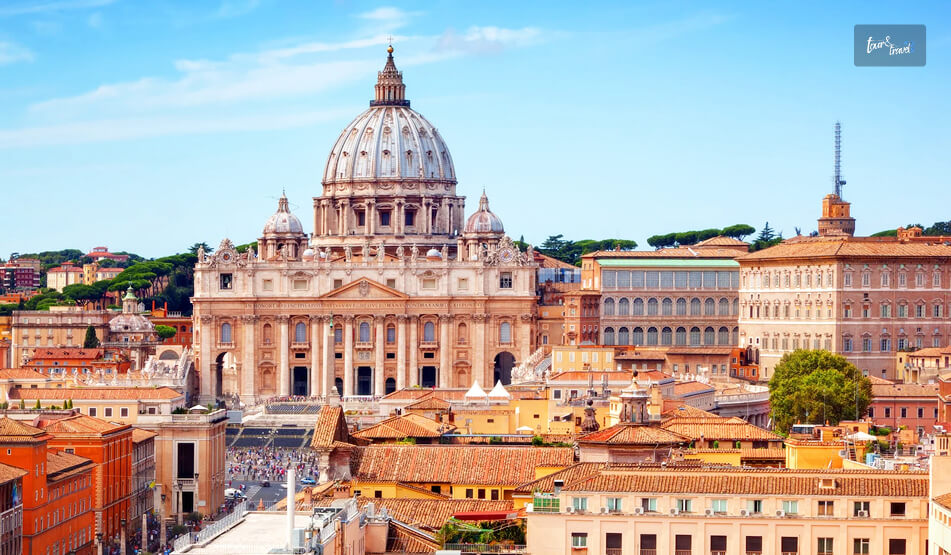
Vatican Museums And Sistine Chapel

Across 54 galleries, courtyards, and hallways, the Vatican Museums, established by Pope Julius II in the sixteenth century, are home to one of the greatest and most significant art collections in the world. The Sistine Chapel is home to thousands of prehistoric sculptures, Raphael pieces, and, of course, Michelangelo’s frescoes.

Get tickets to explore the Vatican Gardens, which are home to fountains, plants, and a recreation of the Our Lady of Lourdes Grotto, as well as the Vatican Necropolis, which is beneath St. Peter’s Basilica, if you have the time and can arrange well in advance.

The Colosseum

The Colosseum is a must-see when visiting Rome, of course. Rome’s crown jewel is this magnificent building—you know, the kind of thing you see on postcards—and it’s even more amazing in person than you could have imagined. It is the world’s largest amphitheater, with a capacity of 80,000 people, and was constructed between 72 and 80 AD.

This used to be much more peaceful, with local Romans coming to watch animal hunts or bloody gladiator fights. Because of the sometimes insane lines, we advise purchasing tickets in advance. However, the 360-degree view over the theater on the fifth level makes it well worth the climb.

Castel Sant’Angelo

Hadrian, the Roman Emperor, constructed the striking cylindrical fortification known as Castel Sant’Angelo, or “The Castle of Angels.” 

It is on the banks of the Tiber River. The popes used it as a castle and fortress after it was first inaugurated as a mausoleum for Hadrian and his family.

It even has a hidden escape route connecting the building to Vatican City.

These days, it’s a museum featuring rooms with frescoes, a display of medieval weapons, and expansive views of Rome and the neighboring St. Peter’s Basilica. 

Inside is a small cafe where you can have a drink or some snacks while taking in views of the Vatican.

The Pantheon

One of the best-preserved ancient structures is the Pantheon, which was constructed by Emperor Hadrian in 125 AD. With a diameter of 142 feet, its dome is the biggest in the entire globe. This is a must-see in Rome, and if you’re visiting the city over Pentecost weekend, you’re in for a treat. This tops every tourist’s list of things to do in Rome.

To commemorate the occasion, tons of rose petals are dropped from the oculus during Sunday Mass. It’s quite a sight. The Pantheon is free to enter as of the time of publishing (May 2023), but there are plans to charge visitors an admission fee of €5.

Galleria Borghese

Cardinal Scipione Borghese showcased his extensive art collection under its roof. 

Built in the 16th century, it is still one of the top museums in Rome. 

The Cardinal was an ardent art collector. He was also a big fan of Caravaggio’s works and an early patron of Gian Lorenzo Bernini.

Highlights of the museum include Caravaggio’s Boy with a Basket of Fruit, Canova’s Paolina Bonaparte, and Bernini’s Apollo and Daphne. Take a stroll through the park after your visit to the “pleasure palace.” It was once a suburban villa submerged in the vast gardens of Villa Borghese.

Domus Aurea

The opulent Domus Aurea (Golden House) of Emperor Nero is a rare window into Rome’s underground world. 

Also, it is one of the most magnificent homes of its era. It was earlier an opulent amusement venue close to the Colosseum between 64 and 68 AD, covering numerous historic hills in Rome.

It was then devastated by the city’s destructive fire in 64 AD. Every Friday, Saturday, and Sunday, guests can participate in guided tours. A virtual reality tour is also available, which helps recreate the villa’s former splendor.

Read Also: Eternal Elegance: A Guide To The Best Hotels In Rome

Capitoline Museums

The Capitoline Museums are in three buildings on the trapezoidal Piazza del Campidoglio, which Michelangelo created in the sixteenth century. 

Known as the world’s first public museums, they hold Renaissance marble statues and Roman bronzes, including the Capitoline Wolf, a symbol of Rome’s founding, and the Equestrian statue of Marcus Aurelius.

An underground tunnel through the Galleria Lapidaria connects the two buildings of the museum. Visitors can also enjoy a superb view of the Roman Forum. 

Make time to spend a few hours perusing the collection. Also, don’t forget to pay a visit to Piazzale Caffarelli’s hidden garden, right behind the square.

Gianicolo

Rome, sometimes referred to as the “city of seven hills,” is renowned for its picturesque viewpoints and abundance of terraces that provide breathtaking views of the cityscape. 

Gianicolo is the highest point in Rome with a panoramic view over the Eternal City. 

It is worth the trek even though it isn’t technically one of the fabled hills.

It is above the Trastevere neighborhood. Nearby is the magnificent Fontana dell’Acqua Paola. It featured in La Grande Bellezza’s opening scene. Its majesty will astound you.

Testaccio Market

The Testaccio neighborhood is the epicenter of Rome’s culinary traditions. So, it is a must-visit destination for foodies and daring diners alike. The region was once home to the biggest slaughterhouse in Europe. 

Workers there typically got compensation for the leftover animal parts. They called it the “quinto quarto,” or fifth quarter.

The Testaccio Market, a bright and modern structure, is full of enticing stalls.

It serves everything from freshly made pasta and craft beers to tripe stews and artichoke sandwiches. 

Trastevere: The Heart Of Roman Nightlife

While Testaccio owns the culinary history, Trastevere owns the evening. 

This medieval neighborhood, located just across the Tiber, is a labyrinth of ivy-clad lanes and cobblestones. 

Start at the Piazza di Santa Maria, home to one of Rome’s oldest churches, and let the sounds of street performers lead you into the backstreets. 

Local favorites like Freni e Frizioni offer a vibrant aperitivo scene, while hole-in-the-wall spots serve supplì (fried rice balls) that define Roman comfort food.

The Appian Way And Catacombs

For those who want to escape the city bustle, the Via Appia Antica offers a hauntingly beautiful walk through history. 

Known as the “Queen of Roads,” this ancient highway is lined with towering pine trees and the ruins of Roman tombs. 

Beneath the surface lie the Catacombs of San Callisto, a vast underground cemetery where early Christians were buried. 

Cycling down the original Roman basalt stones on a Sunday, when the road is closed to traffic, is perhaps the most serene experience the city offers.

Rome In 2026: The Jubilee Transformation

If you are visiting now, you will notice the city is glowing with a renewed energy. 

Rome has recently undergone massive renovations for the 2025-2026 Jubilee, resulting in cleaned monuments and improved pedestrian zones. 

A highlight is the newly accessible Largo di Torre Argentina, where you can walk among the ruins of the temples where Julius Caesar was assassinated.

It is now home to Rome’s most famous cat sanctuary. This blend of high-stakes history and quirky modern life is precisely why Rome remains eternal.

Read Also:

Share on Social Media

Sibashree is a travel, culture, and leisure writer who has been writing since the age of 12 and professionally since 2014. With more than a decade of travel writing experience and journeys across India and several parts of the world, she brings a deeply personal and thoughtful perspective to her work. A student of English Literature and Mass Communication, Sibashree has always viewed travel as more than movement — for her, it has been a way of understanding people, cultures, and herself. Her passion for spiritual exploration has also led her to many unusual and meaningful destinations over the years. Outside of writing, Sibashree enjoys watching European cinema, reading about global politics, and reflecting on the stories hidden within everyday places.

Leave a Reply

Your email address will not be published. Required fields are marked *

title-img Related

READ MORE manuel antonio costa rica

Paradise Found: Exploring Manuel Antonio, Costa Rica’s Tropical Gem!

BY  Mashum Aug 28, 2023

Want to know more about Manuel Antonio Costa Rica? Why not, given that it is one of Central America's most popular tourist destinations? Apart from the wildlife and the beaches, you have to know you will have many activities tailor-made for any vacation. Sport-fishing, snorkeling, hiking, parasailing, surfing, and exciting nightlife are just some things you can attempt in Manuel Antonio. Read the article to learn about exploring Paradise, the tropical gem of Costa Rica. Paradise Found: Exploring Manuel Antonio, Costa Rica's Tropical Gem! A popular beach town, Manuel Antonio is in Central America with a beautiful collection of wildlife and scenery. The view of Manuel Antonio Costa Rica is to die for, especially if you are a nature and sky lover, as the magnificent views of the clouds, sky, and mountains across the Pacific Ocean recreate Paradise. It is Quepos that you will be visiting if you are traveling by plane or car. There might be limited inclusive resorts in Manuel Antonio. However, boutique resorts, hotels, and villas are perfect for the rainforest hillside. Want to learn things to do in Manuel Antonio? I will list activities you can attempt across the lush and the Pacific tropical surroundings giving you an incredible view of the beaches, mountains, and the town. Exploring And Hiking Manuel Antonio National Park! The main attraction, Manuel Antonio National Park, is for nature lovers. It is one of the smallest national parks in Costa Rica and yet is one of the most popular due to the enormous collection of wildlife! Across the park, the Manuel Antonio beach Costa Rica is situated. As a tourist, you can peek into the forests with its iguanas, squirrel monkeys, capuchin, howler, agoutis, and sloths. There are also varieties of birds across the national park, after which you can visit the beach. There are guides and naturalists available while the limited number of daily visitors is 1200 per day! The park is closed on Thursdays! There are several trails; one of the main ones is a 1.3-mile flat sandy trail connecting with the beaches. Visit The Damas Island Mangrove Estuary! Are you looking for a unique experience? I suggest going on a kayaking or a boat tour across the waterways of Damas Island Estuary. With an amazing collection of wildlife, the estuary boasts a diverse coastal ecosystem inclusive of sloths, snakes, crocodiles, and monkeys. Don't Miss The Ultimate Beach Experience! The beaches are popular in Manuel Antonio, offering some of the most stunning views across the Pacific coast. The town of Manuel Antonio Costa Rica is filled with beaches, and they are known for their soft white sands, palm trees, and clean, pristine water. Some of the best beaches in Central America are in Manuel Antonio, and I will be making you a list of the beaches you cannot miss when you go on that next vacation! The Manuel Antonio National Park beaches are also picturesque, especially with their lush green and wildlife. Playa Espadilla Beach Image Source: irp.cdn-website.com The beach in Manuel Antonio, Playa Espadilla Beach is called the Playa Numero Uno. It is one of the most visited Manuel Antonio towns beside the Manuel Antonio National Park! This beach is the favorite of the natives, and so are the tourists! It is a bevy of activities where you can eat delicious food and cold drinks as the locals sell their products. The water activities on this beach are the best across the town, and you can't stop being entertained! Playa Manuel Antonio Beach Image Source: puravidamoms.com The highlight of the Manuel Antonio National Park, Playa Manuel Antonio Beach, is especially because of its beauty, almost like Paradise with turquoise water and white sand. A land bridge separates the beach and the park. One of the gorgeous beaches across Manuel Antonio, the Manuel Antonio beach in Costa Rica is a must-visit for travelers worldwide with its exotic wildlife and lush tropical forests. There is also a hiking trail to Playa Gemelas! Playa La Macha Are you looking for an isolated and private experience for your honeymoon? A hidden gem across all the Manuel Antonio beaches, Playa La Macha, is your ideal destination! Especially if you are in the mood for a serene beach, secludedness, and some hiking! You probably get to see more wildlife because of its secludes. The hiking trail is difficult, yet you enjoy it if you want to explore and adventure. What can be better for sunbathing, especially with warm and clear water? Villa Rental In Costa Rica If you plan on renting a villa and enjoying the ocean views in Manuel Antonio Costa Rica, book Vista Hermosa Estate! The villa's rooms are spacious, but what is noteworthy is the Playitas Beach which is just within walking distance from the beach villa. There is a private beach trail that the guests at the estate can use and walk down to the sandy white beach within 10 to 15 minutes. Are you planning a multi-generational family get-together for the 50th marriage anniversary of your parents or the 60th birthday of your grandmother? This is it! It is a perfect vacation villa with access to the beach, white sand, pristine water, and privacy. Go Out On a Food Tour! You visit a place, and you do not try their food? You are no sport! Apart from the beaches and wildlife, you must have an amazing culinary experience across Costa Rica. You will experience the local produce and the ranch products when you taste their food. The main course dishes I recommend when you visit Manuel Antonio are beef short rib, roasted chicken, rack of lamb, and grilled beef tenderloin! You should also try Chifrijo, fried pork and red beans, Chorreadas, corn pancakes, and Ceviche! You cannot miss the seafood dishes on a beach town with its grilled octopus, seafood pasta, seared tuna, the Makanda signature Tuna Tartar and seafood paella! Feeling Adventurous? Take A Guided Night Tour! If you want to experience Manuel Antonio to its hilt, a night tour with a guide is the way to go! The perfect time to start is between 5:30 to 6 p.m. The sun sets across the town, revealing the secrets of the rainforests and the exotic locale. A night tour is organized at Sukia Park, where you can explore the forests at night. Get a peek into the exotic reptiles and tropical frogs that the greens have to offer! The tour is handmade for you if you are a nocturnal individual or a wildlife enthusiast. What Do We Know? A blend of rainforest and beaches creates the perfect background for Paradise, Manuel Antonio Costa Rica. It acts as a gateway to Paradise with white sand across the beaches, clear pristine water showcasing the Pacific Ocean's beauty, and hiking trails across the rainforests. Explore the wildlife with your partner, family, solo, or friend group, and rejuvenate your life with unforgettable experiences and beautiful scenic views. The area is rich in biodiversity! Many resorts are established across the beaches and the town, creating the perfect backdrop for your next vacation! In the comments below, let us know what activities interest you when you visit Manuel Antonio! Read Also: You Won’t Believe The Best Things To Do When In Fiji! Here Are The 25+ Best Hotels In Mexico City That You Must Visit! This Is The Best Time To Visit Iceland & These Are The Things You Should Do!
READ MORE Suva nature guide

Suva Nature Guide: Exploring The Hidden Waterfalls, Peaks And Coastal Gems In The Green Heart Of The Pacific

BY  Sibashree Feb 12, 2026

Suva has the nickname of “The Green Heart of the Pacific,” and there is a reason behind that. It is more than government buildings and rich cultures. It is a rainforest city. Also, the city has Naitasiri and Rew adventure zones in the surrounding. Moreover, with an annual rainfall of 3000 millimeters, it has natural wonders such as the Colo-i-Suva Forest Park and urban places such as the Thurston Gardens and Albert Park. In addition, the city is home to a “Healthy City” initiative. Newer and greener pedestrian paths, parklands, and improved waste management systems of the city are the major parts of this initiative. Hi, in today’s blog, I will talk about the Suva nature guide. The topics discussed here are:  The best natural places to visit in Suva, Fiji  Suva nature guide tips from experts  Things to know to travel like a local  FAQs. Suva Nature Guide: What Are The Best Natural Places To Visit In Suva? Located on a hilly peninsula on the southeast coast of Viti Levu, Suva is incredibly blessed with lush greenery. Also, starting from Colo-i-Suva Forest Park, to the hidden nature spots in Suva, Fiji, there are many places to explore. 1. The Crown Jewel: Colo-I-Suva Forest Park  Do you know how the locals of Suva pronounce Colo-I-Suva Forest Park? They call it tholo-ee-soo-va. This rainforest has an area of 2.5 square kilometers. Also, this lush green forest oasis serves as the primary green lung of the city. The Upper Vs. Lower Pools  The two pools, the upper and lower pools of Suva, are divided by the main road. On each side, you will have a distinct experience. The Upper Pools Nature lovers and hikers love the steep and well-maintained trails of the Upper Pools.  Also, here it is less about the splash of swimmers. The focus is more on the symphony of the forest. The Lower Pools The Lower Pools have swimming holes and a rope swing that has seen decades of use. Daring travelers and local families love this area. Also, these are the ideal places if you want to cool off after a humid trek. Birdwatching Guide In Colo-I-Suva Forest Park  Suva's rainforests are a symphony of endemic species. Keep your binoculars ready for the scarlet robin and pink-billed parrotfinch. You must not miss the dawn chorus as it is the best birdwatching experience you can have in Suva. Safety And Practical Tips For Colo-I-Suva Forest Park  While the park is beautiful, it requires common sense. Security guards are usually stationed at the main pools and trailheads. It is wise to stick to the populated trails and avoid hiking alone late in the afternoon. Slippery paths are a guarantee, and Suva's high rainfall means the clay-heavy soil is perpetually slick. Wear shoes with aggressive tread, not flip-flops.  2. Hidden Waterfalls And Swimming Holes (Within 20 Mins) If you find that Colo-i-Suva is very curated, you can choose a more local or secret experience and know the rugged side of Fiji.  Here are the best waterfalls and swimming holes of Suva. These are just 20 minutes away from the city.  Korolailai Waterfall (Wailoku) The Korolailai Waterfall in Wailoku is a favorite of the locals. Use the Sikh Temple in Wailoku as your landmark, and the trail starts from here.  The trail passes through local farms and secondary forest.  Also, the main fall features a flat rock ledge directly behind the curtain of water. You can sit there and let the weight of the waterfall pound your shoulders. It’s the best free spa treatment in the Central Division. Navakavu Blue Hole Take a short drive toward the Lami side of the bay to reach the Navakavu coastline.  A short drive toward the Lami side of the bay brings you to the Navakavu coastline. This area is a protected tabu (sacred/restricted) site under the local Iqoliqoli (customary fishing grounds). So, you have to check with the village headman or local guides before entering the village.  Moreover, "Blue Hole" is a stunning turquoise indentation in the reef flats, perfect for snorkeling during high tide. 3. Hiking Suva: From Peaks To Reserves Are you looking for some elevation and solitude? Do you have the fitness to explore heights? Hike these peaks and explore these reserves.  • Mount Korobaba Summit Hike It is the best Suva hike experience you can have. Mount Korobaba rises above the Lami harbor, and from the mountain, you can enjoy a panoramic view of the Suva peninsula and Laucala Bay.  This trekking trail starts behind the Lami Cement Factory. So, the start is humble, but it is worth the grand view.  However, the hike is strenuous, and a return trip will take at least 2 to 3 hours. Also, here, you have to be very careful about the mud warning.  If it rains, the trail will become muddy and act like a vertical natural slide. Nevertheless, there are ropes in some sections to help you haul yourself up.  • Savura Forest Reserve Savura Forest Reserve is like a hidden gem, and it is a quiet academic zone that you would love to explore. It is a vital area for the water supply of Suva.  Furthermore, because it has fewer tourists, the biodiversity of the place remains almost intact. Overall, the condition is meditative and peaceful.  4. Coastal And Island Nature To cherish the coastal beauty and Island nature of Suva, you must visit the Nukulau Island and My Suva Park & The Seawall. At these places, you will understand the relationship of Suva with its marine landscape. So, leave the mainland and walk the southern edge.  • Nukulau Island The Nukalau Island is small, but it has a long history. It has served as a quarantine station and a prison. However, ironically, today, it is not a dark tourism site anymore.  In fact, it is now a peaceful place for a picnic.  Sandbank, And The History Of Nukulau Island  When there is a low tide, you will notice a massive stretch of sandbank here. The sandbank is ideal for wading.  You will also find here the remnants of many old structures. Thus, you can blend history with a beach day.  Nukulau Island Boat Logistics  The boats in the Nukulau Island leave from the Suva Wharf or the Vatuwaqa area. Charter a long boat and enjoy a breezy ride across the lagoon for 20 minutes.  A longboat is a fiverglass boat with an outboard motor. • My Suva Park And The Seawall You don’t always need a boat to see the coastal beauty of Suva. You can visit My Suva Picnic Park and explore the rehabilitated mangrove walkways.  Here, you will find the most intricate root systems that protect the shoreline from decay.  On the other hand, the Suva Seawall is the social hub of Suva City. Here, you will enjoy the sunset views over the peaks of Joske’s Thumb.  Also, don’t miss the view of Mount Korobaba in the distance.  During the sunset, the sky has the most fiery shade of violet, and looking at that, you can end a day of exploration on a perfect note.  5. Urban Greenery: Thurston Gardens Suva Botanical Gardens, or the Thurston Gardens, is an urban green space. The place got its name in 1976 after Sir John Bates Thurston, the founder of this botanical garden and the fifth governor of the city.  You can see diverse fauna in this botanical garden. It has water lilies, colorful gingers, ferns, and palms. It is also home to a prominent bat colony. In this context, you must know that bats are the only native mammals of Suva.  Currently, the Fiji Museum maintains this urban park, and other historical landmarks in the park are the bandstand and the Clock Tower.  These were built to commemorate the first mayor of the city.  Suva Nature Guide And Tips From Experts  Now, only the locals and taxi drivers know that Mt. Korobaba, "Pacific Cement Limited" factory in Lami, is better than the "Korobaba trailhead."  You can start your hike behind the factory fence. Now, this is what makes all the difference. The local and expert tips always help to enhance your Suva travel itinerary.  Do you want to know more such tips? Follow the details here.  1. Avoid Heavy Rain Days The weather in Suva is either wet or very wet. So, while it’s not practical to wait for a sunny morning and you must embrace the rainforest bath, you cannot trade the day of or after a heavy rainfall.  When it rains, the trails and forest tracks of Suva become natural and dangerous mudslides.  2. Take The Bus To Colo-i-Suva If You Are Traveling On A Budget  You don’t need to take a taxi for $15 if you are traveling to Colo-i-Suva from the city.  As a budget traveler, you can take the Sawani Bus from the main bus station and ask the driver to drop you at the park gate. The ticket price will be just $2.  3. Suva Keeps It Quiet On Sundays  Sundays are great for exploring the natural spots of Suva. These places are less crowded on Sundays.  Quite a surprise compared to the Western standards.  However, there is a catch! Public transport options are very limited on Sundays. So, you must pre-book a taxi for a smooth experience.  4. Follow The Sulu Rule  Suva is very particular about its customs and traditions.  Suppose you are visiting a secluded nature spot and you have to walk through a village, such as Korolailai, to reach that place.  Then, you will have to cover your legs with a sarong as a gesture of respect for the local community.  5. Be Aware Of Leptospirosis The pools and natural swimming places in Suva have tropical water. So, you cannot swim in them if you have open cuts.  Tropical water carries bacteria, and if you swim in the water with open injuries, you may have Leptospirosis.  6. Use Your Skills To Negotiate  You cannot just agree to whatever the boat owner asks you to pay for a ride to Nukulau. You must negotiate the boat fee at the Suva Carrier Stand, which is near the Suva Market.  If you are taking a private fiberglass boat, a return trip will cost you around $80-$100 FJD.  7. Wear Mosquito Repellent  My Suva Park in Suva, or the mangrove areas and rainforest, has mosquitoes. Also, Dengue is a serious concern here.  So, you have to wear mosquito repellent, and you need to spray to get rid of the mosquitoes.  8. Stay Hydrated  The humidity percentage in Suva Rainforest is more than 90%. So, when you are hiking, sweating will be profuse.  If you are hiking for 1 hour or more, you need to carry around 2 liters of water.  Things To Know In Suva, Fiji, If You Want To Travel Like A Local  You have to embrace Suva, Fiji, as it is, if you want to travel like a local. Also, there are some stories, or rather facts, that only locals know. For example, the Dakua trees are native to this place. However, the Mahogany Trees were later introduced to stabilize the soil.  Here is more about the reality checks, about the weather quirks, and the food of Suva if you soak in the true spirit.  1. The Reality Of The Rain Capital  The precipitation of around 3000 millimeters in a year, or a wet tropical climate, makes Suva the rain capital of Fiji.  In Fiji, it rains for more than 200 days a year.  So, if you want to explore Suva, you cannot wait for the Sun to shine bright. You have to embrace the rainforest swimming.  It means that you can get wet while it rains while exploring the rainforest, and do not waste time waiting for the Sun.  2. Picnic Like A Local In Suva, Fiji  If you are on a Suva food tour and want to indulge in the real flavors, you will have to picnic like a local.  Once you are tired after a long swimming session, you must buy a Bhuja or a spicy mix and have it with a long loaf as a snack.  Quirks And Cultural Hidden Gems Of Suva, Fiji Talking about the cultural hidden gems of Suva, Fiji, the first story that comes to my mind is about the Liuliu.  Liulius are the guardians of the waterfalls.  So, when you visit these waterfalls, you must not shout or scream. The guardians can be angry, and they can curse you if you shout and disturb them.  Along with this myth about the Liuliu or guardians, Suva is also known for its Lami vibe. It is at the base of the Mt Korobaba. It is the town that has the perfect fusion of a silent natural retreat and an industrial town.  In addition, the dark past of Nukulau is very intriguing in Suva, Fiji. It was once a quarantine island and later became a prison for coup leaders.  Moreover, this place has a stark contrast between the beautiful sandy beaches and a turbulent past. Thus, it has all the potential of becoming a dark tourism destination.  Do you want to learn more about the culture of this Fijian capital? Read my Suva cultural guide.  Discovering The Real Suva  The primal beauty of Viti Levu, the amber pools of Colo-i-Suva, the mud-slicked trails of Mt. Korobaba, and finding peace in the hidden Korolailai basin!  Also, the Fijian capital asks you to be a little dirty. So, wear your reef shoes, pack your mosquito repellent, and step off the pavement.  Moreover, allow the trees to embrace you and show you the real Suva.  Suva Nature Guide: Frequently Asked Questions And Answers (FAQs) Here are the frequently asked questions and answers about the Suva nature guide.  1. Is It Safe To Swim In Colo-i-Suva? Yes, you can swim safely in the freshwater pools of the Colo-i-Suva Forest Park. The pools here are in an inland rainforest, and they are not connected to the ocean. So, there will be no saltwater hazards.However, like other natural pools, these pools also vary in depth, and the surfaces can be rocky or slippery. So, you have to exercise caution when swimming in the natural pools here.  2. How Long Is The Mt. Korobaba Hike? The Mt. Korobaba hike is around 6 Kilometers or 3.7 miles long. It is a challenging hike, and the elevation gain is around 404 meters. Furthermore, the red clay path is challenging, and the clay route often gets muddy. Also, based on your pace, you will be able to complete the trek in 2 to 3 hours.  3. Are There Crocodiles In Suva’s Rivers?  Unlike many other islands of the Pacific Ocean, the rivers of Suva do not have crocodiles. However, you can spot saltwater crocodiles in Suva, and these crocodiles come from the nearby Solomon Islands or Papua New Guinea. They visit the region due to the strong oceanic currents. However, their sightings are very rare.  4. Do I Need A Guide For The Hikes In Suva? No, it is not mandatory to have a guide if you're hiking in the Colo-I-Suva forest or areas near Suva. However, the trails can be slippery, and the presence of wildlife in Suva is abundant. Also, often the major trails are linked to minor trails, and staying on the right tracks becomes difficult. So, it is better to have a local guide for safety purposes, and they will also guide you about the flora and fauna.  5. How Much Is The Entry Fee For Colo-I-Suva? The entry fee for Colo-I-Suva is around $1 FJD for the local adults and $0.50 FJD for children. However, if you are a foreign visitor, you will have to pay $5 FJD for adults and $1 FJD for children. 6. Can I Camp On Nukulau Island? Yes, you can camp on Nukulau Island, but you need a permit from the Department of Environment in Suva City beforehand. The permit will cost you around $2 for 24 hours. Also, the island has a shade for camping. However, you will have to bring your own tent, food, and water. 7. What Wildlife Will I See In Suva, Fiji? Suva is rich in wildlife. Places such as the Suva Botanical Gardens and Colo-i-Suva Forest Park are ideal for watching the birds, mammals, and amphibians. Birds to see in Suva are the Collared Lory (Kula), masked shining parrots, Fiji Goshawk, and blue-crested Broadbill. You will also find amphibians such as the Pacific Boa, Fiji Tree Frog, and Fiji Banded Iguana. Furthermore, while bats are the only native mammals of Suva, you will also find the Samoan Flying Fox, the Fijian Monkey-faced Bat, and the Mongoose. Moreover, Spinner & Bottlenose Dolphins, Banded Sea Krait, Spinner & Bottlenose Dolphins and Reef Sharks are the prominent marine animals found in Suva, Fiji. 8. Is Korolailai Waterfall Free? Yes, the Korolailai Waterfall is free to visit. However, there is a border of a settlement around the waterfall. You can pay a small donation of around $2-5 as a polite gesture. Also, you will have to pay a taxi fee of FJ$15–FJ$25 to reach the Korolailai Waterfall from Suva City.  9. What Is The Best Time For Birdwatching In Suva? Early morning is the best time of day for birdwatching in Suva. If you start birdwatching between 5 and 5:30 AM, you will find birds such as the Slaty Monarch, Fiji White-eye, and fruit dove. Season-wise, May to October is the best time for birdwatching. Especially, mid-August 10. Where Can I See Mangroves In Suva?  You will find the mangrove trees along the coastal areas of Suva. The easiest zone to access from the city is, of course, the Suva Seawall & Queen Elizabeth Drive. Another easy zone is the Rewa River Delta. It is around 25 km from Suva. It has an extensive stretch of mangroves. You can take a boat ride from Nausori to explore the area. Furthermore, Kalokolevu Village is a local community that proactively conserves the mangroves and is very particular about the restoration efforts. Moreover, the areas near the University of the South Pacific campus have mangroves. Low tide is the best time of the day to explore the mangrove forests. This is the best time for noticing the intricate root systems and the wildlife in the mangrove zone. 

READ MORE best time to visit maldives

THIS Is When You Should Visit Maldives!

BY  Abdul Aziz Oct 27, 2023

The best time to visit the Maldives is between December and March. This small group of islands in the Arabian Sea is probably one of the most beautiful holiday destinations for both honeymooners as well as families. These tropical islands are hot and full of sunny weather. The heat stays between 23 degrees to 31 degrees, however, given the year-round sunny weather and the absence of winters in the Maldives, the best time to visit Maldives is anytime. Maldives In Dry Season The dry seasons in Maldives have a temperature of 31 degrees Celsius in the day and 24 degrees Celsius in the night. It is probably the best time suited to visit the islands of Maldives. You can enjoy cultural activities, sightseeing, try the local cuisine, and water sports. You can swim in the blue expanse where the average temperature of the water is 30 degrees. During these months, you can witness the Maldives at its best. The overall vibe of the islands is festive, and the crowd is thicker than usual. The weather and the beauty all around make the dry seasons ideal for visiting. Little to no rain and warm temperatures allow the seaside experience to become even more top-notch. With no precipitation, the visibility is crystal clear, making the picturesque island become even more vibrant. There are beautiful beaches, gorgeous lagoons, and colorful coral reefs to enjoy while you are here, which you won't get bored of. The country does get crowded during the peak season, but an individual resort inhabits each island, so it does not get too crowded. It will be reasonable for you to check before you plan a trip about the crowd and availability of a more personal experience. Some of the most popular locations in the Maldives are Nalaguraidhoo Island, Banana Reef, South Ari Atoll, and North Mal-Atoll. Another well-rated tourist spot is the HP Reef. This is a protected marine ecosystem that harbors rich marine life. Maldives: A Cultural Hub The major festival celebrated in November is the birth of Prophet Muhammad or Mawlid. It is the most well-known festival celebrated in a grand carnival style for two days. Street processions and elaborate mosque decorations dot the island. During peak season, the cost of staying at a hotel rises manifold, so if you are looking for more budget-friendly options, you can choose to visit in April. This marks the end of the peak times, and the tourism industry here enters the lean months. Maldives has become one of the top hotspots for Indian tourists not only because of its beauty but also its food options all around the world. The traditional cuisine of the Maldives is a plethora of fish, coconuts, and starches. Some of the common foods that come under seafood are local cuisine which includes yellowfin tuna, wahoo, skipjack tuna, and frigate tuna. With its geographical proximity to India, there is a lot of culinary influence that is evident in its spices, flavors, and curries. The laws here are very strict, so you must beware of carrying alcohol, pork, religious books, and tobacco products. And don’t forget to check the seasonal price hikes when booking water activities. Why Visit The Maldives? Now that you know when is the best time to visit the Maldives and you are still not sure what you could do there, we have all the answers for you. Keep reading to know what you can expect from a visit to the Maldives. Bioluminescent Water Under The Stars Visit the Vaadhoo Island in Raa Atoll, where the stars float in the water– the phytoplankton dinoflagellates that emit luminescent toxins. The small starry lights are emitted as a defense mechanism to keep other predatory fish and creatures away. You can walk through the planktons and create more stars that will be etched in your memory for the rest of your life. Maldivian Culture Along with all the natural beauty, Maldives also boasts a vibrant culture. If you want to become more aware of the culture, you must witness the Bodu Beru dance that takes place on the beach in the evenings. You can tape the moments on your camera or try dancing to the tune along with the dancers. The Maldivian boat Dhoni can also be another way you can get to know the local people and their stories. Swim With The Sharks The enormous whale sharks glide along the coral atolls, followed by smaller-sized reef sharks. They also swim around in the nearby lagoons around the resorts. This is not a matter of high alarm, as people can easily swim with these sharks, albeit with supervision. Maaya Thila, Baa, and Ari Tolls are known for shark spotting. You can encounter them at an up-close level or enjoy watching them come by daily at their feeding time near some resorts where they are given food. Best Places To Visit Here are a couple of the best places you can consider when planning to visit the Maldives. There are too many to enlist, we have brought two of the best you cannot remove from your to-do list. Alimatha Island If you are attracted by those pictures, you saw of small, single-residence villas standing in the sea and want to visit the Maldives, this is the name of the place. Instagram-worthy and absolutely breathtaking, this island is a must-visit. Tripadvisor Review “The island is wonderful. If you love peace, beauty, nature, snorkeling, diving, fishing, it's simply the place to go. Villaggio Bravo is perfect for families with kids, the miniclub organizes plenty of activities for them. The food is delicious: the buffet ha many choices. I was surprised to find mainly italians (it's an italian village) and so few foreigners. Maybe it should be better advertised abroad.” - Lushangyin Banana Reef Considered to be the home of the best reef in the Maldives, this beach makes your sunny dreams come alive. Tripadvisor Review “This is by far the best snorkeling I have ever experienced. The amount of marine life, the colors, the coral, the temperature of the water was amazing. I saw Moray Eels, Blowfish, Giant Clams and so much more. On the way out I dozens of dolphins escorted us and jumped out of the water...amazing. There is a very strong current and it is in the middles of the ocean. An absolute must tough if you can get there.” - Avery D Wrapping Up Are you planning a trip to the Maldives and want to know when is the best time to visit Maldives we hope you now know that it really is always a good idea to visit this heaven on earth. The peak season, though, is the dry months. If you have thoughts to share or questions to ask, please leave a comment below. We would love to hear from you! Read Also: Thailand Travel Guide: This Is The Best Time To Visit Thailand! The Stairway To Heaven Hawaii: Hiking Adventure’s Hidden Gem This Is The Best Time To Visit The Seven Magic Mountains In Vegas!