Four Underrated Cities To Visit In Spring 2024

Sep 15, 2023

Last Updated on: Aug 29, 2025

Travel Guides

When you think of the ideal spring destination, what springs to mind?

For most, it’s rolling tree-lined vistas exploding with cherry blossoms; temperate weather that’s neither too hot nor too cold; a lively atmosphere, reinvigorated after a long winter; moments of serenity before the onslaught of summer tourists, etc.

It can be challenging to find all of those platonic ideals in one place, especially if you stick to the beaten path. However, if you wander away from the major tourist cities (your Parises, Tokyos, and New York, e.g.), you can find compelling cities that come to life in spring. As a bonus, these underrated cities are often less expensive than their famous counterparts–and cheaper in the shoulder season of spring.

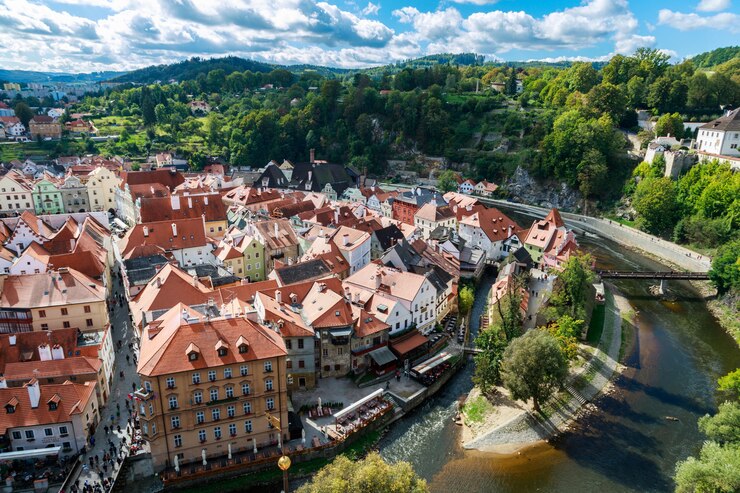
ČeskýKrumlov, Czechia

ČeskýKrumlov, Czechia

Prague is beautiful, no doubt. Unfortunately, it’s the first and last place tourists often visit in Czechia (formerly the Czech Republic). If you’re willing to take a two-hour train from Prague (roughly $20), you can land yourself in ČeskýKrumlov, a UNESCO-recognized Gothic city in the heart of South Bohemia.

This is literally where the term Bohemian originated. The city brims with artistic energy, pristinely aged architecture, as well as nightlife. And in spring, the trees along the Vltava River bloomin magnificent abundance. Plus, if you’re a beer connoisseur, you’ll find some of the oldest European breweries at your doorstep.

Vancouver, Canada

Seattle and Portland dominate the narrative around the Pacific Northwest. But if you cross the 49th parallel into Canada, you’ll find arguably the crowning jewel of the PNW: Vancouver.

Vancouver is a city of extremes. On the one end, it’s a cosmopolitan metro on the move, complete with bumping bars, swanky restaurants, and posh shopping districts. On the other end, Vancouver is humbled by its natural surroundings – cornered by a long Pacific coastline and towering snow-capped mountains. Outdoor activities are plentiful in Vancouver; the city features an embarrassment of day hikes, suspension bridges, beaches, as well as ski trips.

Vancouver’s spring weather is notoriously unpredictable, so just be sure to pack travel clothes from Unbound Merino, which are versatile enough to withstand hot, cold, dry, and rainy weather.

Kanazawa, Japan

Kanazawa, Japan

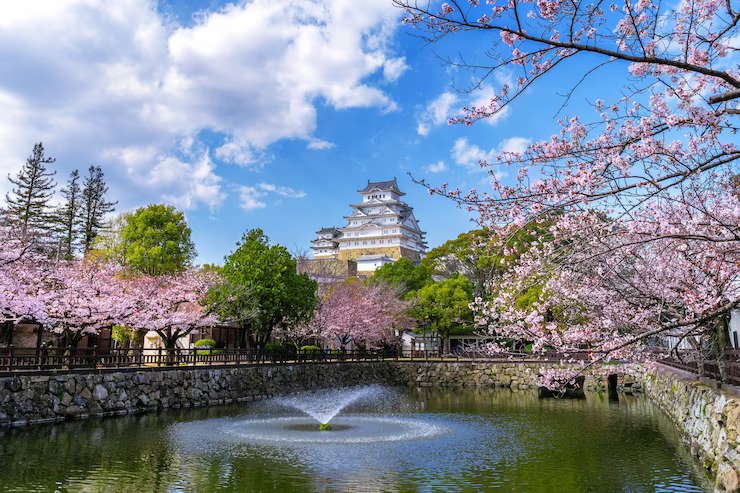
Kanazawa is everything you love about Tokyo or Kyoto, scaled down to a streamlined 400,000-person package. It has the spring rows of cherry blossoms. It boasts old Shinto shrines and Buddhist temples. There are world-class dining experiences as well as futuristic amenities.

Best of all, Kanazawa is home to perfectly preserved Edo-era districts. It makes you feel like you boarded a time machine to get there. It’s no wonder Culture Trip named it one of the most underrated cities in Japan.

Phoenix, USA

Phoenix is underrated any time of year. The city’s desert aesthetic, top-notch Southwest food and packed calendar of events and festivals make it a true standout among American cities.

But perhaps the perfect time to visit is spring. Phoenix’s spring temperature is still manageable – not the sweltering highs it experiences in August. Prices are reasonable across the accommodation landscape. And best of all, Arizona is host to MLB’s spring training – which means cheap baseball tickets.

This spring, don’t listen to the hype. Check out these four underrated spring cities for a refreshing dose of blossoms, great food, nightlife, as well as activities.

Read Also:

Share on Social Media

Ankita Tripathy loves to write about food and the Hallyu Wave in particular. During her free time, she enjoys looking at the sky or reading books while sipping a cup of hot coffee. Her favourite niches are food, music, lifestyle, travel, and Korean Pop music and drama.

Leave a Reply

Your email address will not be published. Required fields are marked *

title-img Related

READ MORE Tucumán Argentina itinerary

Tucumán Argentina itinerary: What To See In The Smallest Province Of Argentina? 

BY  Sibashree Oct 23, 2025

It was my first day on the Tucumán wine route, and I saw a few local guys pouring a few drops of wine on the field before tasting it. I was amazed, as at my house I have seen my grandfather offering small portions of food to the gods before having it.  I did not expect to see a similar culture thousands of miles away. I walked to them and asked about the ritual. A guy said, “This is how we pay respect to Pachamama, the Mother Earth.”  Now, this is what traveling does! It creates a common ground when everyone feels the connection, even when exploring the new.  Tucumán, with its Afro-Argentine history and a rich indigenous Diaguita culture, is now expecting more tourists with improved connectivity. The flagship carrier of Panama, Copa Airlines, has now started a flight service to Tucumán from Panama City.  The cradle of Argentina’s independence, Tucumán is also known as the Garden of the Republic for its greenery and a rich agricultural scene. Furthermore, the nearby mountains make Tucumán a favorite of hikers and adventure lovers.  With so many things to see and history, culture, culinary richness, and adventure shaking hands, I had a tough time making the ideal Tucumán, Argentina itinerary.  The best approach is to make an itinerary based on your interests and the side of Tucumán you want to explore.  Knowing Tucumán, Argentina Located in the northwest of Argentina, Tucumán has Andean foothills, subtropical forests, and lush valleys. Thus, it gets the name El Jardín de la República or the Garden of the Republic.  Furthermore, San Miguel de Tucumán, the capital of the province, is historically significant as Argentina declared its independence here in 1816.  The province enjoys Spanish colonial influences along with the indigenous Diaguita-Calchaquí heritage. Furthermore, the province enjoys a strong Afro-Argentine and Catholic influence. Did You Know These Cultural Facts About Tucumán, Argentina?  The Diaguita people still practice traditional weaving and pottery. Afro-Argentine communities in Tucumán celebrate unique music and dance traditions. The Fiesta Nacional de la Empanada is held annually in Famaillá. The region has a strong tradition of folk music, including zamba and chacarera. The Jesuit legacy is visible in old missions and churches. Local artisans use natural dyes from native plants. The city of Tafí del Valle hosts indigenous spiritual ceremonies. Traditional medicine practices are still used in rural areas. The sugar industry shaped much of Tucumán’s modern history. Local legends and myths are passed down through oral storytelling. How To Reach Tucumán, Argentina?  Now, Tucumán has a direct flight from Panama City. However, the most common route is flying to the Ezeiza International Airport in Buenos Aires. From there, you will have to take a flight to the Teniente General Benjamín Matienzo International Airport in San Miguel de Tucumán.  If you are in Europe, you can connect via Madrid or Frankfurt. American tourists can fly through major hubs like Miami or Dallas. Long-distance buses and trains also connect Tucumán with other Argentine cities, offering scenic and budget-friendly options. A 7-day Travel Itinerary For Tucumán, Argentina Wine Region View this post on Instagram A post shared by Marisa Cecilia D Onofrio (@marisa_dot1) It was the second day of my Tucumán, Argentina wine tour. I was at Bodega Los Amaichas, and it happened to be early March, very much in the harvest season of Argentina. I saw a Quechua woman who was sorting the grapes.  I asked her, “Can I be of any help?” She smiled and gave me a basket full of grapes. I spent two hours crushing the grapes. Then, she handed me a glass of sweet Torrontés as the reward.  They say that you have not been on the wine route of Tucumán if your hands and feet are not purple at the end of the day. Here is what I did during my 7-day wine tour. 7-Day Tucumán Wine Region Itinerary DaysActivities Day 1• Arrival at San Miguel de Tucumán, the provincial capital• Visiting Casa Histórica de la Independencia and Plaza Independencia• Lunch and Torrontés session• Spending Night at San MiguelDay 2• Driving via Provincial Route 307 through the Yungas forest and into the Calchaquí Valleys.• Reaching Bodega Los Amaichas. Bodega Los Amaichas is the first Latin American winery run by a community. • Grape crushing session• Tasting the finest TorrontésDay 3• Stopping at Colalao del Valle on the Tucumán wine route• Exploring Bodega Las Arcas de Tolombón in search of high-altitude wines• Having humita and locro for lunch. • Exploring nearby wineries and vineyards, and staying overnight at Amaicha del Valle. Day 4• Visiting the Ciudad Sagrada de Quilmes, the largest pre-Columbian archaeological site in Argentina.• Driving the scenic Cuesta del Infiernillo mountain pass for panoramic valley views.• Wine tasting in the evening • Overnight stay in Amaicha or Colalao.Day 5• Visiting high-altitude wineries (1,750–3,000 m)• Learning about high-altitude viticulture and local grape varieties (Malbec, Torrontés, Cabernet Sauvignon)• Lunch at a local winery restaurant• Spending the evening in the valleyDay 6• Drive to San Miguel de Tucumán• Stopping by Tafí del Valle for a walk around the village• Reaching San Miguel de Tucumán in the evening• Having dinner and relaxing in San Miguel de TucumánDay 7• Shopping at San Miguel• A farewell lunch• Leaving for the airport  5- Day Cultural Itinerary For Tucumán, Argentina View this post on Instagram A post shared by Tucumán Turismo (@tucumanturismo) The rich heritage, history of Argentine independence, and traditions of Tucumán make it an ideal place for cultural exploration.  From colonial landmarks and indigenous heritage to vibrant festivals and museums, this multi-day plan offers a deep dive into the cultural fabric of the region. DaysActivitiesDay 1• Guided tour and watching the reenactments at Casa Histórica de la Independencia, the birthplace of Argentine Independence• Exploring the neoclassical Catedral de San Miguel de Tucumán• Walking through Plaza Independencia and cherishing the local cafes and colonial buildings in the surroundingsDay 2• Visiting Museo Miguel Lillo and seeing exhibits on botany, paleontology, and zoology• Getting familiar with the local art scene at Museo Provincial de Bellas Artes Timoteo Navarro• Watching cultural performance at Teatro San MartínDay 3• Visiting the Quilmes Ruins• Diaguita cultural experience in Amaicha del Valle• Visiting Museo PachamamaDay 4• Attending a folkloric performance• Exploring the local marketsDay 5• Visiting the urban park of Parque 9 de Julio• Having a meal and watching a folkloric performance at a peña folklórica• A stroll through the historic city center I was in Tucuman when the carnival had just ended. If you want to be a part of the carnival here, you must plan a trip around the end of February. Furthermore, the National Festival of the Pachamama, the biggest festival here, is held in Amaicha del Valle during the month of August.  6-Day Adventure Itinerary For Tucumán, Argentina View this post on Instagram A post shared by Tucumán Turismo (@tucumanturismo) Tucumán is a hub for trekking, paragliding, and kayaking activities across some of the region's most scenic and exciting destinations. Here is a 6-day itinerary for you.  DaysActivitiesDay 1• Reaching San Miguel de Tucumán and checking into the hotel. • Gathering information about local weather and transportation updates. Day 2Trekking in Parque Sierra de San Javier• Trekking on the Risto Bendicente trail and the trail to Villa Nougués• Exploring diverse wildlife• Enjoying panoramic viewpoints Day 3Paragliding at Loma Bola• Enjoying beautiful views of the Yungas forest during paraglidingDay 4• Kayaking at El Cadillal ReservoirDay 5• Exploring Casa Histórica de la Independencia and Parque 9 de Julio• Trying local cuisineDay 6• Morning stroll along the historic center• Departure for the airport You can even have an extra day for adventure tourism. Talk to your tour operator if you are interested in zipline, mountain biking, or horseback riding.  Tucumán Aventura, offering trekking and kayaking tours, Loma Bola Parapente, specializing in paragliding experiences, and EcoViajes Tucumán, providing eco-friendly adventure packages, are some of the best tour operators here.  Safety Tips For Adventure Trips In Tucumán Always follow the guidance of certified tour operators. Wear appropriate gear for each activity. Stay hydrated and protect yourself from the sun. Inform someone of your itinerary and expected return times. Carry a basic first aid kit. Gear Recommendations For Adventure Trips In Tucumán Trekking boots and breathable clothing Lightweight backpack Sunscreen and insect repellent Waterproof jacket Helmet and harness for paragliding Life jacket and dry bag for kayaking A 7-Day General Itinerary For Tucumán, Argentina View this post on Instagram A post shared by Tucumán Turismo (@tucumanturismo) A bit of history, culture, wine tasting, and food? Well, if you want an eclectic experience, you can try this 7-day itinerary.  DaysActivitiesDay 1• Arrival in San Miguel de Tucumán• Exploring Plaza Independencia and Casa HistóricaDay 2• Exploring the cafes, shopping, and nightlife at Yerba BuenaDay 3• A scenic drive to Tafí del Valle• Enjoying the lake views• Exploring the artisan marketsDay 4• Visiting the indigenous museum and Pachamama Museum at Amaicha del ValleDay 5• Exploring the ancient Diaguita fortressDay 6• Wine tasting in Colalao del ValleDay 7• Return to San Miguel• Enjoying local cuisine• Departure for the airport Top Hotels, Resorts, And Stays In Tucumán, Argentina The Name of HotelsWhy FamousSheraton Tucumán HotelLuxury stay with spa and poolGarden Park HotelCentrally located with modern amenitiesHotel BicentenarioGreat for families and business travelersEstancia Las CarrerasColonial-style lodge in Tafí del ValleHostería LunahuanaBoutique hotel with mountain views Must-Visit Destinations In Tucumán, Argentina Exploring Tucumán, Argentina, is a rich cultural experience. However, try to cover these places when you are in Tucumán.  1. Casa Histórica De La Independencia View this post on Instagram A post shared by Argentureros | Viajes | Destinos | Filmaker (@argentureros) This iconic building in San Miguel de Tucumán is where Argentina's Declaration of Independence was signed on July 9, 1816. It’s a key historical landmark. 2. Parque Sierra De San Javier View this post on Instagram A post shared by Luciana Lescano (@lucianaa.lescano) A natural park offering hiking trails, stunning panoramic views, and a peaceful escape into the lush greenery of the Sierra de San Javier mountains. 3. Tafí Del Valle Nestled in the Calchaquí Valleys, Tafí del Valle is famous for its cool climate, scenic landscapes, and traditional craft markets. A perfect spot for nature lovers. 4. Quilmes Ruins These ancient ruins are remnants of the Quilmes indigenous civilization, providing insight into their advanced society and their resistance to Spanish conquest. 5. Amaicha Del Valle Amaicha del Valle has the famous Pachamama Museum. Also, the charming town in the Calchaquí Valleys is ideal for learning about the indigenous people and their culture.  6. Museo Miguel Lillo View this post on Instagram A post shared by Marce Almaráz (@marce_almaraz23) Are you interested in the prehistoric fossils, local flora, and fauna? Visit the natural history museum of Museo Miguel Lillo.  7. San Pedro De Colalao View this post on Instagram A post shared by ꧁ 𝓢𝓪𝓷 𝓟𝓮𝓭𝓻𝓸 𝓭𝓮 𝓒𝓸𝓵𝓪𝓵𝓪𝓸꧂ (@sanpedrodecolalaoturismo) Home to Gruta de Lourdes, San Pedro de Colalao is a charming village and pilgrimage site. It has a serene ambiance.  8. Cristo Bendicente View this post on Instagram A post shared by Ⓛⓔⓣⓨ (@leticia_ysa) Cristo Bendicente is a giant statue of Jesus Christ on Cerro San Javier. From here, you can enjoy wonderful views of the surroundings.  9. Villa Nougués It is a quintessential European village located in the foothills. It has a lush green surrounding, and you will love the quaint streets and peaceful ambiance here.  Food Culture And Culinary Tours In Tucumán, Argentina Empanadas, tamales, humitas y locro! Tucumán is a place that takes the ancestral recipes to the international tourists. Furthermore, Tucumán is home to the annual National Empanada Festival in Famaillá.  Empanada in Tucuman is different from these delicacies in other parts of the country. The crust here is thicker and perfectly baked or fried. Furthermore, the chopped meat and the abundance of white onions make it special.  Traditional peñas are the best places to try the local dishes and enjoy the folk music. Furthermore, you can join cooking classes here.  Moreover, don’t miss the regional desserts like quesillo with honey and dulce de cayote. 10 Sustainable And Ethical Travel Tips For Tucumán, Argentina 1. Support local artisans and markets.2. Choose eco-lodges and green-certified hotels.3. Avoid single-use plastics.4. Respect indigenous customs and traditions.5. Use public transport or bike rentals.6. Participate in community-based tourism.7. Conserve water and electricity.8. Avoid disturbing wildlife.9. Volunteer with local NGOs.10. Leave no trace when hiking or camping. Accessibility And Travel For Seniors And People With Disabilities Many hotels in San Miguel de Tucumán, such as Hotel Carlos V and Garden Park Hotel, offer wheelchair-accessible rooms and elevators.  Public spaces like Plaza Independencia and major museums are accessible. However, rural areas may lack infrastructure, so it’s best to plan ahead and contact accommodations directly. Tucumán Nightlife And Evening Activities Tucumán’s nightlife is vibrant, especially in Yerba Buena. Enjoy live folk music at peñas, dance at local clubs, or relax at rooftop bars. Cultural centers often host evening performances and art exhibitions. Best Seasons To Visit Tucumán, Argentina April to October is the best time to visit Tucumán as the weather is dry and mild in these months. Furthermore, the summer season from December to February can be hot and humid.  Nevertheless, here is a monthly temperature breakdown of Tucumán. (Source: National Oceanic and Atmospheric Administration, NOAA). MonthsTemperature (Degree Celsius)January20-32February20-31March18-29April15-26May11-22June8-20July7-20August8-24September11-27October15-30November18-31December19-32 Cultural Etiquettes For Foreign Tourists Greet with a handshake or cheek kiss. Dress modestly when visiting churches.  Learn a few Spanish phrases.  Always ask permission before taking photos of people.  Tipping is customary in restaurants (10%). Budget And Affordability For A 7-Day Travel Vacation View this post on Instagram A post shared by Tucumán Turismo (@tucumanturismo) The expenses in Tucuman include accommodation, meals, transport, and activities. Budget options include hostels and public buses, while mid-range travelers can enjoy boutique hotels and guided tours. Types of TravelerExpensesSolo Traveler$500–$700 (Per Day)Couples$900–$1200 (Per Day)Family of 4:$1500–$2000 (Per Day) Crime Rates And Safety Tips In Tucumán, Argentina Authorities such as The Guardian have already highlighted how women’s rights are being violated in Argentina. In recent times, Argentina has been the only country to “vote against a UN general assembly resolution to prevent and eliminate violence against women and girls.” Furthermore, it is dangerous that the Javier Milei administration has plans to remove femicide from the Argentine Penal Code. So, this raises a question about women travelers to the country.  Also, the following numbers about the crime rate of Tucumán are very alarming. (Source: Numbeo). Crime Level84.22Crime Increased in the Last Five Years87.35Robbery and Mugging86.44Things from Car Stolen84.00 So, follow the recent travel advisory of your country before planning a trip. Is Visiting An Off-Beat Location Like Tucumán Worth It? Yes, visiting an off-beat destination such as Tucumán is absolutely worth it, as the less touristy the place is, the more meaningful the connection and experiences you will have.  Furthermore, Tucumán offers a unique blend of history, culture, nature, and gastronomy. Also, the adventure activities here are a favorite among the young-at-heart travelers.  Tucumán Argentina Itinerary: Frequently Asked Questions (FAQs) Here are the frequently asked questions and answers about Tucumán Argentina Itinerary.  1. What Language Do They Speak In Tucumán? Spanish is the language in Tucumán. However, the intonation of the Spanish language here is a little different. Thanks to the impact of Creole and Italian languages, the Spanish language here is similar to what is spoken in Buenos Aires. Southern Quechua is another popular dialect here.  2. Is Tucumán Expensive For Tourists? Argentina has been facing a high rate of inflation and monetary woes due to inconsistent policies and a parallel black market economy post the run on banks in 2001. So, today, visiting Argentina is way expensive than expected. However, Tucumán, located in the Northern region, is one of the most affordable areas of Argentina. Affordable street food and budget-friendly accommodations make the trip more affordable.Still, the imported adventure gear here is pretty expensive. So, if you are here on an adventure holiday, your budget will be higher than for wine tours and cultural exploration.  3. What Are Popular Foods In Tucumán? Empanadas are the best in Tucumán, and it is different from those in other parts of Argentina. The sandwiches or sánguche de milanesa here are also delicious. 

READ MORE Oktoberfest

From Munich With Beer: Oktoberfest Revelry

BY  Nabamita Mar 13, 2024

Oktoberfest, celebrated in Munich, is Germany's largest festival and one of the most spirited parties in the world. This annual tradition dates back to 1810 when Bavarians celebrated Prince Ludwig's marriage with massive festivities.   Attracting crowds of over 6 million annually, this 16-day event is a major drawcard for international visitors.   Oktoberfest runs for 16-18 days, starting in late September and ending on the first weekend of October. To prepare for this incredible experience, keep these tips in mind.  However, it is important to note that the festival management establishes certain rules to maintain decorum during these festivities. These rules range from backpacks, bicycles, and prams to entrances, entrances, closing times, etc.   This article will help you learn more about the history, festivities, and joy of attending Oktoberfest. Also, we will help you find some of the best deals for the best Oktoberfest packages to make your experience smoother.  The Origins Of Oktoberfest  Oktoberfest, also known as "Oktoberfest München," is a historical festival with its roots in Munich, Germany.   It first took place on October 12, 1810. This started as a wedding celebration for Crown Prince Ludwig of Bavaria and Princess Therese of Saxony-Hildburghausen.   Initially, the celebration lasted only five days, where people indulged in drinking, feasting, and horse races.   Today, Oktoberfest is a grand two-week-long event that starts on the first Sunday of October and has earned recognition as the world's largest beer festival.   The festival features a variety of activities, such as horse racing, tree climbing, carnival booths, and agricultural shows.   Moreover, it showcases traditional costumes, parades, and food, immersing visitors in the authentic Bavarian culture.   If the 16th day falls before October 3, the festivity typically lasts 16 days. However, it can extend to 17 or 18 days.   The Beer Culture Of Oktoberfest The beer served at Oktoberfest in Munich is subject to strict beer purification laws, including the Reinheitsgebot, which prohibits beers from breweries outside the city limits. Even smaller breweries are excluded from the event.   The European Union regulates that only certain larger breweries in Munich can call their beers "Oktoberfest."   However, this does not apply to American craft beer, which Boston Beer Co. brews.   Interestingly, the beer of Oktoberfest in Munich was not always copper-colored or malty.   When served for the first time, it was a darker lager, similar to Munich Dunkel. In 1872, a brewery ran out of dark lager during a hot summer and introduced a stronger Vienna-style lager as an alternative.   This alternative was a hit. Thus, its popularity increased until World War I.   The "standard" Oktoberfest beer changed in strength and color after World War I, becoming more marzen-like in color and with a reddish-brown hue.   A malt-forward lager with a gorgeous golden to copper color and session strength has become the standard for the Oktoberfest style.   However, the future of the Oktoberfest beer style remains to be determined, with the potential for changes in taste and appearance over time.  The Festivities  If you're considering attending the annual Oktoberfest celebration in Munich, Germany, you must be fully prepared for everything this incredible event offers.   From the lively music to the mouth-watering food and the endless flow of delicious beer, Oktoberfest is an unforgettable experience!  Here are some insights to get you excited about the festivities at Oktoberfest—  It Is More Than Beer  Oktoberfest is a significant cultural event in Germany beyond just beer drinking.   Men wear lederhosen while women wear dirndls, creating a lively atmosphere outside the beer tents with carnival-like games, rides, and haunted houses.   Even though the festival revolves around drinking, family-friendly attractions are available.  No Ticket Entry  If you're wondering about Oktoberfest tickets, you'll be pleased to know that entry to the Oktoberfest grounds is completely free of charge. There are no entry or cover fees to worry about.  Bring Cash  Attending Oktoberfest is a well-known event. However, this grand festivity only accepts cards due to long lines and high fees. The expense of participating varies depending on the quantity of drinks you intend to have.   For those on a budget, allocating around 50 euros daily for food, drinks, and rides would suffice. In addition, coins are essential for smooth tipping, as a liter of beer costs 12-13 euros, depending on the tipping level.   Also, a few ten euro bills and 1 & 2 euro coins won’t hurt you at the Oktoberfest.  Explore The Tents  Oktoberfest tents have unique vibes, decor, and character, making exploring as many as possible essential.   The most well-known Hofbrau tent is notorious for being full of tourists, and locals often avoid it.   To fully experience the Oktoberfest experience, research beforehand and speak with locals to find the best tent for your needs.   Visiting as many tents as possible is also advisable, as each has its character and vibe.  Put Your Social Caps On  This text highlights the importance of socializing and enjoying music at a party. It encourages individuals to be polite and ask if space is available or to share it with others.   After a few drinks, it presents a great opportunity to connect with new people while singing classic hits.  Finding Your Accommodation  During Oktoberfest, finding affordable accommodation can be challenging, with prices ranging from 400 euros per night to over €500.   Book accommodation near a U-Bahn station on the U4 or U5 line to save money.   One good option is Stoketoberfest, provided by Stoke Travel, which offers budget-friendly private tents. It is Munich's only true budget accommodation option and is within city limits.   Moreover, Stoketoberfest offers an exciting party atmosphere with a stage show featuring live bands and DJs. Therefore, discover these packages at the most affordable rates and book early for hassle-free accommodation!  You can enjoy unlimited beer and sangria at your open bar and participate in games like flip cup beer pong or the Wheel of Misfortune.   The dance floor never stops, making it the wildest party in Munich. Oktoberfest is well-connected to public transportation, so you can easily explore the city.   Traditional Oktoberfest outfits are also available for purchase on-site.  Bask In Traditions  As discussed above, Munich's beloved fall festival features more than just beer.   Oktoberfest, at the end of the day, is all about traditions. You will see the Bavarians dressed in Dirndls and lederhosen wearing 20-euro fabric; lederhosen indicates a foreigner's presence.   This event is steeped in tradition, from chicken dances and sing-alongs to giant pretzels and gingerbread necklaces. It typically kicks off on a Saturday in late September and lasts for 16-18 days.  So book your Oktoberfest packages and plan ahead for a fun-filled experience at Munich’s Oktoberfest. Read Also: The Hippest Craft Beer Pubs In Europe: Been There Yet? Albuquerque Ambiance: Top Hotel Picks For Every Traveler Exploring The World Through Taste: Essential Traveling Tips For Foodies

READ MORE Salvadoran food near me

Top 7 Salvadoran Food Near Me In Los Angeles (Completed Guide)

BY  Barsha Feb 11, 2023

Are you craving some good old Salvadoran food? Are you wondering how to find the best Salvadoran restaurants near you? No, typing ‘Salvadoran food near me’ on Google won’t help you. But we sure can - you just have to keep faith in us because we have managed to track down the best Salvadoran restaurants in Los Angeles! Stay tuned to find out! Top 7 Salvadoran Food Near Me In Los Angeles As we just mentioned asking Google about ‘Salvadoran food near me’ won’t help, but scrolling down will definitely help. So without wasting any time, keep reading to find out about the best Salvadoran restaurants close to you in Los Angeles! 1. Pupuseria Los Angeles: cloudfront.net One of our favorite Salvadoran restaurants has to be this food truck! Yes, Pupuseria Los Angeles is just a food truck, but you get really tasty food here. Also, they have great reviews from both regulars and newcomers. Review By Annalise Panthofer: One of my favorite food trucks ever! Lots of vegetarian options, always made fresh and served HOT. I am so going to miss this when I leave Milwaukee. Pro tip: because they are made fresh, order ahead to save some time waiting. If you don't call ahead, I can guarantee that the pupusas are WELL worth the wait. 2. Pupuseria Y Restaurante Salvadoreno: Image Source Pupuseria Y Restaurante Salvadoreno is one Salvadoran restaurant in LA that never disappoints. It’s a laid-back restaurant serving some great traditional Salvadoran dishes - from Carne Guisada to Pupusas, you will find everything here. Review By Ang G: We often ordered takeout from this place at my job, and then they closed for remodeling. They reopened recently, and we went to see them in person. They did not disappoint. The carrot and cheese are a favorite, but everything is good. Plantains, frijoles, and fried chicken looked amazing, everything was fresh and served hot. The wait was a little long, but the service was excellent. Worth the drive! 3. El Salvador Restaurant: Image Source Are you still trying to do the ‘Salvadoran food near me’ search? Then stop and just head over to El Salvador - what a perfect place to try out Salvadoran cuisine for the first time! A low-key restaurant, El Salvador serves both Mexican and Salvadoran dishes. Review By Cherry Baby: Delicious pupusa place. I was hungry and in the area and decided to stop by. I walked in, not placing an order on the phone since I was so close. They had my pupusas out, hot and fresh, in about 10mins. They were very tasty and seasoned well. The horchata was delicious. The price was reasonable, and thru had a large menu. I would recommend and would return it. 4. La Esquina Salvadoreña Restaurant Bar: Image Source If you are tired of searching ‘Salvadoran restaurant near me’ on Google, then don’t waste your time on such searches anymore. Instead, just check out La Esquina Salvadoreña Restaurant Bar, instead. You will not just love the place, but you will also come back for the food. Review By John Connelly: I decided to be adventurous and try something new. The food was absolutely delicious and reasonably priced. We had the chicharron to start and had just the right amount of crunch. My lady had the pupusas with cheese and chorizo, she was very pleased. I had the grilled steak, which was so tender that I didn’t even need a knife to cut it. Even the drinks (horchata & jamaica) and dessert (tres leches cake) were perfect. I will no doubt be coming back soon. 5. Pupuseria El Salvador, CA.LLC: cdn4dd.com Pupuseria El Salvador, CA.LLC is one of our favorite Latin food joints that serves traditional and classic Salvadoran dishes - from seafood to stuffed tortillas, you will find it all here! It’s one of those small places you definitely won’t find from ‘Salvadoran restaurants near me’ types of searches! Review By Honeydoll Jess: Service is always great. The food is just tasty, flavorful, fresh, and addicting. They always give you more than enough condiments and utensils with napkins. This is one of my favorite places to eat. The price is right, and so are the portions. Who doesn't love a good authentic taco? 6. La Cuscatleca South: Image Source We literally stumbled upon La Cuscatleca South while following the whole ‘Salvadoran food near me’ search results. And truly, what a great find! Moreover, the place has got crazy reviews - you just have to visit this restaurant to understand what we are trying to say. Review By Brian T: While there is no sign on Fleur to highlight the location, the food speaks for itself. We had the papussa's which were excellent. Melissa, our server, was beyond words. Thoughtful and fun while providing insight into the menu. I would highly recommend La Cuscatleca. We'll be back. Omg, this place is an amazing hidden gem! 7. Pupusita Express: cloudfront.net From empanadas and pupusas to tacos, Pupusita Express has it all! Nope, you don’t have to type ‘restaurant Salvadoran on google - just save time and hit this crazy restaurant. You will also find some delicious Mexican food here - this restaurant is a must-visit for all foodies! Review By Missy W: Been going here for years back when they were in Lake Zurich, and I always will! I feel like I’m eating at my friend's house, where they serve up casual but fresh comfort food. The chicken Picante tamales are what I normally order; they are delicious! I love the curtido and casamiento and always take home the platanos fritos. It’s great to have the Salvadoran flavors because Mexican restaurants are a dime a dozen. 8) Mama’s International Tamales: Mama’s International Tamales is a Latinx-owned restaurant that offers a range of traditional flavors along with a plant-based menu. Their vegan tamales, including cheesy jalapeño and jackfruit verde, have earned them a spot on PETA's top Latinx-owned vegan restaurants list. The restaurant's plant-based cheeses and proteins are developed by the owner Claudia Lopez and her mother. In addition to the vegan options, the non-plant-based menu features chicken and chicken verde tamales and pupusas. They even offer a vegan pan con “pollo” made with jackfruit stewed in a recaudo sauce that's infused with spices, herbs, and chiles. Review by Marilyn E: I'd be lying if I said we didn't already love their food from trying them at vegan events but we have wanted to come to their brick and mortar to try some new things they don't offer at the pop ups. We were not disappointed! Papusa as always was great and can't beat Curtido on the side. Tamales were delicious. Asada torta was excellent and got nice and crispy in the air fryer for leftovers. Pan sin pollo was ok but I wouldn't get it again because I just prefer their asada a lot more but I love that it comes with curtido. Their platanos were also very good. Pastelitos are probably my new favorite thing from their menu. I would go to the brick and mortar just to get those! So do yourself a favor and go try everything! 9) Los Molcajetes (Temple): For more than four decades, this traditional Salvi restaurant has been famous for its scrumptious and beautifully presented molcajetes, which are filled with meat and vegetables. The branch in Historic Filipinotown gives a unique twist to the classic pan con pollo, a chicken sandwich. A generous French bread roll is filled with succulent and tender chicken that has been stewed in recaudo, a highly flavorful sauce made with tomatoes, spices, herbs, and roasted chilies. The recaudo's boldness is balanced by a mix of curtido (relish), tomato, cucumber, and berro (watercress), and the sandwich is topped with a dollop of crema Salvadoreña, making it a delicious treat. Review by JPL0626: Love it. Love it. We were on vacation and randomly chose this restaurant. We ordered nine different foods for three of us. We wanted to try some of everything. We were pleasantly satisfied with everything we tried. Everything from empanadas to pupusas to atole was prepared fresh and brought to the table spread out over the hour meal. Prices are very good. Service was excellent. If you like traditional Latin American food, this is the place to go. And It’s A Wrap! So, now you know which are the best Salvadoran restaurant close to you in Los Angeles - so much better than typing ‘Salvadoran food near me’ on Google and waiting for results. There are just way too many results - instead, save this article and checkout some of the best restaurants serving classic Salvadoran food in Los Angeles. Don’t forget to share your thoughts and experiences about trying out this popular cuisine in the comments below.