
Wilpattu National Park: Chasing Leopards Through Sri Lanka’s Wild Lakelands

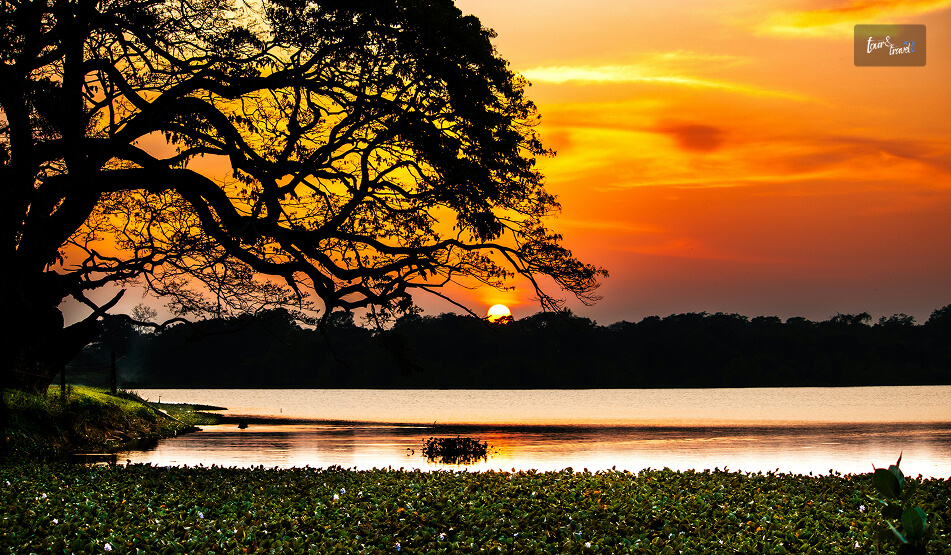
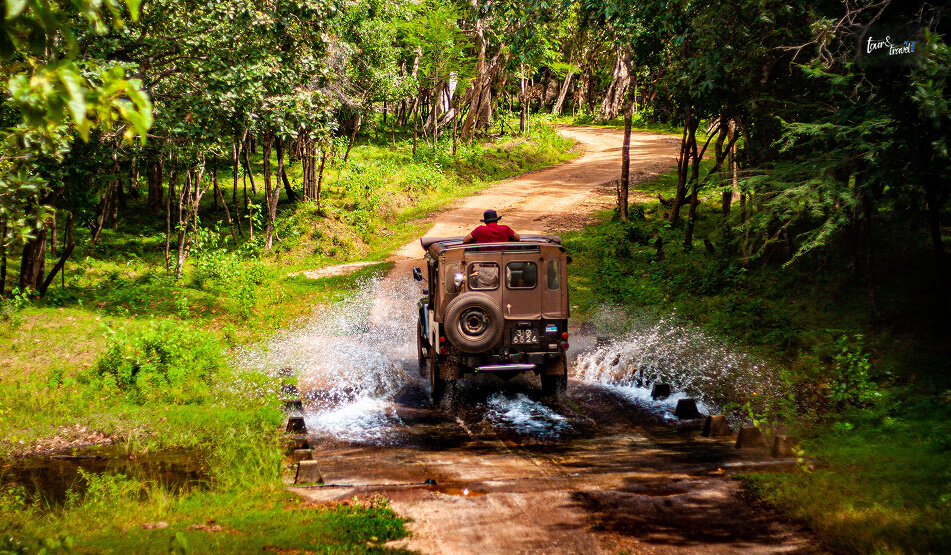
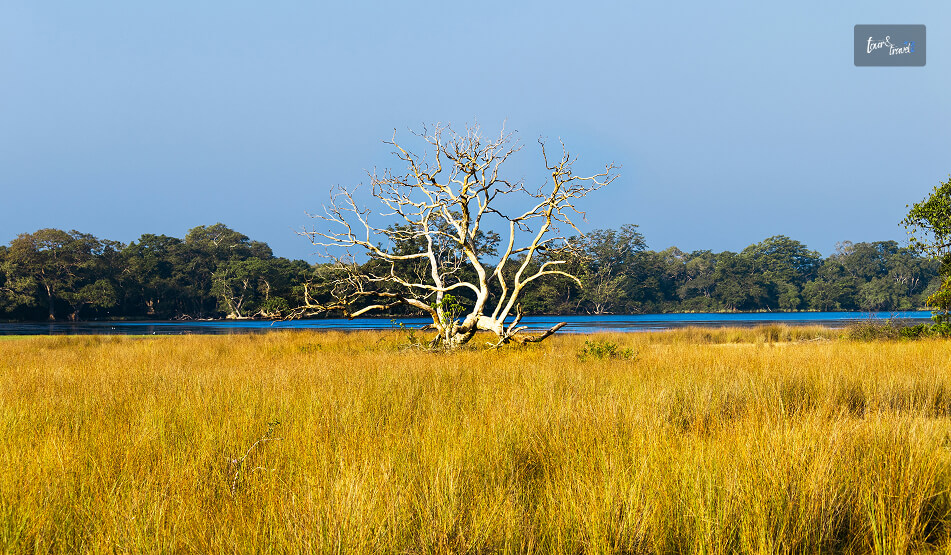
My driver, Dasun, stopped the jeep beside a villu, one of the signature natural lakes of Wilpattu.

Our jeep had been idling by villu for around 20 minutes. Then, suddenly, our tracker killed the chatter and pointed. 

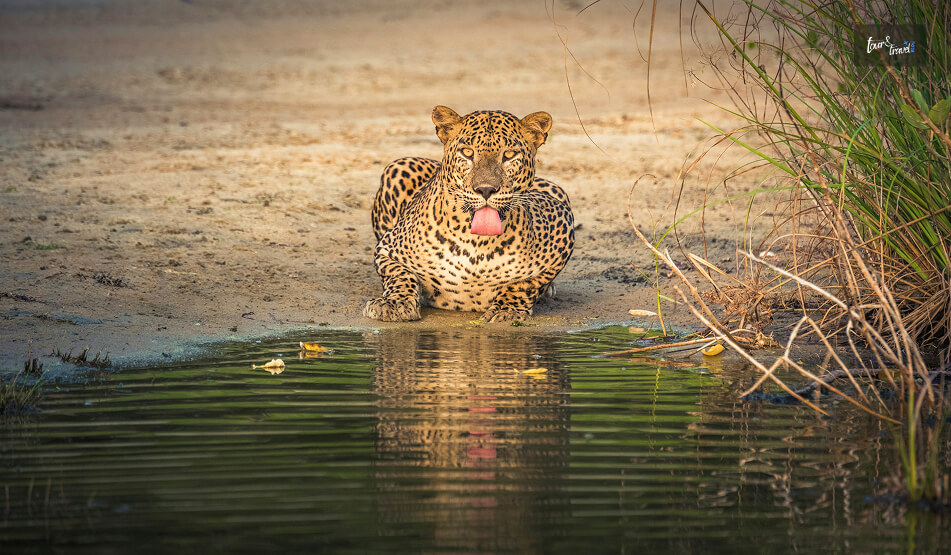
I spotted a leopard moving along the far treeline. His body language was unbothered, and it seemed that he was in no rush at all. 

Also, there were no jeeps fighting to capture the spot for taking a photo. The absence of radio crackling and other trackers converging on the spot further added to the experience. 

Overall, the moments here told me everything about why Wilpattu is quietly considered Sri Lanka’s most serious leopard park, even though Yala National Park gets most of the international attention.

Furthermore, Wilpattu is the largest in Sri Lanka, and it feels like it. 

Also, I noticed a clear difference between Yala and Wilpattu. Yala’s blocks can feel congested because of the safari traffic in peak season. 

However, the sheer scale of Wilpattu and its remoteness from the southern tourist circuit keeps visitor density low even when sightings are excellent. 

Wilpattu National Park At A Glance

Wilpattu National Park At A Glance

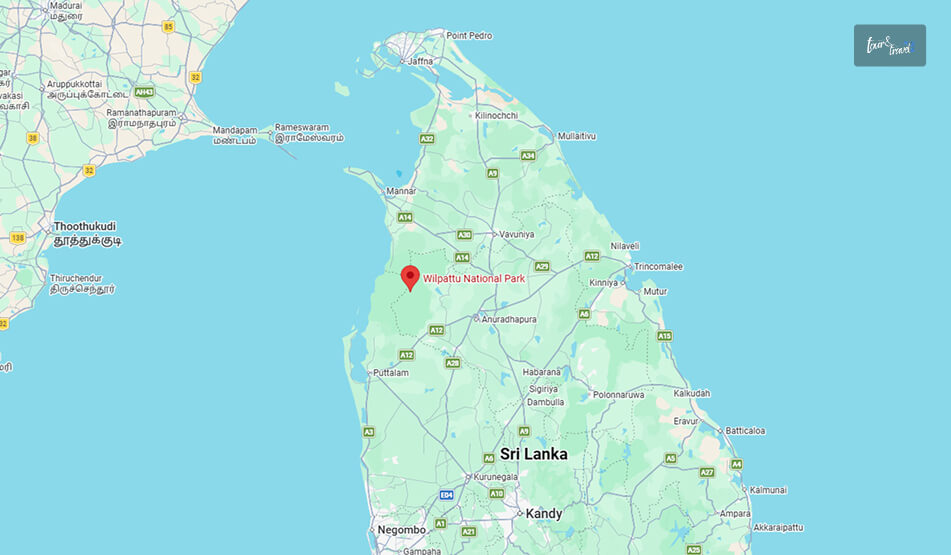
Wilpattu is in the North Western and North Central Provinces of Sri Lanka. 

It straddles the boundary near Puttalam and Anuradhapura districts. 

The villu system defines this national park. The villu system has a network of roughly 60 natural, sand-rimmed lakes scattered through dense scrub and forest.

Also, it is the villu system from which the park gets its name. The meaning of Wilpattu is “The Land of Lakes” in English. 

Moreover, thanks to the water network, the park has many predictable spots for animal concentration. 

So, despite the massive scale, the chances of spotting wildlife here are excellent. 

DetailInformation
LocationNorth Western and North Central Provinces, near Puttalam and Anuradhapura
AreaApprox. 1,317 Square KilometersIt is Sri Lanka’s Largest National Park
Key FeatureAround 60 Natural “Villu” Lakes Set in Dense Dry-Zone Forest
Signature WildlifeSri Lankan LeopardSloth BearElephantSpotted DeerMugger Crocodile
Nearest CityAnuradhapura: Approximately 30 KmPuttalam: Approximately 40 Km
Recommended Visiting MonthsFebruary to October

How To Reach Wilpattu National Park?

How To Reach Wilpattu National Park

You can approach Wilpattu from the Cultural Triangle via Anuradhapura.

Also, you can take the northwestern coastal route via Puttalam and Kalpitiya.

Both these routes are straightforward and sealed. 

However, the final stretch to the main Hunuwilagama entrance narrows into a quieter rural drive.

FromApproximate  DistanceApproximate Drive Time
Anuradhapura30 Km45 Minutes
Puttalam40 Km1 Hour
Kalpitiya75 Km1.5–2 Hours
Colombo180 Km3.5–4 Hours
Negombo150 Km3 Hours

Again, there is a second and less-used entrance on the Mannar side of the park. 

It is for those travelling the north-south coastal route, though most safari operators and lodges are clustered around the main Hunuwilagama gate near Anuradhapura.

Inside The Park: My Safari Experience

Inside The Park My Safari Experience

I planned a full-day safari in Wilpattu National Park, and it was from 6 AM to around 4 PM. 

A park safari is the best way to see Wilpattu properly. A half-day barely gets you past the entrance loop before you have to turn back.

The Villus: Wilpattu’s Signature Lakes

The villus make the ecology of Wilpattu different than any other national park in Sri Lanka. 

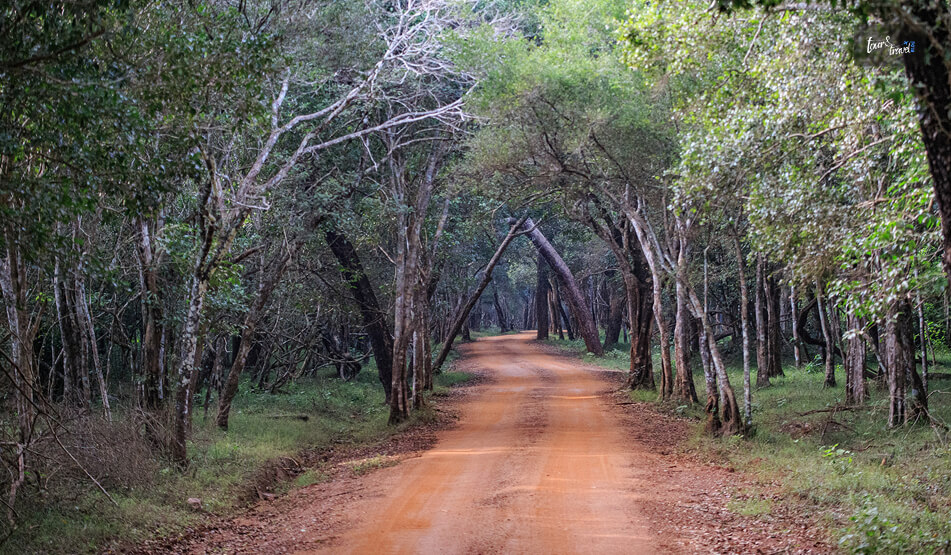
These are not man-made reservoirs. These are natural rain-fed lakes ringed with pale sand, and the jeep tracks are laid out to string several of them together.

Also, every meaningful sighting I had came from parking quietly at a villu edge and waiting rather than driving in search of animals. 

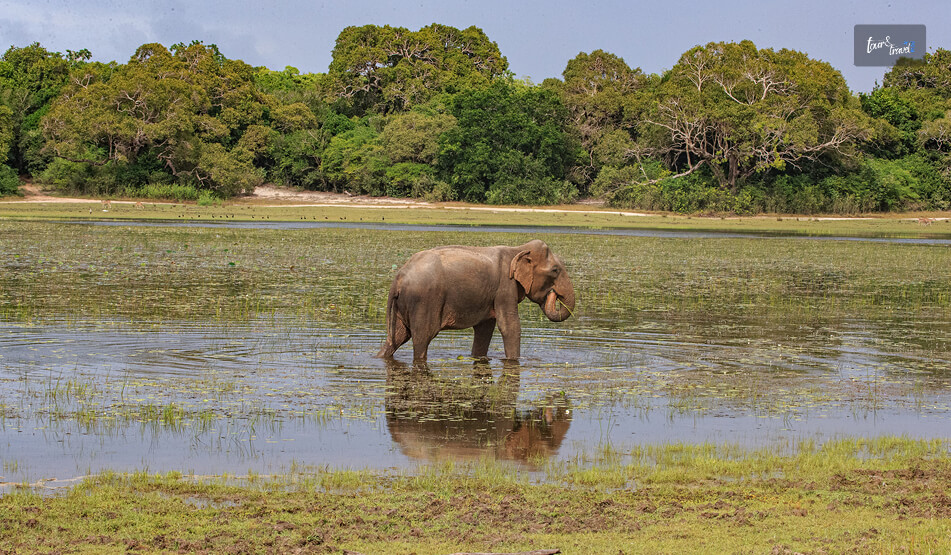
Crocodiles were basking at the waterline, and elephants were drinking water. Finally, the leopard appeared along the treeline. 

Leopards And The Chance Of A Sighting

Leopards And The Chance Of A Sighting

Wilpattu is often described by naturalists as having a leopard density comparable to Yala’s famous Block 1, without anywhere near the crowd. 

Sightings are not guaranteed on any single visit, and practically no park can promise that.

However, the odds, combined with the calmer viewing experience when a leopard does appear, are a big part of why serious wildlife photographers increasingly prefer Wilpattu over Yala in peak season.

Elephants, Sloth Bears, And Birdlife

Elephants Sloth Bears And Birdlife

As I have mentioned, elephants are frequent around the villus and the drier months are the best time to spot them. 

Also, the park has around 30 recorded mammal species, including sloth bear, water buffalo, sambar, and mongoose.

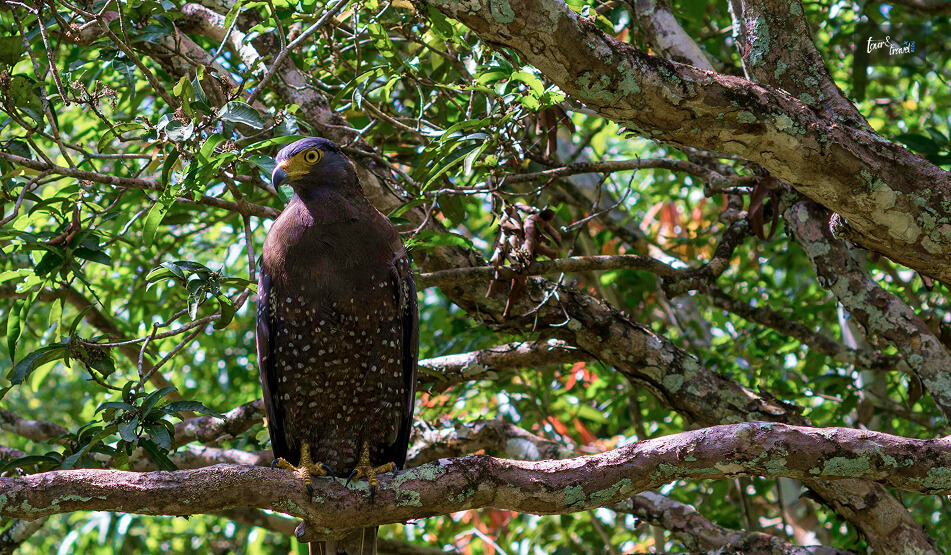
Furthermore, it has a strong birdlife presence. I could spot painted storks and several kingfisher species around the lake edges. 

Peacocks and hornbills are more common sightings among birds in this park. 

What Is The Best Time To Visit Wilpattu National Park?

What Is The Best Time To Visit Wilpattu National Park

You can take part in safaris year-round. 

However, the park is ideal between February and October. These months are ideal for avoiding the heavier northeast monsoon rains.

Rain makes interior tracks difficult and reduces visibility. 

Also, in a day, early morning and late afternoon remain the most productive windows for activity, as the midday heat pushes most animals into cover.

Entrance Fees And Safari Costs

Wilpattu is among Sri Lanka’s higher-tier national parks for entrance pricing.

The entry fee is less than Yala National Park.

However, it is above smaller Category 2 parks. 

Recent traveller reports and 2026 pricing guides put the all-in foreign adult entrance cost, including entry, service charge, vehicle fee, and VAT.

It is roughly USD 29–30 per person, with jeep hire priced separately and negotiated locally.

Fee ComponentApproximate Cost (Foreign Adult)
Park EntranceServiceVehicleVATUSD 29.50 per AdultUSD 17.70 Per Child (6 to 12 Years)
Guide/Tracker Fee$7 to $10It is Often Bundled into the Jeep Package
Half-Day Jeep HireApproximately LKR 12,500 (6 AM to 10:30 AM)
Full-Day Jeep HireApproximately LKR 25,000 (6 AM to 6 PM)

A Full-Day Wilpattu Itinerary

A Full-Day Wilpattu Itinerary

Given the park’s size, a full day is genuinely worth the early start. Here is roughly how my day broke down.

TimeActivity
5:30 AMDepart lodge and arrive at Hunuwilagama entrance.
6:00–9:00 AMMorning safari loop through the northern villus. 
9:00–9:30 AMBreakfast break at a designated stop inside the park.
9:30 AM to 12:30 PMContinue tracking toward the larger central villus.
12:30 PM to 1:30 PMMidday rest as animal activity drops with the heat.
1:30 PM to 4:00 PMAfternoon loop, best window for leopard and elephant activity.

Where To Stay Near Wilpattu?

You can choose from simple guesthouses in Anuradhapura, which put you within easy reach of both Wilpattu and the ancient city’s ruins, to dedicated eco-lodges and tented camps right on the park’s buffer zone near Hunuwilagama. 

Staying inside or immediately adjacent to the buffer zone shaves a meaningful amount off your pre-dawn drive time, which matters if you want to be at the gate for the 6 am opening.

The guesthouses in Wilpattu cost around LKR 3500 per night, and if you are staying in the ecolodges around the buffer zone, the charges will be approximately LKR 7500. 

Tips From My Visit

Tips From My Visit

A few things I would tell anyone planning a Wilpattu trip.

Book the full day rather than a half-day if your schedule allows, since the best villus are further from the entrance.

Pack your own food and water, as very little is available once you are inside. Also, pay for the jeep and entrance in Sri Lankan rupees only, since foreign currency isn’t accepted at the gate.

Places To Visit Near The Wilpattu National Park 

Wilpattu’s location makes it an easy pairing with the cultural triangle.

Anuradhapura’s ancient stupas and monasteries are barely half an hour away, and it is a natural stop for anyone routing between the north and the northwestern coast. 

Travelers continuing toward the coast often carry on to Kalpitiya for kitesurfing and dolphin watching, or further north toward Mannar and Vavuniya.

Again, Chilaw, with its lagoon and temple circuit, also makes a workable stop if you’re driving down from Wilpattu toward Colombo.

Share on Social Media

Sibashree is a travel, culture, and leisure writer who has been writing since the age of 12 and professionally since 2014. With more than a decade of travel writing experience and journeys across India and several parts of the world, she brings a deeply personal and thoughtful perspective to her work. A student of English Literature and Mass Communication, Sibashree has always viewed travel as more than movement — for her, it has been a way of understanding people, cultures, and herself. Her passion for spiritual exploration has also led her to many unusual and meaningful destinations over the years. Outside of writing, Sibashree enjoys watching European cinema, reading about global politics, and reflecting on the stories hidden within everyday places.

Leave a Reply

Your email address will not be published. Required fields are marked *

title-img Related

READ MORE

Bundala National Park: Sri Lanka’s Quiet Wetland Where Flamingos Outnumber The Tourists

BY  Sibashree Sep 4, 2026

The only coastal reserve in Sri Lanka and a Ramsar Site, the Bundala National Park welcomes you to a different world.   So, when I entered the national park, the first thing I noticed was neither an elephant nor a crocodile. In fact, it was not a flamingo.   It was absolute silence! The calls of a lagoon full of birds broke the silence, and it was a stark contrast to Yala National Park and its busy life.   The main entrance of Yala National Park is barely one hour away from Bundala. Also, both share much of the same dry-zone wildlife.   Still, Bundala is one of the least visited national parks in the South.   As a Ramsar-listed wetland of international importance, Bundala is built around a chain of shallow brackish lagoons.   That explains why it draws one of the largest concentrations of migratory birds anywhere in Sri Lanka.   Also, I was fortunate enough to visit Bundala during the northern winter. I met the elegant greater flamingos wading through pink-tinged water at sunrise.   Nevertheless, irrespective of the time of your visit, you can spot elephants, and crocodiles.   You will also find a coastline of dunes and scrub forest.  National Park Of Bundala At A Glance  Detail Information Location Southern Province, Sri Lanka, between Hambantota and Tissamaharama Nearest town Hambantota (About 15-20 km) Area Approximately 6,216 Hectares Designation National Park (1993). Ramsar Wetland of International Importance (1990) UNESCO Biosphere Reserve (2005) Landscape Five Shallow Brackish/Saline Lagoons Sand Dunes Scrub Jungle Coastal Habitat Known for Migratory and Resident Birds (200+ Species), including Greater Flamingos Elephants Crocodiles Best time to visit November to March for Peak Migratory Birdlife Year-Round for Elephants and Resident Species Distance from Colombo Around 245 KM Roughly 4-4.5 Hours by Road  Bundala National Park: A Wetland With A Bigger Reputation Than Its Size Suggests Bundala became a designated national park in 1993. However, the story of its conservation goes earlier.   It was already a Ramsar Site in 1990, and it was the first in the country to get this recognition. Again, in 2005, it became a part of a UNESCO Man and the Biosphere Reserve.   The lagoons here are a critical stopover on the Central Asian Flyway. The migration route that brings birds from as far as Siberia and the Rann of Kutch down to the Indian Ocean coast every winter.  I loved the park more because it has a very humble demeanor and there is no single headline animal.   It rewards patience.  I spotted a crocodile motionless at a lagoon's edge, a family of elephants moving through the scrub in the middle distance, and always, everywhere, birds.  Wildlife And Birdlife In Bundala National Park  Bundala National Park transforms into a wonderland for birdwatchers between November and March.   Greater flamingos are the main attraction out of the 200 species of birds recorded here.   Most of them are migratory birds, and they arrive between November and March.   During my visit to the park, the flocks of flamingos were so huge that they turned almost the entire lagoon area pink.    Our guide also drew our attention to painted storks, pelicans, spoonbills, various species of stork and egret, and a healthy population of raptors.  Furthermore, the park holds a resident elephant population, estimated at several dozen individuals.  Moreover, it has saltwater and mugger crocodiles in the lagoons, and smaller numbers of leopards, spotted deer, wild boar, and jackals.   How To Reach Bundala National Park? You can reach the Bundala National Park from Colombo via the Southern Expressway to Hambantota or the Sooriyawewa exit.   Then local roads will lead you to the park entrance. The overall journey from Colombo by road is around 4 to 4.5 hours, depending on the gate you are visiting and the exact timing.   Again, Bundala National Park is an easy add-on to a visit to Yala National Park. The main entrance of Bundala is 20-25 km from Tissamaharama, making it a natural pairing for anyone already doing a Yala safari circuit.  Moreover, Hambantota, around 15-20 km away from Bundala National Park, is the closest town.   So, Hambantota, with its beaches and port area, will be your base if you want a combination of coastal experience and wildlife.   Bundala Entrance Fees (2026)   Category   Approximate Cost (2026)   Foreign Adult (12+)   USD 12  Foreign Child (6–12 Years)   USD 6  Foreign Children under 6 Years    Free  SAARC Nationals USD 10 for Adults USD 5 for Children between 6 and 12 Years Free for Children below 6 Years    Locals   Adults: LKR 60 Children from 6 to 12 Years: LKR 30 Children below 6 Years: Free Students: LKR 20   Vehicle Entry Ticket   LKR 300   Foreign Group Fee Per Vehicle   USD 10  A One-Day Bundala Itinerary Bundala works well as a half-day or full-day safari, and it also slots neatly into a longer south-coast loop that includes Yala, Tissamaharama, and the beaches around Hambantota.   Here is how you can structure a single day focused on the park itself.  Time Activity 5:30 - 6:00 AM Departure from Tissamaharama or Hambantota. 6:00 - 9:30 AM Morning safari through the lagoon circuits. 9:30 - 10:30 AM Break near the lagoons or at a nearby guesthouse for breakfast. 10:30 AM - 12:30 PM Continue the drive toward the coastal dune and scrub sections for elephants and crocodiles. 12:30 - 2:00 PM Exit the park, lunch in Hambantota or Tissamaharama. Afternoon (optional) Combine with a Hambantota lighthouse or salt pan visit, or head onward to Yala/Kataragama.  What Is The Best Time To Visit Bundala National Park? November to March is the best season to visit Bundala National Park if you want to spot Greater Flamingos and other birds.   Flamingos gather in the highest numbers from December to February.   However, Bundala is home to elephants, crocodiles, and resident birdlife across all seasons.  Practical Tips For A Visit  Go early. Gates typically open around 6 AM, and the first two hours offer the best light and the least heat-shy wildlife activity.  Bring binoculars if birdwatching is a priority. Much of the action happens across open water at a distance.  Sun protection matters here more than in forested parks as Bundala's lagoons and dunes offer little shade.  Pair it with Yala or Tissamaharama to make the most of the drive down.  Nearby Attractions  Bundala sits within easy reach of several other south-coast highlights, making it easy to build into a wider itinerary rather than a standalone day trip.   Yala National Park and the temple town of Kataragama are both close by, and the beaches and salt pans around Hambantota make for a relaxed way to close out the day.

READ MORE Anuradhapura

What Are The Best Places To See In The Sacred City Of Anuradhapura, Sri Lanka? 

BY  Sibashree Apr 21, 2026

Anuradhapura is a part of the Golden Triangle of Sri Lanka along with the Dambulla Royal Cave Enclave, Polonnaruwa, and Sigiriya Rock Fortress.  Furthermore, the Sacred City of Anuradhapura, a UNESCO World Heritage Site, was built from the “cutting of a Bodhi Tree” or the “Tree of Enlightenment.”  Before 993, when it was abandoned due to an invasion, it was the political and religious capital of Ceylon, the previous name for Sri Lanka.  Also, if Jaffna attracted me with its Tamil Culture and Hindu Temples, Anuradhapura was a great calling because it was the first place to adopt Buddhism outside India, the country I belong to.  Moreover, Jetavanaramaya, the early 4th-century BCE Stupa, was once the “third-largest man-made building in the world,” with an original height of 122 meters.  However, while the Jetavanaramaya Stupa continues to evoke awe with its grandeur and mystery, the other ruins and remains of Anuradhapura also wait to tell you the history and cultural richness of the region.  So, here is a brief discussion on the places I visited in Anuradhapura.  What Are The Places To Visit In Anuradhapura?  I was staying in a guest house near the Sacred City of Anuradhapura. I rented a bicycle from my guest house for LKR 500, and I took the back route as the staff in the guesthouse guided me.  Off the main road, the cycling experience was beautiful, and I loved spotting the roaming peacocks and little children waving at me.  Beyond the charming views and ambiance, I noticed one more thing. In Anuradhapura, the past and the present walk side by side.  There have been no evictions of the locals in the name of preserving or promoting the ancient ruins and remains in a UNESCO World Heritage Site.  Nevertheless, after talking to the local children for a while, I reached the entrance of the Anuradhapura Sacred City. The entry fee was around 9500 LKR or INR 2800.  However, remember that the ticket includes archaeological sites such as Jetavanaramaya, Abhayagiriya, Ruwanwelisaya, and Thuparamaya. So, if you want to explore other sites such as the Isurumuniya Viharaya, you will need to pay separate fees.  Nevertheless, these are the places I visited in Anuradhapura.  “This sacred city was established around a cutting from the 'tree of enlightenment', the Buddha's fig tree, brought there in the 3rd century B.C. by Sanghamitta, the founder of an order of Buddhist nuns.  Anuradhapura, a Ceylonese political and religious capital that flourished for 1,300 years, was abandoned after an invasion in 993.  Hidden away in dense jungle for many years, the splendid site, with its palaces, monasteries, and monuments, is now accessible once again.” - UNESCO World Heritage Convention.  1. Abhayagiri Vihara Stupa Complex The Abhayagiri Vihara Gargantuan Stupa is magnificent, and the brick stupa creates a contrast against the bright blue sky and the lush greenery of Anuradhapura.  King Vattagamani Abhaya or Valagamba founded this Stupa in the first century BCE. This prominent center of Mahayana Buddhism remains an active place of worship.  Also known as the Northern Monastery or Uttara Vihara, it changed the course of Buddhism in Sri Lanka by deviating from the monolithic tradition of Theravada Buddhism.  Moreover, the Abhayagiri Vihara Stupa is the first Stupa in Sri Lanka to house the tooth relic of Buddha.  Also, the Abhayagiri Dagoba or Stupa at the epicenter of the Abhayagiri Vihara Complex is one of the largest stupas in Sri Lanka.  The Structure And Architecture Of The Abhayagiri Vihara Apart from the Stupa or Dagoba, most parts of the Abhayagiri Vihara are in ruins. There were living houses for the monks and students, libraries, dinner halls, and meeting halls surrounding the Stupa.  Here is a detailed overview of the structures as I saw them. However, the heat will be scorching, and you will find langur monkeys roaming around.  So, try to be there by 6 AM, when the gates open, or after 4 PM. The Sacred City remains open till 8 PM. However, it will take you around an entire day if you want to explore the major ruins of the Anuradhapura Sacred City. The Dagoba Or The Stupa  The Stupa or Dagoba in the Abhayagiri Vihara is in a well-preserved condition. The massive bell-shaped structure of the stupa has a height of around 120 meters, and at its widest, the circumference is close to 350 meters.  The dome, made of brick and lime mortar, has four entrances, and you will find a Devatakotuva or a cylindrical spire and Hataraskotuva or a square-shaped structure as the crowns of the Stupa.  Image Houses, Refectories, And Sub Shrines  I saw the remains of various refectories, image houses, living complexes, and sub-shrines around the stupa.  Among the smaller stupas, the Indikatu Seya and Silasobbhakandaka Cetiya are the most common.  Meeting Halls The remains of the meeting halls or Uposathagharas have been found in the complex.  These Uposathagharas were multi-storied, and Ratnaprasadaya or the jewel mansion was most prominent among them.  Congregation Hall The Sannipatasala, or the congregation hall near the southern entrance of the stupa, is the largest hall in the complex.  The image of Nagaraja, or the king of snakes, or Virupaksha, the protector of the Western Direction, was found in this congregation hall, which is now in ruins.  You can see this image at the Abhayagiri Museum.  Abhisheka Mandapa Or Anointing Pavilion The Abhisheka Mandapa had a stepped entrance, and people believe it to be the place where the statues of Lord Buddha and other Bodhisattvas were consecrated.  Some even consider this the bathing house or Snanghara.  Stone Slabs  Many stone slabs with inscriptions in Nagari Script have been found in this site.  Again, there are two moon stones in Anuradhapura, and one was found at the Queen’s Pavilion and the other at Mahasena’s Palace.  These moon stones are significant features of Buddhist stupas or shrines, as these semi-circular stone structures depict the Buddhist Samasara.  The Dining Room The dining room or hall of the Abhayagiri Vihara has a stone-clad trough, and it is ideal for storing or serving rice that could feed 5000 monks.  Furthermore, there was a dining area, hearths, underground channels, grinding stones, and a sundial in the site Faxian or Fa-Hien described as the dining hall.  The dining hall also has two courtyards.  The Bodhi Tree Shrine The Bodhi Tree Shrine, or the Bodhighara is a subsidiary shrine of the Abhayagiri Stupa. As a token of Buddha’s enlightenment, Sanghamitta, a Buddhist nun from India, brought saplings of the Bodhi Tree.  She planted the saplings in Abhayagiri, and many patrons built small aediculae-like shrines around these trees.  These sub-shrines had images of Lord Buddha in a meditative or Samadhi posture and his footprints.  Moreover, excavation of Buddha statues took place in the Bodhighara sites, and one of them is from the 3rd century BCE, and these resemble the sculptures of the great Gupta dynasty in India.  You can visit the Anuradhapura Archaeological Museum if you want to see these Buddha statues. The Ponds  The tanks and reservoirs near the living quarters were the main sources of water for the complex.  However, water in these reservoirs or tanks came from the Kuttam Pokana or Twin Ponds to the far east of the Stupa.  Moreover, these rectangular ponds were built by Aggabodhi I in the 6th or 7th century CE, and they have shallow ridges, and the inner walls are made of polished stone.  However, for me, the most fascinating thing was the stone slab with the motif of a hooded cobra.  Also, this hooded cobra or Naga establishes a deep connection with India, as Nagas and water have deep connections in Indian mythology.  As I walked further, I came across the Elephant Pond or Eth Pokuna. It is the largest artificial tank in Sri Lanka, and it is the main water supply for all the tanks and reservoirs in the Vihara Complex.  Here also, I noticed a depiction of a hooded cobra on a stone slab.  At the end of exploring the Abhayagiri Vihara Stupa Complex, I must tell you that you must read a little about the place before a visit.  Otherwise, it will be difficult for you to catch up when the guide shares the details.  2. Jethawanaramaya Stupa You will also find the Jetavanaramaya Stupa in the Sacred City of Anuradhapura. It was one of the largest man-made structures in the world, and it ranked only after the Great Pyramids of Giza.  The original height of this structure was 122 meters, and after restoration, the height is now 71 meters.  The stupa, built by King Mahasena in the 3rd Century AD, is a part of a large Jetavana Vihara complex that used to house around 200 monks. Also, like the Abhayagiri Vihara, it has a brick architecture.  This once again indicates how ancient Anuradhapura was a hub of brick production. In fact, Ruwanwelisaya, the most sacred stupa of the country inside the Anuradhapura Sacred City Complex, also had a brick architecture.  However, for the recent restoration, they used cement in the outer layer of the stupa.  Moreover, massive excavation works have taken place in the Sacred City of Anuradhapura, and the gold panels showing the imagery of the Bodhisattva and the partial inscriptions of the Prajñāpāramitā Sutra.  Now, Prajñāpāramitā Sutra is the foundational text of Mahayana Buddhism. This shows how the Jethawanaramaya Stupa was the hub of different Buddhist thoughts and schools. However, you can see these gold panels now at the Colombo Museum.  Also, I came to know about another fascinating thing from a monk here, that the stupa used to have a diamond in the crown. It used to turn aside lightning during the monsoon season.  3. The Gleaming White Ruwanwelisaya Stupa  The Ruwanwelisaya Stupa is most famous among the locals and followers of Buddhism.  Now, unlike the Ritigala Forest Monastery, the Ruwanwelisaya Stupa or the other stupas in the complex are live hubs of Buddhist practices.  Also, the Ruwanwelisaya Stupa is especially famous for housing the remains of Lord Buddha.  Originally, the Ruwanwelisaya Stupa was much smaller than the Jethawanaramaya Stupa. However, thanks to continuous maintenance, it now stands at a height of 100 meters.  Now, this was my experience in the ancient ruins of Anuradhapura. If you want to explore more, you can visit the Kaudulla National Park, at a distance of less than 2 hours, and the Hurulu Eco Park, at a distance of 1 hour and 50 minutes.   Location And How To Reach Anuradhapura?  Anuradhapura City is located on the banks of the Malwathu Oya. It is the capital of the central-west region of Sri Lanka and the district of Anuradhapura.  Anuradhapura is a 4-hour journey from Colombo and Kandy.  Once I explored the top attractions in Kandy, I took a minivan, which cost me LKR 1600. Now, you will also get private and public buses.  However, I had luggage and wanted to keep the schedule flexible. So, I chose the minivan.  Things To Remember For A Trip To Anuradhapura The Sun is merciless in Anuradhapura, even if you visit the Sacred City in winter. It becomes unbearable past 11 AM.  So, you have to really start early.  Also, carry water and wear full-sleeve clothes to maintain the dignity of the place and protect your skin from the Sun.  Moreover, as I have mentioned, visiting a place like Anuradhapura demands preparation. So, study well and have basic ideas about these stupas beforehand. 

READ MORE Hambantota

Why Is Hambantota Famous For? Beaches And The Best Places To Visit In Hambantota

BY  Sibashree Jun 30, 2026

Hambantota is in the news these days for the launch of Phase II of the flagship human-elephant conflict initiative, Save Ali Pancha.  This is a partnership between the Hambantota International Port (HIP), the Wildlife and Nature Protection Society of Sri Lanka (WNPS), and the Department of Wildlife Conservation (DWC).  The China Merchants Foundation (CMF) has funded the new phase of the project. Also, it will support the rehabilitation of the orphaned elephants in the Elephant Transit Home (ETH) of the Udawalawe National Park.  However, on the southern coast of Sri Lanka, Hambantota, in the truest sense, is the place where nature, age-old heritage, and modern amenities meet.  In this article, I will share my experience in Hambantota with a special focus on its top attractions and things to do.  Where Is Hambantota? Hambantota is on the southeastern coast of Sri Lanka. It has a semi-arid coastal climate and scorching summers.   Furthermore, it is at a distance of around 240 km from Colombo.  Also, the deep maritime port of Hambantota, along the major shipping route, is between the Suez Canal and the Malacca Straits.  How To Reach Hambantota? Hambantota is well-connected to the rest of Sri Lanka through the Beliatta Railway Station and Weerawila International Airport. The Beliatta Railway Station is at a distance of 35 km, and the airport is just 20 km away.  You can even fly to Dickwella or Koggala airstrips from different parts of Sri Lanka and then travel the distance by road.  Nevertheless, here is how you can travel to Hambantota from Colombo.  1. Colombo To Hambantota By Air You can take a flight to Weerawila International Airport from the Colombo Bandaranaike International Airport (CMB).  Cinnamon Air is the main operator on this route, and the travel time is around 1 hour and 30 minutes. Moreover, the ticket price is between LKR 15000 and 130000 based on the season and time of the flight booking.  From the Weerawila International Airport, you have to take a private car or taxi to Hambantota. The travel time is around 30 minutes, and the cost is around LKR 2500.  2. Colombo To Hambantota By Train The 8056 Express Train runs directly from Colombo to Hambantota.  The train leaves the Colombo Fort Railway Station at 2:40 PM and reaches the Beliatta Railway Station at 6:47 PM.  Also, the ticket price for this train ride is LKR 1600.  3. By Bus And Taxi The National Transport Commission (NTC) of Sri Lanka runs buses from Colombo Bastian Mawatha Bus Terminal to Embilipitiya.  The normal bus fare on this route is LKR 333, and the semi-luxury bus ticket costs LKR 416.  Buses are available every 20 minutes, and the travel time is around 5 hours and 5 minutes.  Furthermore, from Embilipitiya, you can take a taxi or a pre-booked cab to Hambantota. The travel time will be around 45 minutes, and the travel cost will be around LKR 1600 to 2000.  4. Colombo To Hambantota Via Matara This mode of transportation involves two stretches of bus journeys and 1 stretch of taxi/cab ride.  The first stretch is the Colombo Fort to Hambantota bus ride.  The NTC bus ride takes around 2 hours and 35 minutes, and the ticket price is LKR 315 for normal services, LKR 393 for semi-luxury buses, and LKR 525 for luxury buses. Then, from Matara, you can take a Sri Lanka Transport Board (SLTB ICT) bus to reach Tangalle in around 40 minutes.  Finally, from Tangalle, you can take a taxi to reach Hambantota within 1 hour. The cost will be around LKR 4500.   Why Is Hambantota Famous? Hambantota, with an ancient maritime history, has always been hailed for its strategic location.  Even today, it is an important geopolitical flashpoint due to its location near the busiest East-west shipping lanes.  However, with its routes going back to the ancient Kingdom of Ruhuna, Hambantota is more than a maritime hotspot.  It is also known for its rich biodiversity with the Bundala National Park, Ridiyagama Safari Park, Birds Research Centre and Resort, etc.  On the other hand, it is home to the Mahinda Rajapaksha International Cricket Stadium, one of the most celebrated international cricket venues in the world.  So, here are the details you need to know.  1. Bundala National Park This UNESCO biosphere reserve protects over 200 bird species alongside elephants and crocodiles. It features vast wetlands and coastal lagoons. Hours: 6:00 AM – 6:00 PM. Fees: 3,000 LKR per person, plus 5,000 LKR per jeep. 2. Ridiyagama Safari Park Spanning 500 acres, this open-concept park allows visitors to see global wildlife like lions and giraffes via bus tours. Hours: 8:30 AM – 5:00 PM. Fees: 1,000 LKR per person, plus 300 LKR per bus or 200 LKR per bike. 3. Birds Research Centre And Resort An eco-friendly conservation site offering guided walks and boat rides to observe regional avian species like eagles and peacocks. Hours: 7:00 AM – 7:00 PM. Fees: 1,000 LKR per person, plus 2,000 LKR per boat ride. 4. Mirijjawila Botanic Garden This expansive 300-acre garden showcases the rich plant diversity of Sri Lanka, including specialized herbal and spice sectors. Hours: 7:30 AM – 5:00 PM. Fees: 500 LKR per person, plus 100 LKR per bike. 5. Agro Technology Park A unique venue displaying modern agricultural innovations like hydroponics and solar energy, complete with product tastings and workshops. Hours: 8:00 AM – 4:00 PM. Fees: 500 LKR per person, plus 1,000 LKR per workshop. 6. Walawe River Safari A scenic two-hour boat ride providing close encounters with river crocodiles, water birds, and traditional local fishing villages. Hours: 6:00 AM – 6:00 PM. Fees: around 5,000 LKR per boat. 7. Mulkirigala Rock Temple Perched on a high rock, this ancient complex features seven cave temples, historic murals, and a giant reclining Buddha. Hours: 6:00 AM – 6:00 PM. Fees: 500 LKR per person. 8. Ramba Viharaya Dating to the 2nd century BC, this historic temple complex holds an ancient stupa, secluded caves, and an artifact museum. Hours: 6:00 AM – 6:00 PM. Fees: 500 LKR per person. 9. Ussangoda National Park Known for its distinctive red soil and coastal cliffs, this park provides archaeological ruins and stunning panoramic sunset ocean views. Hours: 6:00 AM – 6:00 PM. Fees: 500 LKR per person, plus 100 LKR per bike. 10. Dry Zone Botanic Gardens A 300-acre sanctuary showcasing dry-zone flora, including cacti, succulents, and medicinal plants, alongside a dedicated orchid house. Hours: 7:30 AM – 5:00 PM. Fees: 500 LKR per person, plus 100 LKR per bike. 11. Mahapelessa Hot Springs Natural thermal springs renowned for their traditional healing properties, nestled within a relaxing landscape surrounded by local vendor stalls. Hours: 6:00 AM – 6:00 PM. Fees: 100 LKR per person. 12. Mahinda Rajapaksha International Cricket Stadium With a capacity to accommodate 35000 spectators, the Mahinda Rajapaksha International Cricket Stadium is the second-largest cricket venue in the country.  It was built during the Cricket World Cup of 2011. Also, on non-match days, the ground remains open from 9 AM to 5 PM.  Moreover, on match days, the ticket price is around LKR 350 to 1500+.  What Are The Things To Do In Hambantota? Along with exploring the top attractions that I have mentioned previously, Hambantota is also famous for bathing and unwinding in its Mahapelessa or Madunagala Hot Springs.  You can even have the basic wildlife experience with the Walawe River Safari. You will spot various schools of fish, crocodiles, and birdlife surrounded by dense mangroves here.  So, planning the itinerary for Hambantota can be very overwhelming. Here is an itinerary of the things to do in Hambantota if you are planning a visit for 4 days.  Day 1: Exploring Birds And Coastal Landscapes (East Hambantota) TimeActivityLocationLogistics and Cost Details06:00 AM - 09:30 AMMorning Bird SafariBundala National ParkBest for spotting elephants and flamingos. Cost: 3,000 LKR per person + 5,000 LKR per jeep.10:00 AM - 12:30 PMEco Walks and ConservationBirds Research Centre & ResortStroll the grounds or opt for a lake tour. Cost: 1,000 LKR per person (+ 2,000 LKR for optional boat ride).12:30 PM - 02:00 PMLunch BreakHambantota Town / CoastStop at a local eatery for fresh seafood or rice and curry.02:30 PM - 04:30 PMBotanical WalkMirijjawila Botanic GardenExplore the 300-acre herbal and spice sectors. Cost: 500 LKR per person.05:00 PM - 06:15 PMRed Cliffs SunsetUssangoda National ParkCatch panoramic ocean views over the unique red soil. Cost: 500 LKR per person. Day 2: Safaris And Botanical Exploration (North-West Hambantota) TimeActivityLocationLogistics and Cost Details 8:30 AM to 11:30 AMOpen-Air Wildlife SafariRidiyagama Safari ParkArrive early when lions and giraffes are active. Cost: 1,000 LKR per person + 300 LKR for the safari bus.12 PM to 1:30 PMLunch and Modern FarmingAgro Technology ParkTour hydroponics setups and sample local farm products. Cost: 500 LKR per person2 PM to 4 PMCacti and Orchids TourDry Zone Botanic GardensView the dry-zone plant collections. Note: Shares the same footprint as Mirijjawila. Cost: 500 LKR per person.4:30 PM to 5:30 PMSports Venue TourMahinda Rajapaksha StadiumWalk through the historic 2011 World Cup cricket stadium. Cost: Free entry on non-match days. Day 3: River Safaris And Thermal Springs (Walawe River Area) TimeActivityLocationLogistics and Cost Details8 AM to 10 AMExploring the Mangrove and River Boat RideWalawe River SafariCruise through mangroves to spot crocodiles and water birds. Cost: ~5,000 LKR flat rate per boat.10:30 AM to 12:30 PMThermal Bathing and RelaxationMahapelessa Hot SpringsSoak in the therapeutic, natural hot water springs. Cost: 100 LKR per person.12:30 PM to 2:00 PMLocal LunchAmbalantota AreaTry traditional snacks from the vendor stalls near the springs.02:30 PM to 5 PMExploring Ancient Monastic RuinsRamba ViharayaExplore the 2nd-century BC stupa, caves, and on-site museum. Cost: 500 LKR per person. Day 4: Heritage And Rock Temples (Inland Cultural Day) Time ActivityLocationLogistics and Cost Details08:00 AM - 11:00 AMCave Temples ExplorationMulkirigala Rock TempleClimb the rock to view 7 ancient caves and historic murals. Cost: 500 LKR per person.12:00 PM - 01:30 PMFinal LunchHambantota TownRelax over a long lunch to wrap up your trip.02:00 PM OnwardsSouvenir Shopping and DepartureHambantota TownPick up local curd (Meekiri) and treacle before heading out. Where To Stay In Hambantota? Hambantota has many luxury resorts and spas. However, if you want the most authentic experience, you can stay in Hotel Bundala Park and the Birds Research Centre and Resort.  Hotel Bundala Park is located near the Bundala National Park, and the tariff is LKR 5000pery day.  Birds Research Centre and Resort is another eco-friendly accommodation with a tariff of LKR 3000 per night. Read Also: What Are The Places To Visit In Matara? A Southern Sri Lankan Commercial Hub With Dutch Colonial Heritage Where To Stay In Mirrissa, Sri Lanka In 2026? Know The Best Accommodation Options Why Is Puttalam Sri Lanka Famous? What Are The Things To Do In Puttalam?