

Top Places to Visit in Italy on Your Next Travel Escapade 

Dec 13, 2018

Last Updated on: Mar 12, 2026

Adventure

Are you a passionate traveler or have you found a life full of exciting thrills? You must explore the places to visit in Italy.    

With Italy on your traveling bucket list,  you should be ready for a gala tour of history, food, art, music, and sacred sites. Further, the villas, colorful villages, and astonishing scenery are elements that make a trip to Italy mesmerizing.   

It’s time you feed yourself with the knowledge about the places that await their glory. 

Places To Visit in Italy on Your Next Trip 

I am always at a loss for words when it comes to describing the mesmerizing beauty of Italy. So, without much ado, let’s know about the places you cannot miss in Italy.  

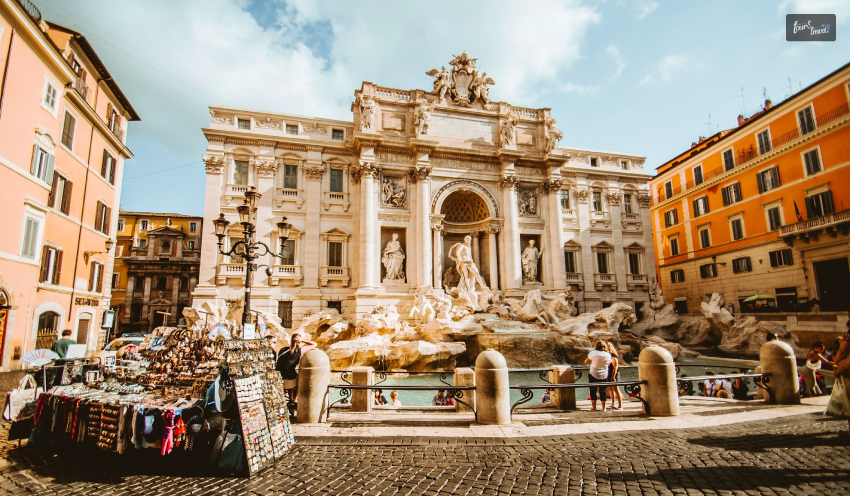
1. Rome 

Rome 

“Rome is not built in a day.” One of the best places to visit in Italy, it has amazing vibes for its history as it can be called Europe’s most vibrant city. If you go to this place for the first time, you will discover that it is one of the best decisions that you ever made.   

Glorious Relics from the Colosseum, Pantheon, Appian Way, and Palatine Hill. All these are included in your package for visiting Rome. It all depends on your personal preferences as a visitor.   

The enchanting riches of the Vatican are the top attractions of the place. Michelangelo’s Pieta gives you another reason to have a day well spent in Rome. No wonder most visitors end up after spending a day or two in Rome if they have the budget.   

Breathe fresh in the Borghese gardens and walk down the narrow streets of Trastevere. You will be able to collect the most cherished memories that Rome must deliver.   

A must-go place to get in touch with the culture and people of this place. Don’t miss out on this destination if you are planning to visit Rome.  

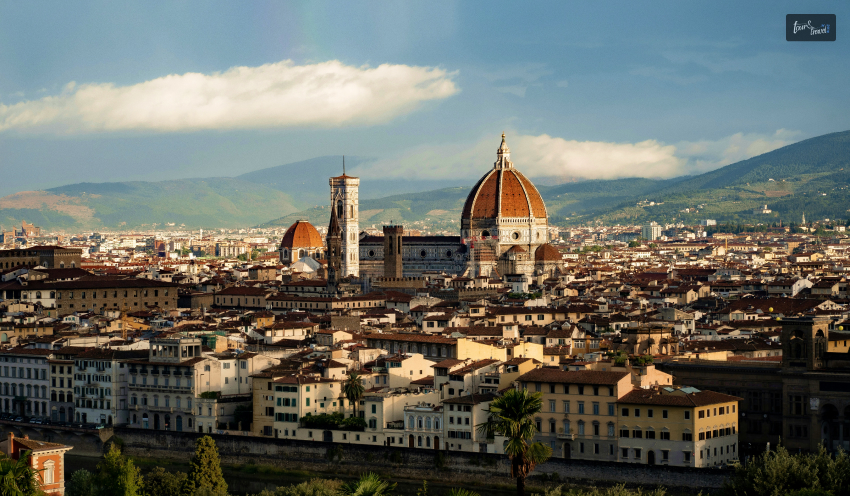
2. Florence 

Florence 

The Italian Renaissance, Florence is like a giant art museum with excellent architecture that dazzles your eyes. The art museum gives any person who visits this place the best moments in life. It is one of the things you will not want to leave out of your list of places to tour when visiting Italy.   

The Cathedral of Santa Maria del Fiore is a satisfaction to watch with a gravity-defying massive dome. You will not get such an experience in any other part of the world. It is an exceptional opportunity that you will not want to lose when in Rome.   

The marble-inlaid bell tower and the incomparable bronze doors by Ghiberti need no introduction to put forward in Renaissance art. All these experiences come your way when you choose to visit Florence.   

There are several art museums filled with paintings and masterpieces that offer you a visual treat. It is amazing to see the pieces of artwork in Florence. There is so much to explore in Florence that you don’t feel like you are still done with it! The destination should be among the top places you need to visit when going to Italy.  

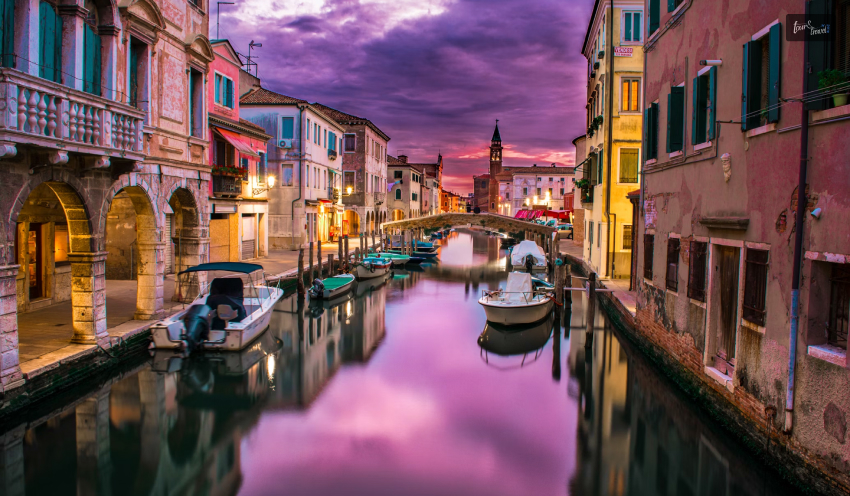
3. Venice 

Venice 

You cannot not love a city that has watery streets, where you have boats to accommodate, and love is in the air. This is what you will get on your Venice tour in Italy. So, there is no wonder that Venice is one of the best places to visit in Italy.   

It is a magical city filled with several tourist destinations. The great Basilica of St. Mark, near the Doge’s Palace, is a definite treat. All this will be part of your experience if you choose to go to Venice when you visit Italy.  

A Gondolas ride can make you go crazy once you are on the go. Beauty meets culture, a place where you can find the most authentic food to tantalize your taste buds and savor delicacies. Therefore, you will see the beautiful scenery and taste delicious meals in Italy.  

Which other place will give you the combination of these two worlds? What a pleasure that is to be lost in the pleasures of Venice! Several postcards await you when you tour Venice! Way to Go!! Yes, Venice will give you the best experience ever on your Italy tour.  

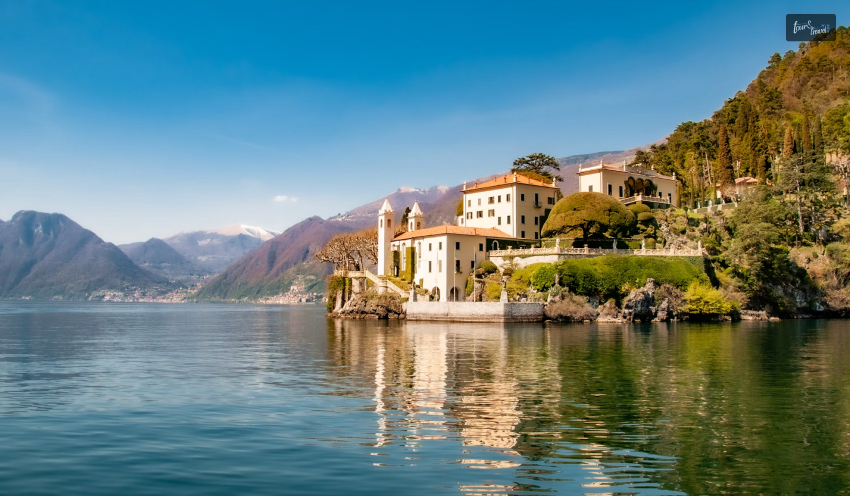
4. Lake Como 

Lake Como 

The lakes and their beauty are breathtaking, making Italy the most beautiful lake city. No one would like to visit a country without seeing what the lakes have to offer. One thing you need to understand is that Lake Como offers more than an ordinary lake will do.   

Como can be your favorite summer retreat, and you can definitely pick up Villas in Italy near Lake Como to have a fantastic travel experience. You cannot compare the experience that you get here with any other place in the world.   

Lake Como has its own uniqueness that makes it stand out. The microclimate of the western shore makes Como bearable, with moderate temperatures even in winter. Therefore, you can still target this place even when you feel like the environment is not conducive.   

The natural touches can help you choose tranquility over cheer. Quench your travel thirsts by traveling to Lake Como this upcoming New Year! No one has regrets after choosing to visit Lake Como, Italy.  

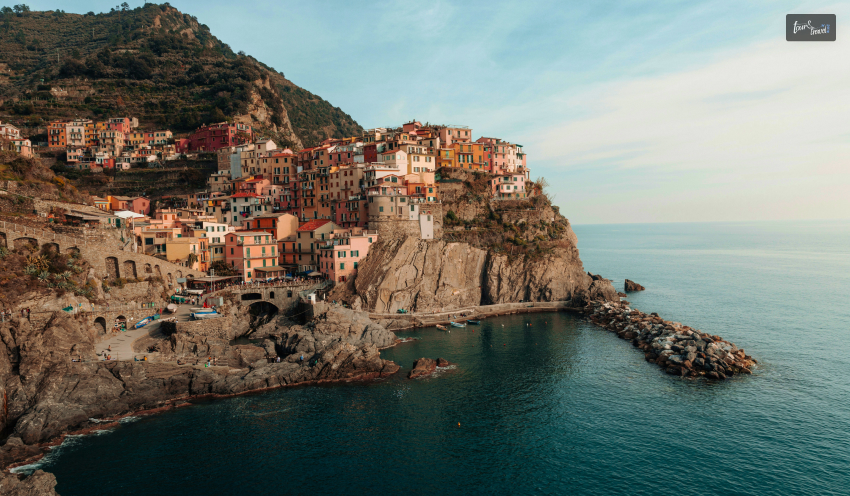
5. The Cinque Terre 

The Cinque Terre 

The top five towns would almost be impossible if there were no railway connections made. After all, how will you move from one place to another without a reliable transportation system?   

In contemporary times, the trail with cliffs is the only mode of travel. This can be called the most visited tourist attraction in Italy. Therefore, you could be the only one missing the opportunity if you don’t include it on your list.   

It is one of the most soothing and relaxing places to visit. Cinque Terre is a definite reason to visit Italy once in your lifetime. Beauty attracts all, and why not explore the serene when you have all the beautiful things aligned in a city? This destination is the only reason why some people choose to visit Italy.  

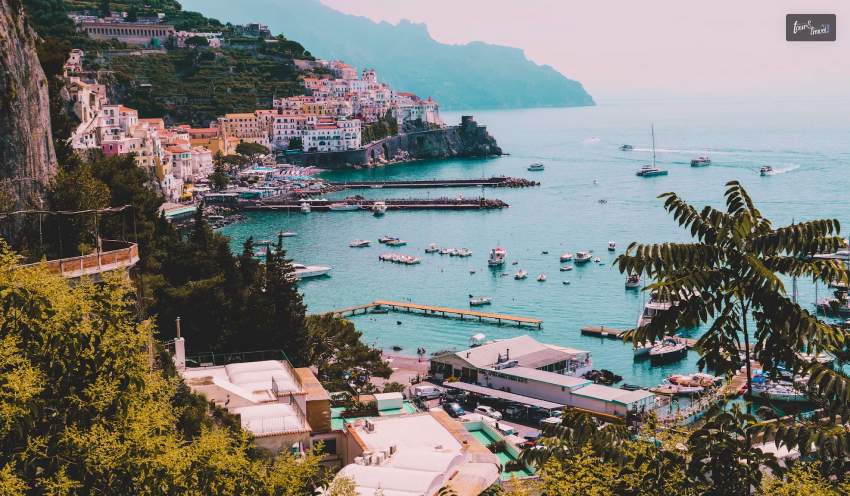
6. Amalfi Coast and Capri 

Amalfi Coast and Capri 

The high and unlikely Amalfi Peninsula hugs the Mediterranean in the south of Naples is unimaginable for its pill down and dangerous steep slopes. However, the site is amazing, especially if you are experiencing it for the first time.   

Streets can be called stairways, and houses surrounded with colorful natural decorators add more beauty to them. It is quite amazing to stare at these landscapes and watch what they have to offer.   

Flowers and beaches amidst the emerald water are sure to soothe your mind, body, and soul. The Amalfi Drive is one of the world’s greatest scenic routes. Lavish villas and lush green gardens add zeal to your travels.  

All these features will keep you watching for an extended period. No wonder we have a non-countable number of visitors who get to this destination every year.   

Conclusion   

 Travel enthusiasts find the places to visit in Italy to be the full package of history, culture, customs, and sites that feed their hunger for aesthetics.  

It’s time for you to be in this land of lakes, castles, and delicious wines. Doesn’t the idea sound just perfect? What is the one destination in Italy that you want to visit the most? Don’t forget to share your thoughts with us!  

Read Also:

Share on Social Media

Meet Sibashree Bhattacharya, a travel enthusiast who has a decade-long experience in transcending virtual barriers with her words! Her deep love for travel is apparent from her travel escapades to the mountain, often taking her readers on a journey, her words acting as Portkey! Fun fact: Sibashree loves to dive deep into the history of the places she is about to visit, making her travels even more wholesome. If you were wondering how her articles are not short of time travel, this answers it!

Leave a Reply

Your email address will not be published. Required fields are marked *

title-img Related

READ MORE Traveling

Traveling On A Budget: Tips For Affordable Adventures

BY  Abdul Aziz Mar 7, 2024

Embarking on a budget-friendly adventure doesn't mean compromising on experiences or settling for less. With strategic planning and savvy choices, you can make the most of your travels without breaking the bank. Here's an in-depth guide on how to travel on a budget, covering essential tips and tricks for securing affordable accommodations, flights, activities, dining, transportation, and more. 1. Strategic Planning for Savings The key to successful budget travel lies in meticulous early preparation. Start your planning well in advance to capitalize on the best deals. Early research and booking of lodgings, flights, and activities is recommended since early bird discounts and promotions are available. By doing so, you not only secure lower prices but also have a more comprehensive range of choices, ensuring that you get the best value for your money. Explore various travel platforms, compare prices, and consider bundling options for additional savings. 2. Timing Matters: Booking on a Budget Understanding the optimal times to book flights and accommodations is crucial for budget-conscious travelers. Airlines and hotels often offer discounted rates during specific periods, such as off-peak seasons or promotional events. Use online tools and platforms to monitor price fluctuations, and aim to make your bookings during periods when prices are typically lower. Flexibility in your trip dates also results in significant savings. Consider scheduling mid-week flights and skipping busy travel days to get better discounts. 3. Avoiding Pricey Guided Tours While guided tours provide convenience, they often come with a hefty price tag. Explore alternative ways to experience your destination without compromising on the richness of your adventure. Utilize local transportation, embark on self-guided walking tours, and research points of interest in advance. Engaging with the local community can uncover hidden gems and unique experiences that might be missed on a standard guided tour. Take advantage of technology, such as travel apps and audio guides, to enhance your self-guided exploration. 4. Embrace Off-Peak Travel Traveling during the off-season offers numerous advantages for budget-conscious explorers. Off-peak periods often translate to lower costs for accommodations, flights, and attractions. Additionally, you'll encounter fewer crowds, allowing for a more immersive and tranquil experience. Research the off-peak seasons for your desired destinations and plan your travels accordingly to maximize savings. Enjoying popular tourist spots without the hustle and bustle not only saves money but also provides a more authentic and serene experience. 5. Smart Accommodation Choices Navigating the world of budget-friendly accommodations requires careful consideration. Beyond traditional hotels, explore options like hostels, guesthouses, and vacation rentals. Websites and apps dedicated to budget travel can help you discover unique lodging options that cater to your preferences and budget. Don't shy away from unconventional choices – they can enhance your travel experience while keeping costs down. Prioritize accommodations that offer kitchen facilities, enabling you to prepare some of your meals and further reducing expenses. For additional insights into making intelligent accommodation choices, consider exploring resources like the headquarters location. It will help find details for Hotels like Marriott, IHG, Hilton, Holiday Inn Express Corporate Office, Phone number, Business Email etc. Such resources provide valuable information about reputable accommodations. 6. Savoring Affordable Local Cuisine Delve into the world of budget-friendly dining, from street food markets to local eateries. One of the joys of travel is experiencing the local cuisine, and you don't have to break the bank to do so. Explore local markets, food stalls, and smaller restaurants where you can sample authentic dishes at a fraction of the cost of upscale establishments. Engage with locals to discover hidden culinary gems and take advantage of happy hour deals for both food and beverages. 7. Budget-Friendly Transportation Hacks Uncover strategies for cost-effective travel, including budget airlines, public transit, and rideshare services. While it might be tempting to rent a car, consider the affordability and convenience of public transportation in many destinations. Budget airlines often offer significantly lower fares, especially when booked in advance. Rideshare services can be more economical than traditional taxis, particularly for short distances. Research transportation options in your destination and plan your itinerary accordingly to minimize expenses. Related: 5 Things You Can Carry For An Amazing Trip On A Budget 8. Maximizing Free and Low-Cost Activities Learn to make the most of free attractions, parks, and cultural events at your destination. Many cities offer a wealth of free activities, from museums with free entry on certain days to outdoor concerts and festivals. Plan your itinerary around these opportunities to enjoy a rich cultural experience without spending a dime. Explore local parks, historical sites, and architectural landmarks that don't require admission fees. Utilize apps and websites that highlight free events happening in the area during your visit. 9. Packing Light for Savings Master the art of packing efficiently to avoid extra baggage fees and streamline your travel experience. Pack adaptable clothing pieces that can be combined and matched to minimize the need for additional packing. Invest in tiny travel-sized toiletries to comply with airline restrictions while saving room. To save money on your trip, take a reusable water bottle and food. Packing light not only saves money but also enhances your mobility and reduces the stress of lugging around heavy baggage. 10. Leveraging Travel Rewards and Loyalty Programs Discover how loyalty programs and travel incentives may drastically reduce your total travel expenditures. Many airlines, hotels, and credit card firms have reward systems that award points or miles for every purchase. These points can be used for reduced or free airfare, lodging, and other travel-related costs. To optimize discounts, research and join up for reward programs that are relevant to your trip plans. Additionally, consider travel credit cards that offer perks such as waived annual fees, travel insurance, and exclusive access to airport lounges. In conclusion, embarking on a budget-friendly adventure requires a combination of careful planning, intelligent choices, and a willingness to explore alternatives. With these tips and tricks, you can enjoy memorable and enriching travel experiences without exceeding your financial limits. Whether you're a seasoned budget traveler or new to the concept, embracing these strategies will not only save you money but also enhance the authenticity of your journey. So, pack your bags, embrace the spirit of adventure, and make the most of every budget-friendly moment on the road. FAQs!!! Q1: Can I still find affordable accommodations if I'm planning a last-minute trip? Ans: While planning is ideal, last-minute travelers can still find budget-friendly accommodations. Look for last-minute deals on hotel booking websites, consider alternative lodging options, and be flexible with your location and amenities preferences. Q2: How can I save on transportation costs during my budget-friendly travels? Ans: To save on transportation, consider using budget airlines, public transit, or rideshare services. Booking in advance, being flexible with travel dates, and exploring local transportation options can significantly reduce your overall transportation expenses. Q3: Are loyalty programs and travel rewards worth the effort? Ans: Yes, loyalty programs and travel rewards can be highly beneficial for budget travelers. Accumulating points or miles through credit card purchases or frequent travel can lead to discounted or free flights, accommodations, and other travel-related perks, making it a valuable investment in the long run. Q4: How do I find budget-friendly dining options while traveling? Ans: To find budget-friendly dining options, explore local markets, street food stalls, and smaller restaurants. Engage with locals for recommendations, take advantage of happy hour deals, and consider preparing simple meals if your accommodation provides kitchen facilities. This way, you can savor local cuisine without overspending. Read Also: How Do I Keep My Child Occupied When Traveling? 9 Tips On How To Make The Most Of Your Wildlife Travel Best Restaurants In Honduras To Visit While Traveling

READ MORE Ritigala Forest Monastery

Ritigala Forest Monastery: Location, Timing, History, Climbing Experience And More

BY  Sibashree Feb 18, 2026

After exploring the Tamil culture and the Hindu temples of Jaffna, it was time to visit an ancient and secluded Buddhist meditation retreat in Sri Lanka.  It has stone ruins from the 1st century BC, and it was once home to the Pamsukulika Sect of monks, who were known for their meditation-based and secluded lives in the forest.  Moreover, the Ritigala Forest Monastery has an association with the stories of the Ramayana. Also, this monastery is inside the Ritigala Forest Reserve. So, it is a place where history, spirituality, and wildlife await you.  Hi, in today’s blog, I will talk about how I climbed up the stone steps to reach the Ritigala Monastery in Sri Lanka, the history, legends, and the main attractions of visiting the ancient monastery today.  I will also talk about the transportation options.  Where Is Ritigala Forest Monastery? Sri Lanka maybe one of the cheapest places to travel in the world. However, its natural beauty and the cultural and historical richness are matchless. The Ritigala Forest Monastery is one of the hidden gems in Sri Lanka.  The Ritigala monastery is located across the mountain of Ritigala. The mountain of Ritigala is the highest mountain in the dry northern region of Sri Lanka.  It is close to Harbarana, which is again the epicenter of the cultural triangle, the Sigiriya Rock Fortress, Dambulla Cave Temple, and Polonnaruwa. It is also the gateway to many wildlife safaris in Sri Lanka.  The distance between Harbarana and the Ritigara mountain is around 21 km. Other important locations near the mountain are Anuradhapura, which is at a distance of 42 km, and Sigiriya, at a distance of 32 km.  Furthermore, the Ritigala Forest Monastery is inside the Ritigala Strict Nature Reserve.  However, remember one thing. As I mentioned in my Jaffna, Sri Lanka, travel guide, you have to rely on the locals when you are exploring the cultural landmarks or a secluded place like the Ritigala Forest Monastery.  You cannot trust Google Maps completely for locating the Ritigara mountains and monastery.  How To Reach The Ritigala Forest Monastery?  Harbarana was the base for my road trip to the Ritigara mountain and trekking further.  1. Reaching Harbarana From The Bandaranaike International Airport (CMB) I took a flight to the Bandaranaike International Airport (CMB). The distance between the Bandaranaike International Airport (CMB) and Habarana is around 151 km. You can take a car rental for the entire journey. However, being a fan of the LowDownUnder Travel, I chose a different path.  After reaching the Bandaranaike International Airport, I took a taxi to Gampaha and then took a train to Harbarana. The ticket cost me around INR 400, and the travel time was around 4 hours and 40 minutes.  The Sri Lankan Railways runs two trains daily from Gampaha to Habarana.  Other airports close to Harbarana are Sigiriya Airport (18 minutes), Kandy Airport (2 hours), and Trincomalee (1 hour and 36 minutes).  2. From Harbarana To The Ritigara Mountain  From Harbarana, I took a taxi to reach Ritigara. It cost around INR 420, and the travel time was around 35-40 minutes.  You can also reserve a car or tuk-tuk to take you to the mountains, wait for you at the entrance gate, and take you back home when you are done trekking. In such cases, the reserve cost will be around INR 1000-1200.  The route from Harbarana to Ritigara was beautiful. My cab driver pointed out the local farming practices and the land on the way.  It was a fulfilling experience, and as Jaffna has a unique food scene based on its local agricultural practices, the food habits of this northern-central region of Sri Lanka. Red rice, jackfruit curry, and river fish are the staples here.   Also, my driver told me to keep my eyes open to spot elephants. However, I was not lucky enough to spot my favorite animal. I noticed some fresh dung in the road, though.  Furthermore, when the car came off the main road, the ride became a little bumpy. The route from here to the Ritigara mountain was a combination of dirt tracks and semi-paved roads.  Finally, I reached the entrance of Ritigara and purchased my ticket. The ticket cost me around INR 450, and I even got a guide for INR 1200. What Is The History Of Ritigala Forest Monastery?  The history of the Ritigala Forest Monastery goes back to the 1st century BC. You will find here more than 70 rock caves, the 9th-century meditation spots of the "Pansukulika” monks, and unadorned stone pathways.  Here is a brief historical timeline of the Ritigala Forest Monastery.  1. Establishment Of The Ritigara Forest Site For Monks Buddhist monks came here and started living in the sacred mountains in the 1st century BC. There were more than 70 caves where monks started meditating in solitude.  Even today, there are many rock inscriptions from which we can learn about how many patrons helped to build and maintain the site, which was home to monks who left the luxury of monasteries and used to meditate in the caves.  2. Receiving Royal Patronage This site received adequate royal patronage, and from the inscriptions, we especially get to know about King Pandukabhaya.  He founded Anuradhapura and built a reservoir at the base of the mountain for the hermits here in the 4th century BC.  3. Building Of The Pansukulika Sect Monastery King Sena I built the Ritigara Monastery in 833, and it was meant for the Pansukulikas or monks in rag robes.  These monks practiced the highest form of asceticism, and they were on a mission to revive the simple teachings of Lord Buddha.  4. The Decline Of The Pansukulika Sect And The Monastery  From the 9th to the 11th century, the Ritigala Forest Monastery and the Pansukulika Sect of monks enjoyed immense glory.  However, with increasing donations and the monks getting inclined toward what they earlier rejected, the core philosophy of the sect was lost.  Two rival sub-sects were formed within the Pansukulika Sect. Finally, King Vijayabahu I confiscated their extensive holdings in 1070-1110 CE as a part of a Buddhist monastic reform.  5. Abandonment And Discovery Of The Ancient Monastery Despite the royal patronage, the Ritigara Forest Monastery was abandoned around the 10th to 12th centuries due to the Chola invasions.  It was an unprotected ruin until James Mantell, the British colonial surveyor, saw the ruins while climbing up the mountain.  Then, he drew the attention of H.C.P. Bell, the first Archaeological Commissioner of Ceylon. He understood the historical and religious importance of the place and expanded it extensively in 1893.  Finally, in 1941, the 1528 hectares of the forest area, including the ruins, were designated as a Strict Nature Reserve.  Today, the conservation efforts strike a balance between the ecological and archaeological preservation of the monastery and the site.  Design And Engineering Of The Ritigala Forest Monastery: The Incredible Ruin The monastery does not look like the traditional stupas. Here, you will find interconnected stones, paved pathways, and stone bridges.  Furthermore, there are bathing areas like the famous Banda Pokuna.  The most unique thing about the Ritigara Monastery is that here you will not find any Bodhi Tree or any Buddha statue.  It is a place where you can walk, meditate, and contemplate.  You may call it a failed attempt to revive the radical simplicity of Buddhism, but for every seeker, it will always be a place to introspect and connect to a higher energy.  I had goosebumps the moment I entered the monastery. Let’s delve deeper into the unique architecture of the monastery.  1. The Padhanaghara And Stone Pathways  The ruins of the Ritigala Forest Monastery cover an area of around 120 acres. You will see around 50 distinct meditation houses or Padhanaghara in the area.  Inside each meditation house, you will find two raised platforms in the east-west direction, and those were made of stone. A small maot surrounded the platforms, and a small stone bridge connected the platforms.  Probably, these structures were used for some rituals or meditation purposes.  Interlinking stone pathways connect these meditation houses. These pathways are 1.5 meters in width, and the width is consistent as the pathways ascend the slope. These pathways also have circular intersections.  2. Water Management System, The water management system in Ritigala Forest Monastery was sophisticated. Banda Pokuna and Kumbuk Wewa, these twin ponds were carved from rocks.  Furthermore, I found a large stone trough in the courtyard, which was used for cooking food.  Also, I saw the ruins of the monastery hospital and stone mortars, which were used to grind and prepare herbal medicines.  Moreover, the monastery did not have any residential complex. The monks lived and meditated in the caves.  However, there were urinal stones, which were the only amenities or the luxury the monks enjoyed in this austere setup.  What Is The Legend Of The Ritigala Forest Monastery?  The Ritigala mountain has a connection to the Hindu mythology, the Ramayana. Attacked by Ravana, Lakshama, the brother of Lord Ramachandra, became unconscious on the battlefield.  Lord Hanuman, on Lord Rama’s command, went to fetch a life-saving medicinal herb from the Dronagiri. However, he forgot the name of the herb and carried the entire mountain on his shoulder.  When he was crossing the Palk Strait, five segments of the mountain fell from his grasp. The biggest fragment fell on the site of the Ritigara Mountain.  Now, you may not believe the legend of the Ritigala Mountain. However, the presence of various medicinal plants in the mountains keeps the myth alive.  Moreover, among the 417 species of plants here, around 96 varieties are for medicinal purposes. Moreover, the northern peaks have names such as the Wannati-kanda and Aushada-kanda.  Climbing To The Ritigala Forest Monastery In Sri Lanka  Climbing up to the Ritigara Forest Monastery was a free-flowing experience. There are many things to see, but more to feel.  Here is how I explored the ruins.  1. The Bathing Pond  As I left the ticket counter behind, I found the first ruin. I took the stone steps to visit a massive bathing area.  You have to be careful with the steps here, as they are cracks and have overgrown tree roots.  Large trees have grown in the bathing area now. However, you can still understand its massive scale.  2. A Winding Stone Path And Ruins Of The Monastery The winding stone pathway took me through various ruins, and they stood like the blueprints from a bygone era.  The most striking one among them was the ruins of the hospital. It still had a sunken bath and grinding stones for preparing medicines.  As I climbed up, I found the meditation platforms, big multi-chambered rooms, and urinals.  3. The Large Pavilion With Columns  I found a large pavilion here with big columns. However, the more intriguing was the Big Tree behind the ruin.  It is so massive that its ground roots have created a labyrinth. The road seems to fizzle out at this stage. However, my gut instinct said that there is something more.  4. The Hidden Ruin  My guide was not happy with me for continuing further. As I headed down, after the initial disappointment of landing on the forest floor, I found another ruin.  There was a stone bridge, and it took me to a promontory with a square structure. It was the ruins of the library that had many precious manuscripts.  The view from the promontory was amazing.  It is a shame that most trekkers miss it, as the signs are not adequate and often hidden in the overgrown bushes. Furthermore, most of them are only in the Sinhalese language, which only locals can read.  However, I used the absence of signboards to my advantage.  Practical Tips For A Visit To The Ritigara Forest Monastery  If you are traveling with your partner or in a group, you must reserve a tuk-tuk or car to bring you back. You may not get a passing traffic. I took the risk as it was a solo adventure.  You have to carry snacks and water. Wear sunscreen and carry insect repellents.  You will find a toilet at the entrance of the ruins. I did not use it. So, I am not sure about the condition or the amenities available.  Ritigala Forest Monastery: Frequently Asked Questions (FAQs)  Here are the frequently asked questions and answers about the Ritigala Forest Monastery. 1. How Much Time Is Needed At Ritigala? Trekking the Ritigala Forest Monastery is going to take around 2 hours. So, overall, you will at least need 3 hours in Ritigala. Trekking up the route is easy. However, walking through the cracked stone steps can be challenging.Also, signboards are scarce and incomprehensible on the route. So, you must take a local guide.  2. Where To Stay Near The Ritigala Forest Monastery? I stayed at Habarana, and the name of my hostel was The Lake Breeze. The tariff for the hostel was around INR 2000. The amenities were basic, with fans, Wi-Fi, and mosquito nets.  3. Is Taking A Tour Of Ritigala Forest Monastery Worth It? Yes, taking a tour of the Ritigala Forest Monastery is absolutely worth it. Here, you will find the ruins of the 1st century BC, and it is great for anyone with a keen interest in the history and evolution of Buddhism. Furthermore, the ambiance of the ruins is introspective and meditative. Moreover, you can easily reserve a car or tuk-tuk to reach the base of the Ritigara Mountain and then start your trek for 1.5 to 2 hours. 

READ MORE pidurangala

Hiking The Pidurangala Rock And Seeing The Sigiriya Rock: A Day Soaked In History, Adventure And The Magic Of Sunrise 

BY  Sibashree Mar 5, 2026

I have just shared my story of climbing the Sigiriya Rock. It’s huge, and a UNESCO World Heritage Site, with the 660-foot stone remnants, is the perfect postcard of the cultural richness of Sri Lanka.  I visited the Hindu temples of Jaffna and experienced their grandeur. I have also experienced the somber vibe and wondered at the architectural marvel of the Ritigala Forest Monastery.  Now, if you think of the Pidurangala Rock, it is not the bucket-list material like the three places I have mentioned. I initially planned a hike of the Pidurangala Rock to have a different perspective of the Sigiriya Rock.  The view from the top is mesmerizing.  However, the Pidurangala Rock is not just the lesser-known neighbor of the Sigiriya Rock. It was an ancient Buddhist Monastery and is famous as the home to a 1500-year-old massive statue of Lord Buddha.  Also, watching the sunrise from the top of the Pidurangala Rock is an ethereal experience.  I hope you have guessed by now. In this blog, I will share my experience of climbing the Pidurangala Rock, watching the sunrise from there, its history, and other details.  The History Of The Pidurangala Rock The history of the Pidurangala Rock is over two millennia old. King Kashyapa made the Sigiriya Fort his seat of power and asked the monks to shift here. He made suitable arrangements to build amenities for the resident monks here.  In fact, the rock gets its name from "Pidu + Ran + Goda." It means the offered piles of gold. Thus, the name itself explains how King Kashyapa made donations for the development.  Furthermore, the Sigiri Pidurangala Raja Maha Viharaya temple is still inside the caves.  Also, the site has a 1500-year-old massive Buddha Statue in a reclining position. The treasure hunters ruined it partially in the 1960s. However, it has been restored.  Today, the Pidurangala Rock is a protected archaeological site containing ancient caves, a 5th-century stupa, and remains of a second stupa on the summit. How To Reach The Pidurangala Rock From Kandy? Hiking the Sigiriya Rock and Pidurangala Rock can be an extension of the mixed bag of things to do in Kandy.  The journey from Kandy to the Pidurangala Rock 1. The Long Haul From Kandy  You can catch a bus from the station behind the Kandy train station to Dambulla. This is a journey of 2 hours and 15 minutes.  Furthermore, the ticket will cost you around 1.14 USD or 200 LKR.  2. The Short Haul From Kandy  Once you reach Dambulla, you will get local buses to Sigiriya. The ticket price is around 40 LKR, and the travel time is just 30 minutes.  What Is The Entry Fee For Pidurangala Rock? While researching Sigiriya Rock, I was shocked to find that the entrance fee is $36 USD per person. a steep price tag considering how affordable the rest of Sri Lanka is.  Aside from our $35 USD Yala National Park safari, it was the only major expense I encountered during my entire month-long trip. In fact, my 5 days in Jaffna were quite a budget-friendly affair.  However, the Pidurangala Rock was a stark contrast. I paid only 300 LKR, which was less than 3 USD at that time.  Want to know more about my holiday in Sri Lanka? Read my guide on the Ambuluwawa Tower and things to do in Trincomalee.  I also visited Mount Lavinia Beach.  Hiking The Pidurangala Rock The hike to the Pidurangala Rock took me around 20 minutes. However, my heart was really pumping.  I climbed up a steep set of stairs, and that was an excellent morning workout for me.  Then, the trail ran into a scramble, and here, I found some large boulders.  You don’t need to use your rock climbing skills here. However, you will definitely need your friend’s hand to hoist yourself up.  Now, as I reached the top, I saw the long-awaited silhouette of the Sigiriya Rock. It looked magical against the backdrop of a golden morning sky.  The only complaint I had was the crowded main viewpoint. A local guide showed me a place that was around 20 feet down.  There was hardly a soul, and the view was unobstructed.  The Sunrise Mission On The Pidurangala Rock Hike the Pidurangala Rock before or during the sunrise to be a part of nature’s magic. See how colors form before your eyes.  Do not walk or hike at the site once the Sun is down, as the elephants are out then. I took a tuk-tuk before sunset to reach the base.  It cost me around 500 LKR.  The trail begins at the ancient Buddhist temple. So, you have to be respectful in your attire and demeanor.  How To Have The "Perfect" Sigiriya Day? If you are an adventurous soul, you can actually climb both the rocks in one day. You can see the sunrise at Pidurangala and be back at Hotel Sigiriya to catch some quick refreshment and relax.  Then, in the late afternoon, you hike the Sigiriya Rock for the best sunset experience.  Where To Eat And Sleep In Sigiriya? Sigiriya is small and spread out, so stay near the "center" (look for Pradeep Restaurant on the map). I loved Kalana Homestay. A cheap, friendly, and right in the mix. If you want luxury, Heritance Kandalama is an architectural masterpiece built into the cliffs further out. Moreover, Pradeep Restaurant and Shenadi are the two places where you will find the best meals.  What To Bring For A Hike To The Pidurrangala Rock? Since the hike begins near a Buddhist temple, women are asked to cover their shoulders and legs out of respect.  Because of the heat, a sarong is the perfect solution. You can stay cool and easily tuck it away once you’ve passed the temple grounds. Forgot to pack something modest? Don't worry, as the ticket office usually has scarves available to borrow.  Just make sure you’ve also packed sturdy shoes, insect repellent, and plenty of water to stay comfortable on the trail!