






From Museums to Parks: The Top Attractions in St George Utah

Feb 20, 2024

Last Updated on: Nov 15, 2024

Travel Guides

What are some of the best things to do in St. George, Utah? There are countless outdoor activities and breathtaking scenery all around in this adventurer’s paradise!

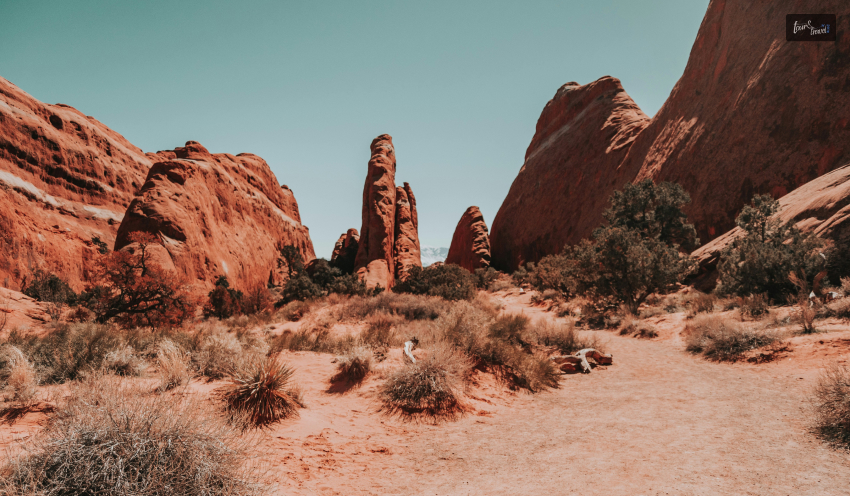
Situated amidst the magnificent red rocks of southern Utah, St. George is renowned for offering distinctive experiences that appeal to individuals searching for natural marvels and an exhilarating vacation.

Allow us to walk you through some of the best St. George activities to ensure that your trip, whether from Las Vegas or somewhere else entirely, is truly unforgettable.

Take in the breathtaking vistas while hiking in Zion National Park or exploring Red Cliffs National Conservation Area. Visit the Little Black Mountain Petroglyph Site to get a firsthand look at historical sites. Some of the top outdoor activities in St. George, Utah, are listed below for your enjoyment.

List of Outdoor and Nature Parks

List of Outdoor and Nature parks
  • Dixie Rock  
  • St George Narrows  
  • Pioneer Park Arches  
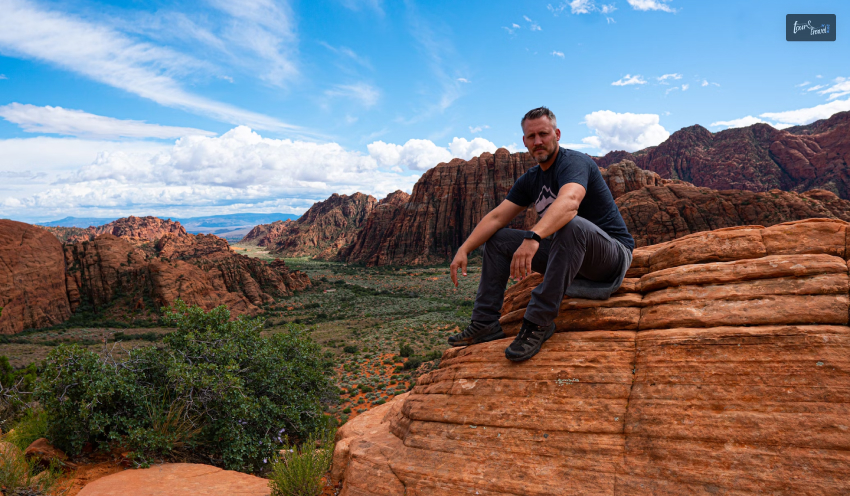
  • Snow Canyon State Park  
  • Quail Creek State Park  
  • Butterfly Hike- Lava Tubes  
  • Jenny’s Canyon  
  • Petroglyph Slot Canyon  
  • Red Hills Desert   
  • Little Black Mountain Petroglyphs
  • St George Hot Air Balloon Rides
  • Sand Hollow State Park
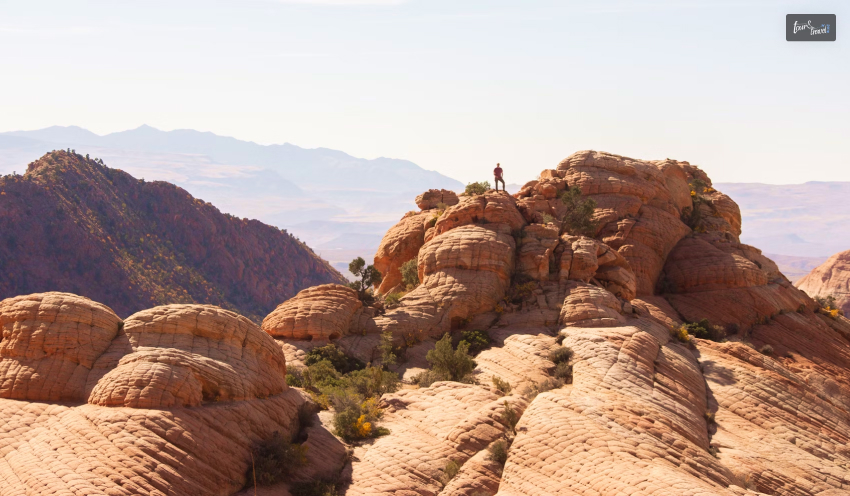
  • Yant Flat (Candy Cliffs)

Top List of Arts and Culture Venues in St George

List of Arts and Culture Venues in St George
  • Pioneer Courthouse
  • St George Utah Temple
  • Kayenta Art Village
  • Jacob Hamblin Home
  • Daughters Of Utah Pioneer Museum
  • Tuacahn Centre For the Arts
  • Brigham Young Winter Home Historical Site
  • Green Gate Village
  • St George Tabernacle
  • St George City Art Museum  
  • Western Sky Aviation Warbird Museum
  • Explore The Historic Downtown

List of Fun Things to Do in St George Utah, for Family and Kids

List of Fun Things to Do in St George Utah
  • St George Carousel  
  • St George Dinosaur Discovery Site
  • Thunder Junction Park
  • Parks and Playgrounds  
  • Silver Reef Ghost Town

List of Food and Drink Places

List of Food and Drink Places
  • Beers at Zion Brewery
  • Dessert at Nielsen’s Frozen Custard
  • Drive in at Larsen’s Frostop
  • Dinner at Chef Alfredo’s

Things To Do in St George Utah

St George Utah

Grab a water bottle and put on your adventure hat, and let’s explore what this quaint city has in store for you! You will find a lot of unusual things to do in St George Utah.

Zion National Park

Zion National Park

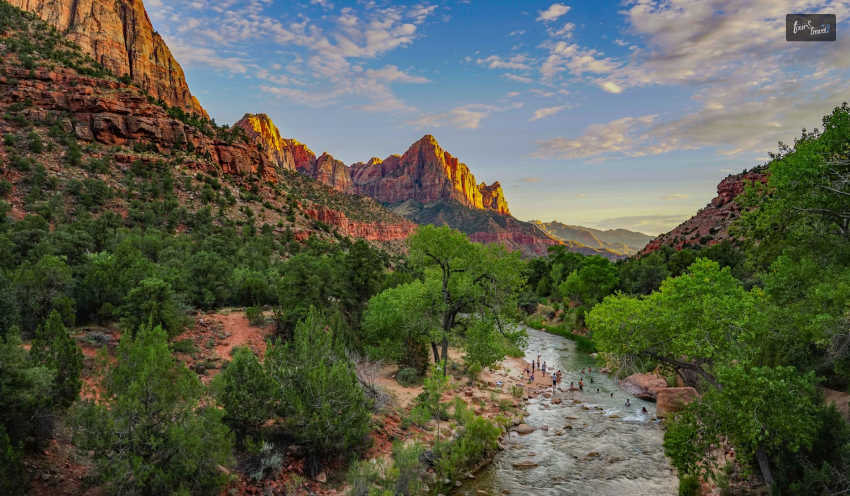
Zion National Park is one of the must-see locations close to St. George. Moreover, it has some of Utah’s most breathtaking scenery and hiking paths. The park is a great place to get away from the lights of the city because it has 15 miles of horseback riding trails and 38 miles of hiking trails.

The Narrows hike, a unique experience through a slot canyon that provides breathtaking views while wading through the Virgin River, is undoubtedly the most well-known hike in Zion.

Beginning at the Temple of Sinawava, this amazing trail descends into canyons with imposing walls that rise to a height of a thousand feet on either side.

If you’re up for an additional challenge while visiting, then think about hiking Angels Landing, a famous trail with breathtaking views but with treacherous switchbacks and exposed cliffs along the way.

While you’re enjoying Zion National Park, don’t forget to compile a Utah bucket list that includes other interesting places that are accessible by car from St. George and are great for families!

You won’t be disappointed by all that this amazing area has in store for you, from exploring neighboring Sand Hollow State Park with its skydiving and ATV rentals to visiting other breathtaking parks like Bryce Canyon or Arches National Parks!

Red Cliffs National Conservation Area

Red Cliffs National Conservation Area

Your journey from Las Vegas to St. George will be made even more memorable by the exploration of the magnificent Red Cliffs National Conservation Area. It is a vast 45,000-acre area in the heart of Washington County, Utah.

This area is nothing short of spectacular, thus making it a must-visit gem for outdoor enthusiasts seeking exhilarating activities in St. George or simply looking for an escape into nature’s wonders.

 The Red Cliffs National Conservation Area boasts breathtaking scenery with a variety of wildlife that adds to its allure, as well as distinctive red rock formations found within the Red Cliffs Desert Reserve.

It’s highly recommended that you get a trail map and head out on one of the many designated trails. You can see the breathtaking waterfalls as well as expansive vistas that are unique to St George.

It makes sense that everyone’s top priority when visiting this area is to explore Red Cliffs, with so much natural beauty right at your fingertips.

Little Black Mountain Petroglyph Site

The Little Black Mountain Petroglyph Site is a must-see location in St. George. Visitors can get a glimpse of the rich history and culture of the area by viewing the ancient petroglyphs carved into sandstone boulders at this site.

Moreover, all ages as well as skill levels can enjoy the short, easy hike around the site.

There are no restrooms close to the Little Black Mountain Petroglyph Site, so bring plenty of water and wear comfortable shoes. It’s fascinating to take your time walking around and taking in all the fine details on each rock carving!

Visitors can enjoy outdoor activities like hiking around St. George or climbing Dixie Rock at Pioneer Park, both of which are well-known destinations in and of themselves, in addition to exploring this historic gem!

St. George Historic Downtown

St. George Historic Downtown

As travel enthusiasts, we urge you to stop by St. George Historic Downtown while you’re in Utah. Your trip will be made unforgettable by the history, culture, as well as mouthwatering culinary options found here.

The St. George Tabernacle, a distinctive historical site with an intriguing past that is sure to captivate history buffs and casual visitors alike, is one of the top-rated attractions here.

Pioneer Park, which is perched high above downtown and provides breathtaking views of the city, is another fantastic location in St. George’s downtown. It’s the ideal location for a quiet family outing or a quiet place to spend some time alone while admiring the surrounding natural beauty.

After exploring the historic downtown, if you’re looking for even more nearby activities, don’t miss the Brigham Young Winter Home Historical Site or Red Hills Desert Garden, which are both conveniently close by!

Western Sky Aviation Warbird Museum

Western Sky Aviation Warbird Museum

The Western Sky Aviation Warbird Museum is one of our top recommendations for attractions in St. George, Utah. So, you won’t want to miss this exceptional aviation museum with its sizable collection of vintage aircraft.

You can see these amazing machines up close as well as discover more about how our pilots operate them.

Apart from witnessing the aircraft, you can also watch actual fossils being prepared in their laboratory! Visitors can observe experts working on dinosaur bones as well as other ancient specimens in a real fossil prep lab located inside this museum. Hence, observing how they are handling these precious relics firsthand is fascinating!

When in the area, make sure to visit the Western Sky Aviation Warbird Museum, which is regarded as one of the Best Things to Do in St. George, Utah. If you would rather explore on your own, then the museum also provides self-guided tours and guided tours led by knowledgeable tour guides.

Red Hills Desert Garden

Red Hills Desert Garden

The Red Hills Desert Garden in St. George, Utah is one of our favorite places to visit. Situated on Red Hills Parkway, this botanical garden provides sweeping views of the city. Moreover, it is close to Pioneer Park.  

Built on top of Dixie’s red rocks, this location boasts a unique desert landscape that cannot be found anywhere else, which is what makes it so special.

The public can enter the garden for free, hence making it a cost-effective way to spend a day in St. George. A man-made stream meandering through the park provides a soothing sound as you stroll along paths bordered with native plants.

Moreover, the Virgin River provides the water, which heightens the tranquil atmosphere this urban oasis creates.

A day trip to St. George is a great idea if you’re looking for something different and serene to include in your Las Vegas itinerary. Moreover, make sure to visit Red Hills Desert Garden alone.

St. George Dinosaur Discovery Site

During your trip to Utah, visit the St. George Dinosaur Discovery Site at Johnson Farm. It is bound to be an incredible experience! Thousands of dinosaur footprints are preserved in this museum at the exact location where they were found.

Discover unique fossils as well as dinosaur exhibits that will excite any history buff as you explore the museum. Even more thrilling is the fact that guests can use their hands to unearth replica fossils!

The location is renowned for its remarkable array of preserved dinosaur footprints from various taxa, such as ornithopods, theropods, as well as sauropods.

During an interactive tour, the guides provided us with astonishing information about these creatures that ruled our planet millions of years ago.

Overall, this hidden gem in southern Utah is genuinely unique. So, if you’re considering a weekend trip to St. George, then make sure not to miss it!

Vortex Hike

If you only do one in the vicinity of St. George, then we suggest the Vortex hike as a unique hike. The entire hike is amazing, in addition to the Vortex itself being incredible.

While it’s very busy and well-liked on weekends, we only saw one other group as we were leaving during our midweek visit. This is a moderate hike that takes about one or one and a half hours to complete (not including the time you want to hang out there). It is about 2.16 miles round trip.

Remember that the final five miles will be on unpaved roads. When we went, there were some muddy and dubious areas on the road because it had just snowed.

Although four-wheel drive as well as high clearance are always helpful, we also noticed a minivan in the parking lot.

When trying to take pictures of the Vortex, the sun’s position is a major factor. To prevent harsh shadows on the rock feature, you should be there either at dawn, dusk, or midday when the sun is at its highest. On a cloudy day, any time is acceptable.

Given that some of the cairns were difficult to locate, we strongly advise obtaining an offline map for the trail. Get the maps by downloading an app, and you won’t have to worry about getting lost.

Scout Cave

If you have limited afternoon time when visiting Snow Canyon State Park, then trek to Jenny’s Canyon and Scout Cave.

The hike wasn’t too interesting, but Scout Cave was lovely. Moreover, Jenny’s Canyon is an easy 10-minute stop with a short approach.

This state park is remarkably close to the city. It is also just ten minutes away. After speaking with a few locals, we learned that because people are so intent on seeing Zion, they frequently overlook it.

Next, when we have more time, we’d like to spend a whole day exploring the remaining portion of the park.

We would have given ourselves a whole day to explore the remainder of the park if we had known better. Because Snow Canyon offers an abundance of hiking opportunities.

Scout Cave appears far better in the morning light than it does in the afternoon or evening. This is definitely one of the many fun things to do in St George Utah.

Getting To St George: Driving

Getting To St George_ Driving

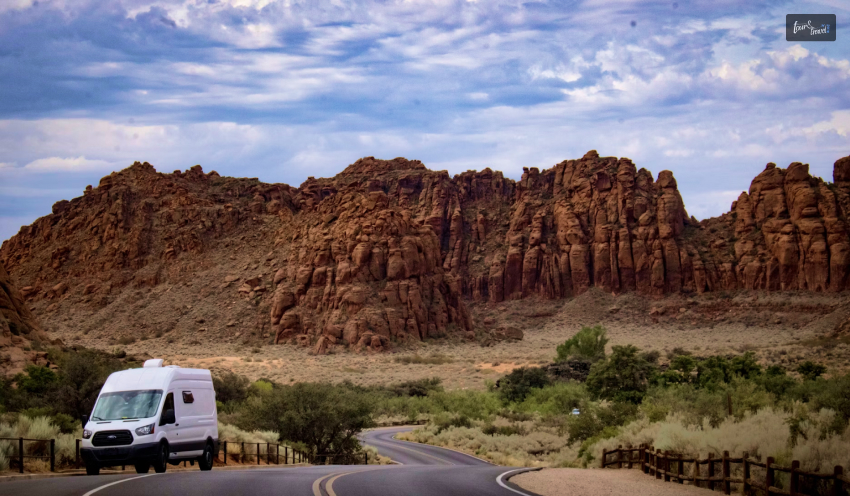
For those who want to take their time exploring Utah’s breathtaking natural scenery, driving from Las Vegas to St. George, UT, is a popular choice. So, the trip is usually completed in two hours and travels about 120 miles.

One option is to pick up a car at the airport in Las Vegas and then head directly to southern Utah.

You get a preview of what’s to come as you get closer to St. George, where the scenery changes to towering red rock formations and sandstone cliffs.

It’s crucial to keep in mind that the route between Las Vegas and St. George can occasionally get very solitary. So be ready with extra water, gas, and food in case there are any unforeseen delays or detours.

But the ride itself is very scenic, with gorgeous views of neighboring state parks like Valley of Fire and charming little towns along the way.

If you don’t feel like driving, then there are lots of tours that can handle all your transportation requirements. Moreover, they offer enlightening commentary on the natural wonders and history of the St. George area.

Take A Tour

Take A Tour

So, there are numerous tours available for visitors who want to explore St. George while they are in Las Vegas. Taking a guided tour with one of the many companies based in Las Vegas, such as Pink Jeep Tours and Grand Canyon Tour Company, is one option.

These tours usually take you along picturesque routes so you can enjoy the scenery as you travel between the two cities.

Therefore, there is sure to be something exciting waiting for every visitor interested in seeing everything that St. George has to offer, with a variety of options available, from gentle sightseeing trips appropriate for all ages to hardcore expeditions for experienced enthusiasts ready for rougher terrains!

Wrapping Up

To sum up, if you’re searching for unique experiences as well as outdoor adventures, then St. George, Utah, is a great place to visit.

Also, this city offers activities for all kinds of visitors, from hiking in Zion National Park to visiting the Western Sky Aviation Warbird Museum. A variety of activities are available for visitors to enjoy, such as exploring the Little Black Mountain Petroglyph Site and kayaking at Sand Hollow State Park.

Read Also:

Share on Social Media

Abdul Aziz Mondol is a professional blogger who is having a colossal interest in writing blogs and other jones of calligraphies. In terms of his professional commitments, he loves to share content related to business, finance, technology, and the gaming niche.

Leave a Reply

Your email address will not be published. Required fields are marked *

title-img Related

READ MORE 5 Popular 2 Week Treks in Nepal

5 Popular 2 Week Treks in Nepal

BY  Sibashree Mar 21, 2025

Nepal, a land of majestic peaks and fresh natural air is a dream destination for Trekkers around the World. Nepal holds the world's most prominent mountains and provides lasting trekkers with refreshing journeys through forests, tri-level fields, and snow-covered paths across its varied natural landscapes.  Nepal's many short trek routes like EBC, ABC, Manaslu Circuit Trek, Upper Mustang Trek and Annapurna Circuit Trek, let's all adventurous explore nature and culture in no amount of days. These five enjoyable Nepal treks below provide an excellent hiking experience over  just the time of two weeks.  1. Everest Base Camp Trek No journey can compare to the allure of Everest Base Camp Trek, one of Earth's most attractive hiking trails. As you travel up on this famous Moderate to Challenging difficulty level trail towards the heart of Khumbu, each step brings you closer to the world's highest mountain, Mount Everest. After landing in Lukla, travelers penetrate the Sherpa towns and dense rhododendron forests prior to crossing high altitude, glacier areas. As we move forward, Hikers reach Namche Bazaar, a lively mountain settlement with its delightful sights of prayer flags and teasing Everest views alongside Lhotse and Ama Dablam.  After this segment, the trail goes to Tengboche Monastery which preserves an old Buddhist heritage offering amazing views of Himalayan peaks. Starting the journey to Everest Base Camp tests your strength but promises you an icy and memorable encounter with High Mountain wilderness that carves into your memory. The Everest Base Camp trek runs for as little as a 12 day period even despite its steep environment and altitude. Spring (March-May) and autumn (September-November) represent ideal times for this trek as the stable weather in this time frame lets you see the mountains in their best light. If you want to skip some days to get aerial view of the Himalayas, you can take Everest Helicopter Tour which gives you 30 minute of stunning mountain views including the Everest. 2. Annapurna Circuit Trek The Annapurna Circuit route leads trekkers across Nepal's diverse landscapes, from subtropical forests bottoms then high-elevation meadows then ending at the edge of the Himalayan range. The route circles Annapurna Massif, offering awe-spiring views of peaks like Annapurna Dhaulagiri, and Machapuchare. The highlight of the trek is one of the world's highest trekking passes, Thorong La Pass (5,416m). The ascent here is tough, but despite the steep climb people reach the top feeling proud, enjoying breathtaking views across the horizon. While walking along the trails, hikers discover villages influenced of  Hindu and Tibetan Buddhist traditions blended, experiencing the warmth of the Gurung’s, Thakali, and Manang communities. Let’s not forget about Tatopani's natural hot springs. A dip here makes People experience relief from their tired muscles prior to heading to Poon Hill to witness one of the world's stunning sunrises over the Himalayas. This trek can be as long as 30 days, but we also have a 13 days route for this moderate to challenging Circuit trek. Advisable time periods would be March to May and September to November for an experience that is undisturbed by nature. 3. Manaslu Circuit Trek If you want to explore more remote and undisturbed trekking trails the Manaslu Circuit trek package stands out as a preferred route. The trek routes of the eight highest peaks in the World, Mount Manaslu (8163 meters) guides travelers through glacier rivers and scenic high-altitude passes. Unlike Everest and Annapurna, The Manaslu trail stands apart for it’s uncrowded and peaceful nature providing hikers perfect space for immersion in Nepal's unspoiled nature. The path follows original paths used by salt traders taking you through small Tibetan villages that have stayed true to their traditional ways since time immemorial. The most hard but fulfilling part is Passing through Larkya La La (5,106 meters) that requires physical fitness and endurance which results in incredible mountain views of Manaslu, Hiking Himal and neighboring peaks.  Trekkers find supreme enjoyment on the challenging Manaslu Circuit Trek. You need 14 days to complete this adventure and the advisable time period which offers optimal conditions would be from March to May and September to November. 4. Upper Mustang Trek This moderately difficult Upper Mustang Trek leads adventurers to Nepal's hidden land where trekkers encounter a stark contrast to Nepal's typical lush hillside regions. Also known as the “Last Forbidden Kingdom”, Mustang exists below the Annapurna range rain shadow, creating a beautiful desert-like landscape with deep canyons, eroded cliffs, and ancient caves. This trek feels like stepping in the past. This Ancient Tibetan territory holds centuries of Buddhist culture. Its many old monasteries, chorten temples, and traditional brick houses line its landscape. The walled fortress of Lo Manthang shows its whitewashed houses and royal palaces beside colorful fluttering prayer flags. The distinct features of this destination go beyond its special landscape. Mustang stayed hidden to foreign visitors until 1992, when they finally opened it to the public. The trek generally takes 14 days. The best experience would be between spring and autumn months, when the skies are clever and the weather dances mild. 5. Annapurna Base Camp Trek When seeking a quick but dazzling hiking adventure, the Annapurna Base Camp Trek represents an excellent choice.  In 14 days this trek brings trekkers deep into Annapurna Sanctuary, where a glacial amphitheater hosts Annapurna's peaks, including its main summit and four surrounding giants, Annapurna I, Annapurna South, Machapuchare, and Hiunchuli. The Annapurna region's lower slopes start with trails that run through cultivated fields, passing bamboo patches and traditional Gurung communities. Before the final ascent to the Annapurna Base Camp, hikers often stop to visit the Jhinu Danda for its natural hot springs.  This Moderate difficulty trek is indeed a little tough, but the 360-panorama view you'll get from here, that makes it all worth it.  The road to Annapurna Base Camp frequently links to Poon Hill, where trekkers enjoy the sunrise views above Annapurna and Dhaulagiri ranges. The trek is suitable for both intermediate and advanced walkers. To make the Hike even more memorable, advised seasons to visit would be Spring and autumn. Final Say No other nations on earth have trekking routes that match the legacy of the Himalayan routes of Nepal. Whether you dream of the mighty Everest Base Camp, wish to explore the hidden routes and valleys of Mount Manaslu and Upper Mustang, or want to dive into the rich culture of Annapurna region. There's a trek for it all. All these treks mentioned are perfect for the time saving Travelers who want an unforgettable Himalayan exploration during their brief vacations. Each one can be completed within two weeks. A short adventure that leaves a long and lasting impact on your memorial lane.

READ MORE card-img

What Are The Kotor Montenegro Free Activities For Budget Travelers? (Cheap And Free Are Not The Same) 

BY  Sibashree Dec 19, 2025

Do “Cheap” and “Free” ring similarly to you? Not to me, at least! I was researching free activities for my visit to Kotor, Montenegro. Every guide, trust me, every guide, was a random mix of cheap and free activities. And it’s almost 2026, the same problem lies with the so-called guides of Kotor Montenegro free activities. Everyone is actually discussing the cheap activities, or they are not giving the true picture and updates about free activities like the Kotor Fort through the Ladder of Kotor route. Did anyone tell you that the “Window” section for a free jump into the fort premises no longer exists? It has been blocked, and there is a turnstile at the entry point. You can still go for a free hike on that route, but it will no longer be a trek to the fort. So, if you are expecting a free sneak into the Kotor Fort, I would say, “Don't hike for 2 hours expecting to sneak in.” However, if you want to enjoy a free view of the Kotor Bay or the fort from outside the walls, I will say, “Go ahead!” Also, the bus rides in Kotor are never “Free!” They are cheap, yes, costing around 1 to 3 Euros for local transfers. However, one delightful thing that is absolutely free in Kotor is the cat therapy. I had the most adorable time with the cats of Kotor. These adorable animals are indeed the guardians of the city. In this Tour and Travel Blog, I will talk about the Kotor Montenegro free activities in detail. I will also touch upon the cheap activities to do in Kotor, Montenegro, and budget travel hacks. What Are The Kotor Montenegro Free Activities? Kotor is so walkable and welcoming that you can have fun outdoors and explore the historical and cultural landmarks of the city free of cost. 1. Hiking The Free And Big Walls Of The City  The history of Kotor speaks through the Kotor Fortress. Furthermore, the abandoned Austro-Hungarian Fort, built in the 19th century, stands out today with its mysterious monk paintings. You can include a hike to these big city walls as a free activity in your Kotor, Montenegro travel itinerary.  Hiking The Kotor Fort For Free  You can visit the Kotor Fort via the city entrance, which costs 15 Euros. However, you can avoid this cost by taking the alternative route, which begins behind the Old Town of Kotor. You can access this trekking route via Tabačina Street. This route, beginning near the River Gate exit, is popular among locals for a free hike to the Kotor Fortress or the San Giovanni Fortress. After walking for 20 to 30 minutes on the route with loose rocks and steepness, there is a place called “Window.” Earlier, locals and tourists used to get into the fortress through this window. However, the window is now blocked with strict vigilance from the fort authority. So, you cannot reach the fort through this hiking route anymore. But hiking through this route itself is an experience. Also, if you are looking for cheap eats in Kotor, Montenegro, that offer the most authentic experience, let me tell you that you will find the best cured ham here. The hiking route leads to Njegusi, and it has some amazing family-run taverns. Hiking The Fort Vrmac For Free  I did not know that so close to Kotor, Montenegro, I would find the ruins of an Austro-Hungarian Fort. The hiking route is easy, and it passes through a quiet forest, offering multiple vantage points and amazing views. The trailhead is just 15 minutes away from the Kotor Old Town and near the town of Muo. Also, the stone path of 6.5 kilometers can be completed within 3 to 4 hours. On my way, I came across pomegranate trees and spotted turtles with yellow and black spots. The only difficulty I faced on this route was the lack of any clear direction. The route was a bit random and can get confusing if you are hiking alone. After I reached the top, I found an abandoned military outpost. It was like a ghost town. The ghost town and the Vrmac Fort of 1894, which suddenly emerged before my eyes like something surreal, seemed eerie to me. I could hear the rifles firing. The fort played a vital role in the World Wars and was later used by the Yugoslav army.  Expanding The Free Hike To Fort Vrmac  Once you are done exploring the fort, you will find many trails leading to different destinations from the top of the hill. You can choose to continue your hike to Tivac or take an alternative and longer trek route to Kotor Town. Hiking The Fort Gorazda For Free  Fort Gorazda is another Austro-Hungarian Fort, and it is a popular free hiking destination near the Old Town of Kotor. This fort, built between 1884 and 1886, is located at an altitude of 452 meters. Once you reach the hilltop, you must climb up the metal dome. This armored metal dome was one of the main elements, offering a strategic advantage to the fort. From the top of this dome, you will get a 360-degree view of Herceg Novi, Lustica Peninsula, and Tivat. For a free hike, you must start at the Trg od Oruzja or the Main Square of Kotor. Then, walk to the Old Town and make an exit at the Vrata od Kampa or North Gate. Turn left and continue on the Jadranska magistrala or coastal road to find the signs for Skaljari. Chill at the cafes and shops along the way and have some refreshment. Then, walk for around 20 minutes to reach the Skaljari Village. Walk straight and on the right, you will find a steep path that takes you uphill. At the end of this road, you will find Fort Gorazda. The hike is moderately challenging, and a round trip will take around 5-7 hours. An Alternative Route To Fort Gorazda  If you are short on time and don’t want to walk so much, I want to share some Kotor transport tips to reach Skaljari.   The bus ride will take around 10 minutes, and once you reach Skaljari, you can walk for 15 to 20 minutes to the route leading to the fort atop a hill.   This combination of bus ride and hike is also a budget-friendly option, considering the bus tickets only cost around 1 to 2 Euros.   2. Free Historical And Cultural Exploration  When you have the alleys of a UNESCO World Heritage Site to be explored, you know that a rich cultural and historical experience awaits you.   It’s time to soak in the medieval atmosphere.   Walking The Old Town (Stari Grad): A Self-Guided Route  The Old Town or Stari Grad of Kotor allows you to get lost intentionally in the cobblestone mazes and alleys.   • Walk Starts At Gurdić Gate  Anyway, I started from the Gurdić Gate, or the southern entrance to Kotor. From there, my walk continued through Craftsmen Street.   I met and talked with the carpenters, goldsmiths, blacksmiths, and shoemakers there. I bought two model boats from a shop here as souvenirs.   • The Famous River Gate And Meeting The Cats Of The Town  Then, I reached the famous River Gate. I crossed the bridge there and got an amazing view of San Giovanni’s Fortress.   Then, I came back to the town, and near the Leafy Square, I found many cats, the guardians of the city. Also, St Mary’s Church, built in 1221, was one of the main attractions during my Strai Grad walk.   • St Lucas’ Square  My next stop was St Lucas’ Square, home to the Orthodox Church of St Nicholas. However, I found St Lucas’ Church here more interesting, with the history of this Byzantine church going back to 1195.   The St Lucas’ music school was opposite the church, and I could hear the sound of the piano and the full orchestra.   • Museum Square   I took the little lane to the Museum Square, and just before reaching the square, I found Karampana in a small courtyard on my right. It is the oldest public well in Kotor.   On the left, there is the Gregorina Palace, home to the famous Maritime Museum of Kotor. • St Tryphon’s Square   With beautiful mountain views and guarded by ramparts, St Tryphon’s Square is a place filled with many iconic landmarks of the Old Town. In a clockwise direction, you will find the following places at St Tryphon’s Square.   ⁍ The Old Town Hall  ⁍ Drago Palace  ⁍ Bishop’s Palace  ⁍ St Tryphon’s Cathedral  Venetian traders brought some of the relics inside St Tryphon’s Cathedral from Constantinople to Kotor in 809. There is also an altarpiece made by the goldsmiths of Kotor in the 15th century.   • Square Of Four   I took the road running between the Old Town Hall and the restaurant and reached the Square of Four.   Pima Palace and the Buča Palace are two important architectural and historical landmarks of the Square of Four.   • Square Of Arms   After I reached the Square of Arms, I visited Café Forza. I had an amazing Dobrotska Torta and coffee here, while cherishing the view of the Bizanti Palace, Venetian Arsenal, the Prince’s Palace, and more.   Finally, I bid goodbye to the Old City and made an exit through the Sea Gate. Which Churches Are Actually Free?  Kotor, Montenegro, has many churches, and they are often mentioned while discussing the Kotor Montenegro free activities.   However, not all the churches in Kotor offer a free entry. For example, you will need to pay 3 Euros for an entry to the St. Tryphon Cathedral Church.   • St. Nicholas Church   The St. Nicholas Church in Kotor is one of the free churches to visit in Montenegro. This orthodox church, built in 1909, has a lavish interior. You can buy candles from the small shops nearby for praying at the church.  • St. Tryphon Cathedral  St. Tryphon Cathedral, or Kotor Cathedral, built in 1166, does not offer free entry. You have to pay 3 Euros for the entry.   The church has the relics of St. Tryphon, the patron saint of the city, and a museum. Its architectural style shows eclectic influences, including the Baroque, Renaissance, Byzantine, and Roman styles.  • St. Luke Church, Kotor   The best thing about this 1195 church is that it does not have a clear Catholic or Orthodox identity. So, it was my favorite in Kotor. Anything that does not create differences for religion!  Furthermore, the church has one Catholic altar and an Orthodox altar. It remains open to all and offers a free entry during the summer season. However, it remains closed in the winter season.   • St. Claire’s Church, Kotor  Adjacent to the Franciscan Monastery, St. Claire Church, built in the 18th century, stands out with its grand altar and stunning interior.   Have a look at its wooden ceiling before leaving the church. It offers a free entry.   The Hidden Gem: St. Clare’s Franciscan Monastery, Church & Library  Once again, let’s talk about the St. Claire’s Church, Monastery, and Library, one of the few Catholic churches in Kotor, Montenegro, and a true hidden gem.   Made of brick and stone, the exterior of the church is humble. However, once you enter the church, the main altar, made of red and white marbles and exuding a Baroque style, will immediately steal your attention.   This altar was made by Francesco Cabianca in 1708. The side altars also have a Baroque style with paintings by Venetian artists. Later, Špiro Đuranović, a local painter, added a picture of St. Clare and four evangelists.   Among the many other collectibles, ancient books and manuscripts preserved by the church and its library, the Ecce Homo painting by the Spanish painter Morales, or El Divino, is the most famous.   Walking The Lower City Walls & Kampana Tower  You can start this walk of the Kampana Tower and the lower city walls from the Sea Gate.   Enter the Old Town.  Walk toward the northwest corner of the city walls to find the Kampana Tower.  Enjoy the views of the Scurda River and the harbor.  Walk toward the North Gate.  3. Free Swimming Spots In Kotor Bay  The rocky shores of the Kotor Bay offer many free swimming spots. Once you reach a beach, look for the public access areas for a free swim and directly into the water.   Free Swimming Spots Experiences  Dobrota Promenade • Find the hidden spots for swimming from the rocky shores directly Kotor Waterfront • Choose a public access spot with small pebbles Perast Waterfront • Expect charming town views Bajova Kula Beach • Beautiful pebble beach • Clear water  4. Free Events And Festivals In Kotor  Have a look at the table below to know about the free festivals and events of Kotor, their timing, and specialties.  Free Events and Festivals in Kotor Timing Free Elements The Tripundanski Days or the Days of St. Tryphon 3rd February Cultural exhibitions, parades, and concerts at Kotor Old Town Kotor Carnival February/March • Masks  • Parades  • Free Street Parties Boka Night Or Bokeljska Noć August  • Boat Parade  • Fireworks  • Concerts in Old Town Camellia Days March to May • Celebrating Camelia Flowers and Local Flavors  • Free Cultural Activities Kotor Festival of Theatre for Children 2nd to 10th July • Street Performances • Festive Decor in the Streets of Kotor Bay  5. Free Activities That No One Talks About   You can go through the best of lists about free activities in the “XYZ” place. However, you will never know where the real magic lies until you visit the place.   • Watching Sunset At Mount Vrmac  People still talk about a hike to Mount Vrmac and Fort Vrmac. However, only a local knows that the ideal time to start this hike is late in the afternoon.   Then, you will reach the Sveti Ilija Peak, the highest viewpoint, by sunset.   • The Gurdić Spring Or The Gurdić Bastion  This is a free attraction near the South Gate of the Old Town to learn about the resilient defense system of the city. Here, water bubbles from underground and flows into a moat system.   • The River Gate  Built in the 16th century, the River Gate or the North Gate is an entrance to the Kotor Old Town, a UNESCO World Heritage Site.   The bridge crosses the Škurda River. Thus, you can enjoy amazing views of the mountains, rivers, and the entire Kotor Bay from the bridge.   What Are The Cheap Activities To Do In Kotor, Montenegro?  Now comes the cheap activities in Kotor, and you can choose between short trips to nearby towns such as Perast and Budva, or exploring the former submarine tunnel entrance.  1. The Perast Bus Adventure  A Perast bus ride from Kotor will cost around 1.5 Euros. You will come across stunning Baroque architecture, such as the Zmajević and Bujović palaces.   It is a part of the UNESCO World Heritage Site, and as a historic seafaring town, it has a rich maritime history.   2. A Bus Trip To The Budva Old Town  One of the oldest urban centers in the Adriatic, the Budva Old Town has a history of more than 2500 years. It stands with its fortification and Venetian walls.   Furthermore, it has iconic landmarks such as the Church of St. John the Baptist and the Holy Trinity Church of the 19th century.   3. Visiting The Former Submarine Tunnel Entrance  The former submarine tunnel entrance near Kotor is an abandoned historical spot. It goes back to the Yugoslav era. The Yugoslav Navy used it as a secret military base for hiding submarines and boats.   From Kotor, you can take a bus to Kumbor and then follow the signs leading to the submarine tunnel entrance. The bus ticket price from Kotor to Kumbor will be around 1 to 3 Euros.   Also, if your budget permits, you can combine a visit to the former submarine tunnel entrance with a private speed boat tour to the Our Lady of the Rocks and the Blue Cave. The ticket price will be around 35 to 50 Euros.   4. Exploring The Kotor Farmer's Market  The open-air market just outside the Old Town walls of Kotor offers a delightful sensory experience. It is the place where you will experience authentic Montenegrin life and the best local flavors.   Buy cheese, honey, and local produce from this market and cook your meal at your hostel or homestay kitchen to budget your food expenses.   How Can A Student Explore Kotor On A Budget? The Ultimate Hack For Kotor On A Shoestring   I can give you a five-point solution to survive in Kotor and explore the city as a student on a shoestring budget.   1. The €1 Museum Hack  If you have the International Student Identity Card or a valid student identity card, you will have to pay just 1 Euro, instead of 5 Euros for an entry to the Maritime Museum of Kotor.   Also, an entry to the Kotor Cat Museum costs just 1 Euro for everyone.   2. Hostels With "Free" Social Lives  In my Kotor Montenegro hostel guide, I have mentioned how the cheap hostels in Kotor are more than accommodations. You don’t just get a bed, but become a part of the social calendar. The Old Town Hostel and Montenegro Hostel 4U are some of the most famous names, offering you free value additions.   Furthermore, you can be a part of the Sunset BBQs and get rakija shots and food there for a small fee.   3. The €2.50 Lunch Strategy  I know it’s tempting, but when you are a student or someone traveling on a budget, you will have to give the sit-down restaurants in the Old Town squares, including areas such as the Arms Square or the St. Tryphon Square, a miss.   Instead, you can visit the local bakeries, or Pekara. Order a Burek there with a hearty meat filling and have it with yogurt. This lunch combo under €2.50 will keep your tummy filled for hours.   4. Bus Discounts  When you are in Kotor, you can use your International Student Identity Card (ISIC) card or a valid card from any university to get 20–30% discounts on bus tickets.   Book tickets from platforms like BusTicket4.me to get the discounts.   5. Make The Most Of The Free WiFi Zones  The "Square of Arms" area and the area in Old Town just in front of the Sea Gate offer free public Wi-Fi facilities. These are local municipal connections.   Furthermore, use platforms such as Coworker.com to locate coworking places near Budva or Tivat. However, before you use any public Wi-Fi connection, you must have a VPN installed on your phone or computer.   What Are The Best Expert Tips For Free Things To Do In Kotor Montenegro?  Want to make the Montenegro free activities more fun? Give these expert and insider tips a good read.  1. Use The "Maps.me" App For Hiking  Though Kotor is a happening remote-working destination and internet connectivity is overall stable and consistent, you may face connectivity issues while exploring the hiking trails or the nearby villages.   Also, trail routes such as the Ladder of Kotor or the Fort Vrmac do not have clear markings. So, it is always a better option to download an offline map from Maps.me.   It is a more trustworthy option than Google Maps for local trails.   2. Choose Park Slobode For Swimming  Take left after the Port Authority building to find Park Slobode. It is not as crowded as the main beach.   You can get into the water from these concrete steps for a free swim. The water here is cleaner and suitable for swimming.   3. Visit The Markets Around The Closing Time  The Green Market outside the city walls is a wonderful free market to browse. Furthermore, the vendors usually pack up between 1 and 2 PM.   Many vendors give away free fruits during these hours.   4. The View From Kampana Tower Can Beat Any Mountain View  If you are too lazy to climb the mountains for a wonderful view of the Kotor Bay, you can walk to the Kampana Tower at the northwest corner of the wall.   You can climb up the stairs to reach the top of this bastion for free. From there, you will get wonderful photo opportunities.   5. Don’t Miss The Bokeljska Night  If you are visiting in late August, do not miss "Bokeljska Noć." It is a massive boat parade with fireworks. It is completely free to watch from the harbor wall.  6. Choose The "Mu" Walk  If you find the roads toward Dobrota very crowded, you can choose a quieter alternative, Muo. Here, you will have to walk along the waterway through a flat and scenic route.   You will love the reflection of the city walls in the water.   7. Don’t Miss The St. Nicholas Liturgy On Sundays  Visit the St. Nicholas Church on Sundays to attend the Liturgy. The most delightful element of this Liturgy is the Orthodox choral singing. You can listen to it completely free.   8. Avoid The Window Fines  Once again, you must not try to jump the turnstiles or force the blocked window at the fortress. If a park ranger catches you crossing the barrier, you will be charged a fine.   Kotor Montenegro Free Activities: Frequently Asked Questions (FAQs)  Here are the frequently asked questions and answers about Kotor Montenegro free activities.   1. Is The Kotor Fortress Free Before 8 AM?  No, there is no official rule for a free entry to the Kotor Fortress before 8 AM. The trick is that in the winter and spring seasons, from November to March, the guards do not reach the fort before 8 AM. So, you can try entering the fort for free.   However, guards reach earlier in the summer months. So, if you get caught, you may have to pay 15 Euros. So, this is more of a trick or gamble.   2. Which Churches In Kotor Are Free To Enter?  The free churches to visit in Kotor are the Church of St. Nicholas, an Orthodox Church, the Romanesque Church of St. Luke, the Church of St. Mary or Our Lady of the Rocks, and the Church of St. Anne.   Furthermore, as you explore the Old Town Squares, you will find many small chapels, which are free to enter.   3. Are There Free Sandy Beaches In Kotor?  Kotor does not have sandy beaches. The Kotor Beach in Dobrota, close to the Old Town, is filled with pebbles. Galebova's Rock, on the other hand, has a concrete beach.   However, if you want to visit a sandy beach, you will have to travel around 21 kms to reach Mogren Beach in Budva.   You can even visit the Island of Flowers or Ostrvo Cvijeca, around 11 kms away. It is in Tivat Bay.   4. Is The "Ladder Of Kotor" Hike Free?  Yes, the Ladder of Kotor hike, starting just behind the Old Town, is a free hike. It has been an alternative to entering the fort with a hiked fee.   After a walk for a few kilometers, there used to be a section or opening known as the Window. People used to get into the castle through this window.   However, the window is now blocked. Still, you can hike through this route for a view of the fort and amazing sunset scenes.   5. Is Water Free In Kotor?  Yes, water is free in Kotor. There is a historic well, Karampana Well and there are taps around the city where water comes from the mountains. This water is potable.   So, you must carry reusable bottles and fill them at the refill stations. Thus, you can save money and reduce plastic wastage.    6. Can I Walk The City Walls For Free?  You can walk around the lower perimeters of the city walls near the harbor and water for free. However, you cannot walk the higher perimeter of the city walls for free.  Early morning or late evenings are the best times for a free walk around the city walls.   7. Is The Hike To Fort Vrmac Free?  Yes, a hike to Fort Vrmac is free. However, this Austro-Hungarian fort is in a dilapidated condition. Also, I felt some eerie vibe there.   The hiking route to the fort ruins is easy and it is considered beginner-friendly. So, it is popular among locals and travelers on a budget as an alternative to the Kotor Fortress hike.   8. When Is The Kotor Carnival?  Kotor has two main carnivals. The International Summer Carnival takes place in July-August. Furthermore, the grand Winter Carnival takes place in February and March.   The Winter Carnival has Venetian mask dances, a grand parade with majorettes, grand feasts, the burning of an effigy symbolizing the troubles of the last year.   On the other hand, the Summer Carnival has colorful parades and street parties.  9. Is Parking Free In Kotor?  There are no designated free parking areas in Kotor, especially near the Old Town. However, Dobrota, Škaljari, or other residential areas allow free parking on the streets.  You will have to walk for at least 1.5 kilometers to find these parking places.  10. Are There Free Toilets In Kotor Old Town?  No, there are no free toilets inside the Kotor Old Town. You will have to pay around 0.6 to 1 Euro to use the public toilets.   However, you can use free facilities at the Shopping Center Kamelija near the North Gate or the restrooms at the Kotor Cable Car Station.  

READ MORE Tucumán wine tour guide

The Best Tucumán Wine Tour Guide: How To Explore The Higlands Of Northern Argentina?

BY  Sibashree Jan 13, 2026

Along with the cultural richness of Tucumán, what hooked me was the community bonding and development. For the longest time, grape growing has been a part of local life. Now, in 2016, the Bodega Los Amaichas built the Amaicha del Valle community to take the local tradition and use it for the benefit of local people. It is the first indigenous community-owned winery in South America. Furthermore, Mendoza may get all the spotlight as the home of world-class Malbecs. But for travelers like me, who want a more rugged and authentic experience, Tucuman is the ultimate destination in Northern Argentina. Also, the wine tour in Tucuman is almost like a time capsule. The viticulture here is defined by family legacies, indigenous roots, and vineyards that touch the clouds.  In this Tucumán wine tour guide, I will talk about why Tucumán is an alternative to Mendoza, the route, the top wineries, and the specialty of local wines. For more on this beautiful province in Northern Argentina, you can check out my Tucumán Argentina itinerary. Why Is Tucumán The "Untouched" Alternative To Mendoza?  The flat plains of Mendoza are ideal for massive production. However, the vineyards of Tucumán are in the narrow folds of the Calchaquí Valley. So, the experience in Tucumán is more like a boutique. Furthermore, there are very few crowds in Tucumán, and the terroir is not just about the soil. Here, people celebrate a 10,000-year-old connection to the land. As Visit Argentina says, “The dry climate, the wide temperature range, the gentle winds, and sunshine 350 days a year create the characteristics of Tucumán wine: intense colors, simple and spicy aromas, and ripe, sweet, and fruity flavors.”  The Concept: "Vinos De Altura"  Wine is a high-altitude sport in Tucumán. Grapes are grown under extreme conditions at an altitude of 2000 to 3000 meters. Also, the struggle is here with intense UV radiation and a dramatic jump in temperature between sun-scorched days and freezing nights. As a result, the grapes here have thicker skins to protect themselves. The thicker skin further leads to intense tannins and deeper colors. In addition, the aromatic profile here is more concentrated than in the lowlands. The Route: From Jungle To Vineyards (Route 307)  The drive to the wine country of Tucumán is one of the most spectacular road trips in South America. The journey from San Miguel to Amaicha del Valle starts in the subtropical and humid rainforest of the Yungas. Then, you will climb Route 307 to witness a radical transformation of the landscape. Your eyes will settle down with the lush ferns and moss-covered trees of the Quebrada de Los Sosa. Wait for 2 hours, and the Calchaquí Valley will appear with an arid landscape and cactus. Then, you will cross the Abra del Infiernillo at an elevation of 3000 meters before you descend to the Amaicha del Valle wineries. Visit Argentina promotes the "Ruta del Vino" as a cultural corridor, linking the wine not just to gastronomy, but to the Pachamama (Mother Earth) festivities in February.  Map Of The Ruta Del Vino Tucumán (Ruta 40 Connection)  Technically, Tafí del Valle is the beginning point of the Tucumán Wine Route. Then, it continues to the Amaicha del Valle and Colalao del Valle. Finally, there is a link with Ruta 40, and then it advances to the ruins of Quilmes and the border of Salta. What Are The Top Wineries To Visit In Tucumán?  The top wineries of Tucumán offer a diverse experience. While Bodega Comunitaria Los Amaichas offers an authentic local experience, Finca Albarossa is more about a boutique feel. 1. The Indigenous Icon: Bodega Comunitaria Los Amaichas  This is the only winery in Argentina and one of the few in the world that is owned and operated by an indigenous community.  This winery has a cactus wood and stone architecture. The Amaicha del Valle community governs it, and every custom here respects the Mother Earth or Pachamama. I have seen people offering wine to Mother Earth before drinking. Furthermore, the Sumak Kawsay Malbec, meaning the good living, is the best wine to taste here. It offers the most authentic wine experience. The wine gere is robust, unfiltered, and has a deep, earthy taste. 2. The Heritage Player: Bodega Chico Zossi  This winery is family-run and located in Colalao del Valle, and it has been operating since 1900. As you walk through Chico Zossi, you will feel like you are at a family home. The production level is small and artisanal. Furthermore, the wine-making technique here has been passed down through four generations of the Zossi family. 3. The Modern Estate: Las Arcas De Tolombón  Las Arcas De Tolombón is the most awarded winery in the province. It has a Siete Vacas or Seven Cows label. There is a local legend behind the name. It is about the seven cows that would appear in the desert in prosperous times. The wine you will get here is a standout. You will love the floral and crisp flavor of it, along with the sweet perfume. 4. The Boutique Stop: Finca Albarossa  Finca Albarossa exudes sheer Italian elegance with a touch of Andean ruggedness. It is a boutique winery and hotel. So, it is an excellent experience to enjoy a glass of Malbec while watching the sunrise. Thus, it completely justifies its name, Finca Albarossa, where Albarossa means the “Red Dawn.” Understanding Tucumán Wines: What To Drink?  Amanda Barnes of the South America Wine Guide often highlights that the Calchaquí Valley doesn't stop at the Salta border. She praises Tucumán for its "extreme terroir" and the preservation of the Criolla grape varieties.  Tucumán Wines are different with a diverse flavor. From the signature purple to white wines, here are the varieties you can try. 1. Torrontés  If you want the quintessential wine experience of the north, you can try Torrontés. I would rather call it the flagship white of the North. It stands out with a refreshing aroma of peach and jasmine. However, the palette of this wine is dry and refreshing. Tim Atkin, the British Master of Wines, regularly scores Northern Argentine wines highly, noting that the Torrontés from this region is the most aromatic white wine in the world.  Even if you are a red wine drinker, you must try the Torrontés here. It is the only grape variety native to Argentina, and the Tucumán expression is floral and unique.  2. High-Altitude Malbec  I was looking for an alternative to the jammy Mendoza Malbecs. The high-altitude malbec, standing on the opposite spectrum of the flavor profile, comes with a spicy and structured flavor. This wine comes from the grapes with Soun-toughened skins. So, these have a signature dark purple hue. 3. Vino Patero  Vino Patero is an experience. It has an intense, sweet, and fruity flavor. This boutique wine was made traditionally by pressing the grapes by foot. The “Patero” part in Vino Patero comes from " pata " or foot. This wine is artisanal, and it is unfiltered. Vino Patero is a frequently served beverage at the local festivals, and you will have it along with empanadas. Things To Remember For Planning Your Tucumán Wine Tour  Best Time to Visit • February/March - Harvest Season, and for the Vendimia Festivities• August - Pachamama Festival Mode of Transport• Rental Car  Vendimia festivities are a celebration of the grape harvest. The Pachamama Festival, on the other hand, is a sacred week-long celebration to sink into the local culture. You will not get any Uber services here. Buses are available, but they do not take you to the remote areas. Where To Stay On The Wine Route In Tucumán?  Do you want to sleep in a vineyard? Estancia Río de Arena on Ruta 40 is the perfect place, exuding a rustic "hacienda" feel. Get out of our room, and within a minute, you will walk into the tasting room. If you need a budget option, look for Hospedajes in Amaicha del Valle. These locally run facilities are clean and authentic, and they will even guide you on which Vino Patero is the best in town. Expert Tips On The Best Tucumán Wine Tour Guide  The Sacred City of Quilmes is just 15 minutes away from the wineries. Also, the early mornings are the ideal time to explore the ruins. Do you want more such insights about exploring the wineries of Tucumán? Check out the following points. 1. Respect The Siesta Amaicha and Colalao del Valle turn into ghost towns between 1 PM and 5 PM. Most wineries shut their door during these hours. So, schedule your trip at 10 AM or after 5:30 PM. 2. Designated Driver Is Essential, And Check The Fuel Route 40 has narrow roads and even gravel. The route also often has goats/llamas and other stray animals. So, professional expertise and familiarity with local road conditions are important. Fill your tank in Tafí del Valle. There are long stretches on Route 40 without reliable gas stations between Amaicha and Cafayate. 3. Book "Los Amaichas" In Advance  The local people run "Los Amaichas. These people also work in the field. So, you must keep them informed about your arrival via WhatsApp so that a guide is available to open the cellar for you. 4. Cash Is King Smaller wineries rarely accept credit cards, and if you want to buy bottles from them, you will need to pay them in cash. Also, the ATMs in Amaicha often run out of cash. So, you have to bring a stack of Pesos from the city. 5. Try The Mistela  Along with the signature Tucuman wine, you can also try Mistela. It is a fortified wine with a very sweet taste. It is a cultural staple. So, you have to sip it slowly and savor its strong taste. 6. Get Enough Sun Protection The wineries are at a height of more than 2000 meters. So, the UV index is high, and within 10-15 minutes, you can get sunburned. So, wear a hat and sunscreen if you are doing the wine tasting outdoors. 7. Ask For The "Reserva"  In small boutique wineries like Chico Zossi, the "Reserva" bottles are often only $2-$3 more than the table wine but are aged significantly better.  Tucumán Wine Tour Guide: Frequently Asked Questions (FAQs)  Here are the frequently asked questions and answers about the Tucumán wine tour guide. 1. Can I Visit Wineries Without A Tour?  Yes, you can go on a self-drive tour on Route 40 and explore the wineries. However, you will have to book an appointment via WhatsApp. Booking is crucial as these wineries are small, family-run operations. 2. What Is The Best Winery For Lunch?  Bodega Río de Arena near the Quilmes Ruins is the best winery for lunch. It has a hotel and restaurant on-site. You can have excellent llama meat and empanadas there.  3. How Far Is The Wine Region From Tucumán City?  The wineries are around a 3.5 to 4-hour drive from the city.On the route from the city to the wineries, you have to cross a mountain range. So, it is not your usual day trip in Argentina. It is best to plan an overnight stay in Amaicha or Tafí del Valle.  4. Is It Safe To Drive Route 307?  Route 307 is a paved and scenic route. However, it is a mountain road and has many curves. Furthermore, the road is often misty. So, you must avoid driving at night. 5. Are The Wine Tours In English?  Yes, you can attend wine tours in English in larger wineries like Las Arcas de Tolombón.  However, if you want a tour of the smaller family wineries or the community wineries, the tours will be mostly in Spanish.  6. Can I Bring Kids For The Wine Tours In Tucuman?  Yes, you can bring kids for the wine tours in Tucuman. This is where the wineries of Tucuman are different from the wine estates in Mendoza.  The Tucumán wineries are more like farms, and they are very family-friendly. In fact, Río de Arena even has a petting zoo with llamas.  7. When Is The Harvest Season In Tucuman?  Late February to March is the harvest season in Tucuman. However, it is the busiest time in the Tucuman wineries. So, you will have to book the facilities in advance.On the other hand, August is the month of the sacred Pachamama Festival. 8. Why Is The Community Winery Famous?  Bodega Los Amaichas is the first winery in Argentina and the third winery in the world owned entirely by an indigenous community. The Bodega Los Amaichas tour reflects the Diaguita worldview of "Sumak Kawsay" (Good Living).  Read Also: The Best Places To See Northern Lights In The USA: When And Where To Watch Aurora Borealis Jaffna Travel Itinerary For 5 Days: What Are The Places To Visit And Local Transport What Are The Best Places To Visit In December In The USA? Vote For Your Favorite