
What Are The Unique Things To Do In Malacca? Know The Malacca Tourist Attractions 

Malacca gave me pieces of history, an insane fusion of cultures and cuisine that I can still remember now, and plenty of tourist attractions with meaning behind them. 

There are many similarities between Georgetown, Penang, and Malacca – I hear that line all the time – but Malacca has a quieter atmosphere that you can feel when you walk through the streets.

For starters, Georgetown and Malacca are both UNESCO World Heritage sites. You have no excuse not to visit either of these cities. 

Malacca is located right between Singapore and KL, and it’s also a convenient spot to visit if you’re going to be in the area. Alright, no excuses.

Need to visit Malacca in a day? Yes, you can definitely visit it on a day trip if you’re coming from Kuala Lumpur. I’ve also compiled a list of things to do in Malacca!

How To Reach Malacca?

How To Reach Malacca

Malacca can be found on the southeastern coast of Malaysia. The city lies nearly midway between Kuala Lumpur and Singapore, though it is slightly nearer to KL. 

Buses to Malacca operate from Kuala Lumpur and Singapore, in addition to routes from Penang. You can also catch buses directly from KL Airport if you prefer not to spend time traveling there. 

As I stated, taking a day trip from KL to Malacca is quite simple.

How To Get Around Malacca?

Although walking was my favored way to navigate Malacca, there are other alternatives available. 

You can effortlessly arrange light-up rickshaws, taxis, and Grab ride shares to navigate the city. 

If you’re coming to Malacca by bus, check if your hotel offers a free shuttle, as mine does. 

If not, since Malaka Sentral is 3km away from Jonker Street, you’ll have to use a taxi or take the local bus.

Where To Stay In Malacca?

Determining accommodation in Malacca should be straightforward if you concentrate on Chinatown. 

There is no shortage of budget accommodations in Malacca, and I happily recommend Hotel Hong. 

Simple and affordable, the employees were pleasant, and it was located in a fascinating neighborhood near the community mosque. 

It contributed to making my time in Malacca a pleasant experience.

What Are The Unique Things To Do In Malacca?

Malacca’s diverse cultures have influenced its captivating history, food, and architecture. 

There are numerous activities in Malacca that allow you to discover these aspects of the city even more. View these eight as your foundation.

1. Exploring The Dutch Square

Exploring The Dutch Square

Dutch Square is likely the ideal location to begin a visit to Malacca as it lies at the heart of the city’s historic center. 

Situated by the city’s riverbank, this square is visually striking and carries historical importance. 

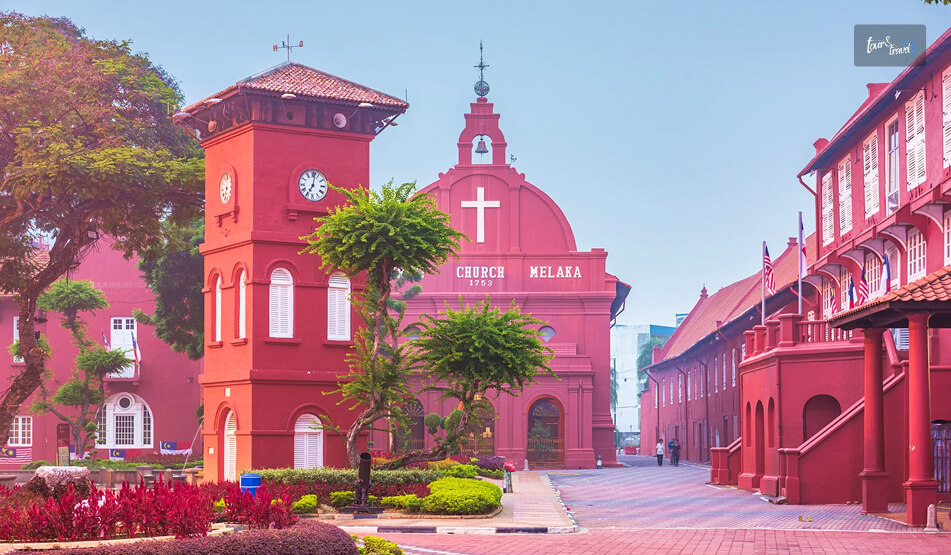
At the center of Dutch Square lies a lively garden and fountain that are pleasant, but the stunning Dutch colonial buildings surrounding this square are the true highlight. 

Painted uniformly in an earthy red hue, it’s improbable you ever envisioned Malaysia resembling this. 

However, Malaysia has many reminders of its colonial history, just like Malacca. This assortment of reminders truly possesses an impressive appearance.

The primary attractions of Dutch Square include the Stadthuys, Christ Church Melaka, and the Malacca Clock Tower. 

All were constructed in the 17th century by Dutch settlers, thus the square’s name. 

The Stadthuys, previously the home of the Governor, now contains an ethnographic museum.

2. Climbing To St. Paul’s Church

Climbing To St. Paul’s Church

As you ascend the side of the Stadthuys, you ought to notice a tiny staircase leading up the hill a little. 

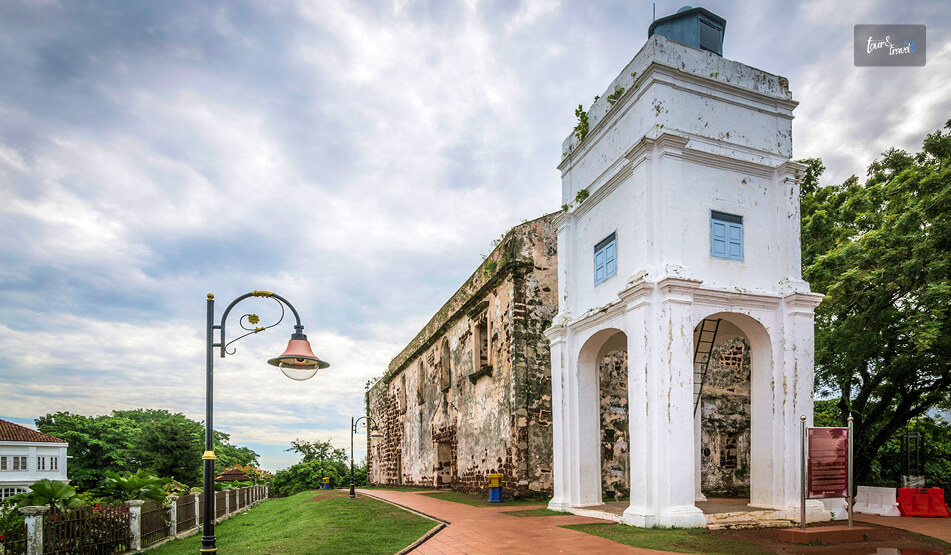
As you progress along this path, you’ll make your way to the summit of the hill and the atmospheric remains of St Paul’s Church. 

The remnants of this roofless church hold a prominent position atop St Paul’s Hill, offering views across much of Malacca. 

It’s not a very challenging hike, and the church serves as a natural pause along the Malacca sights trail.

Originally constructed by the Portuguese in the 1500s, it was harmed, restored, and renamed by the Dutch when they seized Malacca in the 1600s. 

For more than a hundred years, the church has remained in decay, its stained walls serving as a testament to Malacca’s intricate history.

Additional reminders can be discovered by taking the northern route down from St Paul’s Hill, where you will come across several tombstones and the Dutch Graveyard.

3. Exploring A Famosa

Exploring A Famosa

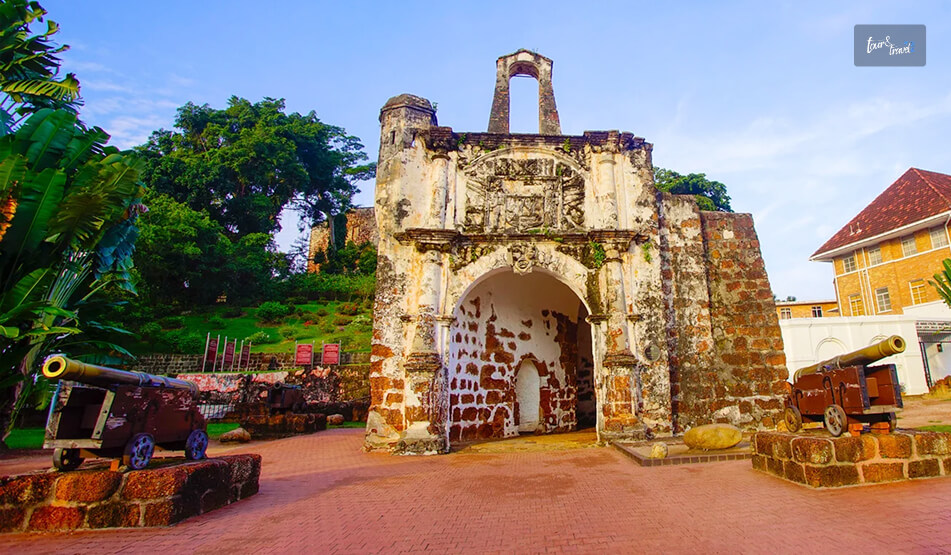
Before the Dutch came, Malacca was a fortified settlement of the Portuguese known as A Famosa.

Numerous walls and fortifications from A Famosa were destroyed during the Dutch conquest, but Portuguese traces remain in several sites.

Among the defenses, only the Porta de Santiago gate is still preserved. Capturing a picture here is undoubtedly one of the most popular pastimes in Malacca.

4. Taking A Tour Of The Melaka Sultanate Palace Museum

Taking A Tour Of The Melaka Sultanate Palace Museum

Let’s not forget that before European settlers showed up, people were already living here. 

The Malacca Sultanate ruled this area for over a century before the Portuguese ever set foot on these shores.

When the Portuguese landed in the early 1500s, they didn’t waste any time. They tore down the sultan’s palace and put up St Paul’s Church right where it stood.

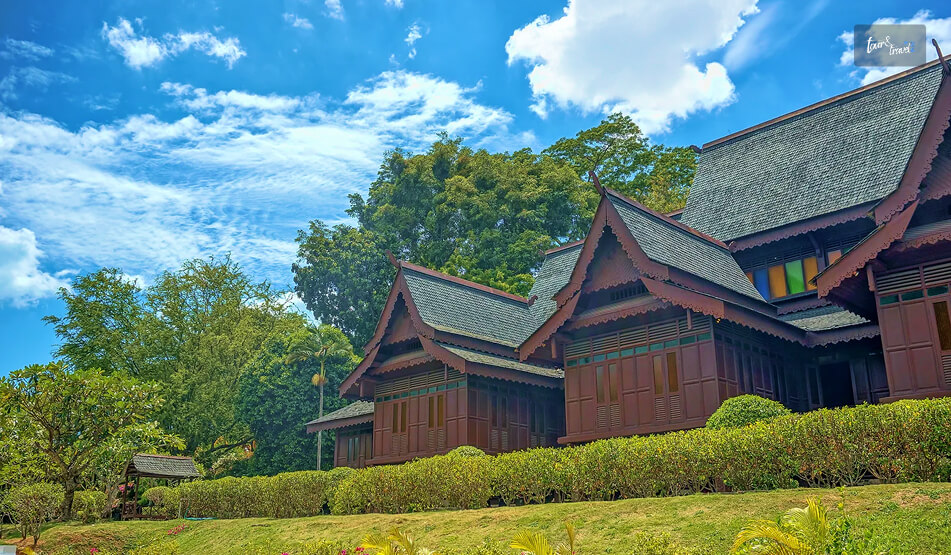
Now, if you walk around Malacca, you’ll come across what looks like a real Sultanate Palace. Here’s the thing: it’s not the original. 

The Melaka Sultanate Palace you see today is a detailed reconstruction from the 1980s. The reconstruction work took the old records as a guide. 

Inside, there’s a museum that really dives into the culture and history of the city.

Stroll through the gardens or check out the museum’s exhibits—you’ll see plenty about local traditions, clothing, legends, and more. 

Honestly, it’s one of the most interesting spots to visit if you want to get a real feel for Malacca’s past.

5. Seeing The Melaka Riverfront

Seeing The Melaka Riverfront

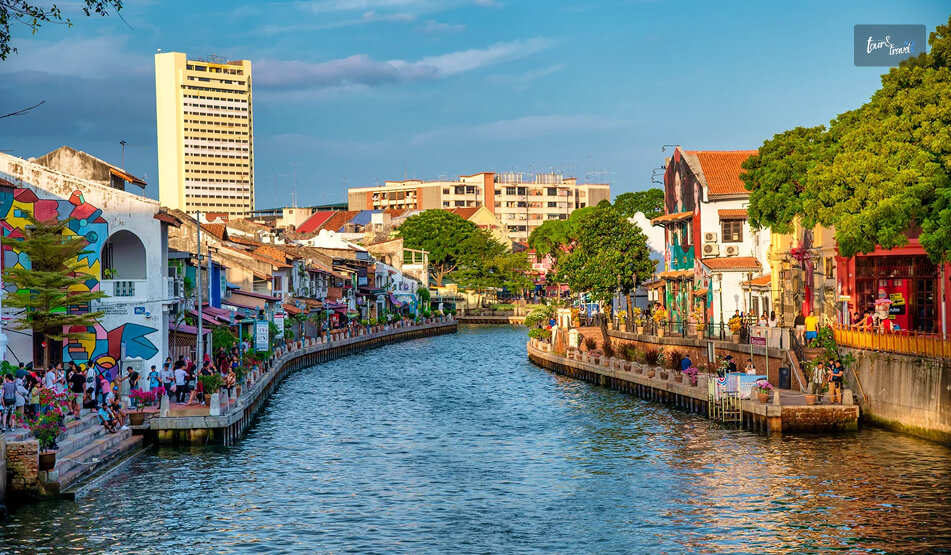
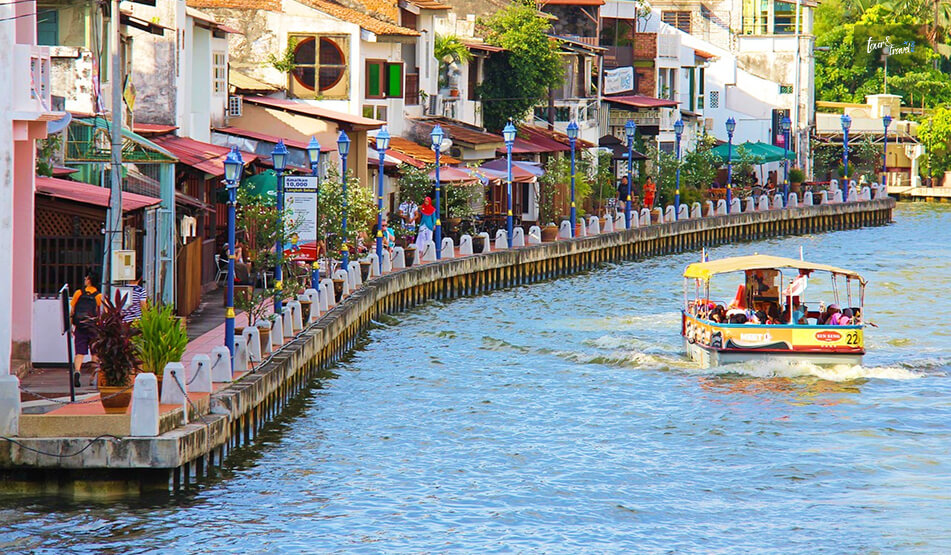
Although there are more famous attractions in Malacca, the river undeniably stands as the city’s primary landmark. 

Winding through the larger city before dividing the Old Town from the colonial areas, the Melaka River is difficult to overlook. 

When Malacca was a prominent port city, the river played a role in its prosperity. Nowadays, it fulfills its role by providing guests with river cruises and beautiful views.

6. Eating At Jonker Street

Eating At Jonker Street

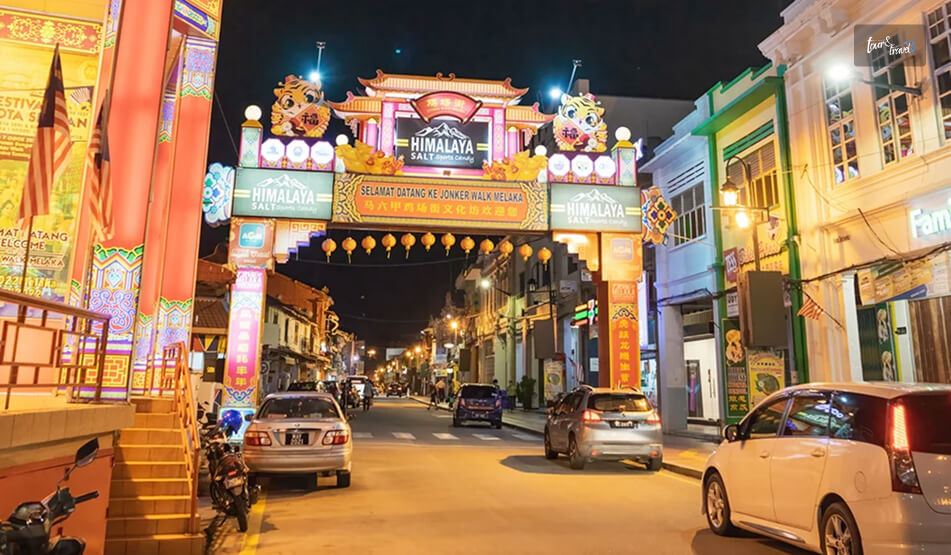
Undoubtedly, no street in Malacca is more renowned than Jonker Street. 

While it often appears to be just a primary road in the Old Town, the atmosphere shifts significantly on Friday and Saturday nights. 

You see, that’s when the renowned Jonker Street night market takes place, and the street transforms into a crowd of people and food vendors. 

Naturally, with my luck, I ended up overlooking this important attraction entirely by visiting at the wrong point in the week. 

The Jonker Street night market is an excellent spot to sample traditional local Nyonya dishes along with innovative new foods. 

To get a sense of what’s available, try the food here. 

7. Wandering Through Old Chinatown

Wandering Through Old Chinatown

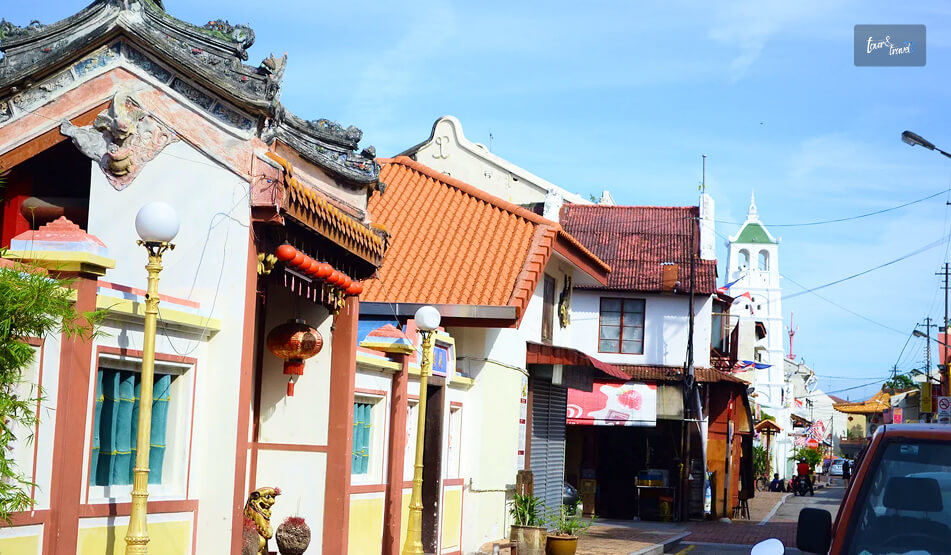
However, the Old Town of Malacca offers much more than merely Jonker Street. Venture in any direction from this point and you’ll quickly discover tighter streets, where each home exudes unique charm. 

Half Chinatown and half Old Town, this district reveals another aspect of Malacca’s cultural blend. 

Most impressively, distanced from the hustle of other areas in Malacca, strolling through this more tranquil section of the city allows you to absorb all the intricacies. 

Although many of these historic residences feature weathered exteriors, several are completely deserted. 

But isn’t that character, though? In any case, the softer atmosphere here is evident, with individuals simply going about their daily routines and extending a cheerful wave. 

Malaysia can be chaotic and noisy at times, making my walks here distinctly memorable. 

8. Visiting The Cheng Hoon Teng Temple

Visiting The Cheng Hoon Teng Temple

Walk around the streets of Malacca’s Chinatown, and you’ll spot plenty of temples—no surprise there. 

But it’s not just Chinese temples lining the streets. You’ll also find mosques and Hindu temples mixed in, which gives the area this cool, unexpected blend.

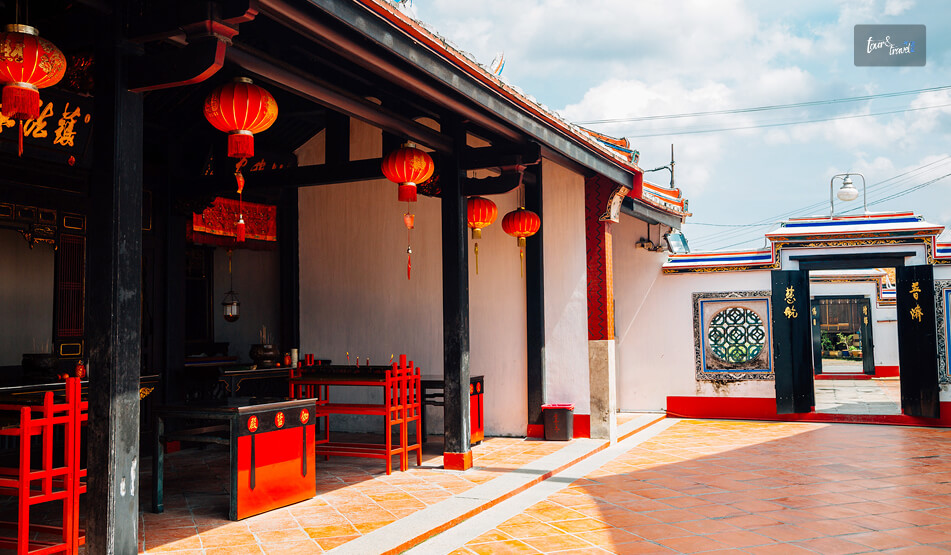
In Malacca, Cheng Hoon Teng Temple stands out above the rest. 

It sits right across from another temple, Xiang Lin Si, but Cheng Hoon Teng is the one with the real history behind it.

They built it back in the mid-1600s, which actually makes it the oldest Chinese temple in Malaysia. When you look at all the intricate details, the carvings, and the roof ornaments, it’s wild to think how well everything’s held up after all these years.

Cheng Hoon Teng does not belong to just one religion. 

Inside, you’ll find people practicing Taoism, Confucianism, and Buddhism, all under one roof. That kind of mix is rare, and it gives the temple a unique energy you don’t see everywhere.

Other Places You Can Add To Your Itinerary In Malacca

Although I’ve mentioned the most remarkable and significant activities to engage in Malacca, they aren’t the sole options. 

Malacca hosts numerous other cultural sites, featuring a variety of museums. However, it also features a playful aspect, ranging from its Upside Down House to the Taming Sari Tower to the Oceanarium. 

Generally, you will primarily remain in locations close to Chinatown or Dutch Square.

Read Also:

Share on Social Media

Meet Sibashree Bhattacharya, a travel enthusiast who has a decade-long experience in transcending virtual barriers with her words! Her deep love for travel is apparent from her travel escapades to the mountain, often taking her readers on a journey, her words acting as Portkey! Fun fact: Sibashree loves to dive deep into the history of the places she is about to visit, making her travels even more wholesome. If you were wondering how her articles are not short of time travel, this answers it!

Leave a Reply

Your email address will not be published. Required fields are marked *

title-img Related

READ MORE Essential Safety Supplies To Pack On Your Backpacking Trip

Essential Safety Supplies To Pack On Your Backpacking Trip

BY  Nabamita Feb 3, 2024

Embarking on a backpacking trip can be an exhilarating experience, immersing yourself in nature's beauty and embracing the wilderness. However, safety should always remain a top priority amidst the excitement of exploration. Whether you're a seasoned backpacker or a novice venturing into the great outdoors, the injury lawyers in Chicago note that packing the right safety supplies for any situation can make all the difference in ensuring a smooth and secure journey. If you are wondering what the essentials that should be in your travel backpack are, we have you covered! Here's a comprehensive guide to essential safety supplies that should be in your backpack before hitting the trails. Backpacking TripPack Rightly: Things You Must Include In Your Backpacking Trip Ready to explore the sky-pointing peaks? Make sure to pack all the essential items, or you can ruin your entire journey. Given below are a few essential things you must never forget on your travel backpack. Check them out: First Aid Kit A well-stocked first aid kit is non-negotiable for any backpacking excursion. It should include bandages, adhesive tape, gauze pads, antiseptic wipes, tweezers, scissors, pain relievers, blister treatment, and any personal medications you may need. It is recommended that your kit be based on the length and location of your trip, ensuring you're prepared to handle common injuries and ailments that may arise on the trail. Navigation Tools Getting lost in the wilderness can quickly turn a thrilling adventure into a nightmare. Always carry reliable navigation tools such as a map, compass, or GPS device, and make sure you know how to use them effectively. Familiarize yourself with the terrain and plan your route to minimize the risk of getting off track. Emergency Shelter Unforeseen circumstances like sudden changes in weather or unexpected delays can leave you stranded outdoors. Pack lightweight emergency shelter options such as a tent footprint, emergency bivvy, or space blanket to provide protection from the elements and retain body heat in case you need to spend an unexpected night in the wilderness. Fire Starter Kit Fire can be a lifesaving resource in survival situations, providing warmth, light, and a means to cook food. Pack waterproof matches, a lighter, or a fire starter tool to ensure you can easily ignite a flame even in damp conditions. Additionally, carry some fire accelerants like cotton balls soaked in petroleum jelly for reliable fire starting. Water Purification System Access to clean water is vital for staying hydrated and healthy during your backpacking trip. Invest in a reliable water purification system such as a portable water filter, water purification tablets, or a UV water purifier to treat water from natural sources like streams and lakes safely. Avoid drinking untreated water to prevent waterborne illnesses. Multi-Tool A multi-tool is a versatile gadget that combines several essential tools into one compact package. Opt for a quality multi-tool that includes features like a knife, scissors, screwdriver, pliers, and bottle opener. Products like the Microtech Ultratech knives can come in handy for various tasks, from preparing food to hard use. Therefore, these qualities automatically make such a tool an indispensable item for any backpacker. Emergency Communication Device In remote wilderness areas, cell phone reception may need to be more reliable and present, making it challenging to call for help in case of an emergency. Carry an emergency communication device such as a satellite phone, personal locator beacon (PLB), or two-way radio to summon assistance if you encounter a serious injury or other life-threatening situations. Sun Protection For Your Backpacking Trip Exposure to the sun's harmful rays can lead to sunburn, heat exhaustion, and dehydration, particularly at higher altitudes. Do not forget to carry some essential sun protection products like sunscreen that carries a high SPF rating, sunglasses with UV protection, a broadly-brimmed hat, and lightweight clothing that covers your skin to shield yourself from the sun's intense glare. Insect Repellent Insect bites and stings can not only be irritating but also carry the risk of transmitting diseases such as Lyme disease or West Nile virus. Apply insect repellent containing DEET or picaridin to exposed skin and clothing to ward off mosquitoes, ticks, flies, and other pesky bugs that inhabit outdoor environments. Emergency Whistle In situations where verbal communication may be difficult or impossible, an emergency whistle can serve as a simple yet effective signaling device to attract attention and alert others to your presence. Keep it easily accessible on your backpack or person, and use short bursts to signal for help if needed. Read Also: The Ultimate Guide To Hassle-Free Sightseeing In Rome How To Choose The Right Backpack For Your Trip? When it comes to choosing the right backpacking trip, two things have to be considered. First is its fit, and second is its volume. I know you got the least idea when I said this. That’s why here is a brief idea about how to pick the right backpack: Fit As functional as a backpack should be, it must be comfortable, too. And it all begins with a proper fit. Various packs come in either two or three sizes, thus indicating the pack’s length. Do not forget to visit your local store and enquire about the different fit they are providing. Volume  Secondly, your backpack’s volume should be large enough so that it can hold everything you carry. However, don’t buy something extravagant and carry unnecessary weight. Backpacking carryons are usually measured in terms of liters, so be sure to pack something only in the range of 40-70 liters. Parting Thoughts While the allure of the wilderness beckons with its promise of adventure and exploration, it's essential to prioritize safety when venturing into the great outdoors. By packing these essential safety supplies on your backpacking trip, you'll be better prepared to handle emergencies, navigate challenging terrain, and enjoy a memorable outdoor experience with peace of mind. Remember, preparation is key, so take the time to plan and pack accordingly before setting out on your next backpacking adventure. That was all about packing the important supplies for your backpacking trip and ensuring a seamless journey. Comment your thoughts below and tell us what you think about it. Thank you for reading! Read More: How to Choose A Backpack 10 Best Places To Visit In Europe Top 3-Week Itineraries For A Perfect Tour Of Europe

READ MORE best time to visit Sikkim

Which Is The Best Time To Visit Sikkim? – Travel Guide

BY  Nabamita Sep 16, 2022

Sikkim is a small kingdom state tucked wavy into the lap of the Himalayas. It is known for its culture, heritage, and, of course, beautiful scenic beauty. Here in this beautiful city, you can experience a peaceful atmosphere among the mountains and the greenery. But do you know when the best time to visit Sikkim is? If not, then continue to scroll down this article. Welcome To Sikkim! Sikkim is among those places in India that you need to visit once to gaze upon the beautiful Kangchenjunga, the highest mountain peak in India and the third highest in the World. Here you will see the beautiful harmony between modern and traditional cultures and heritage. Tourists visit this beautiful state in India practically all year round. But like any other tourist destination, there is the best time to visit Sikkim as well. You can visit Sikkim with both your friends and always with your family. There is a lot to do for everyone here in Sikkim. Best Time To Visit Sikkim Whether you are visiting Sikkim for a solo or a big fat family vacation, or a getaway with your friends, these are the months you look for to travel. March - June ☀️July - October ☔November - February ❄️ 5c - 25c4c - 17c-5c - 7c Sikkim has a lot of beautiful places to visit with different scenic beauties. So the terrains and beauty you will witness in the North of Sikkim will be very different in South Sikkim. March - June March to June is considered the best time to visit Sikkim. The weather is pleasant, and you won’t have any problem traveling to different places. There won’t be any roadblocks like during winter or monsoon.  During this time, you can easily enjoy the beautiful flowers that will fully bloom during these months. And as for gazing upon the beautiful mountain peaks, you can easily see the Kanchenjunga due to the lack of rain or snow clouds. However, due to pleasant weather, the mountain peaks are visible. July - October From July to October, it is considered the monsoon season. The first few showers of rain nourish the mountains and the hills. It rejuvenates the beautiful green landscape. But it is advised that you not visit any hilly region during the monsoon months, as the danger of roadblocks and even landslides are dangerous for tourists. However, you can plan to stay here but try to avoid Northern Sikkim. November - February November to February are the winter months and the best time to visit Sikkim to see snow. The whole landscape is covered in a thick layer of beautiful fluffy snow, which looks like something out of a painting. If you are capable of handling the snow, then surely you should visit Sikkim during these months to experience it fully. If you are lucky enough, you can even witness snowfall here. So for Christmas, have a white winter wonderland here in Sikkim. Different Climates In Sikkim Like any other tourist destination, you can divide each season into months, and on the basis of that, you can plan your trip.  ☀️Summer In Sikkim The summertime in Sikkim is an enjoyable time for tourists to visit the hill station. Therefore, if you are looking for Sikkim best time to visit, then I will advise you during the summertime. But even though it is the summertime, don’t forget to bring woolen clothes, as the temperature might drop at any time. It is easier for sightseeing in such pleasant and clear weather. So it is the best time to visit Gangtok Sikkim, the Yumthang valley, and Rumtek Monastery. ☔Monsoon In Sikkim During the monsoon months, Sikkim usually gets heavy showers each year, and this causes roadblocks and landslides each year. Although the weather during these months is chilly, you can enjoy it a lot.  One of the best advantages of the months is that you can get many discounts on travel and hotels since it is off-season. So you can take advantage of that. ❄️Winter In Sikkim The snowy months are the best time to visit Sikkim Gangtok. The valley and the mountains are covered in beautiful layers of white snow; it is just like heaven. The temperature falls to -5 degree celsius, so don’t forget to bring enough warm clothes and gear along with you. Even though the weather is quite chilly, it is bearable, and you won’t feel any discomfort due to the cold. There are a lot of snow sports you can enjoy at this time, like snowboarding and skiing. So I would recommend to you the best time to visit Sikkim is during the winter months. Frequently Asked Questions (FAQs): Now that you know which is the best time to visit Sikkim, if you have any more questions, then here are some of the questions asked by others. 1. How Many Days Are Sufficient For Sikkim Trip? Ans: Sikkim is considered to be one of the most beautiful and heavenly places in India. So as to explore the place in its entirety, then you would require about 12-15 days to the max. But if you want to skip a few places, then you can say there for about 8 to 10 days as well. 2. Where Is Snowfall In Sikkim? Ans: To experience snowfall and snow, you have to travel towards Northern Sikkim. Places such as Yumthang Valley, Zero Point, and Gurudongmar Lake are a few of the areas in Northern Sikkim that experience snow and snowfall during the winter months. 3. Which Is The Coldest Place In Sikkim? Ans: The coldest place in the whole of Sikkim is a part of the Northern Sikkim called Zero Point. It is best for its snow-covered valleys and landscape. If you want to enjoy beautiful snow, then this is the place for you. Visit Now! Now that you know what the best time to visit Sikkim is, you can easily plan your next trip to Sikkim. Don’t forget to pack enough warm clothes and necessary gear to beat the chilly weather.  If you find this article helpful, then write down in the comment section which is your favorite hill station in India or in the World.

READ MORE São Tomé eco-lodges

What Are The Best São Tomé Eco-Lodges? A Fusion Of Luxury And Sustainability 

BY  Sibashree Oct 29, 2025

São Tomé and Príncipe is about to take a significant step in developing a sustainable tourism sector. The sustainable tourism sector will be further well-balanced in terms of the economic indicators.  The United Nations Economic Commission for Africa (ECA) and the United Nations Resident Coordinator’s Office will support this move. In this context, the country will hold a United Voices for Sustainable Tourism dialogue on 30th October 2025, and there will be a technical validation workshop on 29th October.  It will be the second phase of the Tourism Satellite Account (TSA) Development Project that will give São Tomé and Príncipe a strategic tool to measure the economic contribution of tourism to the nation’s wealth. Thus, it will establish why leveraging tourism is crucial for the sustainable development and economic diversification of the country.  Furthermore, the latest workshop before this dialogue, held on 15th to 18th September 2025, has highlighted the 11% contribution of the country’s tourism sector to the GDP and 10% of the Gross Value Added (GVA).  With the country taking a step forward in sustainable tourism, the São Tomé eco-lodges are also going to play a critical role. With the use of renewable energy, community involvement, local sourcing, and sustainable architecture, these lodges are also helping us to travel green.  In this blog, I will introduce the popular and lesser-known São Tomé eco-lodges, what practices they follow, the hidden gems of São Tomé and Príncipe, and more.  What Makes An Eco-Lodge In São Tomé Truly Sustainable? Before diving into the list, let’s define what sets a true eco-lodge apart: Renewable energy sources (solar, hydro) Local sourcing of food and materials Waste reduction and water conservation Community involvement and fair employment Eco-certifications or transparent sustainability practices Popular São Tomé Eco-Lodges The best eco-lodges in São Tomé and Príncipe for sustainable travel are committed to preserving the community and nature of the islands. Many of these eco-lodges also support conservation efforts and organize nature walks to help the visitors understand the local ecosystem.  Nevertheless, here are the most popular ones.  1. Omali Lodge (São Tomé) View this post on Instagram A post shared by dr. András Peres (@drandrasperes) With policies governed by the Biosphere Responsible Tourism standards, Omali Lodge. It has the Biosphere Responsible Tourism certification. It is a leader of sustainable tourism in São Tomé and Príncipe.  Local artists and craftsmen are involved in the operations of the Omali Lodge, staying true to its commitment to community development. Furthermore, the menu here focuses on national dishes prepared with locally-sourced ingredients.  However, it offers adequate Wi-Fi connectivity. So, if you are not looking for a complete digital detox and want to work remotely, then it is also a good choice.  2. Bom Bom Island Resort (Príncipe) View this post on Instagram A post shared by Maria Helena Vinhas Frade (@mhvf) The Bom Bom Island Resort is the first African hotel to receive the Biosphere certification from the Instituto de Turismo Responsable (ITR).  Currently, the main aim of the hotel is to go completely diesel-free in its daily operations. The hotel has 68 local workers, as Sérgio Duarte has mentioned in a recent conversation with the Sustainability Leaders United.  Furthermore, the hotel procures resources from the local producers. Also, it collects donations from the guests to invest in employee training programs. Thus, it helps in educating and empowering the community.  The experiences it offers are: Turtle watching Maria Correia waterfall trail hiking Birdwatching Parrot Peak trail hiking Roça Infante trail hiking Stand-up paddleboarding Snorkeling It is also a friendly accommodation for digital nomads with Wi-Fi connectivity, included within the accommodation package. Moreover, the main part of the resort is wheelchair-accessible.  So, it is one of the accessible eco-lodges in São Tomé and Príncipe.  3. Praia Inhame Eco Lodge (São Tomé) View this post on Instagram A post shared by PATRÍCIA PINHEIRO (@patrwisha) Claimed to be “Naturally Comfortable,” Praia Inhame Eco Lodge is one of the best eco-lodges with turtle watching in São Tomé. A local NGO, MARAPA, runs the Tatô Program to protect marine turtles in São Tomé.  Praia Inhame Eco Lodge has been working with this NGO since 2012. It has helped the NGO to implement this program on Inhame and Cabana beaches.  The wilderness and outdoor activities offered by this eco lodge are: Marine turtle observation Whale watching Birdwatching Diving Fishing Boat trips Moreover, places such as Hell's Mouth, Saint Sebastian Museum, St. Nicholas Waterfall, St. Thomas Peak, and Jale Beach are some nearby attractions of this eco-lodge.  In addition, it is one of the São Tomé eco-lodges with Wi-Fi connectivity. So, it is also a favorite of digital nomads who can travel and work remotely.  4. Sundy Praia (Príncipe Island) View this post on Instagram A post shared by HBD Príncipe (@hbd_principe) Sundy Praia has a dedicated team for waste management and recycling. Furthermore, it leads community cleaning drives to spread awareness about the impact of litter.  Also, the “screw-in” mechanism of the eco lodge’s architecture ensures a minimal impact on the environment of the island.  Moreover, located inside the beachside rainforest, it is indeed an eco lodge.  The experiences it offers are: Turtle watching Maria Correia waterfall trail hiking Birdwatching Parrot Peak trail hiking Roça Infante trail hiking Stand-up paddleboarding Snorkeling Moreover, you can be a part of the 3-hour Discover Santo António tour. Also, it is a favorite of digital nomads for Wi-Fi connectivity.  In addition, Sundy Praia offers wheelchair accessibility to make the travel experience more inclusive.  5. Roça Sundy (Príncipe) View this post on Instagram A post shared by Nina Scott (@nina.wolfs.scott) As part of the Príncipe Collection, like Sundy Praia and Bom Bom, Roça Sundy also follows that when you visit it, you make a Conservation and Communities Contribution (CCC).  You spend a night here, and they will contribute €25 for the environmental and community development of Príncipe. In addition, nearly 10% of the adults of Príncipe work with them.  Moreover, the experiences it offers are: Turtle watching Maria Correia waterfall trail hiking Birdwatching Parrot Peak trail hiking Roça Infante trail hiking Stand-up paddleboarding Snorkeling 6. Mucumbli Lodge (São Tomé) View this post on Instagram A post shared by Mucumbli Explore (@mucumbli.explore) Mucumbli Lodge overlooks the Atlantic Ocean, and it offers the quintessential eco-lodge experience with wooden chalets.  Furthermore, due to its unique location, it is one of the best remote eco-lodges for digital detox in Africa.  Lesser-Known Accommodations Following The Best Sustainable Practices In São Tomé And Príncipe Island The options for São Tomé eco-lodges are more varied than you can expect. Here are the lesser-known ones or the hidden gems.  1. Jalé Ecolodge (São Tomé) View this post on Instagram A post shared by IATI Seguros PORTUGAL (@iatisegurospt) Jalé Ecolodge offers beautiful sea views from all units. You can enjoy snorkeling nearby and have the best continental breakfast sourced from local ingredients.  2. Roca Monte Forte (São Tomé) It is the first rural tourism place to open in São Tomé. Here, you will be staying inside a cocoa plantation with history, and you will lead the quintessential Santomean farm life.  Furthermore, it offers easy access to nearby beaches in the northern area, such as Governador, Tamarindos, Conchas, and Blue Lagoon.  3. Domus Praia Jalé (São Tomé) View this post on Instagram A post shared by Domus Praia Jalé (@domuspraiajale) Domus Praia Jalé is the best location if you want to have good food and relax in nature. It has an on-site restaurant serving international delicacies made with local ingredients.  Also, they have a private beach where you can relax and listen to the waves.  Seasonal Travel Tips For Staying At The Eco Lodges In São Tomé and Príncipe June to September, or the dry season, is the best time to stay at the eco-lodges in São Tomé and Príncipe for mild weather conditions and wildlife watching.  1. For Whale Watching Bom Bom Island Resort in Príncipe and Mucumbli in São Tomé are some of the best eco-lodges for whale watching. July to October is the whale watching season here.  2. For Sea Turtle Nesting Praia Inhame Eco Lodge in São Tomé and Bom Bom Island Resort in Príncipe are the best eco-lodges for seeing turtle nesting. November to March is the ideal time for this experience.  Budget Breakdown: What Is The Average Cost Per Night At Eco Lodges In São Tomé and Príncipe? Here is a cost comparison between eco-lodges, not budget-friendly options. Find out the budget eco-lodges in the islands.  Name of the Eco-LodgeApproximate Cost Per Night/ Per Person (€)Omali Lodge222Bom Bom Island Resort250Praia Inhame Eco Lodge95Sundy Praia420Roça Sundy150Mucumbli Lodge45Jalé Ecolodge55 5-Day Sustainable Travel Itinerary In São Tomé And Príncipe Here is a quick 5-day sustainable travel itinerary in São Tomé and Príncipe.  DaysActivitiesDay 1• Staying at Omali Lodge• Visiting São Tomé city center and local marketsDay 2• Transfer to Mucumbli Lodge• Guided hiking and cacao farm visitDay 3• Moving to Praia Inhame Eco Lodge• Evening turtle tourDay 4• Flight to Príncipe• Staying at Sundy Praia• Exploring a biosphere reserveDay 5• Visiting Roça Sundy• Cultural tour and local lunch Hidden Gems In São Tomé And Príncipe If you want a deeper, more authentic connection to the islands’ nature, culture, and history, you must explore these hidden gems. 1. Malanza Mangrove Canoe Tour: Ideal For Nature Lovers And Photographers View this post on Instagram A post shared by Santo Tomé y Príncipe ESP (@santotomeyprincip) Take a canoe ride through the mangrove forests of southern São Tomé. It is a delightful eco-tour through waterways blessed by lush greenery, endemic flora, and a vibrant birdlife.  2. Pico Cão Grande: Enjoy The Best View From The Obo National Park Trails Pico Cão Grande is the most dramatic natural view you will enjoy here. This volcanic plug, with a height of 663 meters, is almost surreal.  3. Ilhéu Das Rolas And The Equator Marker: Best For Beach Lovers And Geography Buffs View this post on Instagram A post shared by Viagem a São Tomé (@viagem.a.saotome) Ilhéu Das Rolas is a small island off the south of São Tomé. You can take a boat ride here to stand on the equator line.  Also, you can explore the pristine beaches here and have a delightful snorkeling experience.  4. Roça São João Dos Angolares: Great For Cultural Immersion And Sustainable Tourism Roça São João Dos Angolares is an eco lodge that was formerly a plantation. It is also a cultural center. It offers cooking classes, storytelling events with local artists, and art exhibitions.  5. Boca Do Inferno (Hell’s Mouth): Visit During High Tide For Full Effect This dramatic blowhole on the southern coast of São Tomé is the perfect example of juxtaposition. Here, the waves kiss the volcanic cliffs with the water jets reaching the sky.  6. Praia Jalé Turtle Nesting Site Find the sea turtles nesting here during the November to March season. Praia Inhame Eco Lodge in São Tomé and Bom Bom Island Resort in Príncipe are the best places for watching turtle nesting.  7. Nova Estrela Viewpoint (Príncipe Island): Ideal For Sunrise Hikes And Drone Photography View this post on Instagram A post shared by HBD Príncipe (@hbd_principe) It is a beautiful viewpoint offering panoramic vistas of the rainforest and coastline of Príncipe.  8. Roça Água Izé: Offers Insight Into The Island’s Colonial Past View this post on Instagram A post shared by Francisco Almada Lobo (@almadalobo) It is an abandoned cacao plantation and is almost haunted. It stands out with its overgrown gardens and colonial architecture.  9. Whale Watching Off Príncipe: Best Enjoyed With Snorkeling And Diving Trips Humpback whales migrate to Príncipe through the waterways from July to September. Be a part of eco tours for respectful and sustainable viewing opportunities.  10. Rainforest Retreats At Sundy Praia: Perfect For Eco-Travelers Seeking Tranquility View this post on Instagram A post shared by Ramosdafrica (@ramosdafrica) Sundy Praia is a luxury tented villa in the rainforest of Príncipe. Enjoy yoga, guided nature walks, and conservation education. São Tomé And Príncipe Travel Planning Checklist Here is a list of things to do and things to avoid while planning a trip to São Tomé Eco-Lodges. Things to DoThings to Avoid• Checking visa requirements with the São Tomé embassy or consulate based on your nationality• Checking the availability of the co-lodges and booking them in advance• Plan your visit between June and October for wildlife watching.• Pack breathable clothing, reef-safe sunscreen, insect repellent, and rain gear• Bring malaria prophylaxis, basic meds, and travel insurance.• Check the requirements for a yellow fever vaccination.• Consider the limited availability of domestic flights to Príncipe and book early.• Not all eco-lodges offer transfers. You may have to take shared minibuses and taxis. • Carry some Dobra (STN) for transactions in rural areas. • Portuguese is the official language.• Kafuka or community gatherings are special here.• Avoid single-use plastics and respect wildlife viewing guidelines.• Support community-led tours, conservation projects, and local artisans• Save maps, lodge contacts, and embassy info offline before arrival, as some places will have limited network connectivity.• Not all “eco-lodges” are truly sustainable.• Not looking for transparency in energy use, waste management, and community impact.• Not carrying Dobra (STN) or Euros in cash, as ATMs are limited and not all facilities accept cards.• Medical facilities are basic. So, not having travel insurance with medical coverage or not carrying a medical care box can be a big mistake. • Missing out on the local cooking classes or visiting the villages is a mistake. • Using single-use water bottles and leaving litter everywhere São Tomé Eco-Lodges Are More Than Just Places To Stay Supporting local communities Supporting environmental development Protecting biodiversity Experiencing the authentic charm of the islands These are the benefits of staying in the best São Tomé eco lodges. Furthermore, these lodges are diverse and they offer luxury, simplicity, or cultural immersion in the most responsible way.  So, get ready for the most immersive experience at the best São Tomé eco lodges!