

Unique Things To Do In Greenfield Indiana | A Small Town With Big Tourism Attractions

Jan 18, 2025

Last Updated on: Jul 2, 2025

Travel Blog

Greenfield just had a brilliant holiday season, and it welcomed the ice skating rink on the Courthouse Plaza. But adventure or fun outdoor activity is something that Greenfield has always been famous for. 

Whenever you consider the things to do in Greenfield Indiana, you will find a lot of beer tasting, food tours, and exploring the art scene. Furthermore, it is one of the fastest-growing suburbs of downtown Indiana. 

Moreover, it is home to Eloise Greenfield, the famous American author of children’s books, and it has the boyhood home of James Whitcomb Riley. You can even enjoy your food in a grain elevator, which is 100 years old, or chase the turtles. Also, you will love the apple-picking or farming experience here. 

Again, hiking the natural trails is one of the best things to do in Greenfield Indiana. So, are you ready for a Greenfield tour? Here’s our Tour and Travel guide. 

Unique Things To Do In Greenfield Indiana | It’s Time To Explore And Relax

Unique Things To Do In Greenfield Indiana

The unique things to do in Greenfield Indiana will inspire you to rekindle new hobbies. You may grow a habit of baking apple pies or doughnuts after a farming experience at Tuttle Orchards. 

You may even grow an elevated taste of coffee after tasting the best vanilla latte and muffin at The Green Bean on Washington Street. Moreover, you can reserve a table at The Green Bean by calling (317) 434-5973. 

Furthermore, if you are an aware traveler, you will always find how the business community grows in Greenfield Indiana. 

So, on the one hand, you have unique things to do in Greenfield Indiana, like chasing the turtles. On the other hand, you will notice how it is moving toward the future as the fastest-growing hub of Indiana. 

Plan a trip to Greenfield, Indiana, around September or October to explore the town at its best. 

1. Exploring The Pennsy Trail

The Pennsy Trail is an old railway track that has been transformed into a recreational trail. It starts from East Greenfield, follows US 40, and continues toward the city’s West Edge. Here, the trail has a break of around 2.5 miles and from the break, the trail continues again. 

As you explore the trail, you will find famous landmarks like:

  • Indianapolis Zoo
  • Irvington
  • Cumberland

Along with hiking, you can also bike and run along the trail. It is even ideal for a walk with your pets. 

Moreover, on the way, you will come across many murals, sculptures and paintings that depict the history and culture of the city. They also make you familiar with Kakuda, Japan, the sister city of Greenfield. 

As you reach Depot Street Park, you will find lush greenery, making you forget about the hustle and bustle of the city. During the summertime, you will find the summer concerts filling your ears.

2. Apple Picking At Tuttle Orchards

Address: 5717 N 300 W, Greenfield, Indiana

Contact Number: +1 317-326-2278

Hours Open: 9 AM to 6 PM (Sunday Closed)

Entry: Free

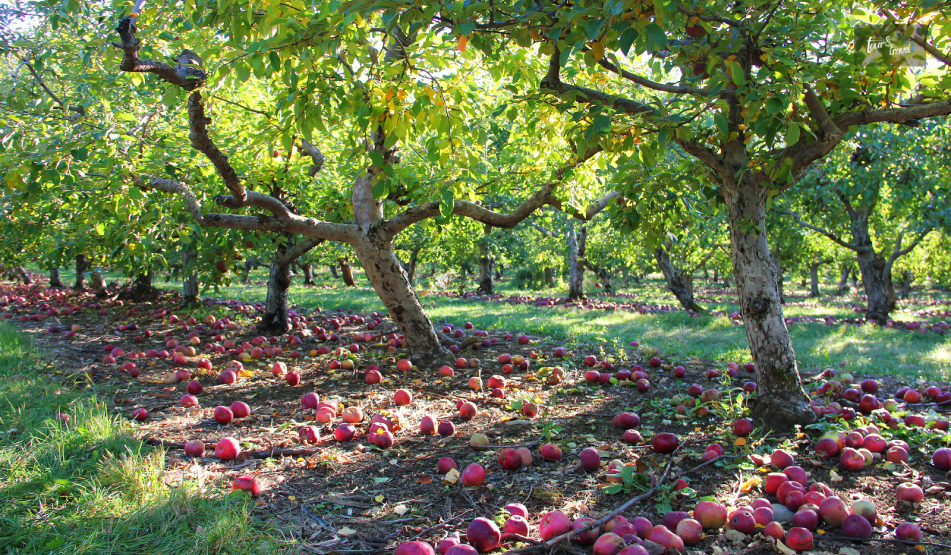
Tuttle Orchards is a little outside Greenfield. Spanning over 200 acres, Tuttle Orchards is home to apple trees of over 30 varieties. This place is also famous for growing pumpkins and other vegetables. 

In addition, the 10000 square foot greenhouse here is famous for growing a wide range of vegetables and flowers. Plucking fresh apples from the trees is the most exciting activity at Tuttle Orchards. 

Further, on some days, kids can have a lot of fun here at the Tractor Town Adventure Farm. This play area is developed with a country theme and it has mazes and sliders. 

Once you are done plucking apples, you can collect the fresh produce from the farmhouse. At the cafe here, you can taste the best coffee and delicacies made using fresh produce from the ground. 

Moreover, you can collect award-winning apple cider from here, and the doughnuts here are yummy! 

3. Drinking Local Craft Beer At Wooden Bear Brewing

Address: 21 W North Street, Greenfield

Contact: +1 317-318-1803

Greenfield is a great place for tasting craft beer. Wooden Bear Brewing, a local brewery, is the best place to visit for the same. It is the winner of the gold medal for the Russian Imperial Stout. 

Other craft beer varieties you will find here are:

  • Fruited ales
  • Ambers
  • IPAs

This craft beer joint also has a kid-friendly environment. Watching turtle racing here is one of the most unique things to do in Greenfield Indiana. Further, this place has trivia competitions, painting days, bingo nights, and many events frequently. 

Overall, it is a great place to relish craft beer.

4. Visit The Boyhood Home Of James Whitcomb Riley

Address: 250 W Main Street, Greenfield, Indiana

Contact Number: +1 317-462-8539

Hours Open: 11 AM to 4 PM (Sunday Closed)

Entry Fee: $4.00 for adults, $1.50 for 6-17-year-old children, $3.50 for seniors, $1 for students (Free for Children Aged Below 6)

Hoosier Poet, or James Whitcomb Riley, is a prominent name in the literary scene of Greenfield. He got this name because he presented the essence of the Hoosier dialect through his work. 

So, his childhood home in Greenfield is a popular attraction in the town. The boyhood home also has a museum that displays the author’s life and accomplishments. You can even find the work of Will Vawter, a contemporary of James Whitcomb Riley, here. 

5. Having The Best Coffee At Greenfield, Indiana

If you are a coffeeholic, Greenfield will spoil you for sure. Further, in places like Hitherto Coffee (Contact No: (317) 318-9782), your favorite drink tastes even more refreshing with your favorite gaming experience. 

Hitherto Coffee and Gaming Parlour at 1558 N State Street Greenfield is a brilliant example of farm-to-pot practice. For example, the vanilla syrup they use in the coffee is made from fresh vanilla beans. 

You will also find here quick bites like flatbread pizzas and pastries. In addition, the variety of ice creams and pies is brilliant here. 

Now, about the gaming experience, you can play the classic UNO or Clue Game. However, the biggest attraction is The Godfather. It’s a wonderful fusion of Mafia and Monopoly. 

6. Have The Best Burger Bite At Greenfield

Greenfield serves awesome burgers. However, you will love the burger even more when you have it at the Depot Restaurant. It’s located at 240 W Mill Street, Greenfield, and the contact number is +1 317-477-3942. 

The restaurant building has a height of over 100 feet and was once a food grain elevator in the city. 

Further, it is the second-tallest building in the city. The grain elevator built it 1906 was renovated as a restaurant and opened in 2021. Today, it can accommodate 100s of guests on its two floors. 

The restaurant’s interior is old-world, with wooden pillars and seed sacks still there. Moreover, you will have the best American smashed burgers here. The Angus smashed beef burgers, especially, are out of the world. 

You can try the applewood smoked bacon, coleslaw, and BBQ brisket. You will also love the sandwiches and wraps here. 

Also read

Share on Social Media

Meet Sibashree Bhattacharya, a travel enthusiast who has a decade-long experience in transcending virtual barriers with her words! Her deep love for travel is apparent from her travel escapades to the mountain, often taking her readers on a journey, her words acting as Portkey! Fun fact: Sibashree loves to dive deep into the history of the places she is about to visit, making her travels even more wholesome. If you were wondering how her articles are not short of time travel, this answers it!

Leave a Reply

Your email address will not be published. Required fields are marked *

title-img Related

READ MORE natural drug detox

Nature’s Healing: How Camping Can Aid Drug Detoxification

BY  Sibashree Oct 22, 2025

I’ve got to say that recovering from any kind of addiction is a messy business. It’s never just about flushing things out of your system. It’s about fighting your thoughts, your habits, and all those little triggers.  Lately, I’ve noticed more people stepping outside to heal. Camping, of all things, has become one of those hidden gems in detox. Being out there, far from traffic noise and glowing screens, surrounded by trees and honest silence? It hits differently. Some even find it just as helpful as staying in a structured facility like the detox clinic. The Therapeutic Power Of Nature Have you ever stepped outside and just felt your shoulders drop? Nature does that.  Science loves to back this up, and Harvard even found that twenty minutes in fresh air can lower cortisol, the nasty stress hormone that spikes during detox. And honestly, that relief matters. Stress is like gasoline poured straight on withdrawal. When you’re camping, you can’t help but notice how calm things get. No alarms, no rush. Just breathing, listening, thinking.  It’s almost strange how fast you start noticing yourself again. For folks coming out of a storm of substance use, that reconnection to your emotions, your body, your thoughts isn’t just nice, it’s necessary. Camping Facilitates Natural Drug Detox By Improving Sleep Cycles  Camping improves your internal body clock as you are continuously exposed to the natural light cycle. So, by regulating your internal clock, you will get more sleep.  Furthermore, during camping, you remain busy with physical activities. You are hiking through trails, setting up the tent, cooking, and doing other recreational activities or survival chores. This is also crucial for improving your sleep cycle and quality.  Moreover, when camping in remote areas, you cannot use your phone, and you are also away from the daily stressors. With no pressure of deadlines and ETAs and all the chaos in your head vanishing in the thin air, you actually get a better sleep.  Community And Support There’s something wild about how people open up under the stars. I’ve seen it, how those late-night talks by a campfire, voices crackling right alongside the flames, do the magic. That’s a real connection, and it’s gold during detox. A big part of healing is not doing it alone. Most programs preach about support networks, but in the woods, that happens naturally.  You gather wood together, laugh over burnt marshmallows, and share your stories without judgment.  The National Institute on Drug Abuse even says social support can make or break recovery. Makes sense as feeling seen keeps you anchored when cravings hit or the loneliness creeps in. No clinic room can fully replace that kind of bond. Physical Activity And Mindfulness Camping gets your body moving, whether you plan it or not. You set up a tent, haul water, and climb a hill.  Little things that make you tired in a good way. That movement pumps out endorphins, which do wonders for mood, especially when detox brings anxiety or sadness along for the ride. Then there’s the quiet stuff, too. You find yourself being mindful without calling it that! Staring at a lake, flipping fish over a grill, sitting in silence until time just fades! It grounds you.  That kind of focus pulls you away from cravings and teaches you how to ride emotions instead of running from them. Funny how stillness can feel like a workout for your mind. Disconnecting From Technology Let’s be honest. We live glued to screens now. Scrolling when we’re bored, anxious, lonely, or anytime you name it. But camping forces a break.  The first few hours feel weird, almost twitchy without your phone, then a calm sets in. You start talking more, thinking more. Maybe even remembering what silence sounds like. People in recovery deal with enough mental noise already, and research shows that too much screen time can make anxiety and depression worse.  So, cutting that off, even for a weekend, resets something inside you. Suddenly, you’re aware of how addicted we all are to distraction more than anything else. Structured Activities And Goal Setting Some camping programs add a bit of structure, such as goal setting, small group reflections, maybe even creative tasks.  It’s not rigid like rehab, just guided enough to keep you focused. When done right, it helps you rebuild a sense of direction. There’s actually data from the American Psychological Association saying people who set specific, meaningful goals reach them more often.  And out there, surrounded by nature, those goals feel a bit more real. People talk about dreams they’d forgotten or things they want back in life. It’s refreshing—and it sticks. Camping: Setting The Rick Backdrop For Healing After Addiction Recovery Camping won’t magically erase struggle, but it changes the backdrop in a way that makes healing possible. It mixes nature’s quiet strength with genuine community and gentle self-discipline. It is kind of the opposite of everything that fed addiction in the first place. For many who’ve tried both, it’s a beautiful complement to formal detox options like those at the Detox Clinic.  Out there, in the dirt and sunlight, recovery starts to feel less clinical and more human again. Maybe that’s why so many find clarity under a canopy of stars instead of beneath a roof. Furthermore, camping boosts your self-sufficiency. If you are a solo backpacker, you have to dig the soil and set up the tent, light the fire, and do everything else. So, camping is a great confidence booster. You understand that you survive on your own and how strong you are.  All these help us create a positive image of ourselves in our minds. So, you don’t need to rely on any external stimulator or drugs anymore.  In addition, an inclination toward drugs arises from negative thoughts about our capabilities. Camping helps us overcome logistical and physical challenges. So, we become more confident about our abilities. 

READ MORE how to manage motion sickness

Road Trip Ready: How To Manage Motion Sickness And Still Enjoy The Ride

BY  Sibashree Sep 5, 2025

I just planned a road trip last month. It was a pretty bold step, and my daughter kept reminding me, “Mama, you will throw up again.” She was referring to an earlier road trip last year.  It’s hard to miss the allure of a long-planned road trip, especially when it’s about celebrating the post-exam fun with my daughter. But I do have motion sickness and nausea, giddiness, and throwing up are the common problems I face.  Thankfully, with time, I have learned how to manage motion sickness and still enjoy the ride.  So, in this article, I will break down how you can take control of your symptoms and get the most out of your trip. It begins with talking to your doctor and sharing your symptoms of motion sickness. Sometimes, these medications help to alleviate your discomfort.  Common medications include: Dramamine Meclizine Scopolamine Patches. For more details on how to manage motion sickness during traveling, continue reading below. Understanding Motion Sickness And How Treatment Works. Any treatment for motion sickness blocks the neurotransmitter associated with motion sickness. Here are some signs of motion sickness you must pay attention to.  Nausea Feeling Warm Sweating Vomiting Feeling Drowsy Stomach Unrest Salivating More Than Usual You can talk to your doctor and look out for more indications that it may be at work. How To Manage Motion Sickness When You Are On A Road Trip?  So, you are all set for the road trip. I usually start my trips in the morning, but you can start them at any time of the day.  Now, whenever I go out on a trip, I eat light. However, it does not mean that you have to start the trip with an empty stomach. Just have your usual staples and preferably something with a high carb quotient, low fat, and spices.  Then, drink enough water and take the medications. Now, I have my BP problems. So, I cannot start a day without it.  It’s time to start the car. However, there are some other important aspects of how to manage your motion sickness on a road trip.  So, here are the details.  1. Strategically Plan For Prevention Dress in lightweight clothing to offset feelings of warmth and overheating if you do experience symptoms.  Take a sweater with you if you do get cold, but stick to breathable, lightweight fabrics and footwear while you're traveling.. Sitting on the passenger side may make it more challenging to avoid seeing visual movement because of the wider windowscape you have access to from that seat. 2. Avoid Activities That May Exacerbate Symptoms Additionally, avoid activities that may aggravate your symptoms. Activities to avoid include reading, using your phone or other devices to watch videos, or scrolling. Do not engage in drinking or late-night eating the day before traveling to ensure you’ll feel healthy for your trip. Experiencing a hangover or poor digestion can easily exacerbate motion sickness symptoms. However, to keep your mind relaxed, you can always listen to your favorite road trip songs.  3. Get Good Sleep The Night Before When we don’t sleep well, it is harder for the body to regulate body temperature.  You may find yourself feeling overheated after a night of poor rest. Since feeling warm is already a symptom of motion sickness, make sure you get good rest the night before traveling to avoid worsening these symptoms.  Get to bed early and block out any lights that may interrupt your sleep cycle. Further, to calm your nerves and get a sound sleep on the day before your road trip, you can drink chamomile tea. It works for me!  4. Take Your Medications On Time Take the motion sickness medications recommended to you by your doctor to prevent the onset of symptoms as best as possible.  Follow the timing directions for your medications to get the most benefit before heading out on your road trip.  For example, prescription Scopolamine patches might be applied 30-60 minutes prior to traveling in order to work.  Talk to your doctor to determine when it's the best time to take your medications in order to manage your motion sickness. 5. Look For Balancing Visual Cues Looking at a stationary object as you travel can help your brain and inner ear find a constant understanding of motion, making you less susceptible to motion sickness symptoms.  If you do find yourself feeling woozy, rest your head on the back of the seat to promote physical stability.  You can help establish a greater balance by keeping yourself grounded in your seat. Close your eyes to reduce visual exposure to any changing movement in front of or to the side of you while in the car. 6. Take Short Breaks, Use Soothing Herbs, And Avoid Triggers I take short breaks throughout the trip to get fresh air. Furthermore, ginger and peppermints are my best friends to keep my stomach settled.  Caffeine is a big NO for me when I am traveling. Also, it’s better to avoid smoking and using devices on the go.  Moreover, I avoid wearing strong perfumes or using any strong odor in my car when I am on a road trip. This is my little secret on how to manage motion sickness on a road trip.  7. Take A Nap If You’re The Passenger. When I am not driving the car, I prefer to take a short nap. It may sound boring, but it works! If you can’t sleep, at least get some shut-eye by using an eye mask. Thus, your brain will get the signal of a consistent reality, and it will be easier for you to offset symptoms.  Get Road Trip Ready Medication Use of Peppermint, Ginger, and Lemon Eating Right Taking Short Breaks All these help to manage motion sickness on the go. However, your symptoms can be different from mine or vice versa. So, for medications and tips to alleviate the symptoms, you need a prior medical consultation.  Get road trip ready by doing all you can ahead of time to manage your symptoms. Read Also: Atlanta to Savannah: A Scenic Road Trip Adventure That You Can’t Miss! Thanksgiving Road Trips With Kids: Tips For A Fun And Safe Journey Essential Car Checks Before a Long Journey: Road Trip Ready

READ MORE mountains of kenya

Explore The Beauty Of The Mountains Of Kenya!

BY  sagnika Aug 11, 2023

Want to learn more about the mountains of Kenya? A geographically and topographically diverse country, the Republic of Kenya has beautiful mountains that are more than just a geographical feature! Please read this article to learn about the features of the mountains, their cultural significance, as well as their beauty. There are almost 3888 mountains, out of which 3856 are named mountains. Mount Kenya is the highest peak of all these mountains, with an elevation of 5199 meters. It is one of the second-highest mountains in Africa and is considered a UNESCO World Heritage Site. Kenya is located in the eastern part of Africa, more towards the southern horn of Africa, with diverse geographical features ranging from towering alpine peaks to mangrove swamps. The mountains' beauty adds to the country's natural features, making it a perfect place to visit! Explore The Beauty Of The Mountains Of Kenya! As a country with a topographical contrast, Kenya is located in the eastern section of Africa. The equator crosses the country across Nanyuki, Maseno, and Timboroa. These features highlight Kenya as a stunning destination that many wish to visit! Being a topographically diverse country where the forests offer diverse wildlife, it is perfect to visit if you love taking safaris. There are also coasts and grasslands, making the location more diverse. The nation is also highly agricultural, with diverse produce, including vegetables, fruits, and animals, even though the location is remote and can be difficult for regular travel. An African safari holiday is a dream for every hodophile, and Kenya offers the perfect backdrop. With spectacular wildlife, astounding landscapes, and a melting pot of culture, Kenya ranks at the top of the travel list of everyone! Moreover, the beautiful mountains play an important role in making Kenya a fascinating place! The country borders nations such as South Sudan, Ethiopia, Tanzania, Uganda, and Somalia. So want to know more about the up-warped giants of the earth? Read along! Highest Mountains Of Kenya The total area of Kenya is 586,000 square kilometers, with high-rising regions such as high plateaus, mountains, arid deserts, and low-lying coastal areas, including islands and coral reefs. 7 freshwater and salt lakes are creating the Great Rift Valley cutting the country in half! Kenya has two of the tallest mountains on the continent. There are several other mountains, most inactive or extinct volcanoes. The landscape is diversified, yet the mountains are as beautiful as ever! Read more on some of the noteworthy mountains in Kenya. Mount Kenya The highest mountain in Kenya is Mount Kenya, located in the center of Kenya, approximately 100 miles northeast of the Capital, Nairobi. The mountain has several summits. Nelion, Lenana, and Batian are some. Bastian is the highest, with 17,058 feet, indicating the mountain's peak. The mountain formed about 3.5 million years ago. A well-known tourist destination, the Mount Kenya National Park surrounds Mount Kenya at the base. You can see elephants, buffalo, as well as colobus monkeys in the park. You can trek the mountain's peak of Lenana Summit as it is feasible without any mountaineering expertise. The rock kente is only available on Mount Kenya as well as the Antarctic, situated at the South Pole. The Spiritual Connection Of Mount Kenya Riuki is found on Mount Kenya, which in a spiritual context is considered the symbolization of the throne of God. Riuki is regarded as the pathfinder by the Gikuyu medicine men. They also believe it therapeutic as they put pebbles at risk as seers. The history of Mount Kenya is interconnected with the Egyptians, Jews, and Ethiopians. Mount Kenya is called Ta-Neteru by the Egyptians, which means the abode of the gods. The God Hapi or lotus, the gods of the Nile Floods, lived on the mountain. The farming communities that settled in Egypt in 7000 BC before the inundation of the Nile corresponded with "Isis," the heliacal rising of the star. It was after the water from the Nile flooding receded, leading to rich dark silt across the Central African countries and highlands. The land is called "Kemet," which is fertile land ready for planting. They consider the lands around Mount Kenya as one of the fertile lands. It also believed that the goddess Isis hid her son, her husband Horus, to raise him from the dead. They say the mountain has medical properties, and the locals consider it amazing. They pray to the mountains for protection and safety. Communities such as Maasai and Samburu are semi-nomadic people who use the northland of the mountain as a paying ground. Mount Elgon The second tallest peak in Kenya is Mount Elgon, located on the country's western side, closer to the Kenya-Uganda border. The mountain has distinguishing characteristics, such as having one of the largest volcanic craters. The top of the mountain is a flat-topped plateau made of basalt. The total height of the mountain is 13,852 feet, with lava tube tunnels across the mountain. Elephants and buffaloes often visit the lava tube tunnels. A national park surrounding Mount Elgon also has rhinos, eagles, leopards, and duikers. Mount Longonot Mount Longonot is an inactive volcano that last erupted in the 1860s but is not completely extinct. The height of the mountain is 9108 feet, and the mountain's slopes are filled with ridges. Mount Longonot is a mountain in Kenya. A park nearby has plenty of wildlife, such as zebras and giraffes. The mountain is situated approximately 60 kilometers northwest of Nairobi. Travelers can visit the park by car, and the base of Mount Longonot has a lot of forest, even around the top crater. Compared to many stony mountains, this one is thickly wooded across the slopes and the summits. Satima Mount Satima is also "Ol Donyo Satima," which roughly translates to "Mountain of the bull calf." It is one of the Kenya mountains! It is the highest mountain across the Aberdare range, with a height of 13,127 feet, and is located on the northern side of the mountain range. The mountain has tussock grass and rocks in some areas and rainforests. There are bamboo forests and Moorland across a section of the mountain. The mountain has a collection of 150 species of plants, such as Podo and Cedar. The mountain is part of the water catchment area for both the Sasumua and Ndakaini dams. The two dams for Nairobi City are the primary source of water. Kinangop Kinangop is a dormant volcano in the Great Rift Valley and the west of the Kinangop Plateau. It is also situated in the Aberdares, with extensive bamboo forests across the mountain in the lower portion. The height of the mountain is 12815 feet. Moreover, the higher sections of the mountain are covered with tussock grass. The top of the mountain is rocky with open moorlands. The top of the mountain is quite chilly and turns freezing at night. Ngiro Mount Ngiro is located in the northern region of Kenya, with a height of 9344 feet. The mountain is part of the Great Rift Valley to the west overlooking the Suguta Valley. The upper slopes have forests, while the mountains is popular for cultivating bees. The mountain falls under the territory of the Samburu people, while the Lmasula phratry performs bee cultivation. The clan claims exclusive rights to the water and the land. Several other mountains and hills are situated in the nation, creating an exciting place for vacationing. If you are a hiking person, Kenya is the perfect place to visit as there are several advantages. There are enough mountains in Kenya for you to go hiking, as well as trails. It is a perfect spot to share holidays as well as weekends with your hiking partners. Some of the tallest mountains are situated in East Kenya. Kulal The mountain Kulal is identified as a biosphere reserve with lava fields, and the origin of the mountain is a volcano. The moisture in the biosphere leads to rain as well as mist, providing hydrological services to the people in northern Kenya. The mountain is located in the middle of East Africa, with steep slopes while deep canyons go across the mountain. It is also one of the driest places in Africa. There are forests across the mountain, a habitat for black rhinoceroses and elephants. Marsabit Mount Marsabit is surrounded by Mt. Marsabit National Park and Reserve, with a height of 1703 meters above sea level. The mountain has many craters, while the hills around it highlight the mountain. Across the mountain are many low-lying arid plains with elliptical shapes 70 km long on the northeast-southwest as well as 45 km wide on the northeast-southwest. The mountain comprises weathered lava flow. Mogila Mogila is one of the mountains of Kenya with a height of 1698 meters. A local relief of 300 meters, steep slopes, and a small summit area characterize the mountain. Moreover, it is located in the Turkana, creating the Great Dividing Range. Namanga Hills The mountain is in the southern part of Kenya. It is located on the borders of Tanzania, with the highest point being 2548 meters. The Great Rift Valley has four peaks: Suswa, Paka, Namarunu, and Menengai. The hills have a collection of hyenas, zebras, ostriches, as well as Antelopes. Cultural Relations Of The Mountains Of Kenya According to the Kikuyu tribe, they say the local Kikuyu god, N'gai resides at the summit of Mount Kenya. Mount Kenya is one such place that the local cultures worship. They consider these mountains the home of spirits as well as gods. Mount Kenya is a spiritual mountain, as the local communities think of it as the residence of God. Ethiopians also consider it the home of God and revered in its presence. The belief gains further confirmation because of the snow at the top of the mountain. The mountain is very close to the equator. Hence, it is quite surprising that there is snowfall at the top. There are thick forests around the mountain, and initially, the military dug the woods to flush the Maumau freedom fighters. According to the traditional version of Mount Kenya in Kikuyu, a star fell on the ground with a bang and formed the mountain. The mountain has volcanic ashes and oozing magma which forms the Kenyte. Mount Longonot has its Masai name, "Oloonong'ot," meaning "mountain with many spurs." The mountains are important as well as are traditional sites for worship by the local populations. Some vow in the mountain's name, while some send prayers based on cultural traditions. Both visitors and the natives join in collaborative activities such as mountain climbing and hiking. Are The Mountains Of Kenya A Cult? The high places in Kenya, especially mountains with snow caps, high mountain ranges, and island mountains, are cults. There are psychological roots of the communities who believe that mountains act as a heavenly ladder. Besides the spiritual connection for the community, mountains are also helpful natural elements for humans as they bring rain, while they also have volcanoes. Volcanoes have a fiery side to them, representing the element of earth. According to the myths based on the world's origin, mountains are the first natural element from ancient water. The indigenous people believe mountains are a great phenomenon of the earth, symbolizing cosmic connection. The local communities consider the mountains as shrines or altars for the Gods and worship them. For example, people in Africa often blame an earth deity when there is an earthquake. They also consider snakes to be culprits, a belief that their cult teaches in the cultural practices of Africa. Conclusion Did you notice something unique about the mountains of Kenya? Most of these mountains have physical features giving an Alpine appearance. There are many ridges across the mountains, giving it a ragged nature. So now you know about the beauty of the mountains, especially when it comes to the cultural aspect of it. People worshiping mountains is one tradition that integrates respect and protection of the natural elements. People from different cultures in Kenya believe in spirituality and offer prayers to the mountains. Let us know in the comments below if you see any culture where people worship mountains too! Read Also: Planning A Hunting Trip To Africa – Here’s What You Should Know The Blue Train: A Luxurious Expedition Across South Africa You Won’t Believe The Best Things To Do When In Fiji!