
Tampa To Siesta Key Road Trip | Routes, Stopovers, And Places To Visit In Tampa And Siesta Key

Jan 10, 2025

Last Updated on: Jul 3, 2025

Travel Guides

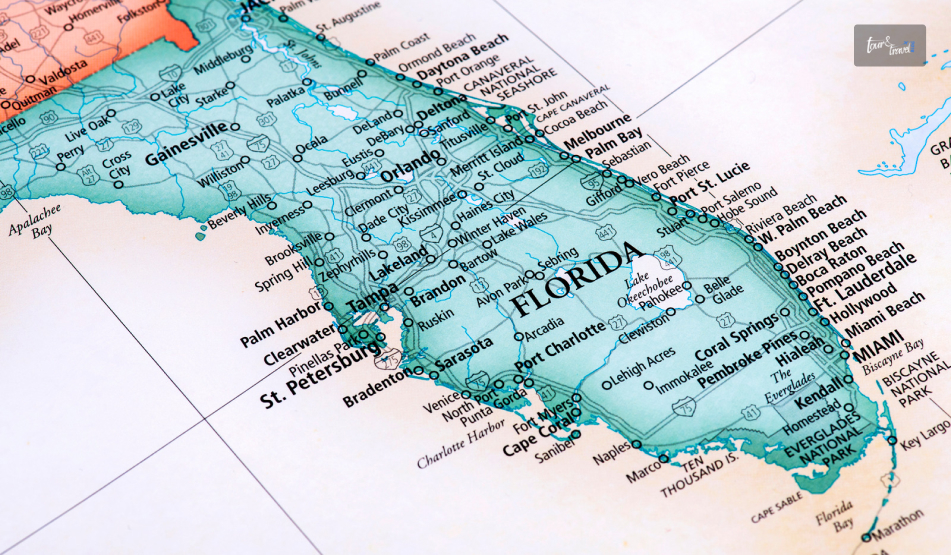
It’s time to take a Tampa to Siesta Key road trip. The distance between the two places is around 108 Km and you can journey via bus or cab. 

Despite the distance, the Tampa to Siesta Key journey takes little time. If you are on a self-drive trip and driving without a break, you will reach Siesta Key from Tampa Bay within an hour. However, if there are traffic issues, it may take close to 1 hour and 30 minutes. 

Further, this road trip is going to be the most fulfilling, with a lot of activities to do in Tampa and Siesta Key and multiple engaging stopovers in between. 

So, are you ready for this most amazing road trip from Tampa Bay to Siesta Key? Let’s explore the best of Florida. 

In this Tour and Travel guide, we will highlight the routes, stopovers, and things to do in Tampa Bay and Siesta Key. 

Tampa To Siesta Key | Know The Different Routes 

Tampa To Siesta Key Know The Different Routes

There are two routes to reach Siesta Key from Tampa Bay. You can take Highway 75 and Highway 275. The trip duration both ways is almost the same. 

However, as we consulted the local experts, everyone preferred the route via Highway 275. Everyone agreed that the route was more scenic. 

Tampa To Siesta Key Via Highway 75

On this route, you must take the E State Rd 60 E from Tampa International Airport. Then, you will continue on the I-75 S and take the exit 207 on the State Highway 758. This highway is in Sarasota County. 

You must stick to Highway 758 to reach the Midnight Pass Road in Siesta Key. 

Tampa To Siesta Key Via Highway 275 

On this route, your drive starts from the Tampa International Airport, and then the merger with the I-275 S takes place. 

Next, you must take exit 5 to take US-19 S. Continue on the right 2 lanes toward Palmetto.

Further,  you take the US Highway 41 S and US-301 S to reach Siesta Key, Midnight Pass Road. 

Tampa To Siesta Key | Know The Best Stopovers | Making The Most Of Sarasota

Tampa To Siesta Key  Know The Best Stopovers  Making The Most Of Sarasota

There are multiple stopovers between Tampa to Siesta Key. So, if you are not in a super rush, you can get multiple places to relax and steal some fun moments. 

1. Riverview

Home to the Bell Creek Nature Preserve, Riverview is known for its parks. Don’t forget to take a walk in the Alafia Scrub Nature Preserve. 

Are you eager to know about the history of carnival in America? You must plan a visit to the International Independent Showmen’s Museum. 

2. Sun City Center

Tourists taking a road trip from Tampa to Siesta Key usually stop at Sun City Center for lunch. There are places like Bella Cucina Italian Family Restaurant (+1 813-634-7521) and Old Castle Restaurant (+1 813-633-3331) for quick bites and refreshments. 

Further, to have some moments in nature, you can plan a visit to the Little Manatee River State Park. 

3. Bradenton

A melting pot of culture and natural abundance, Bradenton is an important stopover between Tampa Bay and Siesta Key. 

The fascinating enclave of the Village of the Arts is a great place to explore galleries and studios. Further, the Bishop Museum of Science & Nature has manatees and is a great place to learn about local culture. 

Finally, the  Robinson Nature Preserve is a great place for outdoor pursuits like kayaking, walking, and bird-watching. 

4. Sarasota | The Fun Begins Here On The Journey From Tampa To Siesta Key

Sarasota is the place where you will meet wildlife on the journey from Tampa to Siesta Key. The Sarasota Jungle Gardens has alligators, tortoises, flamingos, etc. Further, the Big Cat Habitat Conservation and Education Center has African lions, Bengal tigers, Brown bears, and birds. 

Also, the Mote Marine Laboratory and Aquarium is the best place to meet marine animals. Moreover, don’t miss visiting the John and Mable Ringling Museum of Art. 

Once you are done with all the outdoor pursuits, you can relax at the cafes and restaurants of Sarasota. 

Breaking Wave Coffee at 1310 Main Street Sarasota is a great place to hang out. Buddy Brew Coffee – Sarasota is another beautiful cafe here. 

Road Trip From Tampa To Siesta Key | Know The Things To Do In Tampa Bay And Siesta Key 

Road Trip From Tampa To Siesta Key

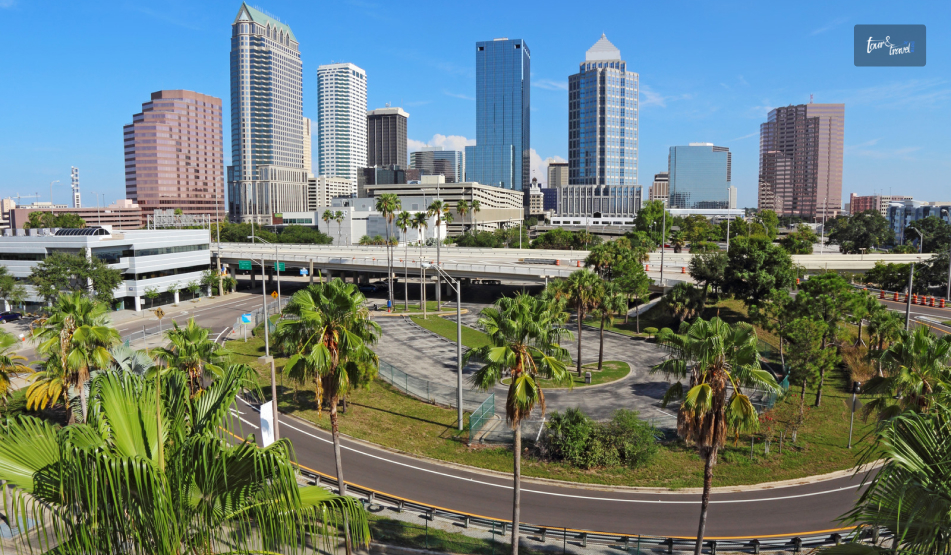
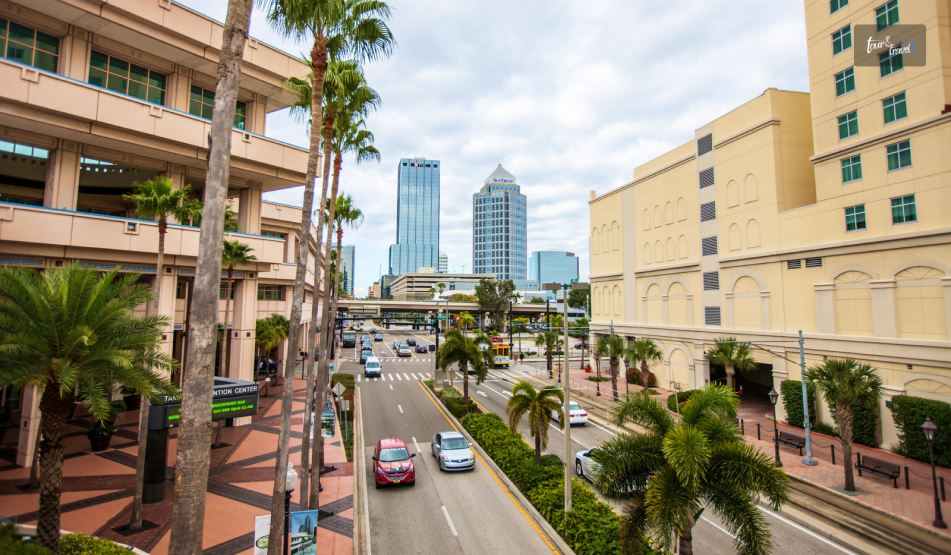
Tampa Bay, or the Cigar City, has always been an important spot when it comes to tourism in Florida. Warm weather and affordability have been two major factors in boosting tourism here. 

So, when traveling from Tampa to Siesta Key, you cannot miss the top attractions or the things to do here.

Things To Do In Tampa 

You need a separate travel plan if you want to explore the best of Tampa. It is the city that offers you the best wildlife experience and cultural insights with its preservation and museum facilities. 

Further, as mentioned, Tampa is the go-to destination for traveling on a shoestring. The city offers you a lot of free activities. For example, the most delightful Tampa Riverwalk is absolutely free. 

Places To Visit In Tampa 

Busch GardensFlorida AquariumTampa GolfZooTampa at Lowry ParkGlazer Children’s MuseumYbor CityHenry B. Plant MuseumAmerican Victory Ship & MuseumHillsborough River State Park

Walk around 2.5 miles along the scenic paved trail to the Hillsborough River. During the walk itself, you will come across hotspots like Water Street Tampa, Sparkman Wharf, and   Channel districts. 

If you don’t walk to walk, you can even take a bike ride along the trail. 

Armature Works is another free attraction in Tampa. This public market is the best place to try the delicacies of Tampa. Visit the place between 7:30 AM to 10 PM to explore the cafes and eateries here. 

Moreover, Tampa Electric’s Manatee Viewing Center is an amazing place to visit in the city, and that too free of cost. You cannot take your eyes off the water here. However, the place also has educational exhibits like the manatee bones. 

Things To Do In Siesta Key 

The Tampa To Siesta Key journey takes you to pristine quartz beaches. Siesta Key is the place where you can have the most immersive experience. However, it’s a sin to miss the kayaking and charter tours at Siesta Key. 

Places To Visit In Siesta Key

Siesta BeachCrescent BeachTurtle BeachSiesta Farmers MarketShell BeachRide and Paddle By Siesta Sports Rentals (Location: South Bridge Mall, Contact Number: +1 941-346-1797)Siesta Key Wine Bar (Location: 5138 Ocean Blvd Suite C, Sarasota, Contact Number: +1 941-552-9105)

You will find mangroves, manatees, and dolphins here. Also, the explorer in you will be elated to find the hidden beaches. 

Moreover, you can opt for a dreamy electric bike ride along the beaches of Siesta Key. Are you someone into wellness? You can even practice Yoga on the beaches of Siesta Key. 

Also read

Share on Social Media

Meet Sibashree Bhattacharya, a travel enthusiast who has a decade-long experience in transcending virtual barriers with her words! Her deep love for travel is apparent from her travel escapades to the mountain, often taking her readers on a journey, her words acting as Portkey! Fun fact: Sibashree loves to dive deep into the history of the places she is about to visit, making her travels even more wholesome. If you were wondering how her articles are not short of time travel, this answers it!

Leave a Reply

Your email address will not be published. Required fields are marked *

title-img Related

READ MORE Great Barrier Island camping tips

The Best Great Barrier Island Camping Tips: Ultimate Guide To The Best Camping Spots On Great Barrier Island, New Zealand 

BY  Sibashree Nov 17, 2025

Spotting the burrows of the black petrels at Glenfern Sanctuary and the hillside was like magic! The burrows had eggs in a cream shade with tan freckles. They almost looked like the eggs of a hen, though slightly larger. Also, some chicks were chirping their hearts out inside the burrows. They looked like those squishy dog toys. Now, spotting birds is one of the most fulfilling activities when you are camping on Great Barrier Island, New Zealand. Furthermore, if days were about hiking and spotting the birds, the nights were about indulging in the surreal beauty of the celestial bodies at this designated Dark Sky Sanctuary. Moreover, camping in Great Barrier Island is a true off-grid and remote experience. No Streetlight!  No Public Rubbish Bins!  And, No Powered Camping Sites!  It’s just you, the camping tent, and the rugged beauty of New Zealand’s Hauraki Gulf. Hi, in today’s blog, I will talk about the Great Barrier Island camping tips. Here, you will learn about the must-book DOC sites, the non-negotiable biosecurity rules, and everything else you need to plan your adventure.  Camping In Aotea, Great Barrier Island: Setting The Right Mindset For Biosecurity And Sustainability View this post on Instagram A post shared by Department of Conservation (@docgovtnz) Aotea isn't a place that just hands you its beauty. It's a place that makes you earn it. It's a true adventure that rewards you for being self-sufficient.  It's the thrill of waking up to the raucous call of a Kākā parrot, not an alarm clock. It's the magic of watching the Milky Way rise over the dunes at Medlands Beach, and the peace of having a rugged, white-sand cove all to yourself.  Also, it is one of the rare islands that serve as sanctuaries, and with 60% of its area protected by the Department of Conservation, Great Barrier Island demands the utmost care for biosecurity and the adoption of sustainable practices. So, before you want to explore the best camping spots on Great Barrier Island New Zealand, you have to build your mindset. This is your invitation to join a small community of travellers who value wild, authentic, and responsible adventure.  1. Offering The True Off-Grid Experience  The campsites of the Great Barrier Island are exactly what the island is. They are not powered, and they have basic amenities. Furthermore, open fire is not allowed in these campsites. So, you will have to bring fuel-powered or gas cookers. Furthemore, the Department of Conservation camping sites have only a specific number of tents. So, you need to make the booking well in advance. Contact the Department of Conservation (DoC) at 0800 275 362. 2. The Golden Rule: "Pack In, Pack Out”  Zero waste and recycling are important for the sustainability and environmentally friendly practices of the Great Barrier Island. However, the island does not have public rubbish bins. So, whatever you carry to the island, you will have to take it back. You must use the official Orange Council bags with stickers for trash disposal. 3. Biosecurity Is Most Important  Protecting the Kauri trees from the infamous “Kauri Dieback disease” and the island's endemic animals requires a high level of biosecurity. So, when you leave for the Great Barrier Island from Auckland, you will have to check for ants and rats. Also, when you leave Great Barrier Island, check the tents and packs for skinks. In addition, the Phytophthora Agathidicida attack on the kauri trees has been a serious concern. Stopping the soil movement is crucial to stopping the attack of this dieback disease. Soil movement can happen through pigs, footwear, and vehicles. Therefore, the Department of Conservation (DoC) cleaning stations play an important role in cleaning and removing soil from your gear and footwear before entering a kauri forest on Great Barrier Island, New Zealand. In addition, you have to stick to the marked routes when hiking through the best Great Barrier Island hiking trails. 4. How To Book The Camping Sites: DOC Vs. Private  If you are camping in any of the DoC sites, you have to make the booking online well in advance. Private camping sites can be booked directly. Here is the step-by-step guide for booking a DoC Campsite on the Great Barrier Island. First, visit the Department of Conservation site for the particular campsite. For example, let’s talk about the Akapoua Bay Campsite. On the dedicated Akapoua Bay Campsite page, you will get to know about the campsite and the fees. The fees for the Akapoua Bay Campsite are $18 per night for adults, $9 per night for children ages 5 to 17, and $0 per night for infants ages 0 to 4. In addition, you can book a campsite pass from the Department of Conservation of New Zealand. It will give you access to all the bookable and non-bookable campsites in the country. If you need any assistance in booking the campsite pass, you can avail of that at a service tax of $10. For adults, the camping pass will cost $295.00 (365 nights), and for children between 5 and 17 years, the pass will cost $147.50. Moreover, for children below 5 years, the camping pass is free. If you need any assistance regarding the booking of the 1-year campsite pass or a pass for any specific site, you can contact Whakatū/Nelson Visitor Centre at +64 3 546 9339 or email them at nelsonvc@doc.govt.nz. The Kauaeranga Visitor Centre (+64 7 867 9080/kauaerangavc@doc.govt.nz) also offers the same assistance. What Are The Best Camping Spots On Great Barrier Island New Zealand?  View this post on Instagram A post shared by Department of Conservation (@docgovtnz) Digital detox has been a trending thing these days, and if you want to truly experience that and shut all the noise in your head, the camping spots on the Great Barrier Island will be the best for you. Further, the real magic of camping on Aotea starts after sunset. You haven't lived until you've watched the Milky Way rise over your tent from the dunes at Medlands. However, along with the Medlands Beach, there are 5 other DoC campsites in the Great Barrier Island, New Zealand. Here are the details. 1. Akapoua Bay Campsite  The sheltered waters of Port FitzRoy have a beautiful camping ground, which is like a gateway to the many walking tracks of the Great Barrier Island, New Zealand. From waking up with a 60-second dash of a cold shower to exploring the paths graced by the pohutukawa trees, the Akapoua Bay Campsite will offer you a peaceful and off-the-grid experience. The maximum number of campers on this site can be 75. Moreover, the camp is hosted from Christmas to the end of January. 2. Harataonga Campsite  This campground is very close to Harataonga Beach. So, it is an ideal camping site for swimmers and snorkeling enthusiasts. It can accommodate 120 campers, and this campsite is surrounded by bush and farmland. and camping takes place between Christmas and mid-February. Harataonga is for the romantic escape. 3. Awana Beach Campsite  The Awana Beach Campsite is a surfer’s dream. It has beautiful dunes and farmlands around. It can accommodate 120 campers, and the campground remains open from Christmas to the end of January. The only problem with this camping site is mosquitoes. So, you have to carry mosquito repellents. 4. Medlands Beach Campsite  The sound of the waves at Medlands. This is the music you will listen to when you go to sleep or wake up at the Medlands Beach Campsite. Medlands is like an all-rounder. It is ideal for families and surfers alike. The campsite remains open from Christmas to mid-February, and it can accommodate 120 campers. 5. The Green Campsite  You can boat in or walk in the Green Campsite, which remains open from 1st December to the end of February. With a capacity of accommodating only 30 campers, this campsite has a rich history associated with whaling, kauri logging, and timber milling. The waters of the Whangaparapara Harbour make it an idyllic retreat, and it is also the base of the Aotea Track. 6. Whangapoua Campsite  The Whangapoua Campsite is a surfer’s paradise, and it is located on the edge of the Whangapoua estuary. It is also a favorite camping site for fishing. With an accommodation capacity of 150 people, this campsite remains open from Christmas to the end of February. However, the biggest highlight of this camping site is the views of Rakitu Island and Mount Hirakimata. A Comparison Summary Table Of The DoC Camping Sites On The Great Barrier Island, New Zealand  DoC Campsite Access Landscape Facilities Activities Dog Access Fees Akapoua Bay Campsite Campervan, Car and Caravan Coastal Boat Launching, Cooking Shelter, Cold Shower, Non-Flush Toilets for Men and Women Boating, Fishing, Walking, and Tramping No Adults: $18 per night, Children of 5-17 years, $9 per night, and Children below 5 years: free Harataonga Beach Campervan, Car and Caravan Coastal Cooking Shelter, Cold Shower, Non-Flush Toilets for Men and Women Swimming, Snorkeling, Fishing No Adults: $18 per night, Children of 5-17 years, $9 per night, and Children below 5 years: free Awana Beach Campsite Campervan, Car and Caravan Coastal Cooking Shelter, Cold Shower, Non-Flush Toilets for Men and Women Kayaking and Canoeing No Adults: $18 per night, Children of 5-17 years, $9 per night, and Children below 5 years: free Medlands Beach Campsite Campervan, Car and Caravan Coastal Boat Launching, Cooking Shelter, Cold Shower, Non-Flush Toilets for Men and Women Fishing, Surfing, Swimming No Adults: $18 per night, Children of 5-17 years, $9 per night, and Children below 5 years: free The Green Campsite Boat, Foot Coastal Cooking Shelter, Non-Flush Toilets for Men and WomenHiking, Boating No Adults: $18 per night, Children of 5-17 years, $9 per night, and Children below 5 years: free Whangapoua campsite Campervan, Car and Caravan Coastal Cooking Shelter, Cold Shower, Non-Flush Toilets for Men and WomenFishing, Surfing No Adults: $18 per night, Children of 5-17 years, $9 per night, and Children below 5 years: free  Insider Tips For Camping At DoC Campsites On The Great Barrier Island If you are camping in a caravan or campervan, remember that the gravel roads leading to the camping sites, especially the Harataonga Campsite, are steep and winding. Also, the sites are off-the-grid. Furthermore, the campervans are not usually allowed on the beaches. The Best Private & Unique Camping Options On The Great Barrier Island View this post on Instagram A post shared by Department of Conservation (@docgovtnz) 1. Great Barrier Island Campground  The Great Barrier Island Campground, spanning over an area of 12 square acres, is an ideal camping ground for access to different beach activities. The camping site is located at a distance of just 200 meters from the beach. The camping fee at the Great Barrier Island Campground is $10 per person per night. You can contact them at 021 298 8905 for booking. 2. Mickeys Place  The O'Shea Family farm in Awana houses the Mickey's Place camping ground. It is a family-friendly camping site with the following facilities. A Communal Cooking Area  Flush Toilets  Showers  Patrick, Sean, and Mickey are the hosts of this campsite, and you can contact them at 09 4290 140. 3. Stray Possum  Stary Possum in Tryphena is an ideal camping site for backpackers. If you are camping here, you will have access to the kitchen, toilets, and showers of the adjacent Stray Possum Lodge. This camping site has 14 tents, and you can call 09 4290 109 for booking details. 21 Essential Great Barrier Island Camping Tips  I promised you tips, and here they are. Do not go to Great Barrier Island without reading this checklist.  • Packing And Food  1. Bringing a Gas Cooker  Open fires are banned in the Camping sites of the Great Barrier Island. So, you will have to bring a gas burner for preparing your food. 2. Packing Your Food  Groceries are not available everywhere, and they are even very expensive. So, it is better to collect and pack the groceries you will need before leaving Auckland. 3. Bringing a Good Chilly Bin  You will need this insulated chest for storing warm and cold food items. 4. Bringing a Red-Light Torch  The island is a Dark Sky Sanctuary. A red torch lets you stargaze without ruining your night vision.  5. Bringing Cash  EFTPOS (debit) is unreliable, and many camping sites only accept cash. 6. Packing Warm Clothes  The weather can suddenly become cold, even on summer days. So, you will have to pack layered clothes.  7. Carrying Mosquito and Insect Repellent  Sandflies and mosquitoes are notorious on Great Barrier Island. So, you will have to carry an insect repellent.  • On-Site & Facilities  8. Cold Showers  Most shower stations on the Great Barrier Island are cold water shower stations. This is great as the dash of cold water in the morning, literally works as the eye opener. 9. Long-Drop Toilets  The long-drop toilets are basic and waterless. Using these pit toilets can be challenging for some campers. 10. Drinking Water  The tap water available at these sites is not ideal for drinking unless it is purified or boiled. 11. Pet-Friendly  The DoC camping grounds are not accessible to dogs. This is crucial for the protection of wildlife, the safety of the pets, and soil movement, causing the resurrection of pets and parasites affecting the local flora and fauna. 12. Booking  The slots for camping sites such as Medlands, Akapoua get sold more than 6 months in advance for the Christmas and New Year periods. So, it is indeed a year-long planning. 13. Alcohol Rules  The consumption of alcohol can be banned in various camping sites, especially during the peak seasons. So, check with the camping site authority. • Transport & Logistics  14. Having a Vehicle  Having a vehicle is a must for moving around the rugged and large Great Barrier Island. You cannot walk between the sites.  15. Renting a 4WD (or 4WD-Capable)  The roads to various campsites are challenging. The road to Harataonga, especially, is very difficult. So, you will have to rent a 4WD-capable vehicle. 16. The Motorhome/Campervan Reality  The gravel roads are narrow, steep, and winding, and if you are planning to camp in a large RV, you will definitely struggle. 17. The Dump Station Nightmare  There is only one dump station in Claris, and it is only for black water or toilet waste. You will have to carry your grey water or sink with you. 18. Freedom Camping  Freedom camping on the Great Barrier Island, New Zealand, is a fascinating idea. However, the reality is quite different. It is heavily restricted, and sticking to the DoC sites is the best option.  • Safety & Etiquette  19. Using a Paper Map  Mobile network and GPS will not function in various parts of the Great Barrier Island. So, you will have to carry a paper map. 20. Tell Someone Your Plans  If you are hiking on the Great Barrier Island, you have to keep someone informed. The wilderness and remote locations of the hiking trails can throw many challenges, despite having an easy to moderately difficult level.  21. Being a Good Neighbour  You must respect the quiet, off-grid, and nature-first vibe of the Great Barrier Island. So, you have to keep the noise level down. How To Reach The Aotea Great Barrier Island With Your Camping Gear? For campers, especially the ones with campervans, traveling by the ferry from SeaLink is the best option. It is the only mode of transportation in which passengers and cars are both transported. It is a 4.5-hour picturesque journey from Auckland. Your Great Barrier Island Camping Adventure Is Calling Camping on the Great Barrier Island, New Zealand, is the right mix of adventure, soaking in nature, and cherishing the off-the-grid living of the island. However, it’s not going to be easy with the amenities at the campsites being basic, and even the gravel roads posing challenges for the big RVs and campervans. Also, you will have to take care of biosecurity and all the sustainability guidelines to ensure that the island, a sanctuary of wildlife, does not get impacted negatively. Conservation as a pristine sanctuary is the reason why camping in the Great Barrier Island allowed us to see a billion more stars and birds than I have ever seen in my life.

READ MORE Luang Prabang night market tips

Luang Prabang Night Market Tips: What To Buy At Luang Prabang Night Market? 

BY  Sibashree Nov 6, 2025

On 15th August, 2025, Bounleua Sinxayvoravong, the Deputy Governor of Luang Prabang, announced that Luang Prabang had around 2.15 million visitors in the first seven months of the year.  So, the number of visitors increased to 983,483 or around 83.8 percent YoY. Thus, the city has already earned a revenue of LAK 1,108 billion or USD 52.76 million, which is 92.2 percent of the set target for the year.  Along with the temples and waterfalls of Luang Prabang, the Luang Prabang Night Market is one of the main attractions prompting this tourism boom.  As I was reading the news on the Laotian Times, published in August, I was quickly transported to my time in Luang Prabang in 2022. I vividly remembered what Mai, a Hmong Textile Weaver, told me.  She said, “I learned to weave when I was 12 from my mother. Each scarf tells a story of our village and ancestors. Tourists who ask about the patterns make me happy—they care about our culture.” She also added that her expertise was in hand-dyed indigo fabrics and detailed embroidery. Also, often she worked for long hours at the stall weaved on-site to show visitors the craft in action. She even mentioned that she did not mind working hard to support the education of her daughter.  However, Mai is alone. Beaming with more than 250 vendors, most of whom are women, the Night Market of Luang Prabang has such heartwarming stories scattered everywhere.  In this Tour and Travel Blog, I will share the stories of Mai, Chansy, Khamla, and Nou, the vendors I talked to at the Luang Prabang Night Market. I will also discuss the Luang Prabang Night Market tips about what to buy, what to eat, and more.  What Makes Luang Prabang Market Special?  The Night Market at Sisavangvong Road welcomed me with the scent of grilled meats and the hum of bargaining. Also, the market was decked out with colorful lanterns.  Furthermore, the area was bustling with more than 250 stalls set up side by side. However, despite the presence of so many vendors and buyers, the Night Market was peaceful and respectful. I was amazed to see how they did it!  Another thing that struck me was that most of the stalls sold local, handmade items. I found the vendors very passionate about preserving their traditions and building their livelihood based on them.  I also learned that many vendors here are from the Hmong group.  History Of the Night Market: From Candlelight To Culture Usually, the origin of the Luang Prabang Night Market is said to be in the 1990s. However, it has a strong connection with the Vietnam War.  After the Vietnam War, the displaced Hmong community started making and selling handicrafts for a livelihood. Over time, it evolved into a nightly cultural showcase, attracting travelers from around the world. Finally, in the 1990s, a modest “Candle Market” was set up, and local artisans mostly sold textiles and candles here.  Today, the Night Market is much beyond a commercial hub filled with vendors and buyers. It is a place of economic empowerment, especially for women. Moreover, it is an important element in the recognition of Luang Prabang as a UNESCO World Heritage Site.  Luang Prabang Night Market Tips: What To Buy?  Deciding what to buy is the biggest challenge at the Luang Prabang Night Market. Here is a curated list of items that are the main attractions in the market. Handicrafts • Handmade and naturally-dyed scarves and tapestries• Sustainable and stylish bamboo straws and eco-bags• Silver jewelry with tribal motifs and intricate designsUnique Finds • Recycled bomb metal crafts made from war scrap metal• Lao Lao whisky bottles infused with snakes or scorpions• Hand-painted masks and bookmarksTextiles• Lightweight and colorful elephant pants• Tapa cloth made from Mulberry silk  Where To Buy Souvenirs & Artisan Crafts At the Luang Prabang Night Market? The main Night Market, stretching from the Tourism Office to the Royal Palace Museum, is the epicenter of the shopping experience. The main market stretch on the Sisavangvong Road has many stalls where artisans actively weave and carve.  1. Silver Jewelry Shop At Night Market  Don’t miss these stalls, and here the products sold are the most authentic. At one such stall, I met Chansy, a Lao Silver Jewelry Artisan, who was engrossed in making bracelets.  I liked something at her stall and I asked her if she uses a machine or not! She said,  “Silver work is delicate, but it connects me to my grandmother. Every bracelet is handmade. No machines. Sometimes visitors don’t realize the hours of work behind it.”  Chansy also had earrings and rings in her stall, and she added that coping with the demands of customers who do not want to wait and pay the right money was a challenge for her.  2. Eco-Friendly Bamboo & Recycled Crafts "I use bamboo and recycled materials because I want our children to have a clean future. It’s hard work, but I feel proud when someone buys my bags or straws knowing they are helping the environment." - Khamla, A Local Artisan and Vendor at the Luang Prabang Night Market.  Today, when Luang Prabang wins so many accolades in sustainable tourism, including the “Green Destinations Silver Certification,” it is these craftsmen and people of Luang Prabang who play a vital role.  I spent the most time at Khamla’s stall. Customers were standing in a queue in front of her shop to buy handmade soaps, eco-bags, and bamboo straws.  She was exchanging pleasantries with everyone, and she was sharing tips about using sustainable items, turning each sale into a small lesson in environmental care.  3. Paintings And Bookmarks I met another amazing woman vendor at a painting store at the Luang Prabang Night Market. Her name was Nou, and indeed, a great storyteller she was.  Nou focuses on storytelling through art. She said, “I started painting to earn extra money, but I fell in love with it. Each mask reflects a spirit or animal from our stories. Sometimes tourists just take photos without asking—it feels like sharing our culture.” When I visited her stall, she was working on a hand-painted bookmark inspired by Lao folklore. She said the only challenge she found was conveying the folk stories and their cultural significance to the younger generation and foreign visitors.  4. Recycled Bomb Metal Cutlery And Ornaments I visited the store selling cutlery and ornaments made of bomb metal. It is a reminder that Laos is the most heavily bombed country in the world in terms of per capita assessment. Furthermore, it has experienced major crises, including the Vietnam War and colonization.  If you loved visiting the UXO Luang Prabang Center, you must also explore a stall selling recycled bomb metal cutlery and ornaments for a full-circle experience.  5. Indigo-Dyed Fabric I have mostly seen women vendors at the stalls of indigo-dyed fabric in the Luang Prabang Night Market. Also, these women are from hill tribes, and they are really passionate about preserving their heritage.  You will get beautiful and sustainable cotton scarves at these stalls, and the tribal-style wraps and bags are quite stylish.  6. Artisan Alley Beside Indigo Café This lane is quieter, and some of the items here are cheaper than the stalls at the main stretch of the Night Market. It may be so as fewer tourists visit here.  I collected some miniature masks and wood-carved souvenirs from here.  7. Specialty Artisan Shops Nearby You will find some especially artisan and boutique shops near the Night Market. These are not technically a part of the Night Market, but they also have brilliant handicrafts and local artisan products.  Artisan ShopsSpecialtyMapsGarden of EdenHandmade Artisan JewelryClick HereNaga Creations Art JewelryLao art and jewelryClick HereKhinThong Lao SilkGarments and luxury silk scarvesClick Here Where To Eat: Street Food & Local Restaurants At Luang Prabang Night Market  The Night Market is a must-visit if you are on a Luang Prabang food tour. Don’t forget to try the following items at the market food stalls.  Grilled chicken skewers Sticky rice with mango Coconut pancakes Papaya salad with chili & lime Furthermore, if you are a vegetarian or vegan, you can visit the Buffet Alley near the Luang Prabang Night Market. Here, you will find diverse options at affordable prices.  You will get spring rolls, noodles, and curries here. The cost for the same will be around 15,000 LAK.  Restaurants Near The Luang Prabang Night Market Once you are done exploring the street food at the Luang Prabang Night Market, you can visit any of the restaurants nearby.  RestaurantsSpecialtyGoogle MapBlue LagoonUpscale Lao-European fusionClick HereCoconut GardenLocal Dishes with a Modern TwistClick HereIndigo CaféRooftop views and cocktailsClick Here Luang Prabang Night Market Insider Tips  Check out the table below for the best time to visit the Night Market, bargaining tips, and safety tips.  The Best Time to Visit the Luang Prabang Night Market• Visit between 5 PM and 7 PM for fewer crowds and better lighting for photos.• Visit after 9 PM to get the best deals from the vendors. Bargaining Tips• Start 20–30% below the asking price• Be polite and smileSafety Tips• Keep cash in a money belt.• Watch your step as there can be uneven pavement and cables.  Plan a visit to the Night Market after a hike to Mount Phousi. Thus, you will have an amazing sunset to market experience.  Ethical Shopping: Supporting Local Women & Sustainable Crafts Choose handmade products to support local artisans whose livelihoods depend on the heritage art or craft they are pursuing.  Talk to the vendors and try to figure out the story behind their art and craft.  Support stalls run by cooperatives and avoid buying mass-produced products from China or Thailand.  Avoid buying ivory trinkets and any products made from endangered animals.  Is The Luang Prabang Night Market Accesible For Seniors Or Visitors With Special Needs?  No, I did not find the Luang Prabang Night Market to be an accessible place for the people concerned. In many cases, the pavements are uneven, and there are cables scattered here and there.  Also, the wheelchair facilities are limited in the market, and maneuvering them can be a challenge, considering the market space remains crowded.  Furthermore, there are very few in the Night Market. So, you can bring a foldable stool if you need to sit and rest while exploring the market.  Seasonal Highlights & Festival Nights The Luang Prabang Night Market gets specially decked up during festivals such as the Lunar New Year, Pi Mai Lao (Lao New Year), and Naga Fireball Festival. Lanterns, dragon dances, the display of special crafts, and live music performances bring the market alive.  How To Be A Responsible Shopper At Luang Prabang Night Market?  See, I come from a place where many markets are developed around the art and craft of indigenous people. So, the Luang Prabang Night Market, with most vendors from the hills or the Hmong community, felt familiar.  Also, if you must understand that these people are preserving the cultural heritage and some art forms that go back centuries, furthermore, their livelihood depends on selling these crafts.  So, you have to be respectful toward them when bargaining. Gently ask whether they agree with the price you offered. If not, move to the next stall. Collecting handicrafts from the local artisans is a process of cultural exchange.  Moreover, carry a reusable and eco-friendly bag for carrying the essential items procured at the Luang Prabang Night Market. Thus, you will be able to avoid the use of plastic bags and leaving waste at the market.  Luang Prabang Night Market: A Checklist To Avoid Scams  My local guide accompanied me through the Night Market like a shadow. So, I did not have to worry about the scams and frauds. However, he kept me alert about the possible scams.  1. Fake “Handicraft Certificates” Many vendors display false certificates claiming a product's authenticity. There have been many instances where a vendor has labelled a mass-produced synthetic product as rich silk.  So, ask vendors about the product's origin and look for signs of actual handcrafting.  2. Overpricing For Tourists Many vendors often charge inflated prices for souvenirs and food. Some also sell Chinese or Thai products as local handicrafts.  Get a local guide or explore the stalls and compare the prices before buying a particular handicraft product.  3. Fake Charity Collectors Individuals may approach tourists claiming to collect donations for local schools or temples. These are often unverified and unaffiliated with any real organization. So, only donate through registered NGOs, official channels, or you can get in touch with the temple authorities.  4. Gemstone & Jewelry Scams If you are buying jewelry with precious stones, choose the boutique shops or the reputed sellers, who will provide you with a certificate of authenticity.  5. ATM Dispensing Issues ATMs here dispense large notes, or you may also find local ATMs occupied or running out of cash. Also, when you carry large notes, the vendors may refuse to give you change.  So, always carry cash and small coins when exploring and buying something from the Night Market.  6. Low-Quality Food & Hygiene Concerns Not every food stall at the market is safe. Also, you cannot try every seafood you come across. Many travelers complain about upset stomach or allergic reactions. Also, the local rice whisky, infused with snake or scorpion, contains many highly toxic elements.  The best thing is to eat at the stalls where locals visit. The Luang Prabang Night Market Of Your Dreams! The Luang Prabang Night Market is much more than a shopping experience. Exploring the market is like knowing the true soul of the country.  Every corner of the market tells a story. The local crafts and art present local traditions in the most interactive way. On the other hand, vendors who make a living from them have stories about how they want to keep the tradition alive while supporting their families.  In addition, the women vendors are the soul of these Night Markets, and they are the boss ladies, nurturing their art and skills, earning bread for the family, and spreading awareness about the heritage and sustainable practices.  So, follow the Luang Prabang Night Market tips as I have shared here, and read the stories of local vendors I have met to have the right heads up before the market visit.  Luang Prabang Night Market Tips: Frequently Asked Questions (FAQs) Here are the frequently asked questions and answers about the Luang Prabang Market tips. 1. Is The Luang Prabang Market Open Every Day? Yes, the Luang Prabang Night Market is open every day. The market remains open from 5 PM to 11 PM. 5 PM to 7 PM is the best time to avoid the crowd, enjoy the lights, and take photos. On the other hand, 9-11 PM is the ideal time to get the best discounts.  2. Can I Use Credit Cards At The Luang Prabang Night Market? No, you cannot use credit cards at the Luang Prabang Night Market. There are ATMs near the market.However, ATMs often only accept big notes, and scams are common when exchanging them for change. So, be prepared and carry small notes when visiting the Luang Prabang Night Market.  3. Is Luang Prabang Night Market Safe For Solo Travelers? Yes, the Luang Prabang Night Market is safe for solo travelers and women. The market remains well-lit, and most of the vendors are women. Furthermore, the crime rate in Luang Prabang is pretty low. However, the market area remains crowded, and that can always lead to petty crimes. So, carry your essentials in a money belt and dress modestly to avoid garnering attention unnecessarily.  4. Are Prices Fixed At The Luang Prabang Night Market? No, prices are not fixed at the Luang Prabang Night Market. In fact, bargaining is customary at the Night Market. If you want the best prices, visit the market after 9 PM. The vendors then offer cheap prices as they are in a hurry to close the shops.  5. Can I Take Photos At The Luang Prabang Night Market? Yes, you can take photos at the Luang Prabang Night Market. However, you have to ask and seek permission before taking the photos. As Nou, a stallowner, was saying, “They click our pictures without our permission and post them everywhere. We would be happy to be in their photos, as we know it is like representing our culture. But we also don’t want stereotypes.”

READ MORE El Salvadore Beaches

Why Are El Salvadore Beaches So Famous? 

BY  sagnika Apr 3, 2024

Do you want to visit somewhere beachy? Are you planning to go somewhere natural and beautiful? Here, I am creating a list of some of the popular beaches and the benefits of these beaches. Read about El Salvador beaches and how fun they are! I will share the importance of beach tourism and the economy in this article. If you plan to read about some of these beaches of El Salvadore, you can read this article. You will have great fun, especially with diverse activities such as surfing, boating, etc. Furthermore, you can read about black sand beaches in El Salvadore and how they benefit tourism. Why Are El Salvadore Beaches So Famous? Why is El Salvador so famous? Here, I am sharing with you why these beaches are so popular. One of the major reasons they are well known is the black sand beaches! The black sand beaches have turquoise water, which creates a beautiful vibe for visitors. If you are ready for some amazing adventures, read this article to learn more about the beaches of El Salvador. You can also learn about the benefits and drawbacks of visiting the beaches. Read in detail the stunning visuals that take your breath away! Pack your bag, and let's visit the beautiful beaches of El Salvador. You will experience the tastiest of seafood and lovely locales, and you will see the best waves! Popular Beaches In El Salvador Beaches! El Salvador is called the Land of Volcanoes! The beaches are the best because of the volcanic activities of El Salvador. The beaches have massive waves and rick black sand, creating perfect picturesque palms. Playa El Tunco If you visit El Tunco beach, be careful of the rocks as they are not the best for swimming. However, it is beautiful, with an amazing sunset view and delicious food and drinks from restaurants in the fun little village. The black sand on the beach sparkles in the sun, creating a perfect visual! The food and transportation are quite affordable! The place could be more public, so you can enjoy the beautiful environment as even the locals come during the weekend. Playa El Sunzal If you are planning to surf, this beach is the perfect option! Filled with adventure activities, this place is magic. The place gives you good vibes along with smiling faces. You can go out with your partner or your friends to enjoy delicious food. The place is safe, and you will not experience any threats. The locals will give you the sweetest behavior and share positive energy, making visitors comfortable. Playa El Zonte Are you someone who visits beaches to experience the party scenes? However, apart from a party, are you someone who is looking for a chill atmosphere? Here, we are to share why Playa El Zonte is the perfect place for you. Let's not forget about the black sand. There are sea caves; imagine the adventure! The beach is perfect for surfing, with several shops and accommodation nearby. You will get amazing Salvadorian food with rice, beans, fried plantains, bread, cheese and eggs. Playa El Cuco The beach El Cuco sports a few bars that offer beautiful experiences to visitors. It is an eco-resort which caters to all nationalities and has a diverse budget. At times, the beach is mostly deserted. Hence, swimming will give you a relaxing experience. Benefits Of El Salvador Beaches So, are you someone who lists all the benefits you will experience when visiting a place? I'd like to know about some of the best aspects of El Salvador beaches, and I will share them all. These beaches are significant tourism revenue earners that lead to job opportunities. During high downpours, you can go through surfing programs from beaches such as La Libertad, El Tunco, and others. When you visit these beaches, you will see that the environment around the beaches is beautiful, and people are encouraged to forest conservation. You can take the trails for hiking! Even the authorities and the public are putting efforts into protecting these beaches. When you visit these beaches, you can experience local traditions! There is a cultural exchange as they promote the local traditions accordingly with all tourists. Events and festivals such as Balls of Fire Festival and Fiestas Agostinas help cultural exchange and bonding. If you visit these beaches, do not worry about your health and well-being! Medical tourism is well-developed as it creates a personalized care system for all visitors. Both domestic and international tourists can access hospitals and clinics for treatment! Challenges And Solutions There are a few challenges when traveling to El Salvador to visit the beautiful beaches, which you must consider! This is important because there are a few concerns, such as the security and well-being of the visitors, infrastructure, and waste management. On the Pacific coast of El Salvador, there are some dangerous conditions, such as strong currents and undertows, which can be difficult for swimmers, even for experienced individuals. The search and rescue capabilities are restricted because El Salvador has no lifeguards. Pollution And Waste Management With the increasing number of beach visitors, pollution is a common aspect that must be treated daily. Suppose the government of El Salvador needs to maintain waste management effectively. Even locals are involved in the cleanliness program! The quality of life is improved with the integration of safe tourism. The nation is poverty-stricken and is struggling to approach a better future. It can only happen when gang culture is completely diminished!  Infrastructure Development The U.N. has announced the risks related to El Salvador's infrastructure! The government is working hard to create an infrastructure that will be supportive and developmental in the future. As an authority, El Salvador is working hard as the country's leader; President Nayib Bukele is trying to decrease gang violence. Apart from this, he is also trying to promote surf tourism in El Salvador. Therefore, 200 businesses and 50,000 jobs were created. Hence, it helps individuals come out of gang life! Safety And Security El Salvator is an active gang-violence area. Hence, young children are often influenced by gangs! With 23% of the population of Salvador living in poverty, a lot of individuals choose gang life, thus following gang traditions and sadistic rules and rites of passage. There is a possibility of visitors being attacked by gang members, especially teenagers. At a very young age, these individuals are influenced by the gang, and thus, there are risks! Finishing Off...   El Salvador beaches are a beauty of this world; however, visiting them can be difficult because of the risks. El Salvador is popular because of the black sand beaches, so why don't you decide to see the beautiful locales? Tourism is one of the significant ways of earning money; thus, the economy of the place is dependent on it. The economy of surf tourism supports the local culture and community. Comment on when you plan to visit the El Salvador beaches and your itinerary! You May Also Like: Top 10 Best Beaches In Florida 10 Best Nude Beaches In The World Top 7 Nantucket Beaches For Tourists In Massachusetts