Are you currently on the verge of planning a trip to Honduras? Are you a foodie who loves to explore global cuisine, currently living in Honduras? If you are nodding your head to all the questions we just asked, then you have arrived at the right destination. So today, let’s talk about Honduran cuisine and some of the most popular restaurants in Honduras.
Keep reading to find out all that you need to know!
Best Restaurants In Honduras To Visit While Traveling:
So without wasting any more time, let’s check out all the top restaurants that Honduras have for you!
Yes, most of them (technically all of them) are located in Tegucigalpa, the busiest city in Honduras. But there’s a reason behind this exclusivity. We figured there’s no way you won’t visit Tegucigalpa on your trip to Honduras – so you might as well know what are the best places to eat here.
1. Factory Steak & Lobster:
While looking for restaurants in Honduras, there’s no way you are going to miss out on the busiest city in Honduras, Tegucigalpa. And Factory & Lobster is one of our favorite places to visit in Tegucigalpa. The neighborhood where the restaurant is located is not your saul high-traffic area which makes it even better.
If you are looking for an intimate vibe, delicious food, and quality service, then Factory Steak & Lobster is the place you must check out. Moreover, the prices are pretty great – an entree here, for instance, costs somewhere between 10 to 20 dollars. Plus, they serve great portions making it easy to split various dishes.
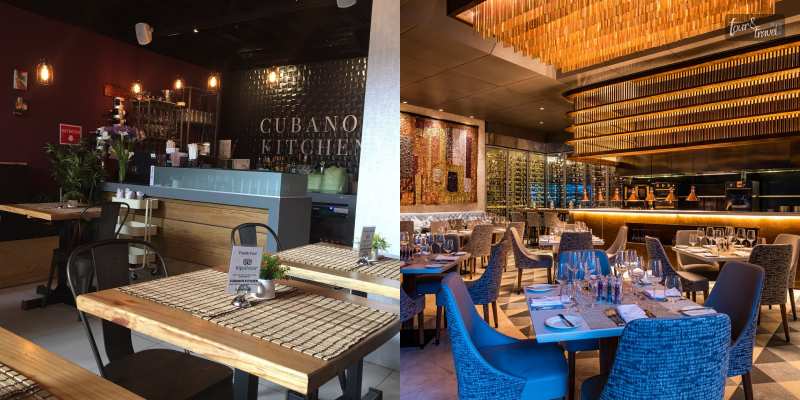
2. Cubanos Kitchen:
Another great find at Tegucigalpa is the Cubanos Kitchen, which we think you can check out for all your meals. This Honduran restaurant has a crazy breakfast, lunch, and even dinner menu, perfect for your tastebuds.
The place does get really busy, but we can guarantee you food that’s fresh and delicious. While you are at Cubanos Kitchen, there’s no way you can miss out on their delectable range of milkshakes – they are well known for all the flavors they have at their disposal.
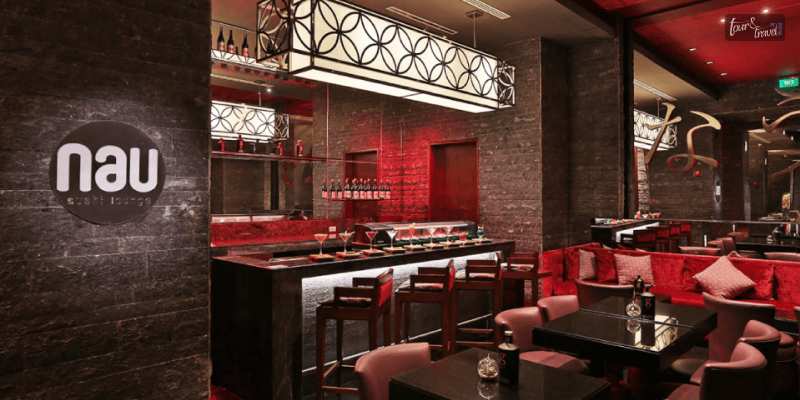
3. NAU Sushi Lounge:
When it’s all about finding the top restaurants in Honduras, there’s no way you can miss out on NAU Sushi Lounge, located near Parque Central. So this Honduran restaurant is located right at the center of all good things. The place is pretty small, but the vibe’s so good, and the menu? Even better!
While most things at NAU Sushi Lounge are crazy, one thing you must try out is their specialty appetizer, Tuna Tartare – yes, this dish is actually available at a sushi restaurant…isn’t that reason enough to try the dish out?
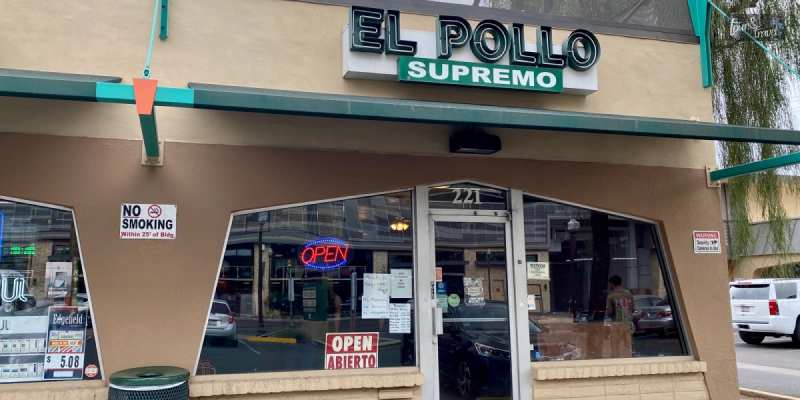
4. Pollo Supremo:
Pollo Supremo is not your usual random chicken joint – this place is so much more than that! The food portions are great, and the service? Even better! On top of that, the restaurant is also blessed with aesthetic seating outdoors for people seeking a dinner under the sky and around fresh air.
Moreover, their open kitchen policy makes things even better – your food is cooked right in front of you. What more can you expect? If you love eating chicken, then there’s no way you can miss out on this vibrant restaurant – trust us, you will definitely not be disappointed!
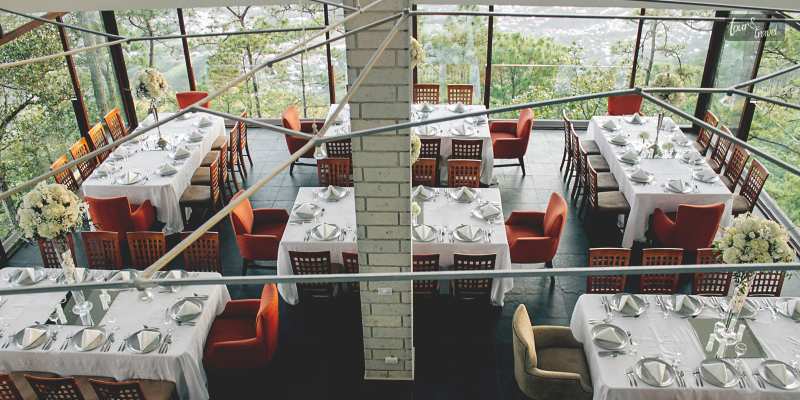
5. La Cumbre:
La Cumbre’s specialty is providing quality meals and fine dining. In fact, the restaurant has been named by Wine Spectator Magazine as one of the best places to eat in Latin America. Yes, this place can be a little more expensive than other budget places, but if you are ready to pay, then you will definitely have a meal you will remember forever.
From their fried fish and carne asada or beef to their soups and fajitas, the menu is made to make your taste buds pop! And while you are there, don’t forget to try the Galletas Tipicas, their signature dish and at the same time, check out their fantastic wine pairings – what’s fine dining without a glass of red?
6. Hacienda Real:
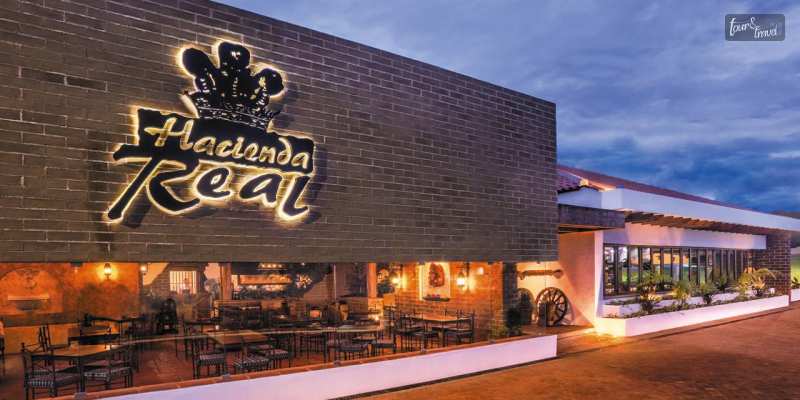
There’s no list on the internet where Hacienda Real won’t pop up even when you search ‘best Honduras restaurant’ on Google! Located in San Pedro Sula, Hacienda Real is well known for serving different varieties of food items, all of which are served with a certain European and Honduran twist.
In fact, Hacienda Real has been on the list of ‘top 100 restaurants’ for some time now. So we don’t see any logical reason behind not visiting this beautiful place on your trip to Honduras. Trust us, the food is great, and so is the service!
7. Blu Bar:
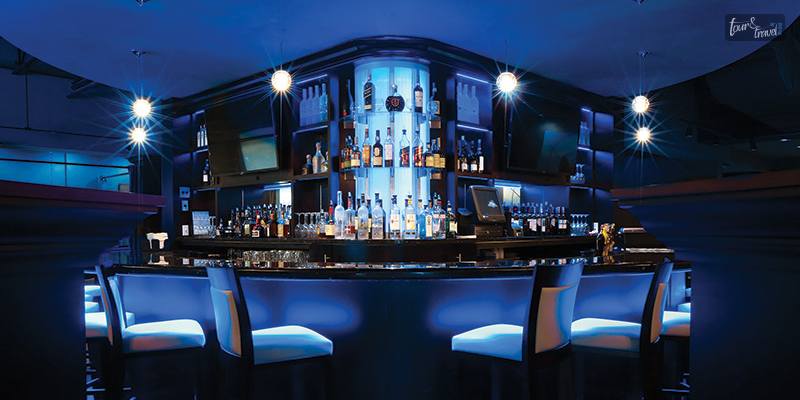
Blu Bar is one of those restaurants in Honduras that is very new, but the place has already become popular for serving delectable traditional dishes, only with a smart modern twist. In case you do check out the Blu Bar, you must try out their different creative cocktails and definitely stay for dinner!
The best part? Their menu keeps changing – so you can count on different seafood items at all times. Moreover, the place is also blessed with both outdoor and indoor seating making it a great place for your next dinner reservation, especially if you want to get tipsy. Just remember, if you are visiting this restaurant on the weekend, you must make a reservation.
8. El Patio:
When it comes to checking out delectable Honduran cuisine, there’s no place better than El Patio for trying out all their popular dishes. For instance, you cannot miss out on their Snail Soup or Sopa de Caracol as starters.
These two dishes happen to be our favorite items here, but if you are new to the whole Honduran scene, then you can play safe and opt for appetizers. However, no matter what item you try out – you can’t miss out on their divine dessert selection. Our best dessert picks? Flan or Tres Leches!
9. Marjaba:
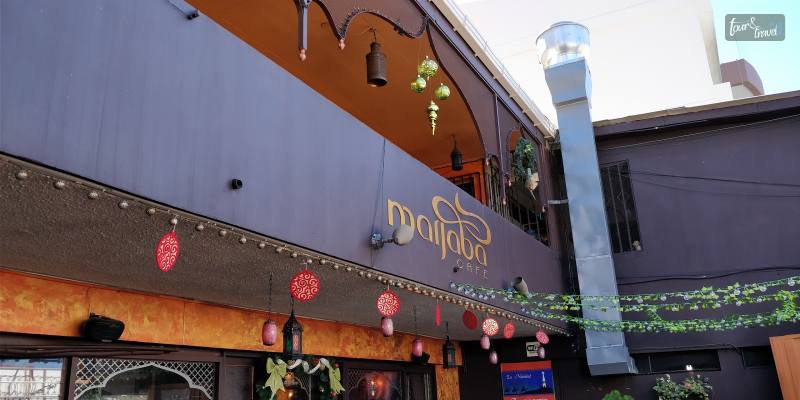
While checking out different Honduras restaurants, we stumbled upon Marjaba, a gem of a place for eating traditional Honduran food. If you are looking for something delicious and authentic, then Marjaba is the place you are looking for – don’t forget to try out their Tortillas and Beans, prepared with two widely different species, Garlic and Chocolate.
If you are not a fan of Honduran cuisine, then you can still opt for your basic seafood, chicken, soups, and pasta. But the best secret about Marjaba is its great coffee, so much so that the place has a local reputation for being one of the best coffee-serving restaurants in Honduras.
10. The Market:
The Market is one of the most popular restaurants in Honduras and boasts a solid menu comprising several Italian and American-inspired dishes. In fact, the pizzas you get here are a specialty that has been featured several times in different local magazines. You should also try out their appetizers – spicy tuna tacos and grilled calamari were our favorites.
For our entrees, we ordered a grilled rack of lamb and chicken meatballs – both tasted divine. You will also find a full bar here with top-shelf liquor, wines, cocktails, and craft beers. And that’s not all you will get here. You can also check out their dessert section – if you want to avoid carbs, then you can order some gluten-free Chocolate Chip Cookies, which are quite popular.
And It’s A Wrap!
While looking for the top restaurants in Honduras, we had the best time eating whatever we wanted, especially authentic Honduran food. And that’s not the best part. We think the best part about a good meal is that it takes into account more than what your tastebuds or even your stomach is saying – Honduras restaurants are also known for their great service and, more importantly, a crazy selection of creative cocktails.
So what do you think about visiting Honduras? And what about all the food? Tell us in the comments below!
Barsha Bhattacharya builds stories for a living and seeks mountains for everything else. An English major and remote content strategist, she travels every month, structuring her life around movement rather than routine. Her journeys are rooted in mountaineering and rock climbing, with a deep preference for tents over hotels and cold mornings over comfort. Barsha believes the mountains demand clarity, patience, and presence - the same qualities that shape her work. For her, travel is not an escape but immersion: long routes, rough terrain, and nights under open skies where the line between work and wilderness disappears.
If you are planning a trip to Jackson Hole, WY, you should try visiting Teton Village. Teton Village is on the bucket list of almost every new visitor to Jackson Hole. The village has places for beautiful scenic views and lots of other entertainment activities. The village isn’t even far from Jackson Hole. Teton Village is famous for being an expensive ski resort, but there are also some free activities to do if you visit during summer. In this article, you’ll learn who you should visit at Teton Village during your trip to Jackson Hill.
Not Much Crowded
One of the biggest pros of Teton Village is that it isn’t crowded like Jackson Hole. Being a popular tourist spot, Jackson Hole is crowded almost throughout the year. A stay in Teton Village is much cozier and more relaxing. The population of Teton Village is also less than 1000. Because the village is less crowded, you can get more places to roam around the village, discover new places, and create a great memory.
Close To Everything
Teton Village is located in a place where it is close to almost everything. The village is only 30 minutes drive away from Jackson Hole. Besides being close to Jackson Hole, the Village is close to Grand Teton National Park, The National Elk Refuge, Yellowstone National Park, Snake River, etc. That being said, Teton Village’s location makes it unique and reachable to other popular destinations.
Activities For Everyone
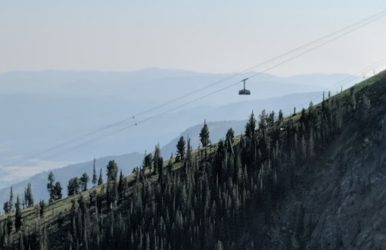
Teton Village offers activities for persons of every age. There are many family-friendly places and also some places, especially for the children, where they can have fun. Teton Village has a place for shopping, dining, and spending quality time with your family. You can do paragliding, hiking, mountain biking, etc. You can also book tickets to the Jackson Hole Tram, also known as “Big Red,” and view the scenic beauty from the top of Rendezvous Peak.
If you visit Teton Village, you must visit Mangy Moose Cafe; it’s the locals’ favorite place for entertainment. Mangy Moose Cafe hosts regular live music, and if you love music, you should visit Mangy Moose Cafe; it will be worth it, and you’ll get addicted to that place.
Some Of The Best Scenic Views
Though Teton Village is not as popular as Jackson Hole, Teton Village has many spots for getting a beautiful scenic view. The most famous place in Teton Village for the scenic view is Teton Village Wildflower Trail. It is not an easy hike, but you can also get a scenic view through a ride on Gondola. Some other places for beautiful scenic views are Teton Crest Trail, Cirque Trail, Granite Canyon Trail, Casper Ridge Loop, Saratoga Loop Connector, etc. If you are staying in the Village, you should visit these places for magnificent views.
Good Places To Stay
If you are wondering where to stay in Teton Village, WY, you don’t have to worry much about it because there are many good hotels to stay. Almost every hotel provides good facilities and will make your stay in Teton Village worth your time. Book the hotel rooms beforehand if you are going to stay in Teton Village because most of the time, these hotels are always booked by people in advance.
Read Also:
Travelocity Review- Login, Services, And Travel Experiences
Luxury Car Rental For Couples: Unforgettable Day Trips In Kentucky
Exploring Cheap Car Rentals Las Vegas Airport: Book Cars To Travel In Vegas!
Imagine touring the heart of California's landscapes, from Los Angeles to San Francisco.
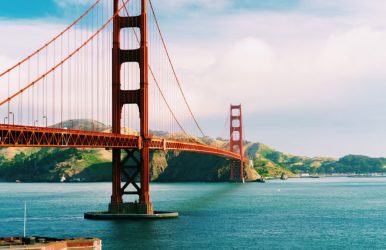
From the bustling streets of Los Angeles to the famed Golden Gate Bridge in San Francisco, there is plenty to see.
The city offers rich landmarks that any adventurer will find fulfilling.
Bathed in a favorable atmosphere, the city enjoys great weather and a constant breeze, making it a natural treasure. This tour is more than simply a trip.
It's an adventure through varied cultures, magnificent scenery, and unforgettable memories along a desirable course of history.
The tour from Los Angeles to San Francisco is more than simply a route. It is a rich adventure.
As you travel between these two dynamic cities, you will discover the Golden State's hidden beauties in the bright sun.
Enroute The Pacific Coast Highway
The Pacific Coast Highway connects Los Angeles and San Francisco.
This stretch of road is famous for its wildly stunning seaside views.
Every turn offers a fresh view, from the vast ocean to the craggy rocks.
Stopping at Big Sur affords a fantastic opportunity to photograph the essence of California's natural splendor.
Moderate sunrays cutting through the cool breeze create an authentic outdoor experience.
Cultural Stops: Santa Barbara and Monterey
Santa Barbara, the American Riviera, blends Mediterranean architecture with a relaxed beach ambiance to inspire a natural feeling that any adventurer can love.
The red-tiled roofs, whitewashed stucco buildings, and palm-lined streets exude an unmistakable exotic mood.
The long-forgotten history of Spanish Colonial charm comes to mind, offering a broader view of the city's heritage.
Visitors can meander along the iconic Stearns Wharf, soak up the vibrant atmosphere of State Street, or unwind on the sandy stretches of East Beach.
Monterey’s marine appeal is no secret.
It beckons marine life enthusiasts with its famous Monterey
Bay Aquarium, a sterling and unmatched destination.
Beyond the aquarium, Cannery Row provides a captivating glimpse into Monterey's rich fishing legacy, with boutiques, restaurants, and galleries lining the scenic waterfront.
Historic Landmarks: Hearst Castle and San Luis Obispo
Hearst Castle's architecture and magnificent artifacts transport tourists back to the wealthy lifestyle of the early twentieth century.
This magnificent mansion, built atop "Enchanted Hill" in San Simeon, served as the luxurious home of media magnate William Randolph Hearst.
San Luis Obispo is famed for its Mission. San Luis Obispo de Tolosa provides a quiet escape into California's missionary heritage.
The magnificently restored mission, which dates back to 1772.
This includes a stunning Spanish Renaissance-style church and serene gardens that invite tourists to journey back in time.
Arrival in San Francisco
The journey reaches its peak with the mouth-watering culinary delights of Fisherman's Wharf.
Here, visitors can savor fresh seafood and sourdough bread, and enjoy a leisurely rest at the oasis of Golden Gate Park, offering relief from the urban bustle.
San Francisco promises many unforgettable experiences.
No visit to San Francisco is complete without a stroll across the iconic Golden Gate Bridge, a marvel of engineering, or a ride on one of the city's historic cable cars.
These gracefully navigate the steep hills. You will enjoy magnificent views of some of nature's most astonishing elements right below.
11 Stops You Must Make On Your Trip From Los Angeles To San Francisco
If you are planning a trip from Los Angeles to San Francisco, you must visit these 11 places along the way.
The drive itself is pleasing to the eye, with miles of green hills and Pacific coast views as you drive along the highway.
Here are the 11 stops you must make while on your way to San Francisco from Los Angeles.
Redondo Beach
Visit Redondo Beach for some relaxing time at the start of your journey towards San Francisco.
Los Angeles
If you are in Los Angeles, visit the museums, hangout spots, and popular outdoor shopping center before starting your journey.
Santa Monica
Santa Monica is a great place to shop and relax along Santa Monica Beach, with great views of the Pacific Ocean.
Don’t forget to stop here for lunch or dinner. It has some of the best restaurants, eateries, and bars in the region.
Malibu
If you are en route to San Francisco from Los Angeles and not stopping by Malibu beach, then you are missing out big time.
From picturesque views to delicious Hawaiian food and drinks, you must visit this place.
We recommend you create a separate itinerary for a Malibu visit.
Solvang
The Solvang Village Square is filled with traditional Danish cuisine and other traditional restaurants where you can enjoy your lunch.
Pismo Beach
Pismo Beach is a great place to visit, with incredible views, and its casual vibe will relax you immediately on a road trip.
McWay Waterfall Trail
This underrated McWay waterfall trail is unique, with waterfalls dropping into the Pacific Ocean.
If you are looking for a less crowded place, this is it.
Pfeiffer Beach
Stop at Pfeiffer Beach to take amazing photos or walk along its sandy shores and gentle waves.
Bixby Creek Bridge
Another spot for a majestic view of the Pacific Ocean is the Bixby Creek Bridge.
Carmel
Stop in Carmel if you want to walk along the sandy beach or dip your toes in the ocean.
You can also visit the museums and local eateries here.
Pebble Beach
Pebble Beach is a 17-mile road with beautiful Pacific Ocean views and one of the most photographed trees, the Lone Cypress, atop a rocky expanse.
Several trees line the rocky shoreline.
Tips for Travelers
Stay flexible when planning your tour from Los Angeles to San Francisco. The joy of this voyage is in the unexpected discoveries along the route.
Leave room for spontaneous excursions and immerse yourself in local culture at every stop.
You will want to catch and remember every moment of this magnificent ride, so dress comfortably and bring your camera.
Conclusion
A Los Angeles to San Francisco tour is more than just a route between two cities.
It explores California's lively heart, providing insights into its landscapes, rich history, and dynamic cultures.
Each mile delivers unique experiences. This way, the voyage stays with you long after it ends.
Returning home, you'll bring back rich stories of adventure, stunning natural beauty, and exploration neatly written in your memory.
A tour from Los Angeles to San Francisco is more than just another trip.
It is a chapter in your life story filled with adventure.Read Also...Save Money On Your Next TripHow To Make The Most Of Your Trip To RomeHow Do I Keep My Child Occupied When Traveling?Tips To Pack Your Dog’s CBD When Going On A TripThe Best Things To Do Near Me – Travel Tips
Spotting the burrows of the black petrels at Glenfern Sanctuary and on the hillside was like magic!
The burrows had eggs in a cream shade with tan freckles. They almost looked like the eggs of a hen, though slightly larger.
Also, some chicks were chirping their hearts out inside the burrows.
They looked like those squishy dog toys.
Now, spotting birds is one of the most fulfilling activities when you are camping on Great Barrier Island, New Zealand.
So, the days were about hiking and spotting the birds.
And the nights were about indulging in the surreal beauty of the celestial bodies at this designated Dark Sky Sanctuary.
Moreover, camping in Great Barrier Island is a true off-grid and remote experience.
No Streetlight!
No Public Rubbish Bins!
And No Powered Camping Sites!
It is just you, the camping tent, and the rugged beauty of New Zealand’s Hauraki Gulf.
Hi, in today’s blog, I will talk about the Great Barrier Island camping tips.
Here, you will learn about the must-book DOC sites, the non-negotiable biosecurity rules, and everything else you need to know
Camping In Aotea, Great Barrier Island: Setting The Right Mindset For Biosecurity And Sustainability
Aotea isn't a place that just hands you its beauty.
It's a place that makes you earn it.
Also, it's a true adventure that rewards you for being self-sufficient.
It's the thrill of waking up to the raucous call of a Kākā parrot, not an alarm clock.
Moreover, it is the magic of watching the Milky Way rise over the dunes at Medlands Beach.
The peace of having a rugged, white-sand cove all to yourself cannot be explained.
Also, it is one of the rare islands that serve as sanctuaries.
Furthermore, 60% of its area is protected by the Department of Conservation.
So, Great Barrier Island demands the utmost care for biosecurity and the adoption of sustainable practices.
Naturally, before you want to explore the best camping spots on Great Barrier Island, New Zealand, you have to build your mindset.
Overall, this is your invitation to join a small community of travellers who value wild, authentic, and responsible adventure.
1. Offering The True Off-Grid Experience
The campsites of the Great Barrier Island are exactly what the island is.
They are not powered, and they have basic amenities.
Furthermore, open fires are not allowed in these campsites.
So, you will have to bring fuel-powered or gas cookers.
Furthemore, the Department of Conservation camping sites have only a specific number of tents.
So, you need to make the booking well in advance. Contact the Department of Conservation (DoC) at 0800 275 362.
2. The Golden Rule: "Pack In, Pack Out”
Zero waste and recycling are important for the sustainability and environmentally friendly practices of the Great Barrier Island.
However, the island does not have public rubbish bins.
So, whatever you carry to the island, you will have to take it back.
You must use the official Orange Council bags with stickers for trash disposal.
3. Biosecurity Is Most Important
Protecting the Kauri trees from the infamous “Kauri Dieback disease” and the island's endemic animals requires biosecurity.
So, when you leave for the Great Barrier Island from Auckland, you will have to check for ants and rats.
Also, when you leave Great Barrier Island, check the tents and packs for skinks.
In addition, the Phytophthora Agathidicida attack on the kauri trees has been a serious concern.
Stopping soil movement is crucial to stopping the attack of this dieback disease.
Soil movement can happen through pigs, footwear, and vehicles.
Therefore, the Department of Conservation (DoC) cleaning stations play an important role in cleaning and removing soil from your gear and footwear.
It is mandatory before entering a kauri forest on Great Barrier Island, New Zealand.
In addition, you have to stick to the marked routes when hiking through the best Great Barrier Island hiking trails.
4. How To Book The Camping Sites: DOC Vs. Private
If you are camping in any of the DOC sites, you have to make the booking online well in advance.
Private camping sites can be booked directly.
Here is the step-by-step guide for booking a DoC Campsite on the Great Barrier Island.
First, visit the Department of Conservation site for the particular campsite. For example, let’s talk about the Akapoua Bay Campsite.
On the dedicated Akapoua Bay Campsite page, you will get to know about the campsite and the fees.
The fees for the Akapoua Bay Campsite are $18 per night for adults, $9 per night for children ages 5 to 17, and $0 per night for infants ages 0 to 4.
In addition, you can book a campsite pass from the Department of Conservation of New Zealand. It will give you access to all the bookable and non-bookable campsites in the country.
If you need any assistance in booking the campsite pass, you can avail yourself of that at a service tax of $10.
For adults, the camping pass will cost $295.00 (365 nights), and for children between 5 and 17 years, the pass will cost $147.50.
Moreover, for children below 5 years, the camping pass is free.
Do you need any assistance regarding the booking of the 1-year campsite pass or a pass for any specific site?
You can contact Whakatū/Nelson Visitor Centre at +64 3 546 9339 or email them at nelsonvc@doc.govt.nz.
The Kauaeranga Visitor Centre (+64 7 867 9080/kauaerangavc@doc.govt.nz) also offers the same assistance.
What Are The Best Camping Spots On Great Barrier Island, New Zealand?
Digital detox has been a trending thing these days.
If you want to truly experience that and shut all the noise in your head, the camping spots on Great Barrier Island will be the best for you.
Further, the real magic of camping on Aotea starts after sunset.
You haven't lived until you've watched the Milky Way rise over your tent from the dunes at Medlands.
However, along with Medlands Beach, there are 5 other DoC campsites on Great Barrier Island, New Zealand.
Here are the details.
1. Akapoua Bay Campsite
The sheltered waters of Port FitzRoy have a beautiful camping ground.
It is like a gateway to the many walking tracks of the Great Barrier Island, New Zealand.
Wake up with a 60-second dash to a cold shower, then explore the paths graced by the pohutukawa trees.
Overall, the Akapoua Bay Campsite will offer you a peaceful and off-the-grid experience.
The maximum number of campers on this site can be 75.
Moreover, the camp is open from Christmas to the end of January.
2. Harataonga Campsite
This campground is very close to Harataonga Beach.
So, it is an ideal camping site for swimmers and snorkeling enthusiasts.
It can accommodate 120 campers, and this campsite is surrounded by bush and farmland.
Camping takes place between Christmas and mid-February.
Harataonga is for the romantic escape.
3. Awana Beach Campsite
The Awana Beach Campsite is a surfer’s dream.
It has beautiful dunes and farmland around.
It can accommodate 120 campers, and the campground remains open from Christmas to the end of January.
The only problem with this camping site is mosquitoes. So, you have to carry mosquito repellent.
4. Medlands Beach Campsite
The sound of the waves at Medlands.
This is the music you will listen to when you go to sleep or wake up at the Medlands Beach Campsite.
Medlands is like an all-rounder.
It is ideal for families and surfers alike.
The campsite remains open from Christmas to mid-February, and it can accommodate 120 campers.
5. The Green Campsite
You can boat in or walk in the Green Campsite, which remains open from 1st December to the end of February.
It has a capacity of accommodating only 30 campers.
However, this campsite has a rich history associated with whaling, kauri logging, and timber milling.
The waters of the Whangaparapara Harbour make it an idyllic retreat, and it is also the base of the Aotea Track.
6. Whangapoua Campsite
The Whangapoua Campsite is a surfer’s paradise.
Also, it is located on the edge of the Whangapoua estuary.
It is even a favorite camping site for fishing.
With an accommodation capacity of 150 people, this campsite remains open from Christmas to the end of February.
However, the biggest highlight of this camping site is the views of Rakitu Island and Mount Hirakimata.
A Comparison Summary Table Of The DoC Camping Sites On The Great Barrier Island, New Zealand
DoC Campsite Access Landscape Facilities Activities Dog Access Fees Akapoua Bay Campsite Campervan, Car and Caravan Coastal •Boat Launching•Cooking Shelter•Cold Shower•Non-Flush Toilets for Men and Women •Boating •Fishing• Walking• Tramping No •Adults: $18 per night•Children of 5-17 years: $9 per night•Children below 5 years: free Harataonga Beach Campervan, Car and Caravan Coastal •Cooking Shelter•Cold Shower•Non-Flush Toilets for Men and Women •Swimming•Snorkeling•Fishing No •Adults: $18 per night•Children of 5-17 years: $9 per night•Children below 5 years: free Awana Beach Campsite Campervan, Car and Caravan Coastal •Cooking Shelter•Cold Shower•Non-Flush Toilets for Men and Women Kayaking and Canoeing No •Adults: $18 per night•Children of 5-17 years: $9 per night•Children below 5 years: free Medlands Beach Campsite Campervan, Car and Caravan Coastal •Boat Launching•Cooking Shelter•Cold Shower•Non-Flush Toilets for Men and Women Fishing, Surfing, Swimming No •Adults: $18 per night•Children of 5-17 years: $9 per night•Children below 5 years: free The Green Campsite Boat, Foot Coastal •Cooking Shelter•Cold Shower•Non-Flush Toilets for Men and Women Hiking, Boating No •Adults: $18 per night•Children of 5-17 years: $9 per night•Children below 5 years: free Whangapoua campsite Campervan, Car and Caravan Coastal •Cooking Shelter•Cold Shower•Non-Flush Toilets for Men and Women Fishing, Surfing No •Adults: $18 per night•Children of 5-17 years: $9 per night•Children below 5 years: free
Insider Tips For Camping At DoC Campsites On The Great Barrier Island
Are you camping in a caravan or campervan?
Remember that the gravel roads leading to the camping sites, especially the Harataonga Campsite, are steep and winding.
Also, the sites are off-the-grid.
Furthermore, the campervans are not usually allowed on the beaches.
The Best Private And Unique Camping Options On The Great Barrier Island
Do you want a unique camping experience? Explore these options.
1. Great Barrier Island Campground
The Great Barrier Island Campground, spanning an area of 12 square acres, is an ideal camping ground for access to different beach activities.
The camping site is located at a distance of just 200 meters from the beach.
The camping fee at the Great Barrier Island Campground is $10 per person per night.
You can contact them at 021 298 8905 for booking.
2. Mickeys Place
The O'Shea Family farm in Awana houses the Mickey's Place camping ground.
It is a family-friendly camping site with the following facilities.
A Communal Cooking Area
Flush Toilets
Showers
Patrick, Sean, and Mickey are the hosts of this campsite, and you can contact them at 09 4290 140.
3. Stray Possum
Stary Possum in Tryphena is an ideal camping site for backpackers.
If you are camping here, you will have access to the kitchen, toilets, and showers of the adjacent Stray Possum Lodge.
This camping site has 14 tents, and you can call 09 4290 109 for booking details.
21 Essential Great Barrier Island Camping Tips
I promised you tips, and here they are. Do not go to Great Barrier Island without reading this checklist.
• Packing And Food
If you have never cooked your food, this is the time to learn it.
1. Bringing a Gas Cooker
Open fires are banned in the Camping sites of the Great Barrier Island.
So, you will have to bring a gas burner for preparing your food.
2. Packing Your Food
Groceries are not available everywhere, and they are even very expensive.
So, it is better to collect and pack the groceries you will need before leaving Auckland.
3. Bringing a Good Chilly Bin
You will need this insulated chest for storing warm and cold food items.
4. Bringing a Red-Light Torch
The island is a Dark Sky Sanctuary. A red torch lets you stargaze without ruining your night vision.
5. Bringing Cash
EFTPOS (debit) is unreliable, and many camping sites only accept cash.
6. Packing Warm Clothes
The weather can suddenly become cold, even on summer days. So, you will have to pack layered clothes.
7. Carrying Mosquito and Insect Repellent
Sandflies and mosquitoes are notorious on Great Barrier Island. So, you will have to carry an insect repellent.
• On-Site And Facilities
The on-site facilities are basic. So, be prepared.
8. Cold Showers
Most shower stations on Great Barrier Island are cold water shower stations.
This is great, as the dash of cold water in the morning literally works as an eye-opener.
9. Long-Drop Toilets
The long-drop toilets are basic and waterless. Using these pit toilets can be challenging for some campers.
10. Drinking Water
The tap water available at these sites is not ideal for drinking unless it is purified or boiled.
11. Pet-Friendly
The DoC camping grounds are not accessible to dogs.
This is crucial for the protection of wildlife, the safety of the pets, and less soil movement.
12. Booking
The slots for camping sites such as Medlands and Akapoua get sold out more than 6 months in advance for the Christmas and New Year periods.
So, it is indeed a year-long planning.
13. Alcohol Rules
The consumption of alcohol can be banned in various camping sites, especially during the peak seasons.
So, check with the camping site authority.
• Transport And Logistics
Plan your transport and logistics well.
14. Having A Vehicle
Having a vehicle is a must for moving around the rugged and large Great Barrier Island. You cannot walk between the sites.
15. Renting A 4WD (Or 4WD-Capable)
The roads to various campsites are challenging.
The road to Harataonga, especially, is very difficult. So, you will have to rent a 4WD-capable vehicle.
16. The Motorhome/Campervan Reality
The gravel roads are narrow, steep, and winding, and if you are planning to camp in a large RV, you will definitely struggle.
17. The Dump Station Nightmare
There is only one dump station in Claris, and it is only for black water or toilet waste.
You will have to carry your grey water or sink water with you.
18. Freedom Camping
Freedom camping on the Great Barrier Island, New Zealand, is a fascinating idea.
However, the reality is quite different. It is heavily restricted, and sticking to the DoC sites is the best option.
• Safety And Etiquette
Be a responsible traveler and take care of these safety measures.
19. Using A Paper Map
Mobile network and GPS will not function in various parts of the Great Barrier Island.
So, you will have to carry a paper map.
20. Tell Someone Your Plans
If you are hiking on the Great Barrier Island, you have to keep someone informed.
The wilderness and remote locations of the hiking trails can pose many challenges.
21. Being a Good Neighbour
You must respect the quiet, off-grid, and nature-first vibe of the Great Barrier Island.
So, you have to keep the noise level down.
How To Reach The Aotea Great Barrier Island With Your Camping Gear?
For campers, especially those with campervans, traveling by the ferry from SeaLink is the best option.
It is the only mode of transportation in which passengers and cars are both transported.
It is a 4.5-hour picturesque journey from Auckland.
Your Great Barrier Island Camping Adventure Is Calling
Camping on the Great Barrier Island, New Zealand, is the right mix of adventure, soaking in nature, and cherishing the off-the-grid living.
However, it isnot going to be easy, with the amenities at the campsites being basic.
Even the gravel roads pose challenges for the big RVs and campervans.
Also, you will have to take care of biosecurity and all the sustainability guidelines.
It is to ensure that the island, a sanctuary of wildlife, does not get impacted negatively.
Conservation as a pristine sanctuary is the reason why camping on Great Barrier Island allowed us to see a billion more stars.
Also, because of the conservation, I could see more birds than I have ever seen in my life.






 Related