

Are You Looking For A Latin American Restaurant In Miami? – Top 12+ Lists

Feb 15, 2023

Last Updated on: Nov 15, 2024

Travel Guides

Are you craving some Latin American food in Miami right now? Are you wondering which Latin American restaurant to visit in Miami? Don’t worry because we have managed to find the best Latin American restaurants in Miami. And trust us, you will have a great time trying out the food in these restaurants.

Stay tuned to find out about the best Latin American restaurants located in Miami!

Are You Looking For A Latin American Restaurant In Miami? – Top 12+ Lists

Welcome to Tour And Travel Blog’s favorite Latin American restaurants in Miami. You don’t need to type ‘Latin American restaurant near me’ on Google. Instead, you can sit back and scroll down to find out which are the best restaurants serving Latin American food in Miami.

So without wasting any time, keep reading and satisfy those mouthwatering cravings ASAP!

1. Luis Galindo Latin America Restaurant:

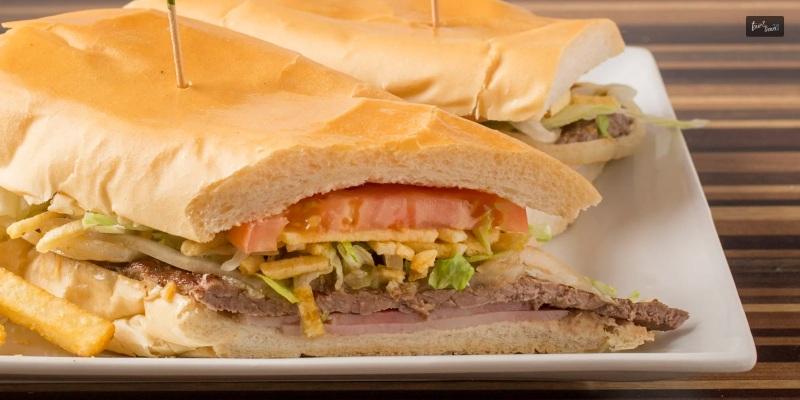
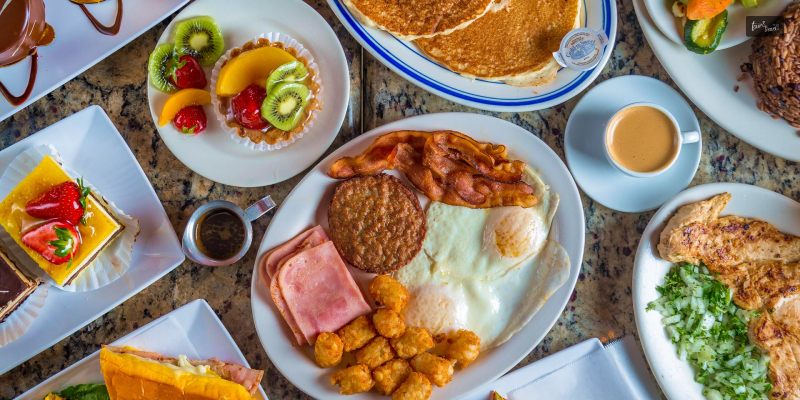
If you are a sucker for home style Cuban sandwiches, breakfasts, and other dishes, then you can’t miss out on Luis Galindo Latin America Restaurant. You will love this Latin America restaurant – plus, you will find a cute bakery right next to the restaurant!

Review By Swaroop Krothapalli:

The Cuban coffee I had here is one of the best. I had great expectations of the tostones. They weren’t up to the level I expected. The shrimp, fish, and grilled chicken are good. The chicken dish had a lot of oil. Overall definitely worth a try. The service was fast too.

2. Latin American Bakery & Cafe:

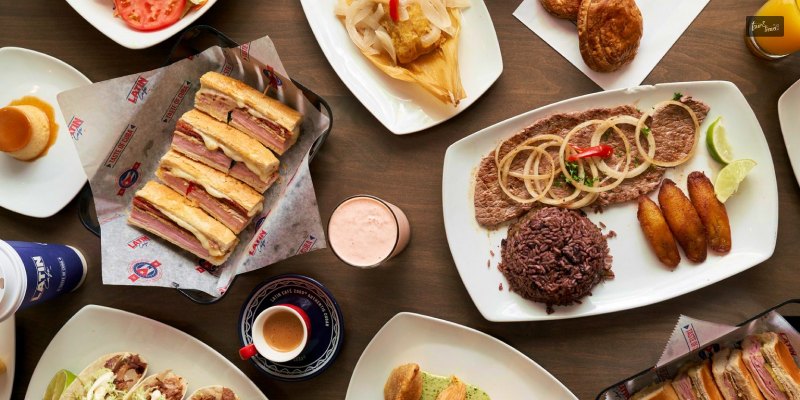
One Latin American restaurant that really impressed us was a local eatery called Latin American Bakery & Cafe. They serve some really tasty Cuban breakfasts, empanadas, desserts, and sandwiches. You will also find some really refreshing drinks here.

Review By Norman Davis:

Ah, so good! I had a late dinner and enjoyed every bite! The beef with onions was so tender, and the sweet, fried plantains were addictive. My wife ordered the chicken and cilantro soup–what a treat! And so many delicious dessert options. We came back the next night! Parking: Small lot, but we found a spot each time we visited.

3. Latin Cafe 2000:

If you love Cuban meals casually cooked, then you have to visit Latin Cafe 2000. One of our favorite Latin American restaurants, Latin Cafe 2000, also serves fresh sangria, beer, and wine in an easygoing environment.

Review By Peter Echs:

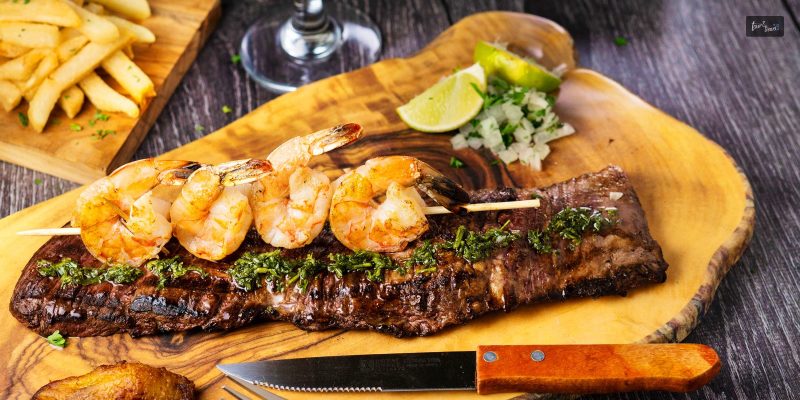
I came here looking for an authentic Cuban experience, and it didn’t disappoint. The service was excellent. The food came out quickly, and the steak was cooked perfectly (medium). We ordered the churrasco steak with a side of yucca and garden salad. Shrimp ceviche was also excellent, along with the plantain chips.

4. El Rinconcito Latino Coral Way:

El Rinconcito Latino Coral Way is a Latin American restaurant known for serving Caribbean and Cuban meals in modest, unpretentious surroundings. If you love modest restaurants serving good food, then you have to visit El Rinconcito Latino Coral Way.

Review By Gioconda Vidal:

This is my favorite location out of all “Rinconcito.” The place is spacious, the service is usually fast, the waitresses are nice, and most importantly, the food is really good. I have been to this place for breakfast and lunch multiple times, and every time was a great experience. The food, in general, is good. A really good and affordable place to eat ?

5. Bocas Grill Brickell:

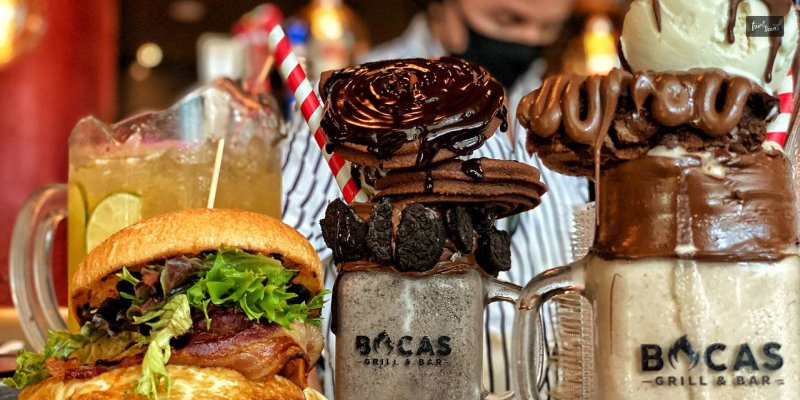
We always love a good Latin American restaurant menu, and Bocas Grill Brickell has a crazy menu! We absolutely loved the food, the vibe, and the staff. It was a really good experience visiting this restaurant, and we might just be back soon.

Review By Andy & Bethany Layton:

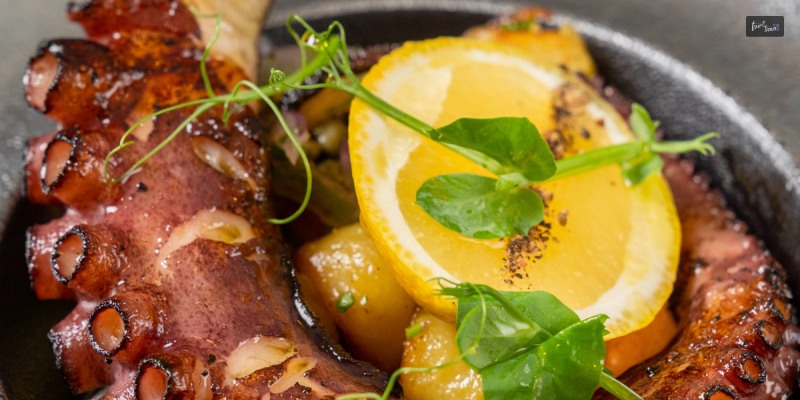
This place is great! We were in the area searching for a good lunch place and were blown away by how great the food was. We decided to split the Jalea rice, grilled Octopus, and a salad, and everything was amazing! It might be the best rice dish I’ve ever had. The service was helpful and friendly. Especially Raul. Definitely worth a try!

6. I AM LATIN CAFE:

I AM LATIN CAFE is a long-standing and quaint eatery well-known for serving familiar Cuban entrees, sandwiches, and more. If you are looking for a local eatery that has a great reputation and killer guest reviews, then this is your place!

Review By Jae Kelly:

The place could use a face-lift, however, that does NOT affect the food at all!! Their food is amazing!!! I eat here every Sunday (and everyday if I could). The staff are very friendly and nice (my personal favorite waitress is Marily). I definitely recommend this place whether it’s for eat-in or take-out.

7. Elcielo Miami By Juan Manuel Barrientos:

Are you a fan of restaurants that come with beautiful views? Then you have to visit Elcielo Miami By Juan Manuel Barrientos! The perfect Latin American grill and bar that serves food in a chic setting – you get to enjoy some beautiful river views as well.

Review By Irena Tigranyan:

Wow! Just wow! What an experience. Everything was personalized and unique. Every dish was explained in detail by the waiter to make us feel and breathe what the chef had in mind. It was such an inspiring dinner. The chef and the team of waiters did an incredible job by hosting us. Food is 100/100. Worth every dime.

8. Rinconcito Latino Mixto:

Are you a fan of typical Cuban delicacies like pupusas, tamales, fried chicken, and tacos? Are you looking for a straightforward Latin American restaurant in Miami? Rinconcito Latino Mixto is your answer – go visit them today, and then tell us how right we were about this one!

Review By Poppeye Mcneal:

I love this place the Carne Asada Steak with red beans and plantains stole my ❤ generously seasoned and tender, the door dash and Uber line are always full this place is popping with good food the nice atmosphere puts me in a Spanish town scene. I love it.

9. Bahia:

No, you need not look for ‘Latin food near me’ on Google – just head over to this poolside daytime retreat located within the Four Seasons. Bahia serves delicious Latin-inspired cocktails and bites in a casual-chic setting.

Review By Jon:

You can never go wrong with food and service at The Four Seasons, especially by the pool in sunny December! Craving tacos in Miami, our usual tacos we have at every restaurant are fish and steak! Too full to try the mores milkshake!

10. Casa Juan Restaurant:

One Latin American restaurant we really love visiting in Miami is Casa Juan Restaurant – the place serves food throughout the day and that too mouthwatering Cuban eats. It’s a low-key restaurant, and the beautiful seaside murals only enhance the restaurant’s vibe.

Review By Drew May:

First time here. With friendly service and a huge menu, it was hard to decide what to order. I had wings – excellent, fried pork chunks, very good, and slow oven-roasted lamb shanks. Flavors, temps, and portions are all good! For sure would come again. Jorge was a pleasant and attentive server. For sure would love to come back! Prices are mostly low and large portions.

11. La Rosa Fine Cuban Cuisine:

No, you don’t have to google ‘Latin restaurants near me’ – if you are a fan of white-tablecloth destinations and an upscale Cuban menu, then you have to visit La Rosa Fine Cuban Cuisine. Plus, you can enjoy your meal while listening to an artist playing piano live.

Review By Alpha Renz:

I love this restaurant. The food is delicious, and the price is great. We had a bad experience at the airport the day we went to this restaurant. The service and food lifted our spirits right back up. I had lamb shank in an amazing sauce. My wife had an awesome and delicious salmon. I highly recommend this restaurant.

12. Catharsis:

Do you love arched walls and enjoy soft lighting? Are you looking for a pretty, romantic hideaway in Miami? Are you searching for South America restaurants in Miami? How about combining all three? Catharsis is the answer you have been looking for – you will love the Latin American wine and cuisine here!

Review By Diego DiSanti:

People are either dumb or really stupid, giving bad reviews based on a TV show they watched called mystery dinners, and they have never been to the restaurant. Really? Anyone who is smart enough knows that most TV reality shows are fake and made-up stories. It is a way to entertain and advertisement to the restaurant. I have never been to a restaurant, but if I do one day, I’ll leave a review based on my experience in the place, not because of a TV show!

13. Bandeja Paisa

It is known for some of the most authentic Latin, South American and Colombian menu in Miami. It is the number 1 Colombian restaurant and number 6 in over two thousand restaurants in Miami. It also has a 5 star rating on Tripadvisor.

Review By KhalidE2369:

I came to Bandeja Paisa after hearing how delicious it was from so many of my Colombian friends. They weren’t lying at all! The food was delicious and the service was excellent as well. Alejandra and Diana were our waitresses and they made sure to answer all our questions and provide recommendations. I ordered the Bandeja Paisa, my brother got the Rabo Encendido and my dad ordered the Sancocho de Gallina Criolla. We were all extremely pleased and would have to rate this place 10/10!

If you live in Miami or are visiting you should make this a priority!

14. Garden House Latin Restaurant

This one is a Peruvian, South American and Latin restaurant that is 31 among 610 restaurants located in and around Miami Beach. It has a 5 star rating by 321 reviews on Tripadvisor, winning Traveler’s Choice 2023 accolade.

Review By emwe11:

We ventured out from Fort Lauderdale to try this place and really enjoyed it. Our server Matias was super attentive and everything was well-priced and delicious.

All in all we had –

App:

Colombian beef empanadas (super tender meat and a corn outside that was second to none)

Entrees:

Fried red snapper (comes whole, was so fun to eat and very tasty)

Bandeja Paisa (had a bit of everything and has possibly my favorite bite of the night with the massive chicharon that comes with it)

Dessert:

Tres Leches Cake (absolute highlight of night; airy, sweet, moist. The most perfect sweet treat and something I would drive hours to get)

Unfortunately we came on a rainy day otherwise we would have sat outside as they have a cute garden patio area facing the fun streets of south beach. Definitely a nice casual atmosphere and feel like you can go in anything from a coverup after the beach to a dress or jeans! Looking forward to checking it out again next time we’re in Miami!

And It’s A Wrap: Bon Appétit

And that’s a wrap on our quest to find the best Latin American restaurant in Miami. What do you guys think about these restaurants in Miami? Are we missing out on any restaurants? Tell us now – and while doing so, feel free to share your experiences with Latin American food in the comments below.

Read Also:

Share on Social Media

Barsha Bhattacharya builds stories for a living and seeks mountains for everything else. An English major and remote content strategist, she travels every month, structuring her life around movement rather than routine. Her journeys are rooted in mountaineering and rock climbing, with a deep preference for tents over hotels and cold mornings over comfort. Barsha believes the mountains demand clarity, patience, and presence - the same qualities that shape her work. For her, travel is not an escape but immersion: long routes, rough terrain, and nights under open skies where the line between work and wilderness disappears.

Leave a Reply

Your email address will not be published. Required fields are marked *

title-img Related

READ MORE Everest Base Camp Trek

Must-See Attractions While Camping on Everest Base Camp Trek

BY  Sibashree Sep 16, 2024

Everest Base Camp is situated on the southern side of Mount Everest, the tallest peak in the world at 5,364 meters. The place is accessible for climbers and trekkers to stay and see the beautiful sights of the Himalayas.  However, before you begin your trekking, you should enjoy and relish the places, towns, and bazaars. They offer many holiday centers like billiards, and gambling areas to enjoy the time. Also, do not forget beautiful food and antique pieces to enhance your trekking experience.  So, look down to see the things before you Experience trekking the Annapurna Circuit in Nepal.  Things to See While Camping at Everest Base Camp Trek  Here are a few places and things to see while camping at Everest base camp trek -  Lukla  Lukla is one of the famous destinations for travelers. It stands at 2860 meters and is situated in the northeastern part of Nepal, where you can see the beautiful sight of the Himalayas. Moreover, it is the place where you start your trekking journey.  Hence, the town has evolved over the years to become a commercial place where tourists can find the best food and shops to buy. Also, the city has a small airport with a landing strip of 525 meters and boasts of having the most petite landing strip and being the airport at the highest peak in the world.  Syangboche and Everest View Hotel  Syangboche is one of the famous places to visit when you visit Everest base camp. Everest View Hotel is located at the highest peak in the world, which gave it a Guinness record for being the highest-placed hotel in the world. That way, you can see the 360-degree view of the snow-capped mountain from the hotel.  Peaks like Mt. Everest, Tawache, Ama Dablam, and Khumbu Himal are sights to behold. Takashi Miyahara and Yoshinobu Kumagaya envisioned the hotel's construction. Moreover, they had to transport loads of materials to the Himalayas with the help of local Sherpas. The task began in 1960 and came into action in 1971.  Tengboche Tengboche is one of the towns located near the Imja Khola, a typical night halt after Namche. It offers breathtaking views of the Himalayas, including peaks like Everest, Ama Dablam, Thamserku, Tawache, Nuptse, and Lhotse. Tenzing Norgay was also born in Tengboche.  Furthermore, every year in October, the Tengboche Monastery holds the Mani Rimdu festival. This is primarily a Buddhist celebration that includes religious gatherings, ritual singing, and dancing. During the celebration, famous people visit the place, especially Rinpoche, who blesses pilgrims and travelers.  Namche Bazaar Namche Bazaar is one of the bubbling places in Nepal. From the town, you can see the Everest Region. It is also one of the vibrant markets where you can buy Tibetan antiquities, especially trekking and climbing attire. From every point of the city, you can see a panoramic view of the Himalayas.  Moreover, the town has been preserving its historical culture and natural friendliness. It is a trading town known for its yak cheese and butter. Also, you can see a pub, motels, and hotels where travelers can enjoy and have fun. Thus, you can stop in the town for two days before you move on to the trek. Lastly, many Sherpa settlements like Khunde, Khumjung, and Thane can be seen when you visit the town.    Dingboche Dingboche is another popular point from which trekkers move on to Mount Everest from the base camp. You can stay for two nights in the town to see the beautiful Imja River and the beautiful sights of the Himalayas. Thus, many lodges and tents are available, providing the best accommodation for tourists.  Also, a helicopter landing pad lies on the west of Imja River, especially near Moonlight Lodge. Moreover, you can find a satellite cafe and enjoy playing billiards in one of the tallest billiards parlors. Lastly, you can see the kilometers of Mani Walls, which is a great way to create a tourist sight. Additionally, it is made in various sizes and put on top of the kilometers of walls.  Gorakshep Gorakshep is the last stop before you go on your trekking journey. It is a village amidst the Sagarmatha National Park, a hub for Sherpa guides, tourism businesses, and porters. Beyond this point, there is no accommodation facility, so you have to stay in tents amidst the cold weather and winds of the Himalayas.  You will find various guesthouses to stay in before you go for a hike. It is the last resting point for trekkers to experience the great wilderness of the Himalayas. Thus, you can visit Gorakshep before you start your trekking to Mt. Everest. So, spend the night in the lodging house and enjoy the great wilderness of the Himalayas.      The Bottom Line  In the end, Everest Base Camp is where you can begin your trekking journey. However, if you go trekking, you have to wait and see the beautiful sights of the Himalayas. The serene nature that comes along with the great wilderness and bazaar is full of Tibetan things. Furthermore, you can gamble and play billiards in the parlor, as it is one of the best places for visitors to have fun.  Hence, you can visit the place mentioned above, where you must carry a hard disk to capture millions of beautiful pictures. Consequently, you can taste beautiful Nepali and Tibetan dishes, filling your soul. So, pack your bags and start your trekking journey right now.  FAQs  Here are a few frequently asked questions -  Do you need oxygen at Everest Base Camp? Yes, you need a reliable oxygen tank before you go on a trek to higher altitudes.  Can you drink alcohol at Everest Base Camp? You should avoid drinking alcohol while camping at the Everest Base Camp. It will reduce your vision and judgment as the trails are rough.  How many hours of walking is Everest Base Camp? You must walk 7 to 8 hours a day before walking to the Everest Base Camp.   What is the best time to visit Everest Base Camp? The best time to visit Everest Base Camp is during the late-May to mid-September. Also read Top Reasons To Do Everest Trekking – Himalaya View Treks. Explore Human History And Wildlife With Backcountry Camping In Gates Of The Arctic National Park. From Himalayan Peaks to Cultural Experiences: The Ultimate Guide to Everest Base Camp and Manaslu Circuit Trek.

READ MORE

Joy Cho Death At Grand Teton National Park: How To Remain Safe While Hiking In This Beautiful Yet Dangerous Land

BY  Sibashree Sep 5, 2024

August 12, 2023, and the news of Joy Cho death at Grand Teton National Park was the most shocking thing one could hear. It was hard to believe how the most pristine national park with scenic vistas and rich wildlife could be the last resting ground for a woman. Nevertheless, on 12th August, the mountains, which stand for human connections, saw the fall of human life.   The death of Joy Cho at the Grand Teton National Park has once again proved why hiking in this national park needs to be a careful outdoor pursuit. It is “dangerous” to go for a solo hike in this national park. However, finding a hiking buddy is not always easy.   So, here, I will discuss the safety concerns at Grand Teton National Park and how you can overcome those. However, before that, let’s discuss a little more about Joy Cho Death at Grand Teton National Park.  Joy Cho Death At Grand Teton National Park: What Happened To The California Hiker?    Joy Cho, 47, lost her life at the Grand Teton National Park in the Death Grand Teton National Park where she was hiking with seven other group members. A deeply spiritual soul, she was also very much drawn to nature.   According to reports, the rangers found that she “had succumbed to significant injuries during the fall and was pronounced dead at the scene,” and her body was turned over to the coroner’s office, according to the release.” Tim Hopkins, one of Cho’s friends, further mentioned that the malfunctioning of her ledger caused the fall of Joy Cho.   Joy Cho was on her attempt to climb Teewinot, a part of the Teton Range, and the elevation reached here was around 12,325 feet above sea level. After her death, many people have started talking about the steep and exposed sections while hiking to Teewinot.   So, are there really some serious safety concerns while hiking in Grand Teton National Park? It’s time to know the concerns and safety measures to avoid accidents and unfortunate incidents.   What Are The Safety Concerns At Grand Teton National Park?   Joy Cho death at Grand Teton National Park has made us examine safety concerns. From altitude sickness to unpredictable wildlife, many elements in the park need your attention. You  must be respectful, and your gear, shoes, and clothes should be on point. Even if you cross a stream with ankle-deep water, you must not be complacent or careless about protection.   Having said that, here are the major safety concerns at Teton National Park.  Altitude Sickness  With the highest altitude reaching 4199 m, you can experience altitude sickness in Grand Teton National Park. Muscle pain, lack of appetite, fatigue, and headaches are common symptoms of altitude sickness.   Weather Conditions  Teton National Park is home to Mount Moran, Buck Mountain, Grand Teton, Middle Teton, South Teton, and many other mountains that reach a height of more than 3000 m. Rainfall and snowfall are common at such high altitudes, causing the blockage of the hiking trails and hypothermia.   However, the Grand Teton also receives moderate rainfall and snowfall every year. Hiking there can also be a challenge. Further, Lightning and mid-afternoon storms in summer are other weather challenges in this park.   So, if you are hiking in the park in the summer, try hitting the high Alpine terrains. Thus, by the late afternoon, you are already back into lower altitudes.   April to June have moderate days and cold nights filled with snowfall and rain. Snowfalls and rain are also frequent at night from September to November. In addition, you will encounter the coolest nights between December to April.   Moreover, July and August are the most tumultuous in the national park due to thunderstorms in the afternoon. Have a clear idea about the weather conditions if you do not want something like Joy Cho death at Grand Teton National Park to happen.   Wildlife   Wildlife at Grand Teton National Park is extensive. However, grizzly bears and mountain lions (not always seen) are the biggest challenges for hikers and trekkers. Moose and elk are other animals that you will find in this national park. The park also has wolves, and they are not the friendliest of animals you will come across.   Looking for fresh feces, signs, and fresh tracks is the only way to know if an animal is around.   Moreover, you can occasionally find rattlesnakes in the Grand Teton National Park, especially near Montana and Gardiner. Ticks, spiders, and mosquitoes are the insects you will encounter the most here. So, don’t forget to carry repellent creams and other measures as instructed by your trekking guide.   Terrain   The habitats of Teton National Park are the most versatile. However, for a hiker, the change of habitats every 4-5 miles is a major problem. Suppose you just passed a rock wall going up vertically, and the next moment, you are at a cliff that drops dramatically.   Even the woods in the park are quite tricky to walk through. The trails are filled with small and gigantic trees. You can easily cross the smaller trees. However, a hiker can easily get hurt when they have to jump over a huge trunk or climb a tree.  Further, boulder fields in the park do not look like a threat usually. However, accidents and injuries can happen at the most unexpected times. The boulders can roll down, block tracks, and cause casualties. So, always be aware of your ability and skill before you attempt hiking the 250 miles of trails the park has to offer.   Moreover, the talus slopes and the snow-clad mountains are perilous if you are not prepared with your gear. These areas have high sliding risks and the chances of false stepping. The smartest way here is to look for a level ground trail that takes you to the accessible parts of the park.  How To Remain Safe At Grand Teton National Park?  The National Park Service has detailed guidelines to ensure safety in the Grand Teton National Park. Before you start exploring this park, you must get all the instructions right at a visitor center. In addition, you can ask questions to get clarification from the rangers before you access various parts of the park.  The table below shows how you need to maintain safety during various outdoor activities or just while exploring the national park.  Concerns How To Remain Safe Climbing Mountains and Hiking Solo hiking is risky in Grand Teton National Park.  Further, you must hike on the established trails. Otherwise, you may have to face soil erosion.  Be particular about your hiking boots, axes, crampons, and other accessories.   Learn about route conditions and weather from a climbing ranger at the Jenny Lake Ranger Station.  Backcountry Safety Maintain good physical endurance. Be sure to use proper equipment and gear.  Prevention Of Human-Caused Fire  Fireworks and pyrotechnic devices are not allowed in the park.  You must be responsible for properly extinguishing and disposing of your cigarettes or pipes.  In addition, you are only allowed to light a campfire at a designated site. You must tend to the fire and make sure that it is extinguished as you leave.  Bacteria And Other Microorganism Transmission You must boil water collected from a stream or lake for at least 3-5 minutes, or you can use treatment tablets to avoid transmission of microorganisms.   Campylobacter and Giardia are common bacteria found in untreated water in the park.  Hantavirus Pulmonary Syndrome (Lesser Risks) Stay away from deer mice and their feces.  Driving Wear seatbelt.  Understand road conditions.  Be watchful of animals.   Maintain the speed limit of 45 mph on the highway at night and other speed limits throughout the day.  Exploring Wildlife Maintain a minimum of 300 feet distance from wolves and bears.   Further, the distance between you and any wild animal should be at least 75 feet.  Also, you must not try to feed any wild animal.  Moreover, make sure that you are not in between the mother and her cubs.  Boating You must wear a life jacket all the time.  Further, check out the bulletin boards before you start boating for the day.  You must carry a patch kit, air pump, and bucket for bailing if you are riding in an inflatable boat.   Moreover, boaters in the Snake River must be extra careful.  Biking You must not bike on trails. Roadways and pathways are suitable for biking.  In a single file, stick to the right side of the road.  Further, wear helmets and communicate with other drivers through hand gestures.  Lightning  Avoid exploring the park during afternoon storms in the summer.  Further, try to reach the shore quickly when it starts raining, or the wind is rough.  Also, know the basics of the National Oceanic and Atmospheric Administration (NOAA) guidelines.   In addition, the National Park Service has a separate guideline regarding bear safety. The first step begins with the identification of the beer. Also, if you notice a beer at any site in the national park, you must immediately inform the ranger station or the visitor center.   Final Words   We surely don’t want something similar to the Joy Cho death at Grand Teton National Park to repeat. Along with being respectful to your wildlife and following the safety guidelines, you will also have to be smart enough to know your boundaries. The tempting landscape of the park and the magnificent Grand Teton Mountain will inspire you. However, you must check your experience and expertise first.  Climbing high and steep terrains needs skills such as route-finding and rock climbing, along with excellent physical and mental endurance. Again, acclimatization and finding a knowledgeable trekking partner (for beginners) are crucial.  So, follow the safety guidelines and enjoy a delightful tour of the national park. Don’t forget to carry the trekking poles or walking sticks, by the way!   Also read Top 10 Most Popular Paraguay Food That You Must Try. Where To Stay Near Lassen Volcanic National Park? – Explore The Best Options.

READ MORE

The Glaciers of Wrangell-St. Elias National Park: Experience The Magnificence Of Nature 

BY  Sibashree Aug 9, 2024

Wrangell-St. Elias, a UNESCO World Heritage Site, is an icy wonderland. It is a place where active volcanoes and the largest glaciers, like Malaspina, coexist, making it “A Song of Ice and Fire.”  It also has some of the greatest mountain ranges in the world and mighty rivers. Further, unique geological features and weather conditions have made the national park a land of biodiversity and wilderness with a lot of mammals, birds, fish, and plants.  Let me take you on a tour of the Wrangell-St. Elias glaciers and everything the national park has to offer.   What Are The Notable Glaciers In Wrangell-St. Elias?  Nabesna Glacier, Malaspina Glacier, and Hubbard Glacier are the most notable ones in Wrangell-St. Elias National Park.   Along with these glaciers, you can also see glacier features like glacier caves, Jökulhlaups, and ice falls. Let’s briefly discuss the major glaciers and glacier features.   Malaspina Glacier Did you know that Malaspina Glacier is the “largest Piedmont glacier in the world?” Designated as a National Natural Landscape in 1968, it spans across 1,075,409 acres.   Further, its glacial mechanisms and fluctuations have made it a favorite of explorers. The glacier is also a favorite of space travelers as it looks vibrant from space.   In an article published by NASA Earth Observatory on 27th October 2023, we can find,  “The dark blueish-purple lines on the ice are moraines—areas where soil, rock, and other debris have been scraped up by the glacier and deposited along its edges. The zigzag pattern of the debris is caused by changes in the ice’s velocity. Glaciers in this area of Alaska periodically “surge” or lurch forward for one to several years. As a result of this irregular flow, the moraines can fold, compress, and shear to form the characteristic textures seen on Malaspina.”  Hubbard Glacier  Hubbard, “the sleeping giant,” is the largest when it comes to the tidewater glaciers in North America (75 miles long). The glacier gets its name from Gardiner Hubbard, National Geographic Society’s first president.   Also called the “Galloping Glacier,” it comes with tranquil blue ice. You can explore Hubbard Glacier through a cruise trip.   Visiting the Hubbard Glacier becomes more exciting as you meet the sea otters, whales, sea lions, and bears along the route.   Nabesna Glacier  With a length of 53 miles, Nabesna Glacier is the “longest interior valley glacier” in the world. However, there are concerns regarding the loss of ice mass in the glacier. A 2007 report says,  “Nabesna, the largest glacier in this region (˜1056 km2), lost mass four times faster during 2000–07 than during 1957–2000. Although accelerated, the mass change over this region is slower than in other glacierized regions of Alaska, particularly those with tidewater glaciers.”  Glacier Features In Wrangell-St. Elias  You will come across many fascinating glacier caves in Wrangell-St. Elias, especially near the Kennecott Mines National Historic Landmark.   Further, ice falls, or the fountains of the glacier, move very fast, and it’s fascinating to see how they form seracs or blocks.   Also, there are Jökulhlaups, or flooded glacier outbursts, adding to the various glacier features of the national park.    Amazing Glaciers of Wrangell-St. Elias National Park Facts  Mount  St. Elias, the largest peak of the national park, is the second-highest in the world.  Mount Wrangell, the only active volcano here, is one of the largest active volcanoes in North America.  It has Nabesna Glacier, Malaspina Glacier, and Hubbard Glacier, three of the largest in the world.   It is a part of the “world's largest international protected wilderness.”  Mid-May to mid-September is the best time to visit this park.   Wrangell-St. Elias: A UNESCO World Heritage Site  Home to countless glaciers and many high mountains, Wrangell-St. Elias National Park enjoys the status of a UNESCO World Heritage Site, with Kluane, Glacier Bay, and Tatshenshini-Alsek.   Also, Wrangell-St. Elias National Park is a part of the “largest non-polar icefield in the world.” You will find Dall's sheep, grizzly bears, caribou, and many other animals roaming in this part of the world.   Further, certain geographical and biological factors and “protection and management requirements” make this national park a place of outstanding universal value. Let’s discuss them in detail.   Rich In Biodiversity  The scenic beauty and geological diversity in the park are outstanding. It has sea mammals and other aquatic animals. Further, you can see many land mammals, birds, and different types of trees in this park.   The table below mentions some of the most popular birds, trees, and animals you can see here.   Land Mammals Brown Bears Polar Bears Black Bears Mountain Goats Dall Sheep Bison Coyotes Wolverine Porcupine Sea Mammals and Other Marine Creatures Whales Sea Lions Porpoises Harbor Seals Sea Otters Plants (936 Vascular Plant Species) Sedge Family Grass Family Sunflower Family Trees Willows Various Introduced Species Birds Bald Eagles Canada Geese Trumpeter Swans Wilson's Warblers American Robins  Home to boreal forest, Wrangell-St. Elias has one of the largest ecosystems in the world. Diverse geological features and unique weather conditions support this sprawling ecosystem or biodiversity.   Comes With Topographical Diversity   This national park is one of the most diverse in its topographical features. It has glaciers, rivers, river canyons, volcanoes, snow-capped mountains and whatnot!   Geomorphological features like hanging valleys, moraines, craters, and calderas also make this national park unique.   A Hub Of Active Tectonic, Volcanic, Glacial, And Fluvial Natural Processes   Like the entire Alaska, Wrangell-St. Elias is also in an area where tectonic, volcanic, glacial, and fluvial natural processes are common.   So, it has active and inactive volcanoes, the largest glaciers, and some prominent fluvial landforms. It has the mighty Copper River, Rivers of Life, and braided rivers formed of glacier water.   Final Words   Wrangell-St. Elias National Park has the highest glacier coverage among all national parks in America. It also has the active Mount Wrangell volcano, rivers, and wetlands, making it a place of geological interest.   Exploring the glacier caves and the ice falls here is a one-of-a-kind experience, and it’s wonderful to see how the richest biodiversity with mammals, birds, aquatic animals, and trees thrives here.   So, come and experience the brilliance of nature as you explore the largest glaciers of the world’s largest glaciers, such as Malaspina and Hubbard.   Or have you already been to this land of volcanoes and glaciers? Don’t forget to share your experience of the glaciers of Wrangell-St. Elias National Park tours.    Wrangell-St. Elias National Park FAQs   How Many Glaciers Are In Wrangell-St. Elias National Park?  Like the entire Alaska, Wrangell-St. Elias is filled with glaciers. According to the latest count of the National Park Service (NPS), the Wrangell-St. Elias National Park has 3,121 glaciers. Further, these glaciers cover a whopping “6,757 square miles of land.”  So, Wrangell-St. Elias has glaciers that cover 60% of all the glacier coverage in American National Parks. Glacier Bay in Alaska is the distant second to Wrangell-St. Elias. The glacier coverage at Glacier Bay is just 1/5th of Wrangell-St. Elias.  In addition, Malaspina, Hubbard, and the Bering glaciers, located along the park’s southern margin, are three of the largest glaciers in the world.   Having said that, glacier coverage in Alaska is shrinking, and  Wrangell-St. Elias is not an exception. From 1985 to 2020, it has already experienced a 5% reduction in its glacier coverage.   How many People Visit Wrangell-St. Elias National Park Each Year?  The National Park Service has a record of visitors to Wrangell-St. Elias National Park since 1982. Since then, this park has been enjoying thousands of footfalls every year.  2023 was one of the topmost years in terms of number of people visiting  Wrangell-St. Elias. It had 78,305 visitors in 2023.  In 2020 (the Covid-19 era), the park had 16,655 visitors. From 2021, the number of visitors has increased consistently. (Source)  What Is Unique About Wrangell-St. Elias National Park?  With the largest glaciers and volcanoes in the world, Wrangell-St. Elias is unique because of its geographical features. It is also one of the most prominent hubs of biodiversity. Thanks to its extensive glacier and volcanic coverage and rich wildlife, it has earned the status of a UNESCO World Heritage Site.  Among glaciers, Hubbard (one of the largest in the world and the largest tidewater glacier in North America) and Malaspina Glacier demand a special mention.   The Mount Wrangell volcano in this park is still active, and some other volcanoes here are Mount Drum, Capital Mountain, Skookum Creek Volcano, etc.  Further, it has an endangered sea mammal, Steller Sea Lion, and other marine animals. Bears, mountain goats, and sheep are common land mammals roaming here.   Also, you will find birds like the American robins, Wilson's warblers, and dark-eyed junco in this national park.   What Is The Highest Peak In Wrangell-St. Elias?  Mount St. Elias is the highest peak in Wrangell-St. Elias. With a height of 18,008 feet, it is also the second-highest peak in North America.   Having said that, Wrangell-St. Elias National Park celebrates the presence of four major mountain ranges in the world. It has the eastern part of the Alaskan Range, St. Elias, Chugach, and Wrangell.   Why Is Wrangell-St. Elias Protected?  Wrangell-St. Elias is protected to “preserve and protect ecological integrity and heritage resources of a vast ecosystem in south-central Alaska, while providing for public use in a wilderness setting.”  So, it is protected to preserve the local geology and diversity of the landscape with glaciers, volcanoes, and wetlands. It is also a measure to preserve wildlife and its inhabitants. Also read Ultimate Guide to Your Next Family Vacation in Israel. Paris Transforming Historical Sites Into Olympic Venues. Whales And Sea Lions! Exploring Wildlife At Kenai Fjords National Park.