
Free And Fun Activities In Denver For Adults: Mark The Dates For Upcoming Events

Dec 11, 2024

Last Updated on: Jul 4, 2025

Travel Blog

The art and cultural landscape of Denver is thriving. Also, there are many free and fun activities in Denver for adults willing to know about the culture of this Colorado City. 

Further, if you are in Denver in winter, exploring the wildlife will be the best for traveling on a shoestring. Especially during the winter months (November to April) you will get to see many birds. Hundreds of migratory birds visit this part of the world in this season.

The most popular species among them are finches, woodpeckers, siskins, and jays. 

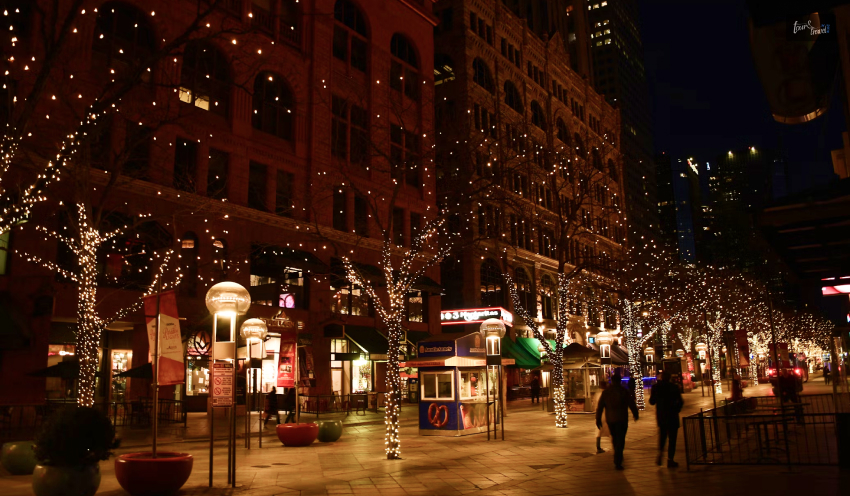
However, you can begin the cultural activities in Denver for adults with a free walk and gazing at the festive winter lights. Also, in winter, there are some seasonal events that you can attend for free. 

So, at Tour and Travel, we have curated some free and fun activities in Denver for adults this winter. Let’s have a look.

Cultural Fun Activities In Denver For Adults | Try These Things For Free

Cultural Fun Activities In Denver For Adults

Art and culture have always been crucial for the tourism landscape of Denver. In 2022, these registered an economic activity of $2.6 billion in the Denver metro area. 

Further, with destination marketing organizations (DMOs) like Visit Denver, the landscape is only going to improve. The result is already clear, with the tourism revenue in Denver reaching $10.3 billion in 2023. 

Being a budget-friendly destination of course, helps in this tourism boost after the Covid-19 scenario. In fact, Denver is more budget-friendly as a travel destination compared to other metros in the Rocky Mountains.

So, no wonder many fun activities in Denver for adults are free and budget-friendly. And these activities even include visits to the popular museums of the city. So, let’s mark the dates now.

1. Visit The Denver Museum of Nature & Science

Visit The Denver Museum of Nature & Science

Address: 2001 Colorado Blvd, Denver

Phone Number: +1 303-370-6000

Visit for Free: 8th December, 18th November, etc. 

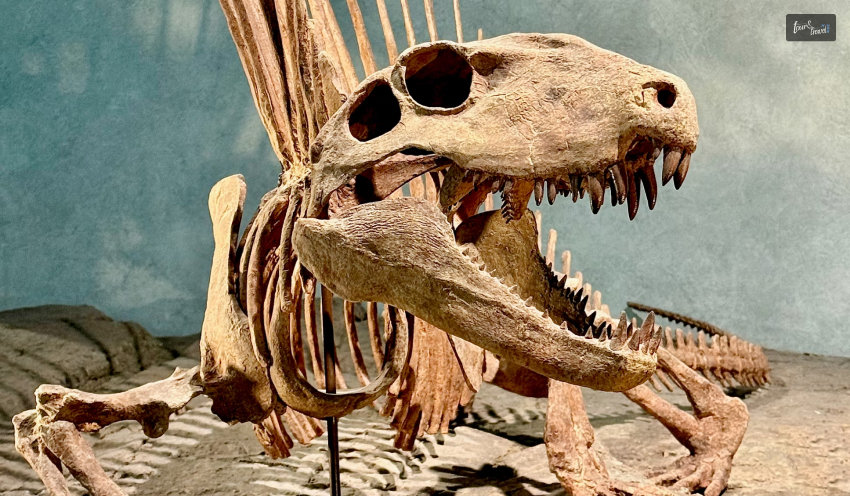
Currently, the Denver Museum of Nature & Science has programs like “The Power of Poison,” and “Animals of the Rain Forest.” Further, the museum has permanent exhibits like gems and minerals, Egyptian mummies, prehistoric journeys, and the Space Odyssey.

Further, the dioramas at the Wildlife Halls are fascinating. Moreover, the museum has the only “Konovalenko gem sculptures on public display outside of Moscow.” So, if you are interested in Russian folklife, a visit to the museum will be great for you. 

2. Visit The Museum of Contemporary Art

Address: 1485 Delgany St, Denver, CO 80202, USA

Contact Number: +1 303-298-7554

Visit for Free: Penny Saturdays or the First Saturday of Every Month

Though not completely free, a visit to the Museum of Contemporary Art is one of the most fun activities in Denver for adults. You just need to pay one penny to enter the museum on those Saturdays. However, entry is free for children and young adults up to 18 years. 

The Museum of Contemporary Art is a wonderful place to find a fusion of Denver’s cultural tradition and the works of contemporary artists. Further, VR Art is one of the main attractions of this museum, making the experience more interactive for visitors. 

Moreover, the museum keeps hosting world-class exhibitions for people across all age groups. The ongoing and upcoming events to attend at this museum are:

  • Brendan Fernandes: Within Seeing (26th October to 8th December 2024)
  • Ronny Quevedo: at the line (7th-8th December 2024)
  • Black Sheep Fridays: XXX-Themed Holiday Craft Making (13th December, 2024)
  • Siren (20th December 2024)
  • Laura Shill: Working On Myself (6th October 2024 to 19th January 2025)

3. Skating At Downtown Denver Rink

Date: 21st November 2024 to 2nd February 2025

Venue: Skyline Park, 1601 Arapahoe St, Denver

The Downtown Denver Rink once again has become a winter wonderland. Skating, one of the most adventurous fun activities in Denver for adults, is free here. You can even take skating essentials on rent here.

Hours of operation are different on each day of the week. For example, from Monday to Saturday, the Downtown Denver Rink will remain open between 10 AM to 10 PM from 24th December 2024 to 5th January 2025. 

However, on Sundays, the hours of operation will be 11 AM to 6 PM.

Further, the timing will change from 6th January to 2nd February 2025. Then, the timing will be:

  • Monday to Thursday: 1 AM to 5 PM
  • Friday to Saturday: 1 AM to 10 PM
  • Sunday: 11 AM to 6 PM
Do You Know?

Are you a Swiftie? Come visit the Downtown Denver Rink for free on 13th December 2024. You can enjoy skating here while singing “Happy Birthday to You” to the “Mother” along with fellow Swifties.

Further, 24th January will be a fun day at Downtown Denver Rink if you are a Disco fan. With a pumping heart, you can enjoy skating here while listening to the hits of the 70s and 80s. 

4. Be A Part of The Light the Lights

Date: November 27, 2024 – January 26, 2025

Venue: Civic Center Park, 101 W. 14th Avenue, Denver

See Denver shining bright with festive light by being a part of the Light the Lights. Except Monday, this show will take place between 5:45 to 6:45 PM. Further, there will be no show on 7th and 21st December. 

Light the Lights is a well-choreographed music and light show spanning around 8 minutes. However, the City and County Building will remain lit with static lights up to 10: 45 PM. 

Being one of the most fun activities in Denver for adults, Light the Lights is also popular among kids. 

5. Attend The Mile High Holidays Drone Show

2024 Date: 22nd November to 31st December

Venues: Sculpture Park at the Denver Performing Arts Complex, Ball Arena, etc.

The Mile High Drone Show is one of the major draws for the festive season in Denver. It amazes with animations and festive visuals. 

Further, this 15-minute spectacle depicts the Denver Union Station, Mile High Tree, and other iconic landmarks of the city. 

The Mile High Holidays Drone Show also has some special displays on days like the 25th and 31st of December. This year, the special performance on the 25th will begin at 7 PM, and on the 31st, the show will start at 5:30 PM. 

So, it’s time for you to see the Denver sky come alive with the Mile High Holidays Drone Show for free. 

Also read

Share on Social Media

Meet Sibashree Bhattacharya, a travel enthusiast who has a decade-long experience in transcending virtual barriers with her words! Her deep love for travel is apparent from her travel escapades to the mountain, often taking her readers on a journey, her words acting as Portkey! Fun fact: Sibashree loves to dive deep into the history of the places she is about to visit, making her travels even more wholesome. If you were wondering how her articles are not short of time travel, this answers it!

Leave a Reply

Your email address will not be published. Required fields are marked *

title-img Related

READ MORE

Amazing Things To Do At Yosemite National Park | Action Tour Guide

BY  Sibashree Oct 28, 2024

Yosemite National Park comes with great news for the explorers. The park has ended its reservation season early in 2024. So, for the rest of the year, you can enjoy a drive through the park without reservation.  In a social media post, Yosemite National Park authority has mentioned “ending the 2024 reservation season after this weekend (October 13)."  With no stress about getting a reservation, Yosemite National Park will surely be the destination for trekkers and wildlife lovers. However, before you plan a trip to the park, you must have a detailed idea of what to do there.  Best Things To Do At Yosemite National Park Yosemite National Park allows you to explore many activities, from camping to hiking. Therefore, setting the itinerary right can be a little taxing, with many options available.  So, here, I will discuss the outdoor pursuits in the park, with special emphasis on hiking, wildlife exploration, and stargazing.  Yosemite National Park is a UNESCO World Heritage Site, inscribed in 1984.  Hiking In Yosemite National Park This park has more than 750 miles of hiking trails. Further, if you want to explore the park’s ecology, wildlife, and geological formations closely, hiking is the best way out.  So, you can try these most popular hiking trails in Yosemite National Park.  Upper Yosemite Falls Trail Trekking Length: More than 10 Kms Difficulty Level: Hard Pet Friendly: No Time Of Trekking: Around 6 Hours  How about exploring a hiking trail that takes you to the top of the tallest waterfall in America?  You will also love the best views from Columbia Rock as you advance in your expedition.   Mirror Lake Loop Trekking Length: 8 Km Difficulty Level: Easy Pet Friendly: Yes  Time Of Trekking: 2 Hours The beautiful trekking route takes you to Mirror Lake and Tenaya Creek. Further, the calm water of the lake shows the most beautiful reflections of the surrounding cliffs.  However, often, the lake does not have adequate water, and then it looks like a meadow with sandy areas and grasses. So, it is also known as Mirror Meadow.  Nevada Fall Via The Mist Trail Trekking Length: Around 10 Km Difficulty Level: Hard Pet Friendly: No Time Of Trekking: 4 Hours   Nevada Fall Via The Mist Trail is a signature hike, allowing you to explore many spectacular views scattered around it.  Located on the Merced River, the water in the fall has a misty appearance. Further, falling from a height, the water of the cascade looks like an avalanche.  Lower Yosemite Falls Trail  Trekking Length: 2 Km Difficulty Level: Easy Pet Friendly: Yes Time Of Trekking: 30 Minutes   A deafening sound of water will fill your ears as you complete the Lower Yosemite Falls Trail trek and stand on the footbridge. This hiking trail is the best for enjoying beautiful views of Yosemite Falls and creeks. Further, throughout the trek, you will learn about the park’s culture and history.  Exploring Wildlife At Yosemite National Park “Approximately 95% of the park is designated wilderness. The entire park is surrounded by four national forests, several adjacent portions of which are designated wilderness areas, thereby providing connectivity with the larger landscape.” - UNESCO World Heritage Convention. Surrounded by forests and extensive wilderness, Yosemite National Park is home to around 90 mammal species. Further, this park has many amphibians, reptiles, birds, insects, and fish. I will talk about the birds and fish in detail shortly. So, here is a brief overview of the mammals, amphibians, reptiles, and insects found here.  Mammals Black BearsBighorn SheepPacific FisherRed FoxBatsMountain LionsDeerGrizzly BearAmphibians Sierra NewtPacific TreefrogCalifornia Red-Legged FrogYosemite ToadsReptilesSierra Fence LizardSierra Alligator LizardsWestern Pond TurtleSierra GartersnakeSierra Mountain KingsnakeNorthern Pacific Rattlesnake (It is the only venomous snake out of the 13 species of snakes found here.)InsectsElderberry Longhorn BeetleCaddisfliesGrasshoppersBristletails Among the species found here, grizzly bears, foothill yellow-legged frogs, and California red-legged frogs are the ones on the verge of extinction. Fragmentation of habitat, air pollution, and the invasion of non-native species are the primary reasons behind this process of eradication.  Stargazing In Yosemite National Park  The minimal light pollution and extensive wilderness make Yosemite National Park a great space for stargazing. Further, from July to October, this park is a great space to observe the Milky Way.  In addition, there are multiple hotspots in the park for stargazing. So, check out the table below to know where to enjoy the starry affair the most. Stargazing Location In The ParkBest Spots Yosemite ValleyEl Capitan MeadowCook's MeadowSwinging BridgeTunnel ViewGlacier PointGlacier Point OverlookWashburn PointTioga RoadTenaya LakeOlmsted Point Wawona is another popular stargazing location in the park, and it offers a peaceful experience.  Stargazing Experiences You Cannot Miss As you set out to stargaze in Yosemite National Park, you will encounter many unique sights. However, watching the moonbows or climber’s headlamps are the two most common stargazing experiences in the park.  Climber’s Headlamps During spring and fall, many climbers spend their nights on the cliffs of Yosemite Park. As they notice the first star coming out, they turn on their headlamps.  Moonbows April to June is the waterfall season in the park. On full moon nights in that season, the moonlight creates a rainbow in the mist of Yosemite Falls.  Even if your eyes cannot catch the colors, your camera surely will.  Birdwatching In Yosemite National Park  This national park is a favorite of birders, considering the presence of 262 species. Among them, 165 are habitat and migratory species, while the remaining one are transient species.  Further, the elevation of the park ranges between 2000 to 13000 feet. So, you will notice massive changes in the behaviors and features of the birds found here.  Yosemite Conservancy birdwatching outing and Christmas Bird Count are some of the programs that you can join if you want to locate the local, migratory, and transient ones.  Some common species of birds found here are the Great gray owl, American dipper, spotted owl, and Western tanagers.  A park-wide census of willow flycatchers has been conducted in the park. The report shows that these species do not breed in the park anymore.  Rock Climbing In Yosemite National Park  Yosemite National Park is a hub of rock climbers. Rock climbing here is beyond big wall climbs or conquering the cliffs. Further, almost every big wall in the park has a distinct ecosystem for you to explore.  Some popular rock climbing spots in the park are Merced River Canyon and Tuolumne Meadows. However, climbing the El Capitan is the most adventurous outdoor pursuit you can try in the park. The Oscar-winning movie Free Solo has further put this rock-climbing destination under the spotlight.  Water Activities At Yosemite National Park  Swimming, boating, rafting, and fishing are the best water activities in Yosemite National Park.  Swimming You can swim in almost any water body in the park. However, swimming is prohibited in the following water bodies. Dana Fork of the Tuolumne River Lake Eleanor Reservoir Wawona Domestic Water Intake Hetch Hetchy Reservoir Emerald Pool  Silver Apron Further, for the best cooling-off experience, you can try swimming in the Merced River.  Boating And Rafting  The best locations for boating and rafting in Yosemite National Park are Merced River, South Fork Merced River, and Tenaya Lake.  Rafting in the Merced River is a popular summer activity in the park. So, you can rent a raft or try kayaking here.  Further, you must wear a personal floatation device for kayaking and rafting in the South Fork Merced River or Tenaya Lake.  Fishing In Yosemite National Park  Are you over 16? Then, you will need a California fishing license to fish in the park. Further, you must abide by the California and Yosemite Park regulations about fishing.  Nevertheless, the best places for fishing in the park are: Merced River South Fork Merced River  Frog Creek Adair Lake Hanging Basket Lake Sacramento pikeminnow, California roach, and riffle sculpin are some native fish species in the national park. Furthermore, trout is the most common non-native species in the region.  Yosemite National Park At A Glance Location: California, United States Highest Point: Mount Lyell (3,997 Meters) Area: Around 1,200 Square Miles Operating Hours: 24*7 Origin of Name: Uzumate, meaning Grizzly Bear Visitor Centers: Yosemite Valley Welcome Center, Yosemite Exploration Center, Valley Wilderness Center, etc. How To Reach: Visit the park from the west through Highways 41, 140, and 120. However, to reach the park easily, you will have to take Highway 120. Further, please note that the Tioga Pass Entrance remains closed from November to May or June.  Best Time to Visit: May to June Also read Why Include Whale Watching In Your LA Itinerary. Travelling On A Budget: Tips For Affordable Adventures. From Cocktails To Kickflips: Must-Try Activities In San Diego.

READ MORE natural drug detox

Nature’s Healing: How Camping Can Aid Drug Detoxification

BY  Sibashree Oct 22, 2025

I’ve got to say that recovering from any kind of addiction is a messy business. It’s never just about flushing things out of your system. It’s about fighting your thoughts, your habits, and all those little triggers.  Lately, I’ve noticed more people stepping outside to heal. Camping, of all things, has become one of those hidden gems in detox. Being out there, far from traffic noise and glowing screens, surrounded by trees and honest silence? It hits differently. Some even find it just as helpful as staying in a structured facility like the detox clinic. The Therapeutic Power Of Nature Have you ever stepped outside and just felt your shoulders drop? Nature does that.  Science loves to back this up, and Harvard even found that twenty minutes in fresh air can lower cortisol, the nasty stress hormone that spikes during detox. And honestly, that relief matters. Stress is like gasoline poured straight on withdrawal. When you’re camping, you can’t help but notice how calm things get. No alarms, no rush. Just breathing, listening, thinking.  It’s almost strange how fast you start noticing yourself again. For folks coming out of a storm of substance use, that reconnection to your emotions, your body, your thoughts isn’t just nice, it’s necessary. Camping Facilitates Natural Drug Detox By Improving Sleep Cycles  Camping improves your internal body clock as you are continuously exposed to the natural light cycle. So, by regulating your internal clock, you will get more sleep.  Furthermore, during camping, you remain busy with physical activities. You are hiking through trails, setting up the tent, cooking, and doing other recreational activities or survival chores. This is also crucial for improving your sleep cycle and quality.  Moreover, when camping in remote areas, you cannot use your phone, and you are also away from the daily stressors. With no pressure of deadlines and ETAs and all the chaos in your head vanishing in the thin air, you actually get a better sleep.  Community And Support There’s something wild about how people open up under the stars. I’ve seen it, how those late-night talks by a campfire, voices crackling right alongside the flames, do the magic. That’s a real connection, and it’s gold during detox. A big part of healing is not doing it alone. Most programs preach about support networks, but in the woods, that happens naturally.  You gather wood together, laugh over burnt marshmallows, and share your stories without judgment.  The National Institute on Drug Abuse even says social support can make or break recovery. Makes sense as feeling seen keeps you anchored when cravings hit or the loneliness creeps in. No clinic room can fully replace that kind of bond. Physical Activity And Mindfulness Camping gets your body moving, whether you plan it or not. You set up a tent, haul water, and climb a hill.  Little things that make you tired in a good way. That movement pumps out endorphins, which do wonders for mood, especially when detox brings anxiety or sadness along for the ride. Then there’s the quiet stuff, too. You find yourself being mindful without calling it that! Staring at a lake, flipping fish over a grill, sitting in silence until time just fades! It grounds you.  That kind of focus pulls you away from cravings and teaches you how to ride emotions instead of running from them. Funny how stillness can feel like a workout for your mind. Disconnecting From Technology Let’s be honest. We live glued to screens now. Scrolling when we’re bored, anxious, lonely, or anytime you name it. But camping forces a break.  The first few hours feel weird, almost twitchy without your phone, then a calm sets in. You start talking more, thinking more. Maybe even remembering what silence sounds like. People in recovery deal with enough mental noise already, and research shows that too much screen time can make anxiety and depression worse.  So, cutting that off, even for a weekend, resets something inside you. Suddenly, you’re aware of how addicted we all are to distraction more than anything else. Structured Activities And Goal Setting Some camping programs add a bit of structure, such as goal setting, small group reflections, maybe even creative tasks.  It’s not rigid like rehab, just guided enough to keep you focused. When done right, it helps you rebuild a sense of direction. There’s actually data from the American Psychological Association saying people who set specific, meaningful goals reach them more often.  And out there, surrounded by nature, those goals feel a bit more real. People talk about dreams they’d forgotten or things they want back in life. It’s refreshing—and it sticks. Camping: Setting The Rick Backdrop For Healing After Addiction Recovery Camping won’t magically erase struggle, but it changes the backdrop in a way that makes healing possible. It mixes nature’s quiet strength with genuine community and gentle self-discipline. It is kind of the opposite of everything that fed addiction in the first place. For many who’ve tried both, it’s a beautiful complement to formal detox options like those at the Detox Clinic.  Out there, in the dirt and sunlight, recovery starts to feel less clinical and more human again. Maybe that’s why so many find clarity under a canopy of stars instead of beneath a roof. Furthermore, camping boosts your self-sufficiency. If you are a solo backpacker, you have to dig the soil and set up the tent, light the fire, and do everything else. So, camping is a great confidence booster. You understand that you survive on your own and how strong you are.  All these help us create a positive image of ourselves in our minds. So, you don’t need to rely on any external stimulator or drugs anymore.  In addition, an inclination toward drugs arises from negative thoughts about our capabilities. Camping helps us overcome logistical and physical challenges. So, we become more confident about our abilities. 

READ MORE Banff National Park

Top 9+ Things To Do In Banff National Park In Winter: Adventure Tourism Guide

BY  Sibashree Nov 11, 2024

No park in the Rockies in Canada is as beautiful as the Banff National Park. This park has a year-round allure. So, no wonder the park had 4.288 million visitors in the 2023-24 fiscal year.  However, Banff National Park is breathtaking in the winter. With an average annual snowfall of 181 inches, the park also offers thrilling winter activities.  Banff National Park Visitor HighlightsBanff National Park had 4.13 million visitors in the 2022-23 fiscal year. So, 2023-24 has seen a massive increase (31%) in the footfall.The traffic congestion in the area has increased with the most traffic in the Lake Louise area. In 2023, there were 2,547 reports of human-wildlife encounters in this national park. So, you must be respectful to the wildlife in the park.  Further, Banff National Park and its surrounding areas expect 10-15 cm of snow in October 2024. The higher terrains can even receive a snowfall of up to 25 cm. So, Lake Louise, Sunshine Village, and other ski resorts in the area have started preparing for the winter ski season.  These resorts consider this snowy condition ideal for better winter tourism and activities. So, let’s find out the outdoor pursuits you can participate in at Banff National Park this winter. You Surely Don’t Want To Miss These Winter Activities At Banff National Park  Winter calls for an immersive experience in the Canadian Rockies. Banff National Park is not an exception. You can enjoy a casual stroll along the snow-covered streets. Further, you can just cherish the snowy beauty while sipping on your favorite hot chocolate drink. Of course, there are delightful activities like ice skating in the frozen lake, skiing, and snowboarding. However, before putting on your skiing shoes and gear, you must check the snow conditions in the park and at a particular resort.  Nevertheless, let’s talk about the activities without further ado!  1. Skiing And Snowboarding Banff National Park offers some world-class skiing and snowboarding facilities. In fact, the skiing season here is one of the longest in North America. The skiing season starts here from the end of November until May. It is phenomenal, indeed! Further, it does not matter whether you have not done skiing and snowboarding before. You can give it a go, thanks to the guidance and rentals available here. However, if you are not confident enough, you can just get a sightseeing tour ticket and explore the park. The three skiing resorts in Banff National Park are: Mt Norquay (10 Minutes Away from Town) Banff Sunshine (20 Minutes Away from Town) The Lake Louise Ski Resort  (40 Minutes Away from Town) You can try skiing at all the resorts or at least visit one during the cold season. You have to pay a nominal fee to ski at these resorts. However, if you need guidance or rentals, you must pay extra charges. Nevertheless, here is a snapshot of the admission fee to the park for your reference. Moreover, if you want to visit a particular ski resort, you can buy lift tickets. However, if you have plans to visit all the resorts, go for the SkiBig3 tickets for a better deal.  2. Ice Skating Ice skating rinks in Banff National Park are free, and Lake Louise is the best spot in the park. It is a Canadian dream to ice skate on the frozen lake. Also, you can take part in Pond Hockey here.  Further, you can enjoy the snow-capped beauties while enjoying your time at the Lake Louise Ice Skating Rink. The mountains around this lake are: Mount Whyte Mount Niblock Hungabee Mountain Mount Godor Fairview Mountain Mount Goodsir Moreover, you will love the ice castle at the Lake Louise ice skating rink. Don’t forget to take lovely snaps against the backdrop of this ice castle.  3. Snowshoeing/Winter Hikes Snowshoeing and winter hikes are two different activities. However, both make winter in Banff National Park very special.  So, check out the following snowshoeing hotspots in the national park. Lake Louise Marble Canyon Johnston Canyon to Upper Falls Sunshine Meadows Sulphur Mountain Trail Bow Glacier Falls Sulphur Mountain Trail is also a popular hiking route in the park in winter. Here are some hiking trails in the park in winter. Tunnel Mountain Summit - Moderate, 2.4 Km one-way Stewart Canyon - Easy, 1.5 Km, one way Sundance Canyon - Moderate, 3,7 km one way plus 2.1 km loop Spray Connector - Easy, one way 2 Km Marsh Loop, Easy, 2.8 Km loop However, winter is within the avalanche season in the park. The Avalanche Season in the park continues from November to June.  You can even reach the Avalanche Terrain after a short walk. So, follow the Avalanche Danger Signs and Avalanche Symbol while trekking in the park in winter.  4. Dog Sledding Dog Sledding is a great way to explore the park in winter. The mighty and energetic huskies will make your day. While exploring the park, you will also learn about its history and why it is so crucial for the community and locality. In addition, your musher or guide will explain the dog sledding technique to you. Moreover, dog sledding is a popular activity in Banff National Park during the SnowDays  Event in January and February. It is a celebration of Everything Winter in Banff.  5. Relax In Upper Hot Springs Hours of Operation: 10 am to 10 pm (Last entry: 9:30 pm) It will be the most relaxing experience for you to soak in the warm water of the Upper Hot Springs on Sulphur Mountain in the chilling winter. You can kinda call it a Canadian tradition. So, no wonder that it has been one of the best things to do in Banff National Park in winter since 1886.  Banff Upper Hot Springs has 100% natural mineral water. Take a dip in the outdoor pool as you behold the Cascade and Rundle Mountain peaks.  Moreover, don’t forget to visit the Bath House, which is a federal heritage building that houses some interpretive exhibits. These exhibits tell you about the history and nature of the hot springs.  Did you know that Upper Hot Springs is the highest operational hot spring in Canada? 6. Ice Climbing Banff National Park is one of the most popular destinations for ice climbing in the Canadian Rockies, along with Jasper and Kootenay National Park. November to April is the best season for ice climbing in these parks.  Easy access and reliable conditions are two factors promoting ice climbing in these parks. In Banff, the canyons and waterfalls are especially brilliant spots for ice climbing. The most visited spots for ice climbing in this park are: Johnston Canyon Professor Falls Louise Falls Weeping Wall Polar Circus Cascade Falls However, ice climbing requires avalanche training, and you must abide by safety guidelines.  7. Wildlife Spotting In May 2024, the Rocky Mountain Outlook came with disturbing news of Wildlife Paparazzi putting pressure on the Grizzlies of Banff National Park to take snaps. This is a sheer disrespect of wildlife and a form of hunting trophies in the form of photos of those animals. “With cell phone cameras, the digital photos of wildlife have become the 21st Century equivalent of hunters going out and bagging an animal that they can hang on their wall.”Brian Spreadbury, Former Human-Wildlife Conflict Supervisor, Lake Louise Nevertheless, exploring the wildlife of Banff National Park in winter is a delightful experience. It is most famous for the black and grizzly bears. Further, you will find bighorn sheep, cougars, moose, elk, and wolves here.  However, you have to be at the following sports to explore wildlife here. Icefields Parkway Bow Valley Parkway Lake Louise Moraine Lake Vermilion Lakes You will also find many small mammals like chipmunks and squirrels in Banff National Park. Moreover, with bald eagles and hundreds of bird species, this park is a birder’s paradise.  8. Snow Tubing Snow tubing is an exciting winter activity that takes place at the Mt. Norquay Ski Resort. It is open daily from 10 am to 4 pm. Further snow tubing activities happen in two different time slots. The first slot is from 10 am to 12:30 pm, and the next slot is from 1:30 pm to 4 pm.  The snow tubing park in Mt. Norquay is the largest in Alberta. Moreover, the eight sliding lanes in the park let you enjoy the activity with your friends and family.  9. Northern Lights Viewing Late September to April is the best time for northern light viewing in Banff National Park. Longer nights and clear skies during these months are the best times for stargazing and northern light watching.  Vermillion Lakes in the national park is easily accessible by car and on foot. It is the best location for watching the Northern Lights.  10. Attending Festivals and Events Along with the SnowDays Festival, many events transform Banff National Park into a festive hub. You can attend the following upcoming events in the park. Event Upcoming Date Banff Centre Mountain Film and Book Festival26th October - 3rd November, 2024Power of Presence - Wellness Retreat1st-3rd November, 2024Embrace Joy - Your New Freedom - Wellness Retreat7th-10th November, 2024Banff Wine & Yoga Festival 8th-11th November, 2024Banff Sunshine Community Ski Day6th December, 2024Mt Norquay Community Ski Day7th December, 2024Lake Louise Community Ski Day8th December, 2024SnowDays Play ZoneJanuary 2025Aerial Yoga Teacher Training16th-19th January 2025SnowDays Festival17th January-2nd February So, get geared up for winter fun at Banff National Park. You can reach the park from Calgary through a shuttle service.  Also read Why Include Whale Watching In Your LA Itinerary. Traveling On A Budget: Tips For Affordable Adventures. From Cocktails To Kickflips: Must-Try Activities In San Diego.