

What Are The Best Festivals In Japan? Celebrating The Culture And Tradition Of Japan 

Mar 26, 2024

Last Updated on: May 11, 2026

Destinations

Japan, a country steeped in tradition and culture, offers an array of sensory experiences that attract travelers from around the globe.

Among these, the Japanese matsuri (festivals) stand out as a testament to the country’s rich heritage, embodying the spirit of joy, community, and the spectacular interplay of light and color.

For those embarking on Japan tours, the opportunity to participate in these festivals is not just a travel highlight; it’s a deep dive into the heart of Japanese culture.

The Essence Of Vibrant Matsuri

The Essence Of Vibrant Matsuri

Matsuri are integral to Japanese culture, with each festival having its unique significance, rooted in history, religion, and local lore.

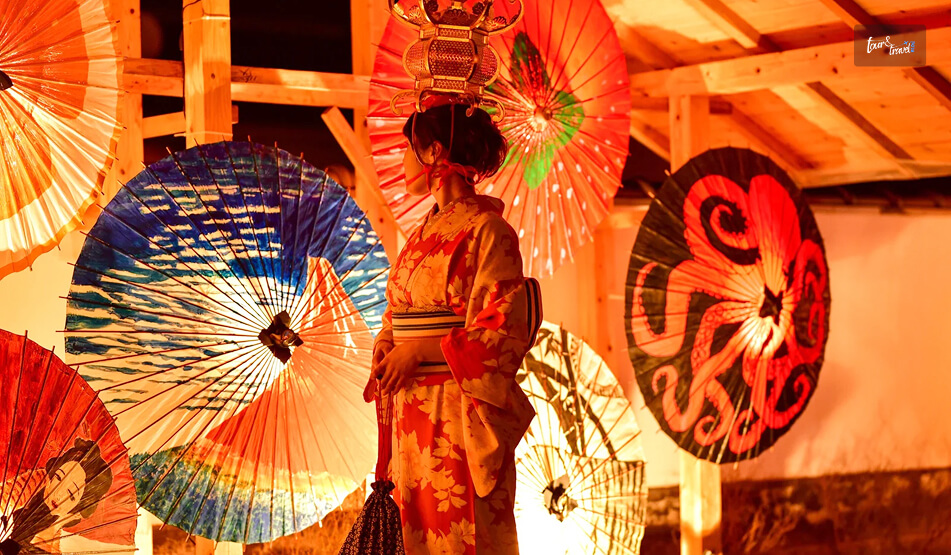
These events range from solemn traditional ceremonies to explosive celebrations of life, each painted with vibrant colors and illuminated by dazzling lights.

The experience is a feast for the senses, offering insight into the communal spirit and the enduring traditions that define the Japanese way of life.

A Kaleidoscope Of Festivals

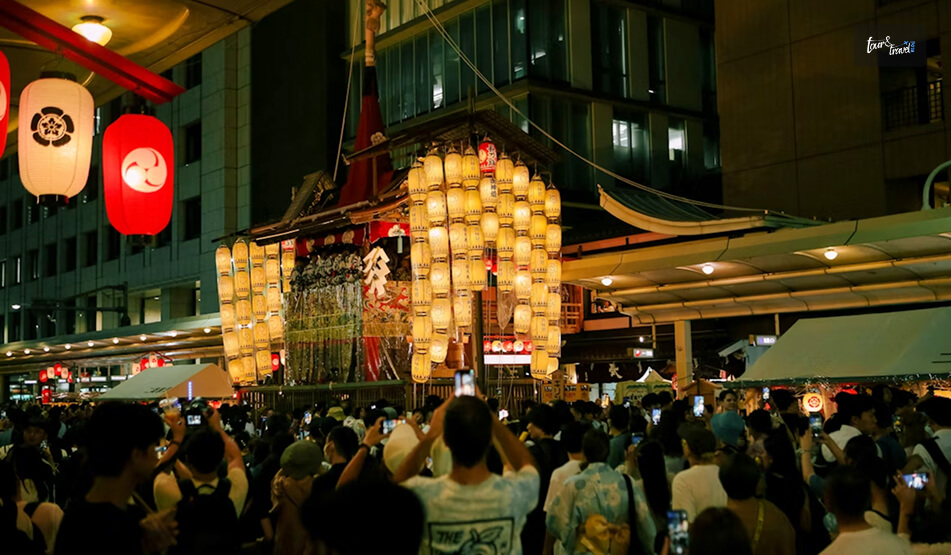
No Japan tour is complete without witnessing the spectacle of at least one matsuri. The Gion Matsuri in Kyoto, renowned for its grand procession of floats, is a spectacle of craftsmanship and community spirit that dates back over a thousand years.

The Sapporo Snow Festival transforms the city into a winter wonderland of intricate ice sculptures, blending artistry with the beauty of nature. Meanwhile, the Aomori Nebuta Festival captivates with its parade of enormous lantern floats, creating a mesmerizing dance of light and shadow.

Illuminating Experiences

What sets these festivals apart is not just their visual appeal but the immersive experiences they offer. Participating in vibrant matsuri is to step into a living tapestry of history and tradition.

Visitors can don traditional attire, partake in ancient rituals, and indulge in local delicacies. The warm welcome extended by the local communities adds to the charm, making every visitor feel part of the celebration.

Seasonal Spectacles

The beauty of Japan’s festivals is their diversity throughout the year. Spring welcomes the cherry blossoms with hanami (flower viewing) parties, where the fleeting beauty of sakura serves as a backdrop for gatherings filled with food, drink, and song.

Summer brings the explosive energy of fireworks and bon dances, while autumn and winter festivals, such as the Chichibu Night Festival, showcase breathtaking displays of light against the seasonal landscapes.

Planning Your Japan Tour

For travelers eager to immerse themselves in the magic of Japanese matsuri, planning is key. Many festivals occur on specific dates or seasons, and some of the most popular can draw large crowds.

Engaging with a specialized Japan tours operator can provide invaluable insight, ensuring you not only witness these incredible events but also understand their cultural significance.

Accommodations and logistics are also taken care of, allowing you to fully immerse in the experience without the hassle.

A Journey Through Light and Color

A Journey Through Light and Color

Japan’s festivals are more than just events; they are a vibrant expression of life itself. They offer a unique window into the soul of Japan, where tradition and modernity dance hand in hand.

For those seeking a deeper understanding of Japanese culture or simply looking to experience the extraordinary, the vibrant matsuri are a highlight of any Japan tour.

As you navigate through the festivals of light and color, you’re not just a spectator but a participant in a centuries-old tradition that continues to dazzle and inspire.

How To Take Part In Matsuri 

To take part in Matruri, a grand Japanese festival, you have to learn about Japanese culture. Many Matruri welcome tourists and visitors from around the world.

Indeed, it’s a great way to learn about Japanese festivities and share the most important inputs on the celebrations. Here, we discuss how you can take part in Matrusir and experience the festivities.

It is usually opined that there are many, hundreds, and thousands of Matsur taking place in Japan. The is no requirement to wear traditional clothes. Watching the people in procession and parades in huge numbers is a great approach to feeling the festivity from within.

Renting Traditional Japanese Costumes

If you join the matsuri celebration in general clothes, there is no issue, but you may be detached from the crowd. Why not make the gathering special?

No, you do not need to buy traditional wear. But you can rent it. It’s a simplistic wear, yet echoes the Japanese spirit…yes, we mean a Kimono called the Yukata. There are Yulta rentals. Moreover, there are some specific costumes meant for different festivals. You can try it out and have fun.

Chanting Together 

Another part of the festivities and soaking in the fun is chanting together.

It is one of the easiest ways to be one with the people. Chants like Washoi or Oisa, or say Rassera Rassera Rassera (in the Nebuta Festival), can help you get yourself close to the Japanese culture and the sense of unity.

It is indeed a great way to join the locals and be one with the Japanese culture.

Dance Together 

One of the great ways to express fun, merriment, and lightness of mood is by dancing together. Dance has been an integral part of the culture of various civilizations.

It is a great way to participate with the people and learn about the intricacies of the culture. The same goes for Japan. It is a great way to embrace the warmth of the festivities and soak up the cultural elements. In Japan, during the vibrantMatrusi, you can take part in a traditional Japanese folk dance called Odori.

Repeat the same movements with everyone, and you will be a master of it in no time. If you find it shaky initially, then you could use YouTube videos to familiarize yourself with the steps. Don’t worry, you are new, and you need some time. But there is no doubt that you will have great fun.

Cherish The Gastronomic Heart Of The Matsuri: Yatai Street Food

No festival experience is complete without navigating the Yatai, the vibrant rows of wooden street food stalls that provide the smoky, sweet aroma defining every matsuri. 

For many travelers, the Yatai are the most accessible entry point into the celebration, offering a literal taste of Japanese tradition.

As you wander through the crowds, start with the iconic Takoyaki (savory octopus balls), served piping hot and topped with dancing bonito flakes. 

Follow the sizzle of the grill to find Yakisoba, where thick noodles are stir-fried with a signature tangy sauce that has been a festival staple for generations. 

For those with a sweet tooth, the whimsical Choco-banana, dipped in chocolate and colorful sprinkles, is a nostalgic must-try. 

Finally, don’t miss Taiyaki, the famous fish-shaped cakes filled with sweet red bean paste or creamy custard. 

Eating your way through these stalls isn’t just about refueling; it’s a vital ritual of communal joy.

Tradition Meets Tomorrow: Tech And Sustainability In The Best Festivals In Japan In 2026

In the travel landscape of 2026, the magic of a Japanese matsuri is no longer just about preserving the past.

It’s about ensuring these traditions survive in a modern, eco-conscious world. The intersection of high-tech logistics and “Green Shinto” values has transformed how visitors experience these spectacles.

Smart Crowd Management

Navigating the legendary congestion of festivals like Kyoto’s Gion Matsuri has been revolutionized by technology. 

Major events now utilize official Crowd Management Apps, such as the SusHi Tech Tokyo 2026 platform, which provides real-time heat maps of street density. 

By using AI-driven sensor data, these apps steer tourists away from bottlenecked alleys toward “secret” viewing spots, ensuring safety without dampening the festive spirit. 

For the traveler, this means less time stuck in a standstill and more time enjoying the procession.

The Rise Of The Eco-Matsuri

Sustainability is the new heartbeat of the festival grounds. The “Zero-Waste” movement has moved from niche to norm.

The Earth Celebration 2026 on Sado Island, for example, leads the charge by encouraging visitors to bring their own reusable cutlery (my-hashi) and offering dedicated wash stations to eliminate single-use plastics.

Even the iconic nighttime illuminations have gone green. Traditional paper lanterns are increasingly powered by high-efficiency LED bulbs and solar-charged battery packs.

Events like the Nabana no Sato Light Festival now run massive, multi-million LED displays entirely on solar energy. 

This shift not only reduces the carbon footprint but also allows for more intricate, color-changing light shows that were impossible with traditional candles. 

In 2026, you can soak in the “Light and Color,” knowing that the glow is as sustainable as it is spectacular.

Festivals In Japan: A Spectacle Of Light And Color

Japanese tours that include the vibrant matsuri offer an unparalleled experience of the heart of Japanese culture. 

Each festival, with its unique blend of history, tradition, and community, presents an unforgettable spectacle of light and color. 

Whether you’re drawn by the history, the beauty, or the sheer joy of these celebrations, participating in a matsuri or the festivals in Japan is an experience that resonates long after the lights have dimmed.

Read Also:

Share on Social Media

Meet Sibashree Bhattacharya, a travel enthusiast who has a decade-long experience in transcending virtual barriers with her words! Her deep love for travel is apparent from her travel escapades to the mountain, often taking her readers on a journey, her words acting as Portkey! Fun fact: Sibashree loves to dive deep into the history of the places she is about to visit, making her travels even more wholesome. If you were wondering how her articles are not short of time travel, this answers it!

Leave a Reply

Your email address will not be published. Required fields are marked *

title-img Related

READ MORE Wellness Destination

3 Reasons Why Thailand Is The Ultimate Wellness Destination

BY  Abdul Aziz Mar 20, 2024

Because wellness tourism takes many forms, what makes a good wellness destination depends on how you intend to take care of your well-being through your trips. Depending on your goals, how suitable a place is for a wellness destination can include factors like what natural environments are available for a retreat. Also, inspect what stops you can make to tend to your well-being between the other items on your itinerary or how well you can immerse yourself in a beneficial setting. Popular features in determining where to go for a wellness trip include access to nature, good weather, and an overall peaceful atmosphere. Thailand is also a wellness business hub! So, you can get affordable wellness services there. In fact, businessmen who are interested in developing businesses in this sector, can start a representative office to prospect the market first or can directly open a company there. Despite the variety in preferences, some factors that contribute to a good wellness destination are the same as those that generally make a good travel destination, such as safety, accessibility, and affordability. How Well Does Thailand Match Popular Wellness Features? For many travelers, any destination can make a good wellness destination so long as it is far enough away from everyday life to give you space from your daily stressors and triggers. This is especially powerful when paired with a supportive environment and welcoming culture. 1. Intangible Aspects Of Well-Being Overall, the people of Thailand are welcoming. The country also boasts several Buddhist tourism sites for an atmosphere tinged with the peace of Eastern religiosity. You will feel at home in Thailand, finding it a supportive space for any wellness retreat through which you seek benefits to your mental, emotional, and spiritual aspects of well-being. 2. Opportunities To Enjoy Nature Thailand is known for its landscape. As a Southeastern Asian country that borders the ocean, it offers mountains, rain forests, numerous spots for coastal access, and islands like Ko Samui, Phuket, and Koh Phangan if you wish to relax away from the mainland. Koh Samui, in particular, is famed for its beaches. Alternatively, Phuket also offers popular beaches beneath the mountains of the Phuket Mountain Range, and it gives you access to the scenic Phi Phi Islands by speedboat if you're looking for a day trip. For a quieter beach experience and a less crowded stretch of ocean for water sports, consider booking a trip to Hua Hin. Despite being a popular destination, it maintains a lower tourist density than other beach cities in Thailand. 3. Other Considerations Thailand is generally a safe and affordable country to visit, which will allow you greater peace of mind as you seek wellness within its borders. Well-serviced airports like the one in its capitol, Chiang Mai, make it easy to access, too, so you can make your trip with ease. Which Wellness Goals Can You Reach In Thailand? You can find many things. Highlights include stress relief, detoxifying cuisine, and addiction treatment in Thailand. The country has various relaxing and stunning environments, including beaches, mountains, and rainforests. You can find elephant reserves, sea turtle nesting sites, and chances to keep yourself active in the outdoors throughout the country. Every region in Thailand provides a unique experience, both in terms of culture and landscape. From seaside retreats to city escapes, meaningful wellness experiences prevail in the country. If you want to seek a transformative wellness experience, Thailand should be your next destination. Top Stays In Thailand That Offers Meaningful Wellness Experience What do you understand by meaningful wellness? It is a term that extends beyond both mental and physical health. It includes cultivating a connection to your inner self along with promoting healthy living. Here are some top stays in Thailand that offer a distinctive wellness experience: Rakxa In Bangkok Bangkok’s RAKxa is also known as the first fully integrated medical and wellness retreat in Asia. It is located near a riverside and has no competition in terms of wellness in the entire Thai Capital. Personalized treatments here include mental, emotional, physical, and spiritual well-being. Moreover, its cutting-edge technology and innovative medicines also make the healing and wellness process worth experiencing. Khao Lak: A Meditation Escape  Secondly, Khao Lak is a boutique resort that gives out some family vibes. The resort is managed so that guests can experience an authentic Thai lifestyle. The land has been previously used for farming and growing nut trees. As so many natural practices are carried out here, the place gives an authentic flora and fauna vibes. If you prioritize greenery over everything else, Khao Lak should be your ultimate escape. Chiang Mai Chiang Mai is an amazing retreat for both tourists and locals. Surrounded by natural greenery, it offers world-class wellness in Thailand. Aleenta Retreat Chiang Mai carries out all treatments based on Ayurah, which is a sustainable path to happiness. Once you arrive, a personal consultation will follow, and you will receive services like yoga, tai-chi, and meditation. You can also visit our article on Chiang Mai, which is a perfect treat for nomads. Khao Yai This intercontinental resort lies in the northeastern part of Bangkok and is a national park. Along with that, it is also a UNESCO-listed world heritage site. This luxurious resort provides some unique accommodation that makes your stay essentially memorable. One can also indulge in spa treatments and amp up their healthcare practices. If you are staying at Khao Yai, you are likely to receive some farm-to-table fresh products. Wellness In Thailand: A Summary For wellness travels, Thailand has much to offer, from its relaxing landscapes to its inviting culture. Between its offerings, its safety, and how affordable it is, Thailand is the perfect place for your next well-being trip. Take your wellness to another level by escaping into the above retreats and experiencing the journey of a lifetime. Sitting in the lap of nature, you are likely to dive into a world of purity and organic living. That being said, here comes the end of this article. If you gained the necessary insights into the topic, do comment below and tell us your thoughts. Keep following us because we have some amazing stuff out there, don’t miss them out. Thank you for reading! Read Also: Things To Do When You Are In Pigeon Forge The Best Resort Spa & Wellness Island Experience! 12 Best Things To Do In Sanibel Island – Tour And Travel Guide
READ MORE Suva cultural guide

Suva Cultural Guide: Discover The Hidden Gems And Cultural Heart Of Fiji 

BY  Sibashree Jan 15, 2026

The common visuals about Fiji have sun-soaked resorts in Nadi and Denarau. Manicured lawns! The warm “Bula greetings!” And the polished facilities! However, if you want to experience the authentic Fijian life or feel the pulsating soul of the nation, you will have to travel east. It is the cultural heartbeat of the South Pacific. It is a sharp contrast if we compare the tourist polish of the West. You will feel that raw energy and colonial grandeur here. Also, it has a truly inclusive scenario with the Indo-Fijians and the indigenous Fijians constituting the majority of the population. Also, you will find part-Europeans, Chinese, and Caucasians. In this Suva cultural guide, I will talk about the raw energy of the city, its ancient seafaring legacy, vibrant markets, and living traditions. These are far from the poolside cocktails.  For more practical tips for a trip to Suva, you can read my Suva travel itinerary. Why Does Suva Claim The Cultural Capital Status?  Suva, despite being one of the most happening urban centers, has preserved its colonial history. Multiculturalism is another major factor in the cultural capital. Here is a deep dive into its history and transformation. Historical Shift To Powerhouse  Suva has not always been the seat of power. In 1882, the colonial leaders chose Suva as the capital over Levuka. The constraints for Levuka were the sea and the steep mountains. It was the beginning of the rise of a small and modest village as a power hub. However, the city, beginning its journey as an administrative epicenter, has now become a land with a multicultural tapestry. It has the headquarters of many regional organizations. It also has the University of the South Pacific, and a site where indigenous iTaukei traditions, Indo-Fijian commerce, and Chinese and European influences coexist. This diversity has solidified its status as the intellectual and artistic heart of the Pacific.  What Are The Top Cultural Attractions In Suva, Fiji? With the Suva Municipal Market, allowing everyone to have a slice of the Fijian life, the city also has many prominent cultural attractions. Also, the city is so particular about preserving its culture that there have been multiple acts and regulations surrounding it. 1. Fiji Museum And Thurston Gardens  View this post on Instagram A post shared by FIJI MUSEUM (@fijimuseum) The lush Thurston Gardens has the Fiji Museum, which preserves the 3700 years of Pacific history. The Fiji Museum Act (Cap 263) governs the operations and administrations of the museum for the curation and preservation of these artefacts. It also complements the Preservation of Objects of Archaeological and Palaeontological Interest Act (Cap 264), covering over 10,000 national heirlooms like traditional items central to Fiji's identity. Nevertheless, Ratu Finau, a massive 13-meter double-hulled canoe (drua), is the main attraction of the museum. It is a telltale of the rich maritime history of the nation. You will even find the Lapita pottery, the distinctive, stamped earthenware that allows archaeologists to trace the migration of the first Pacific Islanders.  Furthermore, the garden was built in the 1880s, and it has over 100 species of lilies and palm trees. 2. Suva Municipal Market  With the right Suva market guide, you will see how Suva comes to life from Thursday to Saturday. The Yaqona or Kava section on the second floor is the place where the city gets Kava roots and powders. Now, Kava is not just a drink. It is a social glue. When buying Kava (Yaqona) as a gift, ask for "Waka" (roots) rather than "Lewena" (stem) for higher respect/potency. On the other hand, the ground floor offers a kaleidoscope of taro (dalo), cassava, and jackfruit. These celebrate the city's Indo-Fijian roots. Furthermore, the air here smells of cumin and turmeric. Arrive from 6 AM to 10 AM on a Saturday to immerse yourself in a beautiful story of Fiji’s daily sustenance. 3. Government Buildings And Parliament Complex  The government buildings and parliament complex, showing the quintessential Art Deco style of the 1930s, face Albert Park. Albert Park is the place where Charles Kingsford Smith landed his Southern Cross in 1928. Here, you will also find the statue of Ratu Sir Lala Sukuna, the founding father of modern Fiji, whose legacy of land reform and indigenous rights still shapes the nation today.  Furthermore, the striking design of the parliament (after 1987) symbolizes unity. The National Trust of Fiji plays an important role in preserving these government buildings and the parliament complex. Suva Cultural Guide Of The Hidden Gems Off The Path  The Suva Fiji hidden gems are the telltale of the rich cultural and artistic legacy of the South Pacific. These are the places you need to explore. 1. USP Oceania Centre For The Arts  At USP, Epeli Hau'ofa's legacy lives. Catch Oceania Dance Theatre rehearsals, mesmerizing meke dances with stomping feet and ulu chants, or Red Wave Collective's bold canvases challenging colonial narratives. Live music, theatre, and talks pulse here, bridging ancient oral lore with contemporary fire. Free events draw locals and visitors alike. The Department of Heritage and Arts in Fiji plays a key role in safeguarding the nation's intangible cultural heritage, including traditional dances and music.  2. Draiba Cemetery And Sacred Heart Cathedral  Suva's Old Cemetery on Queen's Road whispers of pioneers and chiefs, graves oriented east for resurrection. It is a syncretic blend of Christianity and custom. Nearby, Sacred Heart Cathedral's French-imported sandstone vaults and stained glass offer humid respite. Dress modestly (shoulders and knees covered), remove hats, and absorb the choral echoes that define Fijian worship. 3. Fiji Arts Council Handicraft Centre  View this post on Instagram A post shared by Asia Pacific Region Crafts (@worldcraftscouncil_asiapacific) You will find certified "Fijian Made" masi barkcloth, kava bowls, and war clubs here. The Fiji Arts Council ensures authenticity, bolstering local artisans against imports. Perfect for ethical souvenirs tying into Heritage Department efforts. Cultural Etiquette: Honoring The Vanua  The Vanua, meaning the land and the kin, is sacred. In villages, offer sevusevu kava to the Turaga ni Koro for entry blessing. Wrap a sulu sarong modestly, men and women alike. Taboos: No head-touching (sacred seat of spirit), no hats indoors, ask before taking photos. The Department of Heritage and Arts safeguards these intangibles, such as dances, music, and pageantry, via UNESCO-aligned inventories, policies, and community revivals despite funding hurdles. A Flavorful Day: 1-Day Itinerary  Morning: Dawn at Municipal Market for produce frenzy, then Fiji Museum for historical grounding (allow 2 hours).  Lunch: Savor lovo, an earth-oven feast of taro, chicken, and palusami or fiery Indo curry at a hole-in-the-wall.  Afternoon: Oceania Centre for Art Pulse, then Colonial Walk: Government Buildings, Albert Park, Grand Pacific Hotel.  Evening: Kava bowl with locals, reflecting on Suva's layers. Total cost: Under $20 FJD sans taxis.  The Taste Of Suva  A Suva food tour will help you know how history flavors every plate of Suva. Fijian lovo buries sustenance in earth ovens; Indo-Fijian curries fuse cumin-heat with dalo; Chinese woks stir-fry cassava. Try kokoda (citrus-marinated fish) or fresh market seafood. Each bite traces the Girmitiya laborers, chiefly feasts, and fusion resilience.  Language Basics: A Suva Cultural Guide Bula! Hello/welcome.  Vinaka. Thank you.  Moce. Goodbye.  Tulou. Excuse me.  Ia bula vinaka? All good? (Ice-bo-la vi-nacka)  Sustainable Travel Tips  Fiji battles plastics  Bring reusables to markets  Support Heritage Department goals by choosing artisan crafts, minimizing footprint in rain-lashed paradise.  Expert Tips For Suva Cultural Travelers  Buy Authentic: Check the "Fijian Made" stamp at the Handicraft Centre.  Taxi Meter: Always ask the driver to turn on the meter. A ride within the city should rarely cost more than $5-$7 FJD.  Umbrella is Essential: Suva is the "rain capital." So, you will need an umbrella.  Respect Sundays: Sunday is a strict church/family time. Most shops are closed. So, you can plan a Suva Nature tour on Sundays.  Ask Before Clicking: Always ask permission before photographing locals, especially vendors in the market.  Suva Cultural Guide: Frequently Asked Questions (FAQs)  Here are the frequently asked questions and answers about the Suva cultural guide. 1. What Is The Best Way To Get Around Suva For Cultural Sites? Suva is very walkable. So, take a walk and explore the downtown heritage buildings. However, if you don’t want to walk and have a more relaxing experience, you can take a taxi, which is easily available and is cheap. 2. Is Suva Safe For Tourists? Yes, Suva is safe for tourists. According to Numbeo, it has a crime rate of 58.60. However, like any capital city or tourist place, it has its own share of challenges. You have to keep your valuables safe. Also, do not walk alone at night. 3. Do I Need Guide For The Fiji Museum? You can go for a self-guided tour of the Fiji Museum. It will take around 1-2 hours. However, if you want to know about human history and behind the scenes here, you will of course need a guide.For an overseas visitor, an entry to the museum costs around $20, and with an added guided tour, it will be $30. 4. What Should I Wear To The Sacred Heart Cathedral? You have to remove your hat while entering the cathedral, and your knees and shoulders must be covered.You can wear the traditional sarong or a maxi dress. Overall, your dress must be modest. 5. Can I Drink The Kava Offered To me? Yes, it is polite to accept. Clap once, say "Bula," drink in one go, and clap three times after. If you are trying the Kava for the first time, you must choose a low-tide of half a cup instead of a high-tide or a full cup.At first, you may feel like having peppery muddy water. However, the taste grows on you, and it has a mild sedative effect. 6. Where Can I See Traditional Fijian Dancing (Meke)? The Oceania Centre at USP often has rehearsals, or major hotels host distinct cultural nights. Furthermore, the Fiji Museum, being the cultural preservation hub, often hosts Meke. 7. What Currency Is Used At The Markets? Fijian Dollars (FJD) are used at the markets. Cash is king as local vendors do not take cards. However, you can shop with cards at TappooCity, and other large supermarkets accept cards. Also, many locals use an app called M-PAiSA for digital payments. 8. Is The Government House Open To The Public? No, the government house is not open to the public as it is the President's residence, but you can view the changing of the guard from the gate. The changing of the guard ceremony takes place in the first week of every month. 9. How Far Is Colo-I-Suva Forest Park From The City? Colo-I-Suva Forest is about a 15-20 minute taxi ride from the CBD. The journey through the Princes Road covers a distance of around 12 kilometers.You can also take a bus. However, it will take longer because of the multiple stops. 10. What Is The Significance Of The Tabua (Whale's Tooth)? It is the highest cultural token of respect in Fiji, often seen in museum displays but rarely handled by tourists. It is the polished tooth of the sperm whale, and in weddings, it is often the price offered to the family of the bride for asking her hand in marriage. Read Also: A Tucumán Historical Sites Guide: Independence, Incas & Jesuits In Northern Argentina Tucumán Nature Guide: Exploring The Yungas Rainforest And High Andes Tucumán Food Guide: The Capital Of The Empanada And Milanesa

READ MORE Negombo

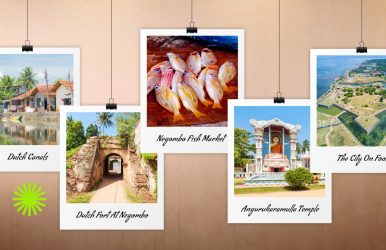
What Is Negombo Famous For? A Guide On Everything I Loved In This Sri Lankan City 

BY  Sibashree Mar 9, 2026

Almost a year ago, on 26th March 2025, Xinhua shared a photo of the fishing trawlers in Negombo. Those further gave us an idea about the lives of the fishermen in Negombo.   On a personal level, that photo took me back to my days in Negombo.  Now, many often miss the cultural insights Negombo offers. I mean, if you consider the Tamil culture in Jaffna, or the cultural things to do in Kandy, you also need to experience what Negombo has to offer.   Otherwise, you will not understand how it has kept the soul of a fishermen’s port city alive beyond the glitz and glamor of the prominent international hotels and shops.   Also, Negombo is very close to the Colombo Bandaranaike International Airport. The distance is less than 9 km, and the travel time is around 20 minutes.   So, as expected, it has all the amenities for tourists. However, as always, luxurious facilities have never been the draw for me while visiting a place.   I am the happiest exploring the Ritigala Forest Monastery or climbing the Sigiriya Rock and finding the history at every corner.   So, my reason for a visit to Negombo was not what people usually think of. And in today’s blog, I will introduce Negombo to you through my lens.   How Did I Reach Negombo From Colombo?   I took a tuk-tuk to reach the Colombo Fort railway station from my hostel. Then, I got a train ticket for 80 LKR.   The train was not overly crowded, and traveling solo, and as a believer in the LowDownUnder travel philosophy, I quite enjoyed the train ride.   However, if you want to avoid the hassle, you can also take a bus from Colombo to Negombo.   Where Are The Things To Do In Negombo?   First, I want to highlight that traveling to Negombo has now become easier if you are traveling from India.   The Indian Railway Catering and Tourism Corporation (IRCTC) has started a package called “SHRI RAMAYANA YATRA EX MUMBAI.”   From 21st March 2026 to 27th March 2026, it will be a 6-Night and 7-day package.   The package tour conducted in association with the Sri Lankan Airlines will cover destinations such as Colombo, Dambulla, Trincomalee, Kandy, and Nuwara Eliya.   This tourism package starts from Rs. 71,800/ for adults and Rs. 30,100/ for children.   Now, with traveling becoming easier, you can plan the things to do in Negombo better.  1. Exploring The Negombo Fish Market  I was up at 5 AM as I had to visit the local fish market.   I got into a minivan with my guide, and as we entered the market, the sight of bright silver fish and their smell occupied my senses.   My guide took me through the stalls of tuna, machete, and shark. Then, he drew my attention to the ships filled with fish reaching the market and the heavy bargaining game.   A fish market may not be the most attractive place to visit when you are in Negombo.   However, if you want a true cultural experience and understand the livelihood of the local people, it is the go-to place.   From the fish market, my guide took me to a beach used primarily for drying fish. The intense smell is not for everyone, but many times, I had a similar experience back home.   2. Visiting The Dutch Fort At Negombo  The Dutch Fort was close to the “fish drying beach.” Now, the Dutch Fort is used as a prison.   The fort is constructed with coral stone and granite.   And around the fort, I found many wildflowers blooming.   This simple scene was a moment of learning for me. I once again understood how the universe functions.   It does not matter whether it’s a prison or a temple. A flower can bloom anywhere, and it will always be beautiful.   However, I wanted to have a better view of the Dutch Fort. I climbed up the old clock tower and got a better perspective and better shots of the fort.   3. Visiting The Angurukaramulla Temple  After a trek to the Sigiriya Rock and the Pidurangala Rock, I visited the Angurukaramulla Temple. Like the Sigiriya Rock, for this Buddhist Temple, you also need to make an entry through the mouth of a lion.   The lion rests below the 6-meter-tall Buddha statue.   The temple has magnificent statues and beautiful murals. Also, it has a rich library with scriptures and murals.   So, it is a great place to visit in Negombo if someone is studying the Buddhist religion and literature.   However, walk carefully as you may come across snakes (rat snakes).   4. Birdwatching On The Dutch Canals  I ended my morning at the Dutch Canal. It was relaxing and enriching at the same time to look over the lagoons.   I decided to make more of the moment and got into a boat.   It was surprising to say the least. Also, I did not expect to meet so much wildlife immediately after leaving the dry land.   I saw a huge monitor lizard resting on the shoreline, and then kingfishers, cormorants, and herons in flocks kept accompanying me throughout the journey.   However, it was not just the wildlife. I saw a reflection of my home and country during the boat ride.   People were attending to livestock, children were bicycling, and some were even playing cricket.   Again, there were some abandoned hotels and buildings, standing as a witness to the civil unrest and the stories of human resilience in Sri Lanka.    5. Exploring The City On Foot  Negombo is very walkable, and it reminded me of my days in Jaffna. I used to randomly pick a direction along the main coastal road and just walk.   You may call wandering aimlessly in a lesser-known place unsafe. However, I think that you have not seen a city until you have walked through it.   Also, after visiting Jaffna and other places of historical and cultural significance, Sri Lanka felt like home to me.   They spoke a different language. However, they were warm and welcoming, just like anyone I would randomly come across in India.   Also, after years of experience, I can say that walking is the only way to find those hidden gems, the best bakery around the corner, or the eatery that has been around for around 100 years.   This was more evident during my Jaffna food tour.   Moreover, while walking across the streets of Negombo, I got to interact with the local fish sellers and food vendors. In addition, I found a big mosque near the backstreet.