Tour And Travel Blog is a leading source of reliable news and trending topics on Asia. Get hard-to-find insights and advice on Asia from specific leaders

title-img Latest

READ MORE things to do in nuwara eliya

What Are The Things To Do In Nuwara Eliya? Know Why It Is Worth Visiting

BY  Sibashree Mar 24, 2026

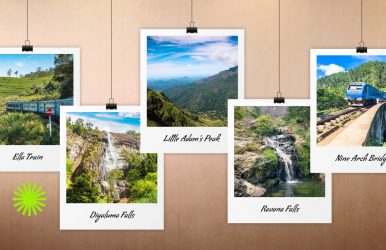
The train departed the moist jungle and slowly had a rhythmic ascent to the central highlands. The visual completely changed, and there was a complete change in the air.  It went from high humidity tropical to cold, fresh pine scent breezes.  The jungle changed as well, from lush jungle trees to neat rows of green tea bushes. And, finally, I arrived at  Nuwara Eliya, a small city at an altitude of 1,889 meters. It is also called "Little England,” a term left over from the time of the British. It is a surreal combination of red-brick Victorian post offices and Tudor-style homes. Furthermore, it has a setting for the extremes of dramatic waterfalls and successive mountain peaks.  This misty highland getaway should not be left out of your Sri Lanka travels, whether you are into the history of buildings, enjoy areas with natural beauty, or have an appreciation for tea. Overall, there are diverse things to do in Nuwara Eliya. Also, if you are visiting from India, you can opt for the IRCTC package in association with the Sri Lankan Airlines, to visit Nuwara Eliya with Negombo, Kandy, and Colombo.  You can even explore the things to do in Trincomalee on this trip.  Moreover, you can combine your Nuwara Eliya trip with a visit to the Ambuluwawa Tower.  What Are The Things To Do In Nuwara Eliya? A Town Of Two Worlds Nuwara Eliya reminds you of the rich history and diversity of Sri Lanka.  You can relax with a round of golf on one of the golf courses in Asia.  Furthermore, as the Sun sets, you can stand on the top of a cliff and enjoy the views of the mountains.  The lifestyle and culture here are so different from the lower elevation regions.  1. Exploring The Architectural Heritage: Looking Back At Time  Nuwara Eliya's connection to Britain is more than mere embellishment, but rather its essence.  The downtown area of Nuwara Eliya resembles a small village in the Cotswolds, but with tropical vegetation growing nearby. The Nuwara Eliya Post Office The Nuwara Eliya post office is one of the most photographed buildings in Sri Lanka.  Built in 1894, this pink-brick Victorian structure is still in use today and is located at the centre of Nuwara Eliya city.  The post office is traditionally a popular choice for tourists to purchase a postcard (with a scenic image of the misty hills) and send it back home with the Nuwara Eliya postmark on it. The Grand Hotel And Hill Club To get a real feel for how the elite lived during the time when colonialism was at its height, you will want to check out The Grand Hotel.  The Grand Hotel was formerly owned by Sir Edward Barnes, who was the Governor of Ceylon.  The Grand Hotel is noted for its High Tea service.  High Tea is served on the beautifully manicured lawn or in the lavish tea lounge and consists of 2-tiered stands of cucumber sandwiches, scones with clotted cream, and, of course, the best Ceylon tea.  Located next door to The Grand Hotel is The Hill Club, which has a strict jacket-and-tie dress code and is an example of traditional old-world decorum. 2. Enjoying The Tea Experience: From Buds To Cup Aspects like climate and altitude make Nuwara Eliya an ideal place to grow tea and give its tea a unique and delicate floral flavor.  This high-grown tea is referred to as the "Champagne of Ceylon Tea" due to its light golden appearance. Pedro Tea Estate Located a little bit from the city center, this estate has one of the most manual factory tour processes. It is so delicate that the processing has to happen at night, and that is when the air is cooler.  During the tour, you get to see 19th-century machinery that is still used to wither, roll, and dry the leaves.  When you are done with your tour, you get to sit at the outdoor deck of the Lovers Leap Ethical Tea Boutique, sip a fresh brew, and watch the fields from which the leaves were plucked. Damro Labookellie Tea Centre  It is the largest tea Centre in the country and is also one of the oldest.  The journey to the estate is an experience in itself. It features a multitude of hills and tea.  3. Natural Wonders: Parks And Waterfalls  Nuwara Eliya has abundant water and lush greenery.  The combination of high elevation and significant rainfall results in an environment that stands out distinctly from the rest of the island.   Victoria Park   This park, named to commemorate Queen Victoria’s Diamond Jubilee, is arguably the most well-preserved park in South Asia.  It serves as a haven for bird enthusiasts seeking to spot rare species such as the Indian Blue Robin and the Pied Thrush.  During the spring months (March to May), the park bursts forth with vibrant colors as roses and dahlias reach their peak bloom.   Gregory Lake   Initially constructed to produce electricity for the town, Gregory Lake has transformed into the city's main recreational area.  Visitors can rent swan-shaped pedal boats, go jet skiing, or enjoy a pony ride along the shoreline.  The pathway along the lake has small chalets offering street food, making it an ideal location for a late-afternoon walk as the mist gently settles over the water. Lovers Leap Waterfall Accessible via a short hike through the tea estates, Lovers Leap is a 30-meter waterfall with a tragic legend.  Folklore tells of a royal prince and his lover who leapt from the top to remain together forever.  Today, it provides a serene escape and a panoramic view of the town below. 4. Enjoy The High-Altitude Adventure: Horton Plains   No visit to Nuwara Eliya is truly complete without spending a day at Horton Plains National Park.  This UNESCO World Heritage site is a tranquil, windswept plateau situated roughly an hour's drive from the city.   World’s End  The highlight of the 9-kilometer circuit hike within the park is World’s End, where the plateau suddenly drops off, plunging nearly 880 meters straight down.  On a clear day, the breathtaking view stretches all the way to the southern coastline.  Pro Tip: It's essential to reach the park entrance by 6:00 AM. By 9:30 AM, a thick "curtain of mist" typically descends and obscures the scenery.   Baker’s Falls   During the same hiking loop, you'll come across Baker’s Falls, named after the renowned explorer Sir Samuel Baker.  This waterfall has unique ferns and rhododendrons around, providing a refreshing, misty break amid your trek. 5. Local Flavors And Markets   Although the hotels serve sophisticated British cuisine, the heart of Nuwara Eliya’s food culture lies within its markets.   The Bale Bazaar   Locally referred to as the "Winter Market," this spot is ideal for finding quality cold-weather clothing, such as jackets, sweaters, and scarves, at affordable prices.  Given the significantly cooler climate compared to the rest of Sri Lanka, the market is essential for both locals and tourists who may not be prepared for the chill. Adma Agro Strawberry Farm   Nuwara Eliya stands out as the only region in Sri Lanka that successfully cultivates strawberries.  At Adma Agro, visitors can indulge in fresh strawberries with cream, strawberry pancakes, or thick milkshakes while enjoying a view of the greenhouse rows.  This experience is a defining treat of Nuwara Eliya. Is Ella Worth Visiting As A Side Trip From Nuwara Eliya? Given that this guide is titled around the question, it is worth actually answering it. Yes, but only if you have the extra day or two to spare, and only if you go in with the right expectations for what Ella adds versus what it repeats. How Far Is Ella, And How Do You Get There? Ella sits roughly 50 kilometres southeast of Nuwara Eliya as the crow flies, but the road and rail routes wind through hill country. So plan on 2.5 to 3 hours by car or tuk-tuk, or closer to 3 hours by train via Nanu Oya and Haputale.  The train is the better choice if you have the time, since the descent from Nuwara Eliya's cooler elevation into Ella's lower valley passes through some of the most photographed stretches of track in the country.  Seats on the observation carriages sell out days in advance in peak season. So book as early as you can if the scenery is the point of the trip. What Ella Offers That Nuwara Eliya Doesn't Nuwara Eliya is colonial architecture, formal gardens, and high tea. Ella is hiking trails, backpacker cafes, and views over the tea-covered valleys rather than through them.  The Nine Arch Bridge and a sunrise climb up Little Adam's Peak are both genuinely different experiences from anything on offer in Nuwara Eliya. Ella Rock adds a proper half-day hike if you want more of a workout than Horton Plains' relatively flat circuit.  Ella's climate is also noticeably warmer and less misty than Nuwara Eliya, which makes it a nice contrast if you have spent a few days bundled up in a fleece.  That said, if you have already done Horton Plains and World's End, Ella's landscape will feel like a variation on a theme rather than something entirely new. My Verdict I would add Ella if your Sri Lanka itinerary already has room for it, particularly if you are continuing on toward the south coast afterward. Ella sits on the way to Yala National Park and the southern beaches. So, I would not recommend detouring back toward Colombo just to fit it in.  Two nights is enough to cover the Nine Arch Bridge, one sunrise hike, and a slow morning at a cafe overlooking the valley before moving on. Remember These Practical Tips Before Trying The Things To Do In Nuwara Eliya  The ideal time to go is between February and April.  The city is especially vibrant in April as it celebrates the Sinhalese and Tamil New Year.  During this month, the city features horse races, flower exhibitions, and car races. Just be ready for larger crowds and increased prices during this peak season. Furthermore, Nuwara Eliya is the coldest place in Sri Lanka, and the nighttime temperatures can drop to 10°C. So, bring a jacket.  Also, most budget accommodations lack central heating, so having a warm fleece and sturdy walking shoes is crucial for navigating the hills. Moreover, the train trip from Kandy to Nanu Oya (the station for Nuwara Eliya) is one of the most beautiful in the world.  From Nanu Oya, it’s just a quick 15-minute tuk-tuk or bus ride to reach the city center.

READ MORE Uppuveli Beach

Where Is Uppuveli Beach, Trincomalee? What Are The Best Things About The Beach?

BY  Sibashree Mar 24, 2026

After spending time in the northern city of Jaffna exploring everything it has to offer, I was looking forward to relaxing.  Jaffna has some beautiful temples, and despite being a slow travel destination, the rich Tamil culture and history offered a fulfilling experience.  However, I needed a place where I could relax and soak in the memories I have collected there. I intended to enjoy just those "beachy" times when I arrived at Trincomalee, and that is exactly what I found on the Uppuveli Beach.  This was the ultimate "holiday within my backpacking trip," and completely different from the beaches in Jaffna. Where Is The Uppuveli Beach? Uppuveli Beach is in Trincomalee. On the northeastern coast of Sri Lanka, it is further the epicenter if you are exploring the things to do in Trincomalee.  The distance between the Uppuveli Beach and the Trincomalee city center is just 6 kilometers. So, you can reach within a drive of just 15 minutes.  Moreover, it is famous for the beauty of the Bay of Bengal, and from here you can explore nearby attractions such as the Pigeon Island Marine National Park and Swami Rock. How To Reach Uppuveli Beach From Trincomalee? The Blue Bus Experience? You can travel from Jaffna to Trincomalee by bus like me. Trincomalee, anyway, is a major transport hub.  Furthermore, it is well-connected to Colombo, Kandy, and even Habarana, which is the major gateway to many other things to see in Sri Lanka, such as the Hurulu Eco Park, Sigiriya Rock, the Pidurangala Rock, and the Kaudulla National Park.  I reached Trincomalee from Jaffna by bus within 4 hours and 50 minutes. However, our driver, Ahoy, said that on days of dense traffic, it can take up to 5 hours and 30 minutes.  Travel From Jaffna To Trincomalee By Bus The blue buses from Jaffna to Trincomalee are the cheapest mode of transport. The ticket cost roughly 1100 LKR.  From Trincomalee To Uppuveli Beach  From the Trincomalee Bus Station, I took a tuk-tuk to the Uppuveli Beach. The tuk-tuk driver charged me 500 LKR.  The Experience At Uppuveli Beach  Uppuveli Beach is the place that offers you simplicity, and here, you will forget keeping track of your time.  You can swim, sunbathe, or just soak in the beauty of the golden hour, or just soak in the beauty of golden hour or count the waves like me.  The Golden Hour See a sunset on the beach while it’s still dark out.  Uppuveli faces the east, and it offers an amazing view of the Bay of Bengal when the sun rises.  The sky looks like it’s on fire with shades of pink and gold lighting up the clouds.  The Waves The waves were huge when I was there in July. The waves here rise really high above your head and can definitely knock you over if you don’t pay attention to them when swimming.  If you can catch the waves just right, they are also great for body surfing. As always, be respectful of the Indian Ocean.  What Are The Things To Do At Uppuveli Beach? Uppuveli offers a serene alternative to the more crowded southern beaches.  Boasting breathtaking turquoise waters and palm trees swaying in harmony with one another, Uppuveli is a welcoming community that exudes a sense of calm. 1. Marine Adventures At Pigeon Island Marine National Park The number one attraction in Uppuveli is Pigeon Island Marine National Park.  A 20-minute boat ride from the beach will take you to Pigeon Island, a protected sanctuary surrounded by colorful and lively coral reefs.  Pigeon Island is famous as one of the three places in the world where you can see black-tip reef sharks and giant sea turtles in the shallow waters (up to 12 feet).  You may also dive deeper by visiting several local dive shops that operate daily excursions to the Uppuveli Pinnacles and the famous shipwrecks in and around Uppuveli.  Local dive shops also provide excursions between March and September to boat watch for blue whales and pods of spinning dolphins. 2. Visit The Cultural Landmarks Of Swami Rock You may take a short tuk-tuk ride to the Swami Rock Temple located in Trincomalee town.  Swami Rock is perched on a cliff and provides some of the best views of the ocean as you look towards the Koneswaram Hindu Temple, which is located in the middle of the cliff and overlooks Trincomalee Harbor. The temple is dedicated to Shiva and is a great example of intricate Dravidian-style architecture.  In addition to the temple at Swami Rock, you will also see Lover’s Leap, which is nearby and steeped in local folklore. 3. Visit Fort Frederick And Find Spotted Deer On your way to the Koneswaram Temple, be sure to visit Fort Frederick. It is a 17th-century fortress built by the Portuguese.  Fort Frederick today is a peaceful area. It has many spotted deer, and you can see them roaming freely between colonial buildings and massive banyan trees. 4. Kanniya Hot Water Springs For something unique, head inland to the Kanniya Hot Water Springs.  There are seven stone wells here, each producing water at a slightly different temperature.  It’s a traditional site for ritual bathing. Also, people believe that water here has healing properties. Moreover, at Uppuveli Beach, you can have the best dining and drinking experience thanks to places such as Fernando’s Bar, Rice 'n' Curry, and Cafe on the 18th. Also, you will find Wanderers Hostel and other budget-friendly places to stay near the Uppuveli Beach.  When Is The Best Time To Visit Uppuveli Beach?  The best time to visit Uppuveli Beach is between February and August, and July is the peak month.  From August, the ocean starts getting a little rougher.  Moreover, as I have mentioned, it is best to hit the beach when it is still dark. Thus, you can enjoy the magic of the sunrise.  Also, if you want a drink by the sea, 3:30 PM to 4 PM will be the best. As you gulp down some cold Lion Lager, the Sun prepares to go to rest for the day.

READ MORE Colombo to Kandy

What Is The Colombo To Kandy Distance? Know How To Travel By Car, Bus, Tuk-Tuk And Train 

BY  Sibashree Mar 24, 2026

Ancient Temples! Colonial Architecture! The Serene Kandy Lake! Beautiful Gardens! And, the Bustling Crowd! All these and more things to do in Kandy make it the cultural and historical capital of Sri Lanka.  And this time, it’s about the Colombo to Kandy distance.  It is now more important to know about the modes of travel because Cyclone Ditwah has devastated the Sri Lankan railway infrastructure, including the Colombo to Kandy route.  So, explore the options.  What Is The Colombo To Kandy Distance? The distance between Colombo and Kandy is around 121 km. The travel time by road through the Kandy Road is around 3 hours and 30 minutes.  However, the travel time will depend on the mode of transport you choose.  So, here is a quick summary. Modes of Transfer from Colombo to KandyTravel Time By Car3 Hours and 30 MinutesBy Train2.5 to 3.5 HoursBy BusAbout 4 Hours Furthermore, from Kandy, you can enjoy the most scenic train ride on the Colombo-Kandy-Ella-Badulla railway through the Nine-Arch Bridge.  Also, Kandy is well-connected to Habarana by train. And Habarana is the gateway to cultural attractions such as the Sigiriya Rock and Ritigala Forest Monastery.  You can even go on a wildlife safari from Kandy to the Kaudulla National Park. How To Travel From Colombo To Kandy?  You can travel from Colombo to Kandy by bus, private transfer, or train. Here are the details.  1. How To Travel From Colombo To Candy By Train? Unfortunately, the Colombo to Kandy train route is still under renovation. So, if you are traveling to Sri Lanka anytime soon, you will not be able to take the train service.  However, according to a report published on Adaderana.lk, a leading 24x7 news portal of Sri Lanka, the train service on this route will resume within 1 year.  In this report dated 11th January, 2026, Prasanna Gunasena, the Deputy Minister of Transport and Highways, has further confirmed that the authority is taking every possible measure to restore the services.  2. What Is The Colombo To Kandy Bus Service? The Colombo to Kandy bus service operates from the Colombo Bastian Mawatha Bus Terminal to the Kandy Good Shed Bus Station.  Bus services are available every 30 minutes, and the travel time by these buses is around 4 hours.  Furthermore, the ticket for the public bus services from Colombo to Kandy costs about 157 LKR, and the tickets for the AC buses can cost close to 3000 LKR.  Also, the public bus service from Colombo to Kandy (Route No: 1) starts from 3:30 AM and the last bus departs at 11 PM.  3. Private Transfers From Colombo To Kandy  Starting from my days in Jaffna to now, this Colombo to Kandy journey, I have always opted for budget-friendly modes of transport in Sri Lanka.  However, if budget is not a constraint for you, you can choose a private transfer from the Sri Lankan capital to the cultural epicenter.  The private rental for this route will cost you around 9000-13000 LKR, and you will also find many online options.  Moreover, if you want the safest option to travel between Colombo and Kandy by road, you can opt for the Uber service.  Yes, it is expensive as the services start from around 48000 LKR, and it is the price for the Uber Go Intercity rentals.  The Uber Sedan Intercity and the UberXL Intercity services cost even more.  What Is The Best Time For A Colombo To Kandy Trip?  Kandy’s central location in Sri Lanka’s highlands gives it a cooler and wetter climate compared to the surrounding lowland coasts.  Plan your trip to Kandy during the right time of the year to get the most out of your visit. The Best Time To Visit  The best time to visit Kandy is between the months of January and April due to the warm temperature and low humidity.  This time frame has the least amount of rain, which is essential for planning out sightseeing activities. The Monsoons The climate of this region is heavily influenced by the monsoon seasons.  The unpredictable weather can be a challenge during the months of May to July and October to December.  A visit in November has the advantage of having fewer tourists compared to other months; however, consistent rain can make visiting outdoor attractions difficult. Important Travel Advice Kandy is extremely busy during the Sinhalese New Year, which occurs twice a year in April.  Avoid traveling during this week as all public and road travel will be extremely congested due to the celebratory travel of the locals.  This will create a frustrating and overwhelming spike in logistical travel obstacles. What Are The Places To Visit On The Route From Colombo To Kandy?  The drive from Colombo to Kandy takes you on an enjoyable journey through beautiful scenery as you travel uphill from a busy, urban environment to the lush tea plantations and mountain peaks shrouded with mist.  If you plan to take this trip, there are many places where you will want to stop so that you can appreciate what is known as the "Gateway to the Hill Country." 1. The Pinnawala Elephant Orphanage The Pinnawala Elephant Orphanage is one of the best-known detention centers for orphaned elephants in the world and has been established for many years.  Now that you know the date, I recommend arriving at least 30 minutes before the start of your visit so that you can watch the elephants walk from the orphanage to the Maha Oya River to have their daily bath. 2. The Ambuluwawa Tower The Ambuluwawa Tower is a great location for Wright Brothers-style views of the area.  It is located within a short distance of Gampola. It is at a multi-religious complex, and this unique white spiral structure offers an exciting, narrow ascent with amazing 360-degree views of the entire central highlands. 3. The Kadugannawa Rock Tunnel  It is a tunnel chiseled from the rock on your way towards Kandy, and also has a legend that British soldiers cut this tunnel so that they could fulfill a prophecy.  The prophecy said that "Those who pierced the mountains will be the ones who take Kandy." 4. The Bible Rock Bible Rock is a flat-topped mountain that is shaped like an open book.  You can spot it at the Kadugannewa Pass. Dawson Tower stands atop the pass; this is a white column built to commemorate the British Engineer who created the road.

READ MORE Hiriketiya Beach

Hiriketiya Beach, Sri Lanka: Location, How To Reach, Things To Do And More 

BY  Sibashree Mar 23, 2026

Hiriketiya Beach is a place that can disrupt your travel plans completely.  You may arrive with plans for a two-night stay and end up spending 3 weeks developing a routine of mornings spent surfing, drinking coconut coffee, and watching the sun set down on the jungle.  This tucked-away cove in Sri Lanka’s southern coast, nicknamed by its community of surfers and digital nomads as "Hiri", is a textbook example of tropical aesthetics.  The cove is well-formed, with water that is surrounded by palm trees, and has a jungle so dense behind it that you will hear monkeys scurrying through the tree tops of your surfboard as they find their way there.  Hiri feels like a secret to be shared, but is just being revealed to people in the surrounding towns of Weligama and Mirissa.  Hiriketiya has developed to become a more sophisticated version of Weligama and Mirissa. The "vibe" of Hiriketiya is not just another phrase used by hipsters. It is the currency used by locals. Here is more about this beautiful coastal gem in Sri Lanka.  The Evolution Of Hiriketiya Beach: Why You Need To Go Now Hiriketiya has experienced an incredible transformation over the last few years.  Only a few years ago, this sleepy little fishing village had only a few guesthouses and one small roti shop. It is quite similar to the beaches in Jaffna in that way.  Now, it's become a vibrant hub, and even though it has lost some of its "untouched" charm. Moreover, this infusion of new energy has produced world-class specialty coffee shops, beautiful state-of-the-art Yoga studios, and a co-working scene. But despite these rapid changes, the spirit of this village remains.  The Surf At Hirikeya Beach: A Wave For Every Soul The horseshoe shape and the unique geography of the Hirikeya Beach make it ideal for every type of surfer.  Here is a quick breakdown. Surf LocationDetails The Beach Break (Right Side)- Beginner-Friendly- Sandy Bottom- Gentle WavesThe Middle- Ideal for Longboarders- Offers a Mellow RideThe Point Break (Left Side)- Ideal for Professionals- Shallow Reef Board rentals are standardized at 1000 LKR per hour.  If the Hirikeya Beach is very busy, you can go 3.5 km east and find Kudawella Beach.  Where Is Hirikeya Beach? How To Reach It?  Hiriketiya is located off the main highway along the coast, about one mile away from the town of Dickwella.  Since Hiriketiya is not on a major transit route, you will have to use Dickwella as your transit point. 1. Traveling To Hiriketiya Beach From Colombo The best way to get there is by taking the train from Colombo Fort to Matara, which takes approximately four hours.  From Matara, you can take a local bus to Dickwella or take a tuk-tuk taxi. You can also take a highway express bus from Colombo to Matara and arrive in about three hours. 2. Traveling To Hiriketiya Beach From Ella You can catch the #31 bus at the intersection of the Ella-Passara Road as you travel through tea country.  It is approximately four hours to the coast on a winding road. Just tell the conductor you want to go to Dickwella. 3. Traveling To Hiriketiya Beach From Arugam Bay If you are traveling from the East Coast surf to the surf in the South, there is a direct bus leaving from Pottuvil every day around 6:30 AM, arriving at Dickwella approximately six hours later. What Are The Things To Do At Hirikeya Beach? (Beyond Surfing) Hiri has just as much gravitational force to attract chill seekers. So, here are the things to do beyond surfing.  1. Walk To Blue Beach Island If you're looking for a little adventure, try the 2.5km (1.5-mile) walk to Nilwella.  You'll be walking through peaceful local neighborhoods when you find a beautiful natural sandbar that links the mainland with a small island.  Moreover, walking over a sandbar with breaking waves on both sides of you is something you will remember long after leaving Hiri.  Also, it is the best place to watch the sunset. 2. Sip In Style At Smoke And Bitters Believe it or not, one of the 50 Best Bars in Asia is hidden deep in a coconut grove.  Furthermore, the menu at Smoke and Bitters is based on the smokehouse method of cooking, using local Sri Lankan ingredients with cooking methods from around the globe.  Moreover, you must try the smoked harissa pumpkin and the pork ribs as they are WOW!!  Every cocktail created at Smoke and Bitters is a work of art. The price of a drink here, compared to what you would expect to pay in Sri Lanka, may seem high. However, when you want to treat yourself, there is no better place to go. 3. Become A Culinary Master With Rosie Rosie's cooking class experience is the ultimate rite of passage in Hiri.  While she prepares the dishes during your cooking class, you will also hear many personal stories of her life and how she made some special Sri Lankan spice combinations. Moreover, it costs 6000 LKR, and the 4-hour feast is the ultimate attraction.  The Digital Nomad And Yoga Scene At Hirikeya Beach  Hiriketiya has become a cornerstone of the "work-from-anywhere" lifestyle.  Places like Dots Bay House and Salty Pelican provide the infrastructure (and the caffeine) needed to hit deadlines. Moreover, when it comes to physical and mental well-being, Arise is unparalleled.  So, they provide a variety of classes to choose from, including Muay Thai, ecstatic dance, and Reiki, as well as many types of Vinyasa yoga.  Additionally, their Salt House location offers stunning rooftop yoga classes where you can do yoga while listening to the waves below. Where to Stay In Hiriketiya? Hiriketiya offers a versatile range of accommodation. Here are some places you can try.  1. Salt House  This upscale beach hotel has a boutique feel.  Located 5 minutes away from the beach, the hotel has spacious, minimalistic rooms opening directly to its central pool and open-air cafe.  Moreover, on-site yoga classes every day attract those interested in wellness. Room rates begin at about 21000 LKD per night. 2. Dots Bay House  Located next to the surfing area, 'Dots', the centre of Hiri's social scene, offers accommodation options ranging from dormitories to high-end private rooms.  Moreover, facilities include an on-site co-working space, swimming pool, and popular bar which features the best live music acts in town. Prices start at approximately 7000 LKD per night. 3. Hiriketiya White House  A charming, family-owned guesthouse hidden away in the jungle, offering an excellent option for visitors who want authentic experiences at affordable prices.  Also, the double rooms come with beautiful contemporary bathrooms and balconies where guests can enjoy watching monkeys play overhead. Moreover, the prices start from about 5500 LKD per night.  When To Visit Hiriketiya Beach? Due to offshore winds and consistent swell during the "High Season", November to April is the best time for surfers to be out on the ocean.  Moreover, December to February is the busiest time of year, with hot and dry weather as well as a lot of activity happening around town.  However, there are two downsides. The first is that accommodation prices rise significantly, and the second is that line-ups at the ocean can be extremely crowded. Where To Eat In Hiriketiya? As an enthusiast of TheLowDownUnder Travel and genuine experiences, I felt compelled to sample the local cuisine at Hirikeya. So, here are a few recommendations for places to check out. 1. Lemon Grass Café Considered the benchmark for rice and curry in Sri Lanka, this family-run establishment is modest yet impactful.  Moreover, for 1000 LKR, you’ll enjoy a generous array of at least four different vegetable curries, rice, and dessert, with unlimited refills. 2. Kingsley’s Kitchen Another gem in the area, Kingsley is a well-known figure in the village who serves outstanding home-cooked meals.  Dinner operates on a pre-order basis, so be sure to stop by during the day to reserve your meal.  Moreover, it’s one of the most budget-friendly spots in the bay, with a vegetarian curry priced at 750 LKR. 3. Dahami Situated at the Dickwella intersection, this is where the locals dine. Furthermore, it’s a straightforward buffet offering a mountain of rice and curry for just 450 LKR. Moreover, for those seeking specialty cafés and a beach atmosphere, options like Duni’s Hoppers Café, MOND Café, and La Playa are worth considering.

READ MORE Hurulu Eco Park

Hurulu Eco Park Safari: Exploring The Wilder Side Of Sri Lanka

BY  Sibashree Mar 16, 2026

After Kaudulla National Park and Dehiwala Zoo, the Hurulu Eco Park was another destination for me to explore Sri Lanka’s wildlife.  If places such as Jaffna in northern Sri Lanka and Kandy in Central Sri Lanka have been the cultural hubs of the country, these parks have shown how people have lived here since eternity in collaboration with nature and wildlife.  The Hurulu Eco Park is especially very close to Habarana, the epicenter of cultural and historical landmarks such as the Sigiriya Rock Fortress, Pidurangala Rock, Ritigala Forest Monastery, and Ritigala Forest Reserve.  The distance between Habarana and the Hurulu Eco Park, at the edge of the Hurulu Forest Reserve, is just around 3 to 4 kilometers. However, despite the short distance, this eco park is quiet and understated.  Also, you know what makes Hurulu Eco Park different? Here, you relish the art of slow traveling and the scent of wet soil after a fresh spell of rain.  Furthermore, elephants are the heart of this eco park, and watching them grazing through the golden light is a delight.  Here is more about this beautiful eco park in Sri Lanka.  Hurulu Eco Park, Sri Lanka: Quick Details  Hours Open7 AM to 6 PMLast Time to Enter5 PMPark Entrance Fee- $15-25 for an Adult- $5 for Children above 6 Years- Free for Children below 6 YearsSafari Cost$65 OnwardSafari DurationAround 3 HoursBest Time to VisitDecember to June Where Is Hurulu Eco Park And How To Reach?  In Sri Lanka’s North Central Province, Hurulu Eco Park is between the landmarks such as Polonnaruwa (1 hour and 15 minutes), Anuradhapura (1 hour and 50 minutes), Dambulla (45 minutes), and Sigiriya (45 minutes).  So, often there is a safari add-on to explore these ancient cities and the cultural landmarks.  Furthermore, as mentioned, it is closest to Habarana. So, ideally, it should be your base.  Habarana also has many budget, mid-budget, and luxury accommodations. Moreover, most hotels in Habarana, Dambulla, and Sigiriya offer door-to-door safari facilities.  You can expect a pick up around one hour before the safari time.  Moreover, you can take a train from Trincomalee, Kandy, or Colombo to reach Habarana Junction. From there, you can take a 10-minute tuk-tuk ride to reach the eco park.  However, online booking for these train tickets may not work most of the time.  The Landscape Of Hurulu Eco Park  Hurulu Eco Park is a mix of open plains, rock, and jungle.  Furthermore, as a part of the dry evergreen forest area of Sri Lanka, it functions as an important corridor for elephants roaming between Minneriya and Kaudulla National Parks.  So, you can easily spot Sri Lankan elephants here, especially the mothers and babies making small groups and moving.  Along with elephants, you can also spot peacocks, spotted deer, macaques, langurs, and many birds here.  What I Saw At Hurulu Eco Park  I was initially disappointed the day I had to visit the Hurulu Eco Park. I thought that the tropical rain would mess up my safari experience.  However, I opted for an afternoon safari, and by the time I reached Hurulu, except for the heavy dampness in the air, everything was fine.  Also, the mud on the track was not a problem to start the safari in full swing.  After a few turns in the park, I could spot a herd of elephants, and they were winding up leaves and fruits with their trunks. Moreover, they were flapping their ears.  Then, after waiting for 15 minutes, the herd passed by and we continued our safari.  We passed through rocks, canopies, and bushes. I spotted a peacock and monkeys before reaching an open land. And that was the moment of the entire safari.  At least 25 elephants were grazing, and the younger ones were rolling in the mud.   Finally, the air became cooler, and the sky started getting red. So, our jeep driver planned a return.  How To Plan A Safari In The Hurulu Eco Park?  Safaris in Hurulu Eco Park include a guide, a jeep, park entry, and a pickup and drop off from Hurulu Eco Park.  Morning safaris are the best, ideally starting from 7 AM. Furthermore, like me, you can also opt for an afternoon safari at 1 PM.  Furthermore, each jeep carries about 6 tourists. Also, you must carry some water, wear sunscreen, and a hat. What Is The Best Time To Visit Hurulu Eco Park? The best time to visit Hurulu Rco Park is between December and June. Especially, February to April is the ideal time to see the lush landscapes and the biggest elephant herds.  Furthermore, the number of jeeps is quite low in these months.  Again, from May onward, the conditions become drier, and the elephants start moving from the Kaudulla National Park to the Minneriya National Park. So, in Hurulu Eco Park, you will notice smaller herds of elephants.  Moreover, from October to January is the wet season, and the jungle becomes the most vivid. So, these months are the best for photographers.  Photography Tips For Hurulu Eco Park  You will find a mix of open plains, forest shades, and red earth in Hurulu Eco Park. So, the landscape is challenging yet interesting for photographers.  Furthermore, for photography, you must bring a 70-200 mm lens. It is ideal to capture wildlife, and the wider lens is the best to frame the color and scale of Hurulu Eco Park during the golden hour.  Moreover, after the rain, the conditions become more ideal for photography. Grey elephants, red dust, and the green foliage create wonderful frames.  Again, the light filters through the tree branches becomes low in the late afternoon. So, you can capture the texture and warmth of the Hurulu Eco Park. Things To Keep In Mind For A Visit To Hurulu Eco Park  Do not use single-use plastic bottles during the safari to minimize the impact on the environment, wildlife, and marine life.  Furthermore, keep the water use to a minimum level to reduce the pressure on water resources.  Moreover, collect your souvenirs from the local shops and eat at the local eateries to help the economy of the community.

READ MORE Dehiwala Zoo

Dehiwala Zoo In Sri Lanka: A Favorite Spot For Animal Lovers Since 1936 

BY  Sibashree Mar 16, 2026

The National Zoological Gardens of Sri Lanka, or Dehiwala Zoo, is one of the first zoos in Asia.  So, if you have enjoyed the Kaudulla National Park safari, you will also love a visit to the Dehiwala Zoo.  This zoo has an area of 26 acres, and it is home to more than 2000 animals. Furthermore, you will find fountains, orchids, and peaceful lakes here. Moreover, it offers a unique Night Safari experience. On this night safari, you can spot the mysterious nocturnal animals.  In addition, you can join the educational workshops here to learn about wildlife conservation.  So, come and have a thrilling wildlife experience at Dehiwala Zoo. However, before I talk about its location, how to travel, things to do, and the best time to travel, here is a quick look at the essential details.  Dehiwala Zoo In Colombo: Quick Info  Address120 Galvihara Road, Dehiwala-Mount Lavinia, Sri LankaTimings8:30 AM to 6 PMTicket- LKR 100 for Local Adults- LKR 2,500 for ForeignersFacilities- Souvenir Shops- Restaurants- Boat Rides- Icecream Stalls- Zoo Aquarium- Butterfly Garden Pony Rides- Elephant Rides- Flowers- Fountains How To Reach Dehiwala Zoo?  Dehiwala Zoo is well accessible by air, train, bus, taxi, and ride-hailing apps. While the easiest option is to take a taxi or private car, traveling by bus is the cheapest way.  1. By Air Dehiwala Zoo is just 40 km away from the Bandaranaike International Airport.  Furthermore, you will easily get a ride-hailing service or a taxi to reach the Dehiwala Zoo within 45 minutes.  2. By Train The Dehiwala Railway Station is the closest to the zoo. So, if you are traveling from the north, you have to take a train from Colombo Fort Station to Dehiwala Railway Station.  Also, if you are traveling from the south, you can stop at Mount Lavinia Railway Station. The beautiful Mount Lavinia Beach is just 1.4 km away from the railway station.  Tuk-tuks are available from both these railway stations, and the train ticket price will be between 40 and 100 LKR.  3. By Taxis Or Ride-Hailing Apps The easiest way to reach Dehiwala Zoo is to take a ride-hailing service or a taxi. Uber and PickMe are the main ride-hailing services here.  You can book vans, tuk-tuks, or cabs using these apps.  Furthermore, the travel cost in this way is between 1700 and 2400 LKR.  4. By Bus  You will get buses to Dehiwala Zoo throughout the day. You can take bus 176, 100, and 101.  Furthermore, the ticket prices are between 30 and 50 LKR.  What Are The Best Things To Do At Dehiwala Zoo?  From watching the elephant performance to taking a ride in the zoo train, the activities in the zoo are diverse and ideal for tourists of all age groups.  However, for me, the most delightful part was watching the elephants in action. Here is more about the things to do at Dehiwala Zoo.  1. Watching The Animal Shows  Located on the Anagarika Dharmapala Mawatha, Dehiwala Zoo has monkeys, animals, fish, birds, reptiles, and other animals.  The zoo further hosts animal shows.  So, you will love seeing an elephant dancing or a seal playing with a ball.  2. A Walk Through The Zoo The zoological garden has a reptile house, aviary, aquarium, and butterfly garden. So, you can take a walk through the garden.  The zoological garden area also has a dedicated botanical garden.  However, if you don’t want to walk much, you can take a ride on the zoo train.  3. Learn About The Flora And Fauna Present Here  If you want to know about the animals and plants here, you have to take a guided tour. Furthermore, you can learn about the flora and fauna and the rich history of the zoo from the Educational Center.  Moreover, the zoological garden has an animal hospital. You will find veterinary doctors and caregivers at work there.  4. Take A Part In The Night Safari  The zoo has a dedicated Leopard Trail for night safaris. You can watch the nocturnal animals in action during the safari.  Furthermore, you can arrange a picnic or explore the local Dehiwala Market. Furthermore, if you want a spiritual experience, visit the Bellanwila Rajamaha Viharaya.  If you want to explore more Buddhist places of importance in Sri Lanka, you can visit the Ritigala Forest Monastery and Sigiriya Rock.  What is the Best Time to Visit Dehiwala Zoo In Sri Lanka? December to April is the best time to visit Dehiwala Zoo. This is the dry season and hence is ideal for outdoor exploration and wildlife spotting.  However, it is also the peak season. So, plan a visit early in the day and avoid weekends.  Furthermore, May to November is the wet season in the garden, and the zoo looks lush and green. However, the animals can be less active in these months.  Things To Keep In Mind For Visiting The Dehiwala Zoo In Sri Lanka Irrespective of the season of your visit, you have to keep the following things in mind.  You have to wear comfortable footwear with a good grip as you have to walk a lot through the zoo.  Furthermore, you have to be respectful to the animals and follow the rules of the zoo. Is A Trip To Dehiwala Zoo Worth The Experience?  Yes, Dehiwala Zoo is a place worth visiting because you don’t just spot animals here, but learn about their livelihood and nature.  Furthermore, this is one of the oldest zoos in Asia and was built in 1936.  However, the zoo authority must be more focused on the preservation of the zoo, as the last time I visited, certain things drew my attention.  Seeing the animals here, the night safari, and the performances by animals have become more like a curriculum, and they show a lack of infrastructure.  So, you may feel sometimes disappointed if you are planning to visit the zoo to see a performance of the animals.  Still, many people visit this zoo because of its heritage. 

READ MORE Diyaluma Waterfall

Diyaluma Waterfall, Sri Lanka: The Eternal Memoir Of Love (Location, Hiking, And More)

BY  Sibashree Mar 16, 2026

After visiting the Nine Arch Bridge and the iconic blue trains, my next stop was the Diyaluma Waterfall, at a distance of around 45 km.  Now, Sri Lanka is full of hidden gems. Along with the Ritigala Forest Monastery, this waterfall has also offered me a slice of offbeat Sri Lanka.  Furthermore, the Diyaluma Waterfall, with a height of 220 meters, is the second-tallest waterfall in Sri Lanka, and it has many natural infinity pools.  If those were not reasons enough, Diyaluma Waterfall is irresistible for the local tragic love story associated with it. Also, it is a place of great ecological importance.  Moreover, the journey from Ella to Poonagala and the trek further offer an equally unforgettable experience.  Here are more details about visiting the Diyaluma Waterfall, its location, transport options, history, hiking experience, and more.  Where Is Diyaluma Waterfall?  The Diyaluma Waterfall is on the Colombo-Badulla highway in the Badulla district of Sri Lanka.  Koslanda, around 6 km west, is the closest town to the Diyaluma Waterfall.  Furthermore, it is located at a distance of around 30 km from Ella. Also, the waterfall is located about 196 km away from Kandy, the cultural hub of central Sri Lanka.  Moreover, the Kirindi Oya River has formed this waterfall. This river starts flowing near Bandarawela and flows across the central part of Sri Lanka.  How To Reach The Diyaluma Falls, Sri Lanka?  Tuk-tuks are easily available from Ella to Poonagala. Further, from the Poonagala village at the top, you have to do a short hike to reach the Diyaluma Falls.  However, you can also hike from Koslanda. This is a bottom-to-top hike and way more difficult than the top-to-bottom hike from Poonagala.  Also, the tuk-tuk to the Poonagala village cost me LKR 4000.  Moreover, remember that you have to inform your tuk-tuk driver that you need to go to the upper Diyaluma Falls and trek down from there. 1. Hiking From Poongala To Diyaluma Falls  Carry an offline map when hiking from Poongala to the Diyaluma Falls as the network is inconsistent here.  Furthermore, you must take your tuk-tuk driver as a guide or a different local guide for the hike.  My trek to the falls started from the Makaldenya Junction, and I walked for around 30 minutes to reach the Upper Diyaluma Waterfall.  The path is even, and that is why you need to wear proper hiking shoes with a good grip. Also, long and dry grasses cover the entire route.  You will find all the infinity pools here, and taking a bath is a must, considering the heat and strain of walking downhill.  Then, I took a walk of around 10 minutes to reach the Lower Diyaluma Fall. From there, you can see water falling into the valley from a height of 220 meters.  Also, this is the moment you realize the meaning of the Diyaluma Waterfalls. The name is a combination of Diya and Haluma.  Moreover, the name means the “liquid light” or a “rapid flow of water.”  2. Hiking From Koslanda To Diyaluma Falls  The hike from Koslanda is difficult. However, it offers an amazing view of the waterfall from the Diyaluma Falls Bridge below.  Furthermore, the hike takes around 20 to 30 minutes, and on this hiking route, you will find many snacks and coconut shops.  What Are The Things To Do At Diyaluma Falls?  To enjoy hiking and other activities at the Diyaluma Falls, you have to arrive a little early. The waterfalls are open from 6 AM to 5 PM.  Then, you can enjoy a bath in the infinity pools, relax on the rocks, or talk to the locals. In fact, I got to know about the history of this waterfall when talking to a local hiker.  1. Swimming In The Natural Infinity Pools Of The Diyaluma Waterfall On the edge of the main Diyaluma Waterfall, you will find the main natural infinity pool. Also, you will find many other natural infinity pools formed by the Upper Diyaluma Waterfall.  However, you must check with the locals and take enough precautions before getting into the water.  2. Relaxing On The Surrounding Rocks It may not sound very appealing to you. However, for me, who always cherishes TheLowDownUnder Travel experiences, it is a great thing to experience.  Sitting on a rock and seeing streaks of water gushing from a height of 220 meters. You don’t get to see these scenes often, right? Also, don’t forget to bring a towel if you want to sit on the rocks and relax.  3. Talking To The Locals  I come from a country where cricket is the religion. Sri Lanka also has a celebrated cricket team and has produced legends such as Sanath Jayasuriya, Kumar Sangakkara, Muttiah Muralitharan, and Arjuna Ranatunga.  So, it was great fun talking about cricket.  Then, a local guy shared the history of the Diyaluma Waterfall and the tragic love story associated with it. The History Of The Diyaluma Waterfall  A king once fell in love with a lady. However, she was from a lower caste, and the societal norms did not allow them to get married. So, they fled. Unfortunately, people against it chased them down, and the lady fell into the waterfall and died.  Safety Norms To Follow While Visiting The Diyaluma Falls  No set rule exists for the visitors to the Diyaluma Falls, and that is probably the most concerning matter.  The tourist inflow here is high, and most of them are adrenaline junkie.  So, stand on the edge and swim in the infinity pools, but with caution. Moreover, avoid visiting the waterfall in the monsoon season, from September to early December.  Even if you hike in these months, do not swim in the waterfall.  Overall, the Diyaluma Waterfall remains the symbol of the grandeur of nature, and the myths associated with it make it more intriguing.  So, if you are in Sri Lanka, don’t miss a hike to this waterfall, which is also at the epicenter of a unique ecosystem.  Moreover, enjoy the serenity and spirituality in the air.

READ MORE Hauz Khas

Hauz Khas Village: How To Spend A Day And Enjoy A Breath Of Fresh Air? 

BY  Sibashree Feb 2, 2026

After Lodhi Garden, I am now at the Hauz Khas Village to enjoy a breath of fresh air in Delhi again. Now, Hauz Khaus, which was transformed by Bina Ramani in the 80s, has become legendary. She brought life to the slumber of medieval ruins and uneven alleys of Hauz Khas. Today. It is a proud locality, exuding the quintessential bohemian vibe. It has a calm vibe, and it is now the hub for artists, poets, dreamers, diplomats, and creative minds. Also, the traffic in Delhi will sometimes make you rush to some nearby green places where you can catch your breath. In those moments, places such as the Hauz Khas Village are the only refuge. You guessed it right! Today, we are heading to the Hauz Khas District of Delhi and Deer Park. What Is The Hauz Khas Village?  Hauz Khas Village in South Delhi is an affluent neighborhood lined with boutique outlets, upmarket cafes, restaurants, and bars. It lives up to its name and has a genuine village feel, complete with small roads and shops located in beautiful historical buildings.  The Village is replete with one-of-a-kind craft boutiques, art installations, and quirky dining options. As the Sun sets, the shoppers disperse, and the youth of Delhi come out to enjoy the array of bars and restaurants. As dusk draws near, Hauz Khas Village, commonly known as HKV, is transformed into the hub of Delhi's nightlife and social scene, with bars serving beers and cocktails and DJs spinning tracks on their turntables.  On the other side of the Village lies Deer Park, a massive green oasis with the remains of Hauz Khas Fort, an old tank, and numerous grassy spots, flower beds, and trees for lounging around.  You might even catch a glimpse of the deer for which the park is named if you are lucky.  Where Is Hauz Khas And How To Reach There?  The Hauz Khas District is in South Delhi. The Hauz Khas Village is a small area in this, and it is next to the Deer Park. You can check out the map here. You can take an Ola or Uber cab to reach the Huaz Khas Village from your location in South Delhi. Furthermore, the Green Park metro station on the Yellow Line and the IIT Station on the Magenta Line are within walking distance of around 15 minutes. Also, the interchange Hauz Khas station on the Yellow and Magenta Lines is actually at a distance from the Hauz Khas Village. From the metro station, you can take a short autoride to reach the village.  What To Do In The Hauz Khas Neighbourhood?  Shopping in the Hauz Khas Village is the most delightful experience. I came across many independent retailers here, and many of them sell customized products. No wonder that Barbara Crossette gave this village the name of “The National Capital of Ethnic Chic,” in her 1989 New York Times article. I also came across many second-hand clothes stores. These have original Levi jeans, Converse trainers, and whatnot!  Furthermore, I am a big Chumbak fan. So, as expected, I had a great time exploring the watches and bags. Moreover, All Arts was the antique store I drooled over because of its memorabilia on old music and Bollywood movies. In addition, you must keep your eyes open as there are many street art pieces scattered everywhere. 1. Exploring The Ancient Hauz Khas Complex  The Hauz Khas Complex takes us back to the early 1300s or the reign of Allauddin Khilji. At the end of the village, the complex is home to some interesting medieval ruins, including a mosque, a tomb, an Islamic seminary, and pavilions. I entered the complex and found a green lawn, and it had three domed structures made of red stone. Then, I turned to the right and took the steps of a pillared pavilion with three domes. There is an ancient mosque in front of this pavilion. You can see the reflection of the mosque in the lake, and once you climb up the mosque, you will see a hawkeye view of the deer park. Nevertheless, I continued my walk through the complex to find the “Tomb of Firoz Shah.” It has a white stone done and a decorated ceiling. The sunlight comes through the windows and falls over the rectangular stone tombs in the center. It’s a sudden moment of ponder and stillness when you witness the scene. How Much Are Tickets To The Hauz Khas Complex?  The Hauz Khas Complex is a popular place for young students and lovers. The entry fee is INR 20 for Indian citizens and INR 250 for foreign visitors. You can easily buy the ticket from the ticket counter. What Is The Hauz Khas Complex Timing?  The complex remains open from 8 AM to 7 PM. Also, it gets really busy during the weekends.  2. Walking Around The Deer Park The Deer Park has manicured gardens, ruins, and expansive lawns. It is an ideal destination for backpackers who just want to take a halt and relax for a while. The Hauz Khas Lake at the park’s southern end is the main attraction here. It used to supply water for the people in the fort and Siri, the medieval city built before Delhi. The literal meaning of Hauz Khas is Khas (Royal) and Hauz (Lake or Tank). There are water fountains, ducks swimming in the water, and a walkway that goes around the lake. Furthermore, there are many ruins and tombs inside the park, including the Munda Gumbad, Kali Gumti, Bagh-I-Alam Ka Gumbad, and Tohfe Wala Gumbad.  Also, though deer are very rare to find here, you will get to see squirrels, monkeys, and different species of birds. Moreover, you can enjoy amazing sunset views from the park. Ideal for picnics and a DIY historical exploration, this park is free to enter and has a usable toilet. Where To Eat And Drink?  I loved the sandwiches and coffee at Cafe Fika. However, Hauz Khas Village is the place where you will find every type of cuisine. The cafes here also serve excellent pizzas. Again, if you are a teetotaler, you cannot miss The Tea Room from Blossom Kochar. Have the tea and cake here. Also, Kunzum is a place where you will find the perfect fusion of art, coffee, and books. Moreover, if you want to enjoy the view of the Hauj Khas or the Hauj Khas complex, choose any of the rooftop cafes here. Where To Stay?  We stayed at JHouse Hostel in Mohammadpur. It is just 30 minutes away from the Hauj Khas Complex. We took the en suite rooms. However, dormitories are also available for backpackers. So, enjoy a walk through the history, a happening art and coffee culture, and indulge in shopping at the Hauz Khas Village.  Read Also: Best Time To Visit Himachal Pradesh – Himachal Pradesh Guide Dark Tourism in India Exploring Shadows and Must-Visit Sites Which Is The Best Time To Visit Uttarakhand? – Travel Guide

READ MORE Lodhi Garden

Why Are Lodhi Garden And Khan Market In Delhi Famous? Away From The Busy Streets Of Delhi 

BY  Sibashree Jan 30, 2026

“Mera kaat kaleja dilli Mera kaat kaleja dilli Lai gayi kaat kaleja dilli Mui dilli le gayi…” Though the context is different, for me, this No One Killed Jessica song sums up Delhi these days. Even if “Incredible India” calls Lodhi Garden “A green oasis in the heart of Delhi,” the official CPCB report marks the AQI at 283, or poor.  Furthermore, in a YouTube video published on the “Newslaundry” channel, the vlogger recorded an AQI between 336 and 340, meaning the air quality was very poor.  Amidst this, the good news is that the New Delhi Municipal Council (NDMC) has launched a waste management and cleanliness drive in Lodhi Garden. This initiative will help maintain the cleanliness of the garden without impacting its ecology.  Nevertheless, the Lodhi Garden has always been a public place in Delhi, offering respite from the noise and traffic of Delhi.  Here’s to a calm day in Delhi at the Lodhi Garden and nearby Khan Market.  Lodhi Garden: Location, Entry Fee, Timing, Official WebsiteAddressMain Lodi Road, Beside India International Centre, New Delhi, Delhi – 110003Entry FeeNilPhotography Fee NilTimings6:00 AM – 7:30 PMOfficial WebsiteDELHI TOURISMPhotography AllowedYesNearest Metro StationJLN Metro Station What Is The Lodhi Garden? The Lodi Garden is a green escape on the Lodi Road in South Delhi. It is between the Safdurjung’s Tomb and Khan Market.  Covering an area of 90 acres, this Garden is home to many tombs from the Lodi, Sayyid, and Mughal dynasties.  However, it is beyond a place where history breathes through the Indo-Islamic architecture. With gardens, exercise machines, walking paths, and running tracks, it is a popular place for outdoor fitness activities.  Also, it is a paradise for art lovers, thanks to its stunning sculptures and art installations. What Is The History Of The Lodhi Garden? The history of this beautiful garden goes back to the 15th century. It was the burial ground of the Lodhi lords. The most significant tombs here are those of Sikandar Lodhi and Mohammed Shah.  The tombs and ruins were earlier scattered around the village of Khairpur till 1931. However, in 1936, the villagers were moved from the village, and this monument was created. The tombs had exotic and native trees around.  Furthermore, the garden got its name from Lady Willingdon Park after the name of the British Viceroy’s wife.  It was named the Lodhi Garden in 1947 after India’s independence, in memory of the tombs present here.  However, the current form we see today is the work of American architects Joseph Allen Stein and Garrett Eckbo in 1968. They added the rose garden, bonsai park, the lake with a fountain, and a glasshouse.  A Brief Historical Timeline Of The Lodhi Garden  1414–1451 (15th Century)• Becomes a burial site for the Sayyid Dynasty• The Tomb of Muhammad Shah was built in 1444. 1451–1517• The Lodhi Dynasty (1451–1526) used the tomb.• Included the Sheesh Gumbad and Bara Gumbad. 1517–1518• Ibrahim Lodi built the tomb of his father, Sikandar Lodi, after his death in 1517. 1936• The Khairpur Village is cleared, and a landscaped park called the Lady Willingdon Park is constructed. 1947• India became independent, and Lady Willingdon Park was renamed Lodhi Garden. 1968• J.A. Stein and Garrett Eckbo enhance the Lodhi Garden as a public place with various additions. Present Day• The Archaeological Survey of India protects it for the preservation of its Sultanate-era architecture and diverse flora.  Visiting The Lodhi Garden: The Tombs And Architecture To See Whenever I am in Delhi, I make a point to visit the Lodhi Garden. I love the calming effect and the scent of history here.  I also take random walks in the park, and each time, the park surprises me with something new. Even if it is nothing else, a wildflower which I have not seen before, will smile at me. Or a squirrel will greet me and then will be gone in a blink.  Also, irrespective of the direction of your entrance (East, West, North and South), you will find ancient buildings here.  1. The Tomb of Sikandar Lodi To The North The magnificent Tomb of Sikandar Lodi is to the north. It is one of the oldest garden tombs of India.  Furthermore, it has an octagonal structure. Also, despite its Indo-Islamic architecture, it has small domed pavilions or Chattris, which werea signature of the Rajput architecture.  Also, the Overhanging Eaves or Chajjas and supporting brackets seen here come from the Rajput legacy.  2. The Sheesh Gumbad In The Centre The Sheesh Gumbad stands like a witness to time amidst the greenery of the park. It is a domed building with a cube shape.  The interior of the dome ceiling is decorated. Furthermore, from the arched openings on the four sides of the tomb, you will get amazing views of the park.  The only problem I feel is the presence of selfie-obsessed visitors. They somehow ruin the mood and do not understand the somberness of the place.  I even found some pre-wedding shots going on there.  Call me an old-school! But these things irritate me.  3. Bada Gumbad Or Bara Gumbad To The South Bada Gumbad has an architecture similar to the Sheesh Gumbad. However, living up to its name, this tomb is bigger than Sheesh Gumbad.  It is also one of the oldest full-domed buildings in the country, and it serves as a beautiful entrance to the adjacent Jama Masjid.  4. The Jama Masjid Or The Friday Mosque  This mosque was built in the 15th century, and it has the typical redstone architecture, which was a signature of the Lodhi era.  Furthermore, here you will notice amazing geometric designs and calligraphy on the arches and columns.  5. The Tomb Of Muhammed Shah On The Southern End  The Tomb of Muhammad Shah is the oldest in the garden, and it is located on the southern end of the park.  You have to walk through a covered walkway to reach this tomb in an octagonal shape.  Along with these major tombs and architecture, the park also has many old tombs, structures and ruins.  Furthermore, with the recent expansions, there are dedicated Yoga lawns, herb gardens, rose gardens and a glasshouse. Moreover, there are exercise machines.  Also, the trees here are home to a handsome population of squirrels, chipmunks and various species of birds. You will especially notice eagles spiralling over the park.  Some Practical Tips For Visiting The Lodhi Garden The Lodhi Garden is a free public space with the richest diversity of plants, historic architecture, and ruins. So, it is a budget-friendly place to visit.  It is easily accessible by autos and metro routes. Here is more on how to reach the park, basic amenities and nearby attractions.  How To Reach The Lodhi Garden? The Lodhi Garden is close to four metro stations.  Station NameMetro LineDistance Jor BaghYellow Line1.4 KmKhan MarketViolet Line1.6 KmJangpuraYellow Line4.2 KmJLN StadiumViolet Line2.6 Km From these metro stations, you can take autos. If you are coming from Jangpura or the JLN Stadium, you can even book Uber to avoid negotiations with the local drivers.  How Much Time Is Required At The Lodhi Garden?  I don’t have an answer to that. From an hour to the entire day, the time you spend here will depend on your intent of visit.  It takes around 20 minutes to complete a walk around the park. However, if you want to appreciate the tombs and their architecture, it will take longer.  Also, the rich community of trees here always asks you to stay a little longer. Moreover, the Lodhi Garden is a popular picnic spot. Is There A Toilet At Lodhi Garden?  Yes, there are toilets at Lodhi Garden, and they are well-maintained.  Are Food And Drinks Available At Lodhi Garden?  There is no permanent stall of official setup for food and drinks at Lodhi Garden. However, you will find vendors selling snacks, drinks, ice cream, and the famous chats of Delhi at the entrance.  Furthermore, inside the park, you will find many wandering vendors who will set up their stalls on a tripod instantly and make mouthwatering chats and snacks for you.  You can even pack your food and have at the Lodhi Garden for a picnic vibe. Irrespective of where you get the food from, please be careful about the waste disposal.  However, if you are really hungry and want to gorge on proper Delhi food, head to the nearby Khan Market.  What Are The Places To Visit Near The Lodhi Garden? You can combine your day in the Lodhi Garden with a visit to the Safdarjung Tomb and the Khan Market. Also, you can explore the nearby Lodhi Art District.  1. The Safdarjung Tomb It is the tomb of the Mughal Empire Vazir Safdarjung, and it shows a mix of the Persian and Indian styles of architecture.  It has a beautiful marble and red stone architecture. Moreover, built in 1754, it was the last monumental Mughal garden tomb in Delhi.  2. The Khan Market  You will find all the designer and branded clothes at the Khan Market. It is a high-end shopping district, and it brings you back to the present after a date with history in the Lodhi Garden.  Furthermore, it is the place to have a posh coffee date, an upscale luncheon, or an artisan cake tasting. You must try the wood-fired pizzas at the restaurants here.  Moreover, if you really want to enjoy the evening in South Delhi, Khan Market is the place to be. The bars and lounges here come to life after sundown.  How To Reach Khan Market? You can walk for ten minutes from the north entrance of the Lodhi Garden, or you can take an auto from the south entrance.  Moreover, there is a metro station, called Khan Market, on the Violet Line.  3. The Lodhi Art District The Lodhi Art District is a few blocks south of the Lodhi Garden. It was the last housing estate the British had built in India.  However, today, it is a place that belongs to the Indian artists. You will find more than 50 street artworks and murals here.  Take an auto or walk for 15 minutes to reach the Lodhi Art District from Lodhi Garden.  Where To Stay Near Lodhi Garden? If you want a luxury experience, you can stay at The Lodhi. Furthermore, there are many budget-friendly accommodations near Lodhi Garden.  These are Hotel O Maharaja Inn and Evergreen Delhi Bed and Breakfast. Finding A Place To Relax In The Heart Of Delhi  Delhi, the capital of India, has endless attractions in the true sense. From the Jantar Mantar to Humayun’s Tomb, it is a living tapestry of history and human culture.  However, whenever you feel overwhelmed with the bustling crowd and noise of Delhi, you can visit the Lodhi Garden and catch your breath.  Read Also: Top 13+ Famous Wonders Of India That You Must Visit [Updated 2024] Dark Tourism in India Exploring Shadows and Must-Visit Sites Varkala Beach: Everything You Need to Know Before You Go

READ MORE Jaffna travel itinerary

Jaffna Travel Itinerary For 5 Days: What Are The Places To Visit And Local Transport

BY  Sibashree Jan 13, 2026

The city of temples. The Tamil heart of Sri Lanka. The cultural hub of Sri Lanka.  All these things are true about Jaffna, the northern city. It’s not just about the Nallur Kandaswamy Kovil or the Naguleswaram Temple. There are two temples on average in the streets of Jaffna. Along with the temples in Jaffna, the food, the festivals, and the warm hospitality make it a city to be explored, felt, and soaked in. Had I not been to Jaffna, I would have probably loved the average “3-day Jaffna travel itinerary” every blog is offering. However, a city that wakes up to the sound of the temple bells and the smell of jasmine and follows the custom of Jaffna Siesta, cannot be explored in three 3 days. You will at least need 5 days to know the spirit of Jaffna. Also, it’s cruel to say that you can walk to the Jaffna Fort at noon. So, the average Jaffna travel itinerary you are going through now is unrealistic, and I am not sure how authentic they are. So, here are the things to do in Jaffna for 5 days and how to explore the city. Jaffna Travel Itinerary: It All Starts With The Colombo To Jaffna Train Journey If you want an iconic train journey from Combo to Jaffna, take the Yal Devi Express from Mount Lavinia. The train starts from Mount Lavinia, and the Combo Fort is the 5th station on this route. You can board the train from Colombo Fort at 6:40 AM. The train will reach Jaffna at 2:33 PM, and it is the 31st station on the route. The last or the 34th station on the route is Kankesanthurai. The ride in this AC Saloon car costs LKR 2800 per person. You can also take the 444421 InterCity Express from Mount Lavinia to Kankesanthurai. This train departs from the Combo Fort Station at 5:45 AM and reaches Jaffna at 11:49 AM. The ticket price is LKR 3200 per person. This train ride is not just about traveling to Jaffna from Colombo. Here, you will pass through the Elephant Pass, which has expansive lagoons. Also, as a war memorial and as the military base of the First Battle of Elephant Pass (Operation Aakaya Kadal Veli or Air-Sea-Land by the LTTE), it is an important landmark for cultural tourism in Jaffna. Getting Around Jaffna: Why Do I Need A Scooter For Rent?  You can take a scooter for rent for a budget-friendly and flexible experience in Jaffna. Be it the Casuarina Beach or other beaches of Jaffna or the historical Jaffna Fort, a scooter or moped will give you the ultimate freedom to make the itinerary for Jaffna travel. The charges for a bike rental will be around LKR 2500 per day. If you don’t ride and need a more relaxed experience, you can take a tuk-tuk on hire, and the cost will be around LKR 4000-5000 per day. 5-day Jaffna Travel Itinerary: Soaking In The True Spirit Of Jaffna From exploring Jaffna City to exploring the islands and temples, there is a lot to do in the Northern City of Jaffna. Also, culinary tourism in Jaffna is a real thing! So, let’s make the most of these 5 days in Jaffna. Day 1: Arrival At Jaffna And Exploring The City  How about starting your day in Jaffna with the famous Jaffna coconut water or the signature ice cream at Rio Ice Cream? Here are the things you can do once you reach Jaffna after a long train journey from Colombo. 1. Morning: Check-In And Visit Rio Ice Cream For The Legendary Welcome  View this post on Instagram A post shared by Rio Ice Cream (@official.rioicecream) Rathinam Industrial Organisation(RIO) is a legendary landmark in Jaffna. It is like a community center where the locals love to have some refreshment in the middle of the day or at the end of the day to fight the soaring temperature. Special Rio Sundae with the ultra-sweet syrup and nuts is the main attraction of Rio Ice Cream. Also, the ice cream here is completely natural and chemical-free. 2. Afternoon: Visit The Jaffna Public Library  The Jaffna Public Library is a must-visit if you want to know about the local Tamil culture and heritage. It became a part of the Jaffna Town Development Board on 1st January 1935. As of today, the library has a collection of more than 117199 books, 37968+ in the lending section, and more. The library remains open from 8:30 AM to 6 PM from Tuesday to Sunday. On public holidays and Mondays, only the study hall and the magazine and newspaper sections remain open from 8:30 AM to 5:15 PM. However, the public viewing hours are from 4 PM to 6 PM. 3. Evening: Visit The Jaffna Fort For Sunset Walk On The Ramparts  Visiting the Jaffna Fort and walking on its ramparts after sundown are the best ways to familiarize yourself with the city's history. You can explore the walls and the barracks where thousands of civilians and military personnel used to live. Furthermore, you can enjoy the beautiful view from the city and the Jaffna lagoon from the ramparts. A Brief History Of The Jaffna Fort Built in 1619 by the Portuguese colonialists. Serving as the base for combating three Sri Lankan rebellions against the rule  Got captured by the Dutch in 1658  Got the famous defensive triangle in 1792  The British took control of the fort in 1795  Sri Lanka became independent in 1948  However, even after the independence, the Fort has been at the center of friction between the Sri Lankan government and the Liberation Tigers of Tamil Eelam (LTTE or Tamil Tigers). So, 1990-2009 was a volatile year for Jaffna, and the Jaffna Fort witnessed many occurrences. However, post 2009, the restoration work for the Jaffna Fort was started with the financial aid of the Dutch Government, and the Jaffna Fort still stands today because of that. 4. Having Dinner At Malayan Café (Dosas And More)  View this post on Instagram A post shared by りかරිකා (@rk_itooo) Having dinner at the Malayan Café is the quintessential Tamil experience you want in Jaffna. The decor is quaint with marble top tables, and steaming hot dosas and Idlis here are served on banana leaves. You will also get parathas and chutneys here. Don’t forget to bring cash because it does not have a digital payment facility. Day 2: Hopping The Delft And Nainativu Islands  Let me share one update when you are making a trip to the Delft and Nainativu Islands. Only one boat is available from the Kurikadduwan Jetty at 8 AM. So, if you miss the boat, unfortunately, your entire day is ruined. Nevertheless, here is how you will spend day 2 in Jaffna. Morning In Delft Island  The Portuguese Fort and the ruins of the Old Stupas are the primary attractions on Delft Island. You must also see the iconic Baobab Tree and the wild horses roaming on Delft Island. Take a ferry from Delft Island to reach Nainativu. Afternoon At Nainativu Nagapooshani Amman Kovil  The Nagapooshani Amman Temple has Nagapooshani Amman, a form of Goddess Durga, as the presiding deity. The statue of Goddess Nagapoosani here is accompanied by a Shiva Lingam and the ten-headed statue of Ravana at the base. It features a Dravidian architecture with some modern features, as the current structure was rebuilt between 1720 and 1790 after the Portuguese destruction in 1620. Returning To Jaffna By Boat And Having Seafood Dinner At Mangos Take the return boat from Nainativu, and the last ferry is available at 4:30 PM. Then, end your day on a relaxing note with a hearty seafood dinner at Mangos. Day 3: Soaking In The Spiritual Vibe Of Northern Sri Lanka  Start your day three in Jaffna with a visit to the Nallur Kandaswamy Kovil early in the morning. Be a part of the 10 AM Puja.  Then have traditional crab curry and rice for lunch before starting a drive to Point Pedro. If ordering Crab Curry, know that one portion is usually enough for two people. It is rich, spicy, and heavy.  The distance between Jaffna and Point Pedro is around 32 km. Known as Paruthithurai in the local Tamil language, Point Pedro is the literal top of Sri Lanka. Despite being a crucial maritime getaway, Point Pedro has a pristine landscape, and it has maintained its authentic Tamil vibe. Vallipuram Alvar Kovil and Sakkotai Cape sign are important stopovers between the Jaffna to Point Pedro journey. The Vallipuram Alvar Kovil is one of the oldest Hindu temples in Jaffna. Archaeologists found a 2nd-century gold plate here, and the temple is dedicated to Lord Vishnu. The Sakkotai Cape is the northernmost point of Sri Lanka. It has a concrete sign and an inscription, “Unity in Diversity is the Strength of Sri Lanka.”  The famous concrete sign saying "Point Pedro" is actually at Sakkotai Cape, a few kilometers away from the Point Pedro town center. Don't get confused by Google Maps. Day 4: Exploring The Ruins, Springs, And Myth Of Jaffna  You can start your day four in Jaffna with a sacred bath at the Keerimalai Freshwater Springs next to the ocean. The water here is believed to have healing power. In the midday, you can travel to Dambakola Patuna from Jaffna. It will take around 34 minutes. It is the place where Sanghamitta, the Buddhist daughter, and Great King Ashoka brought a sapling of the Bodhi Tree in the 3rd Century BCE. Finally, in the afternoon, you can explore the mysterious mini-stupas or the Kantarodai Ruins, around 12 km away from Dambakola Patuna. It is an archaeological site, and you must also visit the ancient Kadurugoda Vihara here.  Day 5: Getting Familiar With The Local Life Of Jaffna And Departing For Colombo  On day 5, explore the local Jaffna market for buying some Jaffna specials, including palmyra jaggery and curry powder. Enjoy your last feast in Jaffna with Dosa and Vadai. Then, you can plan your return to Colombo. What Are The Expert Tips For Jaffna Travel Itinerary?  Did you know that the Sri Lankan Navy runs the boat to Delft? It always remains overcrowded, and the passengers wait at the Kurikadduwan Jetty. So, if you want to catch the boat at 8 AM, you have to get there by 7:30 AM. Do you want to know more such expert tips for your next trip to Jaffna? Check out the following points.  1. Bring Your Passport  When you are traveling from Jaffna to the nearby islands, you will have to cross military or navy checkpoints. So, when you are from any other country, you will have to show your passport. 2. Sunday Is Dead  Jaffna celebrates Sundays as a real holiday, and most local shops and markets remain closed on Sundays. So, choose a weekday if you want to explore the City Markets. 3. Cash Is King When You Are In Jaffna You will get ATMs in Jaffna town. However, when you are driving to Point Pedro or taking a ferry to Delft Island, you will need cash.  Even small shops and the markets in Jaffna may not always accept cards. So, you have to carry small coins such as 100 and 500 LKRs.  4. You Must Cover Up At Nallur Your clothing has to be respectful when you are in Nallur Kovil. If you are a woman, you have to cover your knees and shoulders. Also, men must be shirtless when entering the temple. If you do not follow the clothing norm, you will be turned away at the gate. 5. Book Return Trains Early  If you are traveling from Colombo to Jaffna by train, you will have to book the tickets for Yal Devi and other passenger trains well in advance. The first and second class tickets get booked fast. Ideally, you must book the train tickets 30 days before starting your journey. 6. Drink "Nelli" Cordial  Instead of Coke, try the local Nelli (Gooseberry) crush. It’s a Jaffna specialty and incredibly refreshing in the heat.  You can even drink the big coconut water. 7. Respect The "No Photo" Signs  Photography is not allowed in the inner sanctum of the Jaffna Kovils or temples. The priests are vigilant. So, do not even try breaking the norms. Also, if you're taking photos of the locals, always seek permission. Authority Voices: What Experts Say About Traveling To Jaffna? The Common Wanderer (Travel Bloggers): “Jaffna feels like the Sri Lanka of 20 years ago. No smoothie bowls, no yoga retreats—just raw culture, heat, and the most incredible hospitality.”  Rough Guides: “The journey to Delft Island is a rite of passage. The choppy ferry ride and the desolate coral landscapes make you feel like you’ve reached the edge of the world.”  Chef Peter Kuruvita: “To understand Sri Lankan food, you must go North. The cuisine here is uncompromised by tourism.”  Jaffna Travel Itinerary: Frequently Asked Questions (FAQs)  Here are the frequently asked questions and answers about the Jaffna travel itinerary. 1. Is Jaffna Safe For Tourists?  Yes, Jaffna is a safe city for tourists. The strong presence of Tamil culture and a conservative society make it an ideal location for family trips. Also, according to Numbeo, the crime rate in Jaffna is 50, which is moderate. However, Jaffna has been hit by civil wars time and again, and the rampage of Cyclone Ditwah in November 2025 has been devastating. Jaffna is still recovering from the aftermath. 2. What Is The Best Way To Get Around Jaffna?  Hiring a Tuk-Tuk is the most comfortable way to get around Jaffna. You can even book a scooty or moped to explore Jaffna at your own pace. However, for the island visits, you will have to rely on the ferry services.  3. Can I Do Delft And Nainativu In One Day?  Yes, you can visit Delft and Nainativu in one day. However, to make your plan a success, you will have to start early from the Kurikadduvan beach. Once you reach Delft, you can book a Tuk-Tuk or a moped to explore its important landmarks. Then, take the ferry to reach Nainativu Island. 4. Is There A Dress Code For The City?  There is no official dress code for the city of Jaffna. However, it is a culturally rich city with a Tamil conservative society. So, you must opt for modest clothing such as sarees, full pants, long skirts, and tops and shirts with sleeves. 5. Can I Find Beer Or Alcohol In Jaffna?  Yes, you can have beer or alcohol in Jaffna. The Thalsevana Resort on the Kankesanthurai (KKS) Beach is the best place to have a chilled beer. You will also find beer in the hotels. However, alcohol in Jaffna is expensive. You can do some duty-free shopping at the airport. Furthermore, for the most authentic experience, you can try local brands such as Lion Lager or local spirits like Arrack. 6. Do They Speak English In Jaffna?  Yes, people speak English in Jaffna, especially when you are interacting with someone associated with the hospitality industry, the medical profession, or the legal field. Also, you will find many people in Jaffna City speaking English. However, when you explore the villages or remote areas, people may not be fluent in English. 7. What If I Am Vegetarian?  Even if you are a vegetarian, the Jaffna cuisine has many delicacies for you. You can have Idli and dosa, which are vegetarian and vegan.  Also, Rasam, Sambar, and the curries made using pumpkin, drumsticks, and other vegetables are quite delicious. Vegetarian food is available in Jaffna in abundance and with a variety because of the strong Tamil presence in the city. Most people here worship Lord Shiva and Vishnu.  8. How Long Is The Ride From Colombo To Jaffna?  A journey from Colombo to Jaffna takes around 7 hours if you are traveling by the Yal Devi AC saloon car or bus. However, you can also take a flight from Colombo to Jaffna, and the travel time is around 1 hour and 30 minutes.  9. Is The Water In Jaffna Safe To Drink?  No, the water in Jaffna is not safe to drink because saltwater intrusion and groundwater contamination are quite high. The groundwater of Jaffna is contaminated by agrochemicals, sewage, and harmful bacteria. So, it is safe to drink bottled water and water from filter dispensers.

title-img Popular

READ MORE best songs for instagram travel reels

You Can’t MISS These Best Songs for Instagram Travel Reels (Real People, Real Choice) 

BY  Sibashree Sep 9, 2024

Every time I come home from a trip, I go through the same ritual.  I sit down with a folder of shaky, gorgeous, half-blurry clips and try to turn them into something worth watching.   And every single time, the song is what decides whether the reel works.  A reel without the right track is like a postcard with no message on the back.  You can admire it for a second, but you won't remember it.  I am not going to hand you a generic "trending sounds this week" list, because those go stale in about 72 hours.   Instead, this is the mix I actually reach for: road-trip anthems, slow-burn ballads, and a couple of unexpected picks.  Also, the parts nobody tells you about: which of these songs your business account can't legally touch, and what is actually driving the Reels algorithm in 2026!  So, your music choice does more than just sound nice.  The Songs I Keep Coming Back To  Here's the shortlist, organized by the kind of footage each one saves.  # Song Artist Mood Best For 1 "Wave" Lyxe Bright, driving, sun-through-the-windshield Road trip montages 2 "On My Way" Carswell & Hope Warm, folky, a little wistful Couple travel videos 3 "Unto Myself" Serene Fiend Edgy, heavier guitar Adventure sports reels 4 "Here I Go Again" Whitesnake Classic rock, anthemic Solo travel, big open-road shots 5 "Leaving on a Jet Plane" John Denver Bittersweet, tender Long-haul or international trips 6 "Galway Girl" Ed Sheeran Playful, folk-pop Romantic city reels, Ireland/Europe 7 "Enjoy the Show" The Sluts High-energy, psychedelic edge City nightlife reels 8 "About Damn Time" Lizzo Confident, funky Solo girls' trip reels 9 "Watermelon Sugar" Harry Styles Sunny, youthful Beach holidays, couple videos 10 "Saturday Sun" Vance Joy Light, upbeat Weekend getaways, coastal trips 11 "Perfect" Ed Sheeran Soft, romantic Couple holiday reels  A quick note before I go through these one by one.  I am describing the feel of each track rather than quoting any lines from them.   Song lyrics are copyrighted works, and reproducing even a few lines, mine or anyone else's, isn't something I can do here.  No matter how well they fit the vibe.   If a lyric is doing the emotional heavy lifting for you, that's actually a decent sign the song deserves its own dedicated audio-sync edit rather than a paraphrase. When we travel, the gust of the wind, the murmuring of the leaves, or the chirping of the birds are probably the best music you can listen to. However, as you return, those moments become memories and the photographs and videos we click turn into stories we want to tell the world.  What’s better than a piece of music to enhance these stories? It can be Whitesnake’s rock anthem, “Here I Go Again,” Denver’s “Leaving on a Jet Plane,” or the feel-good “On My Way” by Carswell & Hope. 1. "Wave" by Lyxe https://www.youtube.com/watch?v=5DfTWt8_Ec0 Perfect For: Roadtrip reels Perfect for: road trip reels  This one had a real moment when Lyxe reworked it in 2023.   It's got that upbeat, "everything's about to happen" tempo that makes tree-lined highways and sunlight-through-branches shots feel cinematic instead of just pretty.   If your footage has any kind of forward motion- car, bike, train- this is my first pick.  2. “On My Way" by Carswell & Hope https://www.youtube.com/watch?v=N0qkhXoiGCQ Perfect for: couple travel videos  I think of this as sitting somewhere between a country ballad and something more urban.  The guitar work does a lot of the emotional lifting.   Thematically, it is about someone finally listening to the pull of home, and that "coming back to what matters" feeling makes it a strong match for footage of two people traveling together.  It is especially for the quieter in-between moments rather than the highlight-reel ones.  3. “Unto Myself” by Serene Fiend https://www.youtube.com/watch?v=kogF2cchLCk Perfect for: adventure sports reels  This is the one for the metalheads in the group.   If you are basing jumps, climbing, or anything with real physical risk, the edgier instrumentation gives the footage a harder edge than the usual pop-song backing track. 4. Whitesnake’s “Here I Go Again” https://www.youtube.com/watch?v=WyF8RHM1OCg Perfect for: road trips, solo adventure, solo travel  Classic rock, full-throated, and honestly a little bit of a pep talk disguised as a song.  It is built around finding the courage to keep moving.   It works especially well for solo travelers walking city streets alone, where the music needs to carry some of the emotional weight the footage alone can't.  5. Denver’s “Leaving on a Jet Plane” https://www.youtube.com/watch?v=SneCkM0bJq0 Perfect for: long-haul or international trips  For me, this is the most quietly romantic track on the list.  It is structured as a conversation between two people.  One of them is leaving, both of them uncertain about the return but hoping anyway.   That signature Denver melancholy makes it timeless, and it fits any reel about leaving people behind to go somewhere far.   6. “Galway Girl” By Ed Sheeran https://www.youtube.com/watch?v=87gWaABqGYs Perfect for: romantic travel reels, especially Ireland or Europe  If you are anywhere in Ireland or the wider European city circuit, this is the obvious romantic pick.  It is playful, a little cheeky, built for footage of wandering cobblestone streets with someone you like.  7. "Enjoy The Show" by The Sluts https://www.youtube.com/watch?v=RnurG4O5og4 Perfect for: city nightlife reels  Vegas, Barcelona, wherever your nightlife footage is from,  this track has a laid-back, slightly psychedelic undercurrent beneath a high-energy surface.  Also, the vocals carry enough power to hold up against loud, chaotic clips 8. "About Damn Time" by Lizzo https://www.youtube.com/watch?v=IXXxciRUMzE Perfect for: solo girls' trip reels  This is the reset-button song.  It is confident, funky, built around the idea that everything's about to click into place. It is good for trip footage that doubles as a "getting my life back together" narrative.  9. "Watermelon Sugar" by Harry Styles https://www.youtube.com/watch?v=E07s5ZYygMg Perfect for: beach holidays, couple travel videos  Nothing beats this for coastal summer footage.  It has got a youthful, slightly flirtatious energy that fits golden-hour beach clips almost too perfectly.  10. “Saturday Sun" by Vance Joy https://www.youtube.com/watch?v=uKqMNQkjHmI Perfect for: weekend trips, coastal getaways  It is an instantly likeable number.  It has an upbeat tempo built around the excitement of meeting someone new.   Also, it is a strong fit for short weekend-escape edits where you want energy without heaviness.  11. “Perfect" by Ed Sheeran https://www.youtube.com/watch?v=2Vv-BfVoq4g Perfect for: couple holiday reels  Still one of the most recognizable romantic tracks around, this soft melody makes slow-motion, hand-in-hand walking shots hit harder than they would in silence.  Which of These Can You Actually Post? (2026 Instagram Music Rules) Here's the part most "best songs for reels" lists skip entirely, and it matters more than the song choice itself.  What your account is allowed to post is not the same as what shows up in Instagram's music picker.  Instagram's licensing deals with labels and publishers cover personal and creator, non-commercial use.  They don't extend to business accounts, and they don't extend to commercial promotion, even from a personal account, once the content is promoting a product or service.  Account Type What You Can Legally Use What Happens if You Don't Personal / Creator Full licensed music library, including most of the songs above Generally safe for non-commercial posts Business Meta Sound Collection (royalty-free) only Audio muted, content removed, or repeat-violation account restrictions Any account posting sponsored or commercial content Requires a proper sync/commercial license regardless of account type Copyright law looks at how the content is used, not which account posted it  A Few Things Worth Knowing Before You Pick A Track For A Client Or A Brand Page  There is no length-based safe harbor. A "just 10 seconds" or "just a short clip" of a copyrighted song does not exempt you from licensing requirements.  Access inside Instagram's library is not the same as clearance for commercial use.   For example, a well-known case involved a European football club that posted celebration footage using a track from Instagram's own library on its business account.  The post hit seven million views before music publishers argued the club still needed separate synchronization rights for commercial use.  Instagram's audio detection has gotten more aggressive.  Reels are getting muted or pulled for using copyrighted tracks on business accounts.   They reused audio carried over from other platforms, and even background music picked up at low volume.  Royalty-free tracks, original audio, or music you have licensed directly are the only genuinely safe options for brand or business accounts.  If you are a personal creator posting the songs on my list for fun.  You are almost certainly fine.   If you are managing a destination's, hotel's, or tour operator's Instagram, none of them are safe to use as-is.  You would need the Meta Sound Collection or a properly licensed alternative.  How Much Does Music Actually Affect Reach? (2026 Algorithm, Explained Properly)  This is the other thing the "trending audio" advice usually gets backwards.   Instagram head Adam Mosseri has been unusually public about what actually moves a reel through the algorithm, and it isn't just "use a popular song."  Instagram runs separate ranking systems for Feed, Reels, Stories, and Explore.  It is a strategy that works for one doesn't automatically work for another. For Reels specifically, the confirmed priority order looks like this:  Rank Signal Why it matters for your reel 1 Sends per reach (DM shares) Mosseri has said this carries roughly 3–5x more ranking weight than likes.  It is the strongest signal for reaching people who don't already follow you. 2 Watch-time-to-length ratio It is not raw seconds watched, but what percentage of your reel people finish.  A short reel with high completion beats a long one people scroll past. 3 Replay rate Rewatches signal strong interest and reward loopable edits 4 Likes/comments Still counted, but weighted less than they were a couple of years ago  What that means practically for song choice: the track is not a decoration.  It is doing ranking work.   A song with a strong emotional hook that makes someone stop and send it to a friend will outperform a "trending" track that doesn't fit your footage.  Instagram is optimizing for genuine engagement signals over raw popularity.  Mistakes I See Constantly (and Have Made Myself)  Mistake Why It Happens The Fix Picking a song for its trend score, not its fit A track blowing up on the Reels tab doesn't mean it matches your footage's pace or mood Choose based on how the song feels against your clips first, popularity second. Mismatching energy Calm drone footage paired with a high-BPM drop just feels off Match the tempo of the track to the motion in your shot. Cutting randomly instead of cutting to the beat Edits feel thrown together instead of professional.  This is the single biggest tell. Line your hard cuts up with the beat, even roughly. Letting the drop overpower the visuals The loudest musical moment lands on your least interesting shot. Re-order your clips so your strongest visual hits the drop. Reusing the same viral sound indefinitely Trend-riding works short-term, but reused audio, especially audio carried over from other platforms,  gets flagged. Rotate sounds regularly and treat trending audio as short-lived.  What My Friends Actually Play on Their Trips  I asked around instead of just going with my own taste, since music is such a personal call. Paraphrasing what they told me (again, no lyric quoting here):  Harsha reaches for Coldplay's "Paradise.” She says its opening seconds work for almost anything, from a mountain reveal to a sunset-chasing montage.  Saswati picks Denver's "Country Roads," because for her it captures the idea that travel is really about finding a version of home.  Nikita goes with The Chainsmokers' "Paris," which she says pulls up the exact emotional memory of a specific trip with people she loves.  Deepanwita is a Taylor Swift loyalist, "22" specifically, for the classic girls'-road-trip, feeling-young-again energy, even though, as she puts it, none of them are 22 anymore.  Piyasa swears by Alphaville's "Forever Young" for its message about wanting to keep exploring rather than settle down.  Pijus picks Avicii's "The Nights" for its upbeat tempo and nostalgic undertone. It is his go-to for anything adventure-themed.  The Real Takeaway  The best travel reels in 2026 aren't the most polished ones. They are the ones that feel real enough that someone stops scrolling and sends it to a friend.   The right song does three things at once.  It sets the pace of your edit, and it carries the emotional beat your footage can't carry alone.  Also, if you get the licensing side right, it actually keeps the reel up and eligible for real distribution instead of getting muted a week later.  Pick the song that fits your footage first. Check whether your account type can legally use it second. Cut to the beat third. In that order, not reversed. Also Read: Did You Know You can Hear Banshee’s Wail at the Killarney National Park! OMG! THIS Is The FintechZoom Best Travel Credit Card 2024| Travel Finance Guide. Joy Cho Death At Grand Teton National Park: How To Remain Safe While Hiking In This Beautiful Yet Dangerous Land.

READ MORE Coody 17.2

Coody 17.2 – All-Season Inflatable Tent For Camping

BY  Sibashree Jul 31, 2025

I rarely go camping. But when I do, I make sure I have a memorable time. To ensure this, I prioritize comfort and efficiency in every aspect of my travel, especially my camping essentials.  In today’s fast-paced world, more campers are turning to air tents as a reliable solution for stress-free outdoor experiences. But I? I don’t go for anything else but the Coody 17.2 tent for camping. They have changed my camping experience. They have a modern inflatable tent structure. So, these shelters eliminate the struggle of traditional poles and instead offer quick, intuitive assembly. Are you planning a weekend camping trip or a longer outdoor adventure? Well, Coody 17.2 is here for you. These inflatable models have revolutionized the way people approach the camping experience. Their rising popularity stems from simplicity and functionality. With no rigid frame to manage, users enjoy faster setup, reduced weight, and improved mobility—ideal for families, explorers, and those who simply want to spend more time relaxing and less time assembling. As the demand for comfort and convenience in the outdoors grows, air tents have proven to be a game-changer in modern shelter design. Meet Coody: A Tent For Camping Where Innovation Meets Comfort With over 12 years of experience and more than 40 models launched, Coody has become a trusted name in the world of modern shelters.  The brand specializes in inflatable structures designed for both casual weekend trips and rugged expeditions.  Their flagship Coody 17.2 model highlights the brand’s commitment to combining smart design with all-season performance. Also, what makes Coody tents stand out is their balance of premium materials and smart modular construction.  Additionally, every Coody inflatable tent is engineered for rapid deployment and exceptional livability, no matter the terrain or season.  The proprietary Coody air system ensures fast inflation. Additionally, they have strong structural support. So the tent holds its shape even in rough weather. Whether you're new to camping or a seasoned explorer, Coody’s approach ensures a higher level of comfort, safety, and convenience—without compromising durability. What Are The Key Features Of The Coody 17.2 Air Tent For Camping? The Coody 17.2 is built to handle real conditions. Also, it has no gimmicks, just smart design and proven materials. Here’s what makes it stand out: 1. Fast Setup With The Included Hand Pump The tent inflates in minutes using the built-in air pump. A rugged hand pump comes standard for easy setup and quick deflation without the pump when it’s time to move. 2. Weatherproof Build Durable Oxford fabric and clear TPU windows keep you dry and comfortable. Also, with a 3000mm hydrostatic rating, it handles heavy rain without flinching. 3. Ventilation That Works Multiple mesh windows and vents provide constant airflow. So, whether you’re in summer heat or winter cold, this tent stays breathable. 4. Modular Design For Flexibility A smart tent footprint gives you room where it matters. So, you can add or remove components with its modular, detachable layout depending on your setup.  5. Built To Stand Firm The structure is solid. Also, reinforced seams and tough materials mean the tent holds up in bad weather—giving you peace of mind in the wild. 6. Modular Design: Connect Multiple Tents One of the standout features of the Coody 17.2 is its modular capability. So, you can easily link multiple tents together using the:  Integrated zippers Docking sleeves Whether you're expanding for a growing group or creating separate zones for sleeping and storage, this flexibility turns your campsite into a customized basecamp. A Tent For Camping That Is Built For Year-Round Use The Coody 17.2 isn’t just for fair weather. This tent is built to perform in all four seasons—whether it’s  Freezing Raining Snowing Blazing hot This is the weather resistance overview of this tent for camping:  ConditionProtection featuresRain3000mm hydrostatic coating, full rainfly coverageWindThe reinforced air frame keeps the tent held tightColdSupports a wood stove with a stove jack built inHeatGreat ventilation, breathable mesh windows Why It’s Truly All-Season: Four-season rated: Handles snow, wind, and summer sun equally well Fully weatherproof materials keep you dry Works for winter camping or warm camping alike Rainfly can extend over doors and windows for added protection Designed for year-round use, not just a single season Built to withstand various weather conditions without leaking or sagging Keeps you comfortable—and most importantly, keeps you dry Inside The Tent: Space And Comfort Step inside the Coody 17.2, and it immediately feels like more than just a tent—it’s your home from home in the wild. Spacious interior comfortably fits multiple sleepers and gear Cozy atmosphere makes it ideal for extended stays and glamping setups Large layout gives you real peace of mind during harsh nights The installed stove jack lets you install a wood stove safely Works perfectly as an inflatable tent with a stove for cold-weather trips Mesh windows provide privacy and airflow without losing warmth Comes with an included hand pump—no extra gear required Thoughtful layout gives you room to live, not just to sleep inside the tent Whether you're solo or with a group, this tent is more than shelter—it's comfort in any weather conditions. Coody Tents In Action As The Ultimate Tent For Camping Whether it’s national parks or backcountry trails, Coody tents are built for the great outdoors. If you're on a rugged solo trip or a relaxed family camping weekend, the 17.2 adapts to your style. Campers report smooth setup at every campsite, even in remote areas. Additionally, the frame handles rough terrain and heavy weather like a pro. No poles to snap, no wasted time—just inflate and go. Additionally, when things get tough, the tent can withstand wind, rain, and snow with confidence. That’s the kind of reliability outdoor gear should have. Why Choose Coody? Coody tents are built for serious use. Also, the materials, layout, and features are all chosen to make your time outside easier, safer, and more comfortable. FeatureDescriptionOxford fabricStrong, tear-resistant base layerTPU windowsClear, flexible, and durable3000mm coatingHigh-level waterproofing under pressureCorrosion-resistant partsWithstand moisture, mud, and use What Sets Coody Apart: These are the points that set this tent for camping apart from all the other available options:  These tents are designed for real use—not just looks They adapt to any terrain or season Also, they offer quick setup, solid performance, and easy packing Tents are held secure in strong wind and bad weather Works with the included tent tarp for extra coverage Fully waterproof and water-resistant—not just marketing claims Just let it dry out, and it’s ready for the next trip Built by people who camp. Trusted by those who do it often. Get Premium Comfort With Coody Tent For Camping The Coody 17.2 isn’t just another tent. It’s a fully engineered tent that can be used as a glamping tent that works in any season, any weather, and any environment. So, whether you’re setting up for a weekend hike or long-term camping, this model delivers.  Like all Coody products, it reflects years of testing, real-world use, and a commitment to quality that’s hard to match.

READ MORE Wonders of India

What Are The Famous Wonders Of India With Names? Know The Places To Visit In India In 2027

BY  Ankita May 1, 2024

India has some historical monuments that are not only wonders of India but also wonders of the world. Further, from Rishikesh in the north to Pondicherry in the south, India has many spiritual hubs scattered across the country.  In addition, due to the diverse landscape, it has Himalayan peaks, lush jungles, and the coastal life of the Arabian Sea, Indian Ocean, and the Bay of Bengal.  So, as a first-time tourist or even the most seasoned traveler, finding the wonders of India can be overwhelming for you. Here is an attempt to curate eclectic destinations that cover the preferences of all tourists.  Top 13 Famous Wonders Of India: India has cultural and historic heritages, monuments, and national parks. Here is the list of the top 10 wonders of India that you must visit. Some of them are also UNESCO World Heritage Sites. Further, thanks to numerous government schemes and a development in the infrastructure, India has shown significant progress in the worldwide tourism scenario. The Travel and Tourism Development Index (TTDI) 2024 shows India's 39th position among the 119 countries. It is a proud moment, considering how it has advanced by 15 positions in respect to the 54th rank in 2021.  1. Taj Mahal Taj Mahal is one of the Seven Wonders of the World. Visiting India and failing to visit the Taj Mahal means missing great opportunities to explore India. Mughal Emperor Shah Jahan built it in memory of his consort Mumtaz Mahal.  The architectural styles and the marble work of the Taj Mahal attract tourists from all over the world.  Talk to your tour guard about the slot for the best time touring the Taj Mahal. You will have an excellent opportunity to experience one of the world's great wonders. Direction: The nearest airport to Agra is Indira Gandhi International (IGI) airport. Agra is only 200 km away from the IGI airport. You can get a cab from the airport or rent a car. 2. Red Fort Red Fort is a great edifice by the Mughal emperor Shah Jahan.  It is one of the best architectural wonders in India. When visiting India, you should not allow the Ref Fort to be out of your list of the top places to visit in India. This architectural marvel was constructed with red andstone which makes it look like a red aura that is nice to see. Most people who visit India don’t want to miss out on this excellent opportunity of visiting Red Fort. It will be more beautiful during Independence Day that is full of decorations and has a royal appearance. There is a Sound & Light show at Red Fort that is held every evening. It describes the history, tradition, and culture of the Mughal Emperor. Who will not want to make a feel of this when visiting India? No wonder it falls among the top 10 famous wonders of India. Direction: The nearest metro station is Chandni Chowk, and the nearest railway station is old Delhi. However, the nearest bus stand is Kashmiri Gate Bus Stand. 3. Sanchi Stupa Sanchi Stupa is a famous Buddhist architectural and cultural monument in Madhya Pradesh. It is one of the most popular tourist attraction sites that should not miss out on your list when touring India. It is a beautiful wonder in India with decorative images, designs, etc. Under the rule of Shunga, this monument was added with some more modifications like a beautiful harmonica on the top and stairways. It is excellent scenery for anyone who is visiting Australia. Direction: The nearest airport is Raja Bhoj in Gandhi Nagar. Sachi stupa is only 55 k.m away from the airport. 4. Gateway of India This famous Indo-Saracen-style monument was built by British architect George Wittet in 1911. Gateway of India was made entirely of concrete and yellow-colored basalt rock, attracting many people. This glorious architectural marvel adds glory to Mumbai city with its massive structure. You can be sure of having a good time when touring the Gateway of India. Most people who have stepped on this ground will tell you it’s a fantastic experience. Directions: The Central Secretariat metro station is the nearest to the Gateway of India. From the metro station is the only 3k.m.   5. Khajuraho Temples Khajuraho’s group of temples is very famous for its architectural style and exotic sculptures. These temples from the Rajput Chandela Dynasty are holy sites in Jain and Hindu religions. By visiting this wonderful monument, you can experience the skills of architects of the 10th century. It will give you an exclusive opportunity to learn about the great wonders of India. Direction: Lucknow is the nearest airport to Khajuraho Temple. In Khajuraho, a single terminal airport connects to Lucknow airport. Flights to Khajuraho are available from Lucknow, Delhi, and Varanasi. 6. Qutub Minar Qutub Minar is a five-storied famous monument in Delhi by Qutub-Ud-Din Aibak that shows his victory over Hindu rulers. This beautiful wonder was designed in complete Afghan style, and it will be very interesting to experience this place. It has several destroyed monuments and tombs that are a must-watch for the visitors. It is an excellent opportunity for anyone who would like to experience the top 10 famous wonders of India. Along with the Qutub Minar, you can see the non rusted iron pillar of Delhi within the same campus. Direction: The nearest metro station is the Qutub Minar metro station. And Mehrauli Bus stand is the nearest Bus stand of the Qutub Minar. 7. Ajanta And Ellora Caves Ajanta and Ellora caves are the best examples of beautiful paintings, sculptures, and murals in the 2nd century BC and 6th century AD.  This destination also has so much to talk about the history of India. The art effects date from 600 to 1000 CE. Every cave has significant art effects, and all the periods are different. These magnificent caves are significant in Jainism, Buddhism, and Hinduism. However, these monuments are the best places to experience the arts of the bygone era. Most people get the opportunity to visit Ajanta and Ellora Caves. Direction: Aurangabad is the nearest city to the Ajanta Ellora Cave. You can get the train, bus, and flight facility from Mumbai to Aurangabad. 8. Amer Fort Amer Fort is a famous majestic monument. Maan Singh built it in Jaipur. It is a marvelous architectural wonder with Hindu and Muslim architectural styles.  Amer Fort gives those visiting this place an excellent opportunity to enjoy the land's beauty. It is a unique monument with attractions such as Diwan-e-Aam, Sheesh Mahal, and Sukh Mandir and a light show in the evening. Ensure you request the tour guard include this site on the list of places you will be visiting while in India. Direction: Jaipur is the nearest airport. Pick a cab from the Jaipur airport or railway station if you want to reach the Amer fort.  From New Delhi station, you get many options to reach Jaipur, and from New Delhi, you will get the Jaipur connecting flights. 9. Charminar Charminar is the pride of Hyderabad. In a real sense, the monument is a sacred mosque built by Mohammad Quli Qutub Shah in 1591. Some of the historical sites still define the wonders of India. Due to the rapid growth of the population, it has remained in the center of traffic. The Charminar's four minarets symbolize the Islam religion's first four caliphs. Get an opportunity to experience this beauty by slotting Charminar on your Indian trip. Direction: Charminar metro station is the nearest metro. Mahatma Gandhi Bus Station is the nearest bus station to Charminar. And Charminar is just 2.6 km from the Mahatma Gandhi Hyderabad Bus stand. 10. Konark Sun Temple Sun Temple in Konark is a famous temple in India.  The temple exists in the form of a huge chariot that is dedicated to Lord Surya Deva in the 13th century. A major attraction of this temple was depicting the mythological figures and images of animals when the first sun rays touch. It is an excellent place for anyone who wants to enjoy the beauty of India.  Direction: From Puri, only 32 km away from the Konark Sun Temple. You can simply book a cab from Puri and reach the Sun Temple within one hour. 11. Gomateshwara Gomateshwara, located in Karnataka, is a monolithic statue dedicated to the Jain god Baahubali. Voters chose the massive work of art in Karnataka’s Shravanabelagola as one of India’s seven wonders.  The magnificent structure, one of the world’s largest freestanding statues, appears extremely tranquil and peaceful. To keep the rock’s luster and shimmer, the figurine is polished and washed with milk, saffron, and ghee during this celebration. The Mahamastakabhisheka festival takes place here once every 12 years at the temple. And THIS is a sight that you cannot miss! It took place in February 2024. So, it is going to be held again in 2036.  Direction: You can drive from Bangalore for a distance of 144 km through the National Highway 75. This place is also located nearly 95 km from the Mysore airport. 12. Golden Temple The most important Sikhism shrine is Harmandir Sahib, also known as Durbar Sahib and the Golden Temple. It is one of India's most visited religious sites, decorated both inside and out with portions of the Holy Granth Sahib.  The gold-plated structure has copper domes and walls made of sparkling white marble that look like floral patterns from the Islamic style. It is one of India's most well-known wonders due to its tranquility, charm, clean and sanitary environment, and spiritual solace. Direction: The Sri Guru Ram Dass Jee International Airport (ATQ) is 11 kilometers from the center of the city. There are daily flights from several international and Indian cities. You can also take a cab from Amritsar Railway Station to reach the temple. 13. Hampi One of India's most well-known historical sites is Hampi, which is in Karnataka and is on the banks of the Tungabhadra River. One of India's Seven Wonders, Hampi is renowned for its historical ruins and relics of the grand Vijaynagar Kingdom. Its magnificent art display has also made it one of India's Seven Wonders. The stunning architectural ruins of temples and monuments make up the charming location, which is a UNESCO World Heritage Site. Direction: Through NH 48 and NH 50, the driving distance from Bangalore is 343 kilometers. The Hospet railway station is 13 kilometers away. 14. India Gate Pardon me for mentioning the India Gate so late in the list. However, India Gate is the monument you must visit first in the country. Sir Edwin Lutyens designed this famous landmark in India, and the construction was open to the public in 1931.  Earlier, this monument was called the All India War Memorial, and it commemorates the Indian soldiers who fought in World War I as part of the British Army and lost their lives. It also pays respect to the soldiers of the Third Anglo-Afghan War. You can also see the Amar Jawan Jyoti at the India Gate. Conceptualized after the Indo-Pakistan War of 1971, this forever-burning torch is a tribute to the country's armed forces.  India Gate is open to visitors throughout the day. However, you can visit the India Gate between 7-9 pm as it looks radiant in the floodlight.  Direction: The Central Secretariat Metro Station is the closest to the India Gate. Further, you can take a metro to Udyog Bhawan and take an auto to the India Gate. Planning A Multi-Wonder Itinerary: Timing And Logistics Tips  India's wonders are spread across the length and breadth of the country. So, grouping them by region makes any trip far more manageable.   The Northern Circuit   The northern circuit links Delhi, Agra, and Jaipur.  It is home to India Gate, Red Fort, the Taj Mahal, Qutub Minar, and Amer Fort.  You can comfortably cover all five in a single week using the well-connected Delhi-Agra-Jaipur train and expressway network.   Also, Amritsar's Golden Temple sits slightly further north but pairs well with a short flight or overnight train from Delhi.  Central and Western India  Central and western India group Sanchi Stupa, Khajuraho, and Ajanta-Ellora, though the distances between them are longer.   Flying into Indore or Bhopal for Sanchi and Khajuraho, then continuing to Aurangabad for the caves, saves a significant amount of road time compared to driving the entire stretch.  Southern And Eastern India  The southern and eastern wonders, Charminar, Konark Sun Temple, Gomateshwara, and Hampi, are best for separate short trips.  Also, you cannot squeeze them into the same itinerary as the northern sites due to the distance.  Things To Keep In Mind For Exploring The Famous Wonders Of India  Weather also shapes the best time to visit.   October through March offers the most comfortable temperatures across most of these locations, particularly Rajasthan and Madhya Pradesh, where summer heat can make sightseeing uncomfortable by mid-morning.   Coastal Konark benefits from the cooler months too, since humidity climbs sharply after March.  Budget travelers should note that most of these sites charge separate entry fees for domestic and foreign visitors.  Also, camera fees are separate from the entry ticket at places like Khajuraho and Ajanta-Ellora.   Booking the Taj Mahal's sunrise slot online in advance is worth doing, since it sells out during the October-to-February peak season, and standing in the walk-up line can eat an hour or more of your morning.  Finally, hiring a local guide at Ajanta-Ellora and Hampi is particularly worthwhile, since the mythological and historical context behind the carvings is not always evident from signage alone. Read Also: Top 10 Most Popular Paraguay Food That You Must Try 10 Things To Do In Bogota – You Must Know Before Going