Potter and Tioga Counties in Pennsylvania are the newest vacation hotspots in the USA in the fall season.
The fifth position in the 2025 USA TODAY 10 Best Readers’ Choice Awards for Best Destination for Fall Colors has further brought this into the limelight.
Hiking the canyon rims, watching the stars at the Cherry Springs, live entertainment, and great local food make Potter and Tioga stand out.
On the other hand, USA Today has recently named Mackinac Island the Best Place to Visit for Fall.
Since 2023, it has been placed in the top three destinations in the list of USA Today as one of the best places to travel in October in the USA.
Tim Hygh, the executive director of the Mackinac Island Tourism Bureau, has shared his thoughts with MLive.com.
“Fall on Mackinac Island is a remarkable experience, from the tranquil atmosphere to the brilliant fall colors, and we are incredibly honored to receive this recognition.”
So, are you ready to enjoy the whiff of the fudge in the air in Mackinac Island?
Or, do you want to explore more places to travel in October in the USA? Here is a complete travel guide.
What Is The Leaf-Peeping Season In The USA? Why Is It So Special?
With the leaves of the trees turning orange and golden yellow, and the earth getting covered with dry leaves, Autumn announces the season of Thanksgiving and Halloween.
Furthermore, it is the season of apple picking and pumpkin harvesting.
Mid-September to early November is the leaf peeping season in the USA.
However, the peak season for the foliage color reaches different parts of the country at different times in the month.
Parts in the USA
Leaf Peeping Season
West, the Aspen Groves in Colorado and Utah
• Late September • Early October
Midwest
• October
Blue Ridge Mountains and the Southern Part of America
• Late October
Northeastern America, such as Vermont, Maine, and New Hampshire
• October
The Leaf Peeping Season In The USA In The Current Year
In the current year, the fall season has officially set in on 6th October.
However, because of a pretty dry season since late July, the fall colors seem to be less visible in different parts of the country till now.
Furthermore, due to the “Urban Heat Island Effect,” the urban areas are likely to have less vibrant fall colors, and the ocean influences in the coastal areas will also impact and delay the change of foliage colors.
So, in the current year, we will have to wait till mid and late October for the leaf peeping season to reach its full glory.
Even in the northeast, the drought stress since the end of August and a consistent temperature of around 80°F will delay the arrival of fall colors.
Having said that, Hudson Valley, New Jersey, and some other locations in the northwestern region have already started showing mild colors.
In addition, a wet beginning to summer and the long dry spell afterward have created a favorable condition for apple and pumpkin harvesting, two other major attractions of the fall season, along with the change of leaf colors.
Moreover, the species of the trees (Red Maple Trees offer red foliage and ash trees offer yellow foliage) and their locations impact the fall colors.
Trees at higher elevations and near lakes and ponds show better colors.
What Are The Best Places To Visit In October In The USA?
Have you seen the painting, Four Seasons, by Egon Schiele? The 1917 painting beautifully captures the spirit of the fall season with the shades of golden yellow and red.
The “Autumn” painting of Helmer Osslund is another amazing depiction of the season, where nature sheds the old and gets ready for the new.
Some places in the USA are nothing short of these iconic paintings in the fall season. Let’s find out what special they have in store for us.
1. New England Region
Average Temperature: 3-17 °Celsius
The New England Region covers states such as Vermont, New Hampshire, and Massachusetts.
The crisp air and silent roads with trees in golden, orange, and red shades make the region an ideal choice for autumn vacations.
Vermont
Average Temperature: 5-15 °Celsius
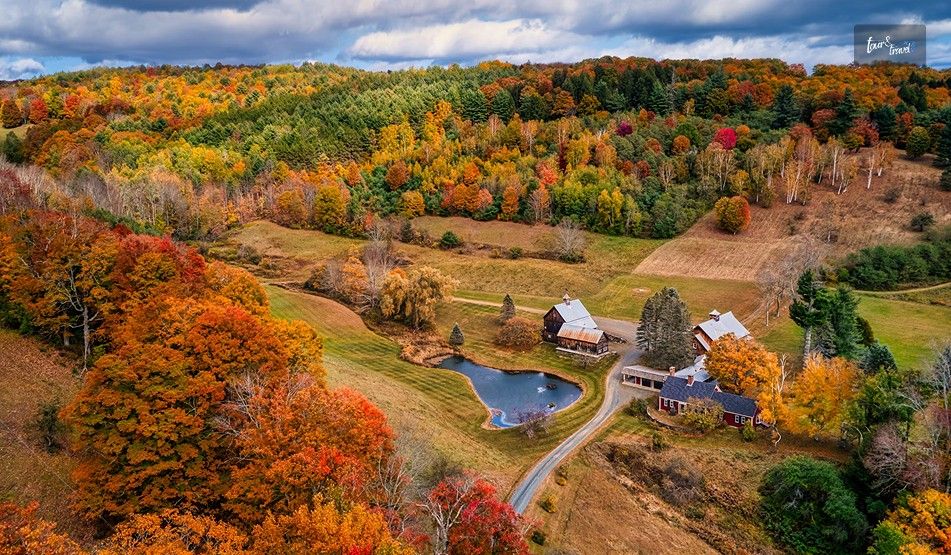
Vermont is the quintessential autumn destination you need to visit in the USA.
The scenic drive along Route 100 and the views of the Green Mountains are breathtaking, with the leaves changing their colors.
You can also visit the apple orchards and pumpkin farms for a first-hand harvesting experience.
New Hampshire
Average Temperature: 5-12 °Celsius
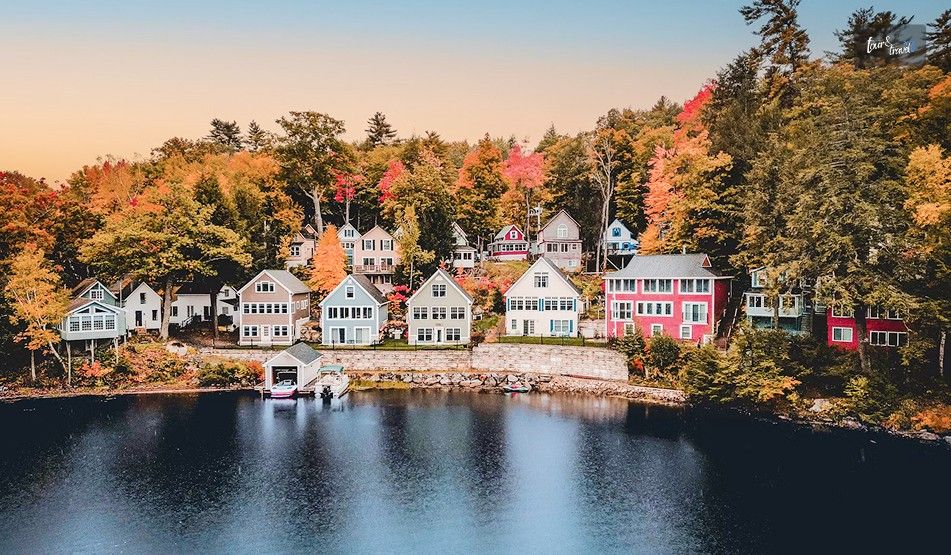
Home to the White Mountains, New Hampshire is one of the best places to travel in October in the USA.
You can explore the state parks and enjoy the iconic ride on the Mount Washington Cog Railway.
The small towns here are ideal for experiencing the autumn festivities.
Known as the Witch City, Salem is associated with the Infamous Witch Trials of 1692. You can be a part of the month-long Haunted Happening Festivals in October in Salem.
The festivities include ghost tours and parades.
Also, visit the Salem Witch Museum for a somber and eerie experience.
2. Great Smoky Mountains National Park, Bordering North Carolina And Tennessee
Average Temperature: 9-21 °Celsius
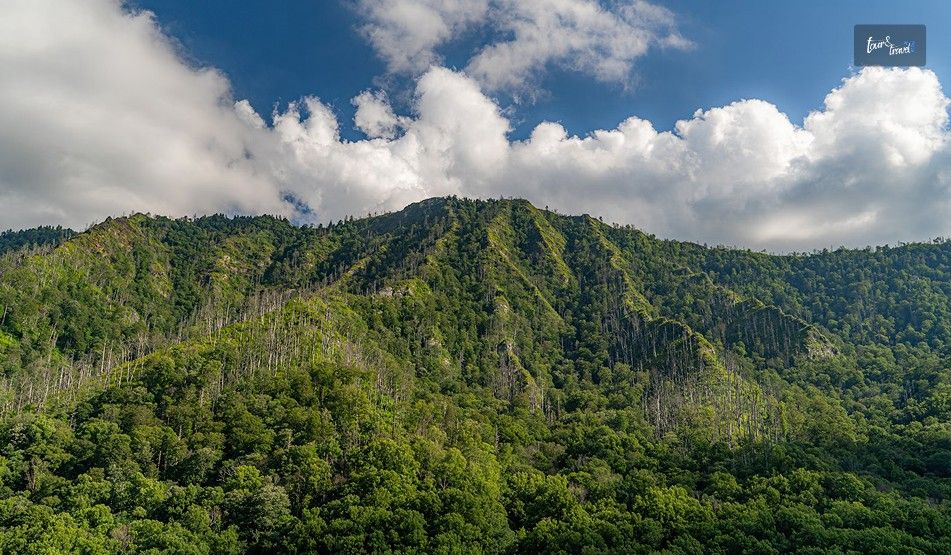
Great Smoky Mountains National Park offers the most amazing views of the fall foliage with its diverse elevation.
You can hike or go for scenic drives in the national park. You can even explore nearby small towns such as Pigeon Forge.
3. Aspen, Colorado
Average Temperature: -1 to 13 °Celsius
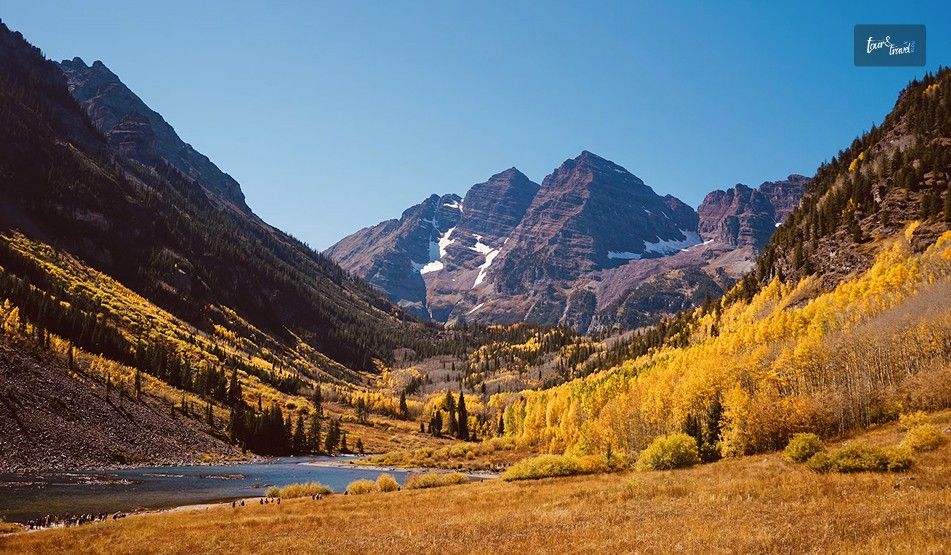
With the aspen trees turning golden yellow in October, Aspen looks beautiful, and the Rocky Mountains create the perfect backdrop.
Furthermore, the Maroon Bells in Colorado, one of the most photographed mountains in America, looks stunning with the changing colors of foliage.
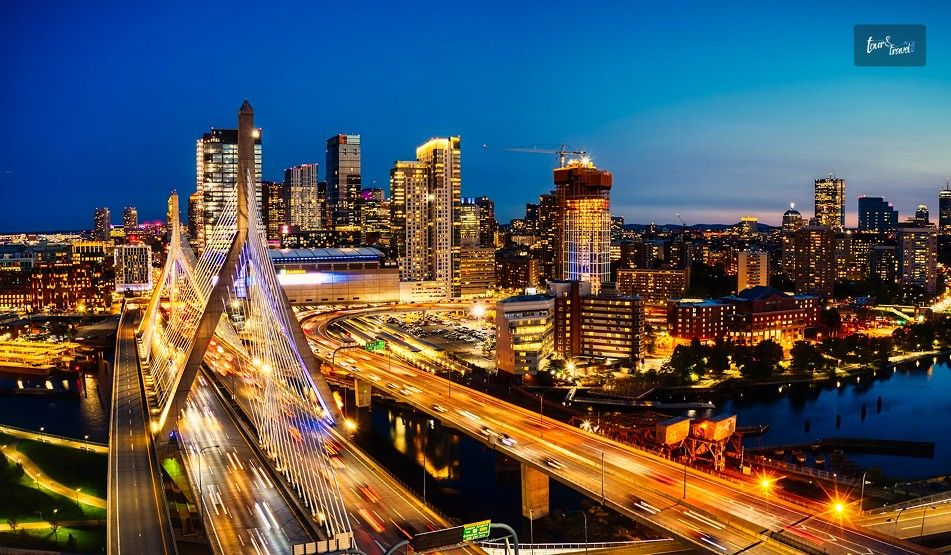
4. Boston
Average Temperature: 10-17 °Celsius
Beacon Hill and Back Bay are some of the most popular neighborhoods in Boston to see autumn foliage.
Furthermore, visit the Boston Common and Public Garden to enjoy a beautiful urban landscape in autumn.
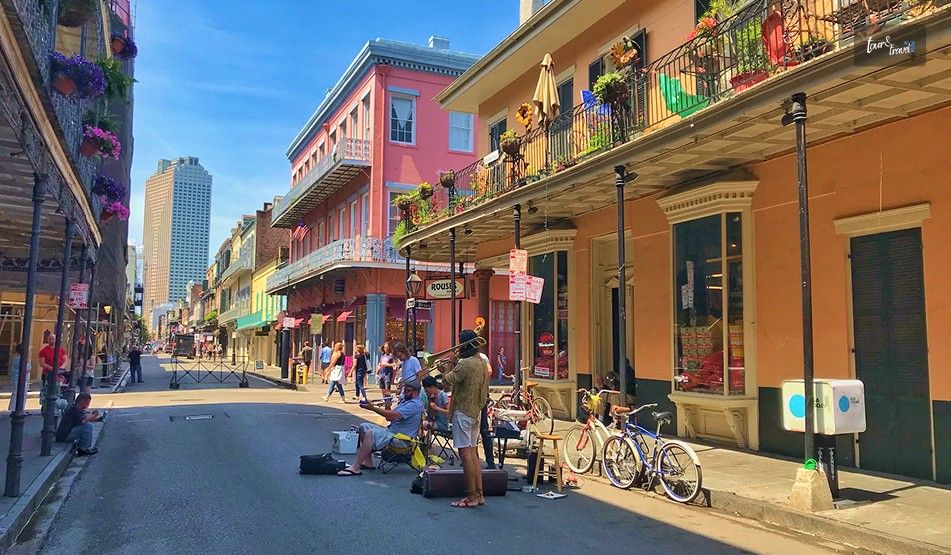
5. New Orleans
Average Temperature: 20-25 °Celsius
Known for its Voodoo culture, New Orleans is most alive in the Halloween Season.
Take a tour of the local cemeteries and the French Quarter to soak in the eerie vibe.
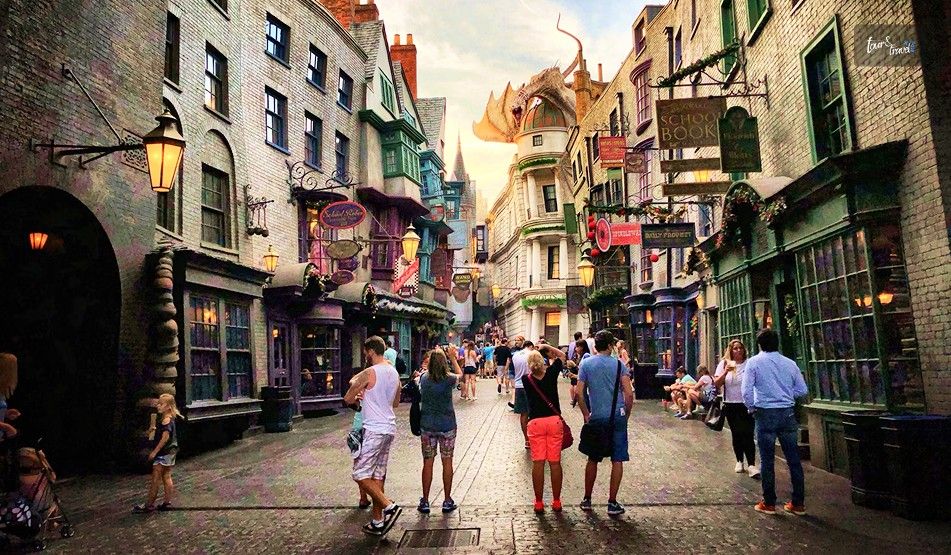
6. Orlando, Florida
Average Temperature: 18-29 °Celsius
Be a part of the Halloween Horror Nights festival in Orlando.
It is one of the scariest festivals in the USA, with scare zones, haunted houses, and live acts inspired by popular horror movies and TV shows.
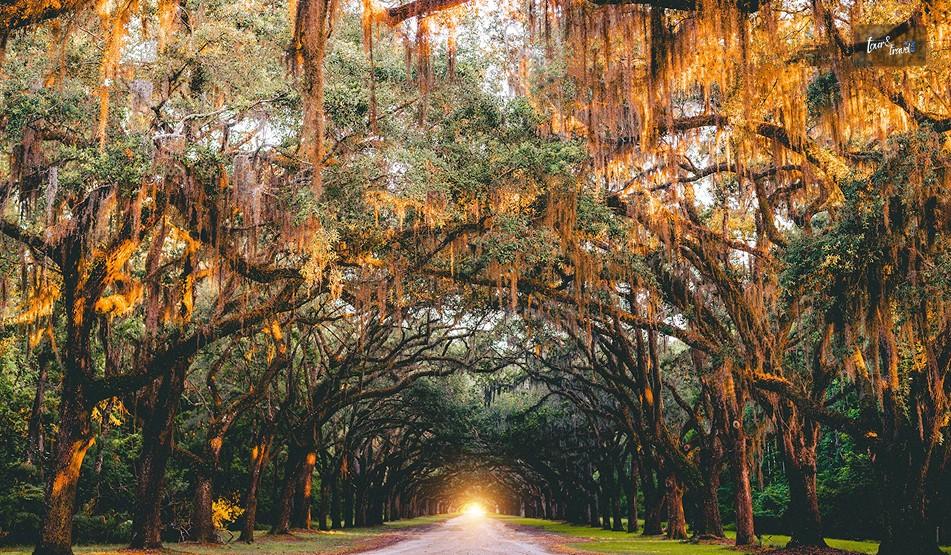
7. Savannah, Georgia
Average Temperature: 14-25 °Celsius
One of the most haunted cities in America, Savannah is a must-visit in October. A tour of the historic district of the city is spooky.
Also, you can enjoy the changing colors of autumn foliage.
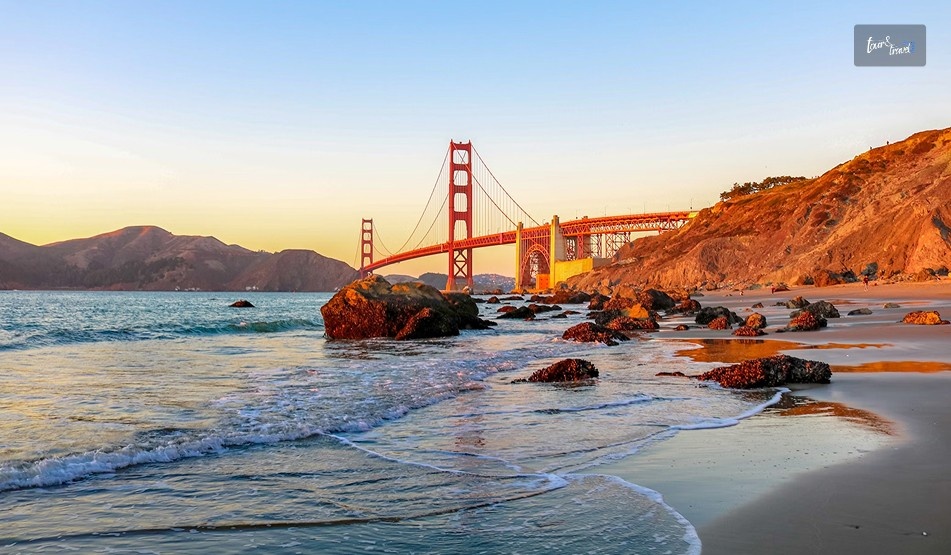
8. San Francisco, California
Average Temperature: 12-21 °Celsius
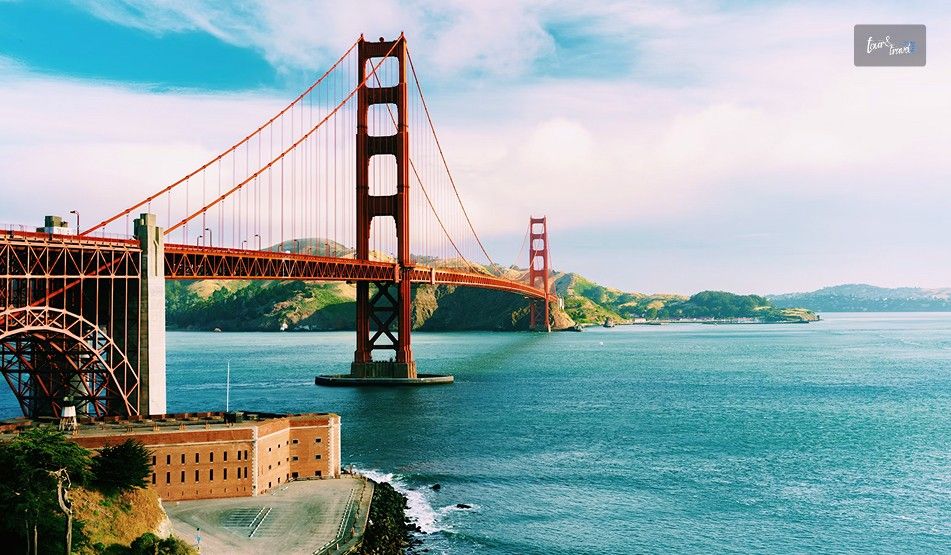
Home to the notorious Alcatraz Island and prison, San Francisco is one of the most prominent locations for dark tourism in the USA.
Also, if you want to see autumn colors, you can visit Golden Gate Park.
Asheville, in the Blue Ridge Mountains, is one of the most scenic locations in October.
The trees in the mountains change their colors faster, and you can take a drive along the Blue Ridge Parkway to see the colors.
Also, visit the Biltmore Estate, the largest private home in America.
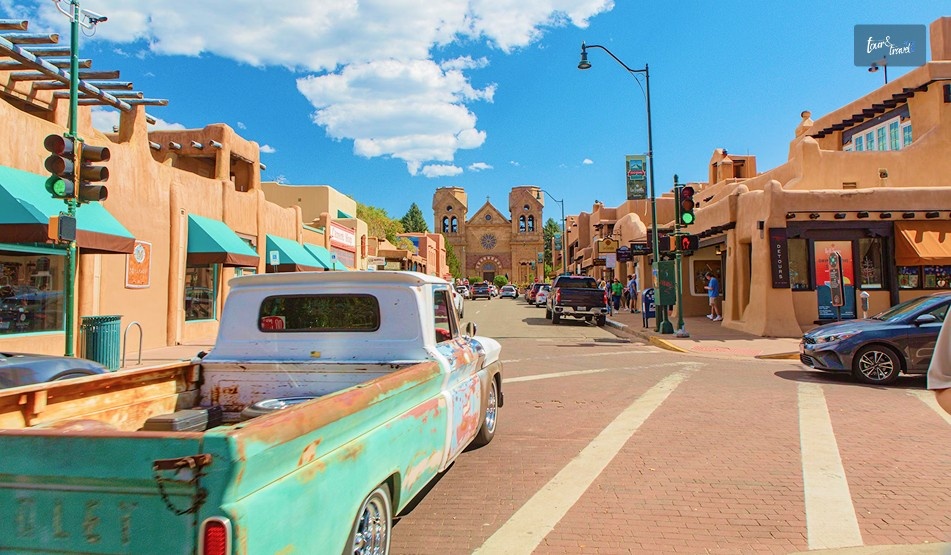
10. Santa Fe, New Mexico
Average Temperature: 4-14 °Celsius
Santa Fe shows a beautiful fusion of Native American and Spanish culture.
In October, you can be a part of the Santa Fe Harvest Festival and go hiking in the Sangre De Cristo Mountains.
The leaves of the aspen trees in the mountain trails turn golden yellow in the season.
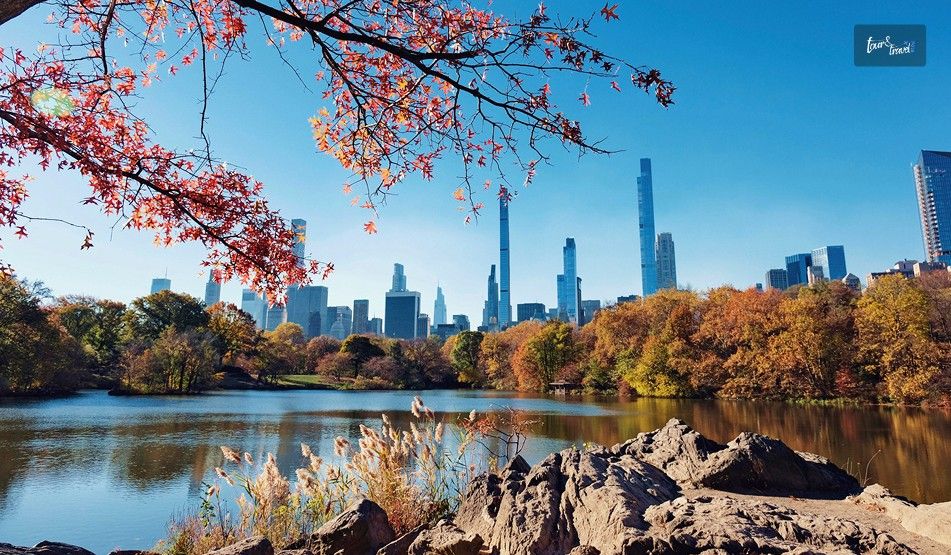
11. New York City
Average Temperature: 14-18 °Celsius
Central Park is the epicenter of seeing fall colors in New York City.
You can also be a part of the Halloween Parade in Greenwich Village, which is the largest in the country.
Otherwise, you can just chill at the outdoor cafes and enjoy the Broadway shows.
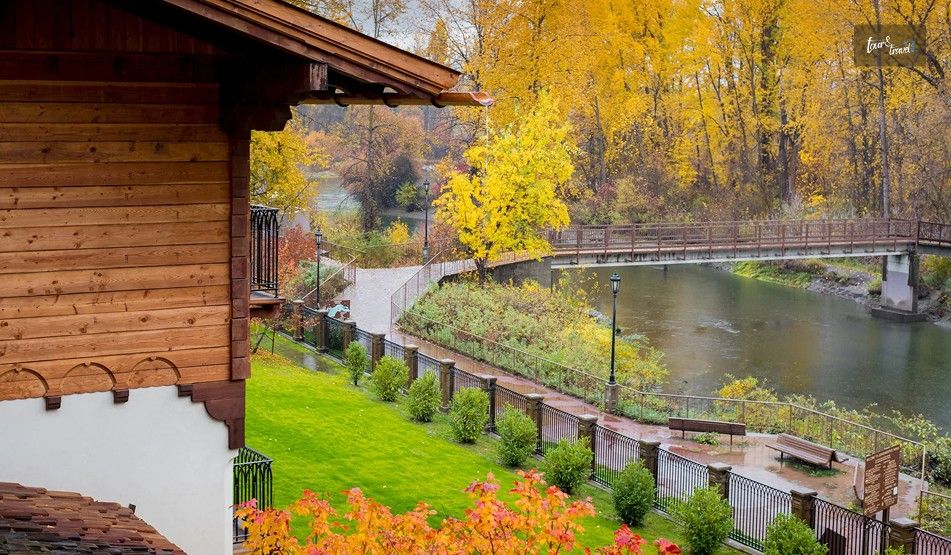
12. Leavenworth, Washington State
Average Temperature: 7-18 °Celsius
With the charm of a Bavarian-style village, Leavenworth is just another small town in the USA that turns magical in October.
The small town hosts an Oktoberfest. It is a German-style celebration with great food and music.
Furthermore, the entire town is decked up in fall foliage, pumpkins, and everything autumn.
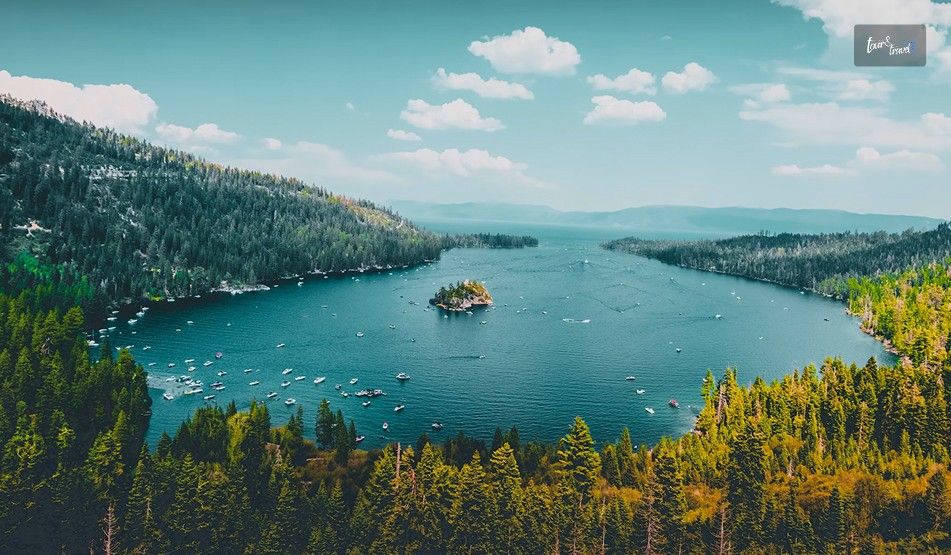
13. Lake Tahoe: California And Nevada Border
Average Temperature: 10-21 °Celsius
Surrounded by mountains, Lake Tahoe is one of the most serene places to travel in October in the USA.
With the summer crowd gone, the foliage in the mountains and around the lake starts changing colors.
You can do kayaking and hiking here. Or, you can just relax by the lake for some tranquility.
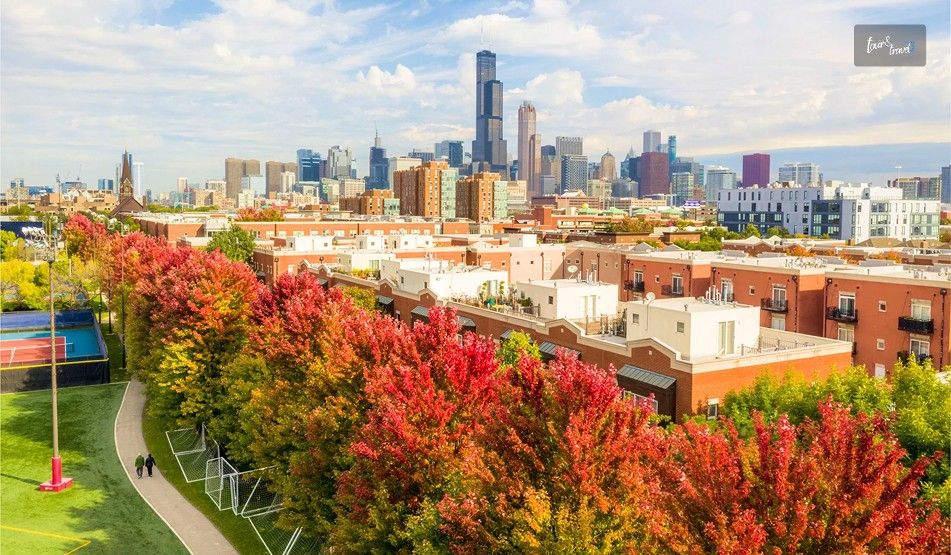
14. Chicago
Average Temperature: 4-21 °Celsius
Chicago bustles with energy in October as it hosts many renowned festivals. It is the month of the Chicago International Film Festival and the Lincoln Park Autumn Harvest.
Also, with the nip in the air, it is the best time to try the signature deep-dish pizzas.
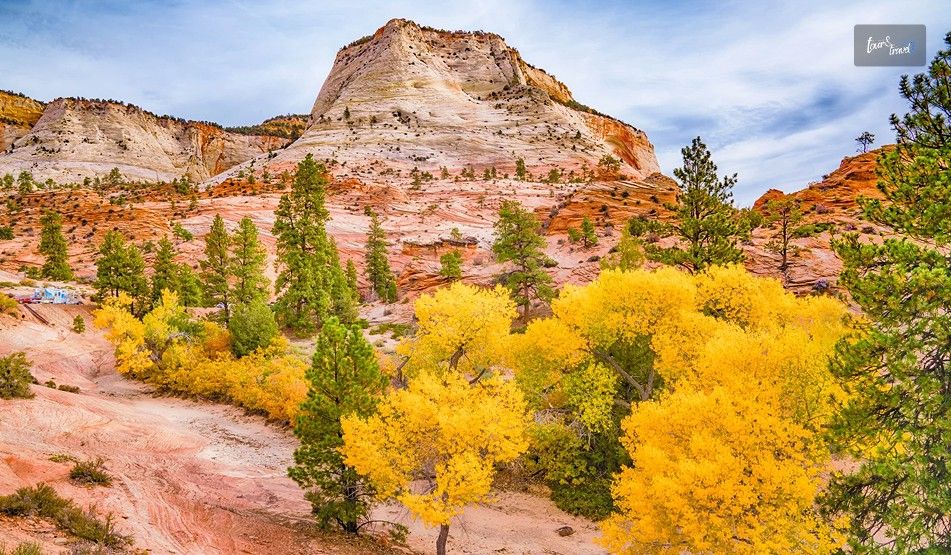
15. Zion National Park, Utah
Average Temperature: 4-20 °Celsius
Hike through the famous trails such as the Narrows and Angels Landing in Zion National Park and witness how the fall foliage creates a contrast against the red rock canyons in the park.
The views are dramatic, and with the summer crowd gone, the ambiance is peaceful.
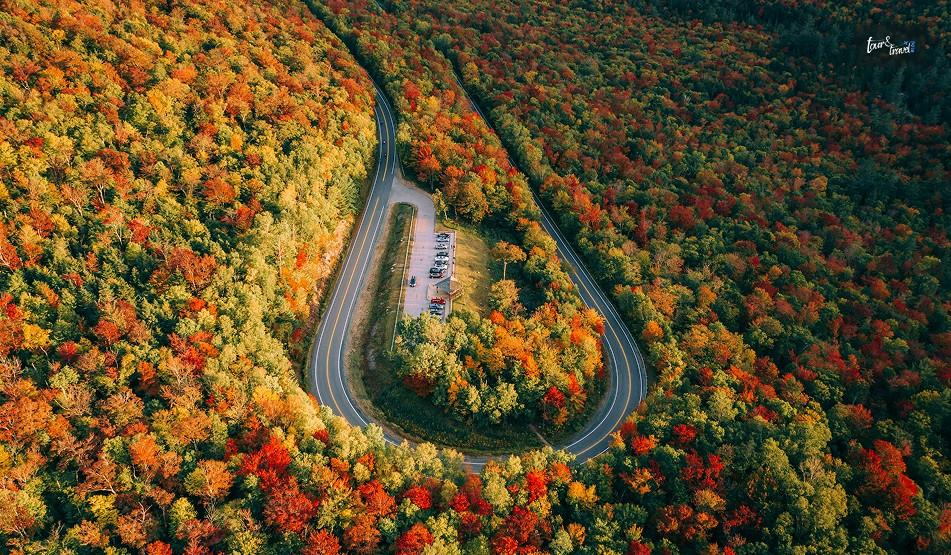
Blessed by the Appalachian Mountains, Potter and Tioga Counties have the most amazing forests and verdant hills. So, the autumn vistas here are quite dramatic.
Furthermore, the Pine Creek Gorge, or the Pennsylvania Grand Canyon, is at the epicenter of the autumn attractions here.
Moreover, you can do horse riding, hiking, or biking through the Pine Creek Rail Trail for an unforgettable experience.
Autumn on Mackinac Island is captivating. Enjoy a ride in the bikes or horse-drawn carriages to see the changing fall colors. It is famous for its car-free lifestyle.
Also, don’t forget a visit to the Mackinac Island State Park, famous for limestone arches, woods, and trails.
Visiting The Best Places To Travel In October In The USA: A 7-Day Itinerary
Are you in the USA this autumn? Try this 7-day itinerary to explore the best places to travel in October in the USA.
Days
Location
Activities
Day 1
Salem
• Drive from Boston Logan Airport (BOS) to Salem • A Visit to the Witch House and Walking through the Historic Streets
Day 2
Boston
• Walking through the Freedom Trail and Exploring Places such as Boston Common, Paul Revere House, and Faneuil Hall. • A Visit to Boston Common and Enjoying a Boat Ride. • Walking through Beacon Hill
Day 3
Boston to Vermont
• Foliage Drive from Boston to Vermont for 4-5 Hours. • Stopping by the Woodstock Town to See Fall Colors. • Trying Maple Syrup at a Sugar House.
Day 4
Vermont and New England
• Hiking in the Green Mountain National Forest for Foliage Views • Shopping at Vermont Country Store • Afternoon Drive in the Berkshires
Day 5
Vermont to New York City
• A Drive for Around 5 Hours • Exploring Central Park • Visiting the NYC Landmarks such as Rockefeller Center and Times Square
Day 6
New York City
• Visiting the Metropolitan • • Museum of Art and the Museum of Modern Art (MoMA) • Brooklyn Bridge Walk • Visiting the 9/11 Museum
What Is The Cost Of A 7-Day Fall Vacation In October In The USA?
Here is the estimated cost of a 7-day fall vacation in the USA in October.
The budget range here is wide because I have considered budget, mid-budget, and high-end traveling and their various options.
Types of Cost
Estimated Budget
Notes
Accommodation
$600-2100
• Hostels • Budget Inns • Boutique Hotels • B&Bs
Transportation
$200-600
• GasTolls • Parking • Subway • Rental CarTrain
Food and Drink
$350-1000
• Quick • Service • Groceries • Restaurants
Attractions
$150-450
• Entry Fees • ToursTickets
Total
$1300-4150
• (Excluding flight tickets to the USA)
A Calendar Of October Festivities In The USA
In October, try being a part of these nationwide and local festivals.
Time of Month
Festivals
Details
2025 Dates
Early October
Albuquerque International Balloon Fiesta
• The Largest Hot Air Balloon Festival in the World • Location: Albuquerque, New Mexico
4th to 12th October 2025
First Two Full Weekends in October
National Apple Harvest Festival
• Visit Biglerville, Pennsylvania.
4th and 5th October and 11th to 12th October
13th October
Columbus Day
• A Federal Holiday Celebrating America’s Past
13th October
Month-Long Activities
Salem Haunted Happenings
• Visit Salem, Massachusetts
N/A
Mid-October
Fall-Foliage Festivals
• Visit Vermont, New Hampshire, and Maryland
N/A
31st October
Halloween
• Nationwide Celebration with Themed Parties and Spooky Tours
31st October
Best Places To Travel In October In The USA: Frequently Asked Questions (FAQs)
Here are the frequently asked questions and answers about the best places to travel in October in the USA.
1. What Is The #1 Place To Vacation In The US?
New York City, the Yellowstone National Park, and Los Angeles are some of the most popular places for a vacation in the USA. However, if you want to enjoy a vibrant nightlife, you can visit Las Vegas or Reno. Also, Orlando is the place to be for theme park fun.
2. What Is The Cheapest Vacation Destination In The USA?
Oklahoma City, known for its distinct cowboy culture, is one of the cheapest vacation destinations in the USA. You can visit the National Cowboy & Western Heritage Museum, the Oklahoma City Zoo, and the Oklahoma City National Memorial & Museum here. Furthermore, the cost of living in the city is way below the national average.
3. Where To Take Kids For Fun In The US?
With the presence of Walt Disney World and Universal Orlando Resort, Orlando is the most coveted location for kids visiting the USA. However, if your little one loves nature and wilderness, Yellowstone National Park, Olympic National Park, and the Dry Tortugas National Park are some of the best places to be.
Sibashree is a travel, culture, and leisure writer who has been writing since the age of 12 and professionally since 2014. With more than a decade of travel writing experience and journeys across India and several parts of the world, she brings a deeply personal and thoughtful perspective to her work. A student of English Literature and Mass Communication, Sibashree has always viewed travel as more than movement — for her, it has been a way of understanding people, cultures, and herself. Her passion for spiritual exploration has also led her to many unusual and meaningful destinations over the years. Outside of writing, Sibashree enjoys watching European cinema, reading about global politics, and reflecting on the stories hidden within everyday places.
Meghalaya, or the Abode of Clouds, here you will find that nature has to give. It is one of the best places for its biodiversity richness. Known best for its famous monsoon seasons, Meghalaya has the most dramatic natural terrains with rich cultural festivals.
Having such beautiful natural diversities, which are among the best places to visit in Meghalaya. The tribals of Garos, Jaintias, and Khasis make up the majority of the population.
Meghalaya: Abode Of Clouds!
Located in the northeastern parts of India, with Shilong as its capital. During the British rule of India, it was dubbed the “Scotland of the East.”
With a range of beautiful terrains, Meghalaya is surely going to surprise your imagination. With beautiful greenery everywhere, with forests, valleys, waterfalls, and mountains, that are one of the best places to visit in Meghalaya.
But since Meghalaya is known for its monsoon seasons, what is the best time to visit there?
What Is The Best Time To Visit Meghalaya?
Since Meghalaya is one of the wettest places in India, with the occasional cloudbursts and landslides, you need to know the best time to visit there.
Weather Condition In Meghalaya
Oct-Feb = 9c Apr-Jun = 21c June-Oct =15c
Peak Season
When the temperature is between 16c and 31c, that is the best time to visit Meghalaya. This will probably be from April and June. During this time, Meghalaya has the optimum temperature for you to explore the place.
Shoulder Season
From the months of November to March receives a moderate amount of tourists, as the weather is cold and misty at the same time.
Low Season
The lowest season for tourism in Meghalaya is from July to October. During this time, the state receives about moderate to heavy rainfall.
Best Places To Visit In Meghalaya
Now that you know what the best time to visit Meghalaya is, you need to know what are the top Meghalaya tourist places.
1. Cherrapunji
Popularly regarded as the wettest place on Earth, Cherrapunji has the best lush greenery you will ever see. Here you will find the highest rainfall any time of the year.
Tourists from all over the world come here to see the most beautiful waterfalls, like Dain-Thlen,Nohkalikai, and Kyrem. Cherrapunji is one of the best places to visit in Meghalaya.
Specialty - An abundance of natural scenic beauty and environmental attractions.
Places To Stay - Polo Orchid Resort Cherrapunjee, Jiva Resort Cherrapunjee and Saimika Resort.
Attractions - Krem Mawmluh, Wakaba Falls, Double Decker Living Root Bridge, and also Nohkalikai Waterfalls.
How To Reach - From Guwahati, it's 166km, And from Cherrapunji Umroi Airport, it's 79km.
2. Shillong
Known as the Scotland of the East, Shillong is the capital of Meghalaya. Away from the bustling life of the city, Shillong has beautiful forests, hills, and mesmerizing scenic beauty. Shillong is considered the Meghalayan Gateway.
Popular landmarks of Shillong are Elephant falls, Maharam, Lady Hydari Park, Bhowal, Mylliem, and Langrim.
Specialty - Mesmerizing view, the beauty of nature, and its popular landmarks.
Attractions - Elephant falls, Maharam, Lady Hydari Park, Bhowal, Mylliem, and Langrim.
Places To Stay - Pinewood Hotel, The Loft-Executive Inn, Hotel Polo Towers Shillong, and Tripura Castle.
Location - East Central Meghalaya.
Best Time To Visit - From September to May.
3. Mawsynram
Out of all the places in Meghalaya, Mawsynram receives the most rainfall each year. This is why here you will find the most greenery and beautiful green hills and valleys. Mawsynram receives about 11,872 mm of rainfall each year.
Specialty - The most beautiful waterfalls.
Location - The East Khasi Hills, Meghalaya.
Best Time To Visit - From April to June.
4. Balpakaram National Park
Known as a traveler’s paradise, the Balpakaram National Park is a “Land of Spirits” for its rich natural biodiversity. With its beautiful wildlife with animals like Tiger, Leopard, Deer, Buffalo, Elephant, and Red Panda.
Specialty - It is rich in natural biodiversity.
Location - Western Meghalaya and Garo Hills.
Best Time To Visit - From October to March.
Entry Free - Free.
5. Nohkalikai Falls
The Nohkalikai Falls is the 4th most noted waterfalls in the World. The height of this fall is about 335 meters from the cliff to the ground. The falls are considered “the pride of the territory of Meghalaya.”
Specialty - It is like paradise with an extraordinary scenic view.
Entry Fee - INR 10.
Timing - From 8 am to 5 pm.
6. Double-decker Living Root Bridge
Located in Cherrapunji, the double-decker living root bridge is famous all over, as the bridge is made up of roots. The roots are of rubber trees. The bridge is about 3km long and about 2400ft in height.
Specialty - The oldest of natural bridges.
Location - Cherrapunji, Meghalaya.
Best Time To Visit - Anytime other than from May to September, due to the slippery.
Trek Time - It takes about 4 to 6 hours.
7. Kyllang Rock
This extraordinary rock is made entirely out of red stone. The rock is 54ooft above sea level and 1000ft in width. The hike up the rock gives a beautiful scene with rhododendrons and shrubs.
Specialty - It is on the highest points in all of Meghalaya.
Location - West Khasi Hills, Shillong, Meghalaya.
Best Time To Visit - Anytime, except the monsoon.
8. Elephant Falls
Meghalaya is known to have the best waterfalls in all of India. And Elephant Falls is definitely one of that beautiful waterfalls. It is called Elephant falls as it has an Elephant-shaped stone at its foot of it. It is one of the best places to visit in Meghalaya.
Specialty - The falls are surrounded by beautiful scenic beauty.
Location - It is only 12km from Shillong.
Best Time To Visit - During Monsoon.
Frequently Asked Questions (FAQs):
Now that you know what the best time to visit Meghalaya and the best tourist places is, you won’t have any other problems. But if you do, here are some questions asked by other people.
1. What Is The Popular Place Of Meghalaya? The most popular Meghalaya places to visit are:1. Mawsynram2. Nohakalikai Falls3. Mawlynnong Village4. Umiam Lake5. Seven Sisters Falls6. Living Root Bridges 2. Does Meghalaya Have Snow? Though the state of Meghalaya has a higher elevation, it doesn’t receive any snowfall throughout the year. But due to humidity and low temperature, frost forms which can look like snow but are not. 3. What Is Famous Food Of Meghalaya? The food that is famous in Meghalaya is a spicy preparation of fish or meat and rice. They are great at rearing pigs, goats, cows, ducks, and fowl for their meat.
Visit Now!
If you are an avid nature lover, then visiting Meghalaya should definitely be on your bucket list. There are some beautiful places to visit in Meghalaya. And if you are a mountain lover, then you need to visit here once.
Hopefully, this article encourages you to book your tickets soon for Meghalaya. Let us know in the comments where in India you wanna visit next.
Thinking about what's the best Time To Visit Saudi Arabia? The colder months are always the best time to visit Saudi Arabia. Most tourists come here for Hajj. But Saudi Arabia is also a place for exploration apart from being a pilgrimage for Muslims.
It’s a large country with varied climates. This region has desert, mountain, and coastal regions. While some places have reasonably pleasant winters, others are better suited for visits during the colder months.
The kingdom's history and culture are also worth mentioning. Tourists come to see historical and archaeological sites, as well as modern structures and places of worship.
Islamic Travel Agency, including flights, often offer additional services during the visit.
So, what’s the best time to visit Saudi Arabia? Read on to find out.
How To Choose the Best Time To Visit Saudi Arabia?
The time to go also differs. It may rely on customs, events, occupations, and the current climate. For instance, summer days are extremely hot in some regions. However, winter is completely different, since the climate is much better.
Depending on your interests, the post will highlight the right time to visit the KSA. This means it's important to schedule your visit based on the activities that interest you.
The Weather in the Kingdom
The Kingdom has a largely desert-like, arid climate. Temperatures are also high and can, on some occasions, rise to 40 °C (104°F) in the desert region.
Along the coast, relative humidity can amplify the heat, making it feel even hotter than it is. Winter is mild. This makes it a perfect time to go out and complete outdoor activities.
It also depends on the region in the kingdom. Overall, the best time to visit is winter. Summer heat can be intense in the central and the Northern areas of this country.
However, temperatures remain tolerable, especially in the Western and southern parts of the country.
Generally, the best time to travel in the southern and central regions is from October to April. Choose Umrah packages. This includes flights in winter during your pilgrimage.
Cultural Events invite
Several cultural holidays are observed in the KSA. It is critical to eat local cuisine and enjoy the atmosphere of festivals and other religious events.
The most significant rite is Hajj, performed once a year and involving a pilgrimage to the city of Mecca. This event occurs in the Islamic lunar calendar month of Dhu al-Hijjah. It can fall in summer or early autumn.
Regarding the various events of Hajj. However, the spiritual pilgrimage is limited to Muslims. Many other parts are open to tourism.
The Janadriyah Festival is probably one of the most famous festivals in the KSA.
It takes place in Riyadh annually in February or March. The celebration pays homage to Saudi traditions and customs. It features traditional dances, songs, cuisine, and more. If you're interested in the country's culture, now is a great moment to visit the kingdom.
The other event is Saudi National Day, which takes place on September 23. It is commemorated by a decorated parade and a fireworks display.
Best Time to Visit Saudi Arabia for Outdoor Activities
There is no better time to visit the KSA for outdoor activities than before the summer. From October to April, the weather is good enough to enjoy outdoor activities. Spring and fall are the best seasons for trekking, hiking, and other forms of natural exploration.
You are less likely to encounter desert conditions. If you are planning for a Hajj package, this is an ideal time.
The Asir region in the southwest has cooler conditions and terrain shaped by natural beauty. Most of the region is mountainous, offering excellent opportunities for outdoor sports, and the climate is temperate year-round. The summer resort area is located in the 'Asir region, which is also home to the city of Abha.
In contrast, desert cities are very hot in summer. Exploring the desert dunes is best done in the winter because the heat is too harsh for travelers.
Ideal Time for Visiting Coastal Regions
The country has a long shoreline along the Red Sea and Arabian Gulf. Coastal areas also offer stunning sandy beaches and wildlife.
October through April, the dry season, is the best time of year to explore these places. Summer can be smelly, and the beaches aren't very comfortable.
Jeddah, the biggest city on the Red Sea coast, has beautiful beaches for sunbathing and great resorts. Many tourists choose Hajj packages, including those seeking snow in winter.
The breeze is ideal for sunbathing and swimming in the sea's tempting, clean waters. These events create a frenzy of festivals, and different celebrations happen throughout the city during this time.
In contrast, the Arabian Gulf coast, which includes Dammam and Al Khobar, has scorching summers.
Consider Ramadan when Planning Your Visit
When planning your trip to the Kingdom, consider Ramadan. This is the Islamic month of fasting. Ramadan is an Islamic lunar month. The dates vary each year.
It is a special time when even the daily rhythm in the KSA changes.
During Ramadan, many establishments and tourist destinations have shortened hours. While some travelers avoid visiting during Ramadan, others eagerly await the opportunity to tour the kingdom.
Avoid eating or drinking in public during Ramadan. For example, you may not eat, drink, or smoke in public throughout the day.
It may still be hot during Ramadan, but observing the month in the Islamic world makes for interesting cultural discovery.
Summary
The duration of a trip to the kingdom depends entirely on the traveler's goals and desired destination. The dry season, which lasts from October to April, is the best time of year for outdoor enthusiasts.
For cultural events and festivals, it is best to visit in winter or spring. The greatest time to travel inland or visit the beaches is between November and March. Remember that traveling during Ramadan and the Hajj trip will be very different.
Read Also:
Do I Need a VISA to Visit Saudi Arabia?
Yachting In Dubai – A Memorable Experience
Best Time To Experience Dubai: The City Of Gold
Do you want to taste the authentic taste of Italian dishes while traveling in Vegas?
Vegas is like a paradise for food lovers. You get hundreds of options in Vegas.
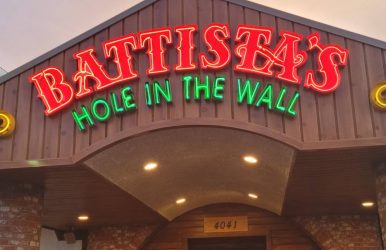
But if you want to taste homemade Italian food, Batista's Las Vegas is the most desired destination for you.
When you see "Battista's Hole In The Wall", you will feel like you are traveling back in time.
Battista Restaurant Las Vegas is the best place for Italian food lovers.
And Battista Italian Las Vegas is not only a favorite destination among food lovers.
This heritage restaurant carries the past on its walls.
From the exterior to the interior, everywhere you can see the glorious history of the restaurant.
Las Vegas is a giver when it comes to cheese!
It is amazing, with the slice of history and the delicious food that Battista Restaurant Las Vegas has successfully established as a business.
There are chefs, servers, food, and owners who are always ready to give you a good time.
History Of The Battista Italian Las Vegas
The Battista hole on the wall started its journey in 1970. Battista Locatelli came to Las Vegas in 1949.
After 21years, he focused on building a big restaurant in Las Vegas. At last, he bought a dive behind Flamingo and started a big restaurant.
The restaurant became very famous for its authentic taste of Italian food and nice ambiance.
If you want to see an authentic Italian restaurant ambiance.
Battista restaurant Las Vegas is the perfect historical spot where the interior design maintains its accurate balance and the food.
The heritage restaurant keeps all the interiors as the past.
Every dish has complimentary wine. Batista's hole-in-the-wall menu is entirely authentic, and with the authentic taste of Italian dishes, you will taste the house-made wine.
All the foods of Batista's vegas taste like your mama's kitchen.
When you visit the restaurant, their staff will always greet you with a wide smile and warm attitude.
Battista’s features a relaxed vibe that ensures you will enjoy your visit.
The restaurant staff always greets you with a wide smile and warm attitude. I bet it will turn your head with the crazy decor!
The Honest Ratings & Reviews Of Battista's Hole In The Wall
The exterior of the place is just outstanding. From the outside of the restaurant, you are going to see the orthodox gesture.
And the outside of Batista Restaurant Las Vegas looks like an old-time Italian restaurants even if you are a new visitor.
You feel a little curious when you go to see how the interior of the place remains in the same position as in the past.
Like Batista's Las Vegas menu, the exterior and infrastructure convey a clear message of Italian authenticity.
In our opinion, we score five out of five because of the legacy and nice, delicious meals, especially with the complementing wine.
When I visit the heritage place, it is so outstanding that you are going to feel the past.
Hundreds of pictures fill all the walls of Battista's Hole In The Wall.
Hollywood celebrity photos cover the walls there. These pictures hold the impression of the past.
If you want to see the restaurant's glorious history, the wall is the best place where you are going to get all types of information about Battista Italian Las Vegas.
Battista's Las Vegas menu is outstanding, as they offer authentic Italian food.
No contemporary food is available here.
Each and every dish offers house-made red and white wine along with the dishes.
The wines are complementary to each dish. The dishes are customised which are specific to this restaurant!
This proves the significance of their customer care!
Also Read: Top 10 Most Popular Paraguay Food That You Must Try
Batista's Hole In The Wall Menu Review:
We ordered spaghetti and meatballs for Dinner.
The meatballs were very juicy, and the tangy homemade tomato sauce added extra flavor to the dish. The grated parmesan cheese was looking beautiful on top of the meatballs.
One thing we agree on is that the red tomato sauce is the best red sauce we have ever tasted.
The balance of the herbs and spices is unique there. The gingerbread tastes and smells very fresh.
The bread almost looks like it was recently coming out of the baking tray.
Ginger Man cookies are all-time the best cookies of our childhood days.
And when you taste the Batista restaurant Las Vegas gingerbread, the memories of your childhood days will come back to life.
Because the taste of the food is not like restaurant-made food, they taste like homemade Italian food.
When you are going to order the foods for your Dinner or lunch. Do not forget to order a glass of red wine with the dish because we order Chianti(Castello di Poppiano) as the spaghetti's side drink.
The combination is really tasty, and the taste of meatballs and wine complements each other.
Is Battista's Hole In the Wall Currently Taking Reservations?
Yes, you can make a reservation by choosing a day, occasion, and party size. Battista's Hole in the Wall is a town best served in Las Vegas since 1970.
Immerse yourself in Battista's old-time Las Vegas memorabilia and the nicest authentic Italian food.
All banquets include Minestrone Soup or Italian Salad, Garlic Bread, Pasta Side, FREE House Wine (Red or White) with Dinner, and a Homemade Cappuccino for dessert.
Settled just off the strip next to the LINQ and High Roller Observation Wheel.
The bar is closed until further notice
Dining Room Hours: not available right now
Sunday through Thursday 5pm to 9:15pm
Friday and Saturday 5pm to 9:30pm
Reservations by phone from 12pm Pacific Time to 9pm Pacific Time
Carry out available
How Is Battista's Hole In The Wall Rated?
Battista's Hole In The Wall has 3.5 stars. People who visit Battista in Las Vegas surely visit the restaurant for its exquisite taste of Italian food and complimentary wine.
The ambiance of the restaurant is nothing like today's ambiance in a restaurant, where everything is fancy and expensive.
The style Batista holds is purely vintage.
People who are a bit old-fashioned come to this place and enjoy themselves to the fullest. Who wouldn't?
When you have the amazing gingerbread in one hand and red wine in the other?.
Rumors Of Closing!
If the grapevines are to be believed, there is a chance that the restaurant might close!
It is one of the beloved restaurants in Las Vegas where people constantly go for new food and entertainment.
This restaurant has the capability of increasing the prospects of the Caesars hotel!
Yet there is a chance that there are monetary issues. There have been issues before regarding the lease when the owner was not able to pay the amount demanded from him.
Apart from that, the bar is colorful enough. However, it does require maintenance.
In the history of Las Vegas, the restaurant is one of the best in the past three decades.
If the restaurant is closed will be a severe issue with regards to regular patrons.
Wrapping It Up:
Battista's Hole In The Wall is the best place where you are going to see the historical ambiance.
And you can enjoy the taste of delicious meals with tasty house-made wine.
But one thing we must say: if you're looking for contemporary-tasting food and a more mixed ambiance, along with modern infrastructure, this is not the right place for you.
Everything here is just very Italiano food, drink, and ambiance.
And do not forget to order the original cappuccino and cream as the dessert.
So choose your menu wisely, as all the food items are quite affordable. And do not forget to share your experiences with us in the comment box.
Battista's Hole In The Wall
Timings - Dinner: 5:00pm – 9:30pm
Address: 4041 Linq Lane (Audrie St.)
Las Vegas, NV 89109
Contact No. 702-732-1424
You May Also Like:
Best National Parks In Hawaii
8 Best Bachelor Party Destinations To Visit
Things To Do In Maryland – Free Places To Visit In Maryland





 Related