
Awesome Things To Do At Coachella

May 12, 2023

Last Updated on: Sep 28, 2026

Travel Guides

It’s almost that time again! Coachella is just around the corner.

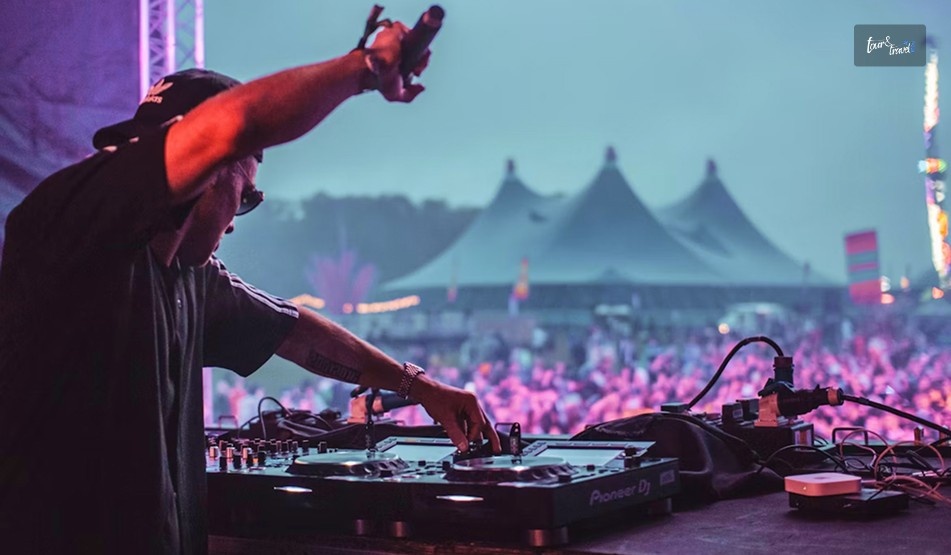
Get ready for a vibrant 3-day music and arts festival in Indio, CA, that takes over two weekends every spring.

It’s famed for its trendy outfits, celebrity guests, and incredible lineup of artists.

The festival exudes that glamorous “LA” vibe.

However, I remember attending for the first time two years ago and being genuinely taken aback by how down-to-earth the atmosphere was.

Everyone was simply there to enjoy themselves! 

Sure, the pool parties and stunning photos of models in their festival gear can make it feel larger than life.

Still, when you get there, you see the reality. 

Around 100,000 people from all walks of life, each sporting their unique looks and vibing to different music sets.

It’s much more accessible than it might seem! 

Since I wouldn’t have known any of this without my own experience, I want to share what I learned from my last trip.

My goal is to make everything logistically smooth so I can focus all my energy on having a blast!

What Are The Different Fun Things To Do In Coachella?

What Are The Different Fun Things To Do In Coachella

Coachella is an experience rather than merely a music event, to sum it up.

Everyone can find something to enjoy at Coachella.

There are incredible art displays, mouthwatering food selections, and unforgettable after-parties.

Coachella is about more than simply music.

Your imagination will be blown by a number of the festival’s huge art exhibits.

•Examine The Art Installations

There is something for everyone, from immersive installations to interactive sculptures.

Coachella is renowned for its incredible dining options.

•Sample The Cuisine

With more than 100 food vendors, you can find anything from veggie tacos to gourmet burgers.

Be sure to sample some of the regional specialties, including the Coachella dog and spicy pie.

•After-Parties

The good times don’t finish when the music does.

Numerous after-parties are held at various venues throughout the festival grounds at Coachella.

These events are a terrific way to keep the party going all night long and include some of the top DJs and musicians in the world.

What Not To Do:

Thousands of people travel from all over the world to attend the thrilling gatherings known as music festivals.

But in order to guarantee a risk-free and enjoyable experience, it is critical to exercise caution and be aware of potential threats.

Don’t Get Dehydrated

First and foremost, it is critical to drink plenty of water and use sunscreen.

Dehydration and heat exhaustion are frequent during music events, particularly in the summer.

I will advise bringing a reusable water bottle and putting on sunscreen to avoid being burned.

Don’t Lose Things

Second, it is critical to be conscious of one’s environment and possessions.

There may be more potential for theft and pickpocketing in large groups.

I will advise you to protect your belongings and observe personal space.

Don’t Get Into A Fight

If you get into a fight or make a scene, you are likely to be thrown out of the festival.

Imagine wasting all those days preparing to see your favorite celebrities, only to be thrown out for a stupid fight.

You don’t want to waste your time and money.

One Of The Best Things To Do At Coachella: Get A Musical High! 

Marijuana has become a common sight at music festivals, often associated with the vibrant atmosphere and carefree spirit of these events. 

While it’s still illegal in many places, you’ll find that many attendees believe that smoking weed enhances their festival experience.

The music feels richer and creates a more relaxed vibe after a smoke.

For those who struggle with anxiety in large crowds, weed can offer some much-needed relief, allowing them to feel more at ease.

Plus, there’s something special about sharing a joint with fellow festival-goers.

It can spark conversations and foster a sense of community.

It also brings people together through their shared love for music and the joy of the moment.

Where Can You Stay In Coachella? 

Deciding whether to camp at Coachella is a big choice for festival-goers.

I have never camped there myself, but friends who have say it gets cold at night.

If you plan to camp, check out Coachella’s camping guide for details.

Be ready for chilly nights and keep your belongings safe! 

For those who won’t camp, there are many lodging options if you plan ahead.

Everything sells out quickly, so gather your friends and start looking for places as soon as you know you are going.

We booked an Airbnb in September to secure a nice place for our group. 

Indio has hotels and timeshares, which are the closest to the festival grounds.

Two years ago, we stayed in Indio and enjoyed relaxing by the pool rather than spending time on the road. 

Palm Springs is about a 30-minute drive from the festival.

It is a charming town with plenty of day parties.

You can find various options in Palm Springs, from entire homes to cozy hotels like The Saguaro, as well as higher-end options if your budget allows.

I’ll be staying there this year, and I’m really looking forward to it! 

Frequently Asked Questions (FAQs) 

Here are the frequently asked questions and answers.

1. Is Coachella 18+? 

No. However, children under five can attend for free in General Admission areas.

Also, you must be at least 18 to camp. 

2. What Is Coachella Famous For?

Coachella is known for its varied music lineups, featuring top artists from around the world.

It showcases large art installations and has become a cultural event that attracts many celebrities.

Coachella is also recognized for its unique and influential fashion scene. 

3. Where Is Coachella 2026 Going To Be? 

Coachella 2026 will take place at the Empire Polo Club in Indio, California, on the weekends of April 10-12 and April 17-19, 2026.

4. How Much Does Coachella Cost? 

General admission starts at $599 for weekend one and $549 for weekend two.

Shuttle combo tickets cost $729 for the first weekend and $679 for the second. 

Read Also:

Share on Social Media

Sibashree is a travel, culture, and leisure writer who has been writing since the age of 12 and professionally since 2014. With more than a decade of travel writing experience and journeys across India and several parts of the world, she brings a deeply personal and thoughtful perspective to her work. A student of English Literature and Mass Communication, Sibashree has always viewed travel as more than movement — for her, it has been a way of understanding people, cultures, and herself. Her passion for spiritual exploration has also led her to many unusual and meaningful destinations over the years. Outside of writing, Sibashree enjoys watching European cinema, reading about global politics, and reflecting on the stories hidden within everyday places.

Leave a Reply

Your email address will not be published. Required fields are marked *

title-img Related

READ MORE Jaffna food tour

A DIY Jaffna Food Tour: A Culinary Guide To Sri Lanka’s North

BY  Sibashree Jan 5, 2026

For me, the Jaffna food tour was like walking into the locals' way of life. The Jaffna temples show how the city is sincere about its culture. On the other hand, the food and the art of having it show how rooted the entire Tamil community in Jaffna is.  How they mix the rice and curry with their right hands and consume the food is an art you will love, and it is the way to truly appreciate the flavor profile.  Furthermore, Jaffna has maintained its spicy soul in food despite years of colonization by European forces and civil wars. The Tamil cuisine here is not similar to the coconut-milk-rich curries you find in South India. Also, they use roasted spice powder instead of raw ones.  From the first bite, my taste buds knew it. Also, the no-frills service at restaurants made me feel comfortable and concentrate only on the steaming hot food.  So, do you want to try these authentic Jaffna dishes and experience how this Northern Sri Lankan city preserves an authentic Tamil culture? Then, read my complete Jaffna Sri Lanka Travel Guide, where I talk about an inclusive and hospitable city.  Jaffna Food Tour For Breakfast: What To Eat And Where To Eat?  The streets of Jaffna smell of freshly made Indiappa, steamed rice noodle nests, and Puttu. Puttu is a steamed cylinder of rice flour and coconut. Furthermore, the acidic and mildly sweet taste of these dishes goes well with spicy black chickpea curries, Pol Sambol, and Onion Sambol.  You can also definitely have Pol Roti or coconut Roti and Dosas for breakfast. So, here are the places that you can visit for breakfast in Jaffna. 1. Malayan Café: The Old World Charm The Malayan Cafe at C Ponnampalam Road is the best place to have Indiappa in Jaffna. It tastes great with Pol Sambol and Sothi or coconut milk gravy. This eatery has marble tables and old photos on display. So, it almost feels like time travel. Also, it remains open from 7:30 AM to 9 PM, and on Saturdays, it opens at 8:30 AM.  They served me food on banana leaves and in steel utensils. Also, remember that they only accept cash. Overall, you must make a visit to the Malayan Cafe as part of your Jaffna travel itinerary.  2. The Red Rice Puttu Experience I tried the red rice puttu at a small local eatery. These eateries are called Saapadu Kades in the local language. I was blown away by the earthy and subtly sweet taste of the puttu.  Also, the spicy chickpea curry perfectly complemented it. I even tried some Babat (Tripe) curry and fish kool.  The Lunch Stops And Specials  The food of Jaffna and Northern Sri Lanka has become so popular that Peter Kuruvita now conducts a food tour of the region. Also, a tour of the Jaffna Market and attending the local cultural dance here is a prominent part of his food tour itinerary.  However, this tour offered by the Australian Chef is expensive, and you will have to spend between AUD 1885 and 6720 to be a part of the tour.  As a budget traveler, you can see much more and experience the food scene here better by walking around the city and talking to the locals.  This is because there is so much authenticity in these DIY tours. Also, one great thing about the lunch staples in Jaffna is the variety. The crab curry gets all the glory. However, there is something very comforting about the Sattvik food served here, including rice, different types of curries, and dal.  Let’s find out what to eat and where to eat.  1. Jaffna Crab Curry Jaffna crab curry is just the way I want to have the crab. It needs to be spicy and hot without adulterating the authentic taste of crab. I had the crab curry at Cosy Hotel & Restaurant on Stanley Road.  However, let me tell you that Cosy Hotel is expensive, and I did not mind because we were a group of 5. We bonded over food and our local guide. However, if you are traveling solo, the pocket-pinch will be around USD 20.  You can even try the crab curry at the small eateries in the streets of Jaffna. They don’t “look” impressive, and you may raise eyebrows about the hygiene. Still, they serve piping hot food, and the locals have it. So, they are safe. 2. Vegetarian Thali On A Banana Leaf At Nallur Bhavan During my temple visit in Jaffna, I found the Nallur Bhavan very close to the Nallur Kovil. They serve Sattvik food on banana leaves and in steel plates.  Most people were having Dosa here. However, I had some Chilli Kothu Parotta, and it was yum.  Also, for a more comforting and filling experience, you can try rice with rasam and different types of sabzi here. Moreover, the restaurant opens from 7 AM to 10 PM, and you can contact them at +94-212225556.  Evening Snacks And Cool Downs In Jaffna  The evenings in Jaffna are suitable for ice creams and snacks like Vadai. So, check out where to find them.  1. Rio Ice Cream Rio Ice Cream on Point Pedro Road is an iconic institution if you want to try the signature Jaffna-style dessert. Also, the Special Rio Sundae with neon jelly, nuts, and ultra-sweet syrup is out of this world.  It’s great for me or anyone with a sweet tooth, but if you are up for something milder, it may be too sweet to appease your cravings.  Moreover, the Rathinam Industrial Organisation (RIO) opened its doors in 1970. So, tasting the ice cream here is like cherishing the heritage of a city.  So, what Rio offers is nostalgia, not a gourmet experience.  However, don't go to Rio Ice Cream expecting Italian Gelato. It is sugary, gelatinous, and nostalgic. So, go for an authentic Jaffna cultural experience of seeing 500 locals enjoying it on a Friday night. 2. Point Pedro Vadai This is a deep-fried savory snack that comes in a disc shape. It is a crispier, crunchier, and thinner version of the South Indian Vada you have been eating so far. Also, with each bite of the vadai, you will get a taste of chillies, whole cumin, and curry leaves.  The street carts near the Nallur Temple are the best places to buy these Point Pedro Vadai. Moreover, Point Pedro has some of the most beautiful beaches in Jaffna. So, relish the snack with the pleasant sea breeze.  Dinner In Jaffna  Are you looking for something comforting and hearty for dinner in Jaffna? Let’s gorge on Odiyal Kool and Dosa. 1. Odiyal Kool Or The Seafood Soup This is the dish that makes you understand the power of slow cooking in Jaffna, Sri Lanka. It is Jaffna’s take on seafood soup with palmyra root flour, crab, cuttlefish, and prawns as the main ingredients.  Odiyal Kool is not fast food. It is a slow-cooked seafood bisque thickened with Palmyra flour. It takes around 3-4 hours to cook Odiyal Kool. So, if you want to have it for dinner, you must pre-order.  2. Dosa Jaffna serves many other variations of Dosa, along with the typical Plain Dosa and Masala Dosa we are familiar with. For a richer culinary experience, you can try the Ghee roast Dosa.  Also, you can choose a healthier version with Siri Dhaniya, made with multiple millets. Adai Dosa is a protein-rich variation of Dosa with ingredients such as Urad Dal, Channa Dal, and Toor Daal. It has dried cumin and chillies.  Kondakadalai Dosa is a different take on the Adai Dosa, and here, kondakadalai, or white chickpeas, are the main ingredients. Vegan Food Options In Jaffna  Some authentic vegetarian dishes in Jaffna are also vegan. So, if you are a vegan and you want to try the authentic local food, Jaffna will be your paradise.  You can have steamed rice and curry made with long beans, drumsticks, spinach, and dhai. These coconut-milk-based curries are simple and flavorful.  Dosa and Idli are, of course, the Tamil staples any vegan can eat. These are made using rice and lentils. Ponggal, a savory rice dish, and pumpkin and tapioca dishes are the other variations you can try in Jaffna. Nallur Bhavan and Malayan Cafe are the two reliable places to have vegan food in Jaffna.  Essential Jaffna Food Vocabulary  Want to know about the local names of Jaffna food and their spice levels? Have a look at the table below. Tamil Name (தமிழ்)English DescriptionSpicy Levelசோறு (Sōru)Steamed RiceNoneகறி (Kari)Spicy Curry with Vegetables/Fish/Chicken/Meat/Crabs and Other SeafoodMild to Hotமீன் குழம்பு (Mīn Kuzhambu)A Fish Curry with Spices and TamarindHotநண்டு குழம்பு (Naṇḍu Kuzhambu)Jaffna Crab CurryVery Hotஇறால் கறி (Iṟāl Kari)Prawn CurryMedium to Hotகோழி கறி (Kōḻi Kari)Chicken CurryMedium to Hotஆட்டு கறி (Āṭṭu Kari)Mutton/Goat CurryMedium to Hotஒடியல் கூழ் (Odiyal Kūḻ)Palmyrah Root Flour Rich Seafood SoupMildஒடியல் பிட்டு (Odiyal Pittu)Steamed Palmyrah Flour & Coconut DishNoneபிட்டு (Pittu)Steamed Rice Flour and Coconut DishNoneதோசை (Dōsai)A Crispy Pancake Made with Fermented Rice PasteNone (Can be Customized)இடியாப்பம் (Idiyāppam)String Hoppers or Rice NoodlesNoneசாம்பார் (Sāmbār)A Lentil and Vegetable Curry with Tamarid Pulp. Ideal for Having with Dosa, Idli, or Rice.Mild to Mediumரசம் (Rasam)Tamarind and Pepper Soup to be Had with Rice or Idlis. Mildசம்பல் (Sambal)A Relish Made of Chillies and Fresh CoconutHotதேங்காய் சம்பல் (Thēṅgāy Sambal)Coconut SambalMedium to Hotபால்சம்பல் (Pāl Sambal)Sambal with Coconut MilkMediumவறுவல் (Varuval)Dry-fried Seafood or MeatHotபொரியல் (Poriyal)Stir-fried Vegetables Mildஅப்பம் (Appam)Fermented Rice HoppersNoneவடை (Vadai)Deep-fried Lentil FrittersMild to Medium  A DIY Jaffna Food Tour: Listen To What The Experts Are Saying  Are you planning to have Indiappa or string hopper for lunch or dinner? You may not find them unless you have pre-ordered somewhere. It is a breakfast staple.  So, when you are new to Jaffna, you need to be familiar with the local customs about food and eating. 1. You Cannot Fear Ghee In Jaffna Jaffna Dosas, in many restaurants, are served drenched in ghee. The use of ghee or clarified butter makes the dish more flavorful and richer. It also makes the Dosas more filling.  2. The “Bone” Warning When you are having chicken or mutton curry in Jaffna, you will get pieces chopped with bones in them. The bones release the flavor into the curry, and sucking the marrow out of the bone (for mutton) is the ultimate pleasure the locals relish.  So, you must be mindful while chewing your food.  3. Wash Your Hands Before You Sit Jaffna can be yout guide for “Eating with Hands 101.” Every hotel or restaurant has a wash basin so that you can wash your hands thoroughly before or after eating your food.  If you are confused about how to eat the mix of rice and daal, follow how the locals do it.  4. Jaffna Foods Are Really Spicy Jaffna foods are hot and spicy. So, if you have a weak stomach, a buttermilk drink (Chanch) or lassi (sweet buttermilk) is going to be your savior. Also, always choose the “mild” option.  In fact, the dishes in Jaffna are way spicier than the ones in Colombo. Foods that are red hot in Colombo are labelled as “medium spicy” in Jaffna.  5. Point Pedro Vadai Lasts Weeks Point Pedro Vadai are harder and crispier. So, unlike the soft vadai, which becomes inedible in a day, the Point Pedro Vadai lasts more than a week.  So, these are even great for carrying when you are traveling. You can also take these snacks back home as souvenirs.  6. Look For The "Hotel" Sign Small restaurants in Jaffna or Sri Lanka are often labelled as hotels. These are humble places for having tea, snacks, lunch, or dinner.  Do not expect any lodging facility there unless separately mentioned.  7. Sunday Closure Jaffna is fairly conservative. Many authentic local spots may close or have limited menus on Sundays or Poya days. Authority Voices On Jaffna Food: People Who Know It The Best  •“Jaffna cuisine is the untamed sibling of Sri Lankan food. The Crab Curry here isn't just a dish; it's a ceremony of spice and sweat.” - Peter Kuruvita (Chef & Author). •“The flavor of the roasted curry powder in Jaffna is unlike anything else in the world. It hits you with an aroma that is deep, smoky, and incredible.” - Mark Wiens (Food Vlogger). Jaffna Food Tour: Frequently Asked Questions (FAQs)  Here are the frequently asked questions and answers about the Jaffna food tour. 1. What Is The Most Famous Dish In Jaffna? Jaffna crab curry is the most famous dish in Jaffna. It is cooked using murunga or drumstick leaves. Also, the curry is fiery with roasted spices. However, for a more comforting experience, Odiyal Kool or the slow-cooked seafood is a close second for me. This soup is also quite spicy.However, the spiciness is balanced with the use of tamarind pulp and jackfruit seeds, tapioca, and long beans.These add flavors and texture to the dish. 2. Is Jaffna Food Suitable For Vegetarians? Yes, due to the strong presence of Hindu Culture, Jaffna has suitable vegetarian and vegan options. You will find Rasam, different types of daal, curries, or Sabzies made with pumpkin, drumsticks, beans, chickpeas, tapioca, and more. Even the basic Idlis and Dosas are vegetarian and vegan-friendly food options. Nallur Bhavan, Mangos Indian, and Vishnu Bhavan are some of the best options for having vegetarian food in Jaffna.  3. Is The Food Spicier Than In The South? Yes, the food in Jaffna and the northern part of Sri Lanka is spicier than the food in the south. So, despite the use of coconut milk or tamarind pulp, your taste buds can have the heat of black pepper and dried chillies. So, what you say is fiery hot in Colombo is actually medium spicy in Jaffna. Also, the heat of the spice and the flavors are so prominent because the spices are first roasted and then turned into a paste before being used in curries. In this context, you must know that Jaffna Market is the ideal place for buying roasted spices and everything that makes Jaffna food stand out. Bring home essentials such as roasted curry powder, dried chillies, and palmyra jaggery. You can even enrich your kitchen by bringing home things like palmyra root flour and some tubar snacks home.  4. Where Can I Drink Alcohol With My Meal? Jaffna has a conservative society, and they are true to their culture. So, you will not find alcohol in the local eating houses. You have to visit hotels like the Valampuri Hotel or specific bars such as Machang Jaffna on Station Road if you want to have alcohol. Remember, alcohol in Jaffna is more expensive than in other parts of Sri Lanka. However, you can talk to the locals and try Arrack or local beer.  5. What Is Odiyal Kool? Odiyal Kool is a seafood soup and a dinner staple in Jaffna. This soup has vegetables, prawns, crabs, and a generous amount of roasted spices. The flavor balance in the soup comes from the use of coconut milk in the gravy. Also, the gravy is made thicker by adding palmyra root flour.Furthermore, this dish is made using a slow cooking method, and at least 3-4 hours are needed to make this dish.  6. Can I Drink The Tap Water? No, you cannot drink the tap water in Jaffna. There are chances of bacterial contamination. Furthermore, groundwater contamination is very common in the Jaffna Peninsula. There can be a massive presence of chemicals due to agricultural and other human activities. In addition, the groundwater of Jaffna has high limestone content. So, when you are in Jaffna, you must only drink packaged or bottled drinking water.  7. What Is The Best Time To Visit Malayan Café? The best time to visit Malayan Café is between 8:00 AM and 10:00 AM. It is the time for the freshest breakfast buzz.Also, having a glass of filter coffee here early in the morning can lead to a great start to your day.  8. How Much Does A Meal Cost In Jaffna? The cost of your meal in Jaffna will depend on the place you are having the food from. For example, if you are having Dosa or Vada from a street food vendor, it will cost around $1-2. Furthermore, if you are having a full crab curry meal at a decent budget-friendly restaurant, the cost will be around $10.  9. What Is "Jaffna Curry Powder"? You can identify Jaffna curry powder from its rich red color and strong aroma. The heat in this spice blend comes from the copious use of roasted red chillies, cloves, and black pepper. The earthy flavors these spice mixes bring come from the following roasted spices. • Turmeric• Black Pepper• Cumin• Coriander• Cardamom• Cinnamon• Fennel• Fenugreek• ClovesYou can also add roasted mustard powder and roasted curry leaves paste to make the flavor profile even richer. This spice mix gives the food in Jaffna the signature heat and earthy taste.  10. Do I Need To Tip In Jaffna? If you are having food at small Kades or local street stalls, you can just round up the bill to show your appreciation. However, if you are having food at Mangos or any other big restaurant here, a 10% tip is appreciated.   

READ MORE Suva Fiji hidden gems

What Are The Suva Fiji Hidden Gems? Know The Underrated Places To Visit In Suva Fuji For Cultural Travelers 

BY  Sibashree Oct 24, 2025

I was standing near the mouth of the Rewa River to the east of the city. I was looking at the mangrove trees and how the villages nearby woke up with the first rays of the Sun touching the earth. People were busy collecting firewood, and some had already sailed in search of fish. Despite having such a distinct livelihood in Fiji, it also takes inspiration from multiple cultures and ethnicities. So, Fiji is said to have a culture of fruit salads. You will find people of Indian, Samoan, Micronesian, Solomon Island, Chinese, and Rotuman origins.  Furthermore, Fiji, fondly called Mini India, has taken another step to strengthen the connection. The Indian ship Kadmatt reached Suva in September 2025, and there have been ongoing discussions about maritime collaboration between the two countries.  With so many cultural aspects to explore, Suva, Fiji, also has many offbeat destinations. Here, we will discuss the Suva Fiji hidden gems, local cultural experiences, the nightlife, art scene, and more! Local Cultural Experience In Suva, Fiji: Know The Suva Fiji Hidden Gems I was at the Suva Curio Handicraft Center in Suva’s CBD area. I found the most amazing Fijian handicrafts and carvings.  The woven mats were beautiful. Furthermore, the wood earrings and necklaces, and the traditional Fijian clothes, or Tapa, caught my attention. However, these were not just souvenirs. Packed with symbolism, those told stories of Fijian traditions and Fijian families.  Along with this handicraft center, I also explored the Namosi Highlands, attended local storytelling events, and customs.  1. Village Visits And Attending Traditional Ceremonies  My cultural exploration in Suva, Fiji, started with Namosi Highlands. As I reached there, the villagers welcomed me with the Sevusevu custom. My guide has already told me. So, I carried some powdered kava root and handed it over to the chief, requesting an entrance to the village.  Then, I attended the vibrant meke dance performance. The male and female dancers in the performance depicted many historical and ancient legends.  Furthermore, the village chief asked me to be a part of the underground feast, or the Lovo. Here, the vegetables and meat were cooked in the ground using white-hot stones. I experienced the true magic of slow cooking there.  2. Kava Rituals Or Storytelling Events View this post on Instagram A post shared by Lomani Island Resort & Spa (@lomaniisland) A visit to Suva’s Cultural Center is another deep cultural encounter I had in Suva, Fiji. The elders here tell stories of Fijian values and myths. Thus, the oral tradition of storytelling remains alive in Fiji.  3. The Local Festivals In Suva, Fiji  View this post on Instagram A post shared by Fiji Sun (@fiji_sun) Music, food, religious ceremonies, community celebrations! The festivals in Suva, Fiji, are vibrant, and they give insights into the multicultural nature of the place. Here is a brief calendar of the major festivals in Suva, Fiji, with their timings.  Major Festivals in Suva, FijiTimingHibiscus FestivalAugustSouth Indian Fire Walking FestivalJuly-AugustDiwaliOctober-NovemberFiji Day:10th OctoberEasterGood Friday, Easter Sunday, and Easter Monday 4. Art & Creative Spaces In Suva Fiji View this post on Instagram A post shared by FIJI MUSEUM (@fijimuseum) There are many underrated places to visit in Suva Fiji, for cultural travelers. For example, the Fiji Museum Art Annex shows the work of the local artisans on a rotational basis.  Furthermore, the Veiqia Project Studio is a space to showcase the work of the indigenous women artists and tattoo traditions.  5. Street Art & Artisan Workshops View this post on Instagram A post shared by Asia Pacific Region Crafts (@worldcraftscouncil_asiapacific) I enjoyed a walk along Victoria Parade and saw the Fijian legends come to life through beautiful murals. Furthermore, if you want to learn the art of pottery and weaving, you can visit the Makoi Women’s Handicraft Centre.  6. Nightlife & Entertainment In Suva Fiji Traps Bar and O’Reilly’s became my favorite nighttime destinations in Suva, Fiji. They had amazing reggae music and the island jazz performances.  Also, the Fijian folk music and dance at O’Reilly’s was the biggest highlight.  7. Cultural Performances At Night The Pacific Cultural Nights at the Civic Centre were brilliant. These performances included fire shows, storytelling, and fire dance.  8. Food And The Hidden Eateries In Suva, Fiji  View this post on Instagram A post shared by Robinson Crusoe Island Fiji (@robinsoncrusoeislandfiji) I was bowled over by the Lovo feast at Namosi Highlands. Food in Fini is flavorful, and the culinary scene here is a wonderful fusion of local produce and multicultural culinary influences. Furthermore, the use of exotic tropical fruits adds the right amount of zest to the dishes.  Nevertheless, during my last visit to Suva, Fiji, I had a great time at these cafes and eateries. Café Thirty-One, just behind the Suva Library, made my day with the best coconut latte and banana bread.  My guide also took me to the Greenhouse Café, a vegan-friendly restaurant, serving amazing smoothie bowls made from local fruits. I loved the garden seating there.  However, if you want to try Fijian fusion cuisine and enjoy live music, you must visit the Bad Dog Café. Moreover, Cloud 9 Lounge is an ideal spot for sunset lounging and partying. 9. Suva Municipal Market View this post on Instagram A post shared by Phil Sami (@philsami) Suva Municipal Market, built in the 1950s, is the biggest market in the country. On a busy day, the market accommodates around 3500 vendors, and it is the best place to buy local specialties such as breadfruit, taro, and tapioca.  There is also a dedicated section for seafood and mussels. However, you must visit the market in the early hours. In the late hours, the market is rushed.  10. Take A walking Anti-Tour Of Suva, Fiji If you want to experience Suva beyond the typical “Bula”- fied version, you can join the “anti tour” walk of Peter Sipeli, a poet, LGBTQ+ activist, and cultural guide.  The tour he conducts is critical, and it does not match the glossy vibe of Fiji. Coming out as gay at the age of 17 and fighting for his rights after his return to Suva has given him enough stories to add layers of anecdotes and humor to this walking tour experience.  He conducts the tour through the city streets and the bustling markets so that you can see the beauty and inequality simultaneously.  Family-Friendly Hidden Gems In Suva, Fiji  View this post on Instagram A post shared by Jessy (@rocketjess) Suva Botanical Gardens and the Fiji Museum are two family-friendly hidden gems in Suva. The Botanical Gardens have easy hiking trails and are ideal for relaxing picnics.  On the other hand, the Fiji Museum's interactive exhibits are ideal for children and adults alike.  Suva Municipal Market in the early hours can be another family-friendly location for accessibility. It has wide aisles and ramps.  Seasonal Hidden Gems In Suva, Fiji View this post on Instagram A post shared by Nicole Golonka (@nicole.golonka) The dry and wet seasons in Suva, Fiji, give you the chance to explore the following hidden gems.  May to October, or the dry season, is ideal for hiking in Colo-i-Suva Forest Reserve and attending festivals such as the Hibiscus Festival, Fiji Day, and Diwali.  On the other hand, the wet season from November to April is ideal for visiting the lush forests and waterfalls and taking photographs.  Here is a breakdown of seasonal hidden gems in Fiji. MonthsSuitable Activities January-February• Rainforest Hikes• Waterfall ToursMarch-April• Kava Rituals• Cultural WorkshopsMay-June• Hiking• Art FestivalsJuly-August• Hibiscus Festival• Street ParadeSeptember-October• Snorkeling• Staying in Eco LodgesNovember-December• Diwali• Christmas• Easter Adventure & Sports Activities in Suva, Fiji Explore these lesser-known spots in Suva, Fiji, and try adventure activities such as kayaking, snorkeling, and advanced biking.  ActivitiesLocations• Kayaking with Mangrove ViewsLami Bay• Vibrant coral reef• SnorkelingNausori Reef• Colo-i-Suva TrailsAdvanced biking through rainforest terrains Offbeat Shopping Experiences In Suva, Fiji View this post on Instagram A post shared by Guided Walks Suva (@guided_tours_fiji) Suva Handicraft Centre is the best place for authentic masi (tapa cloth), wood carvings, and woven baskets. Furthermore, TappooCity Suva is home to local designers such as Rako Designs and KuiViti.  Furthermore, you will find ethically sourced jewelry and crafts in Suva.  Suva Fiji Hidden Gems Associated With Mythical Stories And Folklore  View this post on Instagram A post shared by Mai TV Fiji (@maitvfiji) Ratu Sukuna Park is a popular place in Suva, associated with mythical stories. The park is said to be protected by ancestral spirits.  Mount Korobaba is another place that was once a tribal outpost. Hiking to Mount Korobaba, the tallest mountain in Fiji (422 meters), is quite challenging due to its steep trails. However, the view from the top is rewarding.  Furthermore, you can ask your guide to coordinate a Suva ghost walk. There is no official ghost tour in the city. So, this tour will take you to places associated with mysteries or supernatural incidents.  Top Tourist Places You Should Avoid In Suva, Fiji (And Where To Go Instead) When it’s about the hidden gems, the touristy and “popular” spots are sheer disappointments. Also, you don’t want to waste your money, time, and resources visiting an overcrowded place.  Here are the tourist places you should avoid and their alternatives.  1. Suva Flea Market View this post on Instagram A post shared by The Journey FJ (@thejourneyfj) Suva Flea Market is often overcrowded. Thus, it often fails to offer the cultural shopping experience it promises. You will find mass-produced souvenirs here, and the inflated prices for tourists are a big turn-off.  You will get so busy bargaining that you will not notice anything taking place around you.  Makoi Women’s Handicraft Centre is a quieter, community-run space offering authentic, handmade crafts with fair pricing and cultural storytelling. 2. Colo-i-Suva Forest Park (Unguided) View this post on Instagram A post shared by Mike Duin (@mike_duin) Colo-i-Suva Forest Park has reported incidents of theft and assault on unguided trails. So, solo trips and late visits are risky here.  Get in touch with eco-certified guides for safety and provide cultural insights into the flora and fauna. 3. Victoria Parade At Night Victoria Parade is a popular nightlife strip. However, it can become unsafe after sundown due to petty crime, intoxicated crowds, and occasional scams targeting tourists. Cloud 9 Lounge or Traps Bar offers a more secure, well-managed nightlife with live music and local cocktails. 4. Suva Municipal Market (Late Hours) View this post on Instagram A post shared by DJKiwi (@djkiwinz) In the late afternoon, the Suva Municipal Market gets overcrowded. So, there are risks of overcrowding and overpricing.  Visit the market early in the morning and take a local guide with you to know where to shop safely.  Practices To Avoid While Exploring The Hidden Gems In Suva, Fiji Here are some more dos and don’ts while visiting Suva, Fiji.  Things to AvoidAlternativesTaking unlicensed taxi servicesHotel-booked or metered taxisOverpacked itinerariesFocus on 2–3 meaningful experiences per dayOver-negotiating at local shopsVisit fair trade shops such as Handmade Fiji and TappooCity Suva. Ignoring cultural etiquette at religious sitesJoin a cultural tour to learn about the spiritual and religious customs and beliefs of FijiMissing out Fiji’s rich culinary heritage and local food Try Kokoda, Lovo, and Roti Parcels Eco-Friendly Accommodations In Suva, Fiji Colo-i-Suva Eco Lodge: Nestled in the rainforest, this lodge uses solar power and rainwater harvesting. Rainforest Eco Retreat: Offers guided nature walks and supports local conservation efforts. Sustainable Travel Practices Use reusable water bottles and support community-based tourism. Choose locally owned transport services and farm-to-table eateries. A Hidden Gem Itinerary For Suva, Fiji View this post on Instagram A post shared by FIJI MUSEUM (@fijimuseum) Here are flexible 1, 3, and 5-day itineraries for exploring the hidden gems of Suva, Fiji.  Table 1: 1-Day Itinerary MorningVisiting Suva Market & Café Thirty-OneAfternoonExploring Fiji Museum & Thurston Gardens (Suva Botanical Gardens)EveningAttending a kava ceremony at the Cultural Centre Table 2: 3-Day Itinerary Days Activities Day 1• Colo-i-Suva hike• Eco-lodge stayDay 2• Art gallery tour• Dinner at a rooftop barDay 3• Village visit• Storytelling night Table 3: 5-Day Itinerary Days Activities Day 1• Colo-i-Suva hike• Eco-lodge stayDay 2• Art gallery tour• Dinner at a rooftop barDay 3• Village visit• Storytelling nightDay 4• Snorkeling at Nausori Reef• Folklore tourDay 5• Shopping at TappooCity A Budget Breakdown For Exploring Suva’s Hidden Gems An average 3-day trip in Suva, Fiji, will cost around FJD 500–800 or $220-352. Here is a quick breakdown of the expenses.  CategoryCost (FJD)NotesAccommodation80-150 (Per Night)• Boutique Hotels• Eco LodgesFood30-60 (Per Day)• Markets• Local CafesTransport20-40 (Per Day)• Buses• TaxisActivities50-100• Tours• WorkshopsSouvenirs30-70• Handicrafts• Art Travel Smart And Travel Deep: Exploring The Hidden Gems Of Suva, Fuji  Suva is a living museum of Fijian heritage, creativity, and community. Furthermore, it is a city of contrasts, with modern malls, colonial buildings, and bustling markets coexisting with serene gardens.  Furthermore, it is a melting ground of Indian, Chinese, Samoan, and other cultures. So, if you can keep your curiosity alive and respect the local culture, Suva will surprise you at every turn.  Suva Fiji Hidden Gems: Frequently Asked Questions (FAQs) Here are the frequently asked questions and answers about Suva Fiji hidden gems. 1. Is It Safe To Walk Around Suva At Night? The crime level in Suva, Fiji, is moderate. According to Numbeo, the cost of living here is 58.60. However, the rate of crime increase in the last 5 years is 70.12, which is high. So, it is better to avoid walking in Suva at night.  2. Why Is Fiji Called Mini India? The British brough indentured laborers from India in the 19th and early 20th centuries for working in sugar plantations. They stayed here for generations and preserved the Indian culture. Furthermore, today, a significant population here comes from the Indian origin. So, Indian festivals such as Diwali are celebrated here with great pomp.  3. Where Does Oprah Stay In Fiji?  The Laucala resort is a place frequented by the likes of Oprah Winfrey and George Clooney. Dietrich Mateschilz, the co-founder of Red Bull, has designed this resort.  Read Also: How To Plan A Kotor Montenegro Budget Travel? Cheap Ways To Travel To Kotor Montenegro For Backpackers  Luang Prabang Travel Guide: Why I Loved It? (Activities, Attractions, History, Itinerary, And More) Tucumán Argentina itinerary: What To See In The Smallest Province Of Argentina?

READ MORE denver to colorado springs

Denver To Colorado Springs Distance: An Overview Of The Ways To Travel

BY  Sibashree Mar 13, 2026

The “Mile High City,” Denver, can be a wonderful base if you are traveling to Colorado Springs. Both are wonderfully blessed by the Rocky Mountains and beautiful waterfalls. Furthermore, for adults, the things to do or the fun activities in Denver are diverse. Nevertheless, this time, it is about seeing beyond the hot springs in Denver and the Rocky Mountain National Park. In fact, it’s time to plan a trip from Denver to Colorado Springs, home to the Pikes Peak Cog Railway, Garden of the Gods, and the U.S. Olympic & Paralympic Committee. Furthermore, with a distance of less than 100 miles, these two cities are well-connected by bus, air, shuttle services, and smooth driving roads. Keep reading to know how to travel the distance. What Is The Denver To Colorado Springs Distance?  The distance between Denver and Colorado Springs is around 70 miles or 110 km. Traveling this distance by road via I-25 S takes about 1 hour and 10 minutes. However, you can also take a city-to-city bus or a bus shuttle. Moreover, you can fly from the Denver Airport to the Colorado Springs Airport. So, here is a summary of the travel time based on the modes of transport. Denver to Colorado Springs Modes of Transport Travel Time (Approx) Denver to Colorado Springs by City to City Bus 1 Hour and 15 Minutes Denver to Colorado Springs Shuttle Bus Service 1 Hour and 15 Minutes Uber or Lyft Services 1 Hour and 30 Minutes By Car 1 Hour and 10 Minutes By Flight (Excluding the Airport Transfers) 45 Minutes  So, taking a bus or a private car rental is the best way to travel from Denver to Colorado Springs. Thus, you can strike a balance between the travel time and budget. How To Travel From Denver To Colorado Springs? Have you decided to take a flight from Denver to Colorado? Or, have you booked an Uber service for the trip?  Know the best choices before preparing your itinerary. 1. Denver To Colorado Springs City-To-City Buses  Bustang is the best bus service from Denver to Colorado Springs. The Bustang buses start from the Denver Union Station, and the ticket price is just $13. Furthermore, these buses have free Wi-Fi and washroom facilities. Moreover, you can take the Flixbus services, and the ticket price starts from around $14. Unfortunately, the Regional Transportation District, or RTD, does not have a bus from Denver to Colorado Springs. 2. Bus Shuttles  Bus shuttle services are available from Denver to Colorado Springs. However, you must only opt for trusted options such as Grehound. Greyhound offers two bus shuttle services from Denver to Colorado Springs. Both buses depart from the Denver Union Station Bus Concourse and travel to Colorado Springs Tejon Park-N-Ride. One bus departs from Denver at 7 PM and reaches Colorado Springs at 8:30 PM. Furthermore, the ticket price is $35.98. On the other hand, the second bus departs at 8:10 PM and reaches Colorado Springs at 9:25 PM. The ticket price is $18.98. 3. Uber Or Lyft Services From Denver To Colorado Springs  If you are traveling from Denver to Colorado Springs for the first time, taking an Uber or Lyft service will be the safest option. An Uber ride to complete the trip takes around 1 hour and 30 minutes, and the travel price is $135. On the other hand, a Lyft ride for this route will cost you between $120 and $165. With Lyft, you can make a booking 90 days in advance. Also, consider a 2% surcharge for airport pickups and drops. 4. Traveling From Denver To Colorado Springs By Car  A car drive or ride in a rented car from Denver to Colorado is beautiful. The journey via Interstate-25 takes around 1 hour and 10 minutes to 1 hour and 30 minutes. However, this route can have the most notorious traffic on certain days, and then the travel time will shoot up to 2 to 3 hours.  Furthermore, from March to May, hailstorms are common in the area. So, when traveling in these months, choose a 4WD or a vehicle that has tires to withstand extreme weather conditions. Moreover, the road expansion on Interstate-25 has made the ride bumpy. Nevertheless, a car rental for this journey will cost you between $70 and $120. Also, if you follow traffic updates and find the I-25 route busy, you can opt for alternatives such as Highway US-85/CO-105, Highway 83, and CO-67. However, these are longer routes and can stretch your travel time by an hour or so. 5. Fly From Denver To Colorado Springs  The Denver International Airport is located at a distance of around 23 miles from Denver. However, it is not just an airport that serves Denver. It is often the choicest airport for travelers from other countries due to its mid-continent location. Furthermore, the Colorado Springs Airport is located around 12 miles away from the city. The flight duration between these two airports is around USD 120 to 670. The fastest flight on this route takes 45 minutes to complete the journey. Moreover, private cars, Uber, Lyft services, and buses are frequently available for airport transfers. Traveling From Denver To Colorado Springs: Tips To Remember March to May and September to October, or the spring and autumn seasons, are ideal for a trip from Denver to Colorado Springs. Especially, Denver is one of the best places to visit in December in the USA. Furthermore, if you want to bypass the traffic on this route, you must plan a trip before 7 AM or after 7 PM. Also, Friday afternoons are the busiest. So, avoid a car ride in those hours and check the traffic conditions on platforms such as the COtrip website. Moreover, if you find the I-25 route to be busy, you can take Highway 83, which runs parallel and usually has less traffic. Traveling From Denver To Colorado Springs: Frequently Asked Questions (FAQs)  Here are the frequently asked questions and answers related to the Denver to Colorado Springs trip.  1. Is It Better To Fly Into Colorado Springs Or Denver?  The better option to fly into between Colorado Springs and Denver airports depends on the part of Colorado you want to explore. For example, if you want to explore the northern part of Colorado and have cheaper and more diverse flight options, the Denver International Airport will be a better choice. On the other hand, the Colorado Springs Airport is ideal for the Southern Colorado attractions. 2. How Much Is The Train From Denver To Colorado Springs?  No passenger train runs between Denver and Colorado Springs.  However, you can enjoy a scenic train ride in the Pikes Peak Area on the Pikes Peak Cog Railway. This train passes through ethereal Alpine landscapes before it reaches its summit at 14115 foot. 3. Is There A Shuttle Between Colorado Springs And Denver? Yes, there is a shuttle service between Colorado Springs and Denver. Reputed names such as Greyhound offer shuttle bus services on this route. The travel time is around 1 hour and 15 minutes, and the ticket price is around $18.98 to $35.98.