
Which Is The Best Time To Visit Sikkim? – Travel Guide

Sep 16, 2022

Last Updated on: Apr 21, 2026

Travel Guides

Sikkim is a small kingdom state tucked wavy into the lap of the Himalayas. It is known for its culture, heritage, and, of course, beautiful scenic beauty. Here in this beautiful city, you can experience a peaceful atmosphere among the mountains and the greenery.

But do you know when the best time to visit Sikkim is? If not, then continue to scroll down this article.

Welcome To Sikkim!

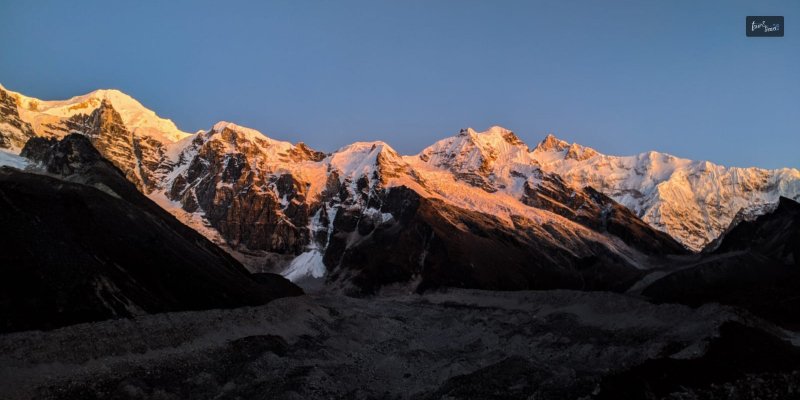
Sikkim is among those places in India that you need to visit once to gaze upon the beautiful Kangchenjunga, the highest mountain peak in India and the third highest in the World. Here you will see the beautiful harmony between modern and traditional cultures and heritage.

Tourists visit this beautiful state in India practically all year round. But like any other tourist destination, there is the best time to visit Sikkim as well. You can visit Sikkim with both your friends and always with your family. There is a lot to do for everyone here in Sikkim.

Best Time To Visit Sikkim

Whether you are visiting Sikkim for a solo or a big fat family vacation, or a getaway with your friends, these are the months you look for to travel.

March – June ☀️July – October November – February ❄️ 
5c – 25c4c – 17c-5c – 7c

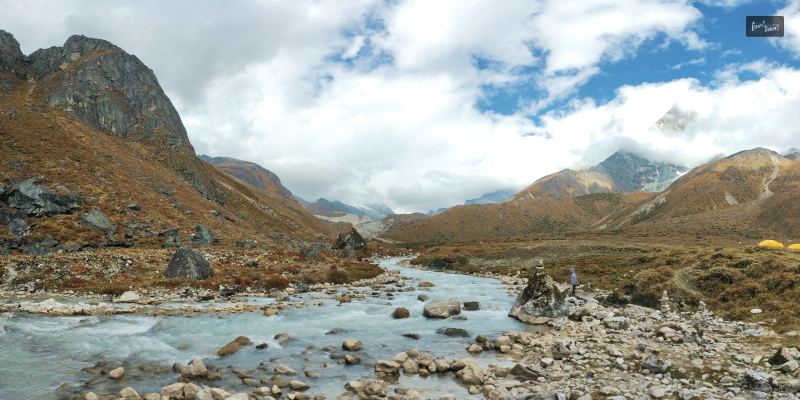
Sikkim has a lot of beautiful places to visit with different scenic beauties. So the terrains and beauty you will witness in the North of Sikkim will be very different in South Sikkim.

March – June

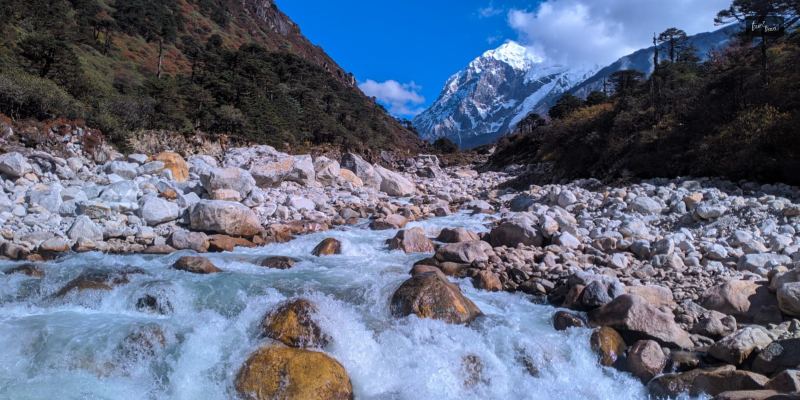
March to June is considered the best time to visit Sikkim. The weather is pleasant, and you won’t have any problem traveling to different places. There won’t be any roadblocks like during winter or monsoon. 

During this time, you can easily enjoy the beautiful flowers that will fully bloom during these months. And as for gazing upon the beautiful mountain peaks, you can easily see the Kanchenjunga due to the lack of rain or snow clouds. However, due to pleasant weather, the mountain peaks are visible.

July – October

From July to October, it is considered the monsoon season. The first few showers of rain nourish the mountains and the hills. It rejuvenates the beautiful green landscape.

But it is advised that you not visit any hilly region during the monsoon months, as the danger of roadblocks and even landslides are dangerous for tourists. However, you can plan to stay here but try to avoid Northern Sikkim.

November – February

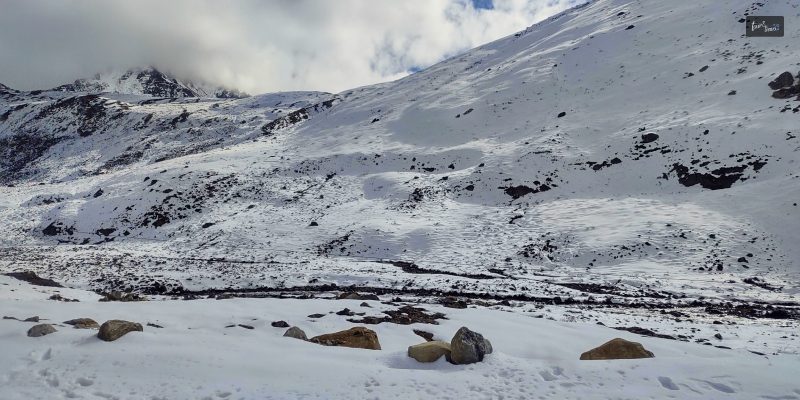
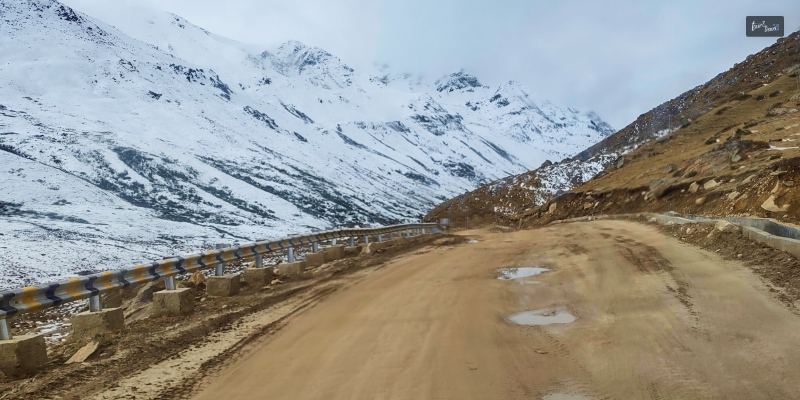
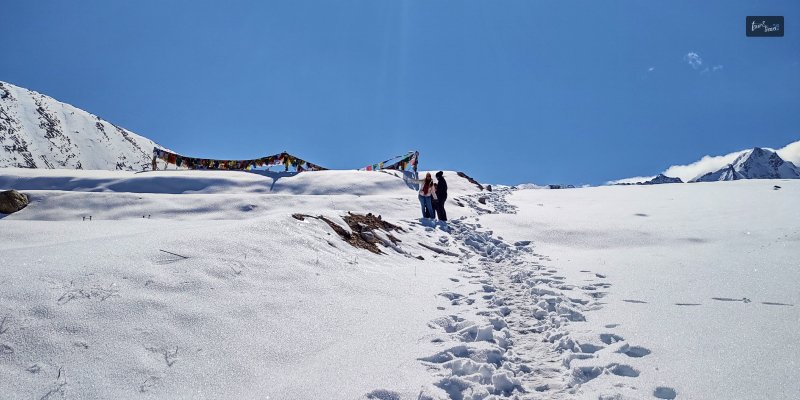
November to February are the winter months and the best time to visit Sikkim to see snow. The whole landscape is covered in a thick layer of beautiful fluffy snow, which looks like something out of a painting.

If you are capable of handling the snow, then surely you should visit Sikkim during these months to experience it fully. If you are lucky enough, you can even witness snowfall here. So for Christmas, have a white winter wonderland here in Sikkim.

Different Climates In Sikkim

Like any other tourist destination, you can divide each season into months, and on the basis of that, you can plan your trip. 

☀️Summer In Sikkim

The summertime in Sikkim is an enjoyable time for tourists to visit the hill station. Therefore, if you are looking for Sikkim best time to visit, then I will advise you during the summertime.

But even though it is the summertime, don’t forget to bring woolen clothes, as the temperature might drop at any time. It is easier for sightseeing in such pleasant and clear weather. So it is the best time to visit Gangtok Sikkim, the Yumthang valley, and Rumtek Monastery.

☔Monsoon In Sikkim

During the monsoon months, Sikkim usually gets heavy showers each year, and this causes roadblocks and landslides each year. Although the weather during these months is chilly, you can enjoy it a lot. 

One of the best advantages of the months is that you can get many discounts on travel and hotels since it is off-season. So you can take advantage of that.

❄️Winter In Sikkim

The snowy months are the best time to visit Sikkim Gangtok. The valley and the mountains are covered in beautiful layers of white snow; it is just like heaven. The temperature falls to -5 degree celsius, so don’t forget to bring enough warm clothes and gear along with you.

Even though the weather is quite chilly, it is bearable, and you won’t feel any discomfort due to the cold. There are a lot of snow sports you can enjoy at this time, like snowboarding and skiing. So I would recommend to you the best time to visit Sikkim is during the winter months.

Frequently Asked Questions (FAQs):

Now that you know which is the best time to visit Sikkim, if you have any more questions, then here are some of the questions asked by others.

1. How Many Days Are Sufficient For Sikkim Trip?

Ans: Sikkim is considered to be one of the most beautiful and heavenly places in India. So as to explore the place in its entirety, then you would require about 12-15 days to the max. But if you want to skip a few places, then you can say there for about 8 to 10 days as well.

2. Where Is Snowfall In Sikkim?

Ans: To experience snowfall and snow, you have to travel towards Northern Sikkim. Places such as Yumthang Valley, Zero Point, and Gurudongmar Lake are a few of the areas in Northern Sikkim that experience snow and snowfall during the winter months.

3. Which Is The Coldest Place In Sikkim?

Ans: The coldest place in the whole of Sikkim is a part of the Northern Sikkim called Zero Point. It is best for its snow-covered valleys and landscape. If you want to enjoy beautiful snow, then this is the place for you.

Visit Now!

Now that you know what the best time to visit Sikkim is, you can easily plan your next trip to Sikkim. Don’t forget to pack enough warm clothes and necessary gear to beat the chilly weather. 

If you find this article helpful, then write down in the comment section which is your favorite hill station in India or in the World.

Share on Social Media

Nabamita Sinha loves to write about lifestyle and pop-culture. In her free time she loves to watch movies and TV series and experiment with food. Her favourite niche topics are fashion, lifestyle, travel and gossip content. Her style of writing is creative and quirky.

Leave a Reply

Your email address will not be published. Required fields are marked *

title-img Related

READ MORE things to do in brighton

Brighton Bliss: Crafting Your Perfect Coastal Getaway Itinerary

BY  Abdul Aziz Nov 22, 2023

Brighton is a unique and entertaining city located on the UK's South Coast. For both residents and visitors from abroad, this location is highly accessible as it's just a brief train ride from London. Brighton also gained a lot of popularity in this way. Expect to find independent and distinctive stores along quaint, winding streets when you come, adding to the unique atmosphere that this beautiful city has to offer. Along with those annoying seagulls, there's a lovely pebble-lined beach somewhere down the shore. A fantastic way to spend your time off is to spend a weekend in Brighton. Everyone can find something to suit their personality among the many activities available. We've drawn up the ideal weekend in Brighton itinerary so you can make sure you visit the popular sites. We have listed it in a deliberate order because there is so much to do in the beach town. Here are all the fun things to do in Brighton. Things To Do In Brighton britannica.com We don't blame you if you're planning out your itinerary for Brighton! Brighton is a great place to visit, whether you're only going to be there for a day or longer. The eccentric coastal city of Brighton is very well-liked by visitors from the UK and other countries. Given the city's stunning Victorian and Georgian architecture, captivating beach, mouthwatering cuisine, and exciting nightlife, it comes as no surprise that Londoners, in particular, flock to the area in large numbers throughout the summer. Things To Do In Brighton: Brighton Palace Pier cntraveler.com The best thing to do in Brighton is to visit Brighton Palace Pier. With a length of 525 meters and a founding date of 1899, it is THE most visited tourist destination in the city. This is the perfect beach retreat you've always envisioned, complete with candy floss and churro stands, rides, and caricature artists. Spend time taking in the sights, indulging in the cuisine and beverages, and ensuring that a sizable portion of your Brighton weekend schedule is devoted to exploring Brighton Pier. Things To Do In Brighton: Walk The Promenade Checking out the promenade is the next step after seeing the Pier. Brighton's promenade is simply a lovely location. The southern coastal strip has a single main promenade that parallels the well-known pebble beach. Just exit the Pier, take a left, and descend the stairs. You'll see many trendy stores, lively outdoor bars, crazy golf, beach volleyball, and more as you stroll along the promenade. Starting at Brighton Pier, the promenade extends beyond the British Airways Ai360 and the Upside Down House. Everywhere you walk, you'll find people being authentically themselves, surrounded by color and enjoyment. That's what makes Brighton so charming. This relatively new attraction is located towards the end of the promenade, and at £4.50 per person, it's a great addition to your Brighton weekend agenda! This unusual attraction is entertaining for the entire family and lets you snap amusing photos to bring back home. The effect of being upside down in a photograph is amazing and surpasses all the selfies you can take from the outside along the waterfront. Travelers and the media have praised this art exhibit for its excellent value and original entertainment. Things To Do In Brighton: Brighton i360 For the best views over Brighton, this observation deck is where you’ll find just that. At 162m high, as you can imagine, it’s also one of the best places to watch sunset in Brighton. The newly installed viewing tower holds many different events and activities, from an interesting iDrop experience to sky dining and yoga in the clouds. The tower opened on 4 August 2016. Things To Do In Brighton: Visit Unique Shops Our favorite area of Brighton is The Lanes. They have lots of personality, and there's usually a lot going on when you come through. Perhaps you need to locate a new store or discover an old one you were unaware existed. You should spend your weekend in Brighton exploring this neighborhood, which is full of adorable cafes and vintage stores. The majority of vintage stores are located in North Laine, which has a bohemian atmosphere. Clothes racks are often positioned on the pathway outside of clothes businesses in the lanes, making it much simpler to browse and spot anything that strikes your attention! Things To Do In Brighton: Go Cycling Along The Beach Brighton is one of the many places where city rental bikes are widely available. When you don't have a bike, they can be a great method to move around the city, and locals also seem to like them! Upon strolling across the city, you will come across rows of chained sky-blue bikes. Finding a bike won't be too difficult because they are scattered across Brighton. BTN BikeShare is the usual choice. You will need to download the Social Bicycles app. It requires registration and the creation of an account with a bank card, but you will only be charged for the services you use. Also, don't forget to look for any available promotions. Things To Do In Brighton: Picnic On The Royal Pavilion Gardens The Royal Pavilion is an exquisite palace in Brighton's center with a colorful past. Constructed for King George IV, it blends Chinese and Indian aesthetics with Regency splendor. You won't miss the palace because it shines out in this distinctly English city! A delectable picnic in the palace's surrounding grounds would be ideal. At the same time, you may take in the Royal Pavilion. A trip to the beach is a must on any Brighton weekend. It is difficult to overlook the vast expanse of the ocean behind the stores because the coast is so near to the city center. A pebbly beach, like the Royal Pavilion Gardens, is an ideal spot to relax and have a snack. This might be one of the best places to eat British chips if you're not from the UK—or even if you are. Just watch out for the gulls! Things To Do In Brighton: Hidden Street Art Brighton boasts a very high concentration of graffiti when compared to other UK cities. It's little wonder that this colorful city of artists fits Brighton's aesthetic so well. While there are a few well-known murals scattered throughout the city, the majority of Brighton's graffiti is composed of phrases and haphazard artwork created by a variety of unidentified individuals or artists. One of the most well-known works of graffiti in Brighton is Banksy's Kissing Robbers, which was remade and is now displayed on the side of the Prince Albert pub following a protracted struggle with vandals. London Road, North, and Gloucester are some additional well-known streets with interesting graffiti. Wrapping Up There's no shortage of excellent places to dine and drink in Brighton, the hip beach town. Over time, Brighton has developed into one of the nation's trendiest vacation destinations. Undoubtedly, one of the UK's most fascinating and vibrant destinations to visit is Brighton. This can actually make planning a trip to Brighton difficult; how do you decide which places to see and which to skip? Thankfully, we've taken care of it for you. All you have to do is enjoy yourself! Do you intend to travel to Brighton? If you have thoughts to share or questions to ask about things to do in Brighton, please leave a comment below. We would love to hear from you! Read Also: Unmissable Urban Delights: Things To Do In Glasgow UK City Hidden Gems: Things To Do In Manchester Coastal Bliss: Top Things To Do In Bournemouth

READ MORE things to do in malacca

What Are The Unique Things To Do In Malacca? Know The Malacca Tourist Attractions 

BY  Sibashree Jan 28, 2026

Malacca gave me pieces of history, an insane fusion of cultures and cuisine that I can still remember now, and plenty of tourist attractions with meaning behind them.  There are many similarities between Georgetown, Penang, and Malacca – I hear that line all the time – but Malacca has a quieter atmosphere that you can feel when you walk through the streets. For starters, Georgetown and Malacca are both UNESCO World Heritage sites. You have no excuse not to visit either of these cities.  Malacca is located right between Singapore and KL, and it’s also a convenient spot to visit if you’re going to be in the area. Alright, no excuses. Need to visit Malacca in a day? Yes, you can definitely visit it on a day trip if you’re coming from Kuala Lumpur. I’ve also compiled a list of things to do in Malacca! How To Reach Malacca? Malacca can be found on the southeastern coast of Malaysia. The city lies nearly midway between Kuala Lumpur and Singapore, though it is slightly nearer to KL.  Buses to Malacca operate from Kuala Lumpur and Singapore, in addition to routes from Penang. You can also catch buses directly from KL Airport if you prefer not to spend time traveling there.  As I stated, taking a day trip from KL to Malacca is quite simple. How To Get Around Malacca? Although walking was my favored way to navigate Malacca, there are other alternatives available.  You can effortlessly arrange light-up rickshaws, taxis, and Grab ride shares to navigate the city.  If you’re coming to Malacca by bus, check if your hotel offers a free shuttle, as mine does.  If not, since Malaka Sentral is 3km away from Jonker Street, you'll have to use a taxi or take the local bus. Where To Stay In Malacca? Determining accommodation in Malacca should be straightforward if you concentrate on Chinatown.  There is no shortage of budget accommodations in Malacca, and I happily recommend Hotel Hong.  Simple and affordable, the employees were pleasant, and it was located in a fascinating neighborhood near the community mosque.  It contributed to making my time in Malacca a pleasant experience. What Are The Unique Things To Do In Malacca? Malacca's diverse cultures have influenced its captivating history, food, and architecture.  There are numerous activities in Malacca that allow you to discover these aspects of the city even more. View these eight as your foundation. 1. Exploring The Dutch Square Dutch Square is likely the ideal location to begin a visit to Malacca as it lies at the heart of the city's historic center.  Situated by the city's riverbank, this square is visually striking and carries historical importance.  At the center of Dutch Square lies a lively garden and fountain that are pleasant, but the stunning Dutch colonial buildings surrounding this square are the true highlight.  Painted uniformly in an earthy red hue, it's improbable you ever envisioned Malaysia resembling this.  However, Malaysia has many reminders of its colonial history, just like Malacca. This assortment of reminders truly possesses an impressive appearance. The primary attractions of Dutch Square include the Stadthuys, Christ Church Melaka, and the Malacca Clock Tower.  All were constructed in the 17th century by Dutch settlers, thus the square's name.  The Stadthuys, previously the home of the Governor, now contains an ethnographic museum. 2. Climbing To St. Paul’s Church As you ascend the side of the Stadthuys, you ought to notice a tiny staircase leading up the hill a little.  As you progress along this path, you’ll make your way to the summit of the hill and the atmospheric remains of St Paul’s Church.  The remnants of this roofless church hold a prominent position atop St Paul’s Hill, offering views across much of Malacca.  It's not a very challenging hike, and the church serves as a natural pause along the Malacca sights trail. Originally constructed by the Portuguese in the 1500s, it was harmed, restored, and renamed by the Dutch when they seized Malacca in the 1600s.  For more than a hundred years, the church has remained in decay, its stained walls serving as a testament to Malacca's intricate history. Additional reminders can be discovered by taking the northern route down from St Paul’s Hill, where you will come across several tombstones and the Dutch Graveyard. 3. Exploring A Famosa Before the Dutch came, Malacca was a fortified settlement of the Portuguese known as A Famosa. Numerous walls and fortifications from A Famosa were destroyed during the Dutch conquest, but Portuguese traces remain in several sites. Among the defenses, only the Porta de Santiago gate is still preserved. Capturing a picture here is undoubtedly one of the most popular pastimes in Malacca. 4. Taking A Tour Of The Melaka Sultanate Palace Museum Let’s not forget that before European settlers showed up, people were already living here.  The Malacca Sultanate ruled this area for over a century before the Portuguese ever set foot on these shores. When the Portuguese landed in the early 1500s, they didn’t waste any time. They tore down the sultan’s palace and put up St Paul’s Church right where it stood. Now, if you walk around Malacca, you’ll come across what looks like a real Sultanate Palace. Here’s the thing: it’s not the original.  The Melaka Sultanate Palace you see today is a detailed reconstruction from the 1980s. The reconstruction work took the old records as a guide.  Inside, there’s a museum that really dives into the culture and history of the city. Stroll through the gardens or check out the museum’s exhibits—you’ll see plenty about local traditions, clothing, legends, and more.  Honestly, it’s one of the most interesting spots to visit if you want to get a real feel for Malacca’s past. 5. Seeing The Melaka Riverfront Although there are more famous attractions in Malacca, the river undeniably stands as the city's primary landmark.  Winding through the larger city before dividing the Old Town from the colonial areas, the Melaka River is difficult to overlook.  When Malacca was a prominent port city, the river played a role in its prosperity. Nowadays, it fulfills its role by providing guests with river cruises and beautiful views. 6. Eating At Jonker Street Undoubtedly, no street in Malacca is more renowned than Jonker Street.  While it often appears to be just a primary road in the Old Town, the atmosphere shifts significantly on Friday and Saturday nights.  You see, that’s when the renowned Jonker Street night market takes place, and the street transforms into a crowd of people and food vendors.  Naturally, with my luck, I ended up overlooking this important attraction entirely by visiting at the wrong point in the week.  The Jonker Street night market is an excellent spot to sample traditional local Nyonya dishes along with innovative new foods.  To get a sense of what’s available, try the food here.  7. Wandering Through Old Chinatown However, the Old Town of Malacca offers much more than merely Jonker Street. Venture in any direction from this point and you'll quickly discover tighter streets, where each home exudes unique charm.  Half Chinatown and half Old Town, this district reveals another aspect of Malacca’s cultural blend.  Most impressively, distanced from the hustle of other areas in Malacca, strolling through this more tranquil section of the city allows you to absorb all the intricacies.  Although many of these historic residences feature weathered exteriors, several are completely deserted.  But isn’t that character, though? In any case, the softer atmosphere here is evident, with individuals simply going about their daily routines and extending a cheerful wave.  Malaysia can be chaotic and noisy at times, making my walks here distinctly memorable.  8. Visiting The Cheng Hoon Teng Temple Walk around the streets of Malacca’s Chinatown, and you’ll spot plenty of temples—no surprise there.  But it’s not just Chinese temples lining the streets. You’ll also find mosques and Hindu temples mixed in, which gives the area this cool, unexpected blend. In Malacca, Cheng Hoon Teng Temple stands out above the rest.  It sits right across from another temple, Xiang Lin Si, but Cheng Hoon Teng is the one with the real history behind it. They built it back in the mid-1600s, which actually makes it the oldest Chinese temple in Malaysia. When you look at all the intricate details, the carvings, and the roof ornaments, it’s wild to think how well everything’s held up after all these years. Cheng Hoon Teng does not belong to just one religion.  Inside, you’ll find people practicing Taoism, Confucianism, and Buddhism, all under one roof. That kind of mix is rare, and it gives the temple a unique energy you don’t see everywhere. Other Places You Can Add To Your Itinerary In Malacca Although I’ve mentioned the most remarkable and significant activities to engage in Malacca, they aren't the sole options.  Malacca hosts numerous other cultural sites, featuring a variety of museums. However, it also features a playful aspect, ranging from its Upside Down House to the Taming Sari Tower to the Oceanarium.  Generally, you will primarily remain in locations close to Chinatown or Dutch Square. Read Also: Luang Prabang Temple Guide: What Are The Top Buddhist Temples To Visit In Laos? 5 Top Bangkok Attractions to Add to Your Itinerary 5 Best Temples To Visit In Bangkok

READ MORE Korean Currency Rate And Money

All You Need To Know About Korean Currency Rate And Money

BY  Abdul Aziz May 19, 2023

For avid travelers and investors, the Korean currency rate can be a fascinating topic of discussion. Understanding the fluctuations of the won against other currencies can give insights into its economy. Likewise, it could say much about Korea's political developments and investors' sentiment in the market. This article will explore everything about the Korean currency rate. As such, we will cover the basic conversion rates to the impact of major events on the Korean economy. History Of Korean Currency South Korean currency has rich historical data that dates back to the early dynasties of Korea. It all started with the use of cowry shells and pearls as currency. As time passed, metal coins and paper money became popular. The Japanese occupation of Korea introduced the Japanese yen as the official currency. Yet, in 1945, the Korean won was introduced and became the official currency. Interestingly, the won was initially divided into 100 jeon, but the jeon was eliminated in 1960. The won has undergone many transformations to ensure price stability and economic growth. In modern times, the South Korean won is the official currency used in South Korea. Today, the value of the South Korean won fluctuates with the global exchange rates. It’s one of the world’s top 20 currencies by value. Current South Korean Won Exchange Rate Knowing the latest exchange rate for the Korean won can be helpful in budgeting and forecasting your finances. As of January 2023, the exchange rate for Korean won is fluctuating depending on the global market and demand. Below are some of the latest conversion rates: 1 US dollar = 1,315.29 Korean won (USD to KRW) 1 Australian dollar = 893.35 Korean won (AUD to KRW) 1 Chinese yuan = 192.07 Korean won (CNY to KRW) 1 Japanese yen = 9.90 Korean won (JPY to KRW) However, exchange rates may vary depending on banks' locations and policies. Check exchange rates online through various currency converter websites to ease the currency conversion. Alternatively, download an exchange rate or currency calculator app. With these tools, you can convert your dollars to South Korean won (USD - KRW) or any other currency at the current rate. Banknotes And Coins Banknotes and coins in South Korea are not only used for daily transactions. Yet, they also hold significant cultural value. As such, these banknotes come in different denominations and colors. For instance, the 1,000-won note features a Confucian scholar. Then, the 10,000 won note features Admiral Yi Sun-sin, known for his naval victories against Japan. Meanwhile, the 50,000 won note features Shin Saimdang, a prominent female artist. Besides that, she was the mother of the famous Korean painter Yi I. These banknotes represent important historical figures and showcase various artistic designs. Similarly, Korean coins are equally fascinating, with 10, 50, 100, and 500 won denominations. Each coin features a different symbol that holds cultural significance. The 500-won coin features the portrait of King Sejong, who invented the Korean alphabet. Meanwhile, the 100-won coin features the image of a crane, symbolizing longevity and good fortune in Korean culture. When visiting South Korea, carry some local currency as most stores prefer cash transactions. Foreign exchange markets are available in major cities, but it is crucial to know exchange fees as they vary. Overall, banknotes and coins in South Korea hold monetary value and capture the country's cultural heritage. Visit the Bank of Korea to learn more about their banknotes and coins. Money-Handling And Etiquette As with any country, knowing the cultural norms when handling money in South Korea is good. As such, for Koreans, money is not just a means but a representation of energy. Below are some key points to note: Cleanliness is crucial. Many Koreans believe money represents energy and keep their bills and coins as clean as possible. Hence, you will rarely see crumpled or dirty bills in circulation. Besides that, many Koreans carry cash and coins in wallets and change purses. For them, it is not just a convenient way to have cash but a way to keep it clean and maintain the money's energy. Respectful giving and receiving. When giving or receiving money, using both hands for respect is customary. This act is particularly true when exchanging money with older people or of a higher status than you. No throwing or placing on the floor. Throwing money or putting it on the floor is considered disrespectful. If you drop a coin or bill, pick it up immediately. Likewise, people usually place money on a designated tray or hand it directly to the receiver. Cash vs. Card. Credit cards are widely accepted in Korea. Yet, having some Korean won for small transactions or in areas that only accept cash is always good. Keep this Korean currency rate information. Doing so will allow you to navigate financial transactions in South Korea with ease and respect for the country's cultural norms. Read Also: Traveling To Korea? Here’s Your Must-Try Korean Food 7 Reasons Why Phuket, Thailand Attracts Travelers Worldwide Top Hotels With Jacuzzi In Room In Las Vegas – Travel Guide