


10 Best Things to Do in Saint Barthélemy on Your First Visit

Saint Barthélemy, or St Barts, is a stunning Caribbean island known for white-sand beaches, turquoise waters, French Caribbean cuisine, and picturesque coastal scenery. The island is small but offers plenty of opportunities for relaxation, adventure, and cultural discovery.

For newcomers, a tour of the island’s beaches, historic streets, and local food is a great way to experience its distinctive character. 

Top 10 Adventures to Explore in St Barts as a First-Timer

Schedule some activities each day, but leave room to enjoy the island in a laid-back way. These are 10 of the best things to do on your first visit to Saint Barthélemy.

Visit the Island’s Capital (Gustavia)

Start your journey in the colorful harbor town of Gustavia, with harbor views and lively streets. The harbor is lined with shops, art galleries, and yachts.

For history buffs, the island’s Swedish past is also evident. Gustavia offers a glimpse into Saint Barthélemy’s unique French and Caribbean culture through its walking path. You will find several amazing vacation apartment in St Barts, especially in Gustavia.

Spend the day on Saint-Jean Beach

Saint-Jean Beach is one of the island’s most popular beaches. It has beautiful sand, clean water, and nearby restaurants, making it a perfect end-of-day getaway.

One of its most unusual attractions is the nearby airport runway, where small airplanes can take off and land close to the beach. Saint-Jean is particularly memorable for its beach activities and views of the aircraft. 

Take a trip to the stunning Saline beach

Saline Beach is a quieter alternative. This broad expanse of pale sand, set against the natural landscape, offers a tranquil contrast to the island’s more populated coastal regions.

A great spot to swim when the weather cooperates, enjoy the view, or just hang out away from the tourist hordes. Please bring your own drinking water, sunscreen, and shade, as facilities are limited. 

Hike to Colombier Beach

If you’re up for an adventure, head to Colombier Beach, a hidden cove with clear water and a stunning coastal vista! Boats and designated footpaths provide access to the beach. The walk offers breathtaking views, plus swimming and snorkeling when the water isn’t too choppy. Please pack plenty of water and comfortable shoes, as the trail may be in the sun. 

Discover Shell Beach

Shell Beach is a beach near Gustavia with fine shells. Guests can enjoy the coastal views, swim in good weather, or enjoy the sunset. Its proximity makes it the perfect place to relax on the beach and then spend the afternoon exploring the capital. 

Sample French-Caribbean cuisine

Saint Barthélemy is a foodie’s delight! French culinary influences are linked with Caribbean ingredients and flavors on the island. Look for fresh seafood, grilled fish, local fritters, pastries, and traditional Caribbean foods. Visiting the island’s restaurants and cafés is an excellent way to experience its character through the food.

Visit the Grand Cul-de-Sac lagoon

For those who enjoy water activities, Grand Cul-de-Sac is a wonderful place to visit. The lagoon is ideal for kayaking, snorkeling, and enjoying coastal views.

Visitors can explore the marine environment and see colorful fish, depending on the weather and water conditions. Choose responsible operators who do not disturb marine life. 

Take a trip to Corossol Island

A visit to Corossol offers insight into the island’s traditional life. This small coastal village has a rich fishing history, local character, and traditional fishing boats.

The visit offers a nice change from the island’s other boutiques and luxury accommodations. It’s also a time to admire Saint Barthélemy’s culture, beyond its renowned beaches. 

Witness the scenic island drive

A car rental tour of Saint Barthélemy lets visitors explore the island’s winding roads, hillside viewpoints, picturesque villages, and hidden coastal corners.

Stop at designated viewpoints to photograph the surrounding hills and the Caribbean Sea. Some roads are narrow and steep, so drive carefully and be sure to rent a smaller vehicle to navigate them.

Enjoy a sunset in the Caribbean

Enjoy a sunset over the Caribbean Sea at the end of the day. Shell Beach and other westerly coast spots are perfect spots for evening walks or a quiet dinner.

Take a camera, find a comfortable place, and watch the color shift over the water. A great, easy, and memorable ending to a day exploring the island.

Conclusion 

Saint Barthélemy offers more than beautiful beaches. For first-time visitors, relaxation, culture, and adventure await, from exploring Gustavia and its traditional villages to hiking coastal trails and sampling French-Caribbean cuisine.

Read Also:

Share on Social Media

Sibashree is a travel, culture, and leisure writer who has been writing since the age of 12 and professionally since 2014. With more than a decade of travel writing experience and journeys across India and several parts of the world, she brings a deeply personal and thoughtful perspective to her work. A student of English Literature and Mass Communication, Sibashree has always viewed travel as more than movement — for her, it has been a way of understanding people, cultures, and herself. Her passion for spiritual exploration has also led her to many unusual and meaningful destinations over the years. Outside of writing, Sibashree enjoys watching European cinema, reading about global politics, and reflecting on the stories hidden within everyday places.

Leave a Reply

Your email address will not be published. Required fields are marked *

title-img Related

READ MORE certified translation for immigration

How to Navigate Visa & Immigration Translations When You Travel Long-Term

BY  Sibashree Oct 22, 2025

Traveling long-term or moving abroad is an exciting adventure. But if your journey involves applying for visas, immigration permits, or residency, you’ll quickly discover that documentation is one of the biggest hurdles. Among the most common requirements are visa translation services and certified translations of official documents. Whether you are applying for a student visa, a work permit, or reuniting with family overseas, presenting correctly translated documents can make or break your application. Authorities want clear, accurate, and verifiable translations, and failure to meet those standards often leads to delays or even rejections. This guide explains everything you need to know about visa and immigration translations, including why certified translations are required, what documents usually need them, and how to avoid common pitfalls. Why Visa Translations Are Crucial When immigration officers review applications, they must be able to fully understand the documents submitted. If your birth certificate, marriage certificate, or bank statement is in another language, it must be translated into the official language of the country you are applying to. Here’s why translations are necessary: Legal clarity: Immigration authorities cannot legally assess documents they don’t understand. Consistency: Translations ensure names, dates, and details match across multiple documents. Compliance: Many countries require certified translations to confirm that translations are accurate and complete. What Are Certified Translations? Not all translations are equal. For immigration, you need certified translations. A certified translation includes: A complete and accurate translation of the original document. A signed statement (certificate of accuracy) by the translator or translation company confirming the translation’s authenticity. Contact details of the translation provider for verification if needed. This certificate is essential because it gives immigration officers confidence that the document is trustworthy and complies with their standards. Common Documents That Require Certified Translations When applying for visas or residency, the following documents are often requested in translated form: Birth certificates Marriage or divorce certificates Death certificates (in cases of dependent claims) Passports and ID cards Academic transcripts and diplomas Criminal record checks Medical records or vaccination certificates Bank statements and tax returns Employment contracts or pay slips Before submitting your application, carefully check the requirements of the immigration authority you are applying to, as these can vary from country to country. How to Handle Certified Translations for Visa Applications If you are preparing for long-term travel or immigration, here’s how to approach the translation process: Identify which documents need translationReview the checklist from the immigration authority. Don’t assume that only personal records need translation—financial and academic documents are often required too. Choose a reliable certified translation providerLook for services that are recognized by immigration authorities. For example, Certling offers certified translations accepted by USCIS in the U.S., UKVI in the U.K., and IRCC in Canada. Submit clear scans or photos of your documentsHigh-quality images prevent errors and ensure no details are missed in the translation. Check turnaround timesVisa applications often have strict deadlines. Many providers offer standard and express delivery options—use express services if you’re short on time. Verify acceptance guaranteesEnsure the translation provider guarantees compliance with immigration authorities. This gives peace of mind if your documents are ever questioned. Innovation in Visa Translations The translation industry has modernized significantly. Companies like Certling use AI and machine vision to analyze documents, count words instantly, and provide transparent per-word pricing. This innovation eliminates overcharging based on per-page pricing models and saves applicants money. Other key advancements include: Selective translation tools: Applicants can exclude unnecessary sections of documents, such as logos or stamps, lowering costs. Secure file handling: Professional providers use encrypted systems and delete documents after delivery to protect your data. Instant online quotes: You can now upload documents and get pricing within seconds, reducing guesswork. FAQs on Visa & Certified Translations Do I always need certified translations for visa applications? Yes, in most cases. Immigration authorities typically require certified translations of any foreign-language documents. Can I translate the documents myself? No. Self-translations are not accepted. Certified translations must come from a qualified translator or company. How long does the process take? This depends on the provider. Standard services may take a few days, while express options can deliver certified translations within 24 hours. What happens if immigration rejects my translation? Reputable companies often provide corrections or revisions free of charge if authorities raise issues. Certling, for example, includes this as part of their service. Are digital copies of certified translations acceptable? Yes, many immigration authorities now accept certified translations in PDF form. However, some may request physical copies, so confirm with your local authority. The Role of Certified Translation Services in Your Journey Securing a visa or residency isn’t just about submitting the right forms. It’s about presenting complete, clear, and compliant documentation. Certified translation is a critical part of this process. Providers like Certling specialize in certified translations for immigration and visa applications. They offer word-based pricing, fast turnaround, and acceptance guarantees for major authorities across the U.S., U.K., Ireland, and Canada. While your focus may be on the exciting parts of long-term travel, taking care of certified translations early ensures your journey won’t be delayed by paperwork. Final Thoughts Navigating the visa application process can be overwhelming, especially when traveling long-term or moving abroad. Certified translations are not just a formality—they are a legal requirement that can significantly affect your success. By understanding what certified translations are, why they matter, and how to get them done correctly, you’ll be better prepared to handle the complexities of immigration paperwork..

READ MORE how far is russia from alaska

Bridging Continents: Unveiling The Mystique Of Russia And Alaska’s Proximity!

BY  Mashum Sep 20, 2023

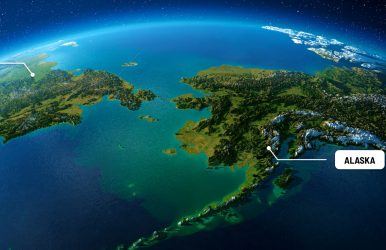
Did you know that the United States took Alaska away from Russia? Do you know how far is Russia from Alaska? The two Diomedes Islands, belonging to the USA and Russia, have a mysterious relationship due to their standard time and geographical features. Read the article to uncover the truth behind the mysterious relationship! The two largest countries worldwide, the United States and Russia are 21 hours apart. Alaska is situated nearest to Russia, being a state of the U.S. The Bering Strait is the geographic point between the borders of Russia and the United States! Want to learn more about this point? Keep reading. Isn't it weird that Little Diomede residents depended on helicopters for food? Marine beings play an important role; hence, I will highlight the significance of aquatic animals in the mystery. Bridging Continents: Unveiling The Mystique Of Russia And Alaska's Proximity! How far is Alaska from Russia? You have to read the article to learn about how the two nations, the United States and Russia, are claiming their rights on the two Diomedes Islands. Guess the interesting aspects of the Island and why it is all mysterious. The time and the geographical differences between the two points of the Islands make you question the International Date Line and the American-Russian maritime border. Being a day ahead by a day of the Big Diomedes as compared to Little Diomedes makes you question the time zone concerns! It is quite curious to know how the islands have been named and their significance concerning the history of Alaska and Russia. There are Alaskan natives to be considered among all these political, geographical, and time zone aspects. Want to know the distance between Alaska and Russia? Separated By Geography And United By Mystery! Want to know how far is Russia from Alaska? The closest geographical connection between Russia and Alaska is the Diomede Islands, which are 2.4 miles apart. Water is separating the two Islands, in another way, separating the two countries. The two islands are the extremes of the two countries, thus claiming the big and the little Diomedes Islands as the symbolic sentinels. The two countries have a history of heroic explorers who have sledded, kayaked, and swum across the distance. A 2.4-mile distance between the two Islands is connected with the water body, the Pacific Ocean. With a very rocky history, the Islands share an indigenous group of people; however, it needs to be considered more important by the nations. The Bering Strait The narrowest point between the Seward Peninsula (U.S.) and the Kamchatka Peninsula (Russia) is 55 miles, separating Alaska from Russia. This waterway was discovered by a second European, a Danish explorer, Vitrus Bering, who inspired the Berling Strait. The first explorer of this frigid waterway was the Russian explorer Semyon Dezhnev! Vitrus Bering named the place Greek Christian Saint Diomede because he discovered the Islands on 16 August 1728. This day coincides with the feast day. Hence, the Island was named the Big Diomede Island and the Little Diomede Island. The Bering Strait is significant because it is the only marine gateway that allows mass migration of gray whales, bowhead, and beluga. It is known as an important ecological zone for marine animals. Seals, walruses, fish, and other marine animals can access nutrient-rich Arctic Ocean environments through this zone. The Big Diomede Island The Ratmonov island is towards Russia and is also claimed as Russian Island, which is the nation's easternmost point. It was in 1867 that the Alaskan Territory was sold on a $7 million sale. During the Cold War and World War II, the Island was a perfect location for the outposts of the Soviet military. The rocky Island is flat and houses up to 11 species of birds with rough weather with clouds and storms. The Little Diomede Island Little Diomede Island is the smallest of the two Islands, with a population of 80 to 100 citizens! You can only access the Island by waterways or through one heliport in town. They receive their supplies from mainland Alaska as these are the only two ways! During the harsh winters, the Island is covered with thick ice sheets, so the locals must carve the ice sheets to create landing zones. It is situated in the eastern area. The Time Difference Between The Two Islands! So, if you are wondering, how far away is Alaska from Russia? The International Date Line (IDL) separates the two Islands, Big Diomedes Island and Little Diomedes Island, which makes the time difference so apparent! The Big Diomedes Island is known as Tomorrow Isle as it is 21 hours ahead of time. So, wanna know how far from Russia to Alaska? The Little Diomedes Island is known as the Yesterday Isle because it was further back then. Overall, the two islands are separated by 23 hours. The 9 hours have been adjusted concerning daylight saving time! Apart from that, 12 hours have been established for managing the timezone of the Island along with the nations! So now you have got the answer to your question, how far is Russia from Alaska! Alaska Was Taken Away From Russia! It was in 1867 that Alaska was purchased from Russia by the United States, thus becoming a political separation. During this time, a new border was drawn across the two islands. During the Cold War, the section of the Bering Strait was nicknamed the "Ice Curtain" between the two Islands. The islands are situated south of the Arctic Circle, about 52 miles apart. Read More: Six Important Factors To Consider Before Planning Alaska Fishing Trip The Politics Of Diomede Islands! The Indigenous Inupiat people claim the two Diomedes Islands as theirs; however, both the nations, the USA and Russia, have disrespected these claims. The two countries have made national declarations regarding the Diomedes Islands as their extreme points. The Bering Strait can become a bottleneck for ship traffic that will pollute the ecosystem. The narrow area acts as a pathway with a fragile ecosystem with oil spills and engine noise. Finishing Off… So, to answer, how far is Russia from Alaska? For the answer, read the article! When learning about the political history of Alaska related to Russia and the USA, there is the question: How far is Russia from Alaska? It was important to understand how close the countries are, and yet there is a time gap between them. The interesting thing was naming the Islands and how it impacted people's perceptions. Apart from the mystery, the concern is how nobody is giving importance to the indigenous people of Alaska! The governments of both Russia and the United States are not concerned about the people. Comment to let us know your perspective on the time difference between the Big and Little Diomedes islands! Read Also: These Are The Closest Beaches To Ohio That You Need To Go For A Dreamy Vacation! Paradise Found: Exploring Manuel Antonio, Costa Rica’s Tropical Gem! Check Out These Beaches That Are Closest To Tennessee’s Knoxville!

READ MORE Creating Travel Memory Collages

Creating Travel Memory Collages: How To Transform Your Adventures Into Lasting Visual Stories

BY  Sibashree Jul 17, 2025

Each visitor reviews their trip and returns home with dozens of pictures spread out over their phone, camera, and cloud storage.  Those single photos record moments, but typically don't convey the complete story of your trip.  Creating travel memory collages offers an excellent solution to bring together these fragments into engaging narrative visual representations that capture not only what you saw, but also how you felt during your trip. Why Is Creating Travel Memory Collages Preferable To Conventional Photo Albums?  Classic photo albums display photographs linearly, but travel experiences are rarely neat stories.  The most memorable moment of your journey may come on day three of a seven-day trip, and the best meal on the final night. Memory collages enable you to value emotional resonance over sequence, designing a composition that reflects the truth of your experience. Think about how one collage can integrate the sunrise view from your hotel room window, the scrawled note from a local café, museum entry stickers, and photos of travel companions.  That layered approach is how we actually recall trips – as a web of experiences, not discrete events. Creating Travel Memory Collages: Keep These Practical Tips In Mind Creating travel memory collages involves planning and the use of digital tools for the execution of your creative ideas.  Here are the tips I keep in mind while creating travel memory collages.  1. Planning Your Travel Documentation Strategy Successful travel collages start even before you unpack your suitcase. Seasoned travelers have organized ways of collecting collage items as they travel along.  Begin by deciding what types of memories you wish to document, other than regular tourist snapshots. Consider gathering ephemera such as restaurant menus, maps with your routes marked, boarding passes, and even flowers pressed from viewpoints.  These physical pieces add texture and authenticity to your end product. Most travelers bring a small envelope in their daypack to collect these memory triggers. Your photographic approach must also move beyond landmarks and selfies. Take note of details such as the texture of old stone walls, the palette of markets, street signs in a foreign language, and the hands of craftspeople at work.  These contextual photographs are useful as dense, dimensional collages' valuable building blocks. 2. Use Digital Tools That Transform Your Travel Memories New technology has transformed how we make and share travel collages. An effective collage maker online offers point-and-click functionality for merging photos, text, and design elements into professional-looking layouts without requiring design expertise. These programs also come with travel-oriented templates that are designed for the particular requirements of adventure documentation.  For such features as map incorporation, timeline layouts, and portrait and landscape picture orientations, interspersed seamlessly, look for the best programs.  Top programs enable you to play around with the layout until you arrive at settings that best capture the spirit of your adventure. Cloud-based collage makers also eliminate the solo traveler's quandary of editing photos spread across different devices.  You can initiate a collage on your phone while on layover, edit it on your laptop at the hotel, and finalize it on your tablet on the return trip. 3. It’s About Storytelling Through Visual Composition Effective travel collages narrate through considered composition and visual flow. Begin by establishing the overall theme or mood you wish to express.  Was this a self-discovery journey, a reunion with long-time friends, or an adventure of cultural immersion? Your theme will inform all of your compositional choices. A solo trip might have more personal, reflective moments written in an intimate, diary-like style.  A family vacation can emphasize shared moments with overlapping images and dynamic arrangements. Cultural discovery themes are served by juxtaposing elements contrasting the home and the destination. Consider where your eye moves through the composition. Successful travel collages create visual journeys that lead viewers through with you.  You could start with departure photos in the upper left, move through destination highlights, which are centered, and conclude with return trip photos in the lower right. The most effective travel collages don't just show what you looked at, but the cultural context of what you looked at that made those things meaningful. Intersperse some of the local customs, the seasonal festivals, or the historical importance you learned during your travels. Street art, architectural details, vernacular dress, and community celebrations are cultural touchstones for your own photographs.  A collage of your temple visit has greater resonance if contrasted with photos of community rituals, traditional offerings, or temple daily life that you witnessed. Language resources inject an additional dose of cultural realism. Incorporate photos of signage, menus, newspapers, or handwritten letters in the local languages.  Even if the audience is not able to read them, they give instant cultural context and plunge viewers into the distinctive atmosphere of your destination. 4. Try Balancing Personal Moments With Iconic Destinations There are tourist sites for a reason – they represent something fundamental about the history or nature of a place. But collages made up only of famous landmarks never feel very personal.  The trick is to achieve a balance between iconic shots and intimate, close discoveries. Put that iconic cathedral shot in a frame with your photo of that quaint café where you dodged a rainy afternoon.  Set the mandatory sunset beach picture beside photos of the fishermen who explained tides to you. These personal touches turn ordinary vacation photographs into real travel anecdotes. Your own vision is the selling point.  Thousands of individuals shoot the same landmarks, yet only you had that specific interaction with a street vendor, found that secret vantage point, or saw that unintentional moment of local life. 5. Focus On Seasonal And Weather Storytelling Weather and seasons play a tremendous role in shaping travel experiences, yet most collages miss these critical storytelling elements.  A drizzly Parisian afternoon creates very different memories from a sunny day, and your collage should convey these atmospheric conditions. Welcome, weather shots as storytelling devices instead of photographic disappointments. Rain on windows, snow on landmarks, or the theatrical light of cloud storms bring emotional resonance to photographs.  They also evoke more memories than ideal shots of the weather. Seasonal setting also informs the viewer of the time and atmosphere of your experience. Cherry blossoms immediately conjure spring in Japan, and autumn foliage perfectly encapsulates European city breaks.  Summer festival throngs and winter market scenes each tell particular seasonal tales. 6. Creating Cohesive Visual Narratives Strong travel collages are visually unified without sacrificing varied experiences. This harmony takes some careful consideration of color palettes, continuity of lighting, and compositional harmony.  You are not attempting to make each image look the same, but you are establishing a common visual vocabulary that ties your story together. Think about how various places in your trip could have similar color schemes or light. Mediterranean locales will frequently feature warm, golden tones that will generally work together.  Northern European cities may have cooler, more subdued color schemes with varying but similarly consistent moods. Repetition of visual motifs also unifies. If you photographed local architecture extensively, utilize such structural motifs as unifying threads in your collage. Food shots, transportation shots, or nature images can be utilized for such unifying purposes. Sharing and Preserving Your Travel Stories By Creating Travel Memory Collages When completed, your travel collages are valuable personal documents and good sharing tools. Consider creating different versions for different audiences and uses.  A longer collage might be perfect for your personal record, but a shorter version is preferable for posting on social media. Prints offer tangible ways of preserving and sharing your travel memories. Lovely prints transform digital collages into physical keepsakes that friends and family can appreciate without screens.  Most travelers create annual travel books that highlight their year's best collages. Sharing online provides the possibility of reaching other travelers and impacting their travel.  Travelers' communities value personal, firsthand information over glossy guidebooks. Your collages have the power to shape the next person's adventure or encourage them to explore places they would otherwise not have thought of. Making Every Journey Count By Creating Travel Memory Collages Travel collages redefine the way we understand and remember our travels. Instead of letting valuable memories lie dormant digitally, such visual stories celebrate the depth and nuance of travel.  They tell us that every trip, be it a foreign adventure or a fast weekend in town, has tales worth keeping and passing on. The act of making travel collages also encourages slower, more reflective travel. When you know that at some point you will be distilling these events into visual narratives, you pay closer attention as you travel.  You notice the things that otherwise would pass you by and seek out flesh-and-blood experiences that will add depth to your story. Begin your next journey with collage construction in mind. Load that little envelope for the gathering of ephemera, snap pictures beyond the self-evident tourist's shots, and leave yourself open to serendipitous moments that may become the core of your narrative.  Your future self will appreciate the rich, layered memories constructed from your deliberate method of travel documentation. Read Also: 11+ Great Places To Take Pictures In London: Photography Tourism In London