
Wilpattu National Park: Chasing Leopards Through Sri Lanka’s Wild Lakelands

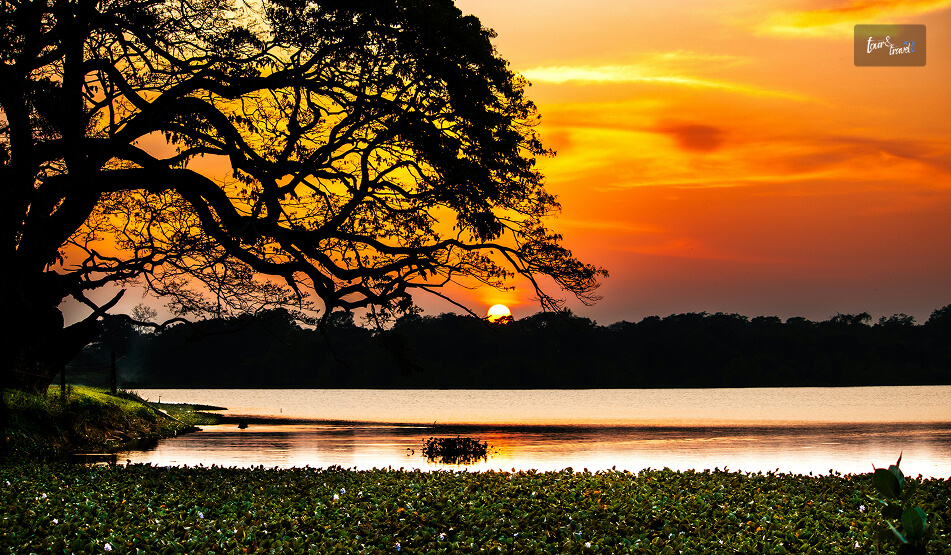
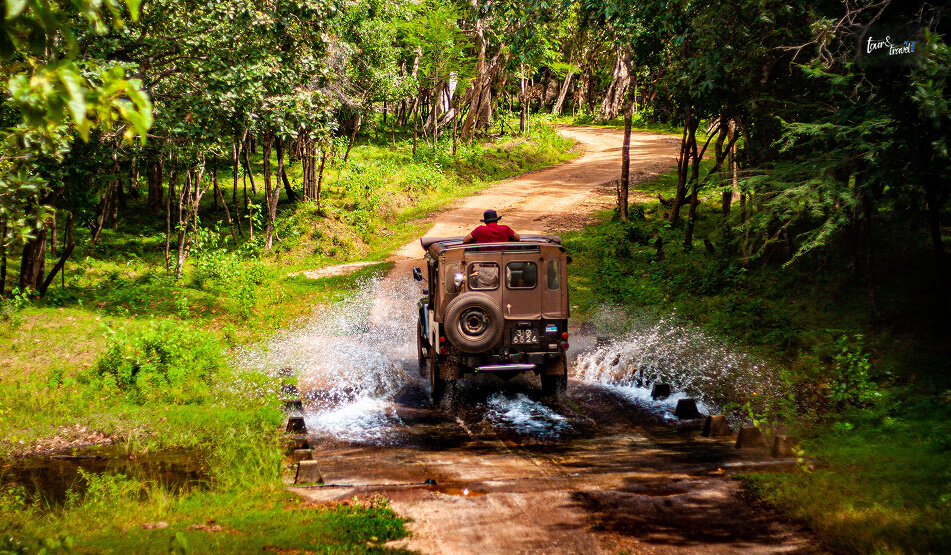
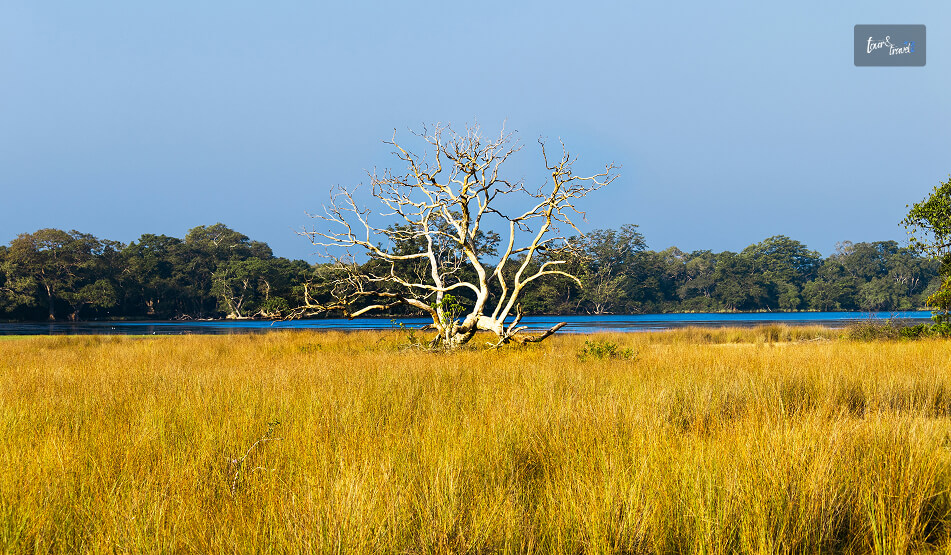
My driver, Dasun, stopped the jeep beside a villu, one of the signature natural lakes of Wilpattu.

Our jeep had been idling by villu for around 20 minutes. Then, suddenly, our tracker killed the chatter and pointed. 

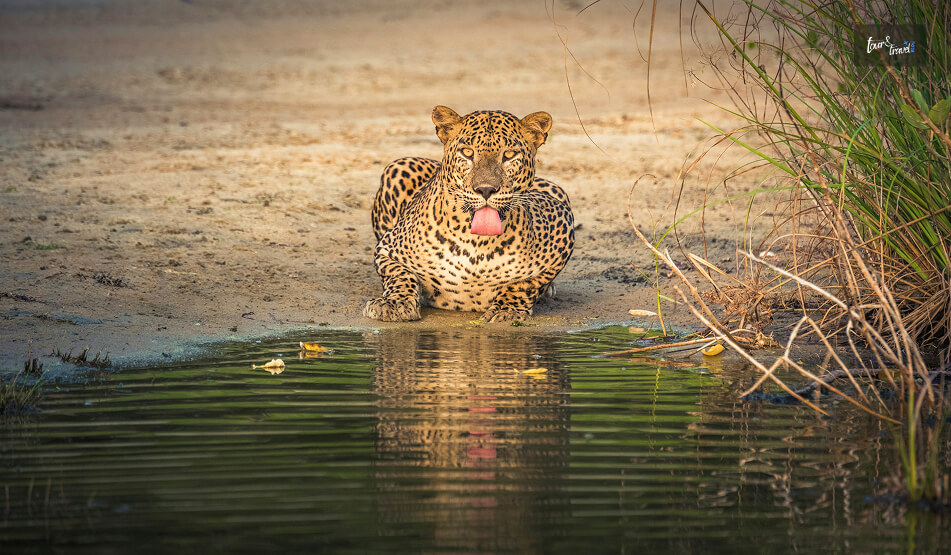
I spotted a leopard moving along the far treeline. His body language was unbothered, and it seemed that he was in no rush at all. 

Also, there were no jeeps fighting to capture the spot for taking a photo. The absence of radio crackling and other trackers converging on the spot further added to the experience. 

Overall, the moments here told me everything about why Wilpattu is quietly considered Sri Lanka’s most serious leopard park, even though Yala National Park gets most of the international attention.

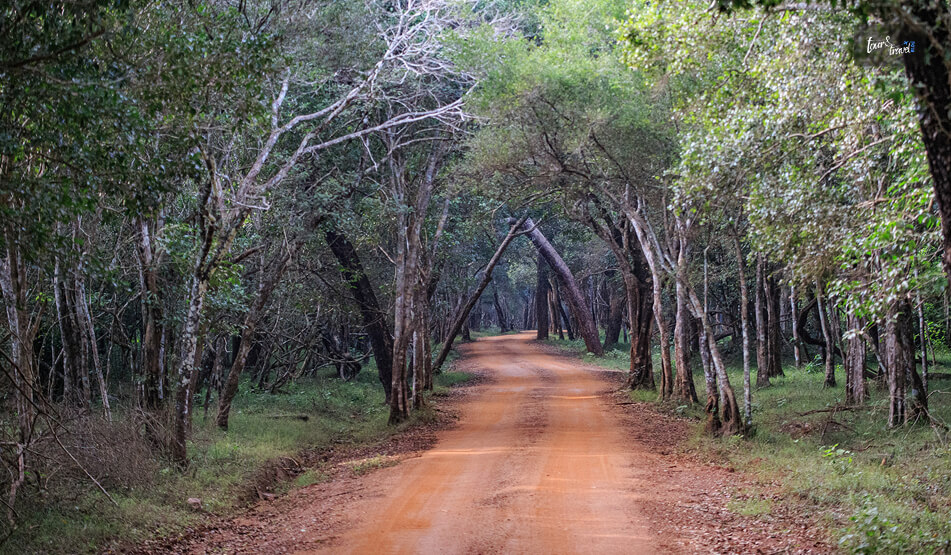
Furthermore, Wilpattu is the largest in Sri Lanka, and it feels like it. 

Also, I noticed a clear difference between Yala and Wilpattu. Yala’s blocks can feel congested because of the safari traffic in peak season. 

However, the sheer scale of Wilpattu and its remoteness from the southern tourist circuit keeps visitor density low even when sightings are excellent. 

Wilpattu National Park At A Glance

Wilpattu National Park At A Glance

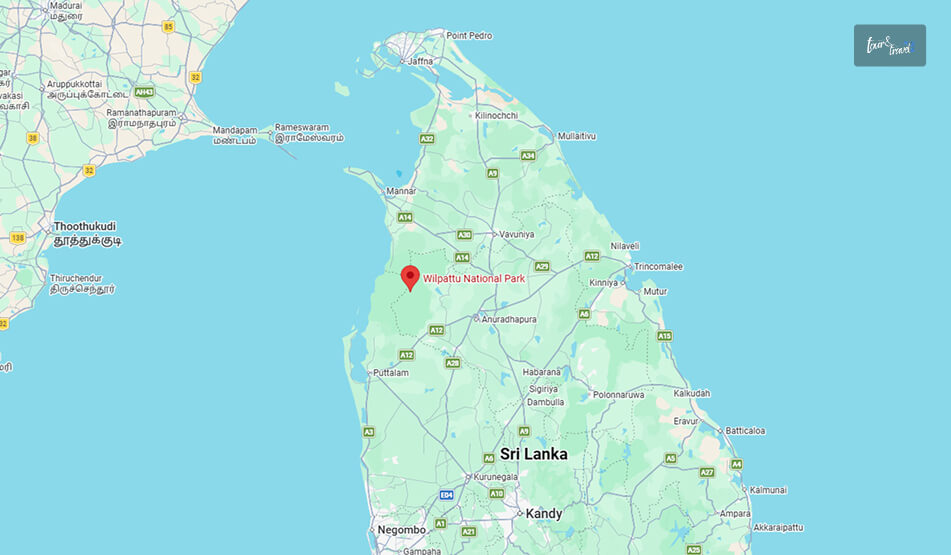
Wilpattu is in the North Western and North Central Provinces of Sri Lanka. 

It straddles the boundary near Puttalam and Anuradhapura districts. 

The villu system defines this national park. The villu system has a network of roughly 60 natural, sand-rimmed lakes scattered through dense scrub and forest.

Also, it is the villu system from which the park gets its name. The meaning of Wilpattu is “The Land of Lakes” in English. 

Moreover, thanks to the water network, the park has many predictable spots for animal concentration. 

So, despite the massive scale, the chances of spotting wildlife here are excellent. 

DetailInformation
LocationNorth Western and North Central Provinces, near Puttalam and Anuradhapura
AreaApprox. 1,317 Square KilometersIt is Sri Lanka’s Largest National Park
Key FeatureAround 60 Natural “Villu” Lakes Set in Dense Dry-Zone Forest
Signature WildlifeSri Lankan LeopardSloth BearElephantSpotted DeerMugger Crocodile
Nearest CityAnuradhapura: Approximately 30 KmPuttalam: Approximately 40 Km
Recommended Visiting MonthsFebruary to October

How To Reach Wilpattu National Park?

How To Reach Wilpattu National Park

You can approach Wilpattu from the Cultural Triangle via Anuradhapura.

Also, you can take the northwestern coastal route via Puttalam and Kalpitiya.

Both these routes are straightforward and sealed. 

However, the final stretch to the main Hunuwilagama entrance narrows into a quieter rural drive.

FromApproximate  DistanceApproximate Drive Time
Anuradhapura30 Km45 Minutes
Puttalam40 Km1 Hour
Kalpitiya75 Km1.5–2 Hours
Colombo180 Km3.5–4 Hours
Negombo150 Km3 Hours

Again, there is a second and less-used entrance on the Mannar side of the park. 

It is for those travelling the north-south coastal route, though most safari operators and lodges are clustered around the main Hunuwilagama gate near Anuradhapura.

Inside The Park: My Safari Experience

Inside The Park My Safari Experience

I planned a full-day safari in Wilpattu National Park, and it was from 6 AM to around 4 PM. 

A park safari is the best way to see Wilpattu properly. A half-day barely gets you past the entrance loop before you have to turn back.

The Villus: Wilpattu’s Signature Lakes

The villus make the ecology of Wilpattu different than any other national park in Sri Lanka. 

These are not man-made reservoirs. These are natural rain-fed lakes ringed with pale sand, and the jeep tracks are laid out to string several of them together.

Also, every meaningful sighting I had came from parking quietly at a villu edge and waiting rather than driving in search of animals. 

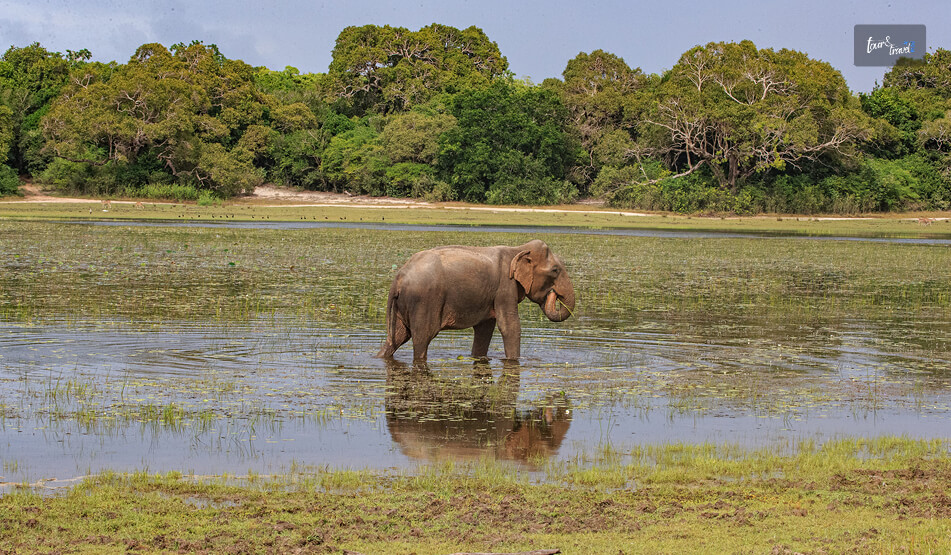
Crocodiles were basking at the waterline, and elephants were drinking water. Finally, the leopard appeared along the treeline. 

Leopards And The Chance Of A Sighting

Leopards And The Chance Of A Sighting

Wilpattu is often described by naturalists as having a leopard density comparable to Yala’s famous Block 1, without anywhere near the crowd. 

Sightings are not guaranteed on any single visit, and practically no park can promise that.

However, the odds, combined with the calmer viewing experience when a leopard does appear, are a big part of why serious wildlife photographers increasingly prefer Wilpattu over Yala in peak season.

Elephants, Sloth Bears, And Birdlife

Elephants Sloth Bears And Birdlife

As I have mentioned, elephants are frequent around the villus and the drier months are the best time to spot them. 

Also, the park has around 30 recorded mammal species, including sloth bear, water buffalo, sambar, and mongoose.

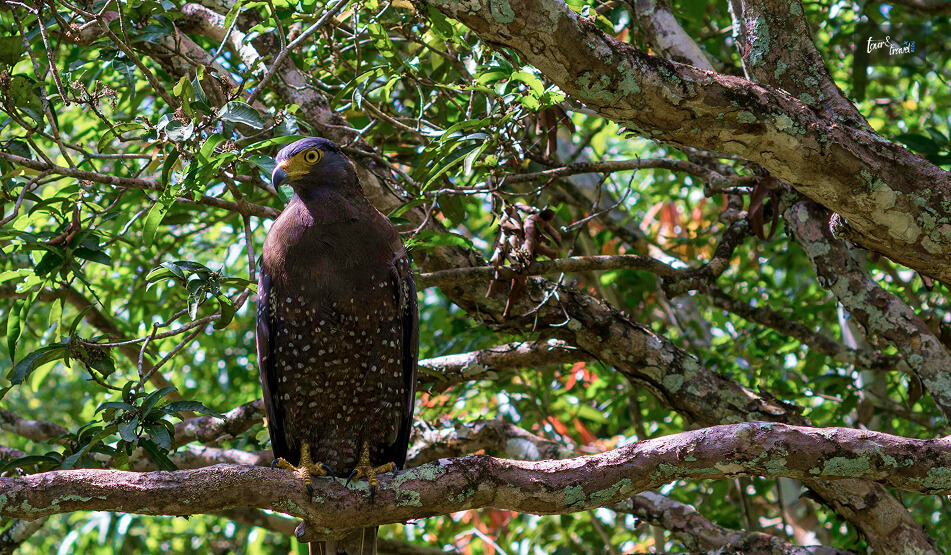
Furthermore, it has a strong birdlife presence. I could spot painted storks and several kingfisher species around the lake edges. 

Peacocks and hornbills are more common sightings among birds in this park. 

What Is The Best Time To Visit Wilpattu National Park?

What Is The Best Time To Visit Wilpattu National Park

You can take part in safaris year-round. 

However, the park is ideal between February and October. These months are ideal for avoiding the heavier northeast monsoon rains.

Rain makes interior tracks difficult and reduces visibility. 

Also, in a day, early morning and late afternoon remain the most productive windows for activity, as the midday heat pushes most animals into cover.

Entrance Fees And Safari Costs

Wilpattu is among Sri Lanka’s higher-tier national parks for entrance pricing.

The entry fee is less than Yala National Park.

However, it is above smaller Category 2 parks. 

Recent traveller reports and 2026 pricing guides put the all-in foreign adult entrance cost, including entry, service charge, vehicle fee, and VAT.

It is roughly USD 29–30 per person, with jeep hire priced separately and negotiated locally.

Fee ComponentApproximate Cost (Foreign Adult)
Park EntranceServiceVehicleVATUSD 29.50 per AdultUSD 17.70 Per Child (6 to 12 Years)
Guide/Tracker Fee$7 to $10It is Often Bundled into the Jeep Package
Half-Day Jeep HireApproximately LKR 12,500 (6 AM to 10:30 AM)
Full-Day Jeep HireApproximately LKR 25,000 (6 AM to 6 PM)

A Full-Day Wilpattu Itinerary

A Full-Day Wilpattu Itinerary

Given the park’s size, a full day is genuinely worth the early start. Here is roughly how my day broke down.

TimeActivity
5:30 AMDepart lodge and arrive at Hunuwilagama entrance.
6:00–9:00 AMMorning safari loop through the northern villus. 
9:00–9:30 AMBreakfast break at a designated stop inside the park.
9:30 AM to 12:30 PMContinue tracking toward the larger central villus.
12:30 PM to 1:30 PMMidday rest as animal activity drops with the heat.
1:30 PM to 4:00 PMAfternoon loop, best window for leopard and elephant activity.

Where To Stay Near Wilpattu?

You can choose from simple guesthouses in Anuradhapura, which put you within easy reach of both Wilpattu and the ancient city’s ruins, to dedicated eco-lodges and tented camps right on the park’s buffer zone near Hunuwilagama. 

Staying inside or immediately adjacent to the buffer zone shaves a meaningful amount off your pre-dawn drive time, which matters if you want to be at the gate for the 6 am opening.

The guesthouses in Wilpattu cost around LKR 3500 per night, and if you are staying in the ecolodges around the buffer zone, the charges will be approximately LKR 7500. 

Tips From My Visit

Tips From My Visit

A few things I would tell anyone planning a Wilpattu trip.

Book the full day rather than a half-day if your schedule allows, since the best villus are further from the entrance.

Pack your own food and water, as very little is available once you are inside. Also, pay for the jeep and entrance in Sri Lankan rupees only, since foreign currency isn’t accepted at the gate.

Places To Visit Near The Wilpattu National Park 

Wilpattu’s location makes it an easy pairing with the cultural triangle.

Anuradhapura’s ancient stupas and monasteries are barely half an hour away, and it is a natural stop for anyone routing between the north and the northwestern coast. 

Travelers continuing toward the coast often carry on to Kalpitiya for kitesurfing and dolphin watching, or further north toward Mannar and Vavuniya.

Again, Chilaw, with its lagoon and temple circuit, also makes a workable stop if you’re driving down from Wilpattu toward Colombo.

Share on Social Media

Sibashree is a travel, culture, and leisure writer who has been writing since the age of 12 and professionally since 2014. With more than a decade of travel writing experience and journeys across India and several parts of the world, she brings a deeply personal and thoughtful perspective to her work. A student of English Literature and Mass Communication, Sibashree has always viewed travel as more than movement — for her, it has been a way of understanding people, cultures, and herself. Her passion for spiritual exploration has also led her to many unusual and meaningful destinations over the years. Outside of writing, Sibashree enjoys watching European cinema, reading about global politics, and reflecting on the stories hidden within everyday places.

Leave a Reply

Your email address will not be published. Required fields are marked *

title-img Related

READ MORE Osaka food

Osaka Food: Know What To Eat In The Streets Of Osaka 

BY  Sibashree Mar 27, 2026

Osaka food is slowly and steadily surpassing Tokyo as the poster for Japanese cuisine.  Furthermore, it has been just a few days since La Cime in Osaka became the best restaurant in Japan in the Asia's 50 Best Restaurants list in 2026.   However, the soul of the Osaka food lies in the streets. The Dotonbori neighborhood was especially the best when I visited.  In fact, I was so much in love with the street food here that I chose to cancel the previous booking and chose a hotel in Dotonbori instead.  Also, the Dotonbori Market was the epicenter of my food exploration in Osaka.  Moreover, how can you ever forget what Anthony Bourdain had to say about food in Osaka? He said,  “I’m a big believer in winging it. I’m a big believer that you’re never going to find the perfect city travel experience or the perfect meal without a constant willingness to experience a bad one.  Letting the happy accident happen is what a lot of vacation itineraries miss, I think, and I’m always trying to push people to allow those things to happen rather than stick to some rigid itinerary.” So, let’s explore Osaka food at its best in Dotonbori. What Are The Best Osaka Food You Can Try On The Streets?  Osaka, despite its funky and vibrant appearance, has a history that goes back to the Edo Period in the 17th century.  Furthermore, it was a major trading hub during that period. Also, it was the same time when Osaka earned the nickname “Japan’s Kitchen.”  Moreover, Dotonbori extends across a canal that reaches out to the sea. So, you will always find fresh seafood in the local delicacies.  Ramen Udon Torikara Takoyaki These are some of the delicacies served by the local vendors in Osaka.  However, just mentioning these names does not justify the tangible experience of Osaka food.  I saw a big red octopus getting dressed and served, and the lobsters were irresistible.  Nonetheless, these are the best street foods you can try in Osaka.  1. Mitarashi-Dango Pocket-Pinch: 150 JPY  Mitarashi-Dango is the most comforting street food you will try in Osaka. Furthermore, these are great for budget-friendly travelers and backpackers like me.  These rice balls are sweet and chewy, and have a hint of burnt taste due to the unique browning process that takes place once the rice balls are boiled and cooled.  Furthermore, the glaze of the sweet soy sauce makes it perfect!  2. Okonomiyaki Pocket-Pinch: 400-450 JPY  Do you like frittata? Then, you will love these Japanese savory pancakes even more.  Okonomiyaki has all the flavors. However, you never feel heavy after having them. Furthermore, these pancakes are simple, as cabbage, flour, and eggs are the main ingredients.  However, the local street vendors add seafood and scallions to the dish for more flavor and color.  Also, they serve it with barbecue sauce.  3. Daifuku Mochi Pocket Pinch: 350-400 JPY Mochi, the round rice cake, is a staple Japanese delicacy.  It has the chewiness of Mitarashi-Dango. However, it has filling as the daifuku part of the name suggests.  I loved the ones with strawberry filling, and you can also try them with other fruits.  4. Torikara Pocket-Pinch: 300-400 JPY If the USA has its deep-fried chicken, Japan also has Torikara.  I loved them, and the fried potatoes and the variety of sauces will be the most amazing additions.  5. Takoyaki Pocket Pinch: 700-800 JPY  Takoyaki is probably the most famous street food of Osaka and Japan.  Japanese people love these octopus balls, and that’s why the Takoyaki stalls in Dotonbori are countless.  Furthermore, the scallions and flakes of dried fish sprinkled on top make the dish really amazing.  Moreover, the batter is gooey, and it will melt in your mouth.  6. Taiyaki Pocket Pinch: 300 JPY This is a fish-shaped pastry and my silent favorite among everything I tried in Osaka.  The smell is irresistible, and the main attraction is to see it getting ready in front of your eyes.  You can have this vanilla-flavored pastry with cheese, custard, and hamburger meat. However, the red bean paste is the ideal choice if you want to follow the grammar of East Asian cuisine. 7. Udon Pocket Pinch: 650 JPY The hot broth and noodles! I know that I have kept you waiting for the longest time to find this lethal combination on my list.  The noodles in Udon are thick, and with the right seasoning, their taste grows on you. That’s why you can eat udon every day and not get bored.  Furthermore, there are many variations of udon, such as the curry udon, yaki-udon, nabeyaki udon, and tempura udon.  8. Soba Pocket Pinch: 400 JPY Soba has buckwheat noodles in hot broth. Furthermore, these noodles are darker and thinner.  Furthermore, the simplicity of the dish and flavors make it a perfect palate cleanser.  I loved a bowl of soba with scallions.  9. Ramen Pocket Pinch: 700-800 JPY Ramen, of course, is the quintessential wheat noodles the whole world has been eating for quite some time now.  I tried different variations of ramen in Osaka. However, I loved the one with pork the best.  10. Yakitori Pocket Pinch: 1000-1100 JPY Yakitori is the Japanese take on grilled meat.  Furthermore, you will get many variations in the meat used here. You will get bone meat, chicken skin, seafood, and many other varieties here.  11. Sushi  Pocket Pinch: 1200 JPY If Sushi is an emotion, then it runs in the veins of Osaka.  From sea urchin to tuna, eel, and salmon, Osaka spoils you with choices in sushi.  Furthermore, the art of eating sushi is something that you need to understand. It is just not about gulping down some food.  It’s also about being a part of the Japanese culture.  12. Taiko Manju Pocket Pinch: 100-150 JPY You may think that Taiko Manju and Taiyaki are the same, but the origin and texture are very different.  Despite the use of the same ingredients, Taiko Manju is fluffier. Furthermore, their drum shape is inspired by the taiko drums, which are integral parts of Japanese festivals.  Read Also: What Are The Best Day Trips From Tokyo? Most Popular Ones You Will Love Cherry Blossom Kyoto Japan: 2026 Season And The Top Viewing Spots Is an Mt Fuji Day Trip From Tokyo Worth It? How To Plan It?

READ MORE Bentota

Why Is Bentota Beach, Sri Lanka, Famous? Know About Bentota Beach, River Safari, And More

BY  Sibashree Jul 7, 2026

With the One Love Reggae Festival returning to Bentota Beach, Sri Lanka is now preparing to be a vibrant cultural stage for music lovers from around the world.  The event is slated from 7th to 9th August, and with a laid-back coastal atmosphere, will function as a major tourism catalyst for Bentota.  Nevertheless, Bentota Beach has always been a popular, idyllic destination in Sri Lanka due to the calm waves of the Indian Ocean and soft golden sands.  Furthermore, it is a gateway to the Sinharaja Forest Reserve, a UNESCO World Heritage Site, and another UNESCO World Heritage Site, Galle Fort.  However, for me, the most striking thing about Bentota was the safari on the Bentota Ganga. With dramatic landscapes and surrealism awaiting you in every nook, this was one of the highlights of my trip to Sri Lanka.  Also, very close to Colombo, just a 2-hour drive away, this beach stands out even if tourists show more interest in popular variations such as Tangalle Beach and Mirissa Beach.  Here is more about why Bentota Beach is worth visiting and what the top attractions are.  What Are The Things To Do In Bentota?  The heavenly sunset views of Bentota Beach, the most anticipated boat safari on Bentota Ganga, and a relaxing experience in the Ayurveda Herbal and Spice Garden! Furthermore, if you want an adrenaline rush, you can take part in activities such as parasailing, banana boating, jet skiing, and more! 1. Water Sports At Bentota Beach Bentota has many beaches, such as the Ventura Beach or the Moragalla Beach, where the ocean meets the Bentota Ganga River.  However, together, they are known as the Bentota Beach, and together they look like a long stretch of fine white sand.  A specific stretch of sand is parallel to Bentota Lagoon, which is more commonly called the Bentota Ganga.  It is known as the Paradise Island, looking like a narrow and long peninsula stretching out into the ocean.  Also, it is ideal for the following watersports.  Windsurfing Waterskiing Diving Canoeing Snorkeling Fishing Moreover, centers such as Diyakawa Water Sports and Sunshine Water Sports Center help with the best gear, training, and guidance.  2. Visiting The Kosgoda Sea Turtle Conservation Project I mentioned the Kosgoda Sea Turtle Conservation Project when visiting Kalutara.  However, it is way closer to Bentota, and it is situated at a distance of just 9 km. So, it is just a road journey of 9 km or 15 minutes south by road.  It remains open from 8:30 AM to 6:30 PM, and the ticket price is LKR 500 for locals and LKR 1000 for foreigners.  It is a vital wildlife sanctuary on the southwestern coast of Sri Lanka. Established in 1981, it aims to protect endangered sea turtles from extinction caused by poaching and habitat loss. The hatchery monitors local beaches to rescue vulnerable eggs.  It buries them safely in protected sand nests until they hatch. Impressively, the project cares for all five sea turtle species that visit Sri Lanka. The Green Turtles Loggerhead Turtles Hawksbill Turtles Olive Ridley Turtles Leatherback Turtles.  The sanctuary also rehabilitates turtles injured by fishing nets. However, for me, the most exciting experience in the sanctuary was releasing newborn hatchlings into the Indian Ocean at sunset.  This hands-on experience funds the project while raising global awareness about marine conservation. Overall, it was a great experience learning about the marine ecosystem and how these adorable marine creatures play an important role in maintaining the balance.  If you want to watch and study them further, Sri Lanka has many other destinations such as the Dalawella Beach, Dickwella Beach, and Mount Lavinia Beach.  3. The River Safari On Bentota Ganga  While many people are more excited about the watersports, I visited Bentota for the water safari.  It was late afternoon, and the Sun was getting mellower. Fortunately, the hotel I was staying in had the provision for booking a boat safari.  The boat progressed through the jungle. Also, I could spot eagles flying high and some snakes in the water.  I was looking for crocodiles, but this time, I did not find one.  Moreover, the roots of the trees got entangled, and the roots created some eerie formations that looked straight out of Apocalypse.  Having said that, the river safari was not just an opportunity to spot the wildlife. I also saw the traditional fishing techniques and prawn farming in the wetlands surrounded by mangrove forests.  Another interesting stop was the Cinnamon Island. I spotted old and young men cutting sleek sticks of cinnamon. I bought a few bottles of cinnamon oil from them.  It was a 1.5-hour safari, and it cost around LKR 2500.  4. Exploring The Bentota Market  The Aluthgama town is around 3 km away from Bentota, and the Monday market here is amazing.  I had a talk with Manjula, a college student and a local vendor who helps her mother, Hiruni.  “People from different parts of the southwest coast come here. This is a market mostly dominated by women. So, I love being a part of the market.  The vendors sell various products, including clothes, vegetables, groceries, and other knick-nacks.  I also found the place to be a great spot for socializing. Women were interacting with each other when buying exotic fruits and fresh vegetables.  Moreover, I collected some cinnamon sticks, spices, and clothes as souvenirs.  5. Enjoying The Benefit Of Herbal And Spice Treatment  Bentota is famous for traditional Ayurveda and health treatment. The oils and massage solutions here have spices and local herbs.  The medicines and solutions also have cardamom, cinnamon, seeds, fruits, bark, and leaves.  So, if you want to enjoy the ultimate Sri Lankan spa experience, Bentota is the ideal place.  The big hotels and resorts have spas offering traditional treatments and therapies. Furthermore, there are some specialized Ayurveda centers.  Where To Stay In Bentota Beach?  From budget guesthouse Hotel Hemadan to 5-star hotel Taj Bentota Resort, the accommodation options in Bentota are diverse.  Furthermore, if you want an artistic and boutique experience, you can choose options such as Taj Bentota Resort and NH Bentota Ceysands.  Based on the accommodation you choose, the cost of staying in Bentota will be between LKR 13000 and 60000 per night. 

READ MORE world's end sri lanka

World’s End, Sri Lanka: Chasing the View Before the Clouds Roll In

BY  Sibashree Aug 31, 2026

Nobody tells you how early a '5 AM start' actually feels until you are standing in the dark outside your Nuwara Eliya guesthouse, breakfast pack in hand, waiting for a tuk-tuk.   But that is the deal with World's End.  The view is clear from about 9 AM to 10 AM.  After that, clouds roll in off the valley and swallow the whole thing whole.   I had heard this enough times before arriving that I did not question the alarm. And I am glad I did not.  By the time I reached the escarpment, the drop in front of me was still clear enough to see the coast, some 80 kilometres away.  World's End is a sheer escarpment inside Horton Plains National Park, in Sri Lanka's central highlands.   You have to take a circular hiking trail to reach it, and the same route also takes you to Baker's Falls and a smaller companion viewpoint called Mini World's End.  It has become one of the most-hiked routes in the country precisely because the effort-to-reward ratio is so favourable.  It is a manageable walk for a view most people only expect to earn after a serious trek.  World’s End, Sri Lanka: At A Glance  Location Horton Plains National Park, central highlands  Elevation at start About 2,100 metres  Drop at World's End Approximately 870–880 metres  Circular trail distance 9–9.5 km (Red Bridge → Mini World's End → World's End → Baker's Falls → back)  Typical hike duration 2.5–4 Hours  Park hours 6 AM to 6 PM  Best time to visit January to March (Driest Months). You must arrive by 6 AM regardless of season.  Nearest base Nuwara Eliya   Why The Early Start Actually Matters This is not exaggerated marketing. World's End genuinely clouds over by mid-morning most days, often as early as 9 AM.  The park opens at 6 AM, and the guidance from pretty much every guide, driver, and fellow hiker I spoke to was the same.  Get there at opening, start walking immediately, and don't dawdle at Mini World's End if clear skies at the main viewpoint are your priority.   I reached World's End a little under an hour and a half after setting off and had maybe twenty clear minutes before the first wisps of cloud started drifting up from the valley below.  There is no public transport directly to Horton Plains from Nuwara Eliya.  So you are looking at a hired tuk-tuk, car, or a pre-booked tour.  The PickMe app works if you would rather arrange it yourself the night before.   Whatever you choose, the pre-dawn logistics are worth planning a day ahead, since most hotels won't have breakfast ready at 4:30 AM and will instead hand you a packed breakfast to eat on the trail.  The Hike Itself The full loop runs roughly 9 to 9.5 kilometres and is considered moderate rather than difficult.  It is mostly flat with some gentle inclines.   It is well-marked, and it is notably the only national park in Sri Lanka where you are allowed to walk the trail without a mandatory guide.   From the Red Bridge entrance, it is about 2 kilometres to Mini World's End.  Then on to the main viewpoint, before the trail loops back via Baker's Falls, one of the widest waterfalls in the country, and a good spot to slow down once the pressure of beating the clouds is behind you.  Along the way, expect sambar deer grazing close to the trail.  They are genuinely unbothered by hikers here.  I also spotted purple-faced langurs, giant squirrels, and a decent range of highland birdlife.   Leopards are present in the wider Horton Plains area, but sightings are rare enough that I would not build any expectations around it.  Mini World's End Vs. The Main Event  It is easy to treat Mini World's End as a warm-up and rush past it.  However, it is worth a few minutes on its own terms.  A smaller drop, fewer people at that hour, and in some ways a calmer view than the more crowded main viewpoint!  Some hikers reverse the usual direction of the loop specifically to hit World's End last rather than first.  Either way works, but going clockwise from Red Bridge (Mini World's End, then World's End, then Baker's Falls) is the standard and the one most guides default to.  Planning Your Visit World's End earns its reputation honestly.  It is one of the few views in Sri Lanka that lives up to the hype, provided you respect the clock.   The hike itself is forgiving enough for most fitness levels.  Also, the wildlife along the way is a pleasant bonus, and the payoff at the escarpment, on a clear morning, is the kind of view that makes the 5 AM alarm feel like a fair trade.  Entry Fees  Expect to pay in the region of USD 20–25 per foreign adult visitor. Also, you will have to pay a separate vehicle fee if you are driving or being driven in.  The total for a couple with a hired tuk-tuk can run well over what the headline entry fee alone suggests. Fees are collected in USD or LKR at the park entrance.  What To Pack  Pack layers as it is cold enough at 2,100 metres before dawn to want a proper jacket. However, you will likely be down to a T-shirt by mid-hike.   Add sturdy shoes, water, the breakfast pack, and a hat for once the sun burns through.   The terrain does not demand technical gear, but the temperature swing from predawn to midday catches people out.  Best Time Of Year  January to March is generally the driest and most reliable stretch for clear views.  However, the daily mist pattern matters more than the season.  Even in the driest months, arriving after 9 AM risks losing the view entirely. An early start in a wetter month can still pay off.  Where This Fits In A Sri Lanka Itinerary  World's End is a natural pairing with a Nuwara Eliya stay. It is often combined with tea estate visits, Adam's Peak, or the train journey onward to Ella.   Given the early start and 3–4-hour round trip, I would treat it as a dedicated half-day rather than trying to combine it with much else that same morning.  By the time you are back at the entrance, most of the day's clear-view window has already closed anyway.