

Dunhinda Falls: The Misty “Bridal Fall” Of Badulla

Aug 27, 2026

Last Updated on: Sep 21, 2026

Asia

My shoes were soaked when I reached the viewing platform at Dunhinda Falls.  

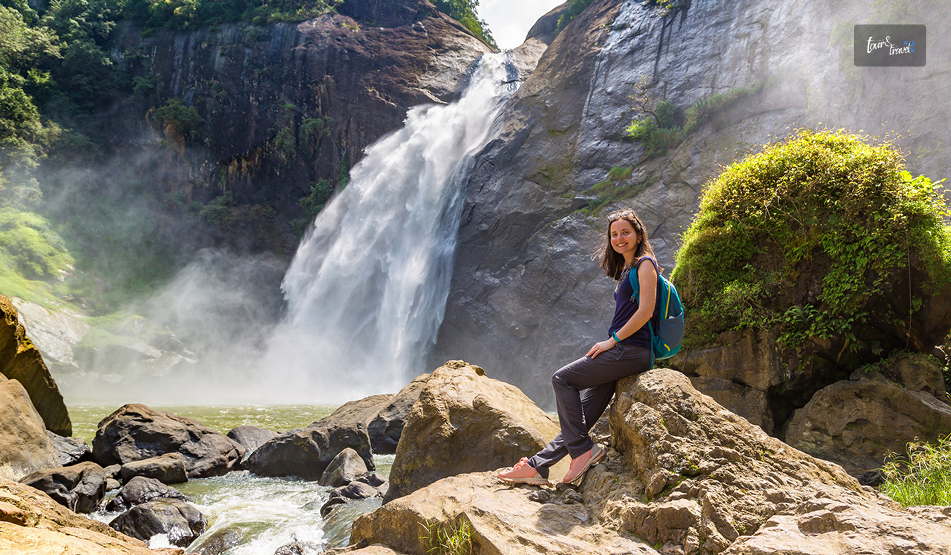
The trail was dry, but the fine spray drifting off the waterfall made my clothes and shoes wet.  

So, no wonder the waterfall got its name from this mist.  

Also, enjoying a view of this waterfall will be more delightful with the construction of the viewing center at Dunhinda Falls getting started.  

This platform will be a replacement for the 50-year-old existing viewing platform, which has been in a deteriorated condition for a long time.  

So, as Dunhinda Falls gets decked out with a new platform, I want to share my story and practical details about a visit to it.  

What Is The Meaning Of Dunhinda?  

The name Dunhinda comes from Sinhala words for mist or smoke.

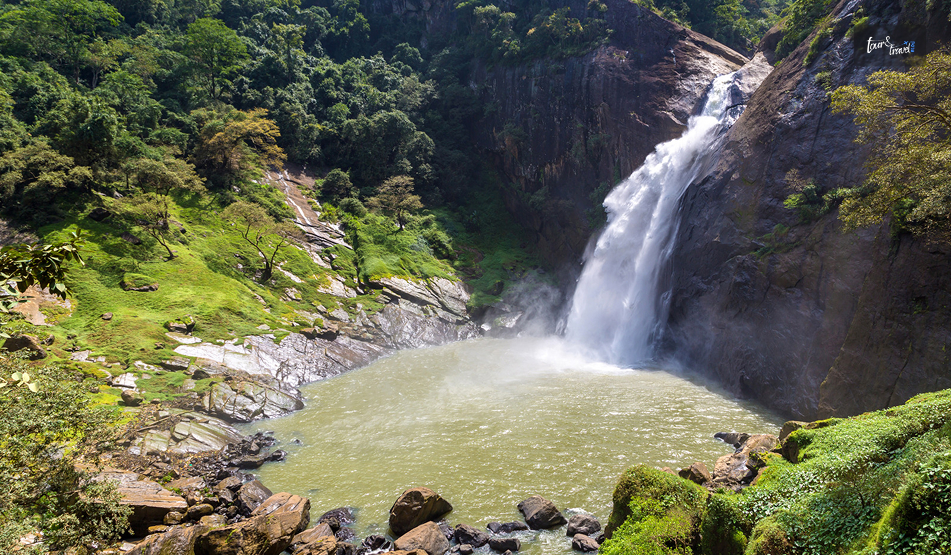
So, the name is a direct reference to the spray that surrounds the base of the falls. 

Dunhinda also has another name, “Bridal Falls.” This name comes from the shape of the cascading water, which looks similar to a bridal veil.  

The local traditions suggest that the indigenous Veddha people once inhabited the area.  

There is also a story about a giant fern becoming lodged at the top of the falls during the reign of King Rajasinghe, damming the water and flooding Badulla town. 

Then, a local hero cleared it to protect the town.  

Where Is Dunhinda Falls?

Dunhinda Falls: The Misty “Bridal Fall” Of Badulla

Dunhinda Falls is at a distance of around 5 Km from Badulla town in the lower central hills of Sri Lanka’s Uva Province. 

Badulu Oya, running through Badulla itself, has formed this beautiful waterfall. The height of the waterfall is around 64 meters.  

Despite not being among the tallest waterfalls in the country, it is one of the most beautiful in the country.  

It stands out with its sheer volume and the dramatic mist that it throws up as it crashes into the pool below.  

Overall, this waterfall, at a distance of around 243 km from Colombo and 110 km from Kandy.

So, it is a natural stop if heading toward or through Badulla on a hill-country route.  

How To Reach Dunhinda Falls 

From Badulla Town, you can take a tuk-tuk, taxi, or self-driven car to Dunhinda Falls.

I took a tuk-tuk, and it took around 15 minutes to complete the journey.  

The tuk-tuk cost me around LKR 400, and the route followed the Bandarawela–Badulla road before turning onto the Mahiyangana road toward “Dunhinda Junction,” roughly 5 km from Badulla.  

If you are coming from Ella, expect the drive to take under an hour.

Also, from Colombo, the Southern Expressway offers the fastest approach before joining the hill-country roads.  

Public transport such as buses and tuk-tuks run from Badulla town. However, you will have to wait for a while.  

There is a parking area near the trail entrance for those driving themselves. 

The Trek To The Falls 

The beautiful trek route to the Dunhinda Falls makes it a delightful experience and something beyond a quick photo stop.  

From the entrance gate, a forest path of roughly 1 to 1.5 km led to the falls, passing through genuinely lush terrain with birds and butterflies. 

Also, I met a few curious monkeys along the way.  

The trail was safe, though sections can turn muddy after rain. 

So proper footwear matters more here than at some of Sri Lanka’s roadside waterfalls.  

Along the way, look out for Kuda Dunhinda, or “Small Dunhinda.”

It is a secondary waterfall visible from a viewpoint on the same path. 

What I Found At The Falls?

Dunhinda Falls: The Misty “Bridal Fall” Of Badulla

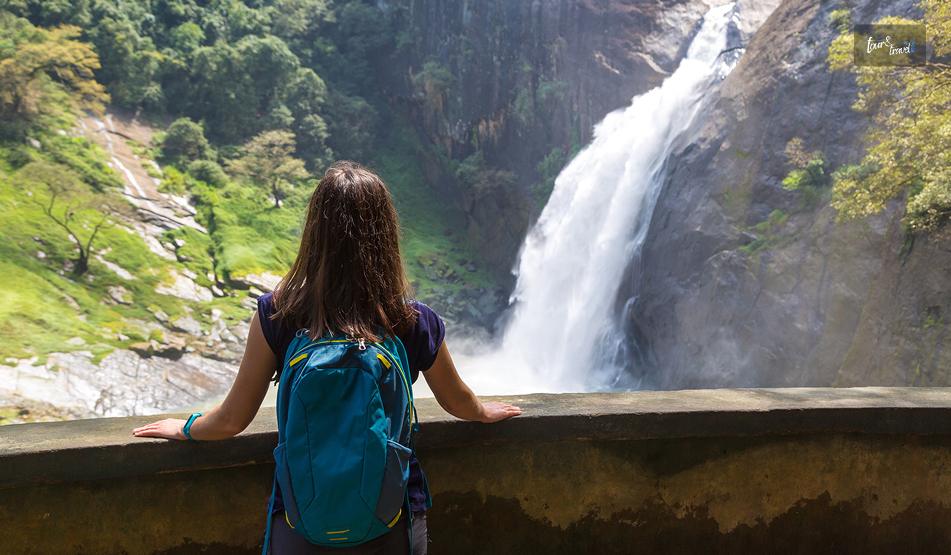
I found an observation platform above the natural pool at the base of the Dunhinda Waterfalls.  

Located at the end of the trail, the platform offered a full view of the water dropping through a narrow gap in the rock face before crashing down. 

I did not attempt to swim in the pool.

The pool has submerged rocks and strong currents in the water.  

Also, if you want to have some refreshments, you will find small stalls of snacks, herbal drinks, and simple souvenirs.  

Best Photo Spots 

The observation platform gives the classic, full-height view of the falls. It is by far the easiest spot to shoot from without getting drenched.  

For a slightly different angle, the viewpoint overlooking Kuda Dunhinda partway along the trail offers a quieter composition.

Here, you have less spray to contend with. 

Overcast mornings tend to produce the most even light for photographing the mist itself. 

Harsh sun can blow out the brightest parts of the spray and lose the detail that makes this waterfall distinctive in the first place. 

Nearby Attractions

Dunhinda Falls: The Misty “Bridal Fall” Of Badulla

Badulla town itself is worth a short visit for its colonial-era architecture and the Muthiyangana Temple, one of the island’s older Buddhist sites.  

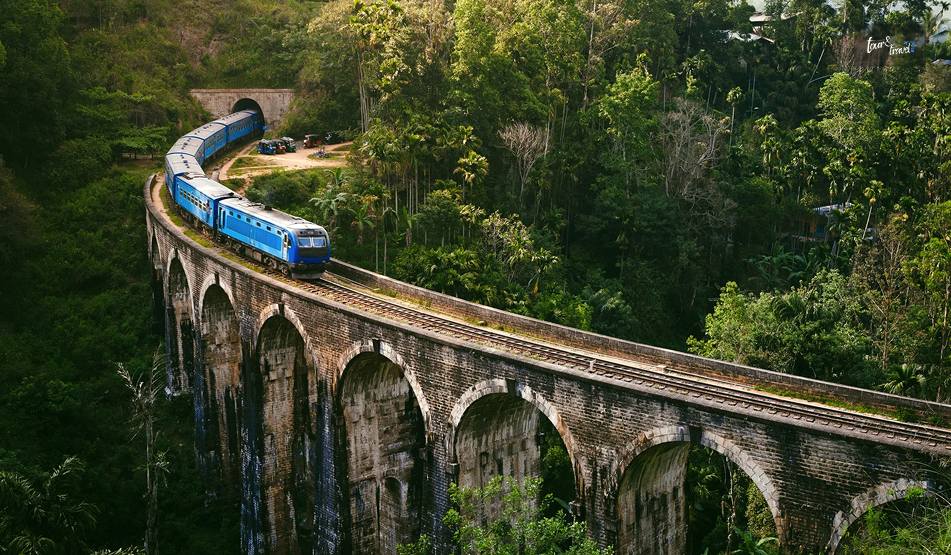
Also, Ella is under an hour away and opens up the wider hill-country circuit, including the Nine Arch Bridge, Ravana Falls, and Little Adam’s Peak.  

For wildlife-focused travelers, Udawalawe National Park is a feasible day trip from Badulla. 

Where To Stay Near Dunhinda Falls 

Badulla town has a reasonable spread of guesthouses and small hotels. 

The options are enough to make it a comfortable overnight base without needing to push on to Ella the same day.  

Staying in Badulla also means an early start on the trail before the mid-morning heat and any afternoon rain sets in.

It makes for a more pleasant walk through the forest.  

Do you want to stay somewhere with more restaurants and traveler infrastructure? Ella is close enough to use as a base instead. 

It is ideal for a half-day excursion rather than an overnight stop. 

Safety And Practical Notes 

The trail, while generally safe and heavily used, does involve some uneven and occasionally muddy footing. 

So trainers or light hiking shoes are a better choice than sandals.  

Resist the urge to swim in the main pool at the base. 

The currents are stronger than they look. There have been drownings here in the past. 

That is why the observation platform is the recommended vantage point.  

Bring small notes for the entrance fee and any snacks along the trail. 

Entrance Fee And Facilities

Dunhinda Falls: The Misty “Bridal Fall” Of Badulla

There is an entry fee of LKR 200 payable at the gate before the trail begins.

Also, there are basic toilet facilities and a parking area for those arriving by vehicle.  

The fee structure is modest. It goes toward maintaining the path and the observation platform at the base.  

There is no formal visitor center. 

Best Time To Visit The Dunhinda Falls  

The waterfall changes its character with the seasons.  

June and July are the safest months, when trail conditions are dry.  

However, in the wetter months, particularly from around November to March, the falls are at their most dramatic and full. 

The trek itself gets muddier.  

If your priority is photography and volume, aim for right after the rain.

However, if it is a comfortable walk, the mid-year months are the best. 

Also, early mornings from 7 AM to 8:30 AM and late afternoons from 4 PM to 5:30 PM are the best.

Share on Social Media

Sibashree is a travel, culture, and leisure writer who has been writing since the age of 12 and professionally since 2014. With more than a decade of travel writing experience and journeys across India and several parts of the world, she brings a deeply personal and thoughtful perspective to her work. A student of English Literature and Mass Communication, Sibashree has always viewed travel as more than movement — for her, it has been a way of understanding people, cultures, and herself. Her passion for spiritual exploration has also led her to many unusual and meaningful destinations over the years. Outside of writing, Sibashree enjoys watching European cinema, reading about global politics, and reflecting on the stories hidden within everyday places.

Leave a Reply

Your email address will not be published. Required fields are marked *

title-img Related

READ MORE Gal Oya National Park

Gal Oya National Park, Sri Lanka: A Place Where I Saw Elephants From Boats

BY  Sibashree Sep 7, 2026

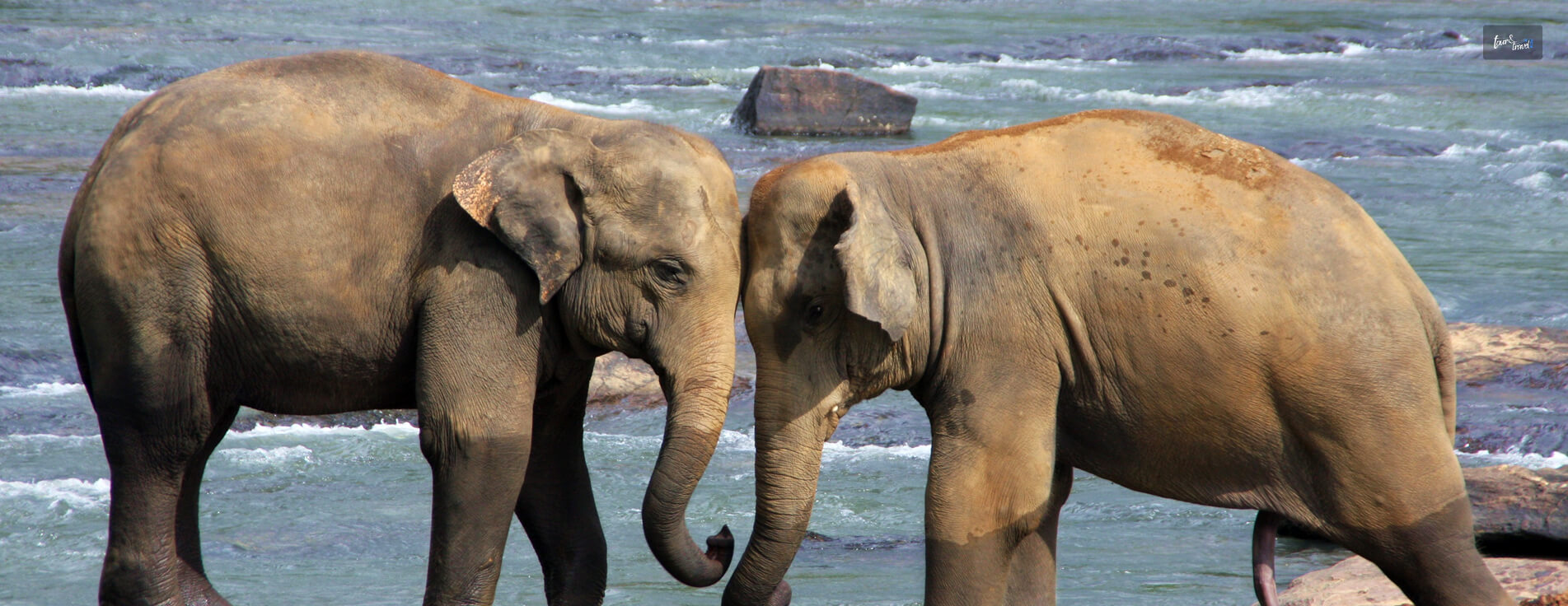
I visited the Gal Oya National Park in 2022, and after a few months of being back in my country, I got a call from my friend in Sri Lanka.  It was December, and he shared the news published on the Daily Mirror Online, which mentioned the threats of illegal mining to the flora and fauna of the national park.  I felt numb, as this was not the Gal Oya National Park I visited. Even if Sri Lanka has icons such as the Yala National Park, for me Gal Oya offered the most remarkable encounters with elephants.  For the first time, I did a safari from a boat, drifting quietly across open water while a herd of elephants waded between islands ahead of us. There was no engine noise to spook them, no queue of vehicles, just the reservoir, the herd, and the sound of water. It felt more like a secret that Sri Lanka preserves so dearly, not a national park.  Gal Oya National Park At A Glance DetailInformationLocationAmpara District, Eastern Province, Sri LankaEstablished1954AreaApproximately 25,900 HectaresCentrepieceSenanayake Samudraya, the Largest Reservoir in Sri LankaKnown forBoat Safaris and Elephants Swimming between IslandsWildlife32 Recorded Mammal Species, including Elephants, Leopards, and Sloth Bears150+ Bird SpeciesBest time to visitDry Season, Roughly May to SeptemberDistance from ColomboAround 300 KM,  Roughly 6 Hours by Road A Reservoir-Built Park With A History Tied To Irrigation The history of the Gal Oya National Park goes back to 1954. It was built to protect the Senanayake Samudraya. This newly constructed reservoir, the largest in Sri Lanka, was part of a major post-independence irrigation scheme in the dry zone of Sri Lanka.  The scale of the reservoir made my boat ride in the park all the more fascinating. It is just open water with forests around.  So, the jeeps on the dusty tracks are replaced by the boats on the serene water.  The landscape around the reservoir was more varied than I expected from a dry-zone park. Forested Hills! Savannah Grassland! Also, there were rocky outcrops that locals call turtleback formations.  Moreover, low grasslands all sit within the park's boundaries, alongside historical sites like the Digha Vapi Dagoba and the Henebedde cave. Wildlife And The Swimming Elephants The most fascinating experience in Gal Oya was watching wild elephants swimming between the reservoir’s islands.  They were moving in search of fresh grazing as water levels dropped in the dry season.  Beyond elephants, the park has around 32 mammal species, including: Leopards Sloth Bears Grey Langurs Endemic Toque Macaque. Also, the park, though not as fascinating as Bundala, has more than 150 species of birds. I could spot the following ones. Painted Storks Ospreys Endemics like the red-faced Malkoha and Sri Lanka spurfowl. I could also spot crocodiles and water monitors along the reservoir's edges. How To Reach Gal Oya National Park? You can take a drive from Colombo to reach Gal Oya National Park via Ampara. The distance is around 300 km, and the journey takes around 6 hours by road.  However, staying in Ampara Town as the base or finding a lodge close to the park’s boat safari jetty is a more reasonable move.  Also, Gal Oya National Park is a natural inland detour from the east-coast surf town, Arugam Bay, roughly 2 to 2.5 hours away. Again, if you are traveling from Kandy, it is 4-5 hours by road via Mahiyangana. So, Gal Oya is a workable stop on a route heading toward the east coast. Gal Oya Entrance And Boat Safari Costs (2026) On top of the park entrance fee, the boat safari itself is typically arranged and priced separately, usually through your lodge or a licensed operator. Remember that access to the reservoir's boats isn't managed the same way jeep permits are at other parks. Also, the boat safari costs around LKR 6000 to LKR 8000.  CategoryApproximate Cost (2026)Foreign Adult (12+)USD 12Foreign Child (6–12 Years)USD 6Foreign Children under 6 Years FreeSAARC NationalsUSD 10 for AdultsUSD 5 for Children between 6 and 12 YearsFree for Children below 6 YearsLocals Adults: LKR 60Children from 6 to 12 Years: LKR 30Children below 6 Years: FreeStudents: LKR 20Boat SafariLKR 6000-8000 A One-Day Gal Oya Itinerary A day at Gal Oya has a different rhythm from most Sri Lankan national parks because here the safari is on a boat and not a jeep.  Here is a structure that works well if you're based near Ampara or the park's eastern lodges. TimeActivity5:30 - 6:30 AMEarly transfer to the boat jetty on Senanayake Samudraya6:30 - 9:30 AMMorning boat safari.It is the best window for elephant sightings near the shoreline. 9:30 - 10:30 AMReturn to lodge for breakfast.10:30 AM - 12:30 PMOptional short trek or visit to the Henebedde cave/Digha Vapi Dagoba area.12:30 - 2:30 PMLunch and rest during the hottest part of the day.4:00 - 6:30 PMEvening boat safari for a second wildlife window and sunset over the reservoir. What Are The Practical Tips For Visiting The Gal Oya National Park?  Boats and slots are more limited than jeep availability at bigger parks. Bring a hat, sunscreen, and a light waterproof layer. Pack a zoom lens or good binoculars as elephant sightings are often across open water rather than at close range on a jeep track. Stay two nights if you can, so you get both a morning and an evening boat safari rather than just one. Combine with Arugam Bay or Ampara for a fuller east-coast itinerary. What Is The Best Time To Visit Gal Oya National Park? May to September, or the dry season, is the best time to visit Gal Oya National Park.  In the dry season, the water level of the reservoir drops. So, all the animals, especially the elephants, concentrate near the remaining islands and water.  Thus, the sight of swimming elephants is more common in this national park than anywhere else in Sri Lanka.  This season is also ideal for birdwatching in Sri Lanka, as migratory and resident species settle around the shrinking waterline.
READ MORE ella hotels

What Are The Best Ella Hotels? Where Can You Stay In Ella? 

BY  Sibashree Mar 31, 2026

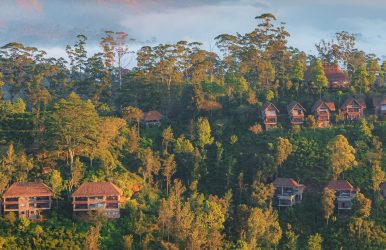
From enjoying a train ride on the Nine Arch Bridge to Ella Rock, Ella has endless adventures to offer.  Exploring the things to do in Ella is also easier as the Ella Hotels offer the most comfortable and safe accommodations.  As a backpacker, I chose to stay in a hostel on my first visit. However, you can find many budget, mid-range, and luxury hotels in this beautiful hill country town.  So, here is a list of the best hotels to stay in Ella.  What Are The Best Ella Hotels?  I have divided the best Ella hotels into three different categories. So, you will find a good mix of luxury hotels, mid-range hotels, and budget hotels. Furthermore, I have also included the hostels and the eco-stays here.  And here are the details.  1. Luxury Ella Hotels There's a quiet magic when birds sing in the morning, and mist hangs on the tea bushes.  Moreover, Ella has upgraded its luxury offerings, blending colonial roots with modern sustainable design. • Nine Skies: Colonial Elegance Just outside Ella in Demodara, Nine Skies is a five-bedroom tea bungalow restored from old stock.  Furthermore, it sits like a piece of the English Lake District transplanted into the tropics.  Also, you begin your day with a Sri Lankan breakfast and then swim in an infinity pool that stretches over endless tea fields.  Moreover, the lifestyle is classic tea country, wrapped in a dream-like hotel setting. • 98 Acres Resort And Spa: Eco-Luxury Overlooking Little Adam's Peak, 98 Acres stands out as the region's top hotel.  Furthermore, the chalets use upcycled railway sleepers and local granite, with genuine, hands-on design.  Moreover, their spa features treatments with herbs grown on-site. Just a 15-minute walk from the Nine Arch Bridge, it's ideal for morning shots.  So, what else is there to say about this place? • Hide Ella: Modern Panoramic Views Hide Ella sits right into a 60-degree slope.  Every room faces the Ella Gap with clear, sweeping views.  The pool dips into the trees like you are floating through the canopy. It's a clean, sharp design, with no frills. Furthermore, it offers pure view-focused living.  Why would anyone want anything else in Ella? 2. Mid-Range Ella Hotels For a bed that works, a shower that flows, and a balcony with real views, without the honeymoon price!  Ella's mid-range picks offer the best trade-off. Most focus on the view, which is Ella's strongest selling point. • Chill Ville Viewpoint Hotel It is set into the mountainside, and it is the most welcoming.  Cabins are clean, modern, with wood and concrete finishes.  They even include Yoga mats for stretching in the morning light.  If you want to go early to the Nine Arch Bridge, this is your only real shot, and it's just 800 meters away.  It seems like a good fit for quiet travelers who value space and scenery. • Country Homes Ella  It looks more like apartments than hotels.  Warm pine decor gives each suite a cozy feel.  The wide valley view from your room makes it hard to leave. In particular, when you know breakfast is often brought right to your balcony by the owners.  You get coffee at the same time clouds drift through the gap, arguably one of the most consistent perks in town. • Boutique Vibes: Morning Dew, EKHO, And Tip Top It seems to be a recurring motif in Ella. These hotels offer really amazing views and somewhat old-fashioned rooms.  Morning Dew, EKHO Ella, and Tip Top Boutique Hotel are, to some extent, this kind of hotel.  The furnishings in these places might give the feeling of the 1990s. However, the rooftop pools and jacuzzis with a stunning view of Ella Rock offer a 5-star experience.  One of the advantages of choosing Tip Top is that you get to see the train passing the Nine Arch Bridge from your private balcony. 3. Budget-Friendly Ella Hotels  Guesthouses once pulsed with life in Sri Lankan tourism.  Staying with a local family still gives the truest view of Ella.  You learn how daily routines move through the village. Nobody makes curry like a Sri Lankan grandmother. • Rowinrich Cottages: The Jungle Hideaway These loft-style cottages sit above a valley wrapped in jungle.  Backpackers find them ideal, glamping without dorm-sharing.  Forest sounds carry through at night.  Sunrises stretch across your terrace each morning. Just be warned that the road up is narrow and full of potholes. It is not easy to drive. • The Original Homestays: Idyll And Chamodya Idyll Homestay opened early in town.  Anil, who once worked on tea plantations, now manages one of Ella's most trusted homes.  Chamodya offers a clear view of Ravana Falls.  Both serve breakfasts packed with string hoppers, dhal, and fresh fruit, more than enough for hiking up Ella Rock. 4. The Hostels In Ella: The Most Happening Social Hubs  Like my trip to Jaffna, I also chose a hostel to stay in Ella.  The hostel scene in Sri Lanka has really taken off over the past few years.  Nowadays, staying in a hostel is not only about finding a cheap bed. It is also about experiencing a community, having superfast Wi-Fi, and going on shared adventures.  • Bunk Station A fairly new place in a peaceful and friendly atmosphere.  It's a quiet location away from the noise, but you can still walk to the town in ten minutes.  • Hangover Hostel Being part of a well-known chain of hostels in Sri Lanka, it is the best place to experience a social atmosphere. You will get AC rooms here, and the location is very central, near the train station. • Backpacker's Paradise  If you are looking for the genuine "simple life" experience, you can camp in tents that are set up under thatched roofs.  Moreover, it is a very basic, cheap option, and they even have their own little dogs as residents.  So, what else do you need? 5. Eco-Friendly Stays In Ella  Ella is a place that feels like home.  Furthermore, Ella's environment is delicate, and these eco-friendly stays are actively preserving it. • Living Heritage Koslanda It lies halfway between Ella and Horton Plains.  Over the years, they've restored the forest and prioritized hiring local women, often left out of tourism jobs.  The place feels like a quiet, natural escape. • Arana Eco-Lodge And Yoga Center The lodge sits just ten minutes from town.  Rooms are treehouses built around living trunks.  Moreover, it operates like a forest monastery.  Also, electronics are minimal here. So, you can take part in sessions of Kundalini yoga and meditation here.  Moreover, vegan Sri Lankan meals take center stage here. You disconnect from Main Street noise and return to the wild. So, which one is your favorite among the options I have shared?

READ MORE Everest Trekking

Top Reasons To Do Everest Trekking: Himalaya View Treks

BY  Sibashree May 4, 2024

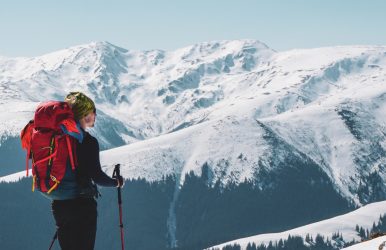
The Everest Base Camp Trek is a gorgeous stroll that a trekker needs to cover. Indulging in this grandiose walk allows you to scrape out some of the nicest sights of your life. It isnot just the views of peaks including Mt. Everest, Ama Dablam, Pumori, and Lhotse. You will be also amazed by the images of the lush woods, clean rivers, glaciers, and quaint hamlets. The trekking on Everest base is the third most famous trekking vacation spot in the world. Apart from nature, this trek also gets you pretty close to the dwelling locations of the Sherpas.  It evokes everyone's emotions to a point where you will get to examine a lot of the deep meanings associated with life. Overall, the Everest Base Trek is well worth doing for many reasons. And here, we have woven together the 5 pleasant reasons that you will enjoy doing a trek at the Everest Base. Hillary Bridge (Nepal’s Highest Suspension Point): Hillary Bridge is the easiest suspension bridge in the Khumbu area and expands on top of the Dudh Kosi River. Keep the final bridge for the second or third day of the Everest Trek rather than opting for an abrupt ascent to the Namche Bazaar street.  The non-secular prayer flags flying all across the bridge offer you spiritual and religious vibes. However, the bridge gives you a distinctive vibe of freedom. NamcheBazaar (Mountain Bazaar) (Sherpa People and their Mountain Lifestyle): Namche Bazaar is widely regarded as the tourism capital and the biggest sherpa agreement in the Khumbu area. The city is actually stunning and offers various rejuvenating vacation spots near Everest. Tourism refers to the primary carrier for people residing in Namche Bazaar.  This city portrays a magnificent glimpse of mountain tops. These include Kongde Ri (6,187 m), Thamserku (6,623 m), and, additionally, the 8,848 m-high Everest. All across the town, you will find several restaurants, cafes, lodges, bakeries, Tibetan handicraft stores, and even museums.  NangkarTshang Hill Standpoint (Hiking Place From Dingboche): After Namche, Dingboche is the area where we take a relaxation and adaptation break. During the day, you can go to NangkarTshang Hill’s viewpoint. A 3-hour hike starts from the Dingboche village, extending to the summit of NangkarTshang Hill. It presents views of Makalu, Lhotse, Mera Peak(Island Peak), and Choopulu. Unparalleled Scenery: If you want to head over to excellent scenery, this is where you should go. Along with Himalayan wasteland thrills, you will get to see dozens of mountains.  A lot of peaks can trip their base camps, too. Furthermore, the way offers picturesque destinations that allow you to take Instagram pictures.  Starting from the first day, trekkers are capable of witnessing colossal snowy peaks. Further, it is, in all likelihood, the sole trekking path where you get the mountain surroundings all through the trip.  Lhotse, Everest, Choyou, and Makalu peaks offer grandeur in the entire area. These peaks are in the top 10 absolute best mountains in the world. Hometown Of Sherpa And Unique Culture: This is the first reason the Everest base camp journey has become more popular. Everest Touring Trails are trails that are completely grounded in Tibetan Sherpa culture. Everest Camp Touring Camp Touring trails is only one touring stint in Nepal, where you'll enjoy the Tibetan Buddhism religion and culture. All the touring routes of the Everest region offer pedestrians the unique culture of the Tibetans, the Tibetan Sherpa culture of Nepal.  Tengboche Friary: Tengboche Friary is another third magnet on the Everest hiking trip. It is located in a 3890-meter-high place. There, you will enjoy a Tibetan Sherpa religious experience and a fantastic panoramic view of the whole Everest region of the Himalayas.  The fabulous Sherpa culture of Everest is a subject of important admiration and alleviation for most people around the world. Similarly, the Base Camp Trek at Everest presents a perfect occasion to enjoy the fabulous culture and tradition of the Sherpa. As a matter of fact, the Sherpa people are known worldwide for their nearly superhuman mountaineering chops. Nearest Views Of Mt. Everest From Kala Pattar: The view of Mt. Everest from Kala Patthar is a rallying point of the Himalayas, especially Mount Everest. Kala Pattar is only one stylish and closed viewpoint of Mt. Everest, which is really beyond the imagination and has superb views. The Himalayan lookouts of Nepal are the country’s biggest draw points. The Everest Camp Trek also doesn't fail in this aspect; therefore, you should definitely consider visiting it once in your lifetime. Religious And Cultural Prolificacy: A lot of Sherpa agreements on the EBC route provide Mani buses, prayer flags, inscribed Mani boulders, Gompas, and Chortens. The inhabitants of this region are known to have migrated somewhere from Tibet 400 years ago. Moreover, they still revive the conventional Tibetan language as well as culture. People belonging to this region are not only simple, gracious, and generous but also strict followers of Buddhism.  The Pangboche and Tengboche Gompas are two of the most primitive gompas, each with its own history and significance. The former bone belongs to the biggest gompa of the Khumbu region. It is encompassed by Nuptse, Tawache, Lhotse, Thamserku, and Ama Dablam. These are joints for the Festival, Mani Rimdu. The festival is the longest and takes place from October to November. The concept goes after the bone, which was said to have the genuine Yeti’s crown and hand. However, it just has a replica only. Furthermore, the Tengboche Gompa( friary), Pangboche Gompa, and multitudinous cloisters represent the artistic and architectural productivity of this region. The Sagarmatha National Park: This magnificent demesne, which was added to the UNESCO World Heritage List in 1979, is a biodiversity mecca. Rich in foliage and fauna, Sagarmatha National Park is home to rare species of creatures like snow leopards and black-and-white pandas. It also has hares, jackals, wolves, and numerous others. It is further home to around 200 species of catcalls, some rare, some common. However, all call the thick timbers of this demesne home. The demesne has numerous touring trails within it. It also introduces you to the unique culture of the mountain communities. These communities live within its borders in complete harmony with their surroundings. Everest Base Camp (The Ultimate Peak): Let’s admit it! We have been waiting for this site for so long. 5300m is the elevation of Everest Base Camp, which is the closest to hiking. However, being closer to Mt. Everest, this camping point is prone to natural disasters. Once you are done hiking at the base camp, you will see a magical kingdom full of pebbles, rocks, and snow. This gives trekkers a sigh of relief and success.  The entire Everest Camp location is full of colorful prayer flags, a never-ending valley, and skyscraper-high snow peaks. Also, how can we forget the stunning Khumbu Glacier Icefall, which is a popular touchdown spot for all camp helicopter tours? Begin The Journey To Mount Everest Beginning the epic journey to Mt. Everest is a once-in-a-lifetime memory and experience. So, every step leaves an indelible mark on the hearts of those who dare to complete this extraordinary path. From the vistas of snow-capped peaks and cultural diversity in Sherpa Village to the accomplishment of reaching Everest Camp!  Apart from these reasons, there are several other factors that would compel you to do the trek. Other reasons that might captivate you are suspension bridges, waterfalls, moraines, glacial rivers, and glaciers. Learn More Also: Trekking Kilimanjaro & Salkantay Top 5 Unexplored Treks In Himachal Life Is Enjoyable: Incorporate 7 Best Unique Treks In The World