
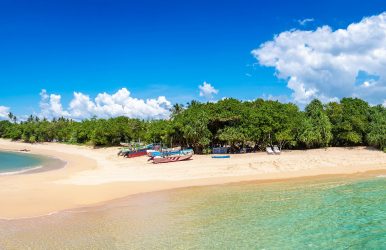
Why Is Hambantota Famous For? Beaches And The Best Places To Visit In Hambantota

Hambantota is in the news these days for the launch of Phase II of the flagship human-elephant conflict initiative, Save Ali Pancha. 

This is a partnership between the Hambantota International Port (HIP), the Wildlife and Nature Protection Society of Sri Lanka (WNPS), and the Department of Wildlife Conservation (DWC). 

The China Merchants Foundation (CMF) has funded the new phase of the project. Also, it will support the rehabilitation of the orphaned elephants in the Elephant Transit Home (ETH) of the Udawalawe National Park. 

However, on the southern coast of Sri Lanka, Hambantota, in the truest sense, is the place where nature, age-old heritage, and modern amenities meet. 

In this article, I will share my experience in Hambantota with a special focus on its top attractions and things to do. 

Where Is Hambantota?

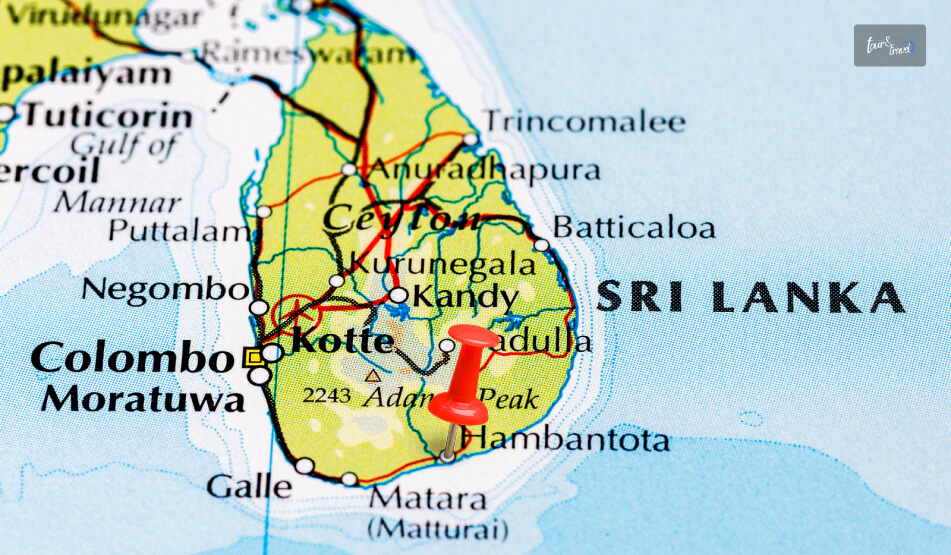
Where Is Hambantota

Hambantota is on the southeastern coast of Sri Lanka. It has a semi-arid coastal climate and scorching summers.  

Furthermore, it is at a distance of around 240 km from Colombo. 

Also, the deep maritime port of Hambantota, along the major shipping route, is between the Suez Canal and the Malacca Straits. 

How To Reach Hambantota?

How To Reach Hambantota

Hambantota is well-connected to the rest of Sri Lanka through the Beliatta Railway Station and Weerawila International Airport.

The Beliatta Railway Station is at a distance of 35 km, and the airport is just 20 km away. 

You can even fly to Dickwella or Koggala airstrips from different parts of Sri Lanka and then travel the distance by road. 

Nevertheless, here is how you can travel to Hambantota from Colombo. 

1. Colombo To Hambantota By Air

You can take a flight to Weerawila International Airport from the Colombo Bandaranaike International Airport (CMB). 

Cinnamon Air is the main operator on this route, and the travel time is around 1 hour and 30 minutes. Moreover, the ticket price is between LKR 15000 and 130000 based on the season and time of the flight booking. 

From the Weerawila International Airport, you have to take a private car or taxi to Hambantota. The travel time is around 30 minutes, and the cost is around LKR 2500. 

2. Colombo To Hambantota By Train

The 8056 Express Train runs directly from Colombo to Hambantota. 

The train leaves the Colombo Fort Railway Station at 2:40 PM and reaches the Beliatta Railway Station at 6:47 PM. 

Also, the ticket price for this train ride is LKR 1600. 

3. By Bus And Taxi

The National Transport Commission (NTC) of Sri Lanka runs buses from Colombo Bastian Mawatha Bus Terminal to Embilipitiya. 

The normal bus fare on this route is LKR 333, and the semi-luxury bus ticket costs LKR 416. 

Buses are available every 20 minutes, and the travel time is around 5 hours and 5 minutes. 

Furthermore, from Embilipitiya, you can take a taxi or a pre-booked cab to Hambantota. The travel time will be around 45 minutes, and the travel cost will be around LKR 1600 to 2000. 

4. Colombo To Hambantota Via Matara

This mode of transportation involves two stretches of bus journeys and 1 stretch of taxi/cab ride. 

The first stretch is the Colombo Fort to Hambantota bus ride. 

The NTC bus ride takes around 2 hours and 35 minutes, and the ticket price is LKR 315 for normal services, LKR 393 for semi-luxury buses, and LKR 525 for luxury buses.

Then, from Matara, you can take a Sri Lanka Transport Board (SLTB ICT) bus to reach Tangalle in around 40 minutes. 

Finally, from Tangalle, you can take a taxi to reach Hambantota within 1 hour. The cost will be around LKR 4500.  

Why Is Hambantota Famous?

Hambantota, with an ancient maritime history, has always been hailed for its strategic location. 

Even today, it is an important geopolitical flashpoint due to its location near the busiest East-west shipping lanes. 

However, with its routes going back to the ancient Kingdom of Ruhuna, Hambantota is more than a maritime hotspot. 

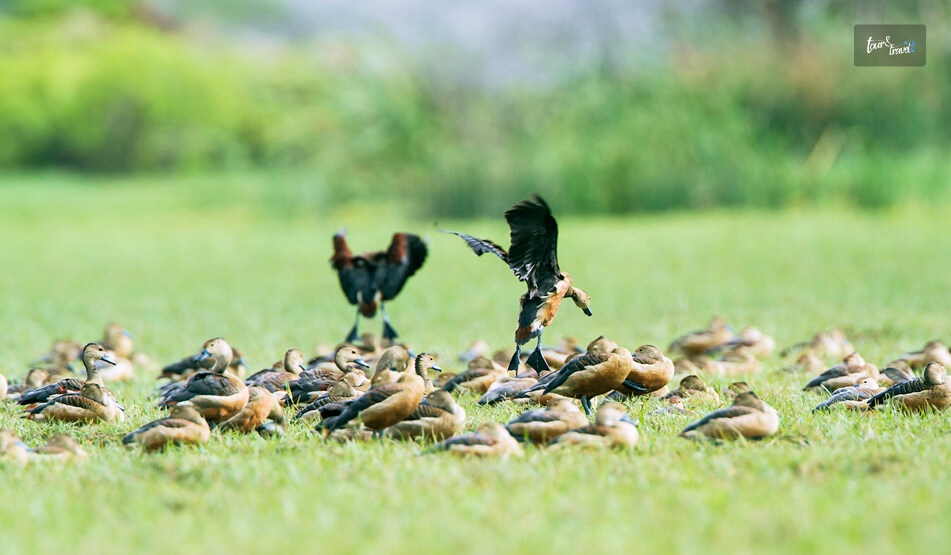
It is also known for its rich biodiversity with the Bundala National Park, Ridiyagama Safari Park, Birds Research Centre and Resort, etc. 

On the other hand, it is home to the Mahinda Rajapaksha International Cricket Stadium, one of the most celebrated international cricket venues in the world. 

So, here are the details you need to know. 

1. Bundala National Park

Bundala National Park

This UNESCO biosphere reserve protects over 200 bird species alongside elephants and crocodiles. It features vast wetlands and coastal lagoons.

  • Hours: 6:00 AM – 6:00 PM.
  • Fees: 3,000 LKR per person, plus 5,000 LKR per jeep.

2. Ridiyagama Safari Park

Spanning 500 acres, this open-concept park allows visitors to see global wildlife like lions and giraffes via bus tours.

  • Hours: 8:30 AM – 5:00 PM.
  • Fees: 1,000 LKR per person, plus 300 LKR per bus or 200 LKR per bike.

3. Birds Research Centre And Resort

An eco-friendly conservation site offering guided walks and boat rides to observe regional avian species like eagles and peacocks.

  • Hours: 7:00 AM – 7:00 PM.
  • Fees: 1,000 LKR per person, plus 2,000 LKR per boat ride.

4. Mirijjawila Botanic Garden

This expansive 300-acre garden showcases the rich plant diversity of Sri Lanka, including specialized herbal and spice sectors.

  • Hours: 7:30 AM – 5:00 PM.
  • Fees: 500 LKR per person, plus 100 LKR per bike.

5. Agro Technology Park

A unique venue displaying modern agricultural innovations like hydroponics and solar energy, complete with product tastings and workshops.

  • Hours: 8:00 AM – 4:00 PM.
  • Fees: 500 LKR per person, plus 1,000 LKR per workshop.

6. Walawe River Safari

A scenic two-hour boat ride providing close encounters with river crocodiles, water birds, and traditional local fishing villages.

  • Hours: 6:00 AM – 6:00 PM.
  • Fees: around 5,000 LKR per boat.

7. Mulkirigala Rock Temple

Perched on a high rock, this ancient complex features seven cave temples, historic murals, and a giant reclining Buddha.

  • Hours: 6:00 AM – 6:00 PM.
  • Fees: 500 LKR per person.

8. Ramba Viharaya

Dating to the 2nd century BC, this historic temple complex holds an ancient stupa, secluded caves, and an artifact museum.

  • Hours: 6:00 AM – 6:00 PM.
  • Fees: 500 LKR per person.

9. Ussangoda National Park

Known for its distinctive red soil and coastal cliffs, this park provides archaeological ruins and stunning panoramic sunset ocean views.

  • Hours: 6:00 AM – 6:00 PM.
  • Fees: 500 LKR per person, plus 100 LKR per bike.

10. Dry Zone Botanic Gardens

A 300-acre sanctuary showcasing dry-zone flora, including cacti, succulents, and medicinal plants, alongside a dedicated orchid house.

  • Hours: 7:30 AM – 5:00 PM.
  • Fees: 500 LKR per person, plus 100 LKR per bike.

11. Mahapelessa Hot Springs

Natural thermal springs renowned for their traditional healing properties, nestled within a relaxing landscape surrounded by local vendor stalls.

  • Hours: 6:00 AM – 6:00 PM.
  • Fees: 100 LKR per person.

12. Mahinda Rajapaksha International Cricket Stadium

With a capacity to accommodate 35000 spectators, the Mahinda Rajapaksha International Cricket Stadium is the second-largest cricket venue in the country. 

It was built during the Cricket World Cup of 2011. Also, on non-match days, the ground remains open from 9 AM to 5 PM. 

Moreover, on match days, the ticket price is around LKR 350 to 1500+. 

What Are The Things To Do In Hambantota?

Along with exploring the top attractions that I have mentioned previously, Hambantota is also famous for bathing and unwinding in its Mahapelessa or Madunagala Hot Springs. 

You can even have the basic wildlife experience with the Walawe River Safari. You will spot various schools of fish, crocodiles, and birdlife surrounded by dense mangroves here. 

So, planning the itinerary for Hambantota can be very overwhelming. Here is an itinerary of the things to do in Hambantota if you are planning a visit for 4 days. 

Day 1: Exploring Birds And Coastal Landscapes (East Hambantota)

Time
ActivityLocationLogistics and Cost Details
06:00 AM – 09:30 AMMorning Bird SafariBundala National ParkBest for spotting elephants and flamingos. Cost: 3,000 LKR per person + 5,000 LKR per jeep.
10:00 AM – 12:30 PMEco Walks and ConservationBirds Research Centre & ResortStroll the grounds or opt for a lake tour. Cost: 1,000 LKR per person (+ 2,000 LKR for optional boat ride).
12:30 PM – 02:00 PMLunch BreakHambantota Town / CoastStop at a local eatery for fresh seafood or rice and curry.
02:30 PM – 04:30 PMBotanical WalkMirijjawila Botanic GardenExplore the 300-acre herbal and spice sectors. Cost: 500 LKR per person.
05:00 PM – 06:15 PMRed Cliffs SunsetUssangoda National ParkCatch panoramic ocean views over the unique red soil. Cost: 500 LKR per person.

Day 2: Safaris And Botanical Exploration (North-West Hambantota)

TimeActivityLocationLogistics and Cost Details 
8:30 AM to 11:30 AMOpen-Air Wildlife SafariRidiyagama Safari ParkArrive early when lions and giraffes are active. Cost: 1,000 LKR per person + 300 LKR for the safari bus.
12 PM to 1:30 PMLunch and Modern FarmingAgro Technology ParkTour hydroponics setups and sample local farm products. Cost: 500 LKR per person
2 PM to 4 PMCacti and Orchids TourDry Zone Botanic GardensView the dry-zone plant collections. Note: Shares the same footprint as Mirijjawila. Cost: 500 LKR per person.
4:30 PM to 5:30 PMSports Venue TourMahinda Rajapaksha StadiumWalk through the historic 2011 World Cup cricket stadium. Cost: Free entry on non-match days.

Day 3: River Safaris And Thermal Springs (Walawe River Area)

TimeActivityLocationLogistics and Cost Details
8 AM to 10 AMExploring the Mangrove and River Boat RideWalawe River SafariCruise through mangroves to spot crocodiles and water birds. Cost: ~5,000 LKR flat rate per boat.
10:30 AM to 12:30 PMThermal Bathing and RelaxationMahapelessa Hot SpringsSoak in the therapeutic, natural hot water springs. Cost: 100 LKR per person.
12:30 PM to 2:00 PMLocal LunchAmbalantota AreaTry traditional snacks from the vendor stalls near the springs.
02:30 PM to 5 PMExploring Ancient Monastic RuinsRamba ViharayaExplore the 2nd-century BC stupa, caves, and on-site museum. Cost: 500 LKR per person.

Day 4: Heritage And Rock Temples (Inland Cultural Day)

Time ActivityLocationLogistics and Cost Details
08:00 AM – 11:00 AMCave Temples ExplorationMulkirigala Rock TempleClimb the rock to view 7 ancient caves and historic murals. Cost: 500 LKR per person.
12:00 PM – 01:30 PMFinal LunchHambantota TownRelax over a long lunch to wrap up your trip.
02:00 PM OnwardsSouvenir Shopping and DepartureHambantota TownPick up local curd (Meekiri) and treacle before heading out.

Where To Stay In Hambantota?

Hambantota has many luxury resorts and spas. However, if you want the most authentic experience, you can stay in Hotel Bundala Park and the Birds Research Centre and Resort. 

Hotel Bundala Park is located near the Bundala National Park, and the tariff is LKR 5000pery day. 

Birds Research Centre and Resort is another eco-friendly accommodation with a tariff of LKR 3000 per night.

Read Also:

Share on Social Media

Sibashree is a travel, culture, and leisure writer who has been writing since the age of 12 and professionally since 2014. With more than a decade of travel writing experience and journeys across India and several parts of the world, she brings a deeply personal and thoughtful perspective to her work. A student of English Literature and Mass Communication, Sibashree has always viewed travel as more than movement — for her, it has been a way of understanding people, cultures, and herself. Her passion for spiritual exploration has also led her to many unusual and meaningful destinations over the years. Outside of writing, Sibashree enjoys watching European cinema, reading about global politics, and reflecting on the stories hidden within everyday places.

Leave a Reply

Your email address will not be published. Required fields are marked *

title-img Related

READ MORE Kumana National Park Safari

Kumana National Park Safari Price And Experience: Things I Encountered And Loved

BY  Sibashree Jun 15, 2026

Amidst the concerns of poaching and irregularities, Kumana National Park remains one of the hotspots for wildlife encounters in Sri Lanka.  During my days in Sri Lanka, I had already done the Hurulu Eco Park Safari, a safari in the Kaudulla National Park, and the Kumana National Park was the third place I chose for a safari, where I had delightful encounters with elephants.  Though the park offers various jeep safaris, wildlife tours, and birdwatching tours, I planned it in a different way. I opted for a wildlife ride from Arugam Bay to Kumana National Park instead of taking a safari tour inside.  I took a DIY route and rented a scooter for a day, and started from Arugam Bay, which was just 50 minutes away.  The rental charge was around LKR 2000, and I chose it to make my experience of meeting these amazing animals in their natural habitat more memorable.  And in this article, I will share the adrenaline rush I had at Kumana National Park, the Kumana National Park safari prices, and more.  However, let’s start with where the Kumana National Park is. Where Is Kumana National Park? The southeastern part of Sri Lanka has many gems, and Kumana National Park is surely one of them.  Around 50 km away from Arugam Bay, it shares a contiguous border with the Yala National Park, and the beautiful Kumbukkan Oya river separates it.  In addition, it is located at a distance of around 391 km from Colombo via Panama.  Thanks to its location, the Kumana National Park is also known as Yala East. It offers a more peaceful safari experience than neighboring Yala and other destinations, as it gets fewer vehicles.  Also, it has lagoons, dense mangrove forests, and the central Kumana Villu swamp.  Moreover, along with elephants, deer, leopards, and crocodiles, the Kumana National Park also has birds of different species.  In fact, it is a premier destination for bird watching with the presence of migratory waterfowl, painted storks, and black-necked storks. My Experience Of The Kumana National Park Safari Let me tell you, you will not be able to get inside the Kumana National Park on a scooter. If you want a proper safari inside the park, you will have to be a part of the jeep tours.  The Ride With my scooter plan sorted, I rode south of Arugam Nay and rode for ten kilometers, leading to the Kumana park entrance.  It is an extension of the park, and it took around 1 hour to ride through the park stretch.  Now, as soon as I left Arugam Bay, I started noticing elephants, and there was a complete herd near the Elephant Rock. They were busy among themselves in an open field.  However, the scooter ride became more adventurous after I passed through Panama. The dirt roads start from here, and you feel that you are away from the bustling surfing town of Arugama Bay.  Then, the small roads took twists and turns, and they passed through wetlands and fields just outside the Kumana National Park. Here, I could spot many wildlife variations, including water buffalo and deer.  The Visitor Center And The Kudumbigala Monastery Next, I stopped at the visitor center at the park entrance and spent around 20 minutes there learning about the park and the wildlife there.  I continued my journey to the nearby Kudumbigala Monastery, which was built in 246 BC and is a magnificent Buddhist hermitage spanning across 600 acres.  King Devanampiyatissa, the first Buddhist king of Sri Lanka, built it.  Kumana National Park Jeep Safaris You have many options if you are planning a Kumana National Park jeep safari. Have a look at the table below to know the Kumana National Park jeep safari details.  Types of Kumana National Park Jeep Safaris Kumana National Park Jeep Safari PriceMorning Jeep Safari $71 USD OnwardAfternoon Jeep Safari $71 USD OnwardFull-Day Kumana National Park Safari with Rice and Curry Lunch$97 USD OnwardKumana National Park and Panama Village$76 USD Onward What Is The Best Time For A Kumana National Park Safari?  Late afternoon is the best time to spot an elephant at Kumana National Park. This is the time when these adorable animals gather near water.  I also saw two crocodiles gliding into the water.  I even had a very close encounter with an adult elephant, and honestly, I was scared a little. However, the mother elephant was unbothered, and she passed by showing her regal moves.  And also, I saw a peacock with all its feathers spread out. It was a lifetime experience for me.  Furthermore, seasonwise, April to June, or the dry season in the eastern region, is the best time for a Kumana National Park jeep safari.  These months are also ideal for being the nesting season of the local and migratory waterbirds in the Kumana Villu swamp.  So, in these months, you can spot egrets, herons, ibises, pelicans, and painted storks.  Where To Stay Near The Kumana National Park?  Panama is at a distance of 22 km. Arugam Bay. It is also located around 50 km away. So, these two are the best places to stay if you are planning a visit to the Kumana National Park.  However, do you want the most immersive experience? You can plan a stay in the Kumana Mobile Tented Camp inside the Kumana National Park.  Here, you will stay in simple canvas tents, and the amenities will be basic. You will get facilities such as a portable loo outside the camp and a fresh water supply for bathing.  For me, the biggest attraction in the camp was the communal area. Everyone could sit there and have their food. Furthermore, here you can find the best collection of wildlife books.  In addition, this camp offers excursions to hidden spots, pristine lagoons, and amazing viewpoints on a bicycle.  I chose the camp location close to the ocean. Also, if you want, you can also find a camp closer to the jungle.  However, this is quite an expensive affair, and the tariff was around $330 for a night.

READ MORE

Where To Stay In Kandy With Family? A Practical Guide For Accommodation In Kandy

BY  Sibashree Jun 1, 2026

Kandy is the City of Kings in Sri Lanka, and it is undisputedly the cultural capital of Sri Lanka.  It has amazing green hills, and the vibrant destination here serves as the spiritual heart of the island.  Furthermore, it is home to the Temple of the Sacred Tooth Relic, the most revered Buddhist shrine in Sri Lanka. It has a sacred tooth portion of Lord Buddha.  Along with this cultural richness and its spiritual vibe, Kandy also stands out with a sensory experience of delightful chaos.  It has bustling markets, aromatic local eateries, and historical colonial architecture, and of course, the picturesque Kandy Lake.  So, naturally, Kandy was a major stop on my trip to Sri Lanka. Finding the right accommodation here is crucial to enjoying the endless things to do in Kandy.  The right accommodation helps you to soak in the tranquil beauty of the hill country and the high energy of the city together.  So, here is a guide on where to stay in Kandy.  Where To Stay In Kandy? An Overview Of Kandy Hotel  Before I discuss the specific neighborhoods to stay in Kandy, let me share a quick overview of the best accommodation options. CategoryAccommodation ChoiceBest Luxury StayW15 Hanthana EstateBest Mid-Range StayHeritage Boutique Best Budget StayHelga’s FollyHow to Get AroundWalking and Local Tuk-TuksBest Time to Visit KandyJanuary to April (Dry Season) What Are The Best Places To Stay In Kandy? (Know The Best Areas) Kandy has a mountainous terrain and winding roads. The accommodations here are spread across distinct zones.  So, you have to choose a locality that will help in shaping your experience.  Downtown Kandy Area If you want to immerse yourself in the authentic pulse of Kandy, you must find an accommodation in Downtown Kandy.  You can listen to the cacophony of sights and sounds. It has British colonial facades mixed with bustling commercial markets.  Pros and cons of finding a place to stay in Downtown Kandy.  ProsCons- Kandy allows you to explore the Tooth Relic, Kandy Lake, and traditional Kandyan dance halls.- Furthermore, the central train and bus stations in Kandy make exploring various parts of the country enjoyable. - Loud- Congested- Hectic The best place to stay in Kandy is Heritage Boutique.  The Kandy Hills  High above the valley floor, the Kandy Hills offer an escape from the chaos of Kandy Downtown.  It has misty mornings, sweeping forest views, and cool breezes. Furthermore, it has the most premium boutique hotels.  ProsCons- Quiet- Peaceful- Scenic- Perfect for Unwinding- Steep Terrain- Dependency on Tuk-Tuks for Transit  W15 Hanthana Estate, Helga’s Folly, 36 Bed & Breakfast are the best recommendations for accommodations in the Kandy Hill area.  Kandy Lake Area Kandy Lake is an ideal middle ground in Kandy. It offers a peaceful buffer zone with quick access to the historic core of the cultural hub of Kandy.  ProsCons- Scenic Walking Paths- Close to the Central Sights and Major Shrines. - Properties Close to the Lake Get Filled up Quickly.  The Ru Boutique Hotel is one of the best places to stay in the Kandy Lake area.  Northern Kandy Area Northern Kandy stretches toward the banks of the Mahaweli River.  The Mahaweli River is the longest waterway of Sri Lanka, and Northern Kandy is an affluent and sprawling neighborhood of Kandy.  Moreover, here are the pros and cons of finding an accommodation in Northern Kandy.  ProsCons- Home to expansive, high-end resorts.- It offers you insights into the way of slow living in Kandy. - Visually Isolated from the Town.  Taru Villas Kandy and Mahaweli Reach are some of the best accommodations in Northern Kandy.  What Are The Best Places To Stay In Kandy? (Know The Accommodations)  Here are some of the best places to stay in Kandy when you are visiting with your family.  1. Helga’s Folly: The Most Budget-Friendly Accommodation Helga’s Folly won my heart instantly with its whimsical Sri Lankan artwork. It has been the childhood home of high-society owner Helga de Silva Blow Perera.  Furthermore, it has hosted the names such as Mahatma Gandhi and Gregory Peck.  The garden here looks like a dreamscape. However, the actual amazement awaits in the interior.  It has 35 rooms where you will find family portraits, vivid murals, and dripping candles.  Overall, this accommodation is intriguing, and I loved it for its aesthetics and its unhinged nature.  W15 Hanthana Estate Kandy: The Best Luxury Accommodation In Kandy W15 Hanthana Estate is on a historic tea plantation in the Hanthana Hills. It has nine bedrooms and unmatched colonial luxury.  Furthermore, the meticulous restoration work here has also made the accommodation score quite high on amenities.  Also, if you choose to stay here, you will get a personal butler to attend to your requirements.  Moreover, it has perfectly manicured lawns, and from here, you can enjoy amazing views of the Knuckles Range.  In addition, it offers the ultimate vintage experience in which you can enjoy a ride in an open-top vintage Land Rover Defender and explore the rugged hillside.  Heritage Boutique: The Best Mid-Range Stay In Kandy  You can take a short walk from the Temple of the Sacred Tooth Relic to reach Heritage Boutique.  It has four stately and royally themed rooms. Furthermore, this accommodation focuses highly on personalized experiences.  So, it is the ultimate accommodation in urban areas.  Practical Tips For Your Trip To Kandy If you want to make the most of your time in Kandy, the cultural capital of Sri Lanka, keep these practical things in mind.  The most beautiful mode of transport from Colombo Fort to Kandy is via train.  Once you reach the city, you can take a tuk-tuk or use local ride-hailing apps to explore different areas.  Furthermore, cover your shoulders and knees when visiting the Temple of the Tooth Relic. You will also need to remove your shoes before entering the temple complex. Overall, be respectful to the cultural heritage and Buddhist traditions of Kandy to enjoy a seamless experience.

READ MORE Jaffna Cultural Guide

A Jaffna Cultural Guide: How To Experience Tamil Culture In Jaffna? 

BY  Sibashree Jan 6, 2026

With the Sri Lanka Tourism Development Authority (SLTDA) planning to diversify the tourism offerings, Jaffna, the northernmost part, comes into the limelight. Jaffna is the place to know about the local Tamil culture and heritage of the country.  Jaffna has beautiful temples, and the Jaffna temple etiquette shows how the people here are sincere about their customs and traditions. Also, major festivals such as the Nallur Annual Festival are celebrated around the temples here.  On the other hand, the Jaffna food scene is a celebration of locally-sourced ingredients such as fresh seafood, palm flour, and roasted spices.  SLTDA is proactively improving the infrastructure without compromising the sustainability aspect. Thus, in 2026, Jaffna is going to emerge as an eco-tourism leader, which promotes its culture and heritage.  Also, during my last visit, I found Jaffna to be a rhythm. I woke up with the sound of temple bells at 5 AM and the smell of jasmine and roasted curry powder. As I crossed the Elephant Pass, it was a paradigm shift from the greens of the Sinhalese South. Suddenly, I was in a sun-drenched, rugged terrain of palmyrah palms and limestone.  The humble and soft curves of the Buddhist Stupas were replaced by the towering Gopurams of the Hindu temples.  Life moves at a gentle pace here, and everyone works together, keeping a century-old tradition and heritage alive.  In this Tour and Travel Blog, I will talk about how to experience Tamil culture in Jaffna, every day, through festivals, temple visits, and more.  How To Experience Tamil Culture In Jaffna? Reading The Streets And Daily Rituals  Taking a walk down the streets of Jaffna is the best way to learn about the local Tamil culture. And the best part is the inclusivity.  It does not matter the social strata you belong to. The customs, festivals, and temples are accessible to all. Nevertheless, these are the daily rituals and road customs that offer insights into the culture of Jaffna. 1. The Kolam (Doorstep Art) I walked along the lanes of Jaffna at dawn and saw women sweeping their doorsteps and drawing intricate geometric patterns with white rice flour. It is called the Kolam.  Kolam has deeper spiritual and environmental implications. Kolam at the doorstep is a gesture of non-violence or Ahimsa. Also, the design is made using rice flour, which ants and birds eat. Thus, the first act of the day becomes about giving.  Furthermore, during a special festival or wedding in the house, the white lines are bordered with Kaavi (red brick powder). The red lines offer spiritual protection from evil eyes.  Also, if you see a house with no Kolam for many days, it means that the family is mourning. It signifies that the rhythm of joy has paused for a certain period for the family. 2. The Pottu And Vibuthi (Forehead Markings) Pottu and Vibuthi are two different types of forehead markings, and these are the visual language of faith. a. Vibuthi (The Ash) Vibuthi means three horizontal lines drawn on the foreheads of the devotees of Shiva. It means the burning away of the ego and the impermanence of life.  Also, the followers of Lord Shiva often smear ash on their forehead after a morning temple visit.  b. The Sandalwood Paste It is a yellow dot made of sandalwood paste. Many people even smear the sandalwood paste on the entire forehead. It signifies mental clarity and cooling. c. Pottu (The Dot) Pottu, often red (vermillion), the dot symbolizes the "third eye" or the seat of Shakti (divine power). It means that a woman is married.  You will also notice black dots (with Kajal/Kohl) on the forehead of young children as a mark to ward off evil eyes.  3. The Home Visit Etiquette And Tamil Hospitality Customs The Tamil hospitality customs are warm and welcoming. However, when you visit a Jaffna home, you have to follow certain social norms.  Follow The Evil Eye Or Drishti Rule  You cannot praise the beauty and health of a child excessively when visiting their home. It is considered a bad omen or an act of jealousy. If you want to adore a child, praise them briefly and share your good wishes.  The Plate Rule Of Eating  It does not matter how much you liked the food. You cannot polish your plate. Contrary to Western culture, here, leaving a polished plate means that you are still hungry or the host failed to provide enough.  The custom is to leave a tiny, symbolic amount of food on the plate. It shows that you have been provided with an abundant amount of food. 4. Caste & Conservatism: Managing Expectations In my Jaffna travel guide, I have talked about the cultural richness of the Sri Lankan northern city. However, beyond the cosmopolitan buzz of Colombo, a socially conservative vibe reigns in this region of Sri Lanka.  So, PDA or public displays of affection, even holding hands, can draw uncomfortable stares from the older generation.  Furthermore, you cannot wear short skirts or shorts in public. Your clothing has to be modest, and usually your knees and shoulders should be covered.  Temple Culture Beyond Sightseeing: A Jaffna Cultural Guide The Nallur Kandaswamy Kovil is the majestic spiritual and cultural heart of the city. However, the village kovils or the smaller temples are the places where local communities gather, and the atmosphere is very intimate.  The Archana Basket Ritual At The Temples  You can buy a small wicker basket near the temple entrance. It contains bananas, a coconut, flowers, and betel leaves.  Once you enter the temple, you have to hand it over to the priest at the inner sanctum. He will offer the basket to the deity and chant a blessing.  Furthermore, the priest will return with a flaming lamp (Aarti). Hover your hands over the flame and then touch your eyes to receive the light’s blessing. The Temple Sound: Nadaswaram And Thavil When you are in Jaffna, you don’t have to look for music. The music will find you. The sound of Nadaswaram or a long wind instrument exudes a piercing and soulful melody.  Then, the Thavil or drum has a thundering sound, and it is heard during every major temple festival. Nallur Festival Traditions And Jaffna Festival Calendar FestivalMonthWhat to ExpectThai PongalJanuaryA harvest festival where "Pongal" (rice and milk) is boiled until it spills over, symbolizing abundance.Nallur FestivalAugustA massive 25-day celebration culminating in a grand chariot procession where thousands of men pull the deity's carriage.DeepavaliNovemberThe Festival of Lights; homes have oil lamps, and the city exudes the scent of traditional sweets. Immersive Cultural Experiences For an immersive cultural experience, you must meet a traditional weaver in Inuvil and see how artisans create the most intricate textiles on hand-operated looms from cotton and palmyrah fibers.  Also, you must give the restaurants a miss for the day. Visit a local homestay where you can have cooking lessons. Grind spices using a stone grinder or Miris Gala and feel the aroma.  Do you love Bharatanatyam Dance? Visit an art school like the Jaffna Kalai Thoothu. You can watch students rehearse this ancient, highly disciplined classical dance form. You can even join sessions such as the Vibrant Rhythms of Jaffna, where you can also try some moves.  The Authority Voices On The Jaffna Cultural Guide Anuk Arudpragasam (Booker Prize Shortlisted Author): “Jaffna is a place of memory. The culture here isn't just performed; it is held onto tightly as a way of surviving history.” (Context: Discussing the resilience of Tamil culture post-war). The "Jaffna Boy" (Local Cultural Blogger): “To know Jaffna, you must wake up before the sun. The culture lives in the sweeping of the front yard and the drawing of the Kolam before the heat sets in.” Serious Eats (Culinary Authority): “The hospitality in Jaffna is aggressive in the best way possible. You do not just 'eat' here; you are fed.” A Jaffna Cultural Guide: Know The Expert Tips  “Saptingala” or “Have you eaten?” This is the common term I have heard from the locals I encountered. Seldom have I come across a city where people are so caring, even in casual greetings.  However, it’s safe to say “Yes.” Otherwise, they will feel obligated to feed you. Apart from these gestures, some other things you need to keep in mind when you are in Jaffna. 1. Don’t Touch The Head The head is the most sacred part of the body. So, you cannot pat a child on the head. Furthermore, you cannot touch a priest or monk randomly.  2. Use Your Clean Right Hand  You have to keep your right hand clean. You must use your right hand for shaking hands, eating, giving money and gifts, and pointing.  3. Men And Shirts  You will often find older men not wearing a shirt in their house. There is nothing offensive about the custom. In the hot and humid north, it is a tradition that ensures comfort.  4. Don’t Photograph Women Bathing In Holy Places Keerimalai Springs is a holy bathing place, and local women often take a bath in sarees at public wells. You must not photograph them.  It is a daily ritual for them and not meant for any tourist show.  5. The Quintessential Jaffna Siesta  Most shops and house doors are closed between 1 PM and 4 PM. It is the Jaffna Siesta time. It once again shows how life in Jaffna moves at a different pace than the rest of the world.  6. Gold Is Security  Women in Jaffna roam around wearing massive amounts of gold jewelry. It is their financial security. Also, Thattam or the gold coin jewelry is especially famous here.  It is disrespectful if you ask a woman whether the ornaments she is wearing are real or not. It is always real.  7. The Jasmine Rule  During my stay in Jaffna, I always wore a string of fresh jasmine flowers in my hair. It was one of the reasons why I connected with the local people very quickly.  A Jaffna Cultural Guide: Frequently Asked Questions (FAQs) Here are the frequently asked questions and answers about the Jaffna cultural guide.  1. What Is The Main Religion In Jaffna?  Hinduism is the main religion in Jaffna. Furthermore, people here are mostly devotees of Lord Shiva and Murugan. The religious beliefs of the people here impact the local culture, food, and daily rhythm. 2. Can I Shake Hands With Local Women? The Jaffna society is conservative. So, most women here will not be comfortable shaking hands with you at the first meeting. You can fold your hands and say “Vanakkam” with a smile for a perfect greeting.  3. What Language Do The People In Jaffna Speak? Tamil is the primary language in Jaffna. People here rarely speak the Sinhalese language.Furthermore, you will find people speaking in English in hotels and other facilities. However, as you explore the villages, you will find very few people speaking English.  4. Is Jaffna Culture Similar To India?  Yes, the culture of Jaffna is very similar to that of Tamil Nadu in South India. In fact, if you visit Jaffna from Colombo, you will experience a huge cultural shift. The Tamil people in Jaffna are very protective and proud of their distinct identity, cuisine, and dialect.  5. Can I Enter A Home In Jaffna If I Am Invited? Yes, it is a huge honor to visit a home in Jaffna on invitation. Just remember to take off your shoes at the gate or door. Furthermore, when you visit a home in Jaffna, you can carry flowers and sweets as gifts. You must not carry alcohol as a gift if you are visiting a home in Jaffna for the first time. 6. Why Is Vegetarian Food So Common In Jaffna?  Vegetarian food is very common in Jaffna due to the strong Hindu influence. Many locals are vegetarians here due to religious beliefs. Also, many local Tamil families here follow the custom of eating vegetarian food on Tuesdays, Fridays, and other holy days. 7. Is It Rude To Leave Food On My Plate In Jaffna? No, it is not rude to leave food on your plate when you are eating in Jaffna. In fact, when you leave a little amount of food on your plate, in Jaffna, it means that the host has served you an abundant amount of food. If you polish your plate off completely, the host may serve you another mountain of rice, considering you are not full yet.